Explore
124 destinations · Filter or browse the map
87 destinations found · Showing April scores
5/5 — Peak — go now👶 3/5
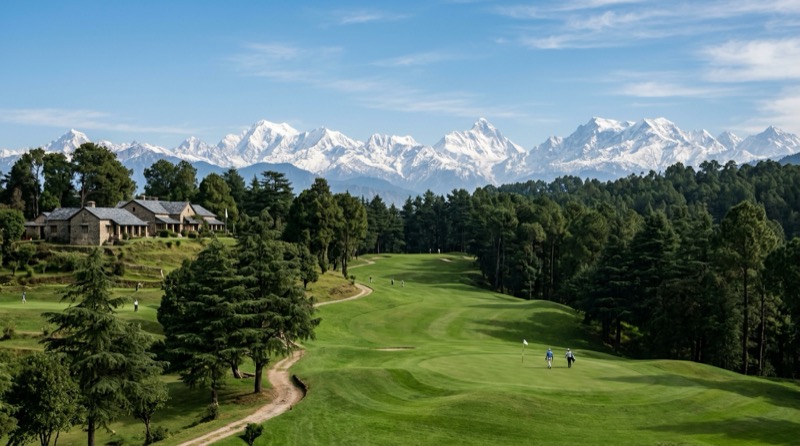
Almora & Ranikhet
Kumaon heritage towns where the cosmic energy at Kasar Devi attracted hippies before Goa did.
Uttarakhand·easy·1,638m
JD
heritagespiritualoffbeat
🚗 hatchback OK👨👩👧 easy family base — quiet hill stations
Perfect 12-25°C. Rhododendrons in full bloom paint hillsides red. Best trekking month. Clear skies, green valleys, low humidity.
5/5 — Peak — go now👶 4/5
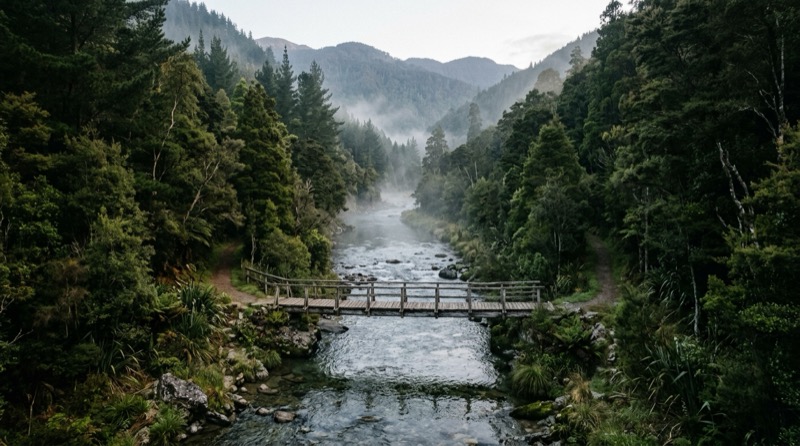
Barot Valley
The valley that Google Maps forgot — no ATM, no hospital, no Mall Road, just the Uhl river and you.
Himachal Pradesh·easy·1,820m
JD
offbeatquietriver
🚗 hatchback OK — narrow roads but paved👨👩👧 easy family base — peaceful valley
Perfect 10-22°C. Valley lush green. All trails accessible. Uhl River ideal for fishing. Nargu Wildlife Sanctuary trails open. Quiet, uncrowded.
5/5 — Peak — go now👶 3/5
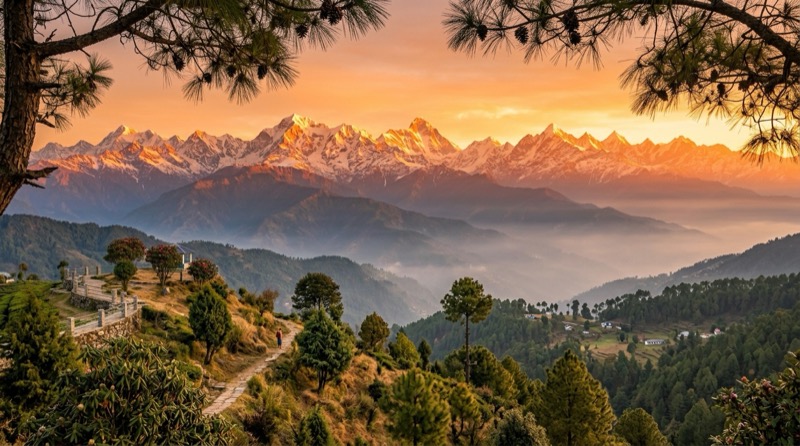
Binsar
300km Himalayan panorama from inside an oak forest sanctuary — and nobody around.
Uttarakhand·easy·2,420m
JD
himalayan-viewswildlifebirding
🚗 hatchback OK — last stretch narrow👨👩👧 easy family base — quiet forest retreat
Best month, 10-22°C. Rhododendrons peak. Over 200 bird species active. Himalayan views pristine. Forest walks through oak and pine. Low crowds.
5/5 — Peak — go now👶 3/5
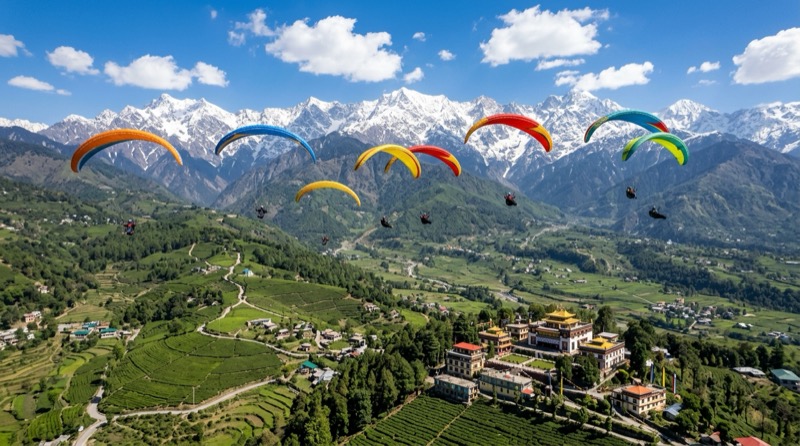
Bir Billing
India paragliding capital — Tibetan colony and cafe scene mean you stay even if wind does not cooperate.
Himachal Pradesh·easy·1,525m
JD
paraglidingadventureoffbeat
🚗 paragliding destination — bike-friendly roads👨👩👧 manageable — paragliding needs age 14+, but village is calm
Best flying month, 12-25°C. Strong stable thermals. Cross-country flights possible. Clear Dhauladhar views from air. Bir cafes buzzing. Book ahead.
5/5 — Peak — go now👶 5/5
Chail
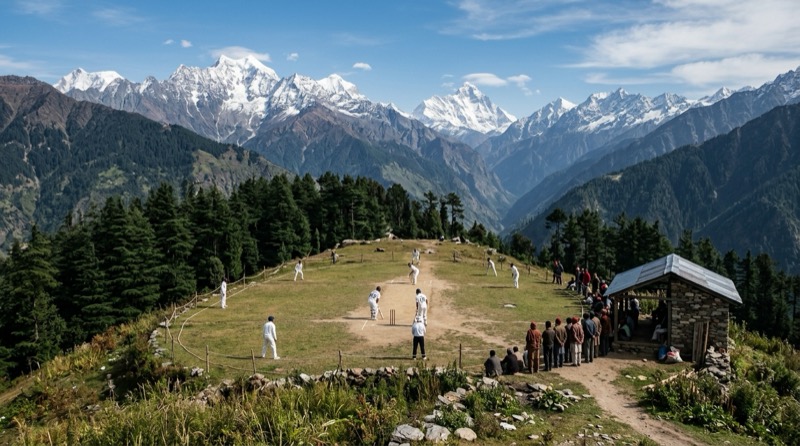
World highest cricket ground, a palace hotel, and the hill station Shimla locals escape TO.
Himachal Pradesh·easy·2,250m
JD
heritagepalacecricket
🚗 hatchback OK👨👩👧 easy family base — quiet hill station
Best month, 12-24°C. Wildflowers everywhere. Cricket ground lush green. Chail Wildlife Sanctuary at peak. Clear Shimla valley views.
5/5 — Peak — go now👶 5/5
Chamba & Dalhousie
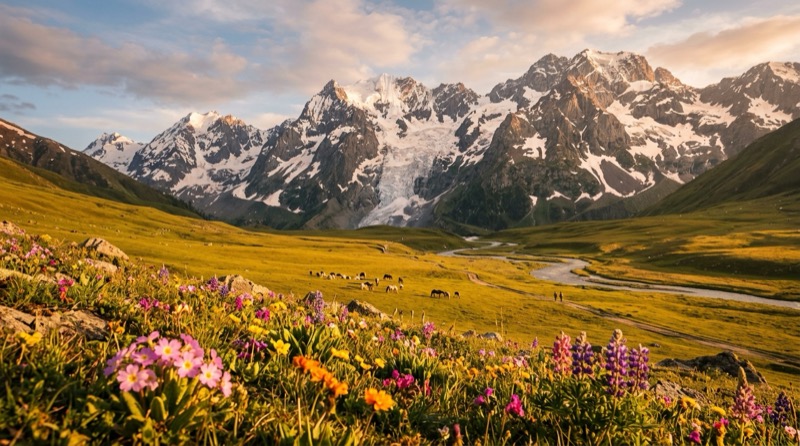
The anti-Manali — colonial Dalhousie, Khajjiar meadow, and Chamba temples without the crowds.
Himachal Pradesh·easy·1,970m
JD
familyheritagequiet
🚗 hatchback OK — hill roads but well-maintained👨👩👧 easy family base — Dalhousie is kid-friendly
Best month, 10-22°C. Rhododendrons bloom on Dainkund. Khajjiar meadow lush green. Chamba temples in spring light. Perfect walking weather.
5/5 — Peak — go now👶 3/5
Champawat
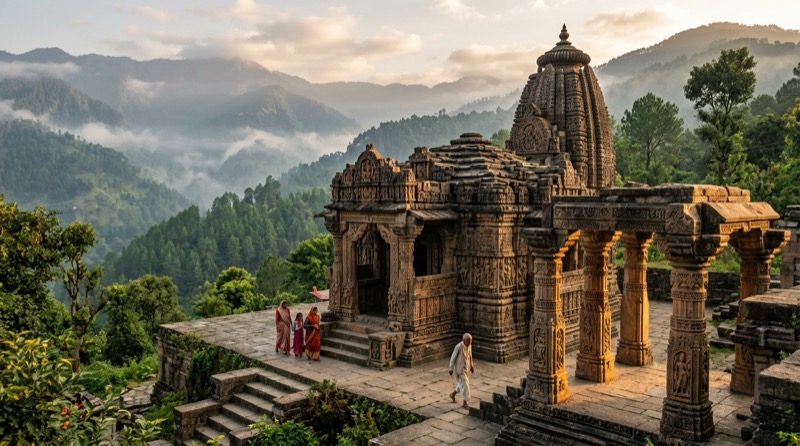
Where the Chand dynasty ruled Kumaon for 800 years — temples, fort ruins, and zero tourists.
Uttarakhand·easy·1,615m
JD
heritageoffbeattemple
🚗 hatchback OK — quiet hill roads👨👩👧 easy family base — very quiet, not much to do
Best month, 12-25°C. Rhododendrons blooming on forest trails. Pancheshwar confluence accessible. Abbott Mount church picturesque. Low crowds.
5/5 — Peak — go now👶 3/5
Chaukori
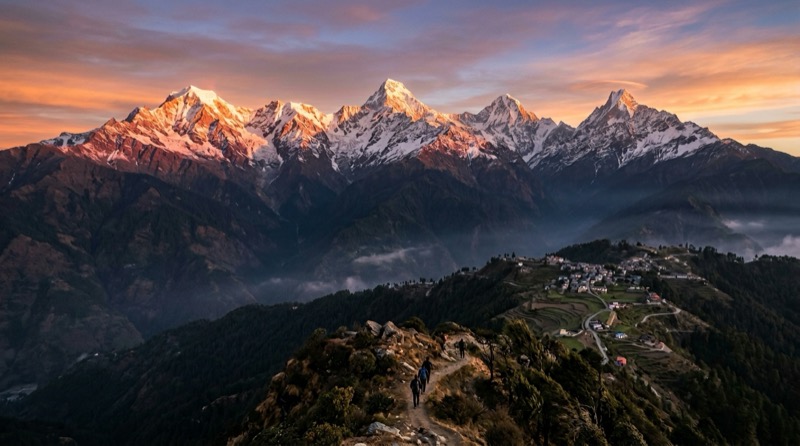
Tea gardens at 2010m with Panchachuli peaks as backdrop — the view Kausani gets credit for, but Chaukori does better.
Uttarakhand·easy·2,010m
JD
tea-gardenviewpointoffbeat
🚗 hatchback OK👨👩👧 easy family base — peaceful tea garden hamlet
Best month, 10-22°C. First flush tea harvest — watch plucking in terraced gardens. Panchachuli views pristine. Forest trails in spring bloom.
5/5 — Peak — go now👶 4/5
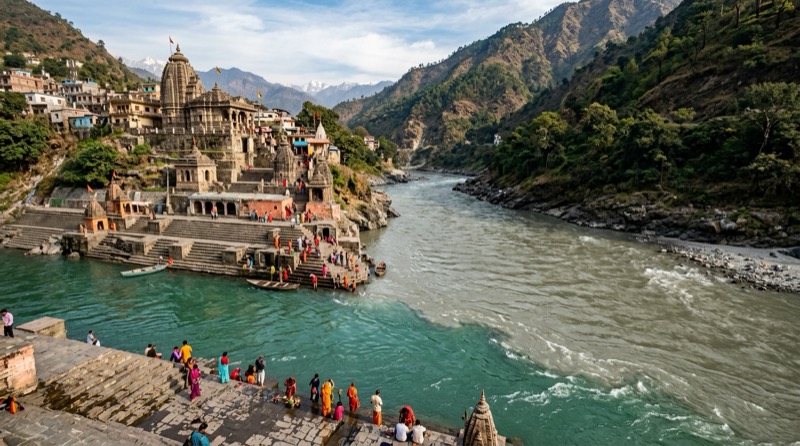
Devprayag
Where Alaknanda meets Bhagirathi and the Ganges officially begins.
Uttarakhand·easy·830m
JD
confluencespiritualganges
🚗 hatchback OK — NH58 is well-maintained👨👩👧 easy family base — sacred confluence, calm
Warm 15-30°C. Char Dham season opens — heavy pilgrim traffic through town. Rivers getting milky from snowmelt. Busy but energetic atmosphere.
5/5 — Peak — go now👶 5/5
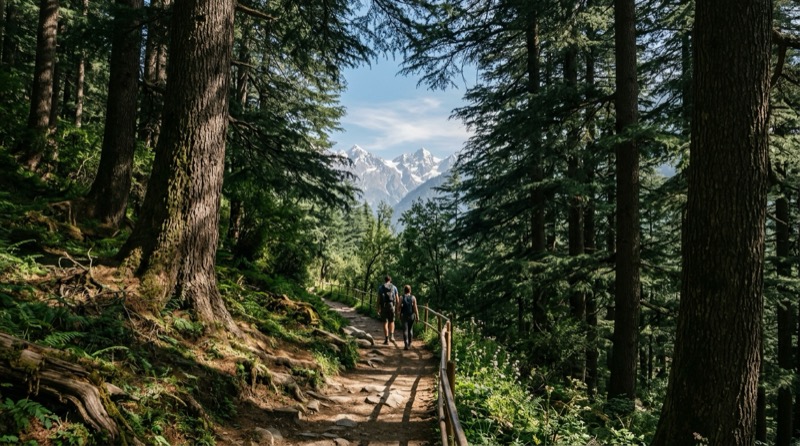
Dhanaulti
The quiet alternative to Mussoorie — 24km further, 90% fewer tourists.
Uttarakhand·easy·2,286m
JD
eco-parkdeodarquiet
🚗 hatchback OK👨👩👧 easy family base — quiet hill retreat near Mussoorie
Perfect 10-22°C. Deodar forests lush green. All trails accessible. Eco Park at its best. Apple orchards nearby blooming. Low crowds, ideal weather.
5/5 — Peak — go now👶 4/5
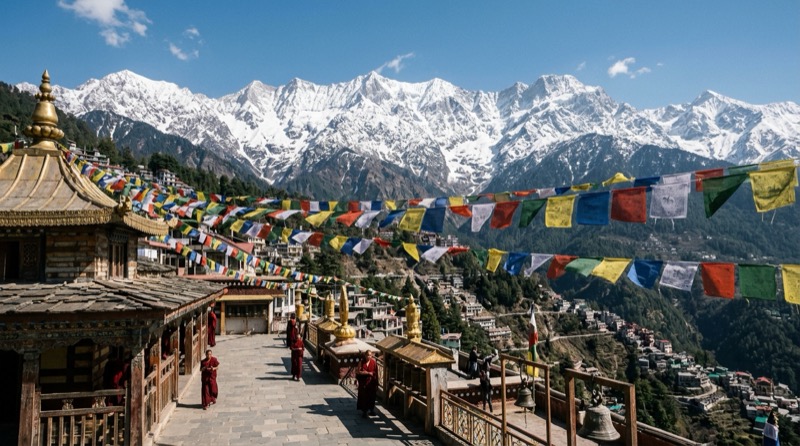
Dharamshala & McLeod Ganj
Home of the Dalai Lama and the most cosmopolitan small town in the Himalayas.
Himachal Pradesh·easy·2,082m
JD
spiritualcafe-culturetrek
🚗 hatchback OK to McLeodGanj👨👩👧 manageable — steep walks but good infrastructure
Best month, 12-24°C. Perfect Triund trek weather. Dhauladhar views pristine. HPCA stadium cricket season. Cafes buzzing. Book accommodation early.
5/5 — Peak — go now👶 3/5
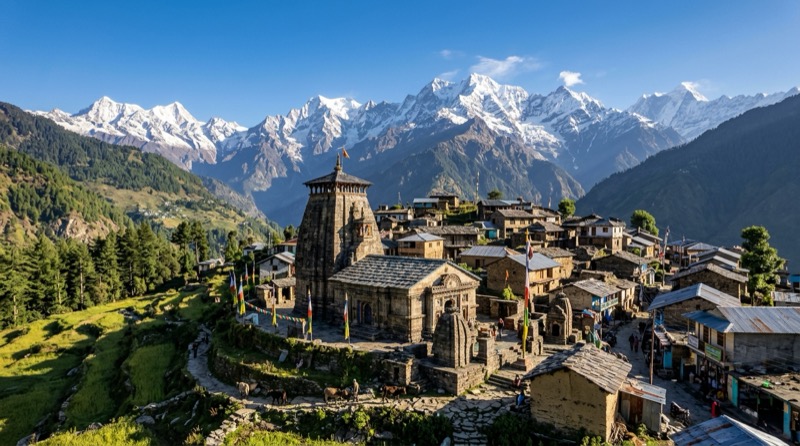
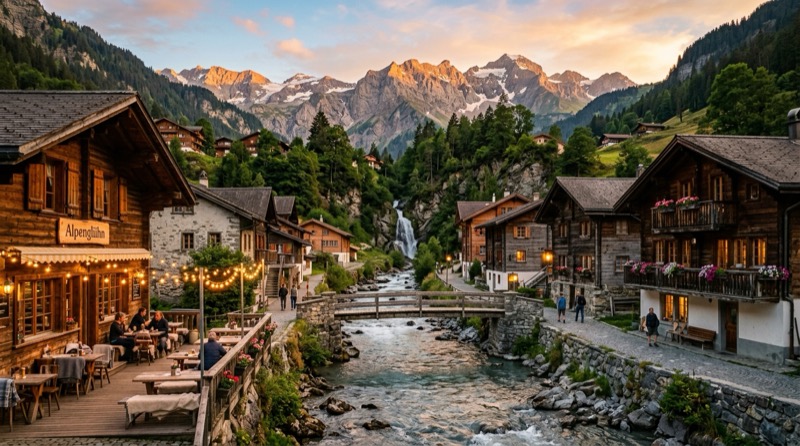
Gopeshwar
Ancient Shiva temple + gateway to Chopta-Tungnath + the town where the Chipko movement began.
Uttarakhand·easy·1,488m
JD
heritagegatewayspiritual
🚗 hatchback OK — well-connected to Chamoli👨👩👧 easy family base — small temple town
Best month, 10-22°C. Perfect base for Chopta-Tungnath trek. Rhododendrons in full bloom. All trails accessible. District HQ has good facilities.
5/5 — Peak — go now👶 4/5
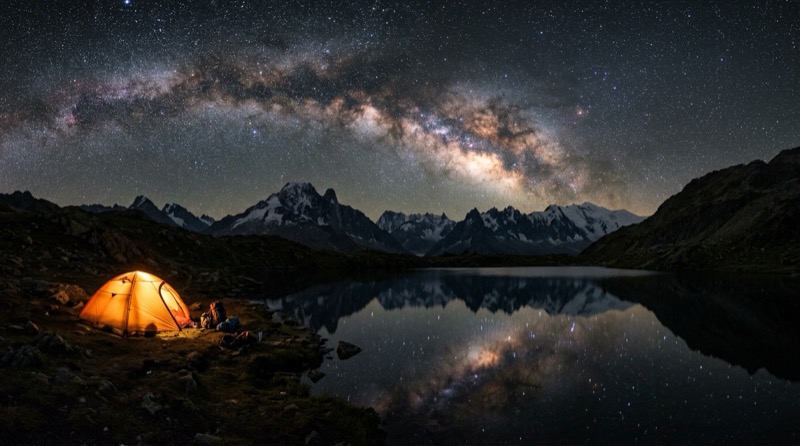
Jibhi
The village that Instagram discovered — waterfalls, river, cafes, and the next Kasol but without the drugs.
Himachal Pradesh·easy·1,560m
JD
offbeatemergingriver
🚗 hatchback OK — paved road from Aut tunnel👨👩👧 easy family base — peaceful valley hamlet
Best month, 10-22°C. Everything green and lush. Jalori Pass accessible. Tirthan Valley trout fishing excellent. Treehouses and cafes buzzing. Book ahead.
5/5 — Peak — go now👶 4/5
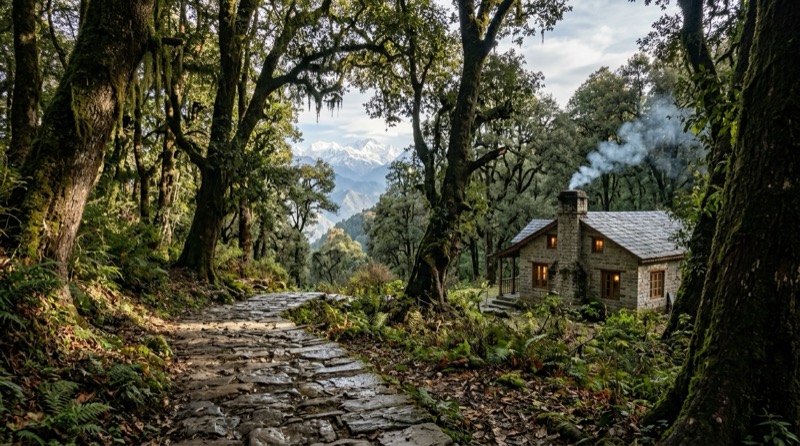
Kanatal
North India glamping capital — apple orchards, stargazing, zero cell signal.
Uttarakhand·easy·2,590m
JD
campingglampingoffbeat
🚗 hatchback OK👨👩👧 easy family base — quiet forest retreat near Mussoorie
Best month, 10-22°C. All camps and activities fully operational. Forest walks perfect. Valley views clear. Kodia jungle alive with birds. Book weekend camps early.
5/5 — Peak — go now👶 4/5
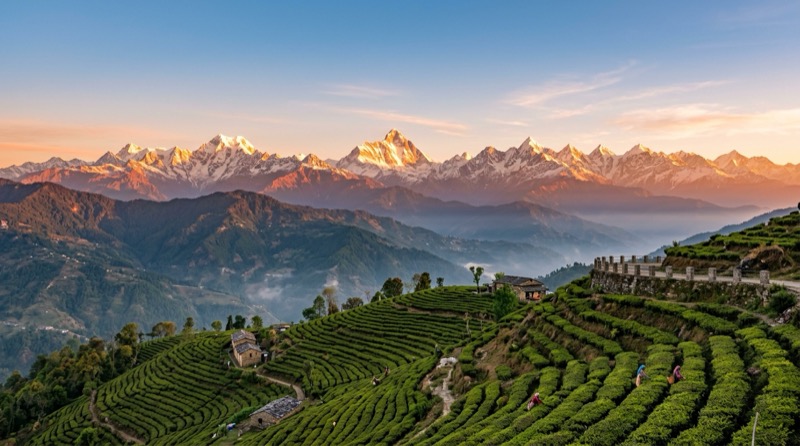
Kasauli
The closest proper hill station to Delhi/Chandigarh — and the army keeps it from turning into another Shimla.
Himachal Pradesh·easy·1,927m
JD
cantonmentcolonialquiet
🚗 hatchback OK👨👩👧 easy family base — tiny, walkable hill station
Best month, 14-25°C. Pine-scented walks, clear Himalayan views, blooming gardens. Colonial-era charm at peak. Gilbert Trail and Sunset Point ideal. Book ahead.
5/5 — Peak — go now👶 3/5
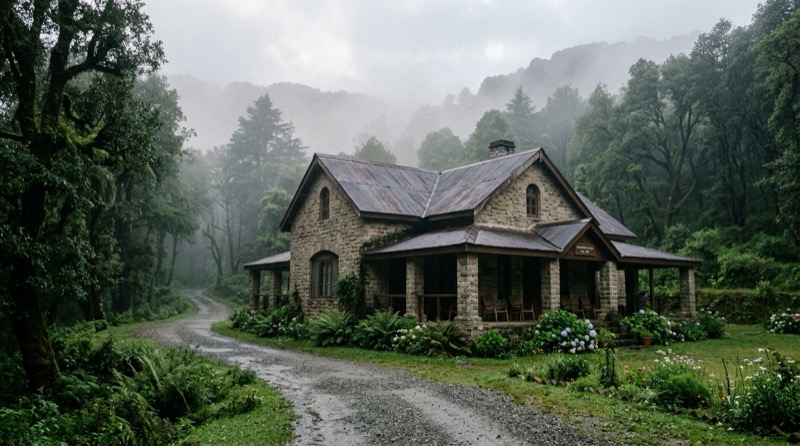
Kausani
300km of Himalayan panorama from your hotel balcony — if the clouds cooperate.
Uttarakhand·easy·1,890m
JD
viewpointspiritualpeaceful
🚗 hatchback OK👨👩👧 easy family base — peaceful tea garden town
Best month, 10-24°C. Full 300km Himalayan panorama — Nanda Devi to Panchachuli crystal clear at dawn. Tea gardens in first flush. Low crowds. Unmissable sunrise.
5/5 — Peak — go now👶 4/5
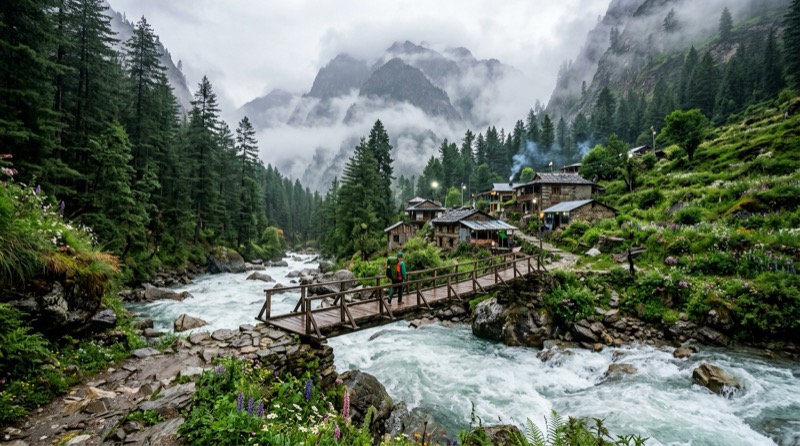
Lansdowne
Army cantonment frozen in time — silent oak forests, no commercial circus.
Uttarakhand·easy·1,706m
JD
cantonmentquietcolonial
🚗 hatchback OK — cantonment hill station👨👩👧 easy family base — quiet, colonial charm
Perfect 15-25°C. Clearest Himalayan views. Oak and pine forests lush green. Weekend getaway from Delhi.
5/5 — Peak — go now👶 3/5
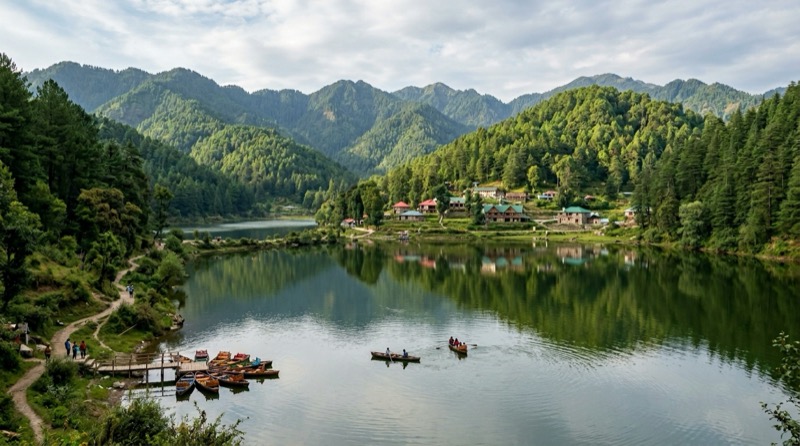
Manikaran
Natural hot springs where you can boil rice in the ground — plus a massive Sikh gurudwara and Shiva temple side by side.
Himachal Pradesh·easy·1,760m
JD
hot-springsspiritualSikh
🚗 hatchback OK — in Parvati Valley👨👩👧 manageable with planning — hot spring area, some steep walks
Perfect 12-24°C. Hot springs, river walks, temple visits all ideal. Parvati Valley wildflowers blooming.
5/5 — Peak — go now👶 3/5
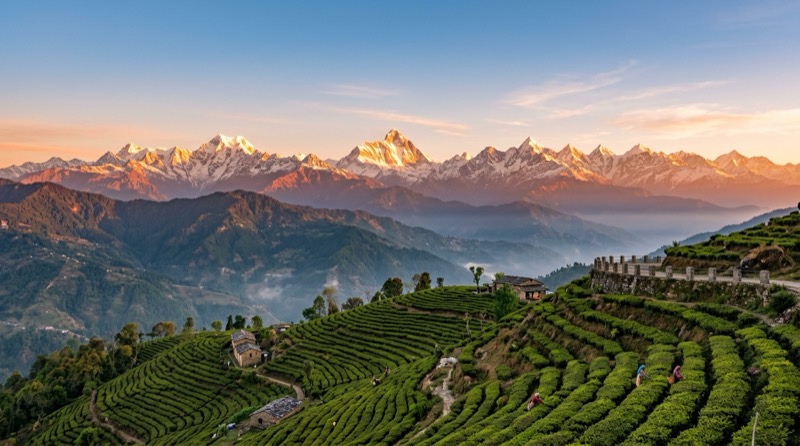
Morni Hills
Haryana only hill station — modest but accessible, and Tikkar Taal is surprisingly pretty for something this close to Chandigarh.
Haryana·easy·1,220m
JD
hill-stationlakenature
🚗 hatchback OK — short drive from Chandigarh👨👩👧 easy family base — gentle hills, good for day trip
Best month 16-28°C. Clear views of Shivalik range. All trails open. Ideal for day trips from Chandigarh.
5/5 — Peak — go now👶 4/5
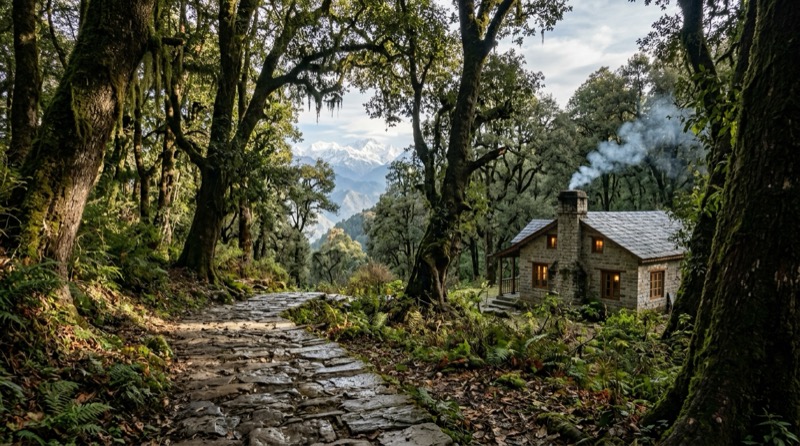
Mukteshwar
Kumaon ridge village with 180-degree Himalayan views and silence that makes you question city life.
Uttarakhand·easy·2,286m
JD
himalayan-viewsoffbeattemple
🚗 hatchback OK👨👩👧 easy family base — quiet orchard town
Perfect 12-24°C. Clearest Himalayan panorama of the year. Apple orchards blooming. Paragliding season starts.
5/5 — Peak — go now👶 4/5
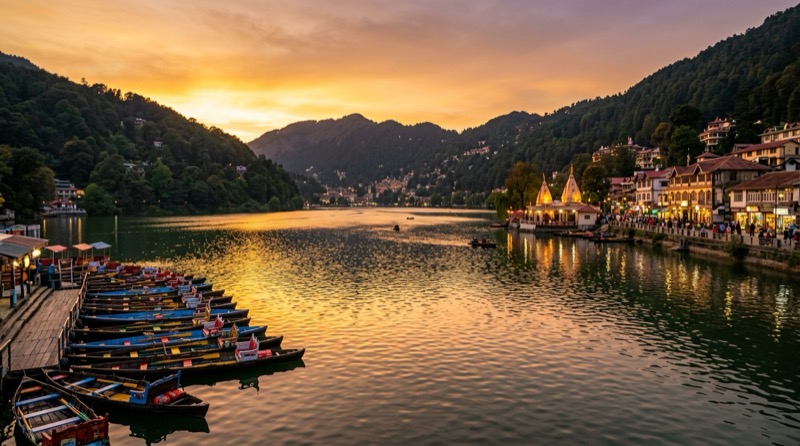
Mussoorie & Landour
Mussoorie is the Queen of Hills. Landour is the secret garden above the queen that Ruskin Bond will never leave.
Uttarakhand·easy·2,005m
JD
heritagecolonialliterary
🚗 hatchback OK to Mussoorie, walking town after that👨👩👧 easy family base
Best month 12-24°C. Rhododendrons blaze red. Landour walks perfection. Clear Himalayan panorama at dawn.
5/5 — Peak — go now👶 5/5
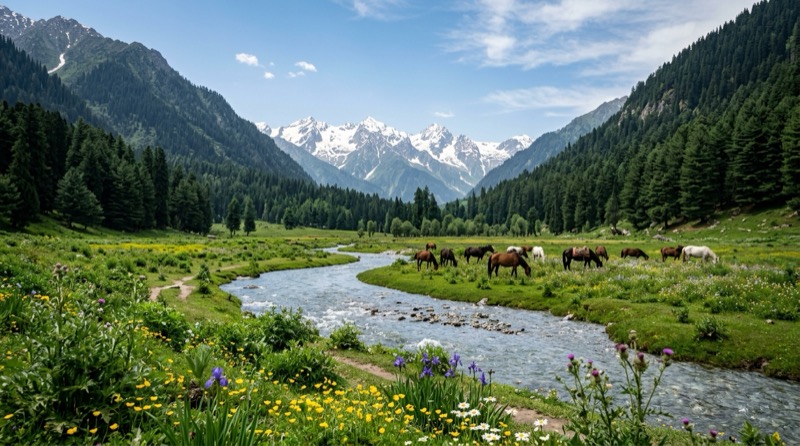
Nainital & Bhimtal
The hill station that India grew up with — and Bhimtal is the quiet cousin who got the better genes.
Uttarakhand·easy·1,938m
JD
lakefamilyhill-station
🚗 hatchback OK👨👩👧 easy family base — lake boating is perfect for kids
Perfect spring 12-25°C. Best Himalayan views of the year. Boating ideal. All trails open. Book weekend stays.
5/5 — Peak — go now👶 4/5
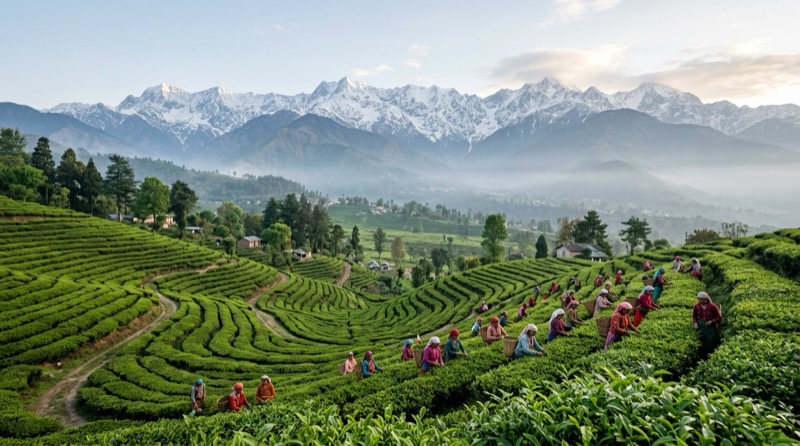
Pahalgam
The Lidder Valley does what Manali promises but fails to deliver — actual river beauty without the Mall Road chaos.
Jammu & Kashmir·easy·2,130m
JD
valleyriverfamily
🚗 hatchback OK to Pahalgam👨👩👧 easy family base — pony rides, Betaab Valley, river walks
Peak spring 8-22°C. Betaab Valley carpeted green. Lidder crystal clear. All pony rides open. Aru Valley accessible.
5/5 — Peak — go now👶 4/5
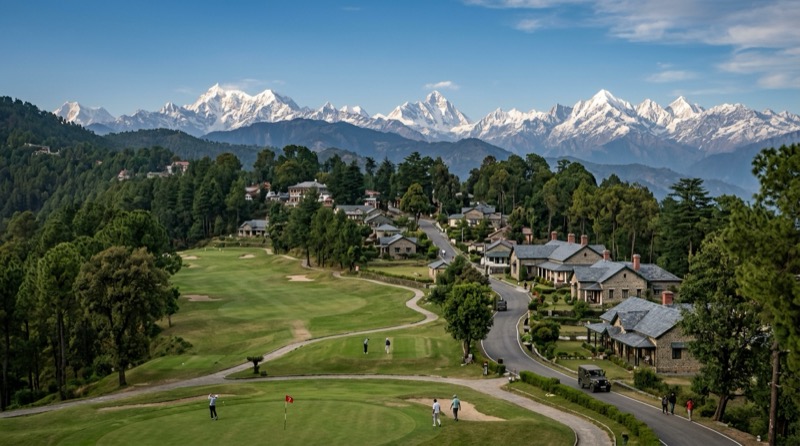
Palampur
India's tea capital that nobody talks about — Kangra tea gardens with Dhauladhar snow peaks behind them, minus the Darjeeling crowds.
Himachal Pradesh·easy·1,472m
JD
teaoffbeatmountain-views
🚗 hatchback OK — good valley roads👨👩👧 very low — gentle terrain, family-friendly town
Best month 12-24°C. Kangra tea gardens at lush peak. Dhauladhar snow views. First flush harvest. Perfect walks.
5/5 — Peak — go now👶 4/5
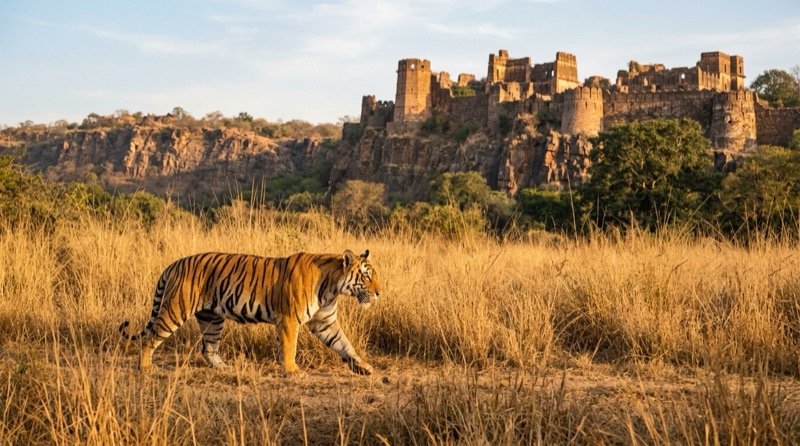
Ranikhet
An army cantonment town where the British came to escape the heat — pine forests, golf course at 1,800m, and Himalayan views without a single tout.
Uttarakhand·easy·1,829m
JD
cantonmentarmypine-forest
🚗 hatchback OK — good cantonment roads👨👩👧 very low — gentle, orderly, perfect for elderly and kids
Best month 12-24°C. Perfect weather. Golf course green. Himalayan panorama crystal clear. Orchards blooming.
5/5 — Peak — go now👶 5/5
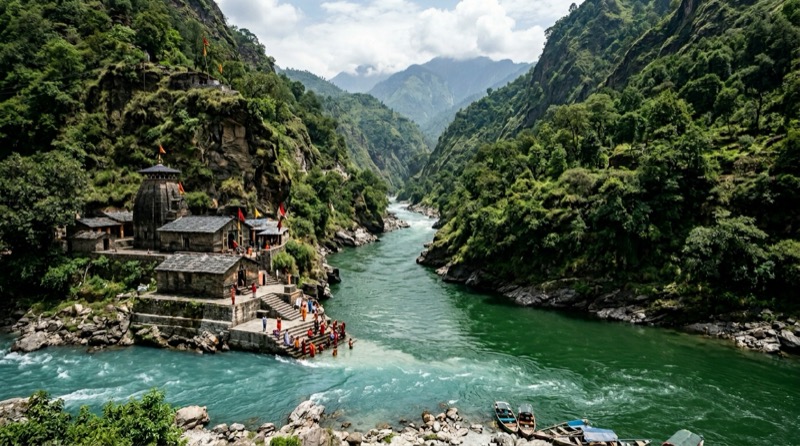
Ranthambore
THE tiger park. If you see one, you will talk about it for years. If you do not, the fort and the jungle are still worth it.
Rajasthan·easy·215m
JD
wildlifetigerfamily
🚗 SUV recommended — forest roads inside park👨👩👧 easy family base — tiger safari thrills kids
Best tiger sightings of the year 18-35°C. Animals forced to shrinking waterholes. Dry forest maximum visibility.
5/5 — Peak — go now👶 3/5
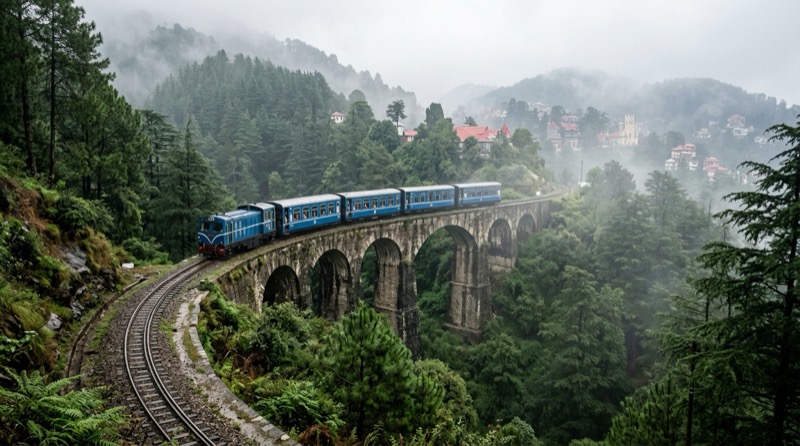
Rudraprayag
Where Alaknanda meets Mandakini — the confluence that routes you to either Kedarnath or Badrinath.
Uttarakhand·easy·610m
JD
confluencespiritualtransit
🚗 hatchback OK — on NH7👨👩👧 easy family base — small pilgrim town at confluence
Char Dham yatra starts 12-24°C. Town buzzes as pilgrim gateway to Kedarnath. Confluence beautiful. Hotels fill fast.
5/5 — Peak — go now👶 4/5
Shimla
The toy train is magical, the Mall Road is chaos, and Kufri in snow is worth every minute of the traffic jam getting there.
Himachal Pradesh·easy·2,205m
JD
hill-stationfamilyheritage
🚗 hatchback OK but parking is a nightmare👨👩👧 easy family base — most accessible hill station
Apple blossoms 12-24°C. Perfect weather. Jakhu Temple and Ridge walks ideal. Best month before summer rush hits.
5/5 — Peak — go now👶 5/5
Srinagar
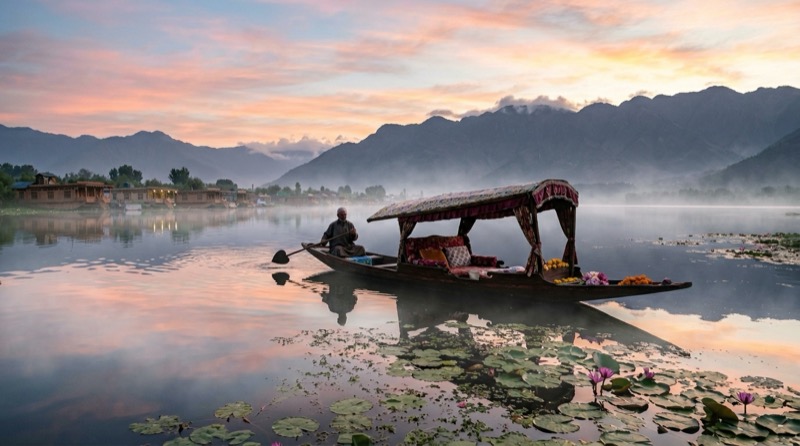
The Venice of the East is a cliche that undersells it — Dal Lake at dawn, with the Zabarwan mountains behind, is one of the most beautiful sights in Asia.
Jammu & Kashmir·easy·1,585m
JD
lakeheritagefamily
🚗 hatchback OK — good roads to Srinagar👨👩👧 easy family base — Dal Lake houseboats are a hit with kids
PEAK. Tulip Garden in full bloom. Perfect weather. Mughal gardens green.
5/5 — Peak — go now👶 4/5
Tehri Lake
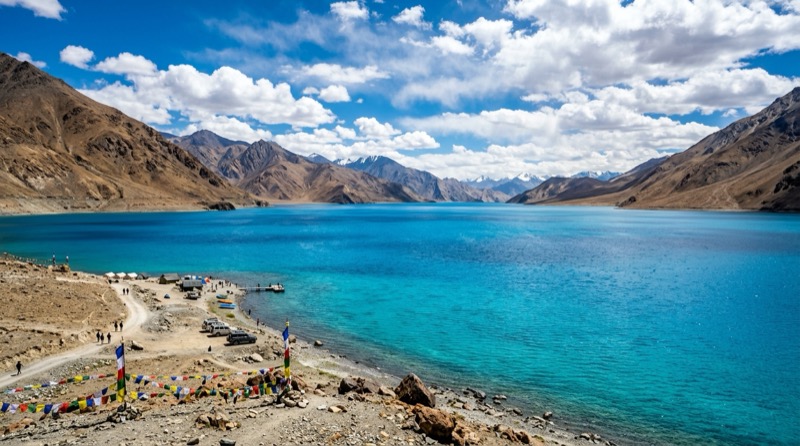
Asia largest dam created India largest man-made lake — and now it is becoming a water sports hub.
Uttarakhand·easy·640m
JD
lakewater-sportsemerging
🚗 hatchback OK — reservoir town👨👩👧 easy family base — lake activities, water sports
Best month 14-26°C. Lake full, warm enough for all water sports. Jet skiing, parasailing, kayaking all running.
5/5 — Peak — go now👶 4/5
Verinag–Achabal–Kokernag
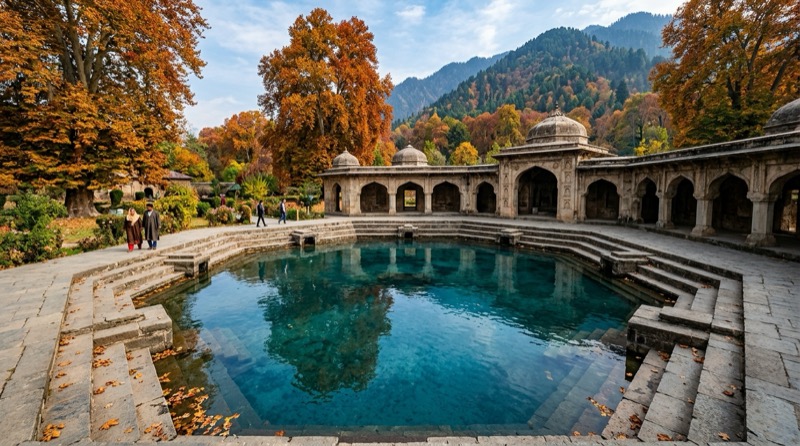
Three Mughal springs in one circuit — the water sources that made Kashmir's gardens possible, now almost tourist-free.
Jammu & Kashmir·easy·1,876m
JD
springsheritagefamily
🚗 hatchback OK — paved road from Anantnag👨👩👧 easy family base — springs and gardens, gentle walks
Gardens in full bloom 10-22°C. Verinag spring pool crystal clear. Achabal cascades flowing. Tulips at Kokernag.
4/5 — Excellent👶 5/5
Amritsar
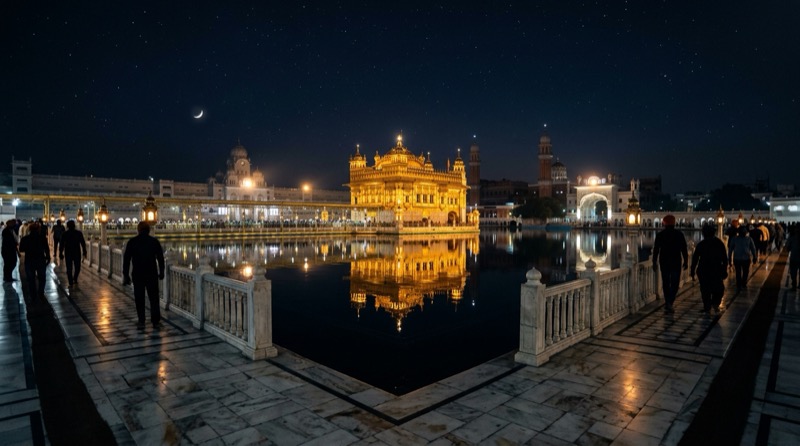
The Golden Temple doesn't just feed your soul — it literally feeds 100,000 people a day, for free, regardless of who you are.
Punjab·easy·234m
JD
spiritualfamilyfood
🚗 hatchback OK👨👩👧 easy family base — Golden Temple is welcoming to all
Baisakhi (Apr 13) — THE Sikh festival. Hot but festive.
4/5 — Excellent👶 4/5
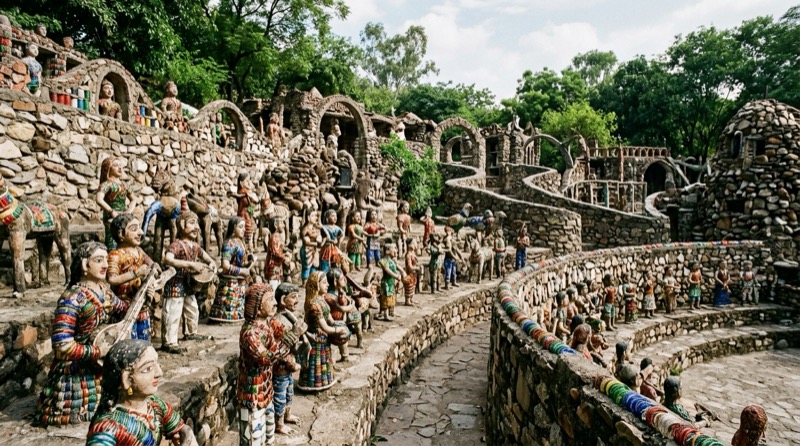
Chandigarh
India best-planned city — Le Corbusier dream that actually works, with a rock garden built from literal garbage.
Chandigarh·easy·321m
JD
modernplannedfamily
🚗 hatchback OK — planned city👨👩👧 easy family base — India's cleanest city
Warm 18-33°C. Still manageable mornings for Sukhna Lake walks. Afternoons hot. Sector 17 shopping pleasant in evenings. Spring fading.
4/5 — Excellent👶 4/5
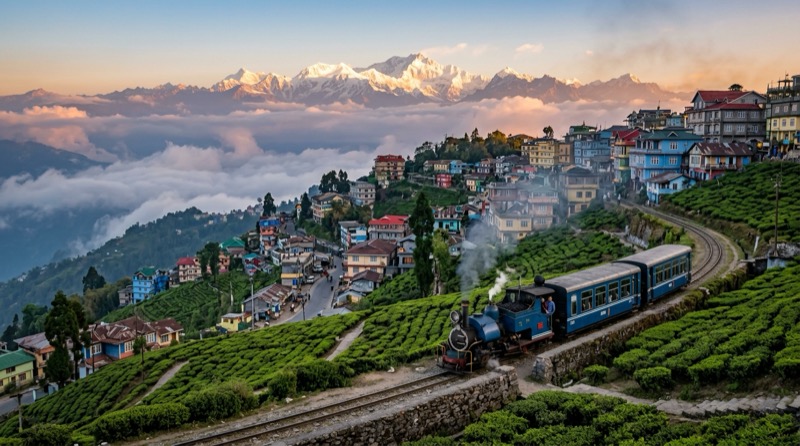
Darjeeling
The Queen of Hills — toy train, tea gardens, and Kanchenjunga sunrise. Colonial-era charm meets Tibetan-Nepali street culture.
West Bengal·easy·2,042m
JD
hill-stationteaUNESCO
🚗 SUV recommended — steep hill roads, shared jeeps common👨👩👧 moderate — steep walks, altitude manageable, crowded in peak
Peak spring, 10-20°C. Rhododendrons on Singalila Ridge. First flush Darjeeling tea at its finest. Tiger Hill clear mornings. Moderate crowds.
4/5 — Excellent👶 4/5
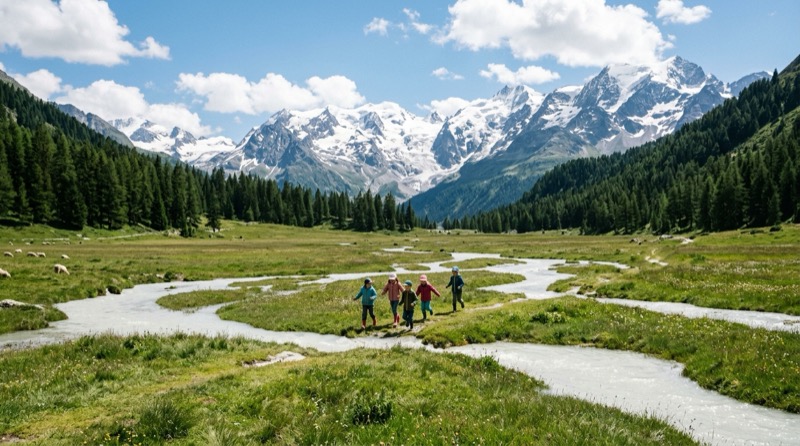
Doodhpathri
The Meadow of Milk — flat enough for a toddler to run on, stunning enough to make an adult cry.
Jammu & Kashmir·easy·2,730m
JD
meadowfamilyoffbeat
🚗 hatchback OK — paved road from Srinagar👨👩👧 easy family base — meadow, gentle walks
Opening up, 5-18°C. Meadows emerging from snow. Stream 'Doodh Ganga' running milky with snowmelt. Green carpet spreading. Roads clearing. Early season charm.
4/5 — Excellent👶 4/5
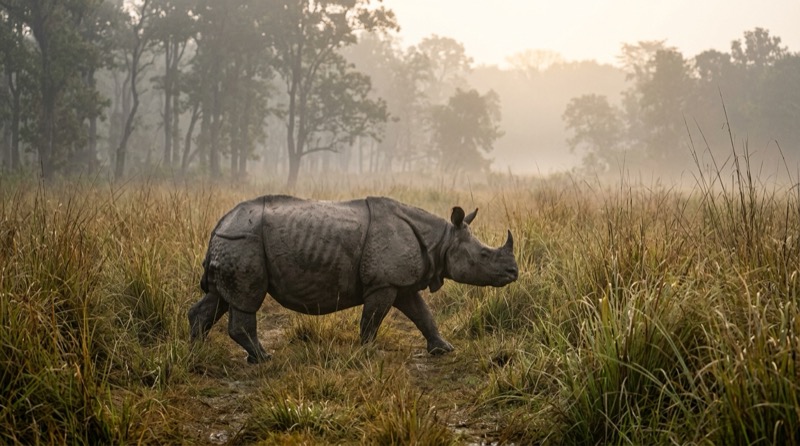
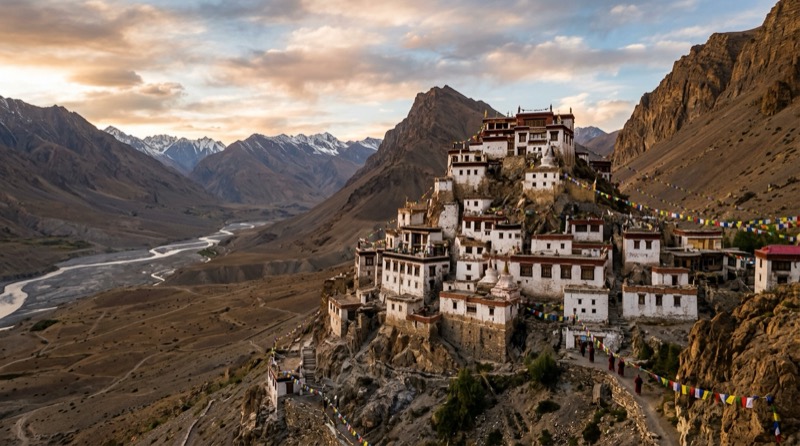
Dudhwa National Park
UP only national park — tigers, rhinos, and swamp deer in a terai wilderness that nobody from outside UP visits.
Uttar Pradesh·easy·150m
JD
wildlifetigerrhino
🚗 SUV recommended — forest roads👨👩👧 manageable with planning — jeep safaris are great for kids 5+
Hot 22-38°C. Animals crowd remaining water sources — good sighting odds. Safari jeeps hot by 10am. Dawn drives essential. Park closing mid-June.
4/5 — Excellent👶 3/5
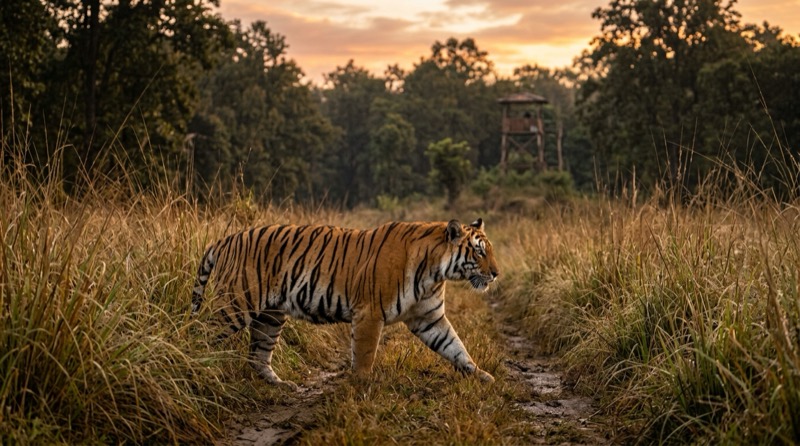
Gangtok
India's cleanest hill town — monasteries, momos, and jaw-dropping Kanchenjunga views from a state where plastic bags are illegal.
Sikkim·easy·1,650m
JD
hill-stationmonasteryclean-city
🚗 SUV recommended — mountain roads, shared cabs standard👨👩👧 low-moderate — well-developed town, altitude mild
Peak spring, 10-20°C. Rhododendrons and orchids at peak. International Flower Festival. Kanchenjunga views good. Best month for nature lovers.
4/5 — Excellent👶 5/5
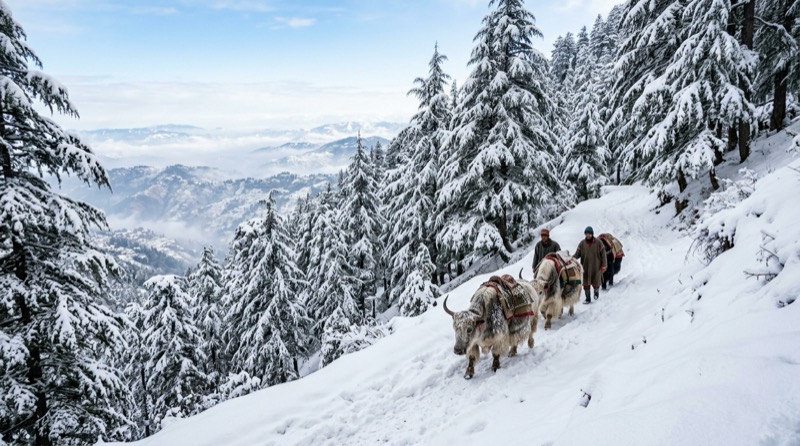
Jim Corbett National Park
India oldest national park and the best place to see a wild tiger without Rajasthan crowds.
Uttarakhand·easy·400m
JD
tigersafariwildlife
🚗 SUV recommended — forest roads inside park👨👩👧 easy family base — jeep safaris perfect for kids
Hot 18-38°C. Afternoons punishing on open jeeps. Dawn safaris superb — animals crowd shrinking waterholes. Tiger sighting odds excellent. Dhikala closes mid-June.
4/5 — Excellent👶 5/5
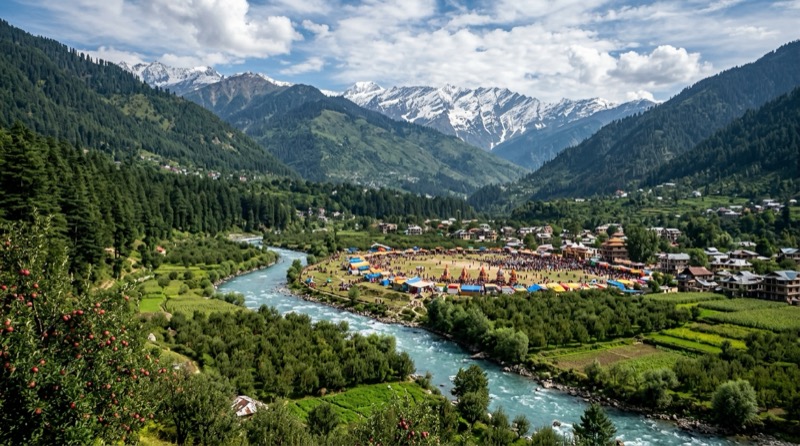
Kufri
Shimla snow playground — the reason half of North India drives to HP in winter.
Himachal Pradesh·easy·2,622m
JD
snowfamilyviewpoint
🚗 hatchback OK — 20min from Shimla👨👩👧 easy family base — snow in winter, horse rides
Spring 8-20°C. Meadows greening. Himalayan Nature Park pleasant. Apple orchards blooming nearby. Pony rides on green slopes. Good family-friendly month.
4/5 — Excellent👶 4/5
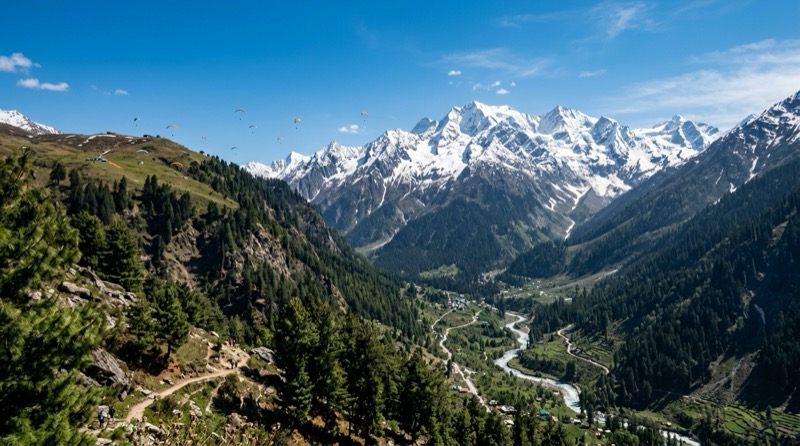
Kullu
The Valley of Gods — famous for Dussehra when 300+ village deities gather, plus rafting on the Beas and gateway to Manali.
Himachal Pradesh·easy·1,220m
JD
valleyfestivalDussehra
🚗 hatchback OK — NH3 highway town👨👩👧 very low — valley town with full facilities
Spring bloom, 10-24°C. Valley lush green. Bijli Mahadev trek accessible. Raghunath Temple pleasant. River rafting season begins on Beas. Good all-round month.
4/5 — Excellent👶 4/5
Manali
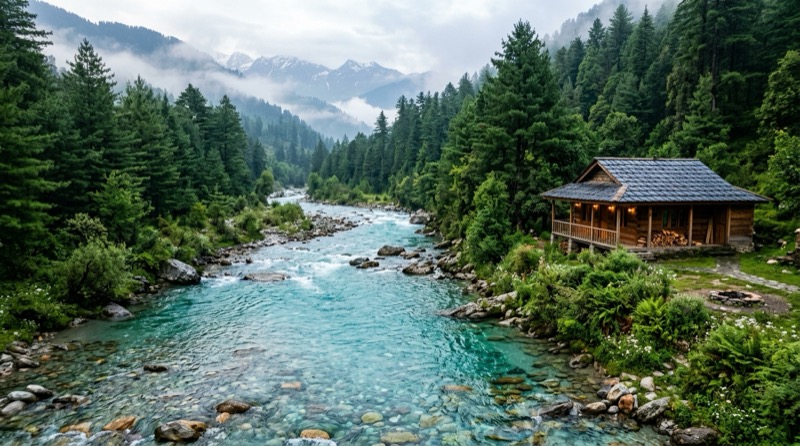
The Goa of the mountains — overrun, overbuilt, and still useful as a launchpad for everything north of it.
Himachal Pradesh·easy·2,050m
JD
hill-stationadventuresnow
🚗 hatchback OK till Manali, SUV for beyond👨👩👧 easy family base
Spring. Apple blossoms, mild weather, manageable crowds.
4/5 — Excellent👶 3/5
Mandi
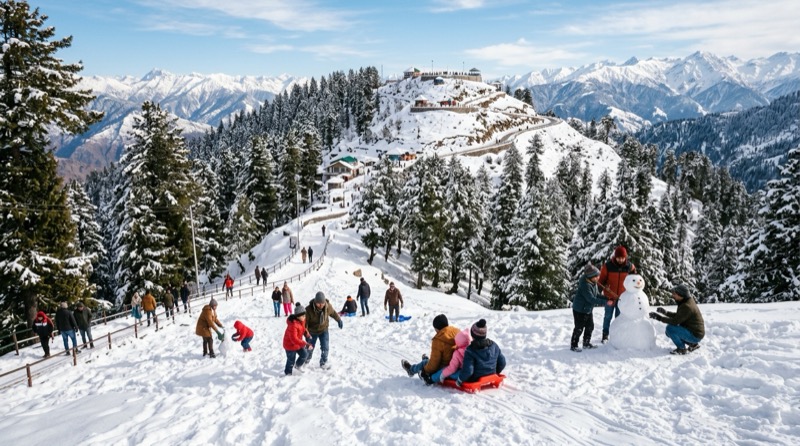
The gateway to Kullu Valley and beyond — 81 temples in one town and nobody stops to see them.
Himachal Pradesh·easy·850m
JD
transitheritagetemple
🚗 hatchback OK — valley town on NH👨👩👧 easy family base — small temple town
Pleasant 14-25°C. Post-festival calm. Beas River clear. Parashar Lake trek at its best. Wildflowers appear.
4/5 — Excellent👶 4/5
Patnitop
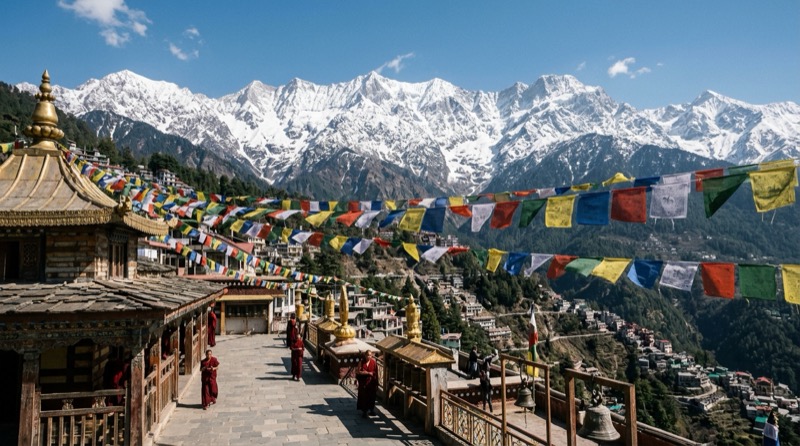
The most accessible snow destination in J&K — 2 hours from Jammu, no permits, no drama, just pine forests and winter snow.
Jammu & Kashmir·easy·2,024m
JD
hill-stationsnowfamily
🚗 hatchback OK — well-connected hill station👨👩👧 easy family base — snow in winter, gentle walks
Spring 8-20°C. Meadows greening. Pine forests fragrant. Paragliding season starts. Pleasant hiking weather.
4/5 — Excellent👶 3/5
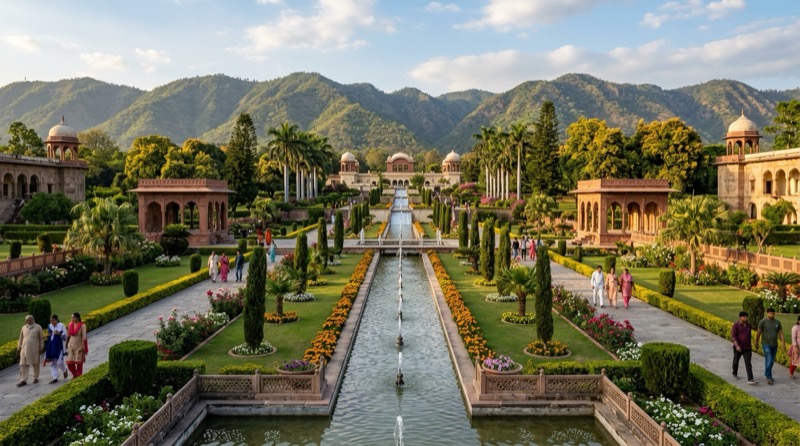
Pelling
Front-row seats to Kanchenjunga — a tiny ridge town with the 17th-century Pemayangtse monastery and the new Chenrezig statue that dwarfs everything.
Sikkim·easy·2,150m
JD
mountain-viewsmonasteryoffbeat
🚗 SUV recommended — winding mountain roads from Geyzing👨👩👧 low — small town, manageable altitude
Best spring 12-22°C. Warm clear days. Kanchenjunga panorama at dawn. All monasteries and falls accessible.
4/5 — Excellent👶 5/5
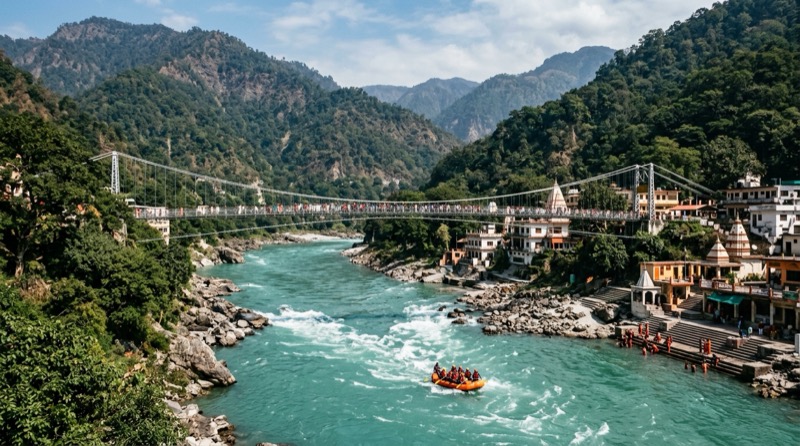
Pinjore Gardens
Mughal gardens at the foot of the Shivaliks — and the most underrated heritage garden within 2 hours of Delhi.
Haryana·easy·450m
JD
gardenheritagefamily
🚗 hatchback OK — 20km from Chandigarh👨👩👧 easy family base — Mughal gardens, flat walks
Warm 20-32°C. Mornings pleasant for garden walks. Afternoons heating up. Visit before 11am recommended.
4/5 — Excellent👶 3/5
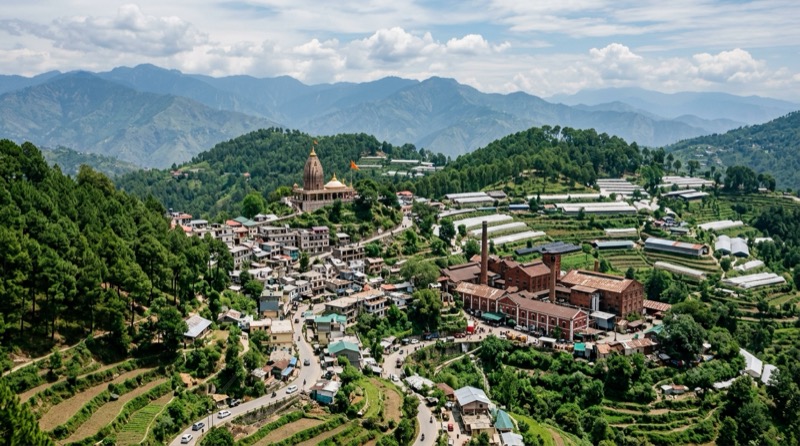
Rishikesh
Where yoga ashrams meet white-water rapids and the Beatles met their guru.
Uttarakhand·easy·340m
JD
adventurespiritualyoga
🚗 hatchback OK👨👩👧 easy family base — rafting is fun for kids 10+
Warming 20-35°C. Mornings still good for rafting and yoga. Afternoons hot. River levels dropping. Book early.
4/5 — Excellent👶 3/5
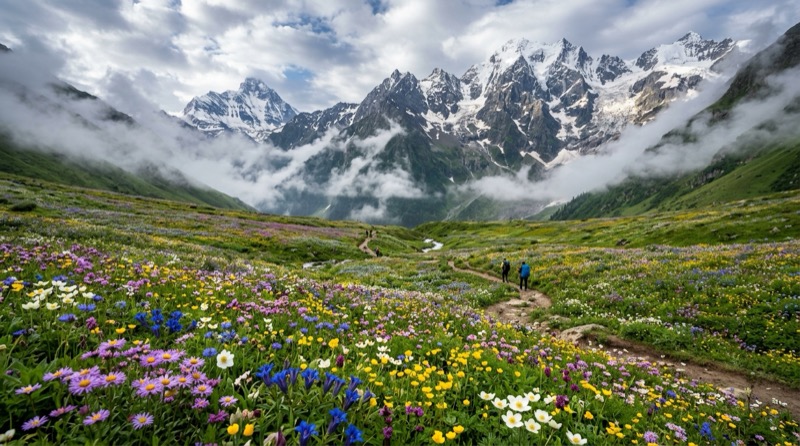
Solan
Mushroom capital of India and the gateway to everywhere in HP — nobody stays but everyone passes through.
Himachal Pradesh·easy·1,502m
JD
transitgatewaymushroom
🚗 hatchback OK — well-connected town on NH👨👩👧 easy family base — gentle hills, good infrastructure
Pleasant 14-26°C. Best for town exploration and temple visits. Kasauli side-trip comfortable. Low tourist season.
4/5 — Excellent👶 3/5
Yusmarg
Kashmir's quietest meadow — 47km from Srinagar but light-years from the tourist circuit.
Jammu & Kashmir·easy·2,396m
JD
meadowoffbeatquiet
🚗 hatchback OK — paved road from Srinagar👨👩👧 easy family base — gentle meadow walks
Spring 5-16°C. Meadow greening rapidly. Doodpathri road clearing. Early wildflowers appearing. Peaceful and empty.
3/5 — Doable👶 4/5
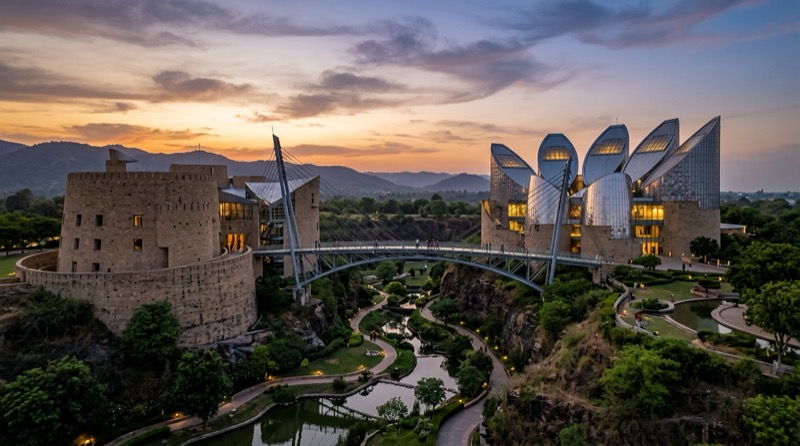
Anandpur Sahib
Virasat-e-Khalsa museum alone is worth the trip — architecture that rivals the Guggenheim, telling the story of Sikh heritage.
Punjab·easy·350m
JD
spiritualheritagemuseum
🚗 hatchback OK👨👩👧 easy family base — spiritual but easy terrain
Warming 20-33°C. Post-festival calm. Gurudwaras peaceful again. Sutlej riverside walks pleasant mornings. Afternoons getting warm.
3/5 — Doable👶 3/5
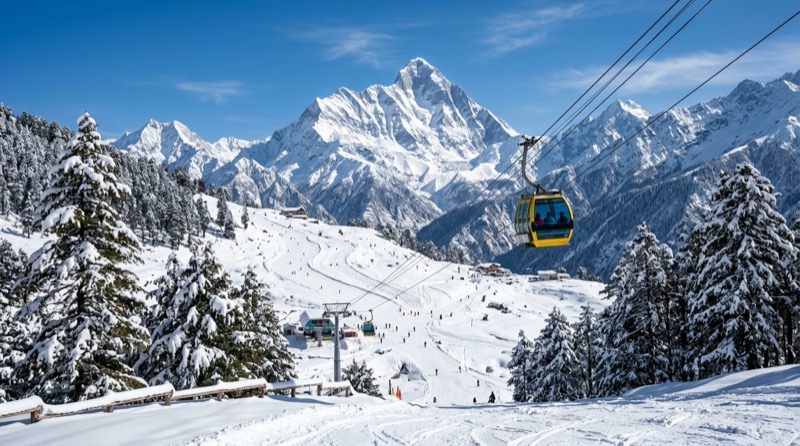
Auli
India's best (and basically only real) ski slope, with a front-row view of Nanda Devi.
Uttarakhand·easy·2,800m
JD
snowadventurefamily
🚗 SUV recommended — steep mountain roads👨👩👧 manageable with planning — high altitude
Transition month, 5-15°C. Snow patchy — skiing ends. Meadows emerging but not yet green. Limited activities. Better to wait for May.
3/5 — Doable👶 4/5
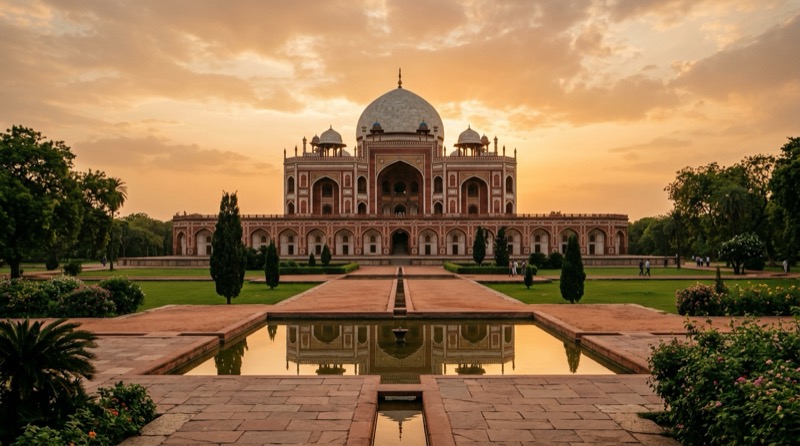
Delhi
Not a destination — a gateway. But if you give it 2 days, it'll surprise you with Mughal tombs, street food, and a chaos that becomes addictive.
Delhi·easy·216m
JD
heritagefoodgateway
🚗 no vehicle needed — metro city👨👩👧 easy family base
Heating up 25-38°C. Mornings still manageable for Red Fort and Qutub Minar. Midday punishing. Mughal Gardens closing. AC transport essential.
3/5 — Doable👶 5/5
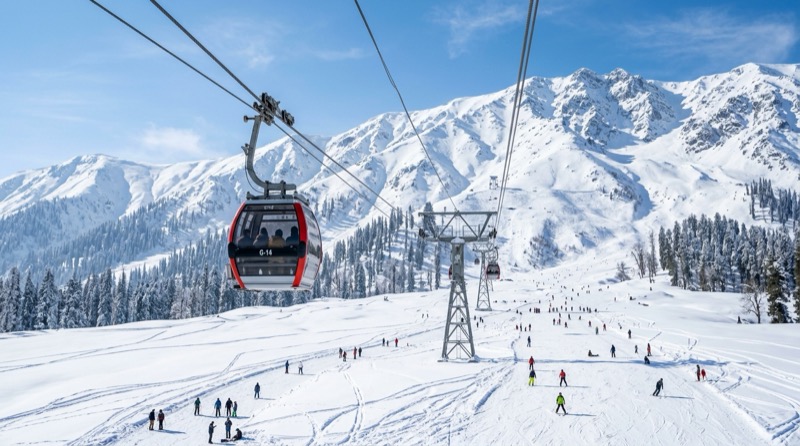
Gulmarg
Asia's highest cable car, India's best skiing, and a meadow so green in summer that it hurts your eyes.
Jammu & Kashmir·easy·2,650m
JD
snowskiingadventure
🚗 SUV recommended for Gulmarg road in winter👨👩👧 easy family base — gondola is fun for all ages
Transition 2-15°C. Snow patchy and slushy — skiing ends. Meadow emerging. Gondola Phase 1 running. Between seasons — limited activities. Better to wait.
3/5 — Doable👶 5/5
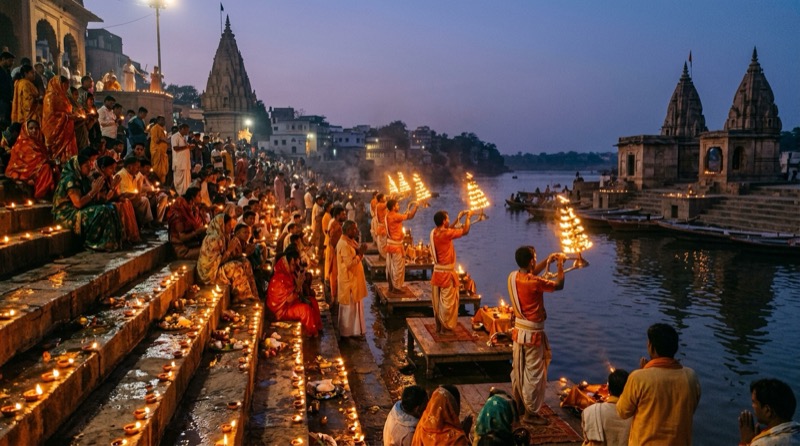
Haridwar
Where the Ganges leaves the mountains and enters the plains — evening Ganga Aarti at Har Ki Pauri is India's most electric spiritual spectacle.
Uttarakhand·easy·249m
JD
pilgrimageGangaaarti
🚗 any vehicle — well-connected plains city👨👩👧 very low — flat, accessible, family-friendly
Warming 20-38°C. Afternoons hot for ghat walks. Kanwar Yatra preparations. Mansa Devi climb punishing midday. Morning Ganga Aarti still pleasant.
3/5 — Doable👶 5/5
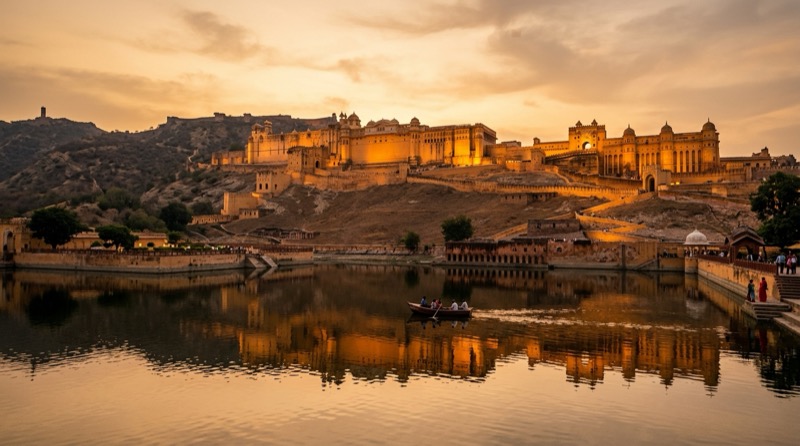
Jaipur
Every fort in Jaipur makes you feel like a Maharaja, and the city dresses in pink to make sure you notice.
Rajasthan·easy·431m
JD
fortheritagefamily
🚗 hatchback OK👨👩👧 easy family base
Hot 25-38°C. Amer Fort climb punishing by 10am. Hawa Mahal and City Palace interiors offer shade. Plan sunrise visits and afternoon museum breaks.
3/5 — Doable👶 4/5
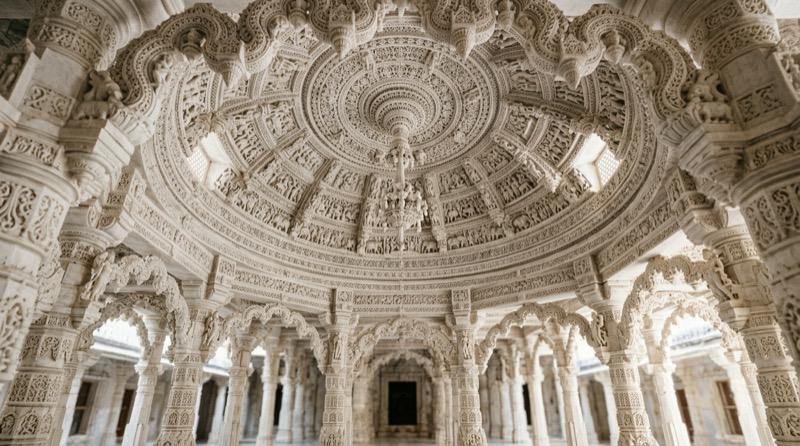
Mount Abu
Rajasthan only hill station — and Dilwara Jain temples are the most intricate marble carvings in India.
Rajasthan·easy·1,220m
JD
hill-stationtemplespiritual
🚗 hatchback OK👨👩👧 easy family base — only hill station in Rajasthan
Getting hot 22-35°C. Afternoons uncomfortable outdoors. Morning temple visits still OK. Crowds drop off.
3/5 — Doable👶 4/5
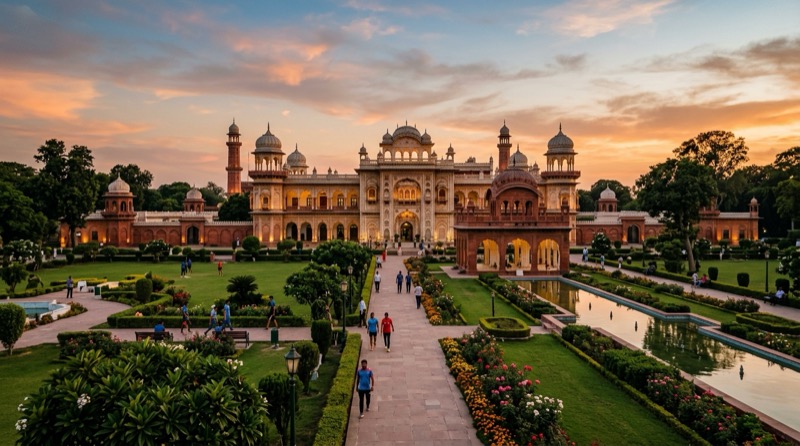
Patiala
The Patiala peg, the Patiala salwar, and a palace with 15 dining halls — Punjab royalty that most tourists skip.
Punjab·easy·250m
JD
palaceheritagefood
🚗 no vehicle needed — flat city👨👩👧 easy family base — flat, palaces for kids to explore
Warming 20-34°C. Afternoons uncomfortable. Morning palace visits still ok. Baisakhi harvest celebrations.
3/5 — Doable👶 5/5
Udaipur
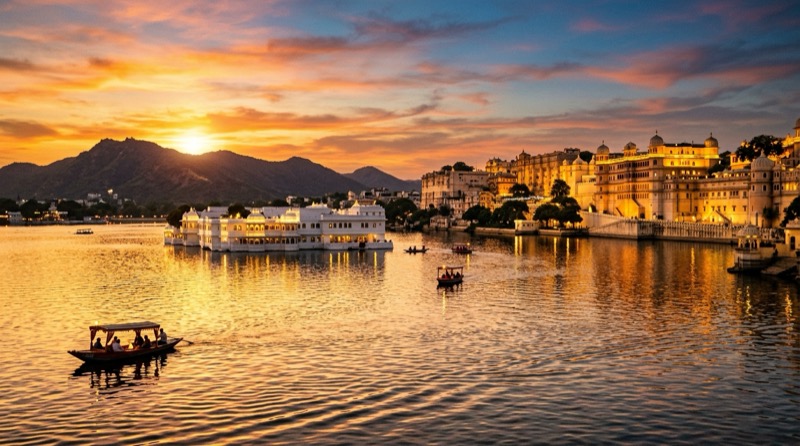
The most romantic city in India, and it knows it — every rooftop restaurant has a view of the lake and every sunset feels staged.
Rajasthan·easy·598m
JD
lakepalaceheritage
🚗 hatchback OK👨👩👧 easy family base — one of the most relaxed cities in India
Getting hot 25-37°C. Lake levels dropping. Afternoon sightseeing tough. Morning palace visits still ok. Crowds thin.
3/5 — Doable👶 3/5
Uttarkashi
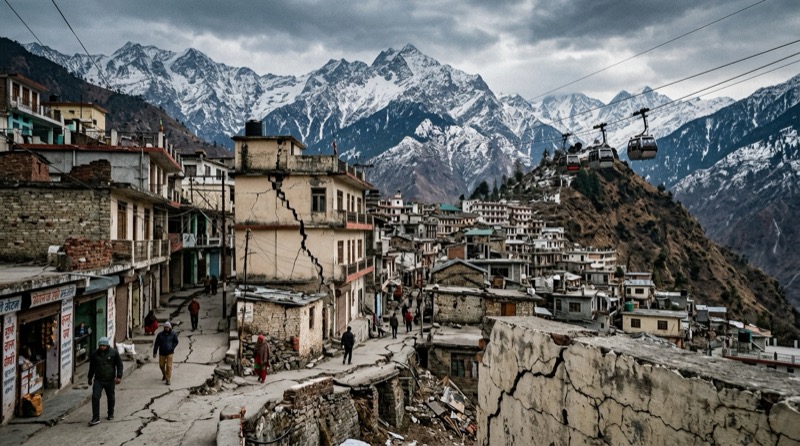
The Kashi of the North — a riverside temple town that doubles as basecamp for serious Himalayan mountaineering and the Char Dham circuit.
Uttarakhand·easy·1,158m
JD
pilgrimagemountaineeringtrek-base
🚗 hatchback OK — on main highway👨👩👧 low — town with facilities, good acclimatization stop
Spring 8-20°C. Char Dham transit season begins. Town buzzing as Gangotri gateway. Dayara Bugyal trek opening.
3/5 — Doable👶 3/5
Varanasi
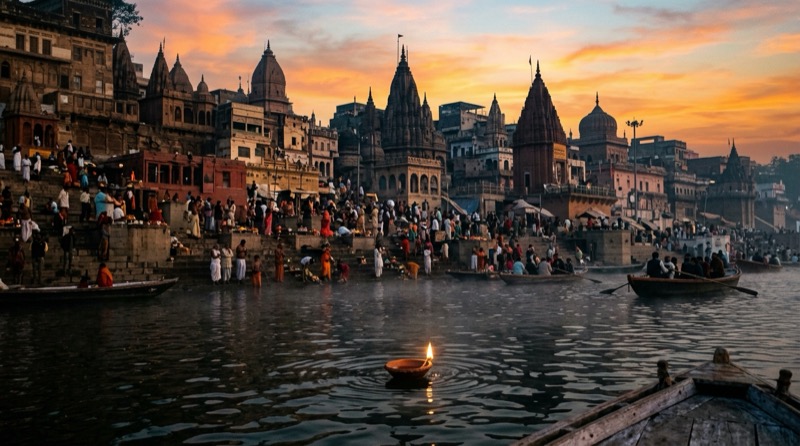
The oldest continuously inhabited city in the world, where life and death happen simultaneously on the same riverbank and neither apologizes for the other.
Uttar Pradesh·easy·80m
JD
spiritualheritagephotography
🚗 hatchback OK to Varanasi, DO NOT drive inside old city👨👩👧 manageable with planning — old city is overwhelming for toddlers
Getting hot 28-40°C. Ghat walks only at dawn and dusk. Morning boat ride on Ganga still feasible. Midday brutal.
2/5 — Marginal👶 5/5
Agra
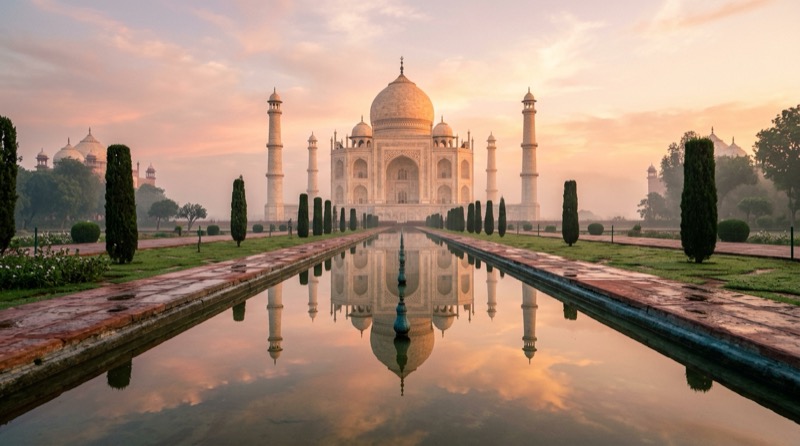
The Taj Mahal is worth every cliche ever written about it — and Mehtab Bagh at sunset, when the crowds thin, is when it stops being a monument and starts being magic.
Uttar Pradesh·easy·171m
JD
heritagefamilyphotography
🚗 hatchback OK👨👩👧 easy family base
Scorching 28-40°C. Taj marble radiates heat by midday. Only viable at sunrise/sunset. Hotels drop rates but AC is essential.
2/5 — Marginal👶 3/5
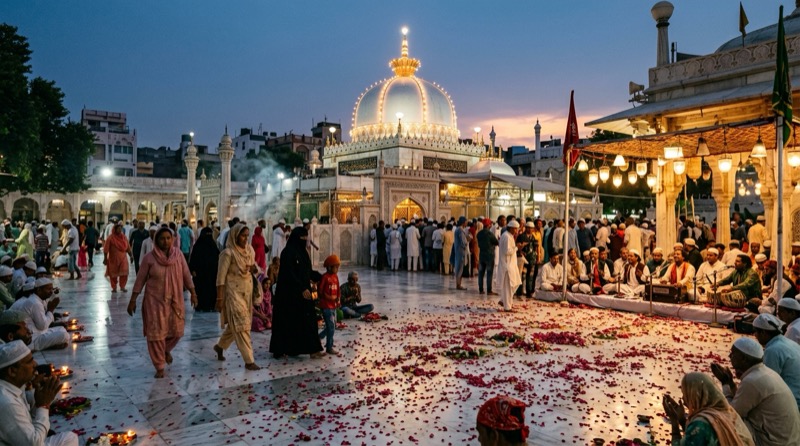
Ajmer
One of India most important Sufi shrines — and the gateway everyone rushes through to reach Pushkar.
Rajasthan·easy·486m
JD
spiritualSufiheritage
🚗 hatchback OK👨👩👧 easy family base
Hot 25-38°C. Dargah courtyard marble burns feet by noon. Limited shade on Taragarh trek. Carry 3L water minimum.
2/5 — Marginal👶 4/5
Alwar
Bhangarh ghost fort, Sariska tiger reserve, and a city palace that rivals Jaipur — all in India most ignored Rajasthan district.
Rajasthan·easy·316m
JD
fortwildlifeghost
🚗 hatchback OK👨👩👧 easy family base
Hot 22-38°C. Bala Quila climb becomes punishing by 10am. Sariska dries out — better tiger sightings but brutal jeep rides.
2/5 — Marginal👶 4/5
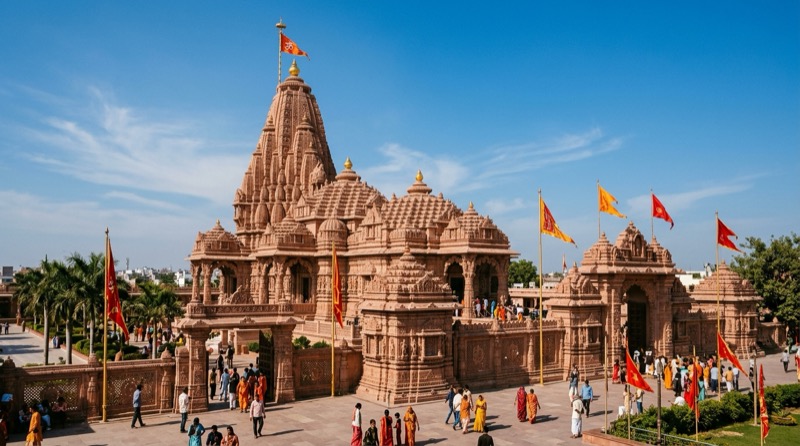
Ayodhya
The newly built Ram Mandir has turned a 500-year-old dispute into India biggest pilgrimage boom.
Uttar Pradesh·easy·93m
JD
spiritualtempleemerging
🚗 no vehicle needed — flat city👨👩👧 easy family base — flat terrain, spiritual town
Hot 25-40°C. Temples accessible but queues in direct sun are exhausting. Carry water and umbrella. Ram Navami may fall here — check dates.
2/5 — Marginal👶 2/5
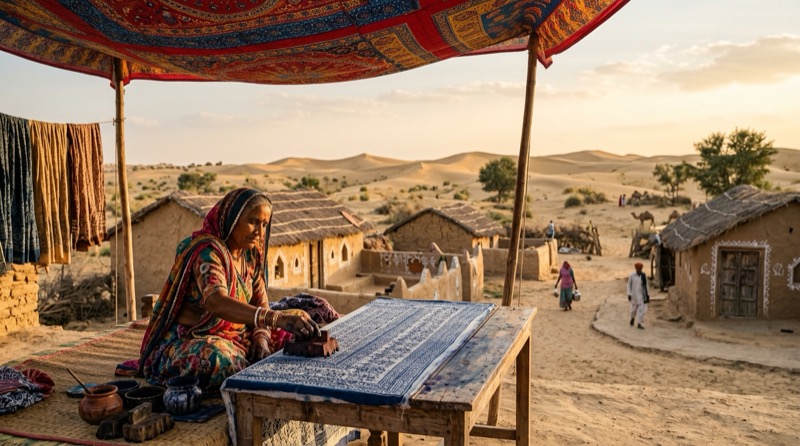
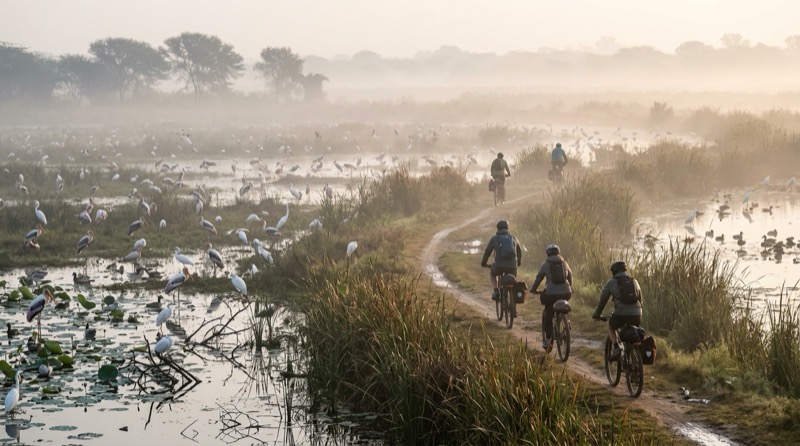
Barmer
The Rajasthan even Rajasthanis skip — hand-block printing villages, desert sand dunes without the Jaisalmer tourist machinery.
Rajasthan·easy·227m
JD
desertcraftoffbeat
🚗 hatchback OK👨👩👧 easy family base — desert town, flat
Hot 22-40°C. Desert sun intense by 10am. Kiradu ruins have zero shade. Sand reflects heat. Only very early morning visits viable.
2/5 — Marginal👶 4/5
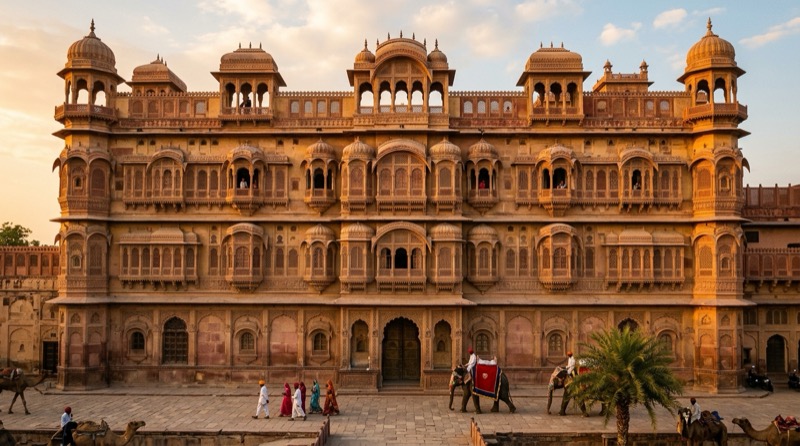
Bharatpur & Deeg
UNESCO birds and a water palace where 900 fountains once fired simultaneously — all 55km from the Taj.
Rajasthan·easy·178m
JD
wildlifebirdsheritage
🚗 hatchback OK👨👩👧 easy family base — bird sanctuary is great for kids
Hot 22-38°C. Marshland drying rapidly. Few birds remain. Deeg Palace in harsh midday light. Only early morning cycle rides bearable.
2/5 — Marginal👶 4/5
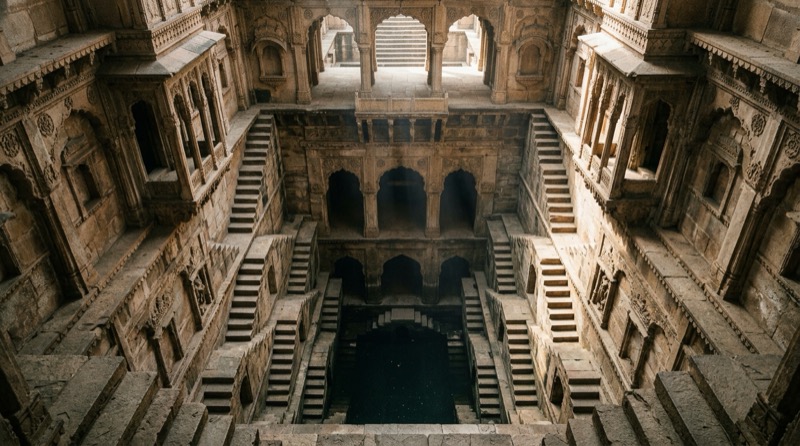
Bikaner
Junagarh Fort that was never conquered, a temple full of rats, and a government camel research farm — Bikaner does not do normal.
Rajasthan·easy·242m
JD
fortheritagequirky
🚗 hatchback OK👨👩👧 easy family base — camel rides fun for kids
Hot 22-40°C. Junagarh Fort interiors offer some shade but courtyards bake. Bikaneri bhujia factories worth visiting for AC and snacks.
2/5 — Marginal👶 3/5
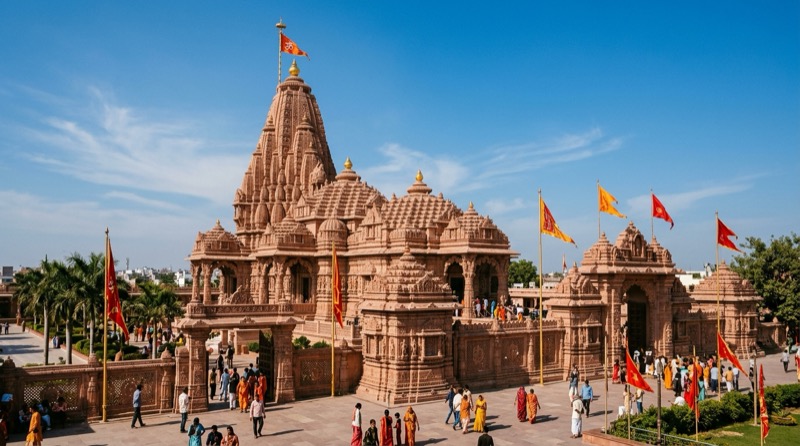
Bundi
The Rajasthan that tourism forgot — 50 stepwells, a crumbling fort, painted havelis, and zero selfie sticks.
Rajasthan·easy·268m
JD
heritagestepwellfort
🚗 hatchback OK👨👩👧 easy family base — small charming town
Hot 22-40°C. Taragarh Fort climb punishing by 9am. Palace courtyards bake. Stepwells offer cool interiors. Early morning only.
2/5 — Marginal👶 4/5
Chitrakoot
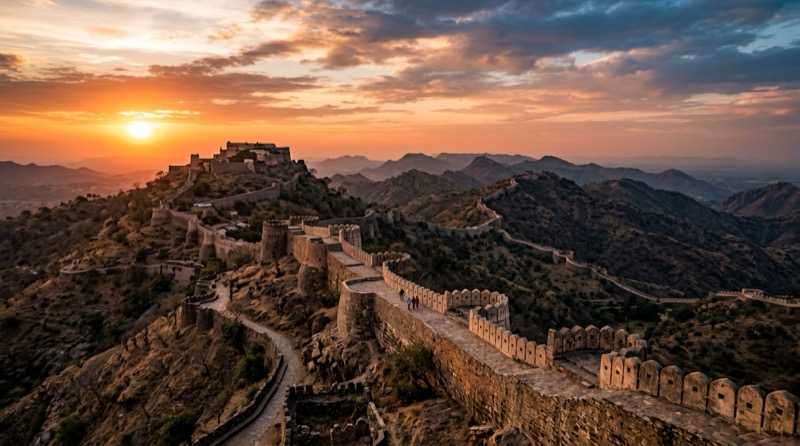
Where Ram spent 11 of his 14 years of exile — the most important Ramayana site outside Ayodhya.
Uttar Pradesh·easy·317m
JD
spiritualRamayanapilgrimage
🚗 hatchback OK👨👩👧 easy family base — spiritual pilgrimage town
Hot 22-40°C. Ram Navami (if in April) brings massive pilgrim surge. Kamadgiri parikrama punishing midday. Carry 3L water. Dawn visits only.
2/5 — Marginal👶 4/5
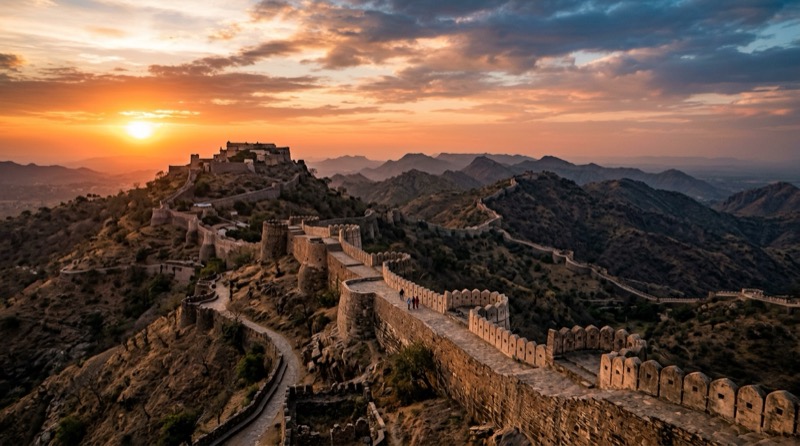
Chittorgarh & Kumbhalgarh
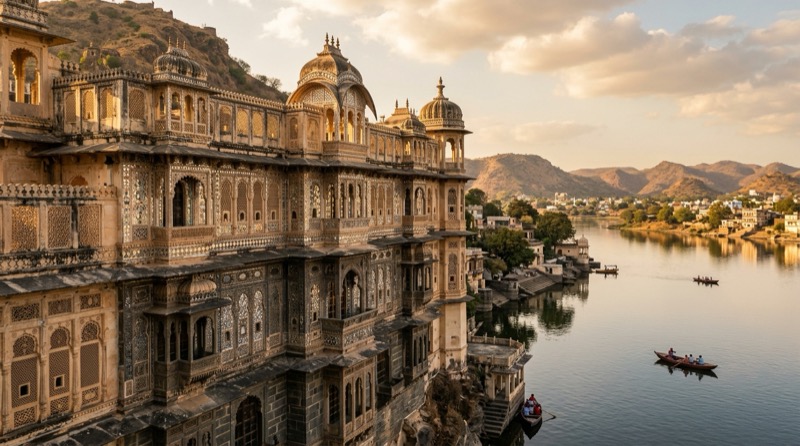
India largest fort + the second longest wall in the world + India finest Jain temple — all in one circuit.
Rajasthan·easy·350m
JD
fortheritagehistory
🚗 hatchback OK👨👩👧 easy family base — forts are exciting for kids
Hot 22-38°C. Chittorgarh fort's exposed ramparts punishing by 10am. Kumbhalgarh slightly cooler due to elevation. Carry water, sunscreen.
2/5 — Marginal👶 3/5
Dungarpur
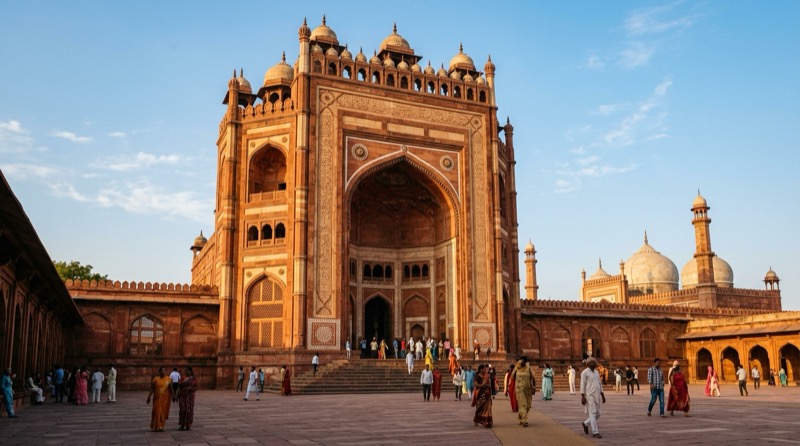
The palace town south of Udaipur that even palace enthusiasts don't know about.
Rajasthan·easy·223m
JD
palaceheritageoffbeat
🚗 hatchback OK👨👩👧 easy family base — small heritage town
Hot 22-40°C. Juna Mahal's stone interiors offer shade but getting there is hot. Gaib Sagar drying. Limited outdoor exploration window.
2/5 — Marginal👶 5/5
Fatehpur Sikri
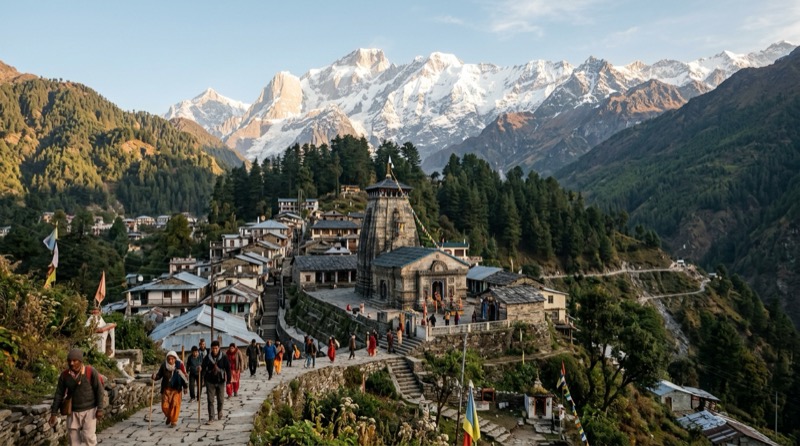
Akbar built an entire capital city in 1571, used it for 14 years, then abandoned it forever — the red sandstone ghost city still stands untouched.
Uttar Pradesh·easy·175m
JD
UNESCOMughalarchitecture
🚗 any vehicle — 40km from Agra on good road👨👩👧 very low — flat, well-maintained site
Hot 22-40°C. Exposed sandstone plateau radiates heat by 10am. Buland Darwaza steps punishing in afternoon sun. Dawn visits only viable.
2/5 — Marginal👶 4/5
Guptkashi
The last comfortable town before Kedarnath — where smart pilgrims base themselves instead of suffering at 3583m.
Uttarakhand·easy·1,319m
JD
spiritualgatewaykedarnath
🚗 hatchback OK — on Kedarnath highway👨👩👧 easy family base — small pilgrim town
Kedarnath may open late April (date varies). Road being cleared. Town fills with waiting pilgrims. Helicopter bookings surge. Unpredictable access.
2/5 — Marginal👶 5/5
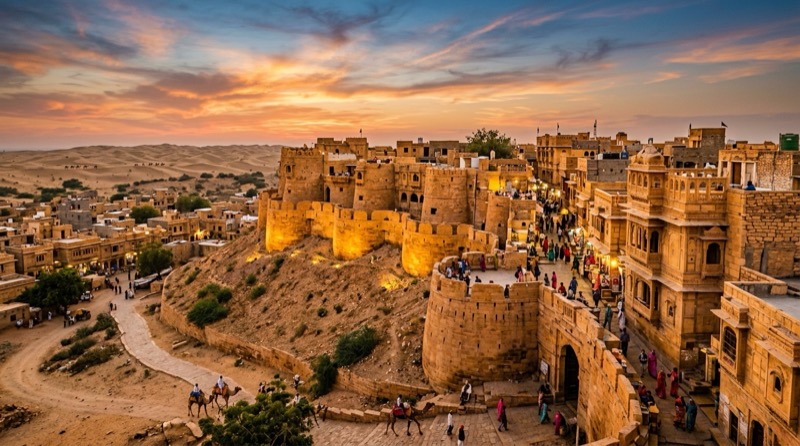
Jaisalmer
The only fort in India where 3000 people still LIVE — shops, temples, hotels, inside a 12th-century citadel.
Rajasthan·easy·225m
JD
fortdesertheritage
🚗 hatchback OK — desert roads are flat👨👩👧 easy family base — camel rides and forts are kid magnets
Hot 20-38°C. Golden Fort sandstone bakes midday. Dune safaris only viable at sunrise/sunset. Wind carries sand. Desert heat building quickly.
2/5 — Marginal👶 4/5
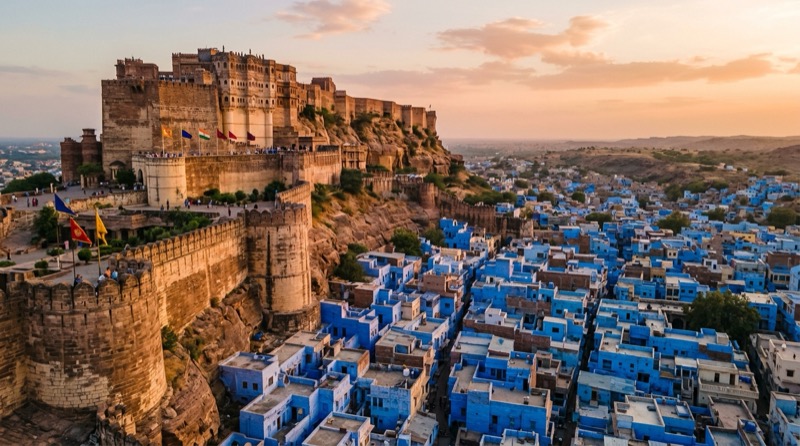
Jodhpur
Mehrangarh is the fort that makes every other fort in Rajasthan feel like a rehearsal.
Rajasthan·easy·231m
JD
fortheritagephotography
🚗 hatchback OK👨👩👧 easy family base — blue city is magical for kids
Hot 22-40°C. Mehrangarh ramparts exposed and punishing by 10am. Blue City lanes offer some shade. Toorji Ka Jhalra stepwell is cool refuge. Dawn visits only.
2/5 — Marginal👶 4/5
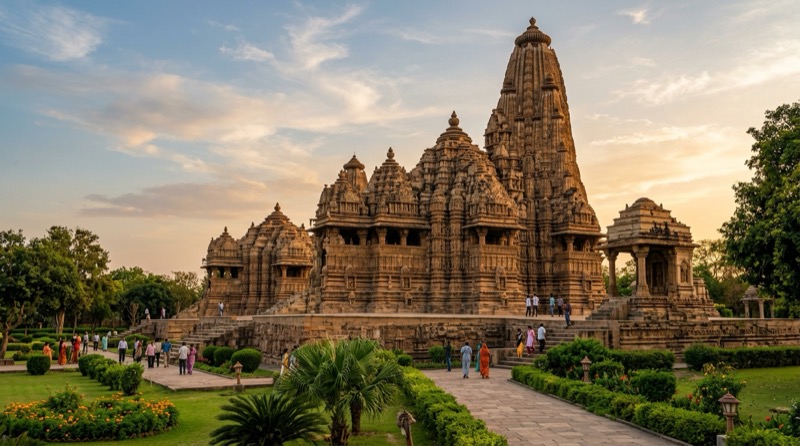
Khajuraho
Erotic temple sculptures from 1,000 years ago that make you wonder what happened to India between then and now — UNESCO masterpieces in a sleepy village.
Madhya Pradesh·easy·283m
JD
UNESCOtempleerotic-art
🚗 any vehicle — has its own airport👨👩👧 very low — flat, compact site, good for families
Hot 22-40°C. Temple complex has no shade — sandstone platforms radiate heat. Sculptures hard to appreciate when drenched in sweat. Dawn visits only.
2/5 — Marginal👶 3/5
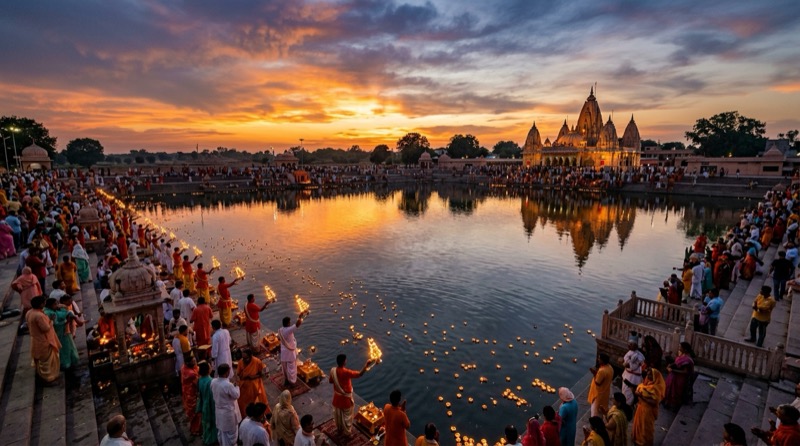
Kurukshetra
Where the Mahabharata war happened — or didn not — but the Brahma Sarovar and Krishna Museum make the mythology tangible.
Haryana·easy·274m
JD
spiritualmythologicalheritage
🚗 no vehicle needed — flat pilgrim town👨👩👧 easy family base — flat, historical
Hot 22-38°C. Brahma Sarovar walkway exposed and punishing midday. Jyotisar open ground bakes. Only dawn and dusk visits viable. Carry water always.
2/5 — Marginal👶 4/5
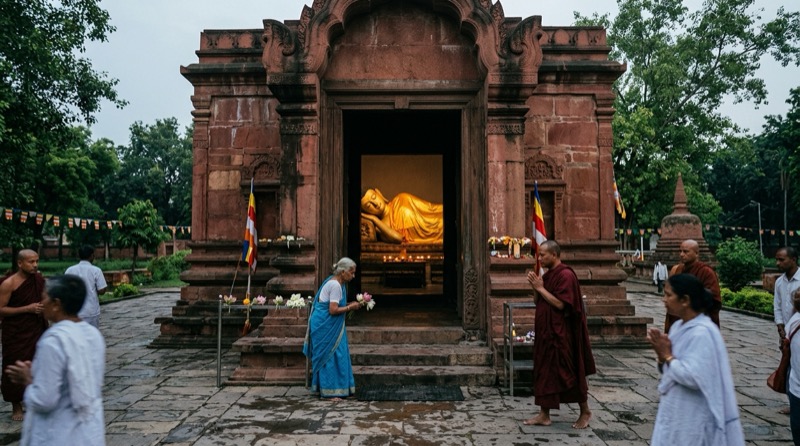
Kushinagar
Where the Buddha died — one of the four holiest Buddhist sites on Earth and India most undervisited pilgrimage.
Uttar Pradesh·easy·84m
JD
spiritualBuddhistpilgrimage
🚗 no vehicle needed — flat Buddhist pilgrimage town👨👩👧 easy family base — peaceful, flat terrain
Hot 22-40°C. Stupa ruins and meditation gardens exposed to sun. Mahaparinirvana Temple interior offers shade. Early morning walks only. Carry 3L water.
2/5 — Marginal👶 4/5
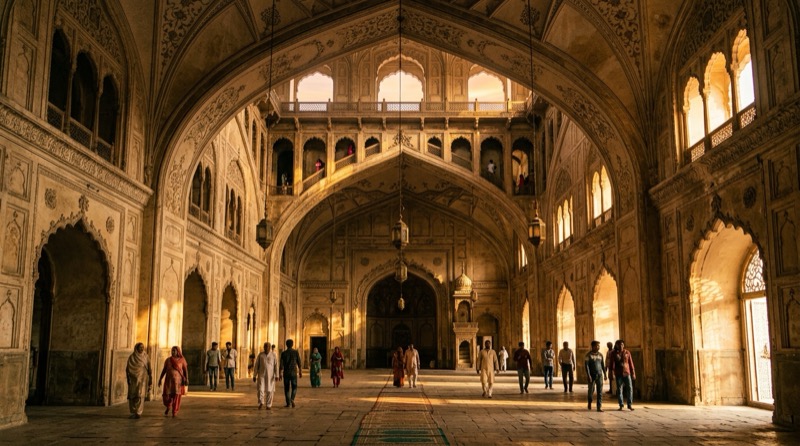
Lucknow
The city where food is religion, manners are art, and the Bara Imambara is the most underrated monument in India.
Uttar Pradesh·easy·123m
JD
foodheritagecultural
🚗 no vehicle needed — metro city with auto-rickshaws👨👩👧 easy family base — flat, great food, friendly city
Hot at 28-40°C. Outdoor sightseeing uncomfortable after 10am. Stick to AC restaurants and evening walks only.
2/5 — Marginal👶 4/5
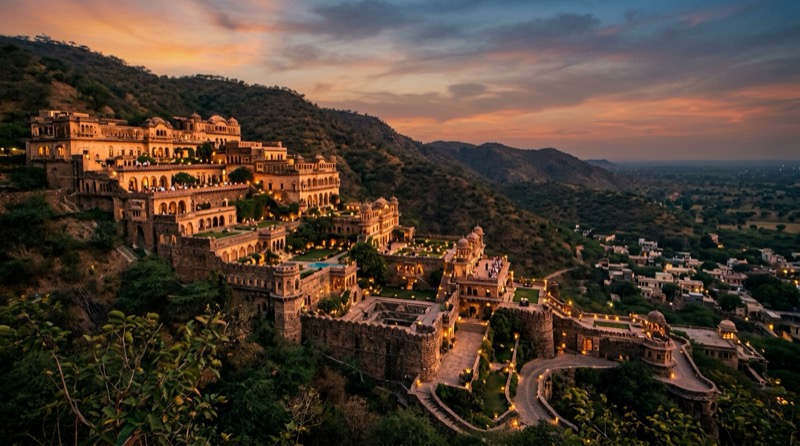
Neemrana
A 15th century fort turned into India most famous heritage hotel — and the zip-line across its ramparts.
Rajasthan·easy·305m
JD
fort-hotelluxuryheritage
🚗 hatchback OK — on NH48, 2hrs from Delhi👨👩👧 easy family base — heritage resort, easy drive
Hot 28-40°C. Fort pool essential. Outdoor activities uncomfortable after 10am. Zip-lining in heat tough.
2/5 — Marginal👶 5/5
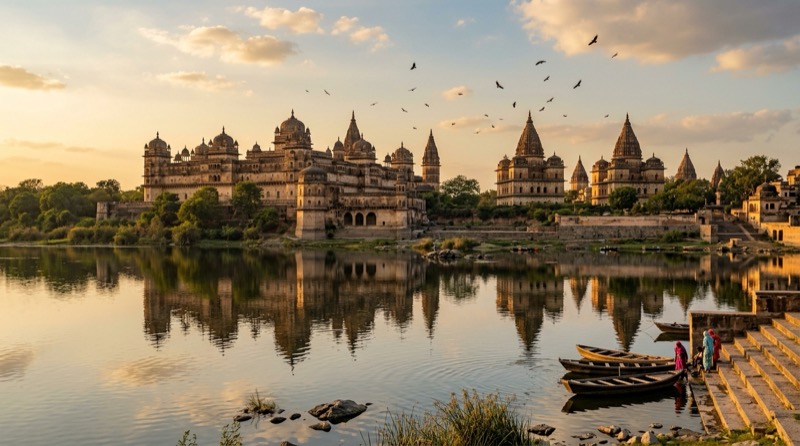
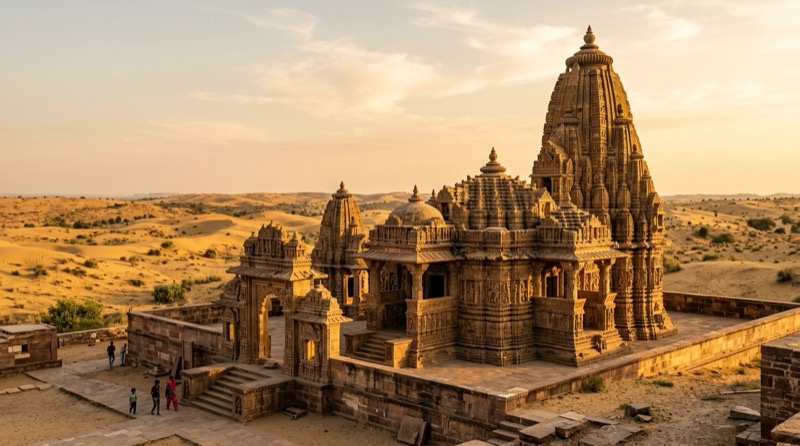
Orchha
A forgotten Bundela kingdom on the Betwa river — grand cenotaphs and palaces with zero crowds and sunset views that rival any fort in India.
Madhya Pradesh·easy·253m
JD
heritageBundelafort
🚗 any vehicle — 15km from Jhansi👨👩👧 very low — flat, relaxed town, great for families
Heat setting in 28-42°C. Fort explorations only early morning. Stone structures radiate heat by midday. Tough.
2/5 — Marginal👶 3/5
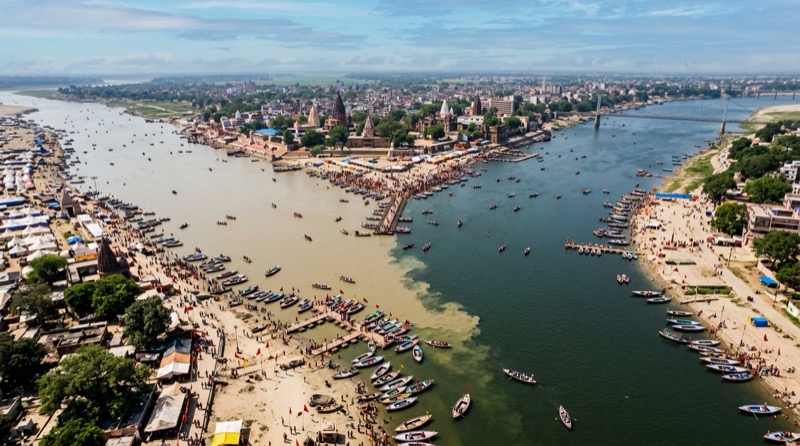
Osian
The Khajuraho of Rajasthan — 8th century temples in the Thar Desert that nobody visits.
Rajasthan·easy·232m
JD
templeheritagedesert
🚗 hatchback OK👨👩👧 easy family base — desert temple town
Hot 28-40°C. Desert sun punishing. Temple visits only early morning. Sand reflects heat brutally. Avoid midday.
2/5 — Marginal👶 3/5
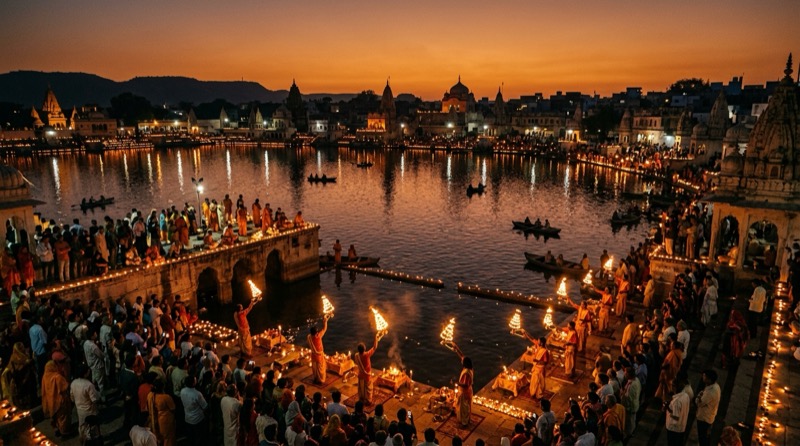
Prayagraj
Where three rivers meet and 100 million people gather every 12 years — the Triveni Sangam defies every concept of scale.
Uttar Pradesh·easy·98m
JD
spiritualconfluenceheritage
🚗 no vehicle needed — flat city with auto-rickshaws👨👩👧 easy family base — flat, major pilgrimage city
Hot 28-40°C. Sangam visits only bearable at dawn. River levels low. Triveni ghat exposed. Uncomfortable.
2/5 — Marginal👶 3/5
Pushkar
The only Brahma temple in India, a holy lake older than recorded history, and a camel fair that defies description.
Rajasthan·easy·510m
JD
spirituallakeoffbeat
🚗 hatchback OK👨👩👧 easy family base — Pushkar Lake is peaceful
Hot 28-40°C. Lake levels dropping. Ghats scorching midday. Only dawn/dusk visits tolerable. Desert heat hits.
2/5 — Marginal👶 5/5
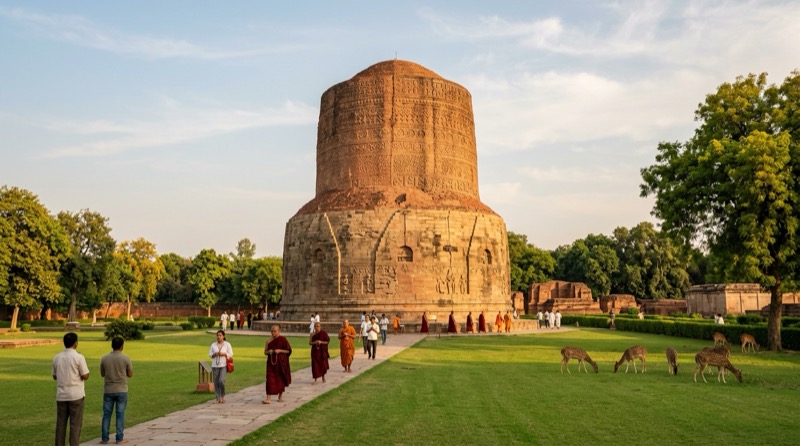
Sarnath
Where Buddha gave his first sermon — the Dhamek Stupa has stood here for 2,500 years, and this quiet park is the antidote to Varanasi's chaos.
Uttar Pradesh·easy·80m
JD
BuddhistUNESCOhistory
🚗 any vehicle — 10km from Varanasi👨👩👧 very low — flat, peaceful gardens
Heat building 24-40°C. Open ruins exposed to sun. Morning visits only. Museum has AC. Buddha Purnima celebrations.
2/5 — Marginal👶 3/5
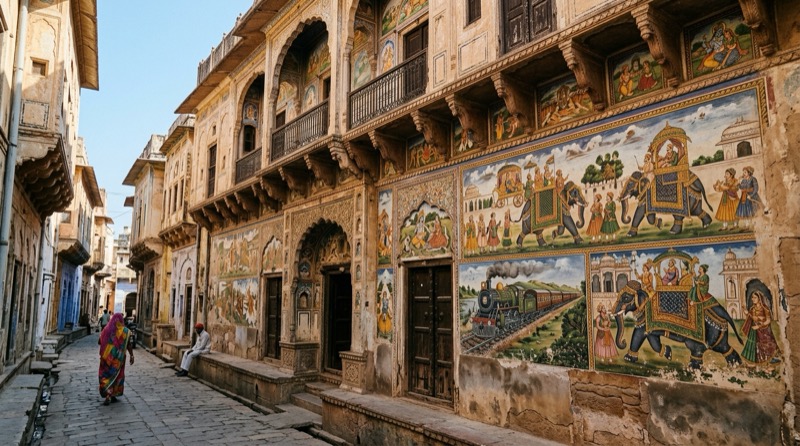
Shekhawati
The open-air art gallery of Rajasthan — 400-year-old painted havelis in towns nobody visits.
Rajasthan·easy·330m
JD
heritagehaveliart
🚗 hatchback OK — flat terrain, good roads👨👩👧 easy family base — painted havelis are fascinating for kids
Hot 28-40°C. Haveli courtyards bake by midday. Frescoes still viewable but outdoor walks punishing. Dawn only.
2/5 — Marginal👶 3/5
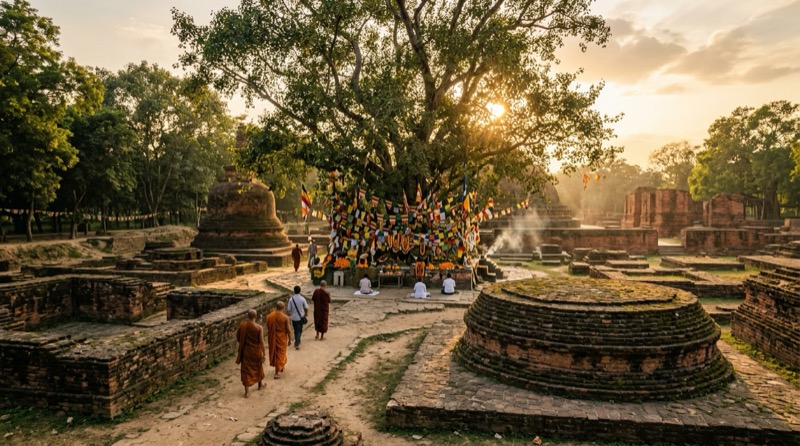
Sravasti
Where Buddha spent 24 rainy seasons — the place he lived longest, and most Buddhists skip it for Bodh Gaya.
Uttar Pradesh·easy·120m
JD
spiritualBuddhistarchaeological
🚗 no vehicle needed — flat Buddhist pilgrimage town👨👩👧 easy family base — peaceful, flat terrain
Hot 28-40°C. Archaeological sites exposed to sun. Morning-only visits viable. Buddha Purnima celebrations.
2/5 — Marginal👶 4/5
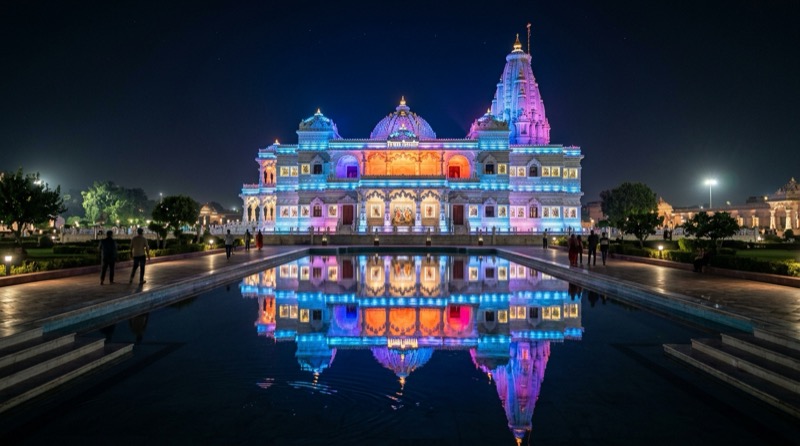
Vrindavan & Mathura
Krishna birthplace, Holi capital of India, and temples so colorful they make Rajasthan look monochrome.
Uttar Pradesh·easy·174m
JD
spiritualtemplecolorful
🚗 no vehicle needed — flat temple towns with auto-rickshaws👨👩👧 easy family base — spiritual but crowded
Hot 30-42°C. Temple interiors still ok but outdoor parikrama unbearable midday. Dawn and dusk visits only.