Cultural Context
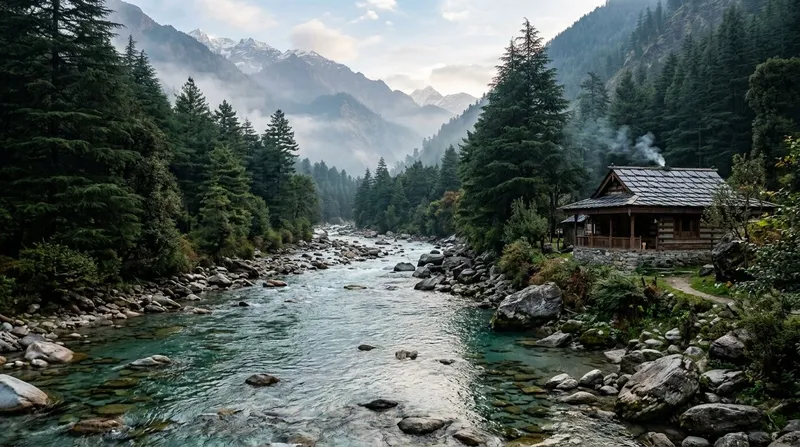
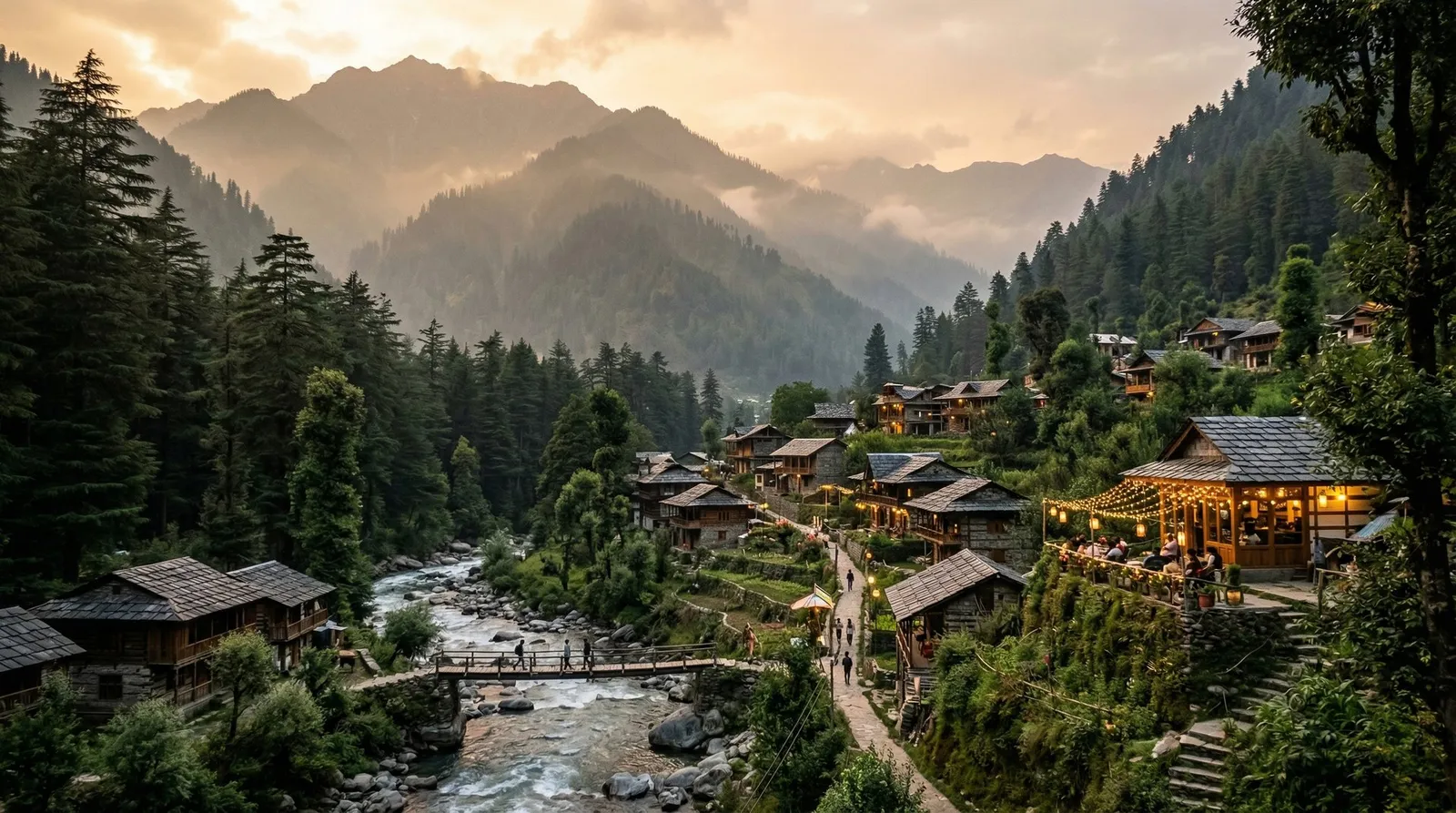
Jibhi is a tiny village in the Tirthan Valley that has rapidly transformed from an unknown hamlet to a major backpacker destination. Nestled at 1,600m among cedar forests and apple orchards, it sits near the Great Himalayan National Park (a UNESCO World Heritage Site). Traditional Himachali wooden houses and the small Shringa Rishi Temple give it authentic mountain village character.
What to Wear
Casual clothing. Warm layers. No specific cultural dress codes — relaxed backpacker atmosphere.
Food Safety
Growing cafe scene with good food options. Several foreigner-friendly cafes serve continental, Israeli, and Indian food alongside local trout. Safe at established cafes. Bottled water recommended.
Common Scams to Watch For
- •Treehouse and cottage Instagram photos heavily filtered — reality may differ significantly from social media posts
- •Trek guides to Jalori Pass and Serolsar Lake overcharging during peak season — standard rates are modest
- •Taxi drivers from Aut (highway junction) inflating rates for the short drive to Jibhi
Cards & Cash
Many cafes and newer guesthouses accept UPI. Some accept cards. Cash still needed for smaller establishments. No ATM in Jibhi — nearest in Banjar (7 km). Carry cash.
English Spoken
moderate to high — popular with international and domestic backpackers. Cafe owners and guesthouse operators speak good English.
Phone & SIM
Jio works in Jibhi village. Airtel is patchy. BSNL is reliable. Signal drops in surrounding forests and on treks.
Nearest Embassy
Delhi — approximately 470 km by road
Standard Indian e-Visa covers Jibhi. No special permits required. Great Himalayan National Park entry requires a permit and registered guide.