Where to go in India this February.
Ranked by NakshIQ Score · Ties broken by editorial richness · Hover for full color
Where to go in India
February in India — where the data says go, wait, and skip
Every destination scored 0-10 for February — weather, roads, crowds, festivals. Go first, then Wait, then Skip. No opinions, just the data.
The other scoring 10/10
10/10272 destinations
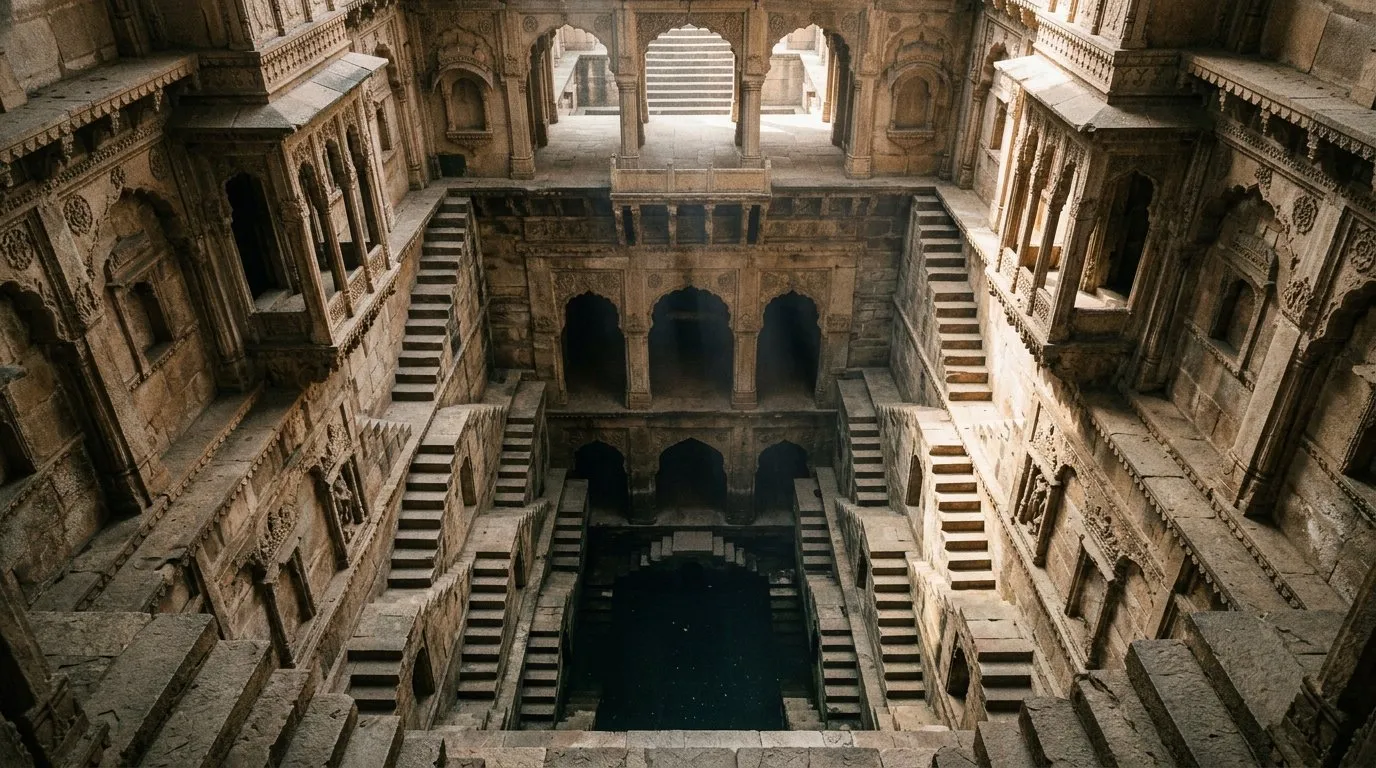
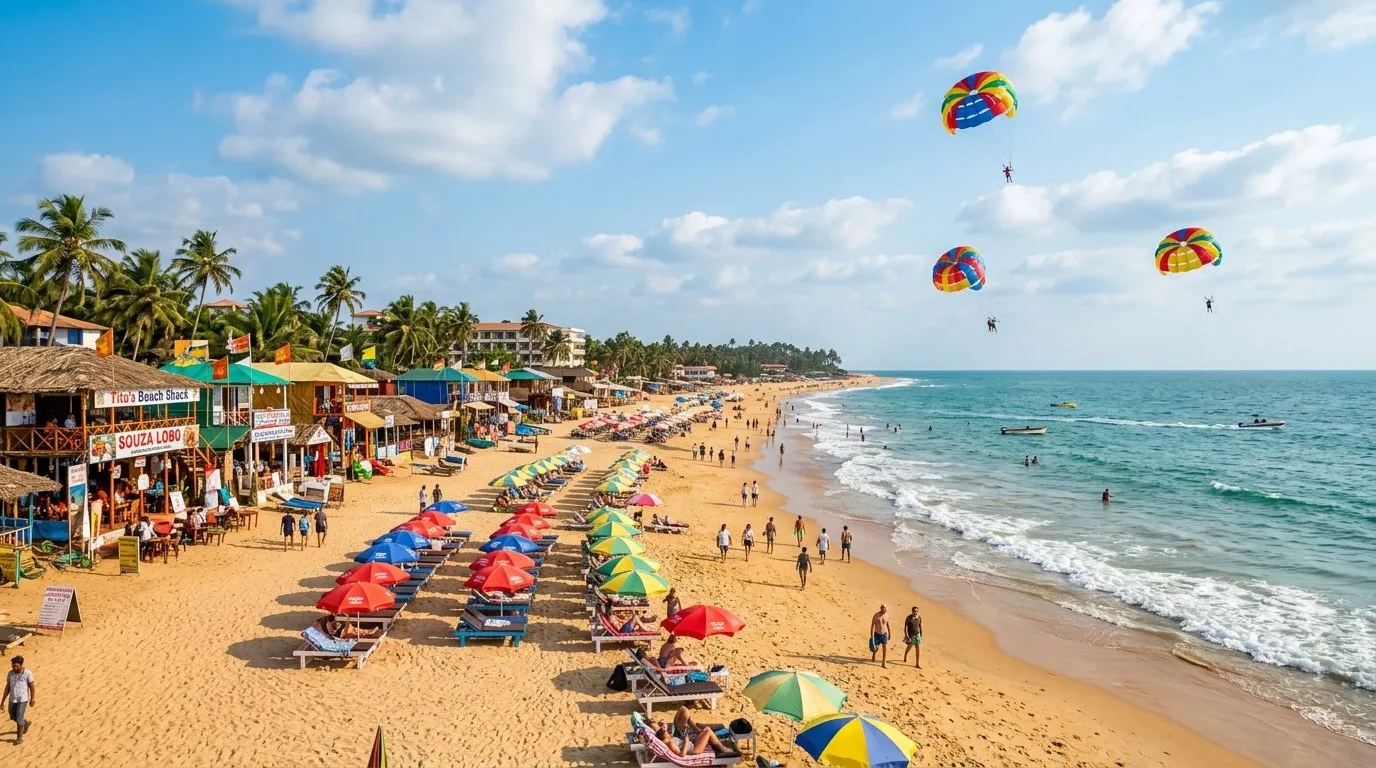
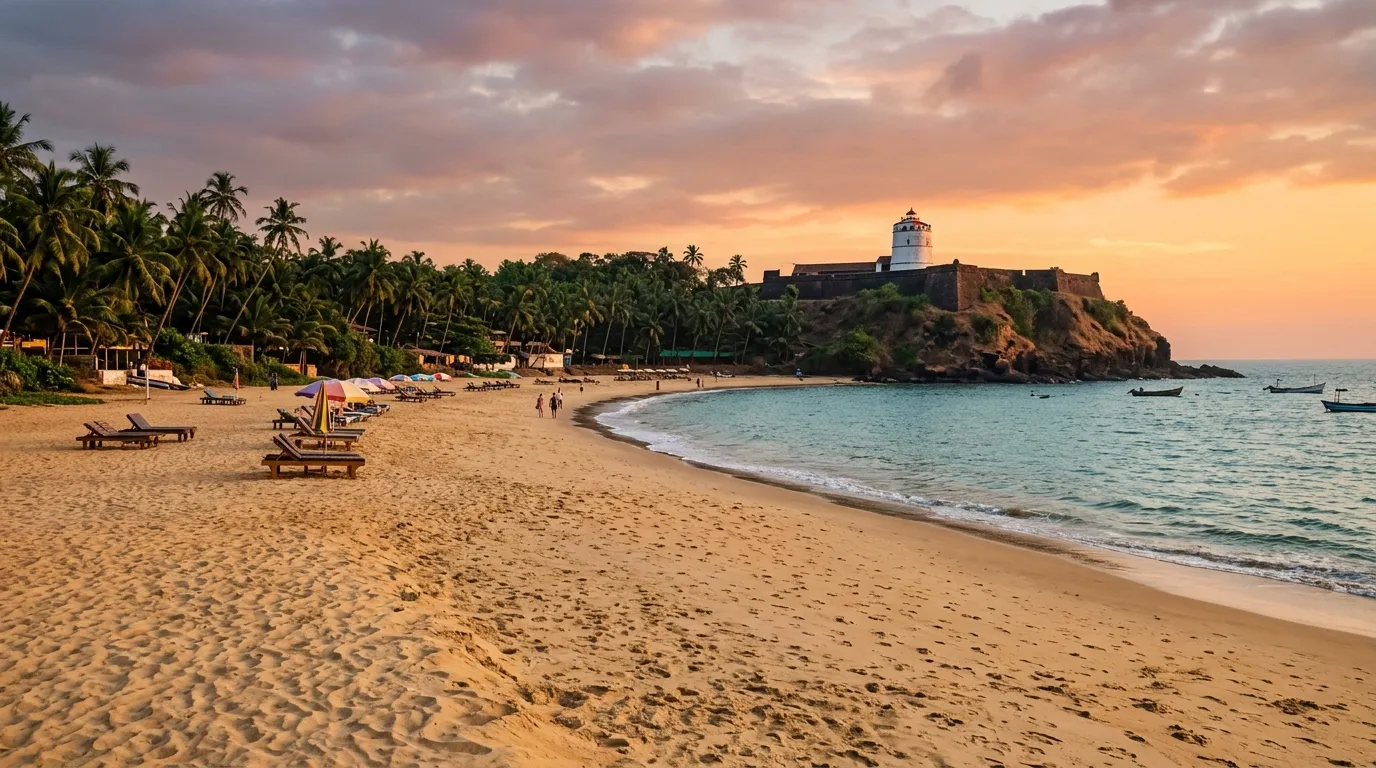
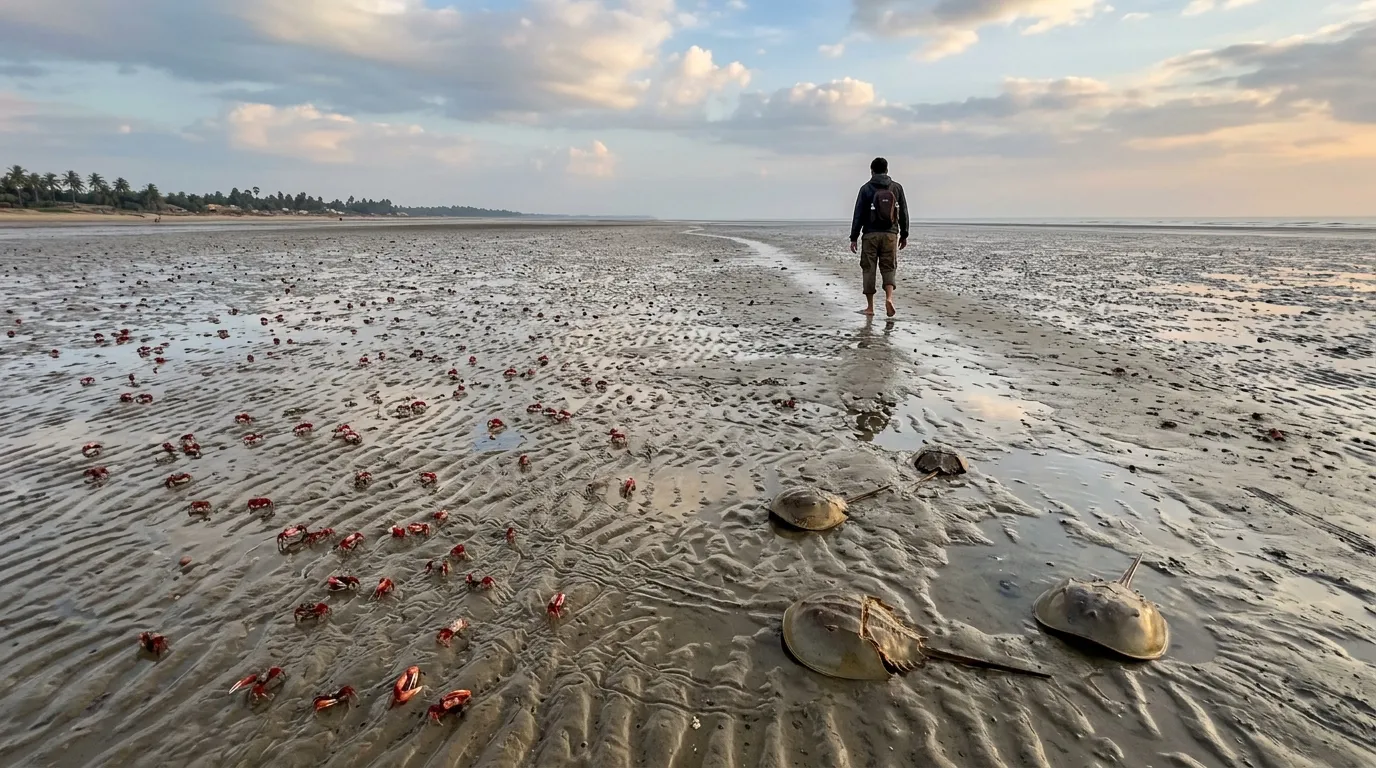



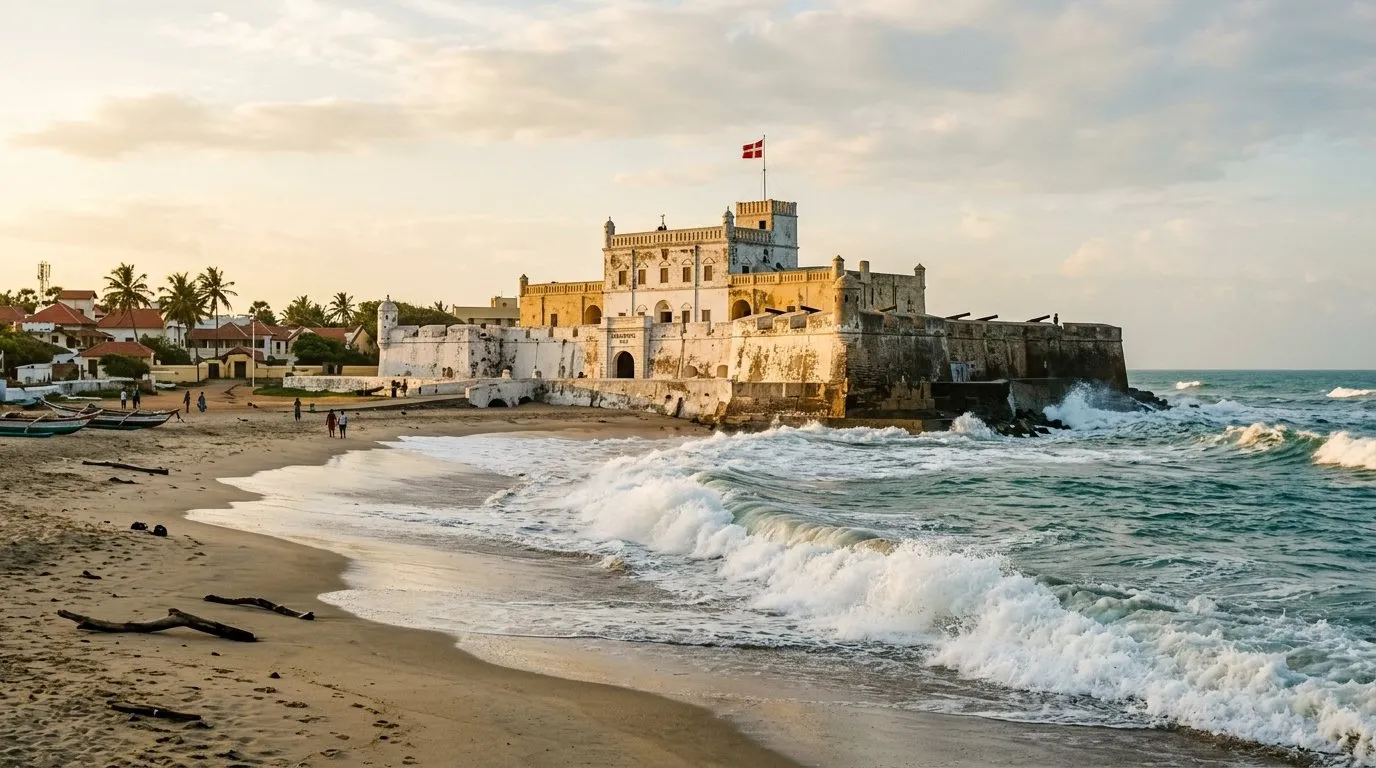
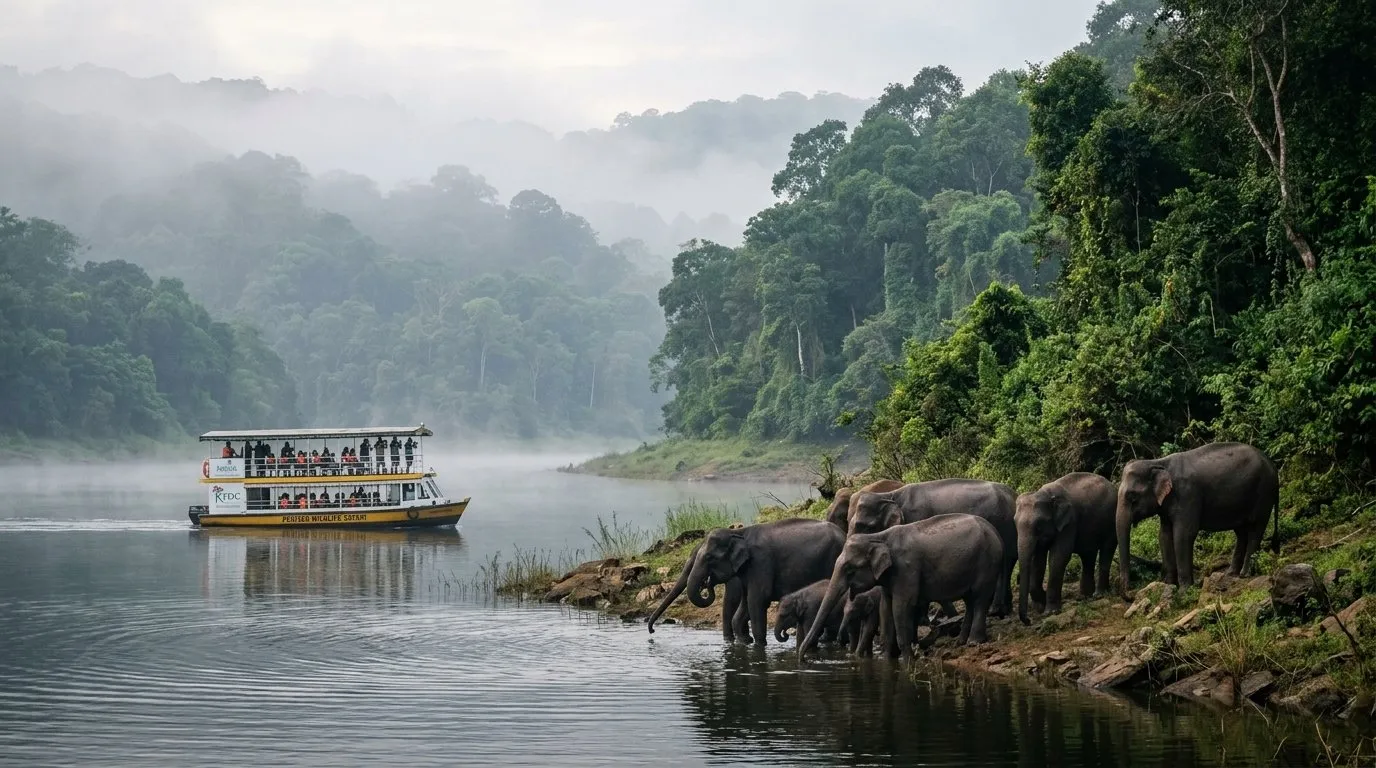
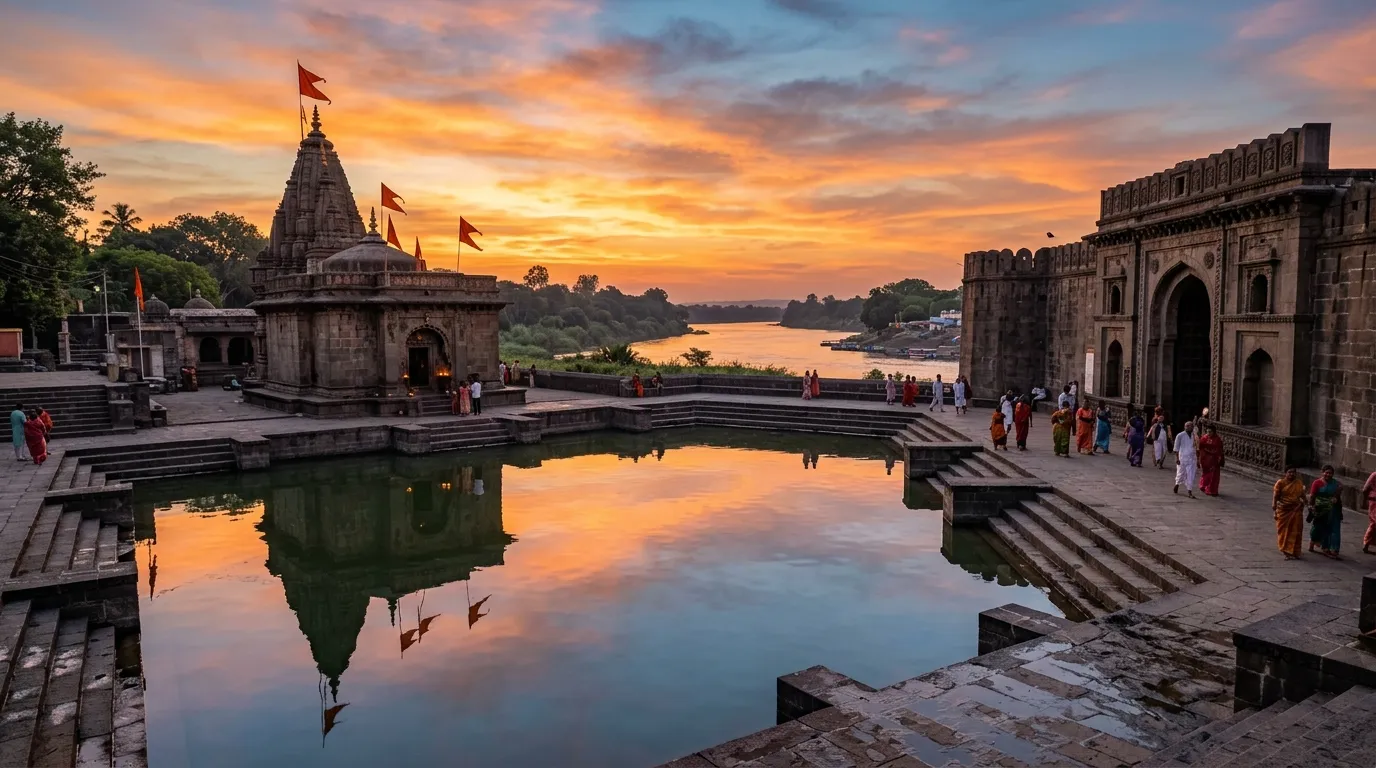
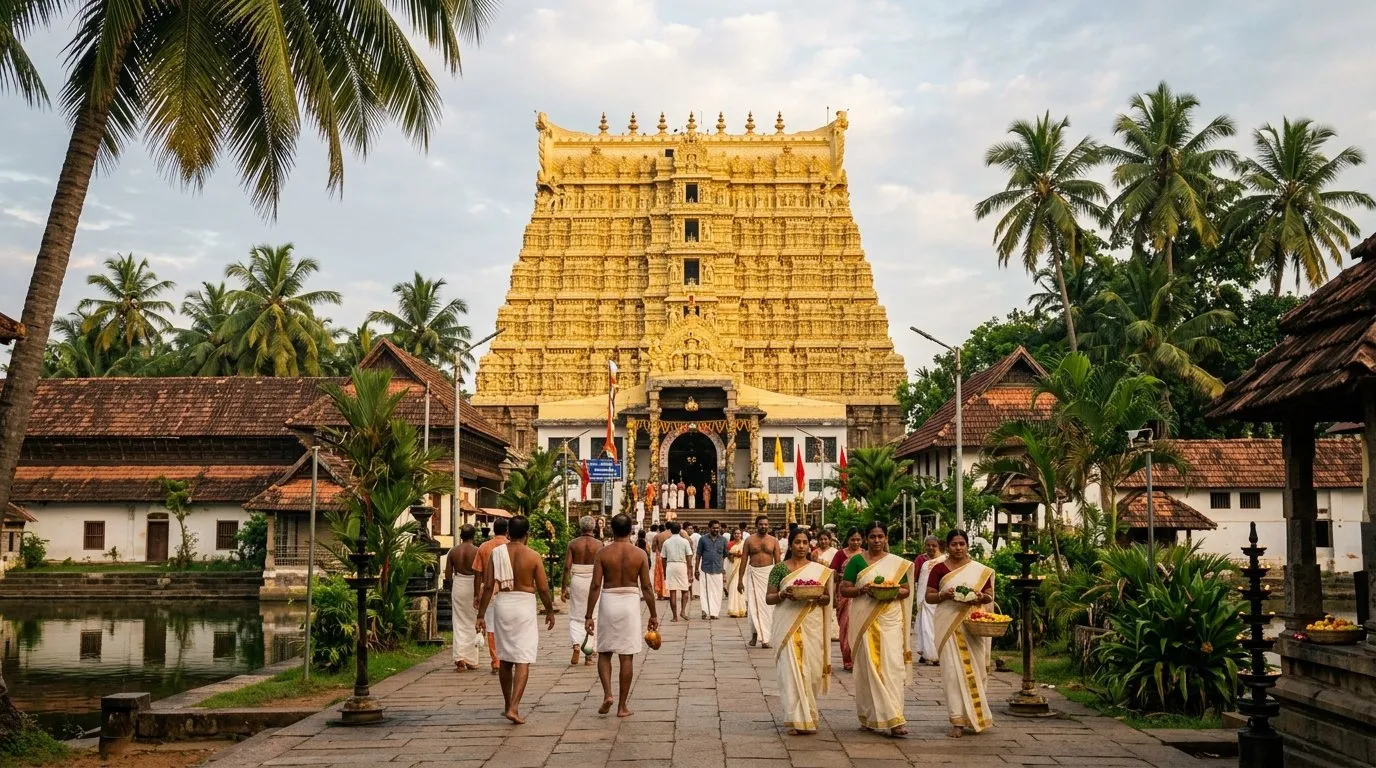


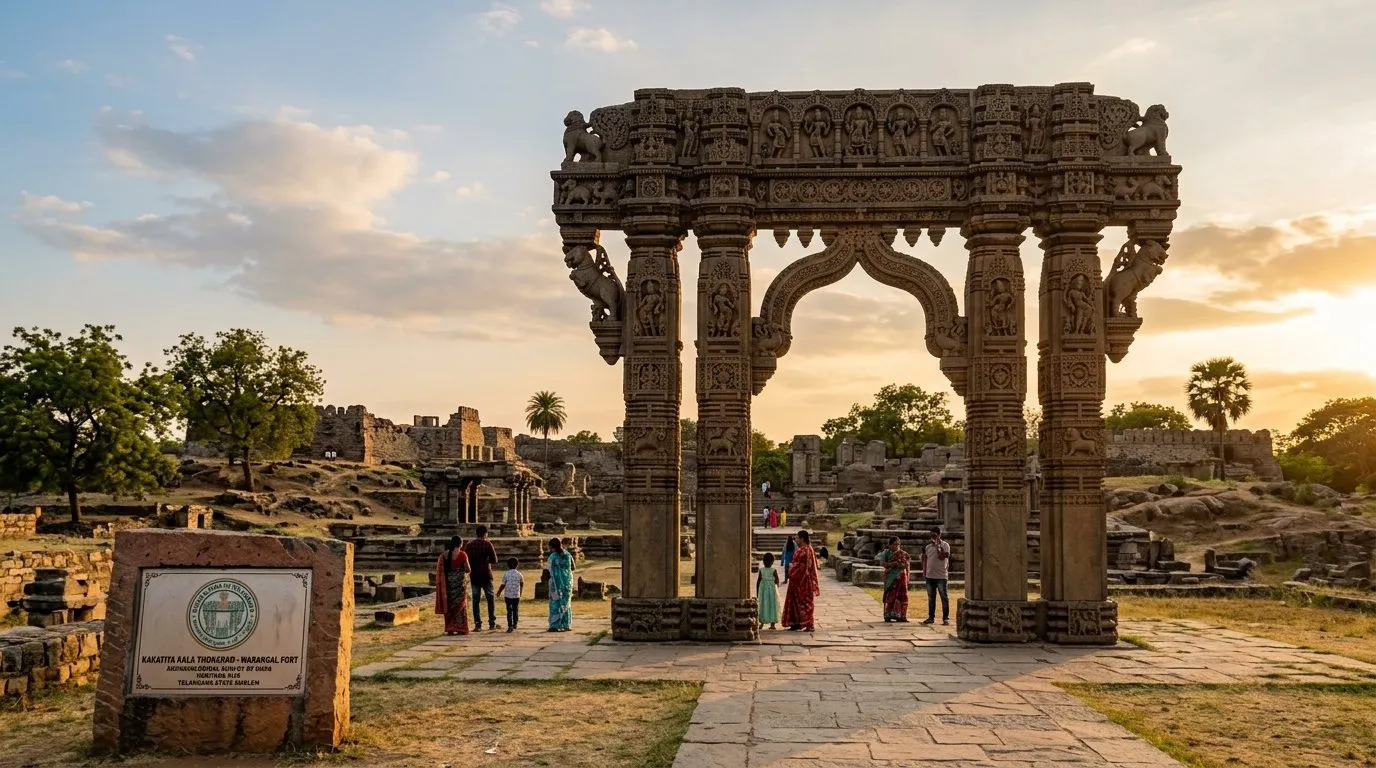
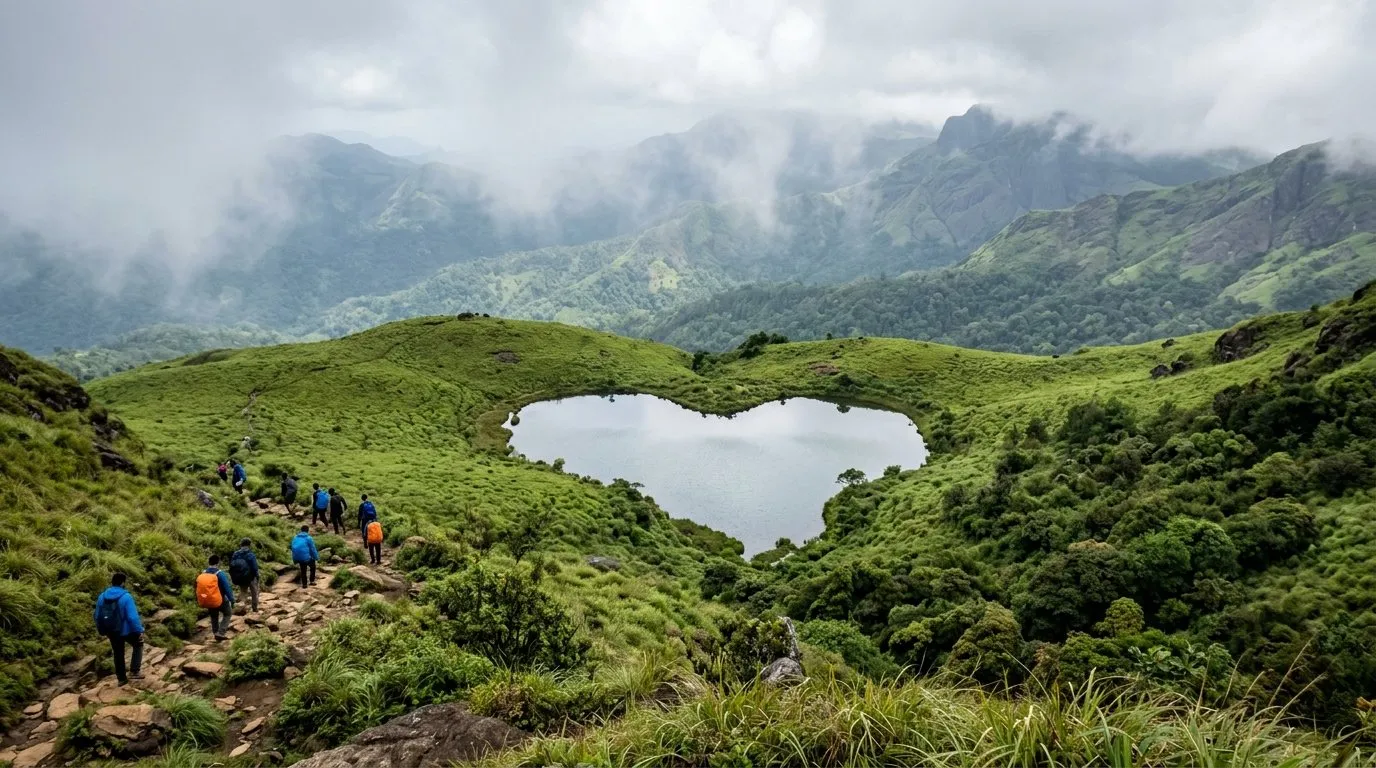
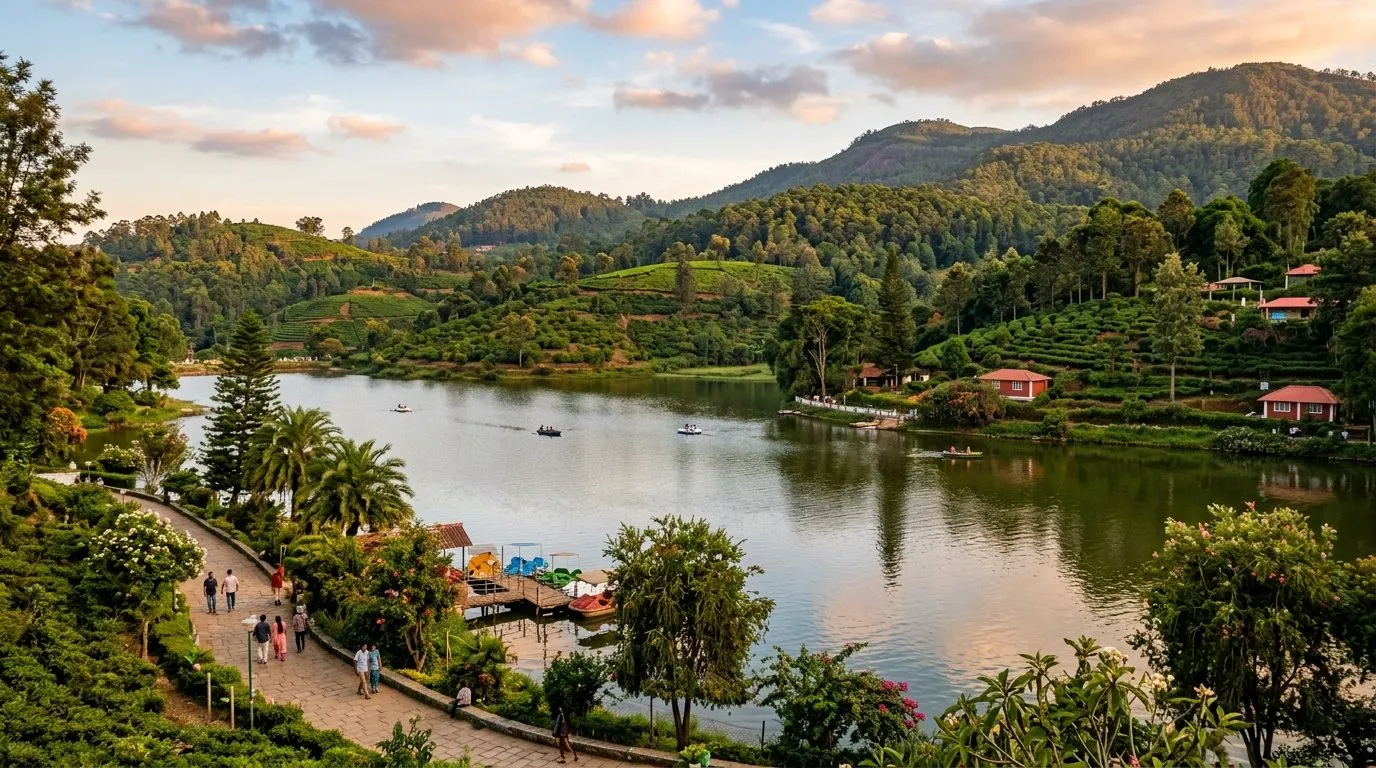
A good time
8/10100 destinations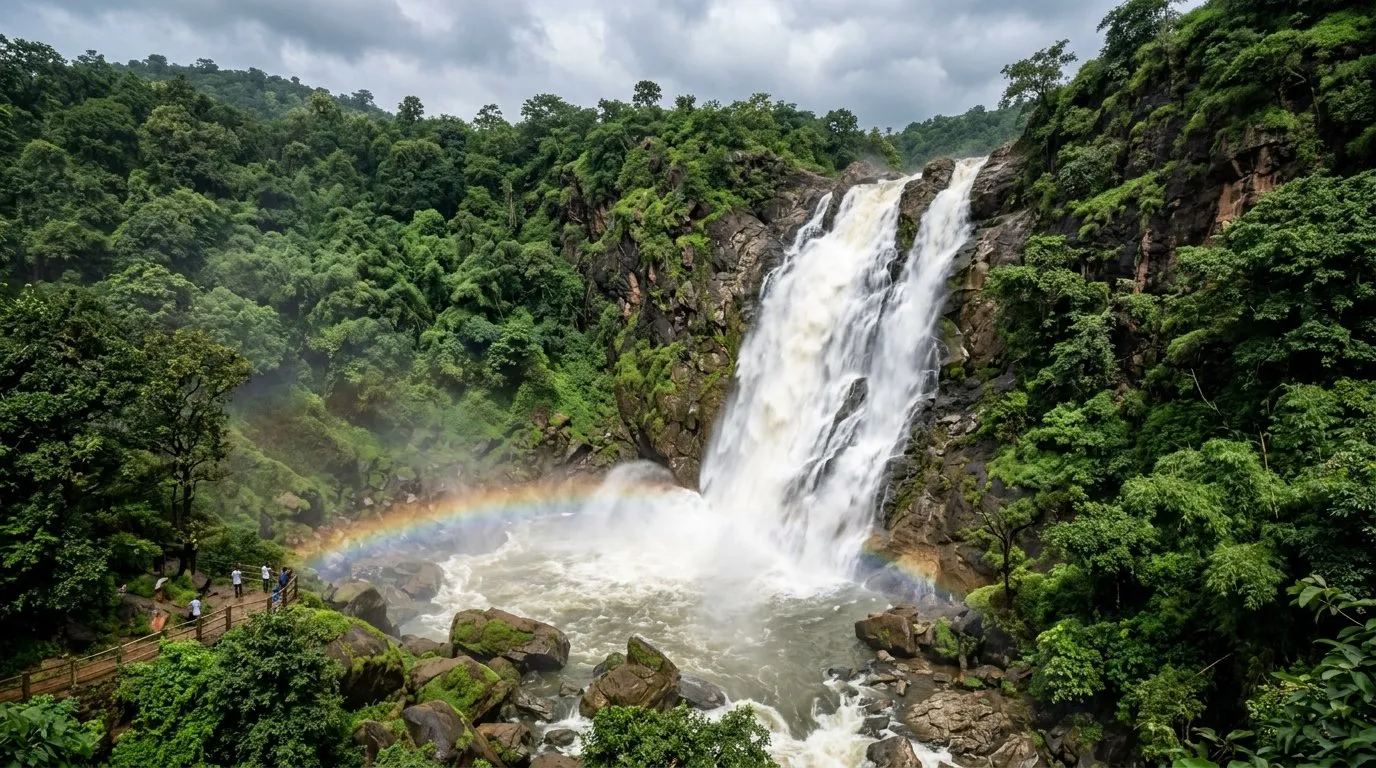




Fair
6/1065 destinationsWhere to skip
83 destinationsThese destinations score poorly in February — bad weather, closed roads, or dangerous conditions. Save them for a better month.
February at Barot Valley — still deep winter; pass reopenings are weeks away, water pipes freeze, nothing is easy unless you're built for it. Rajgundha trek should plan for Mar–May, Sep–Oct.
February at Bhaderwah — still deep winter; pass reopenings are weeks away, water pipes freeze, nothing is easy unless you're built for it. Offbeat Himalayan meadow travelers should plan for May–Jun, Sep–Oct.
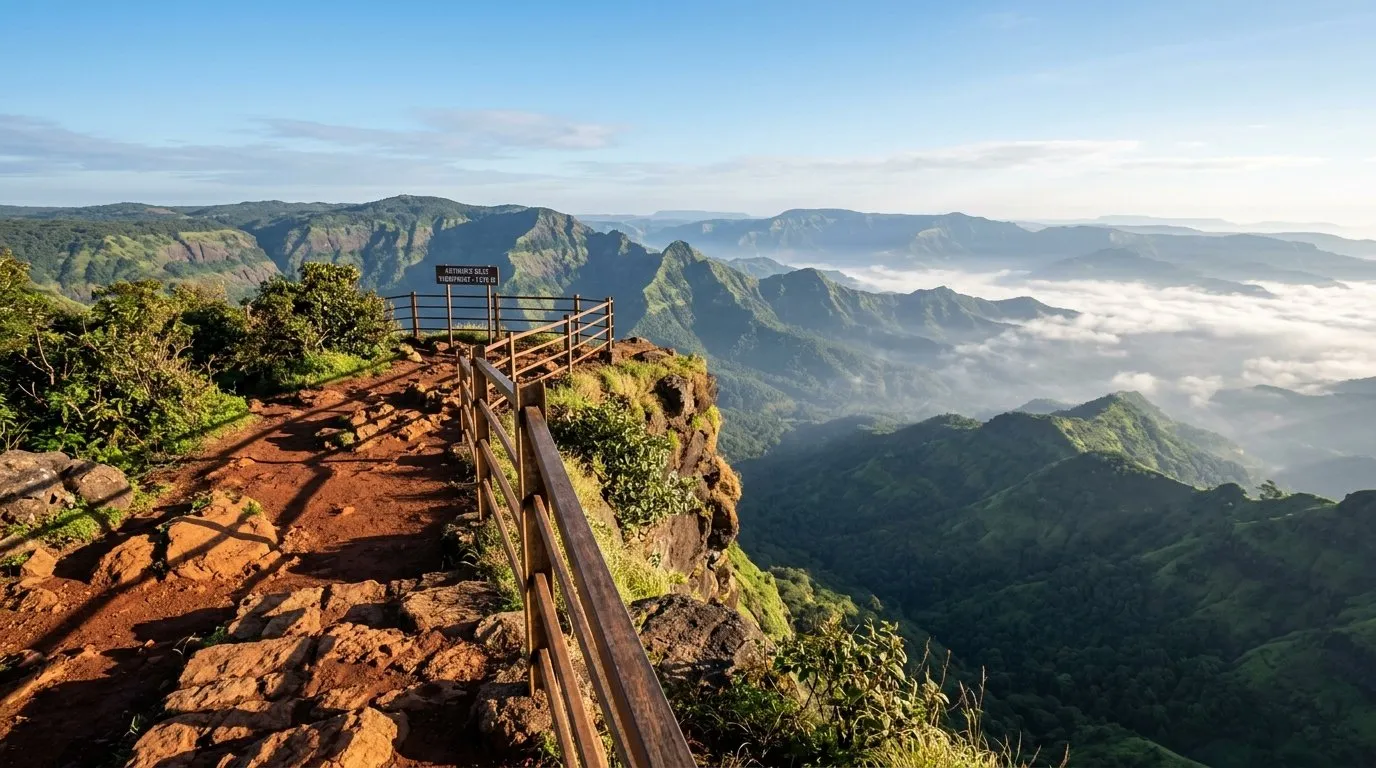
February Bhandardara at 750m continues cold-dry off-season — 7-25°C, Arthur Lake low, no fireflies, no monsoon waterfalls. Sandhan Valley trekkable but the destination's marquee draws are 2-5 months away.
February at Chakrata — still deep winter; pass reopenings are weeks away, water pipes freeze, nothing is easy unless you're built for it. Tiger Falls should plan for Mar–May, Sep–Nov.
February at Jibhi — still deep winter; pass reopenings are weeks away, water pipes freeze, nothing is easy unless you're built for it. Great Himalayan NP base should plan for Mar–May, Sep–Oct.
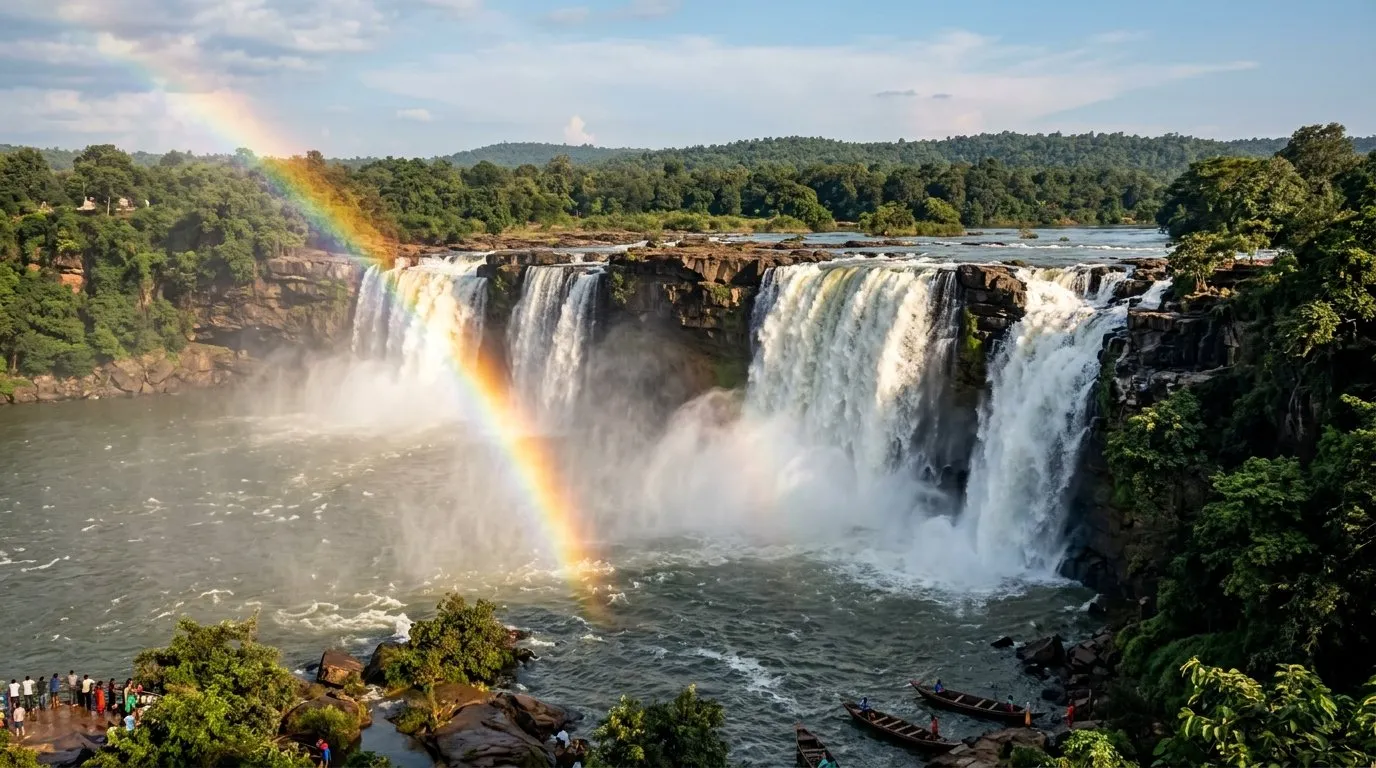
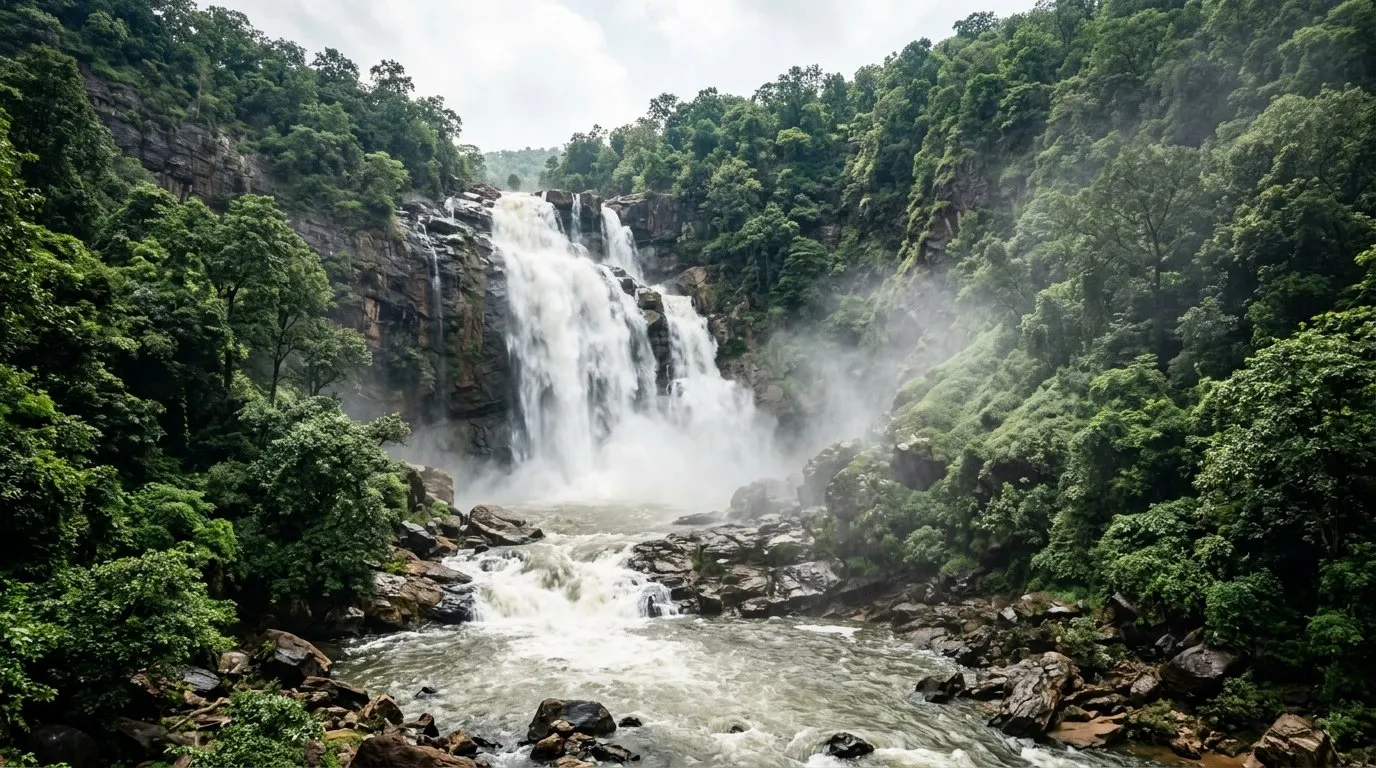
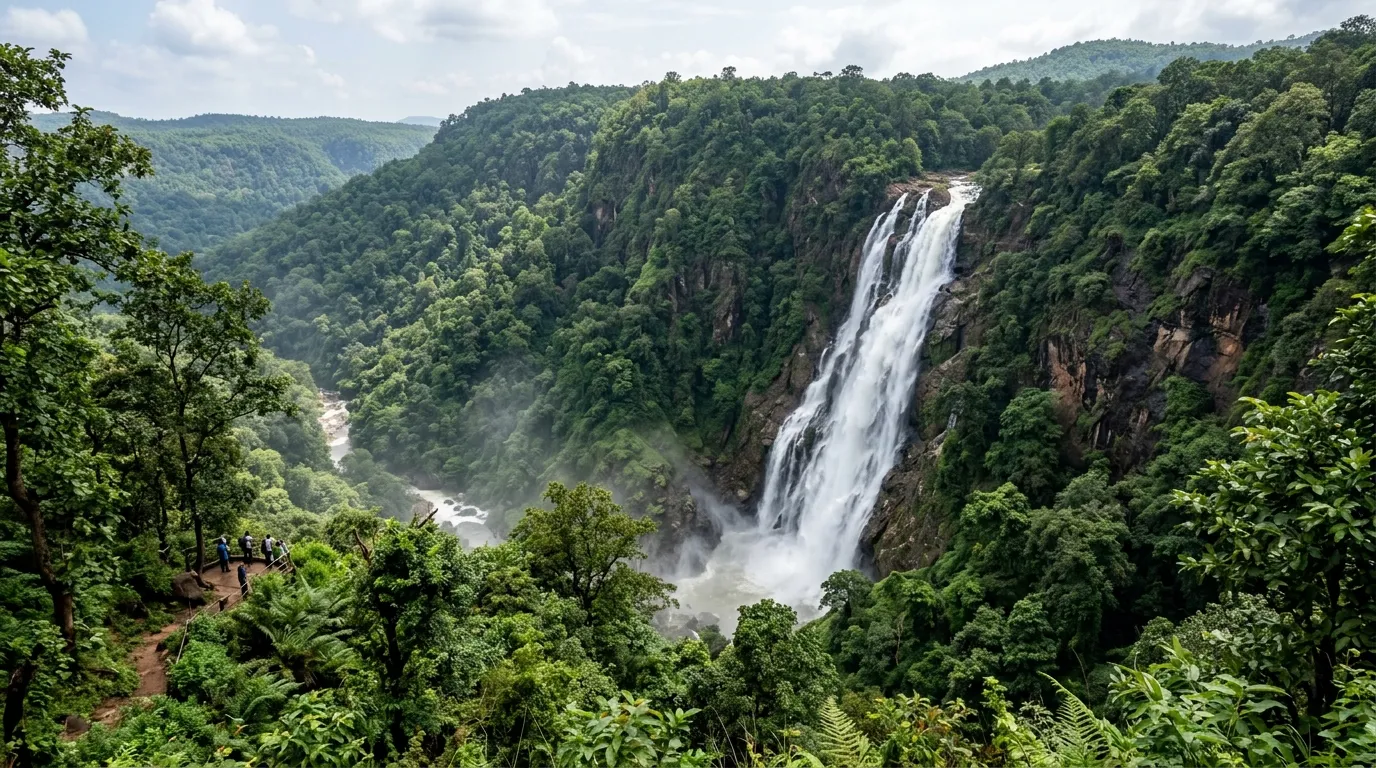
February at Jog Falls is when the cascade thins to its driest. Linganamakki Dam upstream is at year-low release; the Sharavathi River trickles. The 4-cascade form (Raja, Rani, Roarer, Rocket) collapses to two thin streams. The trip cannot deliver what the name promises in this month.
February at Kalpa — still deep winter; pass reopenings are weeks away, water pipes freeze, nothing is easy unless you're built for it. Slow Kinnaur immersion should plan for May–Jun, Sep–Oct.
Nights remain below 5°C. Accommodation and dining services operate at minimal capacity. Pre-monsoon dust occasionally obscures views.
February at Kasol — still deep winter; pass reopenings are weeks away, water pipes freeze, nothing is easy unless you're built for it. Kheerganga trek + hot springs pilgrims should plan for Mar–May, Sep–Oct.
February is the coldest stretch (-28 to -3°C) with only the Shimla road access open. Deep snow blocks most routes and trekking is impossible. Snow-leopard expeditions run for specialists. Unless you're on a dedicated expedition, this is not accessible.
February at Keylong — still deep winter; pass reopenings are weeks away, water pipes freeze, nothing is easy unless you're built for it. Baralacha La approach should plan for Jun–Sep.
February at Kinnaur — still deep winter; pass reopenings are weeks away, water pipes freeze, nothing is easy unless you're built for it. Kinnauri apple belt should plan for May–Jun, Sep–Oct.
February at Kullu — still deep winter; pass reopenings are weeks away, water pipes freeze, nothing is easy unless you're built for it. Manali gateway stop should plan for Mar–Jun, Sep–Nov.
February falls well outside Lachen's Mar–May, Oct–Nov window. Conditions are harder, local services scaled back, and the version of the place you'd actually get isn't the one that makes the trip worth doing. The shoulder month either side would be a closer call, but this month isn't it. Lachung extension should plan for Mar–May, Oct–Nov.
February (-3 to 12°C) sees snow receding but access remains unreliable. Yumthang is opening, but lingering ice at 2,600m and above continues to threaten road access for the signature Zero Point trek.
February at Lolab Valley — still deep winter; pass reopenings are weeks away, water pipes freeze, nothing is easy unless you're built for it. Offbeat North Kashmir should plan for Apr–Jun, Sep–Oct.
February is mid-winter in Garhwal: cold overnight temperatures, frequent frost at the confluence, and the pilgrim season to Badrinath and Kedarnath still two months away. The town has little to animate it in this quiet off-season.
February at Parvati Valley — still deep winter; pass reopenings are weeks away, water pipes freeze, nothing is easy unless you're built for it. Hot springs + pilgrimage should plan for Mar–May, Sep–Oct.
February at Sangla Valley — still deep winter; pass reopenings are weeks away, water pipes freeze, nothing is easy unless you're built for it. Chitkul base should plan for May–Jun, Sep–Oct.
February at Sarahan — still deep winter; pass reopenings are weeks away, water pipes freeze, nothing is easy unless you're built for it. Shrikhand Mahadev yatra should plan for Apr–May, Sep–Oct.
February at Sissu — still deep winter; pass reopenings are weeks away, water pipes freeze, nothing is easy unless you're built for it. Sissu waterfall should plan for May–Jun, Sep–Oct.
February at Tirthan Valley — still deep winter; pass reopenings are weeks away, water pipes freeze, nothing is easy unless you're built for it. Trout fishing permits should plan for May, Sep–Oct.
February remains solidly winter at this altitude. Snow lingers on the higher slopes, the route toward Badrinath stays shut, and the town sees minimal through-traffic. Conditions improve only from late April when the yatra corridor reopens.
February at Alchi — still deep winter; pass reopenings are weeks away, water pipes freeze, nothing is easy unless you're built for it. Day trip from Leh should plan for Jun–Sep.
February Amboli is dry — waterfalls largely stopped, biodiversity quiet, Sahyadri scarp pleasant at 15-28°C but Amboli without monsoon is not Amboli. The reason to come is Jul-Aug.
February falls well outside Anini's Mar–May, Oct–Nov window. Conditions are harder, local services scaled back, and the version of the place you'd actually get isn't the one that makes the trip worth doing. The shoulder month either side would be a closer call, but this month isn't it. Mayodia Pass should plan for Mar–May, Oct–Nov.
February is the year's coldest stretch at Chandratal. -28C nights, no road access, lake frozen 1.5m thick. There is no visit available. Wait for late June.
February at Chitkul — still deep winter; pass reopenings are weeks away, water pipes freeze, nothing is easy unless you're built for it. Offbeat from Spiti overload should plan for May, Sep–Oct.
February is among the driest months. The Indravati is at near-minimum flow. The waterfall is essentially absent. Temperatures rise toward 35°C+. There is no compelling reason to visit.
February at Drass — still deep winter; pass reopenings are weeks away, water pipes freeze, nothing is easy unless you're built for it. Zoji La + Srinagar-Leh should plan for Jun–Sep.
February falls well outside Dzukou Valley's Mar–Jun, Oct–Nov window. Conditions are harder, local services scaled back, and the version of the place you'd actually get isn't the one that makes the trip worth doing. The shoulder month either side would be a closer call, but this month isn't it. WWII history pilgrims should plan for Mar–Jun, Oct–Nov.
February is the start of the Kerala Forest Department's mandatory annual closure of Eravikulam NP for Nilgiri Tahr calving — non-negotiable rule, no entry to Rajamala viewing zone, no Anamudi permits. Closure runs February 1 through end-March, NP reopens April 1. Plan around it.
February at Great Himalayan National Park — still deep winter; pass reopenings are weeks away, water pipes freeze, nothing is easy unless you're built for it. Multi-day trekking should plan for Apr–Jun, Sep–Oct.
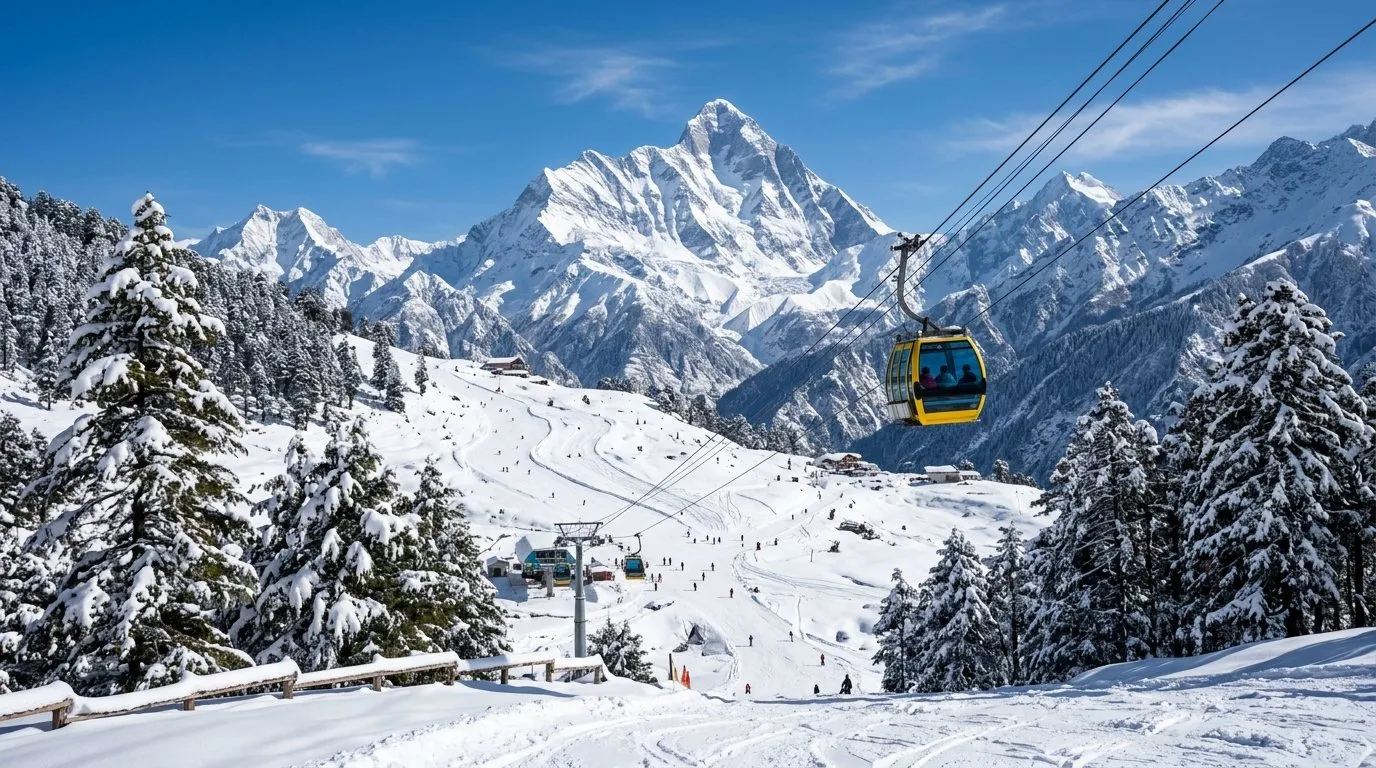
Best skiing, -10 to 0°C. Deepest snow pack. Gondola runs to Apharwat for off-piste. National Winter Games often held here. World-class conditions.
February falls well outside Gurudongmar Lake's Apr–Jun, Oct window. Conditions are harder, local services scaled back, and the version of the place you'd actually get isn't the one that makes the trip worth doing. The shoulder month either side would be a closer call, but this month isn't it. Tibetan Plateau edge should plan for Apr–Jun, Oct.
February at Hanle — still deep winter; pass reopenings are weeks away, water pipes freeze, nothing is easy unless you're built for it. Ladakh circuit completionists should plan for Jun–Sep.
February is the year's coldest stretch in the Govind NP region. Trek route under heavy snow, Sankri reachable but cold and quiet. No commercial operators running the full Har-Ki-Doon trek. Skip — wait for April.
February is the year's coldest stretch at Hemkund. -28C nights, no army snow-clearance yet (typically starts in March), shrine kapaat closed. Yatra opens late May. Skip.
February is when Hogenakkal's Cauvery flow drops to 20 percent of peak. The Niagara-style falls — the tagline's defining feature — do not exist this month. Coracle rides marginal. Oil-massage tradition works in isolation but without the falls context. Skip.
February at Joshimath — still deep winter; pass reopenings are weeks away, water pipes freeze, nothing is easy unless you're built for it. Auli + Valley of Flowers gateway should plan for May–Jun, Sep–Oct.
February at Kargil — still deep winter; pass reopenings are weeks away, water pipes freeze, nothing is easy unless you're built for it. Suru Valley access should plan for Jun–Sep.
Winter continues (-8 to 8°C at base) with snow blocking all trails and high passes. The park remains inaccessible except to extreme mountaineers. Casual trekking is impossible.
February is the year's coldest stretch at the pass. -33C nights, road firmly closed, BRO not yet started serious clearance. Civilian access zero. Skip.
February at Kishtwar — still deep winter; pass reopenings are weeks away, water pipes freeze, nothing is easy unless you're built for it. Sapphire mines should plan for Jun–Sep.
February at Lahaul Valley — still deep winter; pass reopenings are weeks away, water pipes freeze, nothing is easy unless you're built for it. Manali-Leh transit should plan for May–Jul, Sep–Oct.
February at Lamayuru — still deep winter; pass reopenings are weeks away, water pipes freeze, nothing is easy unless you're built for it. Yuru Kabgyat festival should plan for Jun–Sep.
February at Leh — still deep winter; pass reopenings are weeks away, water pipes freeze, nothing is easy unless you're built for it. Motorcyclists on the Manali-Leh / Srinagar-Leh loop should plan for Jun–Sep.
February at Likir — still deep winter; pass reopenings are weeks away, water pipes freeze, nothing is easy unless you're built for it. 11th-century Gelug lineage should plan for Jun–Sep.
February falls well outside Mechuka's Mar–May, Oct–Nov window. Conditions are harder, local services scaled back, and the version of the place you'd actually get isn't the one that makes the trip worth doing. The shoulder month either side would be a closer call, but this month isn't it. 400-year-old monastery should plan for Mar–May, Oct–Nov.
February at Nako — still deep winter; pass reopenings are weeks away, water pipes freeze, nothing is easy unless you're built for it. Nako Lake should plan for May–Jun, Sep–Oct.
February at Nubra Valley — still deep winter; pass reopenings are weeks away, water pipes freeze, nothing is easy unless you're built for it. Balti culture (Turtuk) should plan for Jun–Sep.
February at Pahalgam — still deep winter; pass reopenings are weeks away, water pipes freeze, nothing is easy unless you're built for it. Day-trip from Srinagar should plan for Apr–May, Sep–Oct.
February at Pangong Tso — still deep winter; pass reopenings are weeks away, water pipes freeze, nothing is easy unless you're built for it. Astrophotographers willing to brave altitude should plan for Jun–Sep.
February at Prashar Lake — still deep winter; pass reopenings are weeks away, water pipes freeze, nothing is easy unless you're built for it. Rishi Prashar pagoda should plan for Mar–Jun, Sep–Nov.
February is post-Mandala. The Sabarimala shrine is closed for the season except for brief 1st-of-Malayalam-month openings (Kumbham in February — 5-7 day window, exact dates published by Travancore Devaswom Board at sabarimalaonline.org). The 41-day Mandala season ended Jan 14.
February at Spiti Valley — still deep winter; pass reopenings are weeks away, water pipes freeze, nothing is easy unless you're built for it. Fossil + geology buffs should plan for Jun, Sep–Oct.
February at Srinagar — still deep winter; pass reopenings are weeks away, water pipes freeze, nothing is easy unless you're built for it. Gulmarg/Pahalgam base should plan for Apr–May, Sep–Oct.
February falls well outside Tawang's Mar–May, Oct–Nov window. Conditions are harder, local services scaled back, and the version of the place you'd actually get isn't the one that makes the trip worth doing. The shoulder month either side would be a closer call, but this month isn't it. Post-Ladakh travelers ready for the second, harder high-altitude chapter should plan for Mar–May, Oct–Nov.
February at Tso Moriri — still deep winter; pass reopenings are weeks away, water pipes freeze, nothing is easy unless you're built for it. Black-necked crane breeding should plan for Jun–Sep.
February in the upper Nubra valley is deep winter: Turtuk sits at high altitude, snowfall is heavy, and the road from Leh over Khardung La is typically blocked or extremely hazardous. The village effectively hibernates in these conditions, and access is not a realistic option for most visitors.
February at Umlingla — still deep winter; pass reopenings are weeks away, water pipes freeze, nothing is easy unless you're built for it. Changthang high plateau should plan for Jul–Sep.
February at Uttarkashi — still deep winter; pass reopenings are weeks away, water pipes freeze, nothing is easy unless you're built for it. Vishwanath Temple should plan for Mar–Jun, Sep–Nov.
February at Yusmarg — still deep winter; pass reopenings are weeks away, water pipes freeze, nothing is easy unless you're built for it. Nilnag Lake should plan for Apr–Jun, Sep–Oct.
February falls well outside Zuluk's Mar–May, Oct–Dec window. Conditions are harder, local services scaled back, and the version of the place you'd actually get isn't the one that makes the trip worth doing. The shoulder month either side would be a closer call, but this month isn't it. Nathang Valley yaks should plan for Mar–May, Oct–Dec.
February is the coldest month. All high passes toward Chhota Kailash (Om Parvat route) are buried in snow. The Om Parvat snowfield is too unstable for safe trekking. Temperatures at Dharchula hover around −10°C, making acclimatization and sleeping-bag management risky. Limited trekking infrastructure is available.
Completely inaccessible
Same.
Snowbound, no facilities
Same.
Same.
Closed.
February is the coldest month. All trekking routes are buried under snow. The Shivling rock formation at 4,800m is inaccessible. Kalpa town is accessible but remains extremely cold (−10 to −5°C). No trekking is possible. This window is absolutely unsafe.
February is the coldest month. Manimahesh Lake remains frozen. The trek is completely snow-blocked. Temperatures plummet to −20°C. No pilgrimage support exists. This window is unsafe.
Late winter conditions persist. The pass remains impassable. Even if roads clear, acclimatization time is insufficient and medical support is non-existent. The Indian government does not permit yatra operations in winter due to safety protocols.
Inaccessible
February is the coldest month. All routes are completely snow-covered. Temperatures drop to −20°C or lower. Avalanche risk is extreme. The glaciers are unstable. This window is unsafe.
Closed.
Same.
Closed.
Inaccessible
Closed.
Inaccessible
ALSO ON NAKSHIQ
Eight more rooms in the magazine.
Guides
Visa, scams, food, packing.
Everything the guidebook won't tell you — written for India in 2026.
Blog
Field notes from the road.
Long-form reads on regions, festivals, and the offbeat circuit.
Road trips
Curated multi-day routes.
Driving itineraries with day-by-day stops, distance, and difficulty.
Collections
Themed reading lists.
Wettest places. Sacred lakes. Solo-female-safe. Curated cuts.
NakshIQ 100
The 100 best destination-months.
India's highest-scoring places, ranked across all 12 months.
The Window
Our weekly newsletter, archived.
One honest spread, every Sunday. The full back catalogue.
Skip list
What we'd skip — and what we'd do instead.
Overhyped places with honest alternatives.
First trip
Planning your first time in India.
Safety, scams, what to wear, food survival, solo female travel.