Cultural Calendar
325 festivals across India — time your trip around something extraordinary
325 festivals
April 1-6
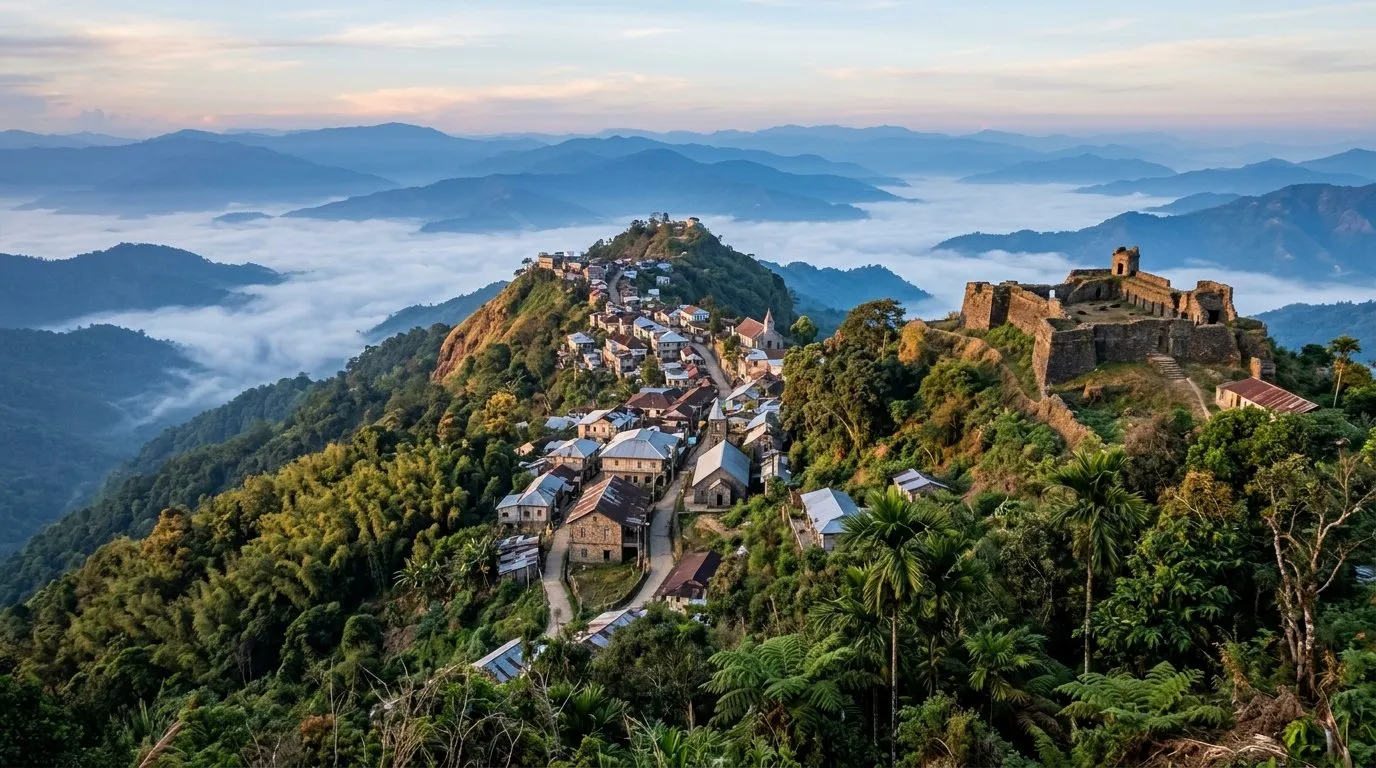
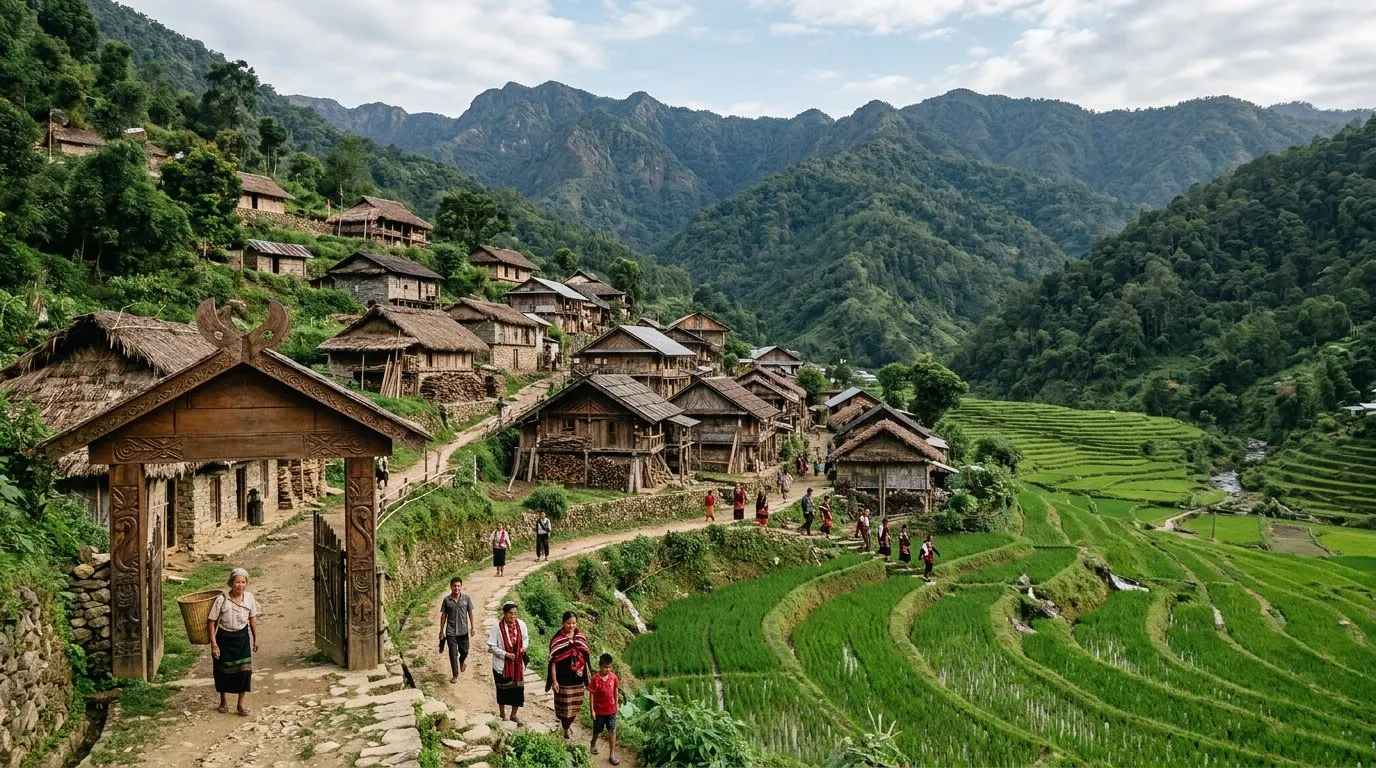
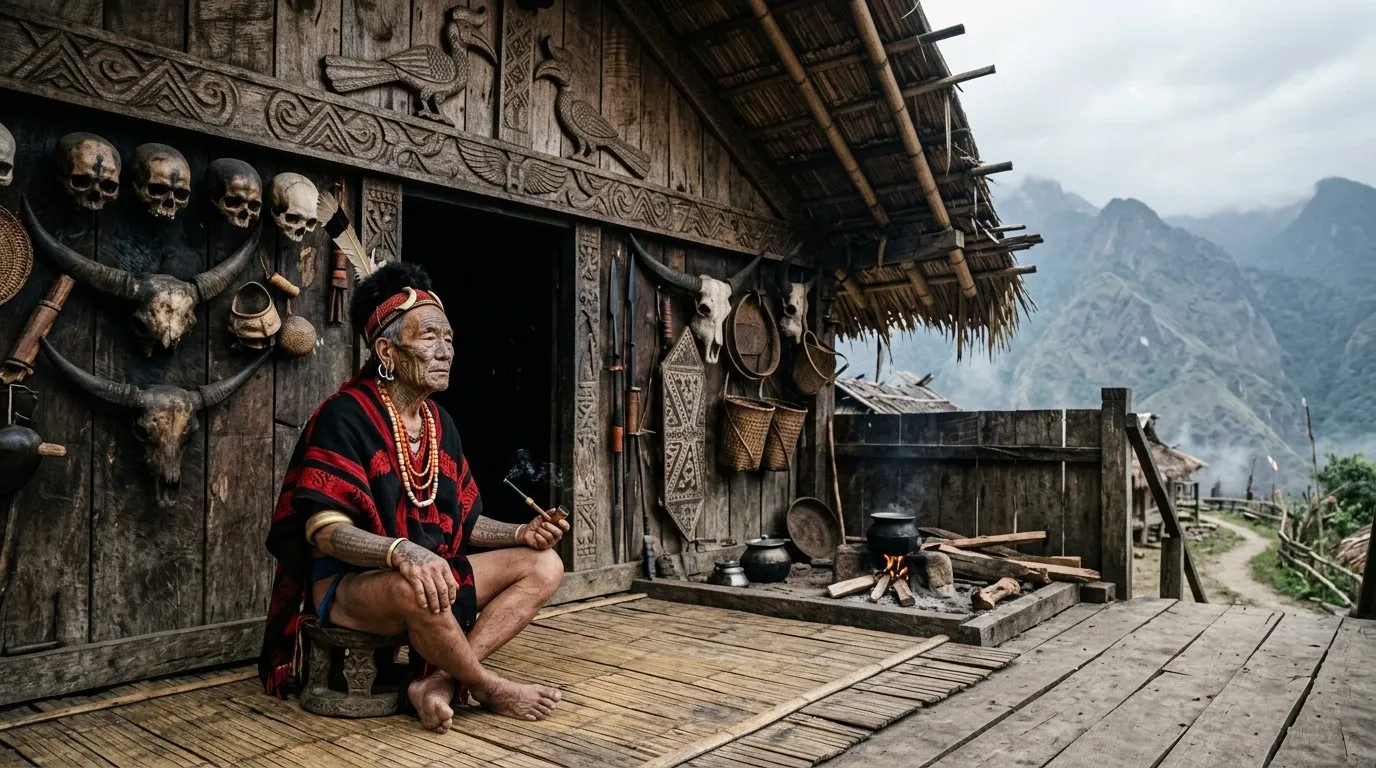
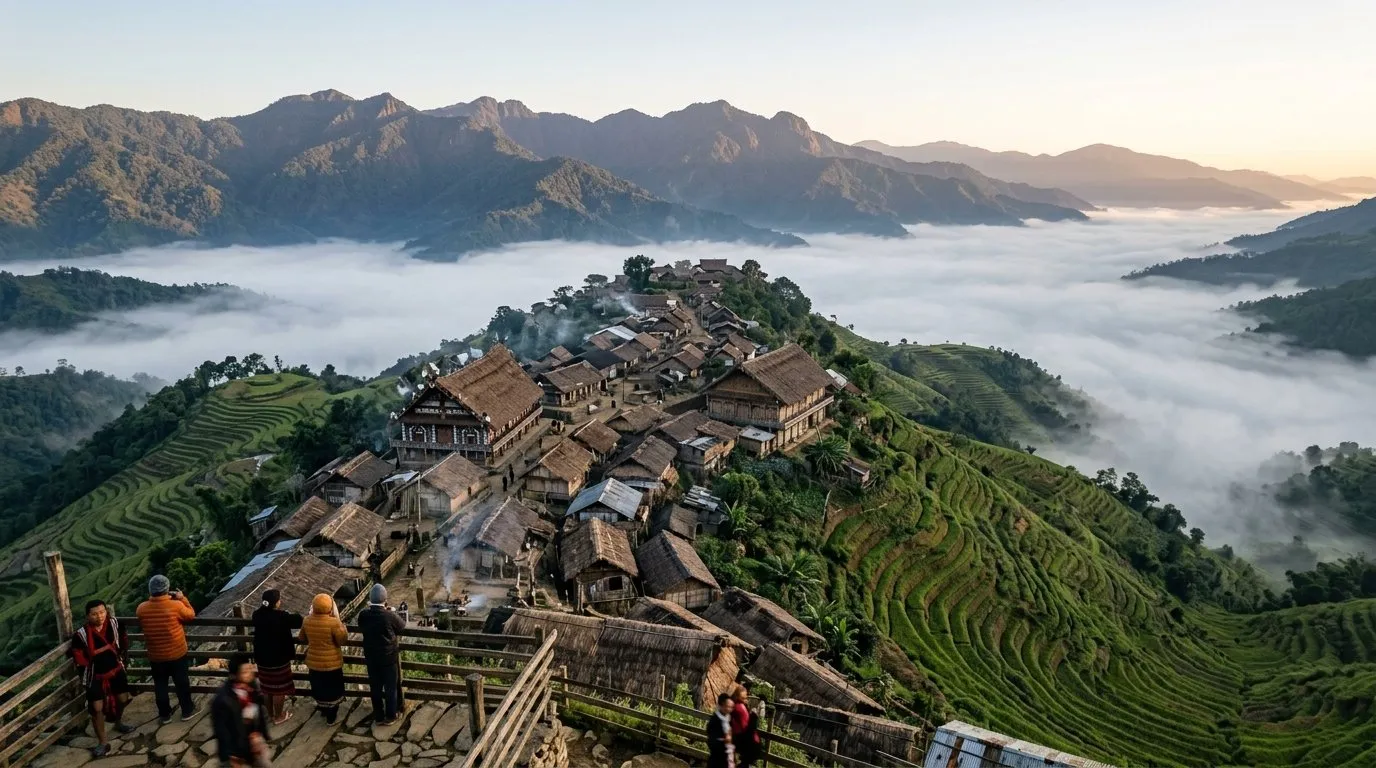
The Konyak Naga spring festival — the former headhunter tribe's biggest celebration. Log drum beating, warrior dances with traditional tattoos and skull necklaces, and village-wide feasting.
The Konyak headhunter tribe's spring awakening — fierce, proud, unforgettable.
📍 Mon
April 13-14
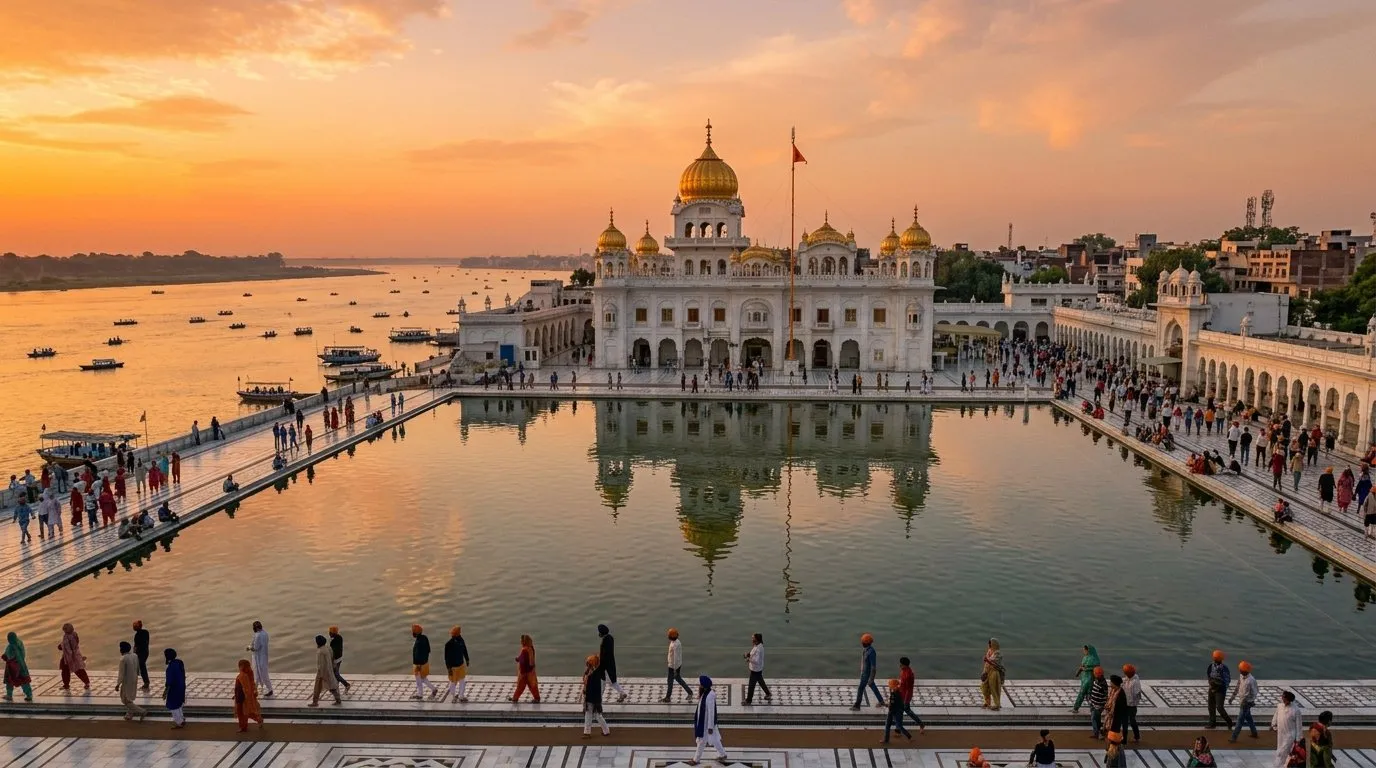
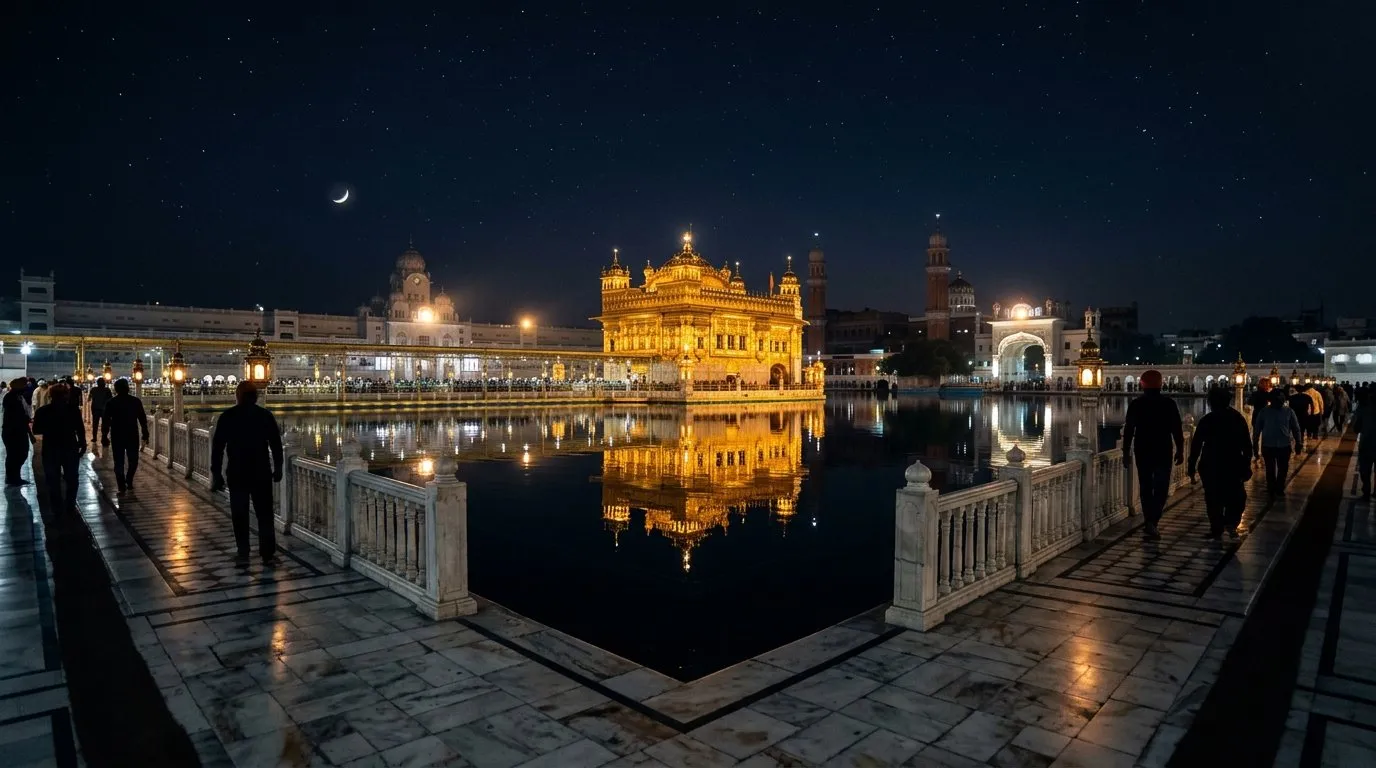
Sikh New Year. Golden Temple lit up. Bhangra processions. Nagar Kirtan (holy procession).
The Khalsa was founded on Baisakhi 1699 — Amritsar is where it happened.
📍 Amritsar
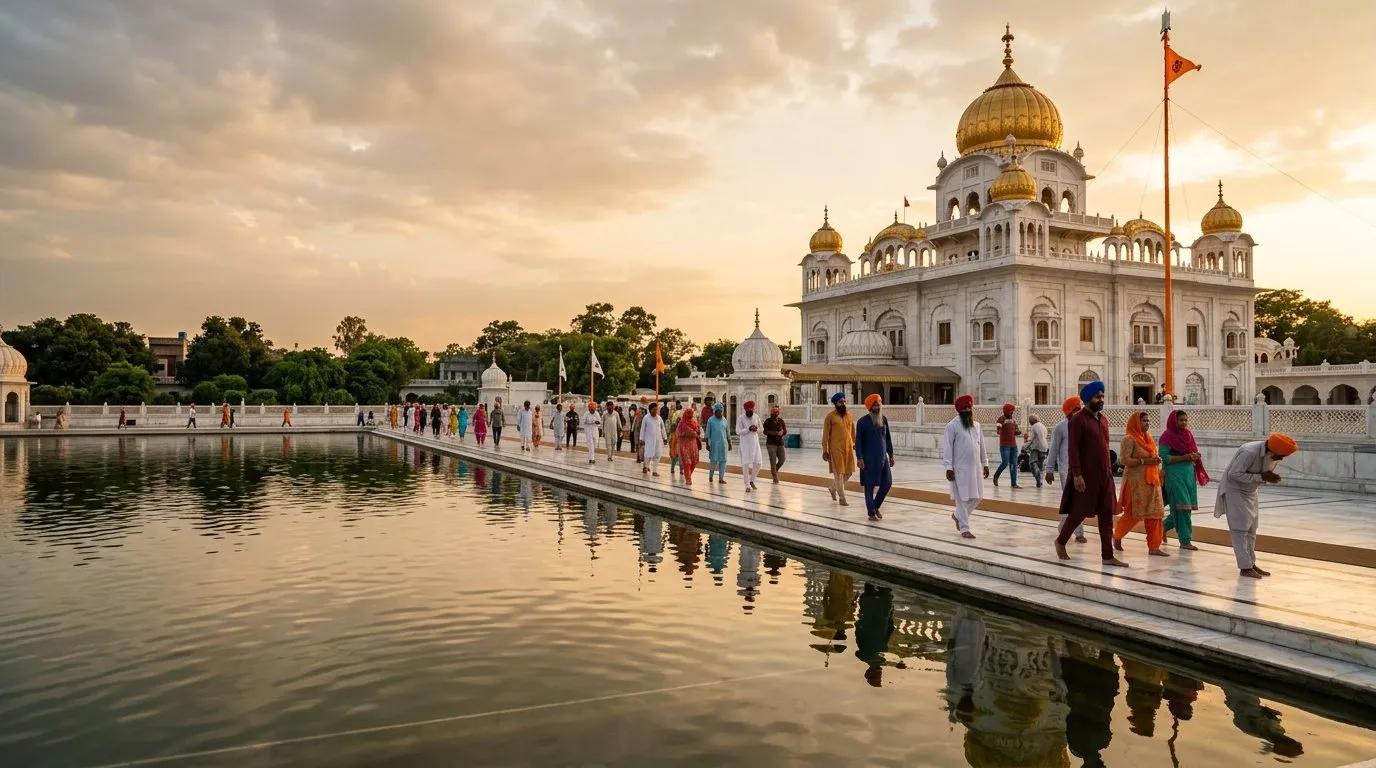
Baisakhi celebrations at the historic Gurdwara Dukh Niwaran Sahib with kirtan, langar, nagar kirtan processions, and Punjabi folk performances.
Baisakhi marks the Sikh new year and the founding of the Khalsa in 1699; Patiala's celebrations are among Punjab's grandest outside Anandpur Sahib.
📍 Patiala
April (varies)
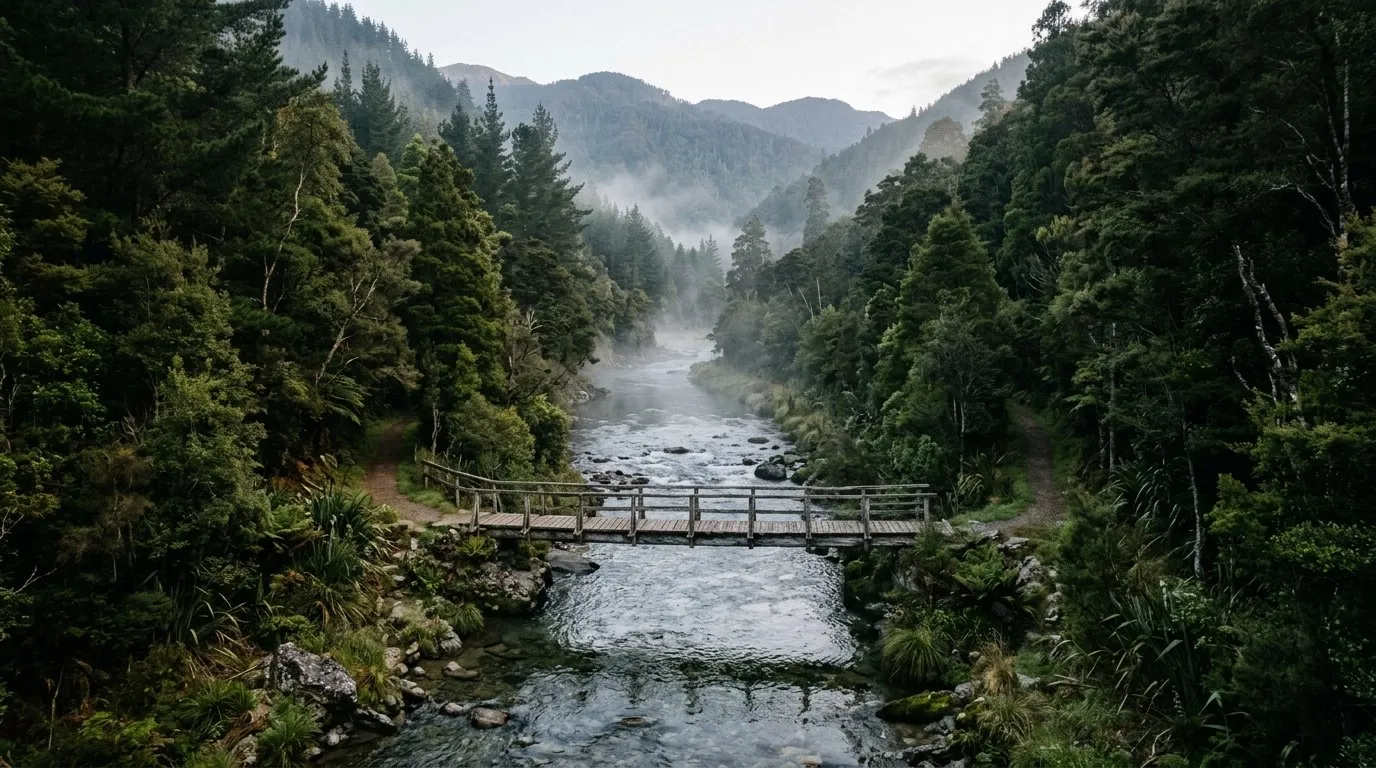
Angling festival in the Uhl River valley celebrating Barot's legacy as India's first trout hatchery established in 1909, with catch-and-release competitions.
Barot's colonial-era trout hatchery introduced brown trout to India; this festival celebrates sustainable fishing in pristine Himalayan streams.
📍 Barot Valley
Mid-April (around Apr 14-15)
Assamese New Year harvest festival — Bihu folk dance, buffalo fights, community feasts, and the sound of the dhol across every village. Assam's biggest celebration.
The heartbeat of Assamese identity — harvest, dance, and new beginnings.
📍 Guwahati
April 14
The Jaunsar-Bawar tribal New Year celebration with traditional Harul dance, animal sacrifice rituals, and community feasting — a unique Uttarakhand festival.
cultural
📍 Chakrata
April (Chaitra)
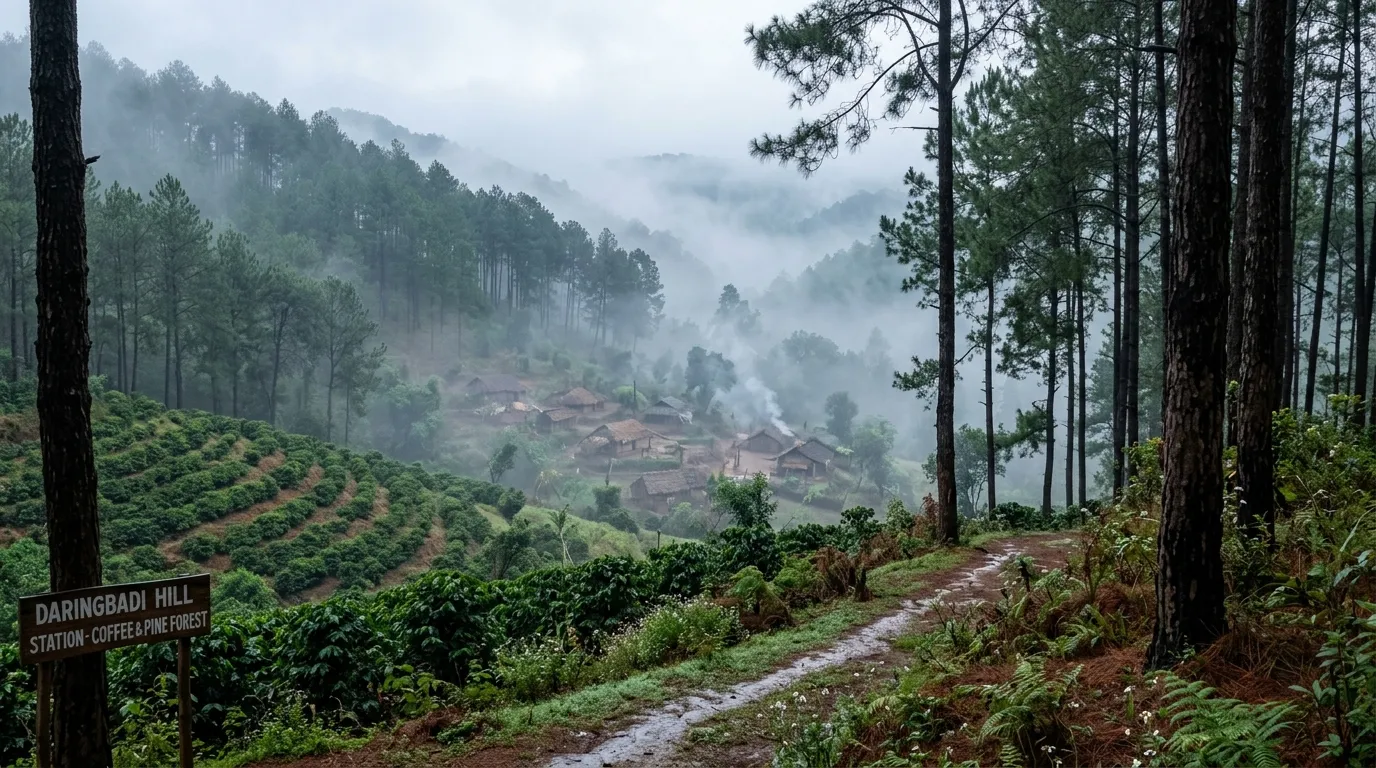
Spring horse dance festival of Kandhamal tribals. Performers wear bamboo horse frames, dance to drum rhythms. Ancient martial tradition.
Ancient tribal horse dance — bamboo frames, drum rhythms, spring energy
📍 Daringbadi
April (Chaitra month)
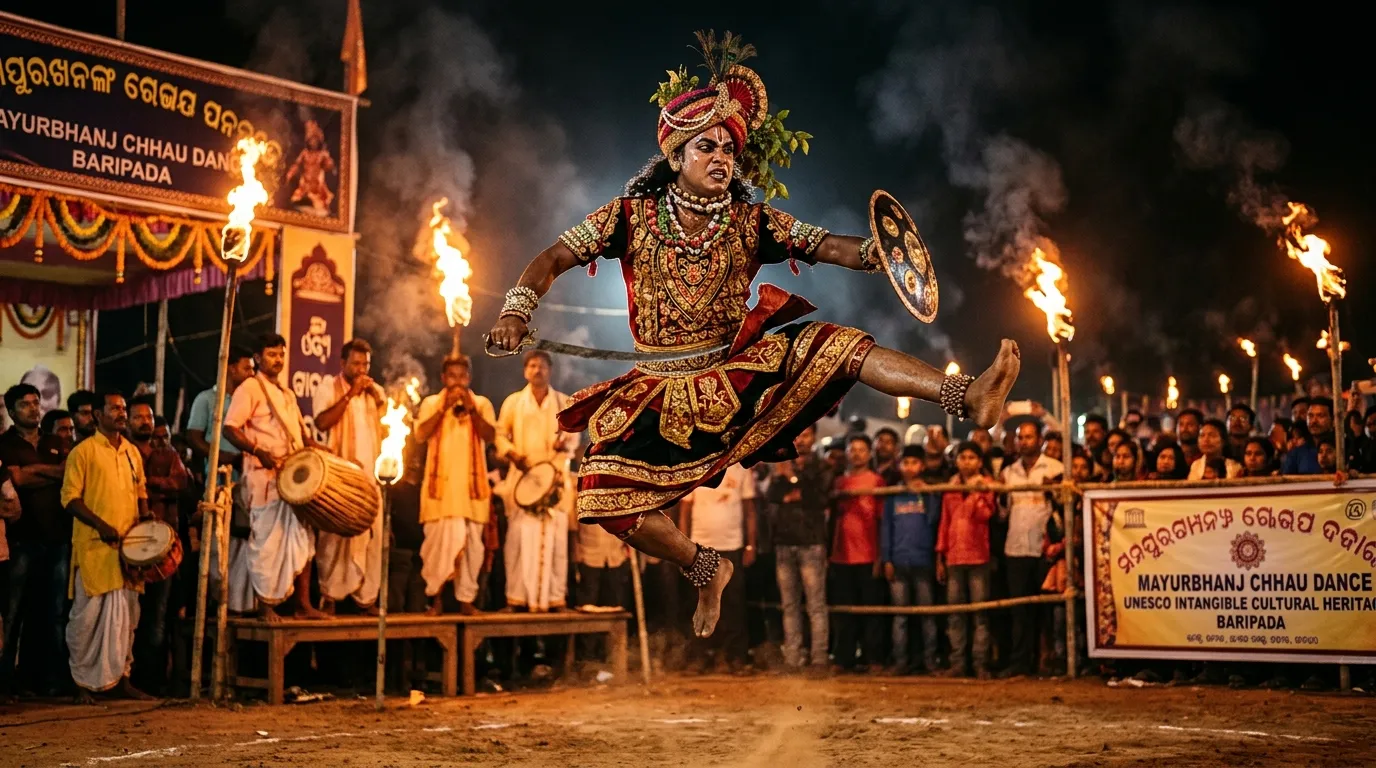
Biggest annual Chhau dance festival. Hundreds of performers in Mayurbhanj style (no masks). Fire performances, martial arts choreography.
UNESCO intangible heritage — the biggest Chhau dance gathering of the year
📍 Baripada
April-May (12 days)
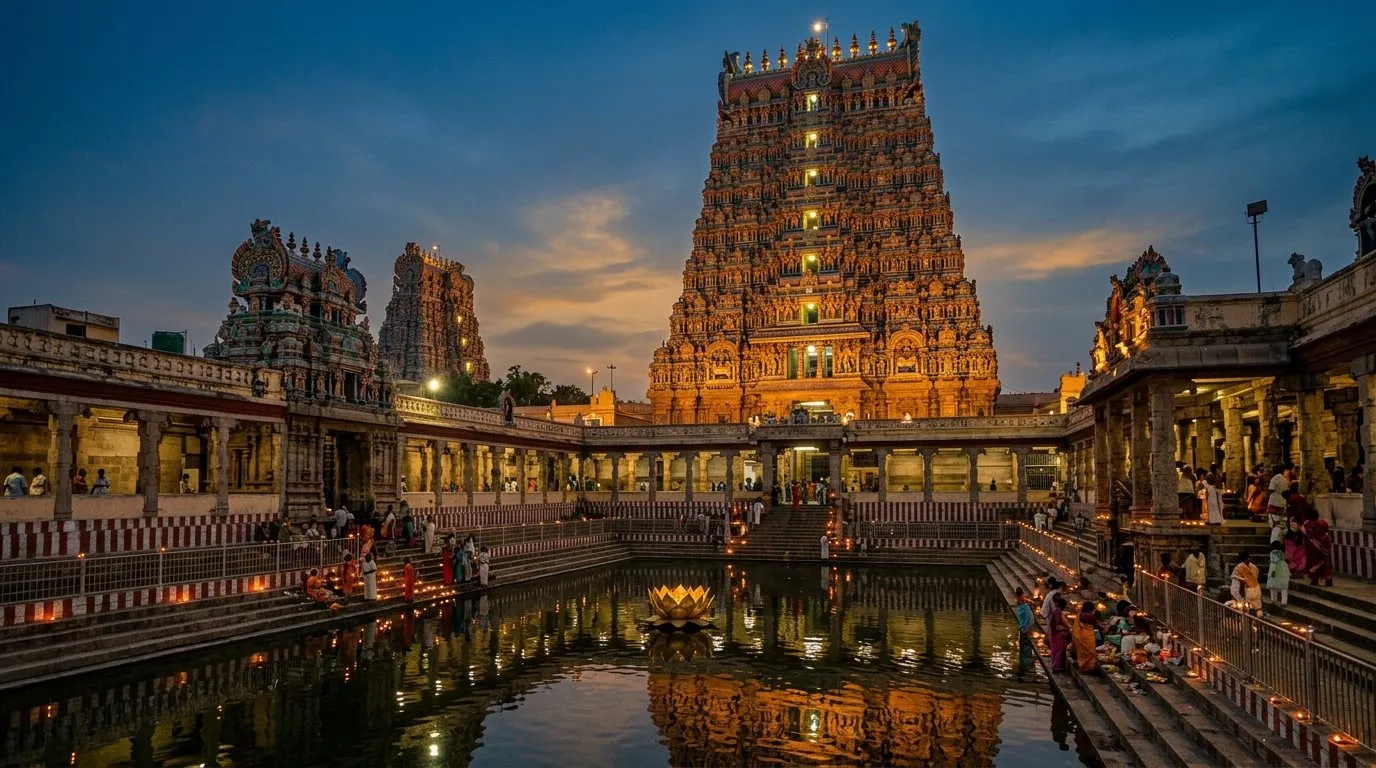
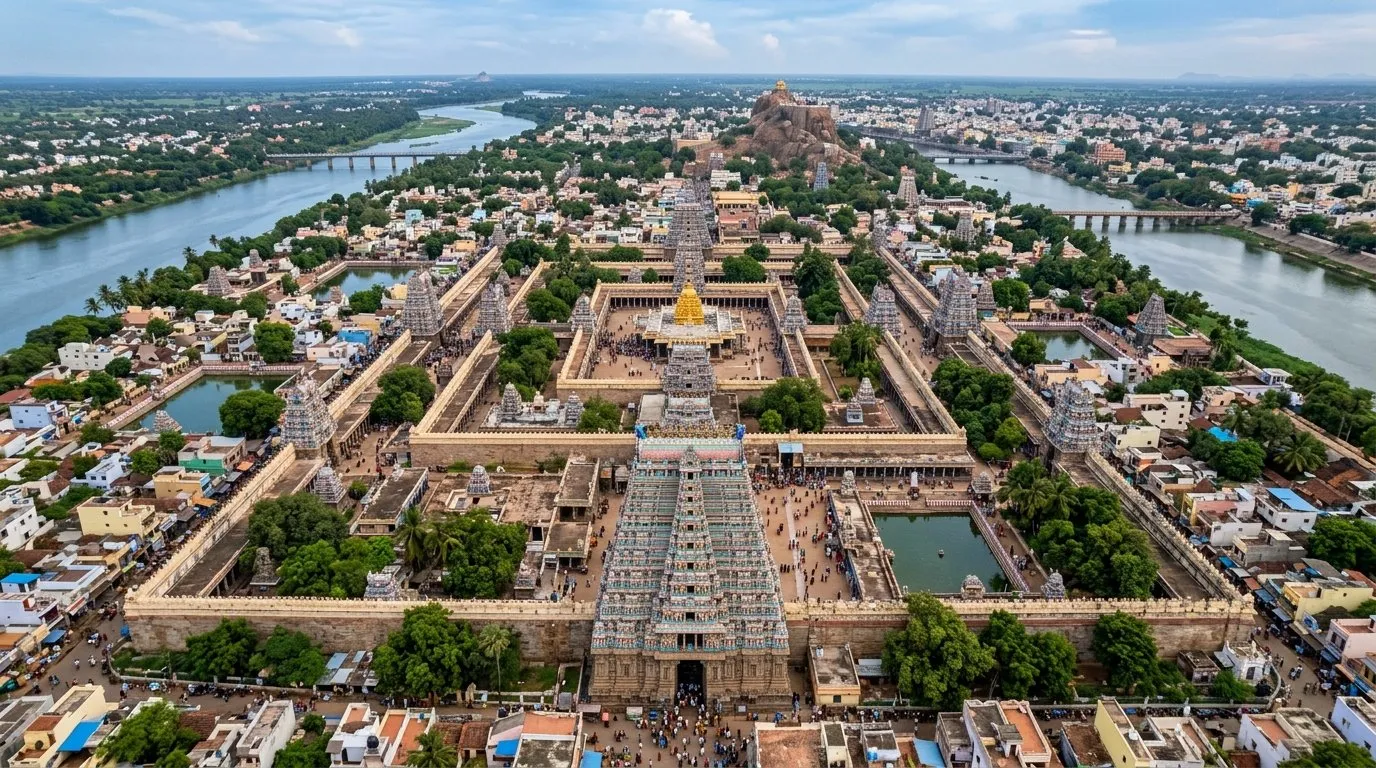
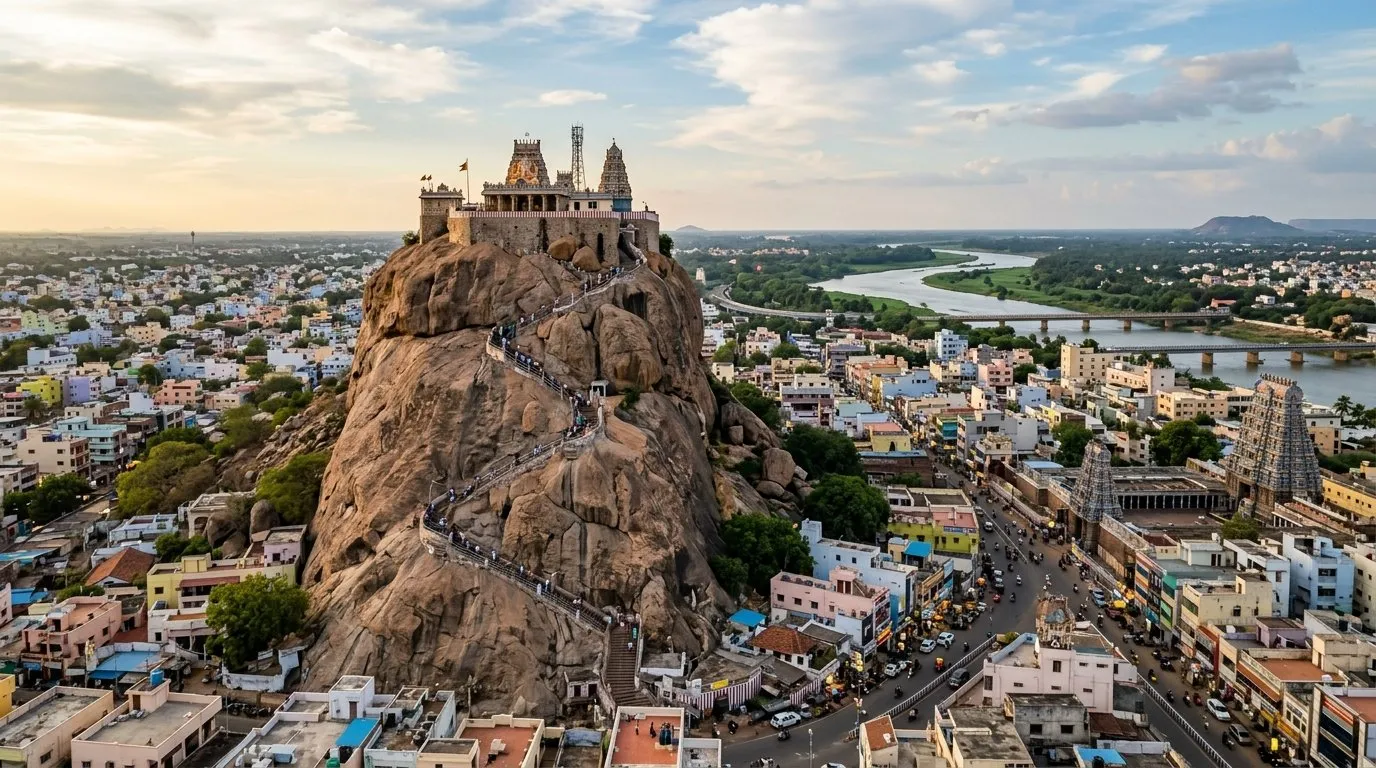
Grand 12-day festival celebrating the divine marriage of Meenakshi and Sundareshwarar. Massive procession with temple chariot through Madurai streets. 1 million+ spectators. The celestial wedding is re-enacted at midnight.
Madurai's biggest event. The Alagar procession from Azhagar Kovil to Vaigai River is a separate spectacle within the festival.
📍 Madurai
April–May (varies)
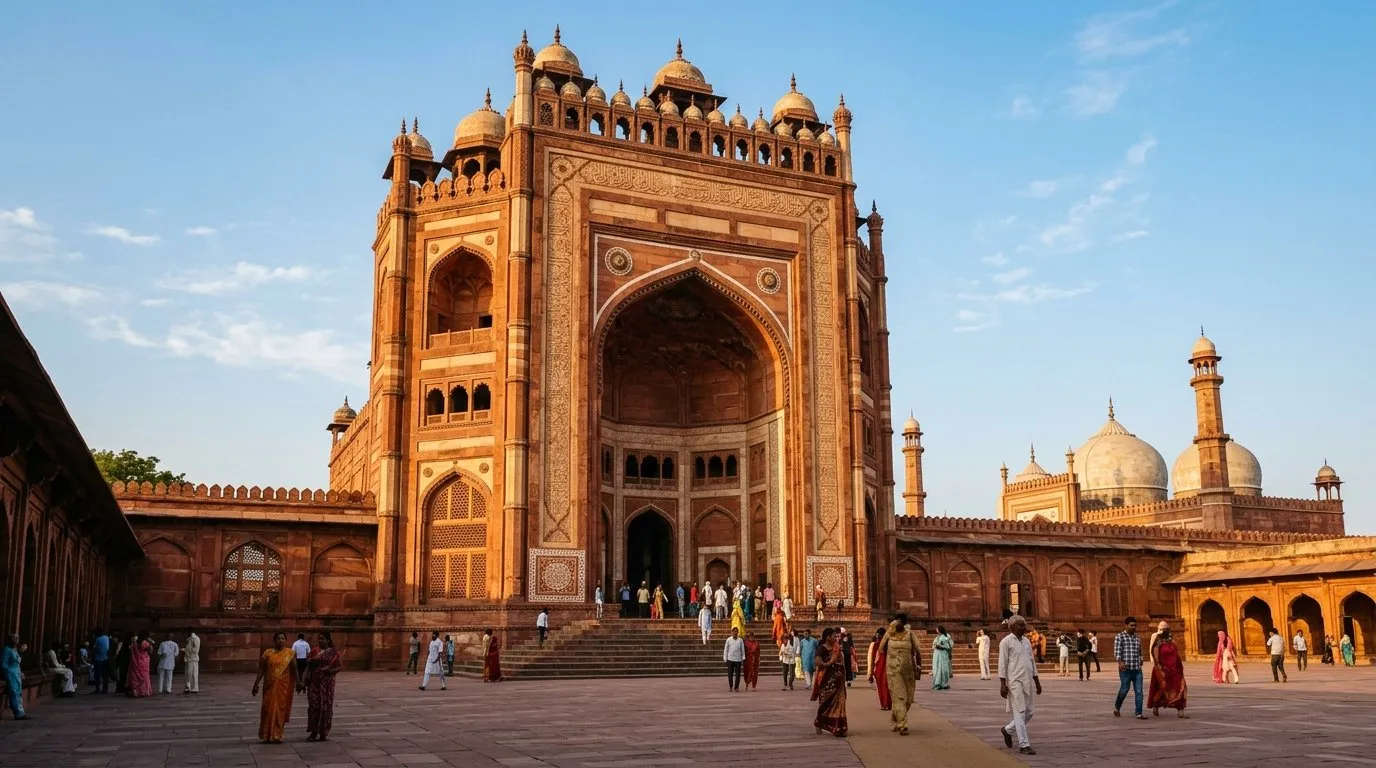
Special congregational prayers at the Jama Masjid near the Buland Darwaza, followed by community feasting and celebrations.
religious
📍 Fatehpur Sikri
April/May (lunar)
Island-wide festivities with special prayers, community feasts, boat races, and traditional music.
Biggest festival in Lakshadweep. 97% Muslim population.
📍 Kavaratti
April (Vaishakh Purnima)
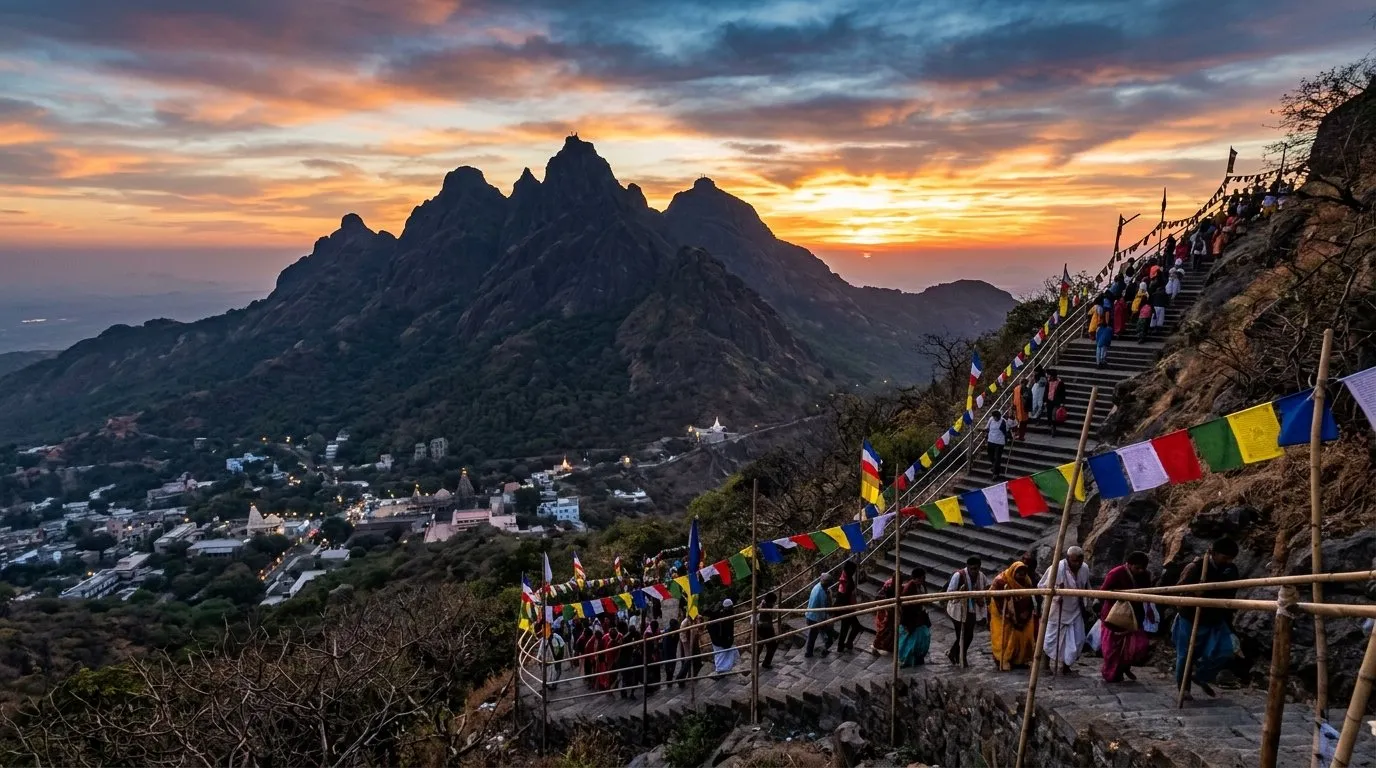
Fair at the Dattatreya Temple atop Guru Shikhar, the highest peak of the Aravalli range, with devotees trekking up for blessings and panoramic views.
Sacred pilgrimage combining spiritual devotion with the natural splendor of Rajasthan's highest point at 1,722 meters.
📍 Mount Abu
March-April (9 nights)
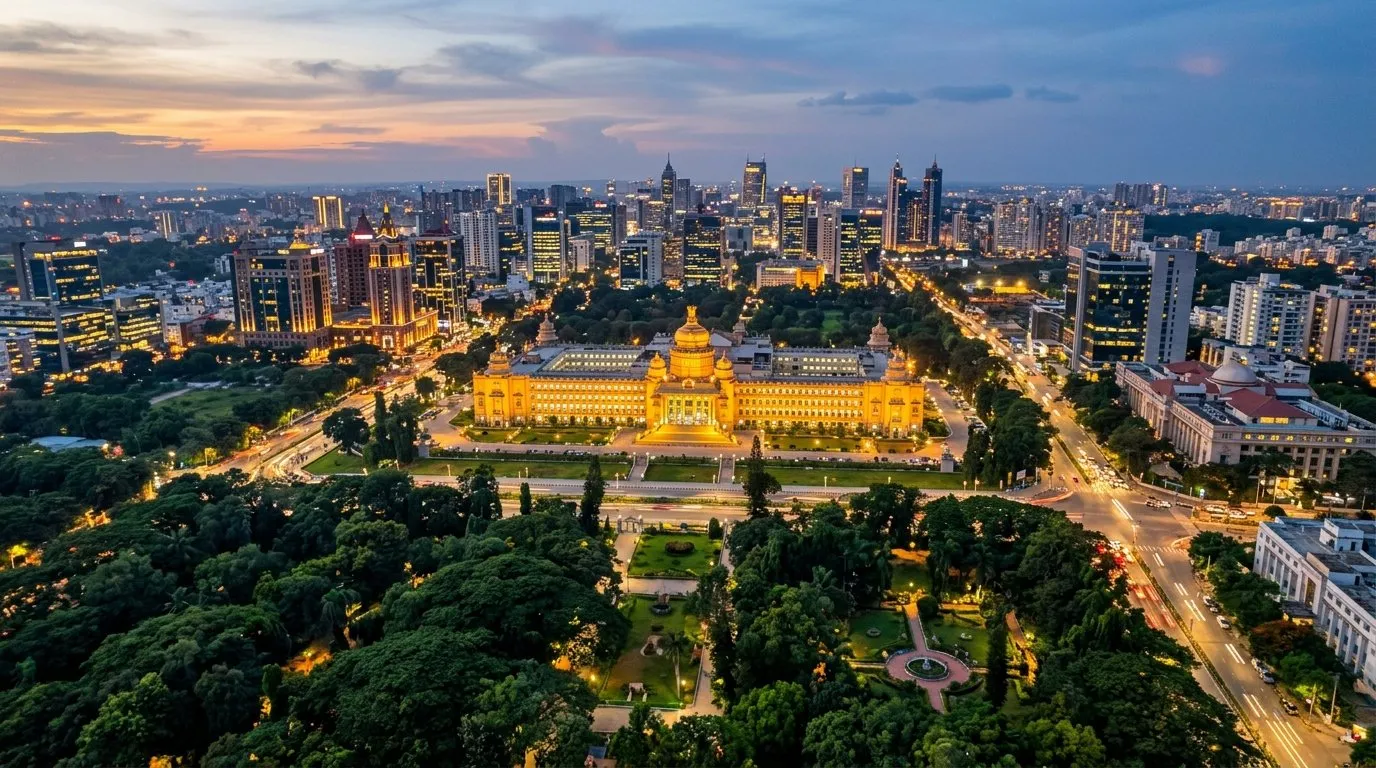
Ancient Dravidian festival where a priest carries a flower-decked pot on his head through old Bangalore streets all night. Sword-bearing Vahnikula Kshatriya warriors escort. Thousands follow.
Oldest festival of Bengaluru, predates the city itself. Connected to Draupadi worship.
📍 Bengaluru
Annual international music festival in the colonial-era Kasauli Club featuring jazz, blues, and rock bands performing amid pine forests at 1,800m.
One of North India's most popular music festivals, drawing artists and audiences to this quiet Raj-era cantonment town since 2012.
📍 Kasauli
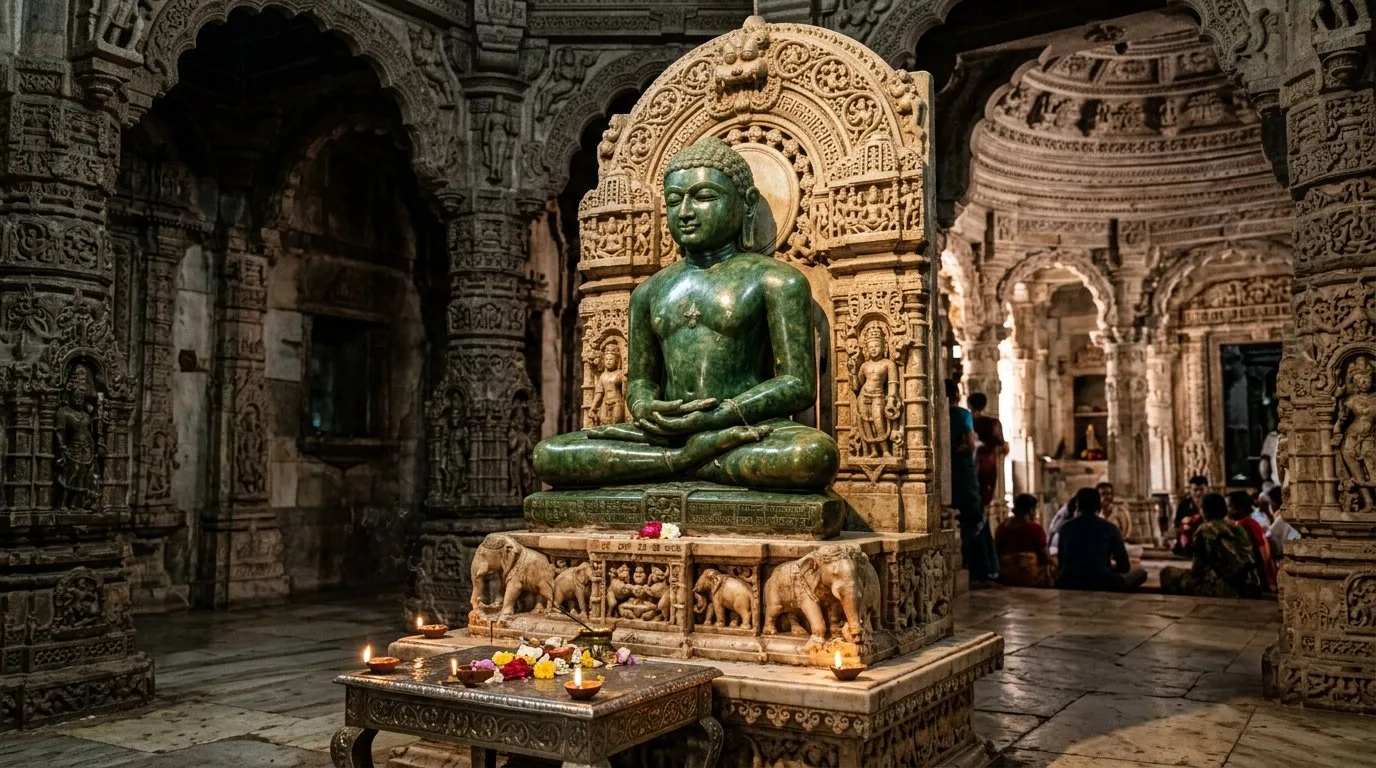
Grand Jain festival celebrating Lord Mahaveer birthday. Special puja to the 2000-year-old jade statue. Jain pilgrims from across India.
Mahavir Jayanti at one of India most ancient Jain temples — jade statue puja
📍 Kolanupaka
Tourism festival along the Lidder River valley with trout fishing competitions, horse polo, and Kashmiri folk performances amid blooming almond and cherry trees.
Marks the opening of Pahalgam's tourist season after winter snowmelt, showcasing Kashmir's most pristine valley.
📍 Pahalgam
April (Baisakhi)
Kumaoni spring festival at Pithoragarh's Rai ground with masked dances, agricultural rituals, and a unique ritual ploughing ceremony symbolizing the farming season start.
Ancient agricultural festival of the Kumaon hills marking the beginning of the sowing season with rituals dating back centuries.
📍 Pithoragarh
March–April (Chaitra Shukla Navami)
Grand celebration at the only temple in India where Lord Rama is worshipped as a king with a guard of honour and gun salute.
📍 Orchha
Fair at the ancient Shringa Rishi Temple near Jibhi in Banjar Valley, with devta (deity) palanquin processions, Nati folk dance, and community feasting.
Shringa Rishi (sage Shringi from the Ramayana) is the presiding deity of Banjar; the fair brings together villages across the Tirthan-Banjar belt.
📍 Jibhi
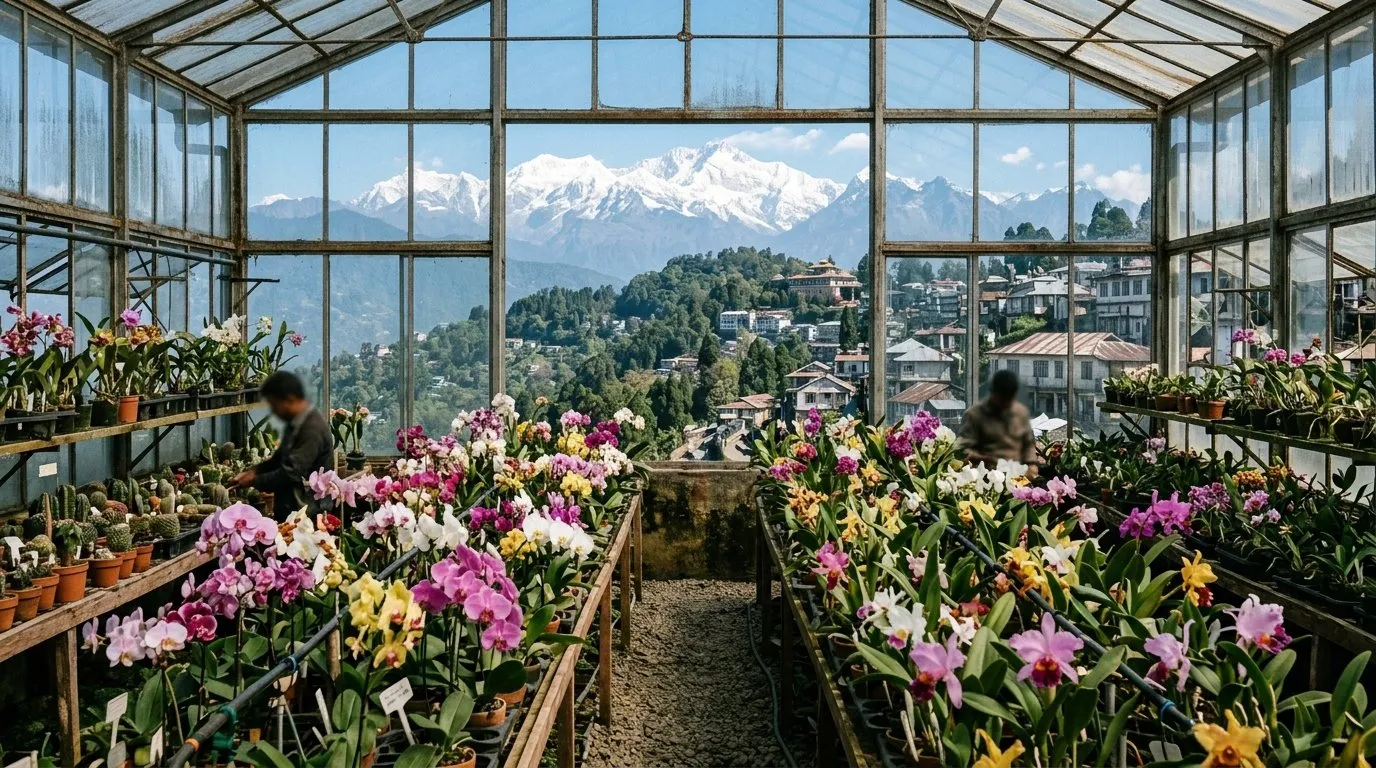
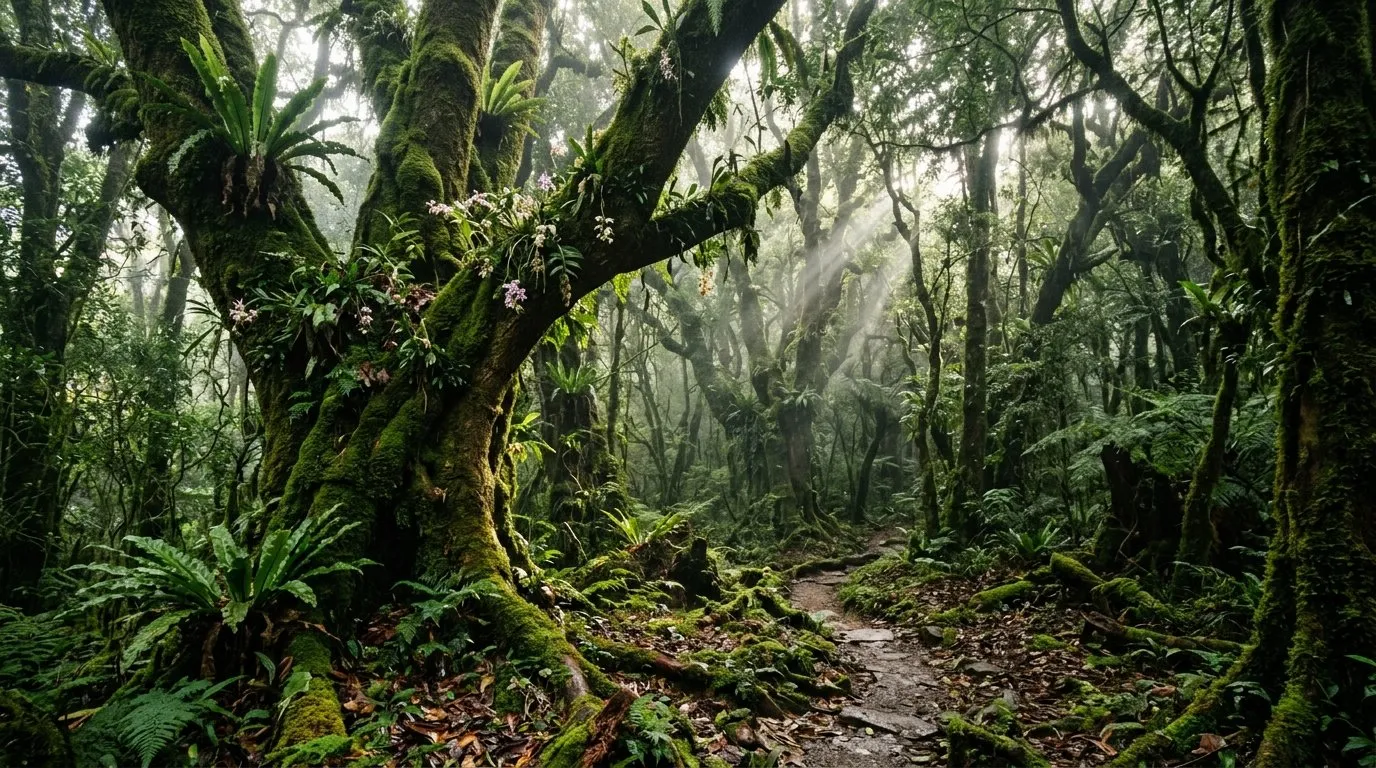
April (orchid season)
Festival celebrating the blooming of 96 endemic orchid species. Nature walks, tribal cultural programs.
96 orchid species bloom simultaneously in India's richest orchid forest
📍 Simlipal
Grand celestial wedding ceremony of Rama and Sita. State government sends traditional wedding gifts (Talambralu). 500,000+ attend.
India grandest Rama wedding — state government officially sends wedding gifts
📍 Bhadrachalam
April
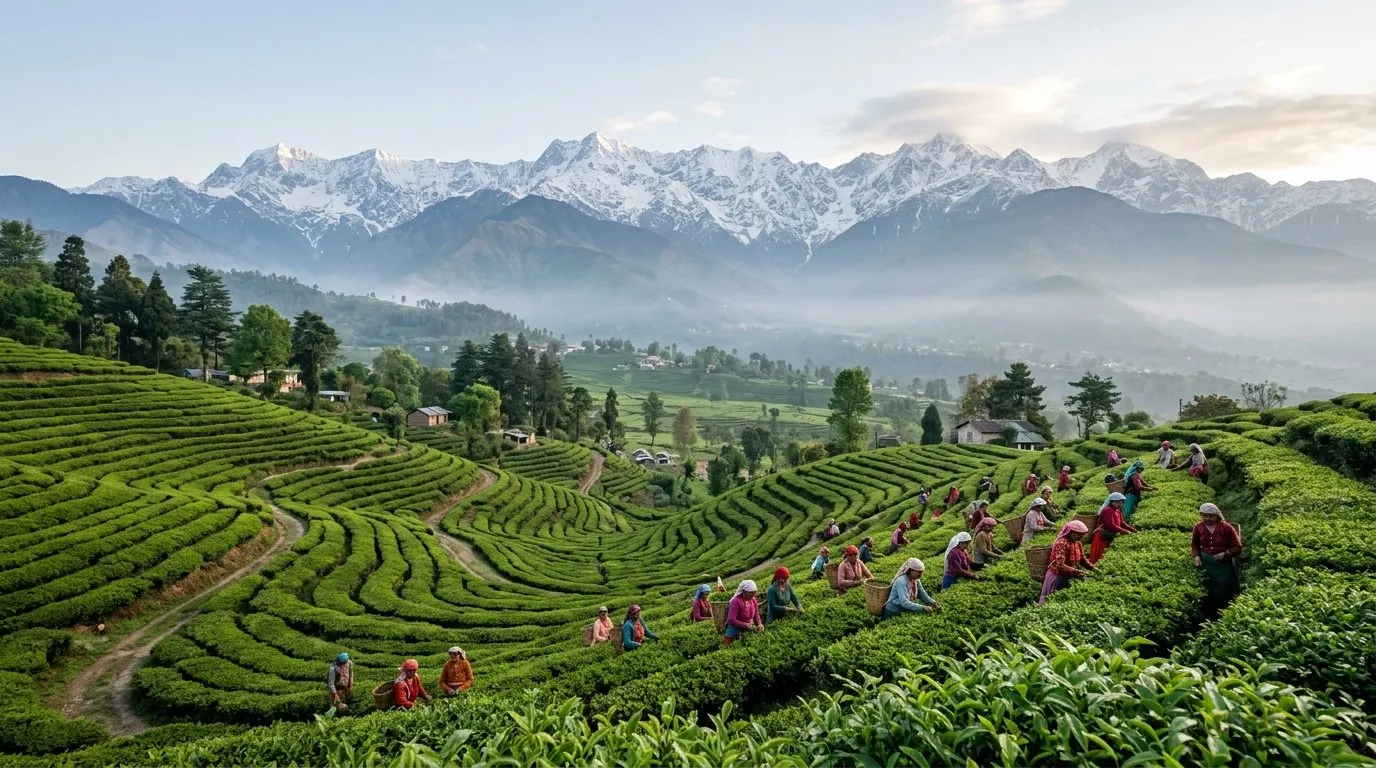
Celebrates the first flush of Kangra tea with tastings at local gardens, cultural programmes, and exhibitions on tea heritage.
📍 Palampur
April-May (one day, full moon)
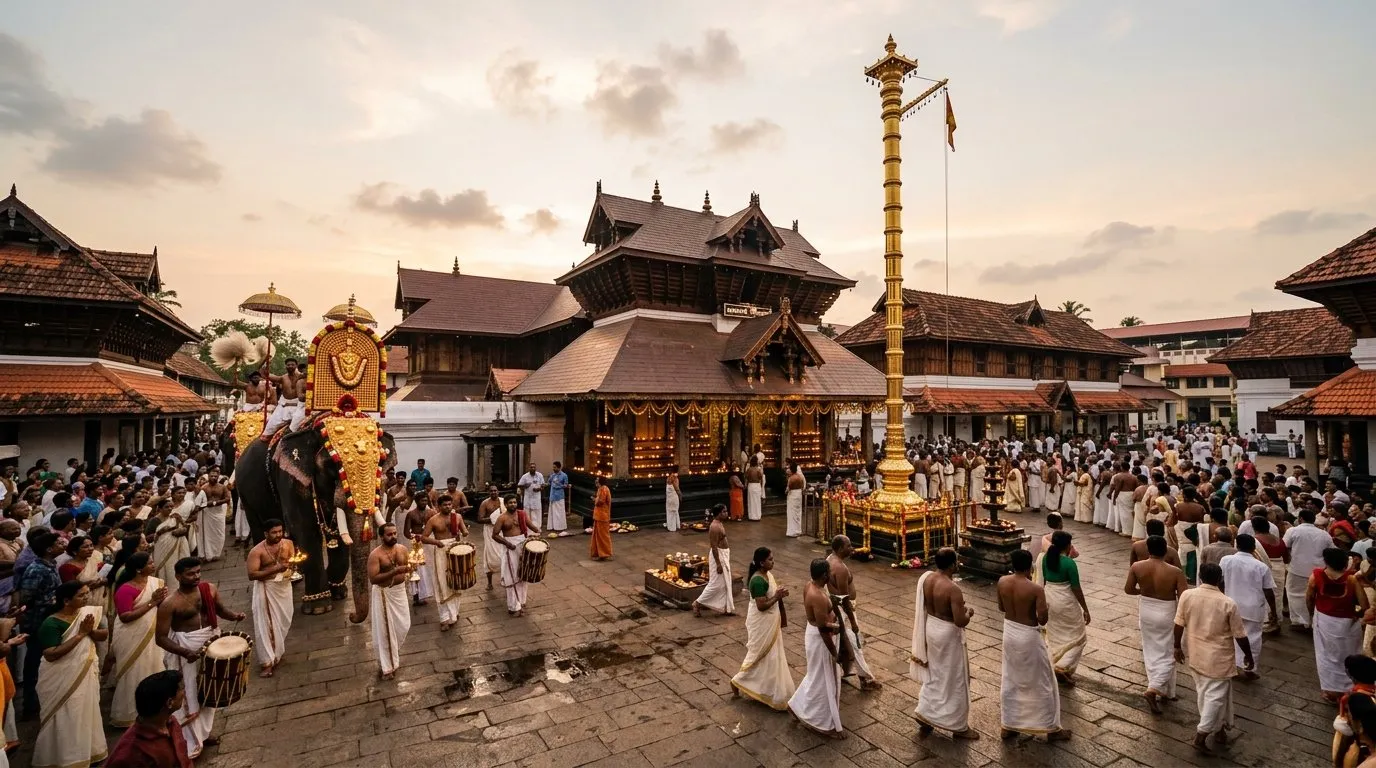
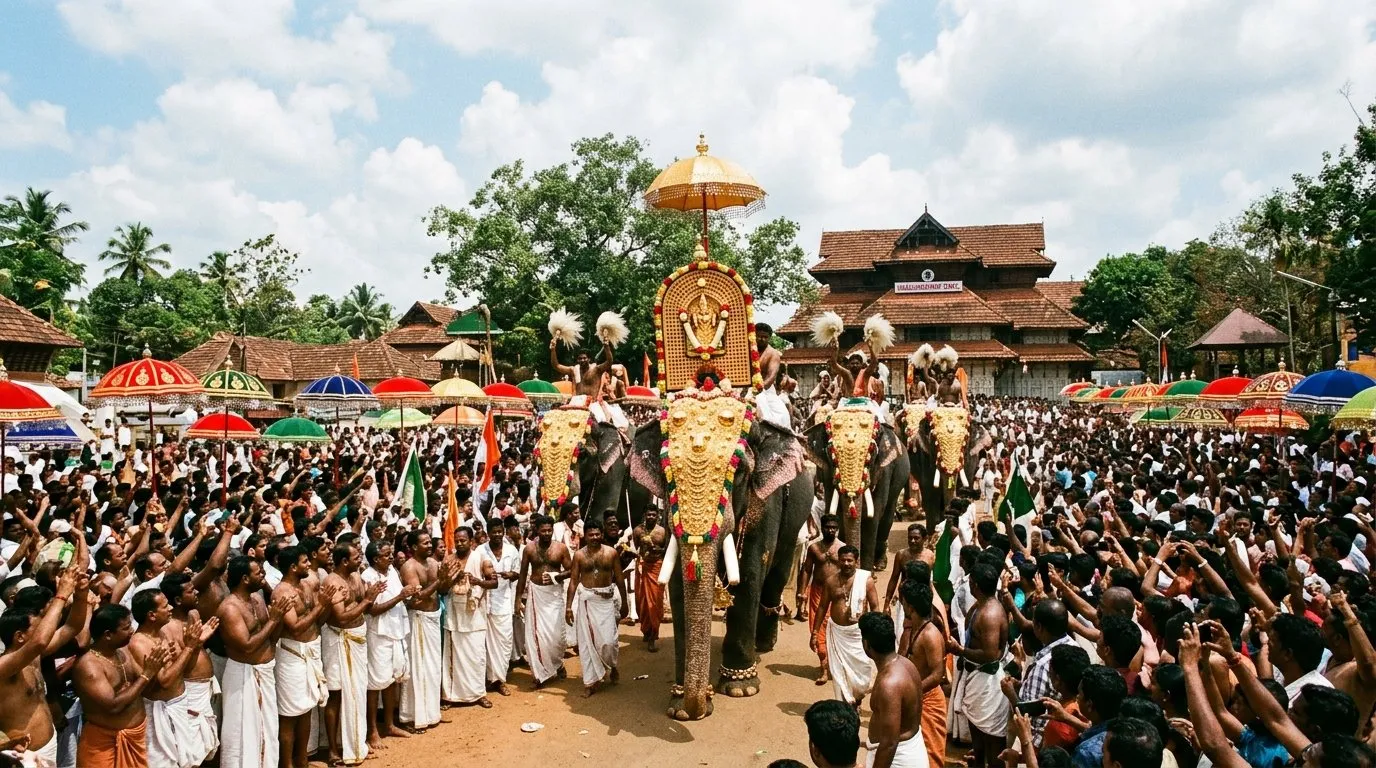
India's greatest temple festival. 100 caparisoned elephants face off in two groups at Vadakkunnathan Temple. Panchavadyam percussion orchestras of 200+ musicians. Competitive fireworks lasting 3+ hours through the night. 1 million+ spectators.
Organized by Sakthan Thampuran in the 18th century. The gold-plated elephant umbrella exchange (Kudamattam) is the climax.
📍 Thrissur
Late March / April (2 weeks)
Asia's largest tulip garden — 1.5 million tulips in 60+ varieties below the Zabarwan hills.
The only reason to visit Kashmir before May — fields of color.
📍 Srinagar
March-April (3 days)
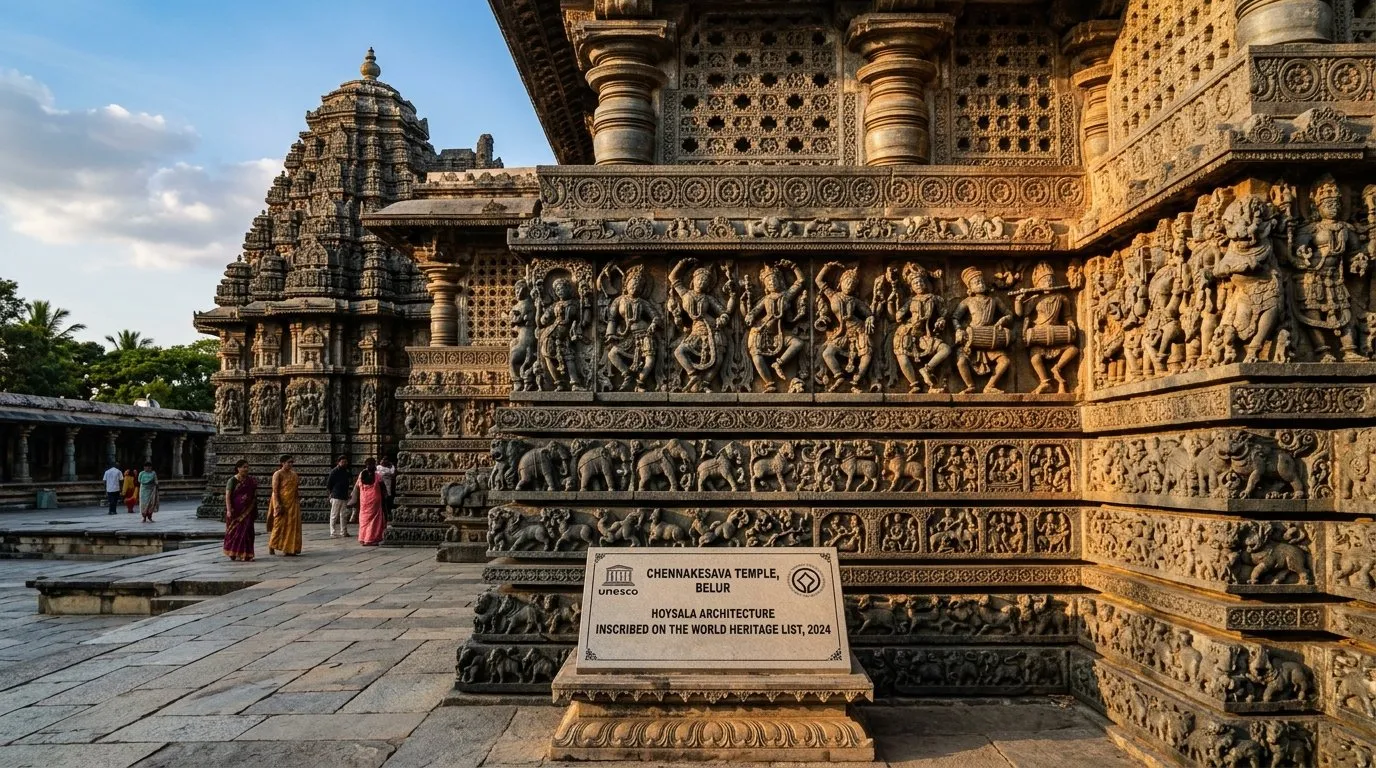
Diamond-studded crown placed on the Chennakesava idol. Grand procession through Belur town with the jeweled deity.
The Vairamudi crown is one of India's most valuable temple jewels, displayed only during this festival.
📍 Belur
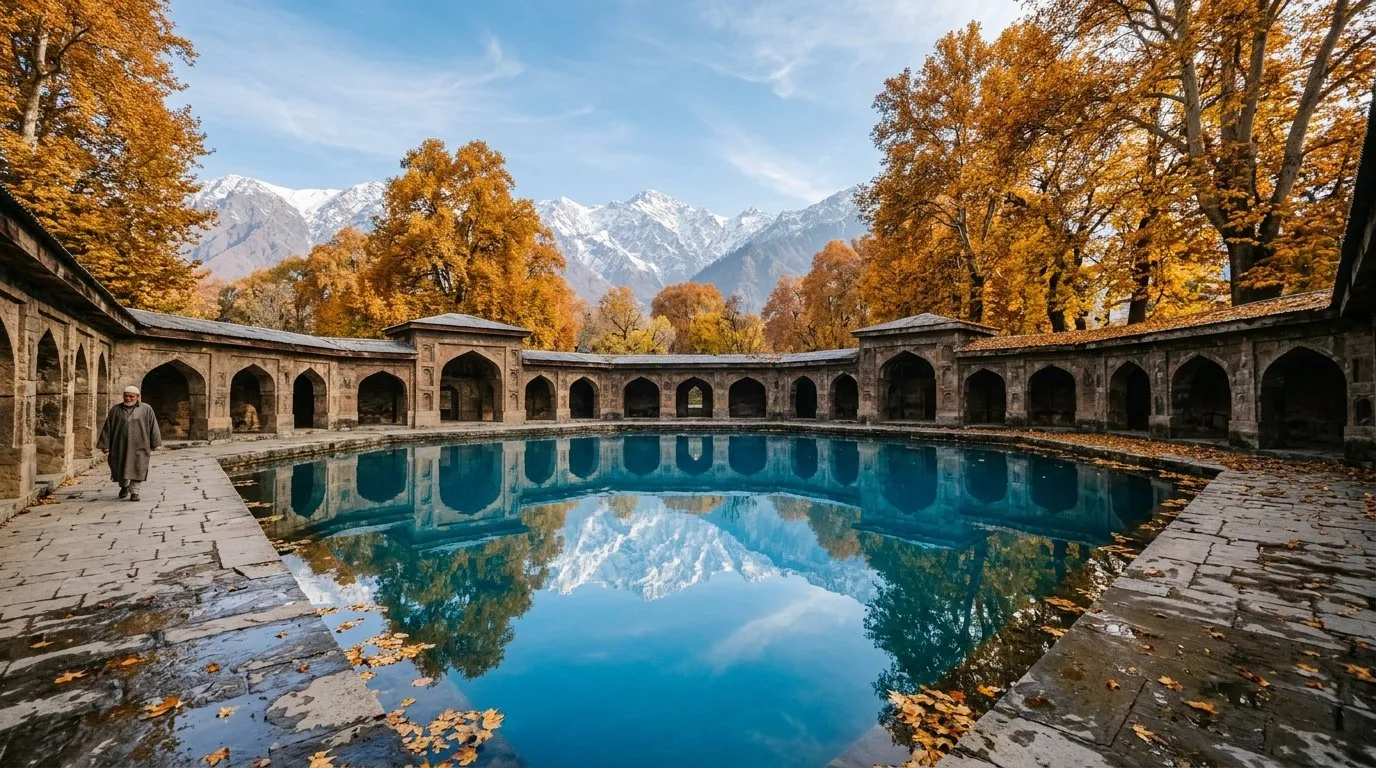
Festival at the octagonal Mughal spring of Verinag — believed source of the Jhelum River — with Kashmiri Sufi music, garden tours, and trout-watching at Kokernag.
Emperor Jahangir considered Verinag the most beautiful spring in Kashmir; the Mughal garden here dates to 1620 CE.
📍 Verinag
April (Chaitra Shukla Shashthi)
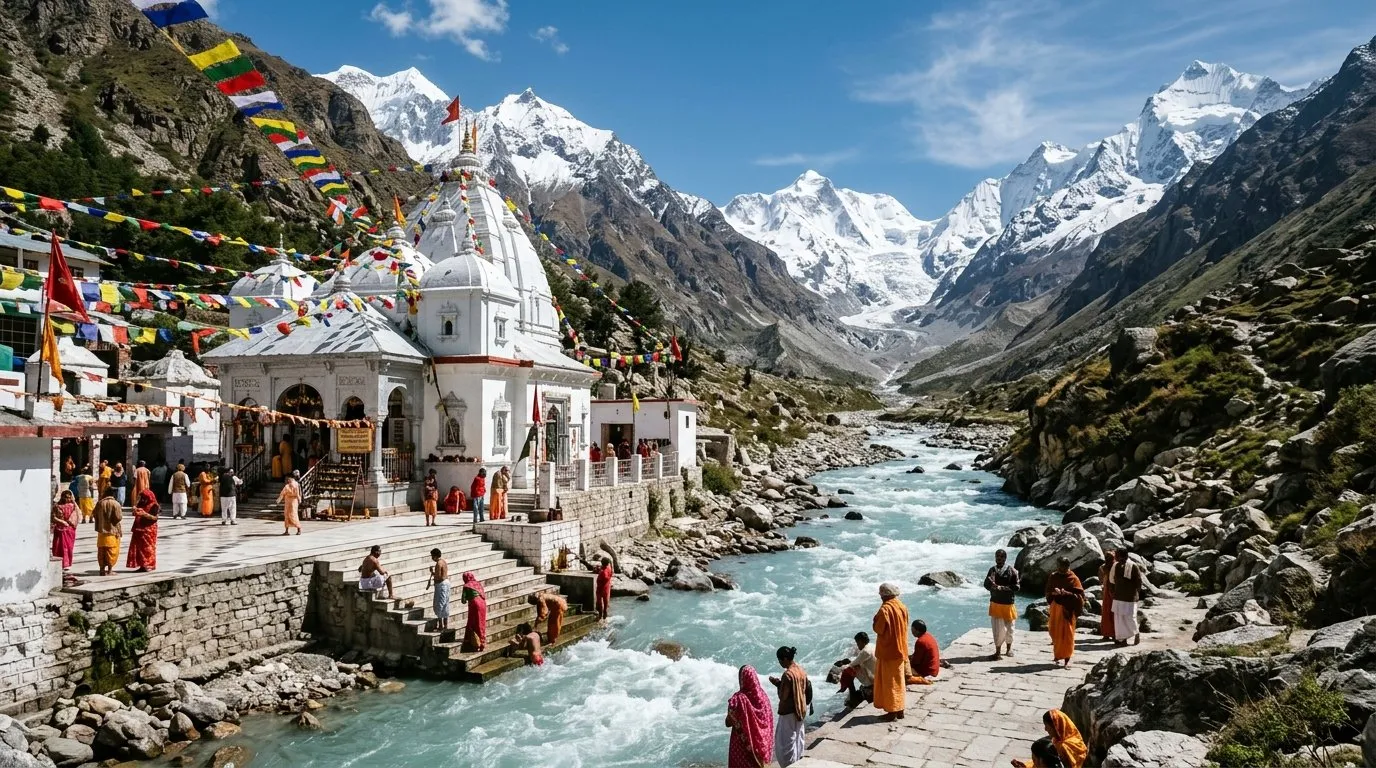
Devoted worship of the river Yamuna on her sacred day with offerings, aarti, and ritual bathing at the source.
📍 Yamunotri
May (varies)
Festivities marking the annual opening of both Badrinath and Kedarnath temple doors, with the doli (palanquin) procession departing Joshimath for Badrinath.
Joshimath is the winter seat of Lord Badrinath; the kapaat opening is the most important annual event for the Char Dham pilgrimage circuit.
📍 Joshimath
Early May
The sacred temple doors open for the season after winter closure, marked by elaborate Vedic rituals and the arrival of the deity's idol from Joshimath.
📍 Badrinath
Celebration of the meadow wildflower bloom in the Bangus Valley with camping, folk music, and guided treks through what locals call Mini-Switzerland.
Promotes the newly opened Bangus Valley, one of Kashmir's last untouched meadow systems, as an eco-tourism destination.
📍 Bangus Valley
May (Vaishakha Purnima)
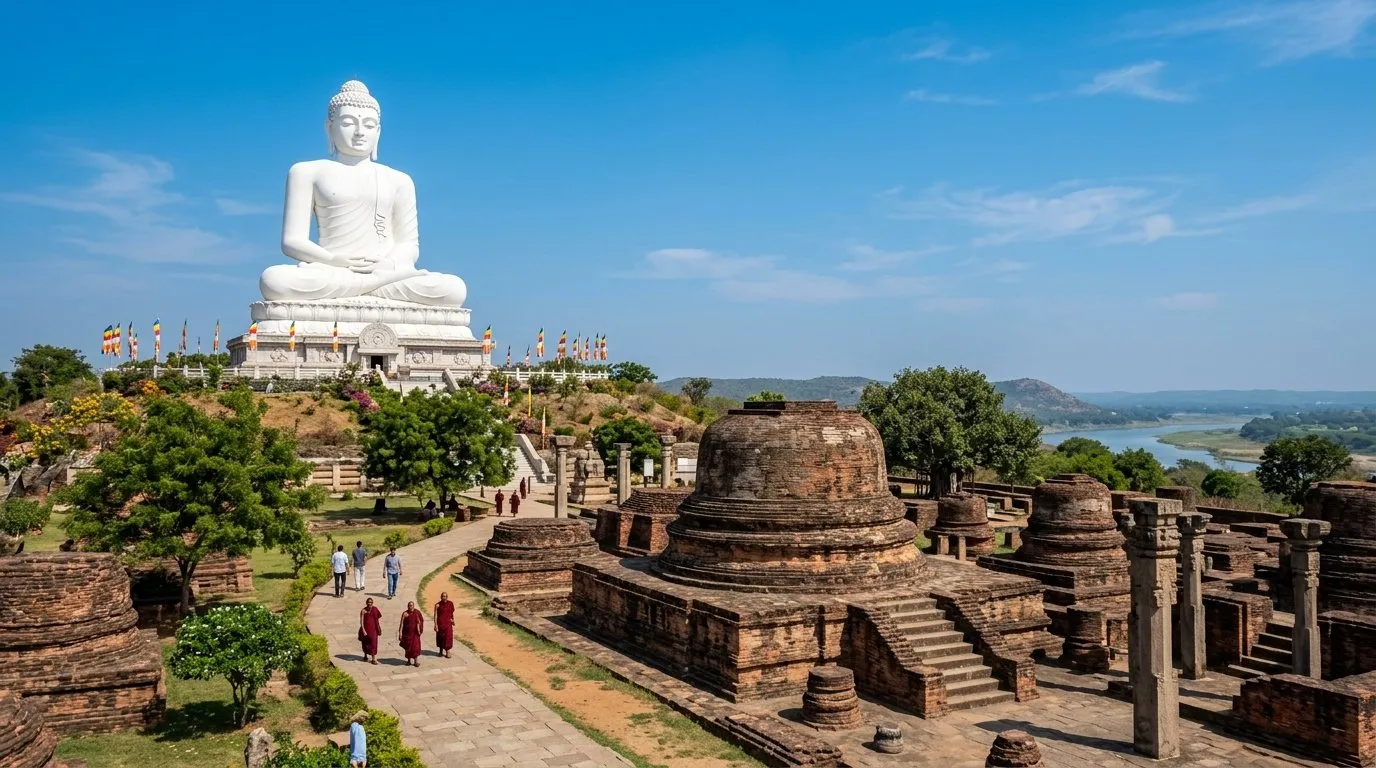
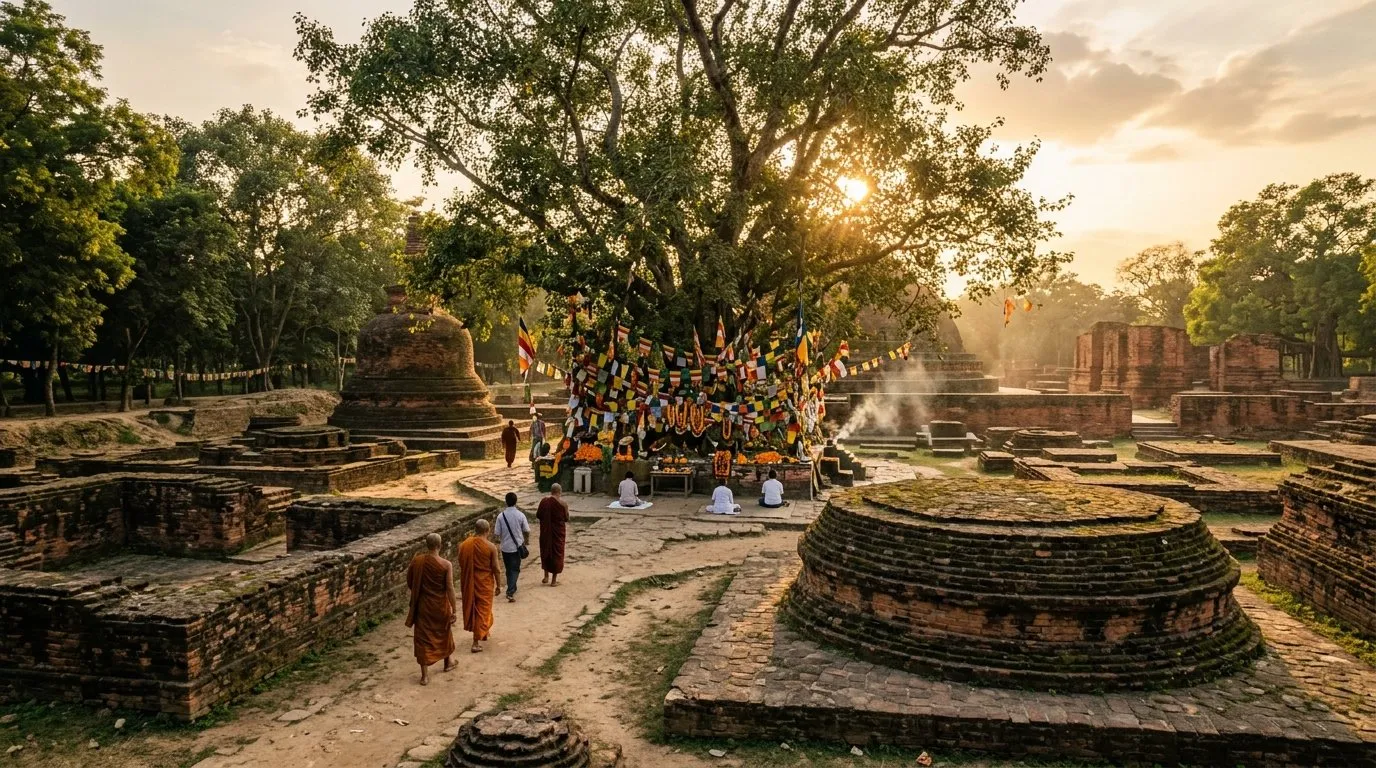
The holiest day in Buddhism — celebrating Buddha birth, enlightenment, and death. Thousands gather at Mahabodhi Temple.
The holiest Buddhist celebration at the holiest Buddhist site on Earth
📍 Bodh Gaya
May (full moon of Vaishakha)
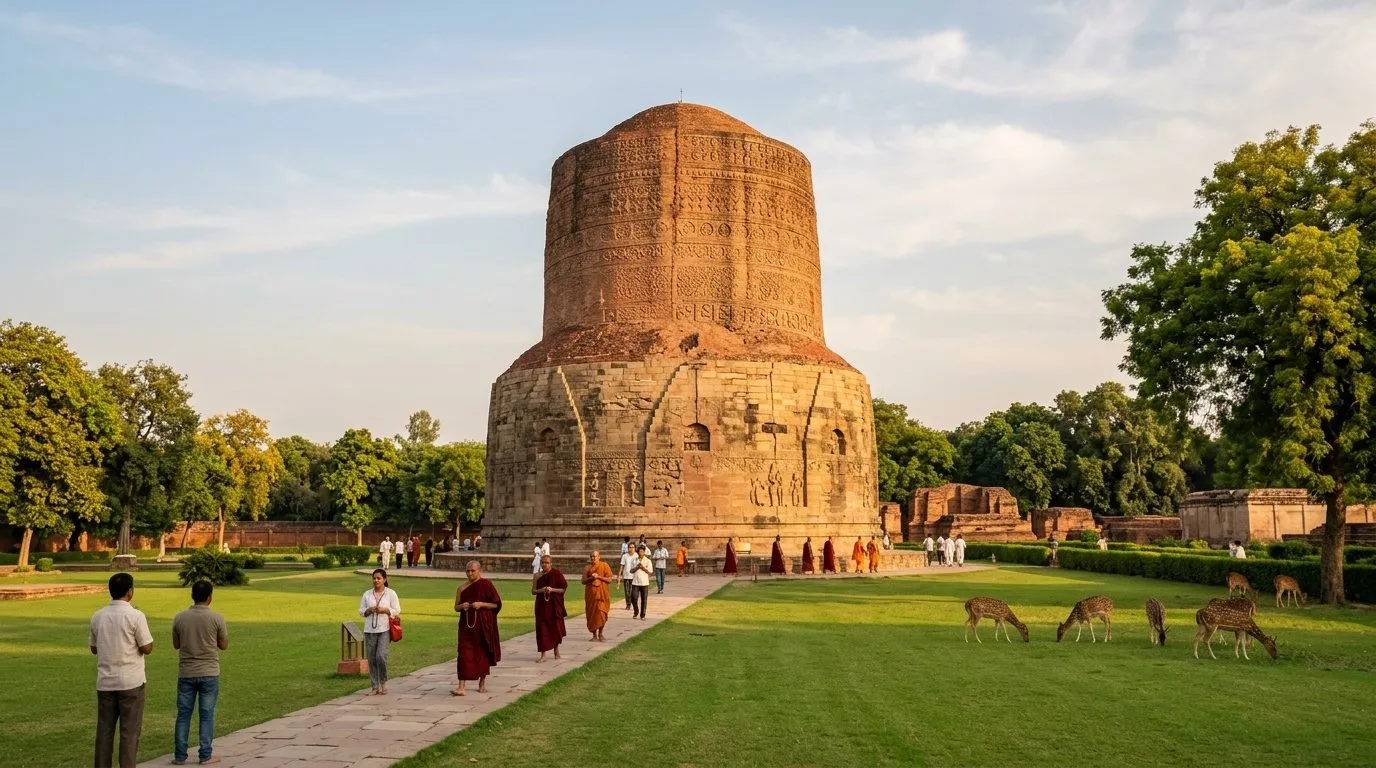
Commemorates Buddha's birth, enlightenment, and parinirvana at the very site where he gave his first sermon. Monks from across the world gather for prayers and meditation.
📍 Sarnath
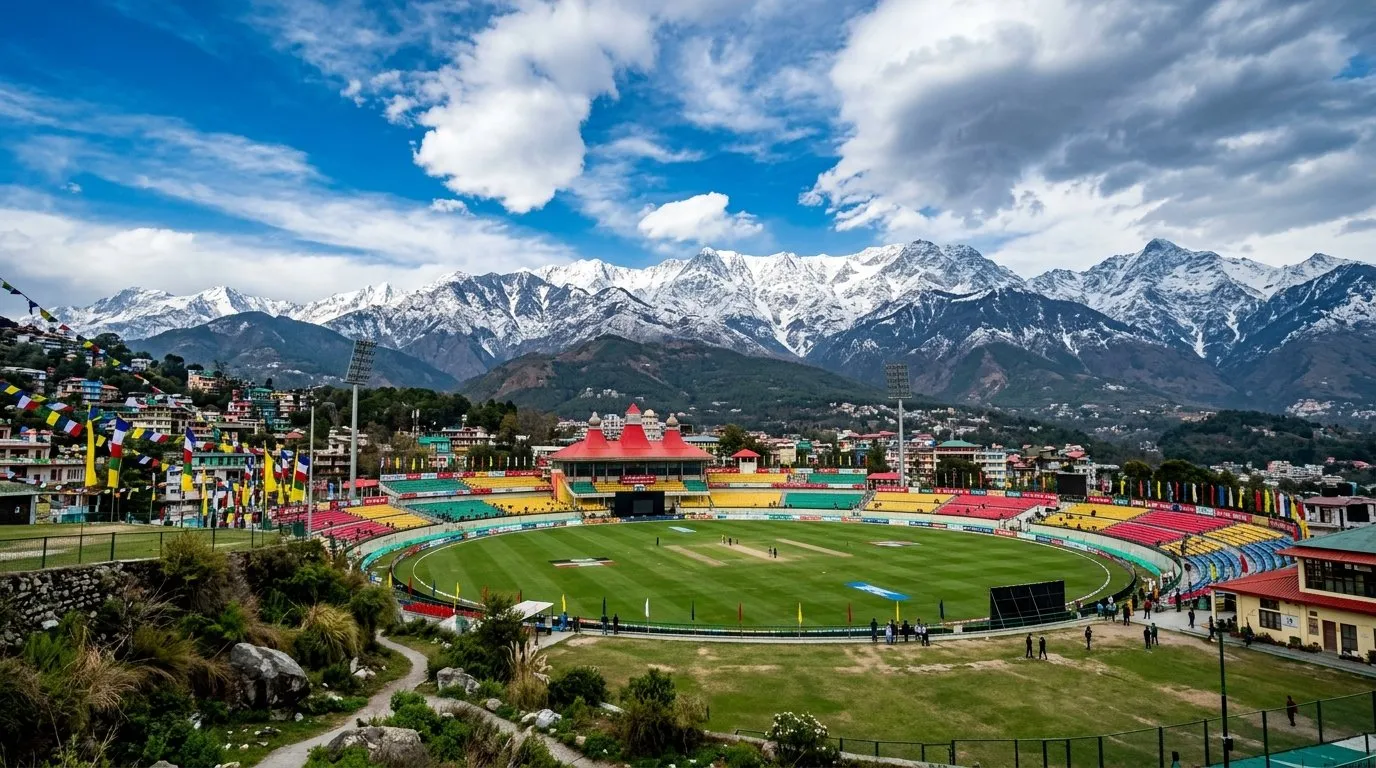
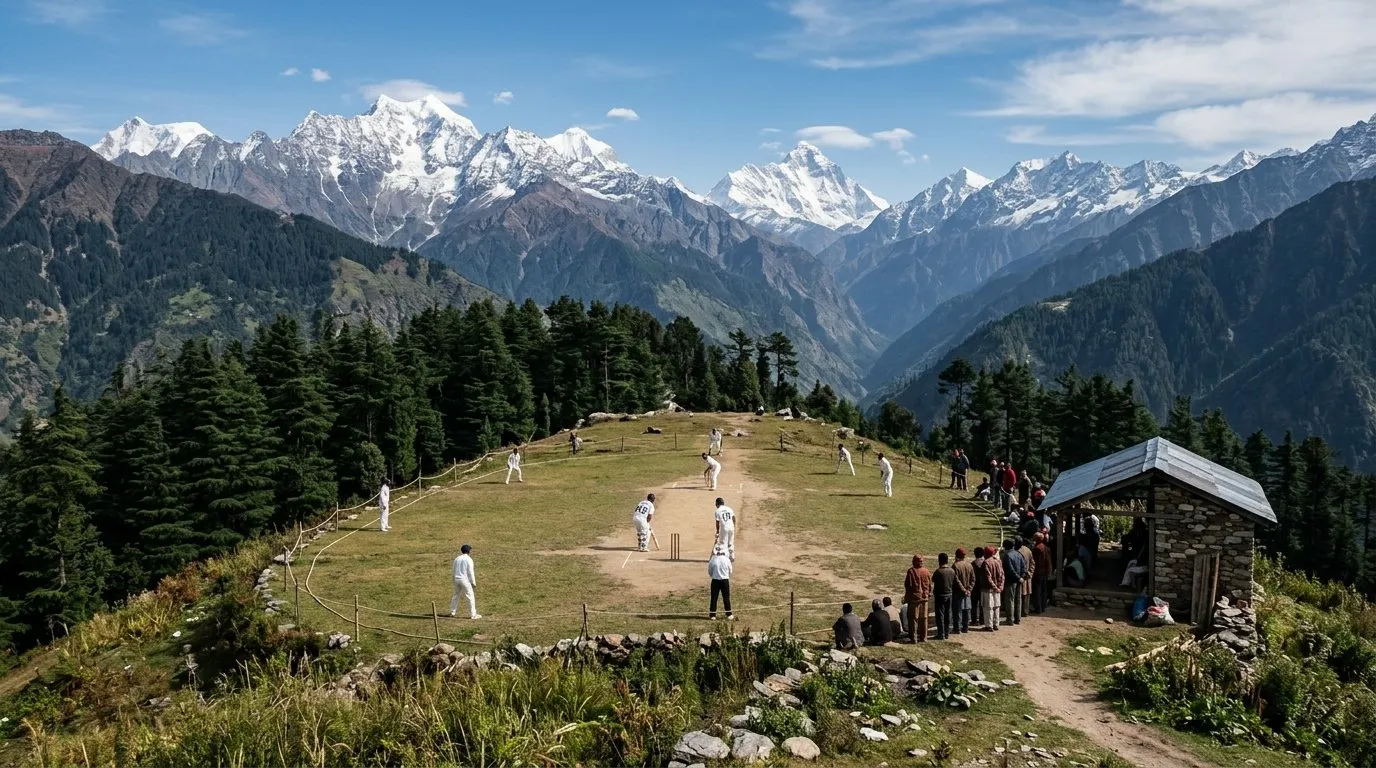
Cricket matches and cultural events at the Chail Cricket Ground — the world's highest cricket pitch at 2,444m, built in 1893 by Maharaja Bhupinder Singh of Patiala.
The world's highest cricket ground was built after the Maharaja of Patiala was banished from Shimla by Lord Kitchener; a defiant act of royal pride.
📍 Chail
Festival at the Chaukori tea gardens — among India's highest at 2,010m — with tea-tasting sessions, plantation tours, and Kumaoni cultural performances against Panchachuli peaks.
Chaukori produces some of India's rarest high-altitude teas; the festival showcases this niche agricultural heritage.
📍 Chaukori
Early May (Akshaya Tritiya)
The temple doors open for the pilgrimage season on Akshaya Tritiya with chanting, pujas, and the return of the sacred idol from Mukhba village.
📍 Gangotri
May (kapaat opening)
Celebrations at the ancient Vishwanath Temple when the Kedarnath pilgrimage season opens, with the deity's winter-seat rituals and devotional gatherings.
Guptkashi is where Shiva hid from the Pandavas before taking the form of a bull at Kedarnath; the temple predates Varanasi's Kashi Vishwanath.
📍 Guptkashi
Late April / Early May
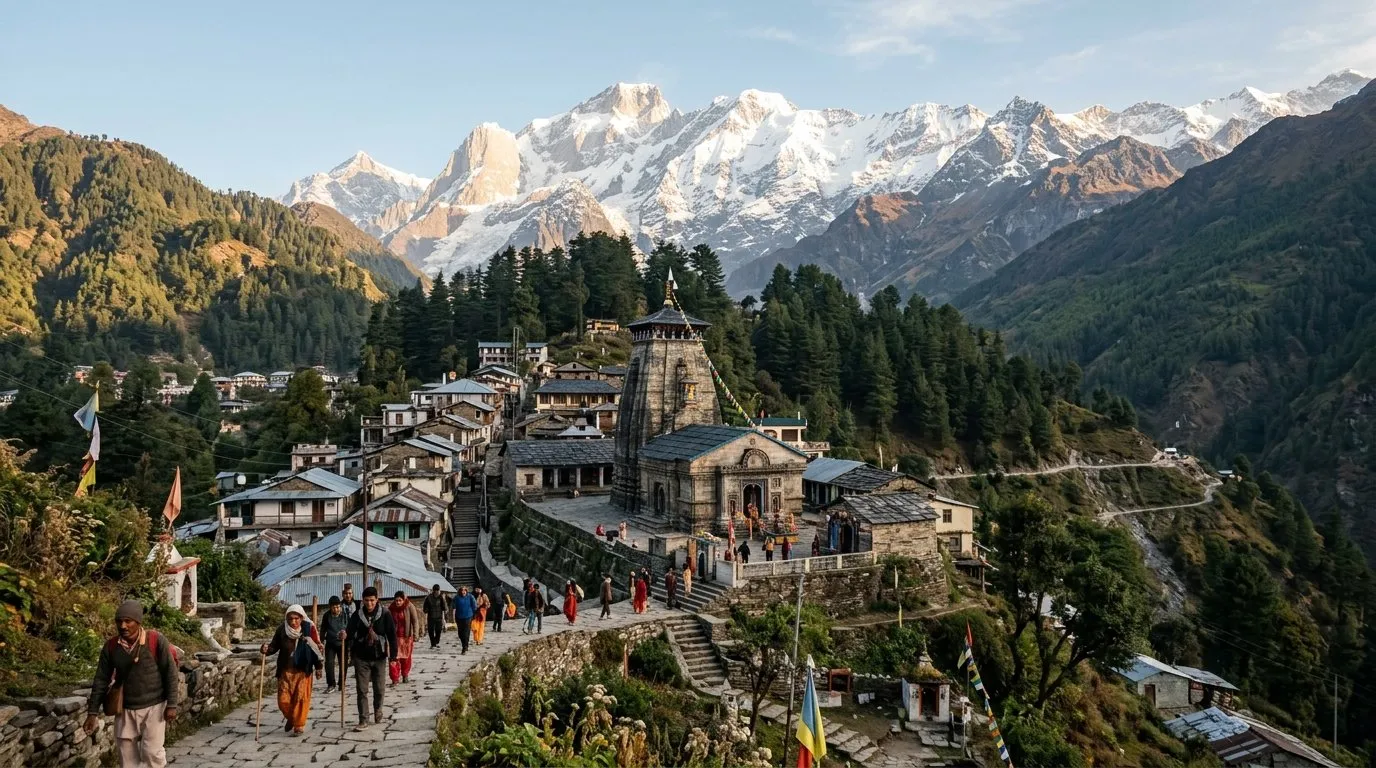
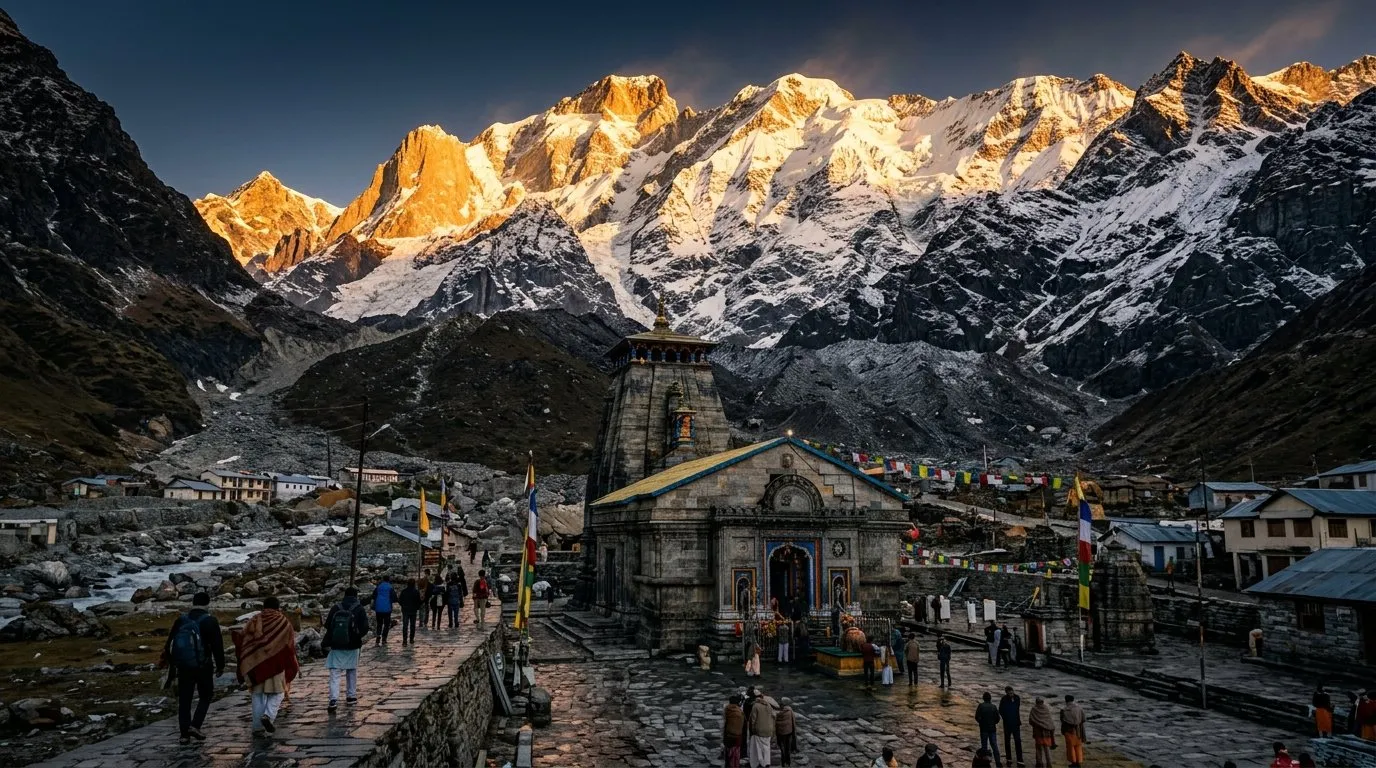
Temple doors open after 6 months of winter. First darshan of the season. Deity carried back from Ukhimath.
One of the most emotionally charged days in Hindu pilgrimage.
📍 Kedarnath
May 1-3
Ao Naga post-sowing festival — warriors in full ceremonial dress, folk songs around bonfires, community bonding, and prayers for a good harvest. Mokokchung comes alive.
The Ao Naga tribe's biggest celebration — sowing done, spirits high.
📍 Mokokchung
May (3 days)
Annual flower show at the Botanical Gardens featuring rare Nilgiri species, orchid displays, and competitive arrangements. 100,000+ visitors. Coincides with the Ooty summer festival.
Showcases the unique flora of the Nilgiris — many species found nowhere else on earth.
📍 Ooty (Udagamandalam)
Full moon of 4th Tibetan month (May-Jun)
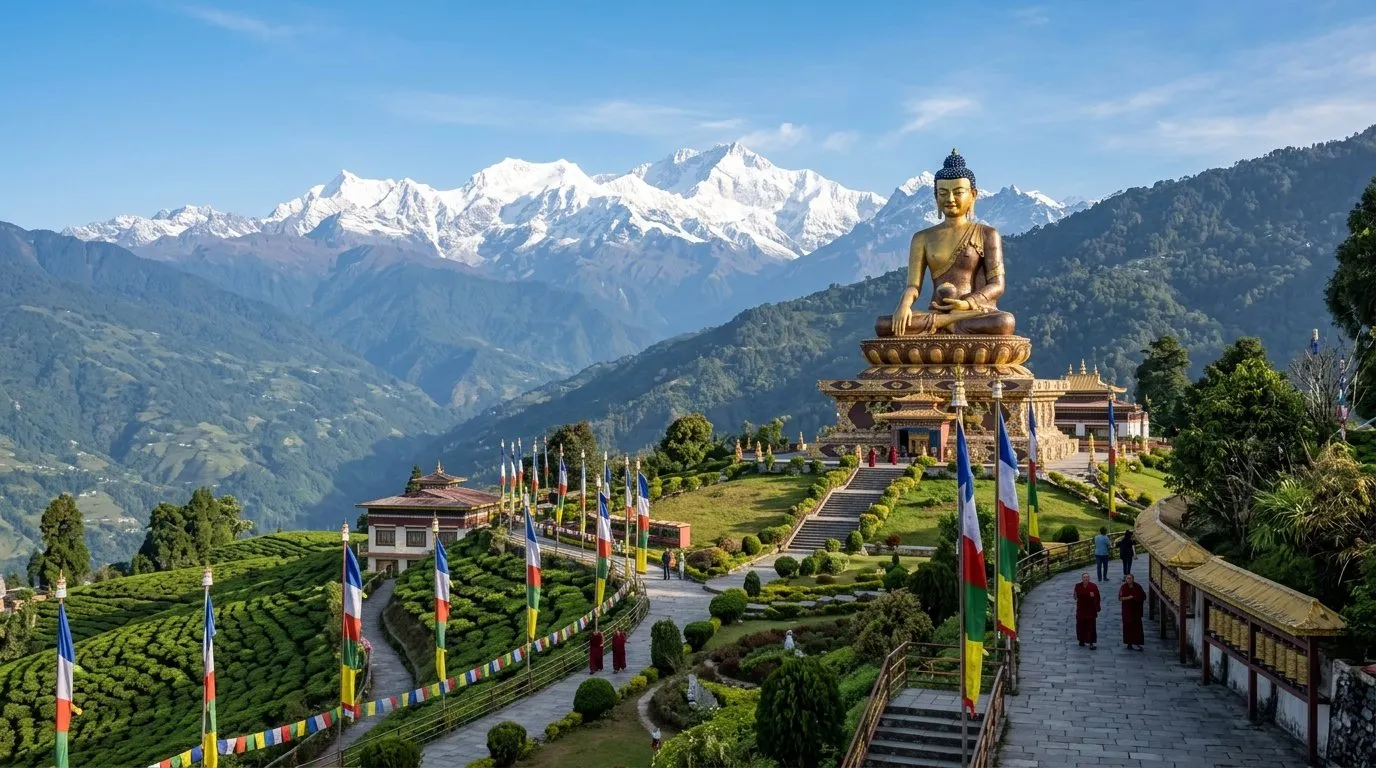
The holiest month in the Tibetan Buddhist calendar. Monastery pujas, sacred Cham dances, circumambulation of sacred peaks, and the dramatic unfurling of the Thangka at Rumtek.
Sikkim's most sacred Buddhist observance — enlightenment, compassion, and devotion.
📍 Gangtok
Late May / June (5 days)
Celebrity performances, flower shows on the Ridge. Hot air balloons. Evening cultural shows.
Shimla at its peak — summer in the former British capital.
📍 Shimla
May-June
Opening of the Tosamaidan meadow — once an army firing range, now a reclaimed paradise — with wildflower walks, camping, and Gujjar pastoral culture displays.
Tosamaidan was returned to civilian use in 2014 after decades as a military range; it is now one of Kashmir's most stunning reclaimed landscapes.
📍 Tosamaidan
May (Akshaya Tritiya)
The world's highest Shiva temple opens after winter with ritثals and the return of the deity's idol from Makkumath village.
📍 Tungnath
The kapaat (doors) of the world's highest Shiva temple at 3,680m open with Vedic rituals,ثم the deity is carried in a palanquin procession from Makkumath winter seat.
Tungnath is the highest of the Panch Kedar temples; the opening ceremony draws devotees who trek 3.5 km through rhododendron forests.
📍 Chopta
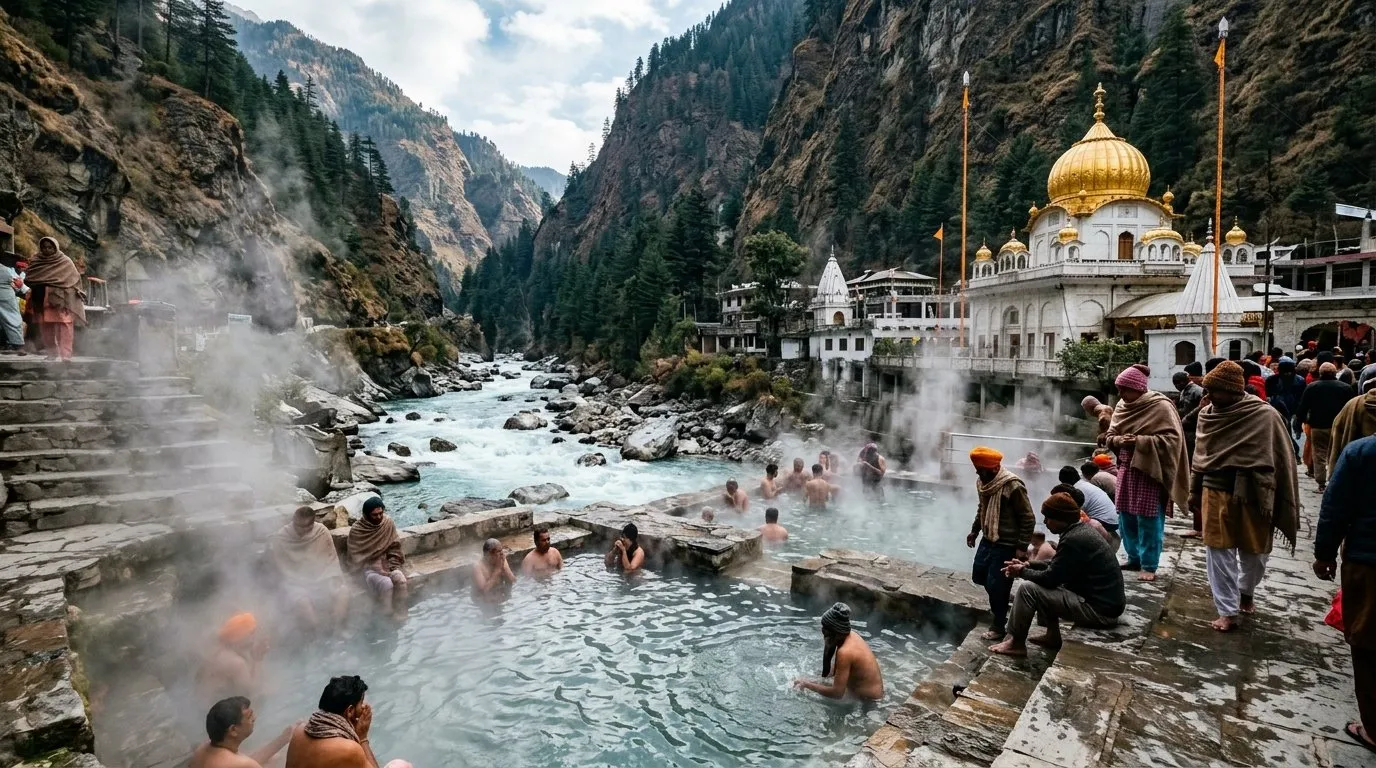
The temple doors open for the Char Dham season with rituals at the hot springs and the sacred Divya Shila; pilgrims cook rice in the thermal water as prasad.
June (3 days, varies)
Annual fertility festival at Kamakhya Temple — the temple closes for 3 days as the goddess is believed to menstruate. Reopens with massive celebration, tantric rituals, and lakhs of pilgrims.
India's most powerful tantric gathering — fertility, shakti, and ancient ritual.
Mid June
A cultural festival celebrating the twin shrines of Badrinath and Kedarnath through classical dance, music, and devotional performances.
June (Jyeshtha)
Annual fair in the Mini-Kashmir of Jammu with Dogra folk dances, Gaddhi shepherd gatherings, and saffron field tours in the Bhaderwah Valley.
Bhaderwah is an emerging destination that bridges Dogra and Kashmiri cultures, with its own distinct saffron cultivation.
📍 Bhaderwah
June (Jyeshtha Shukla Dashami)
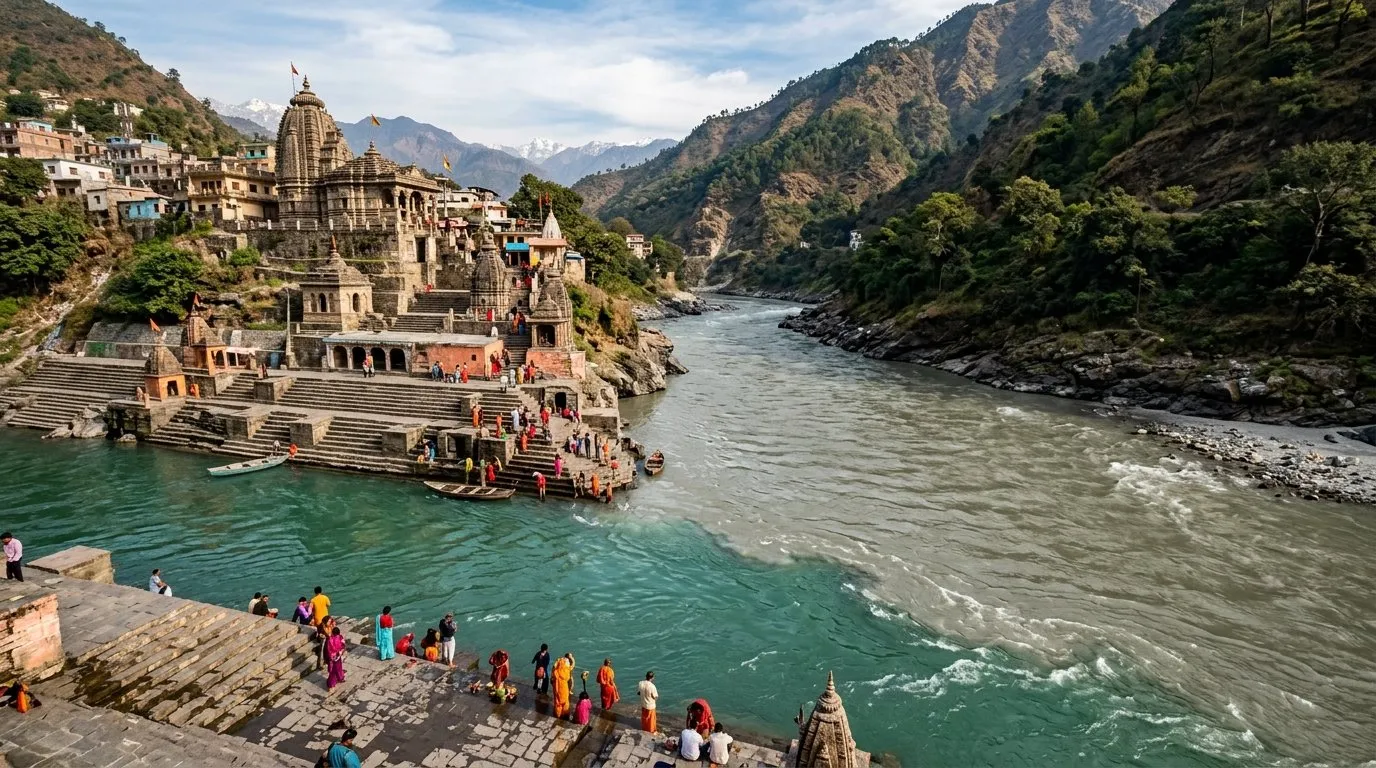
Festival at the sacred confluence where Alaknanda and Bhagirathi merge to form the Ganga, with ritual bathing, deepdan (lamp floating), and Sanskrit recitations.
Devprayag is where the Ganga is officially born; Ganga Dussehra celebrates the descent of the river from heaven.
📍 Devprayag
June (varies)
Spring meadow celebration in the Valley of Milk with guided walks through wildflower carpets, Kashmiri folk music, and picnics along the Shaliganga stream.
Doodhpathri is one of Kashmir's least commercialized meadows, named for the milky-white waters of its streams.
📍 Doodhpathri
Celebrates the descent of the Ganges to Earth. Thousands gather at Har Ki Pauri for ritual bathing, lamp floating, and evening aarti.
📍 Haridwar
Festival honoring the deity Ghepan (Lord of Snow) in Lahaul Valley with masked dances, butter sculpture offerings, and chanting by Buddhist lamas.
Reflects the Buddhist-animist syncretic traditions of Lahaul, one of the most culturally distinct valleys in Himachal Pradesh.
📍 Sissu
June / July (2 days)
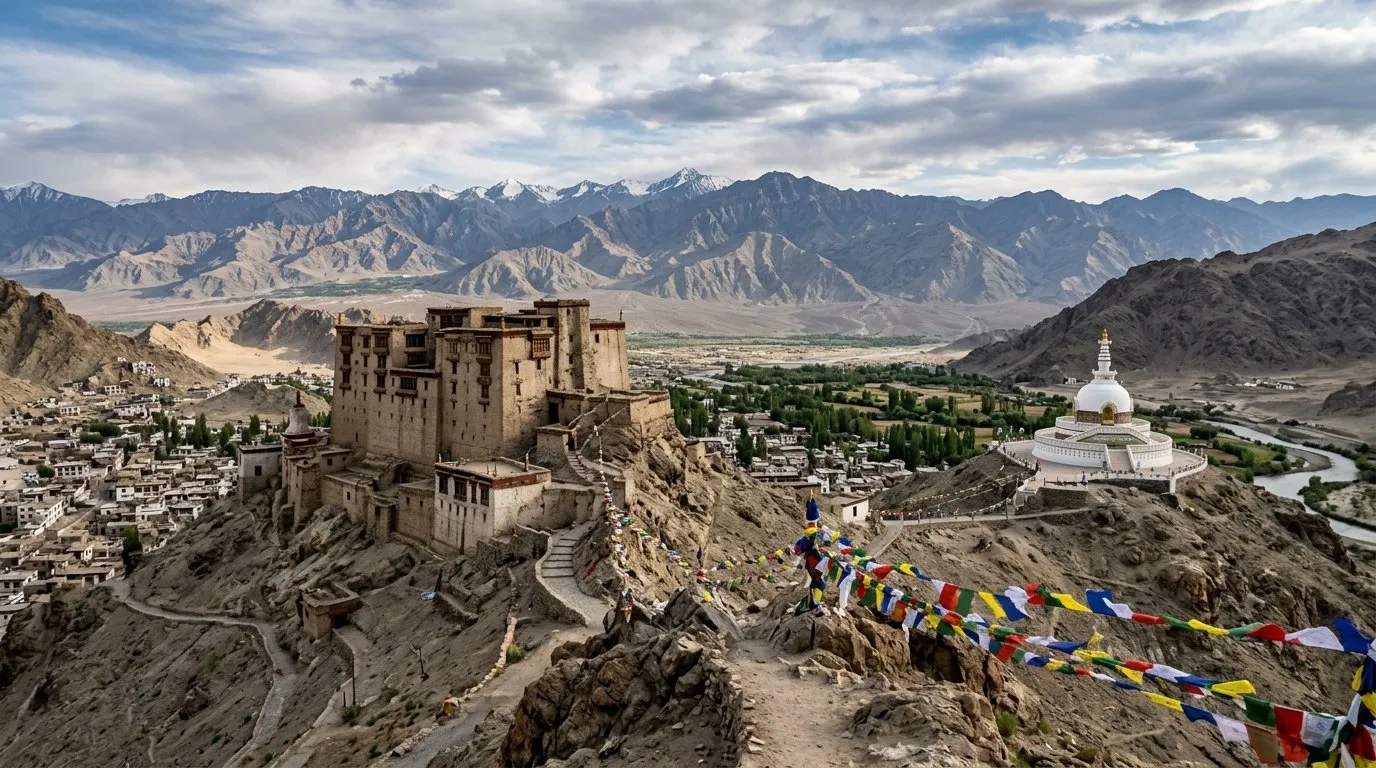
Cham dance with masked monks at Hemis Monastery. Sacred Thangkas displayed. Drums, horns, ritual drama.
Ladakh's largest and most spectacular monastic festival.
📍 Leh
June (Ganga Dussehra)
Fair at Surkanda Devi Temple (3,030m) near Kanatal with devotees trekking 2 km to the summit temple, offering bells and red cloth to the goddess.
Surkanda Devi is one of the 51 Shakti Peethas; the mountaintop temple offers panoramic Himalayan views from Bandarpunch to Swargarohini.
📍 Kanatal
June (Tibetan 17th-18th day, 5th month)
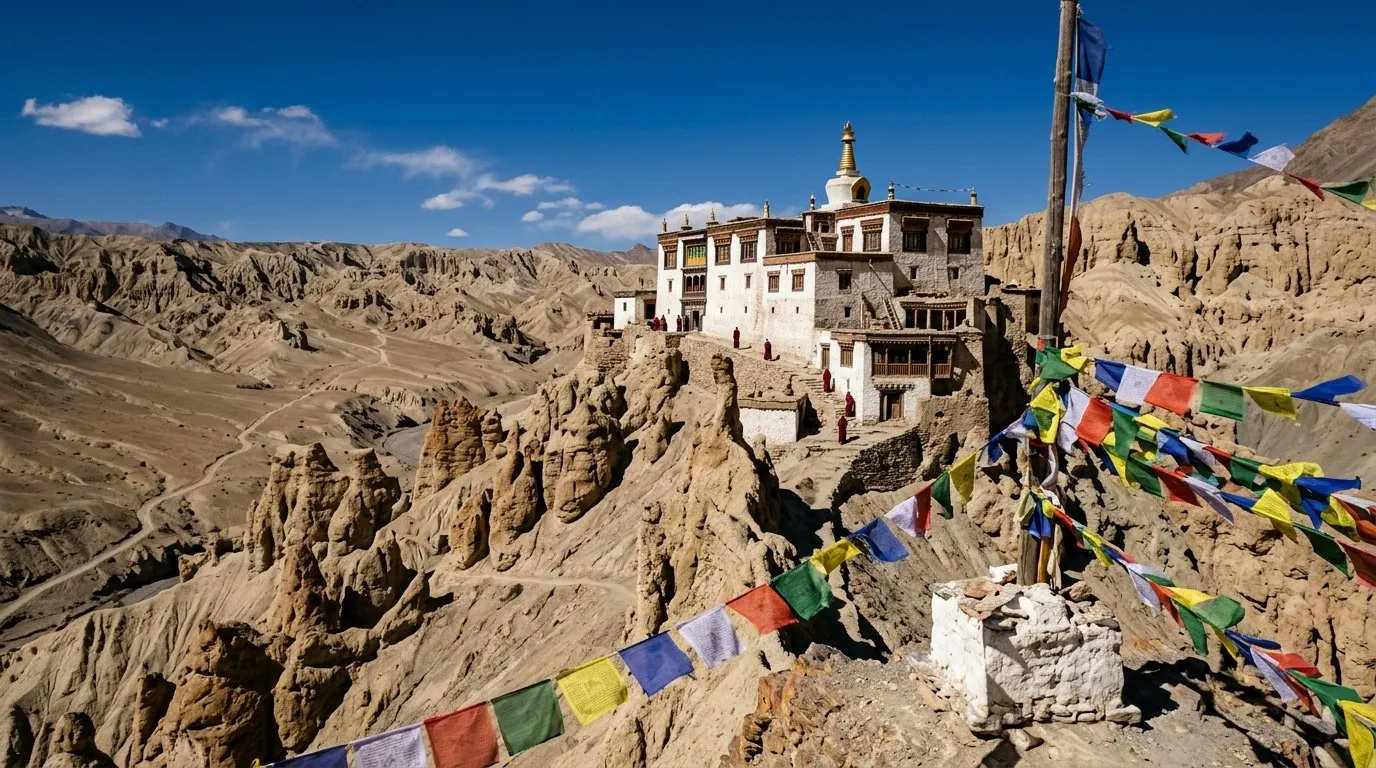
Sacred Cham dance festival at the moonland monastery of Lamayuru, one of Ladakh's oldest monasteries (11th century), with mask dances depicting the victory of good over evil.
Lamayuru's Yuru Kabgyat is among Ladakh's most ancient monastic festivals, performed at a monastery perched on a lunar landscape.
📍 Lamayuru
May–June (full moon of 4th Tibetan month)
The holiest Buddhist festival marking Buddha's birth, enlightenment, and parinirvana. Devotees circumambulate monasteries and release caged birds.
May–June (full moon)
Buddhist faithful from the region gather at Pemayangtse Monastery for prayers, butter lamp offerings, and circumambulation on this sacred day.
📍 Pelling
June 24 (St John's Day)
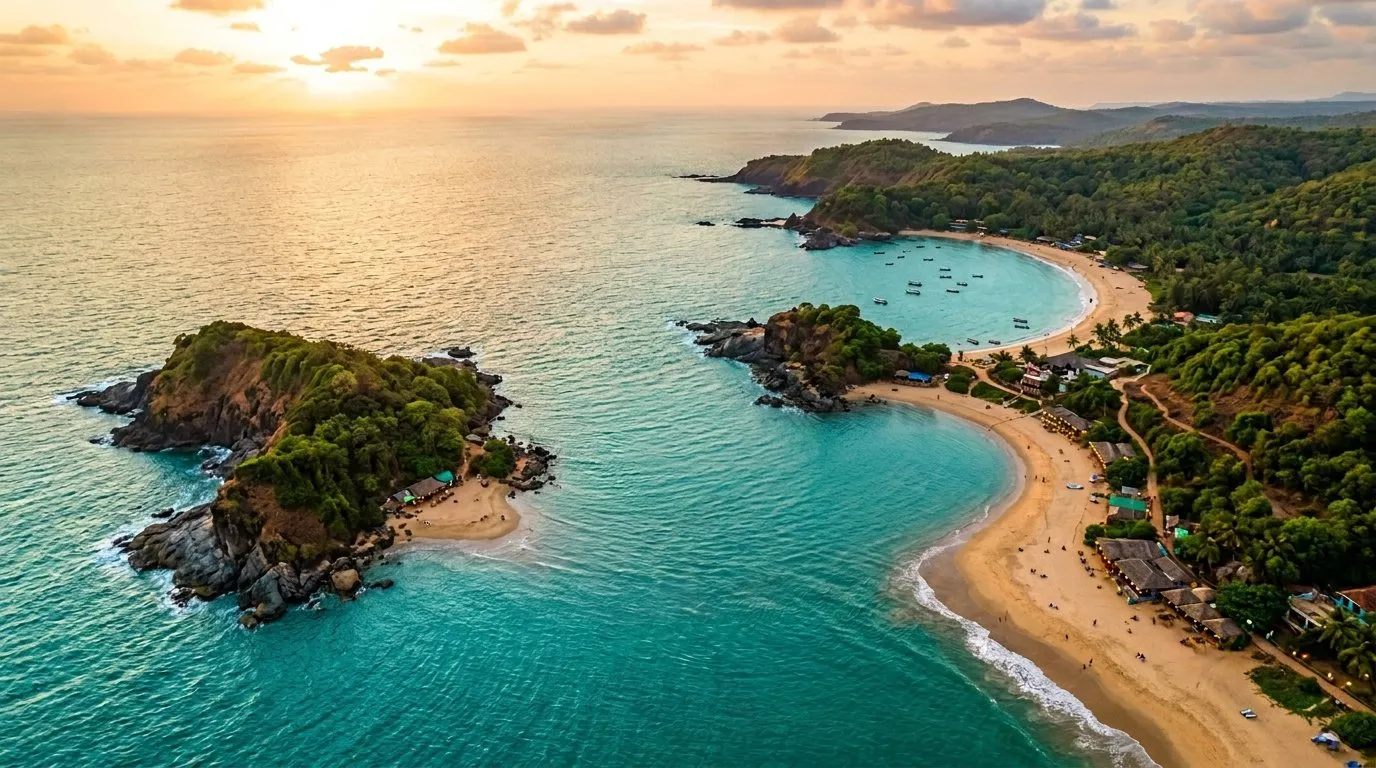
Goa's monsoon festival — young men jump into wells and rivers wearing crowns of fruit and flowers. Boat parades, feni drinking, and rain celebrations.
Goa's unique monsoon water festival.
📍 Palolem
June (Jyeshtha Shukla)
Grand chariot procession celebrating the marriage of Shiva and Parvati. Sambalpur signature festival with elaborate decorations.
Sambalpur's own chariot festival — Shiva and Parvati's divine wedding procession
📍 Sambalpur
June (Jyeshtha Purnima)
Ritual bathing ceremony of Jagannath deities. After this, deities go into 15-day seclusion (Anasara) before Rath Yatra — believed to fall ill from the bath.
The deities fall ill and recover — the only Hindu festival where gods get sick
📍 Puri
June (mid-June, 8 days)
Eight-day fair honoring Goddess Shoolini — after whom Solan is named — with cultural programs, handicraft markets, and wrestling matches at the Thodo Ground.
Solan's defining festival; the city is literally named after Goddess Shoolini and the fair has been held for over 200 years.
📍 Solan
Tourism festival at the Thajiwas Glacier featuring pony rides, camping, and cultural programs at this gateway to the Zoji La pass and Ladakh.
Sonamarg (Meadow of Gold) marks the start of the Srinagar-Leh highway season and was a key stop on the ancient Silk Route.
📍 Sonamarg
June 1 (annual opening)
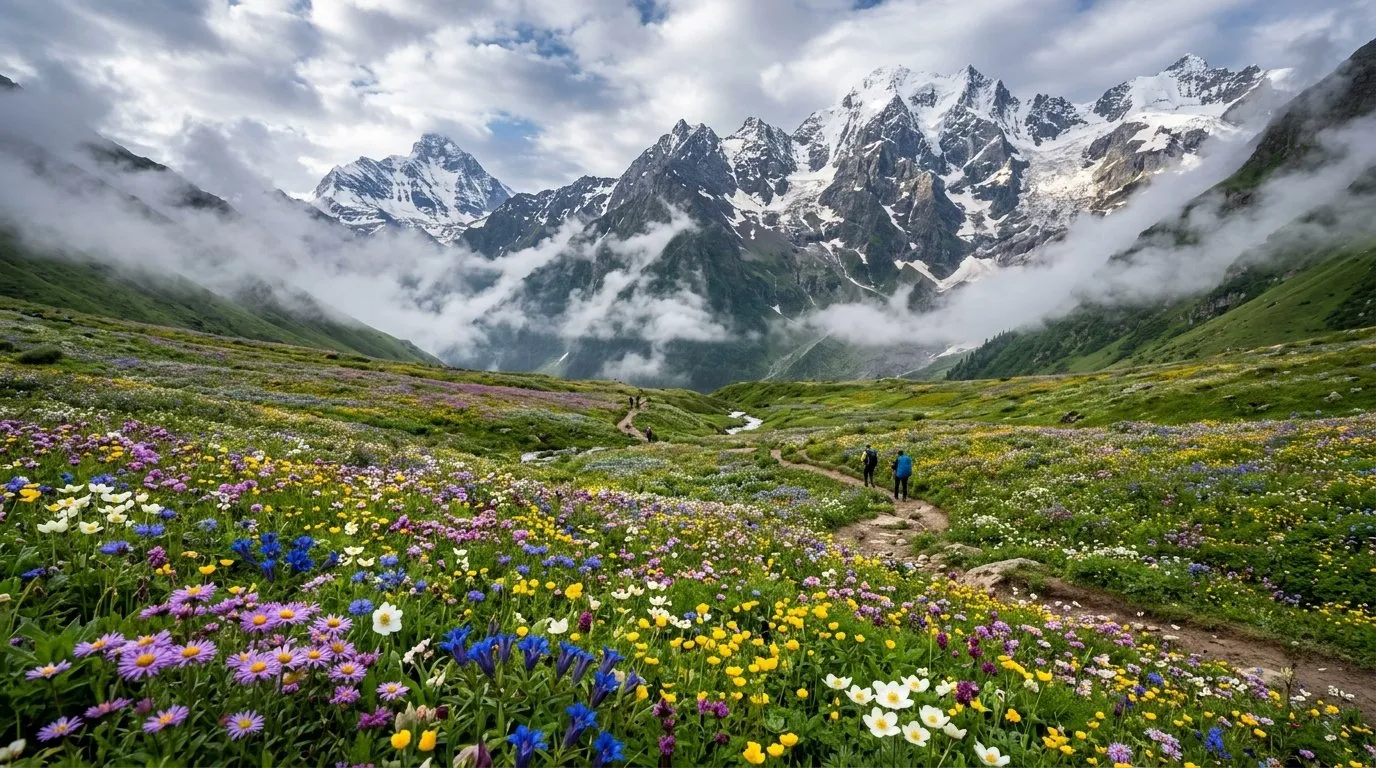
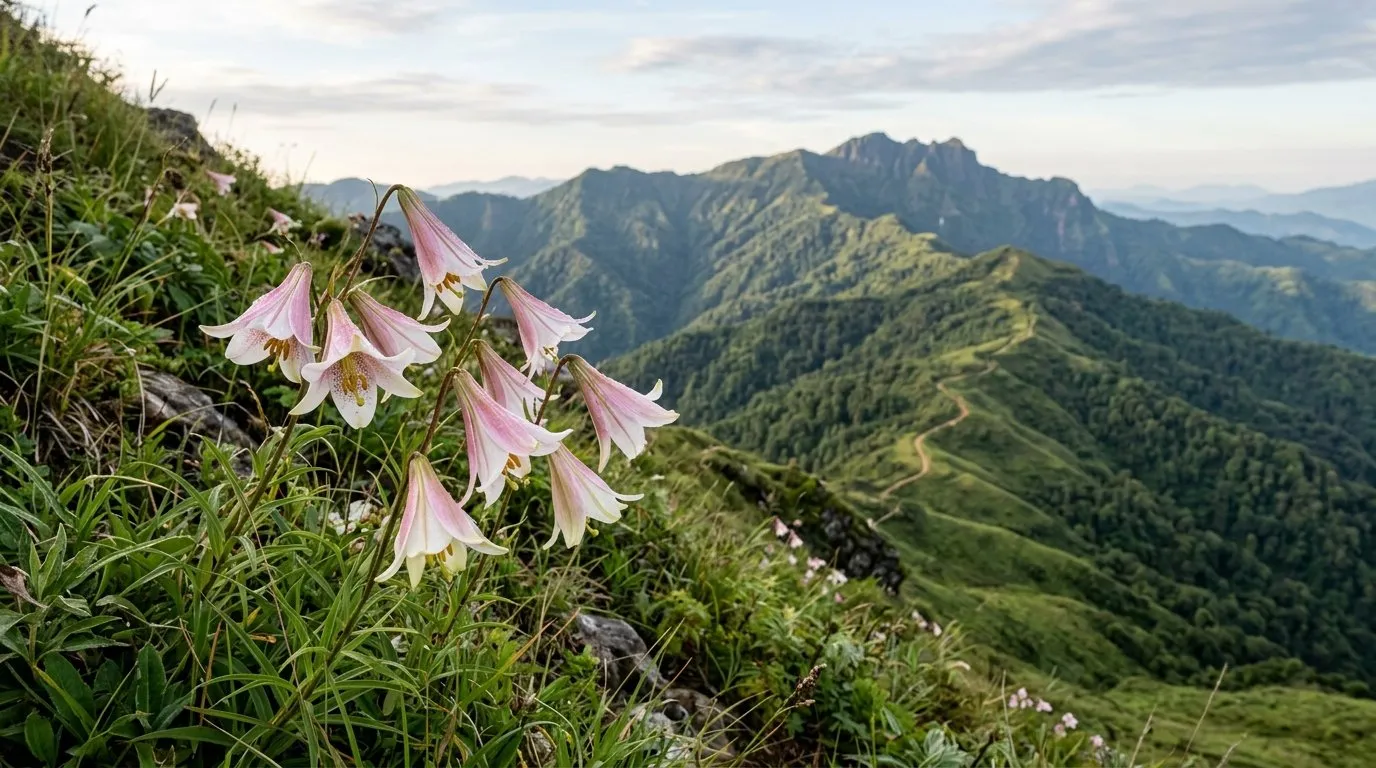
UNESCO World Heritage site opens to trekkers; peak bloom in July-August features 600+ flowering species including Brahma Kamal, blue poppy, and cobra lily.
One of the world's most spectacular alpine meadows; the brief open season creates a pilgrimage for botanists and trekkers worldwide.
📍 Valley of Flowers
July-August (Aadi month)
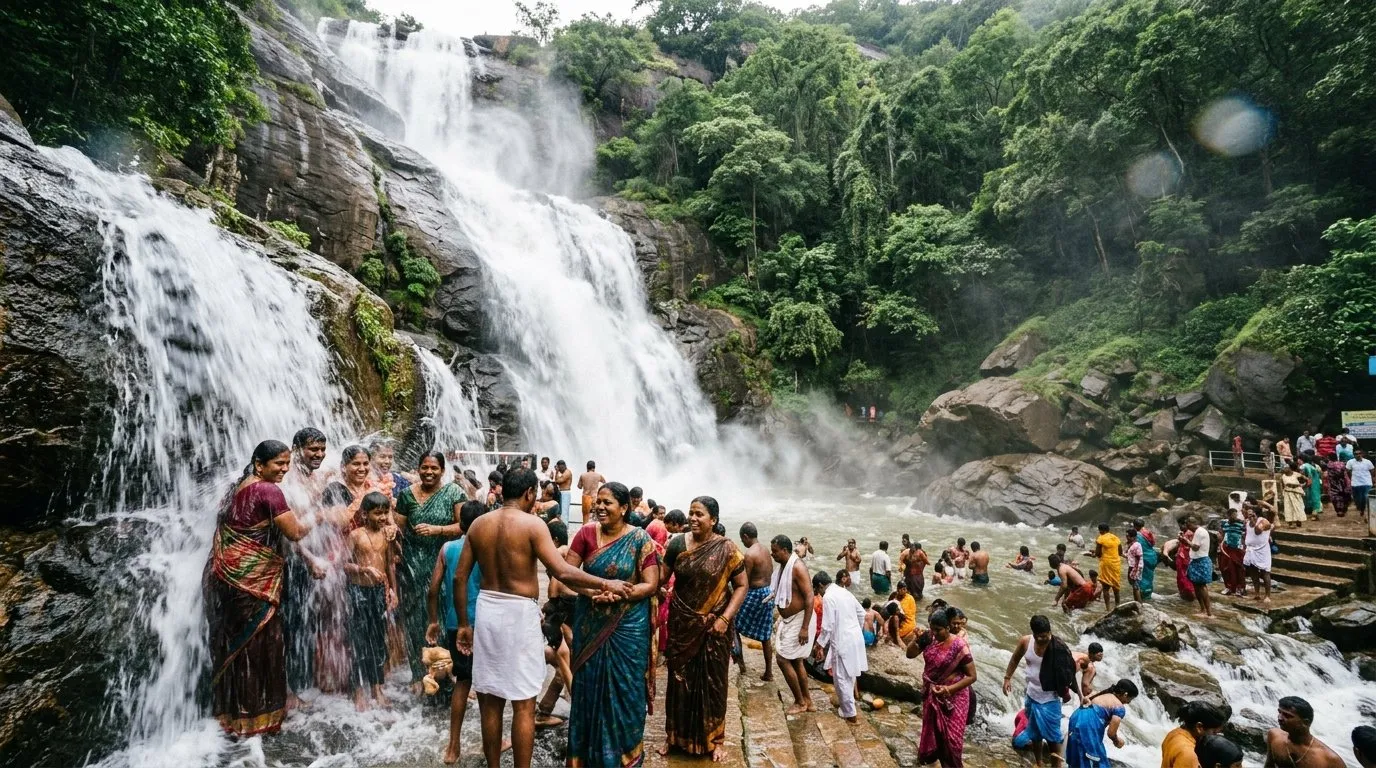
The Tamil month of Aadi sees thousands of families bathing under Courtallam's waterfalls for therapeutic benefits. The water is believed to have peak medicinal properties during this month when rainfall is heaviest.
Traditional belief: bathing in Courtallam during Aadi cures ailments. The falls are at peak flow.
📍 Courtallam (Kutralam)
July (Shravan Purnima season)
The annual pilgrimage to the Amarnath ice Shiva lingam at 3,888m begins from Pahalgam via the traditional Chandanwari route, with lakhs of pilgrims passing through.
One of Hinduism's holiest pilgrimages; the naturally forming ice lingam in Amarnath Cave has drawn devotees for thousands of years.
9 days after Rath Yatra
Return journey of the chariots from Gundicha Temple back to Jagannath Temple. Equally spectacular procession.
The divine return journey — completing the world's most elaborate divine vacation
July 14
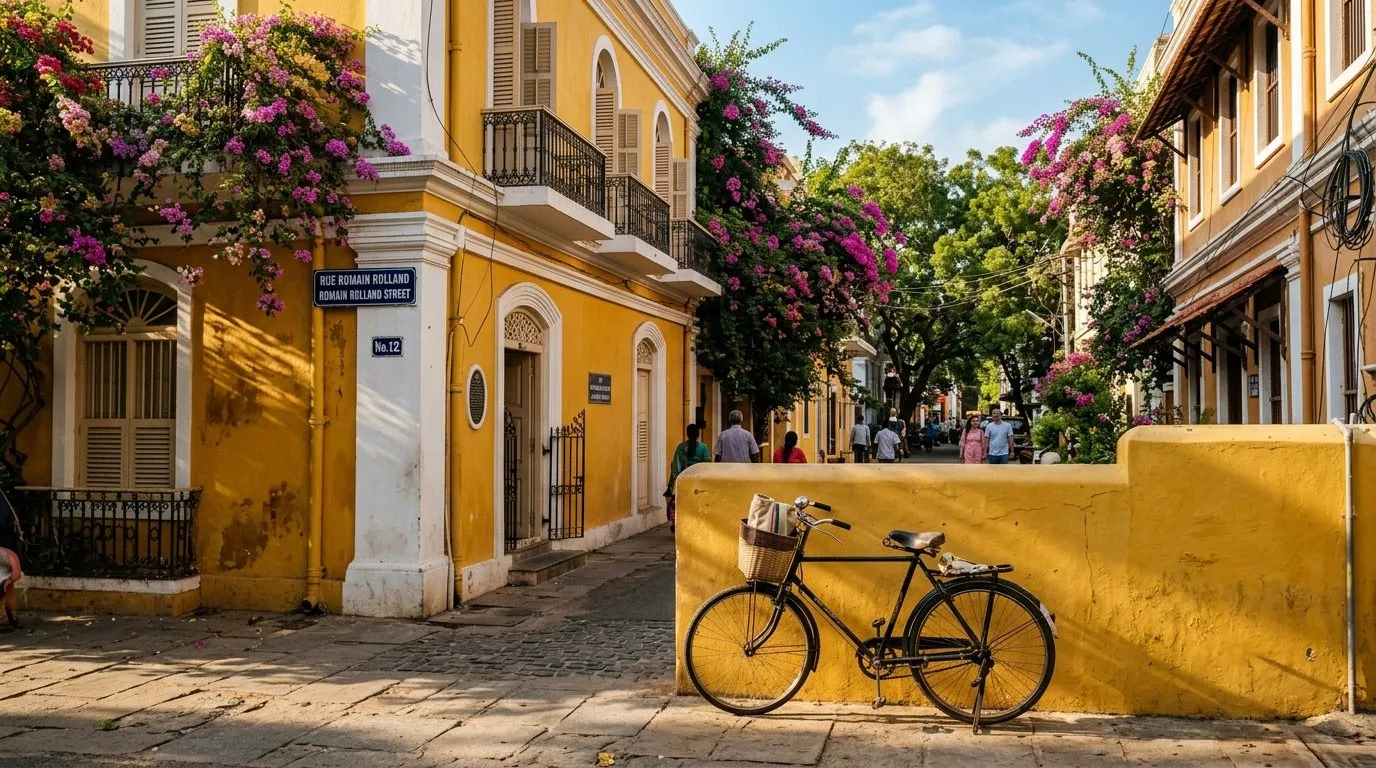
French flag ceremony, parades on Promenade, French-Tamil cultural events.
Only place in India celebrating French National Day.
📍 Puducherry (Pondicherry)
July 14 (1 day)
Pondicherry celebrates French Independence Day with a parade on the Promenade, French tricolor flags on colonial buildings, cultural events, and French cuisine specials. The only Indian city that celebrates Bastille Day.
A living reminder of Pondicherry's French heritage. The French Consulate hosts events.
📍 Pondicherry (Puducherry)
July/August (2 weeks)
Electrifying goddess festival with colorful processions, pot-carrying devotees, and ecstatic celebrations in Old City neighborhoods.
Hyderabad most electric festival — devotees carry decorated pots to Mahankali temples
📍 Hyderabad
July-August (Shravan, one week)
Week-long royal festival where silk threads (minjar) symbolizing corn silk are offered to the Ravi River, with processions from Akhand Chandi Palace led by the deity Raghuvir.
Over 1,000 years old, Minjar is Chamba's most iconic festival — a thanksgiving for the maize harvest with roots in the Chamba royal dynasty.
📍 Chamba
Once every 12 years (next: 2027)
12-yearly sacred river festival when Jupiter enters Simha Rashi. Millions bathe in the Godavari for spiritual cleansing.
Happens once in 12 years — the Godavari becomes India most sacred river for 12 days
📍 Rajahmundry
July 16 (Shravan Sankranti)
Agricultural festival where saplings are planted and small herb gardens are sown 10 days before; on Harela day, green shoots are placed behind ears and on caps.
One of Uttarakhand's most ecologically meaningful festivals, celebrating the onset of monsoon rains and reforestation.
📍 Kausani
July-August (Shravan)
Month-long fair at the 9th-century Jageshwar Dham temple complex of 124 Shiva temples in a deodar forest, with special Shravan Monday worship.
Jageshwar is one of the 12 Jyotirlingas according to some traditions; the monsoon fair amid ancient deodar forests is a deeply atmospheric pilgrimage.
📍 Almora
July–August (Shravan month)
Millions of Shiva devotees (Kanwariyas) carry holy Ganga water from Haridwar to their local Shiva temples, one of the largest annual pilgrimages in the world.
July 26
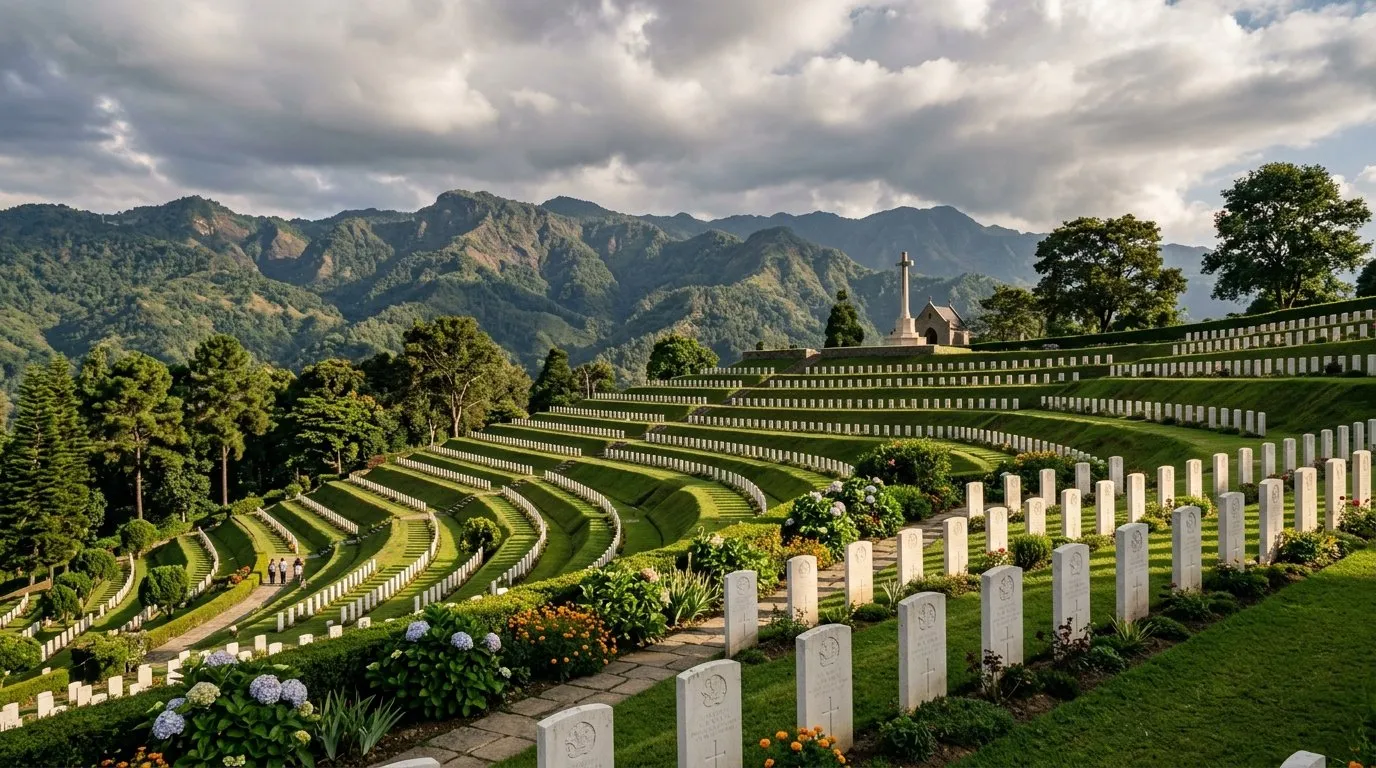
National commemoration at the Kargil War Memorial in Drass of India's 1999 victory, with military ceremonies, wreath-laying, and veteran tributes at -60°C winter-famous Drass.
Honors the 527 soldiers martyred in Operation Vijay (1999); Drass is the second-coldest inhabited place on Earth.
📍 Kargil
July (Tibetan 28th-29th day, 6th month)
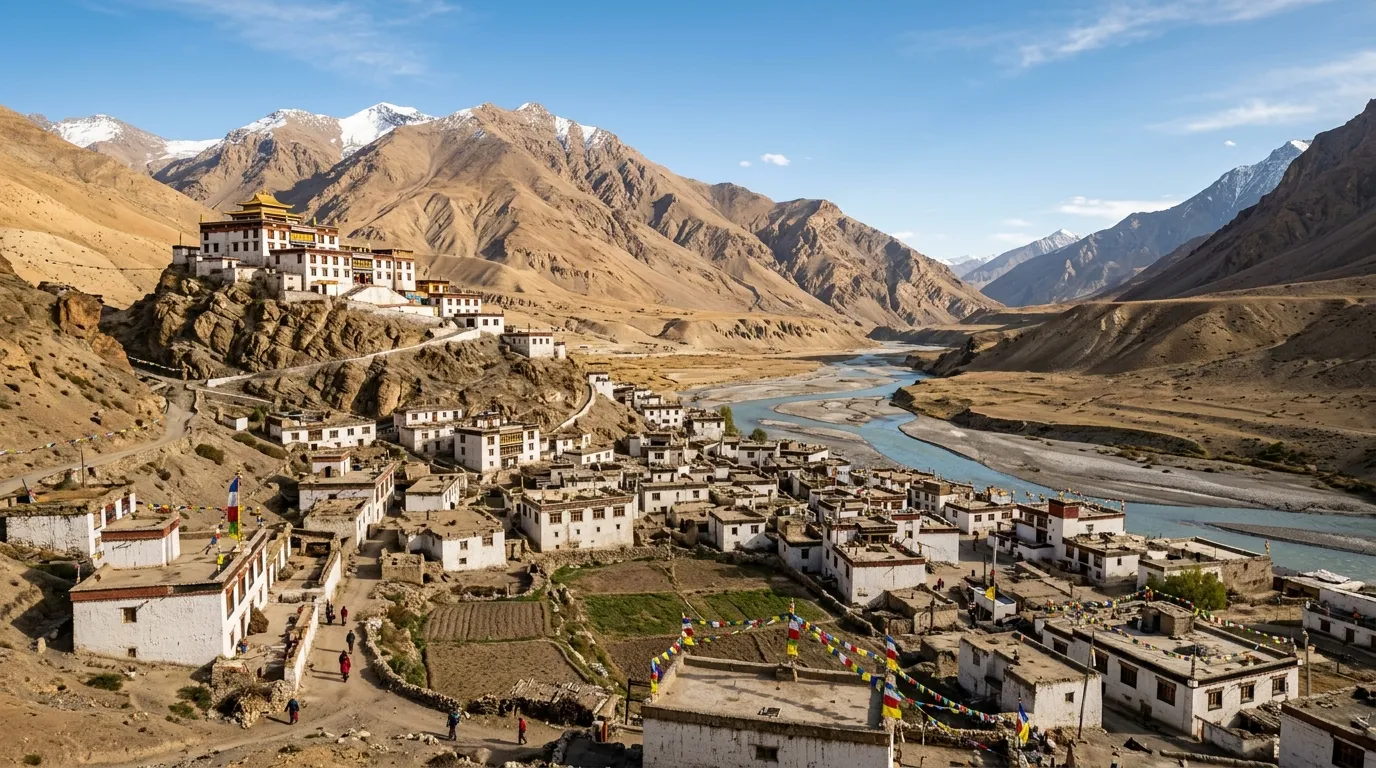
Two-day monastic festival at Karsha Gompa, Zanskar's largest monastery, with Cham dances, oracle prophecies, and ritual burning of evil effigies.
Karsha Gustor is the premier cultural event of the Zanskar Valley, drawing monks and villagers from across the isolated region.
📍 Zanskar Valley
July (7 days)
Tripura biggest festival — 7-day worship of 14 deities. Royal temple rituals. Tribal and Hindu traditions merge.
Tripura's defining festival — tribal and Hindu worship merge at the royal temple
📍 Agartala
July (Tibetan 29th day, 6th month)
Monastic festival at Korzok Gompa on the shores of Tso Moriri at 4,595m, with Cham dances by monks and Changpa nomads gathering from surrounding camps.
The highest monastery festival in India, held at the shore of the pristine high-altitude Tso Moriri lake.
📍 Tso Moriri
July-August (1st Muharram, Islamic calendar)
Grand taziya processions through the old city from Bara Imambara and Chhota Imambara, with elaborate replicas of Imam Hussain's tomb carried by thousands.
Lucknow's Muharram is among the grandest in the world, reflecting the city's deep Shia Muslim heritage and Nawabi patronage since the 18th century.
📍 Lucknow
June/July (18-day walk)
Hundreds of thousands walk 250km from Pune to Pandharpur carrying saints' palanquins. One of India's longest walking pilgrimages.
Maharashtra's most important annual pilgrimage.
📍 Pune
July (varies)
Celebration of Changpa nomadic culture near Pangong Tso with pashmina goat herding demonstrations, butter tea ceremonies, and traditional Changpa tent exhibits.
Honors the Changpa nomads who produce the world's finest pashmina wool from their herds at 4,350m along the Pangong shores.
📍 Pangong Tso
June/July (Ashadha Shukla Dwitiya)
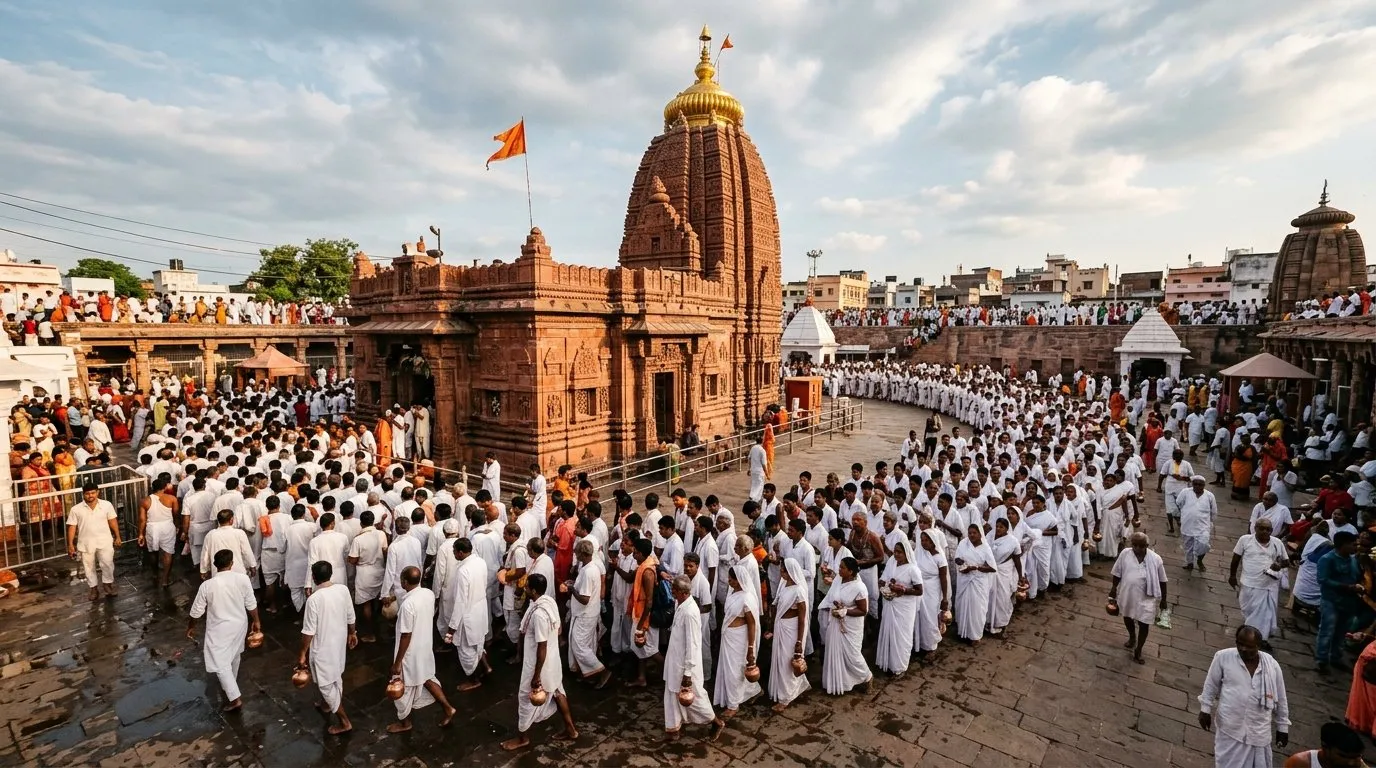
World's largest chariot festival. Three 45-foot wooden chariots carrying Jagannath, Balabhadra, and Subhadra pulled by 1M+ devotees from Jagannath Temple to Gundicha Temple.
World's largest chariot festival — 1M+ pilgrims, three 65-ton chariots, the origin of the word "juggernaut"
July/August (Shravan)
One of India largest Shiva pilgrimages. Millions of Kanwariyas carry Ganga water from Sultanganj to Deoghar Baidyanath.
Millions walk 100km carrying Ganga water to Baidyanath Jyotirlinga — faith in motion
📍 Deoghar
Gujjar and Bakerwal shepherd festival in the Meadow of Jesus with traditional milk product competitions, horse races, and nomadic culture showcases.
Yusmarg (named after Jesus by some traditions) is a Gujjar-Bakerwal pastoral heartland, representing J&K's nomadic heritage.
📍 Yusmarg
4th Saturday of August
Divar Island's unique flag festival — villagers parade with colourful flags, folk music, boat races, and traditional food. Tiny island event with huge local character.
Unique island festival celebrating Goan village culture.
📍 Chorao & Divar Islands
August/September (10 days)
India's largest public festival. 10 days of Ganesh idol worship culminating in immersion processions. Lalbaugcha Raja draws millions. Girgaon Chowpatty hosts the grand immersion.
Maharashtra's biggest festival.
📍 Mumbai
Pune is where public Ganesh Chaturthi began — Tilak started it in 1893. Dagdusheth, Kasba Ganpati are famous mandals. 5 Manache Ganpatis lead the procession.
Birthplace of public Ganeshotsav.
August (varies)
Dard-Shin tribal festival in the remote Gurez Valley with traditional Shina music, archery competitions, and Dard cultural performances near Habba Khatoon peak.
Celebrates the unique Dard-Shin ethnic heritage of Gurez — a culture found only in this isolated valley near the LoC.
📍 Gurez Valley
August 15
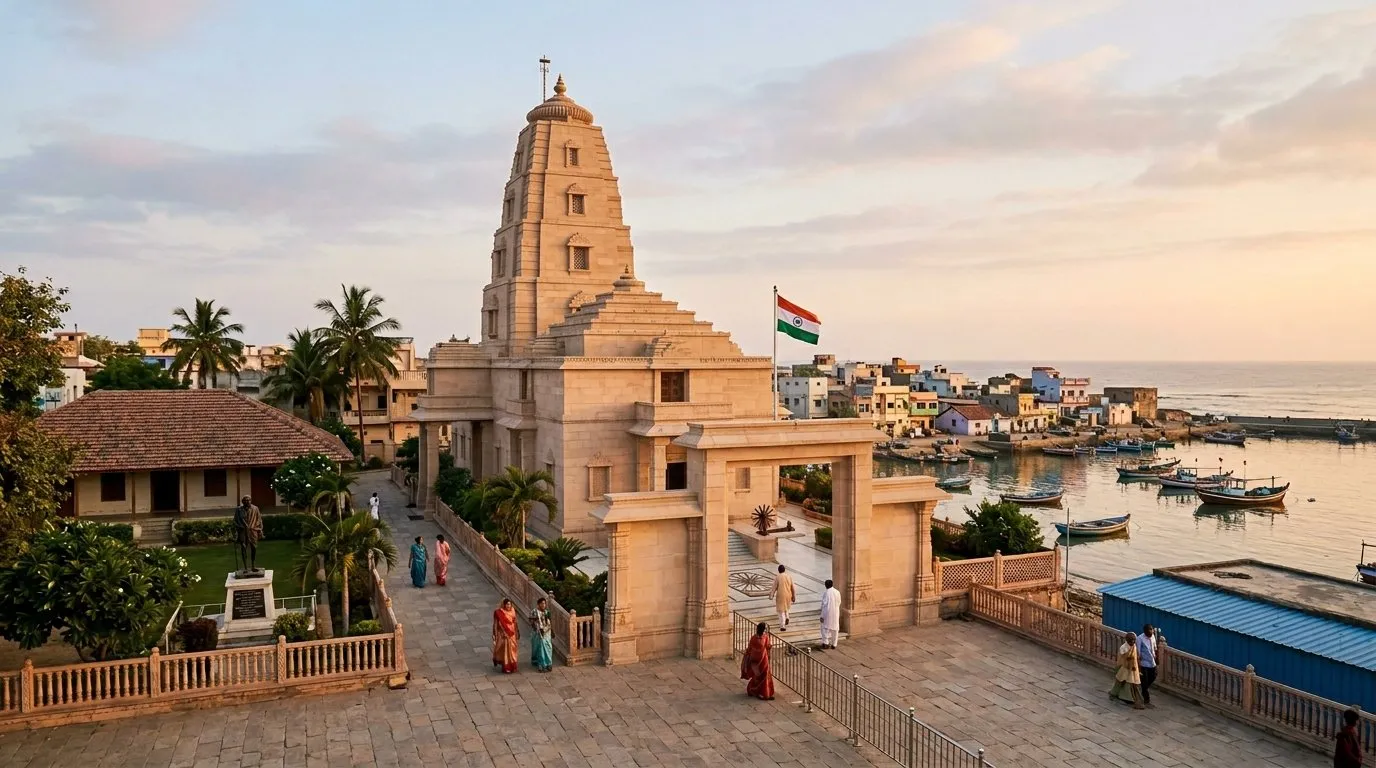
Flag hoisting at the historic Cellular Jail. Special light and sound show.
Cellular Jail housed Veer Savarkar and other freedom fighters.
📍 Port Blair (Sri Vijaya Puram)
August / September
Krishna's birthday — temples decorated, midnight celebrations, dahi handi. Vrindavan and Mathura explode.
Ground zero for Janmashtami — this is where Krishna was born.
📍 Vrindavan
August/September
Krishna birthday celebrations at his legendary kingdom. Midnight festivities, Dahi Handi, temple decorations. One of India premier Janmashtami venues.
Krishna birthday at his own kingdom — midnight celebrations at Dwarkadhish Temple
📍 Dwarka
August (Bhadra Krishna Tritiya)
Women's festival where married women sing Kajli folk songs and swing on decorated jhulas (swings) near Nawal Sagar Lake in Bundi.
A Hadoti-region variation of Teej unique to Bundi, celebrating the monsoon and marital devotion.
📍 Bundi
Next: ~2027 (every 12 years)
Millions take holy dips in the Godavari at Ramkund. Transforms Nashik for months.
World's largest religious gathering. Every 12 years.
📍 Nashik
Historic trade fair in Keylong where merchants from Ladakh, Spiti, and Kullu once exchanged wool, salt, and dry fruits; now a cultural festival with yak dances and Lahauli music.
Centuries-old Silk Route trade fair that connected the high Himalayan valleys; one of the few surviving trans-Himalayan cultural exchanges.
📍 Keylong
August 15 (Independence Day)
The ancient village of Malana — which claims to be the world's oldest democracy — holds its annual fair with rituals at the Jamlu Devta temple and village council assembly.
Malana's self-governing system predates Greek democracy; the village maintains strict customs and its own legal system to this day.
📍 Kasol
August (dates vary)
Local cultural event celebrating monsoon with rain dances, traditional music, monsoon-special food.
Community celebration during quiet tourist season.
August 14
Cultural festival in Kargil celebrating local Purig and Balti culture with traditional music, archery, polo, and food from the Shia Muslim heritage of the region.
Highlights Kargil's unique Islamic-Buddhist cultural blend, distinct from both Ladakh and Kashmir.
July/August
Battis Shirala near Kolhapur is famous for live cobra worship during Nag Panchami — deeply traditional and controversial.
Unique live cobra worship tradition.
📍 Kolhapur
August-September (every 12 years, next ~2026)
Epic 280-km pilgrimage from Nauti village to Roopkund and Homkund, escorting a four-horned ram representing Nanda Devi across high Himalayan passes.
India's longest and most arduous religious trek, occurring once every 12 years, honoring the goddess Nanda Devi's journey to her marital home.
📍 Munsiyari
August–September (once every 12 years; annual shorter version)
An epic Himalayan pilgrimage passing through Roopkund where a four-horned ram leads the procession carrying Goddess Nanda Devi's symbolic journey to her husband's home.
📍 Roopkund
Second Saturday of August
The most spectacular water sport in India. 100-foot long snake boats (chundan vallam) with 100+ rowers race on Punnamada Lake. Thousands watch from the shore and boats. The finish is thunderous.
India's most famous boat race. Started in 1952 after PM Nehru visited Alleppey. Now a national event broadcast live.
📍 Alleppey (Alappuzha)
August (15th day of 7th Tibetan month)
A grand festival unique to Sikkim celebrating the guardian deity Kanchenjunga with the spectacular Warrior Dance performed by monks in elaborate costumes.
Celebrated at Pemayangtse Monastery near Pelling with sacred warrior dances honouring Mount Kanchenjunga as the guardian deity of Sikkim.
August-September (10 days)
Onam celebrations on houseboats — special Onasadya (feast of 26+ dishes on banana leaf) served aboard kettuvallam. Decorated boats, Thiruvathira dance on deck.
Onam is Kerala's harvest festival. Celebrated with more spectacle on the backwaters than anywhere else.
September (Onam period)
The oldest boat race in Kerala, predating Nehru Trophy. Snake boats race on the Pamba River near Aranmula Parthasarathy Temple. More ritualistic and spiritual than the Nehru Trophy. Boats are never painted.
Linked to the legend of a gold-armoured idol being transported by boat. The unpainted boats symbolize humility. 400+ year tradition.
September (Bhadra Ashtami)
Fair at the Baleshwar Temple complex and Nanda Devi Temple in Champawat — the ancient capital of the Chand dynasty — with Chholia war dance and folk processions.
Champawat was the original capital of the Kumaon kingdom; the Nanda Devi fair here carries royal-era traditions.
📍 Champawat
September (after harvest)
Post-harvest celebration in India's last inhabited village on the Indo-Tibet border, with Kinnauri dances, archery, and offerings at the Mathi temple.
Celebrates the end of the short growing season in this extreme high-altitude village at 3,450m on the edge of the Indo-Tibetan frontier.
📍 Chitkul
September (Bhadra Shukla Chaturthi)
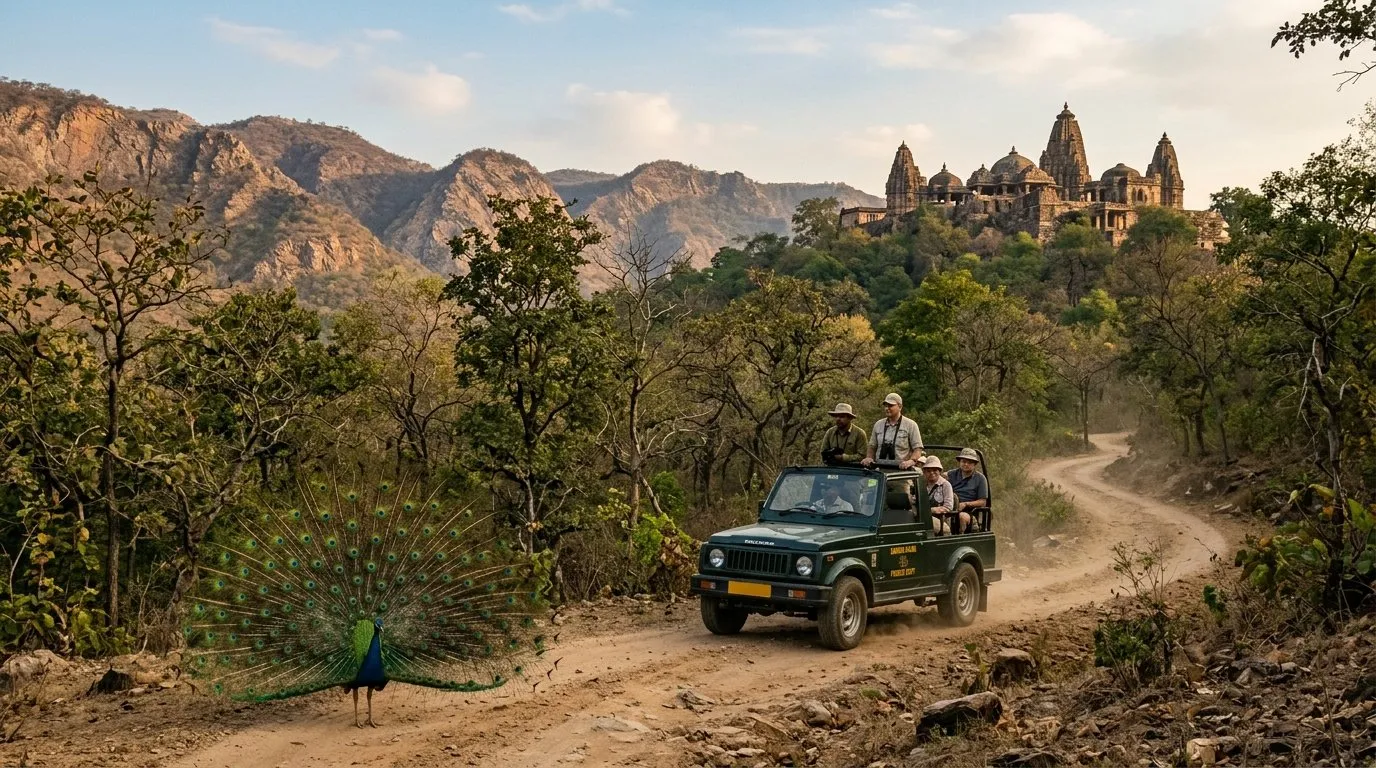
Thousands visit the 1,000-year-old Trinetra Ganesh Temple inside Ranthambore Fort, believed to be the only temple where Ganesh is shown with his entire family.
One of the oldest Ganesh temples in India; wedding invitation cards are mailed to the deity as a tradition unique to this temple.
📍 Ranthambore
September-October (4-6 weeks)
UNESCO-listed plateau erupts with hundreds of wildflower species. Daily visitors capped. Online permits required.
UNESCO World Natural Heritage Site bloom.
📍 Satara
September 1-15
Polo matches, archery, traditional music, masked dances. Cultural performances at multiple monasteries.
A curated showcase of Ladakhi culture — the best two weeks.
September
Annual fair honouring Mata Murti, mother of Nar and Narayan, held on the banks of the Alaknanda River with rituals and local festivities.
September (varies)
Festival at the sacred Nako Lake in Spiti with Buddhist prayer ceremonies at the 11th-century Nako Monastery, folk dances, and boating on the high-altitude lake.
Nako village preserves some of the finest Buddhist murals in the trans-Himalayan region, dating to the Rinchen Zangpo era.
📍 Nako
Trekkers and pilgrims gather at Bedni Bugyal (en route to Roopkund) for Nanda Ashtami prayers at the high-altitude meadow shrine.
Grand procession carrying the idol of Nanda Devi through Nainital's Mall Road with folk music, Chholia dance, and decorated floats.
Nainital's most important religious festival, part of the pan-Kumaon Nanda Devi tradition, with roots in ancient goddess worship.
📍 Nainital
A vibrant fair dedicated to Goddess Nanda Devi with colourful processions, folk music, and traditional Kumaoni dance.
📍 Ranikhet
August-October (once every 12 years)
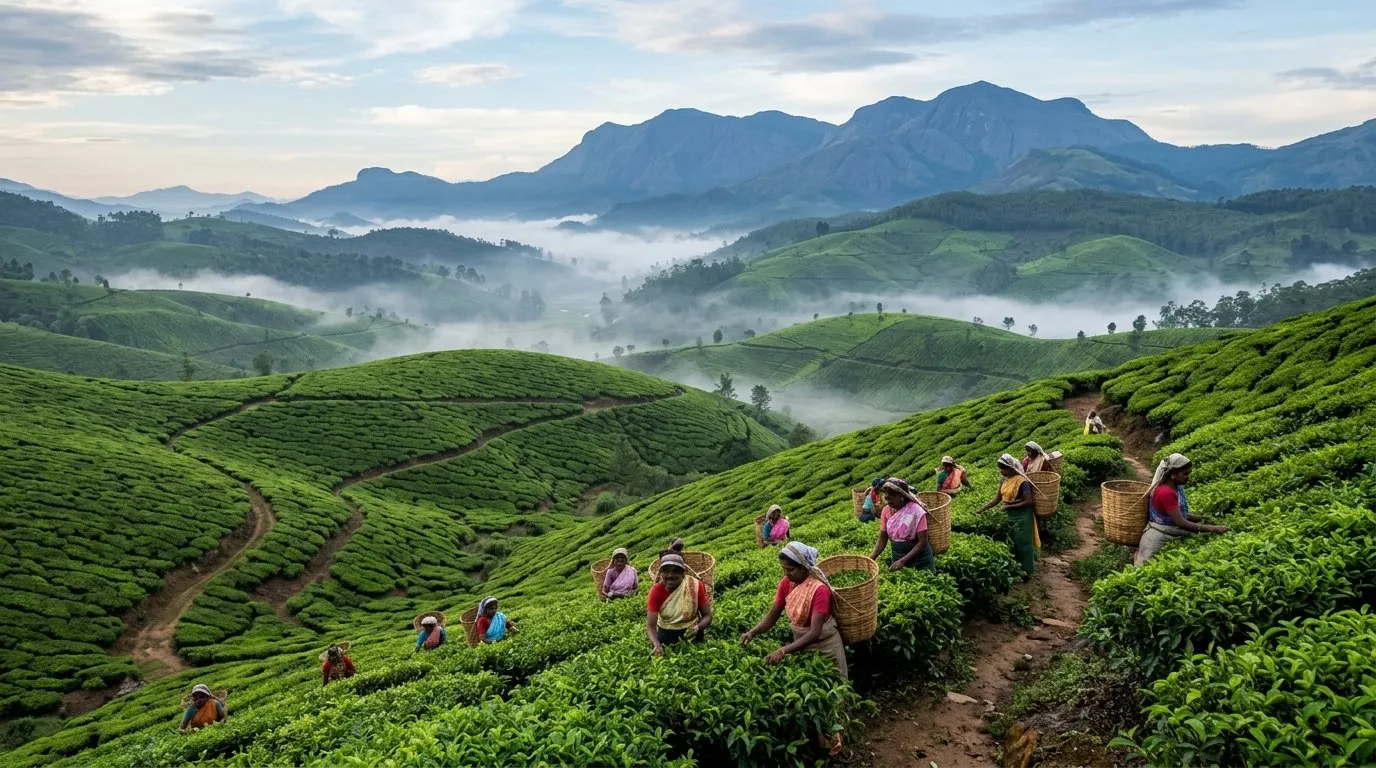
The Neelakurinji flower (Strobilanthes kunthiana) blooms once every 12 years, covering entire hillsides in blue-purple. The last bloom was 2018, next expected around 2030. When it happens, it is one of nature's greatest spectacles.
Unique to the Western Ghats. The flower gives the Nilgiri (Blue Mountain) range its name. Attracts global botanical interest.
📍 Munnar
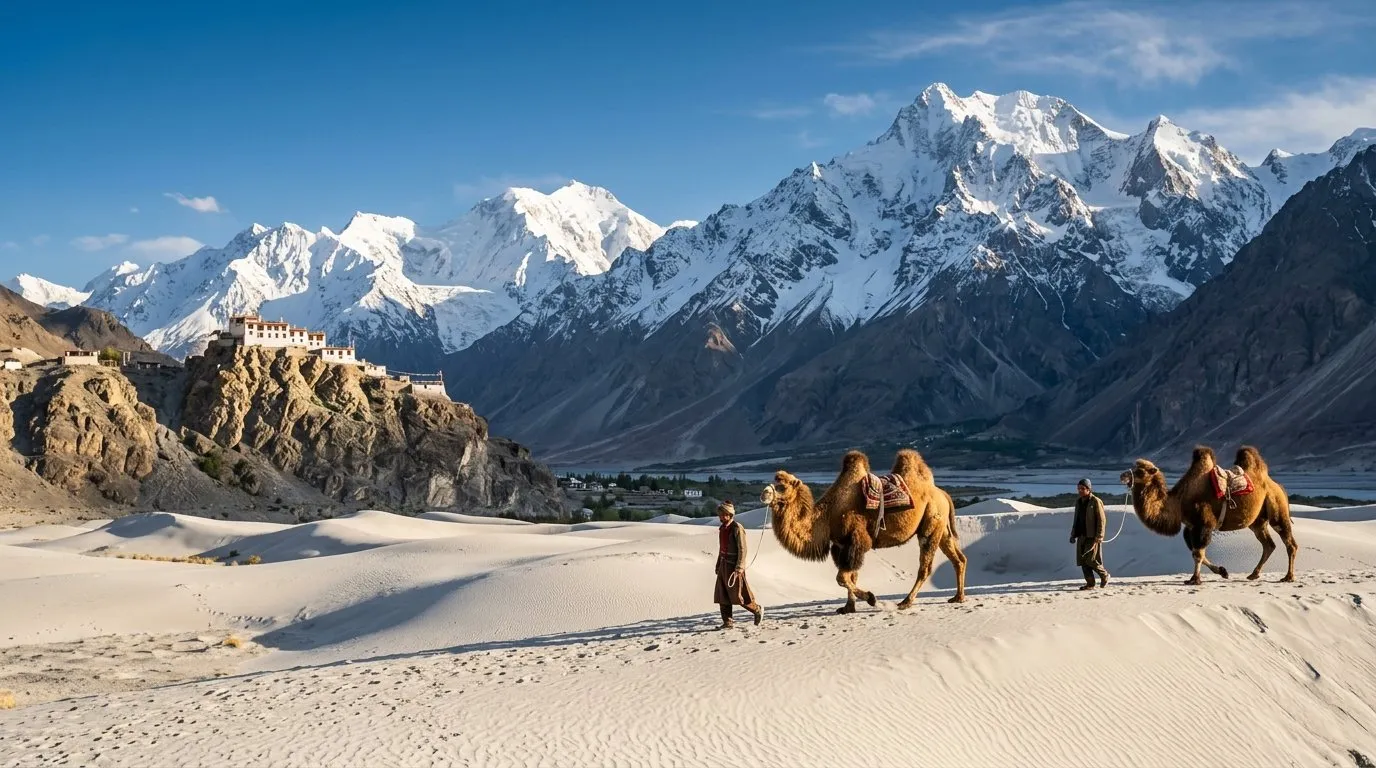
Cultural festival showcasing the Balti and Nubra heritage with yak polo, double-humped Bactrian camel rides at Hunder dunes, and traditional music.
Celebrates the unique Silk Route heritage of Nubra — the only place in India with Bactrian (two-humped) camels descended from Silk Route caravans.
📍 Nubra Valley
Kinnauri flower festival where locals collect alpine wildflowers from high meadows and decorate homes, temples, and deity palanquins to welcome autumn.
A living tradition of the Kinnauri people celebrating nature's bounty and the transition from monsoon to the apple harvest season.
📍 Kalpa
September–October (1st–6th Rabi-ul-Awwal)
Annual Sufi death anniversary at the dargah of Salim Chishti with qawwali sessions, prayers, and thousands of pilgrims seeking blessings.
Last week of September
India's coolest indie music festival set in the Apatani tribal valley. Camping under stars, craft beer, independent artists from across Asia. Intimate crowd, no corporate sponsors.
A bucket-list indie music festival in one of India's most remote valleys.
📍 Ziro Valley
October (75 days!)
India longest Dussehra — 75 days of tribal celebrations. Danteshwari Devi pulled in chariot by tribal communities.
75-day festival — the world longest Dussehra, entirely tribal-driven
📍 Jagdalpur
October (9 days)
Telangana unique floral festival. Women create beautiful flower stacks and float them on lakes. Culminates on Saddula Bathukamma.
Telangana signature festival — flower towers floated on every lake in the state
October
The most photogenic Bathukamma immersion. Thousands of flower stacks floated on Bhadrakali Lake at sunset.
Telangana most beautiful Bathukamma immersion site — flowers on a temple lake
📍 Warangal
October (Navaratri-Dussehra)
Animal sacrifice and tantric rituals at the ancient Bhimakali Temple (800 CE) during Navaratri, with the goddess carried in a silver palanquin through Sarahan village.
Bhimakali Temple is one of 51 Shakti Peethas; the Dussehra celebrations here retain rare tantric traditions almost extinct elsewhere.
📍 Sarahan
October 17-18
Sacred spring of the Cauvery River at Talacauvery erupts at a predicted moment. Thousands witness the Theerthodbhava. Pilgrims bathe in the sacred waters.
Marks the birth of River Cauvery. The only festival where you can witness a river's source spring up.
📍 Coorg (Kodagu)
October (Ashvin Shukla Dashami)
Unlike the Ramlila-based Dussehra elsewhere, Chamba celebrates with a week-long rath yatra of Raghuvir and Lakshmi Narayan deities through town streets.
One of Himachal's most distinctive Dussehra celebrations, unique in its format of deity processions rather than effigy burning.
October (Kartik Amavasya / Diwali)
Thousands of oil lamps lit along the ghats of Mandakini River at Ram Ghat, recreating the scene of Lord Ram's return to Ayodhya as described in the Ramcharitmanas.
Chitrakoot is where Ram spent 11 of his 14 years in exile; the Deepotsav here rivals the famous Ayodhya Deepotsav in spiritual significance.
📍 Chitrakoot
October/November (lunar calendar)
Beachside Diwali with community bonfire, local sweets, eco-friendly celebrations.
Multi-faith community celebrates together.
📍 Havelock Island (Swaraj Dweep)
October (Ashwin Shukla)
Cuttack Durga Puja famous for silver filigree pandal decorations — unique to this city. Thousands of Tarakasi artisans create pandals with silver.
The only city where Durga Puja pandals are decorated with silver filigree — Cuttack exclusive
📍 Cuttack
October 31
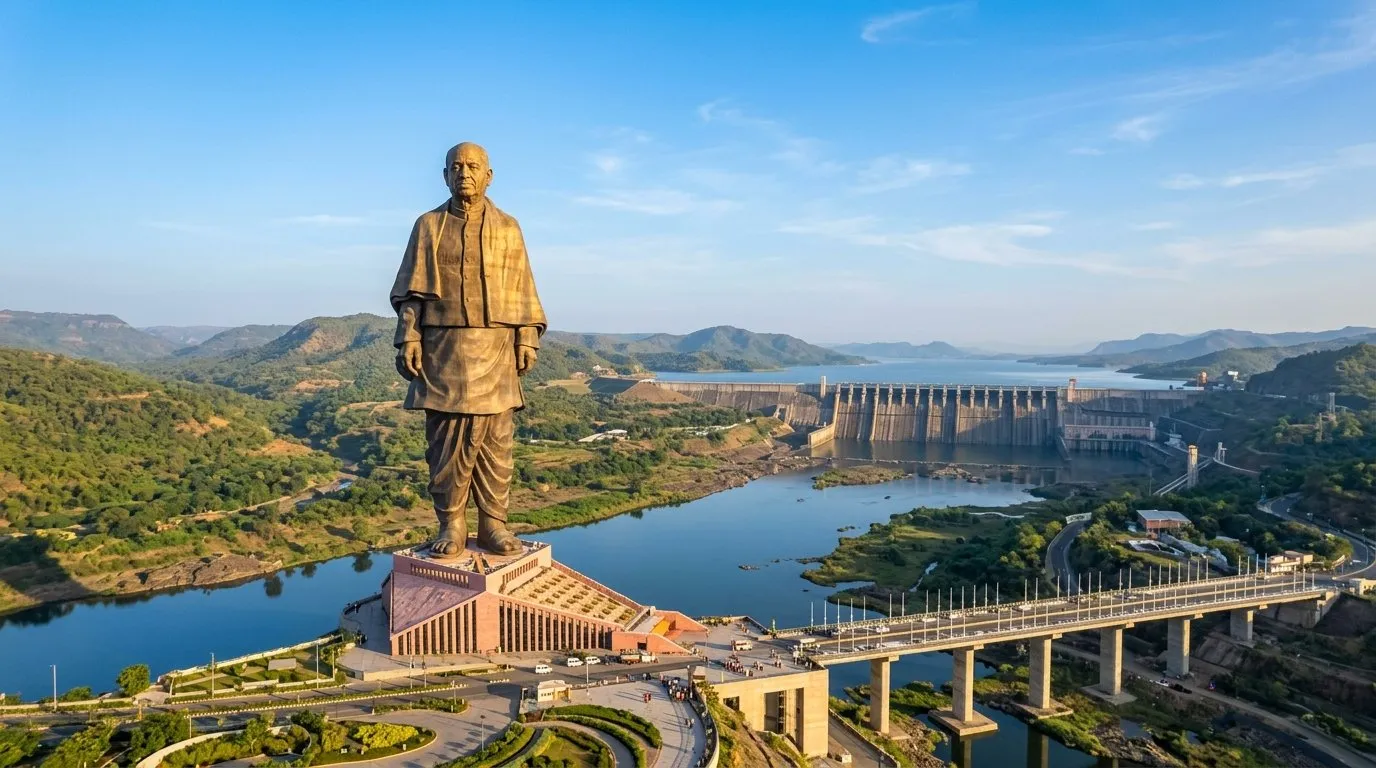
Sardar Patel birthday celebrated at the world's tallest statue (182m). Light shows, cultural programs.
Birthday of the Iron Man of India — at the world tallest statue
📍 Statue of Unity
October 2
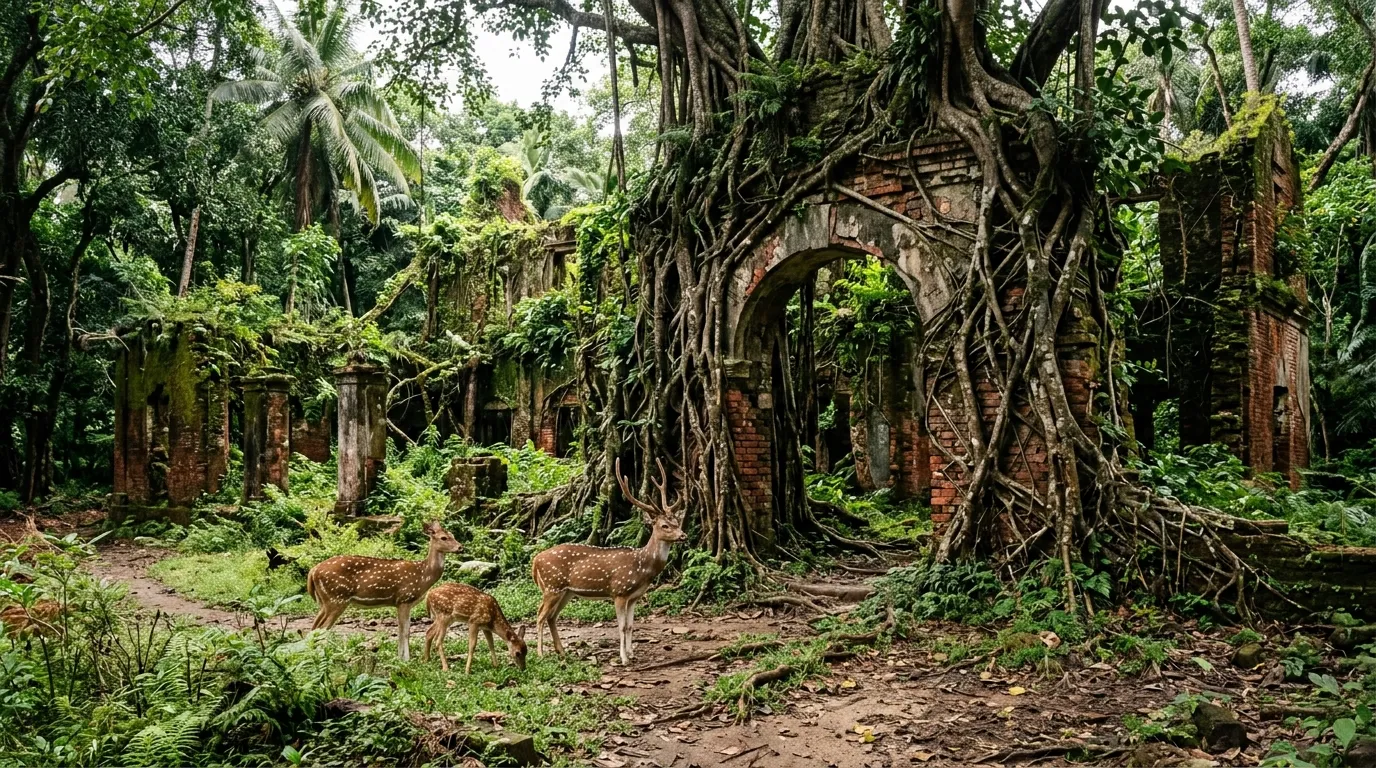
Special heritage walks through British ruins on the renamed island.
Island renamed Netaji Subhas Chandra Bose Dweep in 2018.
📍 Ross Island (Netaji Subhas Chandra Bose Dweep)
Late October / early November (Diwali)
The temple closes for winter on Diwali day with grand celebrations; the deity is carried in a palanquin procession to Mukhba for the winter.
October (new moon)
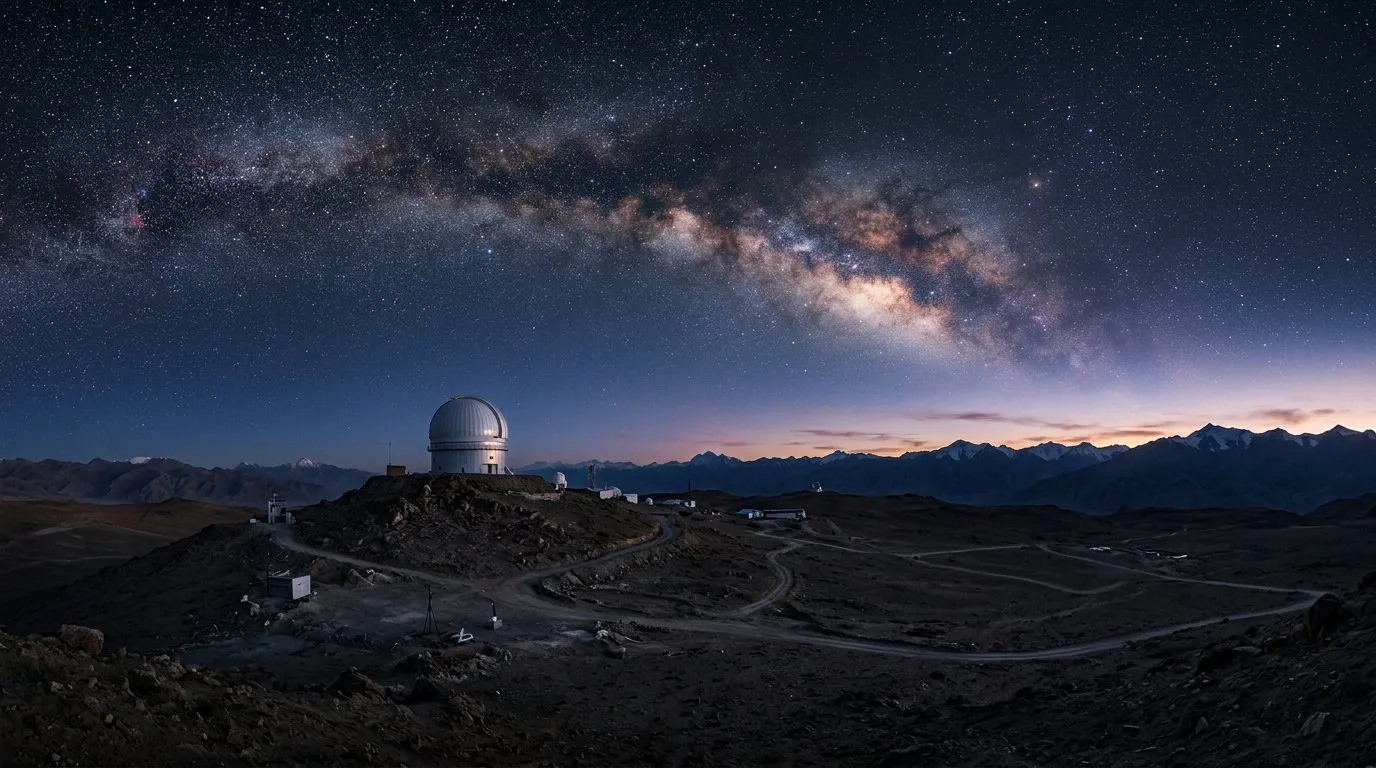
Astronomy event at the Indian Astronomical Observatory in Hanle at 4,500m — one of the world's highest observatories — with public telescope sessions and astrophotography.
Hanle has some of the clearest skies on the planet; the observatory hosts the 2m Himalayan Chandra Telescope.
📍 Hanle
October (weekend event)
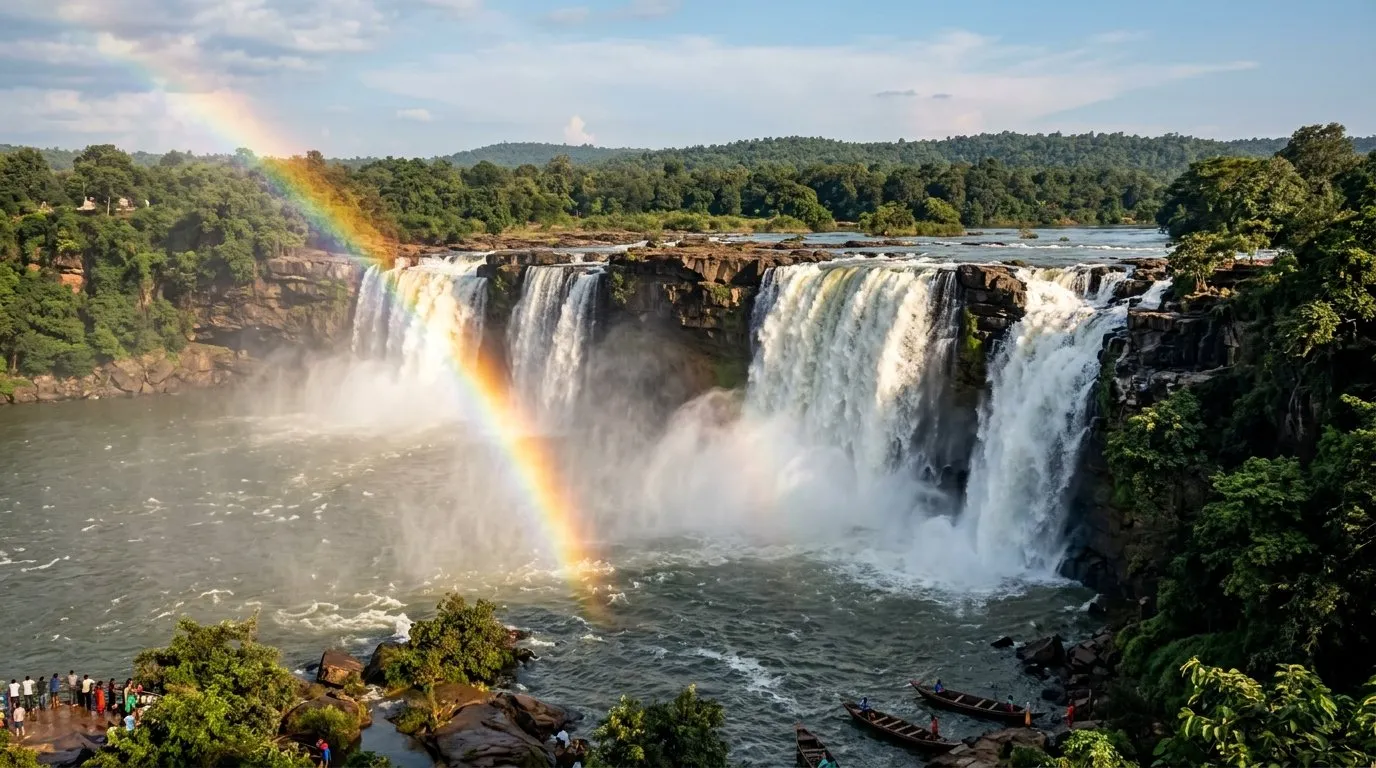
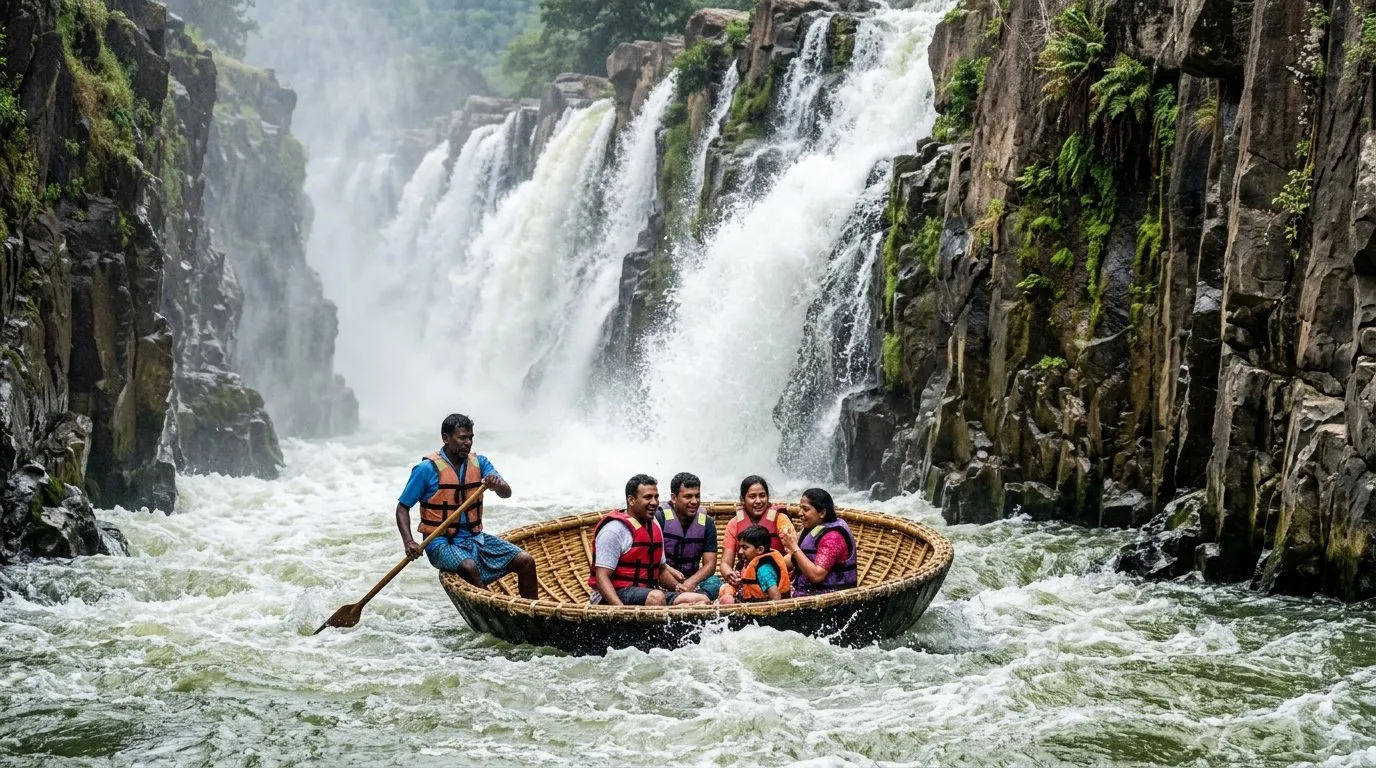
Local fair combining coracle races, oil massage demonstrations, fish cooking competitions, and folk performances. Small-scale but authentic celebration of Hogenakkal's unique culture.
Celebrates the three traditions unique to Hogenakkal: coracle navigation, riverside massage, and river fishing.
📍 Hogenakkal Falls
October (2 days)
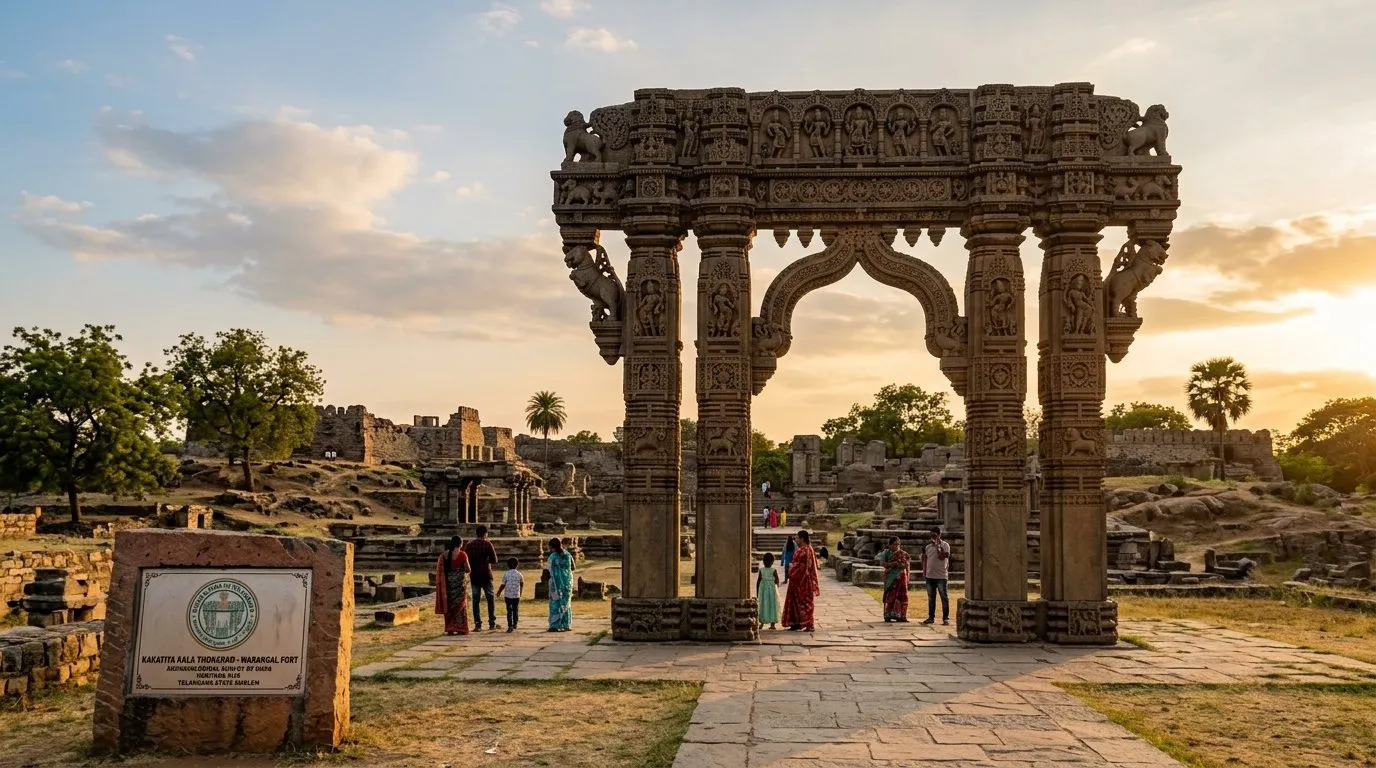
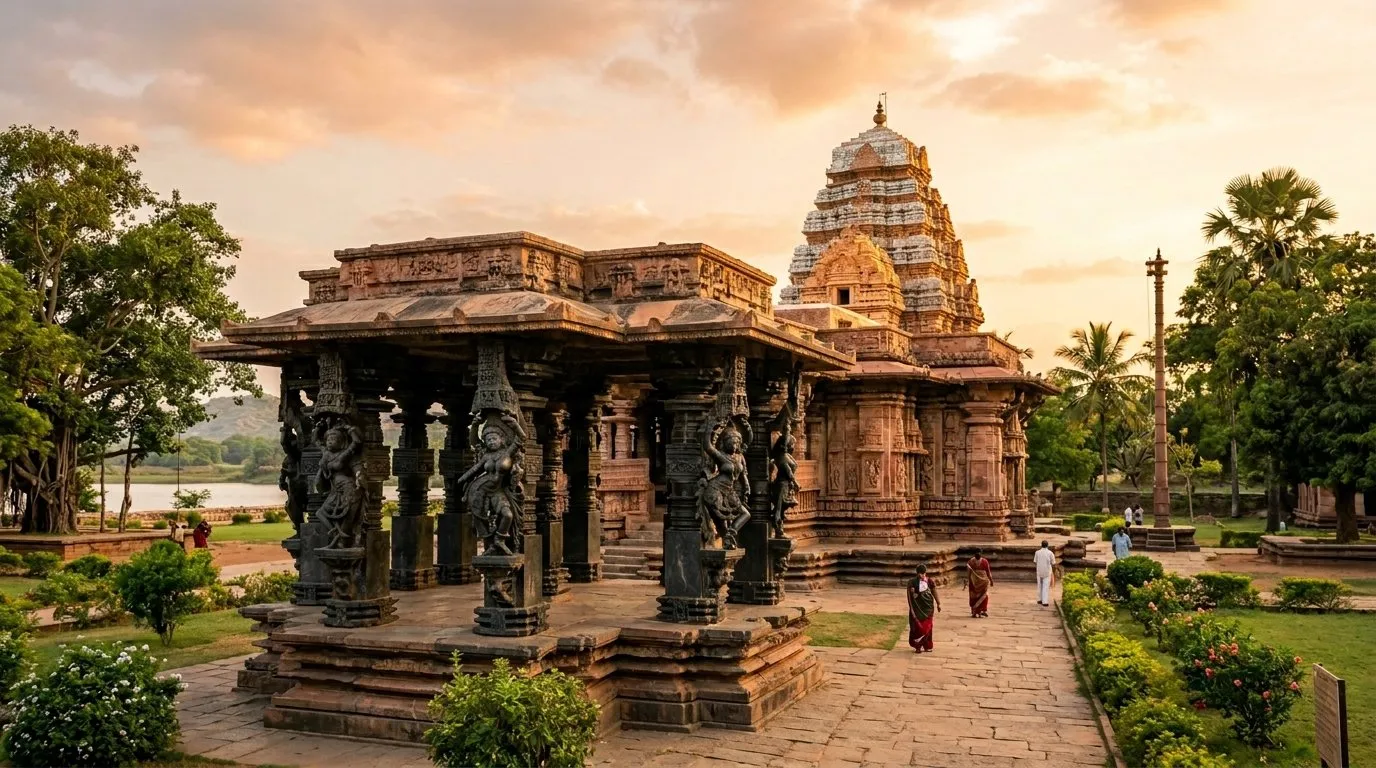
Heritage celebration at the UNESCO site honoring Kakatiya dynasty. Cultural programs, classical dance, and historical reenactments.
Celebrating the Kakatiya legacy at their UNESCO-inscribed masterpiece
📍 Ramappa Temple
October (post-Dussehra)
Celebrated a month after mainstream Dussehra with grape and apple wine offerings, Kinnauri Nati dances, and bonfires in Kalpa and Reckong Peo.
Reflects the distinct tribal identity of Kinnaur, where festivals follow a calendar influenced by both Hindu and Buddhist traditions.
October-November (harvest)
Festival celebrating Kishtwar's high-altitude saffron harvest with field tours, saffron-infused cuisine, and cultural performances of the Kishtwari folk tradition.
Kishtwar produces some of India's finest saffron alongside Kashmir; the town's remote location has preserved its unique Dogri-Kashmiri cultural blend.
📍 Kishtwar
October (starts on Vijaya Dashami, lasts 7 days)
200+ village deities carried in palanquins. Unlike rest of India, Kullu Dussehra STARTS when everyone else's ends.
India's most unique Dussehra — a gathering of gods.
📍 Manali
October (starts on Vijayadashami, runs 7 days)
The internationally famous 7-day Dussehra festival where 200+ local deities are carried in processions to the Dhalpur Maidan to pay homage to Lord Raghunath.
📍 Kullu
October (varies)
Garhwal Rifles regimental town hosts a cultural festival with military band performances, nature trails, and heritage walks through this quiet cantonment.
Celebrates the unique military heritage of Lansdowne, established by Lord Lansdowne in 1887 as a Garhwal Rifles garrison.
📍 Lansdowne
October (2 days around Sharad Purnima)
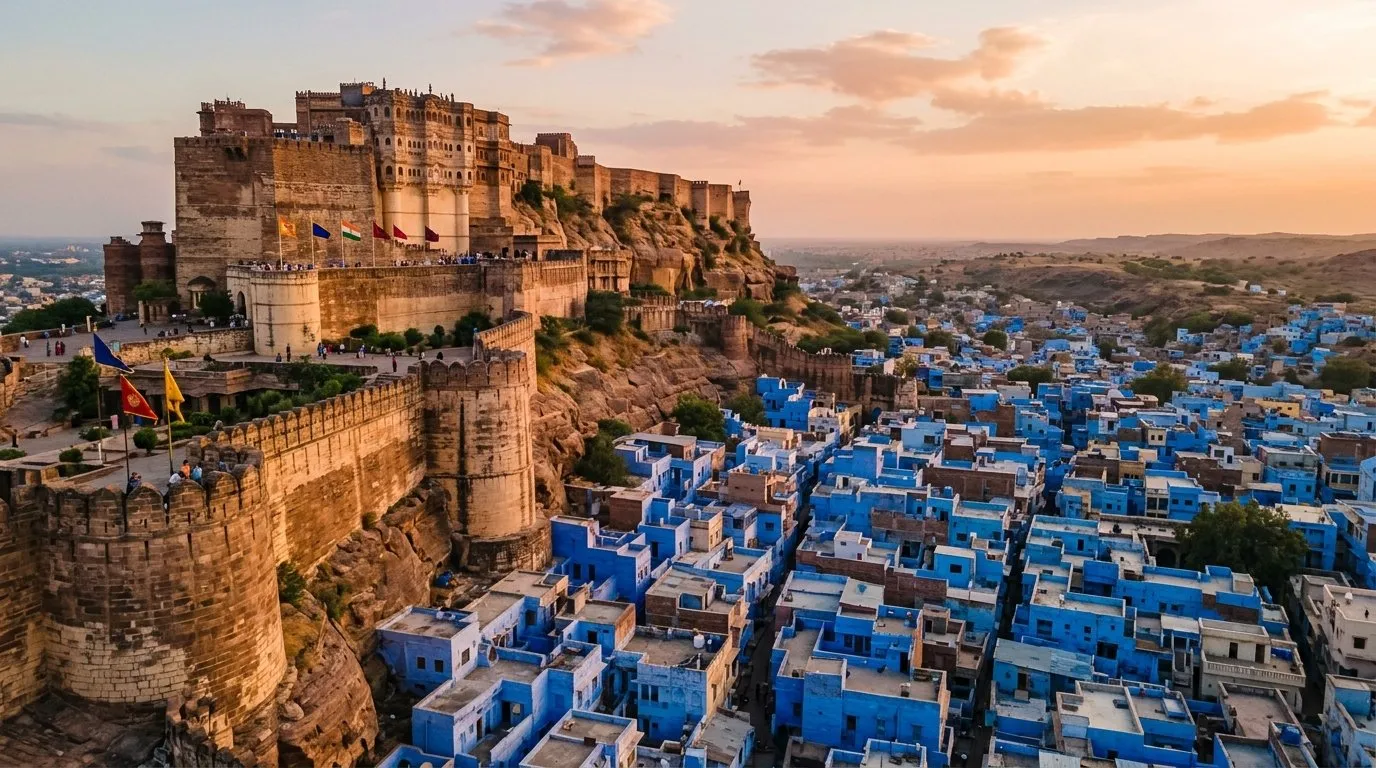
Folk music and dance celebrating Rajasthani heroes under Mehrangarh Fort in full moonlight.
The best setting for Rajasthani folk music — moonlit Mehrangarh.
📍 Jodhpur
October (Sharad Purnima)
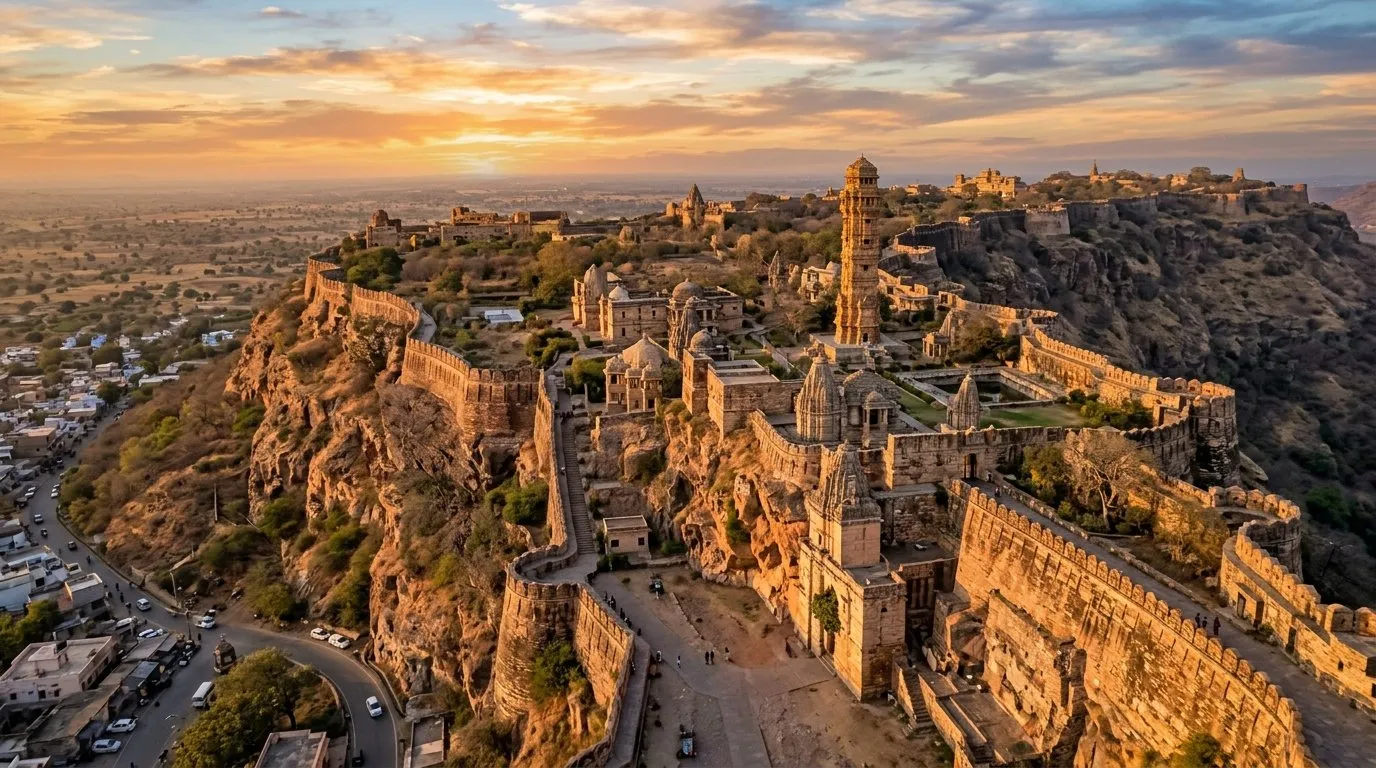
Festival celebrating the mystic poet-saint Meera Bai at her temple in Chittorgarh Fort, with bhajan recitals and devotional music by renowned artists.
Honors one of India's greatest bhakti saints who renounced royalty for her devotion to Lord Krishna.
📍 Chittorgarh
September-October (10 days ending Vijayadashami)
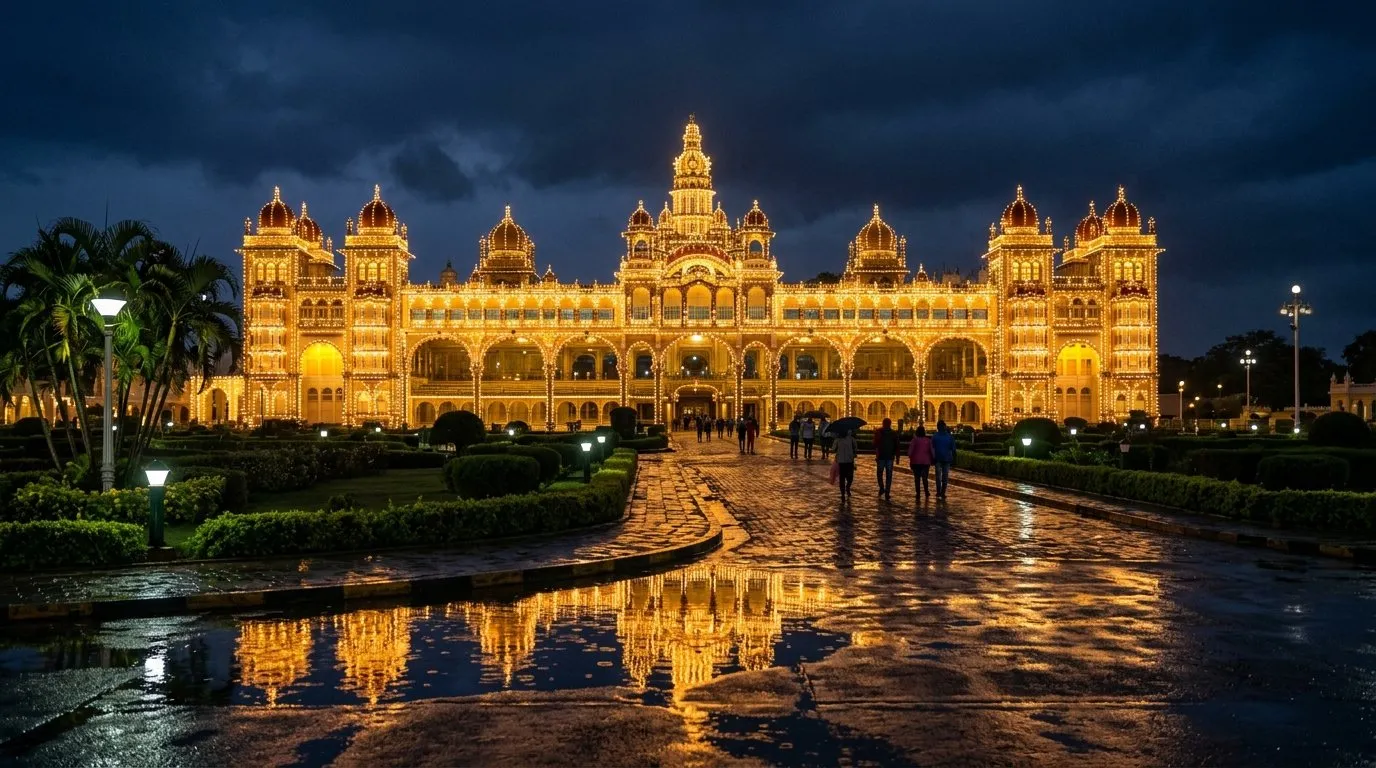
Grand 10-day festival with illuminated Mysore Palace, cultural performances, torchlight parade, and the famous Jamboo Savari procession with a golden howdah on a decorated elephant.
India's official state festival of Karnataka. Celebrated since the Vijayanagara empire, 400+ years old.
📍 Mysore
September-October (runs 45 days)
Massive trade fair and amusement ground at the Exhibition Grounds. Giant wheel, food stalls, handicrafts. Running since 1880.
Longest-running exhibition in India, coincides with Dasara celebrations.
October-November (varies)
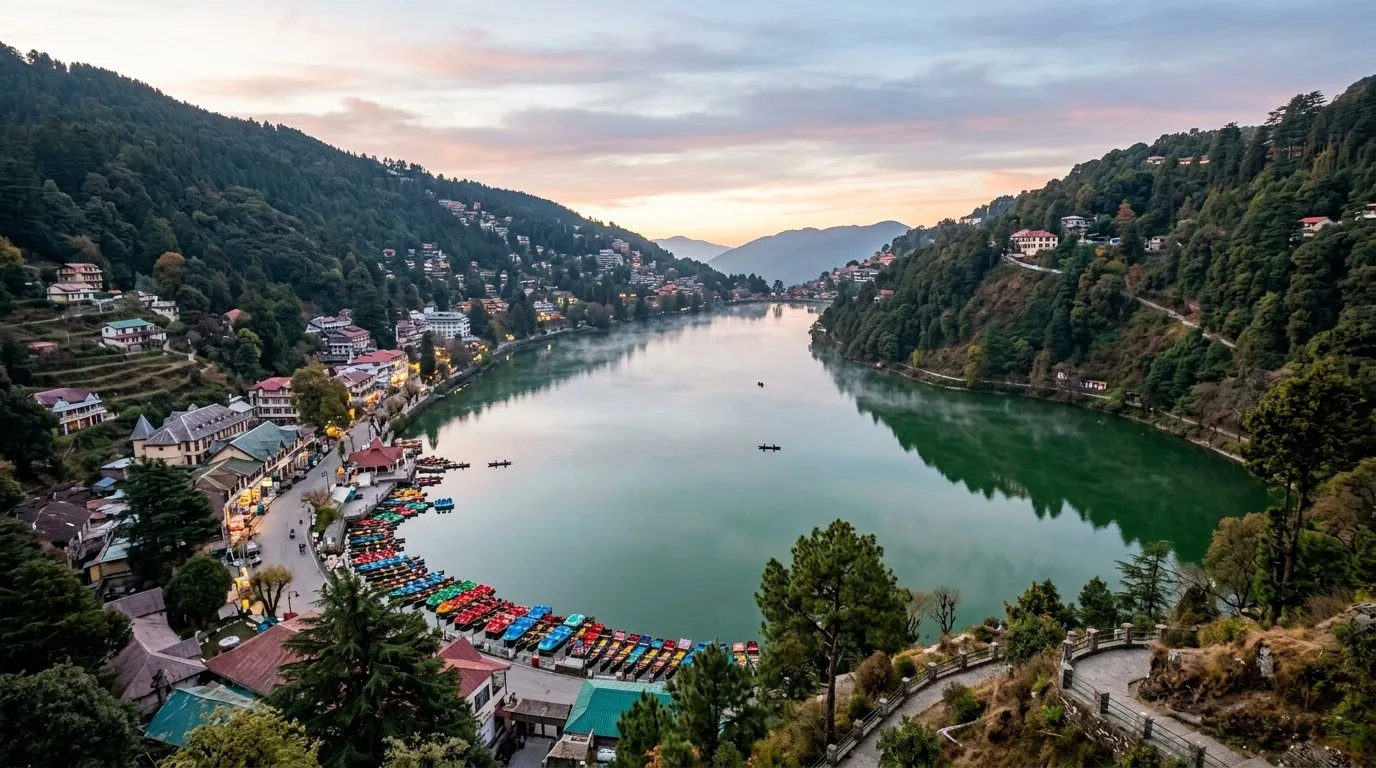
Week-long cultural extravaganza at Nainital's Flats ground with boat races on Naini Lake, flower shows, music performances, and heritage walks.
Celebrates Nainital's colonial-era charm and Kumaoni hill culture, drawing visitors to enjoy the lake city in its most pleasant season.
October (9 nights)
Mahalaxmi Temple Shakti Peetha sees special pujas and massive crowds during Navratri. Goddess adorned differently each night.
Shakti Peetha Navratri celebration.
Gujarat is the global capital of Navratri Garba. Vadodara hosts the biggest events with 50,000+ dancers. United Way Garba is legendary.
9 nights of Garba — Gujarat defines this festival for the world
📍 Vadodara
October / November
International pilots compete in cross-country paragliding from Billing takeoff (2,400m).
World's best pilots at India's best paragliding site.
📍 Bir Billing
Traditional Rasa Leela performances depicting Krishna's divine dance, staged at ghats along the Yamuna during the autumn full moon.
Prayagraj's Sangam has been a spiritual epicenter since Vedic times; the Rasa Leela tradition connects its Krishna devotion heritage.
📍 Prayagraj
October (3 days)
Classical dance festival at Rajgir's natural amphitheater surrounded by 5 hills. Performers from across India.
Classical dance in Buddha's favorite retreat — natural acoustics in a mountain amphitheater
📍 Rajgir
Early October (9 days)
Nine-day grand festival at Tirumala with deity processions on different vahanas (vehicles) each day. Attracts millions of devotees.
One of India largest temple festivals — the deity rides a different divine vehicle each night
📍 Tirupati
October–November
The Nepali version of Diwali celebrated over 5 days with Kukur Tihar (dog worship), Gai Tihar (cow worship), and Bhai Tika.
📍 Darjeeling
October (10 days)
One of India grandest Dussehra celebrations. Kanaka Durga Temple lit up spectacularly. Millions gather for 10-day Navaratri.
Among India top 5 Dussehra celebrations — the city transforms completely
📍 Vijayawada
First week of October
Nature walks, film screenings, photography exhibitions, and educational safaris for children at Tadoba.
National wildlife conservation event.
📍 Tadoba-Andhari Tiger Reserve
November (Kartik Purnima)
Asia's largest open-air trade fair. Celebrates ancient maritime links between Odisha and Southeast Asia (Bali, Java, Sumatra). Boat races, cultural programs, mega fair.
Celebrating the ancient sea voyages to Bali — 2,000 years of maritime heritage in a mega fair
November (varies)
Cultural festival in the lanes of Bundi with processions, fireworks, turban-tying, traditional music, and tours of the town's famous stepwells and murals.
Showcases Bundi's unique Hadoti heritage, including its renowned miniature painting tradition and architectural splendor.
November (2 days)
River conservation festival celebrating the Chalakudy River ecosystem. Nature walks, documentary screenings, river cleanup, and community events. Emphasizes the campaign to protect Athirapally from hydroelectric projects.
Born from the Save Athirapally movement. Combines celebration with environmental activism.
📍 Athirapally Falls
Three-day city carnival with float parades down Sector 17, open-air concerts at Rock Garden, food stalls, and cultural performances at Sukhna Lake.
Celebrates Le Corbusier's planned city and its unique identity as the shared capital of Punjab and Haryana.
📍 Chandigarh
Mid-November
India's only cherry blossom festival — Shillong's streets turn pink as Prunus cerasoides bloom. Live music, photography walks, food stalls, and a Japan-like aesthetic in the hills.
India's unique cherry blossom moment — pink streets in the Scotland of the East.
📍 Shillong
November (Kartik Shukla)
Bihar biggest festival — 4-day sun worship on Ganga ghats. Standing in water at dawn offering arghya to rising sun. Massive and ancient.
Bihar's defining festival — millions stand in rivers at dawn to worship the sun
📍 Patna
November
Tribal Chhath celebrations at Jharkhand hill station. Combines Bihar tradition with Jharkhand tribal elements.
Bihar ritual meets tribal forest — Chhath in the clouds
📍 Netarhat
Late November – early December
Week-long festival showcasing Darjeeling's world-famous tea culture, local cuisine, music, and adventure tourism with tea garden visits.
November (eve of Diwali)
Millions of diyas lit along Saryu river. Ram Leela performances. India's biggest Diwali event.
Ram's homecoming — Ayodhya lit up like never before.
📍 Ayodhya
Nov full moon (15 days after Diwali)
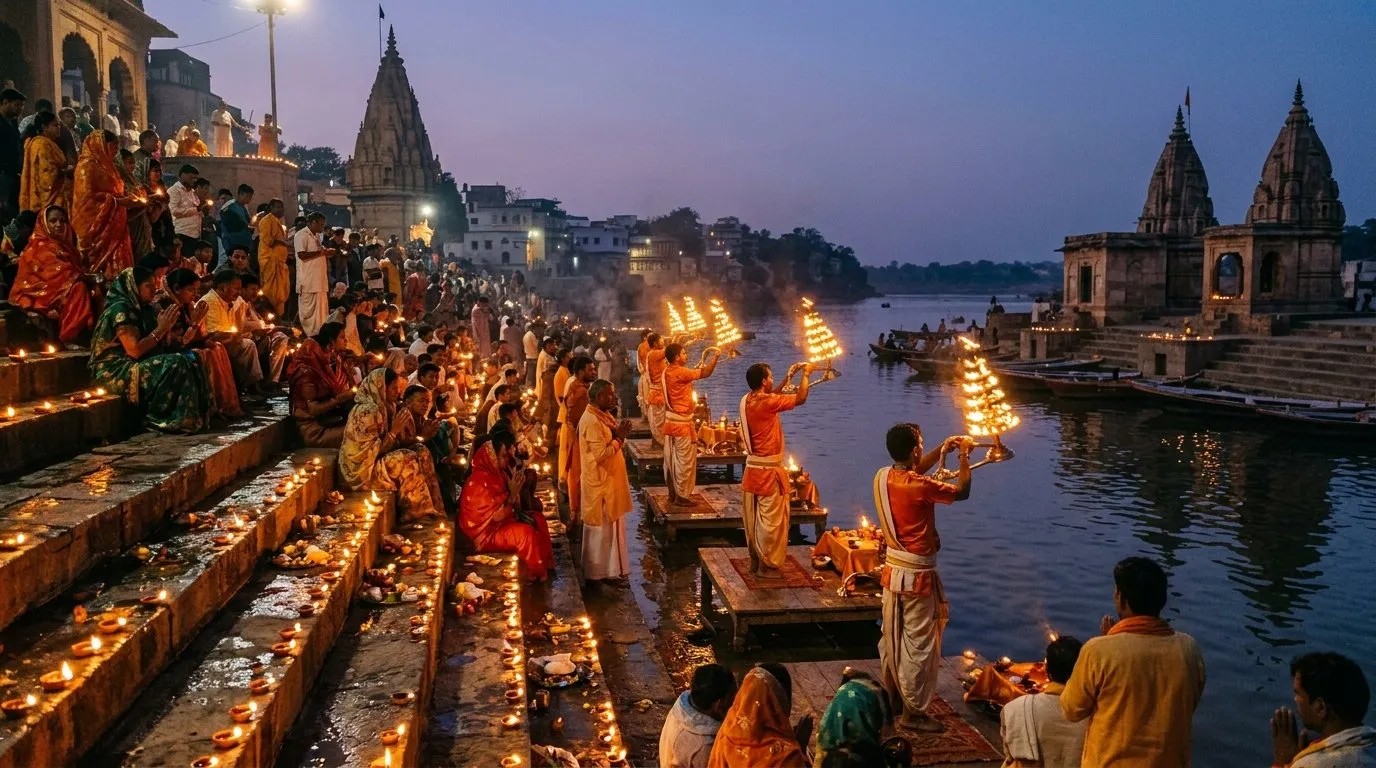
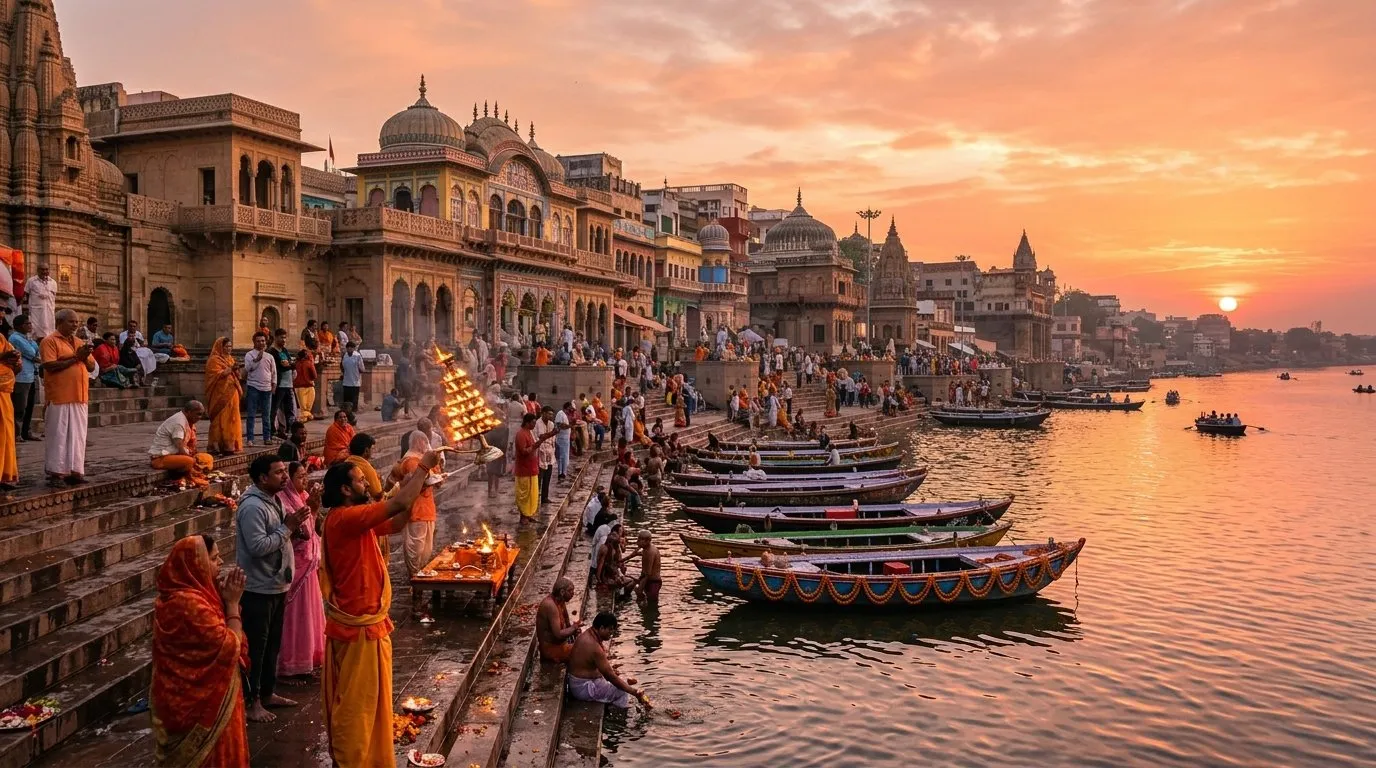
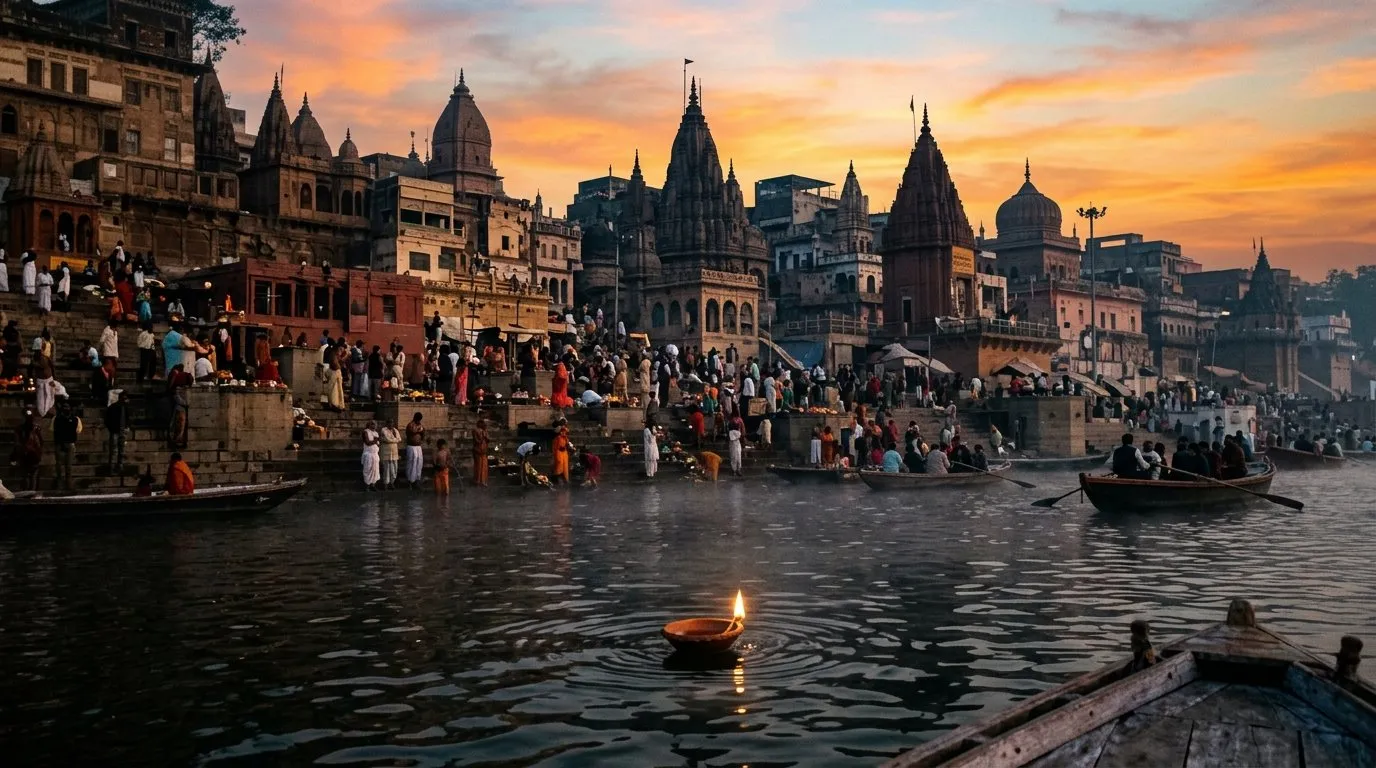
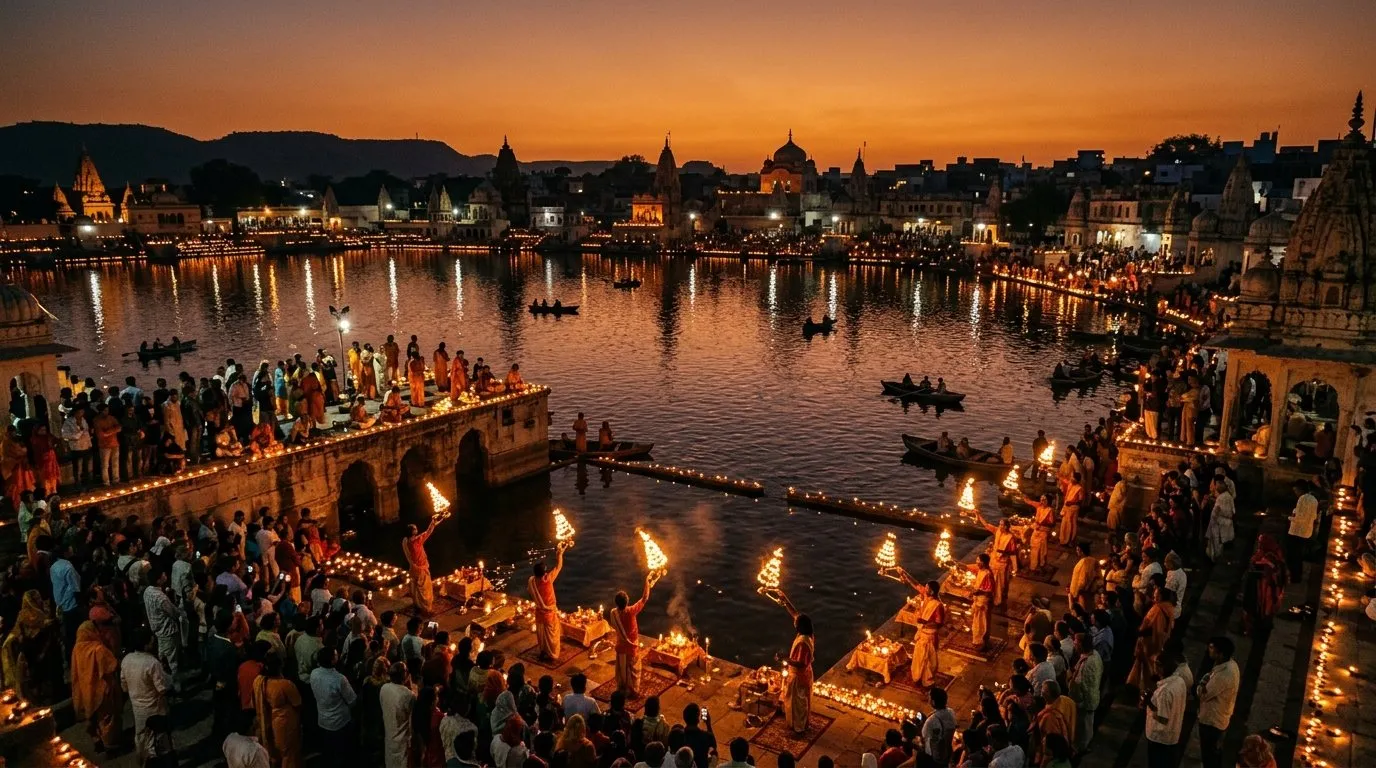
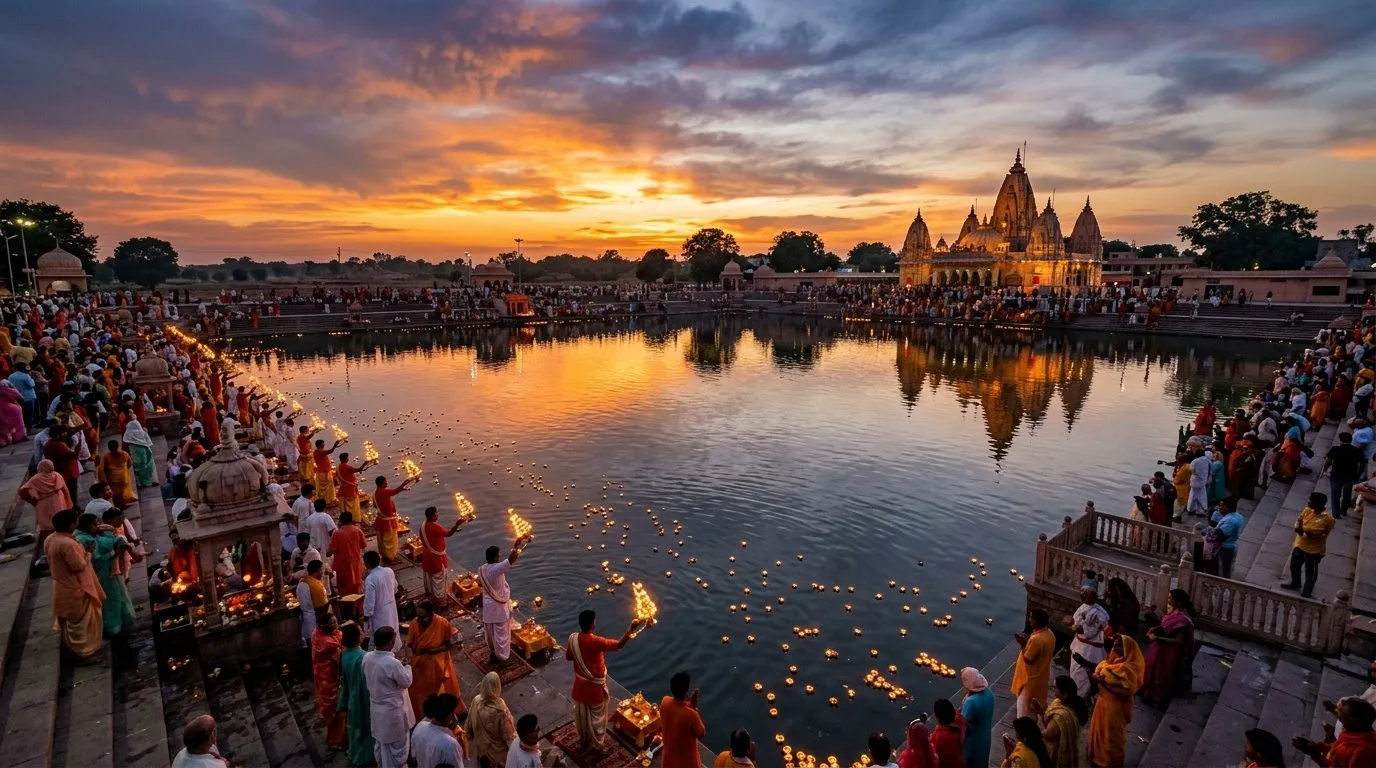
A million diyas light up all 84 ghats along the Ganga. Priests perform grand aarti. The entire riverfront becomes a cascade of fire.
The festival of lights FOR the gods — Varanasi's most photogenic night.
📍 Varanasi
Festival showcasing the indigenous Tharu tribal culture with traditional dances, handloom exhibitions, and guided safaris to spot the endangered swamp deer (barasingha).
Dudhwa is home to the last viable population of swamp deer in India; the Tharu people have coexisted with this ecosystem for centuries.
📍 Dudhwa National Park
November-December (11th day of waning moon)
The most important festival at Guruvayur Krishna Temple. Elephant processions, all-night singing, thousands of oil lamps. Lakhs of devotees. The temple courtyard becomes a sea of devotional energy.
Considered the most auspicious day for worship at Guruvayur. Devotees fast for 7 days leading up to it.
📍 Guruvayur
First week of November (3 days)
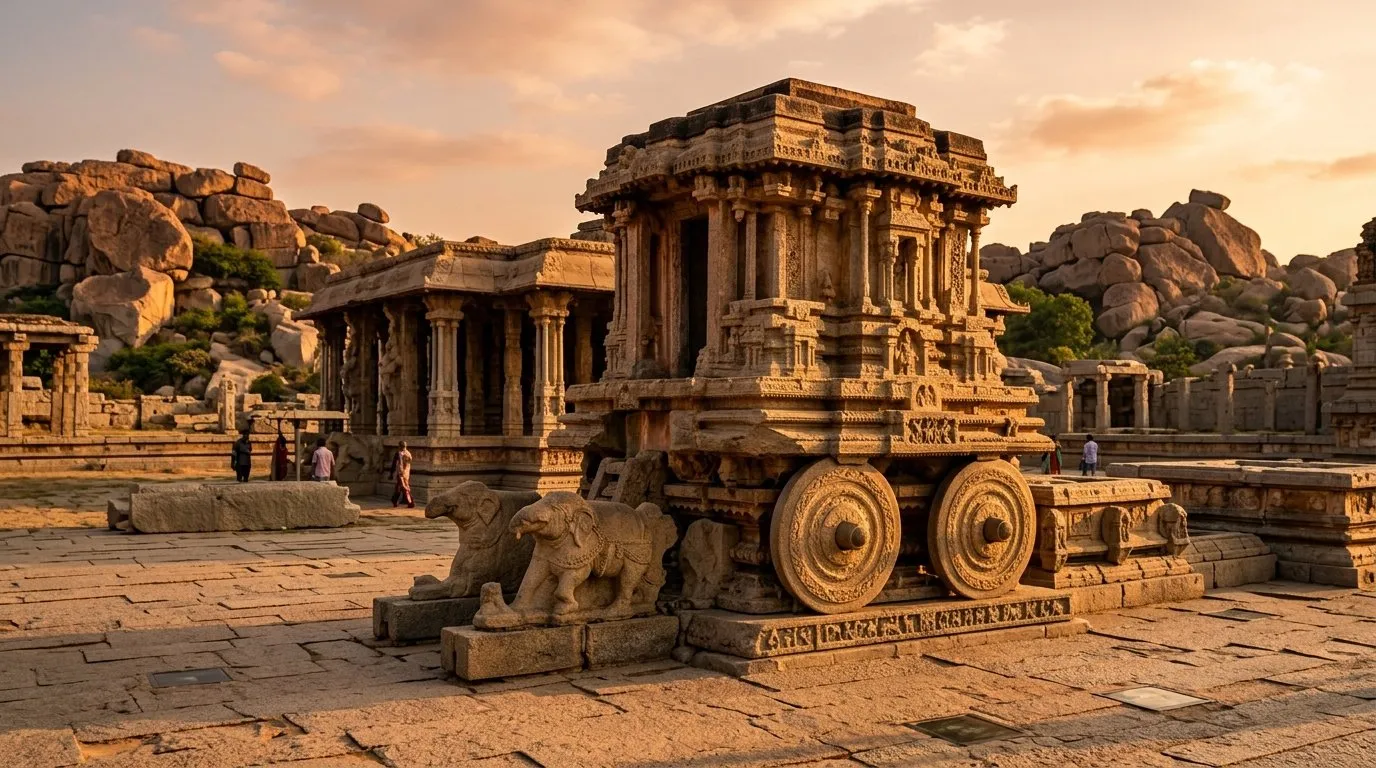
Cultural festival recreating the grandeur of the Vijayanagara empire. Puppet shows, classical dance, music concerts, fireworks against the boulder landscape.
Celebrates the glory of the Vijayanagara empire at its former capital.
📍 Hampi
Late November (1 day, full moon)
Massive groundnut fair at Bull Temple Road. Farmers offer the first harvest of groundnuts to Nandi. Heaps of fresh groundnuts sold. Street food carnival.
Agricultural harvest festival unique to Bengaluru, held since the 16th century.
November (full moon)
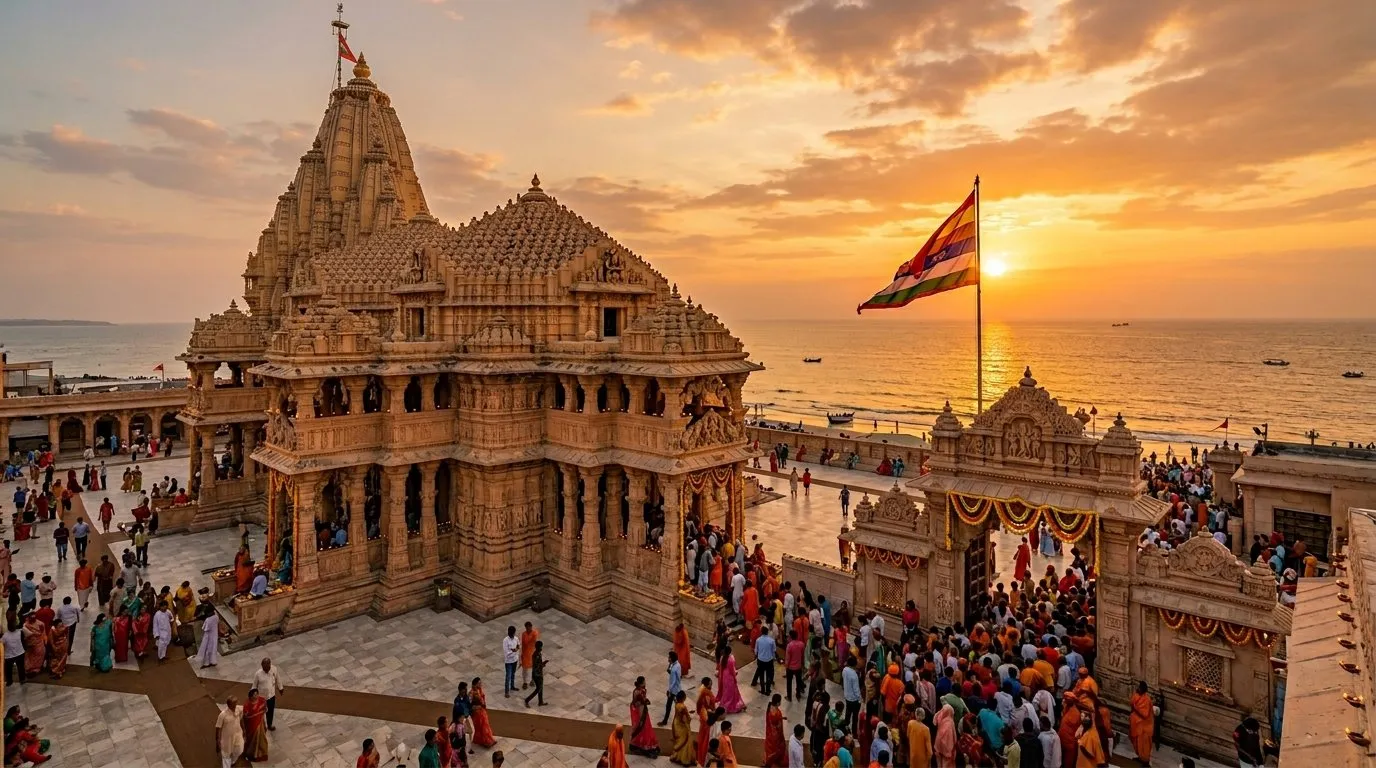
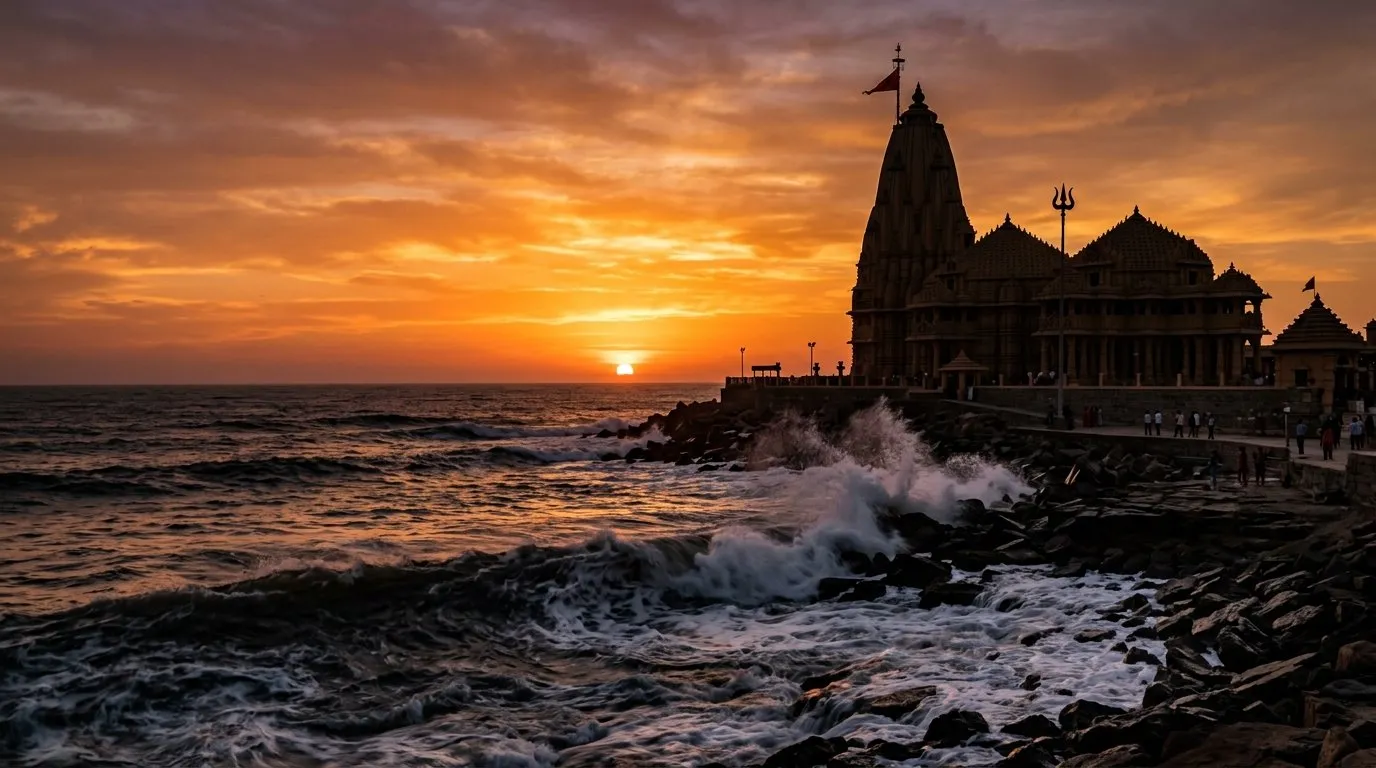
Grand celebrations at the first of 12 Jyotirlingas. Special puja during Kartik Purnima. Light festival on the coast.
Full moon puja at the first Jyotirlinga — where destruction met resurrection 17 times
📍 Somnath
November (5 days)
Festival of a lakh (100,000) lamps lit around the Dharmasthala temple complex. Cultural programs, mass feeding of pilgrims (Annadaana).
Dharmasthala feeds 30,000+ people free every day. During this festival, the numbers triple.
📍 Dharmasthala
November 25 - December 5 (varies)
Ten-day cultural extravaganza showcasing Awadhi heritage with kathak performances, qawwali nights, chikan embroidery exhibitions, and the famous Lucknow food festival.
Celebrates the refined Nawabi culture of Lucknow — its cuisine, poetry, music, and craftsmanship that define Awadhi civilization.
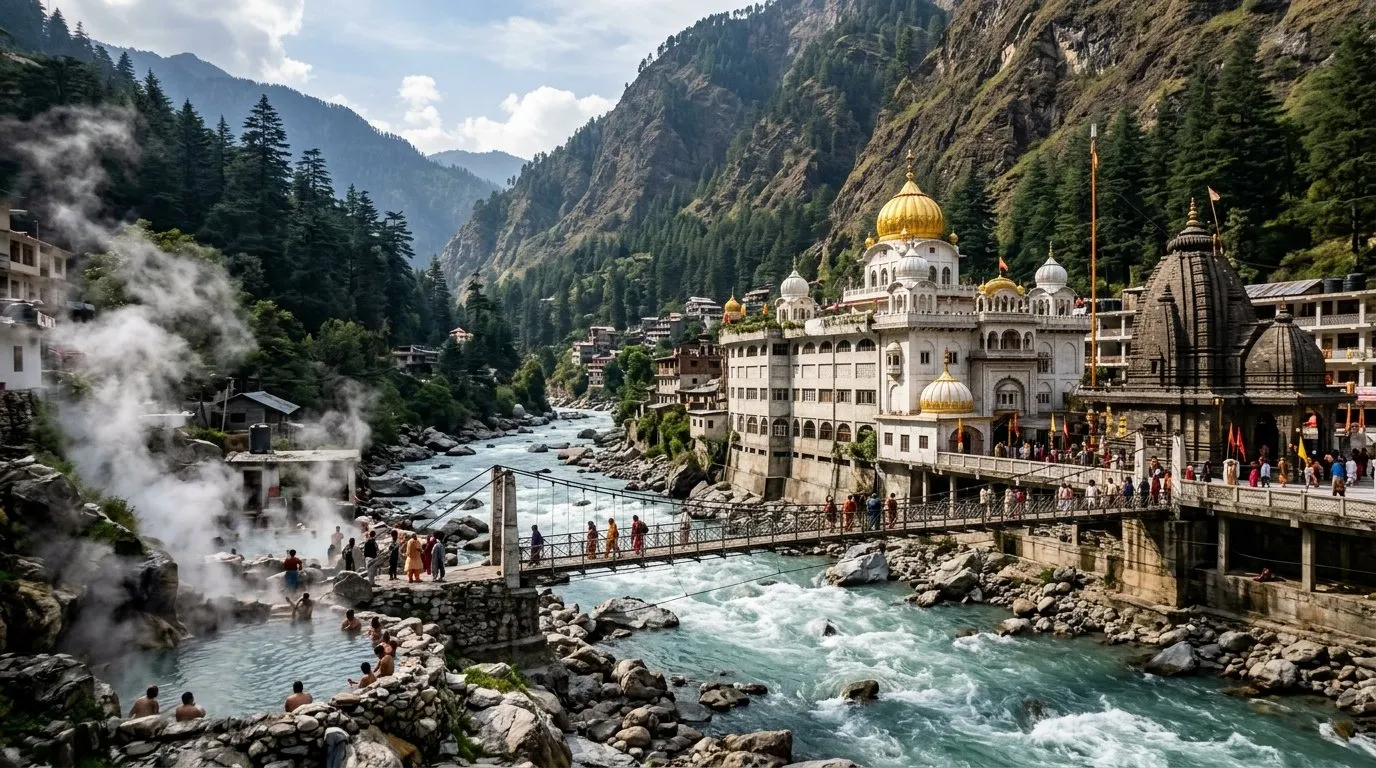
Grand celebrations at Manikaran Sahib Gurudwara where food is cooked in natural hot springs, with special kirtan and langar serving thousands of pilgrims.
Manikaran is where Guru Nanak is said to have visited; the hot springs naturally cook food at near-boiling temperatures — a geological and spiritual wonder.
📍 Manikaran
Cultural festival at Alwar's Siliserh Lake and city palace featuring folk performances, handicraft exhibitions, and boat rides celebrating the Matsya kingdom heritage.
Celebrates Alwar's identity as the ancient Matsya kingdom mentioned in the Mahabharata and its Kachwaha Rajput legacy.
📍 Alwar
The most important Khasi festival — men in feathered headdresses and swords, women draped in gold silk, goat sacrifice, and five days of thanksgiving to the goddess Ka Blei Synshar.
The Khasi people's sacred thanksgiving — gold, feathers, and devotion.
Late Oct / Nov (5 days around Kartik Purnima)
50,000+ camels traded. Mustache competitions, longest turban contests, hot air balloons over the desert.
The world's largest camel fair — part livestock market, part desert carnival.
📍 Pushkar
Fair at the Rudranath and Chamunda Devi temples at the confluence of Alaknanda and Mandakini rivers, with oil lamp floats on the river and Garhwali folk performances.
Rudraprayag is named after Lord Rudra (Shiva); this is where Narad Muni is said to have received the veena from Shiva.
📍 Rudraprayag
Nov 21-30
Manipur's biggest tourism and cultural showcase — named after the endangered Sangai deer of Loktak Lake. Traditional dance, indigenous sports, handloom exhibitions, and local cuisine.
Manipur's flagship festival — a 10-day window into the state's art, sport, and culture.
📍 Imphal
November–February
The archaeological site hosts a light-and-sound show narrating the story of Buddha's first sermon, drawing large audiences during the tourist season.
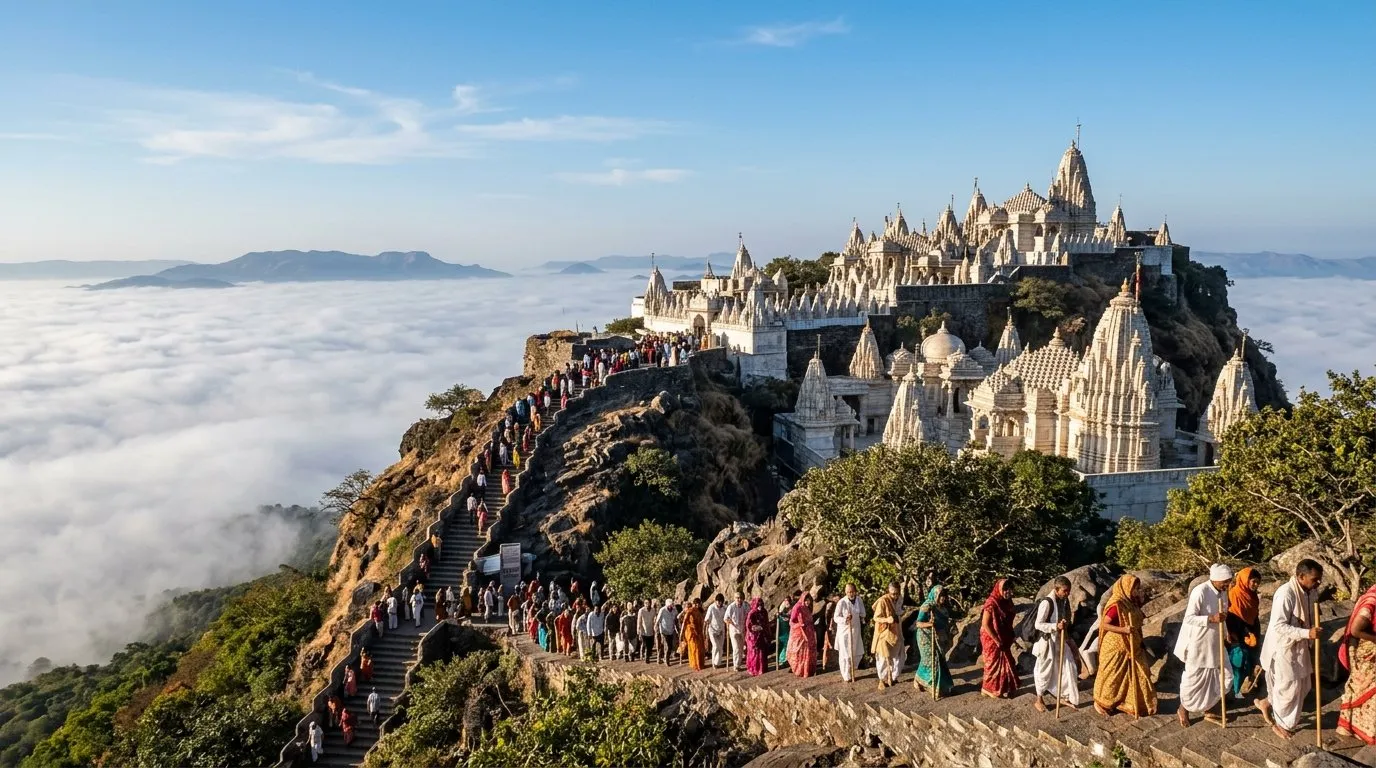
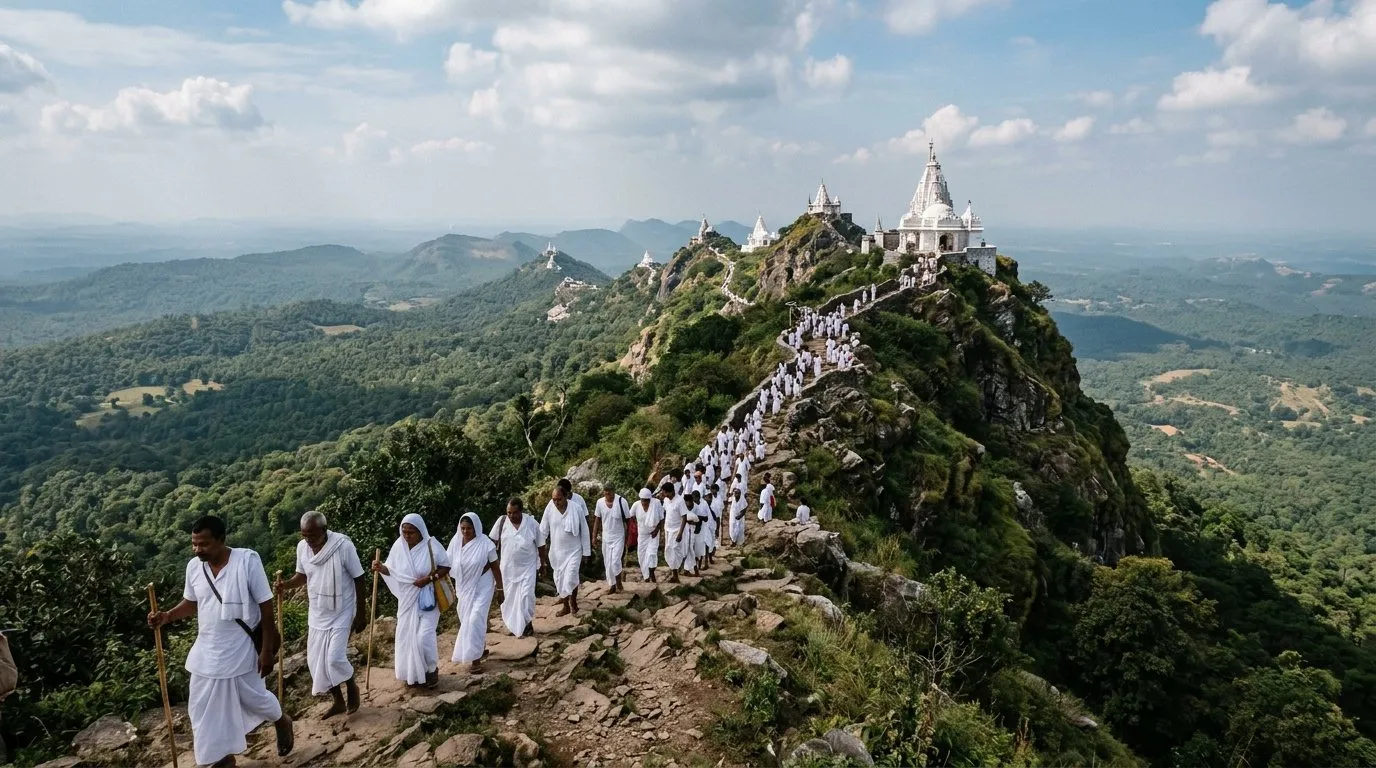
Jain pilgrimage festival at Shatrunjaya Hill (863 temples). Mass pilgrimage with special ceremonies.
863 Jain temples on one hill — the most concentrated sacred architecture on Earth
📍 Palitana
November to May (6 months)
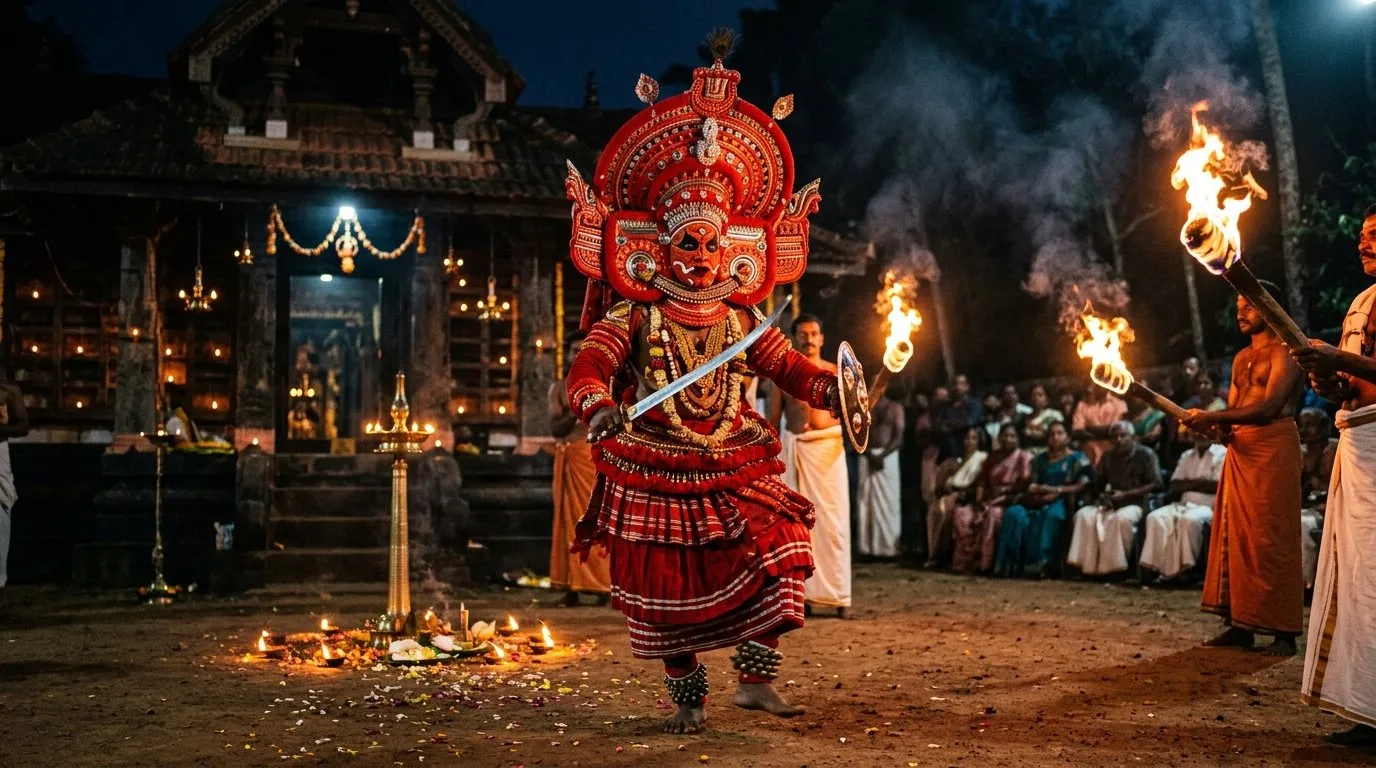
Kerala's most electrifying ritual art. Performers transform into deities with elaborate costumes, face paint, and towering headgear. Enter trance states and perform superhuman feats. Hundreds of different Theyyam forms across North Kerala temples.
Ancient Dravidian ritual predating Brahmanical Hinduism. Each village has its own Theyyam calendar. On India's tentative UNESCO list.
📍 Kannur
Second week of November
100 drums played simultaneously as the Garo tribe celebrates the post-harvest season. Horn-blowing, mass tribal dance, and a rhythm that shakes the hills.
The Garo harvest festival — 100 drums, one unified beat.
📍 Tura
December (2 days)
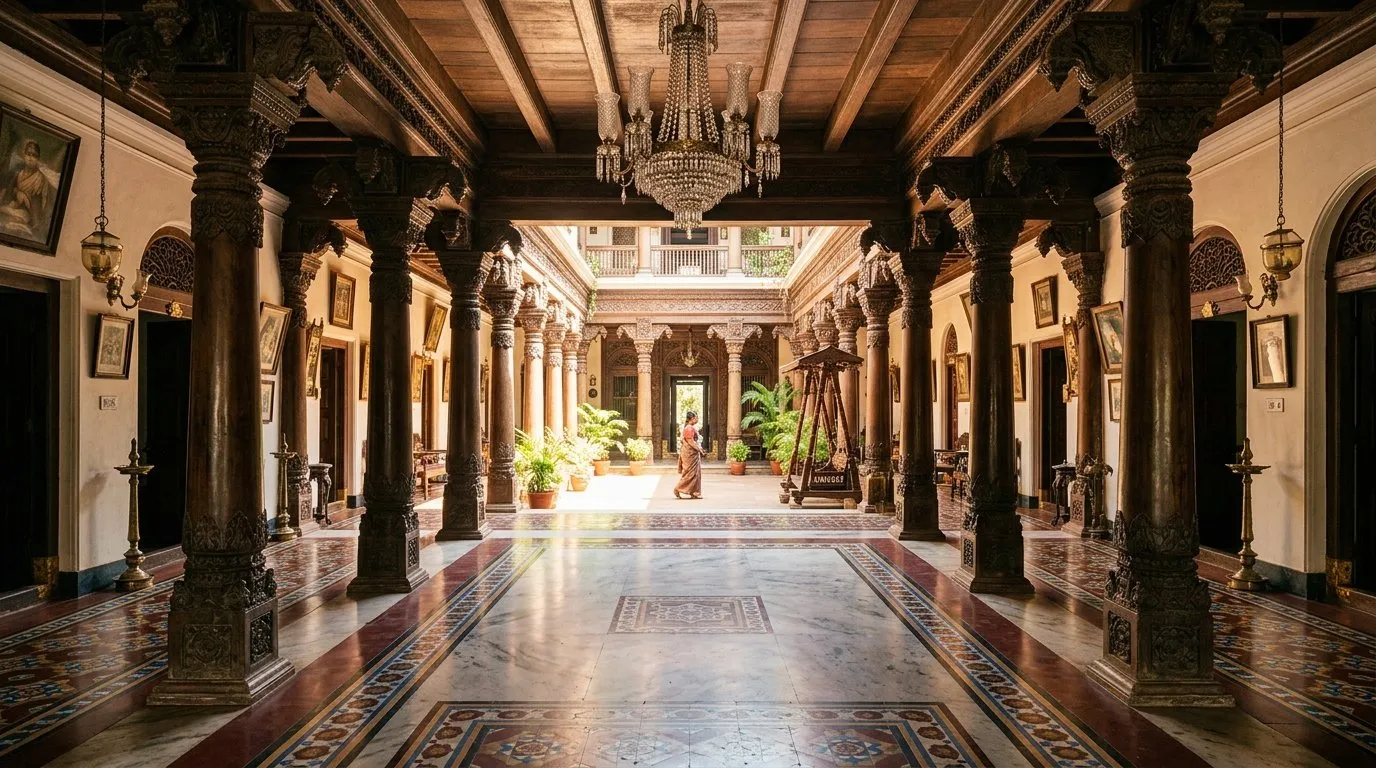
Heritage walks through Chettinad mansions, Athangudi tile workshops, cooking demonstrations of Chettinad cuisine, and cultural performances. Organized by heritage hotels and Tamil Nadu Tourism.
Brings attention to the disappearing Chettinad mansions. Some are being demolished for materials.
📍 Chettinad
December 24-25
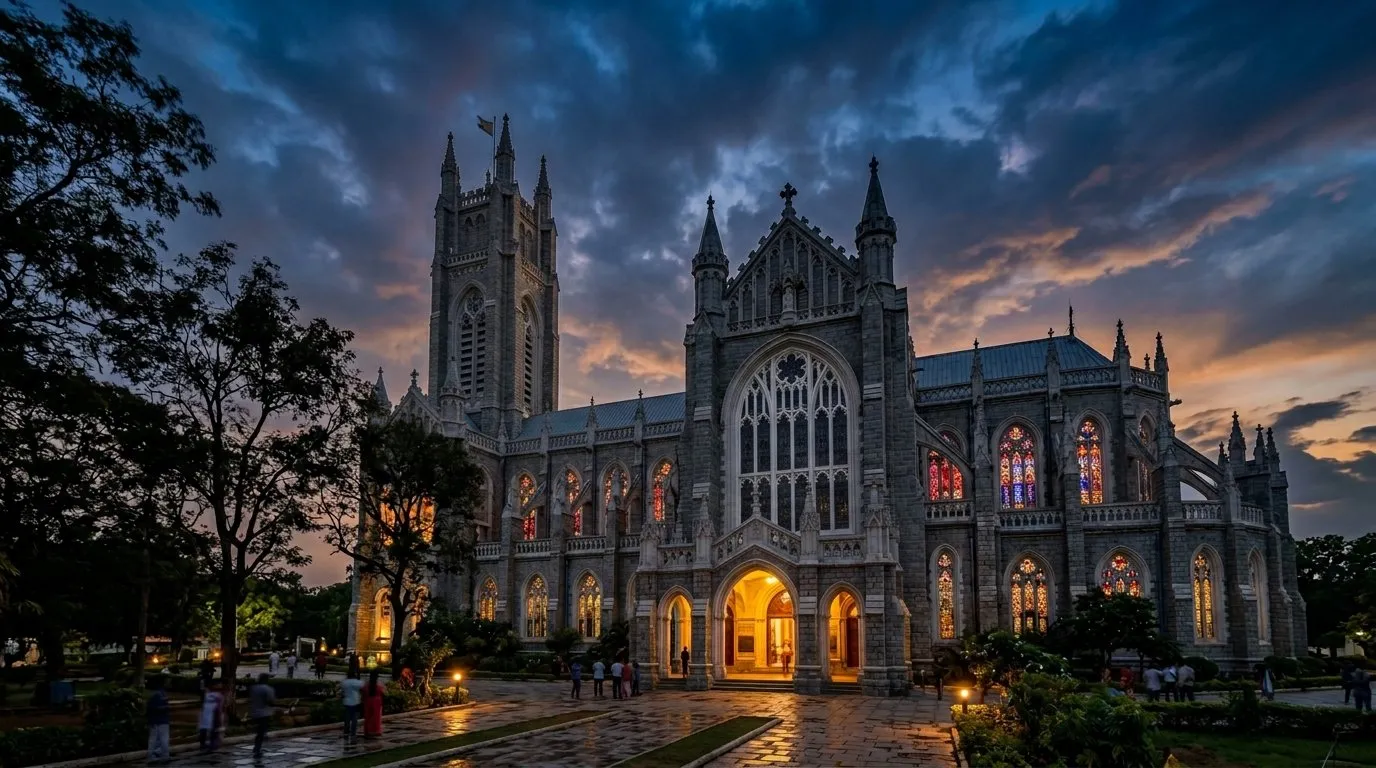
Grand Christmas celebrations at one of Asia largest churches. Midnight mass with thousands. Stained glass windows illuminated.
Christmas at one of Asia largest churches — a South India landmark celebration
📍 Medak
December 25-31
Multi-faith Christmas. Church services, Marina Park carnival, community feasts, cultural shows.
Port Blair has significant Christian community. Vibrant celebration.
December 25 - January 1 (week-long)
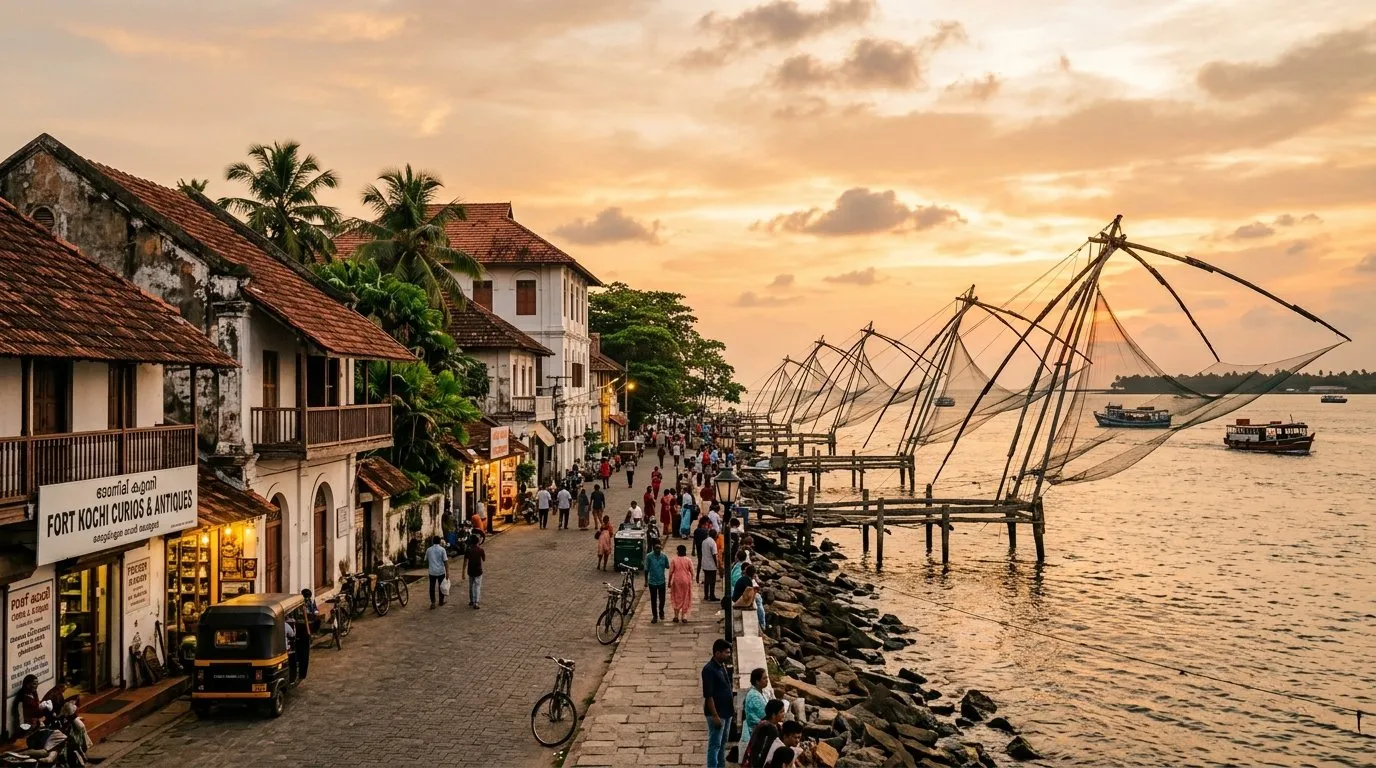
Fort Kochi's Christmas-New Year festival. Beach sports, music, food stalls, art exhibitions, and the famous burning of Pappanji (old year effigy) on New Year's Eve. Colonial-era tradition.
Oldest carnival in India. Reflects Kochi's Portuguese-influenced Christian heritage. Non-religious — everyone celebrates.
📍 Kochi (Fort Kochi)
December/January
Gond tribal dance festival. Dancers wear elaborate grass and feather costumes, perform rhythmic dances around bonfires.
Living Gond tribal tradition — costumed dancers perform around forest bonfires
📍 Adilabad
December 3
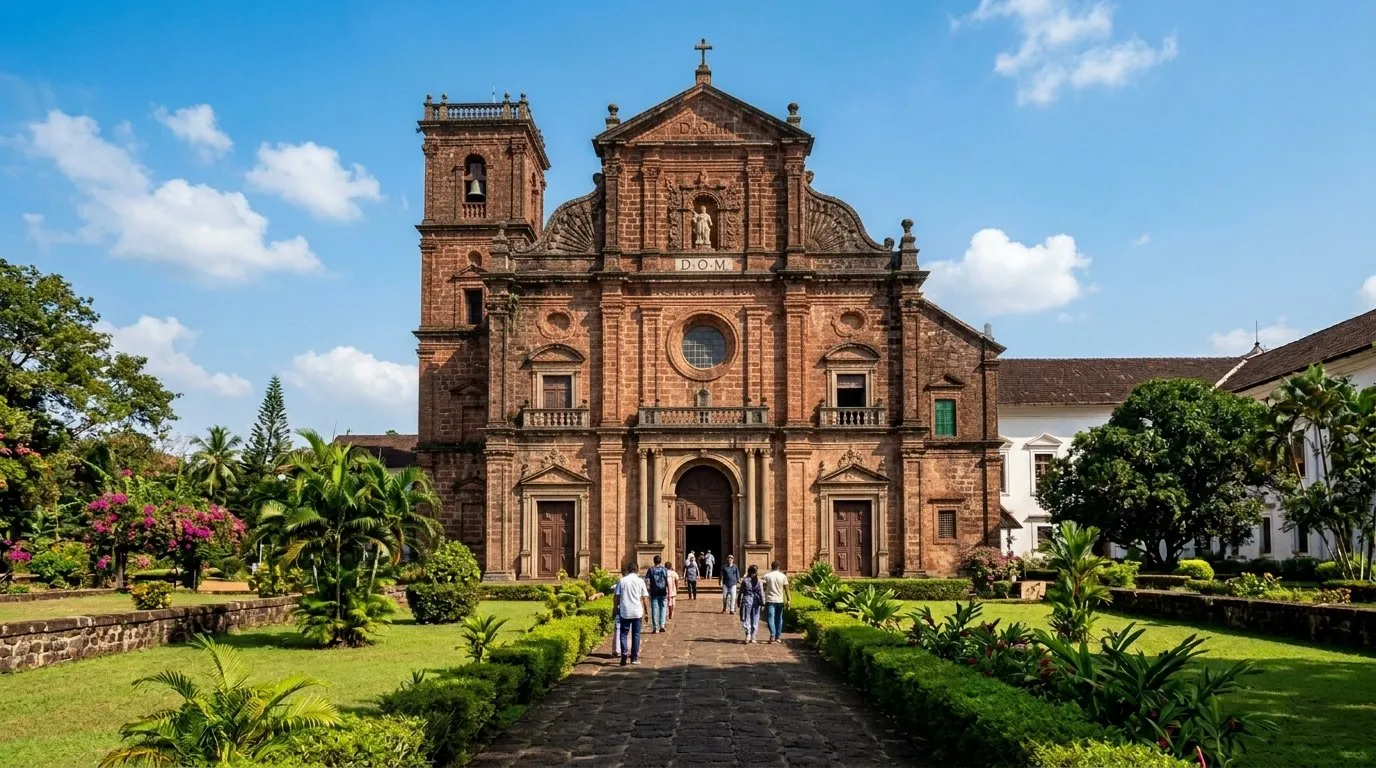
Annual feast at Basilica of Bom Jesus honoring St Francis Xavier. Once every 10 years, the saint's body is displayed (last 2014). The December 3 feast draws hundreds of thousands.
One of Christianity's most important feast days in Asia.
📍 Old Goa
Monthly (full moon nights, Nov-Feb)
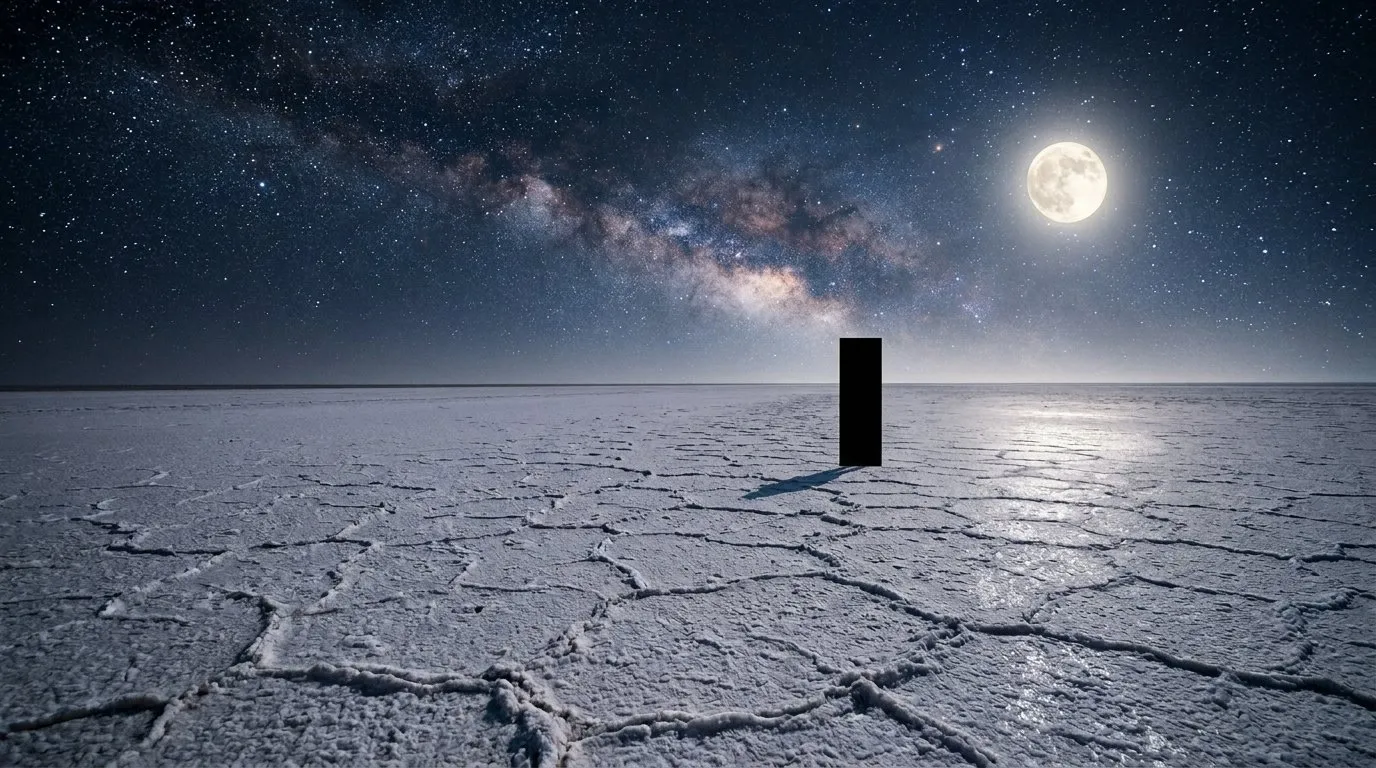
Guided moonlit walks on the white salt desert. The Great Rann glows white under moonlight — surreal experience.
The only place on Earth where a salt desert turns into a mirror under moonlight
📍 Rann of Kutch
December
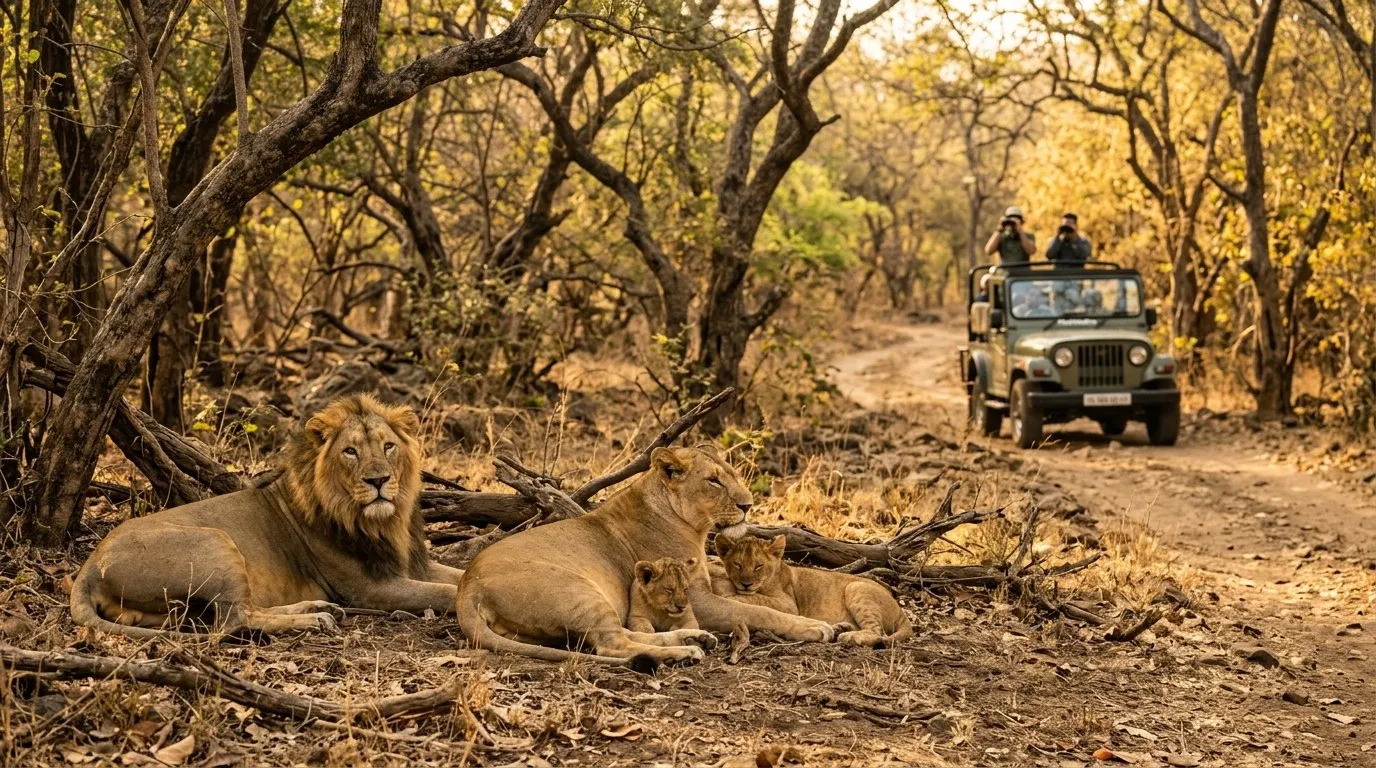
Wildlife festival at Gir celebrating the Asiatic lion. Nature walks, photography workshops, conservation education.
Celebrating the last wild Asiatic lions — only 700 left, all here
📍 Gir National Park
December (Ekadashi of Margashirsha)
Anniversary of when Krishna spoke the Bhagavad Gita. Week-long celebrations at Brahma Sarovar.
The anniversary of the Gita — at the exact spot it was spoken.
📍 Kurukshetra
Dec 1-10
All 16 Naga tribes converge at Kisama Heritage Village for warrior dances, tribal food, traditional crafts, and Naga wrestling. The largest cultural showcase in Northeast India.
Festival of Festivals — the single best window into Nagaland's tribal diversity.
📍 Kohima
November-March (multiple events)
Traditional buffalo race in waterlogged paddy fields. Jockeys sprint behind pairs of buffaloes at incredible speed. Now has a professional circuit with prizes.
Ancient Tulu Nadu tradition, recently revived with formal racing leagues and crowds of 20,000+.
📍 Mangalore
December to March (3 months)
Asia's largest contemporary art exhibition. Fort Kochi transforms into an open-air gallery — warehouses, heritage buildings, and public spaces become art venues. International and Indian artists.
India's answer to Venice Biennale. Started 2012. Puts Kochi on the global contemporary art map.
December 1-5 (annual)
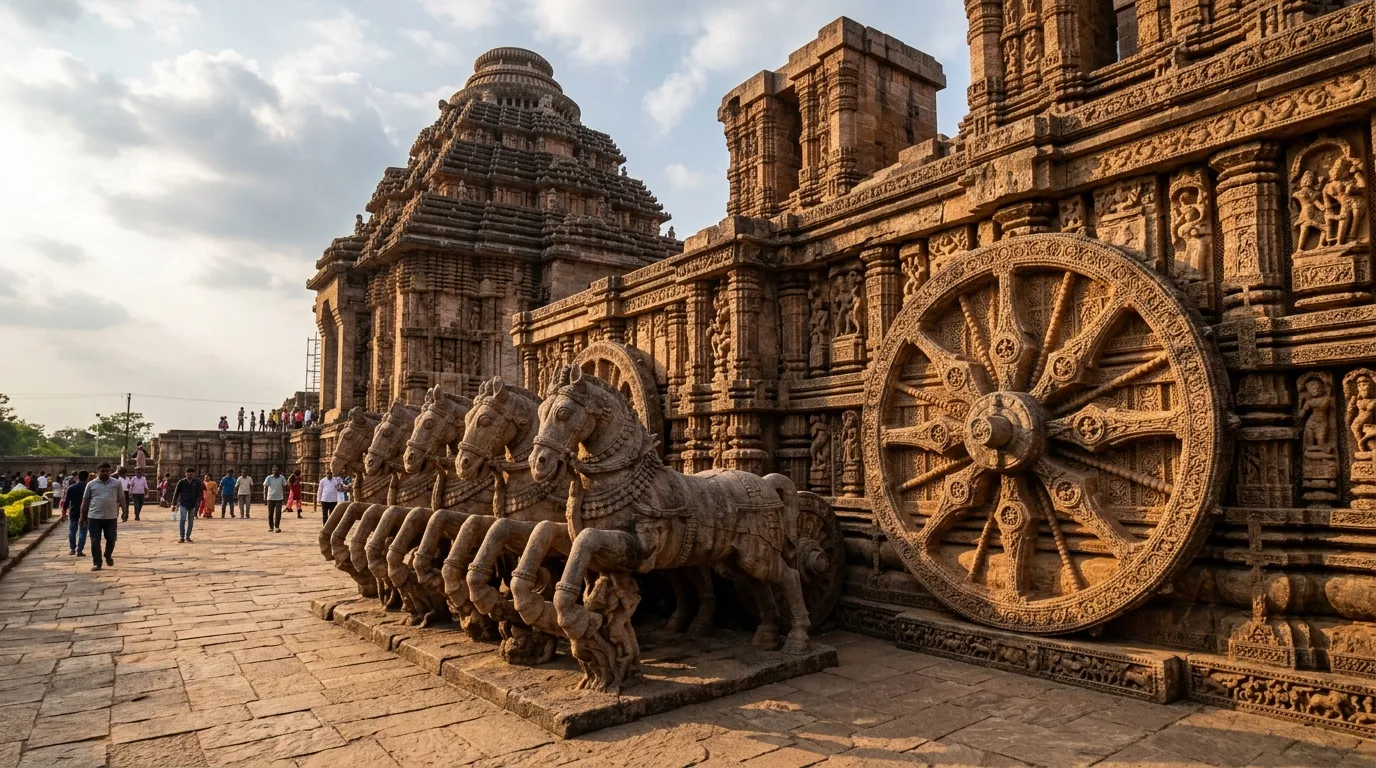
5-day classical dance festival held against the backdrop of the Sun Temple. Leading Odissi and other classical dancers perform at the open-air auditorium.
Where classical dance returns to the temple that inspired it — Odissi at its origin
📍 Konark
December (3 days)
Beach-side literary festival featuring Indian and international authors, discussions, music, and culture. Held at the beachfront hotels. Intimate compared to Jaipur Lit Fest.
Part of Kerala's strong literary tradition — the state with India's highest literacy rate hosting its own literary gathering.
📍 Kovalam
December 15 - January 15 (month-long)
The world's largest classical music festival. 3,000+ Carnatic music and Bharatanatyam performances across 50+ sabhas (auditoriums) in Chennai. Over a million attendees. Runs from mid-December to mid-January.
Started in 1927 by the Music Academy. Defines Chennai's cultural identity. Artists from across the world perform.
📍 Chennai
December (dates vary)
Water sports competitions, traditional boat races, marine conservation events.
Promotes marine heritage and sustainable tourism.
October-March
International meditation retreats at monasteries around Mahabodhi Temple. Zen, Vipassana, Tibetan traditions all represented.
Where the world comes to meditate — every Buddhist tradition under one Bodhi tree
December (varies)
Festival celebrating the rare Winterline phenomenon visible from Mussoorie where the horizon glows at sunset, with heritage walks, food festivals, and literary readings.
Mussoorie is one of only two places globally (along with Switzerland) where the Winterline optical phenomenon is visible.
📍 Mussoorie
Desert festival at the ancient Jain and Hindu temple town of Osian with camel safaris to sand dunes, temple tours, and folk music under the stars.
Osian was a major stop on the ancient Silk Route; its 8th-century Sachiya Mata and Mahavir temples are among Rajasthan's finest.
📍 Osian
Festival at the 17th-century Mughal-style Yadavindra Gardens with light-and-sound shows, classical dance performances, and garden heritage walks.
The Pinjore Gardens were built by Nawab Fidai Khan, Aurangzeb's foster brother; they represent the finest Mughal garden design in the Shivalik foothills.
📍 Pinjore Gardens
December (around Konark Festival)
Village-wide art exhibition and live demonstrations. Pattachitra, palm leaf engraving, stone carving showcased. Award-winning heritage village opens all workshops.
India's first Heritage Craft Village opens every doorway as a gallery
📍 Raghurajpur
November-February (full season)
4-month desert festival at the Great Rann of Kutch. White salt desert under full moon. Cultural performances, handicraft exhibitions, tent city accommodation.
India most spectacular desert festival — the white Rann glows under moonlight
📍 Kutch (Bhuj)
December (5 days)
Massive religious fair at the Siddheshwara Temple. One of the largest jatres in North Karnataka. Ferris wheels, folk theatre, Lingayat devotional gatherings.
Draws over 5 lakh pilgrims. The largest gathering in Bijapur district.
📍 Bijapur (Vijayapura)
Asia's largest electronic dance music festival. International DJs, multiple stages, held in North Goa. Tickets sell out months ahead.
Asia's biggest EDM festival. Attracts 50,000+ visitors.
📍 Calangute-Baga
December (1 day — 11th day of Margazhi)
The most important day at Srirangam — the Paramapada Vasal (gateway to heaven) is opened. Devotees queue through the night. The 21-day Vaikunta Uthsavam festival surrounds it. Lakhs of visitors.
The only day the sacred Paramapada Vasal gateway opens. Believed that passing through guarantees moksha.
📍 Srirangam
Late December / Early January
Devotees believe the gates of Vaikuntha (heaven) open on this day. 100,000+ pilgrims queue for darshan through the special Vaikuntha Dwaram.
Most auspicious day at Tirumala — heavenly gates believed to open
Late December
100,000+ pilgrims queue for darshan through the special Vaikuntha Dwaram entrance. Second only to Tirupati for this festival.
Telangana biggest Vaikuntha Ekadasi — the sacred door opens for one day
December 30 - January 1
Pilgrimage to the Sivagiri Mutt of Sree Narayana Guru, Kerala's greatest social reformer. Thousands of followers march to the hilltop in white. Discussions on social reform, education, and equality.
Sree Narayana Guru transformed Kerala's caste system. His message of equality is central to modern Kerala identity.
📍 Varkala
Late December (3 days)
Cultural festival with music, dance, art exhibitions, and food stalls on the beach. Celebrates Vizag diverse cultural heritage.
Vizag annual cultural showcase — art, food, and music on the beach
📍 Visakhapatnam
Celebration of Malabar and tribal cuisine. Bamboo rice dishes, wild honey tastings, tribal cooking demonstrations, spice garden tours, and cook-offs.
Showcases Wayanad's unique tribal and Malabar food heritage. Growing annual event.
📍 Wayanad
December 29-31
Rajasthan's only hill station hosts a winter carnival with folk dances, boat races on Nakki Lake, fireworks, and cultural performances by tribal artists.
A year-end celebration that highlights Mount Abu's unique position as Rajasthan's cool hill retreat and its Garasia tribal heritage.
January 26 - February 10
16-day tribal fair showcasing 62 Odisha tribes. Tribal art, dance, craft, food stalls. One of India's largest tribal cultural exhibitions.
India's largest tribal cultural exhibition — 62 tribes, 74 dialects under one roof
📍 Bhubaneswar
January (varies)
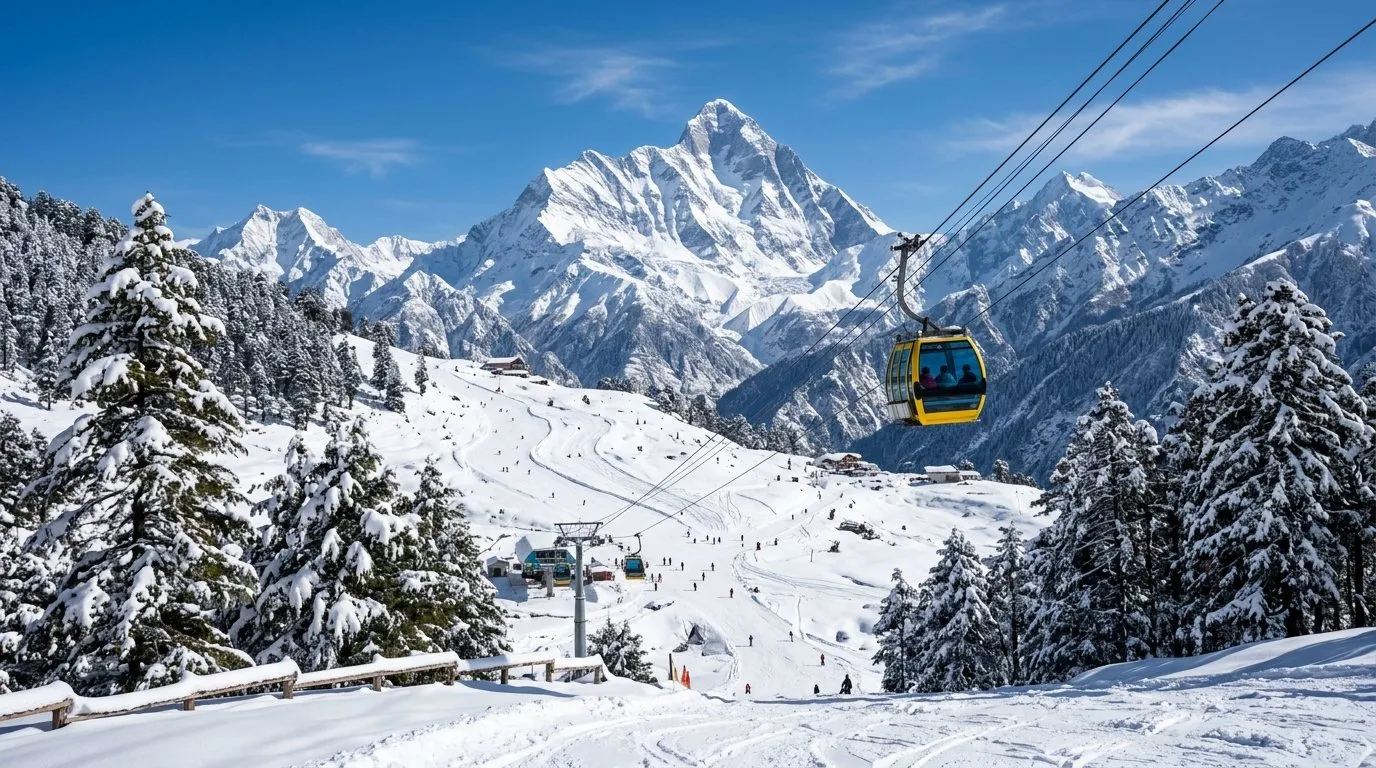
Skiing competitions and snow sports festival at Auli's slopes at 2,500m, featuring national-level ski races, snowboarding, and après-ski cultural programs.
Auli is India's premier ski destination; this carnival promotes winter sports tourism in Uttarakhand.
📍 Auli
Weekly (every week, year-round)
Weekly tribal markets where Gond, Muria, and Maria tribals trade forest produce, handicrafts, iron tools.
Living tribal economy — unchanged for centuries
January (3 days)
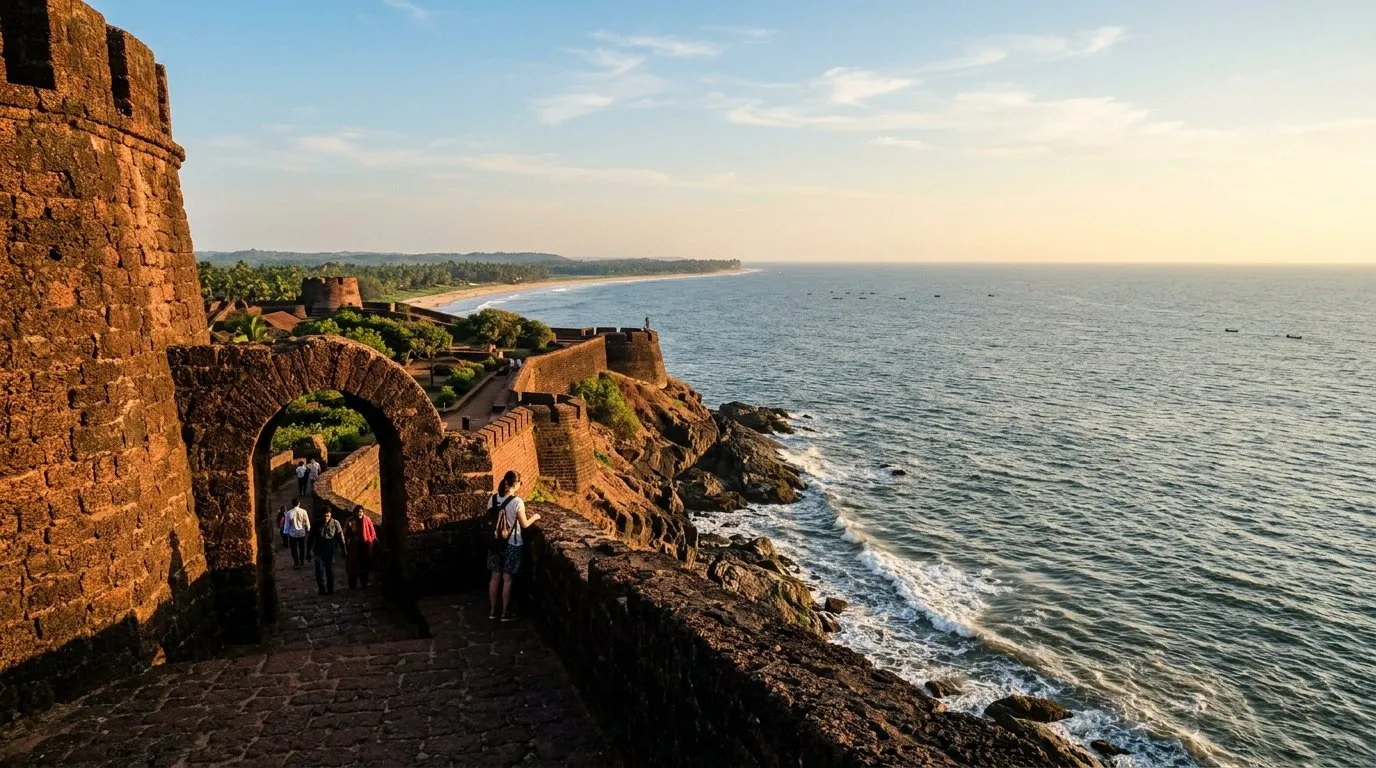
Cultural festival at the historic Bekal Fort. Theyyam performances, Yakshagana theatre, Kalaripayattu demonstrations, local food stalls, and folk art exhibitions against the fort-and-sea backdrop.
Promotes North Kerala's distinct cultural identity (Tulu Nadu and Malabar traditions).
📍 Bekal
January 13-14
Two-day festival celebrating the ship of the desert with camel races, fur-cutting designs, camel milk contests, and folk performances in Junagarh Fort area.
Unique to Bikaner, this festival showcases the cultural bond between Rajasthanis and camels with events found nowhere else in the world.
📍 Bikaner
January 14
Hill communities around Binsar Wildlife Sanctuary celebrate with bonfires, traditional Kumaoni folk songs, and exchange of khichari (lentil-rice dish) at dawn.
Binsar's Sankranti celebrations amid oak and rhododendron forests offer an intimate Kumaoni hill culture experience at 2,420m.
📍 Binsar
January (2 days)
Annual festival celebrating migratory bird arrivals. Boat tours, birding workshops, photography exhibitions, cultural programs.
Celebrating Asia's largest lagoon turning into a birding paradise
📍 Chilika Lake
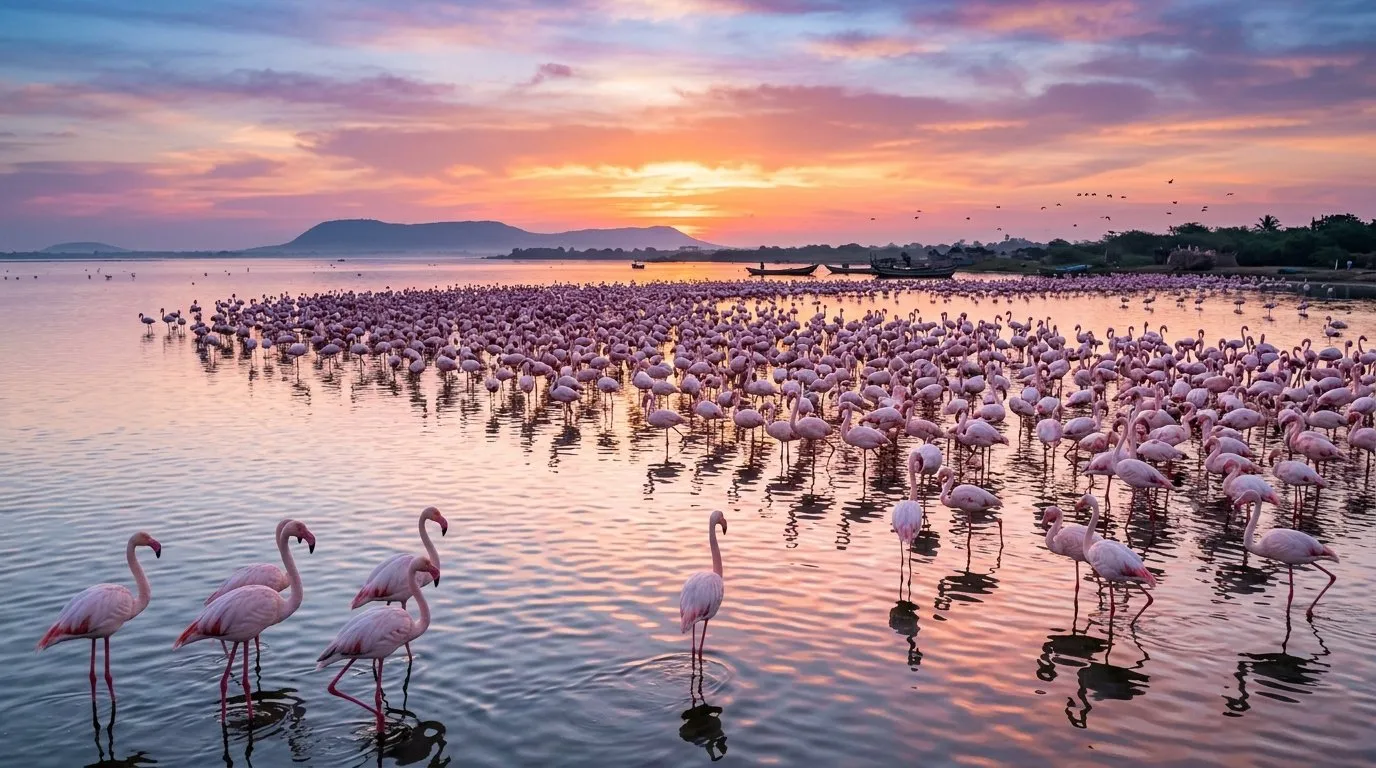
Annual festival celebrating the arrival of migratory flamingos. Includes boat rides, birding tours, cultural programs, and photography exhibitions.
Celebrating the annual pink invasion — thousands of flamingos
📍 Pulicat Lake
January-February (full moon night)
Temple deities of Meenakshi are placed on illuminated floats on the Mariamman Teppakulam tank. Thousands of oil lamps reflect on water. One of the most visually spectacular temple festivals in India.
The Teppakulam tank is connected to Vaigai River by an underground channel — a 2,000-year-old engineering marvel.
Year-round (Maha Kumbh every 12 years)
The spectacular daily Ganga Aarti at Har Ki Pauri draws massive crowds; during Kumbh Mela years the gathering swells to tens of millions.
Ahmedabad sky fills with millions of kites. International kite flyers. Rooftop parties across the city. Undhiyu and jalebi on every corner.
The sky becomes a canvas — millions of kites, international flyers, rooftop celebrations
📍 Ahmedabad
January 6-16
10-day celebration featuring cultural performances from all island communities, water sports competitions, food stalls, and craft exhibitions at Netaji Stadium.
Largest annual event in Andaman. Showcases diverse island cultures — Tamil, Bengali, Nicobarese, Karen.
Late January (5 days)
The world's largest free literary festival. 500+ speakers, authors, poets at Diggi Palace.
The Davos of literature — where ideas meet royalty.
📍 Jaipur
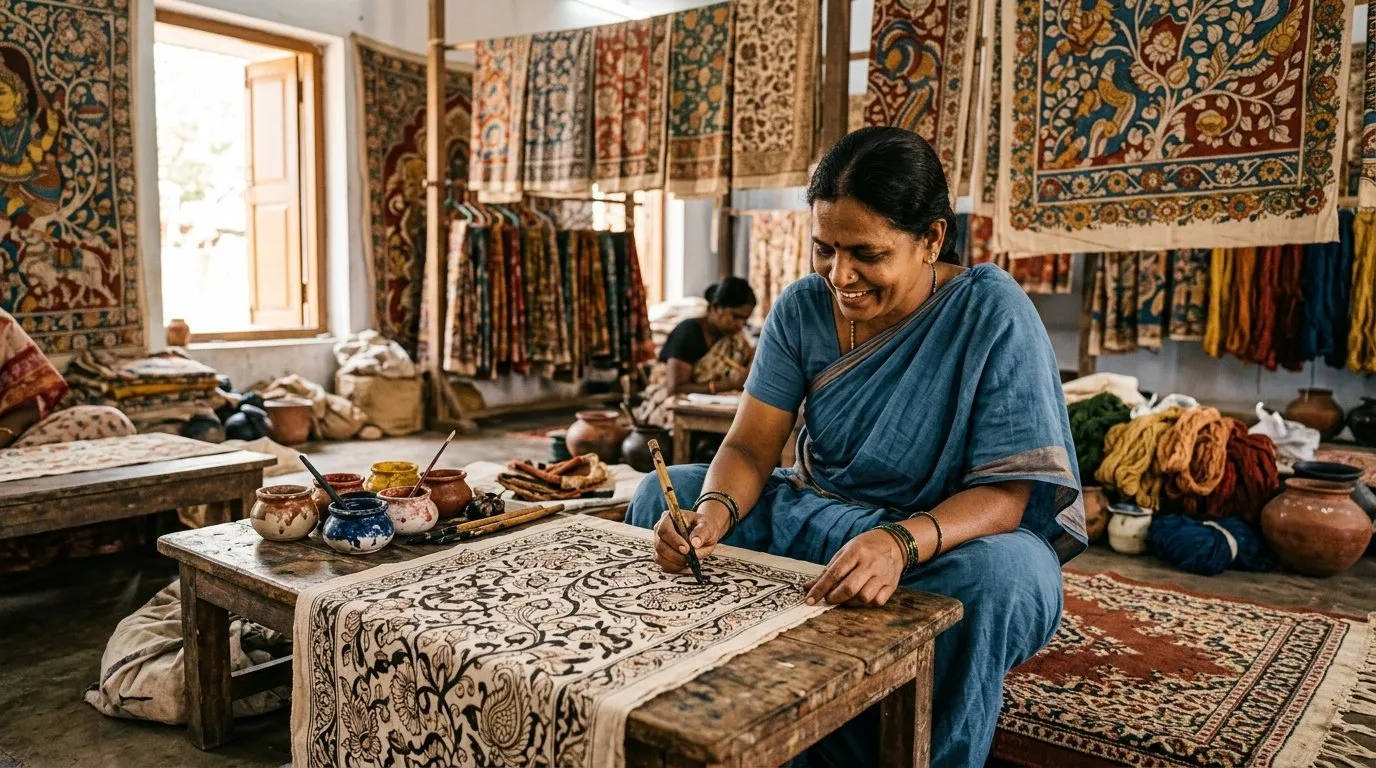
Festival showcasing Kalamkari art heritage. Live demonstrations, exhibitions, workshops, and sales of authentic Kalamkari textiles.
Celebrating India premier hand-painted textile tradition at its birthplace
📍 Machilipatnam
January-February (varies)
Skiing, tobogganing, and ice-skating competitions at Kufri near Shimla, with yak rides and snow sculpture contests.
Kufri has been a winter sports hub since the British era; at 2,622m it reliably receives snow when Shimla may not.
📍 Kufri
January
A vibrant winter festival with folk music, traditional Nati dance, handicraft exhibitions, and adventure sports in the snow-clad valley.
January (Republic Day weekend)
Cultural festival celebrating Kutchi crafts, music, dance. Showcases 16 tribal communities and their art forms.
Celebrating 16 tribal communities and 400 years of Kutchi craft tradition
January (during festivals)
Traditional Lava dance performed by men in colorful costumes. Unique to Minicoy.
Only performed in Minicoy. Maldivian heritage.
📍 Minicoy Island
January (Makar Sankranti to Basant Panchami)
A week-long fair on the banks of the Bhagirathi with ritual bathing, folk performances, and a vibrant local market — one of Uttarkashi's biggest gatherings.
📍 Uttarkashi
January 14 - February 14 (Magh month)
Annual month-long religious fair at the Triveni Sangam (confluence of Ganga, Yamuna, and Saraswati) with ritual bathing, spiritual discourses, and tent city of saints.
Every year's Magh Mela is a mini-Kumbh; every 6th year it becomes Ardh Kumbh, and every 12th year the Maha Kumbh — the largest human gathering on Earth.
January (Makar Sankranti)
Local winter harvest fair with bonfires, folk songs, and traditional Jaunsar food celebrations in the hill villages around Chakrata.
Cultural festival celebrating Malabar's heritage. Classical music, Kathakali, Mohiniyattam, Kalaripayattu, and a massive food festival featuring Malabar biryani and halwa competitions.
Celebrates Kozhikode's identity as the Malabar Coast's cultural capital.
📍 Kozhikode (Calicut)
January-February (4 weeks)
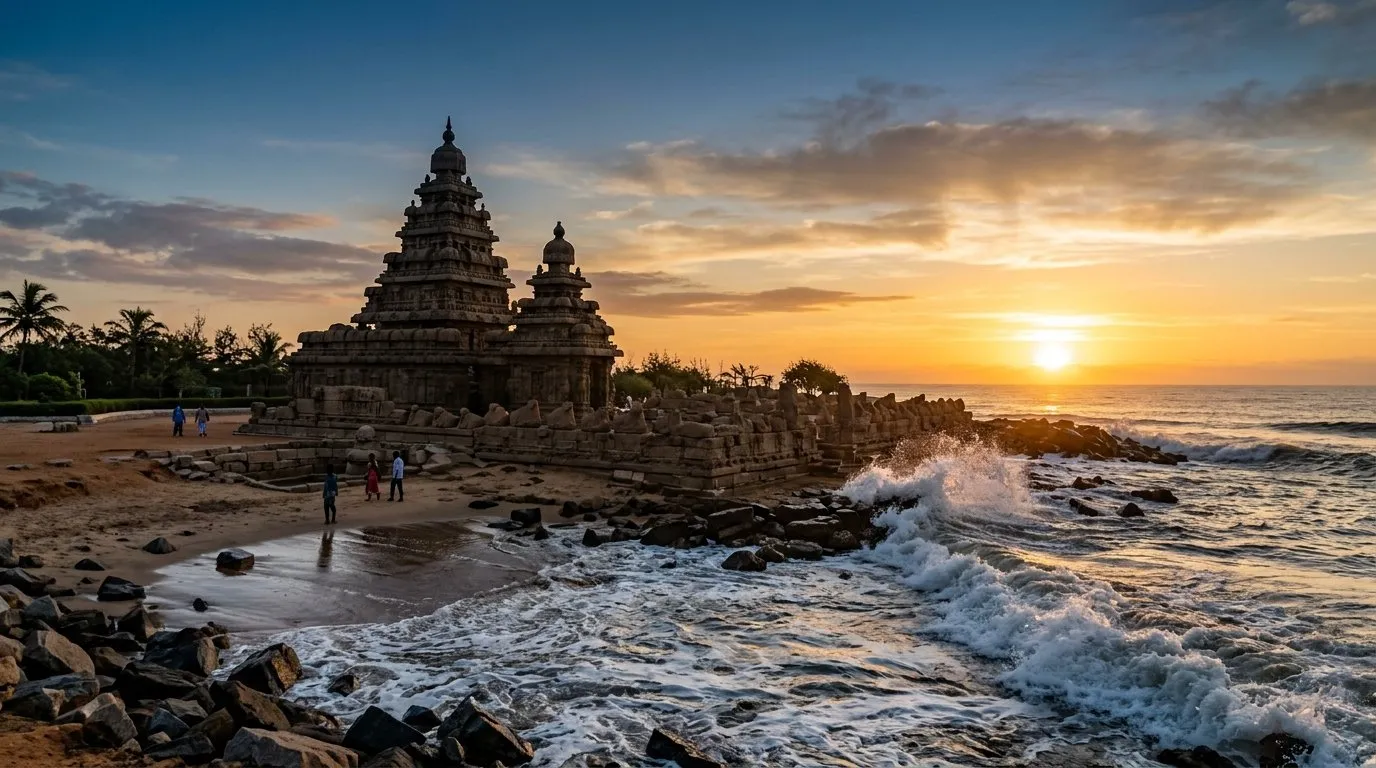
Month-long dance and music festival held against the backdrop of the UNESCO monuments. Bharatanatyam, Kathakali, Kuchipudi performed under floodlit Shore Temple and Arjuna's Penance. One of India's most atmospheric dance festivals.
The 1,300-year-old sculptures depicting dance come alive with real performers. Organized by Tamil Nadu Tourism since 1991.
📍 Mahabalipuram (Mamallapuram)
January 31
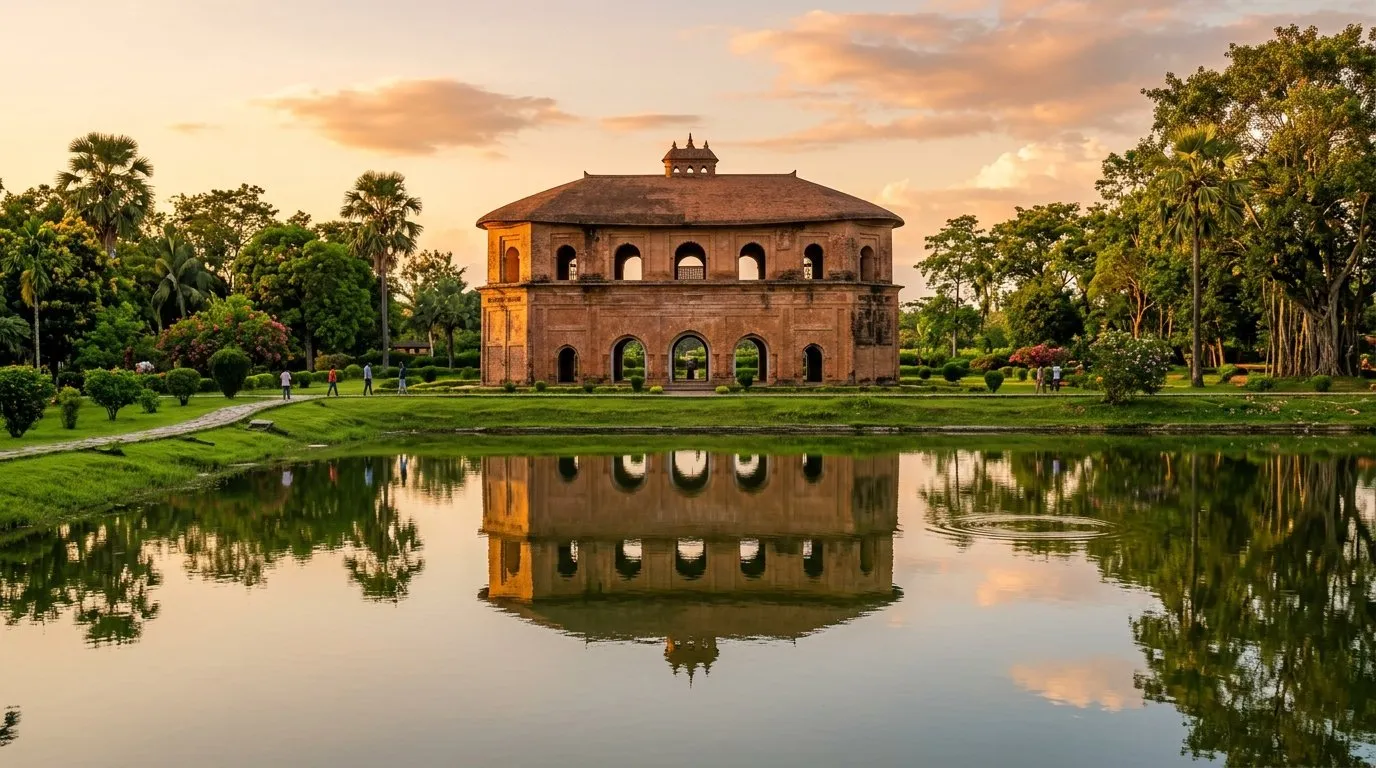
Ahom ancestor worship day — remembering 600 years of Ahom dynasty rule over Assam. Offerings at the Charaideo maidams (royal burial mounds), traditional Ahom cuisine, and cultural programs.
Assam's Ahom heritage day — honouring the dynasty that ruled for six centuries.
📍 Sivasagar
January (every 2 years, even years)
Grand procession marking the transfer of leadership of the Krishna Mutt between 8 mathas. Elephant processions, music, lakhs of devotees.
Unique biennial ritual established by Madhvacharya in the 13th century. Next: January 2028.
📍 Udupi
Snow festival at Patnitop with skiing, snowman-building, and cultural programs at this hill station that serves as Jammu's winter retreat at 2,024m.
Patnitop is the primary winter sports destination for Jammu division, offering accessible snow experiences.
📍 Patnitop
Annual flower exhibition at Periyar featuring Western Ghats endemic species, orchid displays, and spice flower collections. Held against the backdrop of Periyar Lake.
Showcases the botanical diversity of the Periyar region.
📍 Thekkady (Periyar)
January 14-17 (4 days)
Tamil Nadu's harvest festival — pots of rice boil over on open fires as families shout "Pongalo Pongal!" Jallikattu (bull-taming) events in rural areas. Kolam (rangoli) competitions. 4-day state holiday.
The Tamil equivalent of Diwali in cultural importance. Tied to the harvest cycle and the Tamil calendar.
January 14-17
Tamil harvest festival. Kolam, sweet pongal cooking, cultural events in French Quarter.
Major festival in Tamil Puducherry.
January 26
Military parade on Rajpath. Cultural tableaux from every state. Breathtaking flypast. The nation's grandest spectacle.
The biggest parade in India — if you can get a ticket.
📍 Delhi
January 14-16
Three-day harvest festival with kite flying, rangoli competitions, and traditional food. Kanuma day celebrates cattle.
Telugu New Year harvest festival — the city becomes a kite-flying carnival
Winter celebration at the 3,800m pass connecting Kashmir and Kishtwar with snow trekking, photography contests, and hot kahwa (Kashmiri green tea) stalls.
Sinthan Top offers one of the most dramatic mountain passes in J&K, bridging the Kashmir Valley with the Chenab region.
📍 Sinthan Top
January 23
Commemorating Netaji Subhas Chandra Bose. Flag hoisting at Cellular Jail, patriotic events, cultural programs.
Netaji raised the Indian flag at Port Blair in 1943. Cellular Jail is a symbol of freedom struggle.
The Toda people of the Nilgiris celebrate their harvest with traditional rituals, buffalo worship, and community feasts. Small-scale, authentic tribal gathering in the oldest Nilgiri settlement.
The Toda are one of India's most distinctive tribal communities with unique barrel-vaulted houses and buffalo-centered culture.
📍 Kotagiri
Late January (29th day of 11th Tibetan month)
Three-day festival at Tawang Monastery featuring masked Cham dances performed by monks to drive away evil spirits and bring prosperity.
📍 Tawang
January (1st-6th Rajab, Islamic calendar)
Six-day Sufi pilgrimage at the Ajmer Dargah Sharif with qawwali nights, langar distribution, and devotees from all faiths offering chadars at the saint's tomb.
The largest Sufi gathering in India; Ajmer Dargah is revered across religions and has been visited by Mughal emperors, British viceroys, and modern heads of state.
📍 Ajmer
January 14 (Makar Sankranti)
Makar Sankranti celebrations in the Kumaon hills with community bonfires, traditional Aipan art displays, and local markets selling woolen handicrafts.
Marks the sun's northward journey and is celebrated across Kumaon with distinctive local traditions different from plains Sankranti.
📍 Mukteshwar
Harvest festival celebrated with local fairs, traditional food, folk songs, and community bonfire gatherings.
January 12
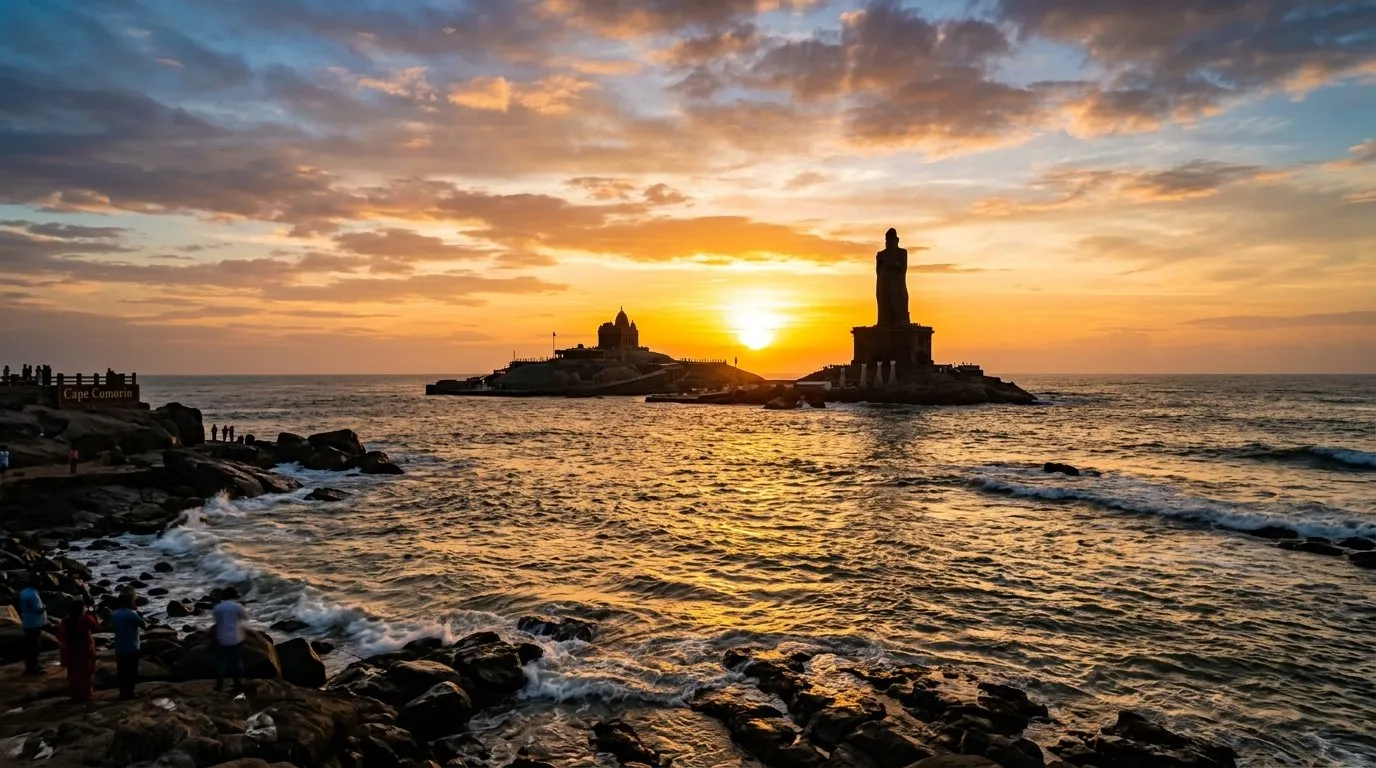
Special celebrations at Vivekananda Rock Memorial. Thousands of students visit. Cultural programs, meditation sessions, and memorial illumination. The sunrise that morning is watched by special gatherings.
Swami Vivekananda meditated on this very rock before his famous Chicago speech in 1893.
📍 Kanyakumari
January (dates vary)
Exhibition and workshops of Warli tribal art. Local artisans demonstrate techniques.
Native Warli art preservation.
📍 Silvassa
January-February
The frozen Zanskar River becomes a walkable highway — the legendary Chadar (ice sheet) trek connecting Zanskar to Leh, one of the world's most extreme winter treks.
For centuries the frozen river was the only winter route out of Zanskar; climate change is making this ancient ice highway increasingly rare.
February (5 days)
Festival celebrating Kollam's coir (coconut fibre) and cashew heritage. Coir craft demonstrations, boat races on Ashtamudi Lake, cashew tasting, local art exhibitions.
Kollam is India's cashew capital and major coir producer. Festival highlights this heritage.
📍 Kollam
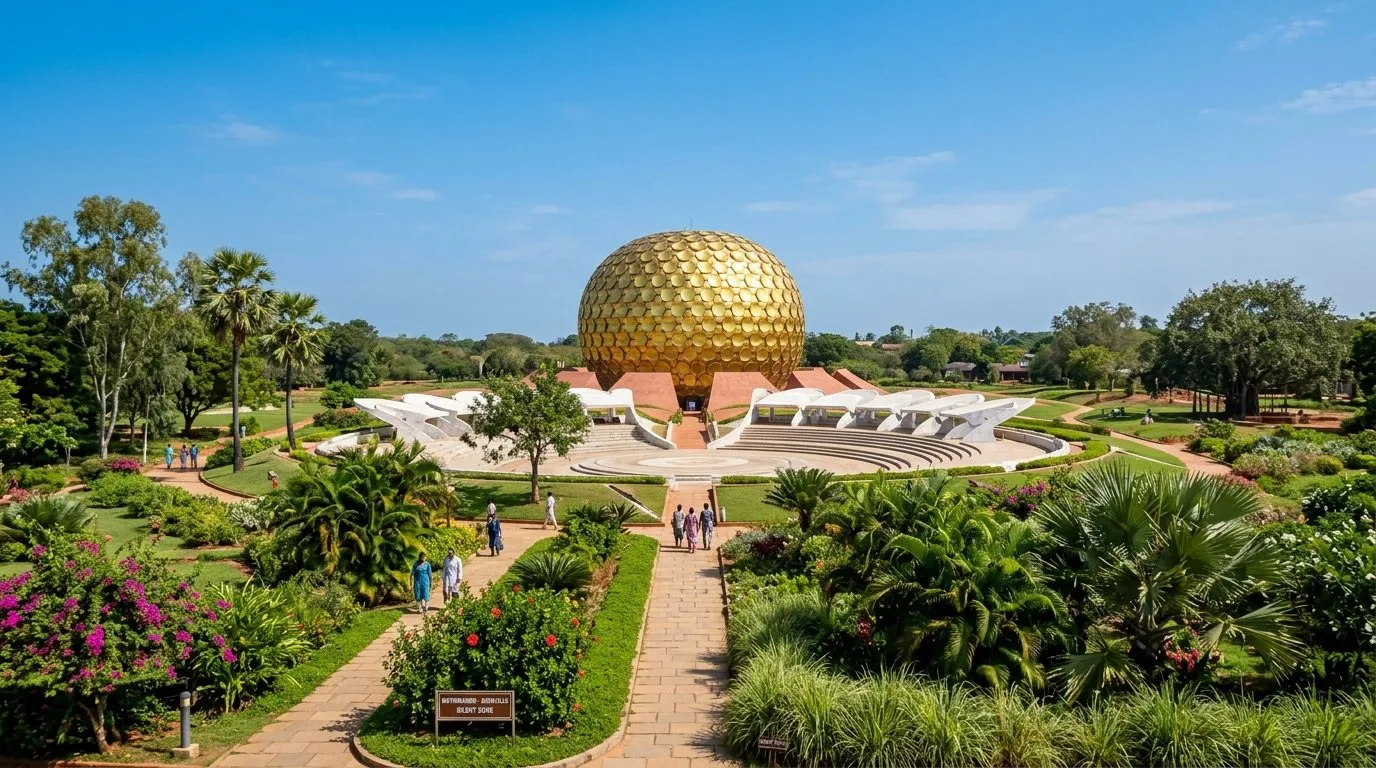
February 28
Anniversary of Auroville's founding in 1968. Bonfire ceremony at the Matrimandir amphitheatre. Earth from 124 nations (brought at the original ceremony) is symbolically honored. Open to visitors with advance registration.
Auroville was inaugurated on Feb 28, 1968 with youth representatives from 124 nations each placing soil from their country in a marble urn.
📍 Auroville
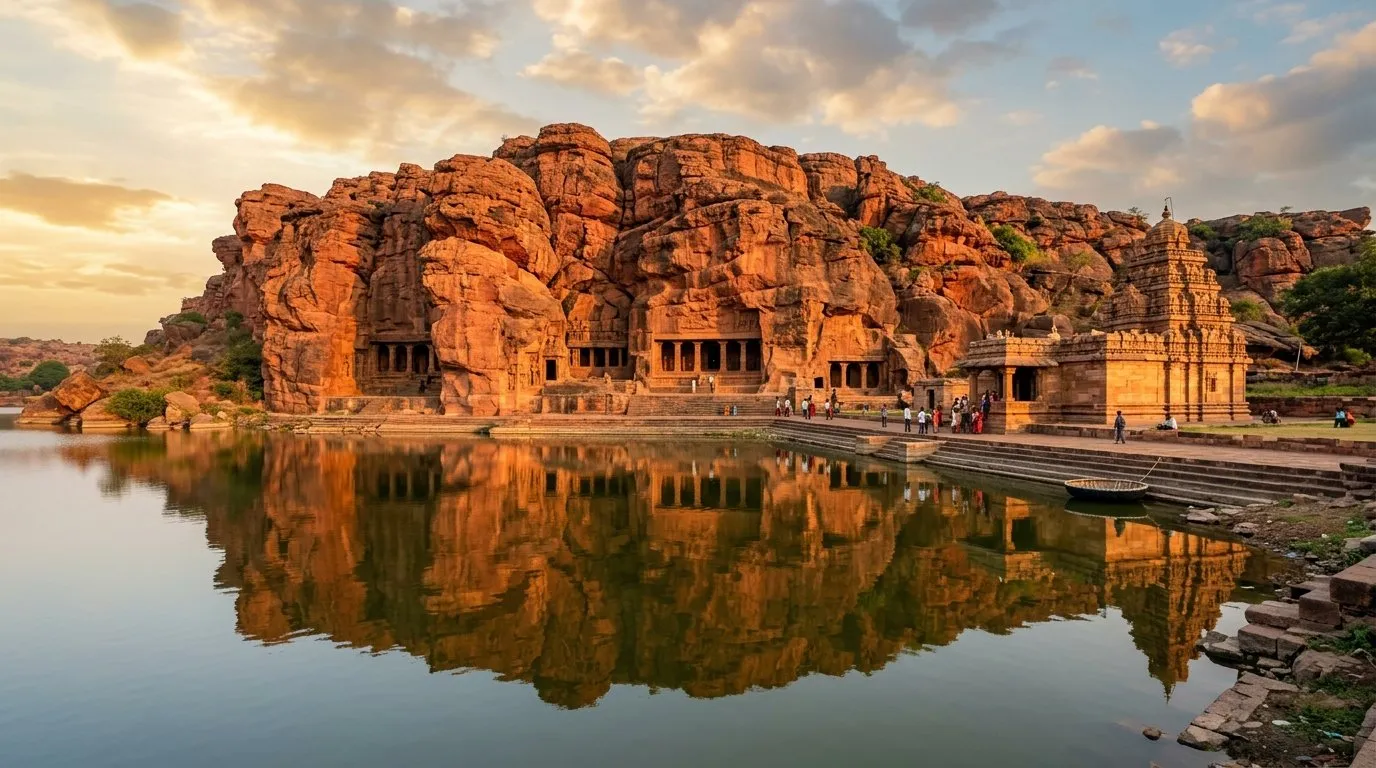
January-February (during Ratha Saptami)
Chariot procession and temple fair at the ancient Banashankari Amma Temple. Folk performances, rural market, devotional music.
One of North Karnataka's biggest temple fairs. Banashankari Devi is the kuladevata of many Lingayat families.
📍 Badami
February (Magh Purnima)
Massive tribal fair at the confluence of Som and Mahi rivers where Bhil tribals gather for a holy dip, folk dancing, and paying respects at the Baneshwar Mahadev Temple.
Called the Kumbh of the tribals, this is one of Rajasthan's largest tribal gatherings, drawing over 100,000 Bhil devotees.
📍 Dungarpur
February (dates vary)
Water sports competitions, beach volleyball, sandcastle building, local seafood festival.
Celebrates Andaman beach culture.
February (10 days)
Annual Maha Kumbabishekam and cultural festival at the UNESCO temple. Classical music, Bharatanatyam, Carnatic concerts against the backdrop of the 1,000-year-old temple. Nightly illumination.
Celebrates the Chola dynasty legacy. The temple is over 1,000 years old and still an active place of worship.
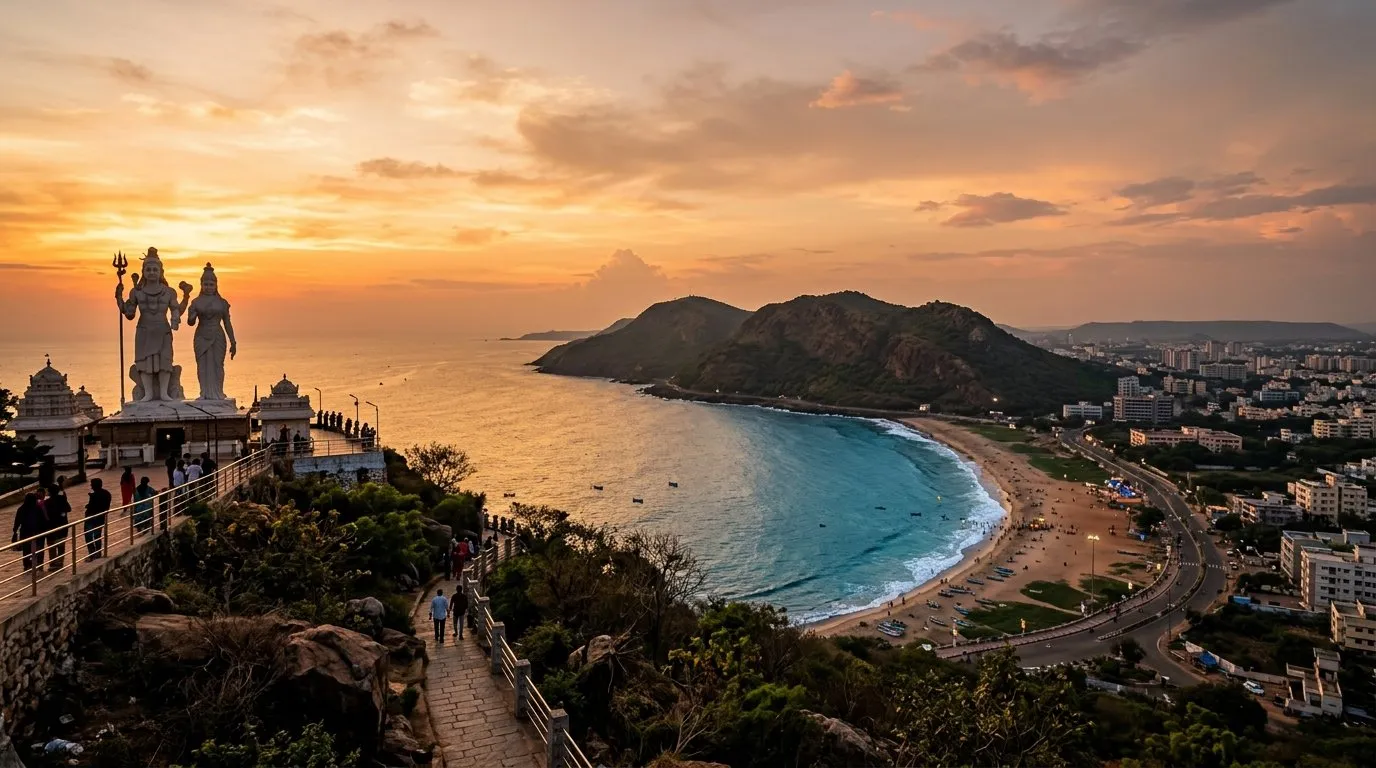
📍 Thanjavur (Tanjore)
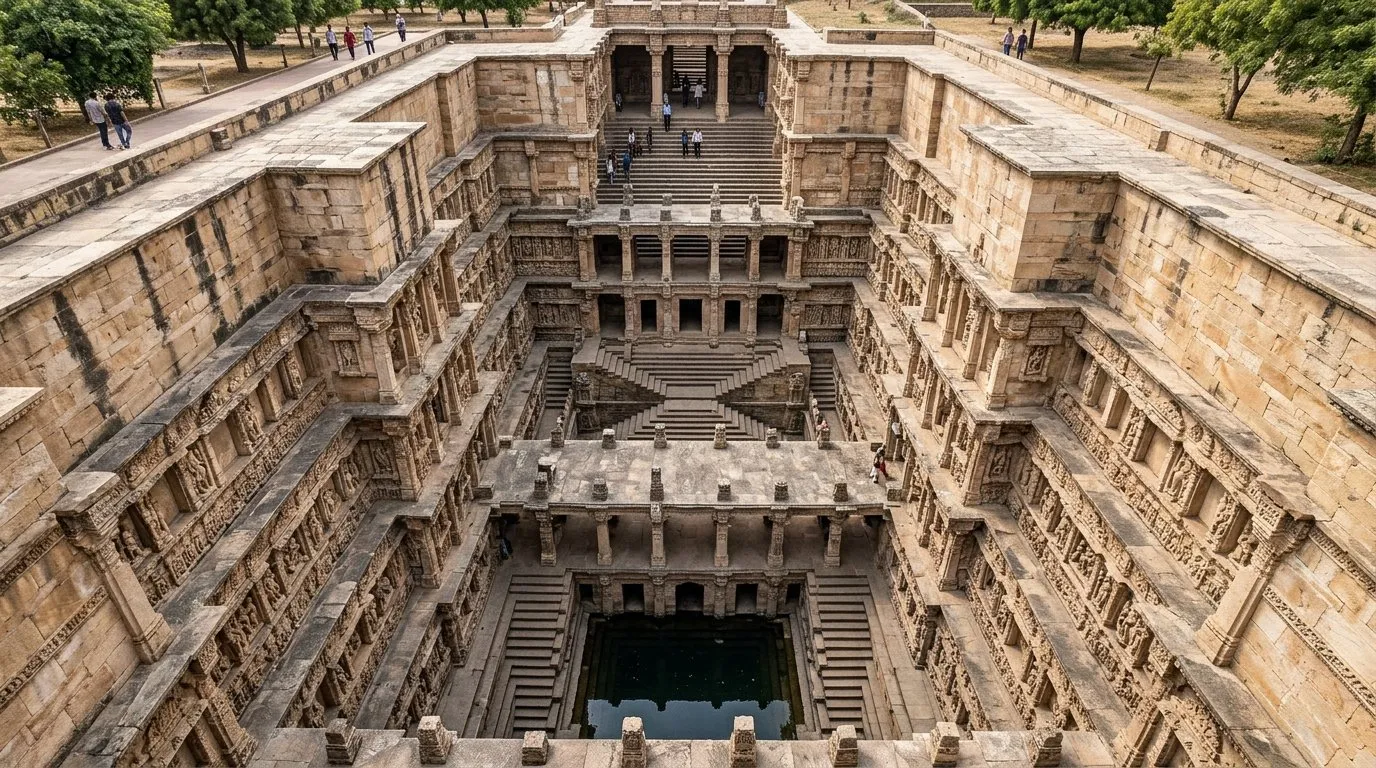
Pilgrims from across the Buddhist world gather at the Mahaparinirvana Temple housing the 6m reclining Buddha, with prayer ceremonies, lamp offerings, and meditation retreats.
Kushinagar is where Buddha attained Mahaparinirvana (final nirvana); one of the four holiest Buddhist pilgrimage sites in the world.
📍 Kushinagar
February
Cultural celebration at the UNESCO site. Classical music, heritage walks, archaeological exhibitions.
Celebrating Gujarat's only UNESCO World Heritage City — Mughal meets Hindu architecture
📍 Champaner-Pavagadh
February (3 days)
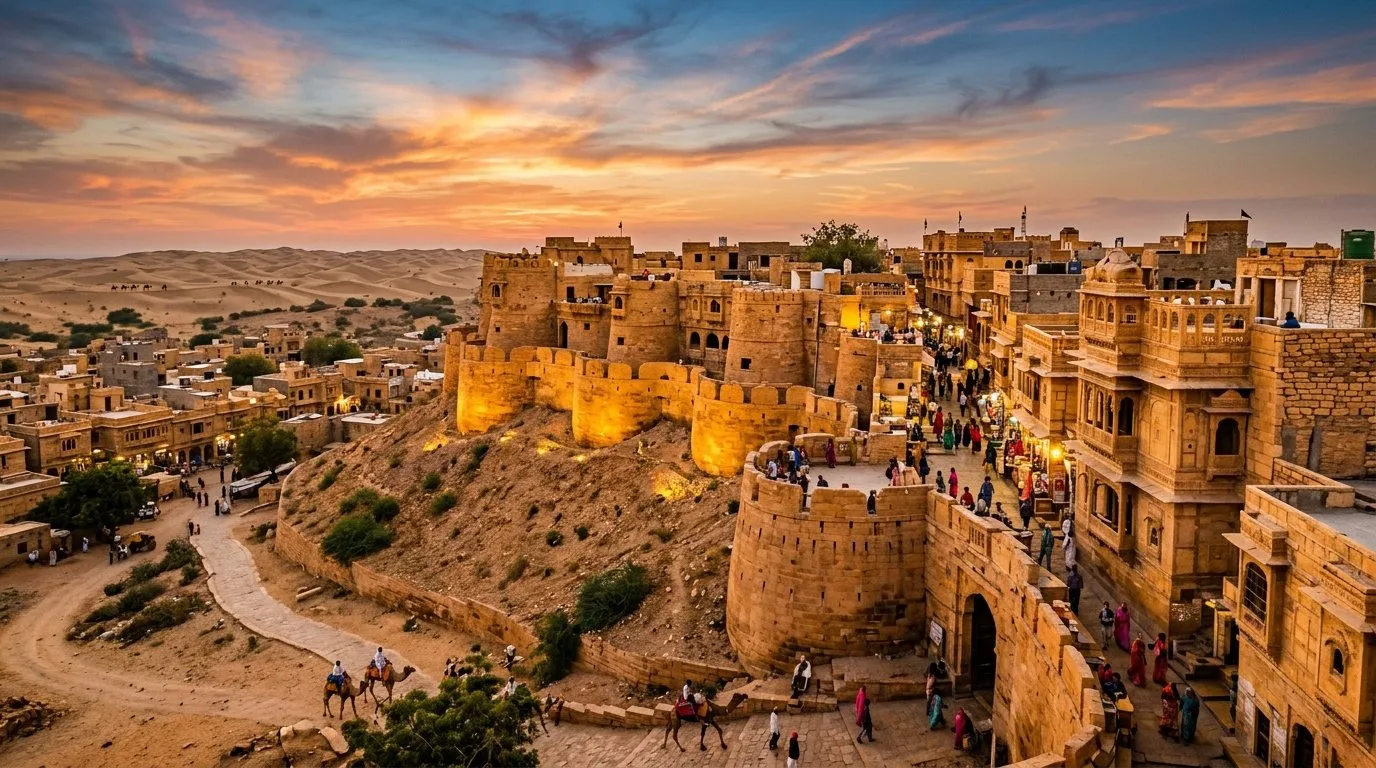
Camel polo, turban-tying races, Mr. Desert competition, folk music under the stars at Sam Sand Dunes.
Desert culture concentrated into three unforgettable days.
📍 Jaisalmer
February (Tibetan 28th-29th day, 12th month)
Two-day Buddhist festival at Diskit Monastery in Nubra Valley with Cham masked dances, ritual destruction of evil effigies, and prayers for the new year.
One of Ladakh's most dramatic monastic festivals, where monks in elaborate deity masks perform sacred dances to banish evil spirits.
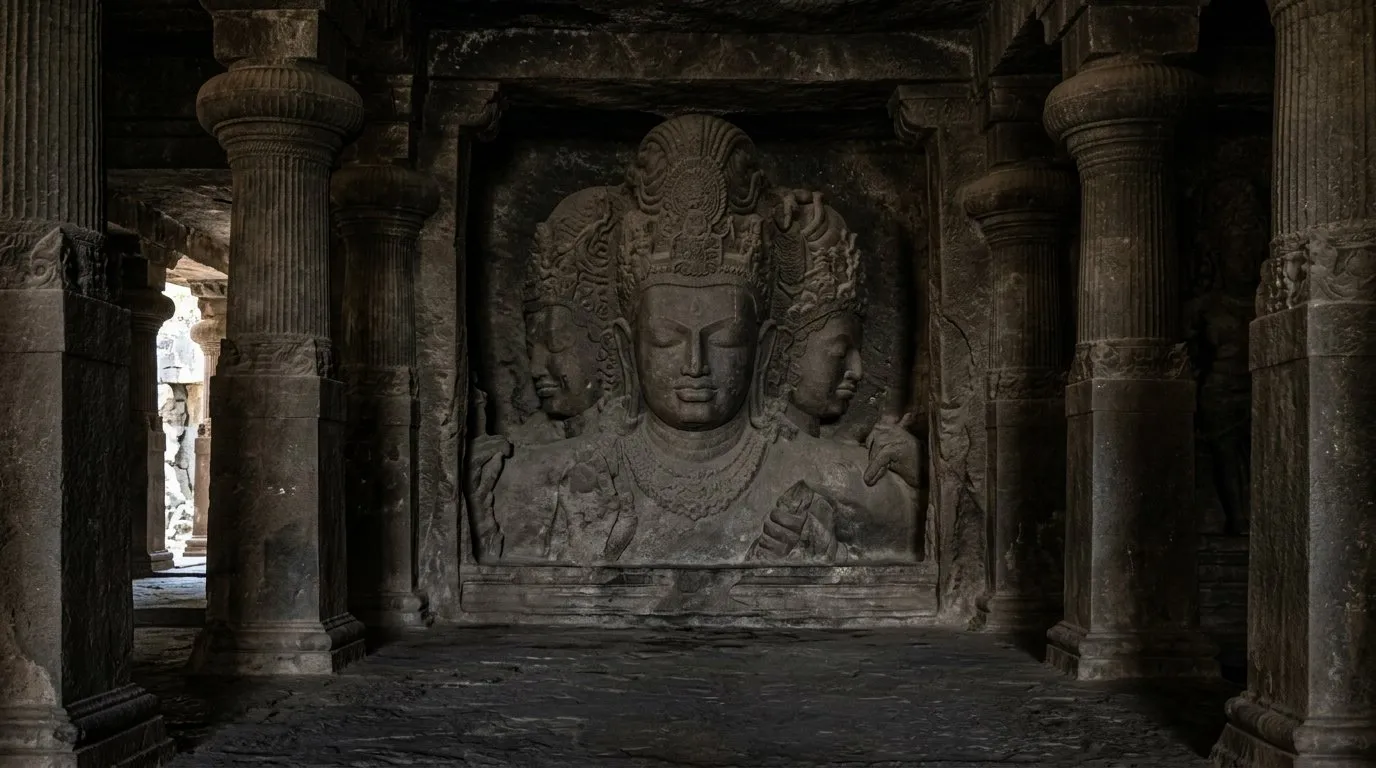
February (2 days)
Classical music and dance at the ancient caves. MTDC organises performances at the cave entrance during sunset.
Heritage meets performing arts.
📍 Elephanta Caves
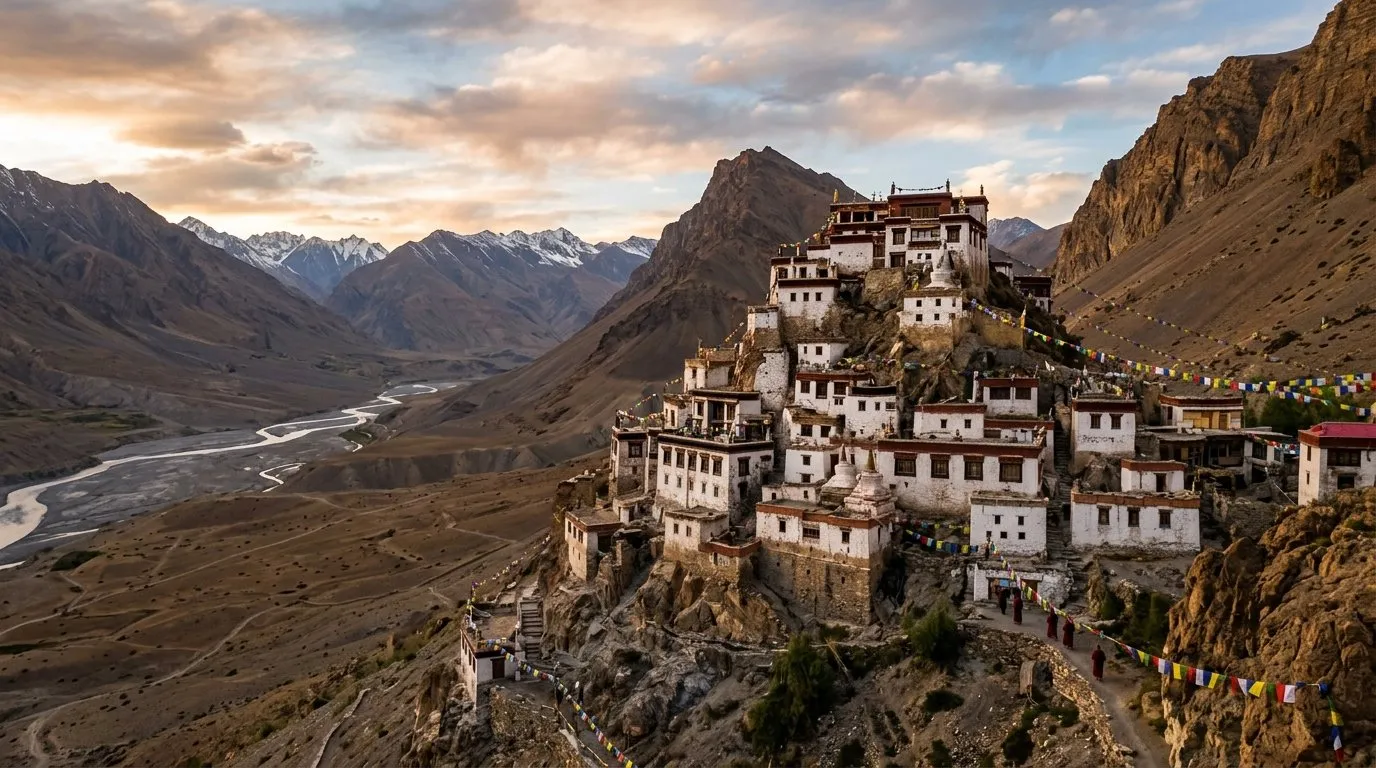
Ancient demon-chasing festival. Masked dancers, bonfires, local chang beer. Zero tourists.
Pre-Buddhist shamanic tradition surviving in Spiti.
📍 Spiti Valley
February (3 days before Lent)
India's only Mardi Gras — King Momo leads parades through Panaji with floats, music, dancing, and masks. Portuguese-origin festival unique to Goa.
India's only Carnival celebration. 500-year Portuguese tradition.
📍 Panaji
February-March (Maha Shivaratri)
Grand fair at the ancient Gopinath Temple where a trident stands exposed to all weather without rusting; thousands gather for night-long Shiva worship.
The mysteriously rust-free iron trident at Gopinath Temple has been a marvel for centuries, making this Shivaratri celebration especially significant.
📍 Gopeshwar
February (varies)
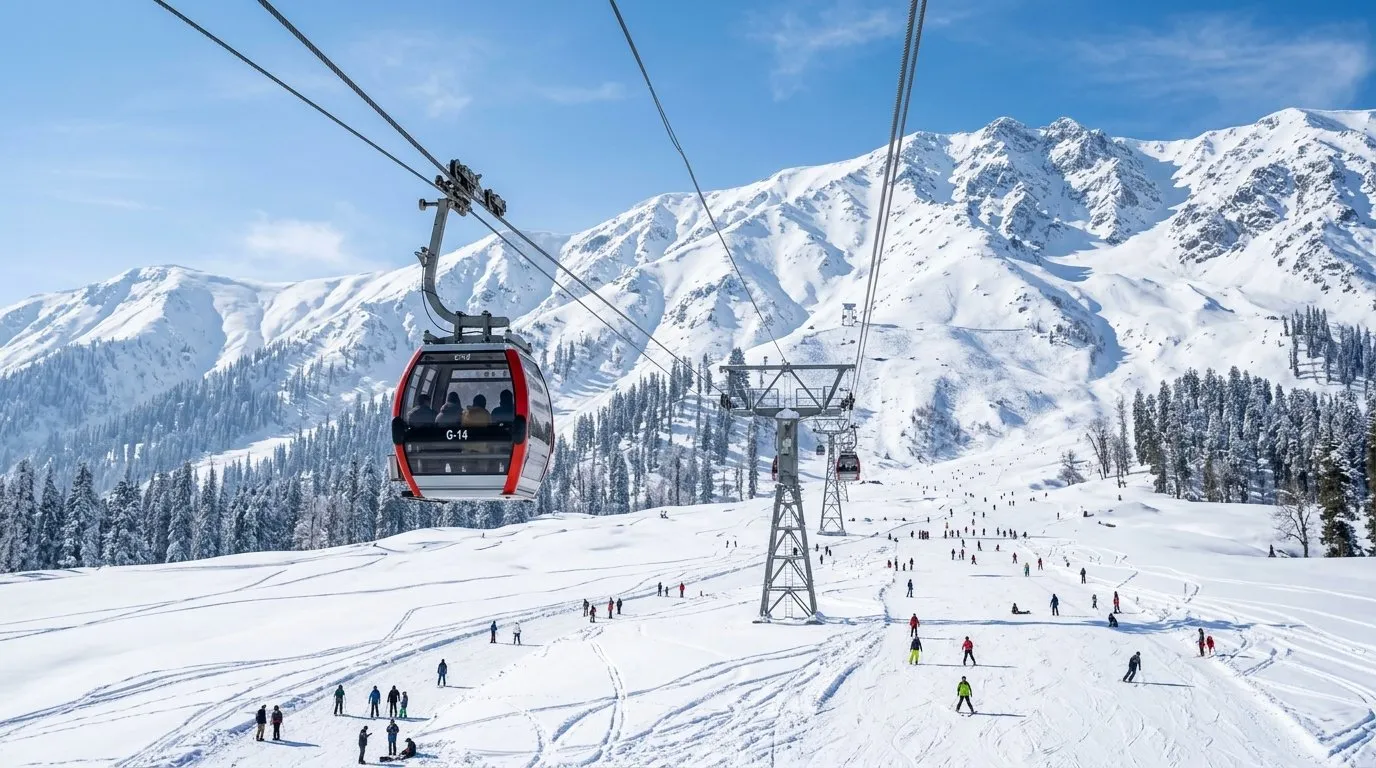
National-level skiing and snowboarding championships on Gulmarg's slopes, with the Gulmarg gondola — world's second-highest cable car — ferrying spectators to 3,980m.
Gulmarg hosts India's premier winter sports events and has been a skiing destination since the 1927 establishment of the Gulmarg Ski Club.
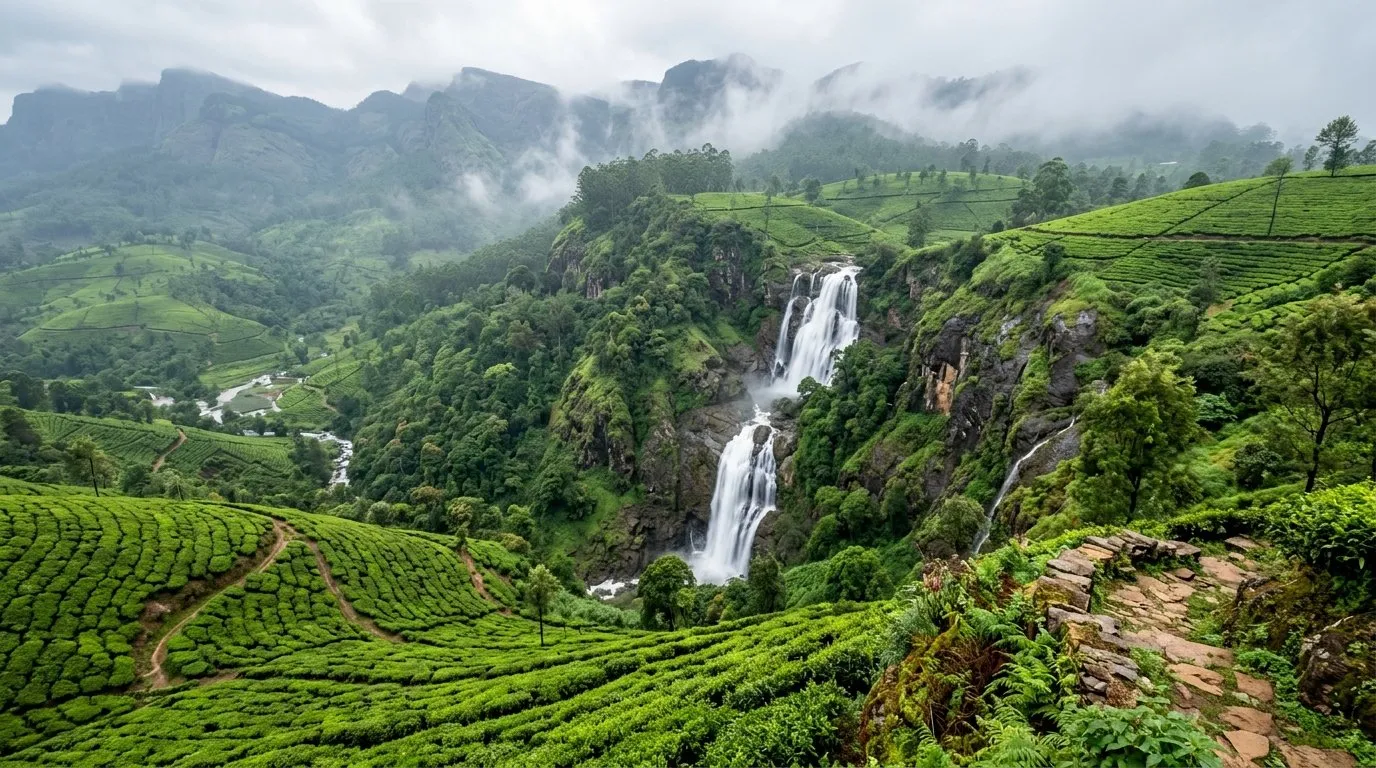
📍 Gulmarg
Late February (one week)
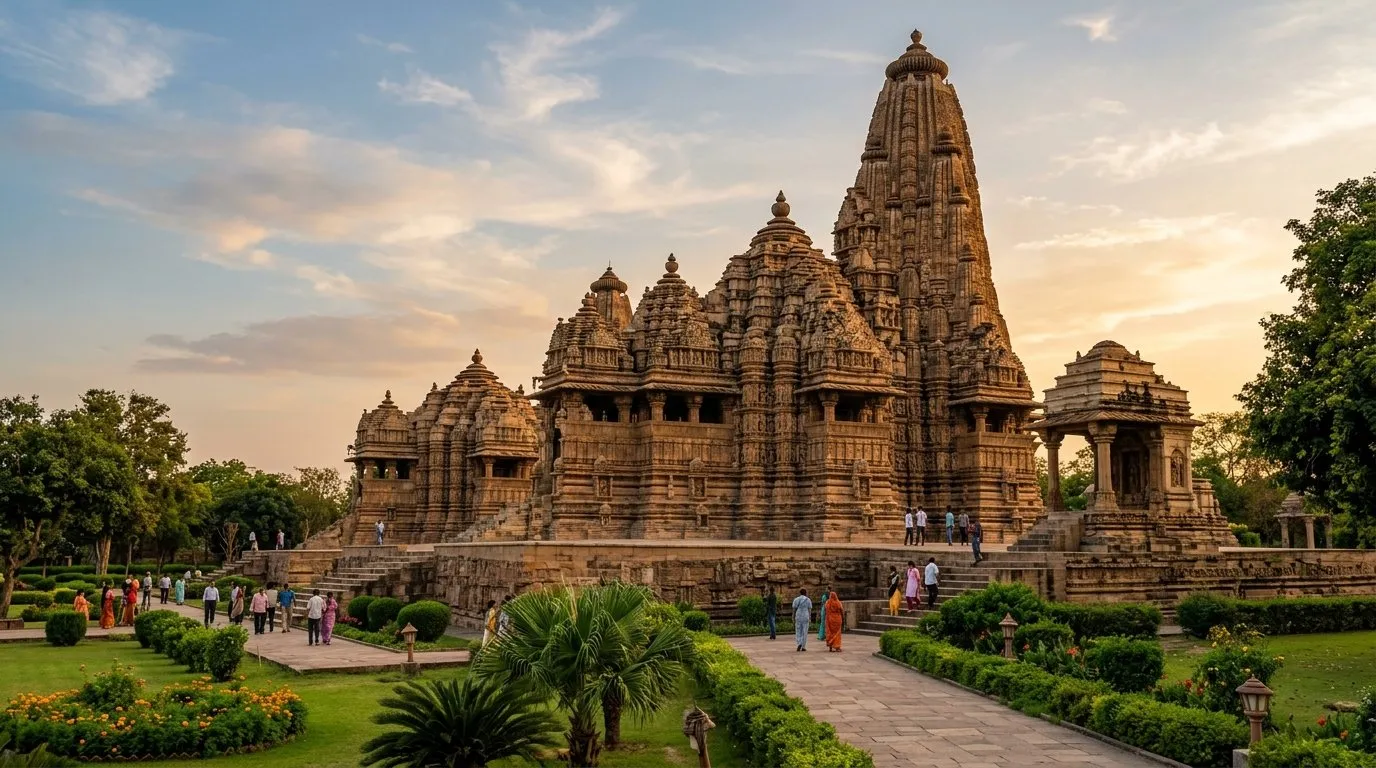
India's premier classical dance festival held against the backdrop of illuminated medieval temples, featuring Bharatanatyam, Kathak, Odissi, and more.
📍 Khajuraho
Feb-Mar (Tibetan calendar)
Tibetan Buddhist New Year — masked Cham dances at monasteries, ritual offerings, butter sculptures, community feasting, and monastery rituals across Sikkim and Arunachal.
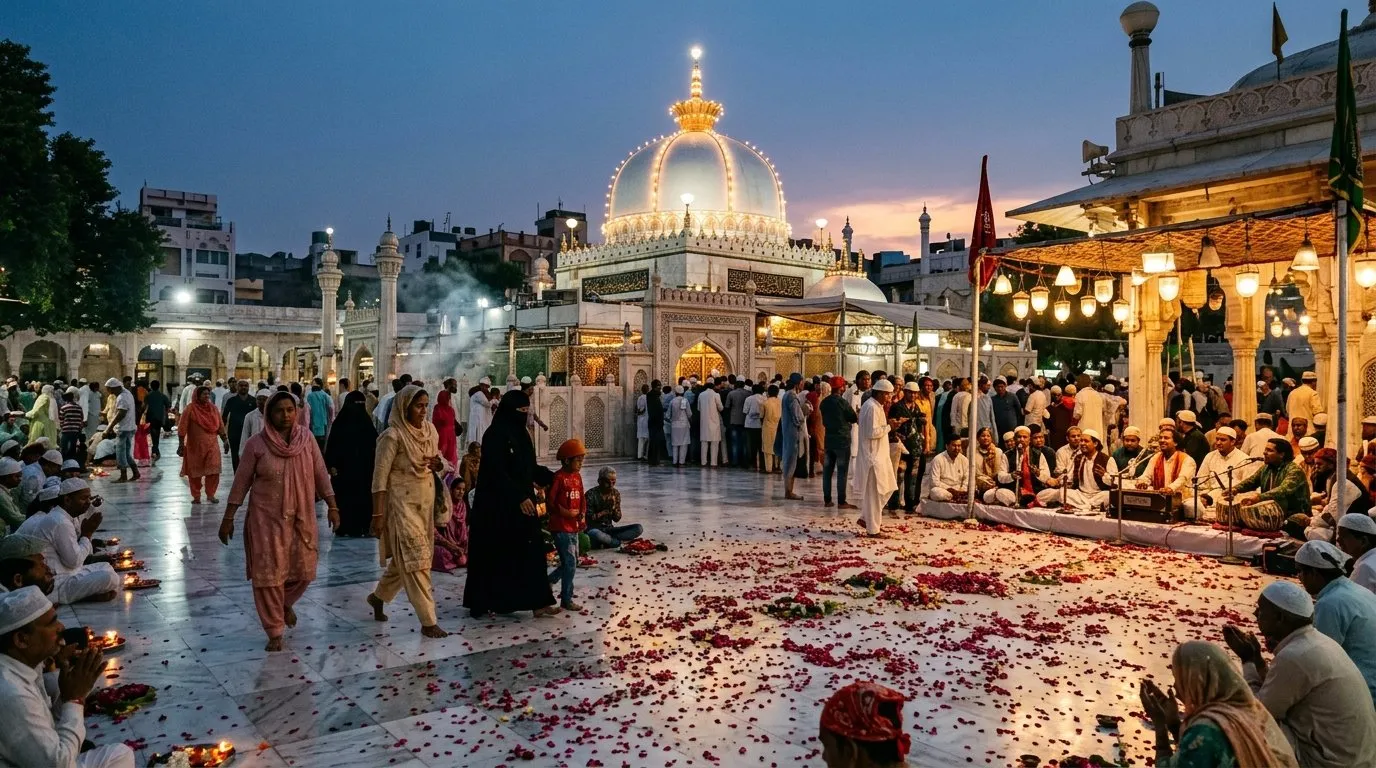
Buddhist New Year — the most colourful monastery celebration of the year.
February–March
The Monpa tribe celebrates their New Year with traditional dances, yak-butter sculptures, archery contests, and community feasts at the monastery.
Tibetan Buddhist New Year celebrated with monastery prayers, traditional dances, feasting, and the hanging of new prayer flags.
February / March
Dalai Lama often gives public teaching. Tibetan opera, mask dances, butter sculptures.
Experience Tibetan New Year in the Dalai Lama's own backyard.
📍 Dharamshala
The Tibetan New Year is celebrated across Gangtok with monastery rituals, Cham dances, traditional food, and community gatherings.
Once every 12 years (when Jupiter enters Leo)
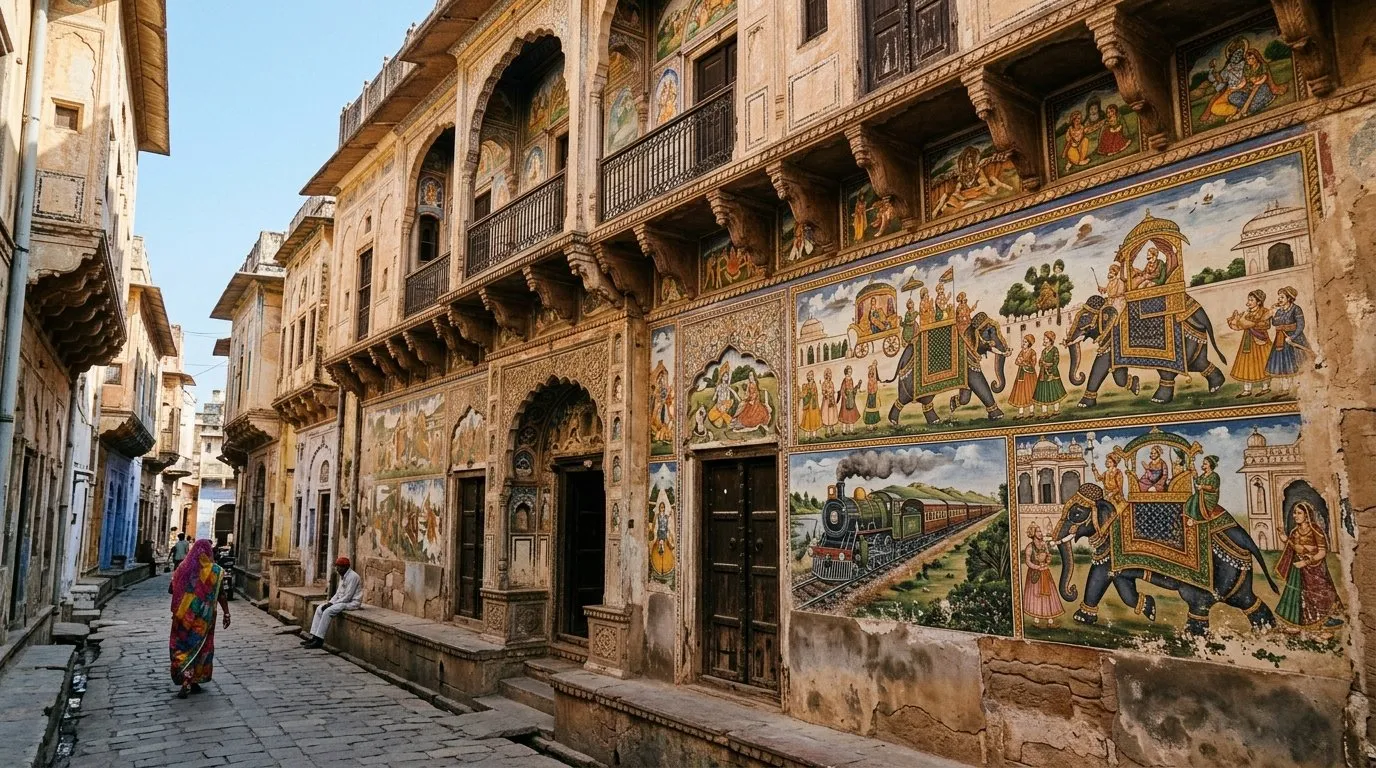
Sacred bathing festival at the Mahamaham tank — millions of pilgrims take a holy dip when the celestial alignment occurs. Next Mahamaham expected ~2028. The town transforms completely.
The Kumbh Mela equivalent of South India. The 12-year cycle makes each occurrence a once-in-a-lifetime event for many.
📍 Kumbakonam
Once every 12 years (next: ~2030)
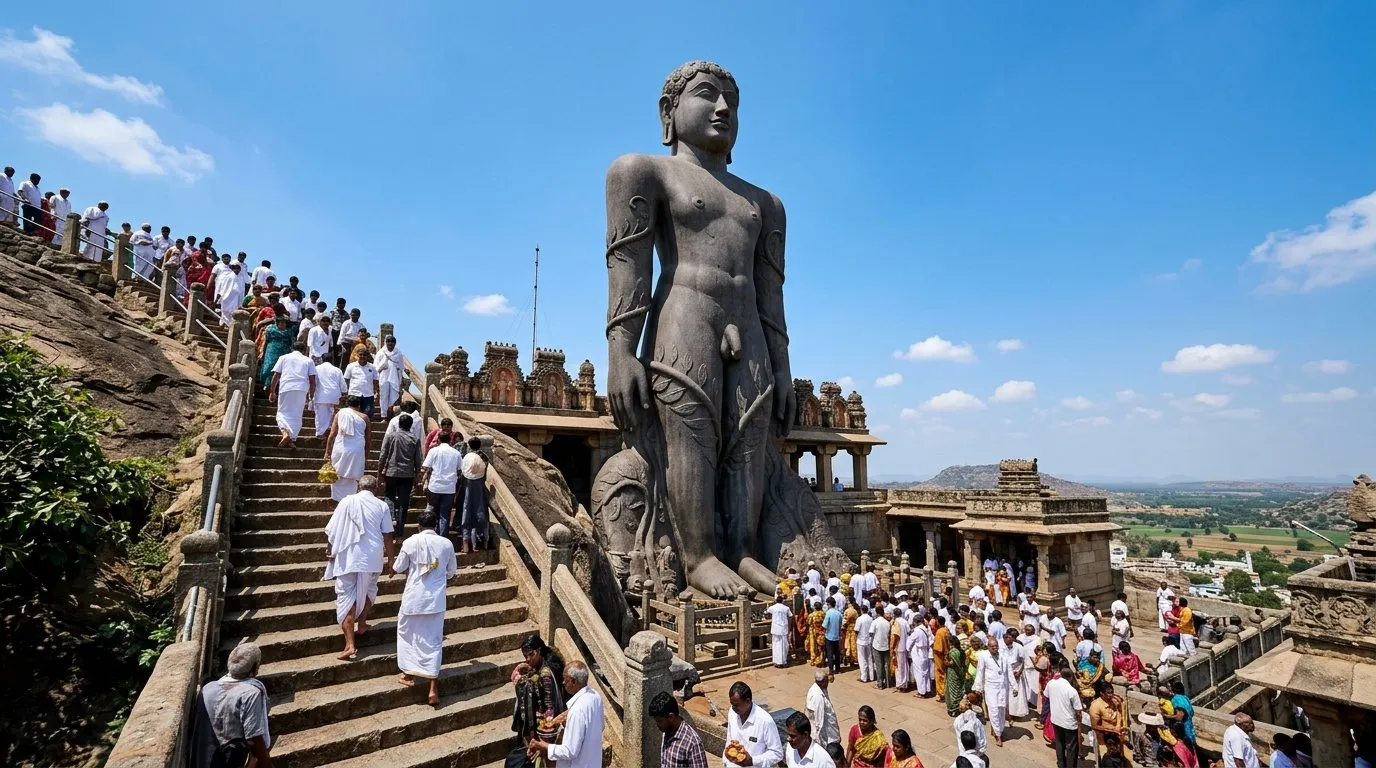
Grand anointment of the 57-foot Gommateshwara statue with milk, saffron, coconut water, and sandalwood. Millions attend. Visible from kilometers away.
One of the most spectacular religious ceremonies on earth. The statue itself is the world's largest monolithic sculpture.
📍 Shravanabelagola
Over 200 village deities are carried in decorated palanquins to Mandi's Paddal Ground for a week-long International Maha Shivaratri Fair with cultural programs.
The largest Shivaratri gathering in India — over 200 devtas assemble in the Varanasi of the Hills, making it a unique spectacle.
📍 Mandi
February-March (5 days during Maha Shivaratri)
Classical dance festival at the Nataraja Temple — 500+ dancers from across India perform Bharatanatyam, Kuchipudi, Odissi in front of the cosmic dancer. Night-long performances.
Dance offered as worship to Nataraja. The 108 Bharatanatyam poses carved on the temple gopuram come alive through real performance.
📍 Chidambaram
Heritage festival in the painted havelis of Shekhawati with guided fresco tours, folk music, camel safaris, and traditional Marwari cuisine.
Promotes the open-air art gallery of Shekhawati, where 18th-19th century merchant havelis feature extraordinary frescoes.
📍 Shekhawati
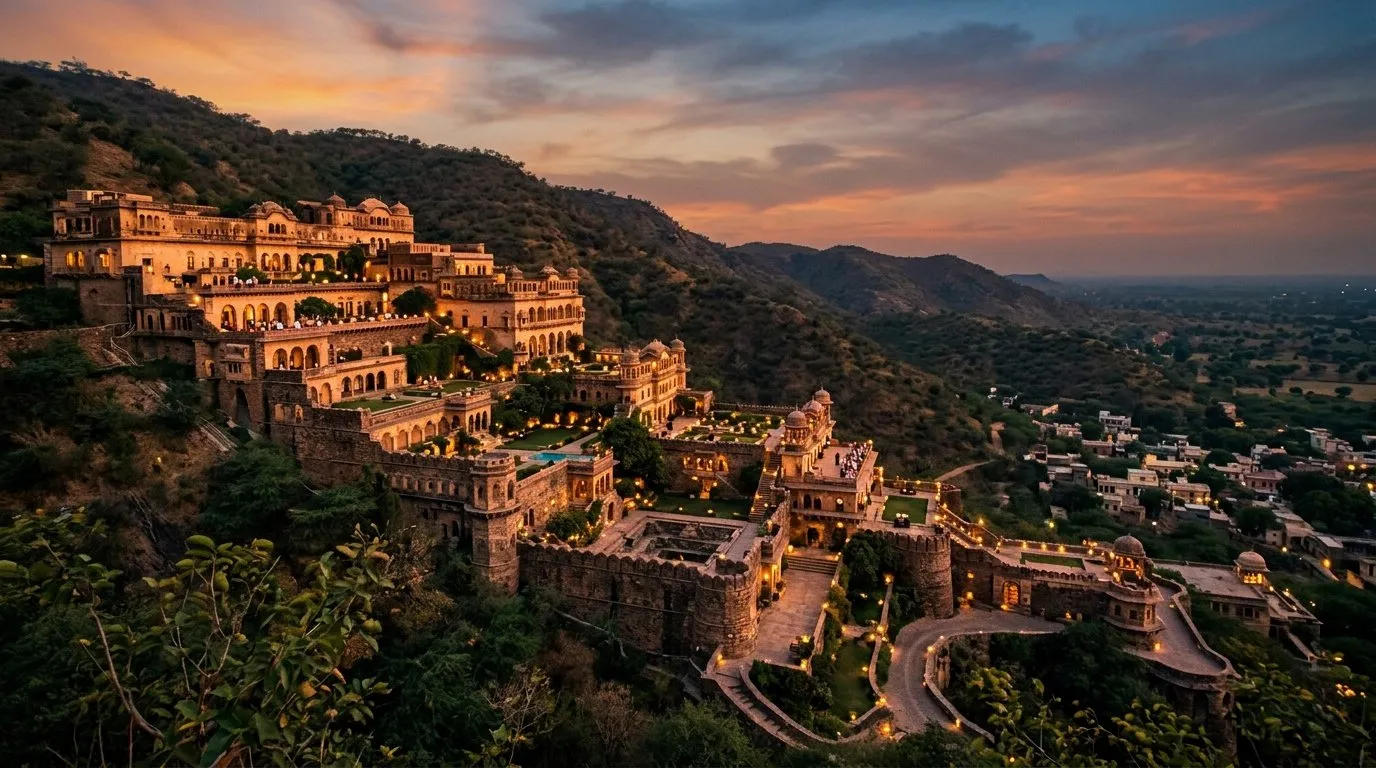
Classical Indian music festival hosted at the 15th-century Neemrana Fort-Palace with performances by renowned artists in the stepped fort's courtyards.
Neemrana Fort is one of India's finest heritage hotels; the music festival combines Rajasthani architectural grandeur with classical arts.
📍 Neemrana
February (during peak nesting)
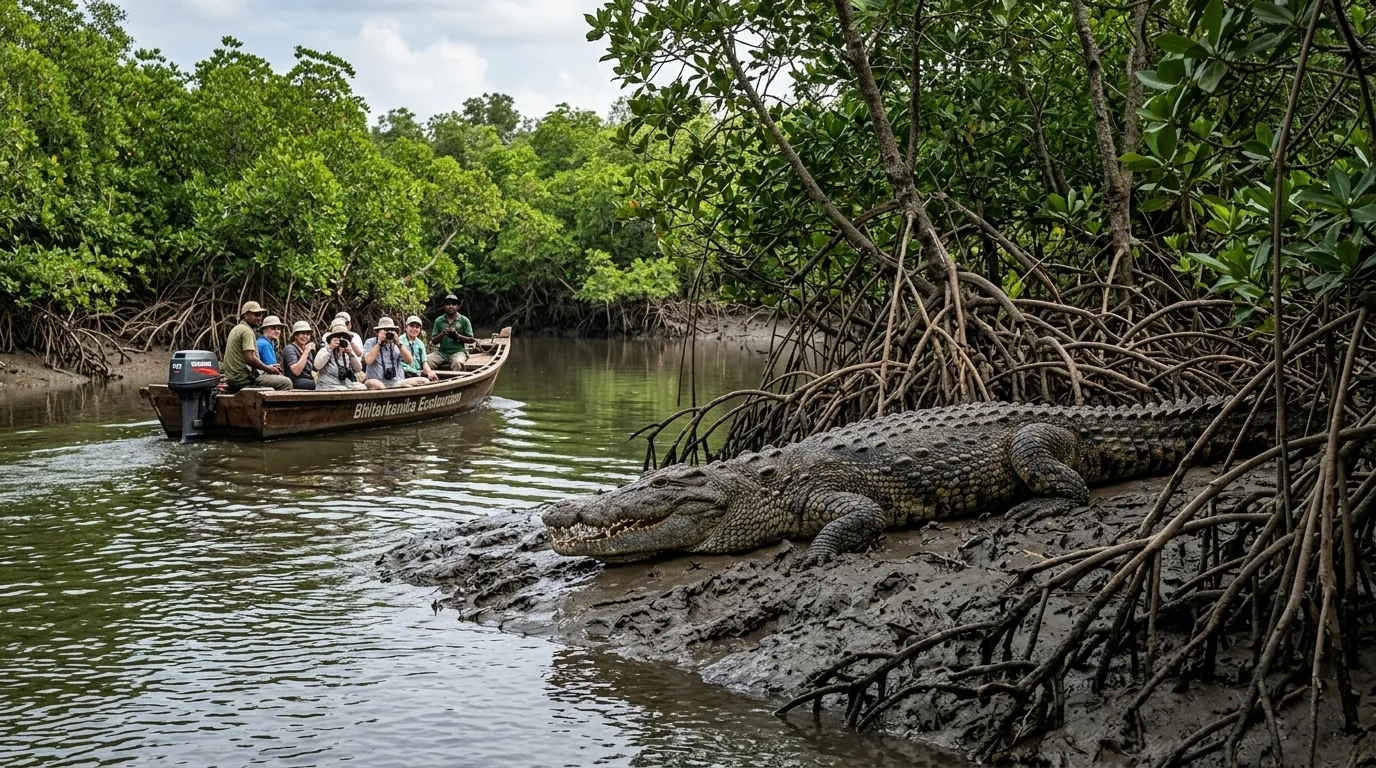
Conservation festival during peak turtle nesting at Gahirmatha. Awareness programs, guided nesting viewing, conservation education.
Celebrating the world's largest mass nesting — conservation meets spectacle
📍 Bhitarkanika
Festival at the Sheesh Mahal and Qila Mubarak showcasing Patiala's royal Sikh heritage with phulkari exhibitions, gatka martial arts, and the Patiala peg tradition.
Celebrates the legacy of the Patiala royal dynasty — one of the most influential princely states, known for its sports patronage and vibrant culture.
January-February (3 days)
Classical dance performances at the UNESCO World Heritage temple complex. Bharatanatyam, Kathak, Odissi against the backdrop of 7th-century Chalukyan temples.
One of India's most atmospheric dance festivals — performing arts at a World Heritage Site.
📍 Pattadakal
February (last week)
Annual flower show at Zakir Hussain Rose Garden — Asia's largest rose garden with 1,600+ species — featuring rose competitions, garden tours, and cultural programs.
Zakir Hussain Rose Garden spans 30 acres with over 50,000 rose bushes; the festival is one of North India's premier horticultural events.
Biennial (February — even years, next: 2028)
Asia largest tribal festival at Medaram. 10-20 million tribal devotees gather over 4 days. Honors tribal goddesses.
Asia largest tribal festival — 10-20 million Gond devotees gather biennial at Medaram
Feb 25 (Angami calendar)
Angami Naga purification festival — ritual bathing in the village spring, community feast of rice and meat, war dances, and the symbolic cleansing of the year's sins.
Nagaland's most intimate tribal festival — purification, feast, and renewal.
India's premier wine and music festival at Sula Vineyards. Live music, wine tasting, food, grape stomping, hot air balloons.
India's premier wine festival.
February 18-27 (10 days)
Arts, crafts, music, and dance festival near the Taj Mahal. Artisans from across India showcase work.
The best time to visit Agra — the Taj gets a festival of its own.
📍 Agra
January/February
Grand Saraswathi Puja — children brought for Aksharabhyasa (first writing ceremony). Thousands of families participate.
South India biggest Saraswathi Puja — children begin their education journey here
📍 Basara
February-March (1 day)
The world's largest gathering of women. Over 3 million women cook payasam (rice pudding) simultaneously on portable hearths lining the streets around Attukal Bhagavathy Temple. Guinness World Record holder.
Largest annual gathering of women in the world (Guinness). A remarkable display of devotion and community.
📍 Thiruvananthapuram (Trivandrum)
March (varies)
Desert cultural festival featuring folk music, Kalbelia and Ghoomar dances, turban-tying competitions, and camel polo on the sand dunes near Barmer.
Celebrates the living folk traditions of the Thar Desert and the resilient culture of western Rajasthan.
📍 Barmer
March (before Holi)
Three-day pre-Holi celebration in the Brij region with Raslila performances, folk dances, and cultural programs near the Bharatpur bird sanctuary.
Part of the larger Brij Holi tradition; Bharatpur connects the Rajasthani and UP Brij cultural zone.
📍 Bharatpur
First week of March
Mizo spring festival celebrating the end of jhum (slash-and-burn) cultivation. The iconic Cheraw bamboo dance, traditional Mizo costumes, rice wine, and community feasting.
Mizoram's most joyful festival — bamboo dance, spring, and community spirit.
📍 Aizawl
March (weekend event)
Celebrating the coffee blossom season when plantations turn white with flowers. Plantation walks, cupping sessions, folk music, local Malnad cuisine stalls.
Chikmagalur is the birthplace of Indian coffee. The blossom season transforms the hills.
📍 Chikmagalur
March (Phalguna Purnima)
Unique celebration where forest department elephants are decorated and visitors play Holi in the buffer zone, combined with nature walks and wildlife talks.
A family-friendly wildlife-themed Holi experience that highlights conservation awareness in India's first national park established in 1936.
📍 Jim Corbett National Park
March/April
Peace festival at the Kalinga War site. Classical dance performances at Dhauli Peace Pagoda. Celebrates Ashoka's transformation.
Celebrating where war ended and peace began — 261 BCE to today
March (on Holi)
Decorated elephants parade, play polo, and race through Jaipur. Holi celebrations follow.
Only in Jaipur — elephants in jewelry and silk.
March-April (Chaitra Shukla Tritiya)
Women worship Goddess Gauri (Parvati) for 18 days, carrying decorated clay idols in processions through the old city streets of Bikaner.
One of the most important festivals for married and unmarried women in Rajasthan, celebrating marital bliss and devotion.
March (day after Holi)
Three-day Sikh martial arts festival founded by Guru Gobind Singh in 1701 at Anandpur Sahib, with Nihang warriors performing horseback stunts, gatka, and mock battles.
The most spectacular Sikh festival — Nihang warriors in blue demonstrate martial prowess at the birthplace of the Khalsa.
📍 Anandpur Sahib
Ramadan month (varies)
During Ramadan, 600+ haleem outlets open across Old City. GI-tagged Hyderabadi haleem becomes the city obsession.
GI-tagged delicacy — 600+ outlets compete to make the best haleem during Ramadan
March 1-7
Hundreds of yoga teachers from 100+ countries at Parmarth Niketan. Free sessions, Ganga aarti.
The world's most famous yoga gathering in yoga's spiritual home.
📍 Rishikesh
March 8
Annual fair at Chittorgarh Fort commemorating the three historic jauhars (mass self-immolation) performed by Rajput women to protect honor during sieges.
One of the most poignant remembrance events in Rajasthan, honoring the legendary courage of Rani Padmini and Chittorgarh's defenders.
March (7 days before Holi)
Women from Barsana beat men from Nandgaon with sticks. The most chaotic, colorful Holi celebration in India.
The raw, ancient, joyful madness of Krishna's homeland.
Late Feb / Early March
Kashi Vishwanath Temple sees a million devotees. Processions through the narrow galis. Night-long worship.
Varanasi is THE city of Shiva — this is its biggest night of the year.
February-March
All-night vigil at Ramanathaswamy Temple. Devotees bathe in all 22 sacred wells inside the temple complex. Massive crowds. The island comes alive with processions and pujas through the night.
Rameswaram is one of the Char Dham — Shivaratri here carries special pilgrimage significance.
📍 Rameswaram
February/March (varies)
Grand night-long celebrations at this Pancha Bhuta Shiva temple. Thousands of devotees fast and pray through the night.
Shivaratri at the Vayu Linga — the air element Shiva comes alive at night
📍 Srikalahasti
Grand worship at the Kandariya Mahadeva Temple, the largest in the Khajuraho complex, with night-long vigils and Shiva abhishekam.
February/March
Massive celebrations at the Jyotirlinga. Night-long puja with special abhishekam. One of 12 Jyotirlinga celebrations.
Shivaratri at the only combined Jyotirlinga + Shakti Peetha
📍 Srisailam
Night-long Shiva worship at the eternally rebuilt Jyotirlinga. Thousands of devotees gather for the all-night vigil.
Shivaratri at the temple that was destroyed 17 times and rebuilt 17 times
Devotees make the high-altitude trek to worship at the ancient shrine on Shivaratri, one of the Panch Kedar temples.
Massive celebration at the 123-foot Shiva statue. Night-long rituals, beach processions, illuminated temple gopuram visible from the sea.
Home to the world's second-tallest Shiva statue. Spectacular when lit up on Shivratri night.
📍 Murudeshwar
March-April (Chaitra)
One of Rajasthan's largest cattle fairs held at Tilwara near Barmer over two weeks, with livestock trading, folk performances, and rural sports.
Historic fair dating back to the 14th century, named after the Jain saint Mallinath, vital to the pastoral economy of western Rajasthan.
March (post-Shivaratri)
Himachal's biggest cattle trading fair held alongside the Shivaratri festivities, with thousands of livestock and agricultural implements traded.
An economic lifeline for hill farmers and pastoralists, continuing a centuries-old tradition of livestock exchange.
March / April (coincides with Gangaur)
Women carry brass pots in procession. Boat procession on Lake Pichola. Cultural performances at City Palace.
Udaipur's celebration of spring with royal grandeur.
📍 Udaipur
Spring festival in Haryana's only hill station with nature walks through mango orchards, bird-watching at Tikkar Taal lake, and Haryanvi folk performances.
Morni Hills is a rare natural hill ecosystem in the otherwise flat Haryana, home to diverse birdlife and two natural lakes.
📍 Morni Hills
March
Annual cultural festival featuring classical music, folk dance, light-and-sound shows at the historic palaces and cenotaphs.
March (harvest season)
Dongria Kondh harvest celebration in Niyamgiri Hills. Traditional dance, music, community feasting. Sacred Niyam Raja worship.
Sacred harvest thanksgiving of the Dongria Kondh — at their Niyamgiri home
📍 Koraput
March 14-15 (Chaitra Sankranti)
Children go door-to-door placing flower patterns on thresholds with rice paste, singing Phool Dei songs to welcome spring in the Garhwal hills around Dhanaulti.
Ancient Garhwali harvest festival marking the arrival of spring, unique to the hill communities of Uttarakhand.
📍 Dhanaulti
March–April (Chaitra Navratri)
A major regional fair at the Bundla Devi Temple with folk dances, local handicraft stalls, and Gaddi tribal celebrations.
March (full moon)
Goa's version of Holi — massive street parades with traditional folk dances (fugdi, dhalo, goff), elaborate floats, and colour play. Bigger in Panaji and Margao.
Goa's biggest Hindu festival with unique Konkani folk traditions.
February-March (1 night)
All-night vigil at the ancient Mahabaleshwar Temple housing the Atmalinga. Beach bonfires, temple rituals, pilgrims from across Karnataka.
Gokarna's Atmalinga is considered holier than Kashi by some traditions. Massive crowds on Shivratri.
📍 Gokarna
Buddhist gathering at Jetavana Monastery ruins where Buddha spent 24 rainy seasons, with meditation retreats, Dharma talks, and archaeological tours.
Sravasti is where Buddha performed the Twin Miracle; Jetavana was the most important monastery during his lifetime.
📍 Sravasti
Adventure sports festival on Tehri Dam reservoir featuring kayaking, jet skiing, paragliding, and cultural performances on Asia's highest dam lake.
Promotes Tehri as an emerging adventure sports destination while commemorating the communities displaced by the dam.
📍 Tehri Lake
March 1 (annual)
Official opening of the catch-and-release trout fishing season in the Tirthan River within the Great Himalayan National Park buffer zone.
Tirthan Valley is the gateway to UNESCO-listed Great Himalayan National Park; the trout season draws anglers and eco-tourists.
📍 Tirthan Valley
Grand Shivaratri celebrations at the ancient Vishwanath Temple with night-long vigils, abhishekam, and devotional singing.