India's Records
70 superlatives — the highest, oldest, most dangerous, and most unique places in India
Demined 2014 (former army range). Now open. Stay on marked paths.
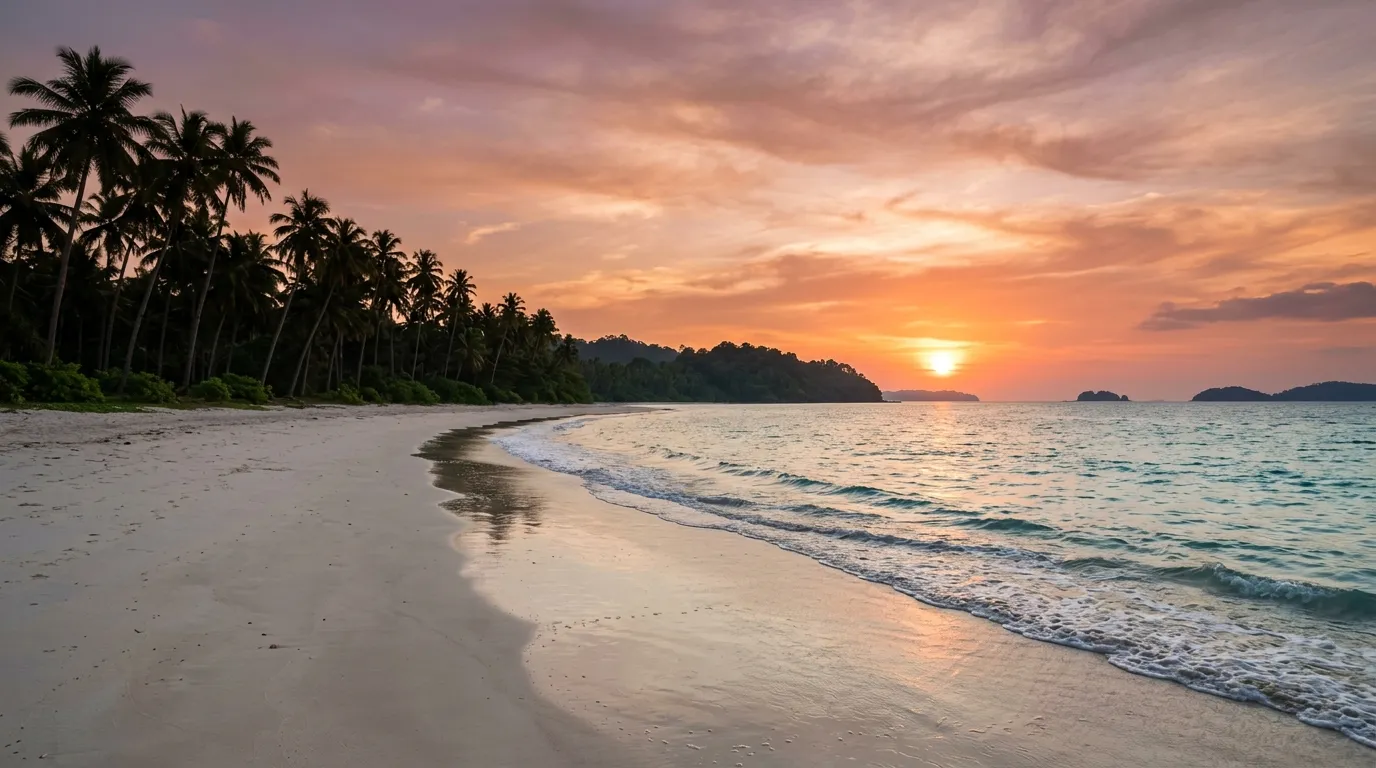
Named Asia's best beach by TIME 2004. White sand, turquoise water, dramatic sunset.
1,165 sq km lagoon with Irrawaddy dolphins, million migratory birds, and unique sea mouth dynamics.
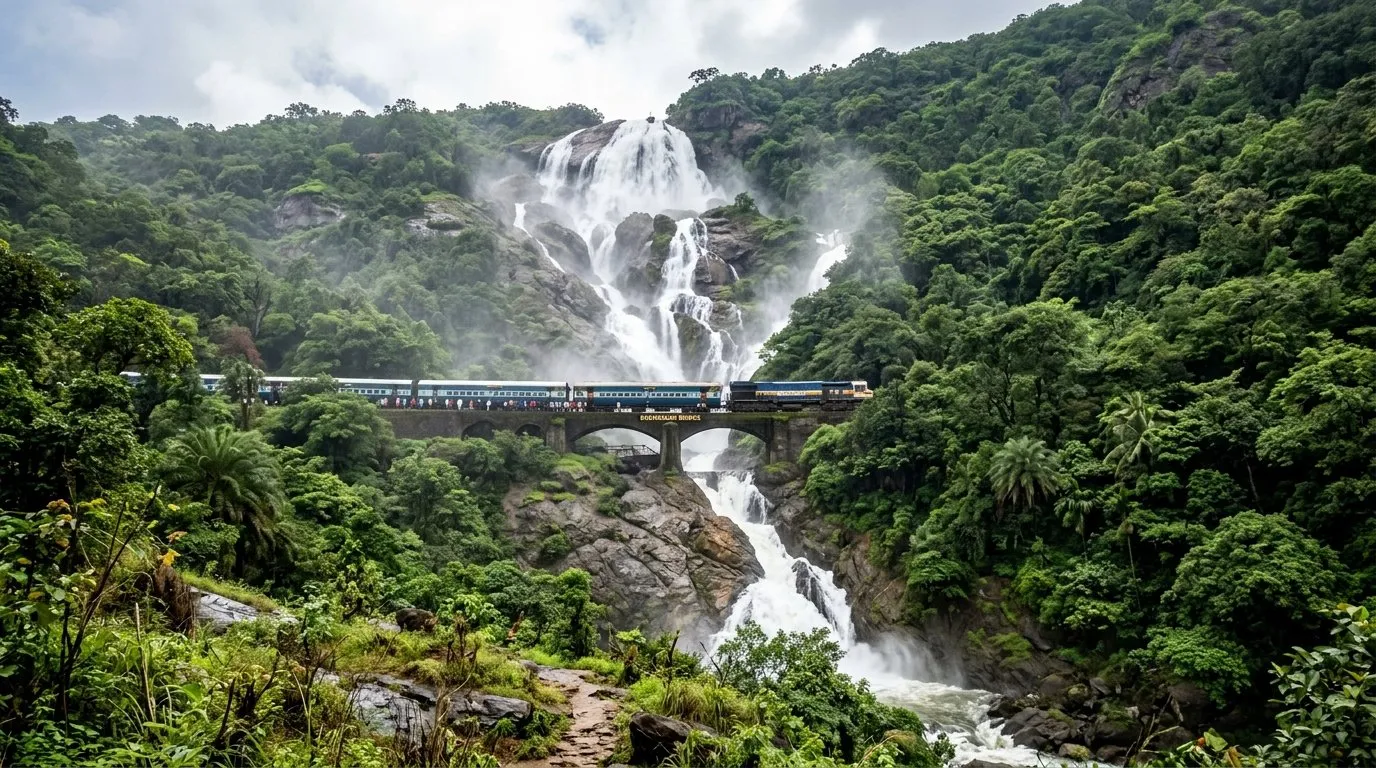
At 310m, Dudhsagar Falls is India's 5th tallest waterfall and Goa's highest. The name means "Sea of Milk" — the white cascade in monsoon explains why.
19,024 ft / 5,798m. Built by BRO, opened 2021.
Highest point in Andaman archipelago at 732m. Trek through tropical rainforest.
4,400m / 14,400 ft. Send a postcard from the edge of the world. It actually works — arrives in 2-3 weeks.
3,680m / 12,073 ft. One of the Panch Kedar temples, over 1000 years old. A 3.5km paved trek from Chopta.
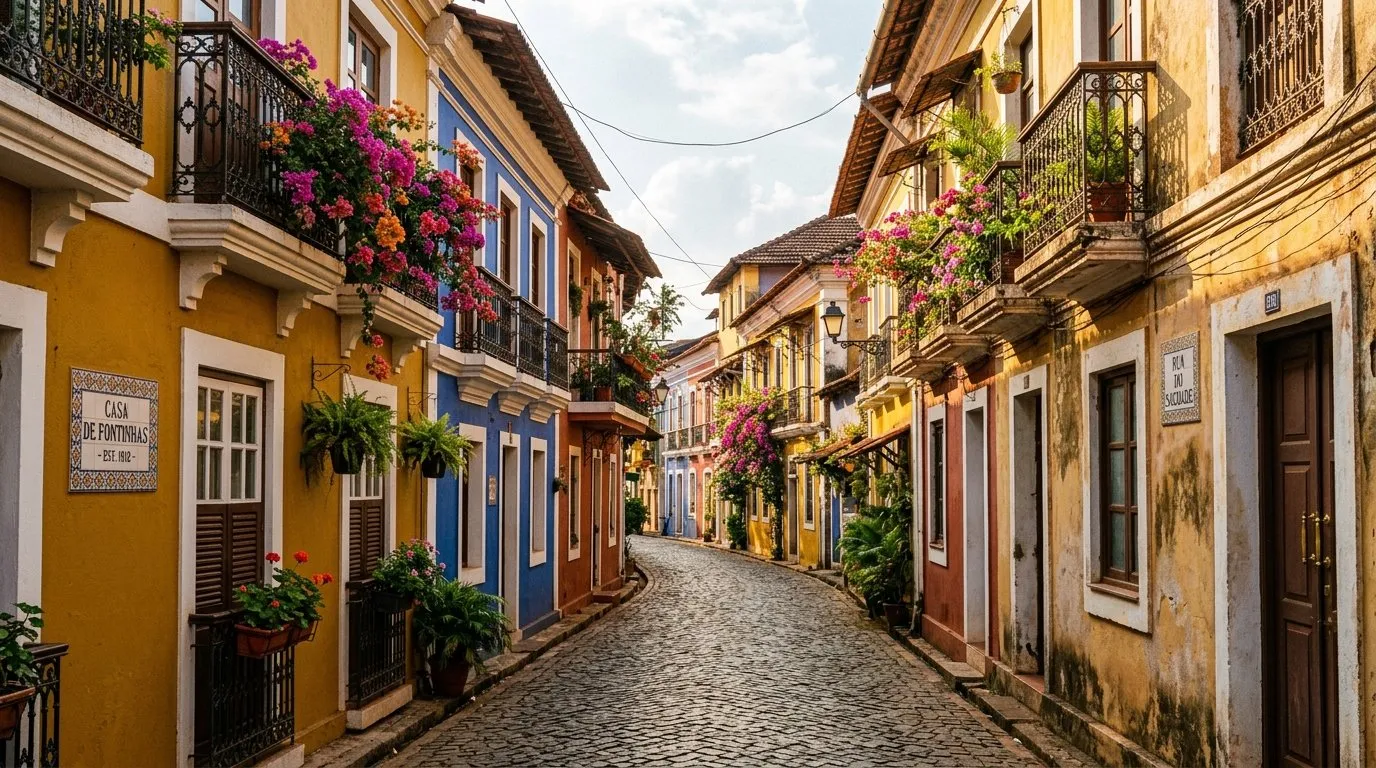
Declared India first heritage village in 1997. Cobblestone streets, Italian-style mud houses.
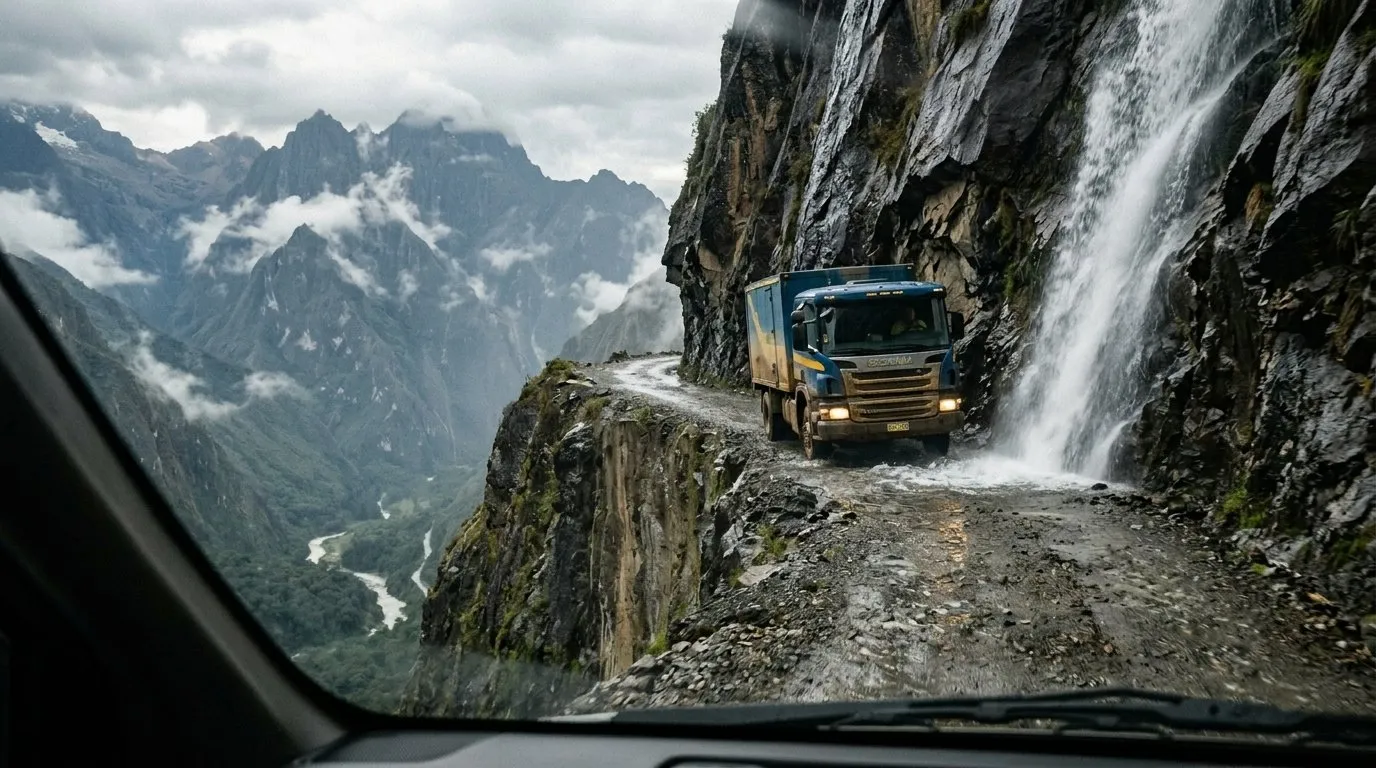
Single lane carved into cliff face. No barriers. Waterfalls over the road. India most terrifying drive.
Produces 50%+ of India button mushrooms. The only Indian town famous for fungi.
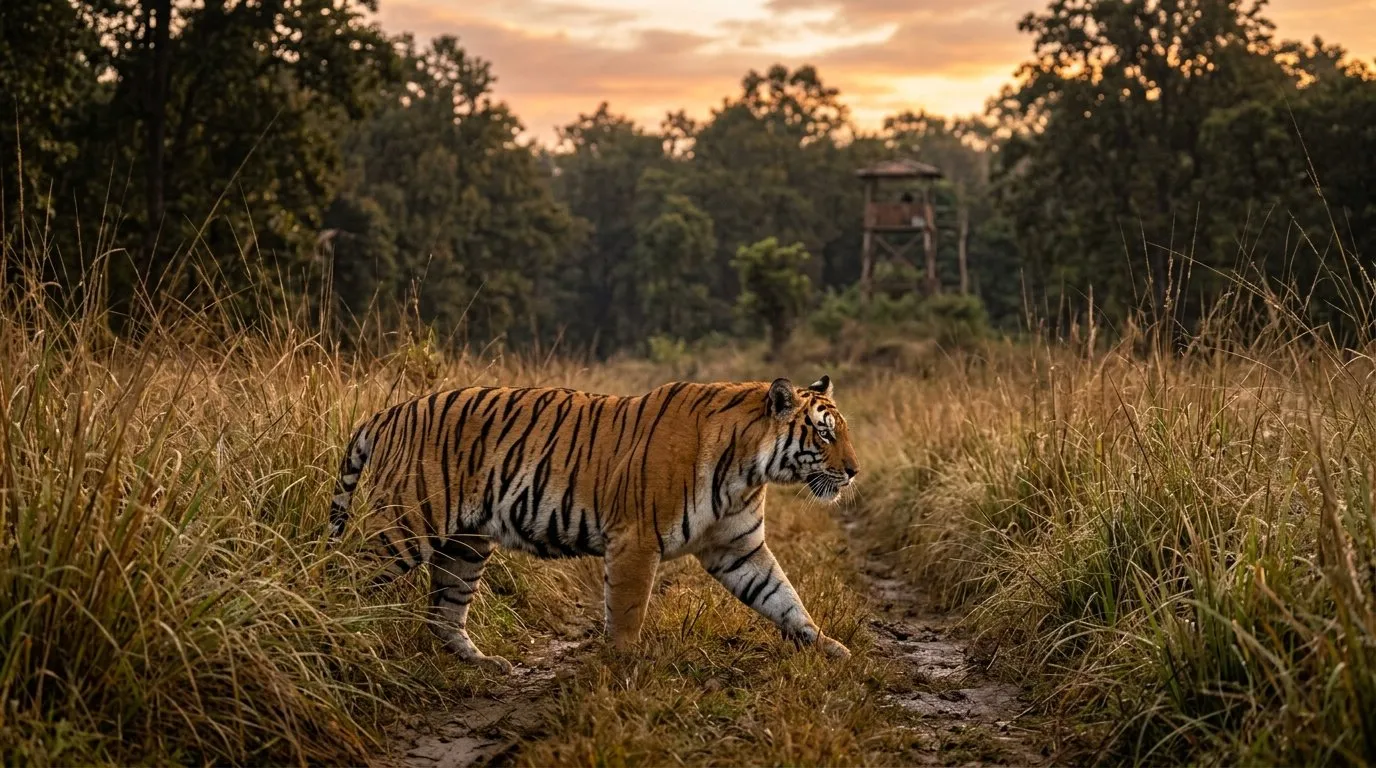
Established 1936. India first national park, created to protect the Bengal tiger. Dhikala is the holy grail zone.
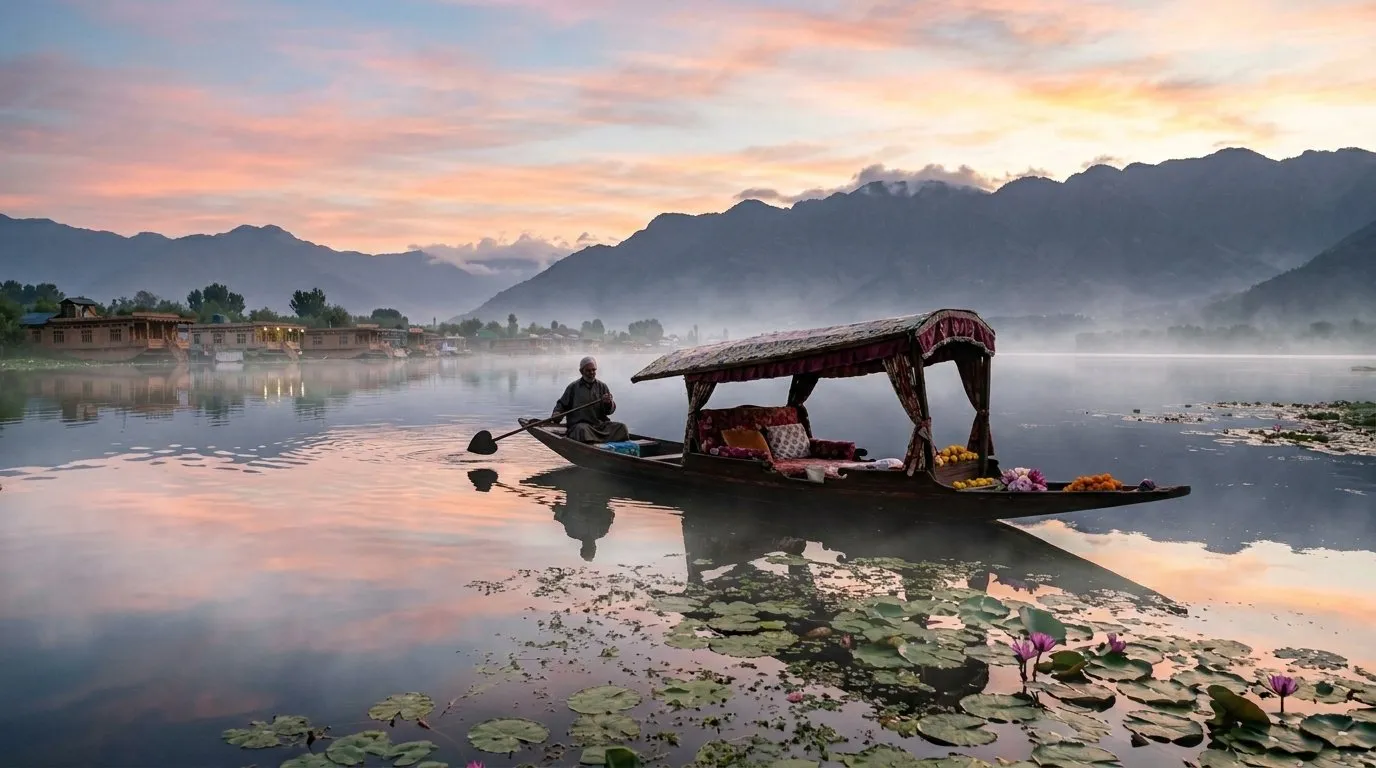
Located on a houseboat on Dal Lake. You can actually mail postcards from it.
Consistently ranked India safest city in NCRB data. Designed by Le Corbusier.
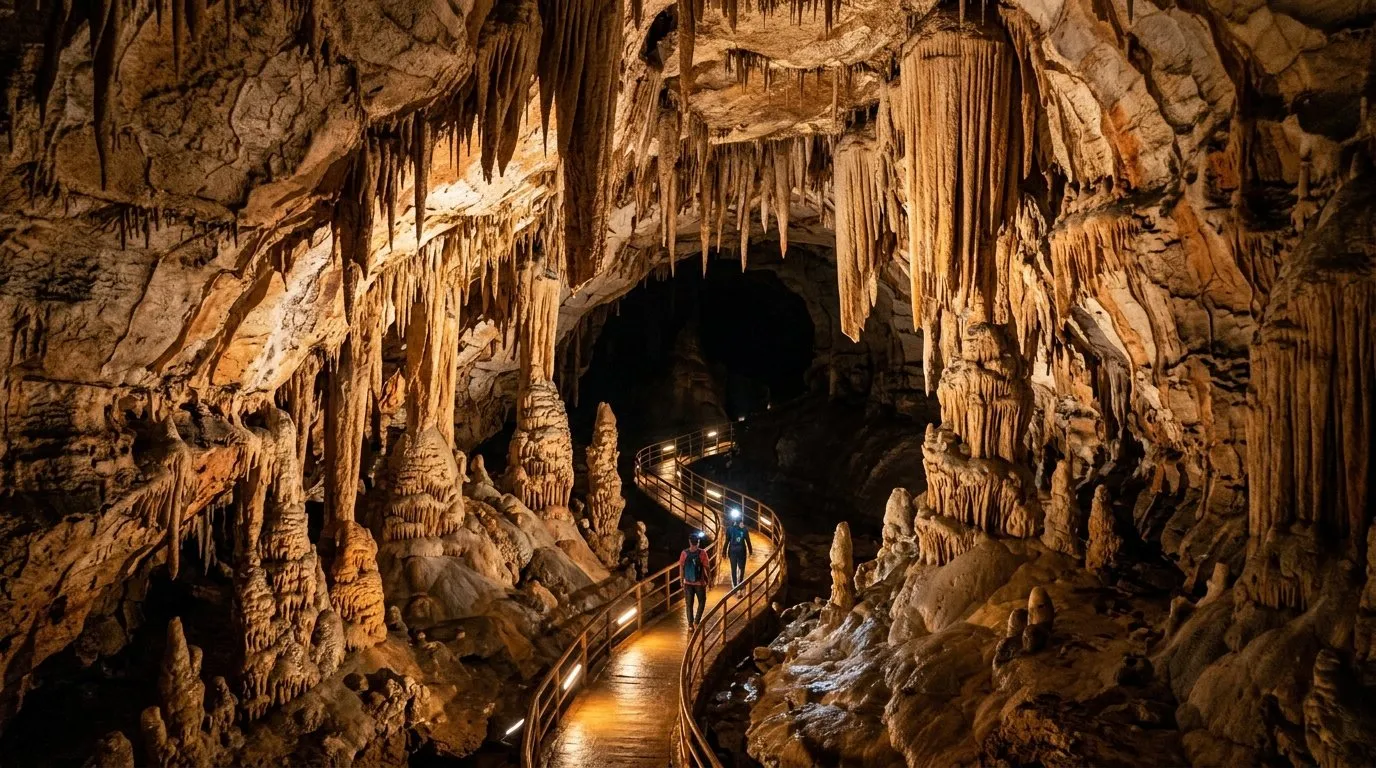
3,229 meters of underground cave system. Pataalaganga chamber at 46m is the deepest point. Carved by the Chitravathi River.
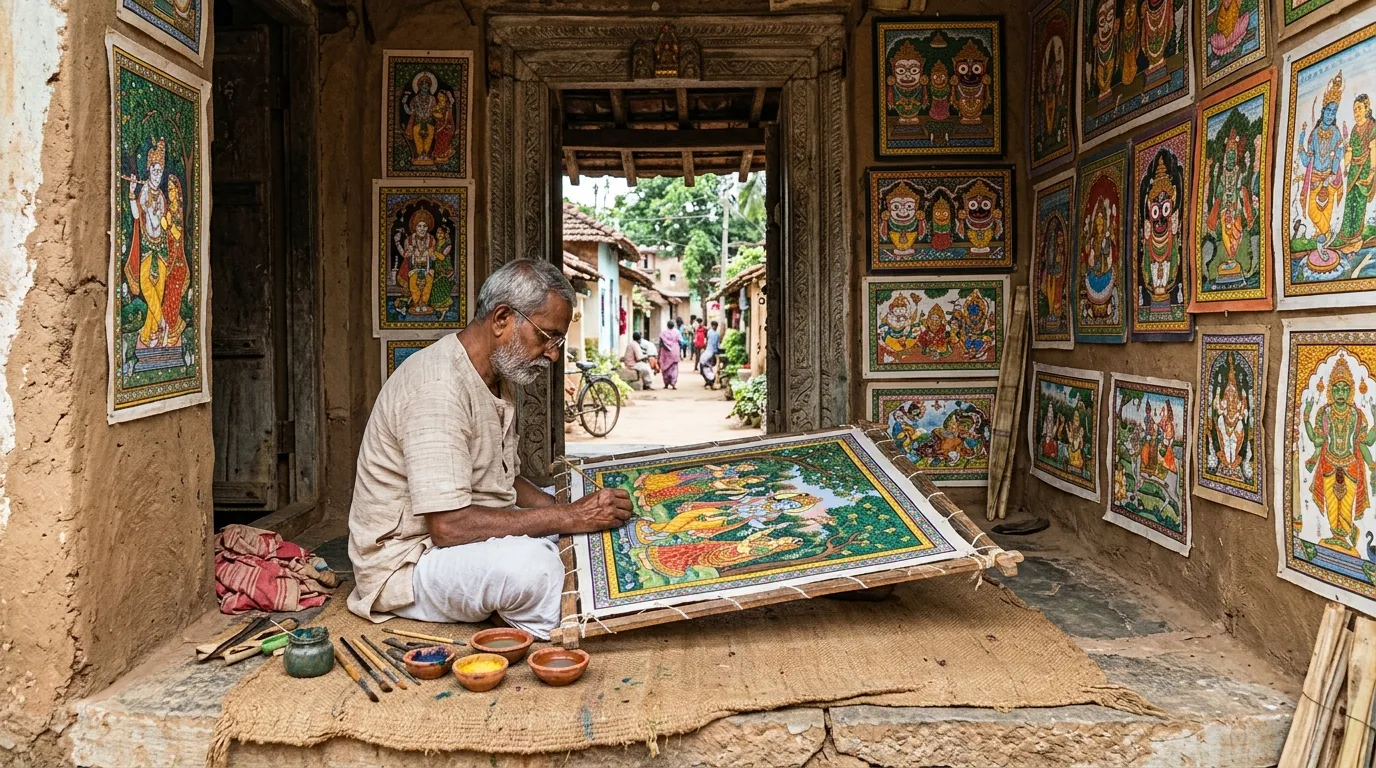
Designated 2000. 100+ artisan families practicing 1,500-year-old Pattachitra art. Best Tourism Village 2023.
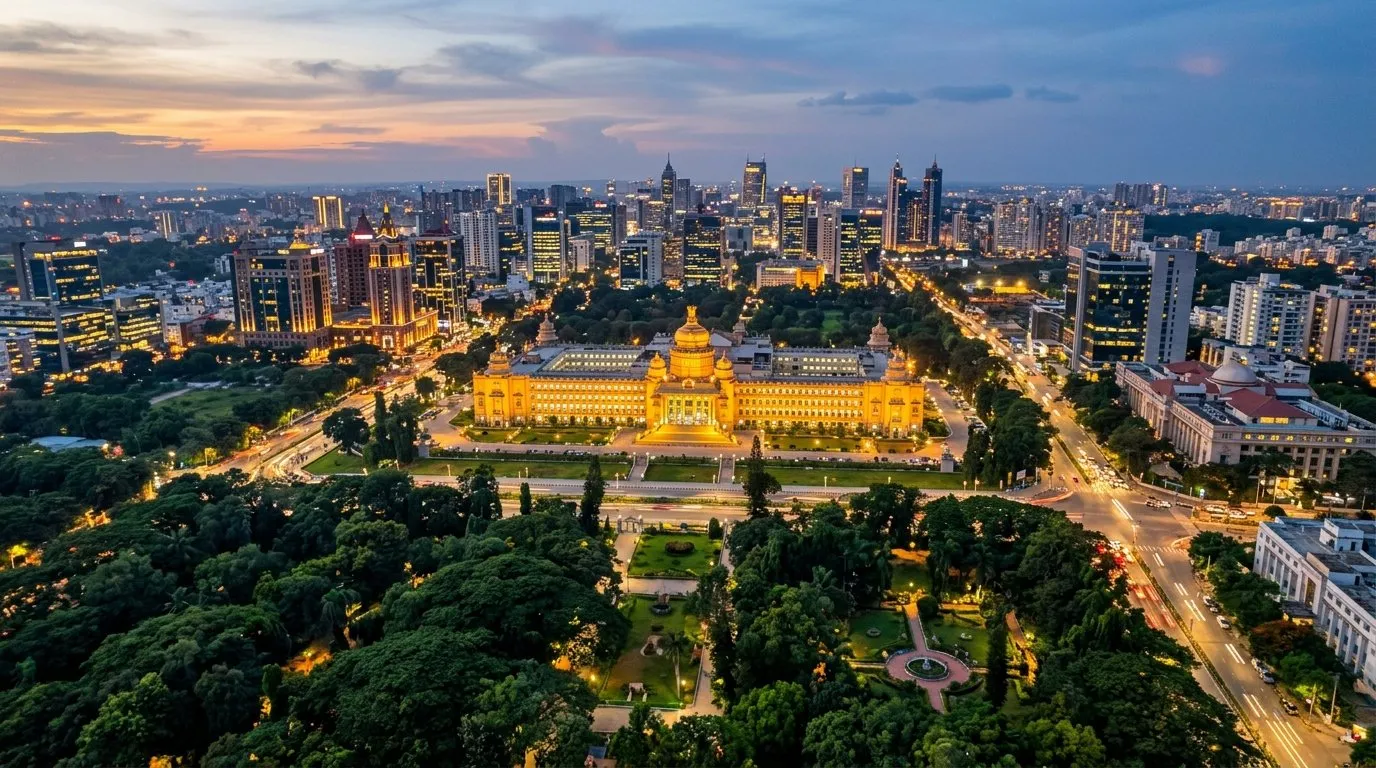
India's third-largest city and technology capital. Home to more startups than any other Indian city. Also called the Garden City.
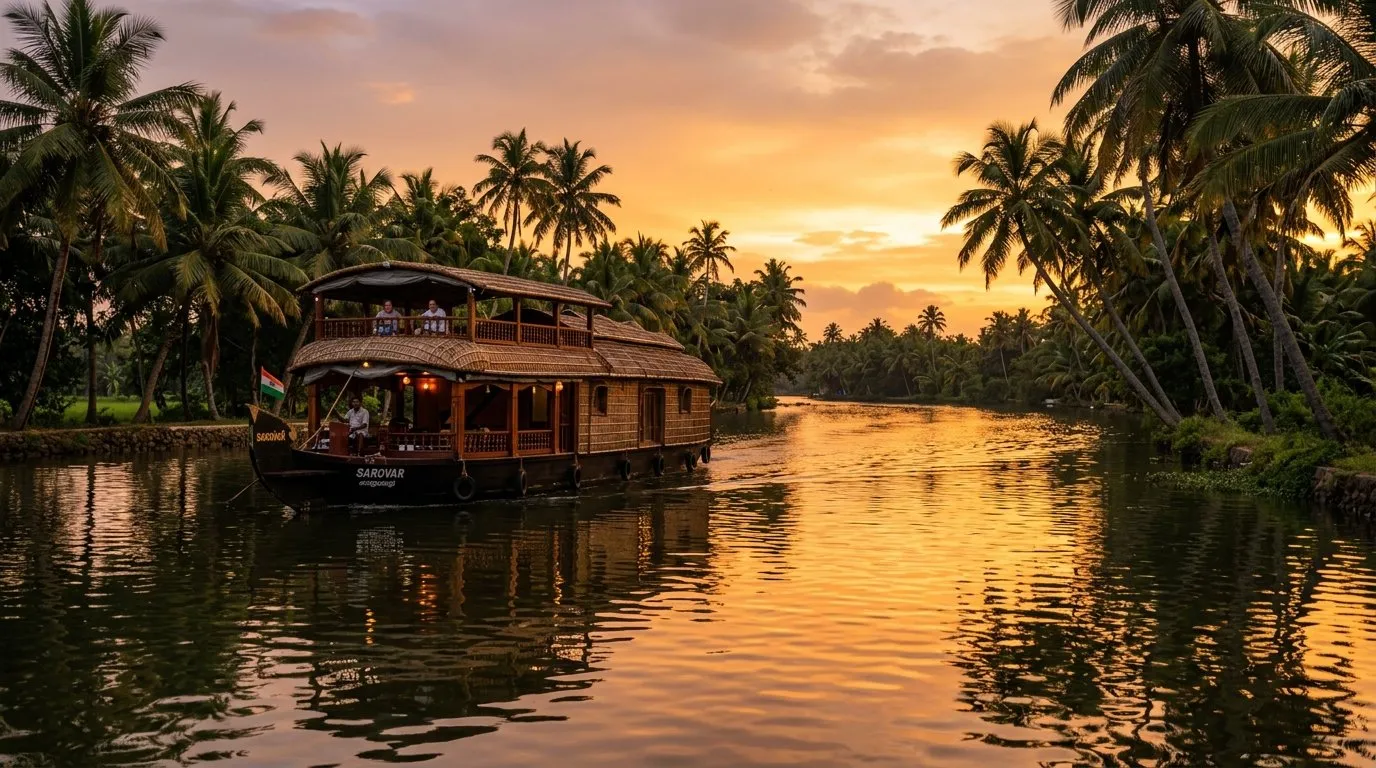
The Kerala backwater system spans 900km of interconnected canals, rivers, lakes, and inlets along the Malabar Coast. It is the largest backwater network in India and one of the largest wetland systems in the world.
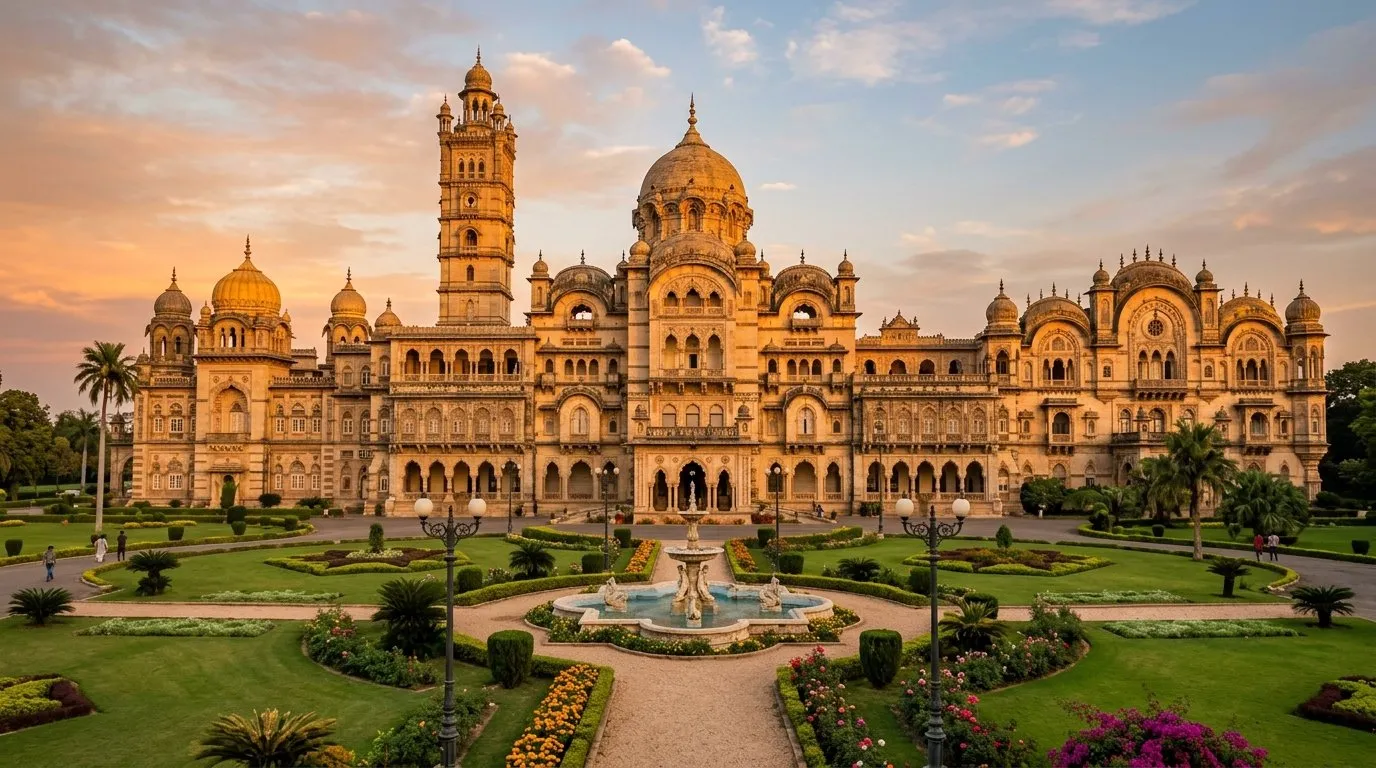
4x larger than Buckingham Palace. Built 1890 by Gaekwad dynasty. Still partially royal residence.
1.2km boardwalk through dense mangrove at Amkunj Beach. A&N Forest Dept eco-tourism.
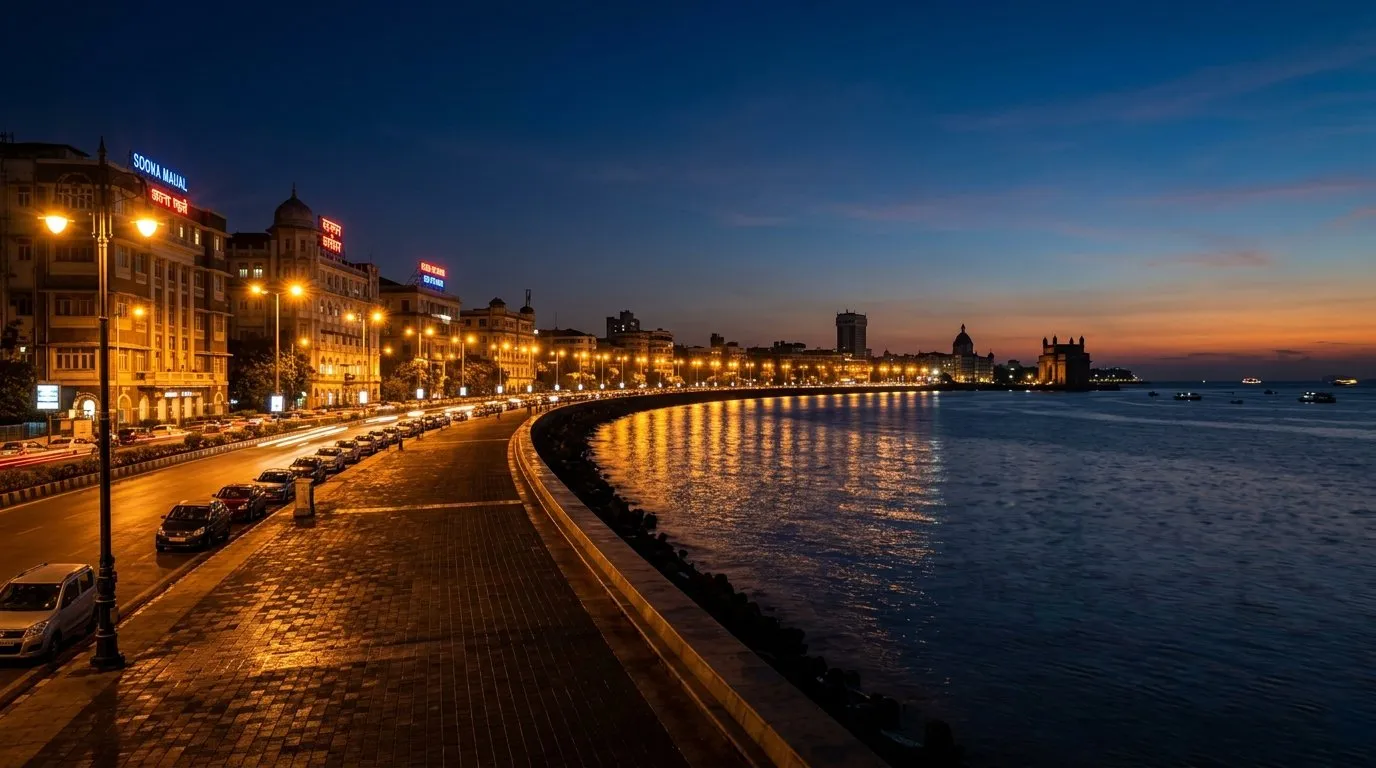
The 21.8km Atal Setu connecting Mumbai to Navi Mumbai opened in 2024 as India's longest sea bridge and the 12th longest in the world.
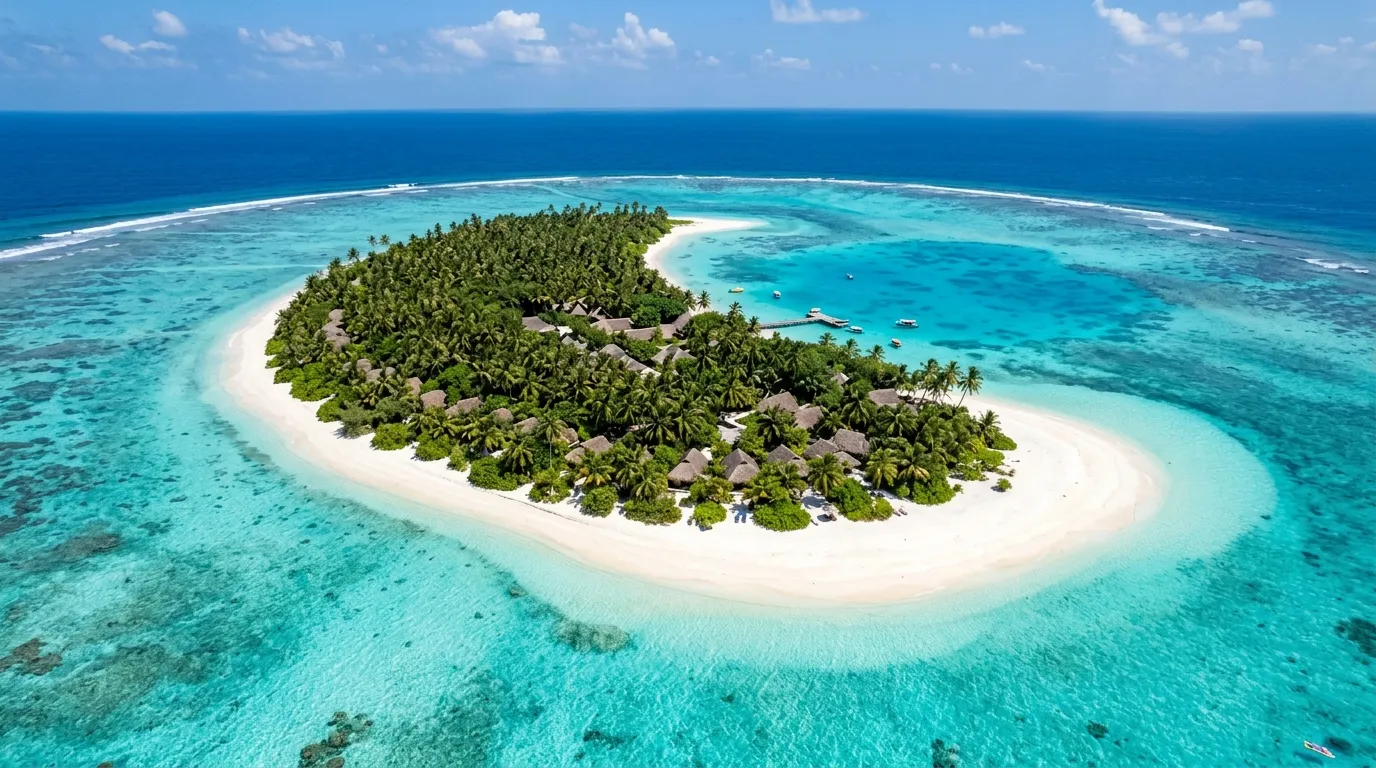
Uninhabited resort island. Only Lakshadweep island open to foreigners.
Kerala has India's highest literacy rate at 96.2% (2021 Census). Trivandrum, the capital, is considered one of India's most educated cities. The state's emphasis on education since the 19th century transformed it.
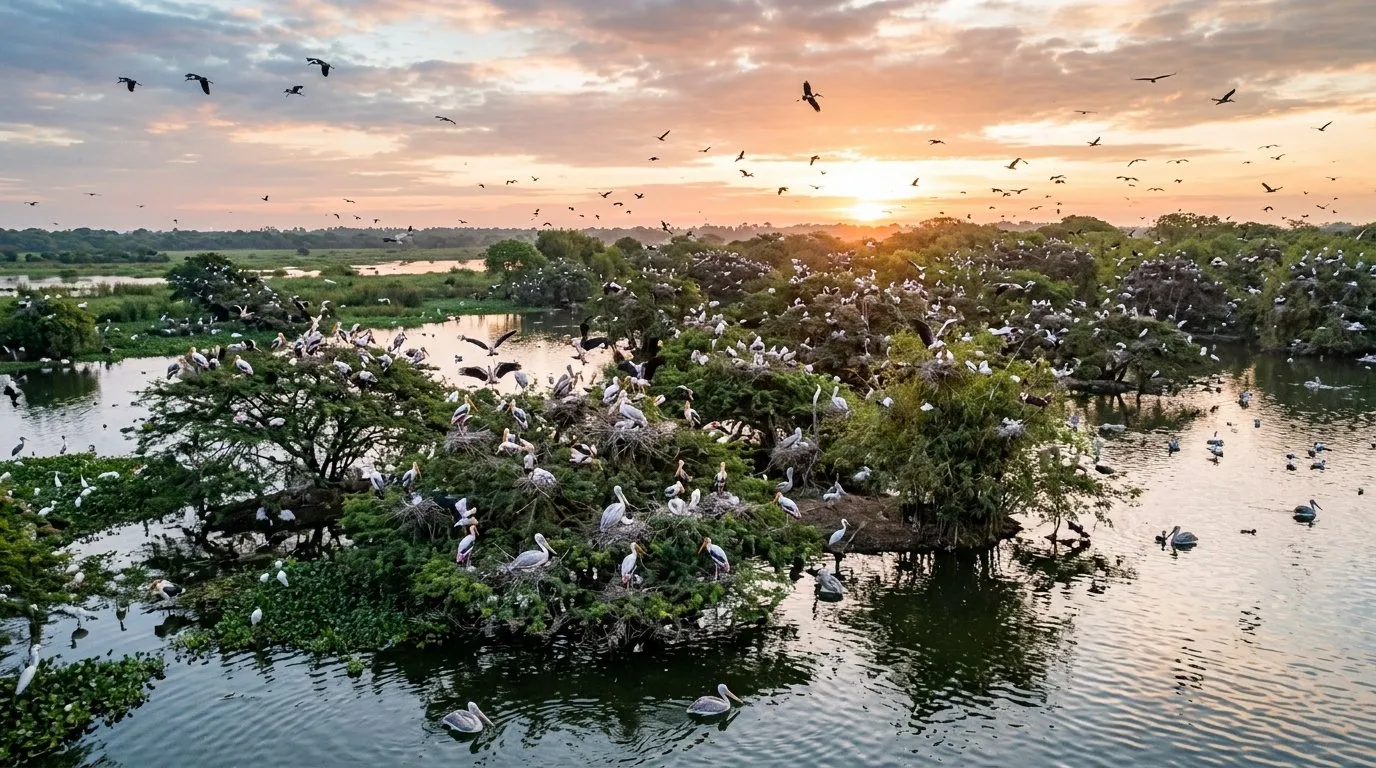
Protected since 1798, Vedanthangal is India's oldest bird sanctuary. Just 30 hectares, but 40,000+ waterbirds nest here each winter — one of the most bird-dense spots in India.
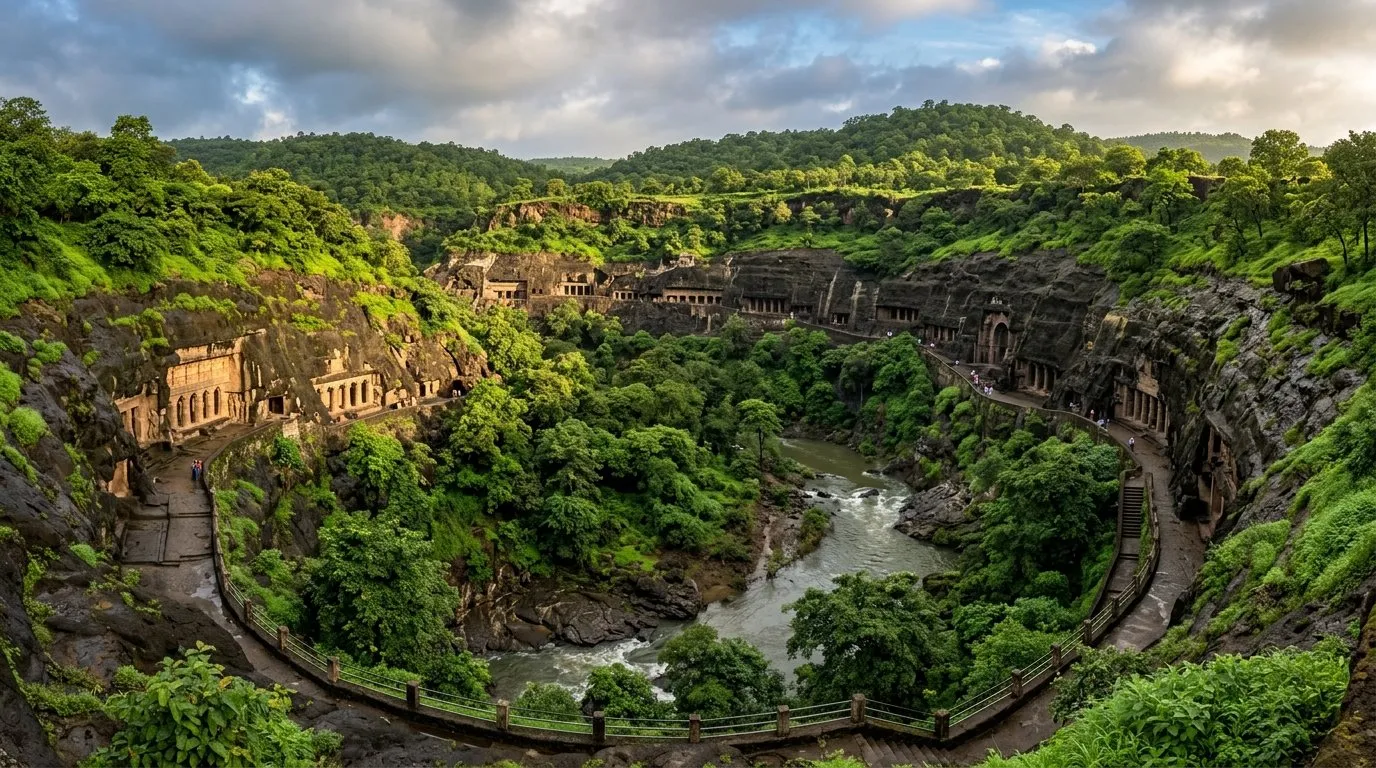
The Ajanta cave murals dating from 200 BCE to 480 CE are India's oldest surviving paintings and one of the finest examples of Buddhist art in the world. UNESCO World Heritage Site.
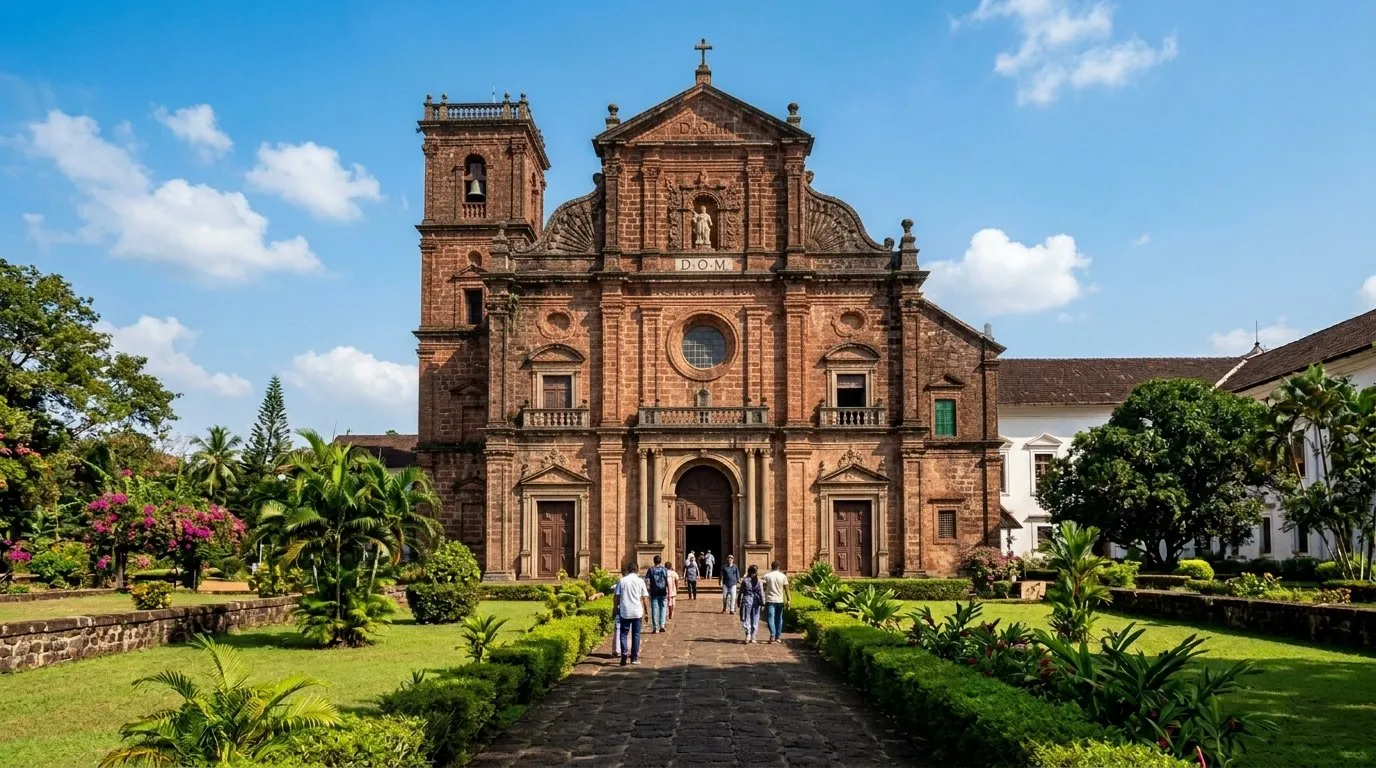
The churches of Old Goa date to the 16th century, making them the oldest European-style churches in Asia. The Basilica of Bom Jesus (1605) and Se Cathedral (1619) are UNESCO World Heritage Sites.
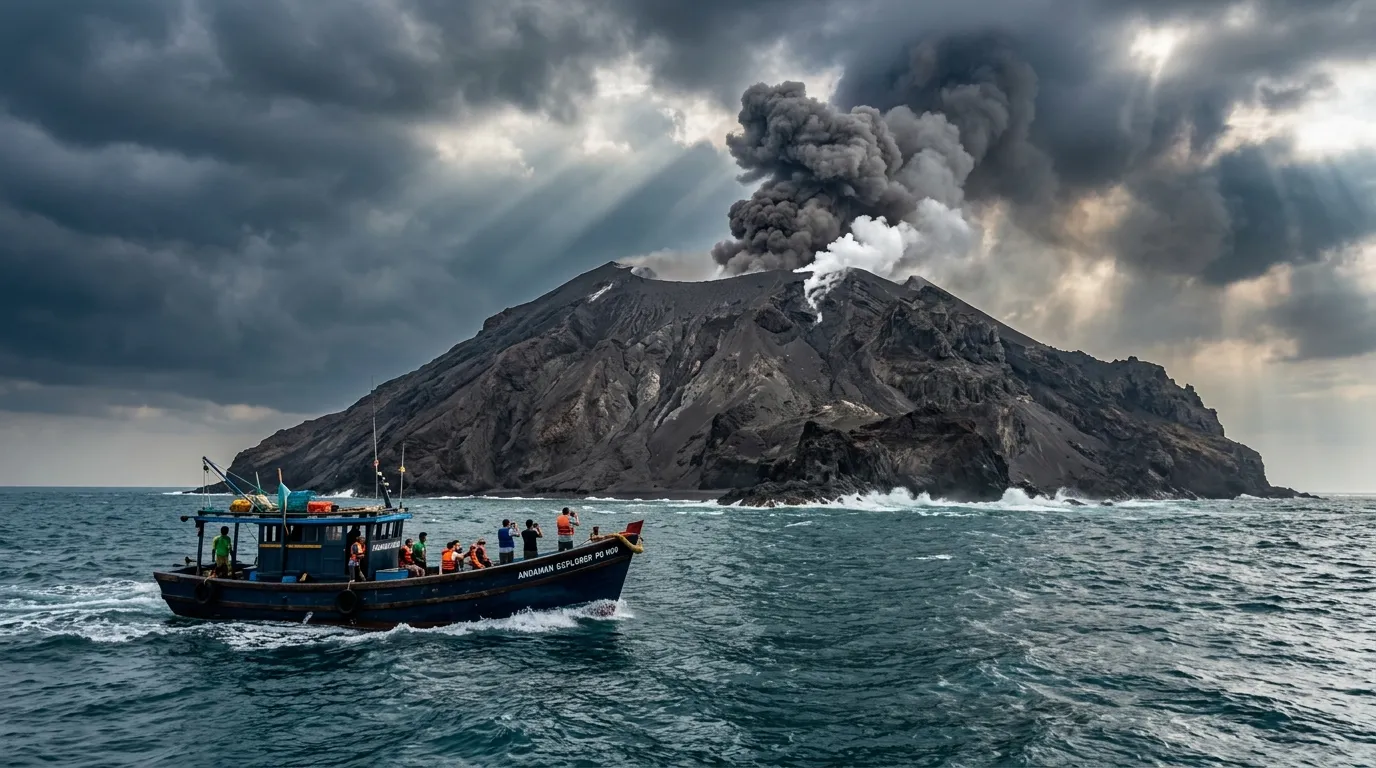
Only confirmed active volcano in South Asia. Last erupted 2017. Boat viewing only.
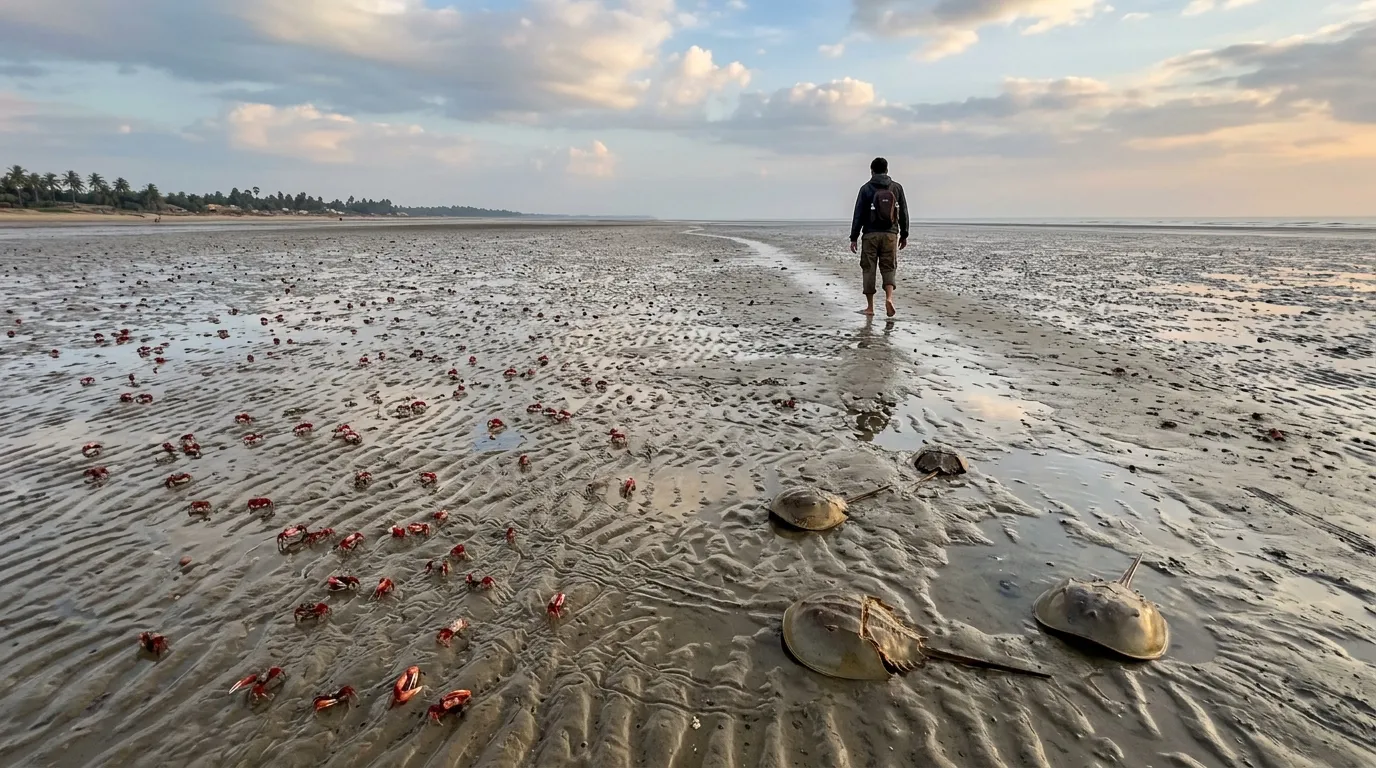
Water recedes up to 5km daily due to gentle gradient and extreme tidal range — the only such phenomenon in India.
At 3,702 sq km, Goa is India's smallest state by area. Yet it receives over 8 million tourists annually — giving it the highest tourist-to-resident ratio in India.
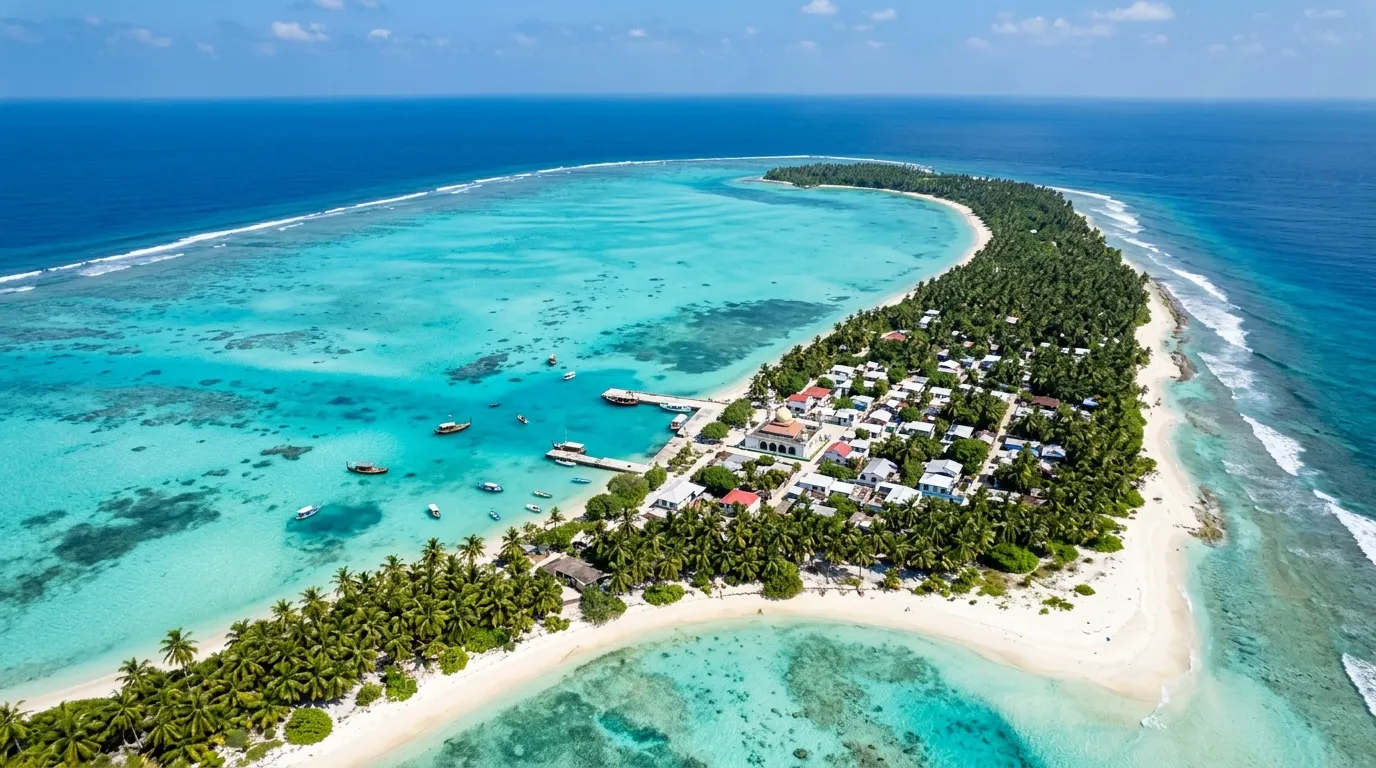
32 sq km total. 36 islands, only 10 inhabited. India's smallest UT.
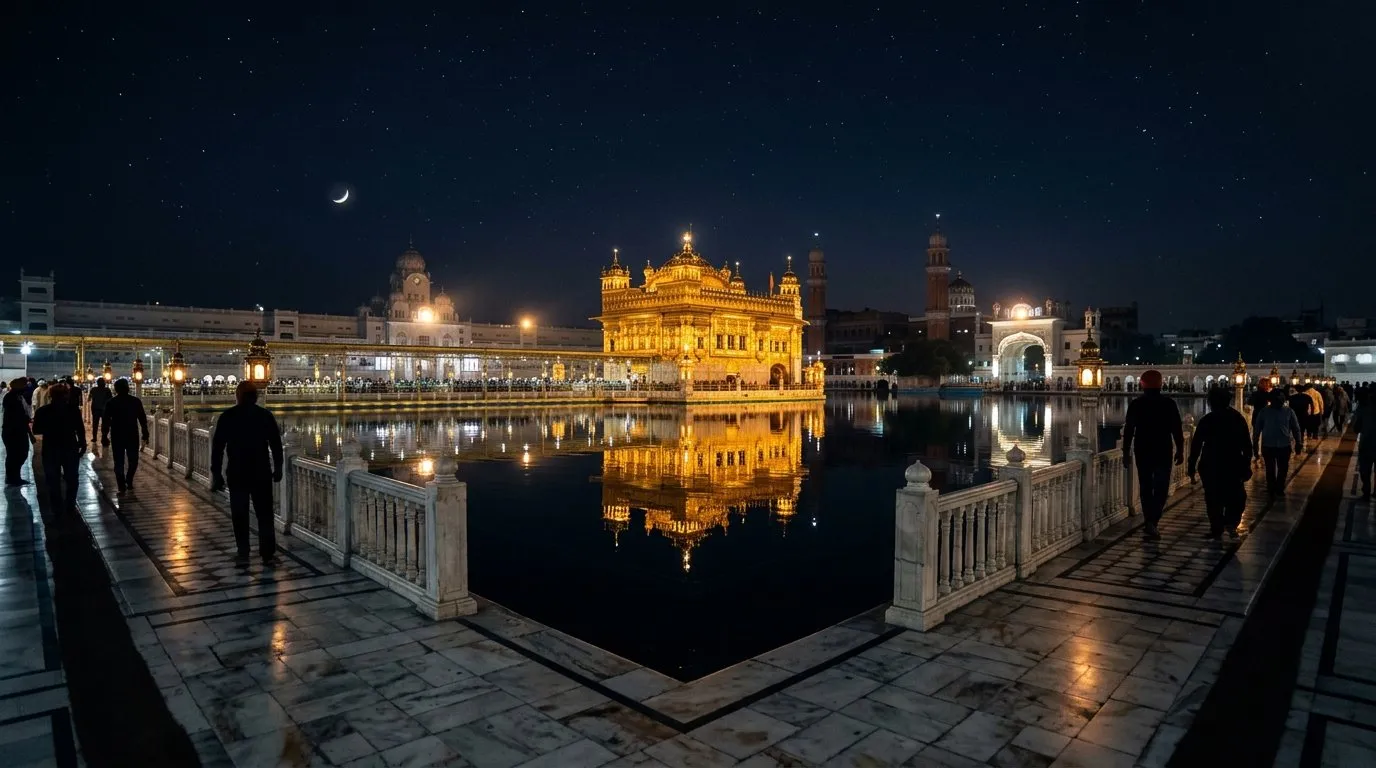
Feeds 50,000-100,000 people daily, free, regardless of religion.
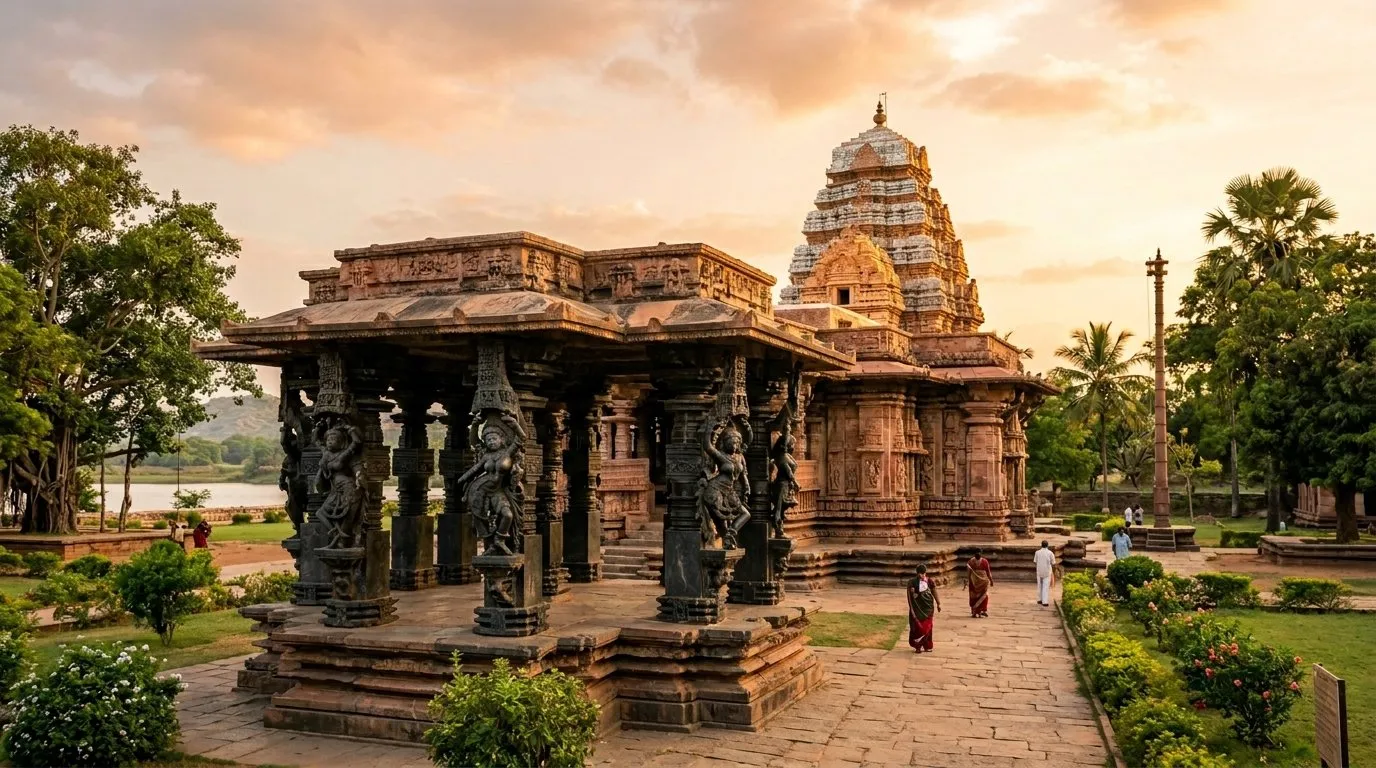
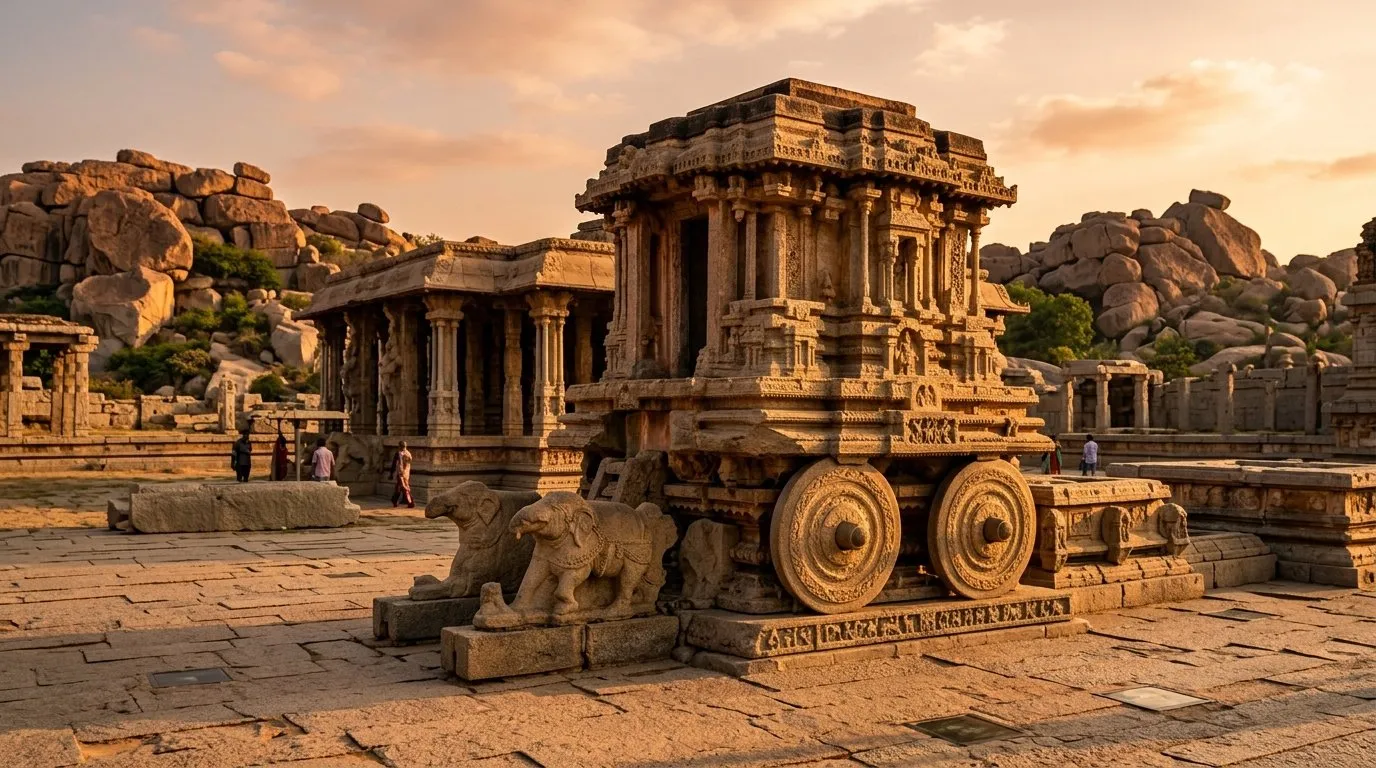
The ruins of Vijayanagara spread across 4,187 hectares with over 1,600 monuments surviving from the 14th-16th century empire.
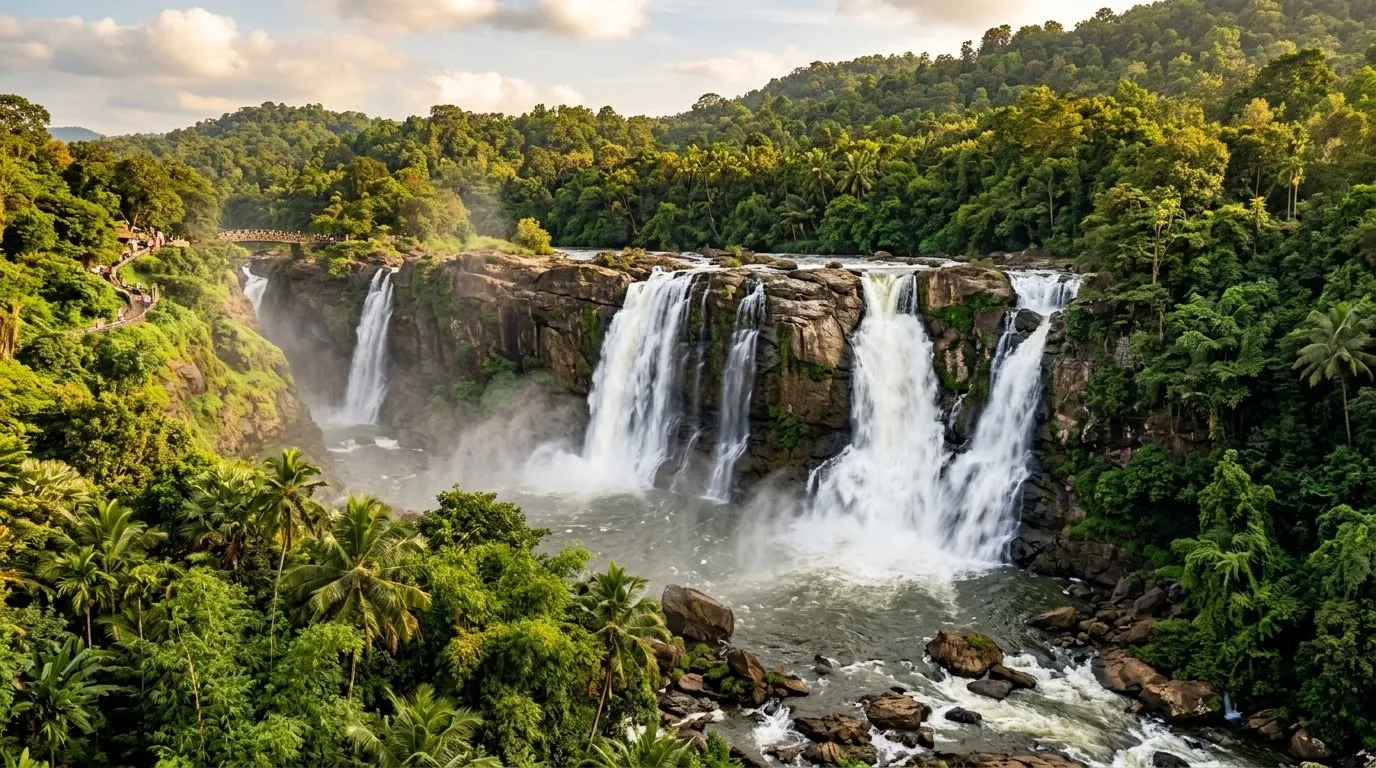
During peak monsoon, Athirapally Falls on the Chalakudy River has the highest volume flow of any waterfall in India. At 80 feet it is not the tallest, but the wall of water during July-September earned it the title Niagara of India.
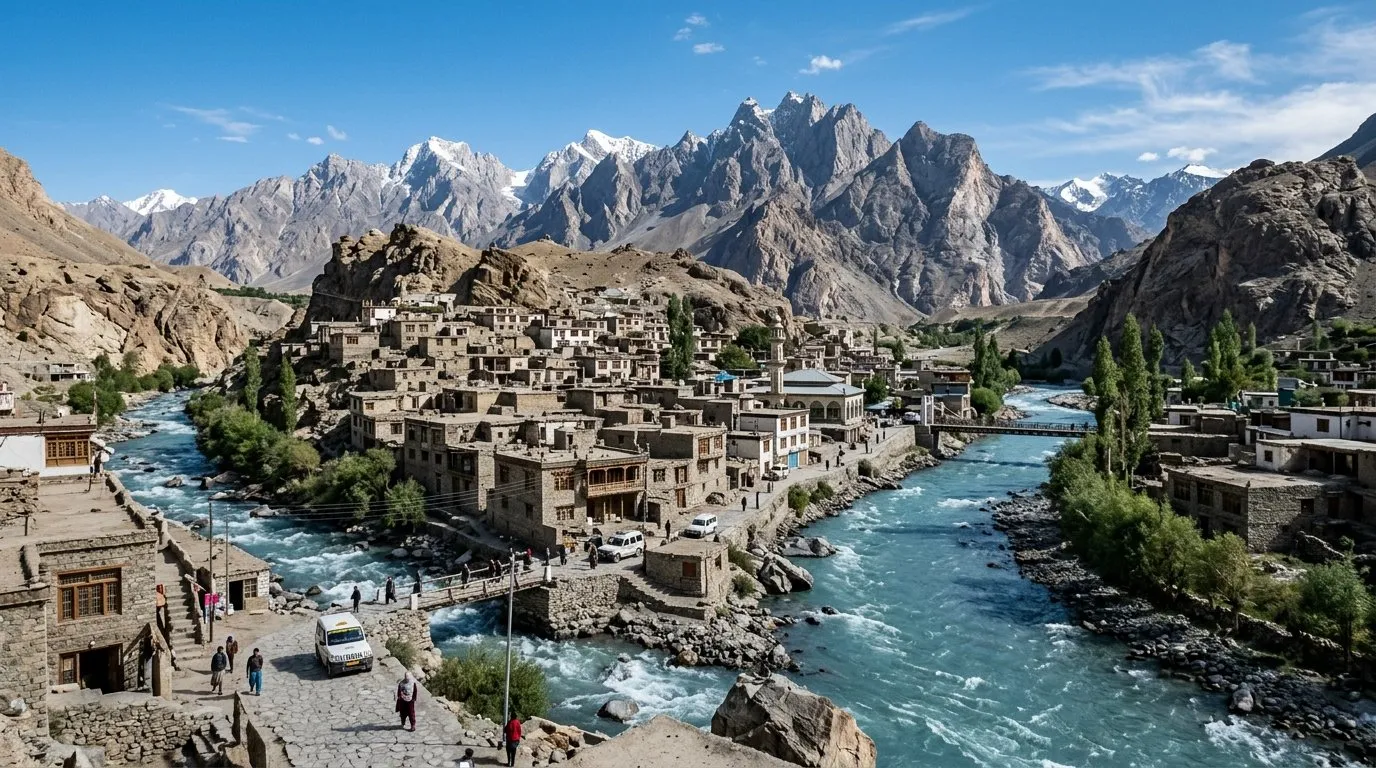
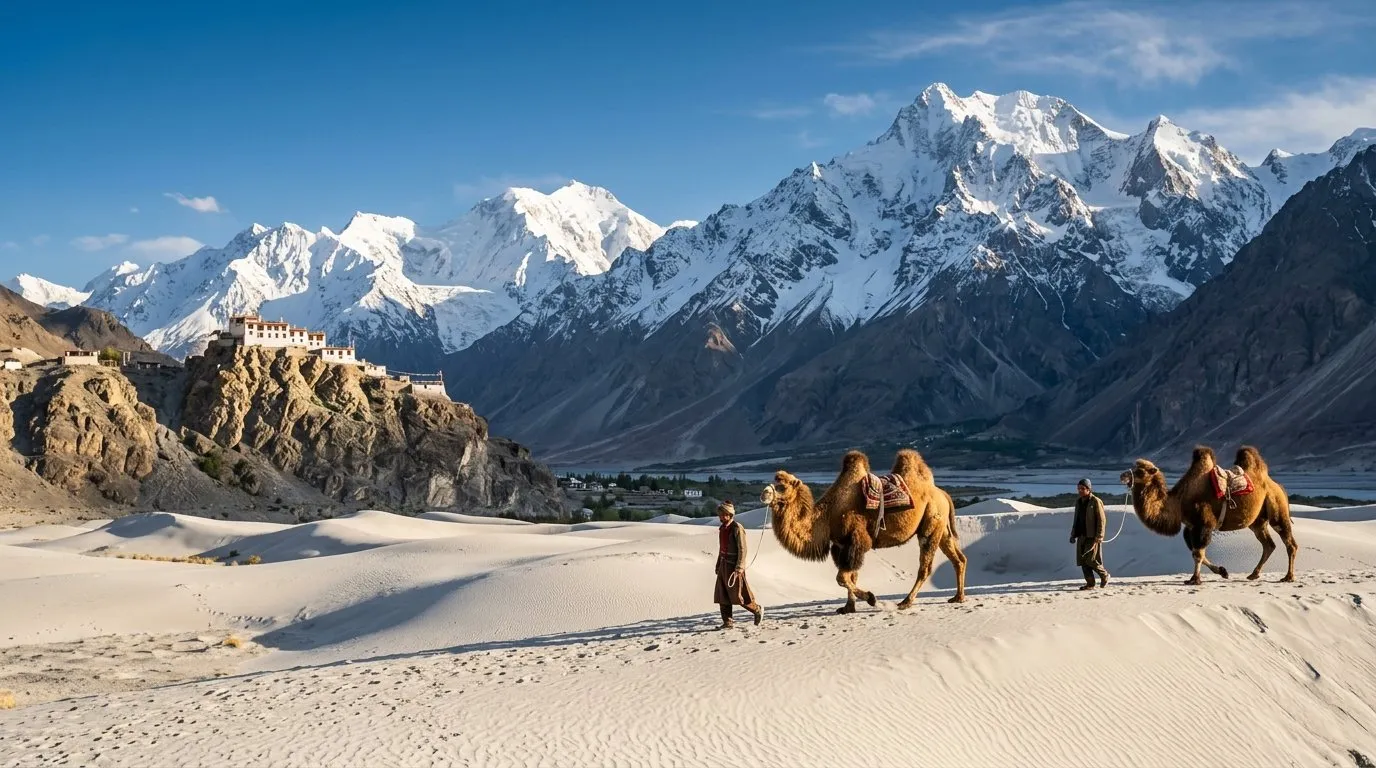
Was part of Pakistan until 1971. Balti culture, apricot orchards.
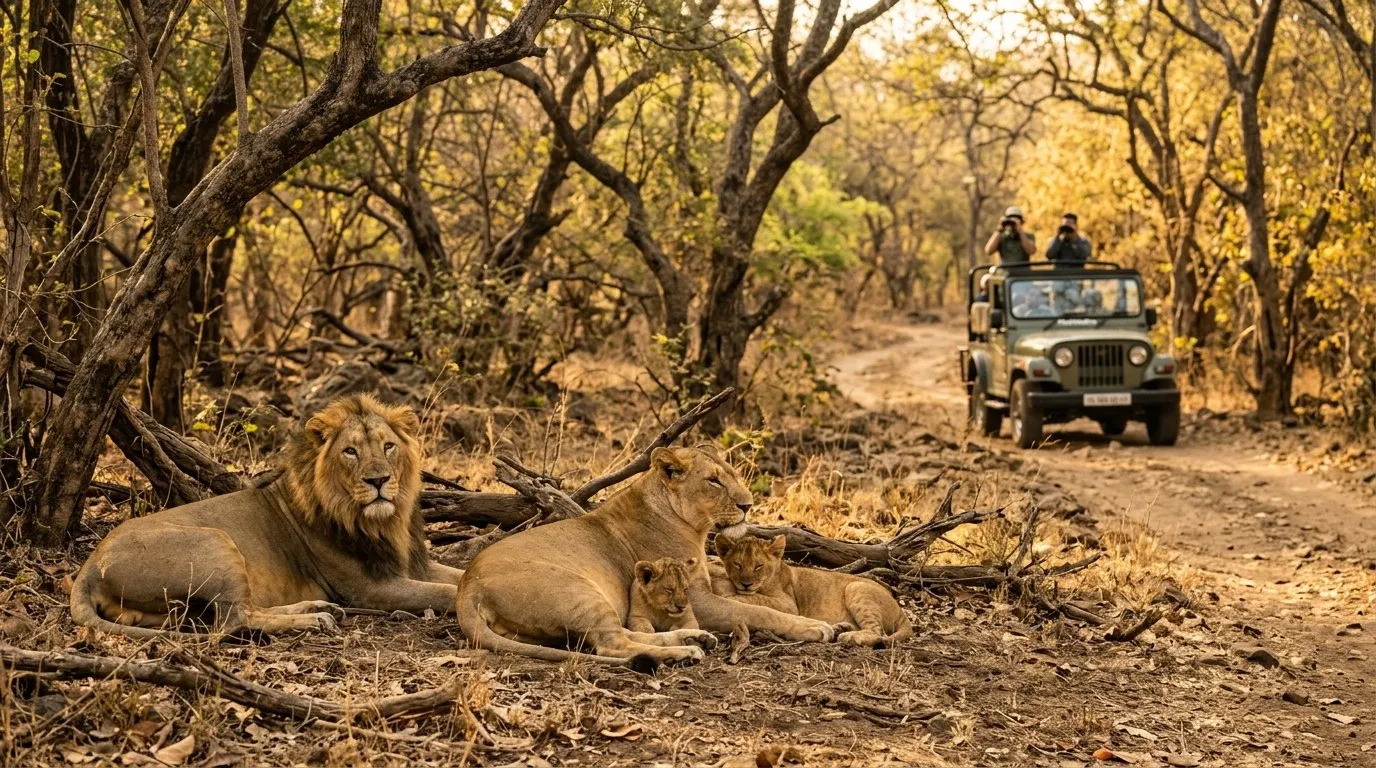
Only ~700 Asiatic lions left in the wild — all in Gir. Last stand of a species that once roamed from Greece to India.
The Ramanathaswamy Temple's pillared corridors stretch 1,212 metres — the longest of any Hindu temple in India. The corridor contains all 22 sacred wells.
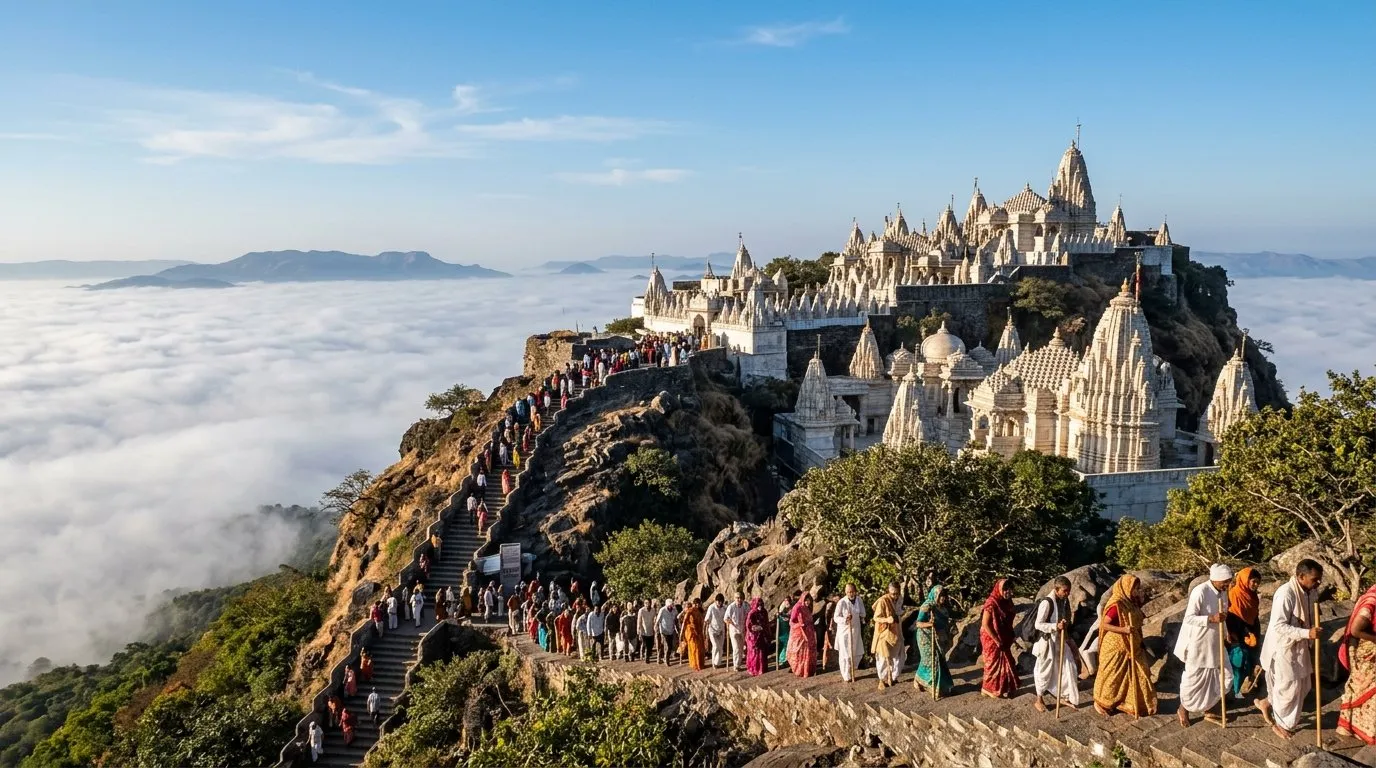
863 Jain temples on one hilltop — the most concentrated sacred architecture on Earth.
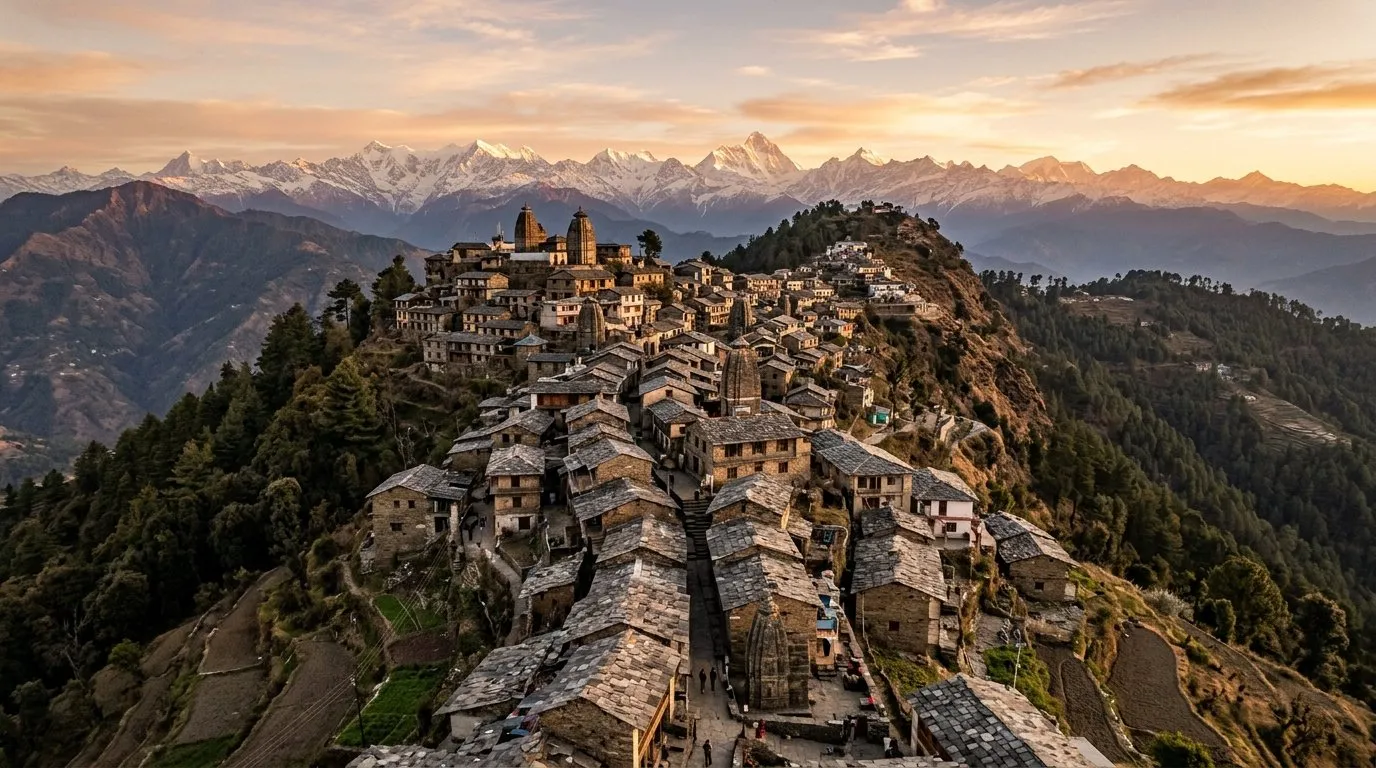
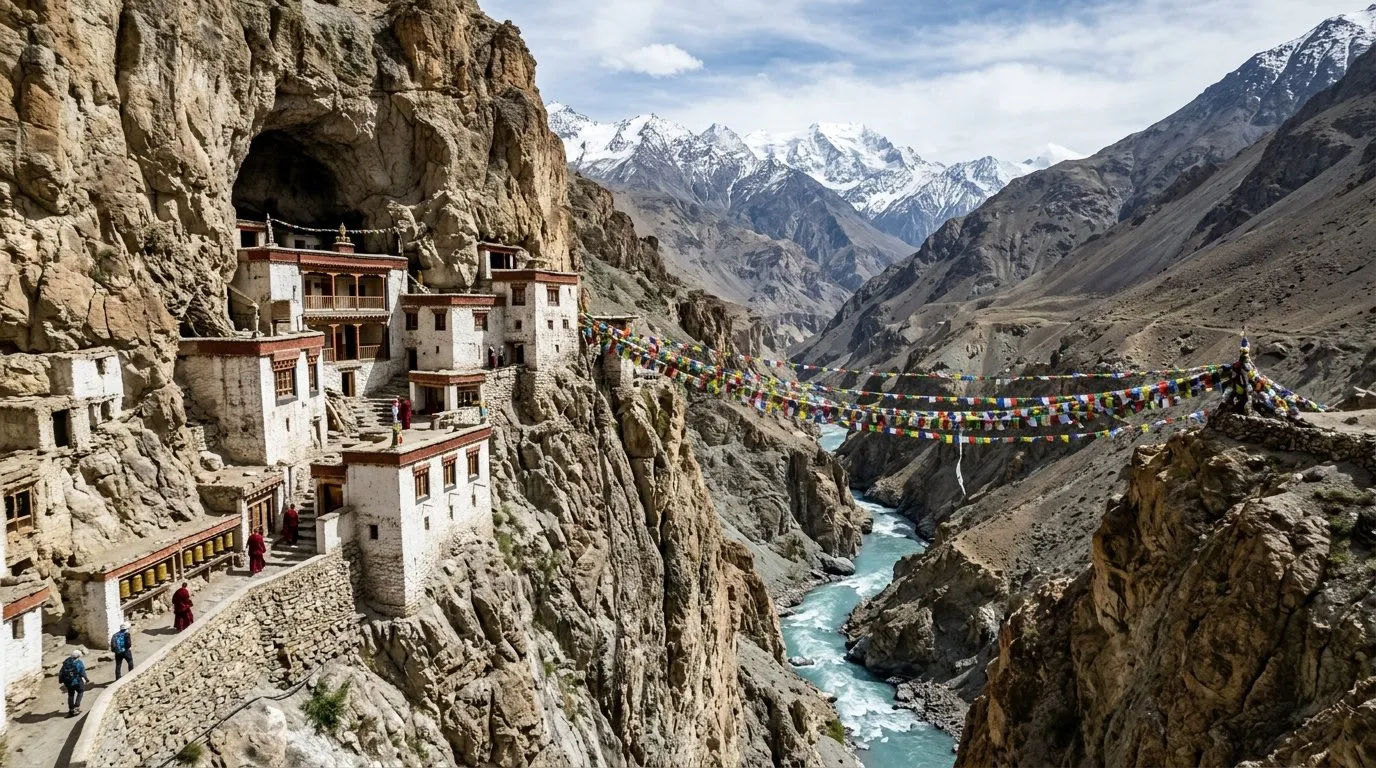
Founded 996 CE — over 1000 years of continuous practice. Called the Ajanta of the Himalayas.
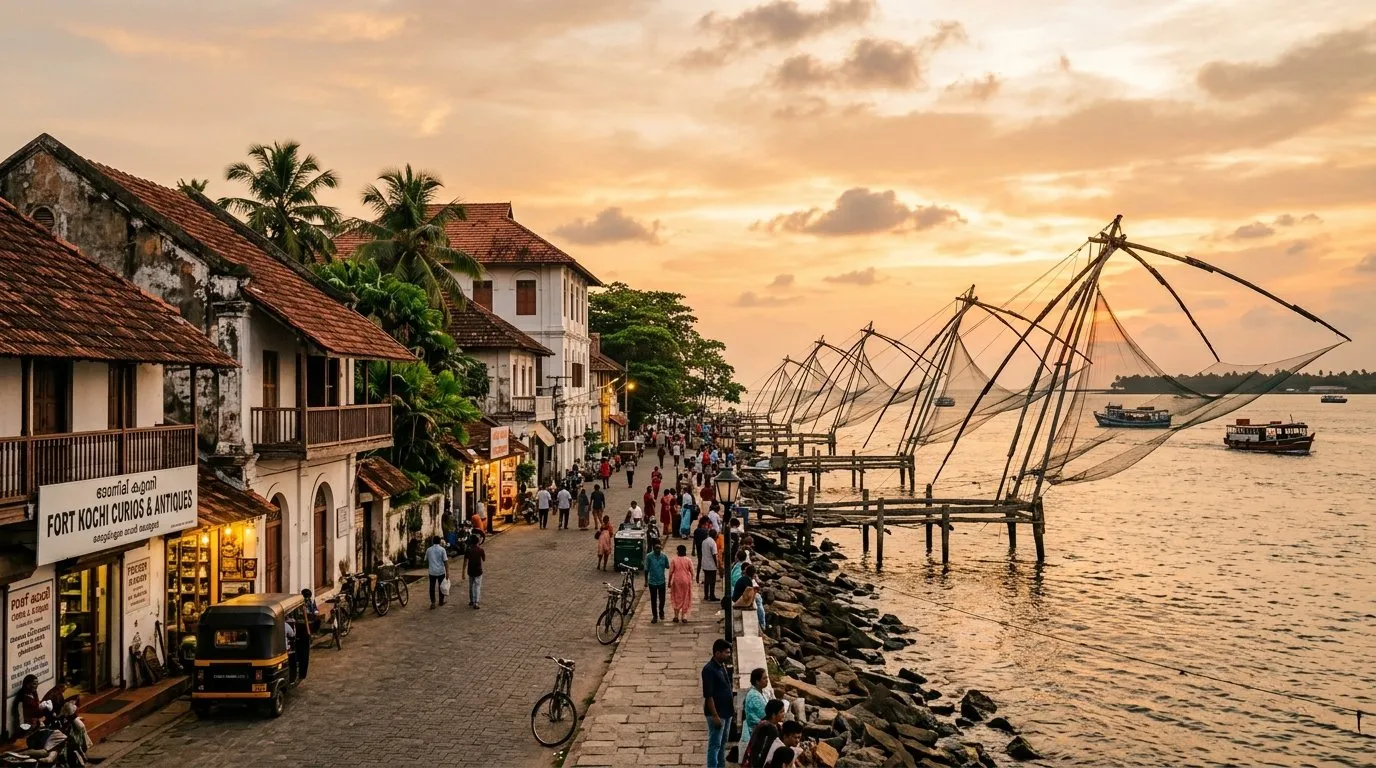
St Francis Church in Fort Kochi, built in 1503 by Portuguese Franciscan friars, is the oldest European church in India. Vasco da Gama was originally buried here in 1524 before his remains were moved to Lisbon.
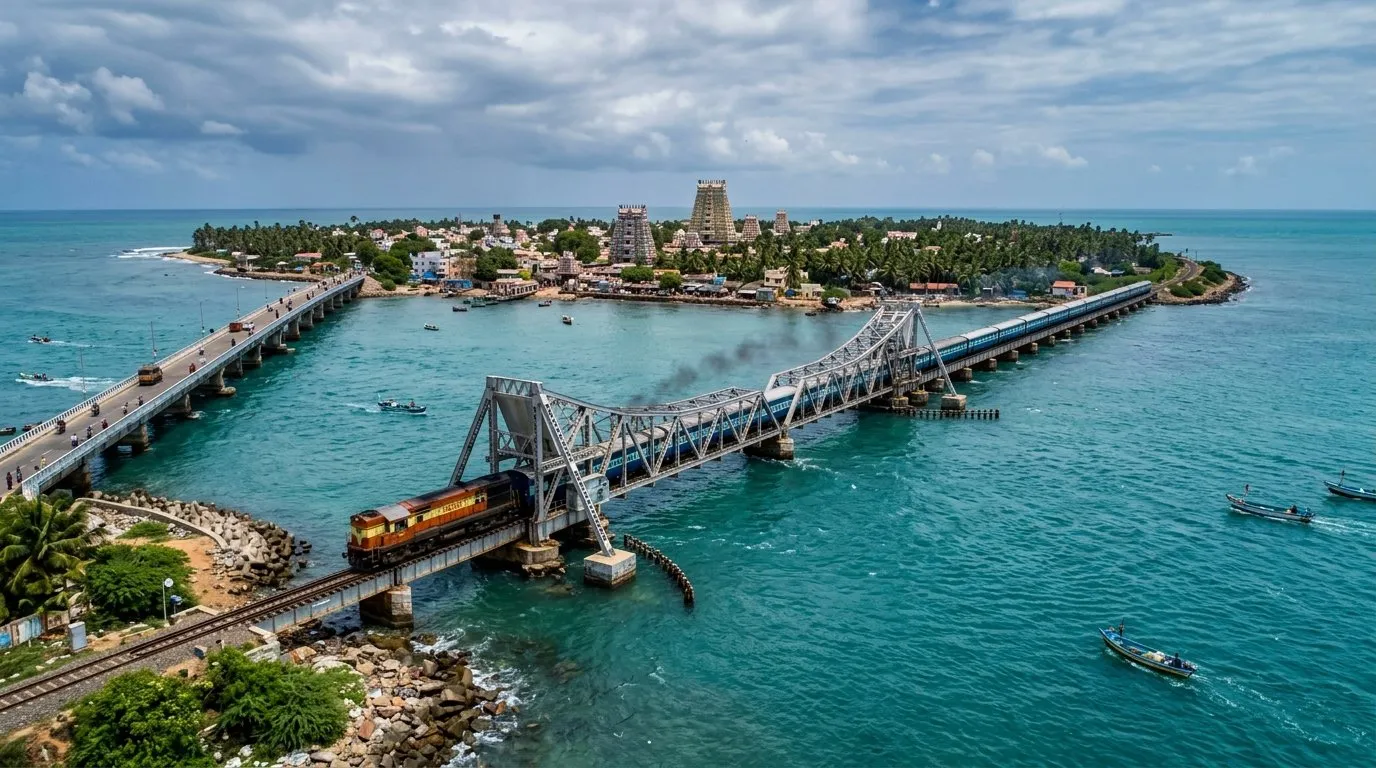
4 km long. Year-round operation.
9th century AD. 800+ years older than Konark.
~4,587m. About 30 houses, a monastery, and a sign.
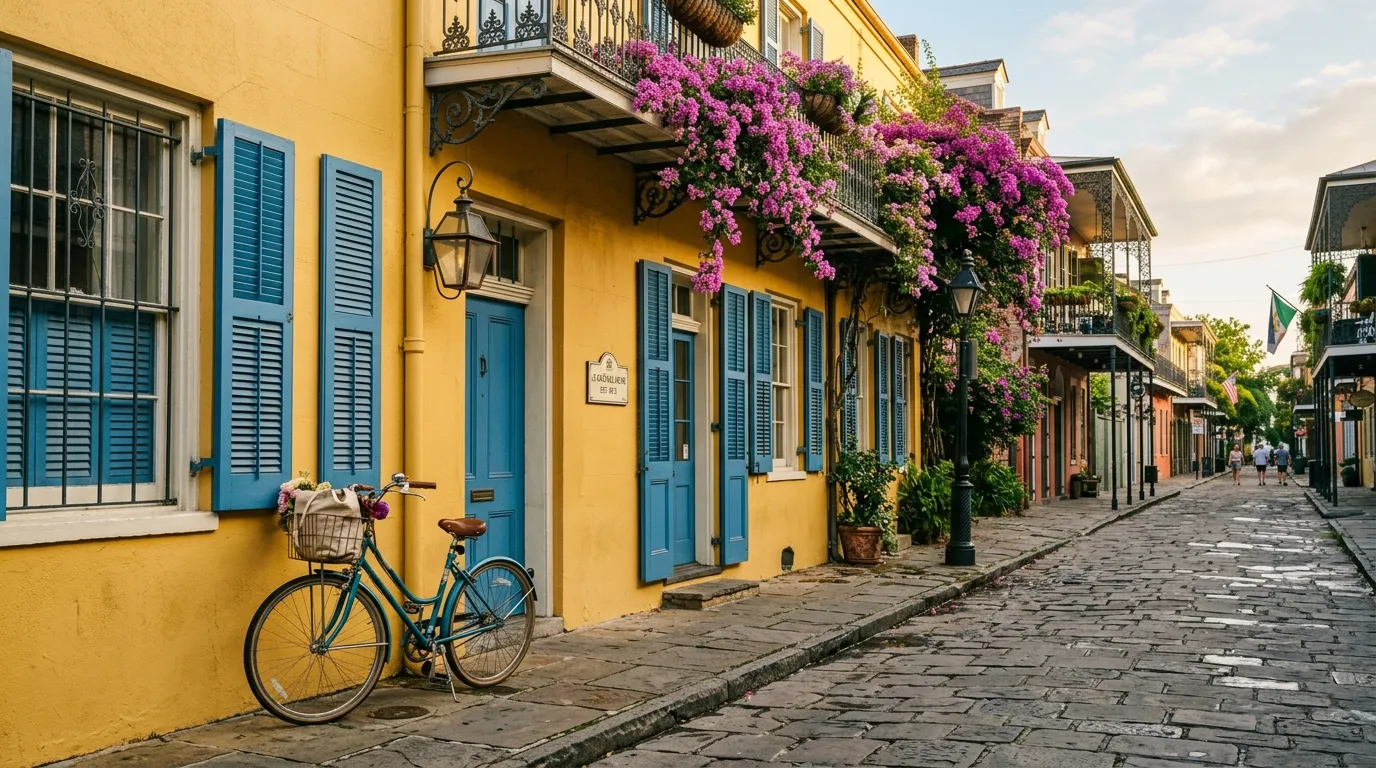
Only place in India celebrating French National Day (July 14).
One of very few Brahma temples in the world. 14th century.
Walk on frozen Zanskar River, 62km, 9 days, -25C to -35C.
The only place in India — and the world — where a Jyotirlinga and a Shakti Peetha exist at the same site.
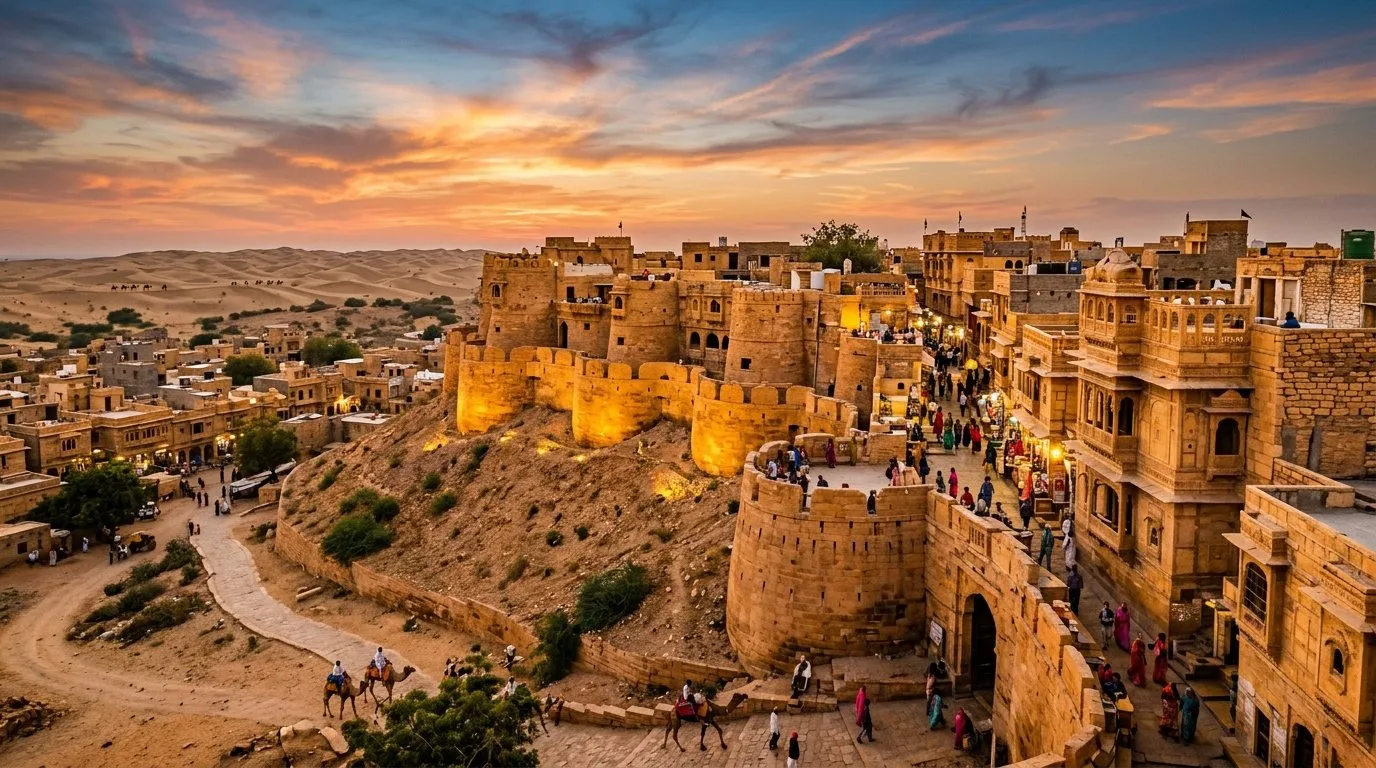
Built 1156 CE. 3,000 people still live inside. Not a museum — a functioning city.
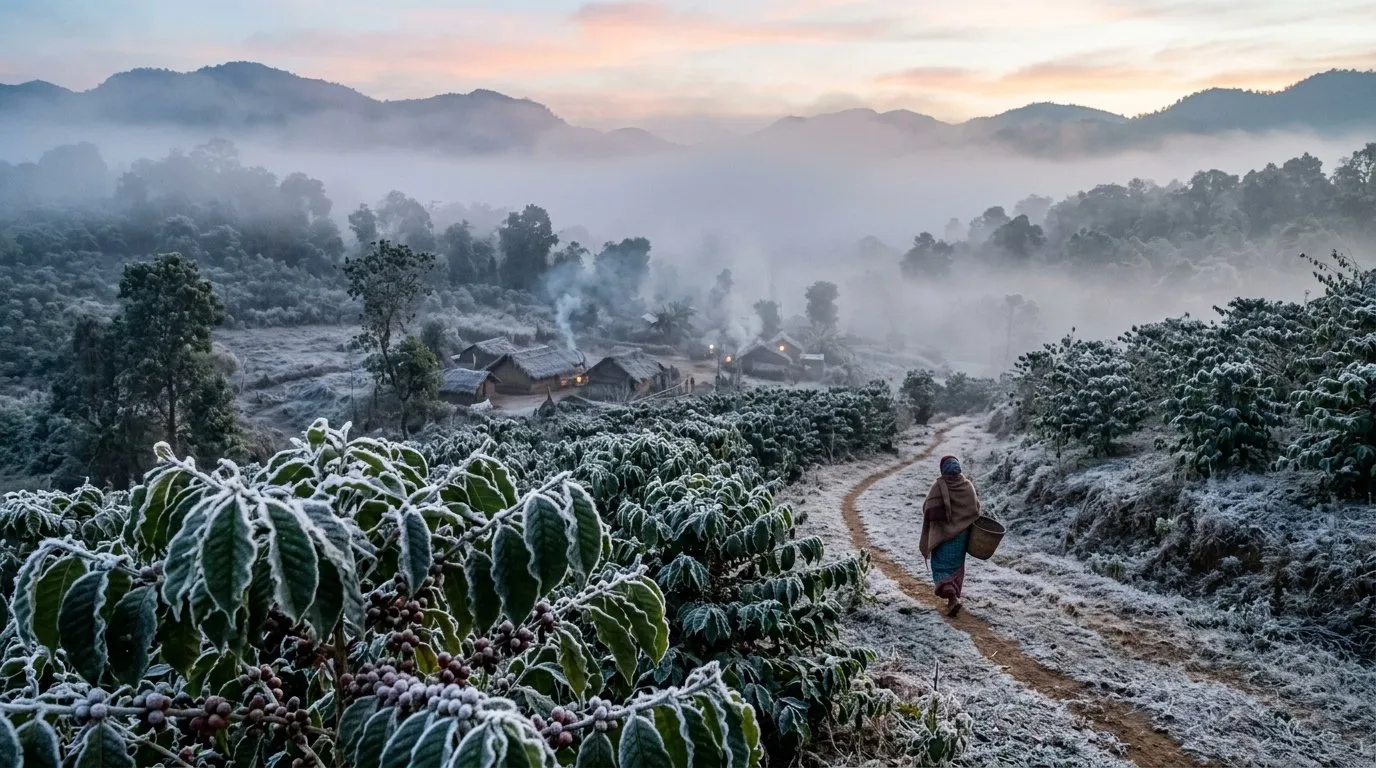
Recorded -2°C in December/January. The ONLY place south of the Vindhyas with sub-zero temperatures.
Kakatiya Rudreshwara Temple inscribed as UNESCO World Heritage 2021. Named after sculptor Ramappa — the only temple in India named for its creator, not its deity.
Record low: -60C (disputed). Average winter: -20 to -30C.
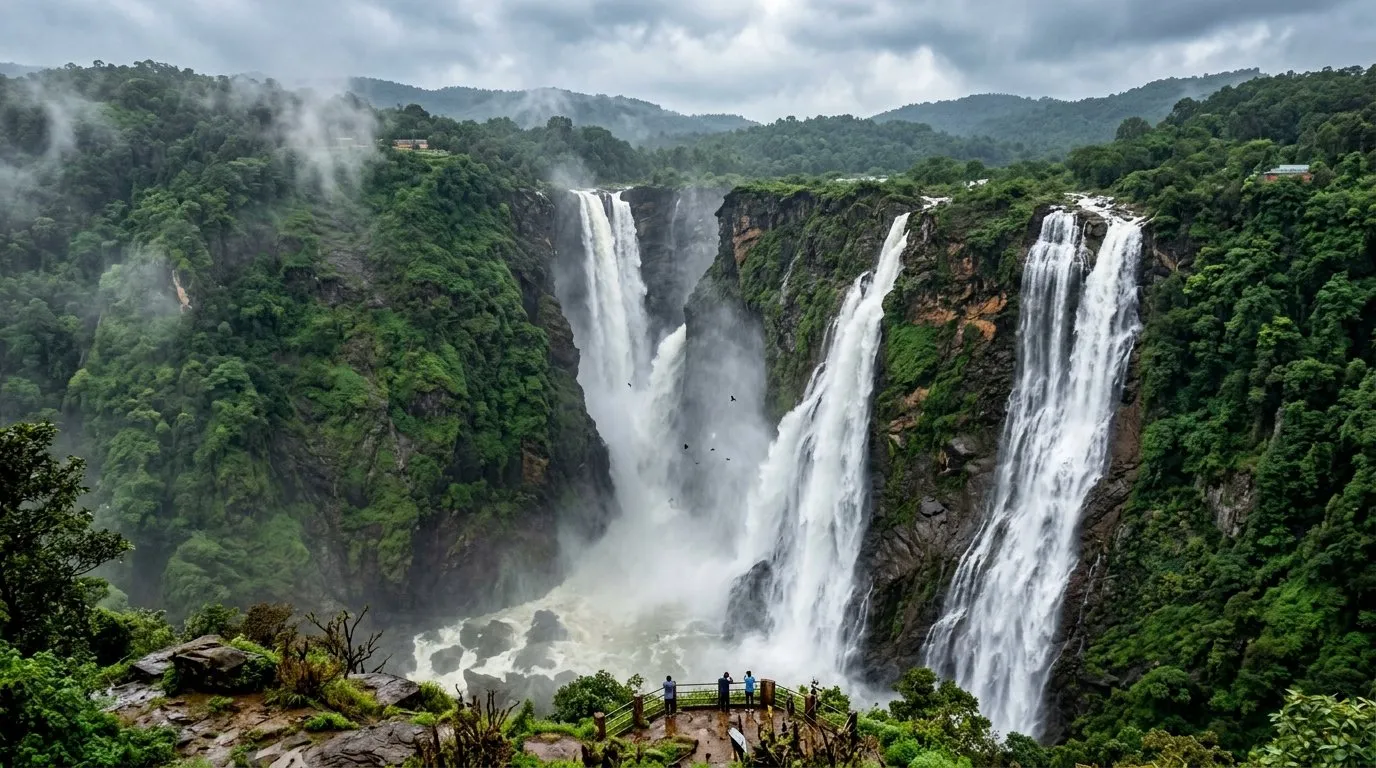
At 253m, Jog Falls is India's second-highest plunge waterfall. The four cascades — Raja, Rani, Roarer, Rocket — are most spectacular during August-September monsoon peak.
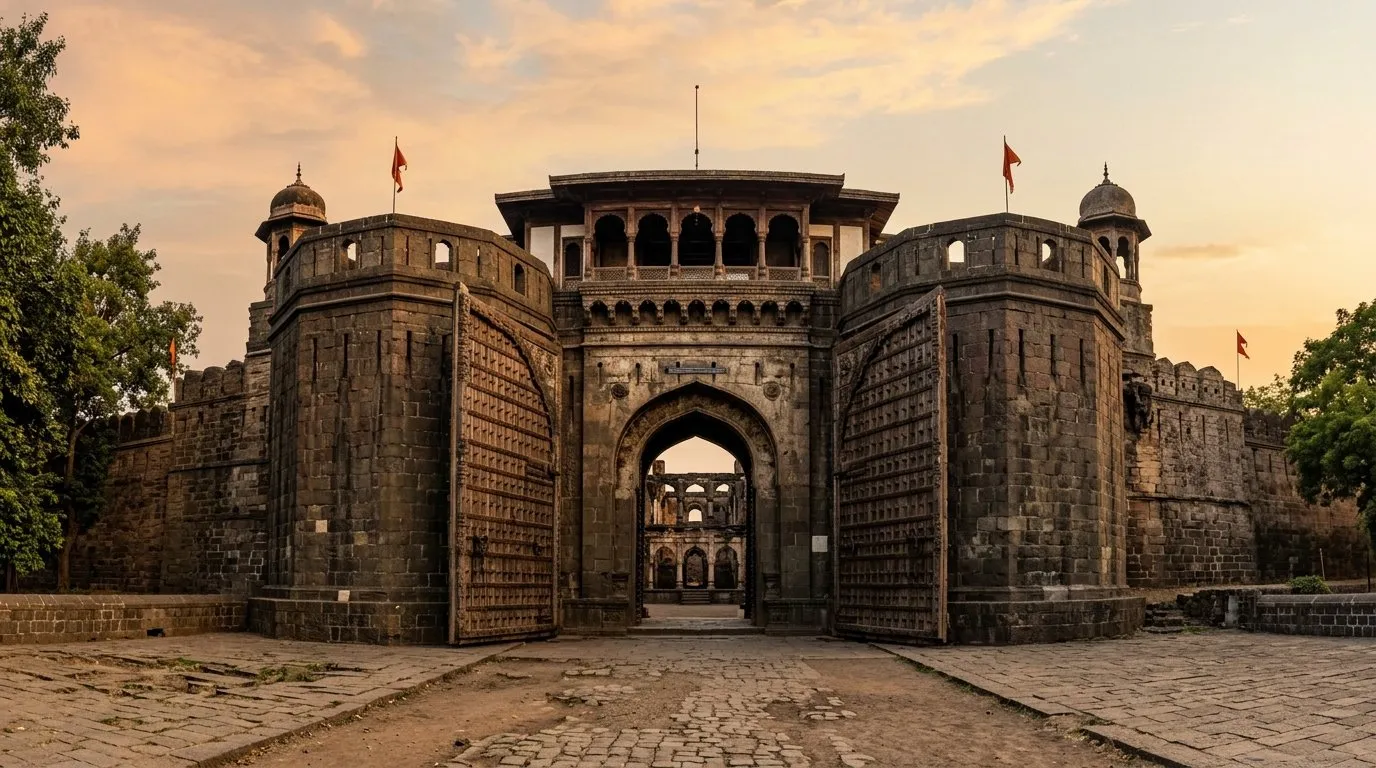
Maharashtra has over 350 forts — more than any other Indian state. From coastal sea forts (Sindhudurg) to mountain fortresses (Raigad), the Maratha empire's legacy is built in stone.
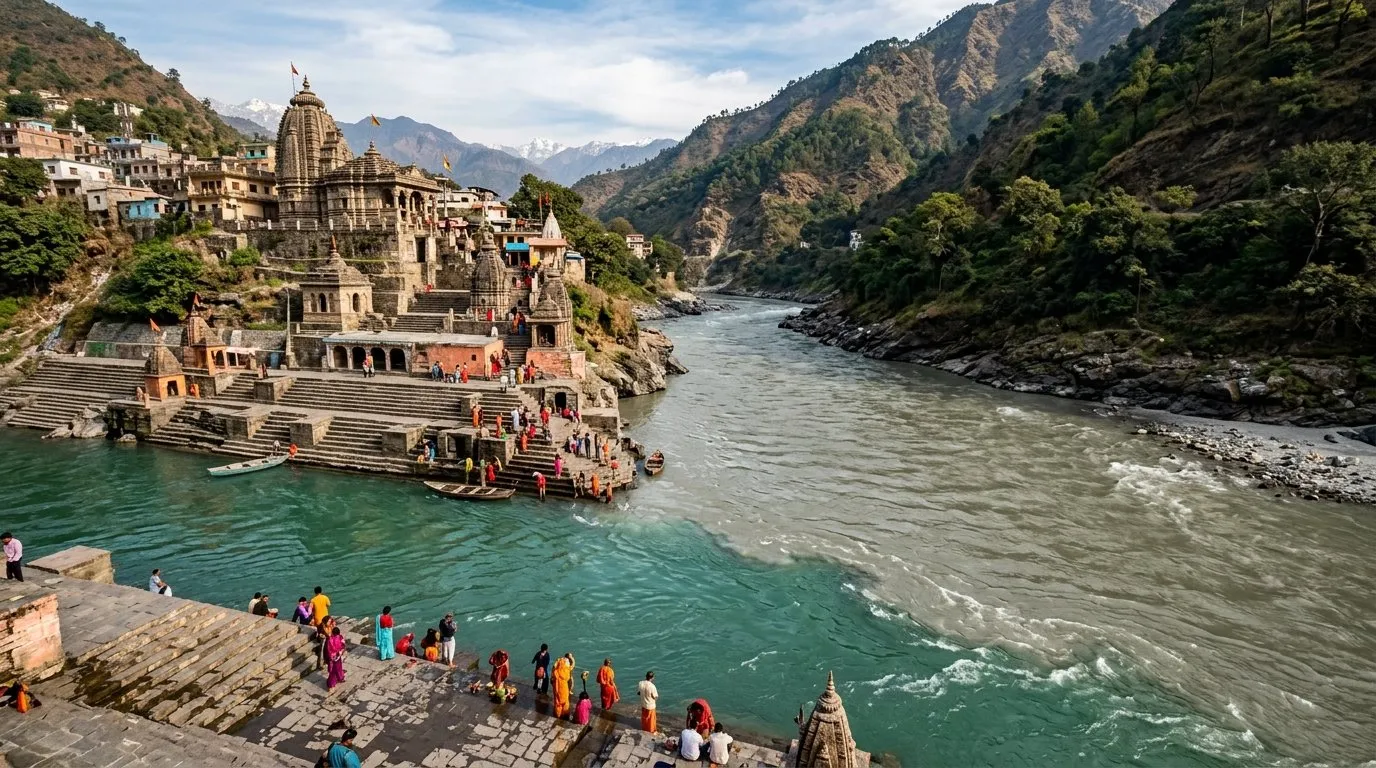
The exact point where Alaknanda and Bhagirathi merge to form the Ganges. Two visibly different-colored rivers.
At 2444m. Built by the Maharaja of Patiala after the British banned him from Shimla. Still in use.
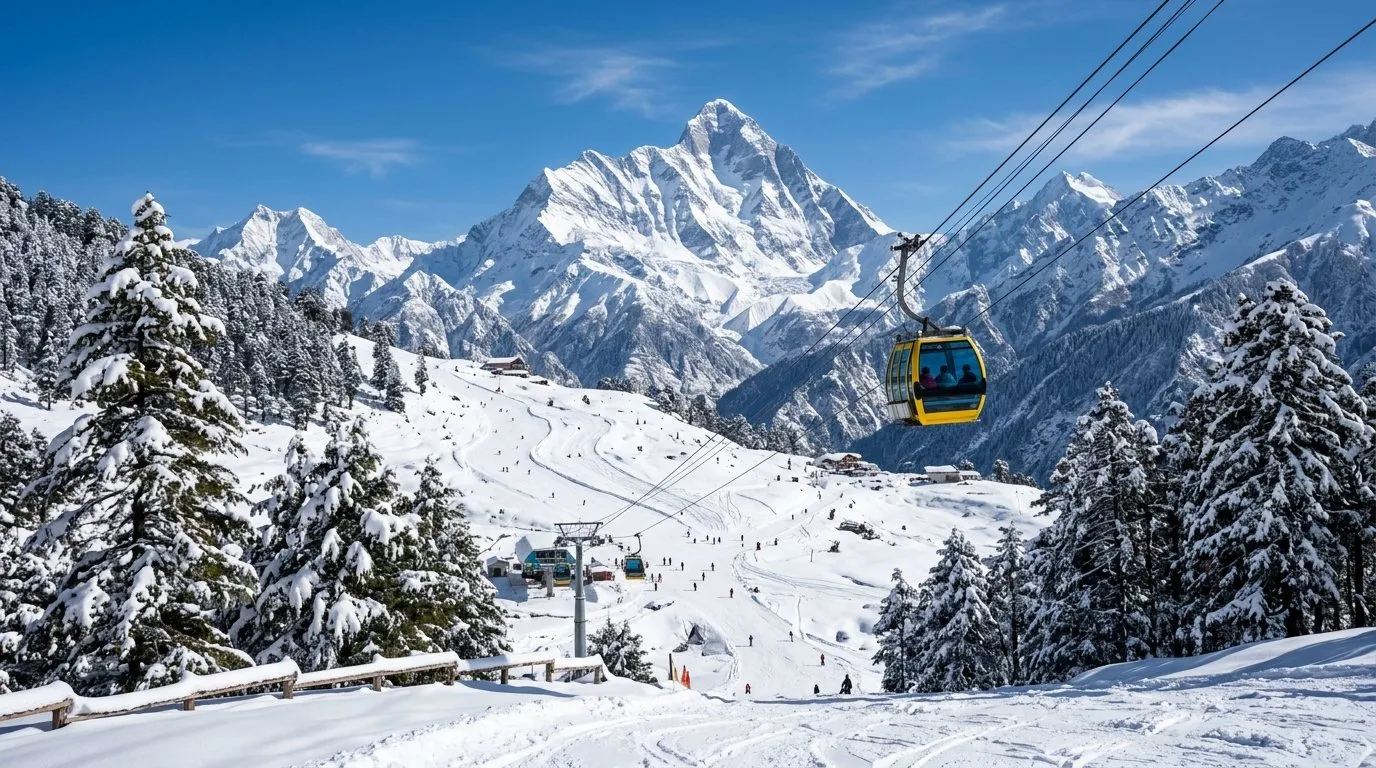
19,024 ft / 5,798m. Built by BRO, opened 2021. Oxygen at 50% of sea level.
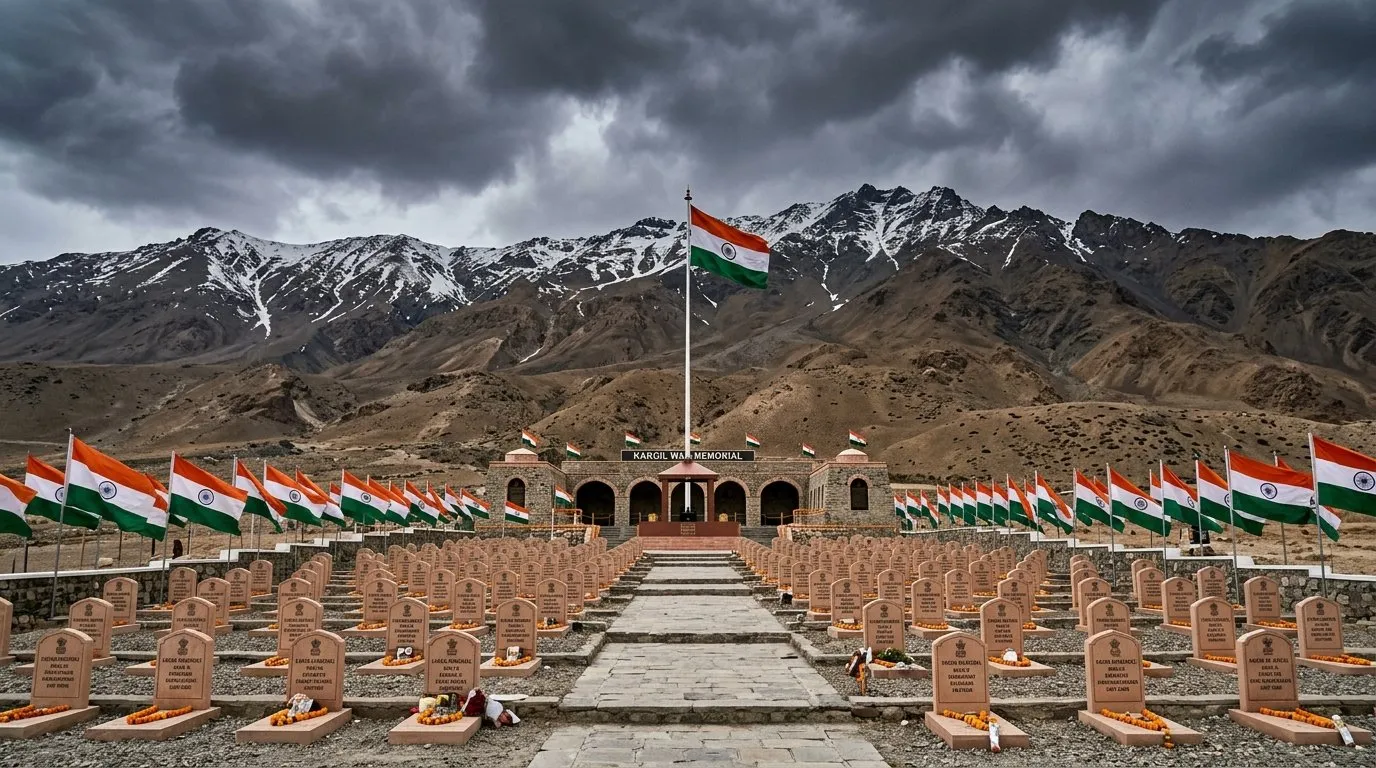
At 3300m. 527 soldiers names. Tiger Hill visible.
Feeds 50,000-100,000 daily. Running since 16th century. Entirely volunteer-operated.
Mumbai's suburban railway carries 7.5 million passengers daily — making it the densest mass transit system on earth. The system's 2,342 daily services are a city unto themselves.
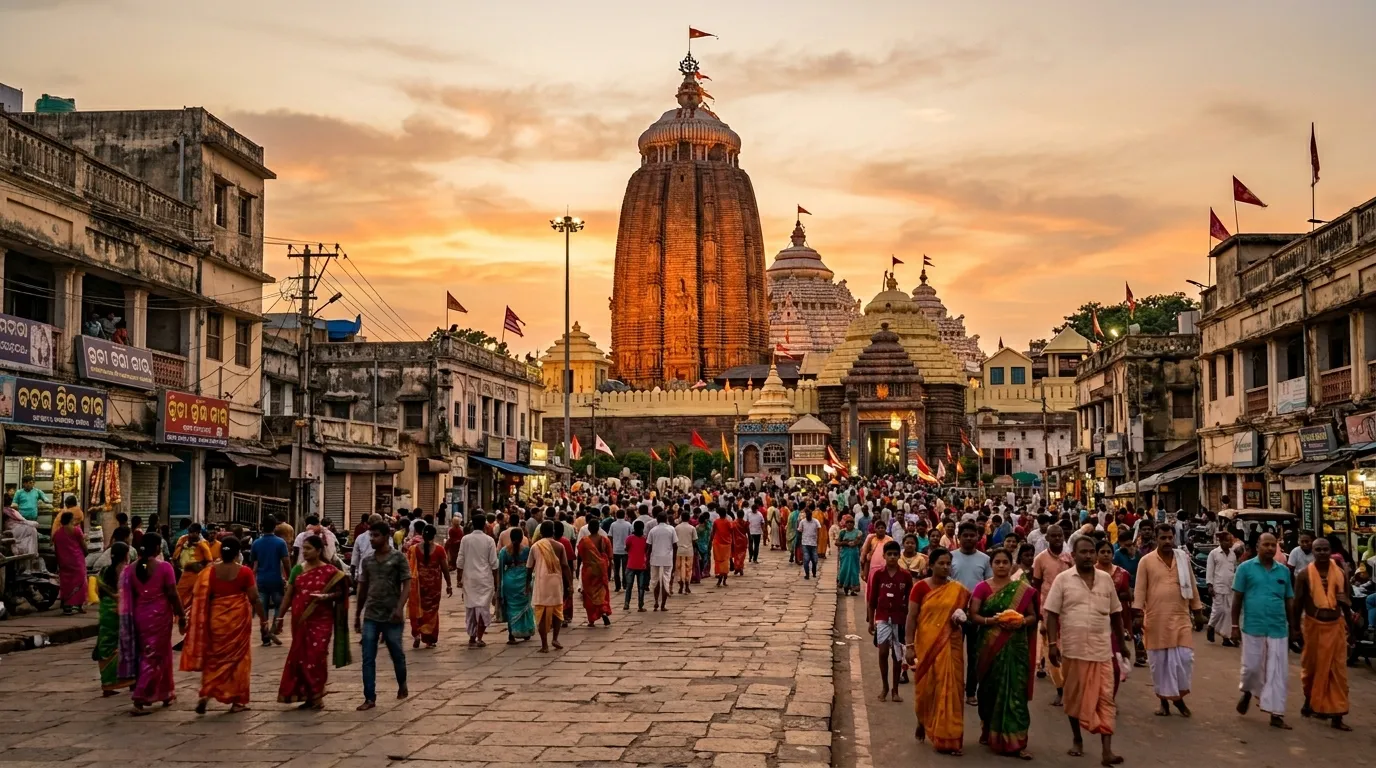
Over 1 million pilgrims pull three 45-foot wooden chariots weighing 65 tons each. The English word "juggernaut" derives from Jagannath.
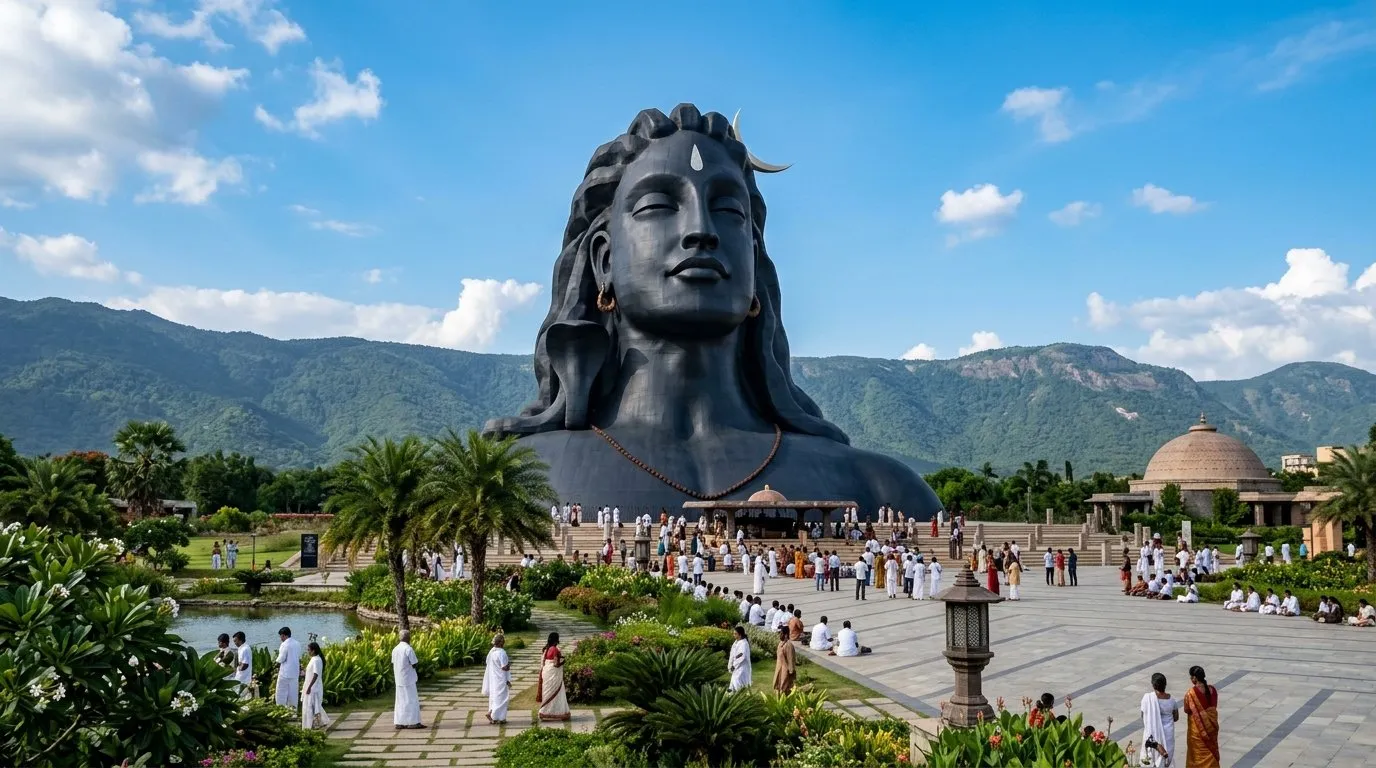
The 112-foot Adiyogi statue at Isha Yoga Center in Coimbatore is the world's largest bust/face sculpture, recognized by Guinness World Records in 2017.
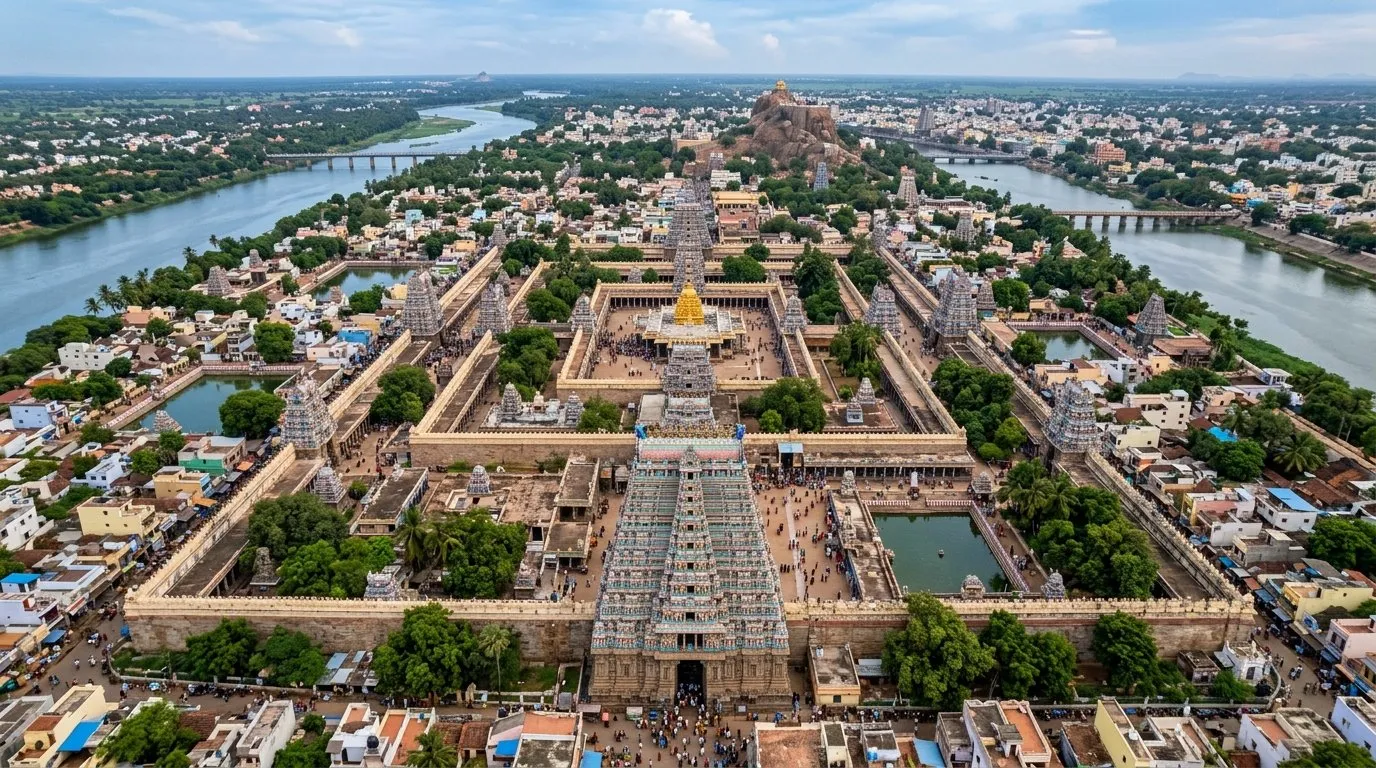
At 156 acres with 7 concentric enclosure walls, 21 gopurams, and 50 sub-shrines, Srirangam's Ranganathaswamy Temple is the largest functioning Hindu temple complex in the world.
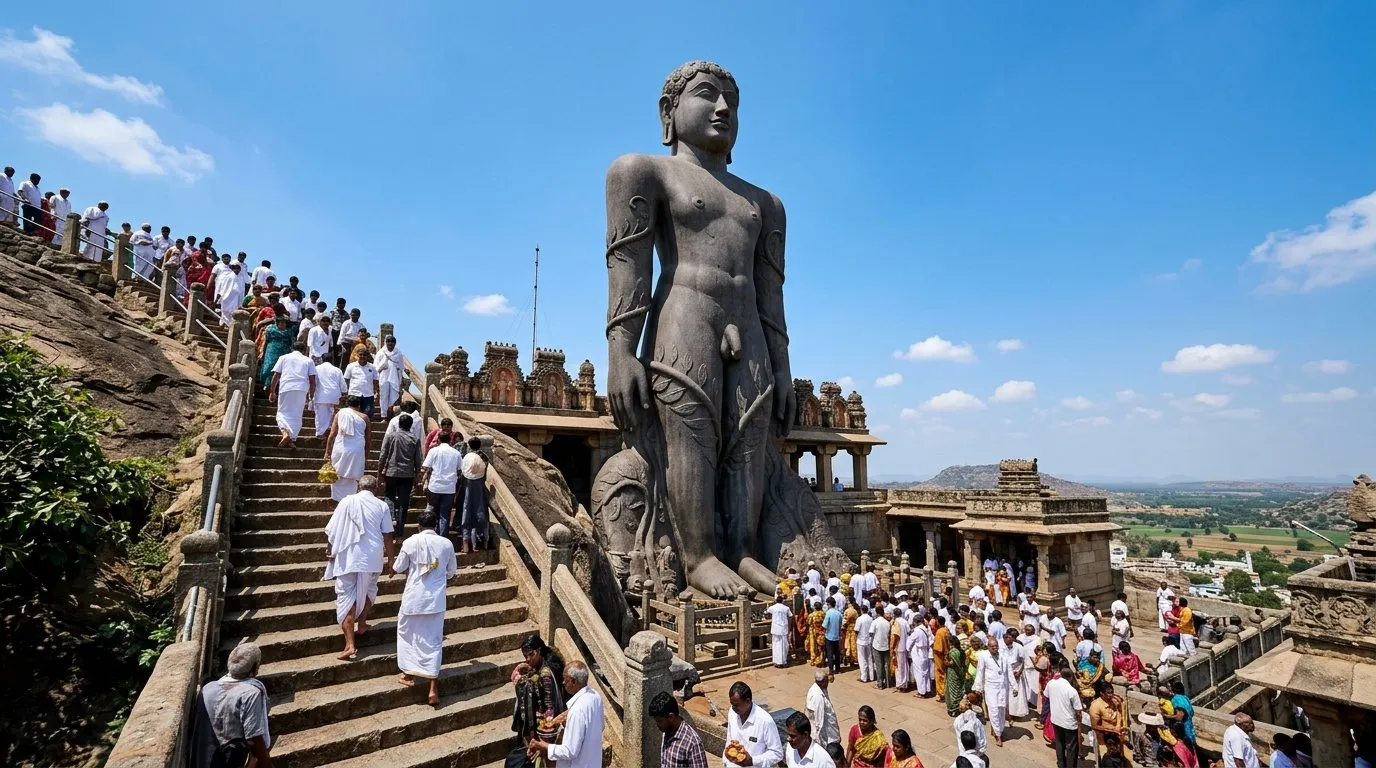
The 57-foot (17.4m) Gommateshwara statue carved from a single granite block in 981 AD is the world's largest free-standing monolithic statue.
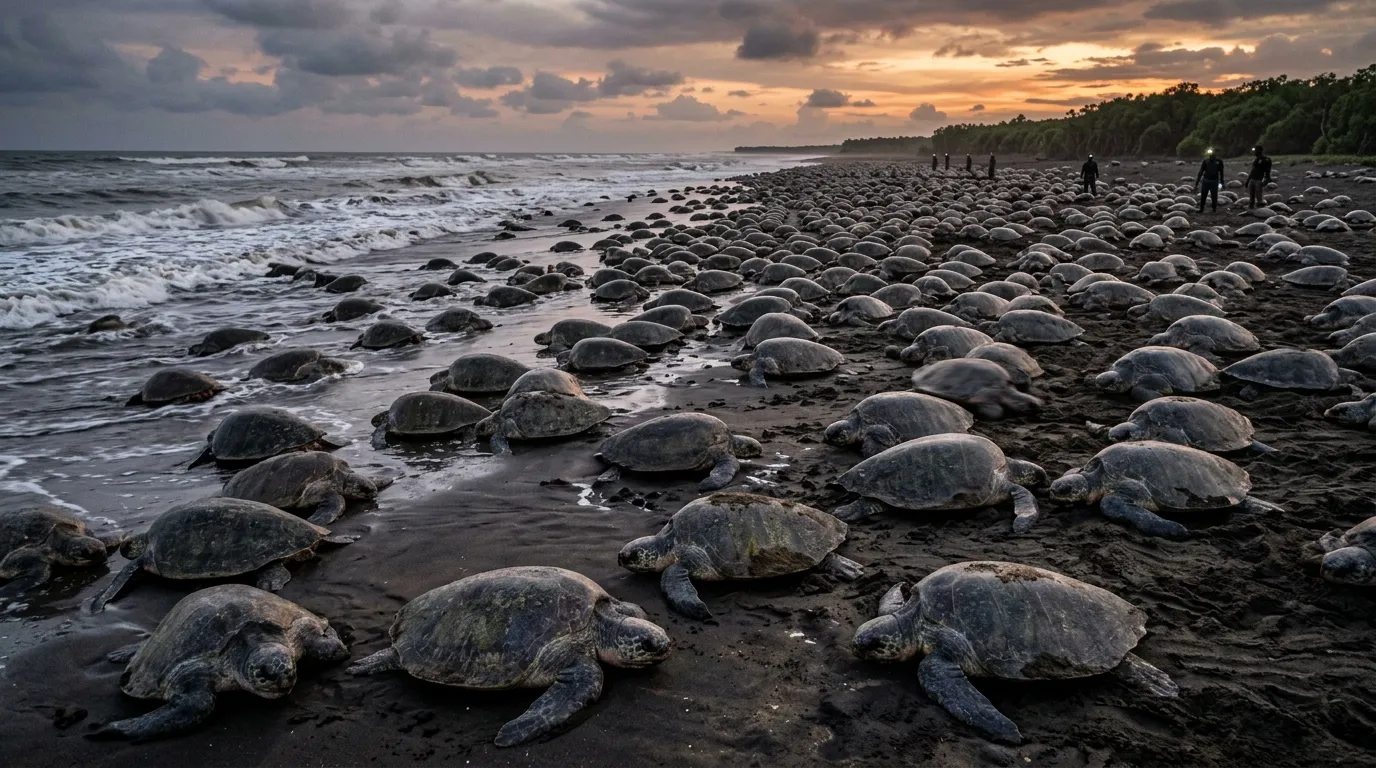
Up to 600,000 Olive Ridley sea turtles nest in a single season. The beach turns black during Arribada mass nesting.
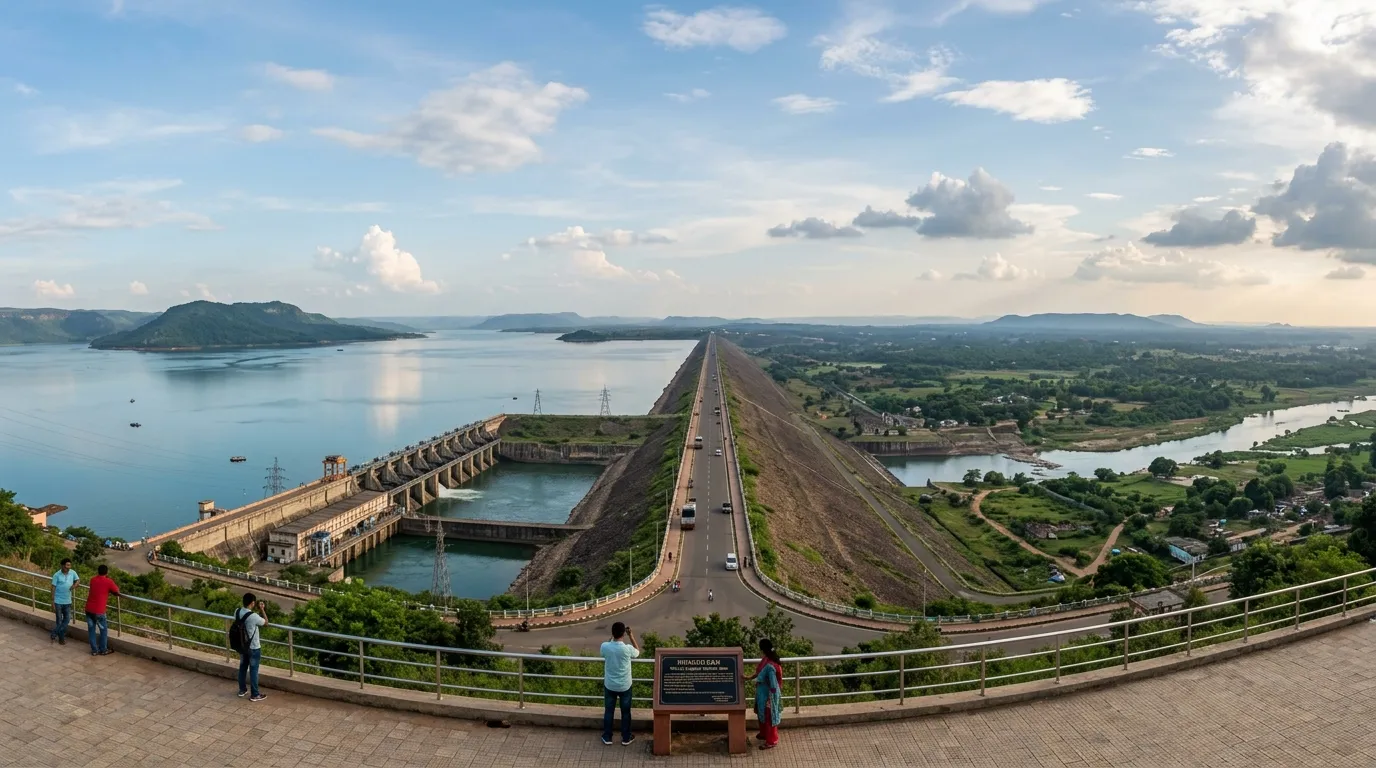
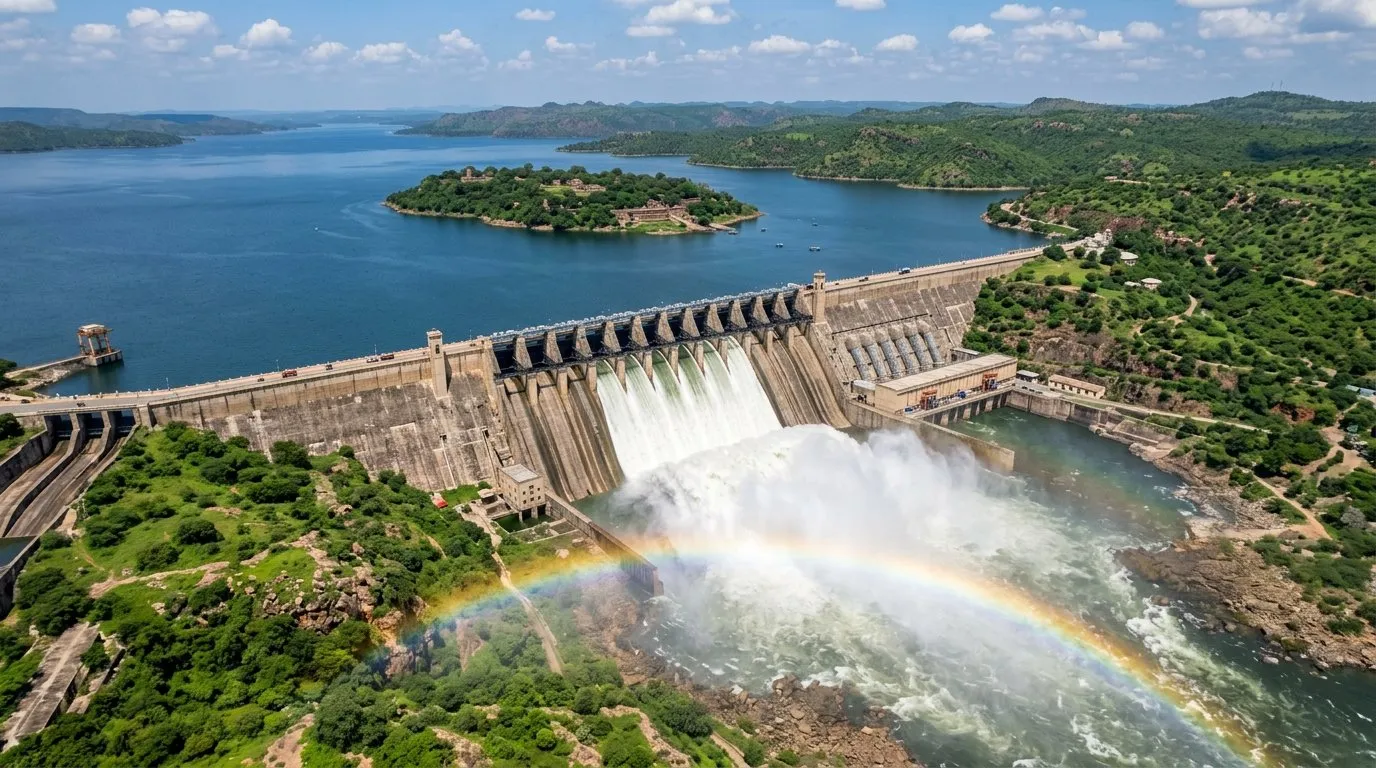
25.8km across the Mahanadi River. India's first post-independence multipurpose river project (1957).
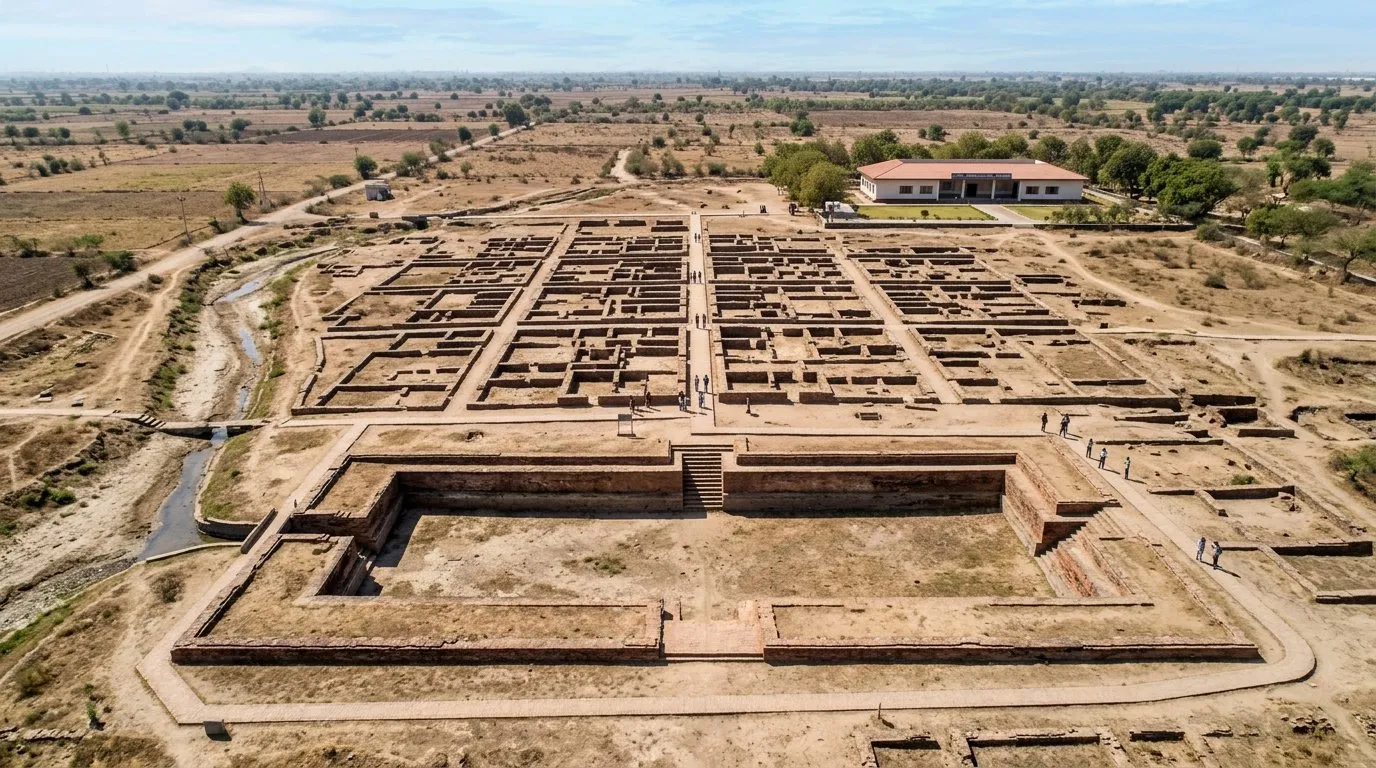
4,500-year-old Indus Valley Civilization port. The dockyard engineering was ahead of its time.
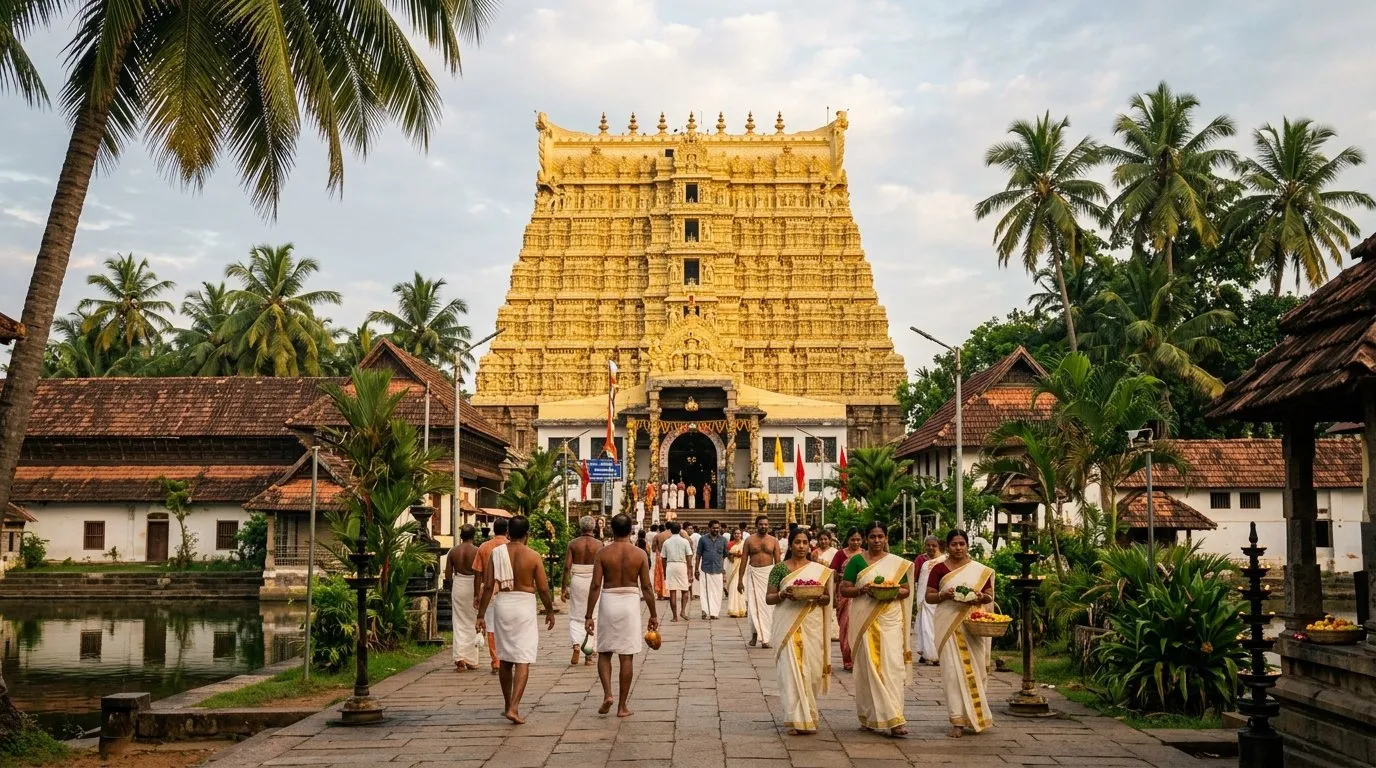
Treasure vaults discovered in 2011 contained gold, jewels, and artifacts valued at over Rs 1 lakh crore (US$20+ billion), making Padmanabhaswamy the wealthiest religious institution on earth.
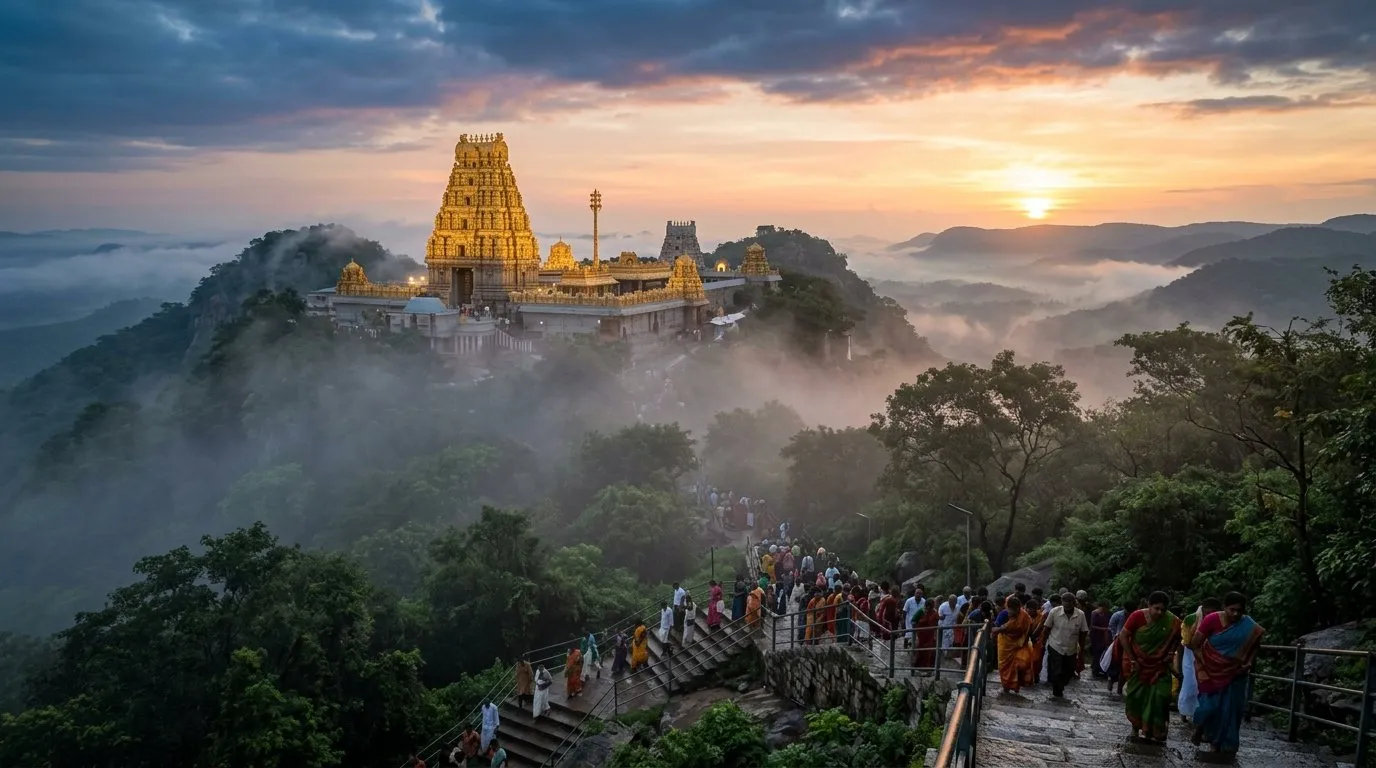
Receives over $3 billion in annual donations. More daily visitors than Vatican and Mecca combined. 75,000+ pilgrims per day.
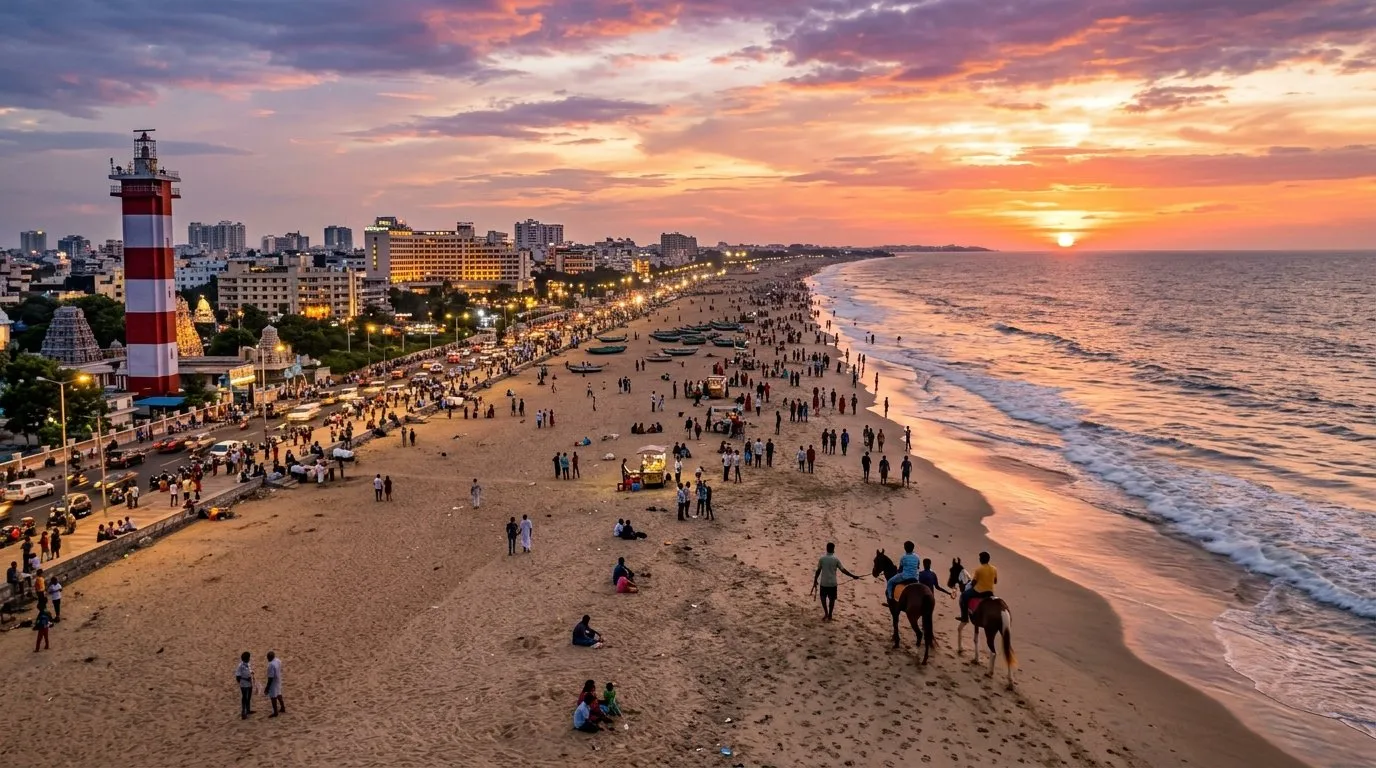
At 13km, Marina Beach in Chennai is the world's second longest urban beach (after Cox's Bazar). It serves as Chennai's social heartbeat — cricket, walks, and sundal.
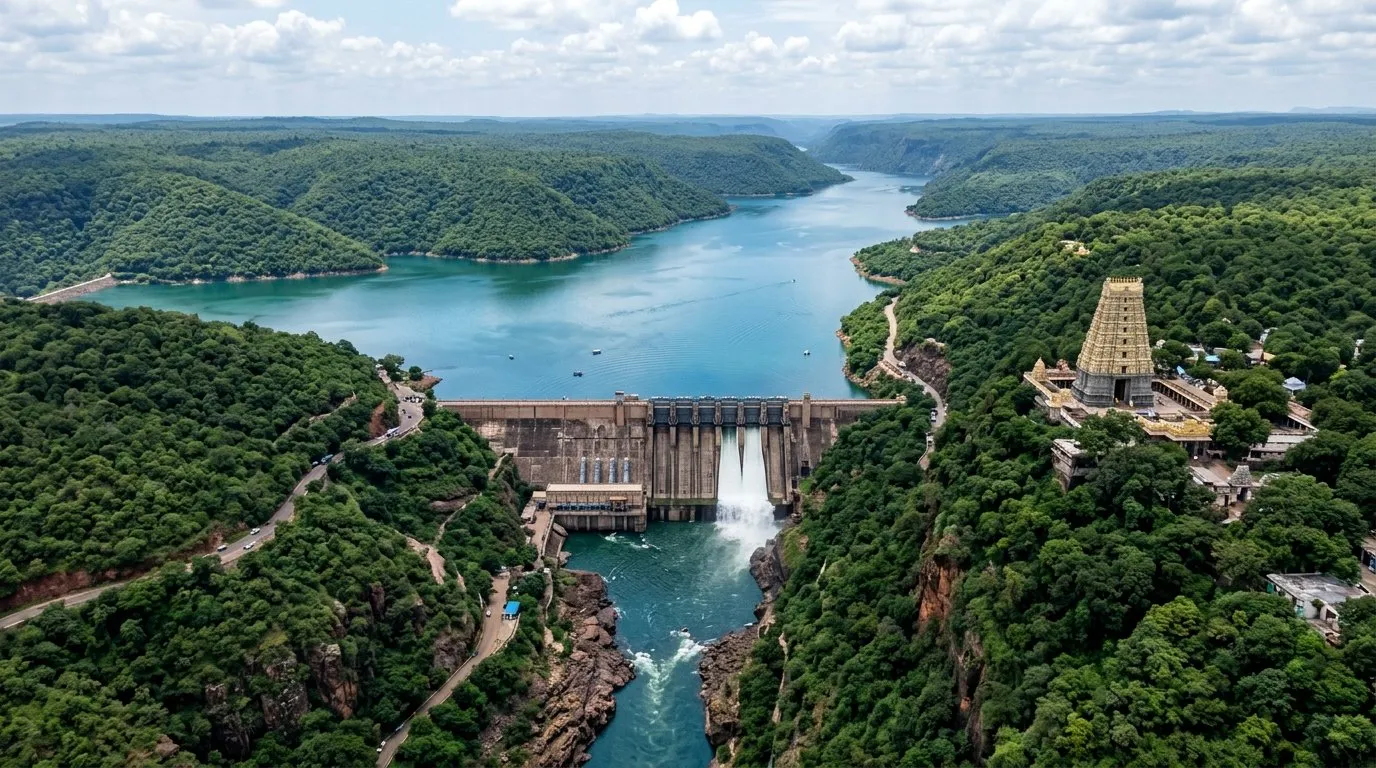
124 meters high. Built 1955-1967 across the Krishna River. Contains enough concrete to build a wall around the Earth.
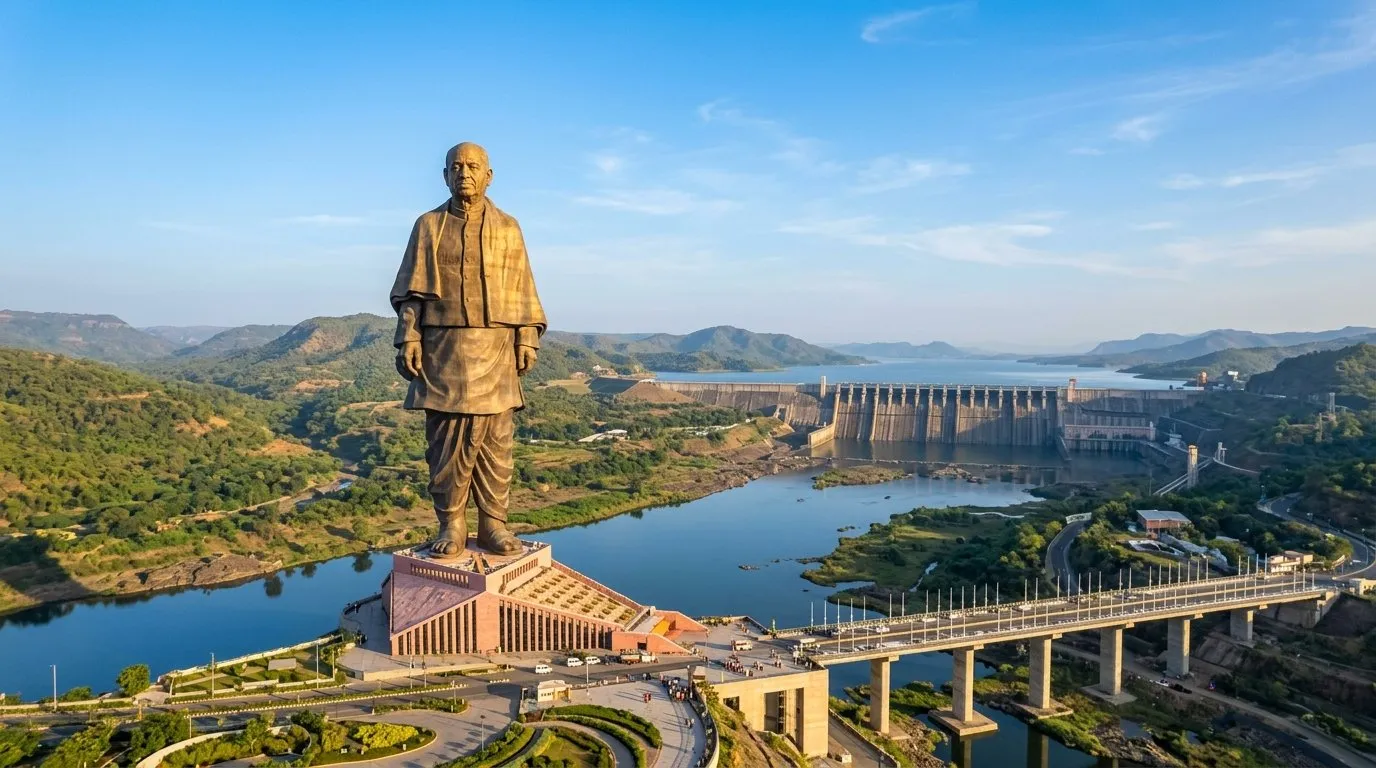
182 meters — Sardar Vallabhbhai Patel. Twice the height of Statue of Liberty. Built 2018.