Where to go in India this January.
Ranked by NakshIQ Score · Ties broken by editorial richness · Hover for full color
Where to go in India
January in India — where the data says go, wait, and skip
Every destination scored 0-10 for January — weather, roads, crowds, festivals. Go first, then Wait, then Skip. No opinions, just the data.
The other scoring 10/10
10/10269 destinations
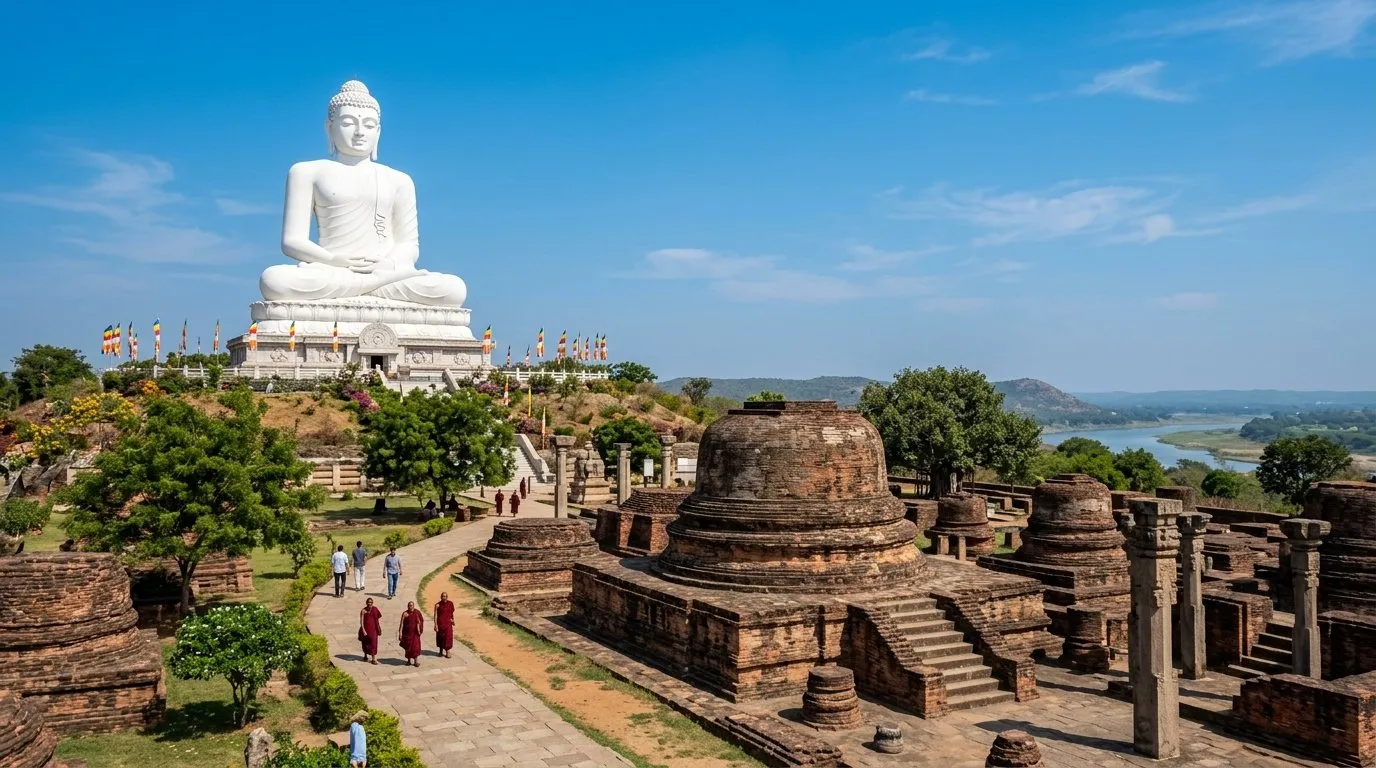
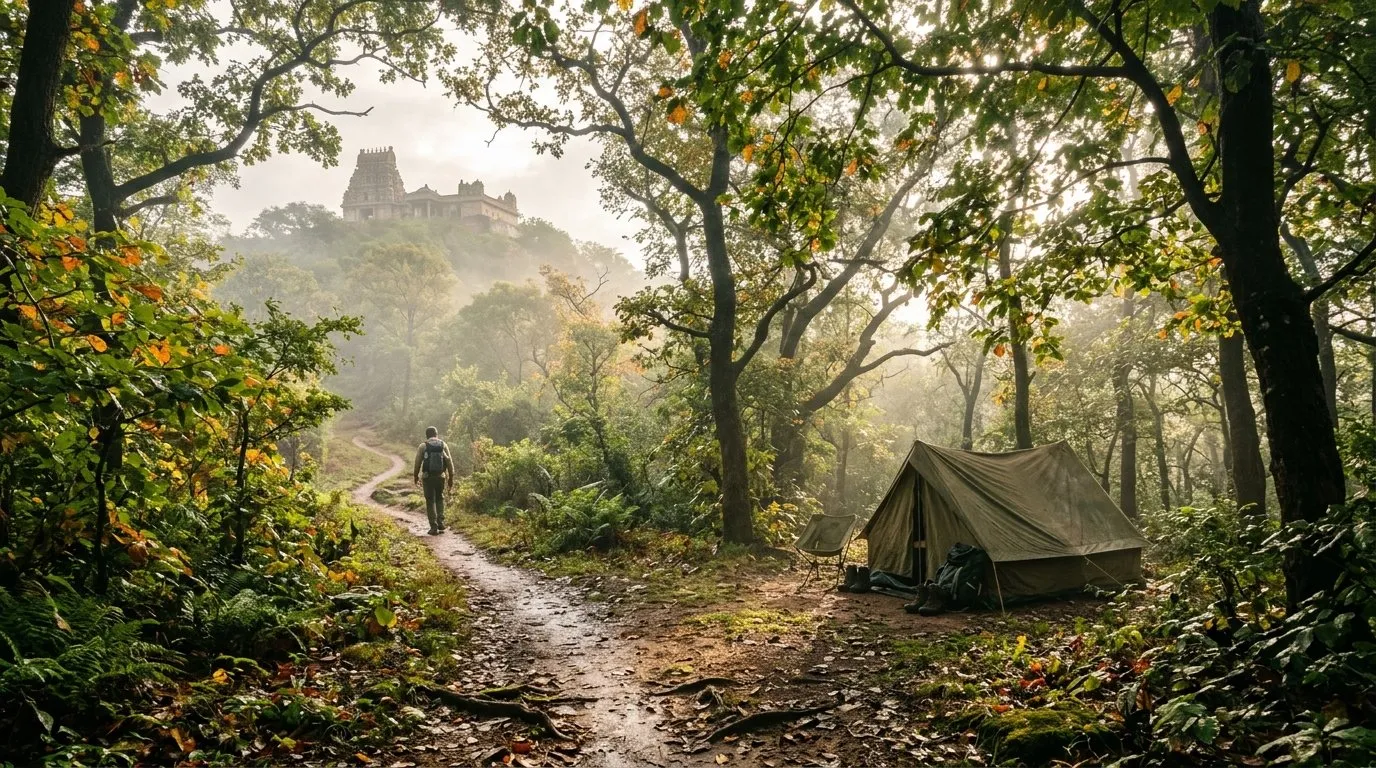
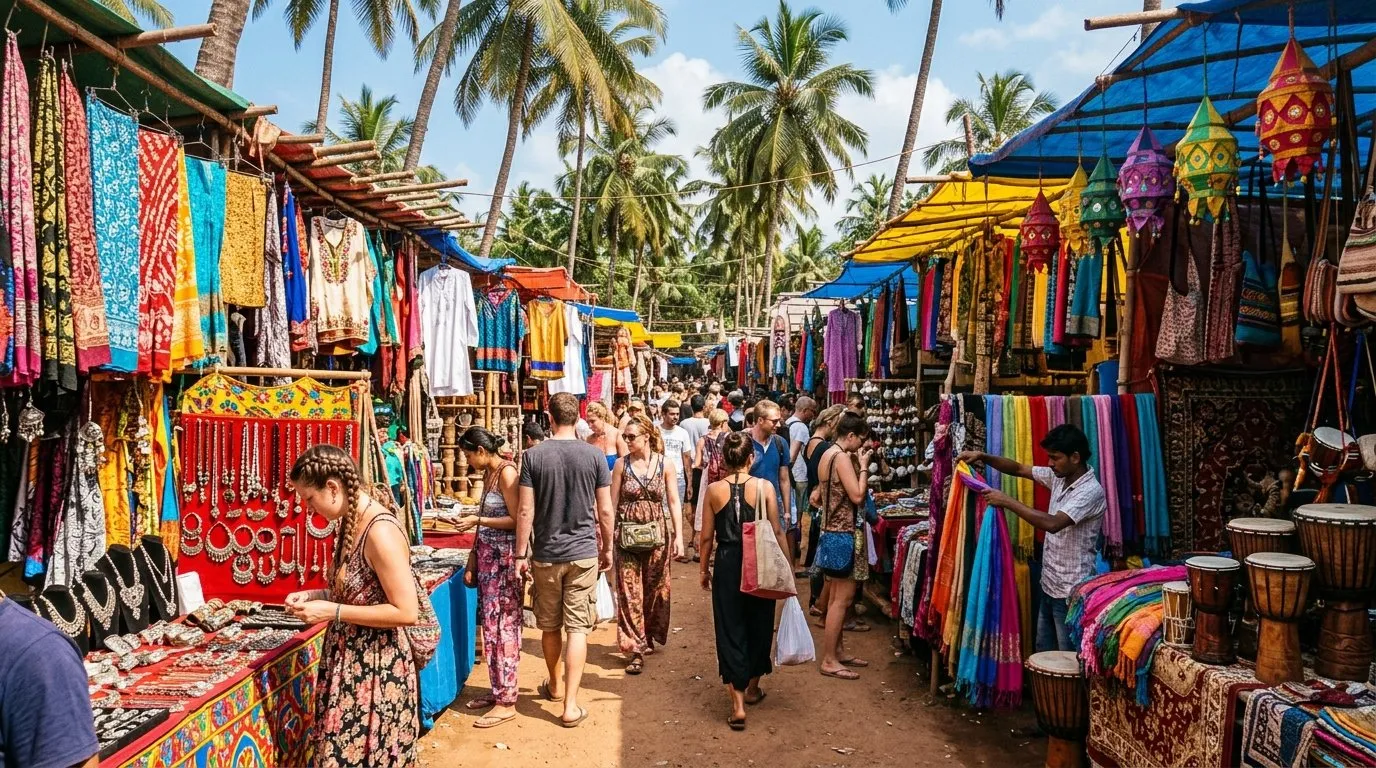
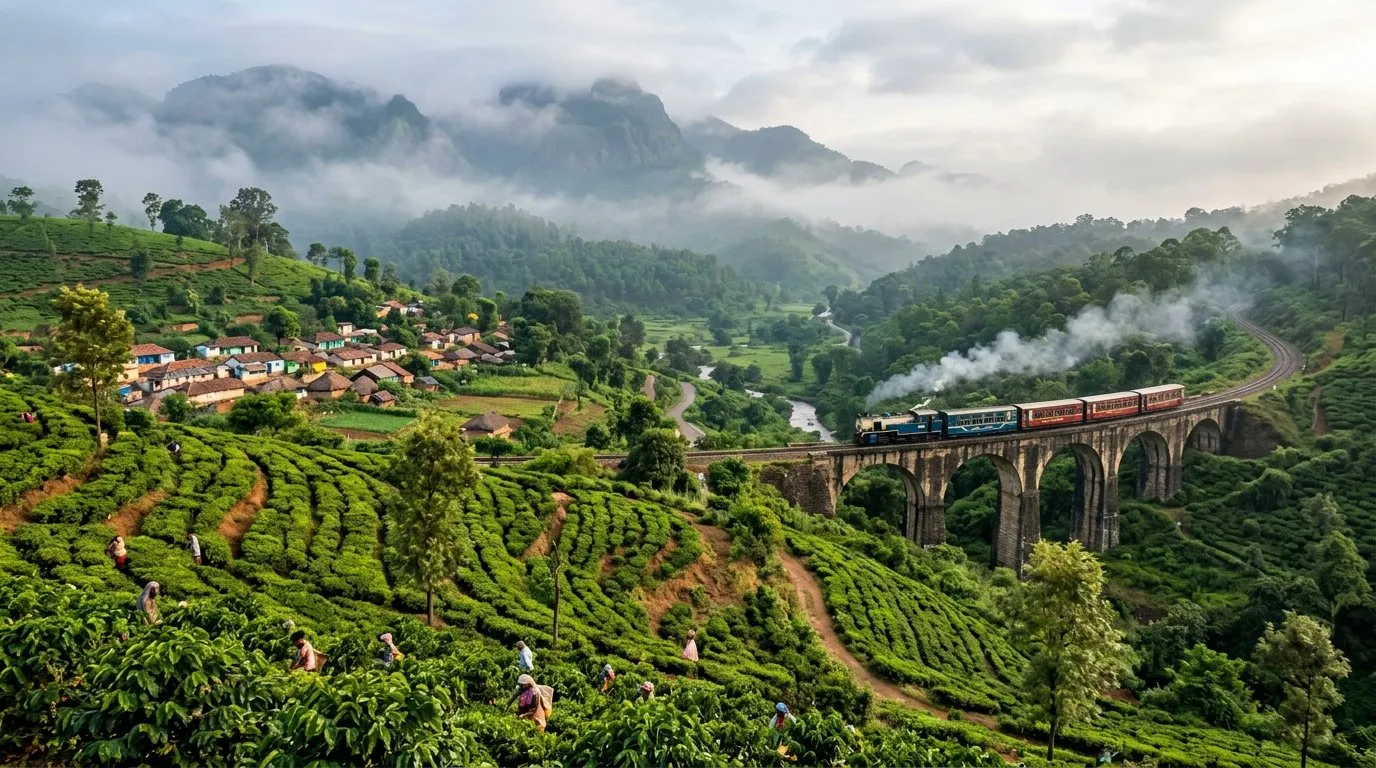
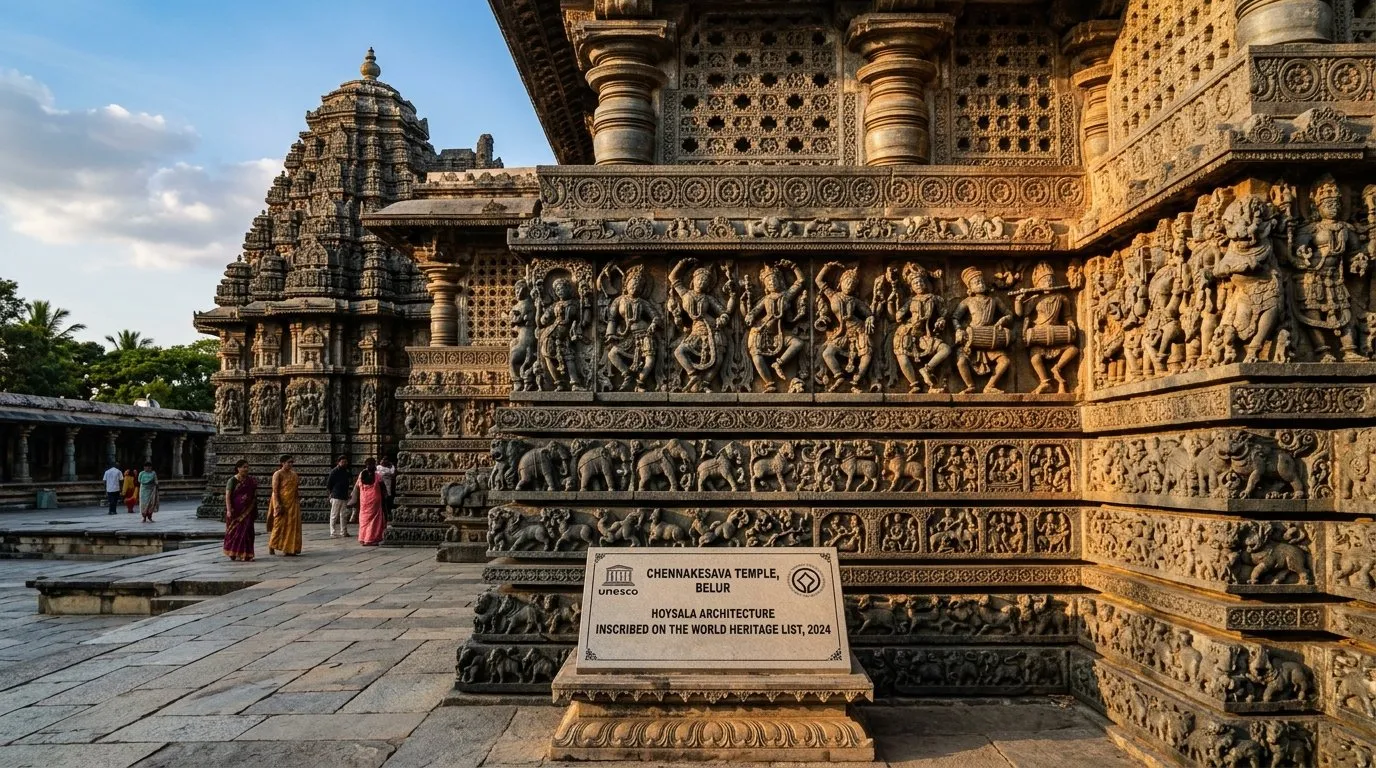
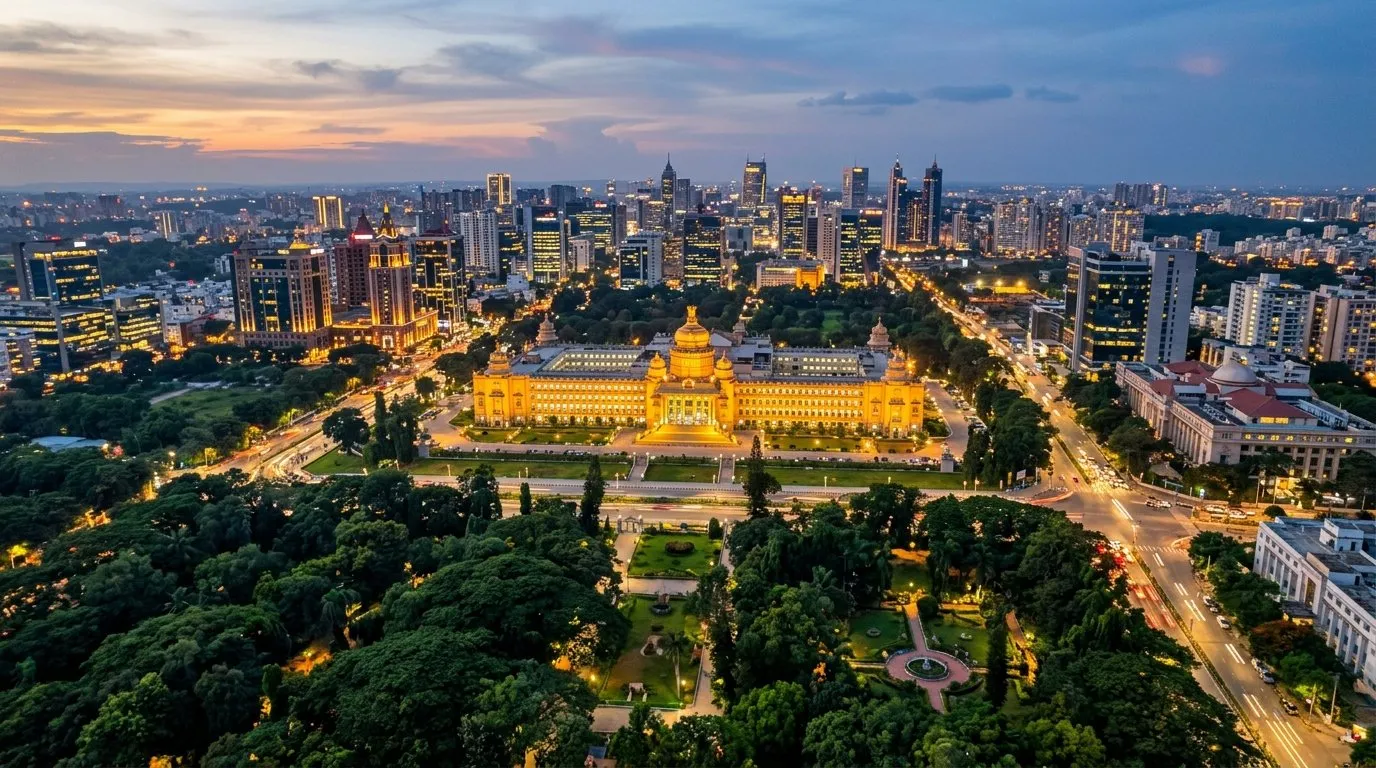
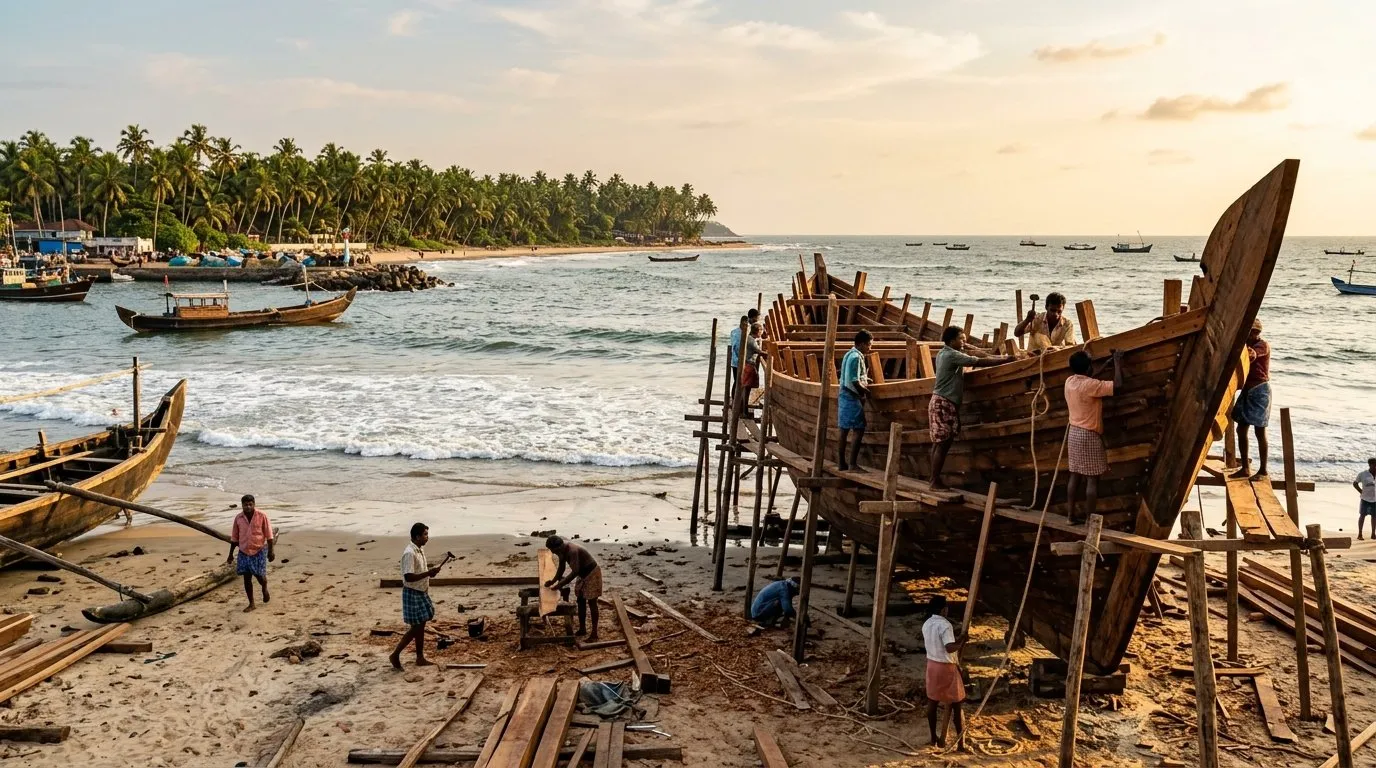
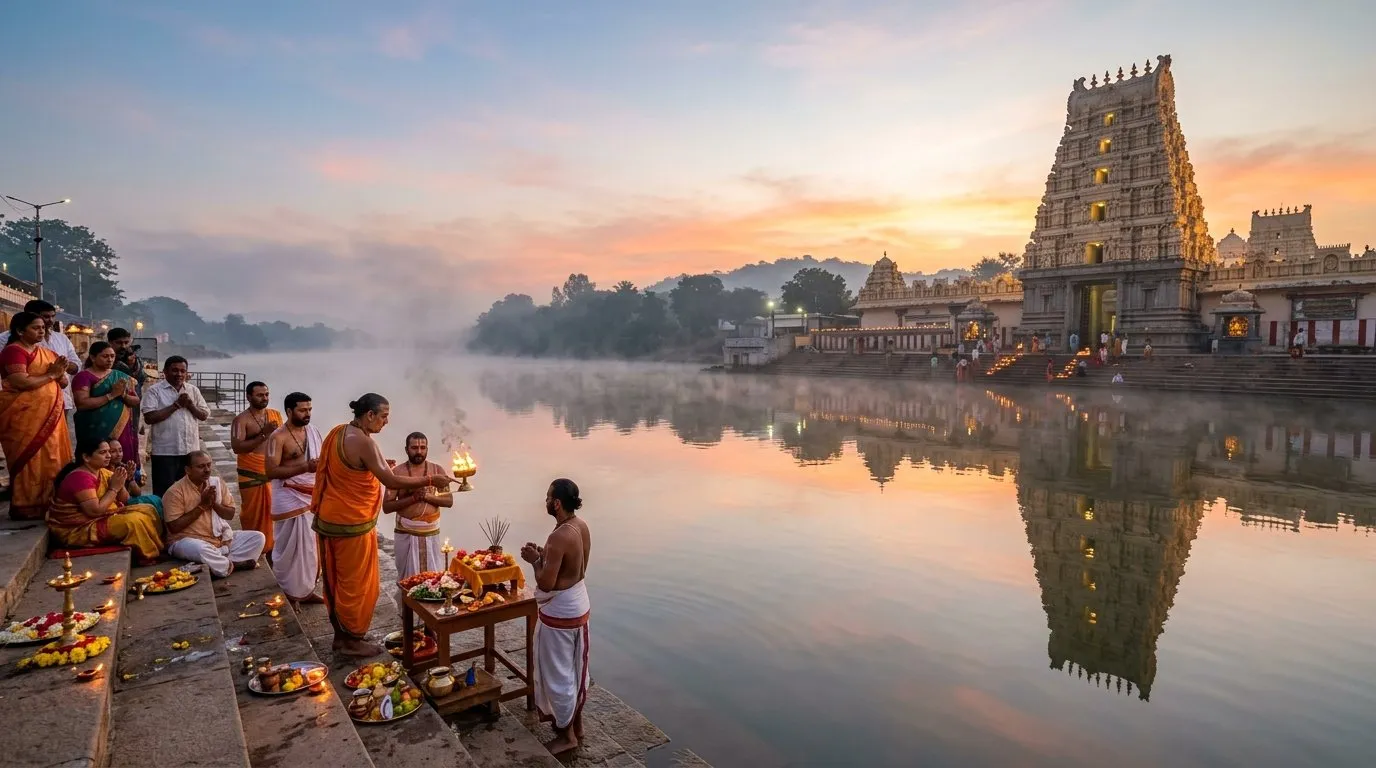
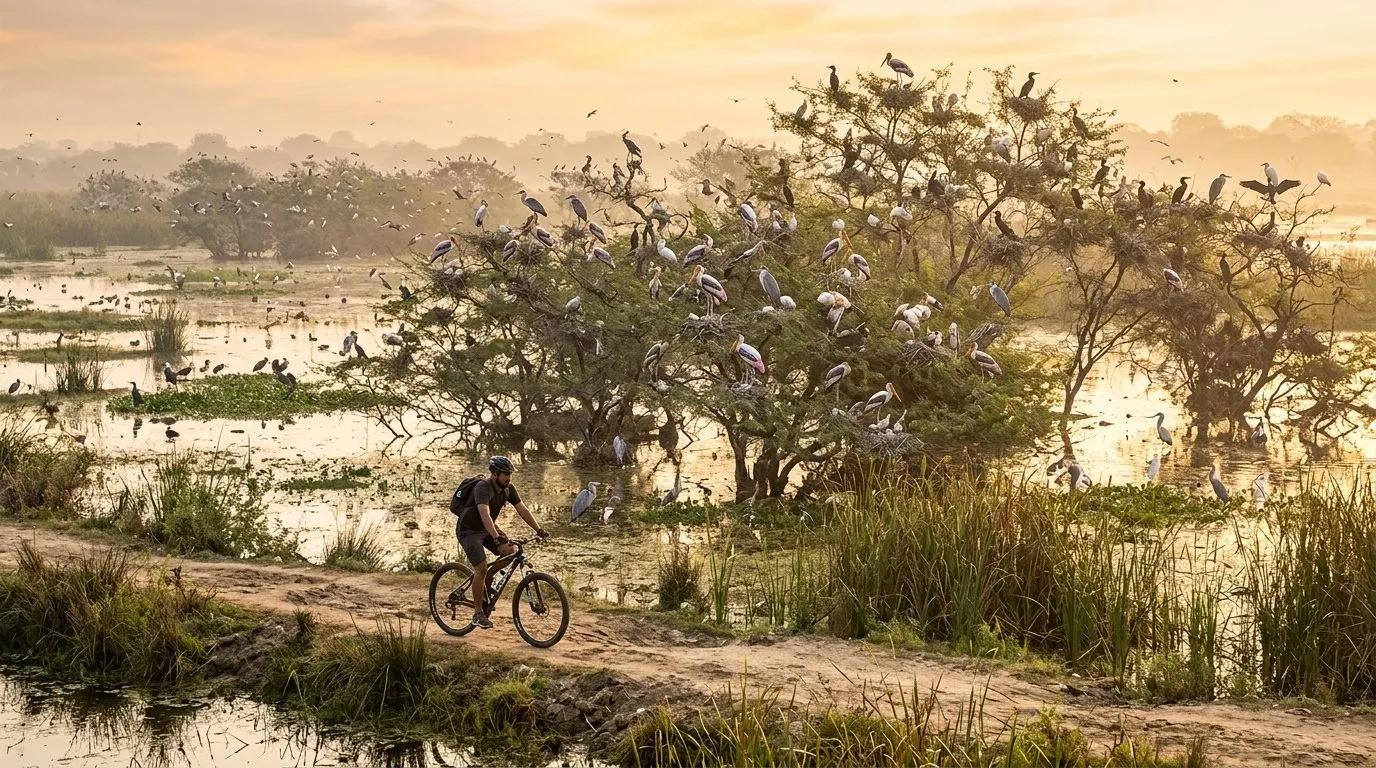
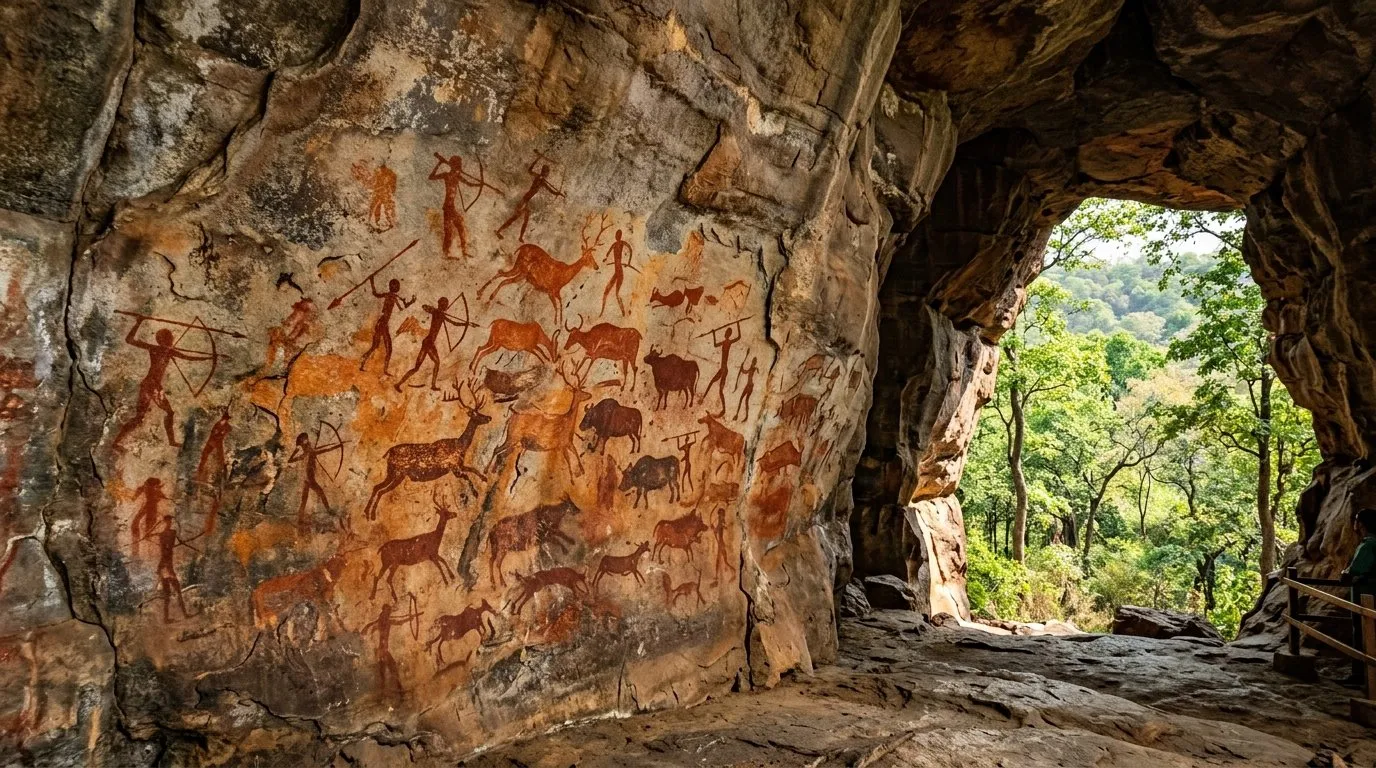
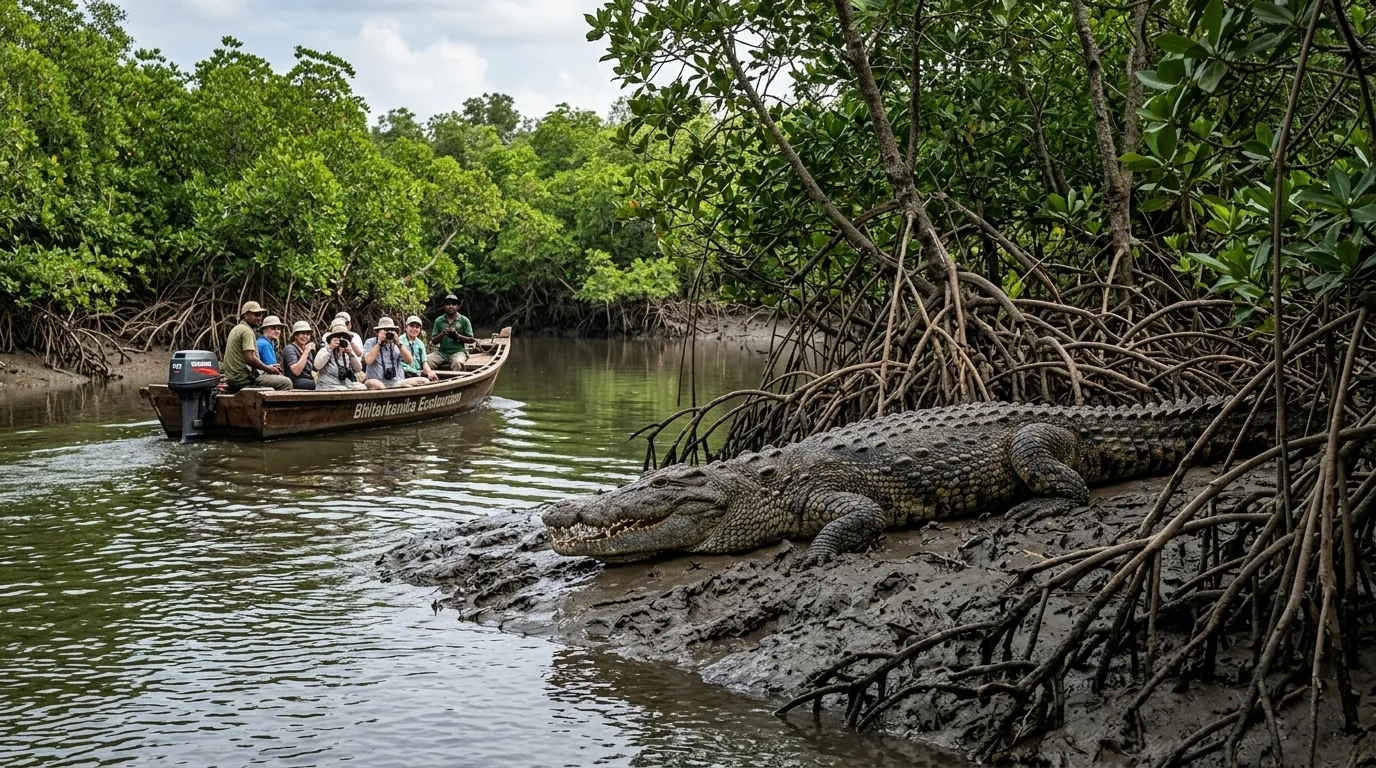
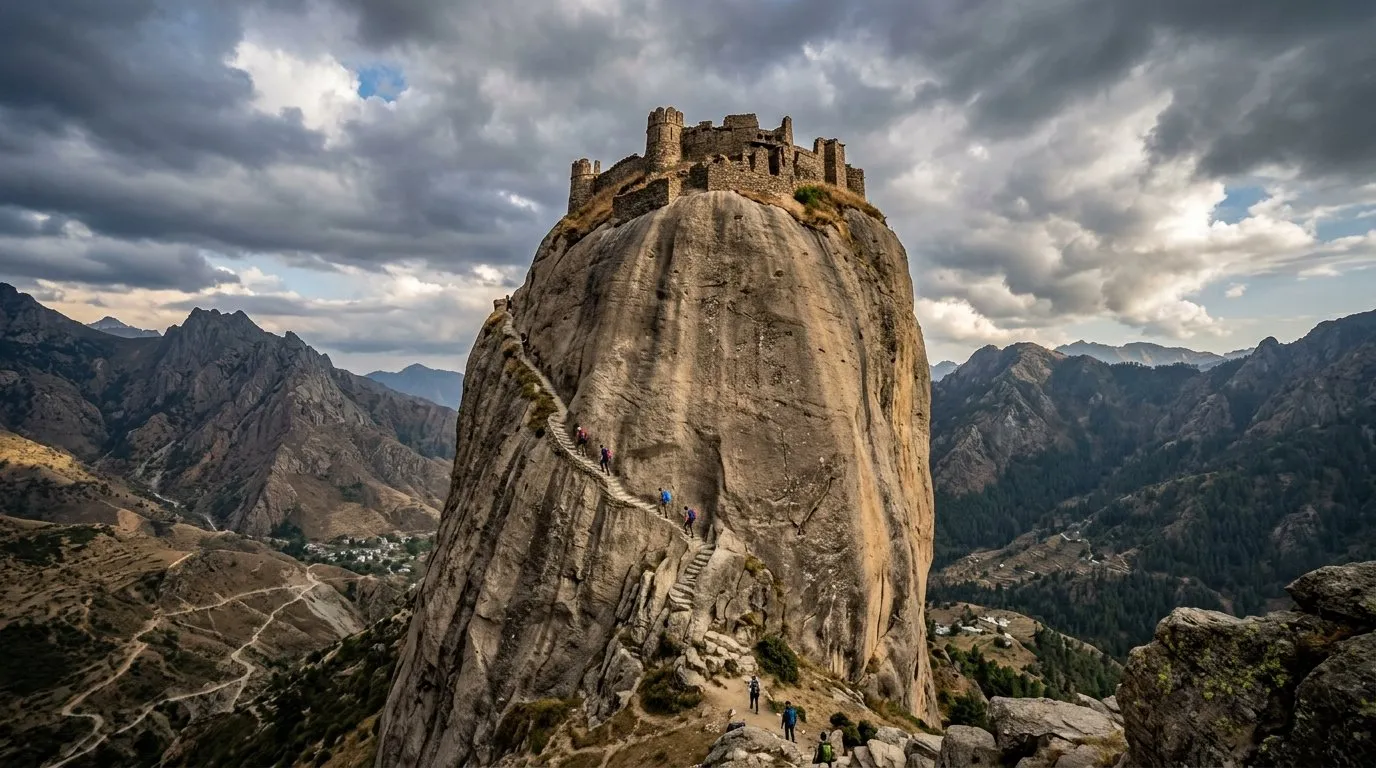
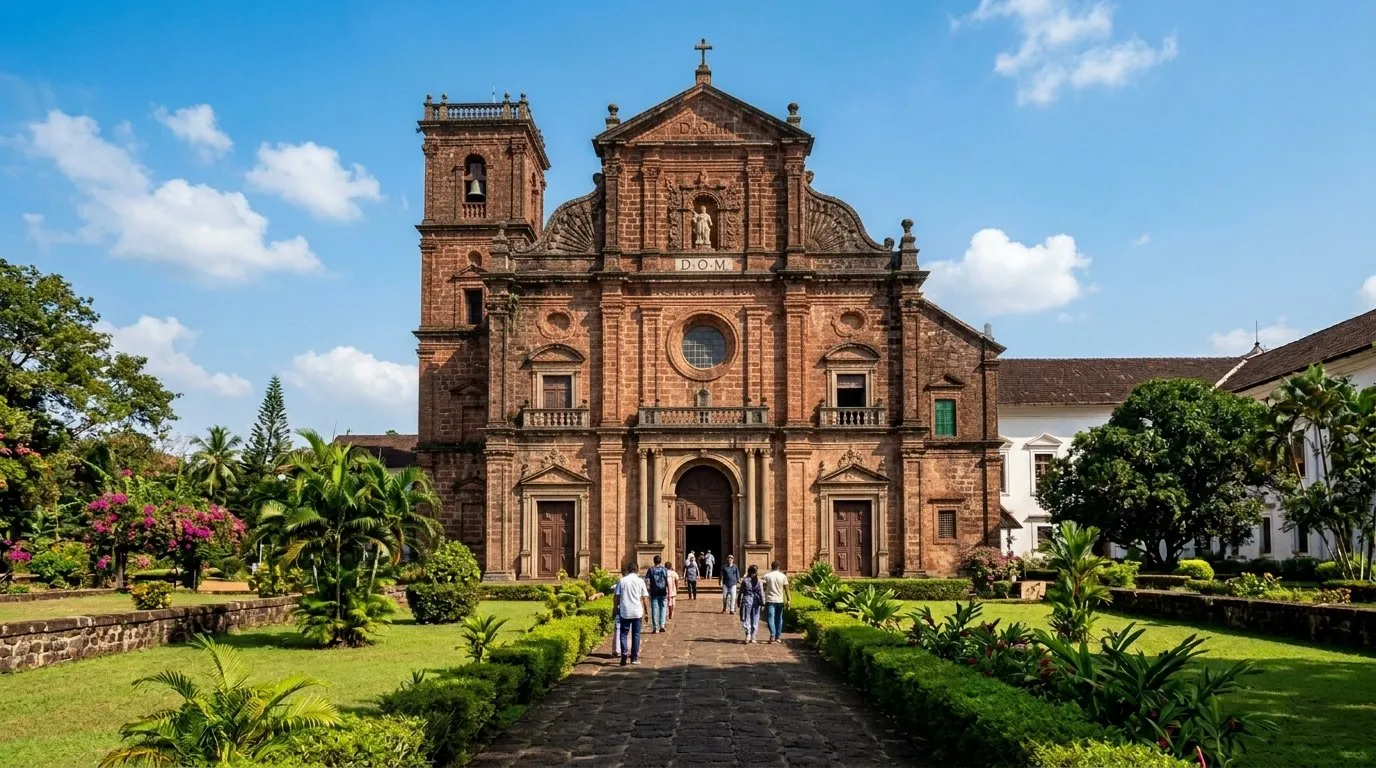
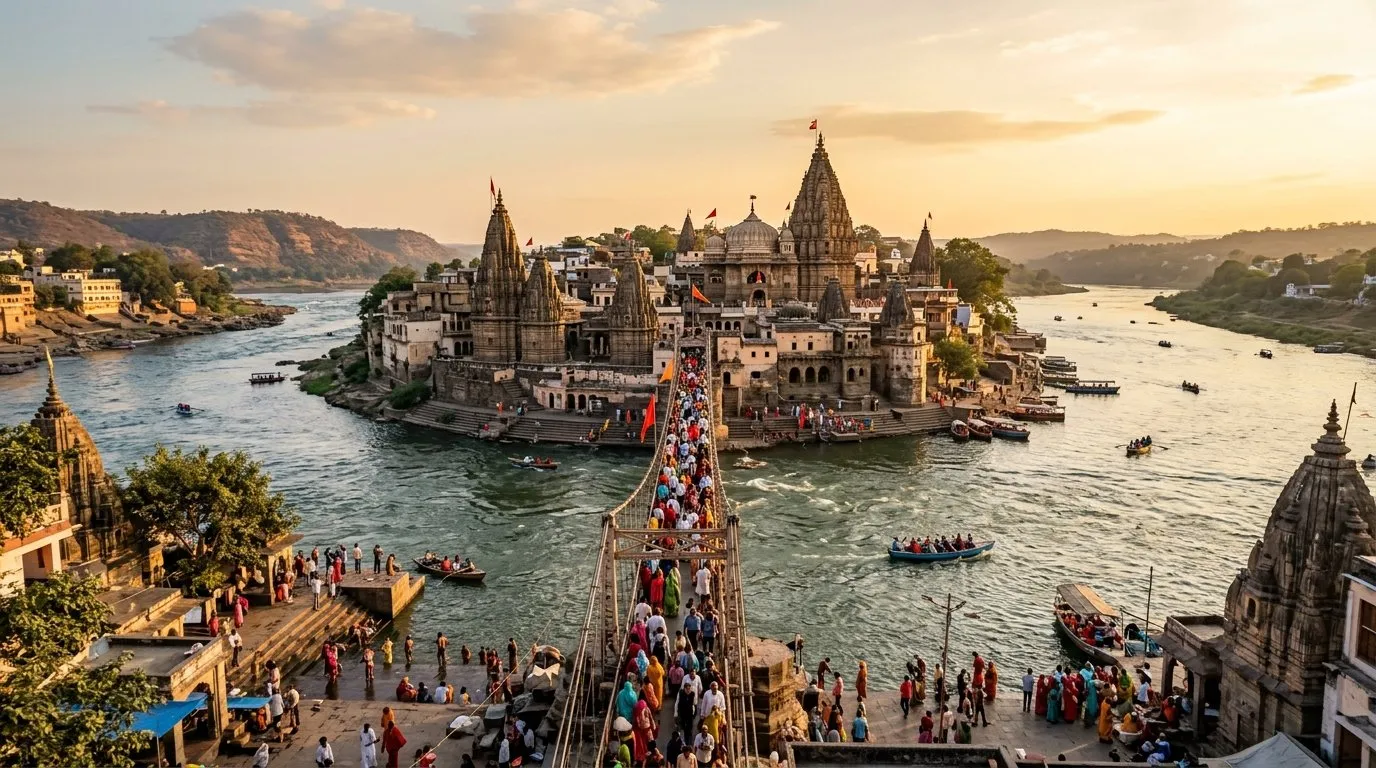
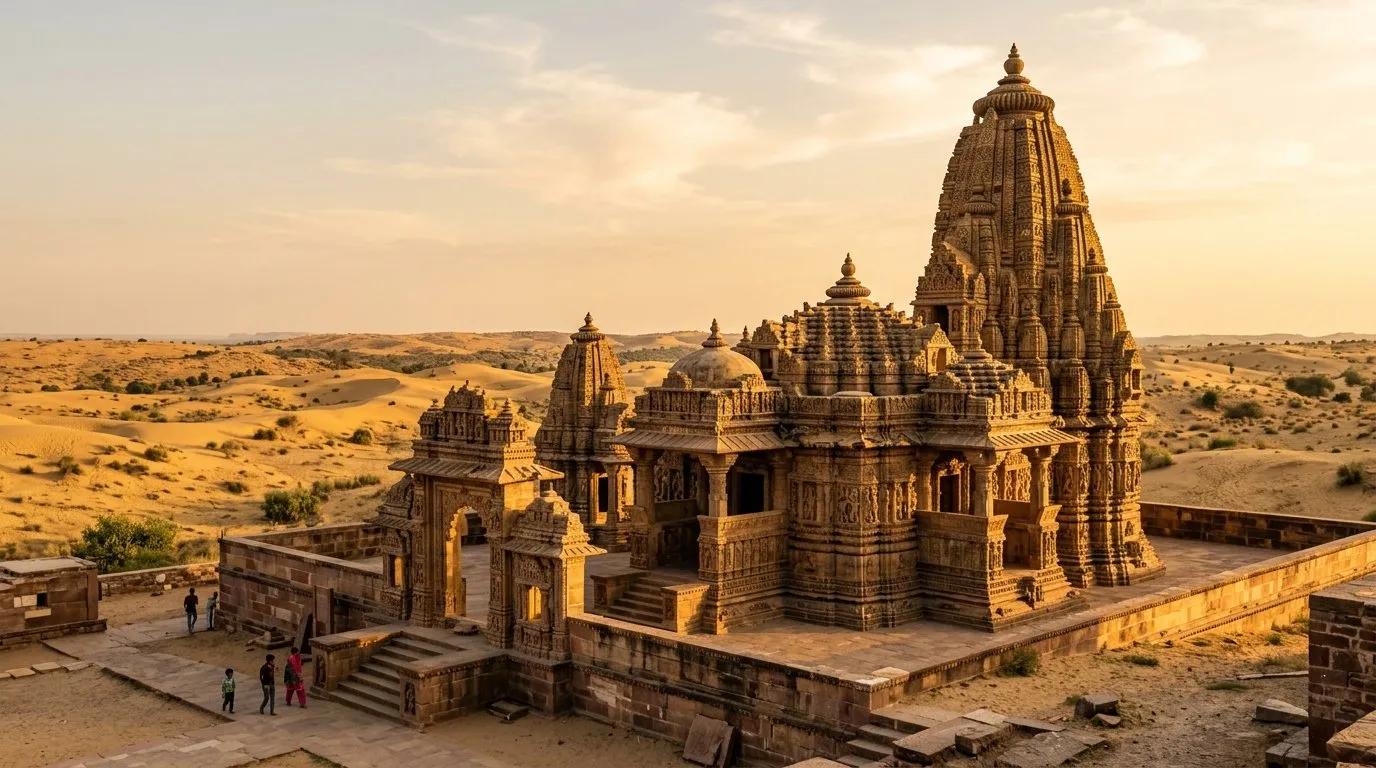
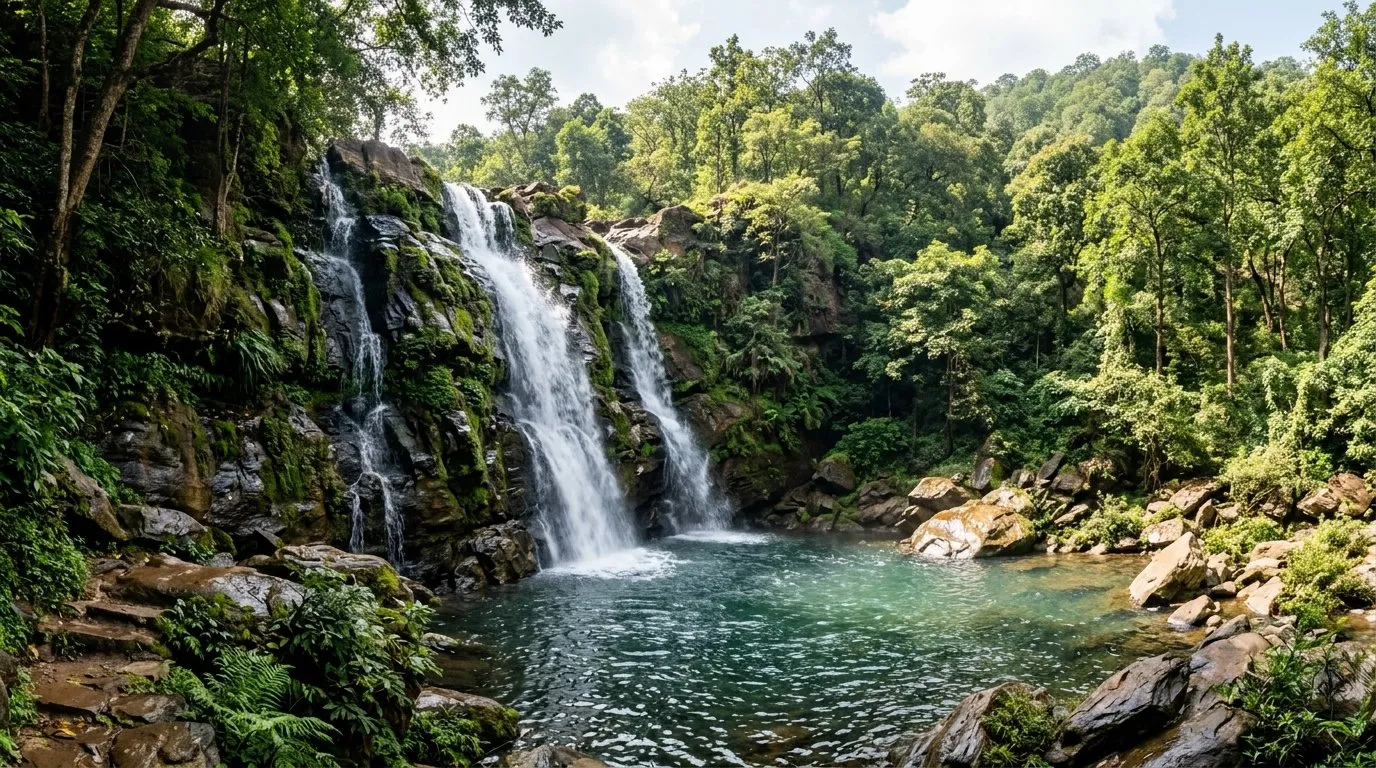





A good time
8/1098 destinations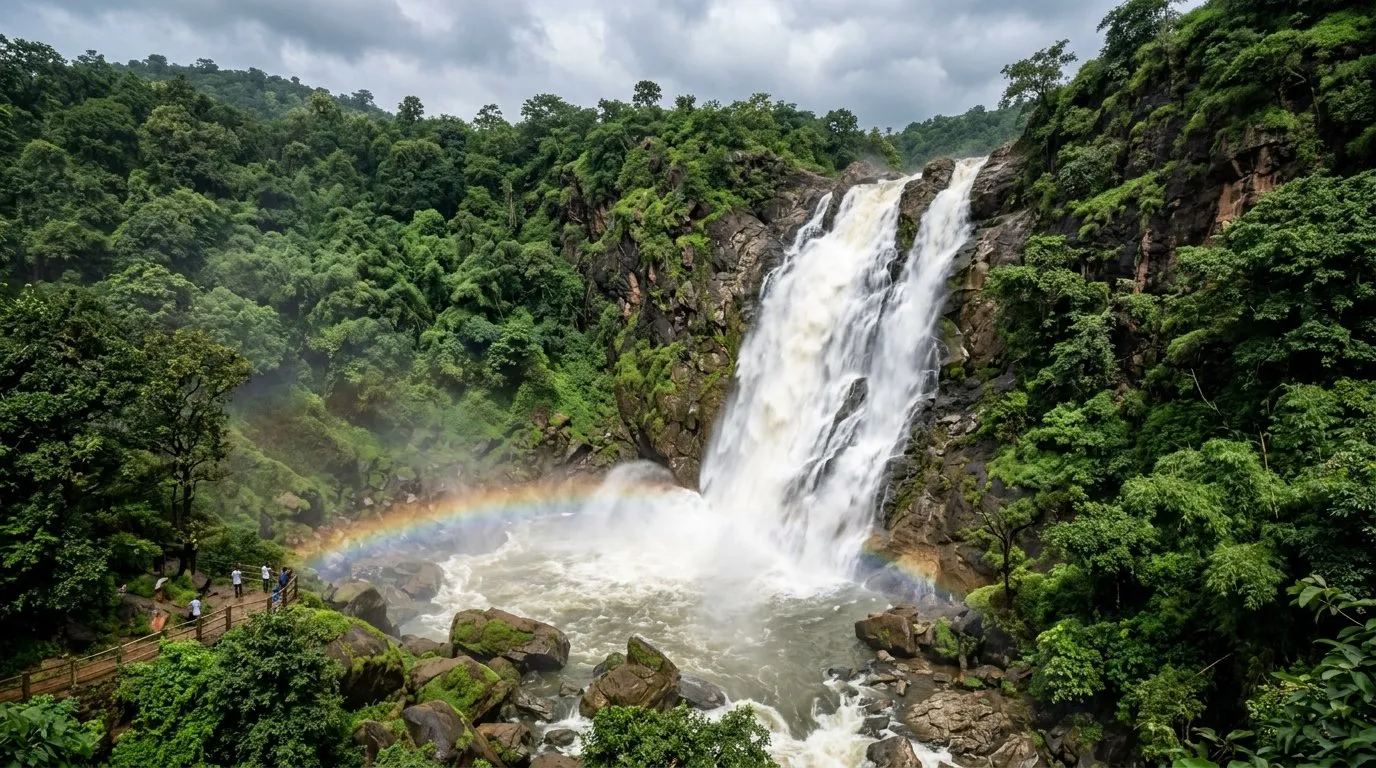




Fair
6/1065 destinationsWhere to skip
88 destinationsThese destinations score poorly in January — bad weather, closed roads, or dangerous conditions. Save them for a better month.
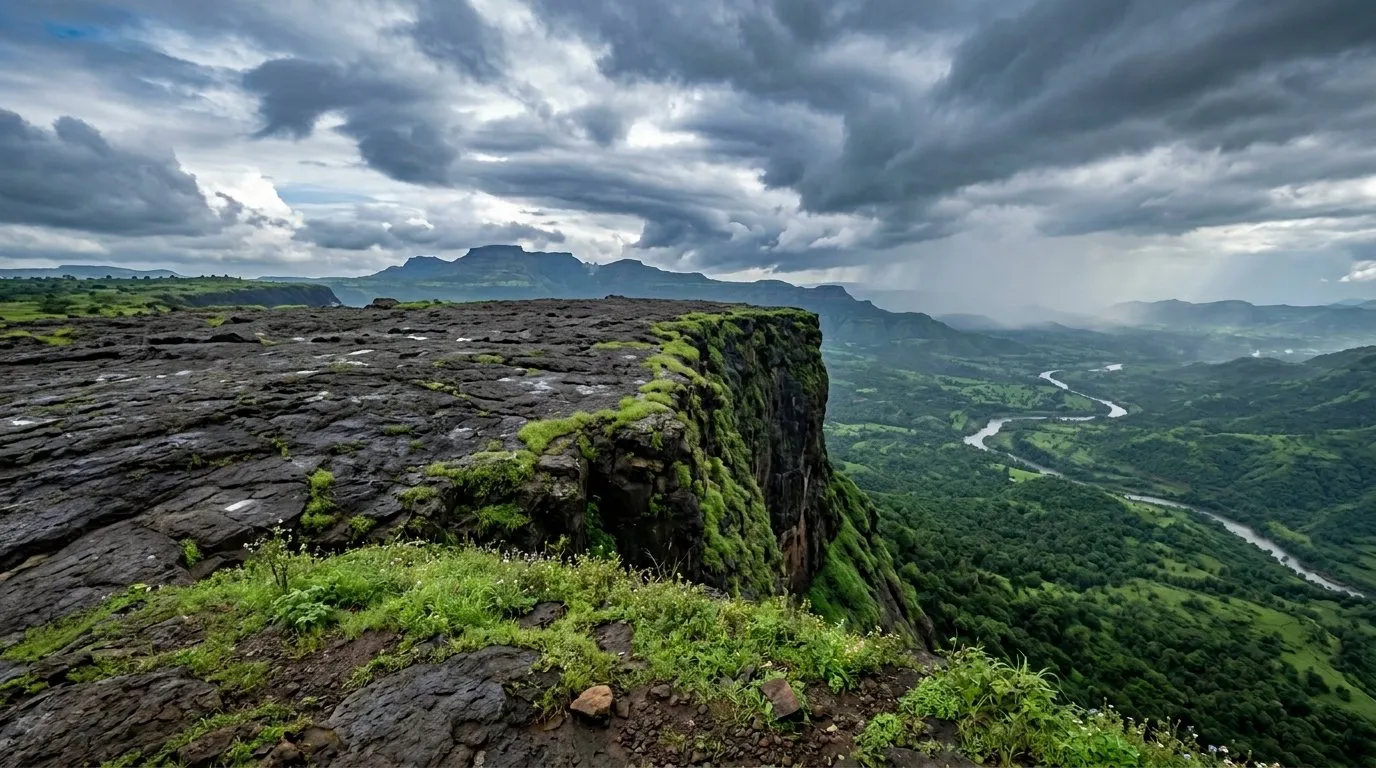
January Amboli is post-monsoon dry — waterfalls largely stopped, Hiranyakeshi at trickle, biodiversity hidden, 690m Sahyadri scarp pleasant 14-26°C but the entire reason to come (monsoon falls + king cobras) is off-season.
January at Barot Valley — the high passes are shut, fuel stations closed past the last town, most guesthouses unheated — only the committed winter traveler should try. Trout fishing should plan for Mar–May, Sep–Oct.
January at Bhaderwah — the high passes are shut, fuel stations closed past the last town, most guesthouses unheated — only the committed winter traveler should try. Naga (snake) deity + regional religious tradition travelers should plan for May–Jun, Sep–Oct.
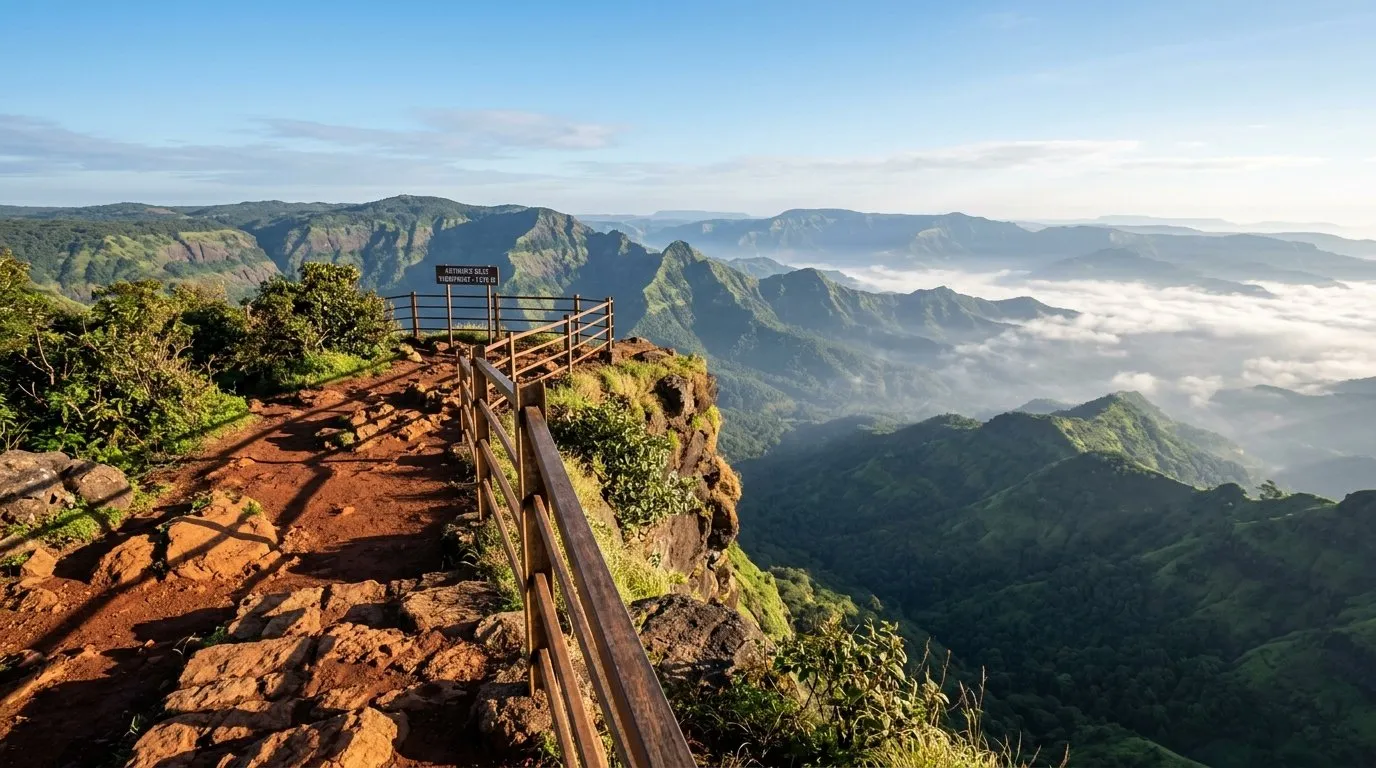
January Bhandardara at 750m is cold-dry off-season — 5-22°C, Arthur Lake low post-winter drawdown, no firefly season (Apr-May), no monsoon waterfalls (Jul-Aug). Quiet but visually thin.
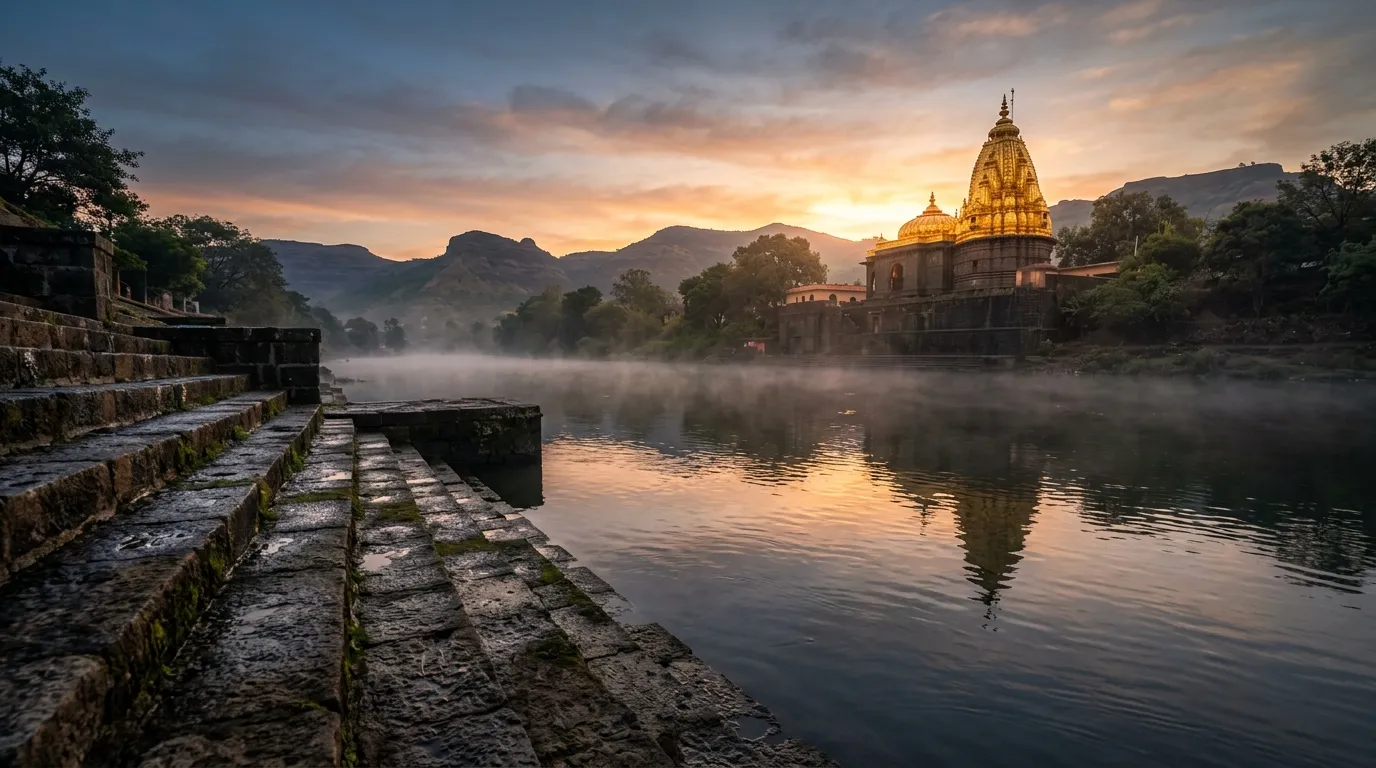
January mornings in the Maikal Hills are cold and can carry fog, which mutes the temple's carved stonework in early light. Connectivity to Kawardha is thin — buses run infrequently and accommodation options are very limited, making logistics effortful in the off-peak winter.
January at Chakrata — the high passes are shut, fuel stations closed past the last town, most guesthouses unheated — only the committed winter traveler should try. Jaunsari tribal culture should plan for Mar–May, Sep–Nov.
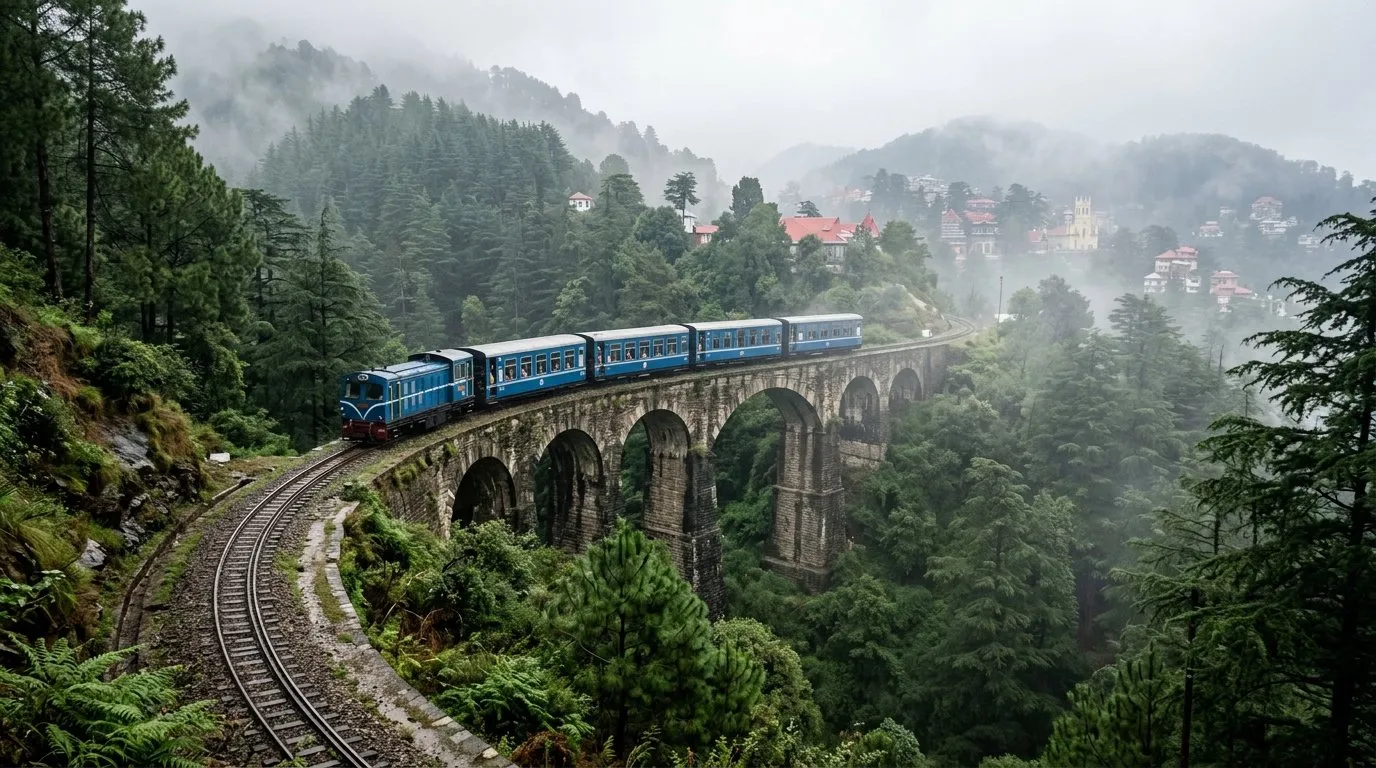
January falls well outside Darjeeling's Mar–May, Oct–Nov window. Conditions are harder, local services scaled back, and the version of the place you'd actually get isn't the one that makes the trip worth doing. The shoulder month either side would be a closer call, but this month isn't it. Toy train enthusiasts should plan for Mar–May, Oct–Nov.
January falls well outside Gangtok's Mar–May, Oct–Nov window. Conditions are harder, local services scaled back, and the version of the place you'd actually get isn't the one that makes the trip worth doing. The shoulder month either side would be a closer call, but this month isn't it. First-time Northeast travelers should plan for Mar–May, Oct–Nov.
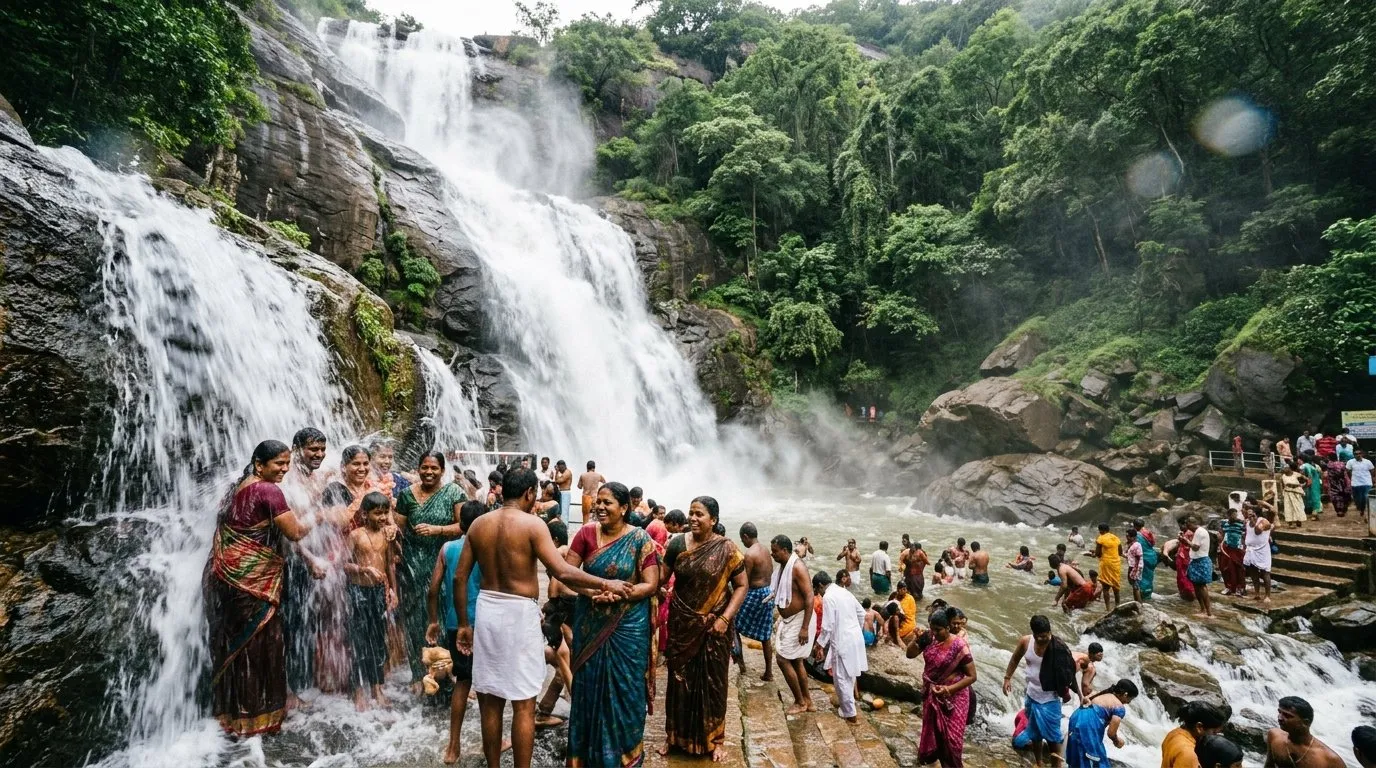
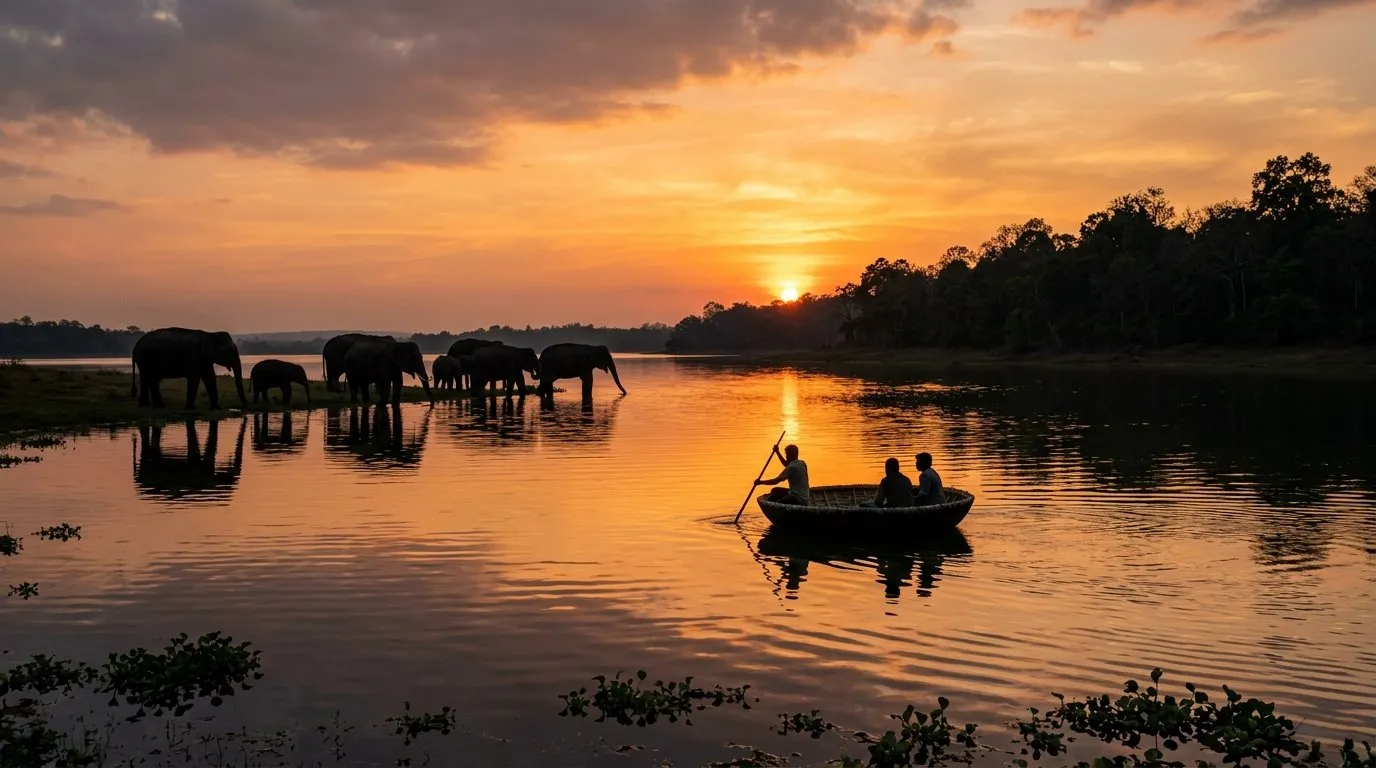
January at Hogenakkal is mid-decline. The Niagara-style falls are at fractional flow. Coracle rides functional but the spectacle absent. Wait for July when SW monsoon refills the catchment.
January at Jibhi — the high passes are shut, fuel stations closed past the last town, most guesthouses unheated — only the committed winter traveler should try. Pahari wooden architecture should plan for Mar–May, Sep–Oct.
January at Kalpa — the high passes are shut, fuel stations closed past the last town, most guesthouses unheated — only the committed winter traveler should try. Kinnauri apple harvest should plan for May–Jun, Sep–Oct.
Morning temperatures drop below freezing. Guesthouses are sparse and minimally heated. Restaurants offer limited menus in low season.
January at Kasol — the high passes are shut, fuel stations closed past the last town, most guesthouses unheated — only the committed winter traveler should try. Long-stay nomads seeking cheap Himalayan base should plan for Mar–May, Sep–Oct.
January brings deep winter to 3,800m with -25 to -2°C temperatures and snow blanketing the valley. Only the Shimla-Kinnaur road remains passable; the Manali highway is snowbound. Most homestays are closed. This is mountaineering territory, not casual trekking.
January at Keylong — the high passes are shut, fuel stations closed past the last town, most guesthouses unheated — only the committed winter traveler should try. Kardang monastery visit should plan for Jun–Sep.
January at Kinnaur — the high passes are shut, fuel stations closed past the last town, most guesthouses unheated — only the committed winter traveler should try. Indo-Tibet Highway access should plan for May–Jun, Sep–Oct.
January at Kullu — the high passes are shut, fuel stations closed past the last town, most guesthouses unheated — only the committed winter traveler should try. GI-tagged Kullu shawls should plan for Mar–Jun, Sep–Nov.
January falls well outside Lachen's Mar–May, Oct–Nov window. Conditions are harder, local services scaled back, and the version of the place you'd actually get isn't the one that makes the trip worth doing. The shoulder month either side would be a closer call, but this month isn't it. Lachenpa Lepcha should plan for Mar–May, Oct–Nov.
January (-5 to 10°C) brings extreme cold and heavy snow. Yumthang Valley may be snow-covered; Zero Point is nearly certain to be blocked. Road closures are frequent and unpredictable.
January at Lolab Valley — the high passes are shut, fuel stations closed past the last town, most guesthouses unheated — only the committed winter traveler should try. Pear orchards should plan for Apr–Jun, Sep–Oct.
January falls well outside Namchi's Mar–May, Oct–Nov window. Conditions are harder, local services scaled back, and the version of the place you'd actually get isn't the one that makes the trip worth doing. The shoulder month either side would be a closer call, but this month isn't it. Char Dham replicas should plan for Mar–May, Oct–Nov.
Nights frequently drop below 0°C. Guesthouses offer minimal heating. Most restaurants close by evening. Medical services are distant.
January at Palampur — the high passes are shut, fuel stations closed past the last town, most guesthouses unheated — only the committed winter traveler should try. Heritage temple crawl should plan for Mar–May, Sep–Nov.
January at Parvati Valley — the high passes are shut, fuel stations closed past the last town, most guesthouses unheated — only the committed winter traveler should try. Israeli/backpacker scene should plan for Mar–May, Sep–Oct.
January falls well outside Pelling's Mar–May, Oct–Nov window. Conditions are harder, local services scaled back, and the version of the place you'd actually get isn't the one that makes the trip worth doing. The shoulder month either side would be a closer call, but this month isn't it. 17th-c monastery heritage should plan for Mar–May, Oct–Nov.
January at Ranikhet — the high passes are shut, fuel stations closed past the last town, most guesthouses unheated — only the committed winter traveler should try. Chaubatia orchards should plan for Mar–May, Sep–Nov.
January falls well outside Ravangla's Mar–May, Oct–Nov window. Conditions are harder, local services scaled back, and the version of the place you'd actually get isn't the one that makes the trip worth doing. The shoulder month either side would be a closer call, but this month isn't it. Namchi Char Dham should plan for Mar–May, Oct–Nov.
January at Sangla Valley — the high passes are shut, fuel stations closed past the last town, most guesthouses unheated — only the committed winter traveler should try. Kath-kuni wooden architecture should plan for May–Jun, Sep–Oct.
January at Sarahan — the high passes are shut, fuel stations closed past the last town, most guesthouses unheated — only the committed winter traveler should try. Kinnaur gateway should plan for Apr–May, Sep–Oct.
January at Sissu — the high passes are shut, fuel stations closed past the last town, most guesthouses unheated — only the committed winter traveler should try. Gondhla 8-storey wooden fort should plan for May–Jun, Sep–Oct.
January at Tirthan Valley — the high passes are shut, fuel stations closed past the last town, most guesthouses unheated — only the committed winter traveler should try. Slow homestay culture should plan for May, Sep–Oct.
January is the heart of Garhwal winter: the upper Alaknanda valley near Joshimath sees heavy snowfall and bitter cold, most guesthouses operate at skeleton capacity, and the Badrinath highway frequently closes above Joshimath after overnight snowfall.
January at Alchi — the high passes are shut, fuel stations closed past the last town, most guesthouses unheated — only the committed winter traveler should try. Kashmiri-Buddhist fusion should plan for Jun–Sep.
January falls well outside Anini's Mar–May, Oct–Nov window. Conditions are harder, local services scaled back, and the version of the place you'd actually get isn't the one that makes the trip worth doing. The shoulder month either side would be a closer call, but this month isn't it. Idu Mishmi heritage should plan for Mar–May, Oct–Nov.
January at Chandratal is a non-event for travellers. The lake is frozen solid, Kunzum Pass on either approach (Manali side and Kaza side) sits under 6-10 feet of snow, no road, no camps, no human access. The next viable window starts mid-June.
January at Chitkul — the high passes are shut, fuel stations closed past the last town, most guesthouses unheated — only the committed winter traveler should try. Kinnauri wooden architecture should plan for May, Sep–Oct.
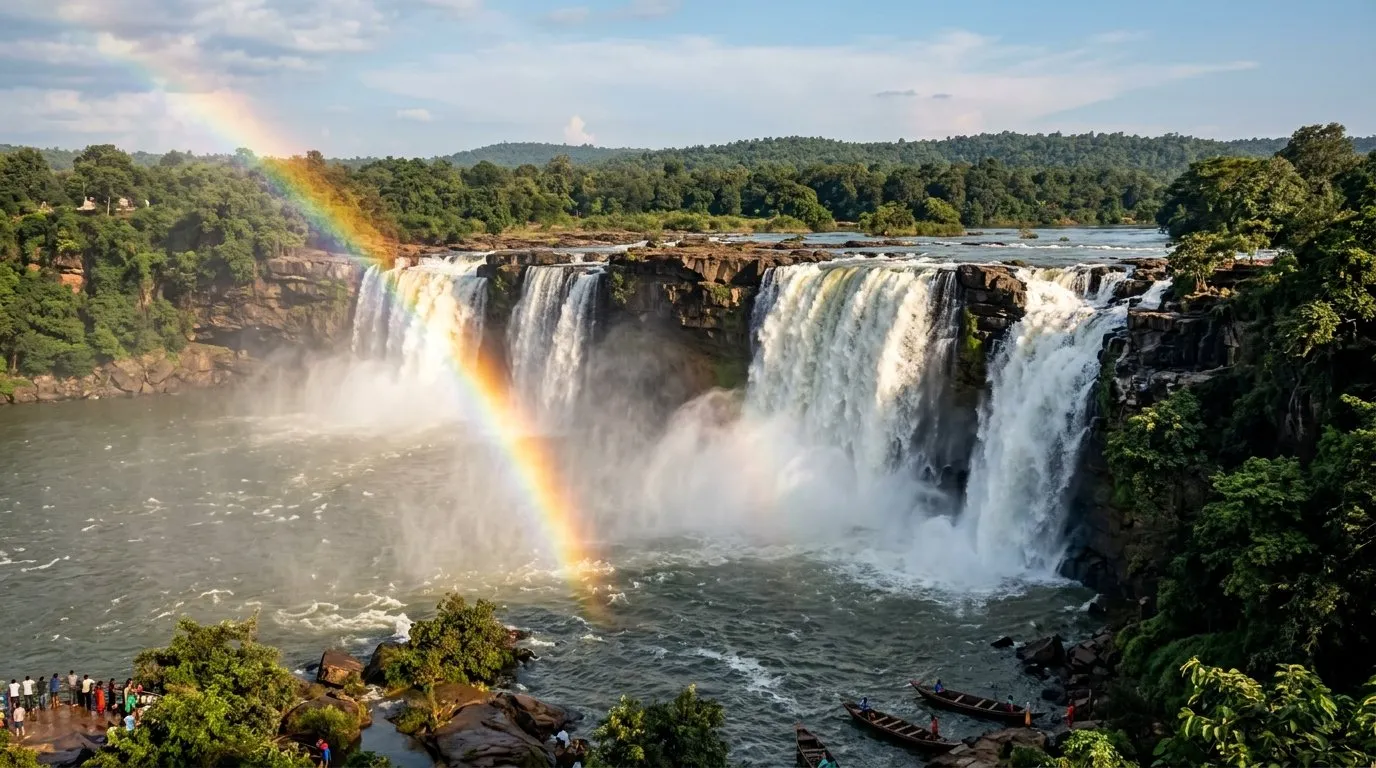
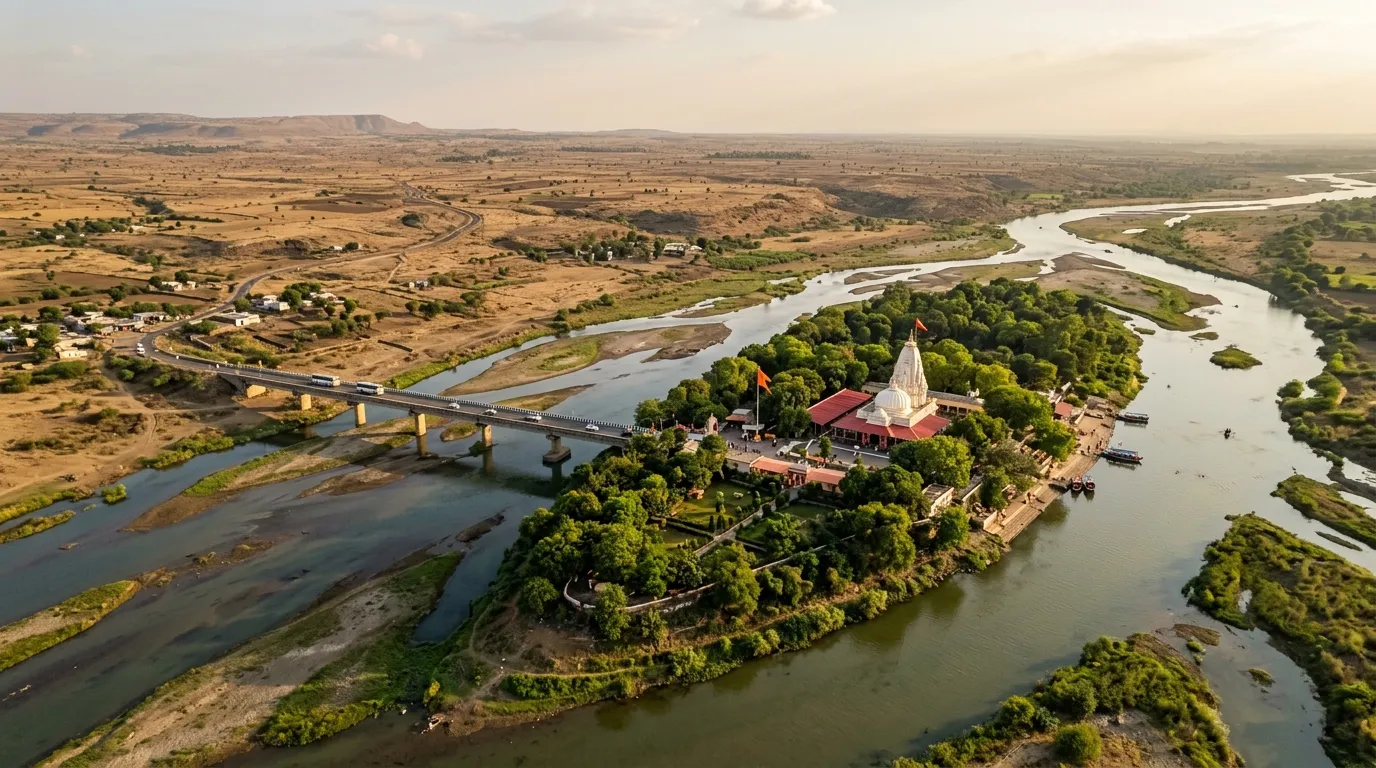
Winter is the low-water season for the Indravati. January flows are minimal. The famous 299m waterfall becomes a thin trickle. The dramatic width and power that define Chitrakote are completely absent. Only the dry rock face remains visible.
January at Drass — the high passes are shut, fuel stations closed past the last town, most guesthouses unheated — only the committed winter traveler should try. Second-coldest inhabited place should plan for Jun–Sep.
January falls well outside Dzukou Valley's Mar–Jun, Oct–Nov window. Conditions are harder, local services scaled back, and the version of the place you'd actually get isn't the one that makes the trip worth doing. The shoulder month either side would be a closer call, but this month isn't it. Travelers exploring the Naga cultural heartland should plan for Mar–Jun, Oct–Nov.
January at Great Himalayan National Park — the high passes are shut, fuel stations closed past the last town, most guesthouses unheated — only the committed winter traveler should try. Endangered species should plan for Apr–Jun, Sep–Oct.
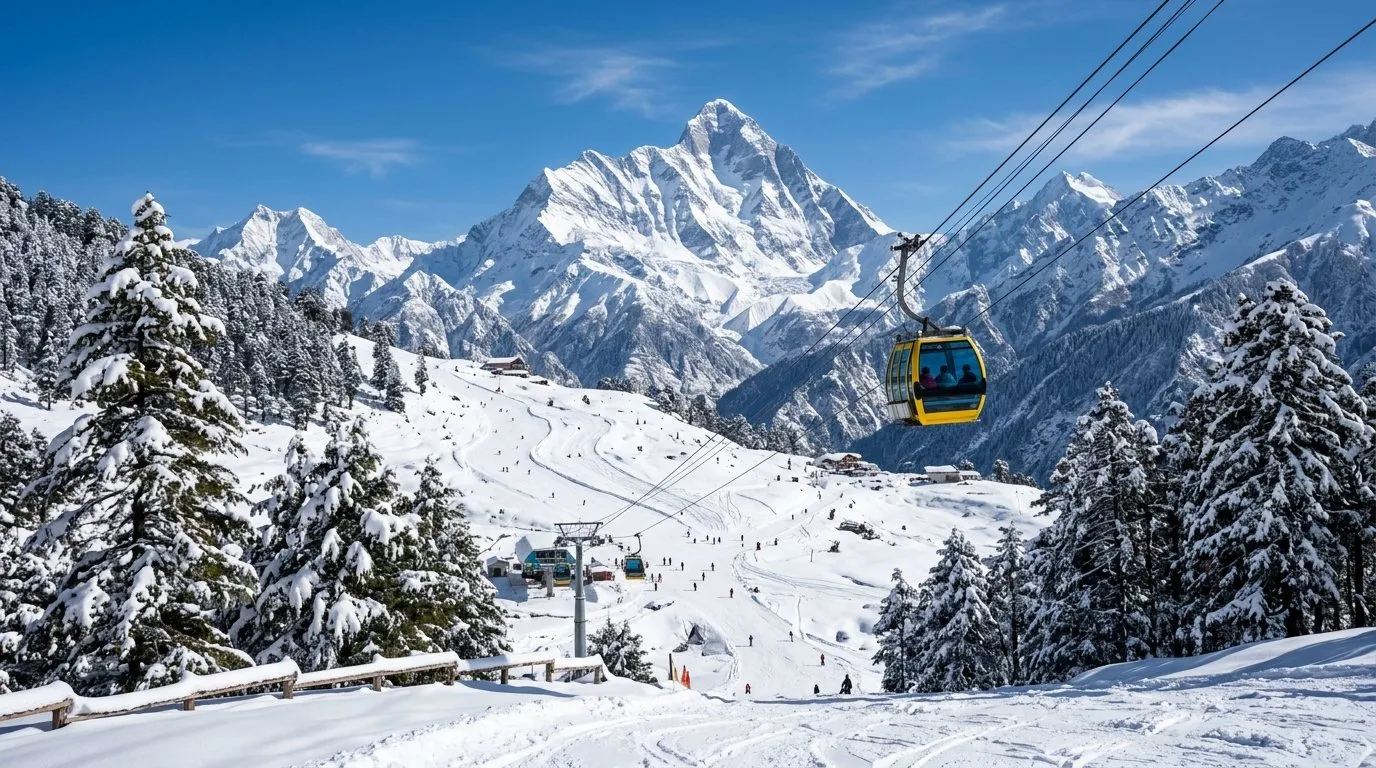
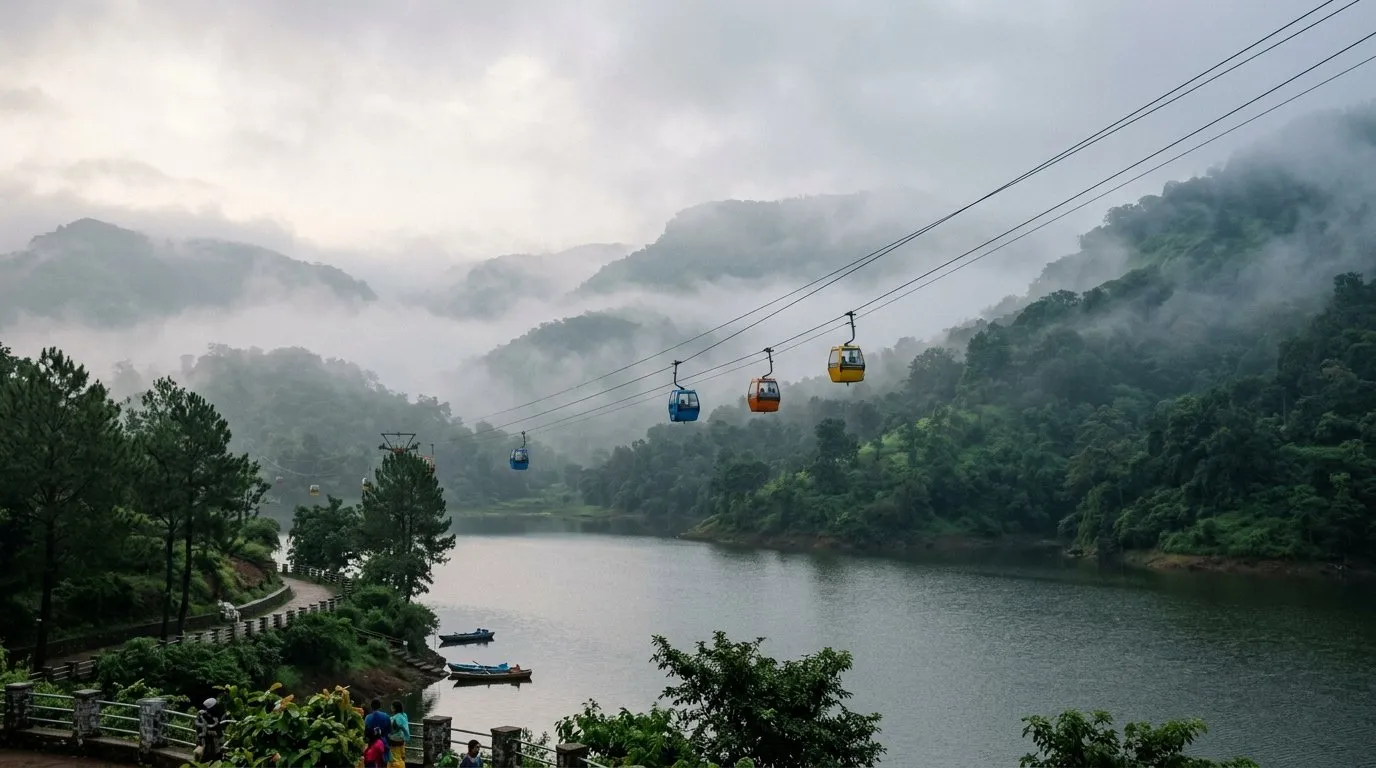
Peak ski season, -8 to 2°C. Reliable powder snow. Gondola Phase 1 and 2 operational for skiing. Apharwat peak accessible. Book ski packages 2 weeks ahead.
January falls well outside Gurudongmar Lake's Apr–Jun, Oct window. Conditions are harder, local services scaled back, and the version of the place you'd actually get isn't the one that makes the trip worth doing. The shoulder month either side would be a closer call, but this month isn't it. World highest lakes should plan for Apr–Jun, Oct.
January at Hanle — the high passes are shut, fuel stations closed past the last town, most guesthouses unheated — only the committed winter traveler should try. Amateur astronomers + stargazing enthusiasts should plan for Jun–Sep.
January at Har-Ki-Doon is full winter shutdown. Sankri base camp is reachable from Dehradun (210km, 9-10 hours, 4×4 needed for the last 30km in heavy snow), but the 25km trek from Taluka to Har-Ki-Doon is impossible — 4-6 feet of accumulated snow, sub-zero campsite temps. Only experienced winter trekkers with full mountaineering setup attempt it.
January at Hemkund Sahib is full winter closure. Shrine kapaat closed since mid-October, Ghangaria base camp (3,049m) under deep snow, the trek from Govindghat impossible. The yatra reopens late May. Skip.
January at Joshimath — the high passes are shut, fuel stations closed past the last town, most guesthouses unheated — only the committed winter traveler should try. Badrinath winter seat should plan for May–Jun, Sep–Oct.
January at Kargil — the high passes are shut, fuel stations closed past the last town, most guesthouses unheated — only the committed winter traveler should try. Srinagar-Leh transit should plan for Jun–Sep.
Deep winter (-10 to 5°C at base) locks all trails in snow. Permits are suspended. The park is inaccessible to non-mountaineers. Only extreme winter expeditions attempt Kanchenjunga.
The pass is closed to civilian traffic under deep snow (-30°C nights). Only military and expedition-equipped mountaineers reach it. Road is impassable.
January at Kishtwar — the high passes are shut, fuel stations closed past the last town, most guesthouses unheated — only the committed winter traveler should try. Machail Mata yatra should plan for Jun–Sep.
January at Lahaul Valley — the high passes are shut, fuel stations closed past the last town, most guesthouses unheated — only the committed winter traveler should try. Triloknath Temple should plan for May–Jul, Sep–Oct.
January at Lamayuru — the high passes are shut, fuel stations closed past the last town, most guesthouses unheated — only the committed winter traveler should try. Moonland geology should plan for Jun–Sep.
January at Leh — the high passes are shut, fuel stations closed past the last town, most guesthouses unheated — only the committed winter traveler should try. Buddhist culture pilgrims should plan for Jun–Sep.
January at Likir — the high passes are shut, fuel stations closed past the last town, most guesthouses unheated — only the committed winter traveler should try. Sham Valley Baby Trek should plan for Jun–Sep.
January falls well outside Mechuka's Mar–May, Oct–Nov window. Conditions are harder, local services scaled back, and the version of the place you'd actually get isn't the one that makes the trip worth doing. The shoulder month either side would be a closer call, but this month isn't it. Memba Buddhist culture should plan for Mar–May, Oct–Nov.
January at Nako — the high passes are shut, fuel stations closed past the last town, most guesthouses unheated — only the committed winter traveler should try. 11th-century monastery should plan for May–Jun, Sep–Oct.
January at Nubra Valley — the high passes are shut, fuel stations closed past the last town, most guesthouses unheated — only the committed winter traveler should try. Bactrian camel dunes should plan for Jun–Sep.
January at Pahalgam — the high passes are shut, fuel stations closed past the last town, most guesthouses unheated — only the committed winter traveler should try. Amarnath yatra base should plan for Apr–May, Sep–Oct.
January at Pangong Tso — the high passes are shut, fuel stations closed past the last town, most guesthouses unheated — only the committed winter traveler should try. Photographers chasing the colour-shift phenomenon should plan for Jun–Sep.
January at Prashar Lake — the high passes are shut, fuel stations closed past the last town, most guesthouses unheated — only the committed winter traveler should try. Dhauladhar panorama should plan for Mar–Jun, Sep–Nov.
January at Spiti Valley — the high passes are shut, fuel stations closed past the last town, most guesthouses unheated — only the committed winter traveler should try. Monastery crawl should plan for Jun, Sep–Oct.
January at Srinagar — the high passes are shut, fuel stations closed past the last town, most guesthouses unheated — only the committed winter traveler should try. Kashmiri craft buyers should plan for Apr–May, Sep–Oct.
January falls well outside Tawang's Mar–May, Oct–Nov window. Conditions are harder, local services scaled back, and the version of the place you'd actually get isn't the one that makes the trip worth doing. The shoulder month either side would be a closer call, but this month isn't it. Motorcyclists doing the Arunachal pilgrimage should plan for Mar–May, Oct–Nov.
January at Tso Moriri — the high passes are shut, fuel stations closed past the last town, most guesthouses unheated — only the committed winter traveler should try. High-altitude lake photography should plan for Jun–Sep.
January at Turtuk is unreachable for civilian travel. Khardung La is closed and there is no alternative road into Nubra. The village functions normally for residents but tourism is at zero. Wait for late May.
January at Umlingla — the high passes are shut, fuel stations closed past the last town, most guesthouses unheated — only the committed winter traveler should try. Hanle Dark Sky Reserve should plan for Jul–Sep.
January at Uttarkashi — the high passes are shut, fuel stations closed past the last town, most guesthouses unheated — only the committed winter traveler should try. Char Dham base should plan for Mar–Jun, Sep–Nov.
January at Yusmarg — the high passes are shut, fuel stations closed past the last town, most guesthouses unheated — only the committed winter traveler should try. Charar-i-Sharief nearby should plan for Apr–Jun, Sep–Oct.
January falls well outside Zuluk's Mar–May, Oct–Dec window. Conditions are harder, local services scaled back, and the version of the place you'd actually get isn't the one that makes the trip worth doing. The shoulder month either side would be a closer call, but this month isn't it. 32 hairpin bends should plan for Mar–May, Oct–Dec.
Winter conditions prevail. The routes to Jolingkong Lake and Om Parvat are blocked by snow above 3,500m. Temperatures drop to −10 to −15°C at base. The Inner Line Permit is still required but roads toward the border become risky. Acclimatization is dangerous; medical support is limited.
Completely inaccessible — temple closes Nov and reopens May
Snowed in.
Completely inaccessible
Kedarnath closed. Town quiet.
Razdan Pass closed.
Closed.
January is severe winter. The Kinner Kailash Parikrama route at 4,800–6,055m is completely snowbound. Temperatures drop to −20°C or lower. Avalanche danger is extreme. No pilgrims trek in this month. The base village Kalpa is accessible by road but the trek is categorically impossible.
January is deep winter. Manimahesh Lake is frozen solid. The trek from Hadsar to Dhancho is blocked by snow above 3,500m. Temperatures drop to −15 to −20°C at altitude. No pilgrimage infrastructure is available. This window is categorically unsafe.
The Lipulekh Pass and approach roads are blocked by deep snow. Temperatures plummet to −20 to −30°C on the plateau. Acclimatization becomes nearly impossible; altitude sickness and frostbite are acute risks. The yatra does not operate in winter.
Trek impossible, area snowbound
January is severe winter. All trekking routes are buried under deep snow. The glaciers are treacherous. Temperatures plummet to −20 to −25°C. The trek is categorically unsafe. This window is absolutely prohibited.
Closed.
Zoji La closed. Inaccessible.
Closed.
Trail buried in snow, temple closed
Closed. Buried in snow.
Completely inaccessible
ALSO ON NAKSHIQ
Eight more rooms in the magazine.
Guides
Visa, scams, food, packing.
Everything the guidebook won't tell you — written for India in 2026.
Blog
Field notes from the road.
Long-form reads on regions, festivals, and the offbeat circuit.
Road trips
Curated multi-day routes.
Driving itineraries with day-by-day stops, distance, and difficulty.
Collections
Themed reading lists.
Wettest places. Sacred lakes. Solo-female-safe. Curated cuts.
NakshIQ 100
The 100 best destination-months.
India's highest-scoring places, ranked across all 12 months.
The Window
Our weekly newsletter, archived.
One honest spread, every Sunday. The full back catalogue.
Skip list
What we'd skip — and what we'd do instead.
Overhyped places with honest alternatives.
First trip
Planning your first time in India.
Safety, scams, what to wear, food survival, solo female travel.