Where to go in India this October.
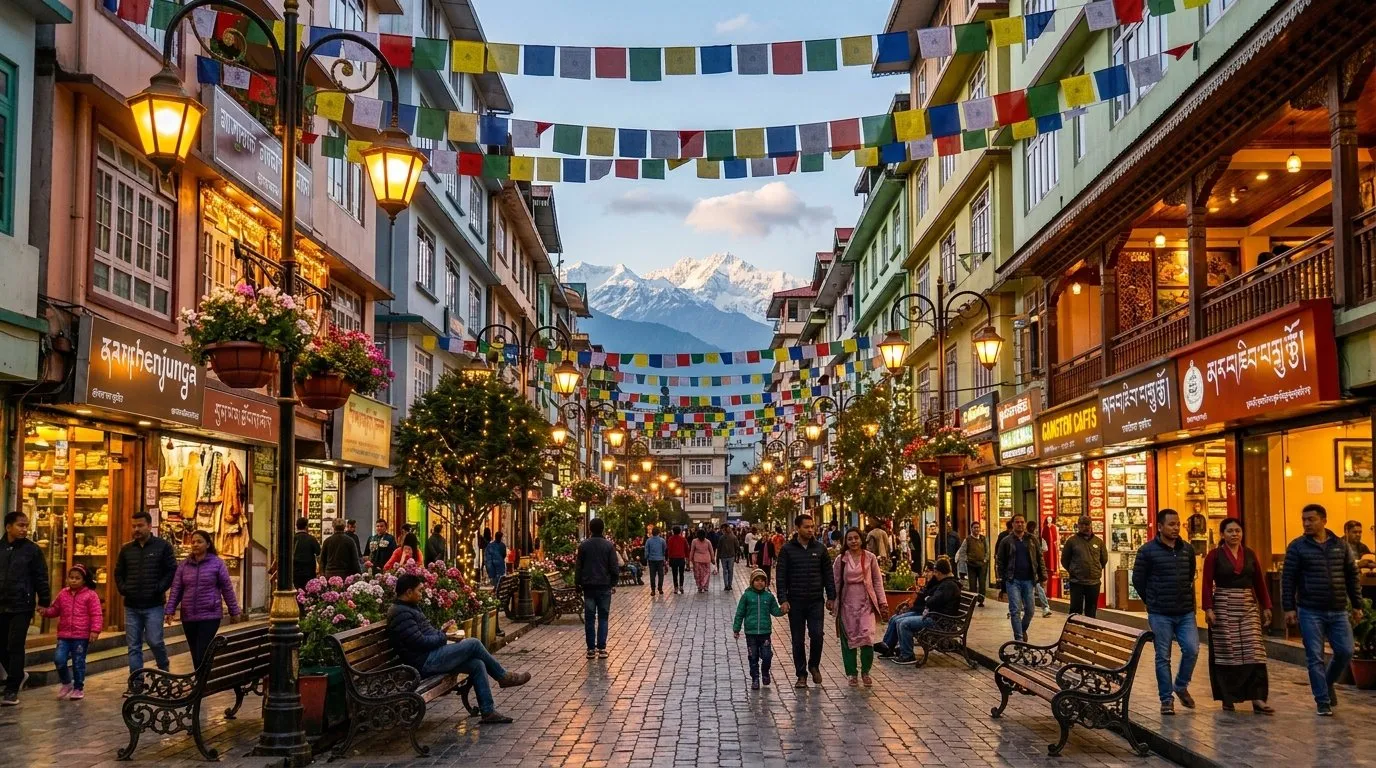
Ranked by NakshIQ Score · Ties broken by editorial richness · Hover for full color
Where to go in India
October in India — where the data says go, wait, and skip
Every destination scored 0-10 for October — weather, roads, crowds, festivals. Go first, then Wait, then Skip. No opinions, just the data.
The other scoring 10/10
10/10210 destinations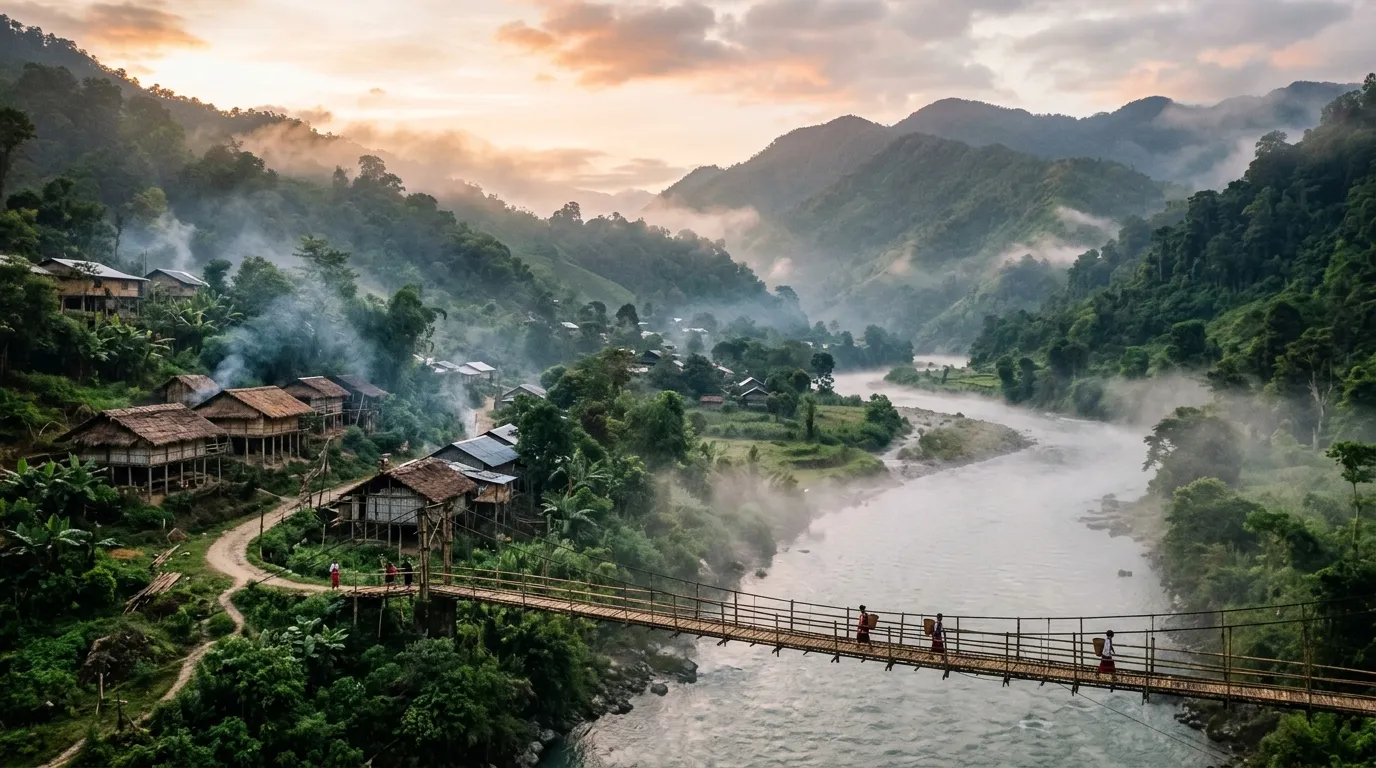
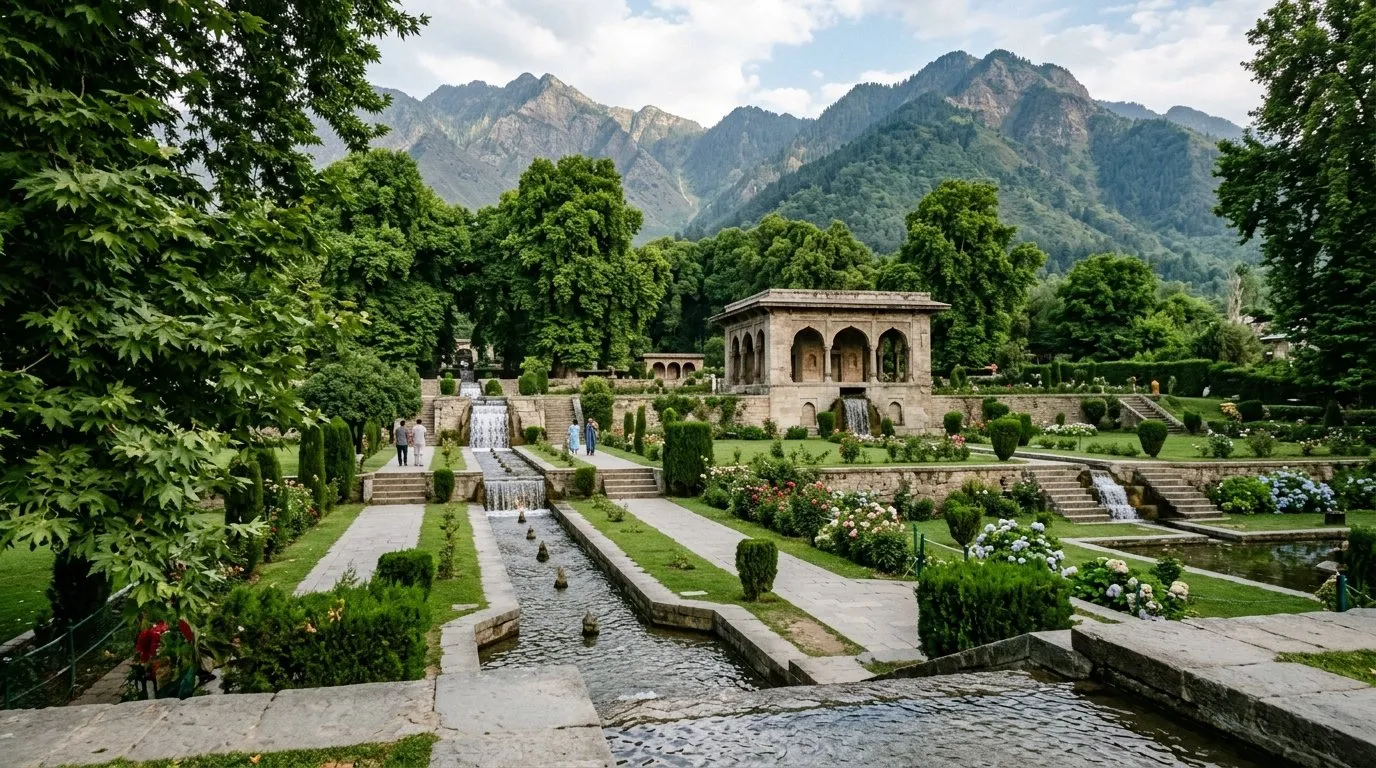
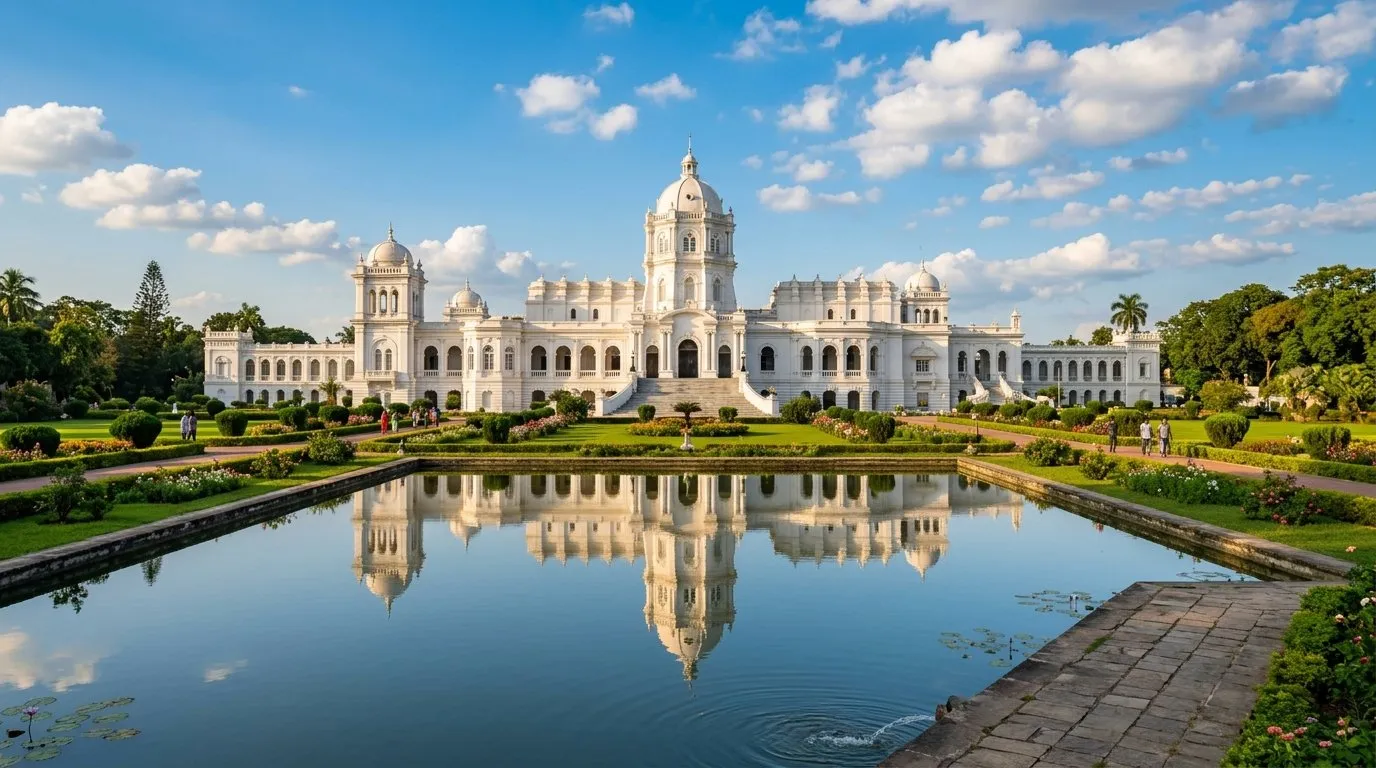
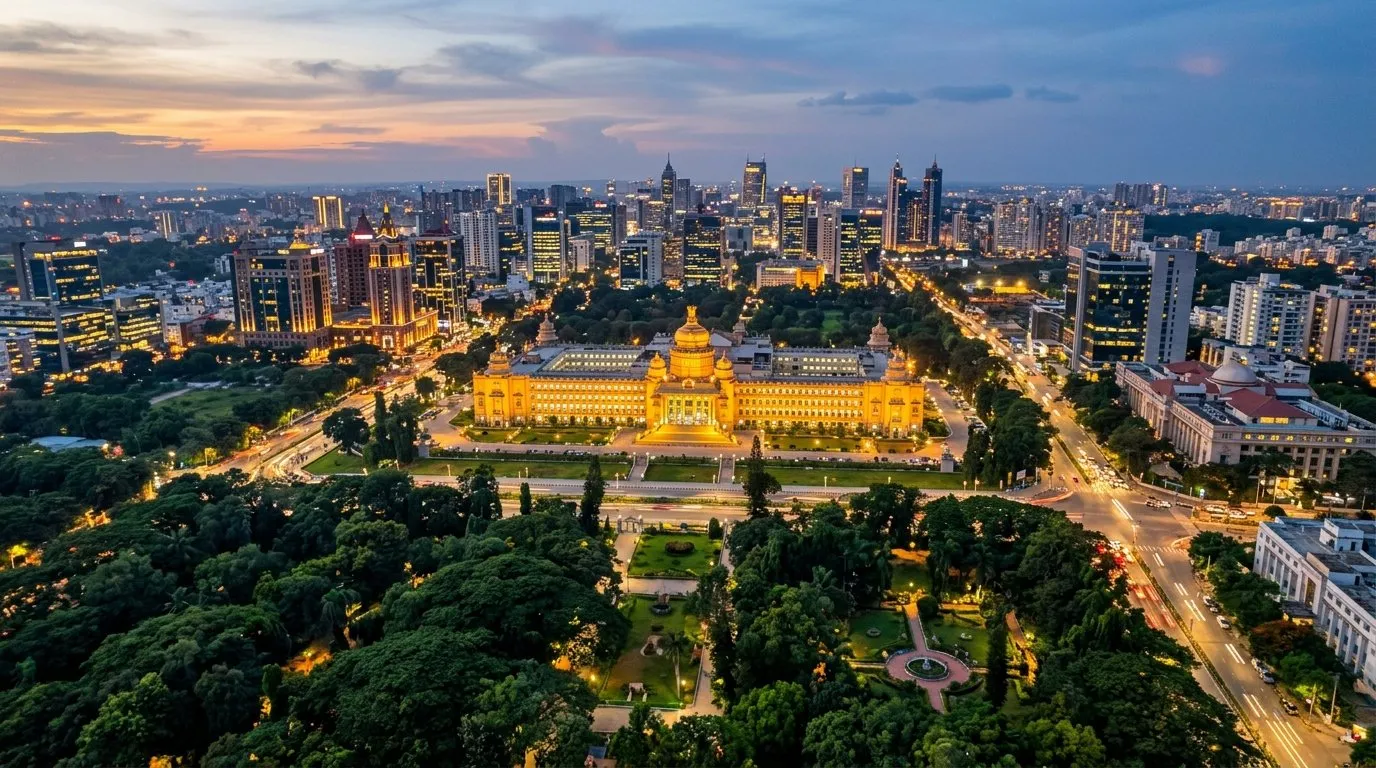
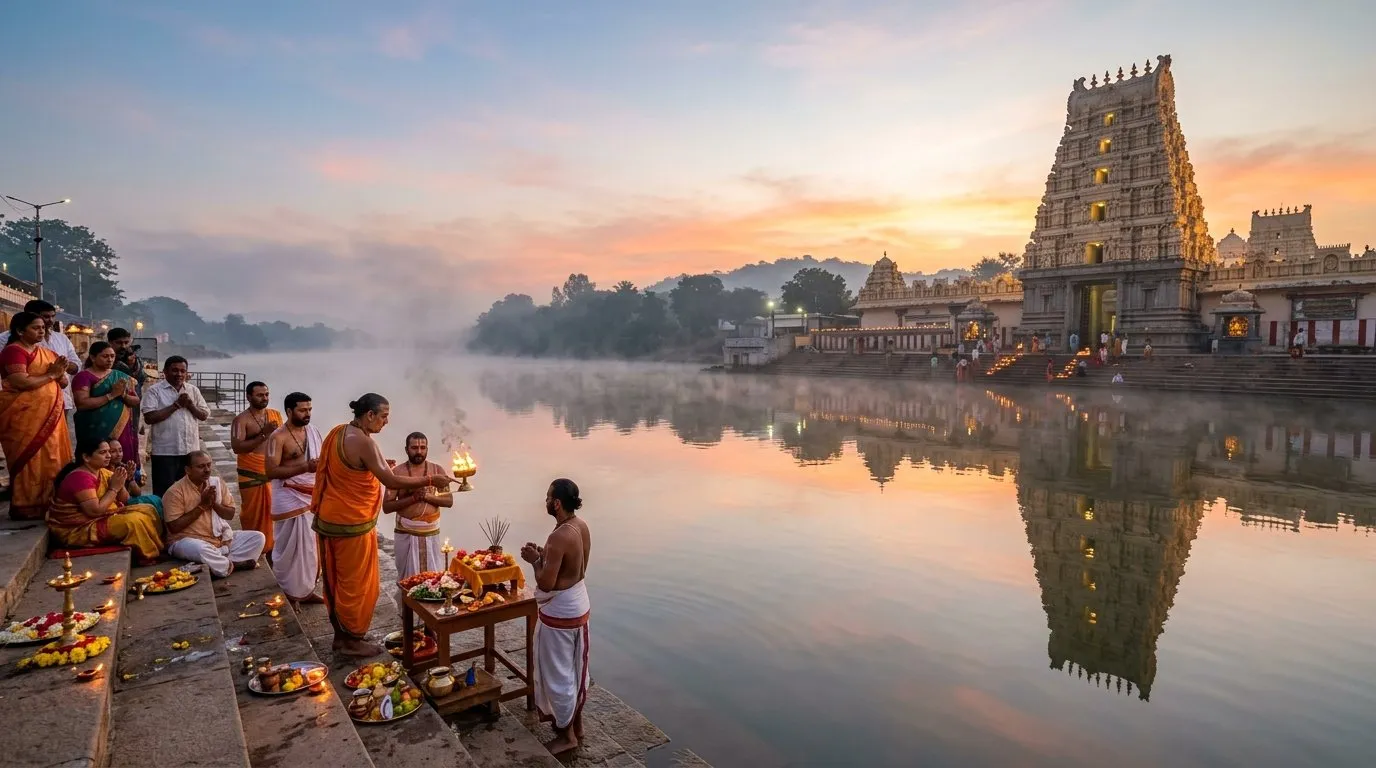
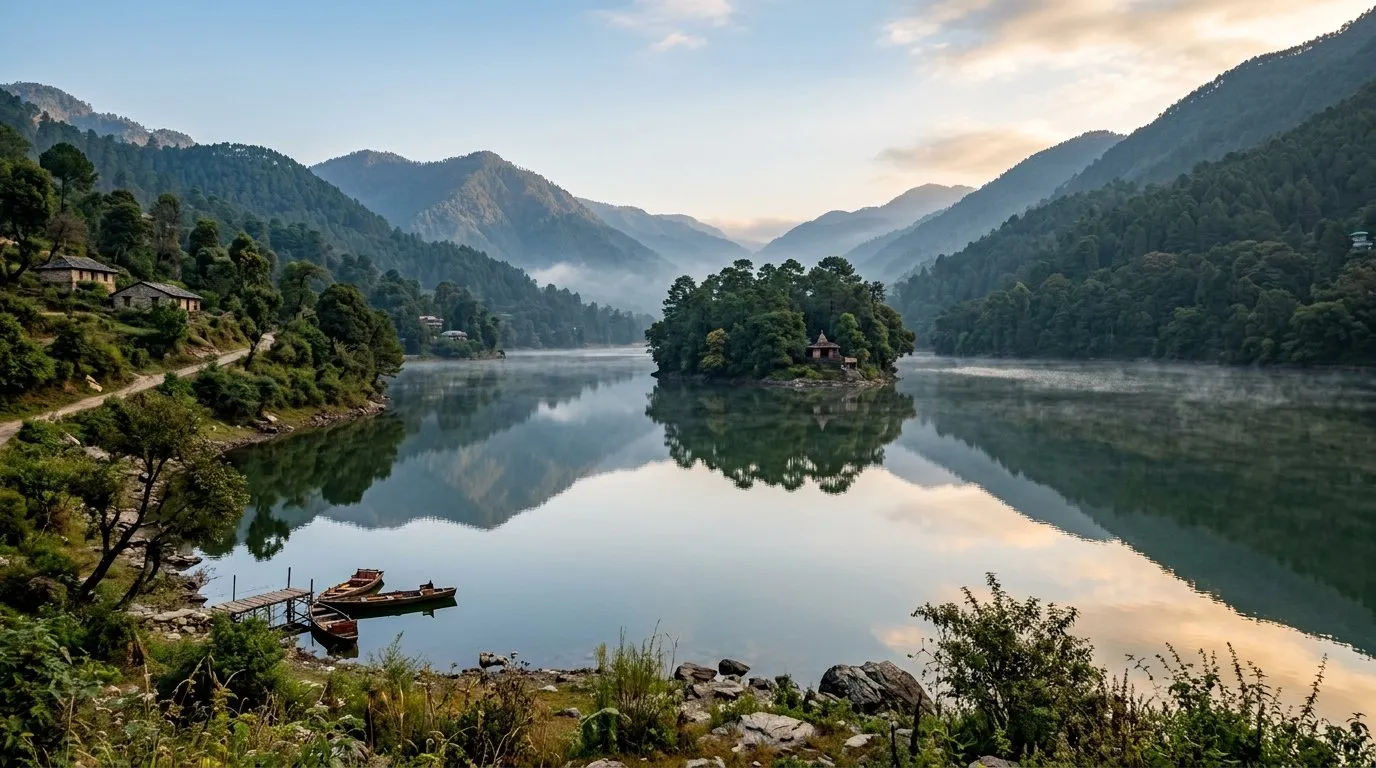
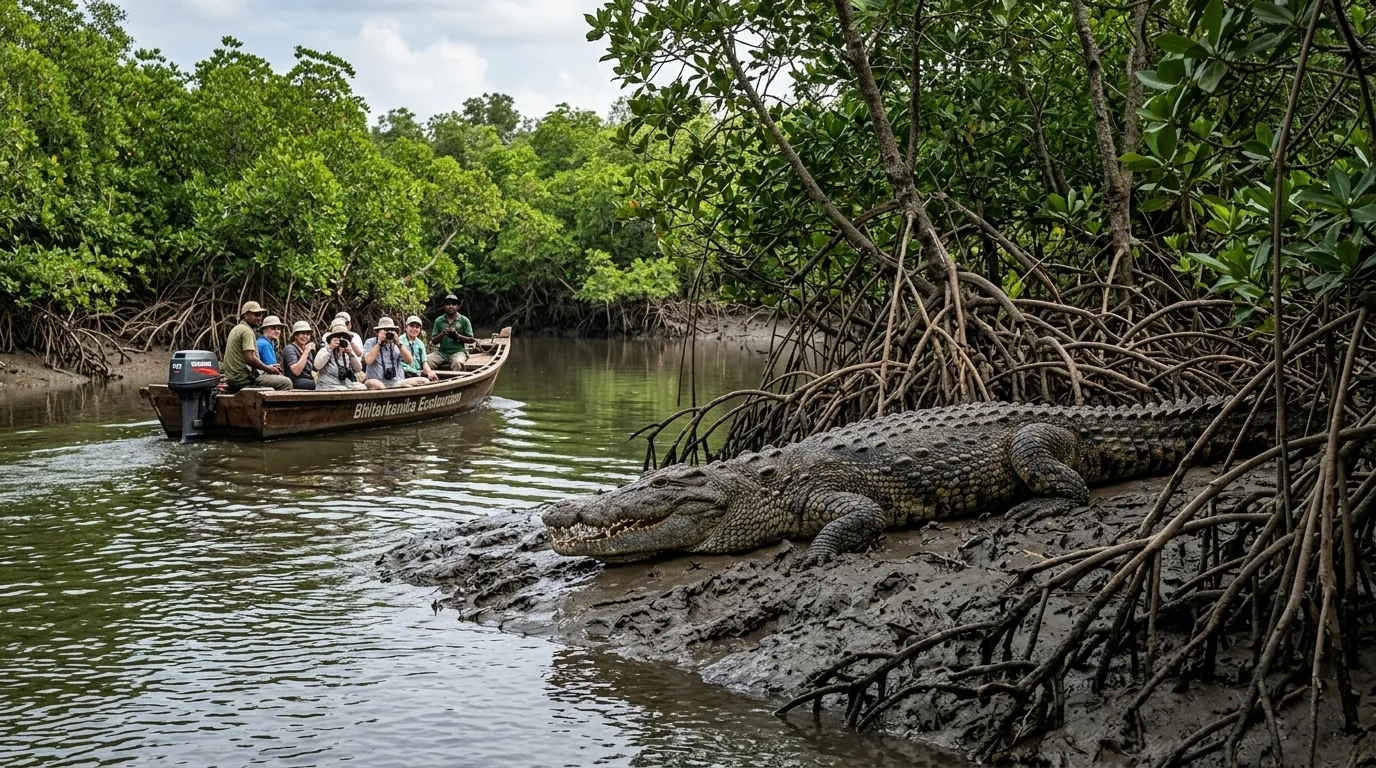
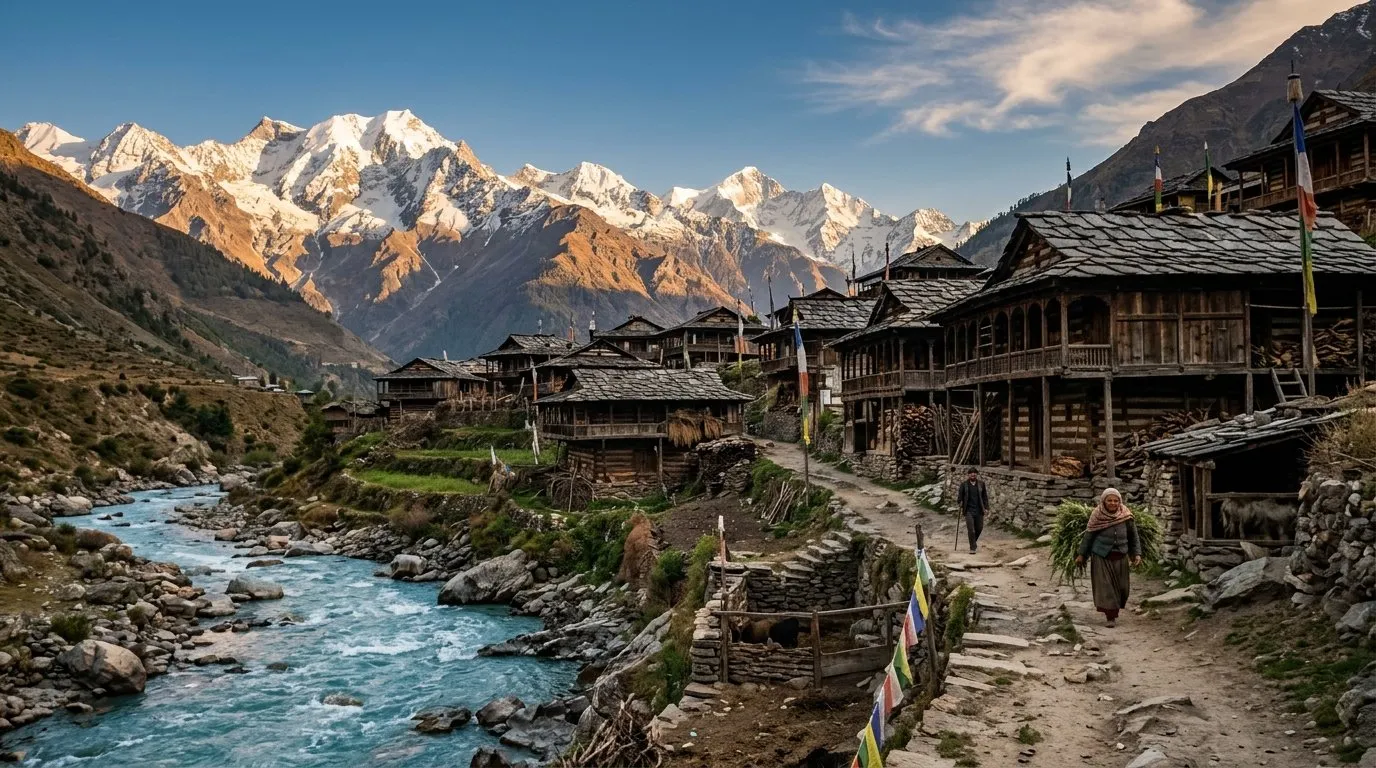
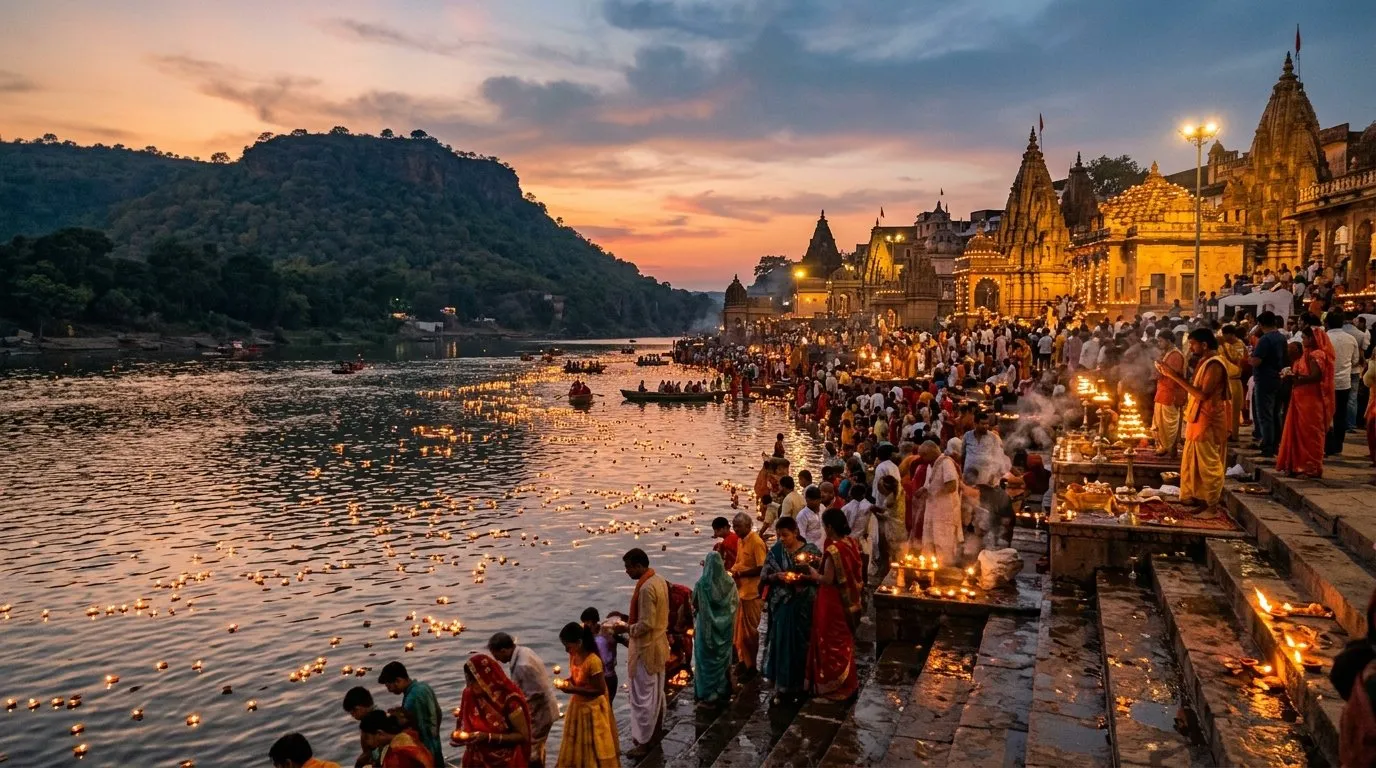
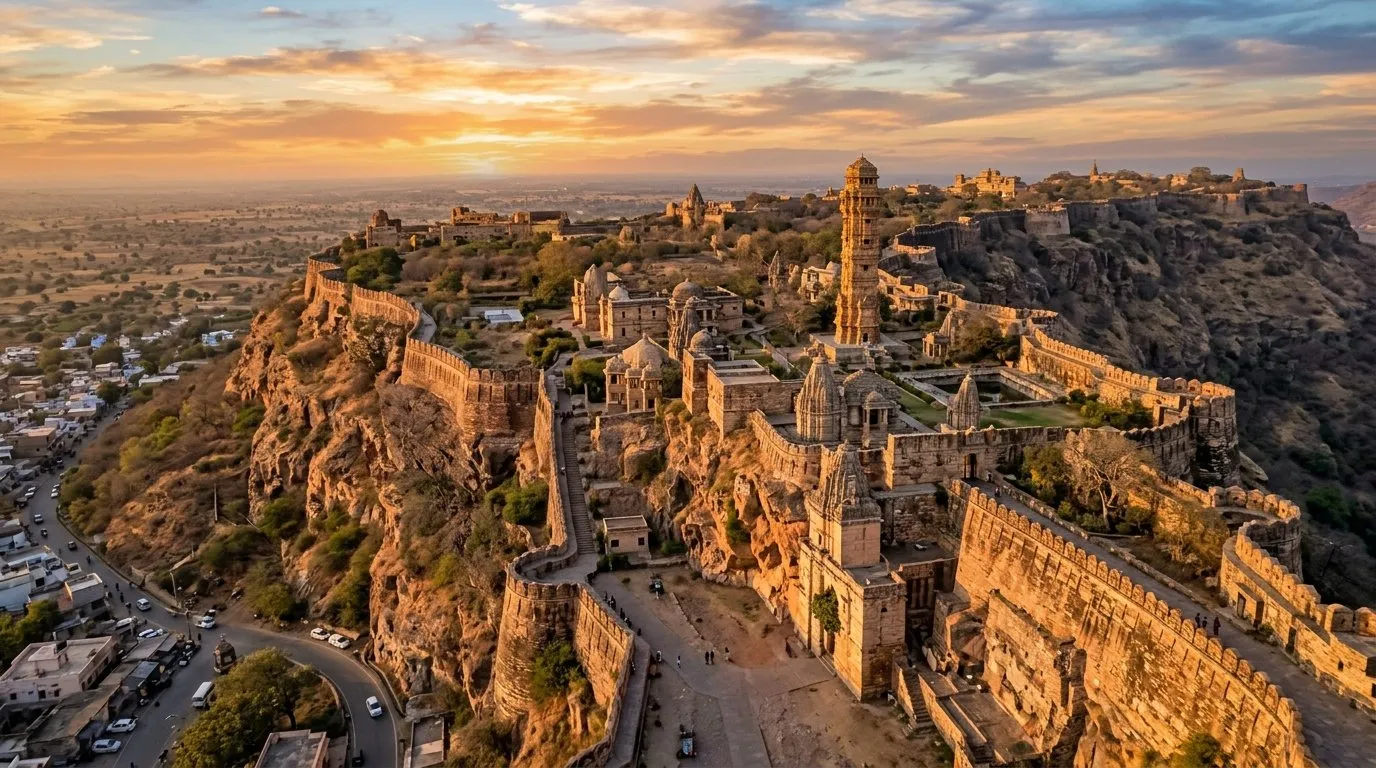
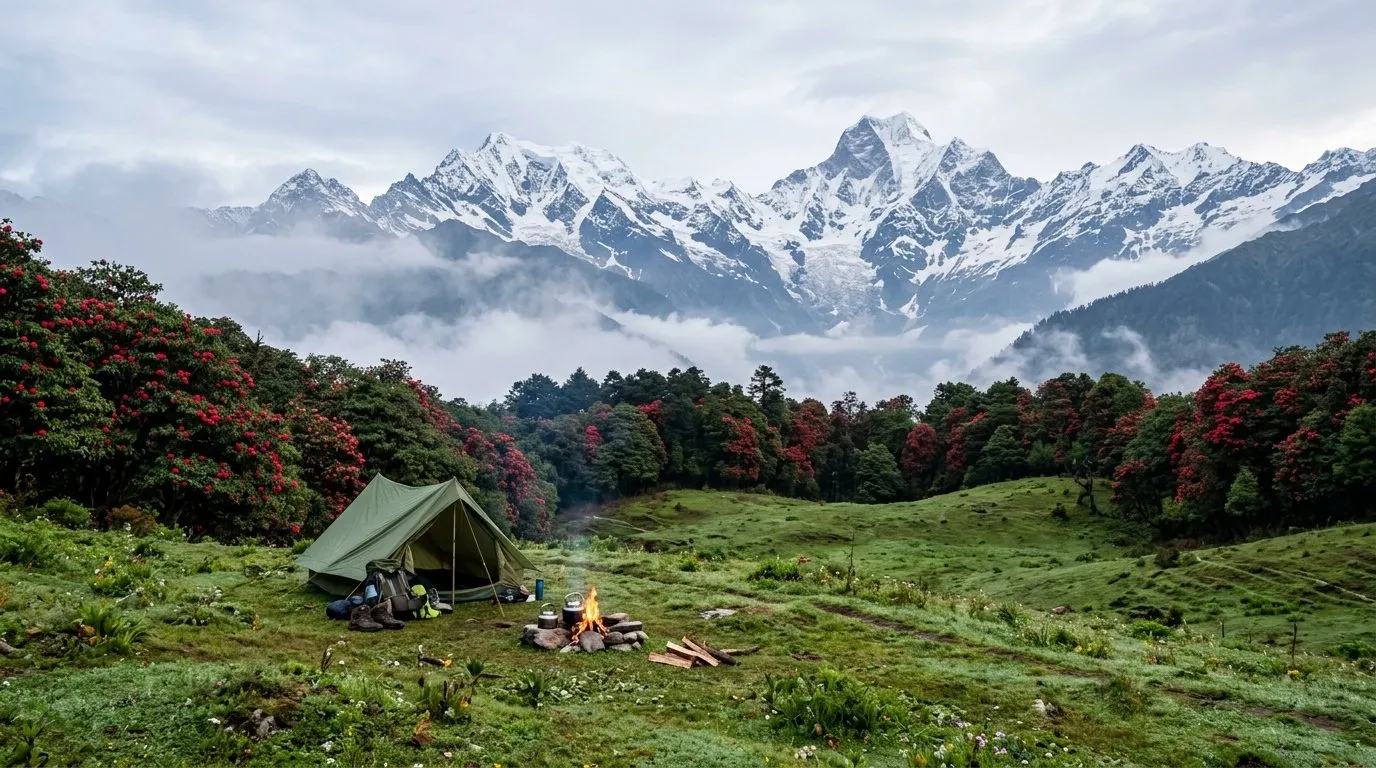
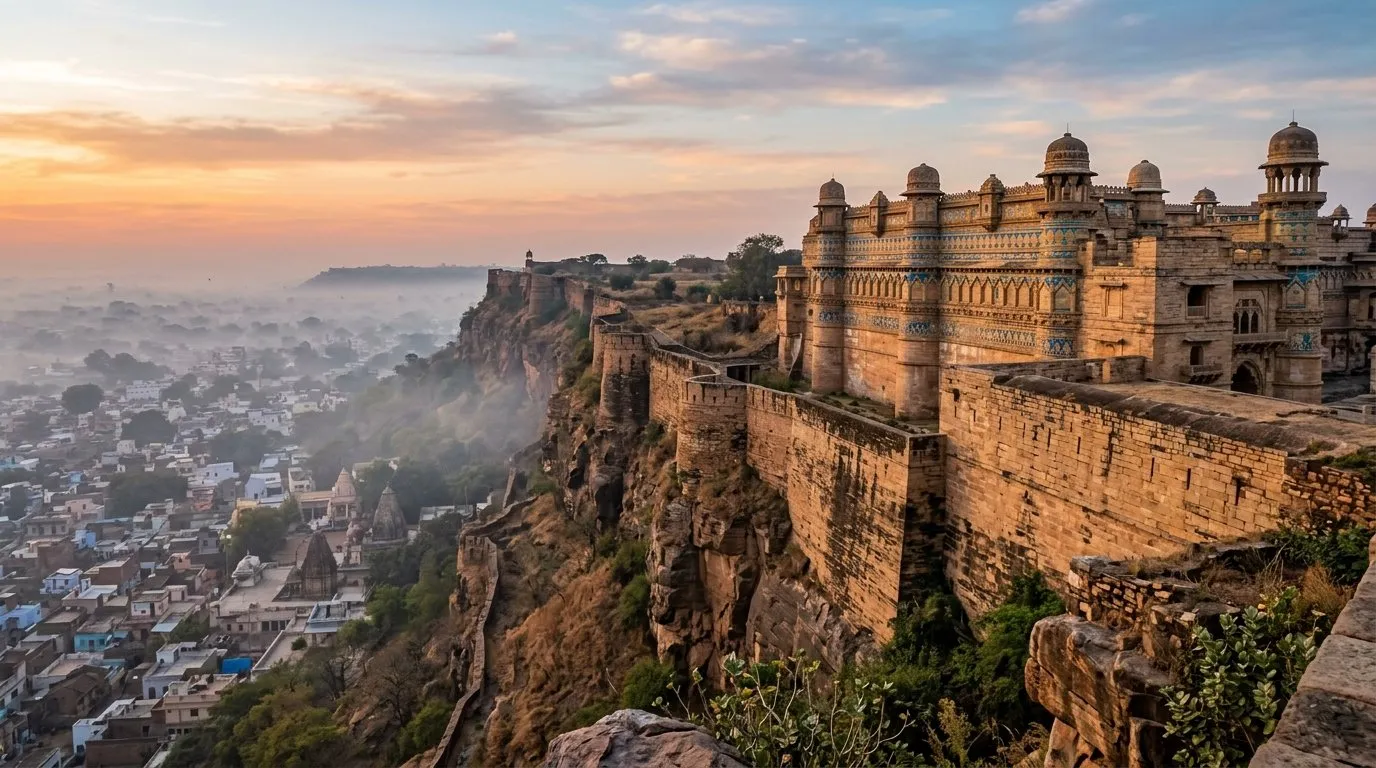
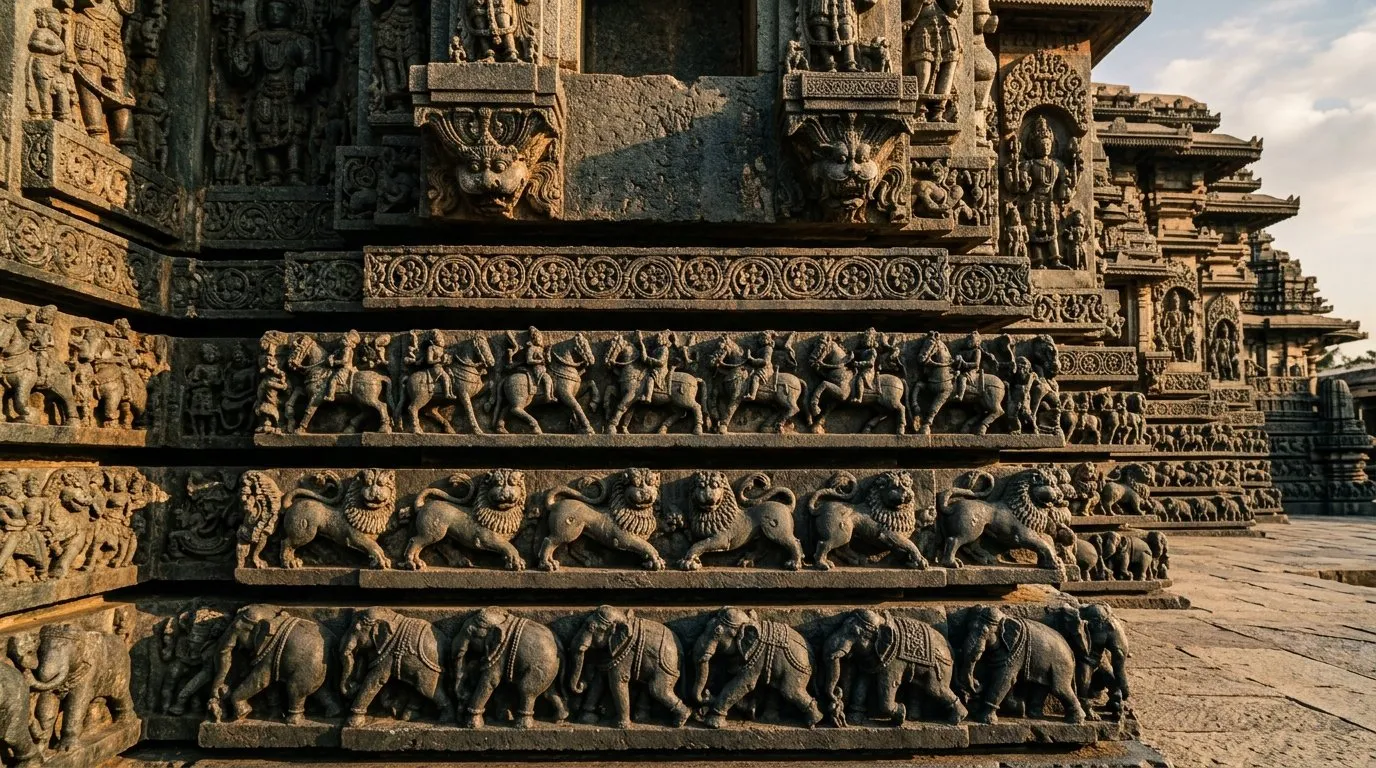
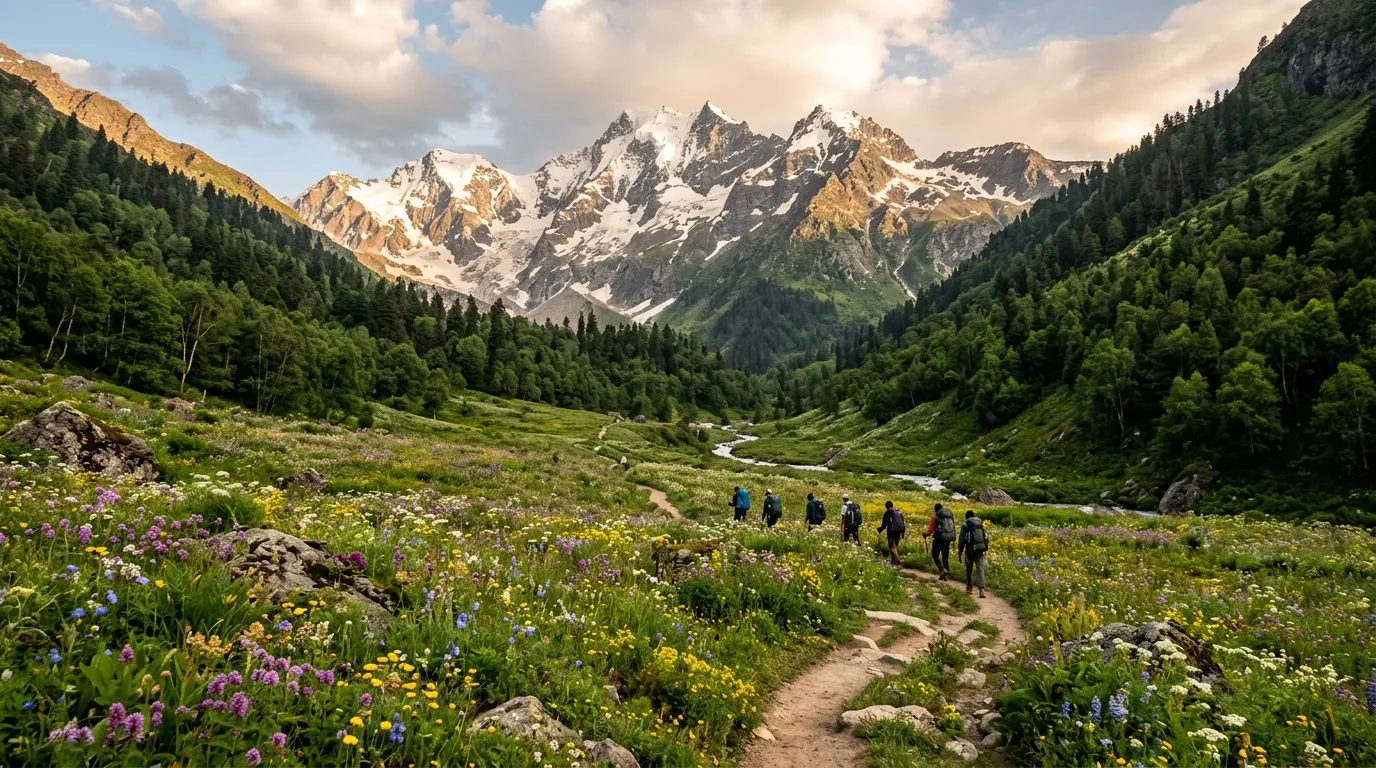
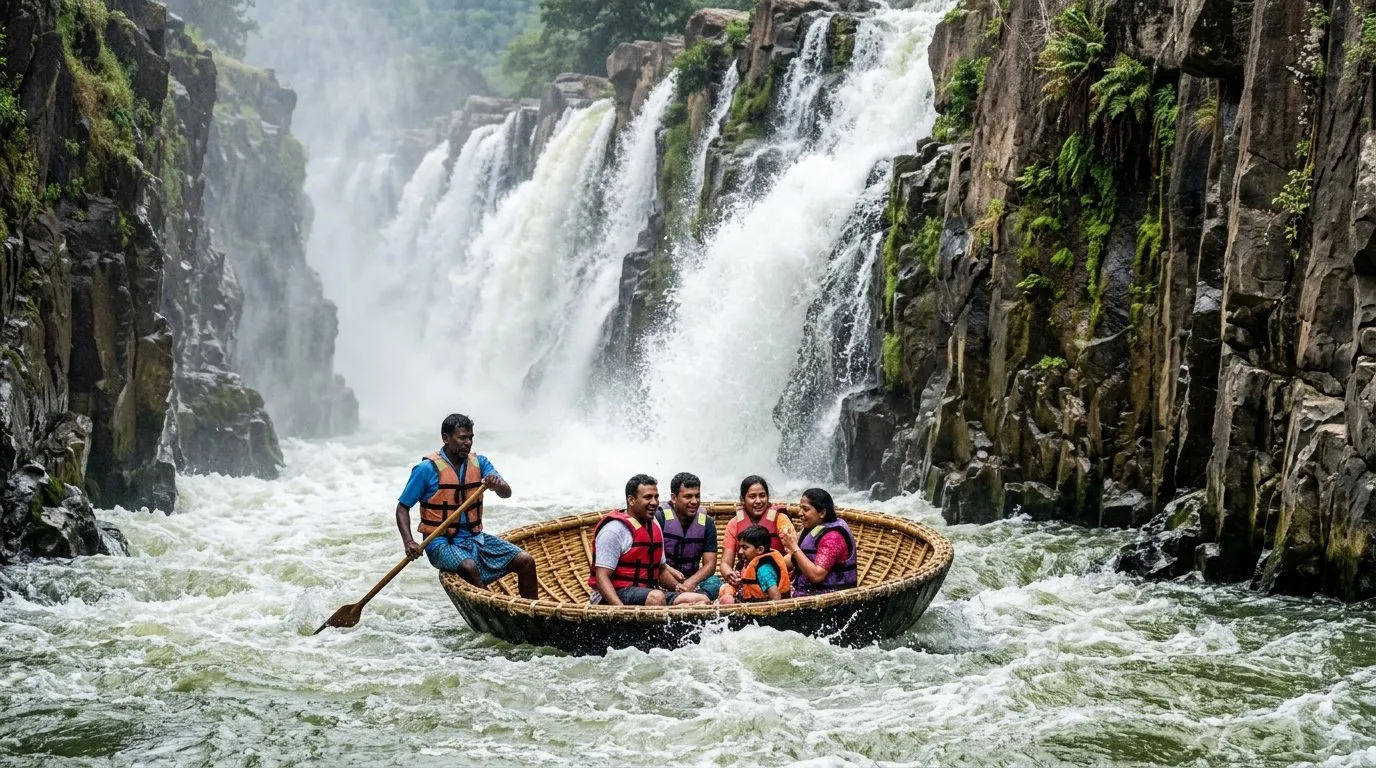
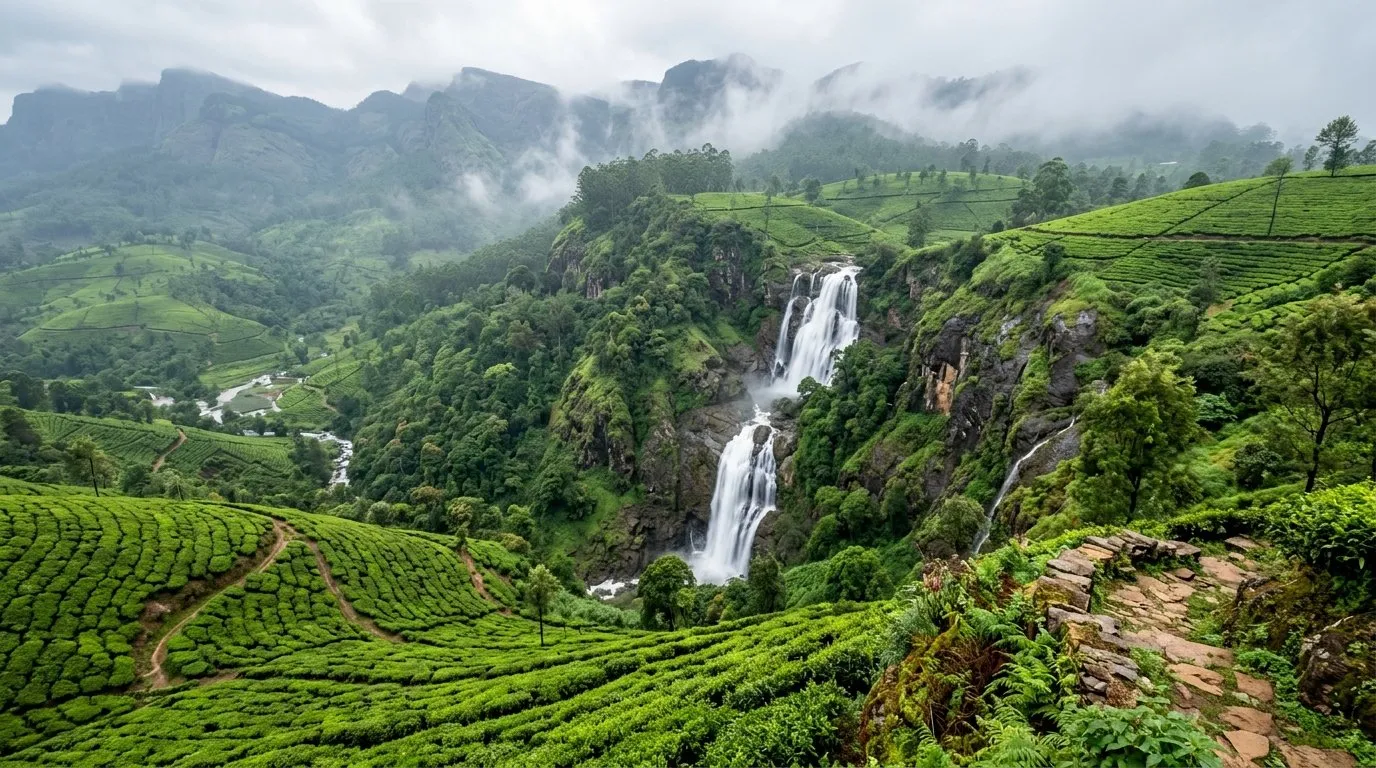
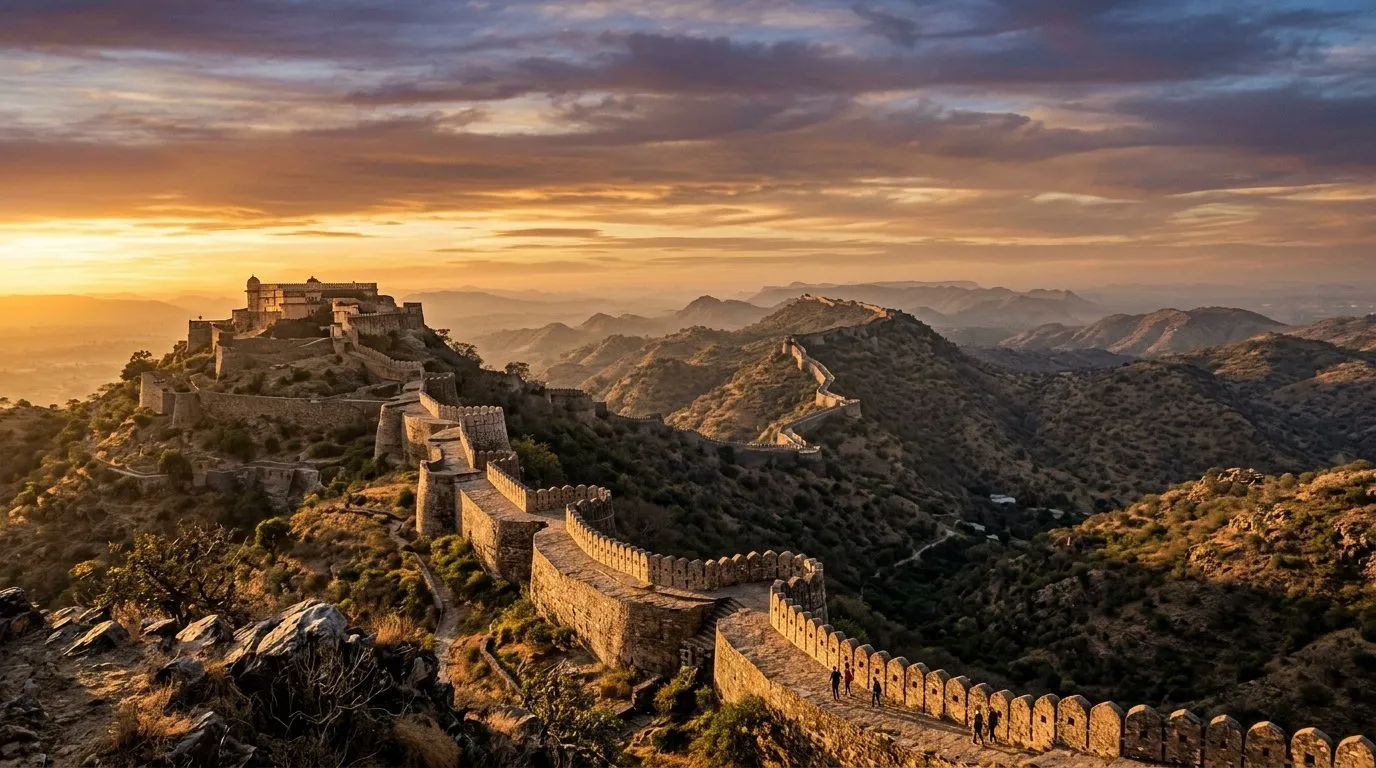
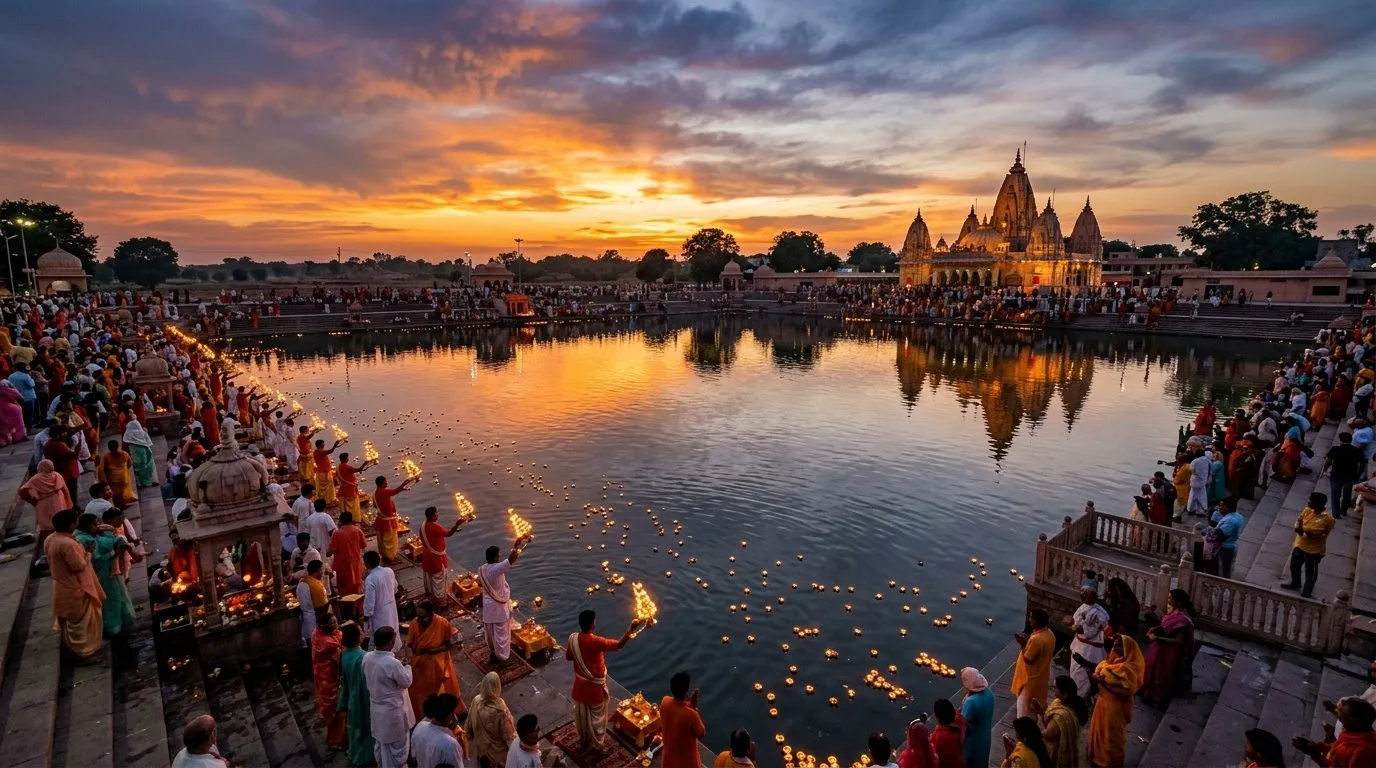
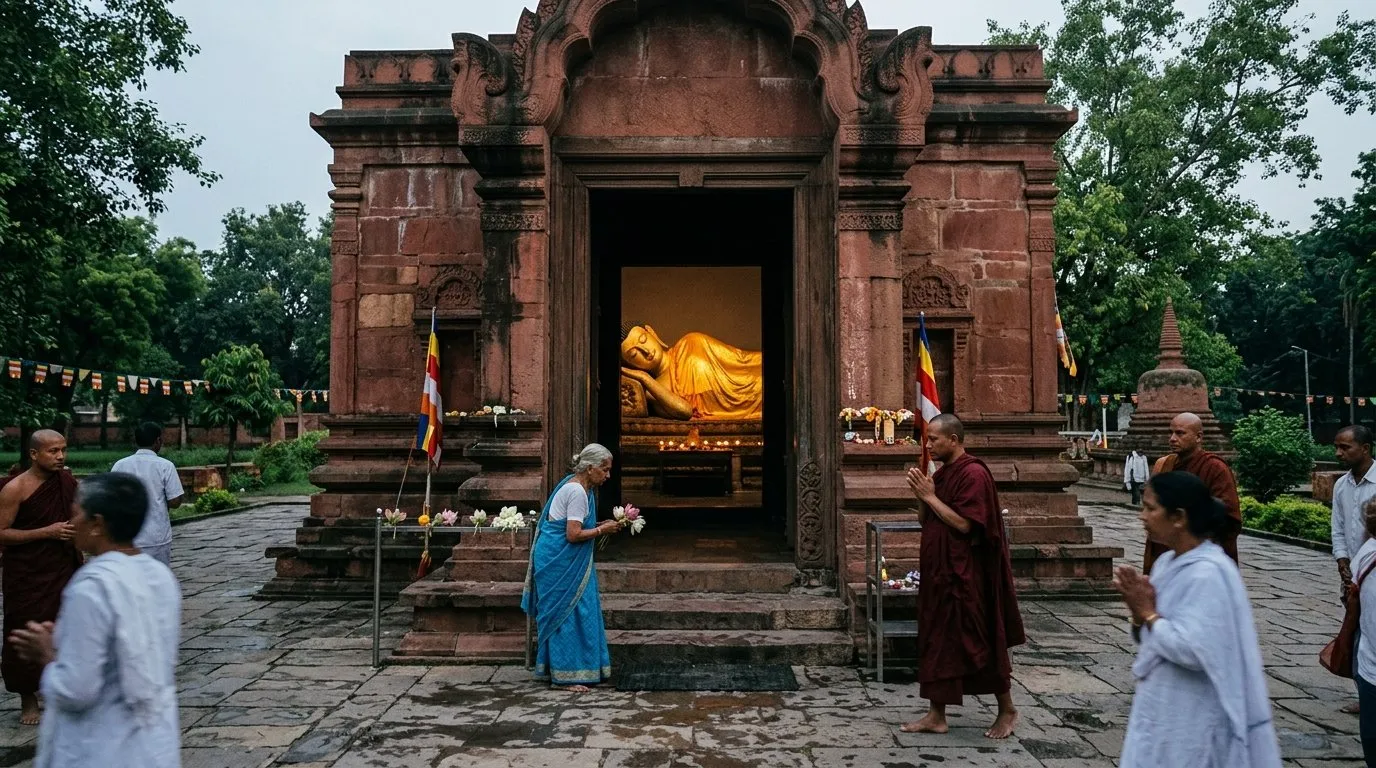
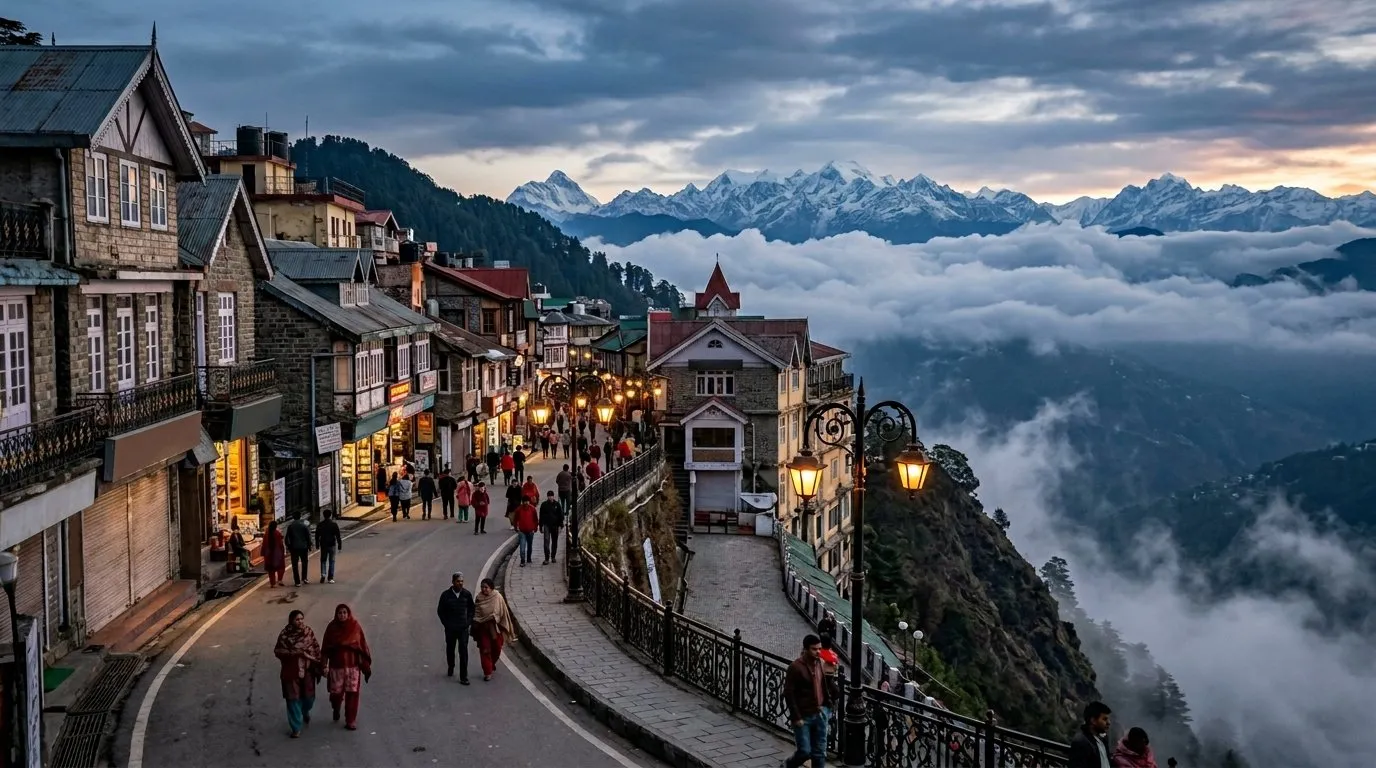
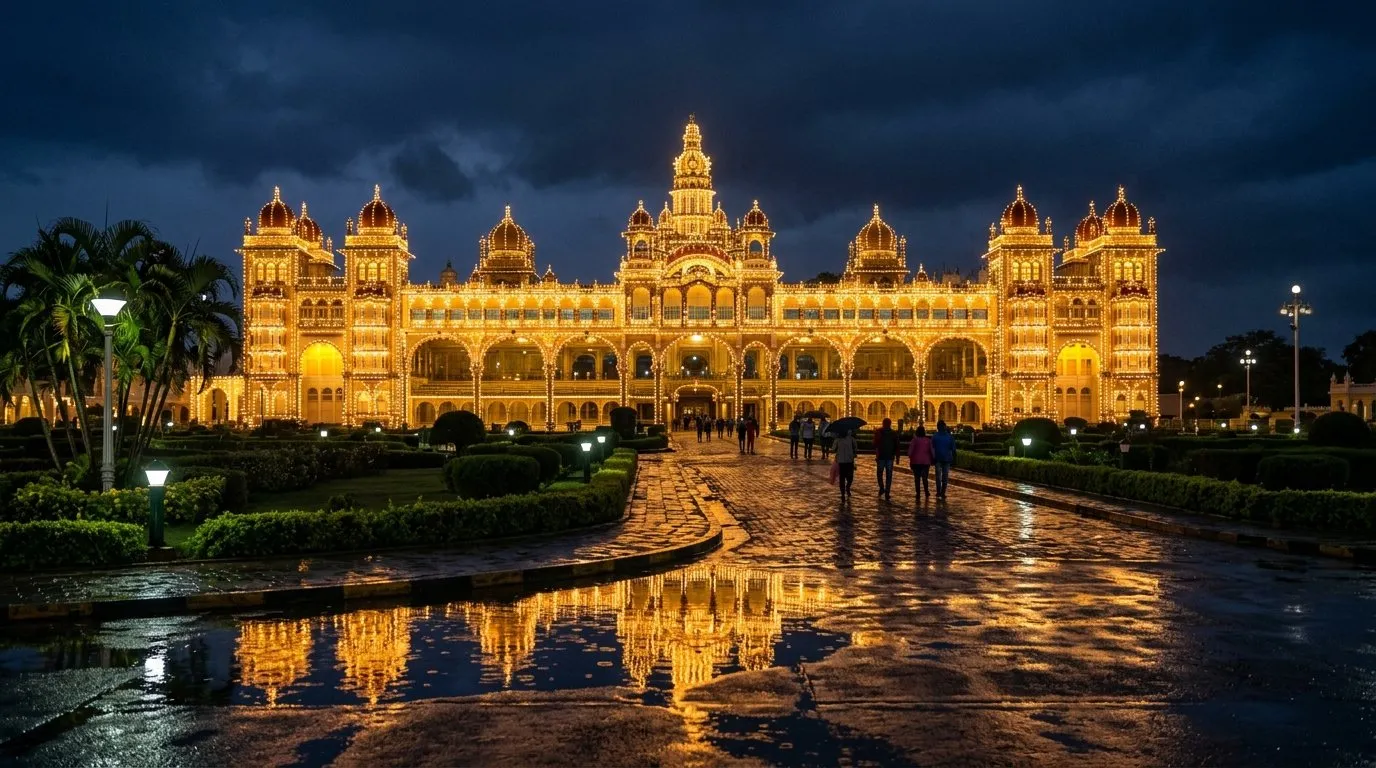
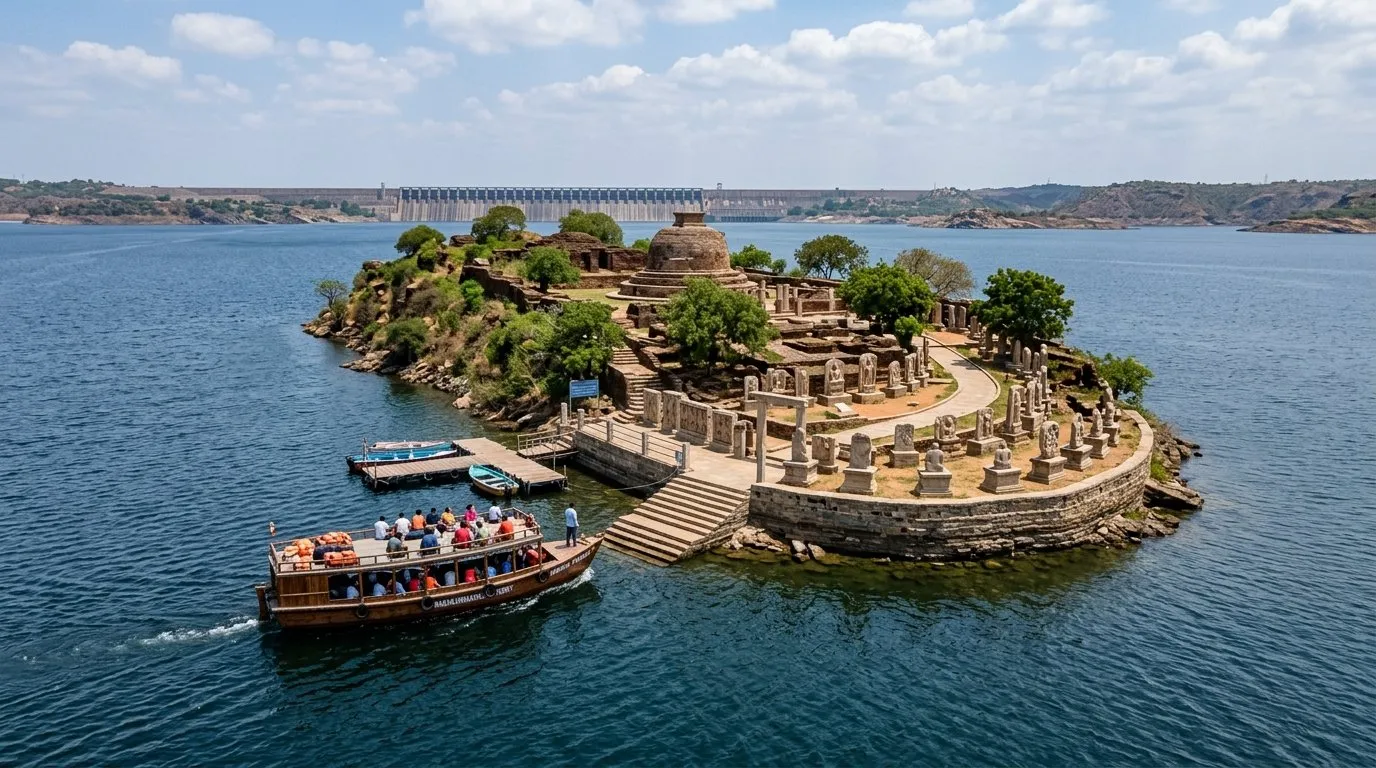
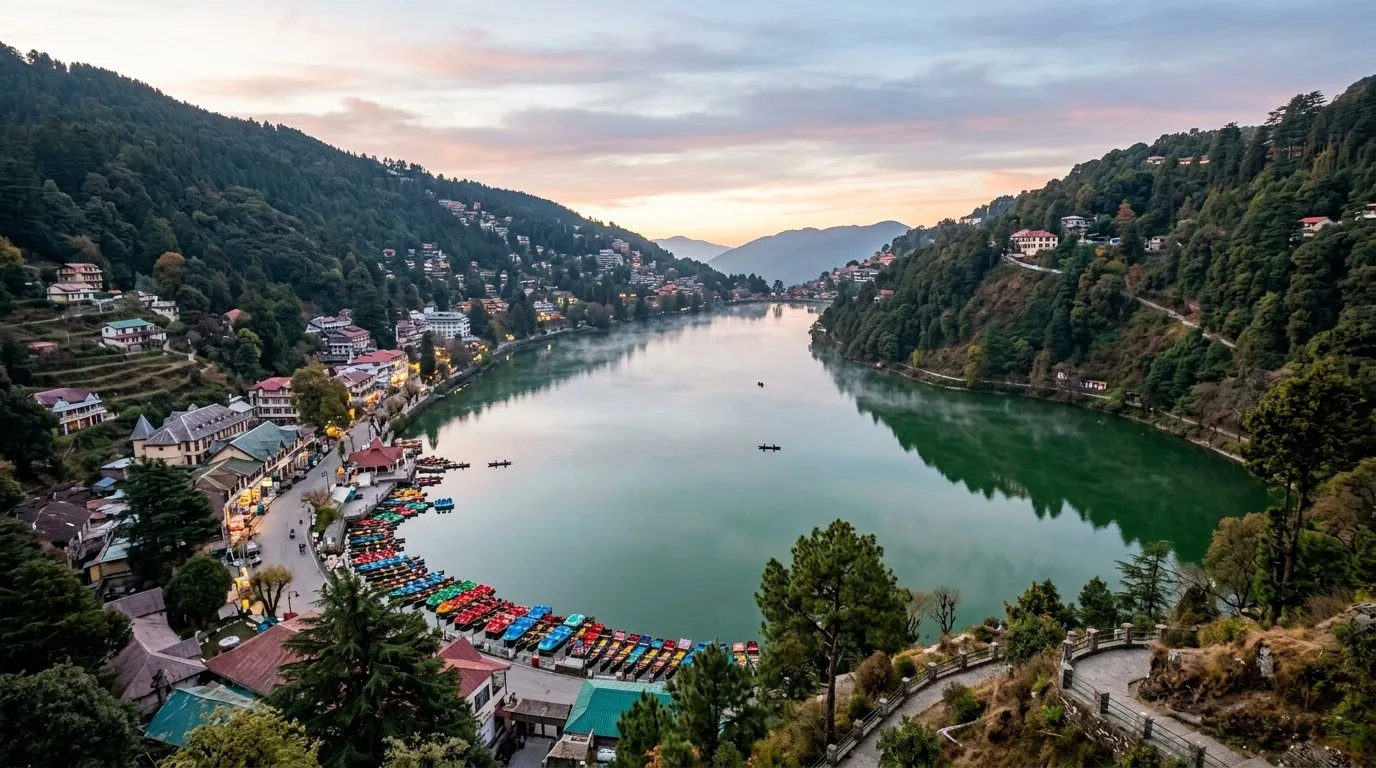
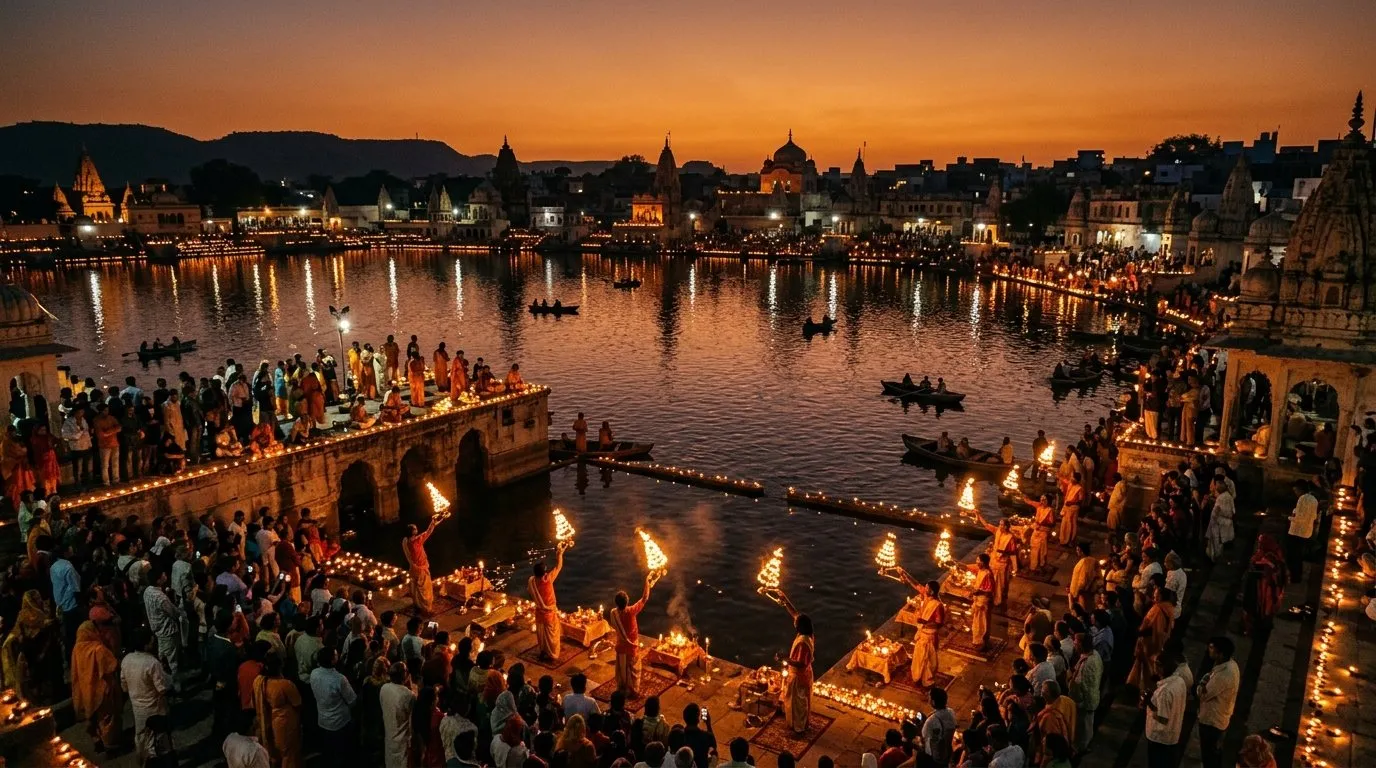
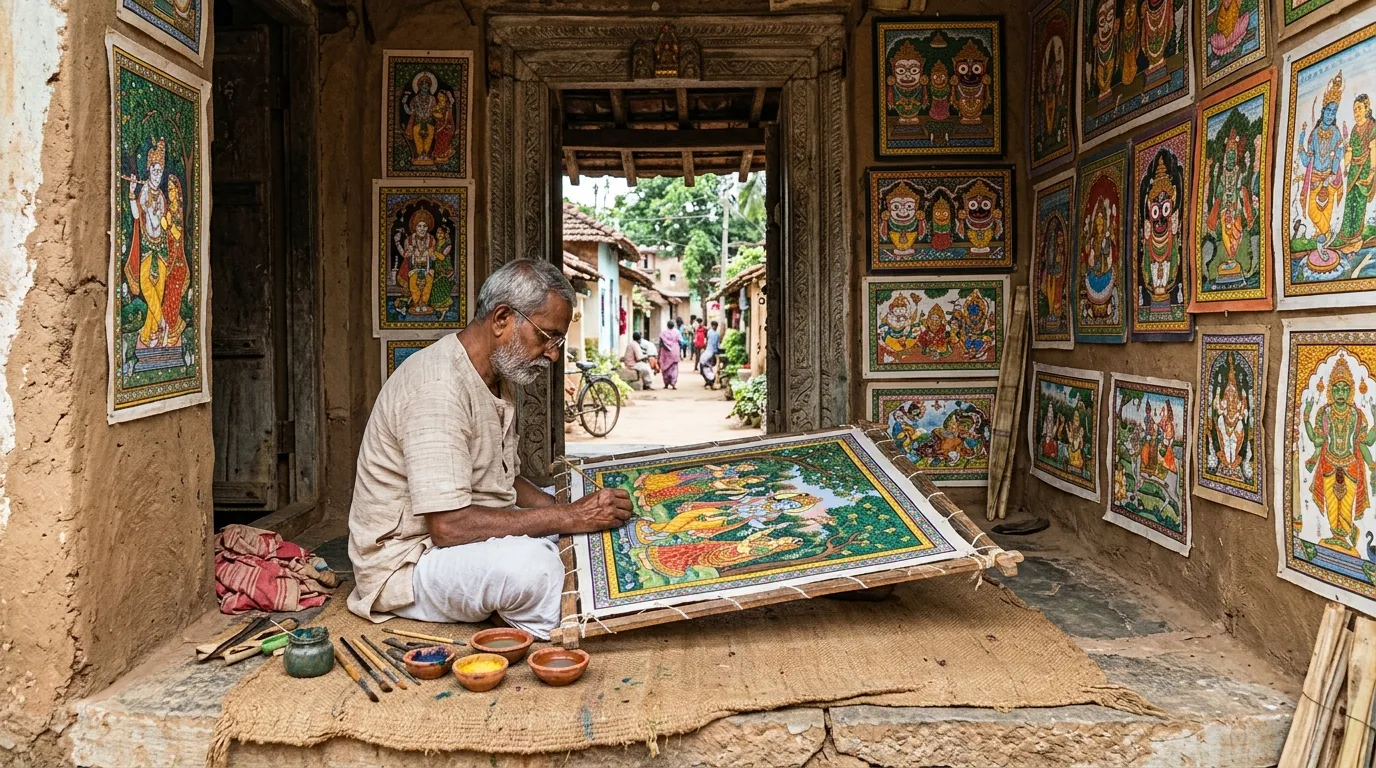
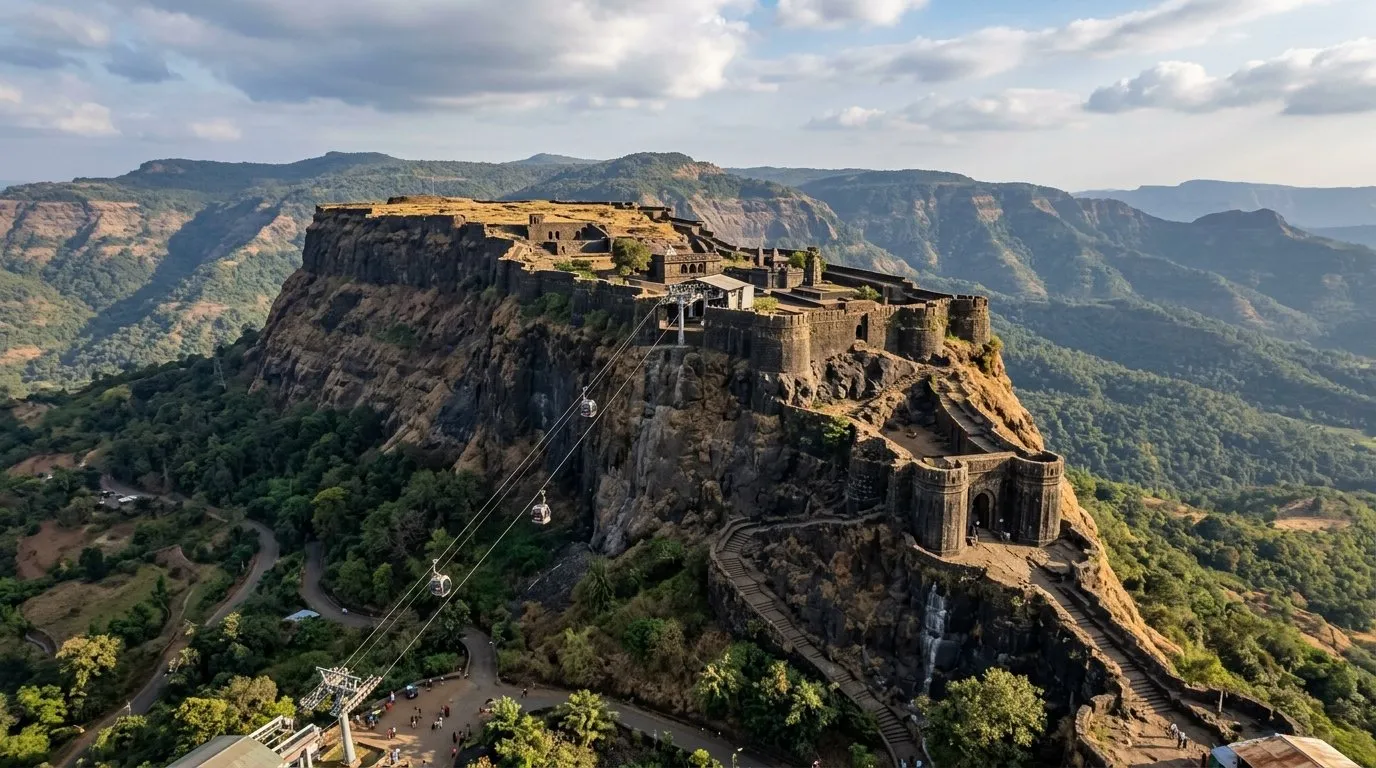
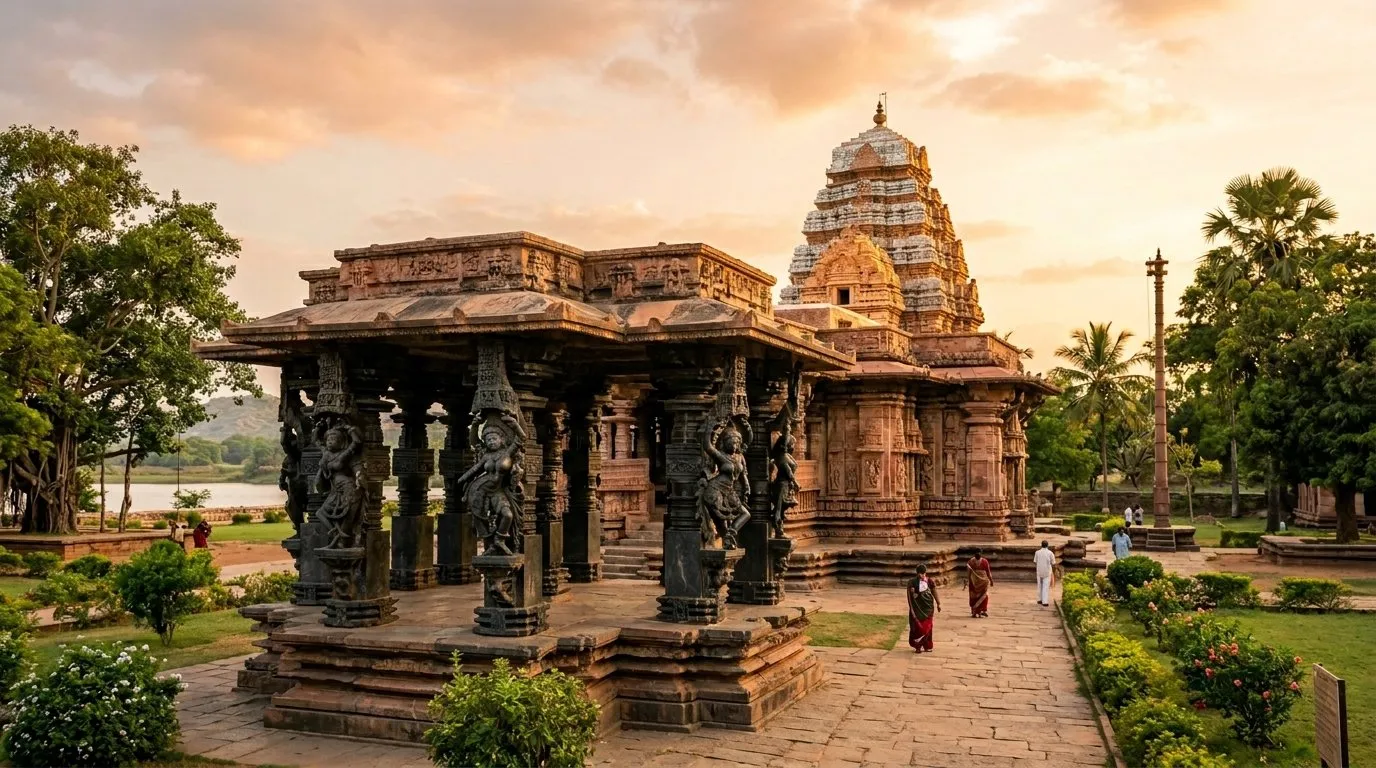

A good time
8/10242 destinations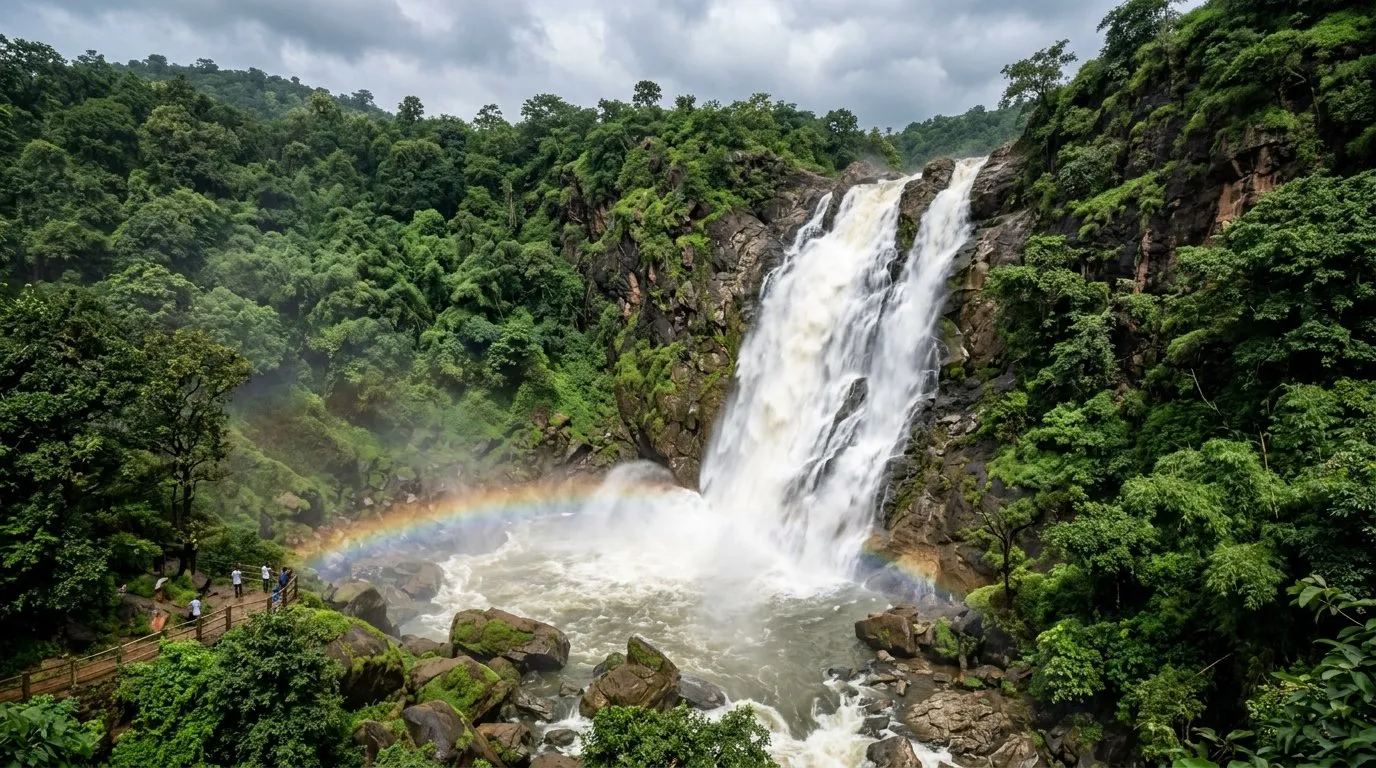













Fair
6/1039 destinationsWhere to skip
29 destinationsThese destinations score poorly in October — bad weather, closed roads, or dangerous conditions. Save them for a better month.
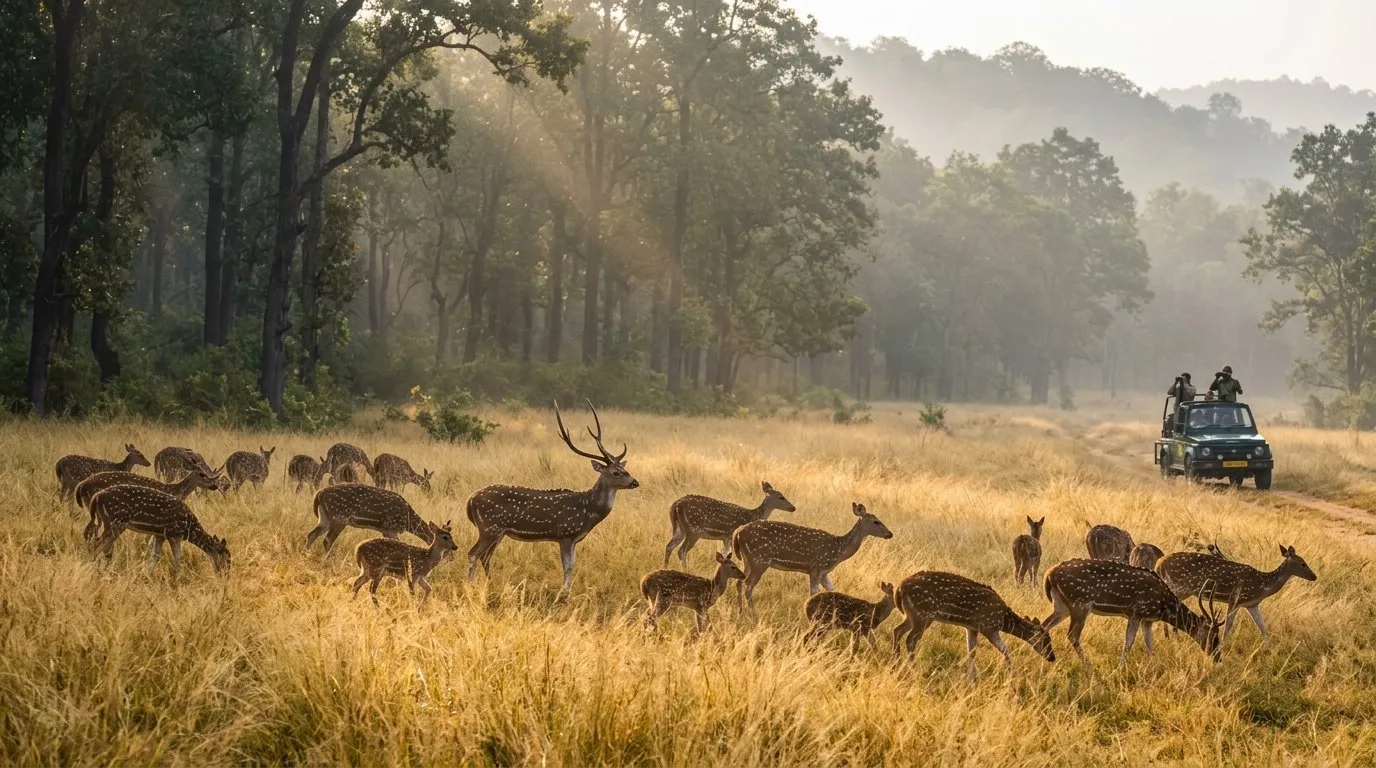
October falls well outside Barnawapara's Nov–Mar window. Conditions are harder, local services scaled back, and the version of the place you'd actually get isn't the one that makes the trip worth doing. The shoulder month either side would be a closer call, but this month isn't it. Raipur weekend should plan for Nov–Mar.
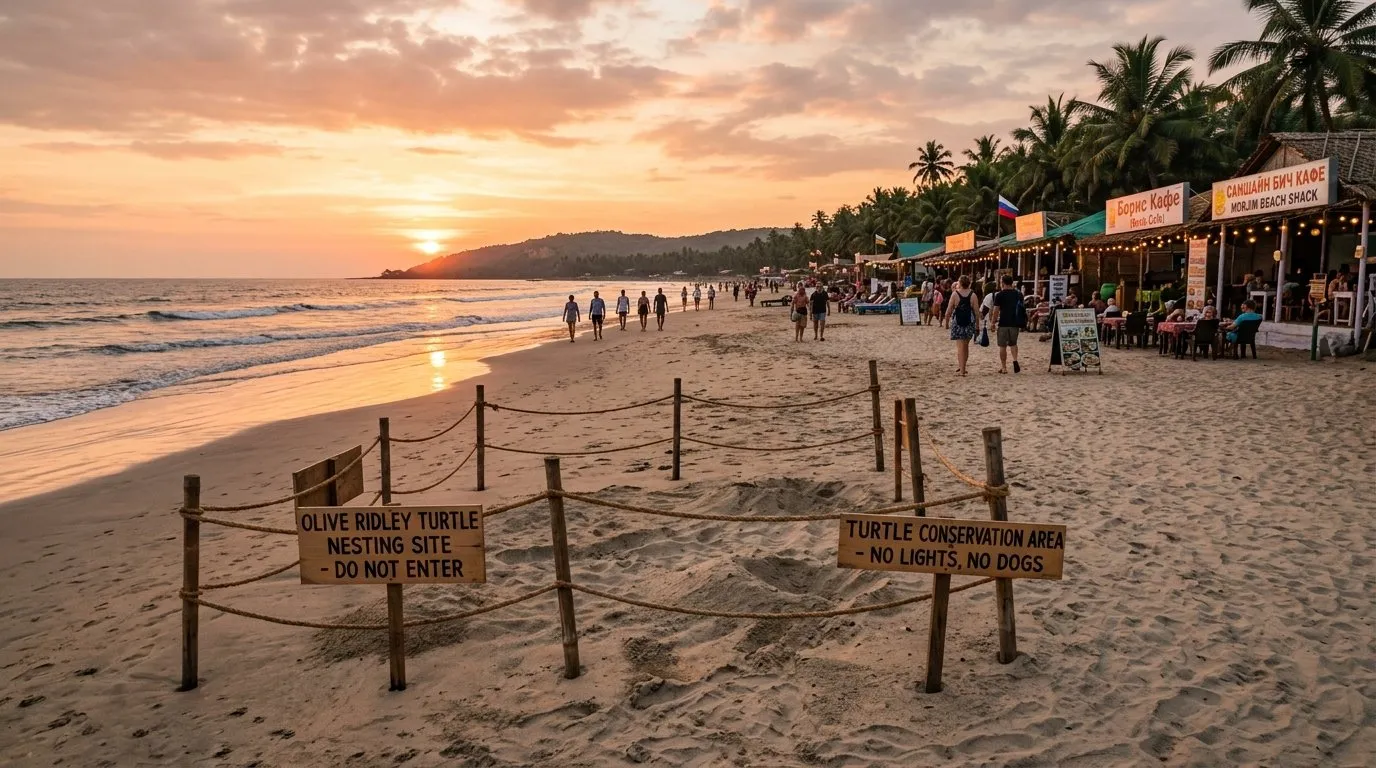
Barren Island charters do not start running until November 1-3 even after the late-October permit reopening. Sea state needs another 2 weeks settling. November adds the actual functional window for the same logistical effort.
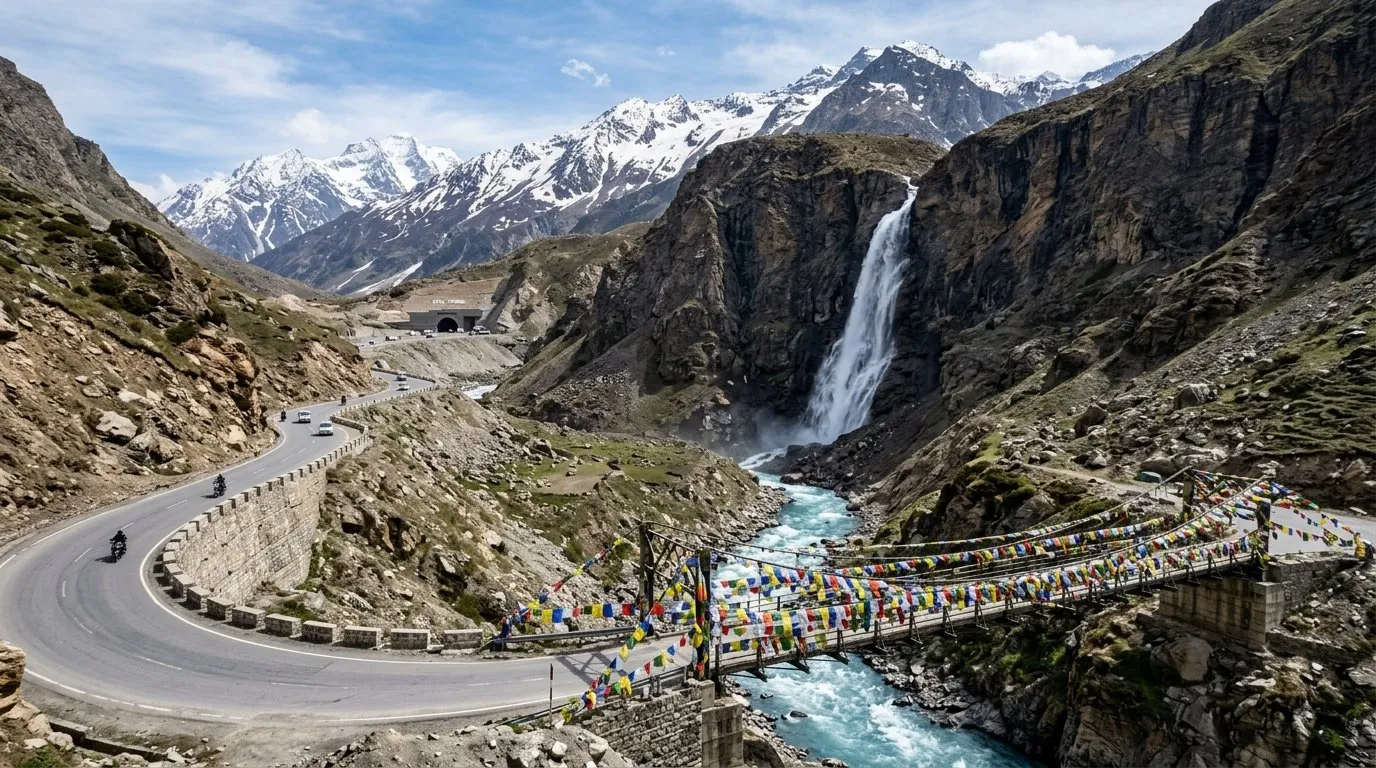
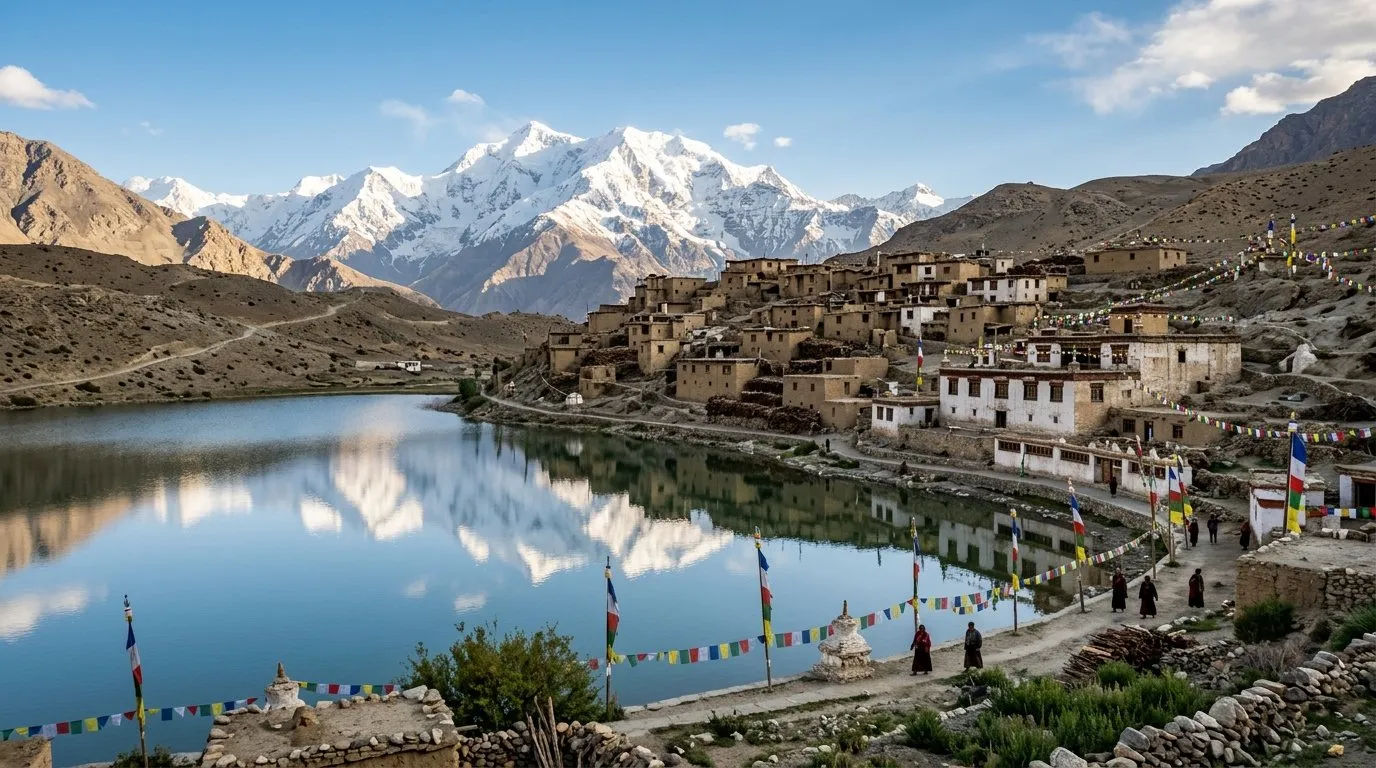
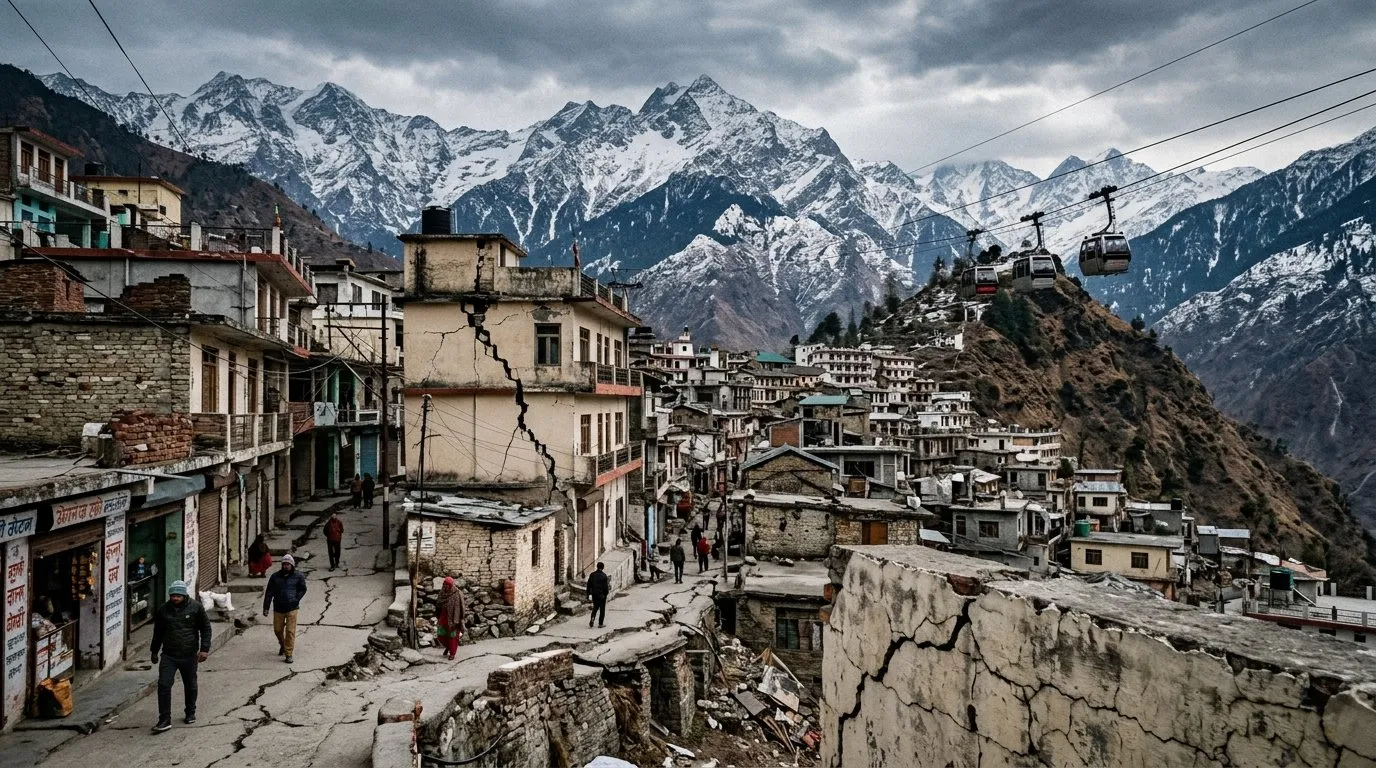
October at Chandratal is when the lake basin shuts down for winter. Tent camps are gone after the first 10 days. The Manali-Gramphu approach takes its first snowfall around October 15-20 and closes for winter by October 25-30. Day-trips from Kaza are possible until the Kunzum Pass closes (typically late October).
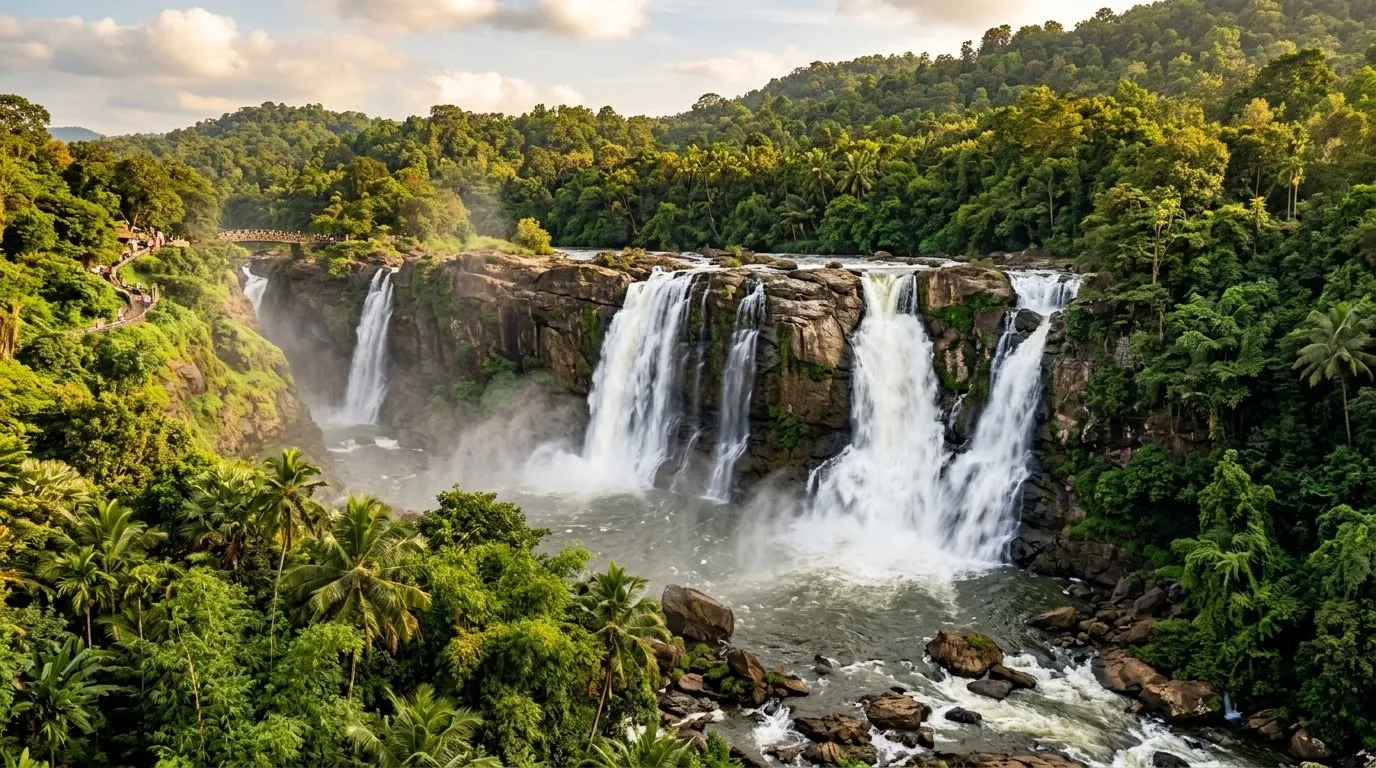
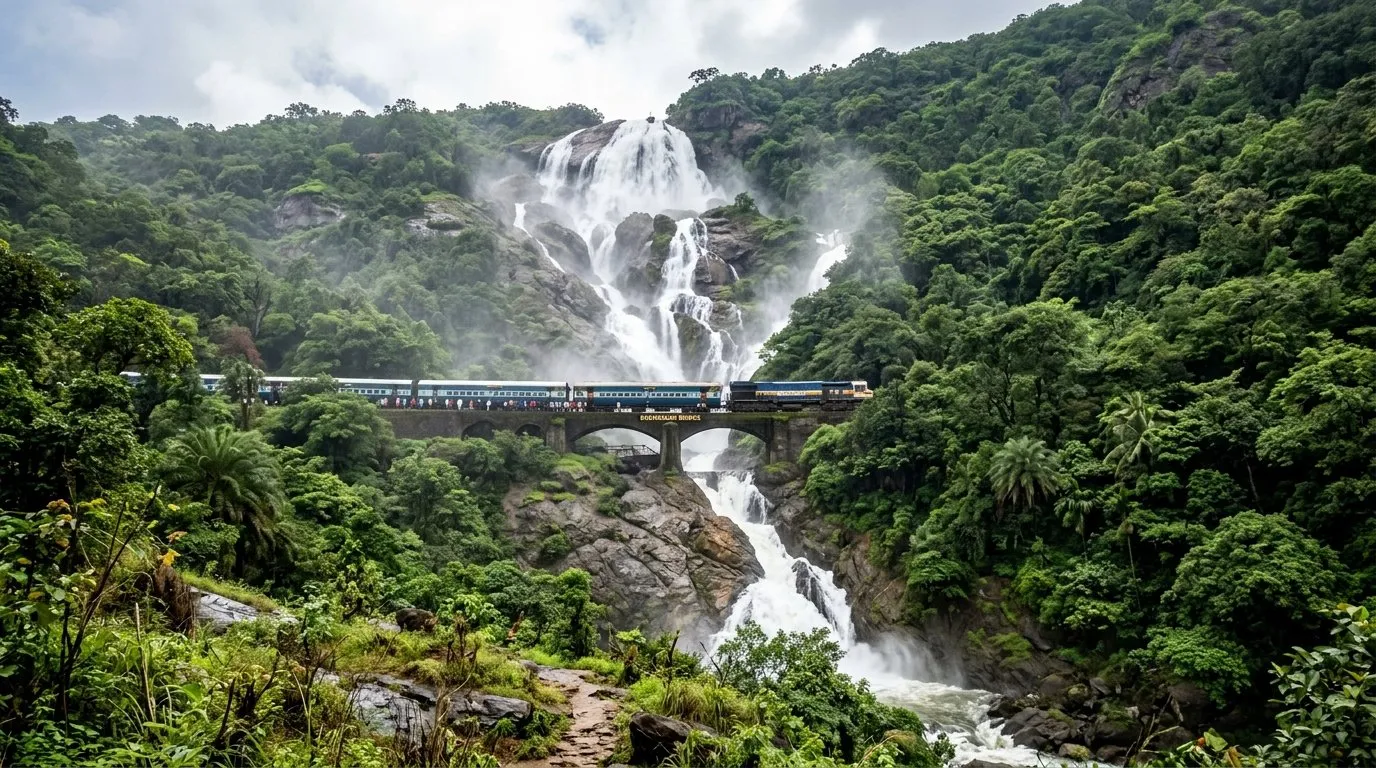
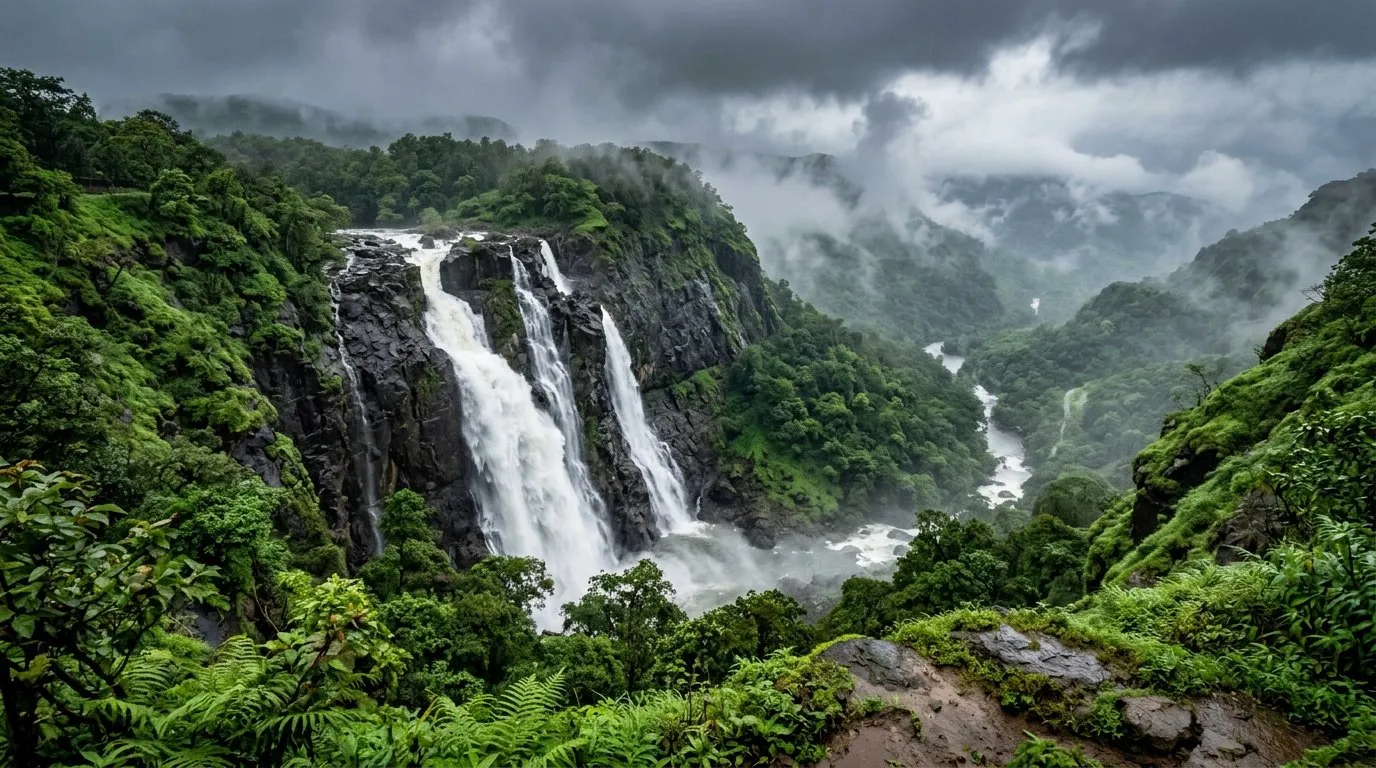
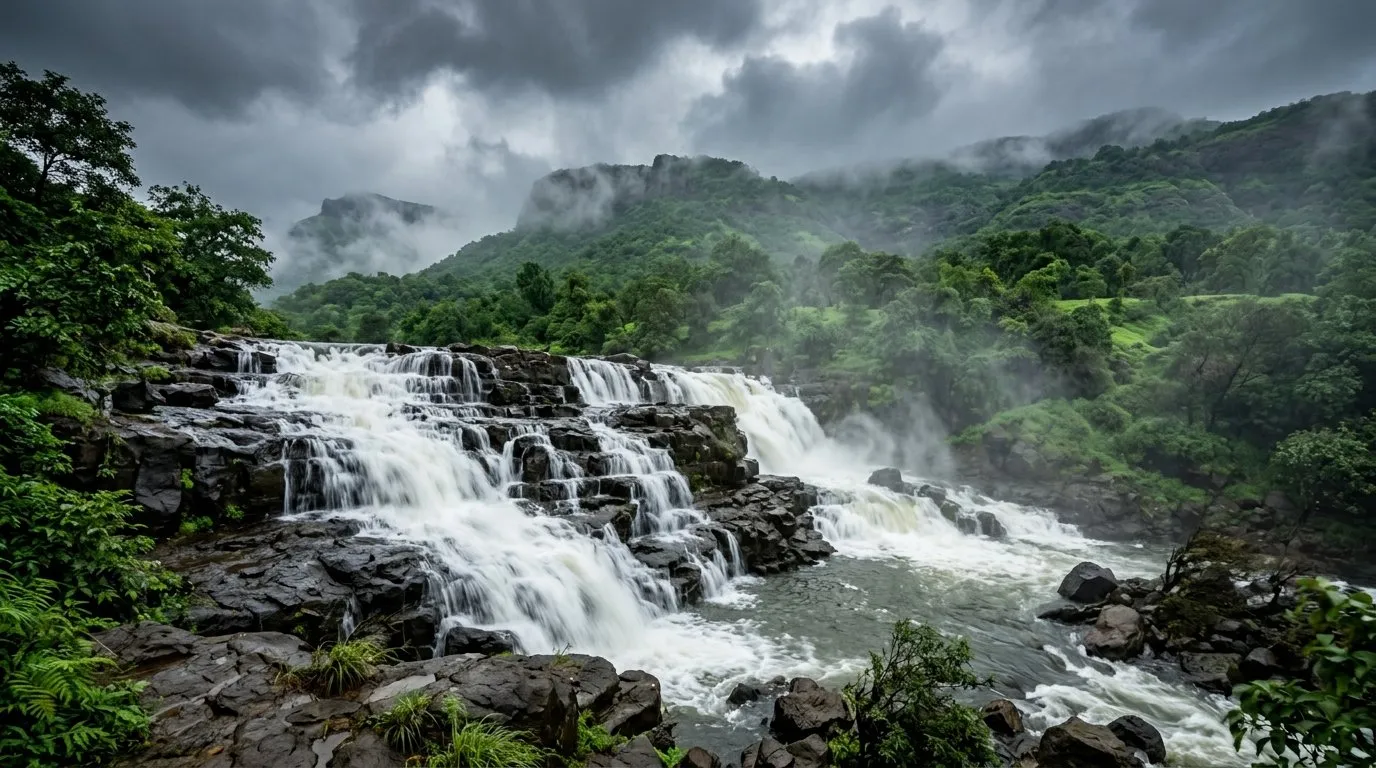
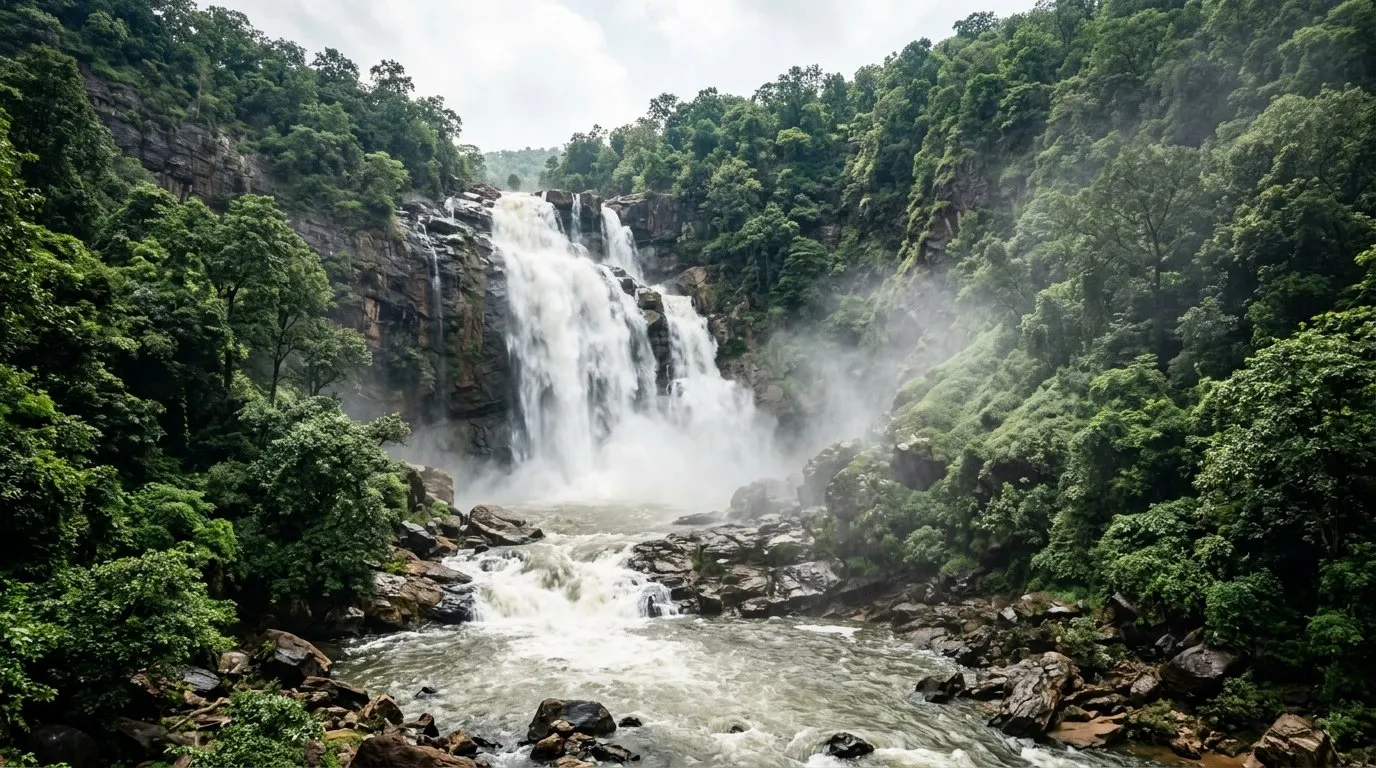
Thoovanam Falls peaks in October but trails remain slick from monsoon runoff. Sighting probability is high, but terrain is slippery.
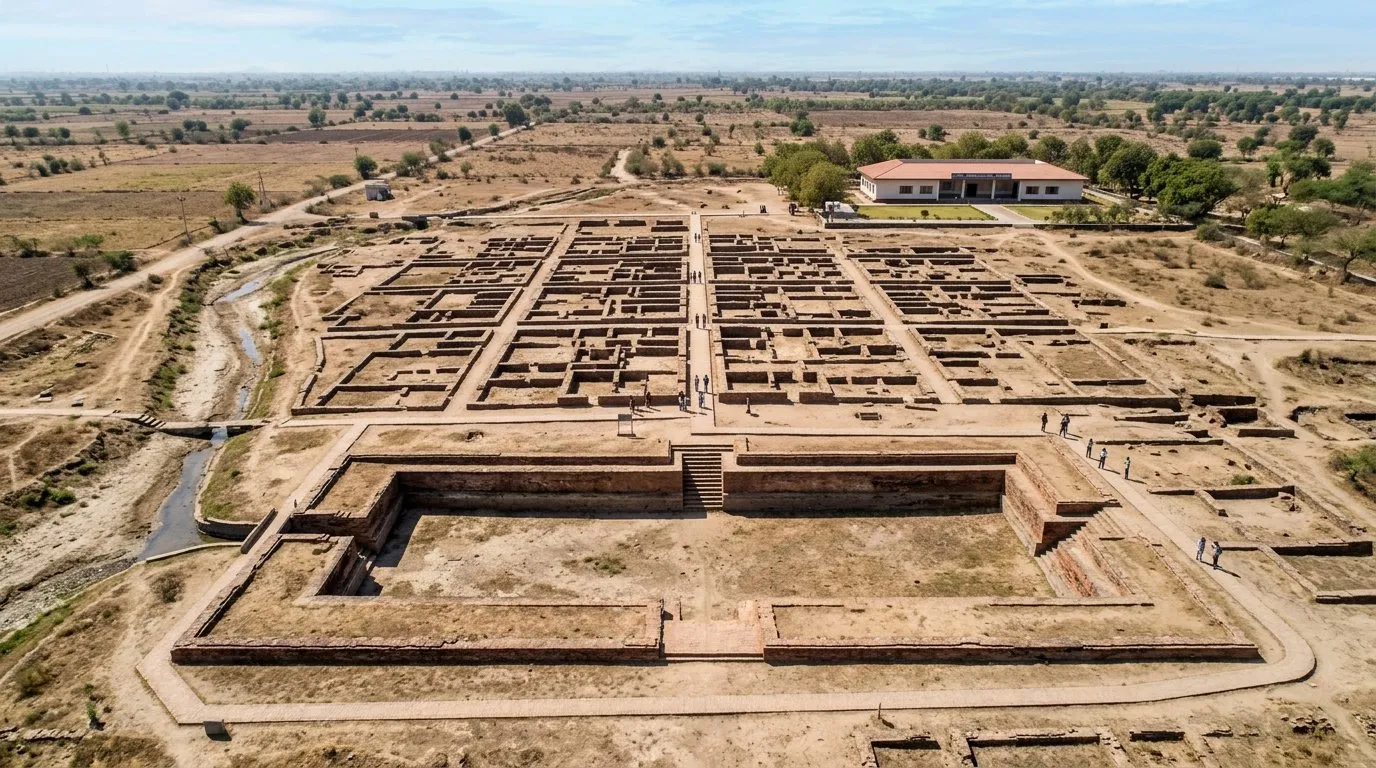
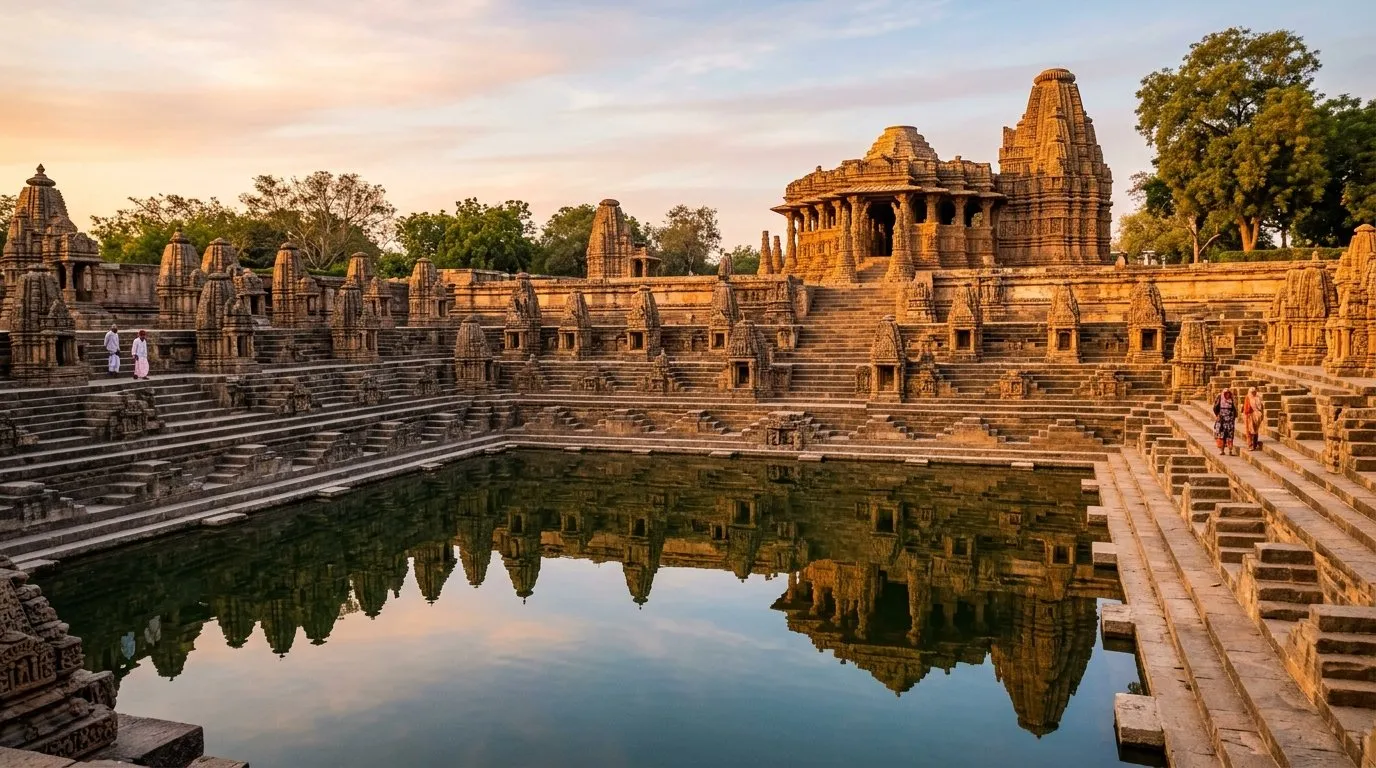
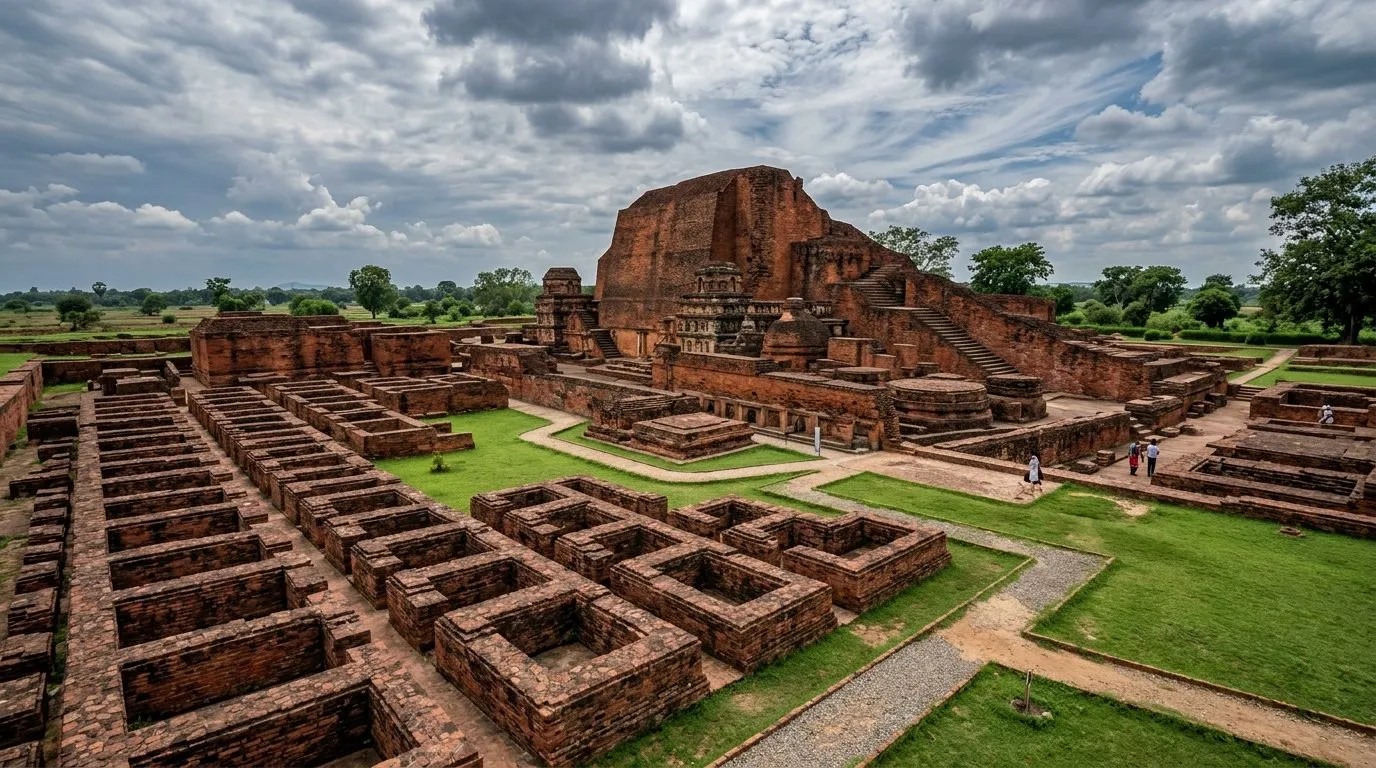
October is Dholavira's slow rebound. Daytime 22-34C, monsoon retreated, but the Rann salt flat is still in its annual drying phase — partial white-desert visibility, the Road to Heaven causeway not yet at peak, and Rann Utsav opening November 1.
October falls well outside Drass's Jun–Sep window. Conditions are harder, local services scaled back, and the version of the place you'd actually get isn't the one that makes the trip worth doing. The shoulder month either side would be a closer call, but this month isn't it. Zoji La + Srinagar-Leh should plan for Jun–Sep.
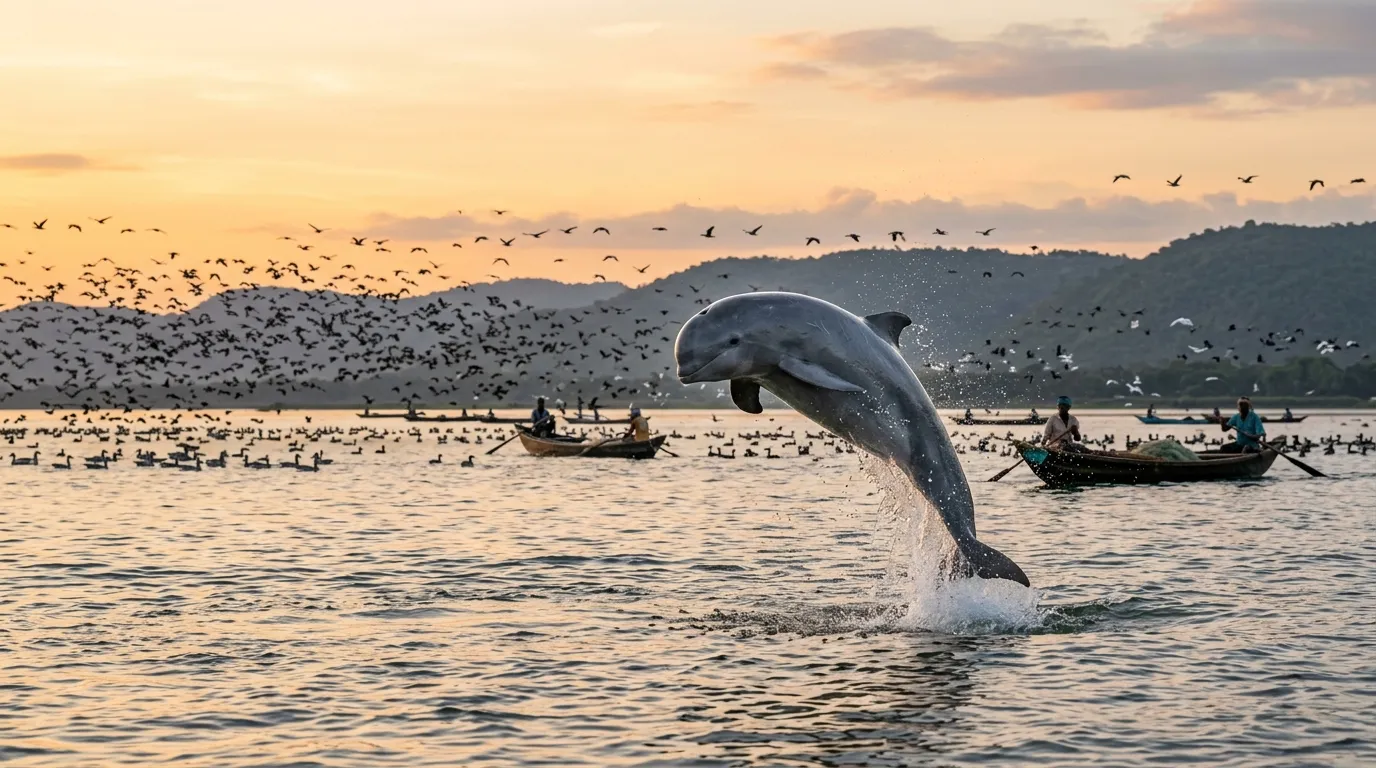
October falls well outside Gahirmatha's Nov–Mar window. Conditions are harder, local services scaled back, and the version of the place you'd actually get isn't the one that makes the trip worth doing. The shoulder month either side would be a closer call, but this month isn't it. Protected marine sanctuary should plan for Nov–Mar.
Gir National Park REOPENS Oct 16 — but Oct 1-15 still closed. Reopening week (Oct 16-22) sees the year's permit rush. Forest dense from monsoon — lions harder to spot than dry-season but reopen-rush travellers book months in advance.
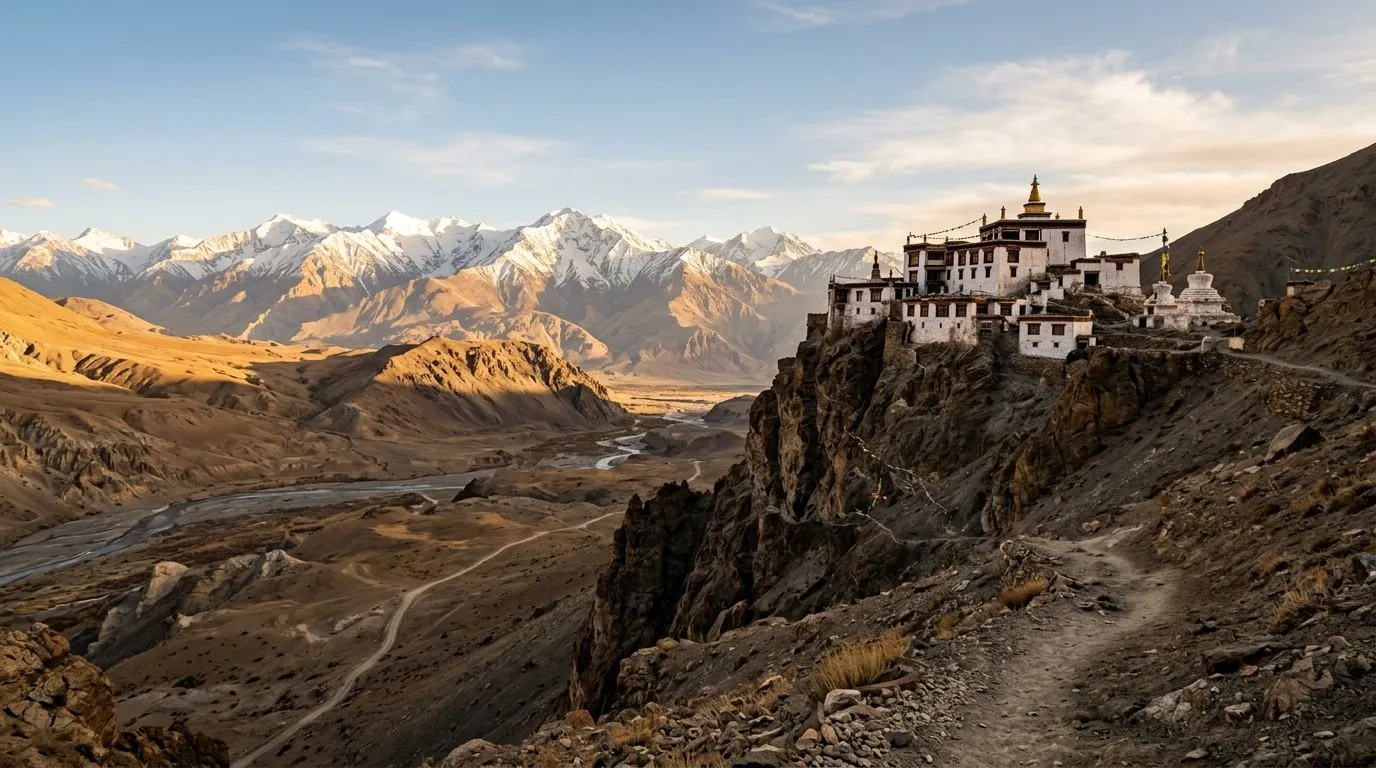
October falls well outside Hanle's Jun–Sep window. Conditions are harder, local services scaled back, and the version of the place you'd actually get isn't the one that makes the trip worth doing. The shoulder month either side would be a closer call, but this month isn't it. Ladakh circuit completionists should plan for Jun–Sep.
October drops 250-300mm of rain on Karaikal. The pilgrim trip continues (faith-immune to weather) but tourist visits get washed; cyclone landfall windows make the calendar unreliable. December is the proper return.
October is Marine NP's slow reopening. The park reopens October 15 after breeding-season closure, but the Arabian Sea is still settling and Pirotan boats run on reduced schedules. The full experience is three weeks away.
October falls well outside Nubra Valley's Jun–Sep window. Conditions are harder, local services scaled back, and the version of the place you'd actually get isn't the one that makes the trip worth doing. The shoulder month either side would be a closer call, but this month isn't it. Balti culture (Turtuk) should plan for Jun–Sep.
October falls well outside Pangong Tso's Jun–Sep window. Conditions are harder, local services scaled back, and the version of the place you'd actually get isn't the one that makes the trip worth doing. The shoulder month either side would be a closer call, but this month isn't it. Astrophotographers willing to brave altitude should plan for Jun–Sep.
October sanctuary mostly closed. NE monsoon arrives. Lagoons filling. Early migratory arrivals late month. Early monsoon rains flood wetland trails, limiting access to birdwatching paths.
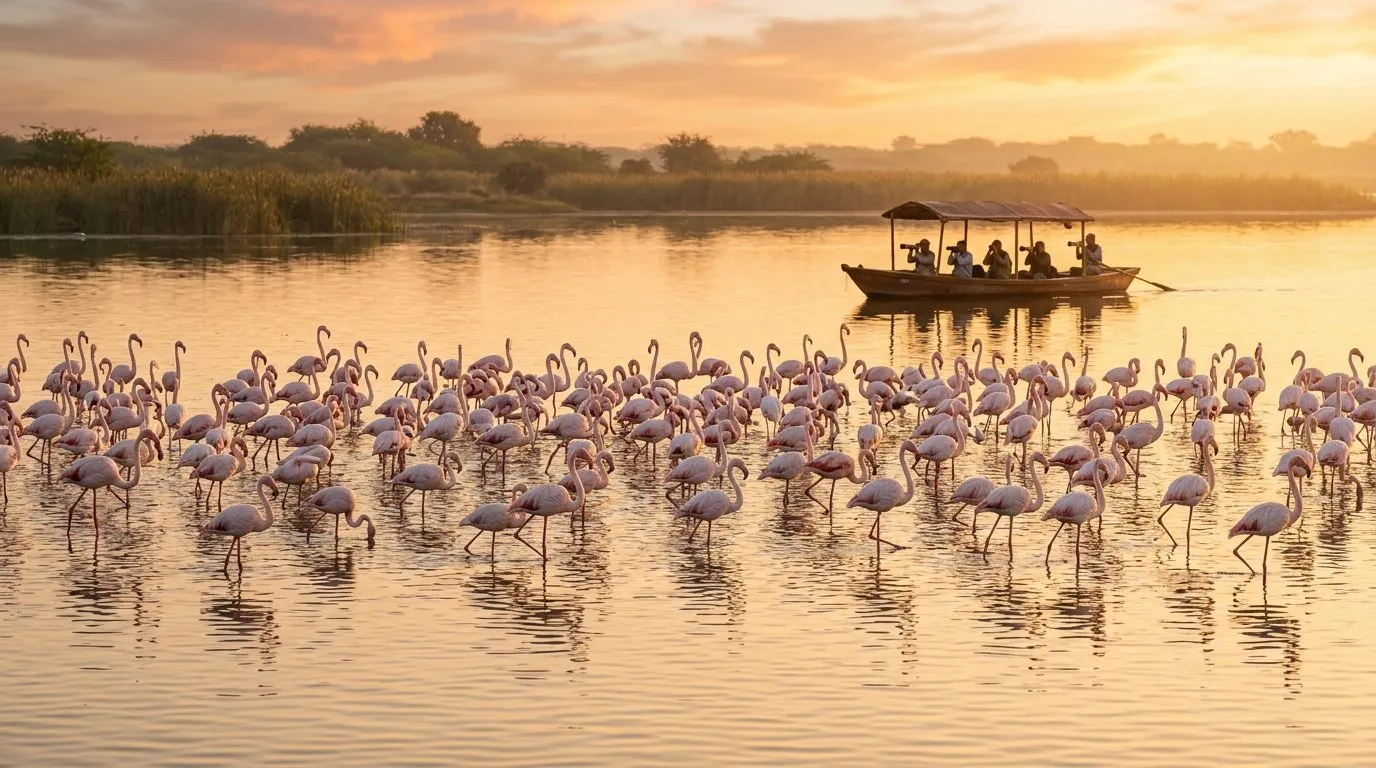
October is when the lagoon refills but the flamingo numbers haven't arrived. First flights begin late month — counts under 1,000. Cyclone watch through first three weeks (Hudhud Oct 12, 2014). November delivers materially better counts and weather.
October is Rann's slow rebound. Daytime 22-34C, the salt flat begins drying, but the white desert isn't fully recrystallised and Rann Utsav doesn't open until November 1. The full experience is three to four weeks away.
Gir National Park REOPENS Oct 16 — Oct 1-15 still closed. Reopening week (Oct 16-22) sees year's permit rush. Forest dense from monsoon — lions harder to spot than dry-season; reopen-rush travellers book months ahead.
October falls well outside Tso Moriri's Jun–Sep window. Conditions are harder, local services scaled back, and the version of the place you'd actually get isn't the one that makes the trip worth doing. The shoulder month either side would be a closer call, but this month isn't it. Black-necked crane breeding should plan for Jun–Sep.
October falls well outside Umlingla's Jul–Sep window. Conditions are harder, local services scaled back, and the version of the place you'd actually get isn't the one that makes the trip worth doing. The shoulder month either side would be a closer call, but this month isn't it. Changthang high plateau should plan for Jul–Sep.
October is the build-up month — sanctuary still typically closed through three weeks. NE monsoon delivers 250-350mm rain mid-month onward, tank fills, early migrants arrive. Push to mid-November for reliable peak.
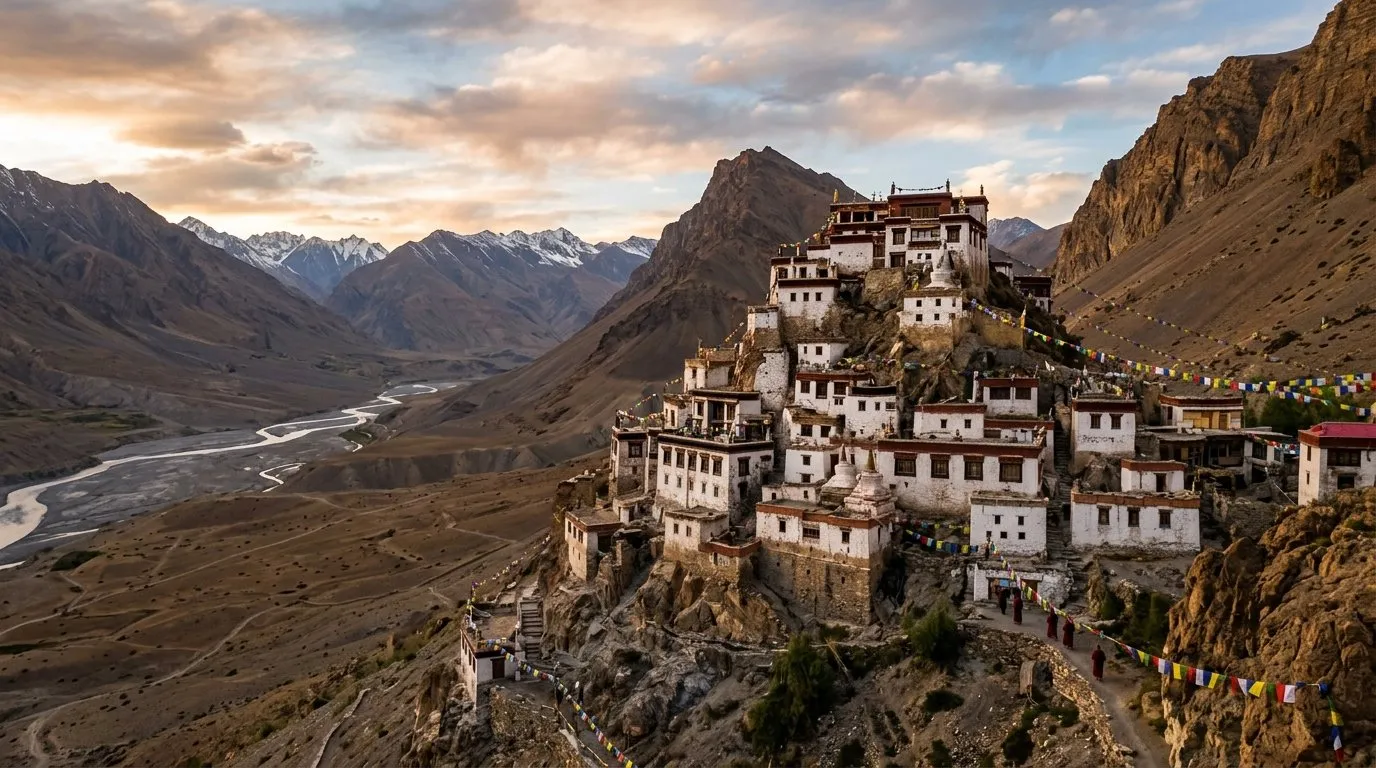
October falls well outside Zanskar Valley's Jan–Feb, Jul–Aug window. Conditions are harder, local services scaled back, and the version of the place you'd actually get isn't the one that makes the trip worth doing. The shoulder month either side would be a closer call, but this month isn't it. Ancient king Zangla should plan for Jan–Feb, Jul–Aug.
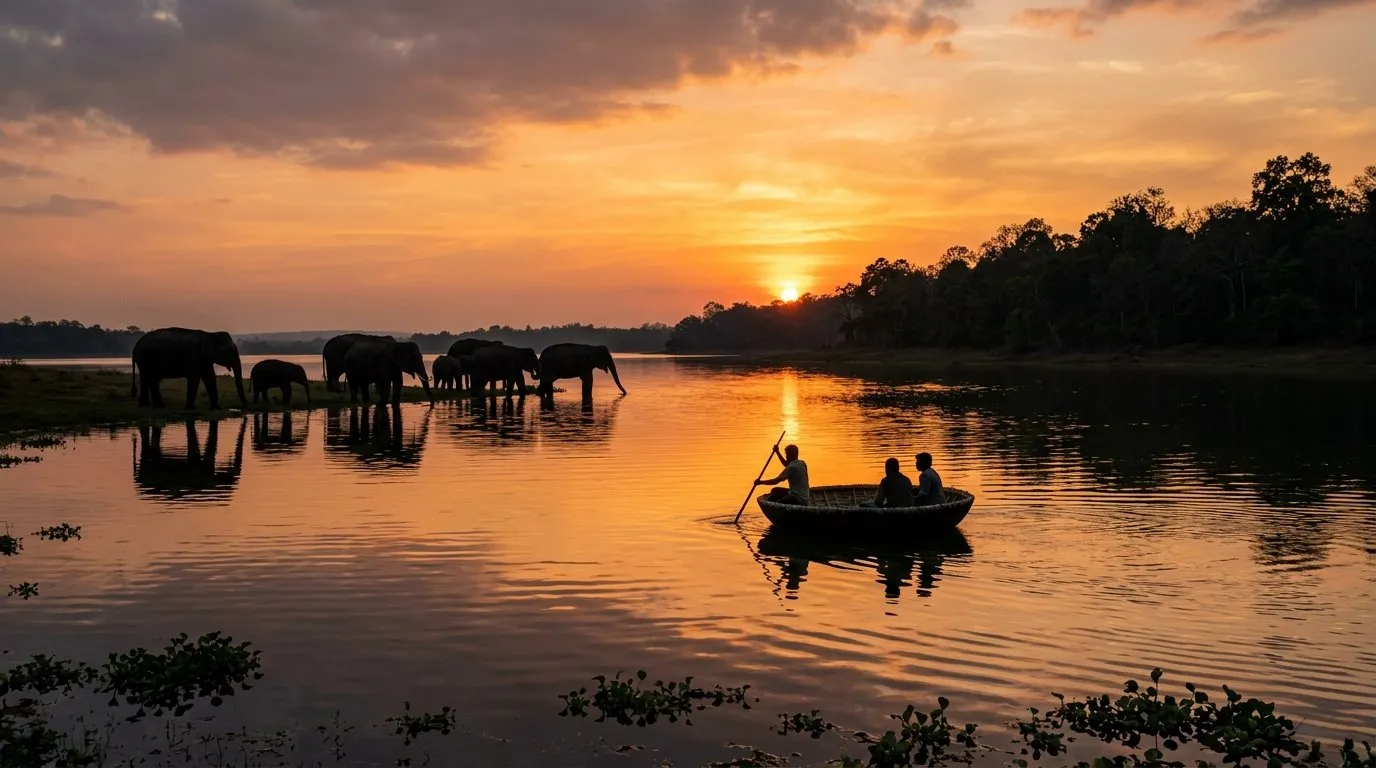
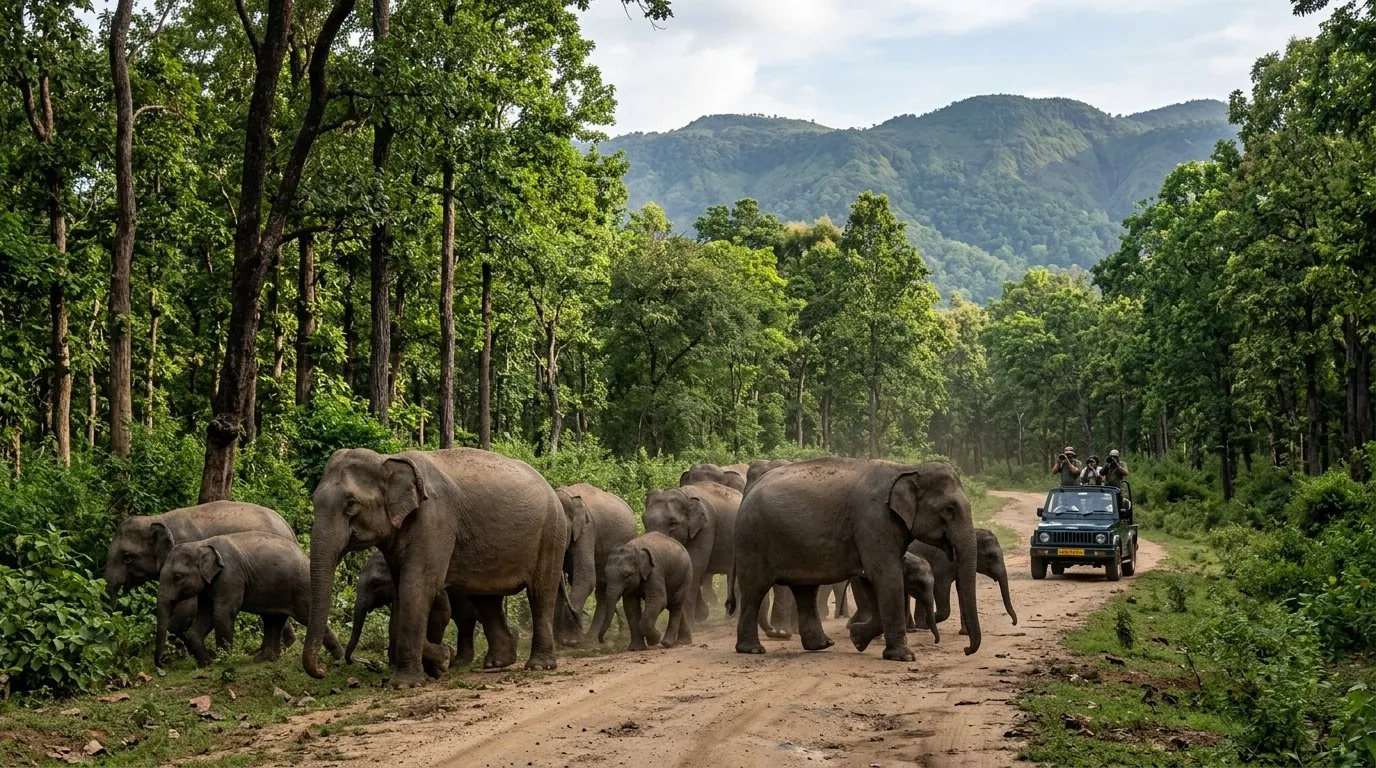
October falls well outside Kaziranga's Nov–Apr window. Conditions are harder, local services scaled back, and the version of the place you'd actually get isn't the one that makes the trip worth doing. The shoulder month either side would be a closer call, but this month isn't it. Elephant safari should plan for Nov–Apr.
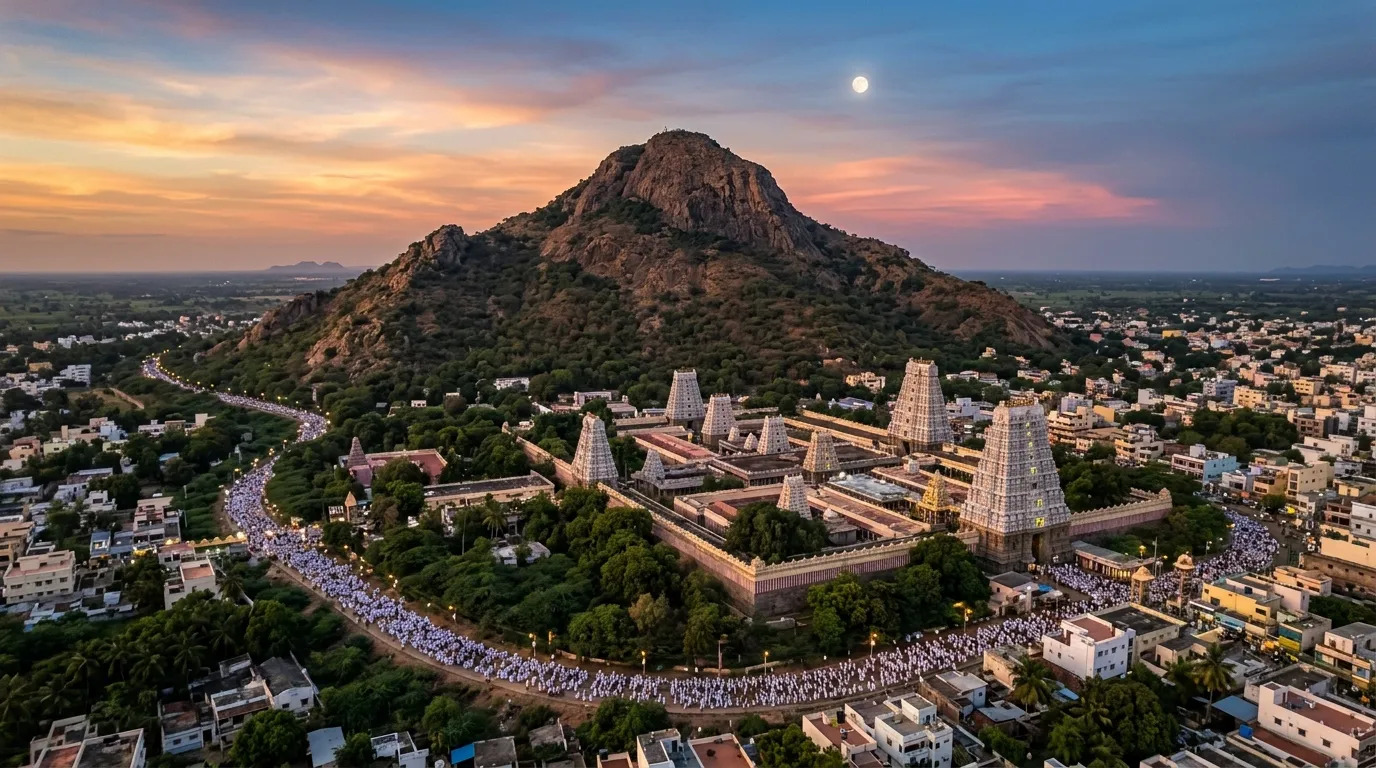
October marks the close of the trekking season. Early snow falls on high passes above 4,500m. Daytime temperatures drop to 5–10°C; nights freeze (−5 to 0°C). The higher Parikrama route becomes risky. Infrastructure support (guides, lodges) begins reducing capacity. This is an unsafe window.
October falls well outside Manas National Park's Nov–Apr window. Conditions are harder, local services scaled back, and the version of the place you'd actually get isn't the one that makes the trip worth doing. The shoulder month either side would be a closer call, but this month isn't it. Pygmy Hog sanctuary should plan for Nov–Apr.
October marks the close of the yatra season. Early snow falls on the higher passes. Permits are being discontinued. Government support infrastructure is being withdrawn. Weather becomes unstable; temperatures drop to −5 to 0°C. Acclimatization becomes risky. Only the hardiest expeditions attempt this window, and government policy discourages it.
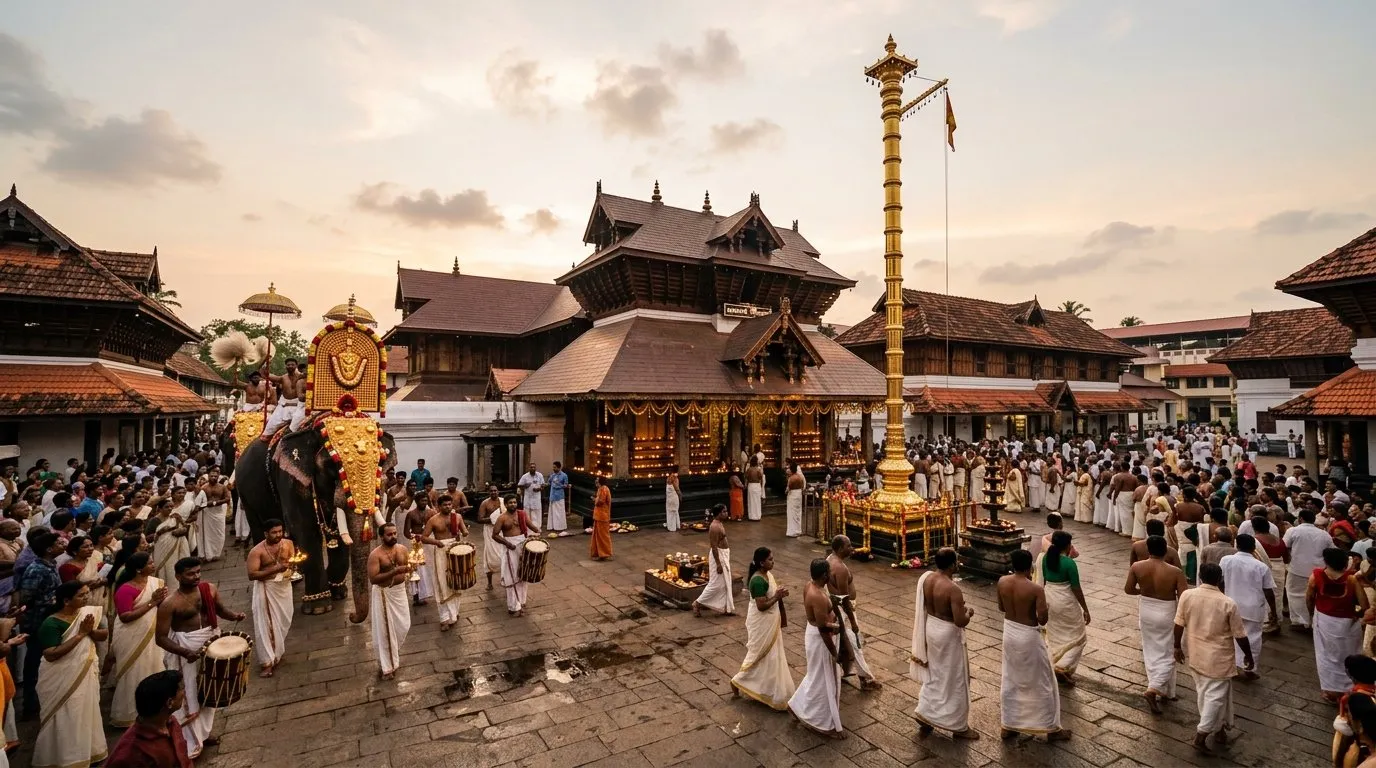
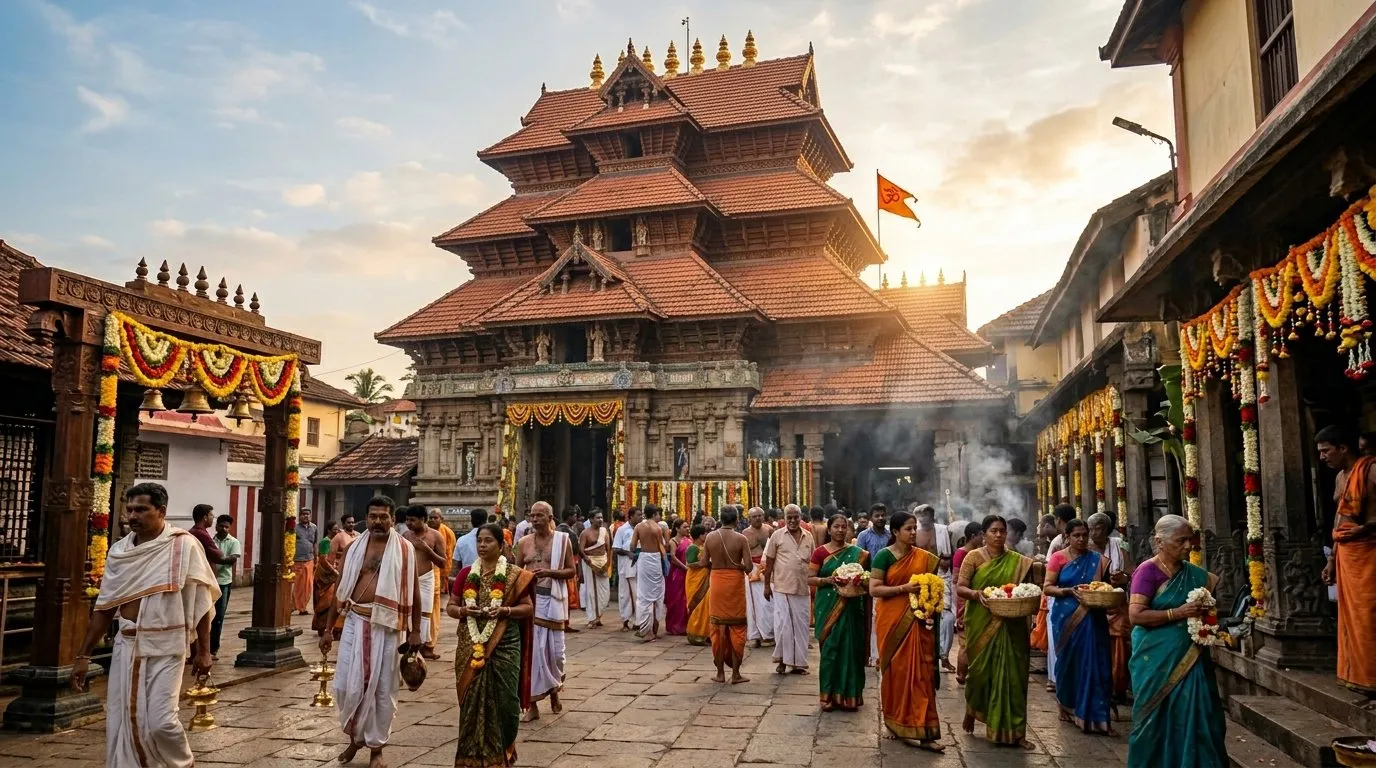
Pre-Mandala closure. Temple opens only for 1st-of-Malayalam-month brief. Mandala opens Nov 16–17. Peak pilgrimage season creates severe crowds and access restrictions for women.
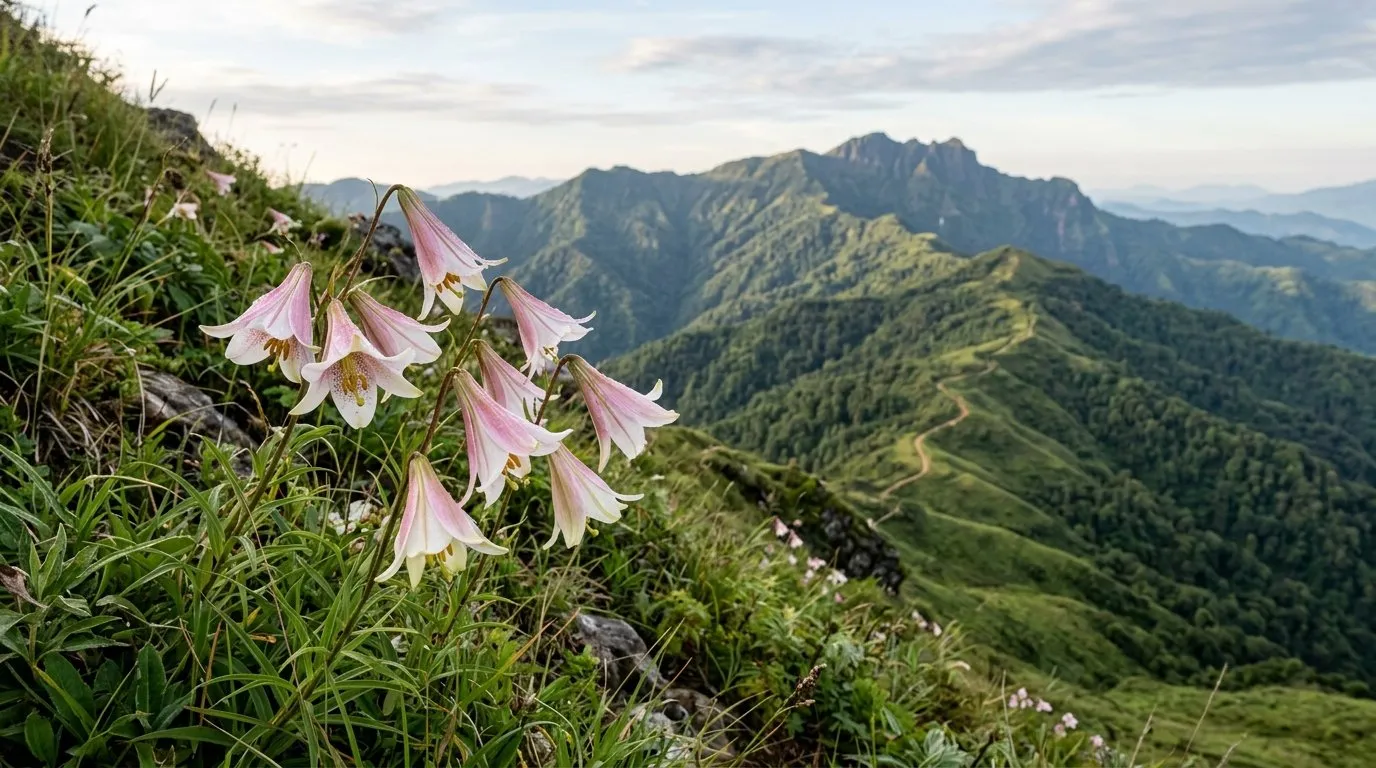
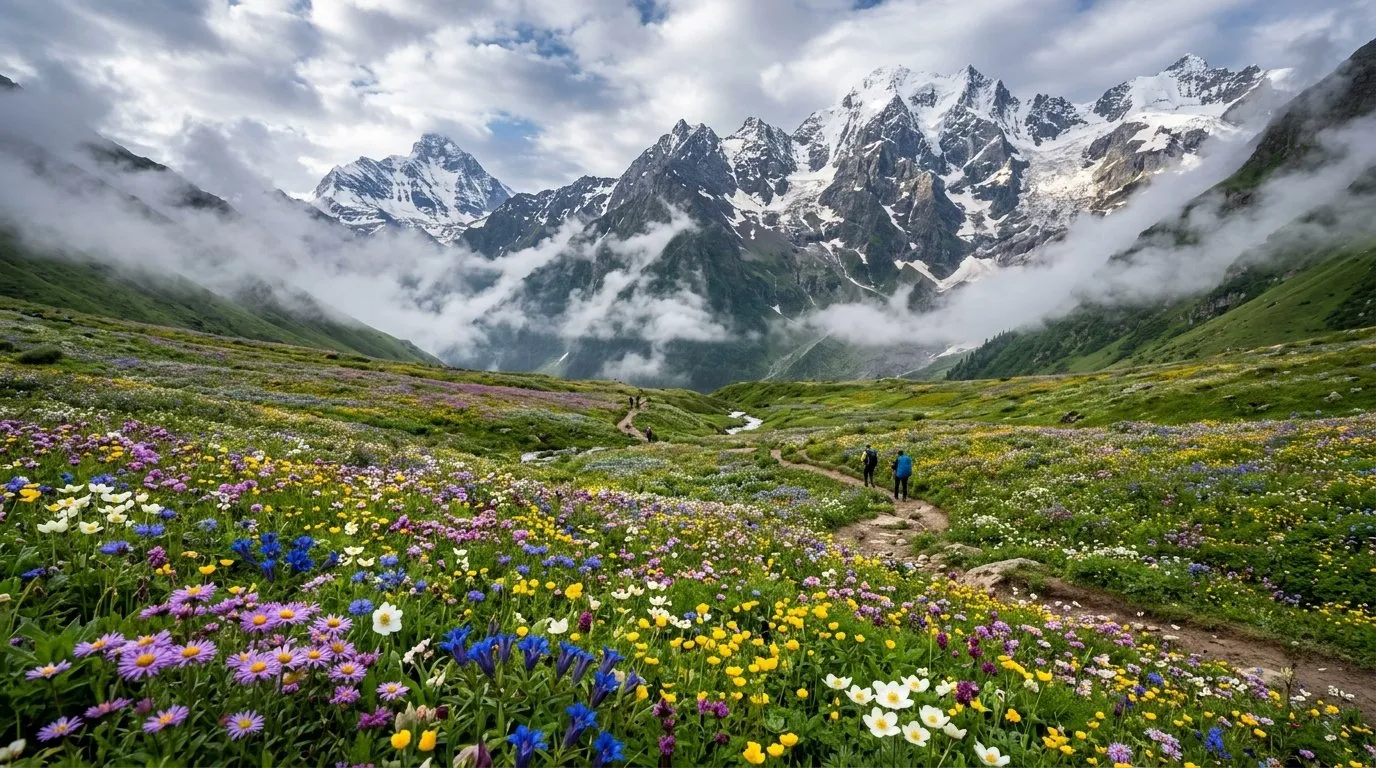
October falls well outside Valley of Flowers's Jul–Aug window. Conditions are harder, local services scaled back, and the version of the place you'd actually get isn't the one that makes the trip worth doing. The shoulder month either side would be a closer call, but this month isn't it. Frank Smythe legacy should plan for Jul–Aug.
October marks the close of the yatra season. Infrastructure is dismantled. Early snow falls on higher elevations above 4,500m. Daytime temperatures drop to 5–10°C; nights freeze. The Gaddi shepherds move down to lower elevations. Visiting outside the yatra window lacks spiritual purpose and community support.
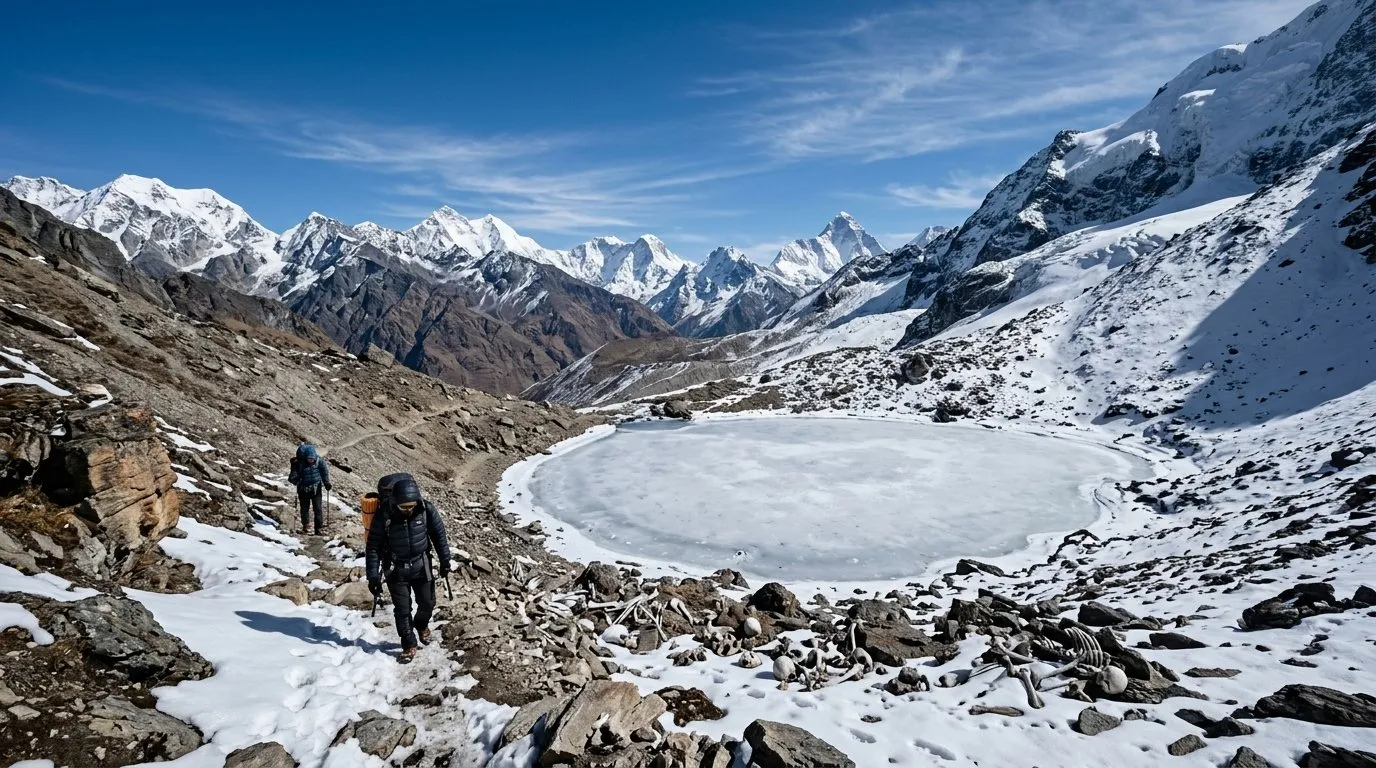
October is autumn, and the trek is closed. Snow falls heavily on all passes above 4,500m. Glaciers are frozen and unstable. Crevasse danger is acute. Temperatures plummet to −5 to −10°C at altitude. The trek is not possible.
ALSO ON NAKSHIQ
Eight more rooms in the magazine.
Guides
Visa, scams, food, packing.
Everything the guidebook won't tell you — written for India in 2026.
Blog
Field notes from the road.
Long-form reads on regions, festivals, and the offbeat circuit.
Road trips
Curated multi-day routes.
Driving itineraries with day-by-day stops, distance, and difficulty.
Collections
Themed reading lists.
Wettest places. Sacred lakes. Solo-female-safe. Curated cuts.
NakshIQ 100
The 100 best destination-months.
India's highest-scoring places, ranked across all 12 months.
The Window
Our weekly newsletter, archived.
One honest spread, every Sunday. The full back catalogue.
Skip list
What we'd skip — and what we'd do instead.
Overhyped places with honest alternatives.
First trip
Planning your first time in India.
Safety, scams, what to wear, food survival, solo female travel.