Where to go in India this May.
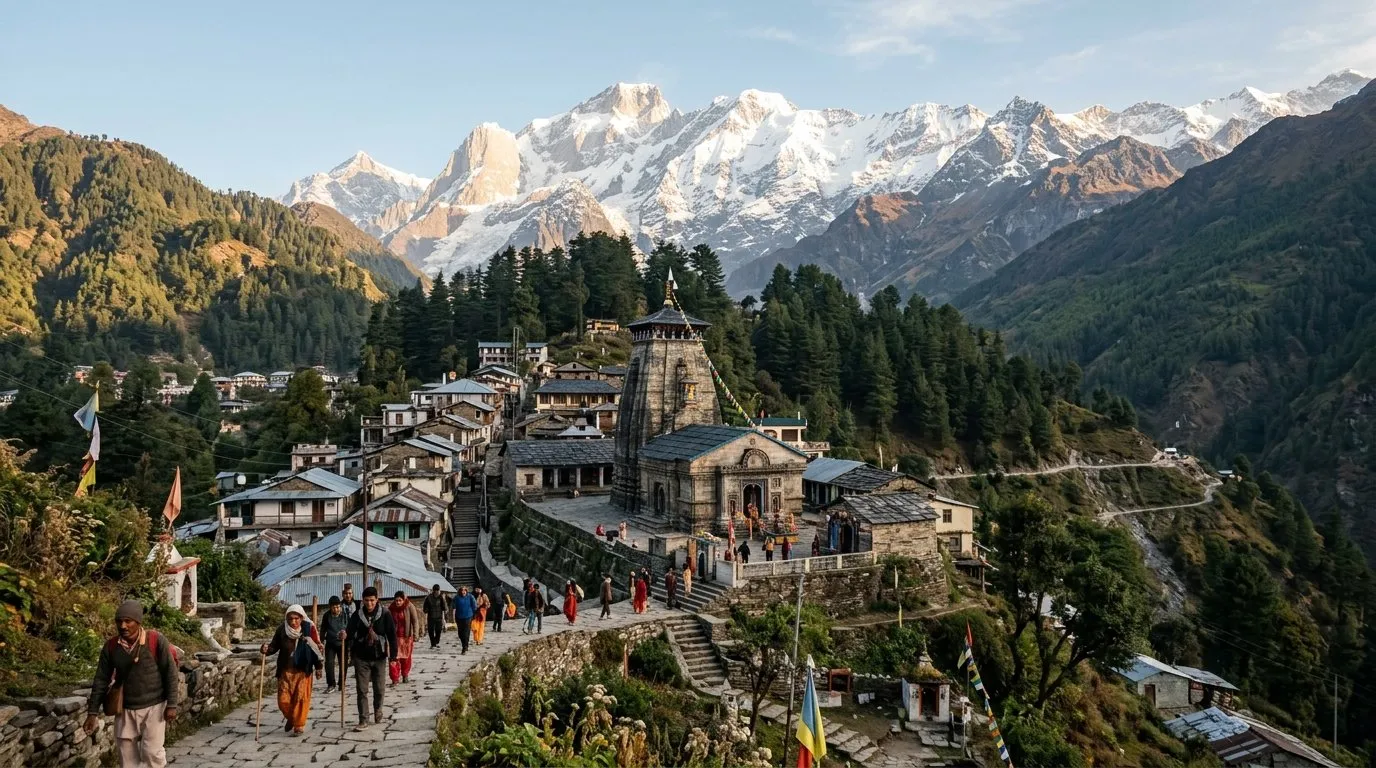
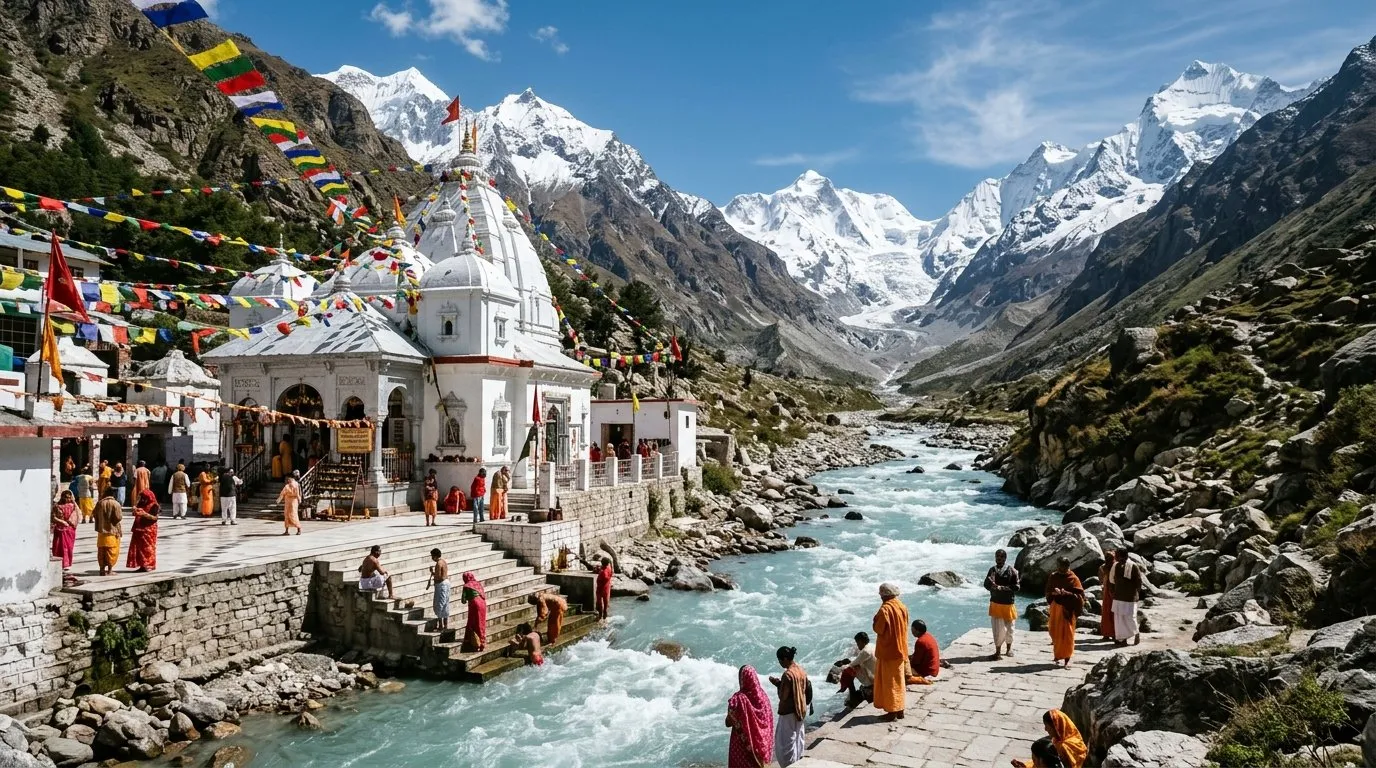
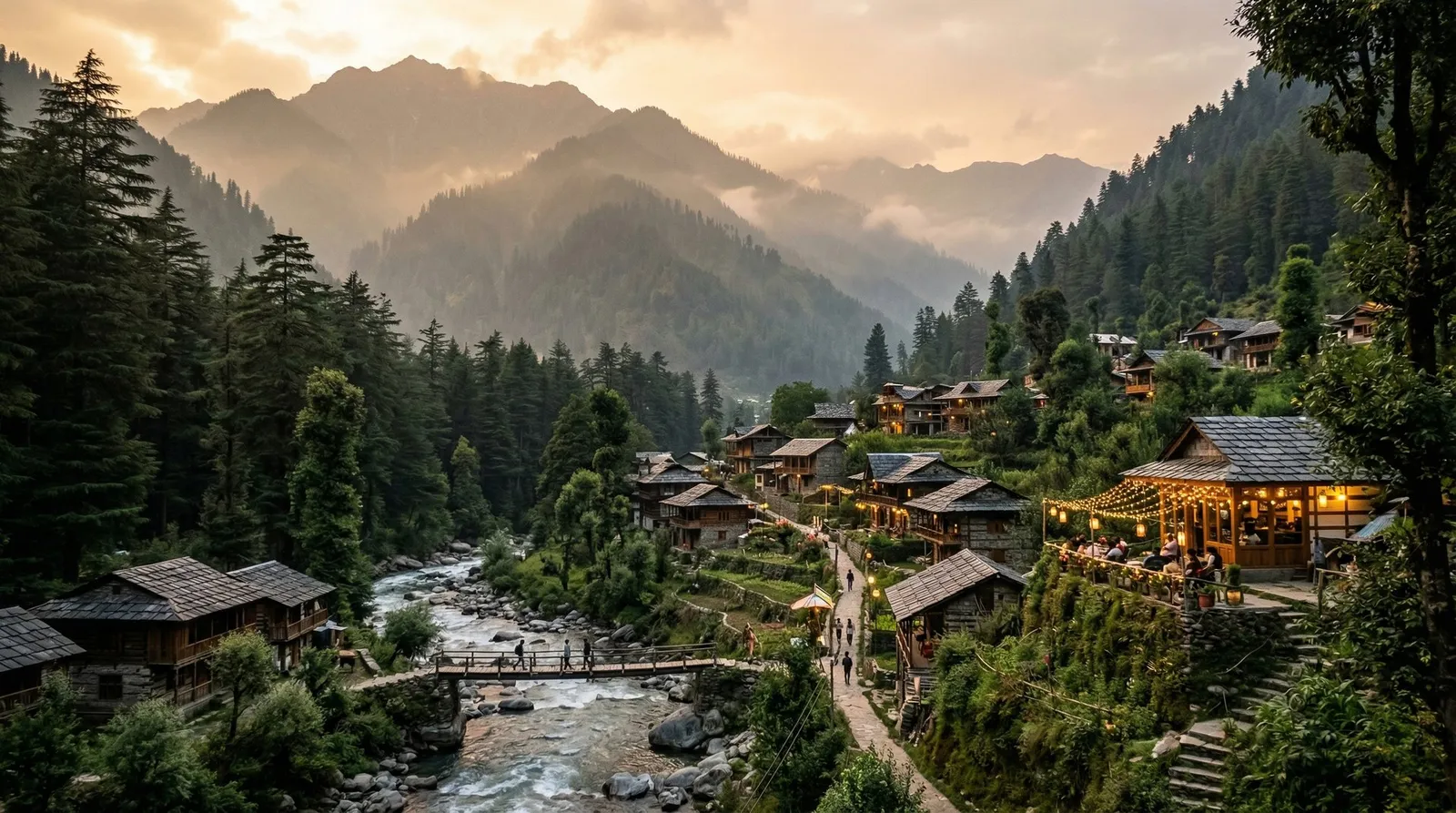
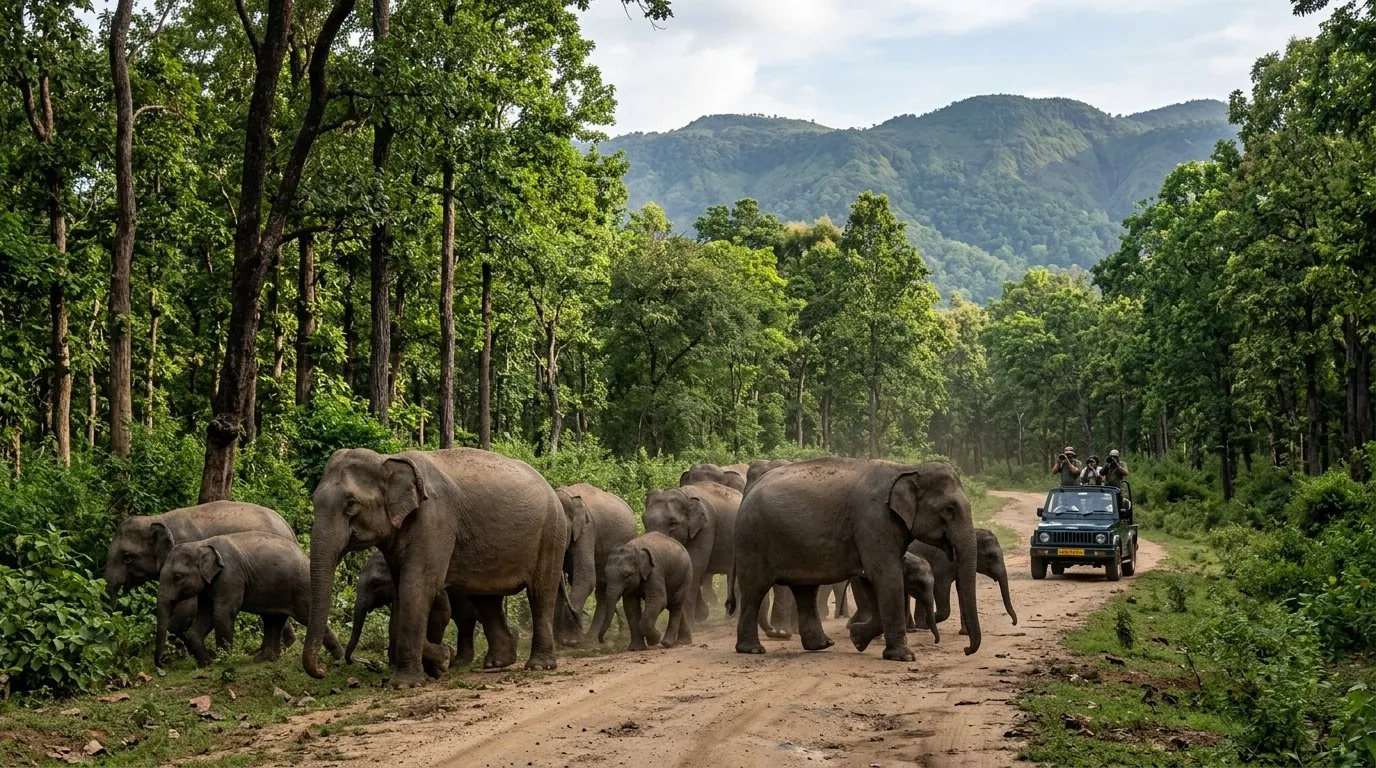
Ranked by NakshIQ Score · Ties broken by editorial richness · Hover for full color
Where to go in India
May in India — where the data says go, wait, and skip
Every destination scored 0-10 for May — weather, roads, crowds, festivals. Go first, then Wait, then Skip. No opinions, just the data.
The other scoring 10/10
10/1045 destinations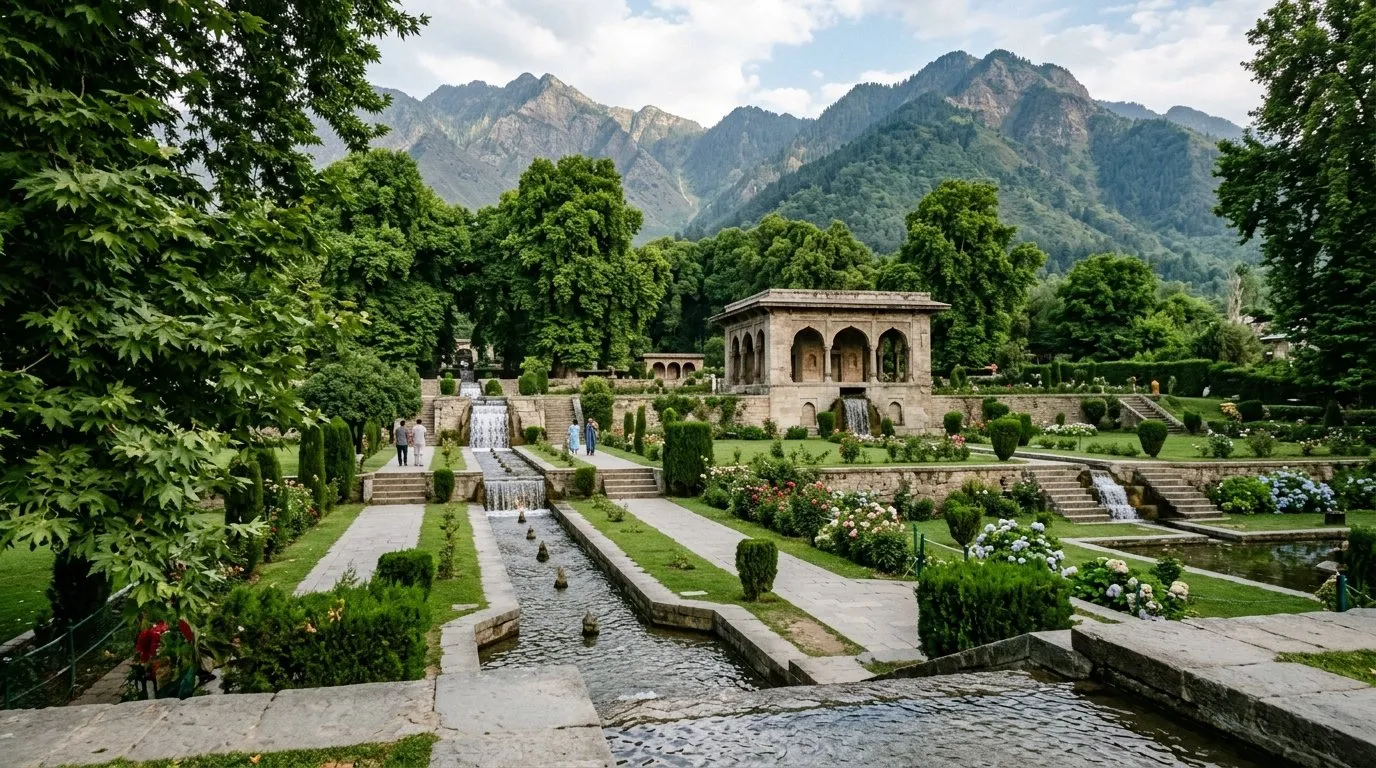
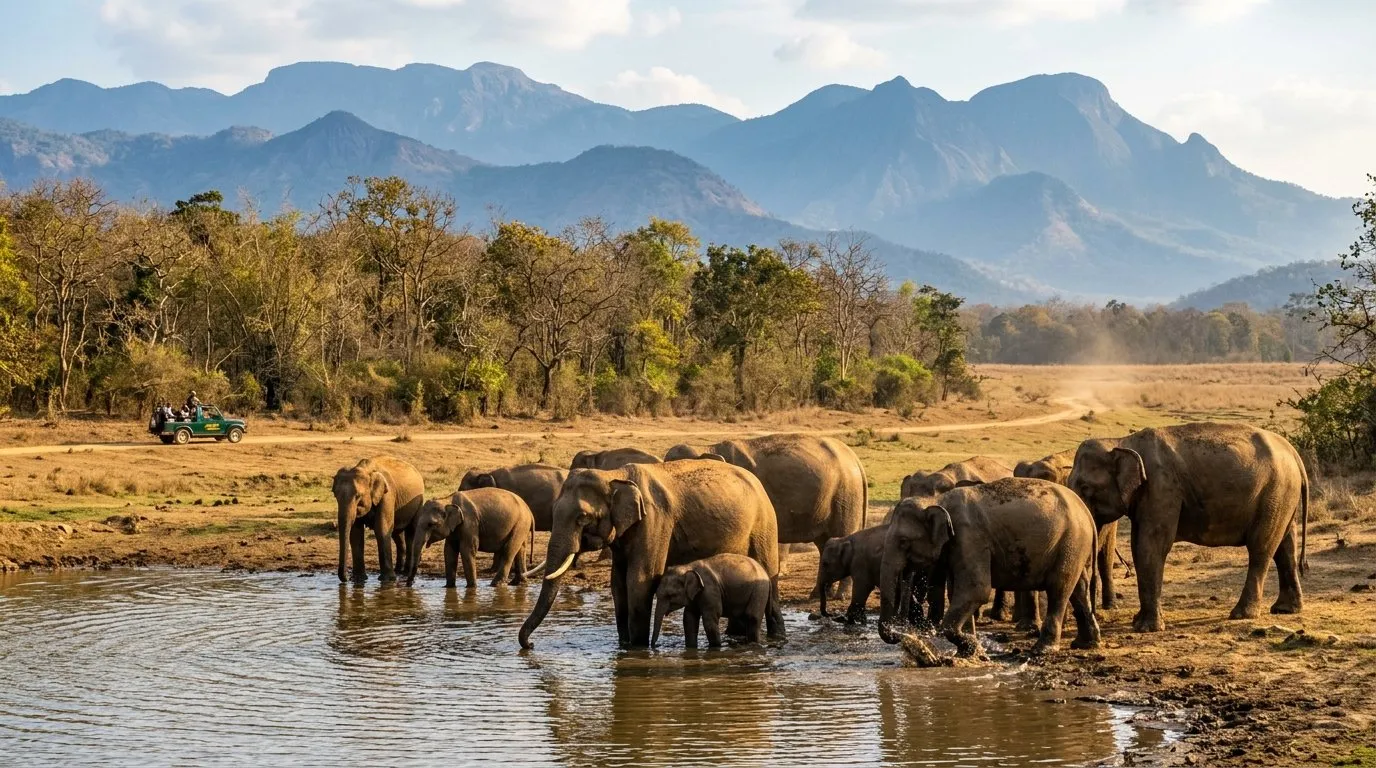
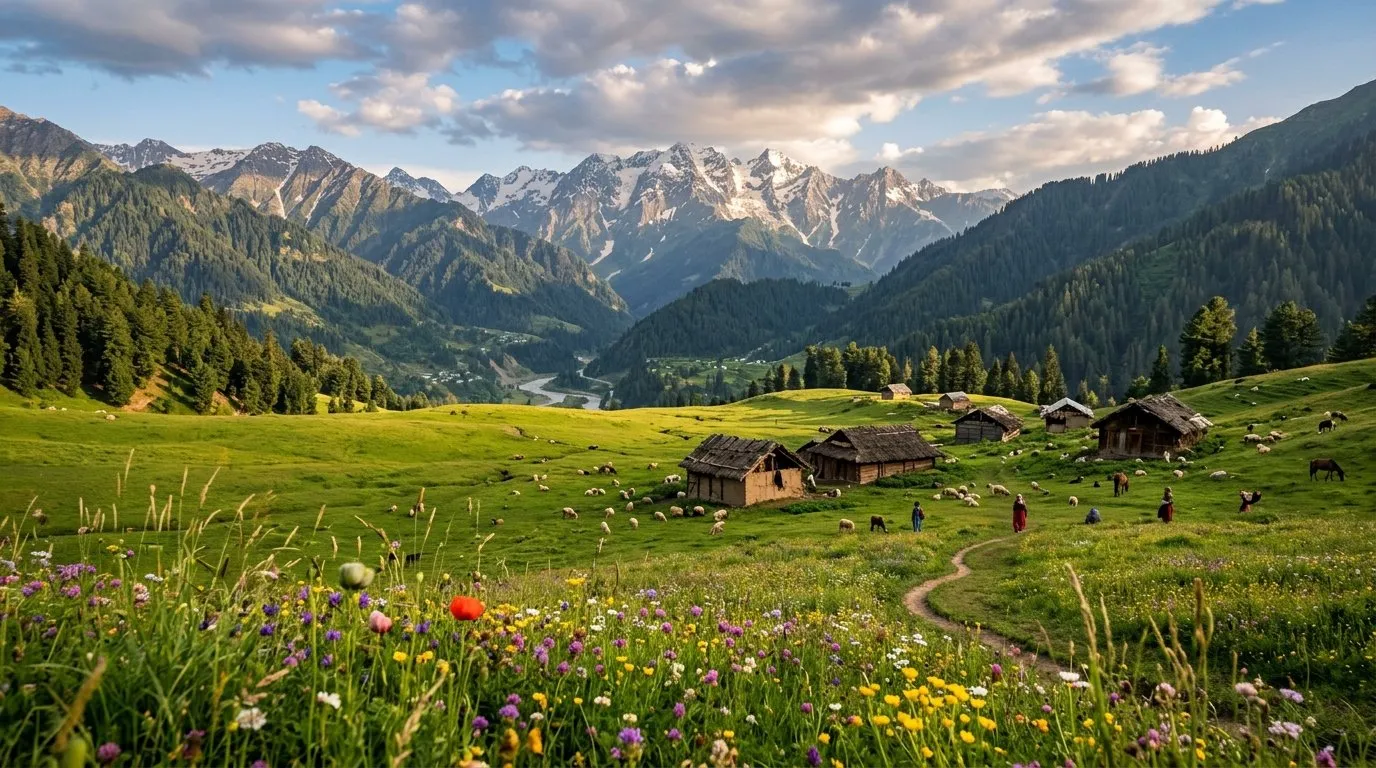
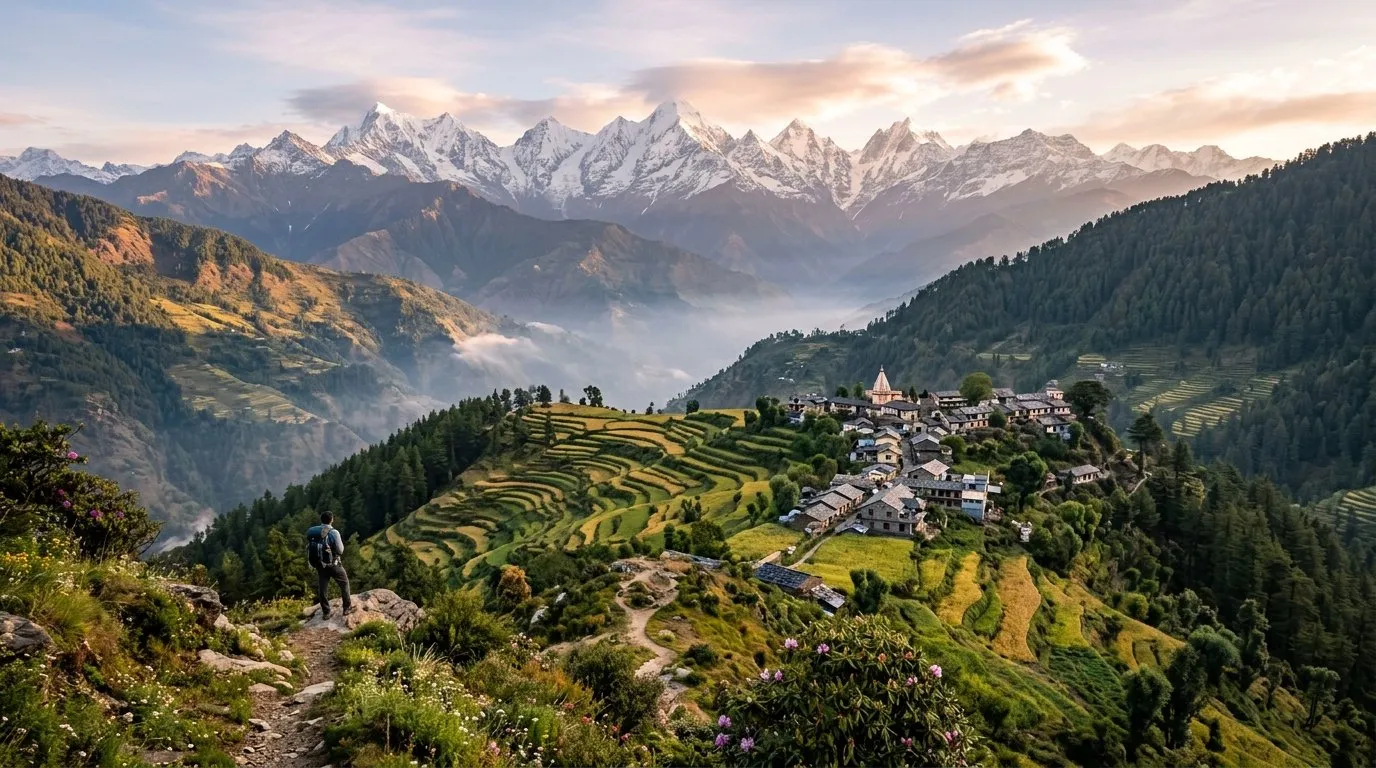
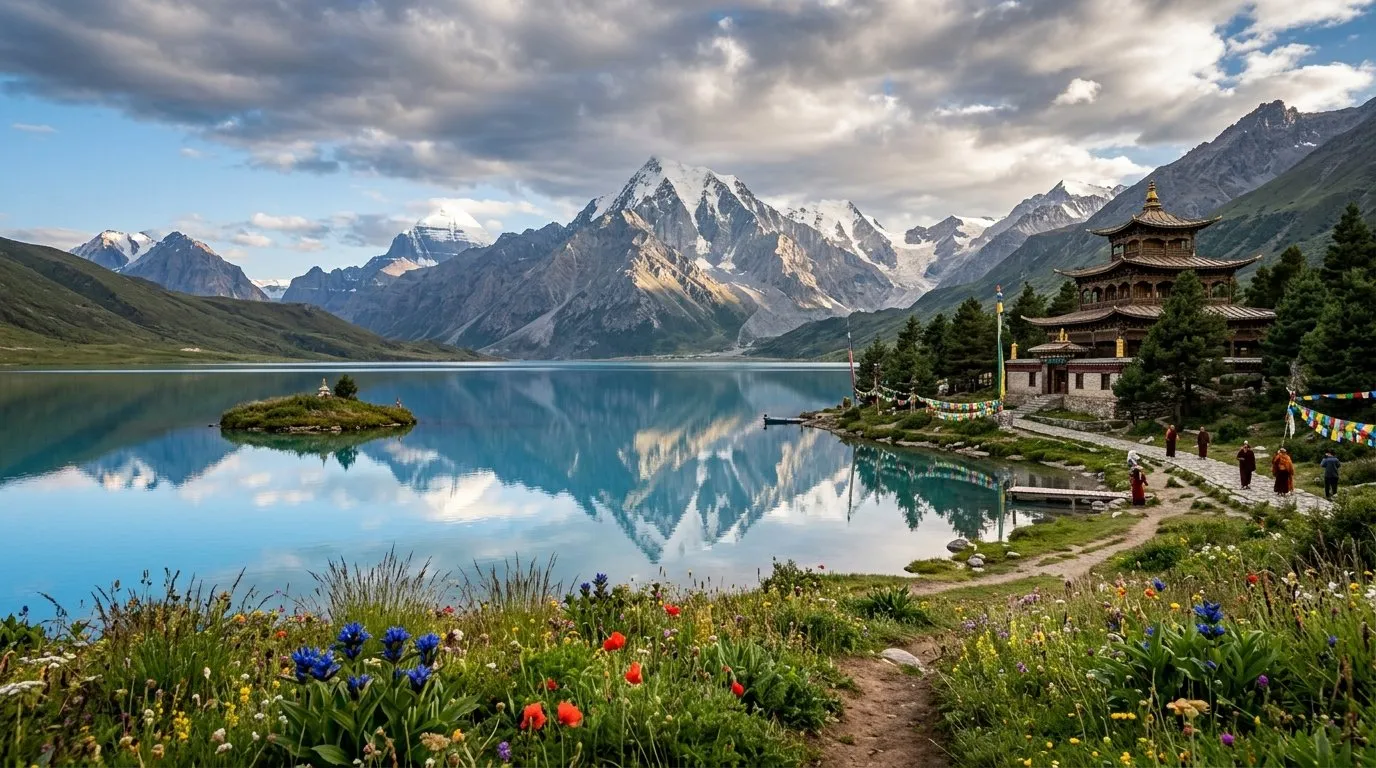
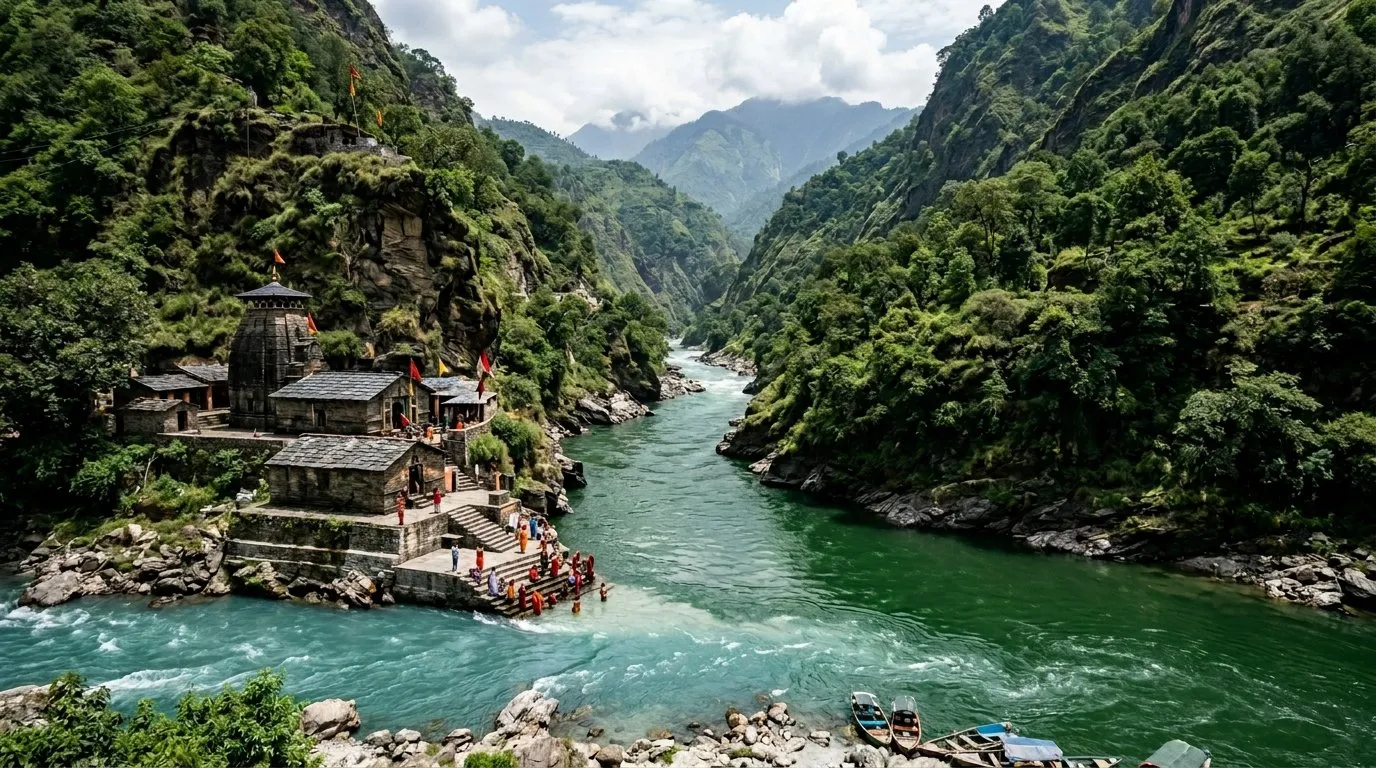
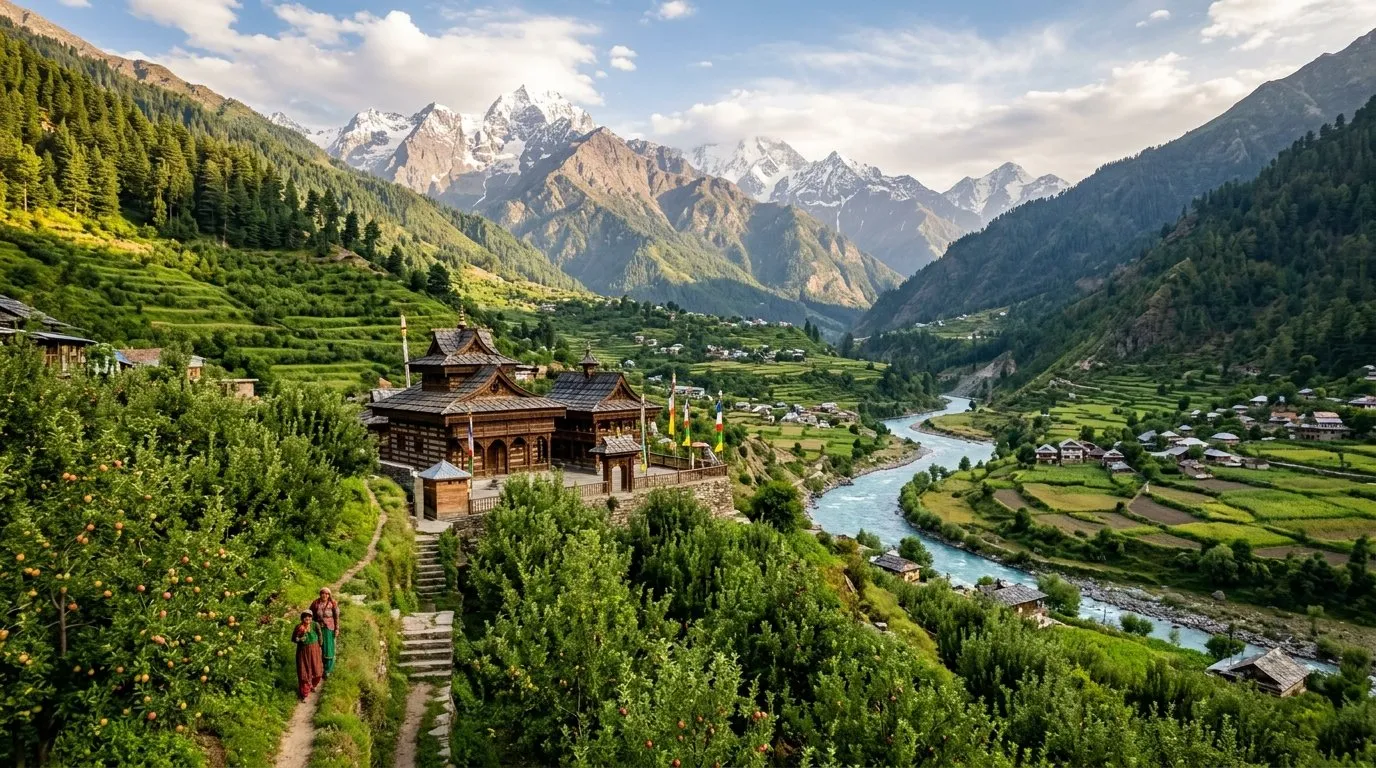
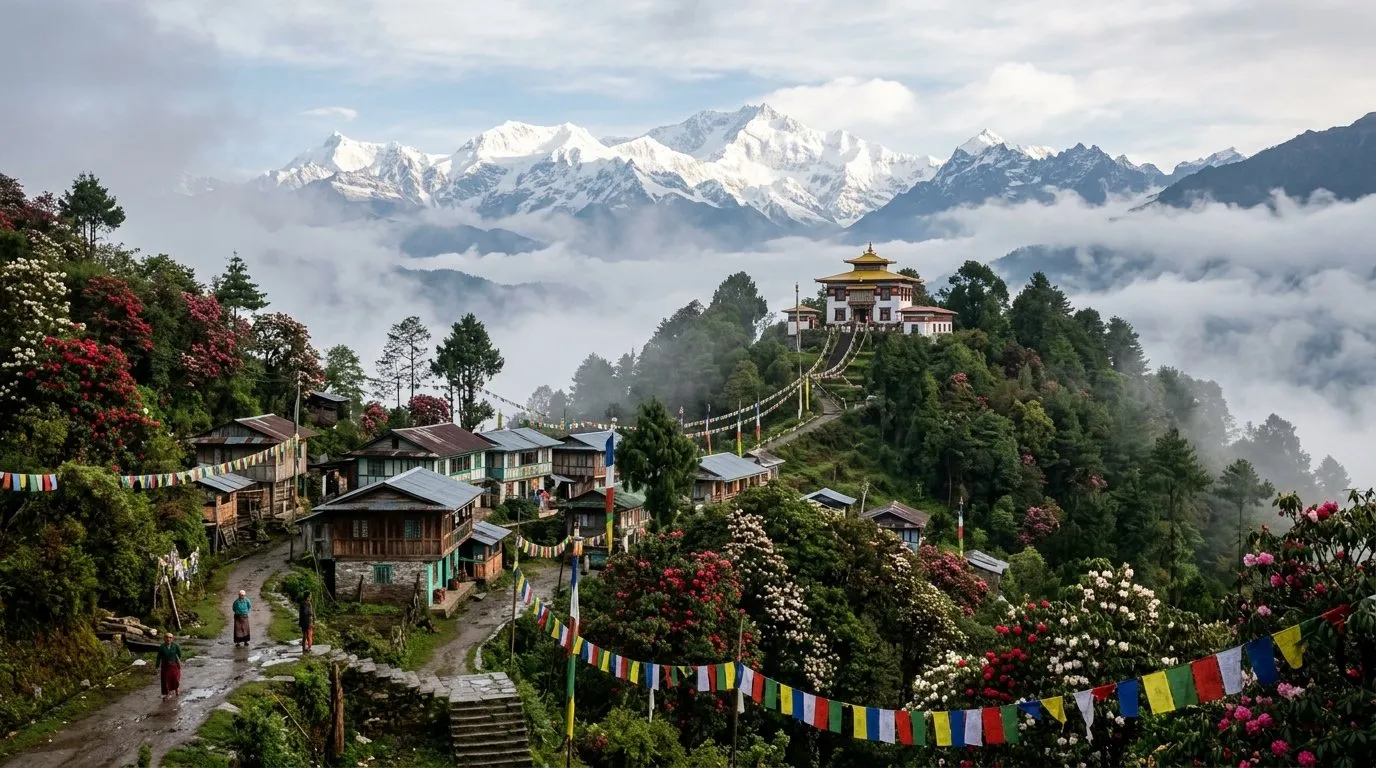
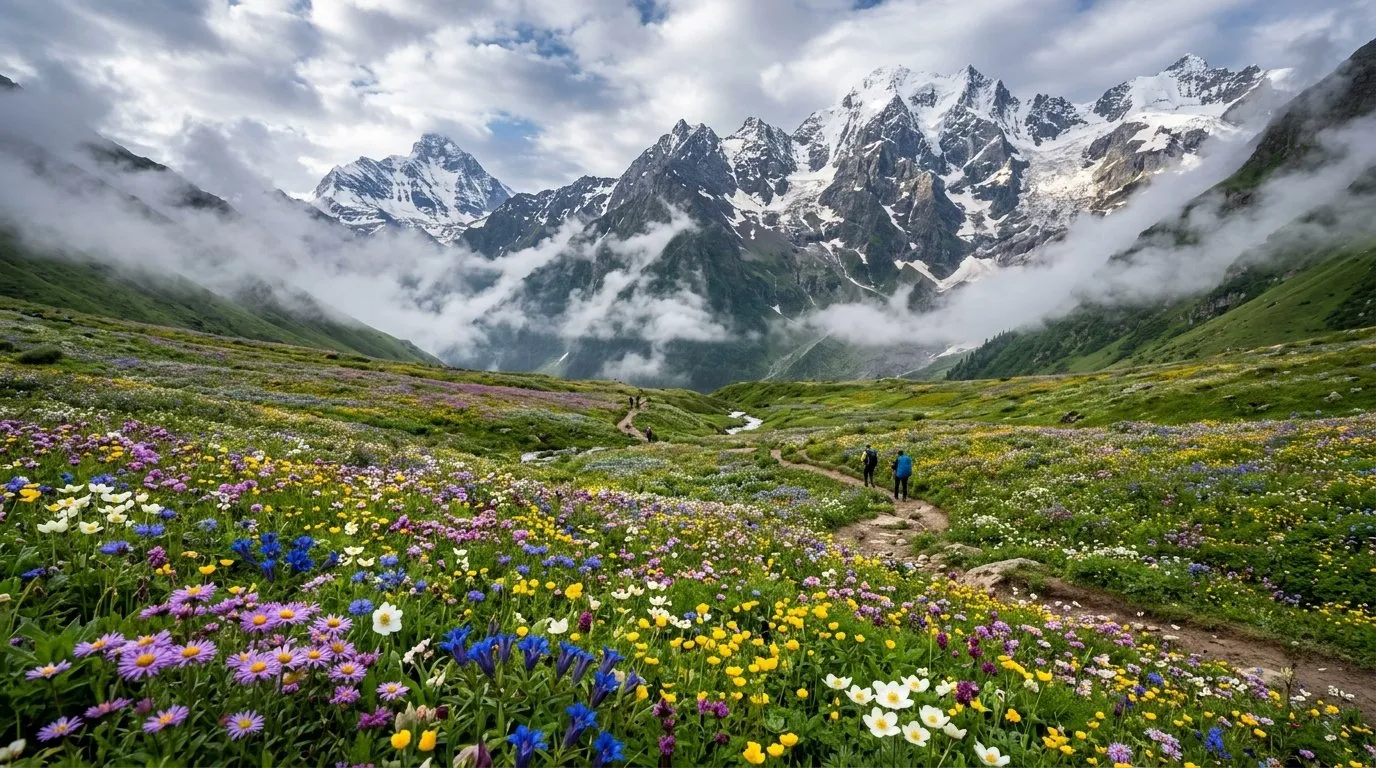
A good time
8/1070 destinations
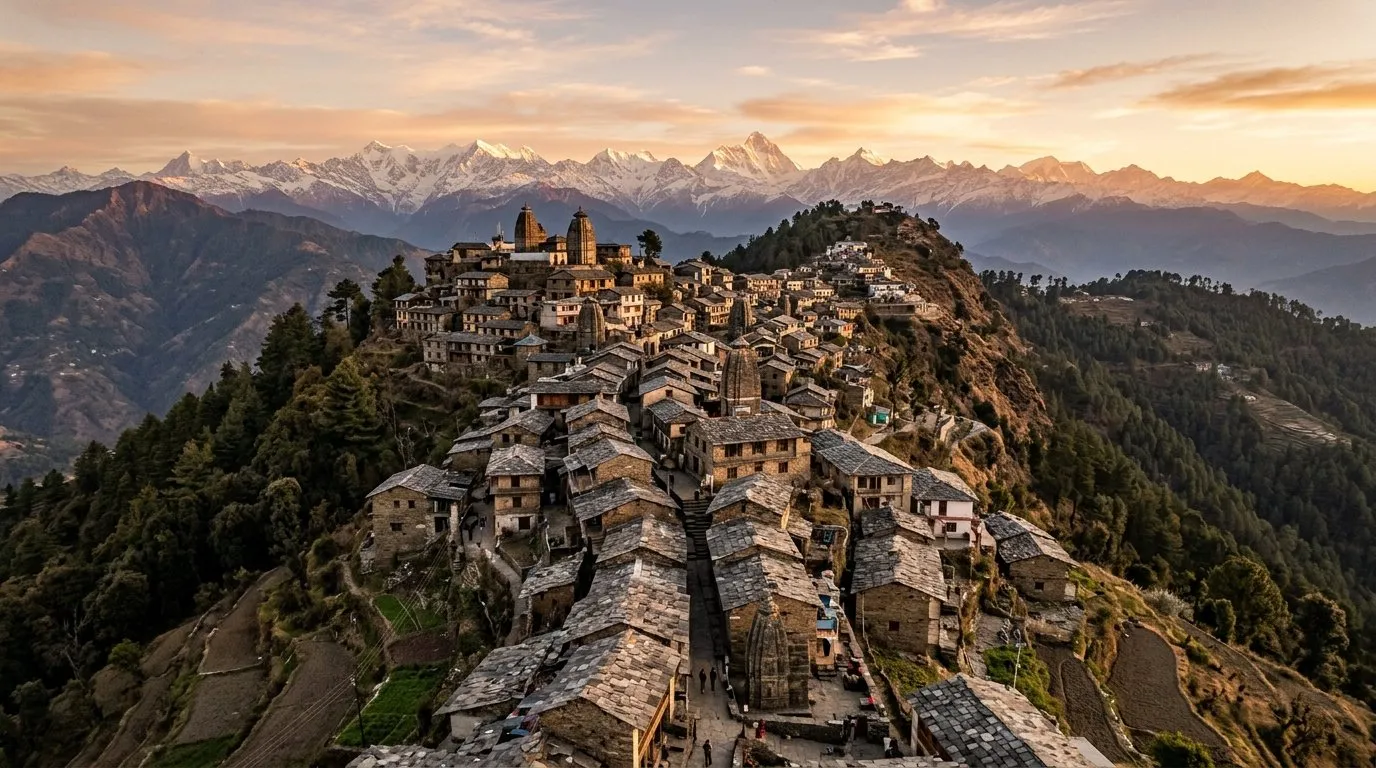
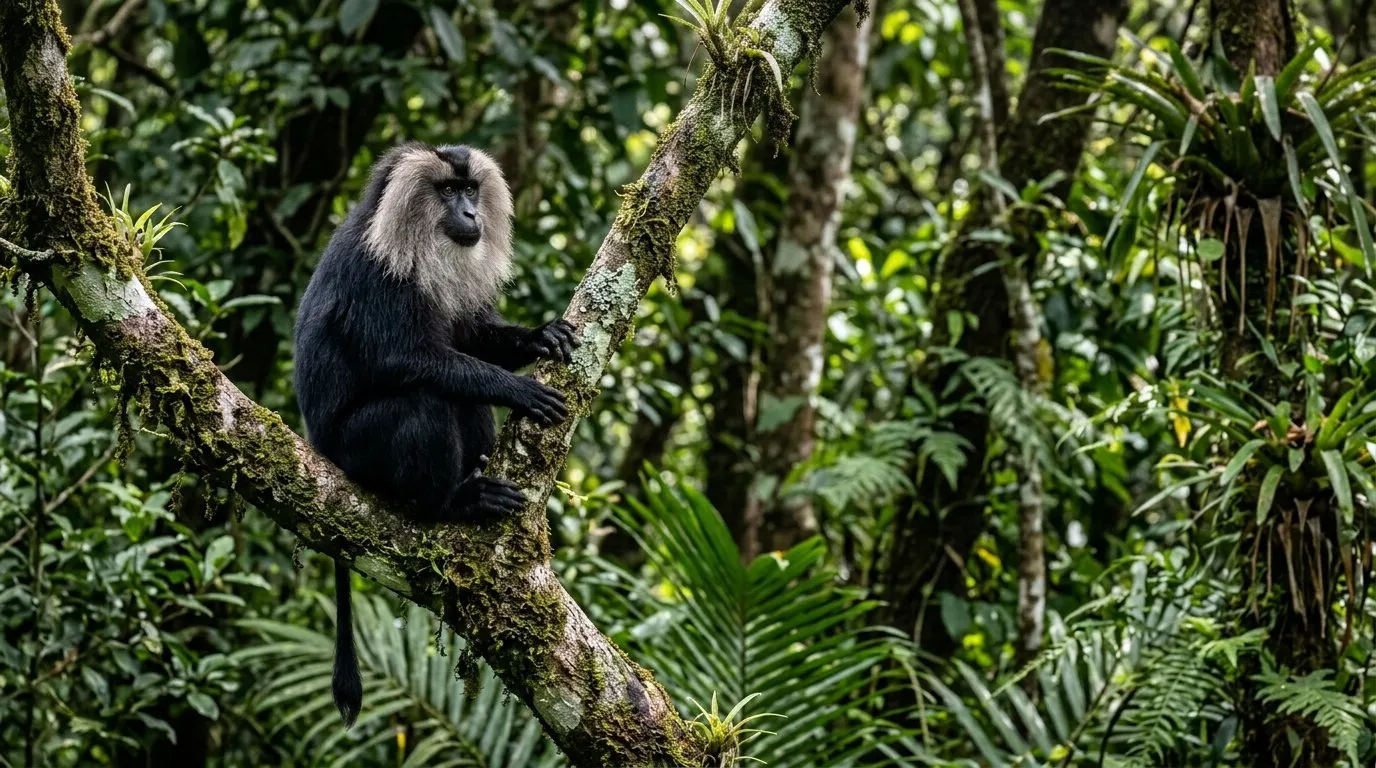
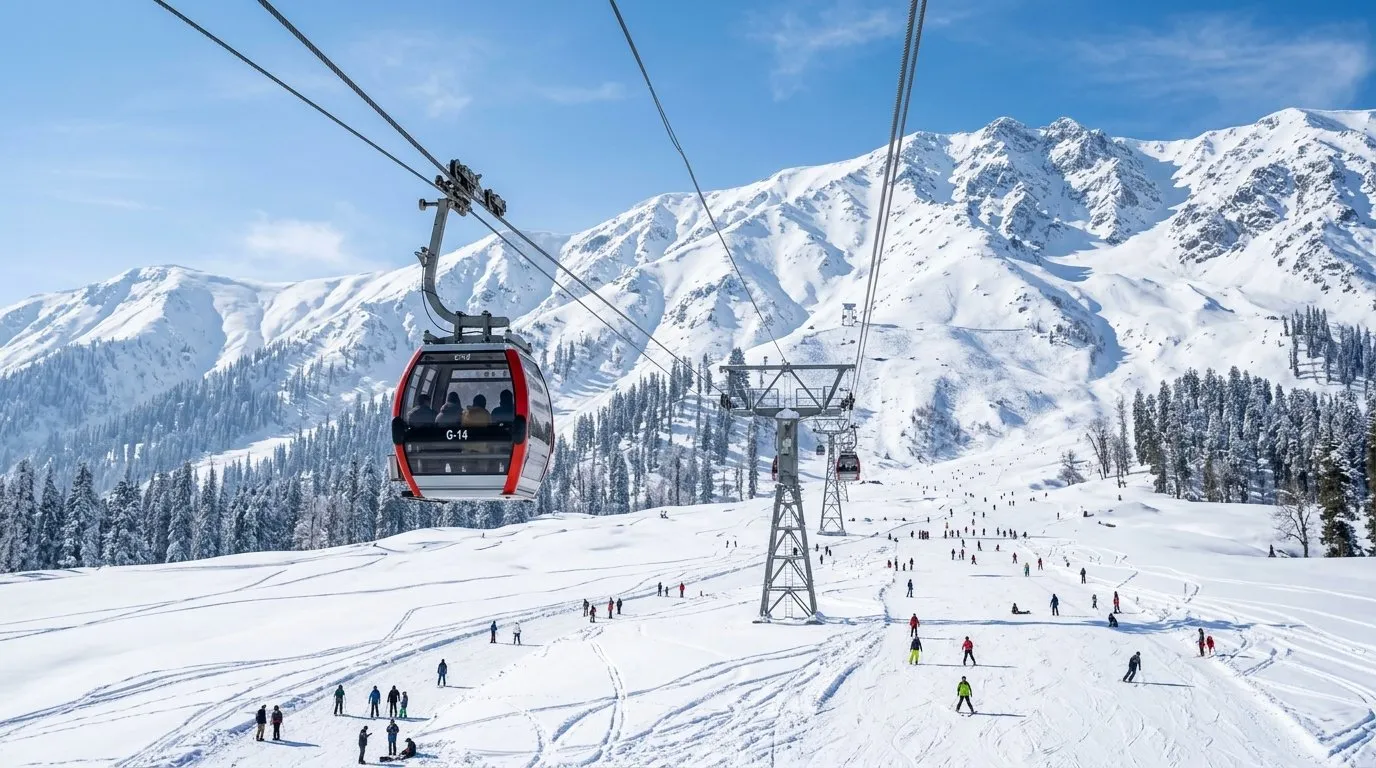
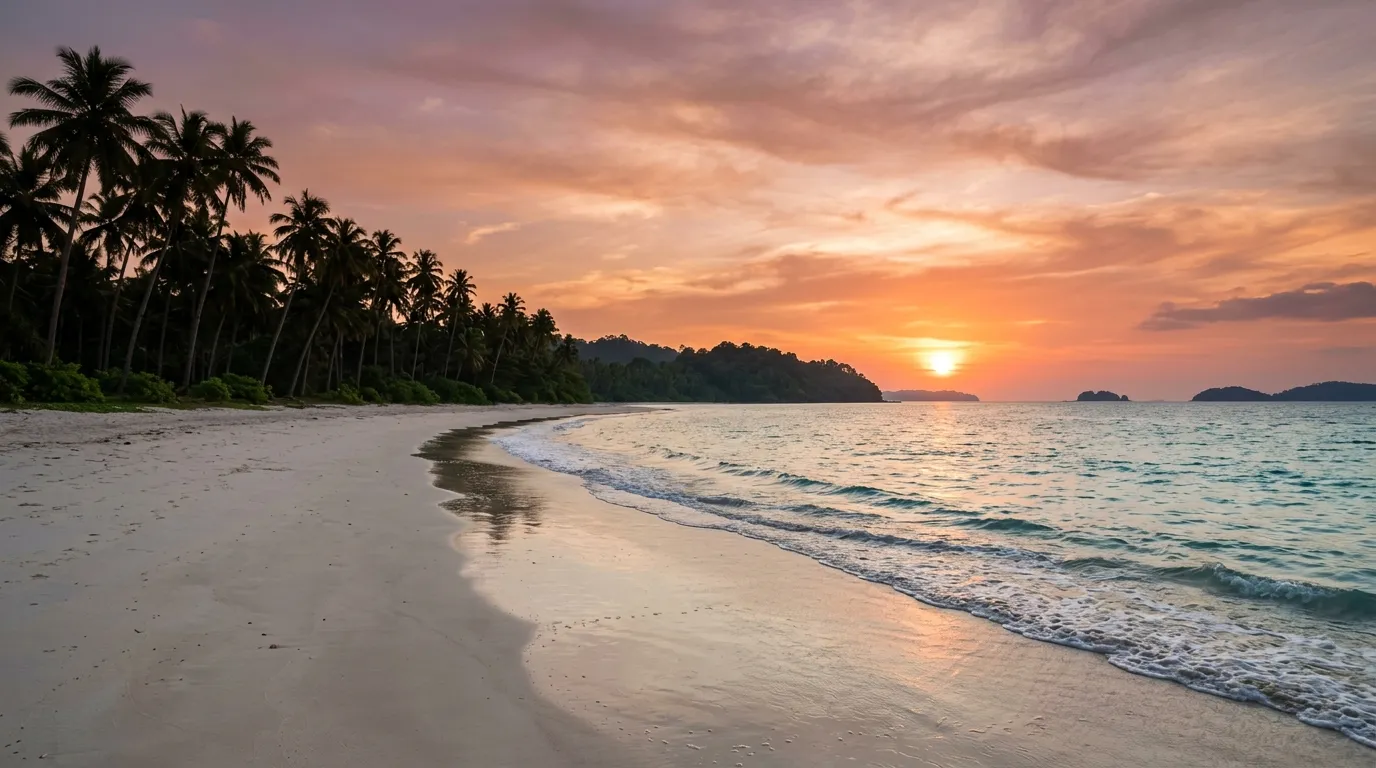
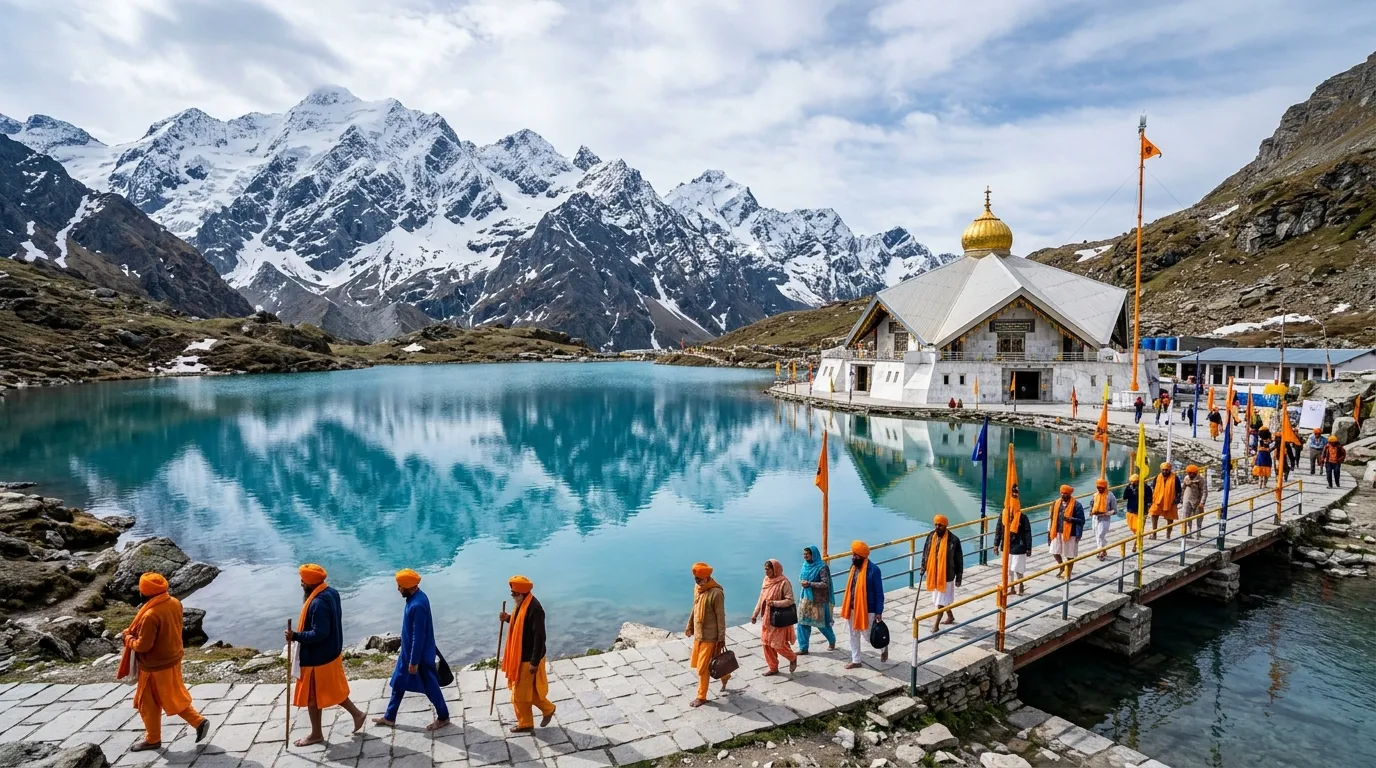
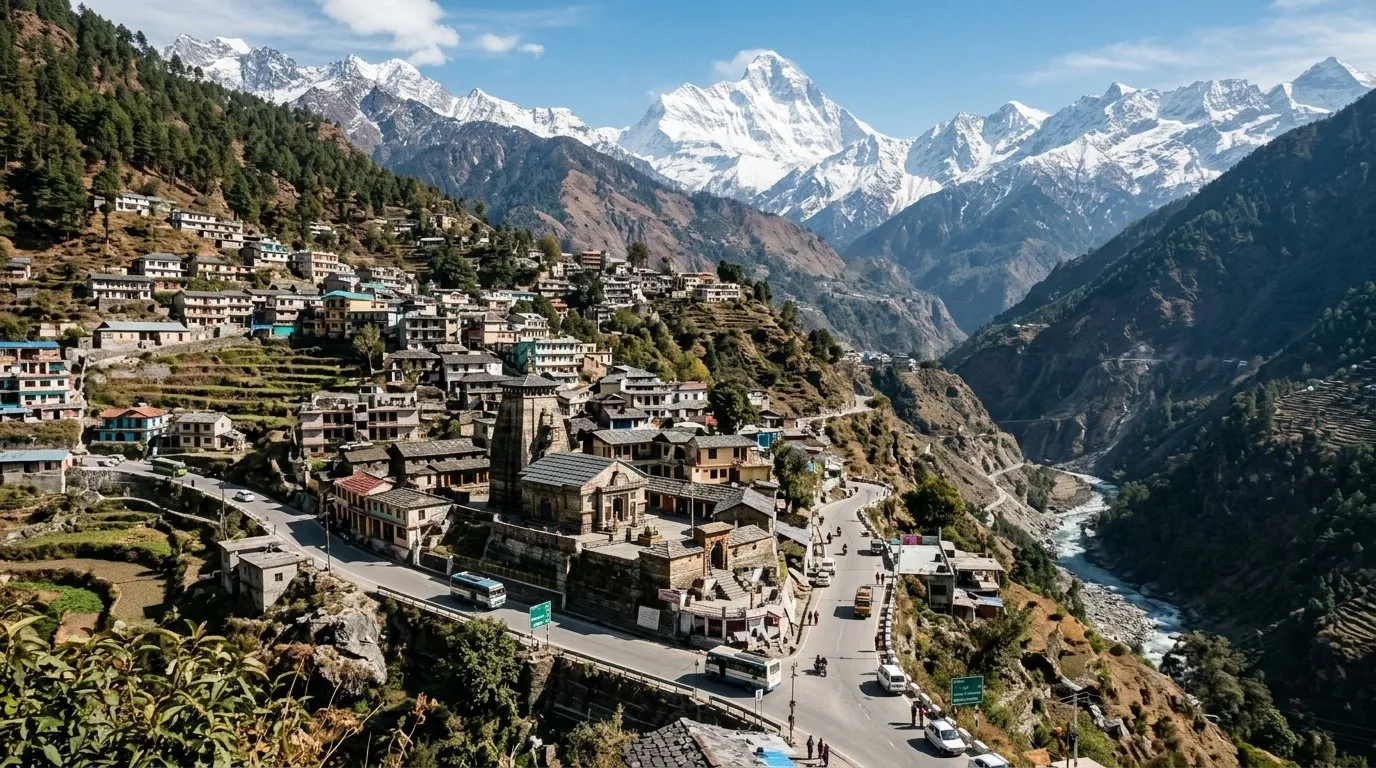



Fair
6/1077 destinationsWhere to skip
328 destinationsThese destinations score poorly in May — bad weather, closed roads, or dangerous conditions. Save them for a better month.
Pre-monsoon rains waterlog trails and trigger frequent landslides on the Aalo-Mechuka corridor, leaving travellers stranded for days.
May combines extreme pre-monsoon heat (22-35°C) with peak humidity at 80%, and early showers compress outdoor exploration. Outdoor sightseeing becomes unbearable.
May 15 onward the Arabian Sea begins shifting — first SW monsoon squalls arrive, Alliance Air drops to one weekly flight, inter-island boats cancel on rough days. The dive school takes its first closed weeks. By June 1 the chain effectively shuts.
May is the year's heat-and-humidity peak. Beach walks unworkable mid-day, sea at 30C takes the cooling-bath element away, and the last week brings the first SW-monsoon squalls that knock power 2-4 hours daily. Shacks dismantle by May 31. Skip to October if comfort matters.
May at Aizawl — the monsoon arrives in force — Cherrapunji gets weeks of continuous rain, Kaziranga closes for the season, Majuli ferry services unreliable. Cascading hill city should plan for Oct–Apr.
May at Alampur — peak Deccan heat — Telangana regularly hits 42-45°C, Hyderabad hottest since 2010 records revised, sightseeing biologically limited to sunrise window. Jogulamba Shakti Peeth should plan for Oct–Mar.
May Alibaug is uncomfortable — 30-36°C with 75-85% humidity, Arabian Sea churning toward monsoon, sand too hot by 9am, and the experience completely flipped from January peak. Skip unless rate-savings are the only metric.
May runs hot and sticky on the Kerala backwaters. Pre-monsoon thunderstorms knock grid 1-2 hours daily through the third and fourth week. Houseboat AC strained on hottest days. Wait for October when comfort returns.
May in Amaravati pushes outdoor heritage walks essentially closed. Mahachaitya stupa unsafe except 5-7am. ASI Museum (indoor AC) viable. October is dramatically better.
May at Amritsar — north Indian summer is brutal — 42°C+ routine across Delhi, Agra, Varanasi; the Taj Mahal visit you're imagining isn't the version you'd get. Partition + 1919 heritage should plan for Feb–Mar, Oct–Dec.
May at Ananthagiri Hills — peak Deccan heat — Telangana regularly hits 42-45°C, Hyderabad hottest since 2010 records revised, sightseeing biologically limited to sunrise window. Deccan forest should plan for Jul–Mar.
May runs hot and sticky on the Konkan coast. Sea bathing collapses past 9am, shacks dismantle May 31 (Forest Dept rule). Pre-monsoon thunderstorms knock grid 1-2 hours daily through the last fortnight. Wait for October.
Most beach shacks and restaurants close around May 31, humidity exceeds 80 percent, and water temperatures climb to body-heat levels.
Peak heat reaches 35°C with 80 percent humidity, most restaurants operate shorter hours, and pre-monsoon thunder weeks 3-4 disrupt outdoor plans.
May is the unviable month. 30-42C Pune-side, 33-38C with 80 percent humidity Konkan-side. Lenyadri 307 steps unsafe all day. Pradakshina pavements 55C surface. The full eight-temple circuit cannot run cleanly. Push to October.
May 10-15 onward Bangaram Island Resort closes for the season — the only accommodation on the island. The Agatti speedboat stops, the dive school shuts, the bar pulls down. The next reliable arrival window is October.
May at Baripada — peak heat; Puri beach not the mild experience you want, Konark closes mid-day, trekking impossible. Mayurbhanj capital should plan for Oct–Apr.
May at Basara — peak Deccan heat — Telangana regularly hits 42-45°C, Hyderabad hottest since 2010 records revised, sightseeing biologically limited to sunrise window. Akshara Abhyasam should plan for Oct–Mar.
Pre-monsoon heat and humidity make fort exploration uncomfortable without early starts, and visibility lacks the clarity of cooler months
May runs hot and sticky on the Malabar coast. Boatyard observation past 9am unworkable, lighthouse climb collapses, beach unusable. Yard production slows for the heat anyway. Wait for October.
May at Bhadrachalam — peak Deccan heat — Telangana regularly hits 42-45°C, Hyderabad hottest since 2010 records revised, sightseeing biologically limited to sunrise window. Godavari River should plan for Oct–Mar.
May at Bhalukpong — pre-monsoon thunderstorms arrive in the last week; by month-end Meghalaya and lower Assam are already wet. Tipi orchid centre should plan for Oct–Mar.
May at Bhimbetka Rock Shelters — the hottest month — Khajuraho routinely 42-45°C, Kanha/Bandhavgarh safaris restricted to early morning only. Mesolithic-Medieval timeline should plan for Oct–Mar.
May at Bhitarkanika — peak heat; Puri beach not the mild experience you want, Konark closes mid-day, trekking impossible. Gahirmatha Arribada should plan for Sep–Mar.
May at Bhongir — peak Deccan heat — Telangana regularly hits 42-45°C, Hyderabad hottest since 2010 records revised, sightseeing biologically limited to sunrise window. Rock climbing hub should plan for Sep–Mar.
May at Bhubaneswar — peak heat; Puri beach not the mild experience you want, Konark closes mid-day, trekking impossible. Konark + Puri + Bhubaneswar triangle should plan for Oct–Mar.
May pushes Araku into the hottest stretch of its year. Humidity creeps past 70 percent, pre-monsoon thunderstorms hit two-three afternoons a week (knocking electric lighting in the cave for 30-90 minutes at a stretch), and the trip beyond the cave proper falls apart.
May at Buddhist Diamond Triangle — peak heat; Puri beach not the mild experience you want, Konark closes mid-day, trekking impossible. Vajrayana Buddhism origins should plan for Oct–Mar.
Peak pre-monsoon heat and humidity (80%) make beach time impossible before noon; most commercial operations close May 31.
May is worst pre-monsoon month. Heat 26–35°C, humidity 80%, most shacks closed. Only worthwhile if poolside hotel and budget priority.
May at Chandigarh — north Indian summer is brutal — 42°C+ routine across Delhi, Agra, Varanasi; the Taj Mahal visit you're imagining isn't the version you'd get. Nek Chand Rock Garden should plan for Feb–Apr, Oct–Nov.
May at Chandipur — peak heat; Puri beach not the mild experience you want, Konark closes mid-day, trekking impossible. DRDO missile range should plan for Oct–Mar.
May at Charaideo Moidams — the monsoon arrives in force — Cherrapunji gets weeks of continuous rain, Kaziranga closes for the season, Majuli ferry services unreliable. Pyramid-like moidams should plan for Oct–Mar.
May runs the heat dome at full strength. Daytime 29-39C with occasional spikes to 41-42C, humidity 75 percent, sea breeze unreliable. Heritage walking, Marina Beach mid-day, Mylapore mada streets all functionally closed 10am-5pm. Push to November.
May runs hot and sticky on Vypeen Island. Sea state weakens through the third week as pre-monsoon swells arrive. Beach access early morning and evening only, dolphin spotting trips run lighter, hotel rates at year-low. Wait for October.
May at Cherrapunji (Sohra) — the monsoon arrives in force — Cherrapunji gets weeks of continuous rain, Kaziranga closes for the season, Majuli ferry services unreliable. Living Root Bridges should plan for Oct–Apr.
May in Chettinad pushes past mansion-walk viability. The Karaikudi-Athangudi-Kadiapatti circuit fails — the village-to-village experience that defines the trip cannot happen. Wait for October.
May is Chidambaram's harshest stretch. Temple courtyards and granite mandapams hold 50-55C surface heat mid-day. Pre-dawn and night-puja windows only. Push to November.
May at Chilika Lake — peak heat; Puri beach not the mild experience you want, Konark closes mid-day, trekking impossible. Irrawaddy dolphins should plan for Oct–Mar.
Rain becomes sporadic and unpredictable. Roads can become slippery. The falls are not yet at monsoon peak. Infrastructure remains minimal.
May runs hot and sticky. The mangrove canopy holds 85-90 percent humidity all day; even the Forest Department's 7am walk is uncomfortable past 30 minutes. Pre-monsoon thunderstorms knock power 1-3 hours afternoons. The trip you came for cannot work.
Peak summer heat makes outdoor sightseeing uncomfortable in May. Late-morning and afternoon exploration becomes untenable.
May brings peak monsoon heat and humidity with few tourists and many closed businesses. The beach experience degrades rapidly.
May at Cuttack — peak heat; Puri beach not the mild experience you want, Konark closes mid-day, trekking impossible. Tarakasi silver filigree should plan for Oct–Mar.
Extreme heat and humidity make outdoor sightseeing exhausting in May, leaving only interior spaces viable and beach time impossible except at dawn.
May runs hot, sticky, with rafting season closed and pre-monsoon thunderstorms knocking grid power. Tiger Reserve dawn safaris still workable but the full Dandeli trip closes in May. October-March is dramatically better.
May at Daringbadi — peak heat; Puri beach not the mild experience you want, Konark closes mid-day, trekking impossible. Odisha only snow should plan for Oct–Mar.
May at Dawki — the monsoon arrives in force — Cherrapunji gets weeks of continuous rain, Kaziranga closes for the season, Majuli ferry services unreliable. India-Bangladesh border should plan for Oct–Mar.
May at Deomali — peak heat; Puri beach not the mild experience you want, Konark closes mid-day, trekking impossible. Koraput tribal region should plan for Oct–Mar.
May pushes Dhanushkodi to the limit. The ghost-town tip-walk is barefoot-impossible. The 4WD service still runs but operators won't go past 9am. Wait for October when the Bay-storm season ends and the sand track is back to safe.
May runs hot and sticky at Dharmasthala. Pilgrim queues collapse mid-day, pre-monsoon thunderstorms knock grid 1-2 hours daily. Push to monsoon (annadana continues) or October.
May at Dhauli — peak heat; Puri beach not the mild experience you want, Konark closes mid-day, trekking impossible. Ashokan rock edicts should plan for Oct–Mar.
May runs hot and sticky. Outdoor activity collapses past 9am, pre-monsoon thunderstorms knock power 1-3 hours, and the trip you came for — the Portuguese-island walking experience — does not work outside thin morning and evening windows. Wait for October.
May at Dudhwa National Park — north Indian summer is brutal — 42°C+ routine across Delhi, Agra, Varanasi; the Taj Mahal visit you're imagining isn't the version you'd get. Swamp deer stronghold should plan for Nov–Mar.
May Elephanta closes by month-end — last ferry runs around Apr 30 under MMB rules, and pre-monsoon swell already makes the harbour crossing rough. Even if a private launch tries, 30-36°C plateau heat with 75% humidity makes the cave climb unfeasible.
May is the hottest month at the Konkan coast. The fort's laterite ramparts and open courtyard collapse 10am-5pm. Pre-monsoon thunderstorms knock grid power 1-3 hours each afternoon. Sinquerim Beach shacks close per Forest Department rule end May. Push to October.
May at Gagron Fort — peak desert heat — routinely 45°C+ in Jaisalmer, Barmer, Bikaner; outdoor sightseeing biologically stops being possible. Jaldurg (water fort) design should plan for Oct–Mar.
May Ganpatipule is hot — 30-36°C with 80% humidity, pre-monsoon sea churning, Hapus mango at peak end-of-season harvest but beach experience structurally broken. Mango-focused trip workable, beach-leisure not.
May runs hot, sticky, and the cliff-trail-and-beach trip closes. Pre-monsoon thunderstorms third and fourth weeks, sea swell forces lifeguard withdrawal, Half-Moon and Paradise shacks shut. October-March window is dramatically better.
May at Gopalpur-on-Sea — peak heat; Puri beach not the mild experience you want, Konark closes mid-day, trekking impossible. Kewda flower should plan for Oct–Mar.
May falls well outside Gurez Valley's Jun–Sep window. Conditions are harder, local services scaled back, and the version of the place you'd actually get isn't the one that makes the trip worth doing. The shoulder month either side would be a closer call, but this month isn't it. Serious landscape photographers should plan for Jun–Sep.
May at Guwahati — the monsoon arrives in force — Cherrapunji gets weeks of continuous rain, Kaziranga closes for the season, Majuli ferry services unreliable. Kamakhya Shakti Peeth should plan for Oct–Apr.
May falls well outside Haridwar's Feb–May, Oct–Nov window. Conditions are harder, local services scaled back, and the version of the place you'd actually get isn't the one that makes the trip worth doing. The shoulder month either side would be a closer call, but this month isn't it. Char Dham Yatra launch should plan for Feb–May, Oct–Nov.
May Harihareshwar is uncomfortable — 30-36°C with 80% humidity, Arabian Sea pre-monsoon swell building, temple approach oven-hot past 7am, rock platforms unsafe, beach sand too hot. Skip unless rate-savings are the only metric.
May at Horsley Hills sees the hill plateau itself warm to 32-34C. The cool-hill margin versus Bengaluru-Chennai collapses to 2-3C. The trip's entire value proposition (elevation buffer) erodes. October opens the proper window.
May at Hyderabad — peak Deccan heat — Telangana regularly hits 42-45°C, Hyderabad hottest since 2010 records revised, sightseeing biologically limited to sunrise window. Hyderabadi Dum Biryani should plan for Oct–Mar.
May runs hot in lower Idukki (24-35C, 80 percent humidity). Wildlife Sanctuary trails workable only at day's edges. Pre-monsoon squalls from May 22 onward bring 30-50mm overnight downpours and knock NH85 traffic. Hotel rates at year-low but the trip compresses sharply.
May Igatpuri at 600m is pre-monsoon humid-hot — 22-37°C, ridges burnt, Kalsubai trek dangerous, waterfalls 3-4 weeks from monsoon-restart. Off-season worst.
May at Imphal — the monsoon arrives in force — Cherrapunji gets weeks of continuous rain, Kaziranga closes for the season, Majuli ferry services unreliable. Manipuri classical dance should plan for Oct–Apr.
May closes Jabalpur to visitors: extreme heat (25-44°C) or monsoon flooding shuts boat access to Marble Rocks and Dhuandhar Falls—the main attractions. Wildlife sanctuaries close or suspend operations.
May at Jagdalpur — the hottest month — Khajuraho routinely 42-45°C, Kanha/Bandhavgarh safaris restricted to early morning only. Bastar tribal heartland should plan for Oct–Mar.
May 15 onward Kadmat Beach Resort closes for the season — accommodation drops to a few SPORTS huts on a thin operating schedule. SAMUDRAM cruise paused. Dive school shut. The next reliable window is October.
May heat exhaustion zone (27-40°C) makes daytime exploration punishing. Temple visits compress to pre-dawn only; outdoor comfort collapses.
May in Karaikal pushes 27-38C with humidity 80 percent. The pilgrim trip works (temple AC at darshan hall, faith-based crowds turn out anyway), but the broader visit collapses. October is the cleaner window for tourists; pilgrims should plan around the cool of dawn and late evening.
May peaks at 28–34°C with humidity reaching 82%. The ferry suspends mid-month as sea swells rise. Pre-monsoon thunderstorms arrive unpredictably. The combination makes outdoor exploration exhausting and unreliable.
May Kashid is uncomfortable — 30-36°C with 80% humidity, Arabian Sea churning pre-monsoon, white sand too hot by 8am, water-sports closed by 10am, beach experience structurally broken. Skip unless rate-savings dominate.
May brings late pre-monsoon conditions (28–33°C, high humidity) and the resort closes around May 15. Water-sports pauses. SAMUDRAM (marine activities) suspends. Eid-ul-Fitr often falls this month with associated closures.
May in Khandala is pre-monsoon hot-humid worst — 24-37°C at 625m with humidity climbing past 70%, Duke's Nose lost in haze, brown Sahyadri, and no relief until the monsoon breaks in mid-June. Tent nights at Pawna unworkable.
Pre-monsoon rains (16–28°C) make forest trails muddy and leech-prone. The primary appeal — trekking through the protected sanctuary — becomes uncomfortable. Visibility and trail conditions deteriorate sharply.
Peak pre-monsoon chaos — 28–34°C, 85% humidity, and mid-month thunderstorms. Hotel rates bottom out but the climate defeats outdoor sightseeing. Skip unless visiting for Karkidakam Ayurveda specifically.
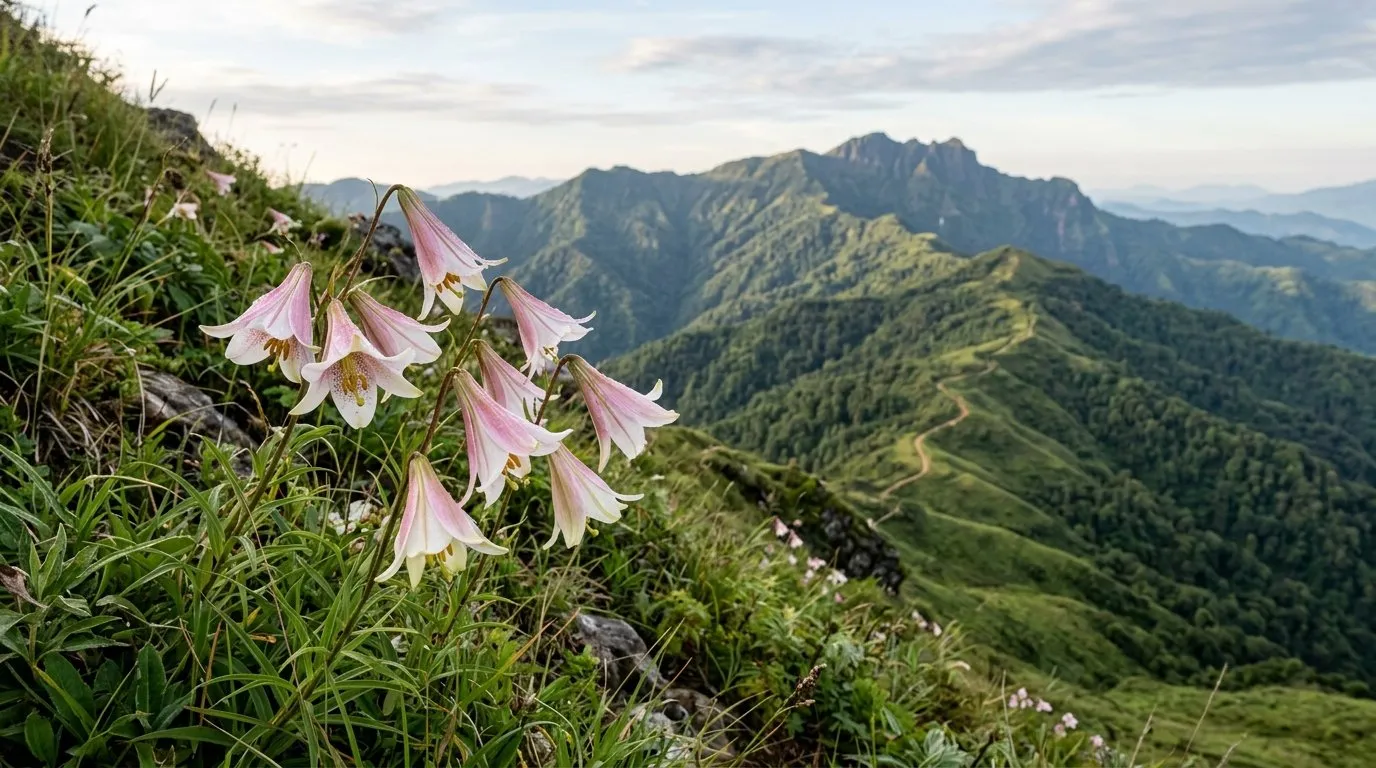
Pre-monsoon rains peak while Dzukou lily blooms — trails turn muddy, cancelling trekking plans even as wildflower photography tempts. Skip for reliability.
May at Kolanupaka — peak Deccan heat — Telangana regularly hits 42-45°C, Hyderabad hottest since 2010 records revised, sightseeing biologically limited to sunrise window. Kakatiya precursor should plan for Jan–Dec.
Peak pre-monsoon — 28–34°C, 85% humidity, and arriving thunderstorms blur backwater views. Hotel rates bottom-out but the climate defeats leisure exploration.
May at Konark — peak heat; Puri beach not the mild experience you want, Konark closes mid-day, trekking impossible. Astronomical + sundial heritage travelers should plan for Oct–Mar.
May in Konaseema pairs peak humidity with the pre-monsoon cyclone-cell risk on the Krishna-Godavari delta. Backwater cruises work only dawn. Heat stress mid-day unsafe. October is dramatically cleaner — push the trip.
May at Koraput — peak heat; Puri beach not the mild experience you want, Konark closes mid-day, trekking impossible. Tribal weekly haats should plan for Oct–Mar.
Peak pre-monsoon — 27–35°C, 80% humidity, and pre-monsoon swells keep swimmers out mid-month. Sea at 30°C is bathable but thermally exhausting on the sand.
Peak pre-monsoon — 27–36°C, 80% humidity, and pre-monsoon thunderstorms. Heritage indoors only. Pre-monsoon haze dulls backwater views and outdoor sightseeing.
May falls well outside Kufri's Dec–Apr window. Conditions are harder, local services scaled back, and the version of the place you'd actually get isn't the one that makes the trip worth doing. The shoulder month either side would be a closer call, but this month isn't it. Kids zoo + pony rides should plan for Dec–Apr.
Peak summer heat — 25–33°C, 82% humidity, and Kumara Parvatha closes mid-month due to heat and water scarcity. Peak summer hits 40°C+, making outdoor temple visits physically taxing.
Peak heat plus pre-monsoon — 27–33°C, 85% humidity, and bird sanctuary closed Apr–May. Migratory birds fled heat. Heat peaks at 34°C; come for backwater cruises only.
May sustains peak heat (29–40°C) and high humidity (75%). Temple courtyards and brass-vessel shops are scorching. Pre-monsoon thunderstorms strike the last 10 days, collapsing visibility and transport reliability.
May combines pre-monsoon squalls and arriving monsoon onset (28–34°C, 85% humidity). Backwater visibility collapses, the primary draw. Village activities run below 50% capacity.
May (28–34°C, 85% humidity) combines heat and pre-monsoon squalls. Rice planting for the second crop replaces the distinctive below-sea-level paddy aesthetic. The landscape you came to see lies dormant between seasons.
May at Laknavaram — peak Deccan heat — Telangana regularly hits 42-45°C, Hyderabad hottest since 2010 records revised, sightseeing biologically limited to sunrise window. Kakatiya engineering should plan for Sep–Mar.
May at Lambasingi is pre-monsoon thundershower season. Eastern Ghats ghat road conditions marginal on heavy-rain days. The frost trip is 7 months away. October is too early for the next frost. Wait for December.
May brings Butler Bay's biggest swell, but pre-monsoon humidity peaks. Ferry cuts to 3 weekly. Only the first 18 days are workable before monsoon squalls cancel sailings after 20 May.
May (18–32°C, pre-monsoon) brings rising water levels and muddy access roads. Lake flooding makes boat movement unpredictable and unsafe. Phumdis become difficult to navigate.
May in Lonavala is the pre-monsoon worst — 24-37°C, oppressive humidity, brown ridges, no waterfalls, Bhushi dry, and the Sahyadri losing its only USP. Even Pawna Lake campers cancel May overnights.
May (pre-monsoon) makes ferry schedules unpredictable. Squalls cancel sailings after 20 May. Only the first 18 days are workable.
May in Machilipatnam pairs peak humidity with the pre-monsoon cyclone-cell risk window on the Krishna delta. Pedana workshop tours work only 7-9am. Manginapudi Beach walks unsafe. October is dramatically better — push the trip.
May sustains heat dome (28–42°C, 75% humidity) beyond the Chithirai Festival tail. Heritage walks collapse. This is one of India's least comfortable destinations for tourism.
May Mahabaleshwar at 1372m is pre-monsoon humid-warm — 19-32°C with humidity climbing past 70%, Deccan haze reducing the famous viewpoint depth to 20-30km. Strawberry season fully over, monsoon 3-4 weeks away.
May peak heat climbs to 28–38°C with humidity at 80 percent. The granite at Mahabalipuram becomes literally too hot to touch mid-day. Sea water temperature reaches 30°C. Pre-monsoon thunderstorms arrive in the final week. Hotel rates drop to year-lows because few tourists endure these conditions.
Konkan humidity 80-85% combined with 34-38C peak heat makes Mahad's open prakaram and Kuthar Lake ghat genuinely difficult between 9:30am and 5pm; yatra packages close the May circuit entirely.
May at Majuli — the monsoon arrives in force — Cherrapunji gets weeks of continuous rain, Kaziranga closes for the season, Majuli ferry services unreliable. World's-largest-river-island travelers should plan for Oct–Apr.
May Malvan is hot — 28-36°C with 80% humidity, Sindhudurg Fort boats running shortened hours, scuba operators closing for monsoon prep, Hapus mango at end-season. Mango-focused trip works late-month, scuba window almost closed.
Monsoon rains and humidity make beach swimming unsafe and unpleasant in May. Pre-monsoon thunderstorms occur in the final week. Shacks dismantle May 31.
May heat and humidity make outdoor exploration uncomfortable and exhausting. Pre-monsoon thunderstorms peak in the final 10 days. Sea state becomes rough.
May runs hot and sticky on the Kerala coast. Sea state weakens through the third week as pre-monsoon swells arrive. Beach access dawn-only, resort rates at year-low. Wait for October.
May at Maredumilli is heat peak with forest fire risk. Falls at minimum flow. Forest treks dawn-only. The full eco-tourism experience cannot run. October opens the proper window.
May runs hot and humid. Latin Quarter heritage walks unworkable 9am-6pm; pre-monsoon squalls from May 22 onward bring 30-50mm evening downpours and 2-4 hour grid power cuts. Konkan Railway works fine but the trip you came for compresses. Push to October.
May is unusable Marine NP. Daytime 30-42°C, Arabian Sea humidity at peak, pre-monsoon conditions building, and the season effectively closed. The June 1 monsoon closure is two to four weeks away.
May Matheran is pre-monsoon humid-hot worst — 25-37°C even at 803m, laterite paths uncomfortable all day, Charlotte Lake levels low, toy-train cabins overheat, and the 38-viewpoint walking product becomes unusable.
May at Mawsynram — the monsoon arrives in force — Cherrapunji gets weeks of continuous rain, Kaziranga closes for the season, Majuli ferry services unreliable. Mawjymbuin Cave Shivling should plan for Oct–Apr.
May at Medak — peak Deccan heat — Telangana regularly hits 42-45°C, Hyderabad hottest since 2010 records revised, sightseeing biologically limited to sunrise window. Methodist heritage should plan for Oct–Mar.
Pre-monsoon SW advances bring squalls and landslides. Ghat road becomes 4WD-essential and estate closures narrow to 2-3 safe weeks. Visibility collapses. Wait for October.
Late pre-monsoon seas roughen. Tourist Lodge closes mid-May. SAMUDRAM paused. Ferry from Kavaratti becomes unreliable. Crossings rough and cancellations frequent.
Peak heat (24-35C). Leeches emerge late month with first pre-monsoon squalls. Wildlife hides. Wait for October when conditions normalize.
May 30-42C — among hottest central-Maharashtra stretches. Temple courtyard stone 50C surface noon. Even 5am dawn slot opens at 28C and reaches 35C. The full Mayureshwar darshan experience collapses to a fragmented dawn fragment. Push to October.
Peak heat (26-35C) and humidity (80%). Shacks dismantle May 31. La Plage closes May 25. Monsoon rains and discomfort peak. Return in October.
May at Mount Abu — peak desert heat — routinely 45°C+ in Jaisalmer, Barmer, Bikaner; outdoor sightseeing biologically stops being possible. Rajasthan only hill station should plan for Feb–Mar, Oct–Dec.
May Murud-Janjira is uncomfortable — 30-36°C with 80% humidity, Rajapuri boats running but Arabian Sea pre-monsoon swell makes crossings rough, Datta climb dangerous, beach sand burns. Skip unless your only metric is rate-savings.
May falls well outside Mussoorie's Mar–Apr, Sep–Nov window. Conditions are harder, local services scaled back, and the version of the place you'd actually get isn't the one that makes the trip worth doing. The shoulder month either side would be a closer call, but this month isn't it. Families with young children should plan for Mar–Apr, Sep–Nov.
May at Nagarjuna Konda — peak Deccan heat — Telangana regularly hits 42-45°C, Hyderabad hottest since 2010 records revised, sightseeing biologically limited to sunrise window. Acharya Nagarjuna should plan for Oct–Mar.
May in Nagarjuna Sagar pushes outdoor circuit to dawn-only. Safaris work 5:30-8am only. Heat dome through midday. October-March is the proper window for relaxed visits.
May falls well outside Nainital's Mar–Apr, Sep–Nov window. Conditions are harder, local services scaled back, and the version of the place you'd actually get isn't the one that makes the trip worth doing. The shoulder month either side would be a closer call, but this month isn't it. Indian lake district should plan for Mar–Apr, Sep–Nov.
May is hot Nalsarovar. Daytime 28-42°C, the wetland shrinking sharply, limited bird density, and dawn boats running on minimal schedules. The destination effectively closes for tourism.
May at Namdapha — pre-monsoon thunderstorms arrive in the last week; by month-end Meghalaya and lower Assam are already wet. Hoolock gibbon should plan for Mar–May, Oct–Nov.
May runs hot at Nelliyampathy's lower elevations (24-33C, 75 percent humidity). The 1100-1500m higher belts hold 22-28C but pre-monsoon convection from late May makes plantation walks erratic. The 12 hairpin bend road becomes landslide-watch from May 22. Hotel rates at year-low.
May at Netarhat — peak heat across Bihar's plains — heatstroke risk real, even locals limit outdoor work to early morning. British Netarhat Residential School should plan for Oct–Mar.
May at Nrusinghanath & Harishankar — peak heat; Puri beach not the mild experience you want, Konark closes mid-day, trekking impossible. Gandhamardhan hills should plan for Oct–Mar.
May falls well outside Nubra Valley's Jun–Sep window. Conditions are harder, local services scaled back, and the version of the place you'd actually get isn't the one that makes the trip worth doing. The shoulder month either side would be a closer call, but this month isn't it. Bactrian camel dunes should plan for Jun–Sep.
May at Omkareshwar — the hottest month — Khajuraho routinely 42-45°C, Kanha/Bandhavgarh safaris restricted to early morning only. Twin Jyotirlinga should plan for Oct–Mar.
May 29-41C — Junnar valley year-hottest stretch. Temple courtyard 48-50C surface noon. Sone-Ganesh darshan continues but pradakshina uncomfortable at any hour. Kukdi ghat dust-baked. Lenyadri 307 steps unsafe. Full temple experience collapses. Push to October.
Konkan humidity 80-85% plus 34-38C peak heat makes Pali's open-courtyard prakaram and barefoot pradakshina genuinely hazardous between 9:30am and 5pm; queue waits in the open accelerate heat stress.
May heat peaks at 26–37°C with oppressive humidity. Shacks dismantle by May 31, and the first monsoon squalls arrive late month. May heat and humidity make beach time uncomfortable, with most tourist infrastructure shuttered.
May peak heat (26–36°C, 80% humidity) with pre-monsoon thunderstorms. Power cuts knock out evenings. Peak heat and humidity make outdoor exploration punishing before monsoon arrives.
May Panchgani is pre-monsoon humid-warm — 21-34°C even at 1334m, Table Land afternoon-uncomfortable, paragliding suspended due to unstable thermals, Mapro Garden 5km away cold-storage-only. Off-season void.
May falls well outside Pangong Tso's Jun–Sep window. Conditions are harder, local services scaled back, and the version of the place you'd actually get isn't the one that makes the trip worth doing. The shoulder month either side would be a closer call, but this month isn't it. Photographers chasing the colour-shift phenomenon should plan for Jun–Sep.
May at Pasighat — pre-monsoon thunderstorms arrive in the last week; by month-end Meghalaya and lower Assam are already wet. Siang becomes Brahmaputra should plan for Oct–Mar.
May at Pillalamarri — peak Deccan heat — Telangana regularly hits 42-45°C, Hyderabad hottest since 2010 records revised, sightseeing biologically limited to sunrise window. Hyderabad day trip should plan for Jan–Dec.
May at Pinjore Gardens — north Indian summer is brutal — 42°C+ routine across Delhi, Agra, Varanasi; the Taj Mahal visit you're imagining isn't the version you'd get. Chandigarh day trip should plan for Feb–Mar, Oct–Dec.
May peak heat (28–38°C, 80% humidity) makes outdoor exploration punishing. French Quarter mid-day functionally closed. Hotel rates at year-low, but heat dominates. Coastal heat peaks at 35°C+ with oppressive humidity.
May pre-monsoon peak (27–35°C, 80% humidity) with pre-monsoon thunderstorms lasting 10 days. Pre-monsoon swells make the sea side rough. Pre-monsoon swells make the sea side rough; stick to the calmer river side and estuary if you visit.
Peak heat 27–38°C and humidity 85 percent make daytime exploration unbearable. Pre-monsoon thunderstorms arrive late month.
May Pune is harsh plateau summer — 26-40°C, dry searing heat, Sinhagad and heritage circuits punishing, AQI rises with dust and pre-monsoon humidity by late month. Indoor-only city use; pre-monsoon storms possible last week.
May in Rajahmundry pairs peak heat with pre-monsoon cyclone-cell risk on the Godavari coast. Outdoor walks unsafe except dawn. Papikondalu cruise dawn-only. October is dramatically better.
May at Ramappa Temple — peak Deccan heat — Telangana regularly hits 42-45°C, Hyderabad hottest since 2010 records revised, sightseeing biologically limited to sunrise window. Floating bricks technology should plan for Jan–Dec.
May pushes Rameswaram fully into endurance-mode pilgrimage. The third corridor — the whole reason to come — has barefoot floor temperatures at 44-46C noon-4pm. Char Dham pilgrims still come but the experience is fractional. Wait for October.
May at Ranakpur Jain Temple — peak desert heat — routinely 45°C+ in Jaisalmer, Barmer, Bikaner; outdoor sightseeing biologically stops being possible. Jain temple architectural peak should plan for Oct–Mar.
May 30-42C — temple courtyard 50C surface noon. Even 5am dawn slot opens at 28C, reaches 35C by closing. LION vahana courtyard at year-peak heat exposure. Sun-ray darshan window closed. Full temple experience collapses to fragmented dawn slot. Push to October.
May at Sambalpur — peak heat; Puri beach not the mild experience you want, Konark closes mid-day, trekking impossible. Sambalpuri Ikat GI should plan for Oct–Mar.
May at Saputara is the hot month — 22-34°C, the 1000m elevation no longer fully compensating, dry forests, and Gira Waterfalls dry. The hill station's defining magic is monsoon Jul-Sep, not May heat.
May at Satkosia — peak heat; Puri beach not the mild experience you want, Konark closes mid-day, trekking impossible. Gharial breeding should plan for Oct–Mar.
May at Shikharji (Parasnath Hill) — peak heat across Bihar's plains — heatstroke risk real, even locals limit outdoor work to early morning. Jharkhand highest peak should plan for Oct–Mar.
May falls well outside Shimla's Mar–Apr, Oct–Nov window. Conditions are harder, local services scaled back, and the version of the place you'd actually get isn't the one that makes the trip worth doing. The shoulder month either side would be a closer call, but this month isn't it. First-time Himalayan travelers with kids should plan for Mar–Apr, Oct–Nov.
May 31-43C — Daund plateau year-hottest stretch. Temple island 50C surface noon. Even 5am dawn slot opens at 28C and reaches 36C. Bhima at year-low flow on knee-deep crossing. Remote location with limited shade and minimal AC accommodation at Daund. Push to October.
May runs hot at 27-39C with humidity 80 percent. Outdoor wildlife and lake activities collapse mid-day, pre-monsoon thunderstorms arrive last 10 days. The trip you came for — the jungle-adjacent weekend — does not work outside thin morning windows. Wait for October.
May at Simlipal — peak heat; Puri beach not the mild experience you want, Konark closes mid-day, trekking impossible. Barehipani Falls should plan for Oct–Mar.
May runs hot and sticky. Pre-monsoon thunderstorms knock grid 1-2 hours daily through the last fortnight. Outdoor river-deck dinners get rain-interrupted. Push to October — or wait for São João June 24.
May peak heat (25–38°C, 80% humidity) makes plantation walks exhausting. Pre-monsoon squalls late month. Temperatures exceed 40°C with oppressive humidity, making plantation walks exhausting.
May at Srikalahasti is the heat peak. Town circulation compresses to dawn-and-dusk; temple cool interior remains the practical refuge. The Tirupati-Srikalahasti pilgrim circuit cannot run cleanly. October opens the proper window.
May in Srirangam pushes past the limit of barefoot temple-walking. The Trichy-Srirangam axis is inland-plains Tamil Nadu at its worst — 38-40C, no sea breeze, no relief until the southwest monsoon spillover in late June. Wait for October.
May at Srisailam is the Rayalaseema heat peak with NSTR Tiger Reserve closure looming June 1. The full temple-plus-safari experience cannot run cleanly. October opens the proper window.
May at Takht Sri Damdama Sahib — north Indian summer is brutal — 42°C+ routine across Delhi, Agra, Varanasi; the Taj Mahal visit you're imagining isn't the version you'd get. Guru Granth Sahib compilation should plan for Oct–Mar.
May at Talasari — peak heat; Puri beach not the mild experience you want, Konark closes mid-day, trekking impossible. Subarnarekha estuary should plan for Oct–Mar.
May at Taptapani — peak heat; Puri beach not the mild experience you want, Konark closes mid-day, trekking impossible. Saora tribal culture should plan for Oct–Mar.
May Tarkarli scuba is closing for season — operators shutter by mid-May for monsoon prep, visibility drops to 3-6m, Hapus mango at end-season. Mango-buyer trip works late month, scuba mostly off.
Peak heat dominates Thanjavur in May. Temperatures reach 29-40C and the Brihadeeswara courtyard surface hits 50-55C. Hotel rates drop to year-low, but sightseeing is genuinely unbearable.
May's peak heat reaches 28-37C with 80% humidity and the Danish Quarter midday walks become functionally impossible. Hotel rates plummet but the coastal heat-and-humidity combination makes sightseeing genuinely unbearable.
May 30-42C — year-hottest Pune plateau stretch. Temple courtyard 50C surface noon. Even 5am dawn slot opens at 28C. Madhavrao Peshwa samadhi chamber slightly cooler at 32C but full temple-and-samadhi experience collapses. Push to October.
May runs hot and sticky on the Kerala plains. Outdoor circuits collapse past 9am, pre-monsoon thunderstorms knock grid power afternoons, the open temple-square walk is unworkable. Indoor museum-and-temple-only travelers continue.
May at Tirupati is the Rayalaseema heat peak. The 3,550-step padayatra cannot happen at 38-40C with bare-stone trail surface 45-48C. AC bus ascent the only practical option. The temple itself runs but the experience is compressed to interior-only. October opens the proper window.
May's heat peak reaches 26-40C. Girivalam becomes genuinely impossible and hotels drop to year-low rates but the heat makes ashram retreats unworkable. Skip entirely.
May's heat dome peak reaches 28-40C. Rock-Fort climb becomes unworkable mid-day and extended stays lose appeal. Push to October.
May runs hot and sticky on the Udupi coast. Beach swim closes from mid-month, St Mary's Island ferry suspends for the monsoon season (Sep restart), pre-monsoon thunderstorms knock grid 1-2 hours daily. October-March window is dramatically better.
May pushes the trip to dawn-only viable. Outdoor walks unsafe except 5-7am. October-March is the proper window for the relaxed multi-level cave circuit.
May runs hot and sticky. Beach unwalkable mid-day, shacks dismantle May 31. Pre-monsoon thunderstorms knock grid 1-2 hours daily through the last fortnight. Wait for October.
May runs hot and sticky on the Kerala coast. Cliff-top walks past 8am unworkable, Papanasam Beach 30C bathable but uncomfortable, pre-monsoon thunderstorms last 10 days. Cliff erosion concerns rise — the 15m laterite escarpment loses 0.5-1m per year on average, accelerating in monsoon.
By May the park is near its monsoon closure. Pre-monsoon heat makes open-air wildlife viewing in the unshaded grassland unpleasant, blackbuck herds are less concentrated, and raptors have departed. Little reason to visit when the park is winding down toward the June shutdown.
May in Vijayawada pushes to year-extreme heat. Daytime 37-39C, humidity 78 percent. Andhra's hottest non-Rayalaseema major city. Outdoor temple-and-river walks unsafe except dawn. October is dramatically better.
May in Vizag pairs peak humidity with the cyclone-cell pre-monsoon risk window. Beach walks unsafe under 34C and 85 percent humidity except 6-8am. Asani Cyclone hit the AP-Odisha coast May 11, 2022 — IMD forecast monitoring mandatory. October is dramatically better.
May at Warangal — peak Deccan heat — Telangana regularly hits 42-45°C, Hyderabad hottest since 2010 records revised, sightseeing biologically limited to sunrise window. 4 iconic toranas should plan for Oct–Mar.
May at Adilabad — peak Deccan heat — Telangana regularly hits 42-45°C, Hyderabad hottest since 2010 records revised, sightseeing biologically limited to sunrise window. Kuntala Falls should plan for Jul–Jan.
May at Agra — north Indian summer is brutal — 42°C+ routine across Delhi, Agra, Varanasi; the Taj Mahal visit you're imagining isn't the version you'd get. Mughal architecture + history pilgrims should plan for Feb–Mar, Oct–Dec.
May is Ahmedabad's worst month — 30-44C, dry-burning afternoons that hit the 44-45C mark several days a year. The walled city's heat-island effect makes the UNESCO pol circuit genuinely unsafe for non-acclimatised visitors after 9am.
May is heat peak at Ahobilam. Forest gorge trail to Upper Ahobilam impossible at 38-40C. The 9-temple circuit cannot run. Forest fire risk on the Nallamala range. Skip strict. October opens the proper window.
May is harshest month for Aihole. Daytime 41-43C, stone surface 50-52C. Pre-monsoon dust knocks photography routes. Village homestays under 20 percent occupancy. Push to October.
May at Ajanta is the year's harshest — 27-43°C on the exposed horseshoe cliff-trail, dust storms common, cave-circuit walking dangerous. Buddha Purnima May 26 2026 brings small pilgrim flows but Aurangabad/Ajanta is genuinely punishing. Skip.
May at Ajmer — peak desert heat — routinely 45°C+ in Jaisalmer, Barmer, Bikaner; outdoor sightseeing biologically stops being possible. Urs Sharif festival should plan for Feb–Mar, Oct–Dec.
May at Alwar — peak desert heat — routinely 45°C+ in Jaisalmer, Barmer, Bikaner; outdoor sightseeing biologically stops being possible. Sariska Tiger Reserve should plan for Feb–Mar, Oct–Dec.
May in Ambaji is extreme heat — 28-42°C, the Aravalli foothills at their hottest, Gabbar climb dangerous in daylight, and the destination effectively shutters to leisure tourism. Skip.
May Amboli is hot and dry — 25-34°C, Sahyadri scarp heat above plains-coastal Konkan, waterfalls stopped, biodiversity hidden. Pre-monsoon thunderstorms begin late month but not enough to flip the season.
May at Anandpur Sahib — north Indian summer is brutal — 42°C+ routine across Delhi, Agra, Varanasi; the Taj Mahal visit you're imagining isn't the version you'd get. Khalsa Heritage Museum should plan for Mar–Apr, Oct–Nov.
May sits just before the monsoon arrives, so the falls are running low and unimpressive — the cascade that makes Athirapally worth the trip requires the monsoon surge. Heat and humidity in the Sholayar foothills are high, and the approach trail becomes slippery and poorly rewarding.
May Aurangabad is the year's hottest — 27-44°C, Sambhajinagar in summer broil, Daulatabad and outdoor heritage genuinely dangerous, marble surfaces of Bibi Ka Maqbara reflect punishing UV. Pre-monsoon dust storms common; do not visit unless flexibility forced.
May is the hottest stretch of the Coromandel year. 30-40C, humidity above 80 percent, the red-earth grid radiates heat past sunset. Cycling is unworkable, organic farms suspend visitor walks, and even the indoor pavilions struggle without the mid-day power cuts.
May at Ayodhya — north Indian summer is brutal — 42°C+ routine across Delhi, Agra, Varanasi; the Taj Mahal visit you're imagining isn't the version you'd get. Ramayana heritage circuit should plan for Feb–Mar, Oct–Dec.
May is the harshest Badami month. Daytime 41-43C, sandstone cliff 50-52C surface. Pre-monsoon dust storms hit the last fortnight, knocking the cliff-photography routes. Hotel occupancy under 25 percent. Push to October.
May at Barmer — peak desert heat — routinely 45°C+ in Jaisalmer, Barmer, Bikaner; outdoor sightseeing biologically stops being possible. Marwari textile embroidery should plan for Feb–Mar, Oct–Dec.
May at Barnawapara — the hottest month — Khajuraho routinely 42-45°C, Kanha/Bandhavgarh safaris restricted to early morning only. Less-crowded alternative should plan for Nov–Mar.
All dive operators end Barren charters by early May as pre-monsoon seas turn violent. Island access becomes nearly impossible—boats don't operate in May's rough conditions.
May brings extreme heat with temperatures regularly exceeding 38°C. Humidity rises as monsoon approaches. Animal movement is minimal due to heat stress. Park operations are severely limited. Heat-stroke risk is critical.
May at Bharatpur — peak desert heat — routinely 45°C+ in Jaisalmer, Barmer, Bikaner; outdoor sightseeing biologically stops being possible. Winter migratory peak should plan for Feb–Mar, Oct–Dec.
May at Bhavnagar: 26-40C with Gulf humidity. Worst-case month for east-Saurashtra circuits — Palitana climb effectively closed (heat-stroke risk), Velavadar reduced to skeleton dawn safaris, Lothal ruins unsuitable. Nilambag Palace AC and pool the only respite.
May Bhimashankar at 940m is pre-monsoon humid-hot — 24-35°C, sanctuary trails closed to afternoon visitors, Jyotirlinga darshan dawn-only, Indian Giant Squirrel rarely visible. Off-season worst.
May at Bhopal — the hottest month — Khajuraho routinely 42-45°C, Kanha/Bandhavgarh safaris restricted to early morning only. UNESCO cluster base should plan for Oct–Mar.
May brings peak pre-monsoon heat to Chhattisgarh. Temperatures often exceed 38°C. The Maikal Hills offer limited shade. Walking the temple grounds and surrounding forest in this heat carries heat-exhaustion risk. Infrastructure has minimal cooling. This is the worst month to visit.
May is harshest Bidar month. Daytime 39-41C, stone surface 48-50C. Pre-monsoon dust hits the open-tomb walks. Hotel occupancy under 25 percent. Push to October.
May is harshest Bijapur month. Daytime 42-44C, stone surface 50-52C. The Gol Gumbaz interior climb becomes dangerous. Pre-monsoon dust knocks photography. Push to October.
May at Bikaner — peak desert heat — routinely 45°C+ in Jaisalmer, Barmer, Bikaner; outdoor sightseeing biologically stops being possible. Bikaneri namkeen (GI) should plan for Feb–Mar, Oct–Dec.
May at Bodh Gaya — peak heat across Bihar's plains — heatstroke risk real, even locals limit outdoor work to early morning. Mahabodhi Temple should plan for Oct–Mar.
May at Bundi — peak desert heat — routinely 45°C+ in Jaisalmer, Barmer, Bikaner; outdoor sightseeing biologically stops being possible. Rudyard Kipling heritage should plan for Feb–Mar, Oct–Dec.
May is Champaner-Pavagadh's peak heat — 28-42°C, sandstone fortifications radiating heat, and the open-air UNESCO park dangerous after 8am. Pavagadh climb genuinely unsafe. Tourism near-dormant.
May is when the BRO clearance reaches Kunzum Pass. Historical pattern: pass opens last week of May for 4×4 vehicles only, day-trips from Kaza side. Manali side typically a week behind. Tent camps not yet deployed; no overnight stays.
Rain-shadow heat continues at 28-38°C. Falls are dry and trails are unsafe. Peak heat and humidity combine to make wildlife spotting poorest of the year.
May is harshest Chitradurga month. Daytime 40-42C, granite 50-52C. Pre-monsoon dust knocks visibility. Hotel occupancy under 25 percent. Push to October.
May at Chitrakoot — north Indian summer is brutal — 42°C+ routine across Delhi, Agra, Varanasi; the Taj Mahal visit you're imagining isn't the version you'd get. Kamadgiri parikrama should plan for Feb–Mar, Oct–Dec.
May at Chittorgarh — peak desert heat — routinely 45°C+ in Jaisalmer, Barmer, Bikaner; outdoor sightseeing biologically stops being possible. Rajput Jauhar heritage should plan for Feb–Mar, Oct–Dec.
May continues the pre-monsoon heat at 28–38°C with waterfalls still dry. The monsoon rains that refill the falls do not arrive until June, leaving the destination completely devoid of water and unbearably hot.
May is hot Dakor. Daytime 28-42°C, temple courtyards effectively closed in daylight, Gomti Talav rituals only pre-7am, and the destination at its hottest. Skip.
May is when the Lower Dibang Valley enters proper monsoon. Rainfall 400-500mm, the Dibang in full flood, the Roing-Dambuk road regularly blocked. The Mishmi homestay grid is closed. There is no functional travel itinerary in Dambuk through May.
May at Daulatabad is year's harshest — 27-44°C on bare basalt, the conical hill climb a life-risk past 8am, dust storms common. Closed effectively for safe tourist use through May. Skip entirely.
May at Deeg — peak desert heat — routinely 45°C+ in Jaisalmer, Barmer, Bikaner; outdoor sightseeing biologically stops being possible. 500 monsoon fountains should plan for Feb–Mar, Oct–Dec.
May at Delhi — north Indian summer is brutal — 42°C+ routine across Delhi, Agra, Varanasi; the Taj Mahal visit you're imagining isn't the version you'd get. First India trip arrival should plan for Feb–Mar, Oct–Dec.
May at Deoghar — peak heat across Bihar's plains — heatstroke risk real, even locals limit outdoor work to early morning. Kanwar Yatra should plan for Oct–Mar.
May is the worst Dholavira month. Daytime 44-47C, the open Khadir Bet desert at its blazing peak, the UNESCO site dangerous to walk for sustained periods, and the Rann a flat oven. Skip entirely.
May is when the falls effectively dry to a trickle ahead of the monsoon arrival. The four-tier 310m structure is visible but waterless. Jeep + train still run but the photo and the spray are absent. Wait for October.
May at Dungarpur — peak desert heat — routinely 45°C+ in Jaisalmer, Barmer, Bikaner; outdoor sightseeing biologically stops being possible. Bhil tribal culture should plan for Feb–Mar, Oct–Dec.
May at Dwarka: 28-39C with 70%+ Arabian Sea humidity — the year's hardest month for coastal pilgrim circuits. Bet Dwarka ferry uncomfortable, Jagat Mandir plaza unwalkable midday, and even pre-dawn darshans are sweat-heavy. Char Dham circuits should sequence Dwarka first or last in spring trips.
May at Ellora is year's harshest — 27-43°C, Kailasa courtyard a furnace, dust storms common, cave-circuit walking dangerous. Buddha Purnima May 26 brings small Buddhist pilgrim flow but mainstream tourism shuts down. Skip.
May at Fatehpur Sikri — north Indian summer is brutal — 42°C+ routine across Delhi, Agra, Varanasi; the Taj Mahal visit you're imagining isn't the version you'd get. Buland Darwaza (largest gateway) should plan for Oct–Mar.
May at Gahirmatha — peak heat; Puri beach not the mild experience you want, Konark closes mid-day, trekking impossible. Arribada phenomenon should plan for Nov–Mar.
May is Gandhinagar's peak heat — 30-44°C, dry-burning afternoons, and the sector-grid trapping heat between buildings. Akshardham and Adalaj outdoor walks genuinely unsafe after 9am for non-acclimatised visitors.
May at Gandikota is heat peak. Daytime 39-41C, sandstone-granite fort surface 50-52C. Pennar gorge brutal. The fort cannot be walked. APTDC Haritha at year-low. Push to October. Skip strict.
May is harshest Gulbarga month. Daytime 41-43C, stone surface 50-52C. Pre-monsoon dust knocks photography. Hotel occupancy under 25 percent. Push to October.
May at Gwalior — the hottest month — Khajuraho routinely 42-45°C, Kanha/Bandhavgarh safaris restricted to early morning only. Gwalior Fort should plan for Oct–Mar.
May is Hampi's harshest month. Daytime 42-44C, granite surface 52-55C, pre-monsoon dust storms knock visibility. ASI sites stay open but the open-air boulder walks are unsafe noon-5pm. Hotel occupancy under 20 percent. Push to October.
May falls well outside Hanle's Jun–Sep window. Conditions are harder, local services scaled back, and the version of the place you'd actually get isn't the one that makes the trip worth doing. The shoulder month either side would be a closer call, but this month isn't it. Amateur astronomers + stargazing enthusiasts should plan for Jun–Sep.
May continues April's pattern. Daytime 36-38C, Cauvery still at dry-season floor. Pre-monsoon thunderstorms last fortnight bring brief upstream catchment runoff but no falls-flow yet. Push to mid-July.
May at Jaipur — peak desert heat — routinely 45°C+ in Jaisalmer, Barmer, Bikaner; outdoor sightseeing biologically stops being possible. UNESCO World Heritage should plan for Oct–Feb.
May at Jaisalmer — peak desert heat — routinely 45°C+ in Jaisalmer, Barmer, Bikaner; outdoor sightseeing biologically stops being possible. Desert experience travelers should plan for Oct–Feb.
May brings oppressive heat and rising humidity as monsoon approaches. Temperatures exceed 35°C. Trails are dry and dusty. Water sources are depleted. Heat-stroke risk is significant.
May at Jodhpur — peak desert heat — routinely 45°C+ in Jaisalmer, Barmer, Bikaner; outdoor sightseeing biologically stops being possible. Blue City walks should plan for Oct–Feb.
May extends the dry-trickle pattern. Pre-monsoon thunderstorms third week onward give minor lift but full 4-cascade flow only arrives with the SW monsoon. Skip.
May at Junagadh: 26-41C with humidity climbing. Worst-case heritage circuit month — Uparkot Fort walks unsafe midday, Girnar climb dangerous, even indoor Mahabat Maqbara stuffy. Pilgrim infrastructure operates on reduced hours, hotel AC bills jump.
The park closes May–October for monsoon season. No civilian wildlife viewing is possible. The Brahmaputra floods the park; animals migrate to higher Karbi Hills. The entire park infrastructure shuts down.
May at Khajuraho — the hottest month — Khajuraho routinely 42-45°C, Kanha/Bandhavgarh safaris restricted to early morning only. Madhya Pradesh heritage circuit travelers should plan for Oct–Mar.
May sees continued snow clearing at mid-elevations, but the core Parikrama circuit above 5,000m is still heavily snow-covered. Temperatures at Kalpa are warm (15–20°C), but higher elevations remain treacherous. The full trek does not fully open until early June.
May brings oppressive heat (36-38°C) and rising humidity. Monsoon clouds build overhead. Mountain passes become unreliable. No tourist infrastructure.
May Kolad continues off-season — Bhira Dam at year-low, Kundalika dry, all operators closed, 25-39°C riverbed humid-hot. Wait 6-8 weeks for July monsoon-restart and dam-fill cycle.
May is the hottest month in Kolhapur — the heat makes the temple circuit uncomfortable, outdoor wrestling bouts and street markets wind down at midday, and the city slows to a crawl. The Mahalaxmi temple queue in full afternoon heat deters most visitors; no compensating draw exists.
May at Kolkata — Kolkata enters its most uncomfortable stretch — pre-monsoon humidity peaks; plains of West Bengal also oppressive. Durga Puja UNESCO should plan for Oct–Mar.
May at Kumbhalgarh — peak desert heat — routinely 45°C+ in Jaisalmer, Barmer, Bikaner; outdoor sightseeing biologically stops being possible. Maharana Pratap birthplace should plan for Feb–Mar, Oct–Dec.
May at Kurukshetra — north Indian summer is brutal — 42°C+ routine across Delhi, Agra, Varanasi; the Taj Mahal visit you're imagining isn't the version you'd get. Brahma Sarovar should plan for Feb–Mar, Oct–Dec.
May at Kushinagar — north Indian summer is brutal — 42°C+ routine across Delhi, Agra, Varanasi; the Taj Mahal visit you're imagining isn't the version you'd get. Gupta-era 6m reclining Buddha should plan for Feb–Mar, Oct–Dec.
May is Kutch at its most punishing. Daytime 44-46C, the Rann surface bakes white-hot, craft villages effectively closed for tourist visits, and even hotel-grade AC struggles in afternoon load-shedding. Skip.
May year-worst — 29-41C with 307 basalt steps reaching 52-55C surface noon. Even pre-6am climb opens at 27C. Heat incidents spike. ASI considers temporary climb restrictions. Most yatra packages skip Lenyadri through May. Score 1, lowest of any month.
May is the Rayalaseema heat dome peak. Daytime 37-39C, occasionally 40-42C. The temple precinct granite floors at 55C surface — barefoot entry dangerous. Outdoor walks impossible 8am-7pm. Skip — push to October.
May at Lonar Crater is year's harshest — 28-44°C on the bare Vidarbha rim, dust storms common, the alkaline lake at lowest level, full circuit life-threatening. Skip entirely.
May at Lothal is peak heat — 30-42°C, the open ASI dockyard dangerous after 8am. Tourism dormant. Save the Indus Valley archaeology visit for Nov-Feb.
May at Lucknow — north Indian summer is brutal — 42°C+ routine across Delhi, Agra, Varanasi; the Taj Mahal visit you're imagining isn't the version you'd get. Chikankari shopping should plan for Feb–Mar, Oct–Dec.
May at Mandu — the hottest month — Khajuraho routinely 42-45°C, Kanha/Bandhavgarh safaris restricted to early morning only. Baz Bahadur + Rupmati legend should plan for Jul–Mar.
May is unusable Mandvi. Daytime 40-42C, the Arabian Sea breeze cannot compensate, all outdoor activity becomes a heat-tolerance experiment, and the destination essentially closes for tourism.
May at Mathura — north Indian summer is brutal — 42°C+ routine across Delhi, Agra, Varanasi; the Taj Mahal visit you're imagining isn't the version you'd get. Holi experience authentic should plan for Feb–Mar, Oct–Nov.
May is unusable Modhera. Daytime 28-42°C on the open Sun Temple complex, sabha mandap walks dangerous beyond pre-7am, and the destination effectively closes to leisure tourism.
May at Girnar: 26-41C. Dangerous heat for the 9,999-step climb — heat-stroke risk extreme on exposed basalt sections (surface temperature 55C+ by 11am). Foot-climb effectively closed for tourist use. Ropeway compresses to 7-9am window.
May in Mumbai is the worst month — 30-36°C with humidity 75%+, pre-monsoon heat that makes Marine Drive walks unfeasible after 9am, ferries to Elephanta still running but unbearable, no festivals worth the discomfort, and the city visibly waiting for the rains.
May at Nagpur is year's harshest — 28-45°C, city heritage genuinely dangerous, Tadoba 150 km E PEAK tiger sightings continue but extreme heat. Skip city; safari only with full prep.
May at Nalanda — peak heat across Bihar's plains — heatstroke risk real, even locals limit outdoor work to early morning. Xuanzang + ancient scholarship should plan for Oct–Mar.
May Nashik at 565m is pre-monsoon humid-hot — 23-40°C, vineyards fully indoor-only, Trimbakeshwar dawn-only, Godavari ghats hot. Off-season worst — wait for monsoon-Shravan return.
May at Neemrana — peak desert heat — routinely 45°C+ in Jaisalmer, Barmer, Bikaner; outdoor sightseeing biologically stops being possible. Indian zipline pioneer should plan for Feb–Mar, Oct–Dec.
May at Orchha — the hottest month — Khajuraho routinely 42-45°C, Kanha/Bandhavgarh safaris restricted to early morning only. Ram Raja royal treatment should plan for Jul–Mar.
May at Osian — peak desert heat — routinely 45°C+ in Jaisalmer, Barmer, Bikaner; outdoor sightseeing biologically stops being possible. Hindu-Jain co-existence should plan for Feb–Mar, Oct–Dec.
May at Pachmarhi — the hottest month — Khajuraho routinely 42-45°C, Kanha/Bandhavgarh safaris restricted to early morning only. Satpura National Park gateway should plan for Oct–Mar.
May is the hottest month, often exceeding 37°C by afternoon. Humidity is high and dehydration risk is critical. The 670-step climb is dangerous during peak hours.
May at Palitana: 26-40C. Dangerous heat for climbing — heat-stroke risk extreme on exposed basalt steps (surface temperature 55C+ by 11am). 3,800-step climb effectively closed for tourist use. Pilgrim infrastructure operates at reduced flow; Vijay Vilas Palace continues but pilgrimage anchor inactive.
May at Patiala — north Indian summer is brutal — 42°C+ routine across Delhi, Agra, Varanasi; the Taj Mahal visit you're imagining isn't the version you'd get. Qila Mubarak should plan for Feb–Mar, Oct–Dec.
May at Patna — peak heat across Bihar's plains — heatstroke risk real, even locals limit outdoor work to early morning. Bihar Museum should plan for Oct–Mar.
May heat peaks at 25–43°C with stone surfaces reaching 52°C. Pre-monsoon dust obscures photography. Peak summer heat (40–45°C) makes temple exploration uncomfortable and risky.
May at Pawapuri — peak heat across Bihar's plains — heatstroke risk real, even locals limit outdoor work to early morning. Jal Mandir should plan for Oct–Mar.
May brings oppressive heat with humidity levels rising toward monsoon. Temperatures regularly exceed 37°C. Even forest cover provides limited relief. Water sources may be depleted. Heat-stroke and dehydration are serious risks.
May falls in the pre-monsoon heat, and the migratory flamingos and wading birds that define Point Calimere's appeal have long departed for their breeding grounds farther north. The sanctuary's coastal mudflats and grasslands offer little wildlife reward in this off-season heat.
May at Porbandar: 27-39C with 70%+ Arabian Sea humidity. Year's worst window for coastal heritage circuits. Kirti Mandir interior still accessible but outdoor corridors and Bird Sanctuary collapse to dawn-only. Heritage-circuit travellers should defer entirely.
May at Prayagraj — north Indian summer is brutal — 42°C+ routine across Delhi, Agra, Varanasi; the Taj Mahal visit you're imagining isn't the version you'd get. Triveni Sangam should plan for Oct–Feb.
May is full off-season. Flamingos absent. Lagoon at year-low water. Pre-monsoon cyclone-cell risk (Asani May 2022). Boat trips closed. Bird trip impossible.
May at Puri — peak heat on the Odisha coast; Puri beach is not the mild experience you want, Konark closes mid-day, temple-town walks stop being possible after 10am. Rath Yatra travelers should plan for Oct–Mar.
May at Pushkar — peak desert heat — routinely 45°C+ in Jaisalmer, Barmer, Bikaner; outdoor sightseeing biologically stops being possible. Only Brahma Temple in India should plan for Feb–Mar, Oct–Dec.
May Raigad is dangerous — 25-39°C, summit basalt heat-stroke territory, 1737-step climb life-risk, ropeway running but exposed plateau impossible past 8am. Skip — wait Oct-Feb.
May at Rajgir — peak heat across Bihar's plains — heatstroke risk real, even locals limit outdoor work to early morning. Mahabharat Magadha should plan for Oct–Mar.
May is Rajkot's peak heat — 30-44°C, dry-burning afternoons that hit 42°C+ on most days. The Saurashtra hub reduces to a hotel-anchored transit-stop. Tourism near-dormant.
May at Ranchi — peak heat across Bihar's plains — heatstroke risk real, even locals limit outdoor work to early morning. Hundru Falls should plan for Oct–Mar.
May is extreme heat Patan — outside 28-42°C, stepwell interior the only comfortable space, Sahasralinga Talav and Khan Sarovar effectively unvisitable in daylight. The destination compresses to stepwell-only visits.
May is the worst Rann month. Daytime 44-47C, the salt flat a blazing oven, all outdoor activity dangerous beyond brief windows, and no festival operations. Skip entirely.
Post-Vishu closure. Temple opens only for brief 1st-of-Malayalam-month windows. Monsoon rains peak in May, making temple trails slick and pilgrim crowds overwhelming.
May at Sanchi — the hottest month — Khajuraho routinely 42-45°C, Kanha/Bandhavgarh safaris restricted to early morning only. Buddhist Circuit should plan for Oct–Mar.
May at Sarnath — north Indian summer is brutal — 42°C+ routine across Delhi, Agra, Varanasi; the Taj Mahal visit you're imagining isn't the version you'd get. Ashoka Pillar + Lion Capital should plan for Oct–Mar.
May is peak pre-monsoon heat on the Sahyadri foothills — the plateau and forts are exposed and baking, humidity builds through the month, and the landscape is dry and brown before the rains; the Kaas wildflower season is still three months away, making this the least rewarding time to visit.
May at Shantiniketan — Kolkata enters its most uncomfortable stretch — pre-monsoon humidity peaks; plains of West Bengal also oppressive. Tagore philosophy should plan for Oct–Mar.
May at Shekhawati — peak desert heat — routinely 45°C+ in Jaisalmer, Barmer, Bikaner; outdoor sightseeing biologically stops being possible. Marwari diaspora wealth should plan for Feb–Mar, Oct–Dec.
May at Shirdi is harsh — 28-42°C, queue compounds genuinely dangerous mid-day, the 40,000+ daily pilgrims suffer. Sansthan runs heat mitigation but the experience is degraded. Skip unless absolutely essential.
May continues the April pattern with monsoon advance. Forest Department suspends trail permits on storm days; the 4-hour escorted experience cannot reliably happen. Wait for October.
May at Sirpur — the hottest month — Khajuraho routinely 42-45°C, Kanha/Bandhavgarh safaris restricted to early morning only. Ancient Sripur capital should plan for Oct–Mar.
May at Somnath: 28-40C+ with high humidity off the Arabian Sea — the worst possible window for a Jyotirlinga visit. The seafront plaza becomes dangerous in midday sun; even pre-dawn windows are sweat-heavy. Hotel AC bills jump and Char Dham circuit logistics collapse.
May at Sravasti — north Indian summer is brutal — 42°C+ routine across Delhi, Agra, Varanasi; the Taj Mahal visit you're imagining isn't the version you'd get. Jetavana Anandabodhi should plan for Feb–Mar, Oct–Dec.
May is Statue of Unity's peak heat — 30-44°C, the Narmada Valley dry, and the open-plaza approach dangerous after 8am. The entire outdoor attraction programme reduces to a sunrise-only window.
May at Sundarbans — Kolkata enters its most uncomfortable stretch — pre-monsoon humidity peaks; plains of West Bengal also oppressive. Ganges delta ecosystem should plan for Oct–Mar.
May is Surat's peak humid heat — 30-40°C with 70-80 percent humidity, dangerous-feeling afternoons, and outdoor sightseeing reduced to hotel-anchored transit-stops. Tourism near-dormant.
May intensifies the pre-monsoon heat across the Cauvery delta; the bronze-casting workshops and temple courtyards offer no shelter from afternoon temperatures. The southwest monsoon arrives toward month's end, adding humidity and rain without cooling things down meaningfully.
May brings oppressive heat and high coastal humidity. Salt-laden air intensifies sunburn risk. Even coastal breezes cannot cool the environment adequately.
May brings extreme summer heat. The climb becomes dangerously hot even at elevation. Late-day temperatures exceed 35°C. Shade is scarce on the 11km trek.
May intensifies the pre-monsoon heat; Tiruparankundram's south-facing rock face absorbs and radiates the afternoon sun, making the climb and outer courtyards punishing. Madurai city heat compounds the difficulty of getting here, and no elevation advantage softens the conditions.
May brings oppressive heat combined with rising humidity as monsoon approaches. Temperatures consistently exceed 36°C. Heat index feels considerably higher. Temple steps are exposed with no shade. Heat-related illness is a serious risk.
May Trimbakeshwar at 750m is pre-monsoon humid-hot — 24-38°C, Brahmagiri climb genuinely dangerous in heat, Jyotirlinga darshan dawn-only, Kushavarta Kund afternoons impossible. Off-season worst.
May falls well outside Tso Moriri's Jun–Sep window. Conditions are harder, local services scaled back, and the version of the place you'd actually get isn't the one that makes the trip worth doing. The shoulder month either side would be a closer call, but this month isn't it. High-altitude lake photography should plan for Jun–Sep.
May at Udaipur — peak desert heat — routinely 45°C+ in Jaisalmer, Barmer, Bikaner; outdoor sightseeing biologically stops being possible. Honeymooners + anniversary travelers should plan for Sep–Feb.
May at Ujjain — the hottest month — Khajuraho routinely 42-45°C, Kanha/Bandhavgarh safaris restricted to early morning only. Simhastha Kumbh Mela should plan for Oct–Mar.
May falls well outside Umlingla's Jul–Sep window. Conditions are harder, local services scaled back, and the version of the place you'd actually get isn't the one that makes the trip worth doing. The shoulder month either side would be a closer call, but this month isn't it. Hanle Dark Sky Reserve should plan for Jul–Sep.
May is Vadodara's peak heat — 30-44°C, dry-burning afternoons, and the city-of-gardens reduced to a hotel-anchored transit-stop. Laxmi Vilas grounds and Champaner UNESCO genuinely unsafe after 9am.
May at Vaishali — peak heat across Bihar's plains — heatstroke risk real, even locals limit outdoor work to early morning. Ashokan single-stone pillar should plan for Oct–Mar.
May at Varanasi — north Indian summer is brutal — 42°C+ routine across Delhi, Agra, Varanasi; the Taj Mahal visit you're imagining isn't the version you'd get. Buddhist pilgrims should plan for Oct–Mar.
Sanctuary closed April-October. Tank dry, migratory species departed. No visitor access. Peak pre-monsoon heat. The sanctuary reopens for the season around early November.
May at Vrindavan — north Indian summer is brutal — 42°C+ routine across Delhi, Agra, Varanasi; the Taj Mahal visit you're imagining isn't the version you'd get. Nidhivan raas mystique should plan for Feb–Mar, Oct–Nov.
May falls well outside Zanskar Valley's Jan–Feb, Jul–Aug window. Conditions are harder, local services scaled back, and the version of the place you'd actually get isn't the one that makes the trip worth doing. The shoulder month either side would be a closer call, but this month isn't it. Phuktal Monastery should plan for Jan–Feb, Jul–Aug.
May sees the lake beginning to thaw, but the official yatra does not begin until August. The pilgrimage window is specifically Janmashtami to Radha Ashtami (August–September). Infrastructure, guides, and lodges are not yet operational. This window is outside the sacred yatra season.
May sees mid-elevation snow clearing. However, the higher glacial sections and passes above 4,500m remain heavily snow-covered. The yatra does not begin until July. Infrastructure is not deployed. This window is outside the sacred season.
Closed.
ALSO ON NAKSHIQ
Eight more rooms in the magazine.
Guides
Visa, scams, food, packing.
Everything the guidebook won't tell you — written for India in 2026.
Blog
Field notes from the road.
Long-form reads on regions, festivals, and the offbeat circuit.
Road trips
Curated multi-day routes.
Driving itineraries with day-by-day stops, distance, and difficulty.
Collections
Themed reading lists.
Wettest places. Sacred lakes. Solo-female-safe. Curated cuts.
NakshIQ 100
The 100 best destination-months.
India's highest-scoring places, ranked across all 12 months.
The Window
Our weekly newsletter, archived.
One honest spread, every Sunday. The full back catalogue.
Skip list
What we'd skip — and what we'd do instead.
Overhyped places with honest alternatives.
First trip
Planning your first time in India.
Safety, scams, what to wear, food survival, solo female travel.