Where to go in India this April.
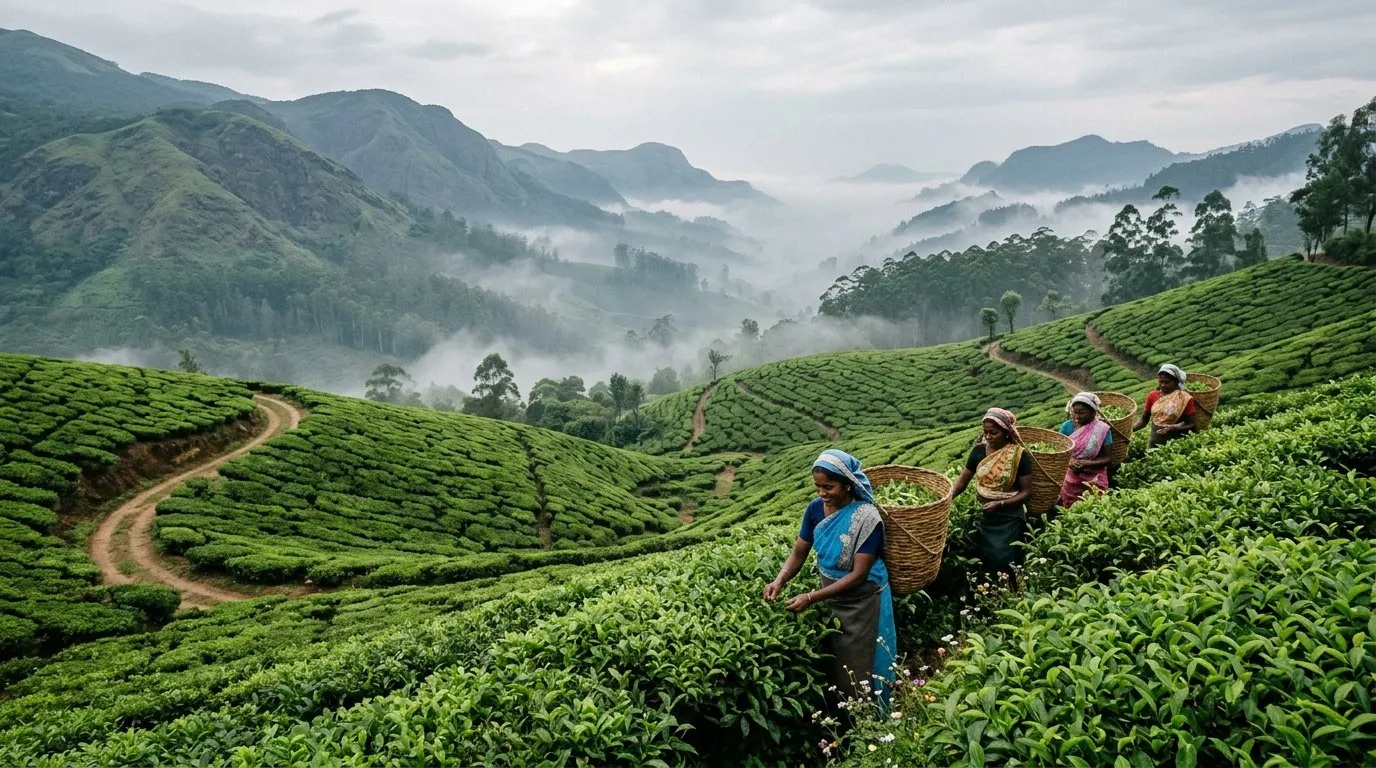
Ranked by NakshIQ Score · Ties broken by editorial richness · Hover for full color
Where to go in India
April in India — where the data says go, wait, and skip
Every destination scored 0-10 for April — weather, roads, crowds, festivals. Go first, then Wait, then Skip. No opinions, just the data.
The other scoring 10/10
10/1065 destinations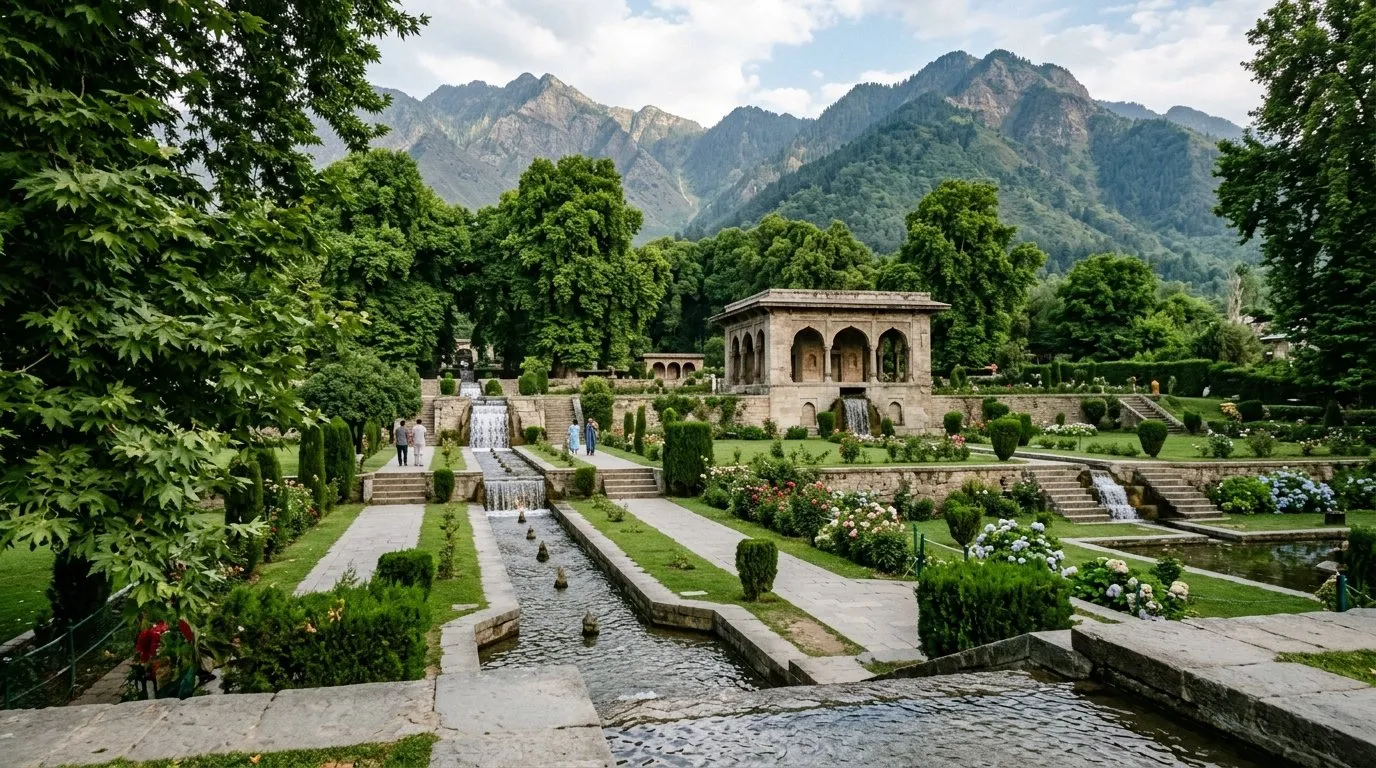
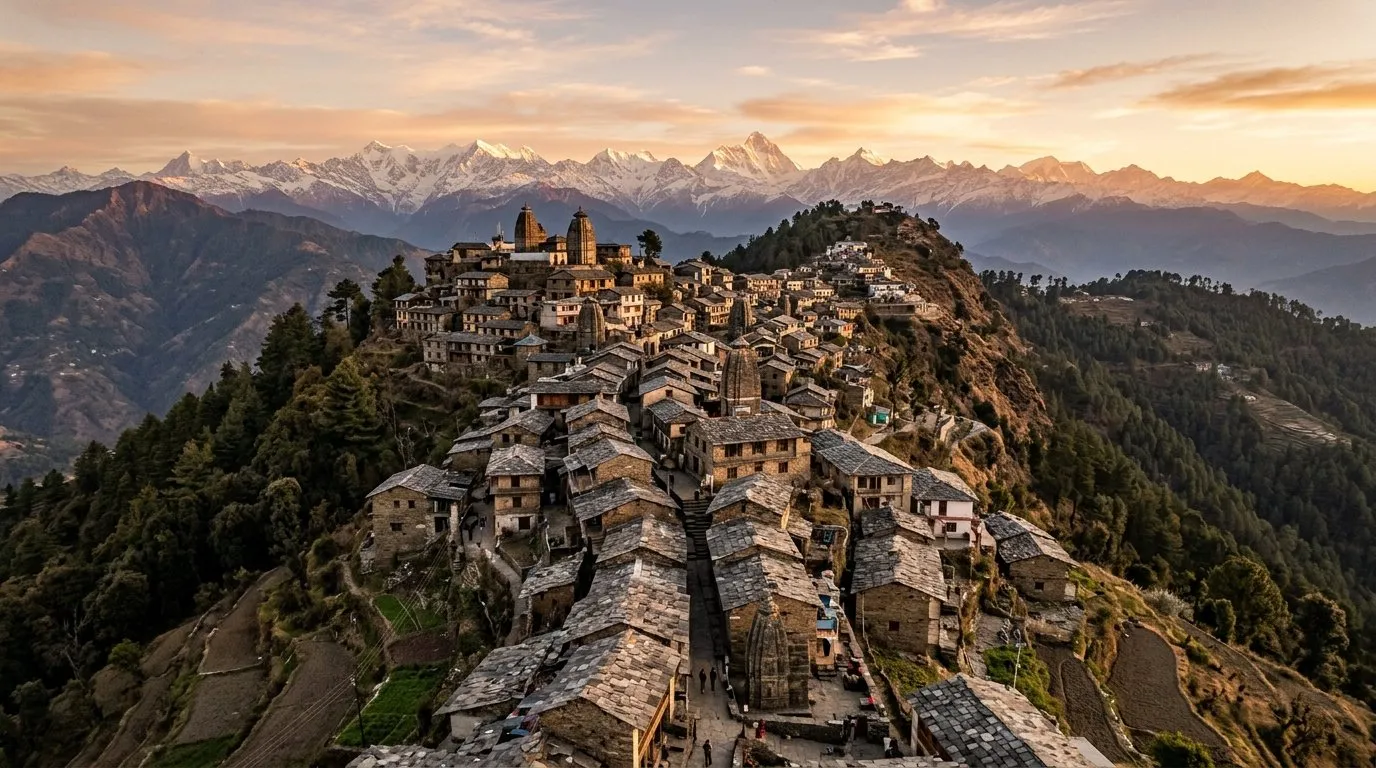
A good time
8/1076 destinations




Fair
6/10195 destinationsWhere to skip
184 destinationsThese destinations score poorly in April — bad weather, closed roads, or dangerous conditions. Save them for a better month.
April at Adilabad — afternoon temperatures push into 38-40°C territory across Telangana; outdoor heritage circuits get uncomfortable. Gond tribal heartland should plan for Jul–Jan.
April at Agra — the plains heat starts in earnest — 38°C by mid-month, afternoons flatten, and there's no improvement until September. First-time India travelers on the Golden Triangle should plan for Feb–Mar, Oct–Dec.
April is Ahmedabad's heat-island bite — 28-41C, midday sun that bleaches the pol photographs, and Sabarmati riverfront walks impossible after 8am. Calico Museum and AC interiors are the only outdoor-substitute days. Save heritage walking for Nov-Feb.
April in Ahobilam pushes the Upper Lakshmi Narasimha trek out of viability. The 7km forest gorge climb cannot run past 7am at 35-37C. Lower Ahobilam still workable but the full Nava Narasimha 9-temple circuit collapses. October opens the proper window.
April at Ajanta is harsh — 23-40°C, the horseshoe-canyon cave-trail dangerously hot past 9am, the 3-4 km between-cave walk debilitating, and the 100 km return drive to Aurangabad punishing. Skip unless flexibility forces.
April at Ajmer — afternoon temperatures cross 40°C by mid-month and don't come down until September; the version of the place you'd see is the pre-dawn sliver. Sufi pilgrimage should plan for Feb–Mar, Oct–Dec.
April at Alchi — snow-melt season means unstable slopes and swollen streams; some roads cleared but not reliably. Earliest Buddhist art in Ladakh should plan for Jun–Sep.
April at Alwar — afternoon temperatures cross 40°C by mid-month and don't come down until September; the version of the place you'd see is the pre-dawn sliver. Bhangarh haunted legend should plan for Feb–Mar, Oct–Dec.
April in Ambaji is summer heat. Daytime 25-39°C, the Aravalli foothills baking, Gabbar Hill climb unsafe for sustained climbing, and the main temple still accessible but with heat-compressed visit windows.
April pushes Arambol into pre-monsoon stress. Yoga schools closed, drum circles thinned, beach time collapses past 10am. Cliff-trail walk to Kalacha gets uncomfortable. Wait for late October.
April Aurangabad turns brutal — 23-40°C, the city broils in plateau-summer dry heat, Bibi Ka Maqbara's white marble becomes blinding, Daulatabad's 200m climb dangerous, and Ajanta-Ellora cave walks exhausting past 9am.
April delivers the first wave of Tamil Nadu summer. Outdoor cycling, organic-farm walks, the international-pavilions loop all collapse before noon. April 24 darshan day (anniversary of The Mother's final return to Pondicherry) closes Matrimandir and most kitchens to non-residents.
April at Ayodhya — the plains heat starts in earnest — 38°C by mid-month, afternoons flatten, and there's no improvement until September. Ram Mandir consecration (2024) should plan for Feb–Mar, Oct–Dec.
April at Barmer — afternoon temperatures cross 40°C by mid-month and don't come down until September; the version of the place you'd see is the pre-dawn sliver. Kiradu Mini Khajuraho should plan for Feb–Mar, Oct–Dec.
April at Barnawapara — afternoon heat stops being workable for non-wildlife activities; sightseeing in Khajuraho, Gwalior suffers after 11am. Chhattisgarh primary sanctuary should plan for Nov–Mar.
Heat peaks at 35-38°C making afternoon activities unsafe. Midday safari traffic is strictly limited. Animals move very little during day. Water availability is limited.
April Bhandardara at 750m is pre-firefly limbo — 17-33°C, Arthur Lake bottoming out, Sandhan Valley closed for season, Kalsubai trek heat-stroke risk. Last week of April brings firefly tease but full peak is May.
April at Bharatpur — afternoon temperatures cross 40°C by mid-month and don't come down until September; the version of the place you'd see is the pre-dawn sliver. UNESCO bird sanctuary should plan for Feb–Mar, Oct–Dec.
April at Bhavnagar: 24-38C, Gulf humidity climbing. Outdoor heritage walks compress to dawn and dusk. Palitana climb becomes dangerous (heat-stroke risk on exposed 3,800 steps). Velavadar reduced to dawn-only safaris. Nilambag Palace AC remains the day-base.
April Bhimashankar at 940m is hot pre-summer — 21-34°C, sanctuary trails afternoon-uncomfortable, Jyotirlinga darshan morning-only. Even Indian Giant Squirrel sightings reduced as afternoon heat drives them deep into canopy.
April at Bhopal — afternoon heat stops being workable for non-wildlife activities; sightseeing in Khajuraho, Gwalior suffers after 11am. Nawabi Bhopal heritage should plan for Oct–Mar.
Afternoon temperatures become uncomfortable. Pre-monsoon dust affects visibility. Walking in midday heat is unpleasant. Peak visiting is early morning only.
April in Bidar is when the Bahmani-circuit trip narrows to dawn-only. The fort walls, the Mahmud Gawan facade, the Ashtur tomb row all 38-39C daytime, stone surface 45C. The Bidar plateau elevation softens the worst of it but pre-dawn only. Push to October.
April at Bikaner — afternoon temperatures cross 40°C by mid-month and don't come down until September; the version of the place you'd see is the pre-dawn sliver. Karni Mata Rat Temple should plan for Feb–Mar, Oct–Dec.
April at Bodh Gaya — Bihar plains hit 40°C regularly; sightseeing at Bodh Gaya, Nalanda, Rajgir reduces to sunrise-only. Buddha enlightenment site should plan for Oct–Mar.
April at Bundi — afternoon temperatures cross 40°C by mid-month and don't come down until September; the version of the place you'd see is the pre-dawn sliver. Chitrashala miniature paintings should plan for Feb–Mar, Oct–Dec.
April brings Champaner-Pavagadh's harsh heat — 25-39°C, the open-air mosques and Pavagadh climb dangerous after 9am. Sandstone fortifications reflect heat at 5°C above ambient. Save the UNESCO experience for Nov-Feb.
April heat peaks at 38–42°C with 95% humidity, making outdoor exploration exhausting; Mahabs day-trip is heat-stroke territory.
April in Chettinad is the inland-plains heat dome. Mansion-village walks (the trip-defining experience) collapse mid-day. Heritage interiors stay workable but the village-to-village circuit fails. Wait for October.
April at Chitkul — snow-melt season means unstable slopes and swollen streams; some roads cleared but not reliably. End-of-road seekers should plan for May, Sep–Oct.
April at Chitrakoot — the plains heat starts in earnest — 38°C by mid-month, afternoons flatten, and there's no improvement until September. Ramayana exile site should plan for Feb–Mar, Oct–Dec.
Temperatures remain extreme (36–40°C). Tourist infrastructure is minimal. Roads are dusty. The falls are not yet at their dramatic best.
April delivers the first wave of Konkan summer. Salim Ali sanctuary becomes a sunrise-only proposition; the mid-day mangrove wood-walks are unwalkable. Migrant species mostly gone. Three Kings Chapel hilltop walk on Divar collapses past 10am.
April brings plains heat to Coimbatore — 23-38C with humidity climbing. Sightseeing outdoors compresses to 6-10am and 6-9pm windows only. Adiyogi and Marudhamalai workable dawn-only. Use city as a 12-hour gateway to Ooty/Coonoor/Valparai if season demands.
April pushes Dakor into hot summer. Daytime 25-39°C, Ranchhodraiji darshan workable in cooler hours but afternoon temple courtyard walks unforgiving, and Holi has just ended. Wait until October Sharad Purnima.
Pre-monsoon heat and humidity peak before orchid season fully establishes, and road conditions become unreliable mid-month.
April at Daulatabad is genuinely dangerous — 23-40°C, the bare-rock 200m conical hill climb at heat-stroke risk past 9am, the basalt steps absorbing and radiating heat. Skip unless circumstances force a dawn-only attempt.
April at Deeg — afternoon temperatures cross 40°C by mid-month and don't come down until September; the version of the place you'd see is the pre-dawn sliver. Bharatpur Jat heritage should plan for Feb–Mar, Oct–Dec.
April at Deoghar — Bihar plains hit 40°C regularly; sightseeing at Bodh Gaya, Nalanda, Rajgir reduces to sunrise-only. Baidyanath Jyotirlinga should plan for Oct–Mar.
April is when the falls themselves are not really the trip. Flow is a thin trickle, valley heat at 32-34C, jeep dusty, and the iconic spray-through-the-bridge moment is gone until October. Wait for October — the same logistics with five times the flow.
April at Dungarpur — afternoon temperatures cross 40°C by mid-month and don't come down until September; the version of the place you'd see is the pre-dawn sliver. Juna Mahal preserved paintings should plan for Feb–Mar, Oct–Dec.
April at Dwarka: 27-37C, humid Arabian Sea coast with sticky afternoons. The exposed Jagat Mandir plaza bakes by mid-morning, Bet Dwarka ferry runs but the boat itself is unshaded. Pilgrims with fixed dates can still get the temple done in pre-9am light but day-windows collapse.
April at Ellora is harsh — 23-40°C, the Kailasa courtyard (cut down into the rock, sun-exposed) genuinely dangerous past 9am, the 34-cave inter-cave walks brutal. Cave interiors stay cool but exterior transitions exhausting. Skip unless forced.
April at Fatehpur Sikri — the plains heat starts in earnest — 38°C by mid-month, afternoons flatten, and there's no improvement until September. UNESCO Mughal capital should plan for Oct–Mar.
April brings Gandhinagar's harsh heat — 26-40°C, the tree-shade no longer compensating, and Akshardham and Adalaj reduced to early-morning hours. The sector grid traps heat between buildings, and outdoor walks unworkable from 10am.
April at Gandikota loses the fort walk. Daytime 36-38C with rock surface 45-48C makes the 13-acre fort plateau and the Pennar gorge cliff position unsafe past 8am. Sunset photo still viable. October opens the proper window.
April at Guptkashi — snow-melt season means unstable slopes and swollen streams; some roads cleared but not reliably. Kedarnath helicopter base should plan for May–Jun, Sep–Oct.
April Igatpuri at 600m is hot and dry — 19-35°C, waterfalls dead, ridges burnt, Kalsubai trek heat-stroke risk. Even Vipassana attendance dips. Pivot to higher hills.
April at Jagdalpur — afternoon heat stops being workable for non-wildlife activities; sightseeing in Khajuraho, Gwalior suffers after 11am. Niagara of India should plan for Oct–Mar.
April at Jaisalmer — afternoon temperatures cross 40°C by mid-month and don't come down until September; the version of the place you'd see is the pre-dawn sliver. Rajasthan heritage circuit travelers should plan for Oct–Feb.
Daytime temperatures reach 32-35°C even at 914m elevation. Afternoon activity is unsafe. Water scarcity on trails increases. Dry vegetation increases fire risk.
April at Jodhpur — afternoon temperatures cross 40°C by mid-month and don't come down until September; the version of the place you'd see is the pre-dawn sliver. Mehrangarh Fort should plan for Oct–Feb.
April at Junagadh: 24-39C, pre-summer Saurashtra heat. Uparkot Fort exposed walks unsuitable midday, Girnar climb dangerous (exposed rock + 9,999 steps), Ashokan Edicts the only outdoor anchor still workable in shade. Day-windows collapse to dawn and dusk only.
April heat exhaustion zone (27-40°C) makes daytime exploration punishing. Temple visits compress to pre-dawn only; outdoor comfort collapses.
April at Kargil — snow-melt season means unstable slopes and swollen streams; some roads cleared but not reliably. Kargil War Memorial pilgrimage should plan for Jun–Sep.
April Khandala is full Sahyadri pre-summer at 625m — 22-36°C midday, brown burnt landscape, Duke's Nose lost in dust haze. The Mumbai-Pune weekend traffic has pivoted to higher hills and Konkan coast.
April at Kishtwar — snow-melt season means unstable slopes and swollen streams; some roads cleared but not reliably. Kashmir saffron should plan for Jun–Sep.
April at Kolhapur is hot — 23-38°C, Mahalakshmi Temple queue compounds get oppressive, Panhala Fort 18 km away dangerous to climb past 9am, kushti talim activity reduces. Skip unless devotee-must for festival-specific timing.
April at Kolkata — Kolkata gets hot-humid by mid-month; Sundarbans' trekking/walking programs wind down. Cultural + literary capital should plan for Oct–Mar.
Heat dome opens across South India in April. At 28–39°C with 78% humidity, temple courtyards become nearly unbearable after 10am. The Tamil New Year (14 April) brings crowds but offers no cultural offset to the discomfort.
April at Kumbhalgarh — afternoon temperatures cross 40°C by mid-month and don't come down until September; the version of the place you'd see is the pre-dawn sliver. Great Wall of India should plan for Feb–Mar, Oct–Dec.
April at Kurukshetra — the plains heat starts in earnest — 38°C by mid-month, afternoons flatten, and there's no improvement until September. Bhagavad Gita site should plan for Feb–Mar, Oct–Dec.
April at Kushinagar — the plains heat starts in earnest — 38°C by mid-month, afternoons flatten, and there's no improvement until September. Buddha Mahaparinirvana site should plan for Feb–Mar, Oct–Dec.
April at Lahaul Valley — snow-melt season means unstable slopes and swollen streams; some roads cleared but not reliably. Atal Tunnel access should plan for May–Jul, Sep–Oct.
April at Lambasingi has fully transitioned out of the frost window. The destination is built around sub-zero mornings — without those, it competes with cooler-and-closer hill alternatives. December opens the proper window. Wait 8 months.
April at Leh — snow-melt season means unstable slopes and swollen streams; some roads cleared but not reliably. First-time India high-altitude travelers should plan for Jun–Sep.
April pushes Lepakshi into Rayalaseema heat dome. Daytime 35-37C, the temple precinct granite floors retain heat through afternoon. Outdoor walks impossible 10am-5pm. October is dramatically better.
April at Lonar Crater is harsh Vidarbha summer — 25-41°C, the bare-exposed rim and crater-bowl effectively closed for safe daytime tourism. The lake-descent path dangerous, no shade anywhere on rim. Skip unless dawn-only visit feasible.
April in Lonavala is full Sahyadri summer-prep — 22-36°C by midday, brown burnt landscape, zero waterfalls, Bhushi Dam dead, Tiger Point views hazed by Deccan dust. Mumbai-Pune families have pivoted to hills above 1300m.
April at Lothal brings harsh heat — 27-38°C, the open ASI dockyard genuinely unkind after 9am, and the day-trip windowing tight. ASI museum AC remains the dependable interior. Save the Indus Valley archaeology visit for Nov-Feb.
April at Lucknow — the plains heat starts in earnest — 38°C by mid-month, afternoons flatten, and there's no improvement until September. Nawabi heritage + Awadhi cuisine should plan for Feb–Mar, Oct–Dec.
April pre-monsoon heat climbs to 25–34°C with humidity at 75 percent. Kitesurfing is wound down, and yoga schools close. Beach time becomes uncomfortable before noon.
April pushes Mandvi past comfort. Daytime 35-38C with high humidity, sea breeze unable to keep up, beach time compresses to dawn only, and Vijay Vilas Palace becomes a midday refuge rather than a day activity.
April Matheran loses its core advantage — at 803m it stays 8-10°C cooler than Mumbai but laterite ridge-walks become uncomfortable, midday heat punishing on the 8-12km daily-walk needed to cover viewpoints, and toy-train cabins overheat.
April at Mathura — the plains heat starts in earnest — 38°C by mid-month, afternoons flatten, and there's no improvement until September. Krishna birth + Braj pilgrimage should plan for Feb–Mar, Oct–Nov.
April pushes Modhera into hot season. Daytime 25-39°C, sabha mandap walks need pre-9am starts, the Surya Kund reflection photography compressed to early morning, and the destination winding down for the year.
Pre-summer heat climbs to 33C with 70% humidity. Wildlife retreats to deep waterholes. Dry season leaves waterfalls to trickles. Trails hot and exposed.
Pre-monsoon heat peaks (25-34C, 75% humidity). Turtle nesting season closed. Russian crowd departed. Limited shade as shacks close. Uncomfortable conditions.
April at Girnar: 23-38C with high humidity. The 9,999-step climb becomes a heat-stroke risk — exposed basalt steps reach 50C+ surface temperature by 10am. Even ropeway access compresses to early morning (7-10am). Outdoor pilgrim circuits collapse to dawn-only.
April at Nalanda — Bihar plains hit 40°C regularly; sightseeing at Bodh Gaya, Nalanda, Rajgir reduces to sunrise-only. UNESCO ancient university should plan for Oct–Mar.
April Nashik at 565m is hot Deccan summer — 19-38°C, vineyards uncomfortable for tours, Trimbakeshwar climb morning-only, Godavari ghats hot. Wine season cold-storage only.
April at Neemrana — afternoon temperatures cross 40°C by mid-month and don't come down until September; the version of the place you'd see is the pre-dawn sliver. Weekend from Delhi should plan for Feb–Mar, Oct–Dec.
April at Netarhat — Bihar plains hit 40°C regularly; sightseeing at Bodh Gaya, Nalanda, Rajgir reduces to sunrise-only. Queen of Chotanagpur should plan for Oct–Mar.
April at Osian — afternoon temperatures cross 40°C by mid-month and don't come down until September; the version of the place you'd see is the pre-dawn sliver. Pratihara temple cluster should plan for Feb–Mar, Oct–Dec.
April heat on the Deccan foothills makes the 700-step climb to the hilltop shrine punishing; pilgrims face a long exposed ascent under intense sun, and the temple complex at the top offers little shade, making the visit genuinely uncomfortable outside early-morning hours.
April at Palitana: 23-38C. Too hot for the 3,800-step climb — heat-stroke risk extreme on exposed basalt sections by 10am. Climb officially discouraged for non-locals. Vijay Vilas Palace heritage stay continues but the Jain-pilgrimage anchor narrative collapses to dawn-only.
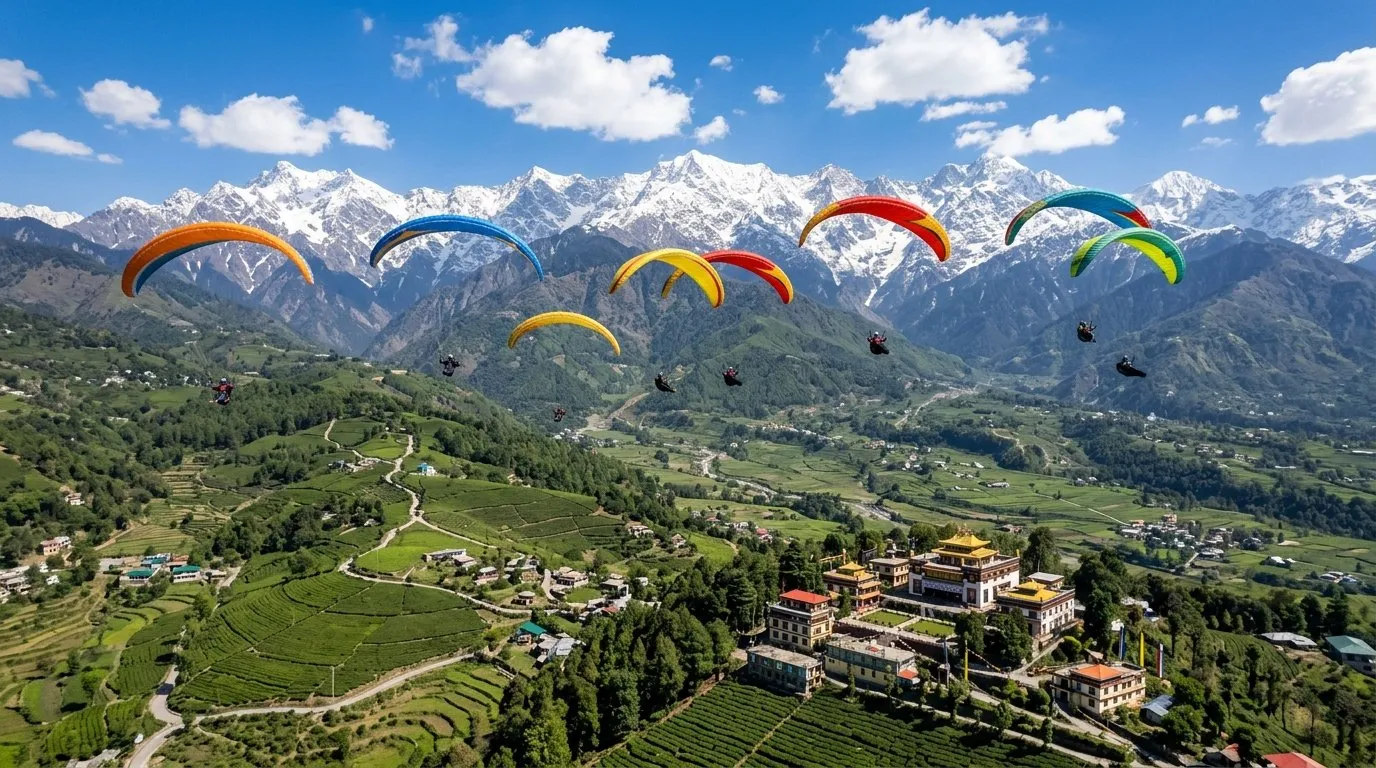
April Panchgani at 1334m is heat-prep — 18-32°C, Table Land plateau afternoon-uncomfortable, paragliding morning-only with reduced thermal stability, strawberry season fully over at Mapro Garden 5km away. Hill-station product significantly weakened.
April at Patna — Bihar plains hit 40°C regularly; sightseeing at Bodh Gaya, Nalanda, Rajgir reduces to sunrise-only. Patna Sahib Sikh pilgrimage should plan for Oct–Mar.
April at Pawapuri — Bihar plains hit 40°C regularly; sightseeing at Bodh Gaya, Nalanda, Rajgir reduces to sunrise-only. Mahavira nirvana site should plan for Oct–Mar.
Peak summer heat reaches 35-38°C. The temple's exposed areas offer minimal shade. Outdoor activities are limited to early morning hours (before 9am). Heat-related illness risk is significant.
April at Porbandar: 25-37C, humid Arabian Sea coast with sticky afternoons. Gandhi heritage walks compress to dawn and dusk; outdoor circuits collapse midday. Beach access limited to early morning only. Heritage-circuit travellers should defer to Oct-Mar.
April at Prayagraj — the plains heat starts in earnest — 38°C by mid-month, afternoons flatten, and there's no improvement until September. Kumbh Mela pilgrimage should plan for Oct–Feb.
April Pune is uncomfortably hot — 22-38°C, dry plateau heat, Sinhagad climbs untenable past 9am, heritage walks at Shaniwar Wada and Aga Khan Palace exhausting by 11am. Indoor-only city use; outdoor circuits punishing.
April at Pushkar — afternoon temperatures cross 40°C by mid-month and don't come down until September; the version of the place you'd see is the pre-dawn sliver. Pushkar Camel Fair should plan for Feb–Mar, Oct–Dec.
April Raigad is hot — 22-37°C, summit basalt oven-hot past 9am, 1737-step climb dangerous in heat, ropeway running but exposed summit plateau uncomfortable. Dawn-only visits work but most travellers postpone to October-February.
April at Rajgir — Bihar plains hit 40°C regularly; sightseeing at Bodh Gaya, Nalanda, Rajgir reduces to sunrise-only. Buddha Lotus Sutra site should plan for Oct–Mar.
April brings Rajkot's harsh dry heat — 26-40°C, the Saurashtra-dry burn that makes outdoor heritage workable only at dawn. Gandhi sites and Khambhalida day-trip reduced to early-morning windows.
April at Ranchi — Bihar plains hit 40°C regularly; sightseeing at Bodh Gaya, Nalanda, Rajgir reduces to sunrise-only. Jharkhand capital should plan for Oct–Mar.
April pushes Rani ki Vav into hot season — outside 25-39°C, stepwell interior stays cool but the approach and surrounds dangerous in midday heat. Visit pre-9am or skip until November.
April outside the Vishu 10-day opening is post-Mandala closure. The 5km Pampa-Sannidhanam trek route is closed, KSRTC special-bus services from Kottayam suspend, and Pampa parking runs skeleton operations. Outside Vishu, skip.
April at Sanchi — afternoon heat stops being workable for non-wildlife activities; sightseeing in Khajuraho, Gwalior suffers after 11am. UNESCO Buddhist pilgrimage should plan for Oct–Mar.
April at Sarnath — the plains heat starts in earnest — 38°C by mid-month, afternoons flatten, and there's no improvement until September. Buddha first sermon site should plan for Oct–Mar.
April at Shantiniketan — Kolkata gets hot-humid by mid-month; Sundarbans' trekking/walking programs wind down. UNESCO Visva-Bharati should plan for Oct–Mar.
April at Shekhawati — afternoon temperatures cross 40°C by mid-month and don't come down until September; the version of the place you'd see is the pre-dawn sliver. Open-air fresco gallery should plan for Feb–Mar, Oct–Dec.
April at Shirdi is hot — 26-40°C, the queue compounds become heat-stress zones for the 40,000+ daily pilgrims, mid-day darshan physically draining. Ram Navami Apr 2026 brings massive crowds despite heat. Skip unless devotee-must.
April at Sirpur — afternoon heat stops being workable for non-wildlife activities; sightseeing in Khajuraho, Gwalior suffers after 11am. Laxman Temple (brick) should plan for Oct–Mar.
April at Somnath hits 26-37C on the Saurashtra coast — humid, sticky, and the open seafront aarti zone bakes by mid-morning. Darshan and indoor temple visits still work in dawn windows but most outdoor sightseeing collapses into 6-9am and post-7pm slots, leaving 10 daytime hours unusable.
April at Sonamarg — snow-melt season means unstable slopes and swollen streams; some roads cleared but not reliably. Kashmir Great Lakes trek should plan for May–Jun, Sep–Oct.
April pre-monsoon heat (23–37°C, 75% humidity) peaks. Plantation walks compress to narrow windows. Peak heat makes midday walks exhausting, limiting plantation exploration.
April at Spiti Valley — snow-melt season means unstable slopes and swollen streams; some roads cleared but not reliably. Trans-Himalayan first taste should plan for Jun, Sep–Oct.
April at Sravasti — the plains heat starts in earnest — 38°C by mid-month, afternoons flatten, and there's no improvement until September. Buddha 24-year teaching site should plan for Feb–Mar, Oct–Dec.
April brings Statue of Unity's harsh heat — 26-40°C, the open plaza approach and Valley of Flowers walks dangerous after 9am. Viewing gallery AC but the approach uncomfortable. Save the SoU experience for Nov-Feb.
April at Sundarbans — Kolkata gets hot-humid by mid-month; Sundarbans' trekking/walking programs wind down. UNESCO mangrove tiger habitat should plan for Oct–Mar.
April brings Surat's harsh humid heat — 28-38°C, the Tapi riverfront sticky-hot, food-trail evenings unappealing, and outdoor heritage reduced to early-morning windows. Save the Surti food capital experience for Nov-Feb.
April is peak heat season across Tamil Nadu's plains, and Swamimalai sits in the Cauvery delta with no elevation relief. Temperatures are oppressive through the afternoon, making the open temple courtyards and bronze-casting workshops uncomfortable to linger in.
April heat dome opens and temple exploration becomes unworkable. The 28-39C range and 78% humidity compress Brihadeeswara walks to brief dawn sessions only. Wait for October.
April is peak heat season on Tamil Nadu's coast; the exposed temple corridors and open shoreline feel punishing by mid-morning. Pilgrimage numbers rise before the summer school holidays end, making queues longer in already uncomfortable conditions.
Daytime temperatures exceed 33°C at base; afternoon heat on exposed steps is dangerous. Dehydration risk increases rapidly.
April is the hottest month near Madurai; the rock-cut temple interiors stay dimly cool but the climb and courtyard are exposed to fierce afternoon heat. Pilgrimage queues are longer and the surrounding plains offer no shelter from the sun.
Peak summer heat reaches 35-38°C. The 365 temple steps become dangerous in direct sun. Afternoons are nearly impossible for outdoor activity. High heat-stroke risk.
April's heat dome brings 25-38C temperatures. Girivalam barefoot exploration becomes impossible mid-day and extended stays at ashrams lose appeal. Wait for October to return.
April at Tosamaidan — snow-melt season means unstable slopes and swollen streams; some roads cleared but not reliably. Artillery range decommissioned should plan for May–Sep.
April Trimbakeshwar at 750m is hot pre-summer — 20-36°C, Brahmagiri Hill climb dawn-only, Kushavarta Kund steps midday-uncomfortable, Jyotirlinga darshan workable morning windows only.
April at Ujjain — afternoon heat stops being workable for non-wildlife activities; sightseeing in Khajuraho, Gwalior suffers after 11am. Mahakaleshwar Jyotirlinga should plan for Oct–Mar.
April brings Vadodara's harsh heat — 26-40°C, the city-of-gardens tree shade no longer enough, and Laxmi Vilas Palace grounds and Champaner UNESCO both reduced to early-morning hours. Save the heritage circuit for Nov-Feb.
April pushes Vijayawada into pre-monsoon dome. Outdoor walks impossible 10am-5pm under 35-37C. Kanaka Durga 530-step climb unsafe. Temple-and-river trip works only at dawn/dusk. October-March is the proper window.
April at Vrindavan — the plains heat starts in earnest — 38°C by mid-month, afternoons flatten, and there's no improvement until September. Banke Bihari devotional peak should plan for Feb–Mar, Oct–Nov.
April pushes Aihole into the strict-skip stretch. Northern Karnataka plateau hits 40-41C daytime; the 120-temple village has minimal shade between Durga, Lad Khan, Meguti, and Ravan Phadi clusters. Cluster-to-cluster walks heat-stroke territory noon-5pm. Push to October.
April Amboli is dry-pre-monsoon — 22-34°C, Sahyadri scarp hot for hill-station, waterfalls stopped, biodiversity in summer-retreat. Skip — wait Jul-Aug.
April is the year's low point for Athirapally flow — the 80-feet structure visible but waterless. Heat at 32-36C makes the descending trail walk unpleasant. Wait for June.
Heat dome opens. 23-41C. Red sandstone cliffs radiate 48C+. The trip cannot happen mid-day. Cave interiors offer refuge but outdoor circuits become unsafe.
April at Badrinath — snow-melt season means unstable slopes and swollen streams; some roads cleared but not reliably. Char Dham Yatra should plan for May–Jun, Sep–Oct.
April at Bangus Valley — snow-melt season means unstable slopes and swollen streams; some roads cleared but not reliably. Offbeat Kashmir meadow should plan for Jun–Sep.
April pushes Bijapur into the strict-skip stretch. Northern Karnataka plateau hits 40-41C. Gol Gumbaz spiral staircase interior reaches 48C with no ventilation — the climb becomes dangerous. Ibrahim Rauza courtyard, Jami Masjid open hall, Malik-i-Maidan all heat-locked. Push to October.
April is when BRO clearance picks up on the Atal Tunnel side, but Kunzum Pass and the Chandratal access road are 6-8 weeks from opening. Lake ice begins melting late month. No camps, no road, no visit.
Peak rain-shadow heat hits 26-37°C. Trails become dangerous past 9am. Falls reduce to trickles. The extreme heat and dry season make both trekking and wildlife spotting futile.
April heat dome reaches 23-40°C. Granite boulder surfaces hit 48°C. The fort becomes physically closed by physics at midday. April is genuinely unsafe for climbing.
April at Chittorgarh — afternoon temperatures cross 40°C by mid-month and don't come down until September; the version of the place you'd see is the pre-dawn sliver. UNESCO Hill Forts of Rajasthan should plan for Feb–Mar, Oct–Dec.
April is peak dry season with waterfalls completely dry and temperatures soaring to 27–37°C. The main draw — the herb-infused cascading water — is absent, leaving only dust and heat.
April is unusable Dholavira. Daytime 40-44C in the open Khadir Bet desert, zero shade on the Harappan ruins, and the destination essentially closes to leisure tourism. The site is open in principle but visiting becomes a heat-tolerance test.
April at Drass — snow-melt season means unstable slopes and swollen streams; some roads cleared but not reliably. Kargil War Memorial should plan for Jun–Sep.
April at Gangotri — snow-melt season means unstable slopes and swollen streams; some roads cleared but not reliably. Char Dham + Ganga source should plan for May–Jun, Sep–Oct.
April pushes Gulbarga into the strict-skip stretch. Northern Karnataka plateau hits 40-41C. Outdoor Bahmani Tombs walk, Gulbarga Fort perimeter, Sannati day-trip all unworkable. The fully-roofed Jama Masjid interior stays cool but the rest of the circuit fails. Push to October.
April at Gwalior — afternoon heat stops being workable for non-wildlife activities; sightseeing in Khajuraho, Gwalior suffers after 11am. Scindia heritage should plan for Oct–Mar.
April pushes Hampi into furnace mode. The Northern Karnataka plateau hits 40-42C daytime; granite boulders re-radiate to 50C+ surface. The Vittala-to-Royal-Enclosure walk and Matanga climb are heat-stroke territory noon-5pm. There is no version of the Hampi trip that works in April. Push to October.
April at Hanle — snow-melt season means unstable slopes and swollen streams; some roads cleared but not reliably. Serious astrophotographers should plan for Jun–Sep.
April is when the Indian Army crews push hard on snow clearance from Govindghat to Hemkund. Helicopter bookings open April 15 at heliyatra.irctc.co.in for the May 22-June 15 window. Yatra still 4-6 weeks from open. Skip for travel; book ahead.
April is at heat-and-dry confluence. Cauvery 10-15 percent flow. Gorge bare rock at 38C surface heat. Falls non-existent. Tagline flags Jan-May as avoid. Skip.
April is the worst Jog Falls month. Falls at minimum flow, Western Ghats foothills heat brutal at 33-35C, no monsoon respite. The 253m plunge is a trickle.
April at Kedarnath — snow-melt season means unstable slopes and swollen streams; some roads cleared but not reliably. Jyotirlinga pilgrimage should plan for May, Sep–Oct.
April at Khajuraho — afternoon heat stops being workable for non-wildlife activities; sightseeing in Khajuraho, Gwalior suffers after 11am. Indian art history + temple architecture travelers should plan for Oct–Mar.
BRO clearance is underway but civilian passage remains officially closed (-18°C nights). Apricot blossoms appear in lower Nubra but the pass itself is inaccessible.
April brings spring warmth to lower elevations. Kalpa is fully accessible by road; daytime temperatures reach 10–15°C. However, the higher Parikrama route (above 4,800m) remains snow-covered. The trek is not fully open until June. This is an early planning window but not for trekking.
April brings pre-monsoon heat (32-36°C) and unstable atmospheric conditions. Roads in this remote region become damaged. Tourist access is limited. Heat makes trekking dangerous.
April Kolad is full off-season — Tata Power Bhira Dam at summer drawdown low, Kundalika River bone-dry, all rafting operators closed, hot 22-38°C at the riverbed basin. Wait for July monsoon-restart.
April pushes Bhuj into extreme heat. Daytime 40-42C, desert sun unforgiving, craft villages compress to dawn-only visits, and the Rann is a flat blazing surface with no shade. There is no good reason to visit Kutch in April unless heat-tolerant business compels it.
April at Lamayuru — snow-melt season means unstable slopes and swollen streams; some roads cleared but not reliably. Oldest Ladakhi monastery should plan for Jun–Sep.
April at Likir — snow-melt season means unstable slopes and swollen streams; some roads cleared but not reliably. Likir Pottery tradition should plan for Jun–Sep.
April at Mandu — afternoon heat stops being workable for non-wildlife activities; sightseeing in Khajuraho, Gwalior suffers after 11am. Afghan-Malwa architecture should plan for Jul–Mar.
Though the pass becomes passable by late April, government yatra operations do not begin until May. Early independent attempts face unsupported conditions, unpredictable weather, and insufficient acclimatization logistics.
April at Nagpur is hot — 24-42°C, the Vidarbha summer brutality, city heritage walking dangerous past 9am. Tadoba 150 km E hits PEAK sighting season (animals at waterholes) but heat brutal. Skip city; pivot to Tadoba dawn-safari only.
April at Nubra Valley — snow-melt season means unstable slopes and swollen streams; some roads cleared but not reliably. Khardung La milestone should plan for Jun–Sep.
April at Orchha — afternoon heat stops being workable for non-wildlife activities; sightseeing in Khajuraho, Gwalior suffers after 11am. Bundela dynasty architecture should plan for Jul–Mar.
April at Pangong Tso — snow-melt season means unstable slopes and swollen streams; some roads cleared but not reliably. Travelers completing the Leh/Ladakh pilgrimage should plan for Jun–Sep.
April heat dome (23–41°C) makes the open-air 10-temple complex unworkable mid-day. April heat makes temple-hopping across exposed stone grounds physically grueling here.
April sanctuary closes. Lagoons dry. Flamingos depart. No visitor access. Reopens November. Peak heat and closed nesting season make April nearly impossible for wildlife viewing.
April is full off-season at Pulicat. Flamingos have departed. The lagoon water recedes sharply through summer — large stretches become sandflat. Mosquito load high. Boat trips closed. The bird-watching trip Pulicat is built for is functionally impossible.
Why you might hold: April — Andhra/Odisha plains push into 38-42°C range; coastal humidity makes daytime sightseeing exhausting. If the dates flex, Oct–Mar is the cleaner call for Puri.
April is unusable Rann. Daytime 40-44C, the white salt flat a blazing oven, no shade, and Rann Utsav has been closed two months. The destination is functionally closed to tourism.
April at Roopkund — snow-melt season means unstable slopes and swollen streams; some roads cleared but not reliably. Skeleton Lake mystery should plan for May–Jun, Sep–Oct.
April brings serious heat to the Deccan plateau: the Kaas plateau wildflower bloom is months away (it peaks in August-September), the fort climbs are harsh in the building pre-monsoon heat, and there is little else drawing visitors to the district that justifies a trip in these conditions.
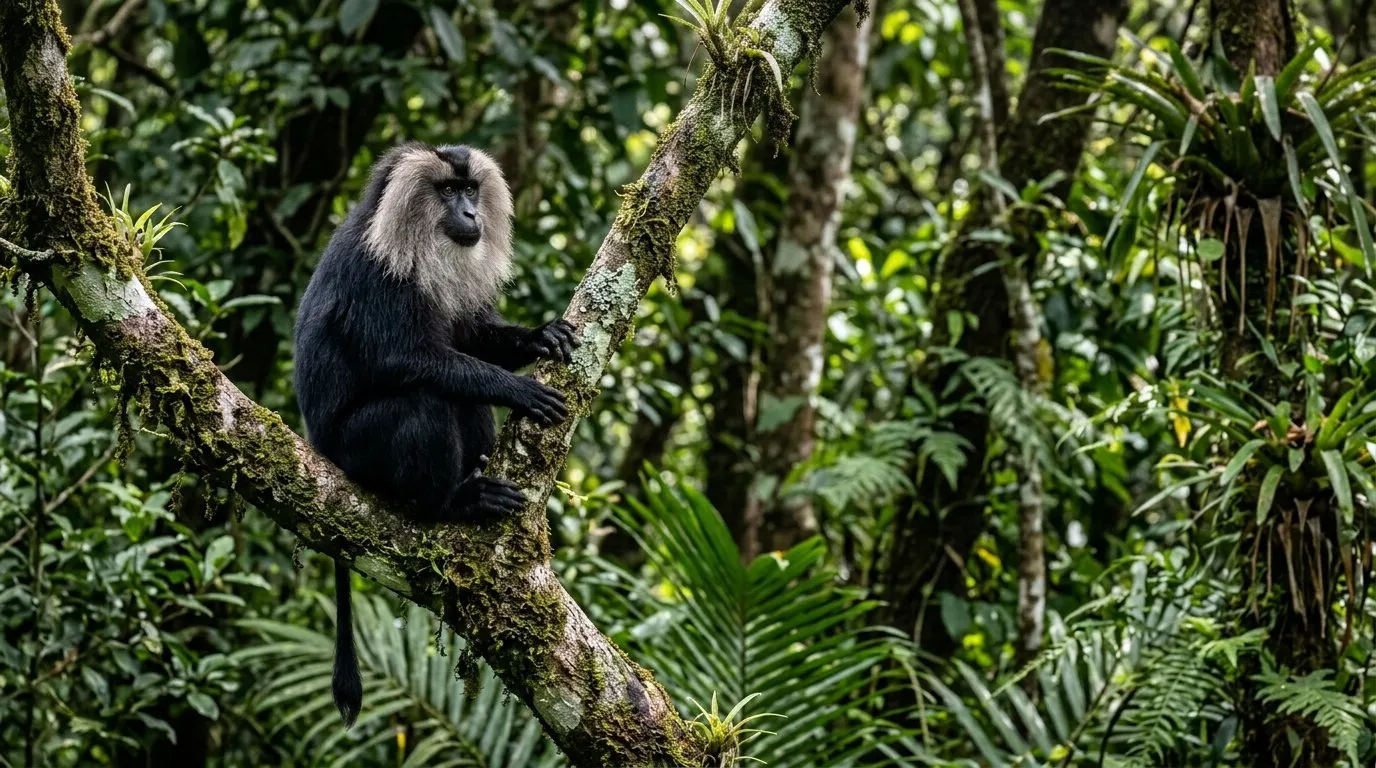
April pushes Silent Valley into dangerous pre-monsoon heat. Forest Department restricts trail permits to dawn-only slots — 6am gate, return mandatory by 10am. Lion-tailed Macaque encounters remain but the visit window collapses. Wait for October.
April at Tso Moriri — snow-melt season means unstable slopes and swollen streams; some roads cleared but not reliably. Changpa nomad culture should plan for Jun–Sep.
April sees apricot blossom peak—a photographer's loss—but Khardung La remains closed and temperatures hover -5 to 12C. Most April visitors cannot reach Turtuk reliably.
April at Umlingla — snow-melt season means unstable slopes and swollen streams; some roads cleared but not reliably. World highest motorable road should plan for Jul–Sep.
April at Vaishali — Bihar plains hit 40°C regularly; sightseeing at Bodh Gaya, Nalanda, Rajgir reduces to sunrise-only. World first republic should plan for Oct–Mar.
Sanctuary closed April-October. The migratory waterbird population departs for Bharatpur, Mongolia, and Russian breeding grounds. Tank level drops to mud through April-June heat. No visitor access. The sanctuary reopens for the season around early November.
April at Yamunotri — snow-melt season means unstable slopes and swollen streams; some roads cleared but not reliably. Char Dham starting point should plan for May–Jun, Sep–Oct.
April at Zanskar Valley — snow-melt season means unstable slopes and swollen streams; some roads cleared but not reliably. Chadar Trek (winter) should plan for Jan–Feb, Jul–Aug.
Still closed.
April sees lower-elevation snow clearing. However, Manimahesh Lake at 3,950m remains frozen. The official pilgrimage yatra does not begin until August (Janmashtami→Radha Ashtami). The trek is not yet operational. Visiting outside the yatra window goes against Gaddi tradition.
April sees lower elevations clearing, but the core trek route above 4,000m remains heavily snow-covered. The official yatra does not begin until July (Shravan Purnima / full moon). Early access is unsafe and culturally inappropriate.
Closed.
Closed.
ALSO ON NAKSHIQ
Eight more rooms in the magazine.
Guides
Visa, scams, food, packing.
Everything the guidebook won't tell you — written for India in 2026.
Blog
Field notes from the road.
Long-form reads on regions, festivals, and the offbeat circuit.
Road trips
Curated multi-day routes.
Driving itineraries with day-by-day stops, distance, and difficulty.
Collections
Themed reading lists.
Wettest places. Sacred lakes. Solo-female-safe. Curated cuts.
NakshIQ 100
The 100 best destination-months.
India's highest-scoring places, ranked across all 12 months.
The Window
Our weekly newsletter, archived.
One honest spread, every Sunday. The full back catalogue.
Skip list
What we'd skip — and what we'd do instead.
Overhyped places with honest alternatives.
First trip
Planning your first time in India.
Safety, scams, what to wear, food survival, solo female travel.