Where to go in India this June.
Ranked by NakshIQ Score · Ties broken by editorial richness · Hover for full color
Where to go in India
June in India — where the data says go, wait, and skip
Every destination scored 0-10 for June — weather, roads, crowds, festivals. Go first, then Wait, then Skip. No opinions, just the data.
The other scoring 10/10
10/1033 destinations
A good time
8/1049 destinations





Fair
6/1075 destinationsWhere to skip
363 destinationsThese destinations score poorly in June — bad weather, closed roads, or dangerous conditions. Save them for a better month.
June is Ahmedabad's pre-monsoon stew — 28-40C with rising humidity as the SW monsoon nears Gujarat (typical onset late-Jun to early-Jul). Dust storms and sticky afternoons replace May's dry burn.
June brings 4-5C ease as SW monsoon spillover reaches Malaprabha basin. Daytime 35-36C; the 120-temple cluster-walk still compressed to 6-10am and 5-7pm. Surrounding fields turn green from monsoon recharge. October is materially better.
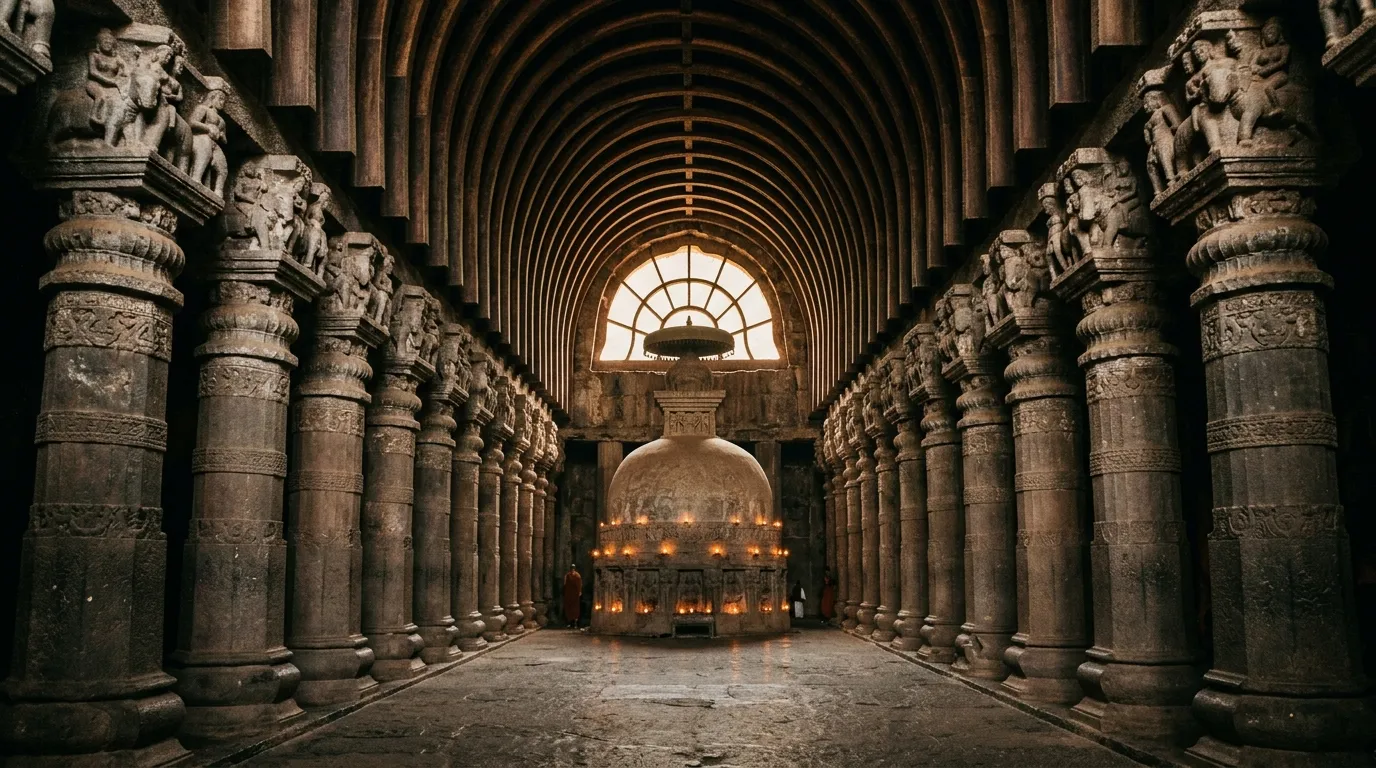
June at Ajanta is first-half hot (25-38°C), second-half monsoon-onset (22-30°C). The Waghora waterfall below Cave 17 starts flowing mid-month — a rare bonus — but slippery cave-floor stones and heavy rain bursts disrupt the experience. Workable post-Jun-20 but suboptimal.
June at Alampur — hot with monsoon skirting the region — Telangana sits on the edge of the SW monsoon path, partial rain but not enough to break the heat. Tungabhadra confluence should plan for Oct–Mar.
June pushes Alleppey into monsoon. Cruising during heavy rain is uncomfortable; lake views collapse to grey. Champakulam Boat Race is a real cultural draw but the broader trip narrows. Push to October if comfort matters.
June is the SW monsoon arrival. Stupa walks rain-interrupted, outdoor heritage damp. Indoor museum works. October delivers a cleaner heritage trip.
June in Ambaji is pre-monsoon. Heat hovers at 28-40°C with rising humidity, the southwest monsoon arrives by month-end, and Gabbar Hill climb stays unsafe. Wait until September.
June brings the SW monsoon to the Anamalai face. 300-500mm rainfall, some safari zones close, wildlife disperses into forest cover with low visibility, jeep safari batches reduced. Topslip-Pollachi road landslide-watch. Wait for October.
June at Araku is SW monsoon onset. Rail route through 58 tunnels sees landslide-risk cancellations on heavy-rain days. Coffee plantations leech-heavy. October opens the proper coffee-and-rail-and-tribal circuit window.
Heavy monsoon rains force most cafes to close or drastically reduce hours, and exploring between venues requires rain gear and timing.
June Aurangabad starts with heat (24-40°C first 2 weeks) before monsoon onset around Jun 15-20 brings 22-32°C relief. Pre-monsoon dust and humidity rough until rains. Some city heritage workable; cave circuit still uncomfortable early month.
June brings 4-5C ease as SW monsoon spillover reaches the Malaprabha basin (50-70mm across 5-7 wet days). Heat still 35-36C daytime; cliff walks 6-10am and 5-7pm only. The clean trip window opens in October.
June at Baripada — monsoon arrives; Odisha cyclone-watch begins (June onwards), Andhra's coast gets occasional cyclones too. Simlipal gateway should plan for Oct–Apr.
June at Basara — hot with monsoon skirting the region — Telangana sits on the edge of the SW monsoon path, partial rain but not enough to break the heat. Godavari pilgrimage should plan for Oct–Mar.
June at Bhavnagar: 27-35C, pre-monsoon humidity at 80%+. Velavadar closes Jun 16, Palitana climb closes for monsoon (Chaturmas). Lothal ruins exposed and uncomfortable. Nilambag Palace AC continues but east-Saurashtra circuit shuts down completely.
June at Bhimbetka Rock Shelters — monsoon arrives late in the month — tiger reserves start closing in rotation, outdoor heritage sites punishing. Bhopal cultural triangle should plan for Oct–Mar.
June at Bhongir — hot with monsoon skirting the region — Telangana sits on the edge of the SW monsoon path, partial rain but not enough to break the heat. Hyderabad day trip should plan for Sep–Mar.
June brings 5-6C ease as the SW monsoon arrives at the Bidar plateau (80-110mm across 7-9 wet days). Daytime 33-34C; fort walks 6-10am and 5-7pm. Surrounding Krishna basin fields turn green. October is materially better.
June brings 5-6C ease as SW monsoon spillover reaches the Krishna basin (60-90mm across 6-8 wet days). Daytime 35-37C; Gol Gumbaz and Ibrahim Rauza walks 6-10am and 5-7pm only. Surrounding plateau fields turn green. October is materially better.
June falls well outside Binsar's Mar–Apr, Oct–Nov window. Conditions are harder, local services scaled back, and the version of the place you'd actually get isn't the one that makes the trip worth doing. The shoulder month either side would be a closer call, but this month isn't it. Tranquil base should plan for Mar–Apr, Oct–Nov.
June at Bomdila — monsoon breaks properly across the Northeast — Arunachal's roads are among the most landslide-prone in India, Dirang-Tawang routinely cut off. The Tawang road-tripper should plan for Mar–May, Oct–Nov.
June starts dropping rain on the Eastern Ghats. The cave interior holds 16C but the descent steps turn slick, the Vizag-Kirandul train tunnels can flood briefly, and lighting outages run 1-2 hours during heavier downpours. Wait for September if monsoon green is the draw.
June at Buddhist Diamond Triangle — monsoon arrives; Odisha cyclone-watch begins (June onwards), Andhra's coast gets occasional cyclones too. Khondalite stone should plan for Oct–Mar.
June is Champaner-Pavagadh's pre-monsoon stew — 26-37°C with rising humidity, dust storms, and the SW monsoon arriving in late-June. UNESCO park still unworkable in heat.
June at Champhai — peak monsoon — rainfall numbers are among the highest on earth, road travel collapses across Meghalaya and Assam, NP closures standard. Zokhawthar Myanmar border should plan for Oct–Mar.
June at Chandipur — monsoon arrives; Odisha cyclone-watch begins (June onwards), Andhra's coast gets occasional cyclones too. Bengal-Odisha border should plan for Oct–Mar.
June at Charaideo Moidams — peak monsoon — rainfall numbers are among the highest on earth, road travel collapses across Meghalaya and Assam, NP closures standard. Tai-Ahom heritage should plan for Oct–Mar.
June in Chennai is heat-with-occasional-rain. Unlike Kerala (which receives the SW monsoon in full force June 1), TN coast sits in the rain shadow — Chennai records just 50-80mm of June rain across 5-8 wet days. Heat dominates. Push to October-November.
June is heat-with-marginal-rain. Inland TN in SW monsoon rain shadow. Temple courtyards still 45-50C mid-day. Push to November.
June is full southwest monsoon at Chikmagalur. 600-800mm rainfall, NH-73 Hassan-Chikmagalur landslide-prone, Mullayanagiri summit road closes intermittently, viewpoints permanently fogged. The trip you came for cannot happen until September. Hebbe Falls peak flow is the only standout.
June at Chilika Lake — monsoon arrives; Odisha cyclone-watch begins (June onwards), Andhra's coast gets occasional cyclones too. Migratory bird haven should plan for Oct–Mar.
Monsoon clouds obscure the fort's architecture and viewpoints for most of June. Photography suffers and the fort's scale is lost.
Monsoon disrupts toy train schedules frequently. NMR steam section is landslide-affected. Go only if rain-walking is acceptable.
June is pre-monsoon Dakor. 28-40°C heat, monsoon arriving by month-end, and the Krishna pilgrim flow at annual lows. The transition limbo before July monsoon.
June at Daulatabad is first-half hot (25-38°C, climb dangerous), second-half monsoon-onset (22-30°C, basalt steps slippery wet). The Andheri tunnel can partially flood in heavy bursts. Workable post-Jun-25 with caution but suboptimal.
June at Deomali — monsoon arrives; Odisha cyclone-watch begins (June onwards), Andhra's coast gets occasional cyclones too. Koraput-Araku connector should plan for Oct–Mar.
June falls well outside Dhanaulti's Mar–May, Oct–Nov window. Conditions are harder, local services scaled back, and the version of the place you'd actually get isn't the one that makes the trip worth doing. The shoulder month either side would be a closer call, but this month isn't it. Surkanda Devi should plan for Mar–May, Oct–Nov.
Monsoon rains and cyclone season make June nearly impassable here (27–34°C, sand track wets up, 4WD service conditional).
June at Dirang — monsoon breaks properly across the Northeast — Arunachal's roads are among the most landslide-prone in India, Dirang-Tawang routinely cut off. Apple + kiwi orchards should plan for Mar–May, Oct–Nov.
June at Dwarka: 28-34C with humidity climbing, monsoon approaches from the Arabian Sea by month-end. Bet Dwarka ferry on weather-roulette as sea state deteriorates, first squalls hit the seafront, Jagat Mandir corridors workable but outdoor circuits compromised.
June at Ellora is first-half hot (25-38°C), second-half monsoon-onset (22-30°C). Cave interiors stay cool, Kailasa courtyard floods in heavy rain bursts, basalt steps slippery wet. Workable post-Jun-20 but suboptimal vs Nov-Feb peak.
June at Gagron Fort — the hottest month before the monsoon arrives — Rajasthan's fort tours close early, desert safaris cancel, hotel ACs run 24/7. Jhalawar heritage pair should plan for Oct–Mar.
June is Gandhinagar's pre-monsoon stew — 28-40°C with rising humidity as the SW monsoon nears Gujarat (typical onset late-June). Dust storms and sticky afternoons replace May's dry burn. Heritage circuit still unworkable.
June at Gopalpur-on-Sea — monsoon arrives; Odisha cyclone-watch begins (June onwards), Andhra's coast gets occasional cyclones too. Mayfair Gopalpur should plan for Oct–Mar.
June brings 5-6C ease as SW monsoon spillover reaches the Gulbarga plateau (70-100mm across 7-9 wet days). Daytime 35-36C; Bahmani-circuit walks 6-10am and 5-7pm only. Surrounding fields turn green from recharge. October is materially better.
June pushes Guruvayur into monsoon. Temple darshan continues year-round but Punnathur Kotta reduces hours and the outdoor approach floods. Pilgrims still arrive but casual heritage visitors should push to October.
June at Haflong — peak monsoon — rainfall numbers are among the highest on earth, road travel collapses across Meghalaya and Assam, NP closures standard. Deep offbeat Northeast travelers should plan for Oct–Mar.
June brings 4-5C ease as the southwest monsoon spillover reaches the Tungabhadra basin (60-90mm across 6-8 wet days). Heat still 36-37C daytime; boulder walks 6-10am and 5-8pm only. The clean trip window opens in October. Wait.
June falls well outside Haridwar's Feb–May, Oct–Nov window. Conditions are harder, local services scaled back, and the version of the place you'd actually get isn't the one that makes the trip worth doing. The shoulder month either side would be a closer call, but this month isn't it. Kumbh Mela pilgrimage should plan for Feb–May, Oct–Nov.
June at Hogenakkal is the build-up month. The Cauvery is rising as the Karnataka-upstream catchment fills, but the dam release for downstream irrigation does not begin yet. Falls climbing but not at full. Wait 4-6 weeks.
June at Horsley Hills is SW monsoon spillover onset. Rain-shadow effect keeps rainfall lower than the Western Ghats but the approach road sees rain-day risk. October opens the proper window.
June closes Jabalpur to visitors: extreme heat (25-44°C) or monsoon flooding shuts boat access to Marble Rocks and Dhuandhar Falls—the main attractions. Wildlife sanctuaries close or suspend operations.
June at Jagdalpur — monsoon arrives late in the month — tiger reserves start closing in rotation, outdoor heritage sites punishing. Kanger Valley NP should plan for Oct–Mar.
June falls well outside Jim Corbett National Park's Nov–Apr window. Conditions are harder, local services scaled back, and the version of the place you'd actually get isn't the one that makes the trip worth doing. The shoulder month either side would be a closer call, but this month isn't it. Jim Corbett heritage should plan for Nov–Apr.
June at Jorhat — peak monsoon — rainfall numbers are among the highest on earth, road travel collapses across Meghalaya and Assam, NP closures standard. Vaishnavite heritage should plan for Oct–Mar.
June at Junagadh: 26-37C with humidity peaking at 70%+ before monsoon. Girnar climb officially restricted on rain days (slippery basalt), Uparkot Fort exposed walls bake, Sakkarbaug animals reduced visibility. Pre-monsoon humidity makes even shaded heritage circuits sweat-heavy.
June at Kalimpong — monsoon arrives; Kolkata waterlogs in patches, Sundarbans closes partly, Darjeeling landslide-prone. Dr. Graham Homes should plan for Mar–May, Oct–Nov.
June falls well outside Kanatal's Mar–May, Oct–Nov window. Conditions are harder, local services scaled back, and the version of the place you'd actually get isn't the one that makes the trip worth doing. The shoulder month either side would be a closer call, but this month isn't it. Tehri Lake access should plan for Mar–May, Oct–Nov.
June heat exhaustion zone (27-40°C) makes daytime exploration punishing. Temple visits compress to pre-dawn only; outdoor comfort collapses.
June in Kanyakumari is the SW monsoon arrival point on the southern tip. Daily rainfall 250-300mm, ferry suspensions, sea state hostile, sunrise viewing rare. The trip-defining Vivekananda Rock visit becomes a gamble. Wait for October.
June drops the southwest monsoon on the west coast; the Coromandel coast catches only spillover (60-100mm) but humidity climbs past 85 percent. The trip is uncomfortable for tourists; pilgrims continue as always.
Monsoon arrives (12–22°C, heavy rain) reducing visibility to metres. The dramatic peak views you came for vanish entirely. Trails become dangerously muddy. Landslide risk climbs.
Monsoon (18–28°C, heavy rain) makes trails dangerously slippery. Leeches are abundant. Visibility collapses. The sanctuary's beauty is obscured by clouds and downpours.
Southwest monsoon arrives June 1 with 600–700mm rain and flooding. Heritage sites remain open but waterlogging disrupts exploration and many attractions close seasonally.
Southwest monsoon onset — 12–21°C with 150–250mm rain and persistent fog. Coaker's Walk obscured, Berijam Lake access erratic. Skip unless rain-walk appeal justifies lower visibility.
June Kolad pre-monsoon limbo — Bhira Dam filling but not yet at release level, Kundalika dry through mid-month, last week of June sees first cautious release start. Pre-rafting season tease.
June at Kolanupaka — hot with monsoon skirting the region — Telangana sits on the edge of the SW monsoon path, partial rain but not enough to break the heat. Multi-faith heritage should plan for Jan–Dec.
June at Kolhapur is first-half hot (24-37°C), second-half monsoon-onset (22-30°C). Mahalakshmi darshan continues; Panhala Fort climb slippery wet on basalt. Workable post-Jun-15 but suboptimal vs Oct-Feb.
Southwest monsoon arrives — 600–700mm rain, beaches unsafe, and cruising in 6–8 hour deluges grim. Backwater tours unreliable mid-month onward.
June at Konark — monsoon arrives; Odisha cyclone-watch begins (June onwards), Andhra's coast gets occasional cyclones too. UNESCO + Surya worship travelers should plan for Oct–Mar.
June is the SW monsoon arrival without the upside — Godavari runs full, backwaters carry strong current, Coringa mangrove tours suspend. October delivers a cleaner delta for first-time visitors.
June at Koraput — monsoon arrives; Odisha cyclone-watch begins (June onwards), Andhra's coast gets occasional cyclones too. Bonda PVTG heritage should plan for Oct–Mar.
Southwest monsoon onset — 14–22°C, 200–300mm rain, and Kodanad viewpoints fogged. Longwood Shola access restricted. Skip unless rain-walk appeal justifies reduced visibility.
June falls well outside Kufri's Dec–Apr window. Conditions are harder, local services scaled back, and the version of the place you'd actually get isn't the one that makes the trip worth doing. The shoulder month either side would be a closer call, but this month isn't it. Winter snow tourism should plan for Dec–Apr.
Southwest monsoon arrives — 600–700mm rain, lake views collapse to grey, and waterlogged conditions dominate. Karkidakam Ayurveda not yet open.
The Southwest monsoon remains weak here (28–37°C, only 40–60mm rain), so heat persists alongside monsoon humidity. Temple darshan compresses to pre-9am slots only. Not an attractive month for tourism.
Southwest monsoon (25–30°C, 600–700mm rain) floods Pokkali fields. The ecotourism circuit shifts to indoor mode. Humidity peaks, making outdoor exploration uncomfortable.
June is the lighter SW monsoon on Rayalaseema. Some rain but Lepakshi sits in the rain-shadow — much drier than the coast. Walks possible in clear windows. October is still the cleaner trip.
June at Lonar Crater is first-half hot (27-40°C), second-half monsoon-onset (23-32°C). Lake begins filling, the rim greens modestly, but periodic heavy bursts and slippery rim path. Workable post-Jun-25 but suboptimal.
June at Lothal is the pre-monsoon stew — 27-37°C with rising humidity, the SW monsoon arriving in late-June. The open dockyard still unworkable in the heat-and-humidity combo.
June at Lunglei — peak monsoon — rainfall numbers are among the highest on earth, road travel collapses across Meghalaya and Assam, NP closures standard. Phawngpui base should plan for Oct–Mar.
June is the SW monsoon arrival without the upside — the natural-dye Kalamkari work pauses through monsoon (sun-bleach and washing phases need dry weather). October delivers a cleaner craft trip.
June (27–40°C) sustains peak heat. SW monsoon mostly bypasses Madurai (rain-shadow location), so heat continues without monsoon cooling. Not an attractive month.
The southwest monsoon is weak on the Tamil Nadu coast in June, but still brings 50–70 mm of rain and elevated humidity. The real issue: unpredictable afternoon downpours flood the tidal creek, making village access unreliable. The beach becomes unsafe for swimming due to swell and currents. Temples themselves remain dry, but the atmosphere is heavy and visibility poor.
June falls well outside Mandi's Mar–May, Sep–Nov window. Conditions are harder, local services scaled back, and the version of the place you'd actually get isn't the one that makes the trip worth doing. The shoulder month either side would be a closer call, but this month isn't it. Transit base to multiple valleys should plan for Mar–May, Sep–Nov.
June at Mandu — monsoon arrives late in the month — tiger reserves start closing in rotation, outdoor heritage sites punishing. Monsoon destination should plan for Jul–Mar.
June is pre-monsoon Mandvi — 35-40C with rising humidity, Arabian Sea getting rough as the monsoon approaches, dhow yard ceasing major work, and beach time effectively over. The transition month with no compensating festival.
June at Mawphlang — peak monsoon — rainfall numbers are among the highest on earth, road travel collapses across Meghalaya and Assam, NP closures standard. Khasi traditional law should plan for Oct–Apr.
June at Mechuka — monsoon breaks properly across the Northeast — Arunachal's roads are among the most landslide-prone in India, Dirang-Tawang routinely cut off. 400-year-old monastery should plan for Mar–May, Oct–Nov.
June is pre-monsoon Modhera. 28-40°C heat, the southwest monsoon arriving by month-end, the open Sun Temple complex still uncomfortable, and the destination in transitional limbo.
June at Mokokchung — peak monsoon — rainfall numbers are among the highest on earth, road travel collapses across Meghalaya and Assam, NP closures standard. Longkhum heritage should plan for Oct–Mar.
June at Mon — peak monsoon — rainfall numbers are among the highest on earth, road travel collapses across Meghalaya and Assam, NP closures standard. Aoleang Monyu festival should plan for Oct–Mar.
June at Moreh — peak monsoon — rainfall numbers are among the highest on earth, road travel collapses across Meghalaya and Assam, NP closures standard. Tamil diaspora should plan for Oct–Mar.
June at Morni Hills — the hottest, most enervating month; pre-monsoon heatwaves kill crops, stop outdoor work, make sightseeing a medical risk. Chandigarh weekend should plan for Mar–May, Sep–Nov.
June at Mount Abu — the hottest month before the monsoon arrives — Rajasthan's fort tours close early, desert safaris cancel, hotel ACs run 24/7. Guru Shikhar highest peak should plan for Feb–Mar, Oct–Dec.
June falls well outside Mukteshwar's Mar–Apr, Oct–Nov window. Conditions are harder, local services scaled back, and the version of the place you'd actually get isn't the one that makes the trip worth doing. The shoulder month either side would be a closer call, but this month isn't it. Weekend from Delhi NCR should plan for Mar–Apr, Oct–Nov.
June in Mumbai means monsoon onset — SW monsoon usually hits Jun 7-12, ferries to Elephanta suspended for the season (Apr 30 to ~Sep 15 per MMB rules), local trains hit by waterlogging, Marine Drive waves spectacular but most outdoor heritage shuts down. Atmospheric but impractical.
June falls well outside Mussoorie's Mar–Apr, Sep–Nov window. Conditions are harder, local services scaled back, and the version of the place you'd actually get isn't the one that makes the trip worth doing. The shoulder month either side would be a closer call, but this month isn't it. Delhi weekenders should plan for Mar–Apr, Sep–Nov.
June at Nagarjuna Konda — hot with monsoon skirting the region — Telangana sits on the edge of the SW monsoon path, partial rain but not enough to break the heat. Ikshvaku capital should plan for Oct–Mar.
June at Nagpur is first-half hot (26-42°C), second-half monsoon-onset (24-32°C). Tadoba closes Jun 30 for monsoon breeding Jul-Sep. Last-chance safaris first 2 weeks; city outdoor still uncomfortable.
June falls well outside Nainital's Mar–Apr, Sep–Nov window. Conditions are harder, local services scaled back, and the version of the place you'd actually get isn't the one that makes the trip worth doing. The shoulder month either side would be a closer call, but this month isn't it. Boarding school heritage should plan for Mar–Apr, Sep–Nov.
June Nashik straddles pre-monsoon and monsoon-arrival — first 2 weeks still hot pre-monsoon, second 2 weeks monsoon-arrived. Trimbakeshwar accessible, vineyards still indoor-only. Wait for July Shravan.
June at Neermahal — peak monsoon — rainfall numbers are among the highest on earth, road travel collapses across Meghalaya and Assam, NP closures standard. Rudrasagar Lake should plan for Oct–Mar.
June at Netarhat — monsoon late but oppressive in combination with heat; pilgrim circuits still running but miserable. Tribal heartland should plan for Oct–Mar.
June at Nongriat — peak monsoon — rainfall numbers are among the highest on earth, road travel collapses across Meghalaya and Assam, NP closures standard. Rainbow Falls should plan for Oct–Mar.
June is when the southwest monsoon hits the Konkan coast. Most of June 10 onwards is heavy rain — laterite paths flood, the open church-circuit walks collapse, Sunday Mass attendance drops 60 percent. The trip works only inside individual buildings and from a sheltered courtyard.
June at Omkareshwar — monsoon arrives late in the month — tiger reserves start closing in rotation, outdoor heritage sites punishing. Adi Shankaracharya should plan for Oct–Mar.
June is when the southwest monsoon hits the Nilgiri western face. 200-300mm rainfall, Doddabetta and Pykara permanently fogged, Mountain Railway Mettupalayam-Coonoor section runs landslide-affected schedules. Hotel rates drop 50 percent but the trip you came for cannot happen.
June at Pachmarhi — monsoon arrives late in the month — tiger reserves start closing in rotation, outdoor heritage sites punishing. Monsoon waterfall destination should plan for Oct–Mar.
June falls well outside Palampur's Mar–May, Sep–Nov window. Conditions are harder, local services scaled back, and the version of the place you'd actually get isn't the one that makes the trip worth doing. The shoulder month either side would be a closer call, but this month isn't it. Bir-Billing paragliding base should plan for Mar–May, Sep–Nov.
June SW monsoon (24–36°C, 50–70mm rain) begins easing heat, but inter-temple walks compress and temple interiors become inaccessible. Monsoon rains make temple interiors inaccessible and pathways slippery.
June at Pfutsero — peak monsoon — rainfall numbers are among the highest on earth, road travel collapses across Meghalaya and Assam, NP closures standard. Chizami weaving should plan for Mar–May, Oct–Dec.
June at Phawngpui Peak — peak monsoon — rainfall numbers are among the highest on earth, road travel collapses across Meghalaya and Assam, NP closures standard. Sacred to Lai should plan for Mar–May, Oct–Dec.
June sits in the southwest-monsoon rain shadow on the Tamil Nadu coast, so Pondicherry stays hot and humid (27 to 35C) with only light rain (50 to 70mm) rather than a true monsoon — the real rains arrive with the northeast monsoon from October. Midday heat makes the French Quarter walking and beach time uncomfortable until the early evening, and the sea is often murky and choppy rather than swim-friendly.
June at Porbandar: 27-34C, pre-monsoon humidity at 80%+ before SW monsoon. Bird Sanctuary lake levels dropping further before monsoon refill. First squalls hit by month-end, Chowpatty Beach cluster suspends on weather days.
Pre-monsoon humidity peaks while monsoon rains haven't yet arrived to cool things down. Tourist comfort is at its lowest annual point.
June Raigad is monsoon onset — ropeway may close in heavy spells, 1737-step climb dangerous on slippery basalt, summit fog reduces visibility, fort coronation-day Jun 6 marked but in rain. Pilgrim-only for the Jun 6 anniversary; leisure off.
June is the SW monsoon arrival. Cruise schedule interrupted. Outdoor walks rain-blocked. October delivers a cleaner Godavari trip.
June is Rajkot's pre-monsoon stew — 28-38°C with rising humidity, dust storms, and the SW monsoon arriving in late-June. Heritage circuit still unworkable.
June at Ranakpur Jain Temple — the hottest month before the monsoon arrives — Rajasthan's fort tours close early, desert safaris cancel, hotel ACs run 24/7. Kumbhalgarh + Udaipur base should plan for Oct–Mar.
June at Ranchi — monsoon late but oppressive in combination with heat; pilgrim circuits still running but miserable. MS Dhoni heritage should plan for Oct–Mar.
June is pre-monsoon Patan — outside 28-40°C, monsoon arriving by month-end, stepwell interior cool but surrounds uncomfortable. The transition limbo before July monsoon brings full closure of surface heritage.
June falls well outside Ranikhet's Mar–May, Sep–Nov window. Conditions are harder, local services scaled back, and the version of the place you'd actually get isn't the one that makes the trip worth doing. The shoulder month either side would be a closer call, but this month isn't it. Asia highest golf course should plan for Mar–May, Sep–Nov.
June at Ranthambore — the hottest month before the monsoon arrives — Rajasthan's fort tours close early, desert safaris cancel, hotel ACs run 24/7. Trinetra Ganesh should plan for Mar–May, Oct–Nov.
June is when the southwest monsoon hits the Konkan in force. The 1km laterite-stepped climb from Verem ferry floods on storm days, ferry services cancel on rough water, and the open rampart walk — the trip's defining moment — is unviable. Galleries and church remain open but the visit shape breaks.
June falls well outside Rishikesh's Mar–Apr, Sep–Nov window. Conditions are harder, local services scaled back, and the version of the place you'd actually get isn't the one that makes the trip worth doing. The shoulder month either side would be a closer call, but this month isn't it. Beatles / 1960s counterculture pilgrims should plan for Mar–Apr, Sep–Nov.
June at Satara is first-half hot (24-37°C), second-half monsoon-onset (22-30°C). Thoseghar Falls begins flowing late month — early waterfall season. Kaas still dormant (bloom is Sep-Oct, not Jun-Jul).
June at Shikharji (Parasnath Hill) — monsoon late but oppressive in combination with heat; pilgrim circuits still running but miserable. 27km roundtrip trek should plan for Oct–Mar.
June falls well outside Shimla's Mar–Apr, Oct–Nov window. Conditions are harder, local services scaled back, and the version of the place you'd actually get isn't the one that makes the trip worth doing. The shoulder month either side would be a closer call, but this month isn't it. Weekend travelers from Delhi / Chandigarh should plan for Mar–Apr, Oct–Nov.
June at Siliguri — monsoon arrives; Kolkata waterlogs in patches, Sundarbans closes partly, Darjeeling landslide-prone. Transit hub should plan for Oct–May.
June drops 300-400mm of rain across 18-22 wet days. Lion Safari open but lion sightings drop sharply (the cats stay sheltered), Dudhni Lake boat rides suspend on heavy-rain days. NH48 from Mumbai waterlogs in pockets — 4-5 hour drives stretch to 6-7. Wait for October for the dry-version trip.
June at Simlipal — monsoon arrives; Odisha cyclone-watch begins (June onwards), Andhra's coast gets occasional cyclones too. Tiger + elephant + mugger should plan for Oct–Mar.
June at Sivasagar — peak monsoon — rainfall numbers are among the highest on earth, road travel collapses across Meghalaya and Assam, NP closures standard. Charaideo UNESCO gateway should plan for Oct–Mar.
June falls well outside Solan's Mar–May, Sep–Nov window. Conditions are harder, local services scaled back, and the version of the place you'd actually get isn't the one that makes the trip worth doing. The shoulder month either side would be a closer call, but this month isn't it. Mushroom city should plan for Mar–May, Sep–Nov.
June at Somnath: 28-35C, pre-monsoon humidity at 80%+ and the SW monsoon approaching from the Arabian Sea by month-end. The first squalls hit the seafront, sound-and-light show suspends on weather. Heat compounded by humidity = worst-case dawn-only windows.
June at Srikalahasti is first ease but the SW monsoon stays light over the Rayalaseema-coastal fringe. Town walks still compress to mornings. Tirupati-Srikalahasti combined circuit not at full ease yet. October is materially better.
June at Srirangam is the SW-monsoon-spillover ease month. The temple-walk shape works at 60 percent. AC mid-day rotation needed. The October-March window is dramatically better.
June is Statue of Unity's pre-monsoon stew — 28-37°C with rising humidity, the SW monsoon arriving in late-June, and the Narmada starting to swell. Viewing gallery clear but outdoor attractions still unworkable.
June is Surat's pre-monsoon stew — 28-35°C, building humidity, and the SW monsoon onset (typically Jun 10-15). Pre-monsoon storms and flooding-risk on Tapi-side roads.
June at Tadoba closes Jun 30 — last-chance dash for tiger sightings in first 2 weeks (26-42°C still hot), then monsoon-onset humidity in last 2 weeks before closure Jun 30. Suboptimal vs Mar-May peak or Oct reopen.
June at Takht Sri Damdama Sahib — the hottest, most enervating month; pre-monsoon heatwaves kill crops, stop outdoor work, make sightseeing a medical risk. Vaisakhi festival should plan for Oct–Mar.
June at Talasari — monsoon arrives; Odisha cyclone-watch begins (June onwards), Andhra's coast gets occasional cyclones too. Digha integration should plan for Oct–Mar.
June at Taptapani — monsoon arrives; Odisha cyclone-watch begins (June onwards), Andhra's coast gets occasional cyclones too. Mahendragiri pair should plan for Oct–Mar.
Southwest monsoon humidity settles without meaningful rain relief. Temperatures remain 28-37C and Brihadeeswara courtyard exploration compresses to pre-9am only. Heat persists with no compensating atmosphere.
Southwest monsoon brings weak but persistent rain (50-70mm) without heat relief. Temperatures remain 27-34C and heritage walks compress to pre-9am only. Coastal humidity dominates.
June's Southwest monsoon brings 600-700mm rainfall. Heritage walks become rain-interrupted and post-Pooram energy fades. This is not an ideal month—wait for October.
June at Tirupati is the first ease but Rayalaseema rain-shadow keeps SW monsoon light (60-90mm). Padayatra still compresses to pre-7am only. Hotel rates at year-low. October-February is dramatically cleaner; wait if flexibility exists.
June's Southwest monsoon spillover persists with 25-37C temperatures. Girivalam remains an endurance activity and ashram stays lack appeal. Push to October.
June's Southwest spillover eases heat but remains 27-37C. Rock-Fort climbing stays an endurance activity. Push to October.
June at Tsomgo Lake — monsoon breaks properly across the Northeast — Arunachal's roads are among the most landslide-prone in India, Dirang-Tawang routinely cut off. Baba Harbhajan Singh Memorial should plan for Mar–May, Oct–Dec.
June at Tura — peak monsoon — rainfall numbers are among the highest on earth, road travel collapses across Meghalaya and Assam, NP closures standard. Wangala festival should plan for Oct–Mar.
June at Unakoti — peak monsoon — rainfall numbers are among the highest on earth, road travel collapses across Meghalaya and Assam, NP closures standard. Ashoka Ashtami Mela should plan for Oct–Mar.
June is the SW monsoon arrival. Cave interiors stay cool but outdoor approach gets rain-interrupted. October delivers a cleaner trip shape.
June is Vadodara's pre-monsoon stew — 28-40°C with rising humidity, and the SW monsoon arriving in southern Gujarat by mid-month. Dust storms, sticky afternoons, heritage circuit still unworkable.
June falls well outside Valley of Flowers's Jul–Aug window. Conditions are harder, local services scaled back, and the version of the place you'd actually get isn't the one that makes the trip worth doing. The shoulder month either side would be a closer call, but this month isn't it. Frank Smythe legacy should plan for Jul–Aug.
June is monsoon arrival without the cleanup yet. Krishna river volume builds, river-walks slow, heritage-cave damp. October is materially cleaner for the temple-and-river trip Vijayawada is built for.
June in Vizag is the monsoon arrival without the upside — coastal AP catches the SW monsoon's weaker northward branch but the squalls still close beach walks and knock the coastal-city shape. Heritage and AC venues work intermittently. October delivers a cleaner Vizag for first-time visitors.
June at Yuksom — monsoon breaks properly across the Northeast — Arunachal's roads are among the most landslide-prone in India, Dirang-Tawang routinely cut off. Goecha La trek gateway should plan for Mar–May, Oct–Nov.
June at Ziro Valley — monsoon breaks properly across the Northeast — Arunachal's roads are among the most landslide-prone in India, Dirang-Tawang routinely cut off. Wildlife photographers in Arunachal should plan for Mar–May, Oct–Nov.
Full monsoon delivers 600-800mm rainfall, flooding the Siang River and severing road access for weeks. The Aalo-Mechuka route becomes functionally impassable.
June at Agartala — peak monsoon — rainfall numbers are among the highest on earth, road travel collapses across Meghalaya and Assam, NP closures standard. Neermahal water palace should plan for Oct–Apr.
June is full SW monsoon on Agatti. The Arabian Sea is dangerously rough — Alliance Air suspends scheduled flights, the dive school is closed, inter-island boats don't sail. Agatti Island Beach Resort and the SPORTS huts are shut for the season. There is no functioning visitor trip.
June is the southwest monsoon hitting South Goa at full strength. Shacks dismantled by Forest Department rule, swim restrictions enforced (red-flag), beach access dangerous on rough-tide days. The trip you came for cannot happen.
June at Agra — the hottest, most enervating month; pre-monsoon heatwaves kill crops, stop outdoor work, make sightseeing a medical risk. Photographers seeking the single defining shot should plan for Feb–Mar, Oct–Dec.
June at Ahobilam loses the trek. SW monsoon hits Nallamala range hard (150-220mm). Forest gorge trail leech-heavy. Landslide risk on the 7km trek to Upper Ahobilam. Lower temple workable but the full circuit cannot run. Skip strict.
June at Aizawl — peak monsoon — rainfall numbers are among the highest on earth, road travel collapses across Meghalaya and Assam, NP closures standard. Protected Area Permit required should plan for Oct–Apr.
June at Ajmer — the hottest month before the monsoon arrives — Rajasthan's fort tours close early, desert safaris cancel, hotel ACs run 24/7. Pushkar combined trip should plan for Feb–Mar, Oct–Dec.
June Alibaug is monsoon onset — Arabian Sea swell reaches 3-4m, M2M Mandwa ferry suspended for the season once SW monsoon lands Jun 7-12, beaches become dangerous, Kolaba Fort low-tide walks risky in storm surge, and the coast effectively shuts down for tourism.
June at Alwar — the hottest month before the monsoon arrives — Rajasthan's fort tours close early, desert safaris cancel, hotel ACs run 24/7. Delhi weekend should plan for Feb–Mar, Oct–Dec.
June at Amritsar — the hottest, most enervating month; pre-monsoon heatwaves kill crops, stop outdoor work, make sightseeing a medical risk. Wagah Border ceremony should plan for Feb–Mar, Oct–Dec.
June at Anandpur Sahib — the hottest, most enervating month; pre-monsoon heatwaves kill crops, stop outdoor work, make sightseeing a medical risk. Hola Mohalla festival should plan for Mar–Apr, Oct–Nov.
June at Anini — monsoon breaks properly across the Northeast — Arunachal's roads are among the most landslide-prone in India, Dirang-Tawang routinely cut off. Mayodia Pass should plan for Mar–May, Oct–Nov.
June is when the southwest monsoon arrives and the Anjuna trip stops working. All shacks closed since May 31, beach access limited (sea undertow makes swimming dangerous), Wednesday Flea Market suspended through monsoon. Hotel rates at year-low but the trip you came for is gone.
Southwest monsoon arrives June 10 with 700-800mm rainfall. The beach becomes unusable, shacks dismantle, and water conditions are dangerous for swimming.
June is heat plus humidity plus the first arriving squalls — the worst combination of the year. The Coromandel coast doesn't get the SW monsoon proper (that's a Kerala phenomenon) but the residual moisture pushes humidity past 85 percent. Township function deteriorates further from May.
June at Ayodhya — the hottest, most enervating month; pre-monsoon heatwaves kill crops, stop outdoor work, make sightseeing a medical risk. Diwali Deepotsav should plan for Feb–Mar, Oct–Dec.
June is full SW monsoon. Bangaram Island Resort is closed, no speedboats run from Agatti, the lagoon is dangerously rough. The island is technically uninhabited and unreachable. There is no version of the trip that works.
June shuts the Baratang day-trip down. ATR landslide closures, creek boats grounded, limestone cave floor flooded. The full chain of dependencies fails. Reschedule to November.
June at Barmer — the hottest month before the monsoon arrives — Rajasthan's fort tours close early, desert safaris cancel, hotel ACs run 24/7. Thar desert interior should plan for Feb–Mar, Oct–Dec.
June at Barnawapara — monsoon arrives late in the month — tiger reserves start closing in rotation, outdoor heritage sites punishing. Raipur weekend should plan for Nov–Mar.
June shuts Barren Island completely. No operator runs charters in monsoon. The crossing is dangerous, the dive sites unworkable, the Forest Department permit window closed. Reschedule to November.
June is when the southwest monsoon hits the Malabar coast — the first state in India to take the rain. Bekal Fort exterior pathways close on heavy-rain days (slippery laterite), the keyhole watchtower path is unsafe, sea bathing is prohibited under Kerala Tourism advisory.
June is when the southwest monsoon hits the Malabar coast. The Uru shipyard pauses the open-yard plank-and-rib work — 18-30 month build cycles slow by 60-70 percent for the wet season. The trip you came for cannot work; outdoor observation walks suspend.
June at Bhalukpong — monsoon breaks properly across the Northeast — Arunachal's roads are among the most landslide-prone in India, Dirang-Tawang routinely cut off. Kameng rafting should plan for Oct–Mar.
June at Bharatpur — the hottest month before the monsoon arrives — Rajasthan's fort tours close early, desert safaris cancel, hotel ACs run 24/7. Golden Triangle extension should plan for Feb–Mar, Oct–Dec.
June at Bhitarkanika — monsoon arrives; Odisha cyclone-watch begins (June onwards), Andhra's coast gets occasional cyclones too. Mangrove biodiversity should plan for Sep–Mar.
June at Bhopal — monsoon arrives late in the month — tiger reserves start closing in rotation, outdoor heritage sites punishing. Tribal Museum (Manav Sangrahalaya) should plan for Oct–Mar.
June brings the Southwest monsoon. Heavy rainfall makes the temple grounds muddy and slippery. Accessing carved details is difficult. Forest trails become hazardous. Roads to Bhoramdeo can become impassable or treacherous. This is not ideal for temple exploration.
June at Bikaner — the hottest month before the monsoon arrives — Rajasthan's fort tours close early, desert safaris cancel, hotel ACs run 24/7. Junagarh Fort should plan for Feb–Mar, Oct–Dec.
June at Bodh Gaya — monsoon late but oppressive in combination with heat; pilgrim circuits still running but miserable. International monasteries should plan for Oct–Mar.
June at Bundi — the hottest month before the monsoon arrives — Rajasthan's fort tours close early, desert safaris cancel, hotel ACs run 24/7. Blue town alternative should plan for Feb–Mar, Oct–Dec.
June dumps 700-800mm of rain on the Konkan coast. All shacks dismantled since May 31, sea swimming prohibited under Goa Tourism advisory, water sports suspended. Tito's Lane on weekend-only operation. The trip you came for is closed.
June dumps 700-800mm of rain on the Konkan coast. All shacks dismantled, sea swimming prohibited, water sports off. Bomra's closed till mid-August. The trip you came for is closed. Wait for October.
June at Chandigarh — the hottest, most enervating month; pre-monsoon heatwaves kill crops, stop outdoor work, make sightseeing a medical risk. Planned city experience should plan for Feb–Apr, Oct–Nov.
June is when the southwest monsoon hits the Kerala coast. Sea bathing is prohibited, dolphin-spotting boats suspend operations, hotel infrastructure in Cherai (largely beach-front) takes a battering. Beach erosion claims 30-40m of sand width through the month. Skip.
June at Cherrapunji (Sohra) — peak monsoon — rainfall numbers are among the highest on earth, road travel collapses across Meghalaya and Assam, NP closures standard. Monsoon tourism should plan for Oct–Apr.
June brings Southwest monsoon swells of 420mm rain. NH-223 floods and trails become leech-thick. Sunset point becomes unusable, and most migratory birds have departed for cooler ground.
June is monsoon-weak in the rain-shadow zone — only 100-150mm rainfall versus 800-1000mm at Munnar. Thoovanam Falls flow returns slowly. Heat residual makes trails uncomfortable. Wait for November.
June at Chitrakoot — the hottest, most enervating month; pre-monsoon heatwaves kill crops, stop outdoor work, make sightseeing a medical risk. Tulsidas + Ramcharitmanas should plan for Feb–Mar, Oct–Dec.
June at Chittorgarh — the hottest month before the monsoon arrives — Rajasthan's fort tours close early, desert safaris cancel, hotel ACs run 24/7. Meera Bai pilgrimage should plan for Feb–Mar, Oct–Dec.
SW monsoon arrives around June 10 with 700-900mm rain. Sanctuary closes during heavy rain. Ferry delays increase. Mangrove flooding makes exploration miserable.
June is the southwest monsoon hitting South Goa at full strength. Shacks dismantled by Forest Department rule, swim restrictions enforced, the resort belt running skeleton operations. The trip you came for cannot happen.
June is when the SW monsoon hits Coorg with peak Western Ghats force. 700-900mm rainfall, NH-275/SH-90 landslide-prone, plantation walks suspended, viewpoints fogged. The trip you came for cannot happen until September. 2018 Kodagu landslides killed 20+; risk is real.
Monsoon arrives mid-June with 250–300mm rain, rough seas making beaches unsafe, and the fort circuit waterlogged. The main draws — Portuguese forts and beach access — are severely compromised.
The Dibang River floods during monsoon, making road access unreliable, and 600–900mm rainfall renders the village nearly inaccessible by standard vehicle.
June is when the southwest monsoon hits Dandeli with peak Western Ghats force. Rainfall 600-800mm, Tiger Reserve closes to safaris for monsoon (Karnataka Forest Department standard practice), rafting closed (water too high). Skip.
June at Darjeeling — monsoon arrives; Kolkata waterlogs in patches, Sundarbans closes partly, Darjeeling landslide-prone. Kanchenjunga viewpoint pilgrims should plan for Mar–May, Oct–Nov.
June at Dawki — peak monsoon — rainfall numbers are among the highest on earth, road travel collapses across Meghalaya and Assam, NP closures standard. Shnongpdeng adventure should plan for Oct–Mar.
June at Deeg — the hottest month before the monsoon arrives — Rajasthan's fort tours close early, desert safaris cancel, hotel ACs run 24/7. Bharatpur + Fatehpur Sikri triangle should plan for Feb–Mar, Oct–Dec.
June at Delhi — the hottest, most enervating month; pre-monsoon heatwaves kill crops, stop outdoor work, make sightseeing a medical risk. Mughal cuisine deep-dive should plan for Feb–Mar, Oct–Dec.
June at Deoghar — monsoon late but oppressive in combination with heat; pilgrim circuits still running but miserable. Baba Dham should plan for Oct–Mar.
June is pre-monsoon Dholavira. 40C+ heat, the Rann starting to flood as early monsoon rain hits, and Khadir Bet island access becoming weather-dependent. The destination is functionally closed.
June shuts Diglipur completely. Trail closed, dinghy off, road washes out, ferry cancellations near total. Even the township gets cut off for stretches. Cannot recommend. Wait until November.
June is the southwest monsoon hitting the Saurashtra coast plus the year's peak Arabian Sea cyclone window — Vayu (2019), Biparjoy (2023) both formed in this month. Beach access closes, Alliance Air re-times flights around weather, the trip cannot run.
June 1 is the official jeep-safari closure under Goa Forest Department rules. Falls run at full monsoon strength but the only reliable access (Collem jeep) is shut till Oct 1. Trains pass the bridge but stops at the falls are not permitted — windows-only viewing. Skip.
June at Dungarpur — the hottest month before the monsoon arrives — Rajasthan's fort tours close early, desert safaris cancel, hotel ACs run 24/7. Beneshwar Mela should plan for Feb–Mar, Oct–Dec.
June is when the southwest monsoon hits the Munnar high range — Eravikulam suspends visits on most days under Forest Department safety rules. Shola-grassland trails fog permanently, the 1.5km Rajamala walk gets gated, NH85 to Munnar landslide-prone. Wait for October.
June at Fatehpur Sikri — the hottest, most enervating month; pre-monsoon heatwaves kill crops, stop outdoor work, make sightseeing a medical risk. Sheikh Salim Chisti Dargah should plan for Oct–Mar.
June is when the Konkan monsoon arrives in force. Sinquerim Beach is dangerous (rip currents, no lifeguard cover June-September), beach shacks dismantled, the laterite ramparts run slippery, and the lighthouse closes during storms. Skip.
June at Gahirmatha — monsoon arrives; Odisha cyclone-watch begins (June onwards), Andhra's coast gets occasional cyclones too. Protected marine sanctuary should plan for Nov–Mar.
June at Gandikota sees first SW monsoon ease but Rayalaseema rain-shadow keeps rainfall light. Fort still 34-35C. Pennar river starts to fill. Conditions marginal. October opens the proper window. Skip.
June at Gangtok — monsoon breaks properly across the Northeast — Arunachal's roads are among the most landslide-prone in India, Dirang-Tawang routinely cut off. Kanchenjunga viewpoint chasers should plan for Mar–May, Oct–Nov.
June Ganpatipule is monsoon onset — Arabian Sea swell 3-4m by mid-month, beach red-flagged, Konkan Railway services intermittent, NH-66 floods. Temple stays open but beach and surroundings structurally on monsoon-pause.
Gir National Park CLOSES Jun 16 each year for monsoon breeding closure — reopens Oct 16. June 1-15 the park remains technically open but mid-June heat (28-42C) plus pre-monsoon humidity makes the experience marginal. Jeep safaris cease on Jun 16.
June is when the southwest monsoon hits Gokarna with peak Konkan-coast force. Rainfall 900-1100mm, beaches closed, cliff-trail dangerous on wet laterite, Half-Moon and Paradise shacks closed for season. Skip.
June at Guwahati — peak monsoon — rainfall numbers are among the highest on earth, road travel collapses across Meghalaya and Assam, NP closures standard. Brahmaputra + Majuli access should plan for Oct–Apr.
June at Gwalior — monsoon arrives late in the month — tiger reserves start closing in rotation, outdoor heritage sites punishing. Tansen Samaroh should plan for Oct–Mar.
June Harihareshwar is monsoon onset — SW monsoon arrives Jun 7-12, Arabian Sea swell 3-4m, low-tide rock platforms dangerous in storm surge, Bagmandala-Velas ferry suspended, NH-66 floods at Pen-Roha. Pilgrim-only month for the temple, beach off-limits.
June shuts Havelock down. Dive operators are closed, ferries cancel on rough-sea days, and the trip you came for cannot happen. Beach time is rain-soaked. Reschedule to October or December.
June is when the southwest monsoon hits Idukki with full force. NH85 landslide-prone (Adimali-Munnar-Painavu stretches close 1-2 days/week), Wildlife Sanctuary suspends, KSEB dam permit office still open but the 2km walk through monsoon. Wait for October.
June at Imphal — peak monsoon — rainfall numbers are among the highest on earth, road travel collapses across Meghalaya and Assam, NP closures standard. INA Moirang should plan for Oct–Apr.
June at Jaipur — the hottest month before the monsoon arrives — Rajasthan's fort tours close early, desert safaris cancel, hotel ACs run 24/7. Royal heritage hotels should plan for Oct–Feb.
June at Jaisalmer — the hottest month before the monsoon arrives — Rajasthan's fort tours close early, desert safaris cancel, hotel ACs run 24/7. Architecture + craft photographers should plan for Oct–Feb.
June at Jodhpur — the hottest month before the monsoon arrives — Rajasthan's fort tours close early, desert safaris cancel, hotel ACs run 24/7. Bishnoi village safari should plan for Oct–Feb.
June is full SW monsoon. Kadmat Beach Resort is closed, SAMUDRAM cruise paused, no dive operations. Permits not issued for June arrivals. Wait for late September re-opening or October.
June is when the southwest monsoon hits the Malabar coast. Village-temple Theyyam circuits closed for the season. Muzhappilangad Drive-in Beach unsafe (sand churns, sea forbidden), St. Angelo Fort exterior shut on heavy-rain days. Only Parassinikkadavu Muthappan continues twice daily.
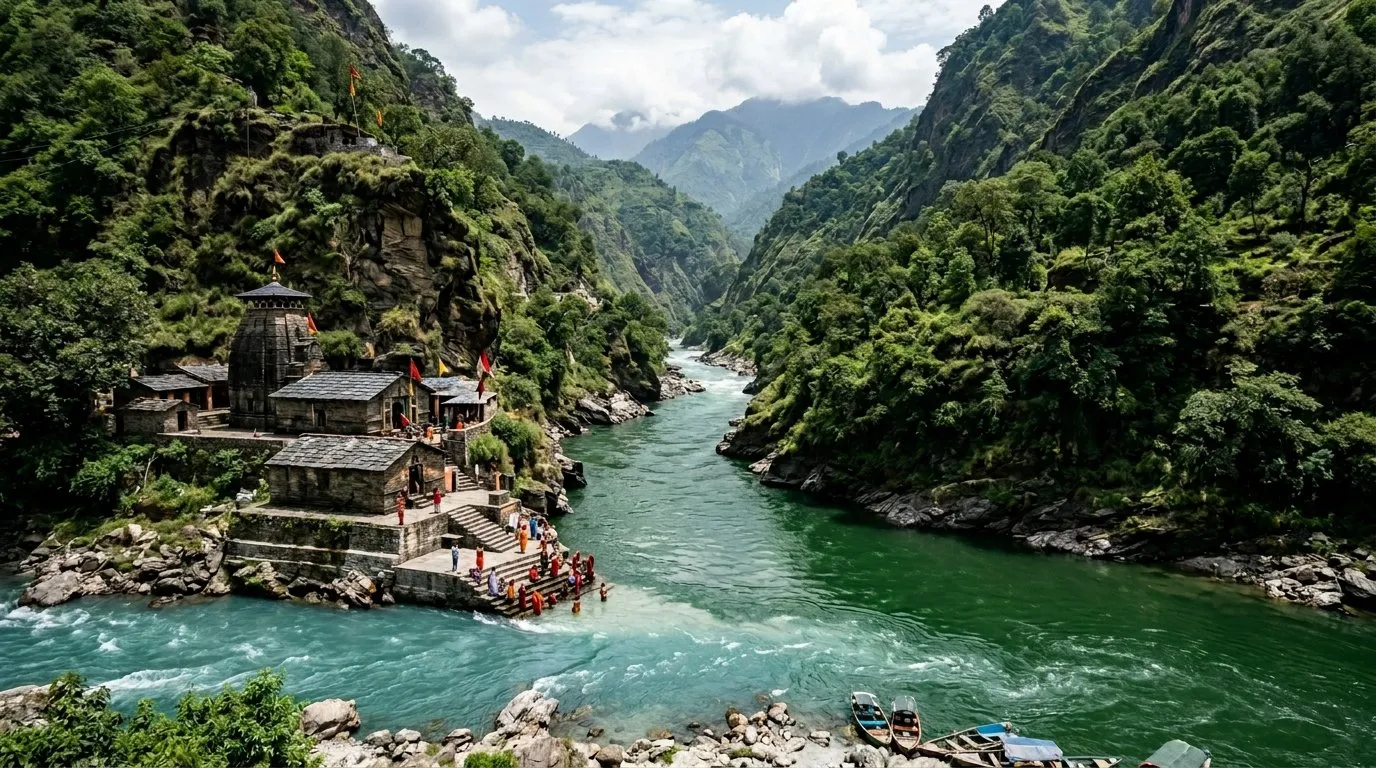
June brings the Southwest monsoon. The Badrinath Highway, which connects Karnaprayag to the rest of the pilgrimage circuit, becomes unstable. Heavy rainfall triggers landslides, road washouts, and flooding. Vehicle traffic is frequently halted. Guesthouses and restaurants operate minimally as pilgrims defer travel. The confluence swells into a brown, fast-moving torrent.
June marks SW monsoon onset with 900–1100mm rainfall. The sea becomes unsafe for swimming; the Devbagh ferry suspends operations. Sadashivgad Fort closes. The entire coastal circuit becomes impractical.
June Kashid is monsoon onset — SW monsoon arrives Jun 7-12, Arabian Sea swell 3-4m, beach red-flagged with drowning history, water-sports fully closed for the season, Phansad WLS road washouts. Kashid effectively closed for tourism.
June brings SW monsoon with 350–400mm rainfall. The resort closes. SAMUDRAM pauses. Ferry schedules become unpredictable. The entire island infrastructure shuts down for the monsoon season.
June at Kaziranga — peak monsoon — rainfall numbers are among the highest on earth, road travel collapses across Meghalaya and Assam, NP closures standard. Elephant safari should plan for Nov–Apr.
June at Khajuraho — monsoon arrives late in the month — tiger reserves start closing in rotation, outdoor heritage sites punishing. Foreign tourists on the off-Golden-Triangle circuit should plan for Oct–Mar.
June at Kohima — peak monsoon — rainfall numbers are among the highest on earth, road travel collapses across Meghalaya and Assam, NP closures standard. Angami Naga culture + conservation travelers should plan for Oct–Mar.
June at Kolkata — monsoon arrives; Kolkata waterlogs in patches, Sundarbans closes partly, Darjeeling landslide-prone. British Raj heritage should plan for Oct–Mar.
Southwest monsoon arrives — 700–900mm rain, beaches unsafe, shacks shut, and lighthouse climb suspended. Accommodation rates spike without better weather offset.
June is when the southwest monsoon hits the Malabar coast. Calicut Beach pier walks unsafe, Kuttichira spice market suspended, the open-lane heritage circuit collapses on heavy-rain days. The biriyani-and-halwa indoor circuit alone doesn't justify a trip.
June is when the southwest monsoon hits Kukke Subramanya with peak Western Ghats force. Rainfall 1000-1200mm, Kumara Parvatha trek closed by Forest Department, town roads landslide-watch. Temple operations continue but standard temple-plus-trek trip impossible. Skip.
June at Kumbhalgarh — the hottest month before the monsoon arrives — Rajasthan's fort tours close early, desert safaris cancel, hotel ACs run 24/7. Ranakpur Jain marble should plan for Feb–Mar, Oct–Dec.
June at Kurukshetra — the hottest, most enervating month; pre-monsoon heatwaves kill crops, stop outdoor work, make sightseeing a medical risk. Gita Jayanti festival should plan for Feb–Mar, Oct–Dec.
June at Kushinagar — the hottest, most enervating month; pre-monsoon heatwaves kill crops, stop outdoor work, make sightseeing a medical risk. International monastery circuit should plan for Feb–Mar, Oct–Dec.
June is pre-monsoon Kutch — 42C heat building, occasional dust storms (lu), humidity rising as the monsoon approaches, and the Rann beginning to flood. Nothing about June makes tourism sense.
June monsoon (8–16°C, with daily closure threats) brings landslides and frequent road closures. The signature Zero Point trek becomes unsafe. Expect 2–3 day delays and trip cancellations.
June at Lambasingi is SW monsoon onset across the Eastern Ghats. Roads landslide-risk. NH-516E ghat sees closures. No frost season. Skip strict. December opens the proper window.
June monsoon (32°C+ with heavy swells) collapses ferry schedules. Hut Bay becomes cut off for stretches. Waterfalls flood. Surf becomes dangerous. This is an island-hopping nightmare month.
June (20–28°C, monsoon) floods the lake to maximum. Phumdis shift with rising water. Boat access becomes unsafe. The floating-island landscape is obscured by flooding.
June shuts Long Island down. Yerrata ferry cancels, both homestays shut for the season, Lalaji Bay dinghy off the water. Cannot recommend. Reschedule to November.
June at Lucknow — the hottest, most enervating month; pre-monsoon heatwaves kill crops, stop outdoor work, make sightseeing a medical risk. 1857 Revolt history should plan for Feb–Mar, Oct–Dec.
June at Mahabaleshwar is heavy monsoon arrival — 18-25°C at 1372m with 700-1000mm rainfall, viewpoints closed by landslide risk, ghat roads dangerous, Pratapgad inaccessible. Monsoon hill-station closure begins.
June at Majuli — peak monsoon — rainfall numbers are among the highest on earth, road travel collapses across Meghalaya and Assam, NP closures standard. Mask-making + traditional craft travelers should plan for Oct–Apr.
June at Manas National Park — peak monsoon — rainfall numbers are among the highest on earth, road travel collapses across Meghalaya and Assam, NP closures standard. Pygmy Hog sanctuary should plan for Nov–Apr.
June dumps 700-800mm of rain. All shacks dismantled, sea closed for swimming, tidal creek floods beyond wade. Yoga and kitesurfing schools closed. Yab Yum at deep monsoon walk-in. The trip you came for is closed.
Monsoon floods and landslides make June the most dangerous month to visit this coastal region. Beaches are closed, heritage walking is impossible, and sea bathing is prohibited.
June is when the southwest monsoon hits. Sea state advisory in force, beach access prohibited, beach width loses 30-50m through the month. Some resorts close maintenance windows. Skip; wait for October.
June at Maredumilli is SW monsoon onset across the Eastern Ghats. Forest treks closed (leech-heavy, landslide risk). Falls in dangerous flood. Vana Vihari Eco-Camp closed. October opens the proper window.
June is when Margao floods. The southwest monsoon hits the Konkan coast around June 10; rainfall jumps to 600-800mm and the older town drainage cannot cope. Latin Quarter walks impossible. Hotel rates at year-low but the trip is hollow.
June is closed Marine NP. The park officially closes June 16 for monsoon breeding season, the Arabian Sea becomes rough as the monsoon arrives, Pirotan boats halt operations, and the destination is fully suspended through October.
June at Mathura — the hottest, most enervating month; pre-monsoon heatwaves kill crops, stop outdoor work, make sightseeing a medical risk. ISKCON global network should plan for Feb–Mar, Oct–Nov.
June at Mawlynnong — peak monsoon — rainfall numbers are among the highest on earth, road travel collapses across Meghalaya and Assam, NP closures standard. Photographers seeking pristine rural India should plan for Oct–Apr.
June at Mawsynram — peak monsoon — rainfall numbers are among the highest on earth, road travel collapses across Meghalaya and Assam, NP closures standard. Khasi rain engineering should plan for Oct–Apr.
SW monsoon onset brings 300-500mm rain and near-zero visibility. Ghat road closes to 4WD-only or blocked entirely. Estate stays restricted. Access unreliable.
SW monsoon arrives. Tourist Lodge closed. SAMUDRAM unavailable. 350-400mm rain. 200km southern transit too rough for ferries. Island essentially closed.
June is when the southwest monsoon hits the Western Ghats with full force. Sanctuary trails close for safety under Forest Department rule (landslides, swollen streams, leeches everywhere). Tambdi Surla temple stays open but forest road floods. Skip.
June marks the onset of the southwest monsoon: the sea turns rough and red-flagged, beach shacks close for the season, and water sports stop entirely. Morjim's beach is exposed to the full force of the monsoon swell and remains effectively off-limits for the rest of the rainy season.
June at Girnar: 26-37C with humidity climbing to 75%+ pre-monsoon. The 9,999-step basalt climb becomes slippery as humidity condenses on the rocks; first monsoon squalls hit by month-end. Climb effectively shut for safety, ropeway weather-dependent.
June is when the southwest monsoon hits the Munnar high range with full force. Rainfall 800-1000mm, NH85 landslide-prone (Adimali-Munnar stretch closes 1-2 days/week), Eravikulam suspends visits frequently, viewpoints permanently fogged. The trip you came for cannot happen until October.
June is when the southwest monsoon hits Murudeshwar with peak coastal Karnataka force. Rainfall 900-1100mm, Netrani Island scuba closed for season, beach forbidden, statue plaza wet. Skip.
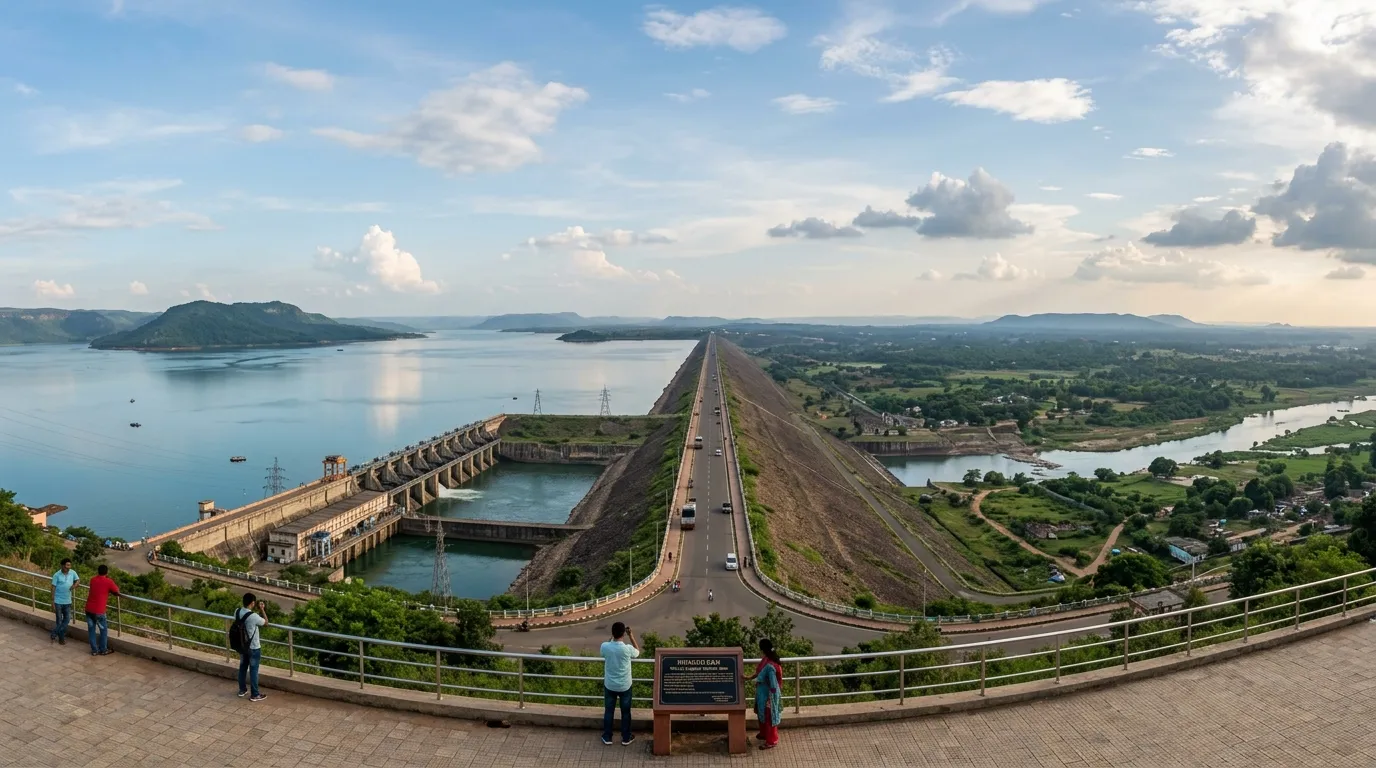
June is monsoon arrival. NSTR tiger reserve closes (June 1-September 30 across most years for the SW monsoon — wildlife breeding season). Dam visitor access affected by water-release operations. Skip.
June at Nalanda — monsoon late but oppressive in combination with heat; pilgrim circuits still running but miserable. Bakhtiyar Khilji destruction 1193 should plan for Oct–Mar.
June is pre-monsoon and early-monsoon Nalsarovar. Daytime 28-38°C, the wetland filling from early rains, bird density low, and operations transitioning. The destination is in flux.
June at Namchi — monsoon breaks properly across the Northeast — Arunachal's roads are among the most landslide-prone in India, Dirang-Tawang routinely cut off. Temi Tea access should plan for Mar–May, Oct–Nov.
June at Namdapha — monsoon breaks properly across the Northeast — Arunachal's roads are among the most landslide-prone in India, Dirang-Tawang routinely cut off. Largest NE protected area should plan for Mar–May, Oct–Nov.
June marks the onset of the Southwest monsoon. Heavy rainfall triggers landslides and road washouts on the approaches to Nandaprayag. The Badrinath Highway becomes treacherous. The pilgrimage season shuts down. Infrastructure fails. The confluence swells into a dangerous torrent. Travel is unsafe.
June at Neemrana — the hottest month before the monsoon arrives — Rajasthan's fort tours close early, desert safaris cancel, hotel ACs run 24/7. Heritage hotel pioneer should plan for Feb–Mar, Oct–Dec.
June shuts Neil. Ferries cancel half the days, snorkeling impossible, Natural Bridge inaccessible at high swell, beaches unsafe. The trip cannot work. Reschedule to October or November.
June is when the southwest monsoon hits Nelliyampathy with full force. 12 hairpin bend road landslide-prone (Kerala PWD closures 1-2 days/week), viewpoints permanently fogged, plantation walks suspend. Wait for October.
June is full southwest monsoon. The North Bay crossing is among the first to cancel because the route is short, exposed, and sea-state-sensitive. Sailings happen perhaps two days a week. Do not book.
June at Orchha — monsoon arrives late in the month — tiger reserves start closing in rotation, outdoor heritage sites punishing. Khajuraho extension should plan for Jul–Mar.
June at Osian — the hottest month before the monsoon arrives — Rajasthan's fort tours close early, desert safaris cancel, hotel ACs run 24/7. Jodhpur desert gateway should plan for Feb–Mar, Oct–Dec.
June combines peak pre-monsoon heat on the Tamil Nadu plains with the onset of the southwest monsoon; the uncovered 700-step staircase becomes dangerously slippery in rain, the winch queue is long even in the wet, and the heat and humidity make the surrounding town an unpleasant base.
June at Palitana: 26-37C, pre-monsoon humidity. Climb closes mid-June for Chaturmas (Jain monsoon religious retreat). Palitana's 863 temples shut from mid-June through mid-September. Vijay Vilas Palace continues operations but the pilgrimage anchor inactive for 4 months.
June monsoon arrival (25–31°C, 600–800mm rain) closes beaches, suspends water activities, and forces most shacks to shut. The sea becomes rough and unsafe.
June SW monsoon (24–30°C, 700–900mm rain) makes Fontainhas' narrow lanes soggy and slippery. Mandovi cruises suspend. Monsoon downpours make wandering narrow streets an uncomfortable, slippery experience rather than atmospheric exploration.
June Panchgani is monsoon arrival — 19-26°C at 1334m with 600-900mm rainfall, Table Land slippery and unsafe, paragliding fully suspended, viewpoints fog-blanketed. Hill-station shutdown begins.
June at Pasighat — monsoon breaks properly across the Northeast — Arunachal's roads are among the most landslide-prone in India, Dirang-Tawang routinely cut off. Adi tribal capital should plan for Oct–Mar.
June at Patiala — the hottest, most enervating month; pre-monsoon heatwaves kill crops, stop outdoor work, make sightseeing a medical risk. Patiala Shahi cuisine should plan for Feb–Mar, Oct–Dec.
June at Patna — monsoon late but oppressive in combination with heat; pilgrim circuits still running but miserable. Ancient Magadha should plan for Oct–Mar.
June at Pawapuri — monsoon late but oppressive in combination with heat; pilgrim circuits still running but miserable. Diwali Jain origin should plan for Oct–Mar.
June at Pelling — monsoon breaks properly across the Northeast — Arunachal's roads are among the most landslide-prone in India, Dirang-Tawang routinely cut off. Singshore Bridge should plan for Mar–May, Oct–Nov.
June at Pench-MH closes Jun 30 — last-chance dash first 2 weeks (24-41°C), then monsoon-onset humidity, then closure. Suboptimal vs Mar-May peak or Oct reopen.
June at Pinjore Gardens — the hottest, most enervating month; pre-monsoon heatwaves kill crops, stop outdoor work, make sightseeing a medical risk. Bhima Devi 10th-c should plan for Feb–Mar, Oct–Dec.
June sanctuary closed. SW monsoon weak — TN coast rain shadow. Lagoons dry. Reopens November. Monsoon rains make June nearly impassable with flooded trails and wildlife dispersed inland.
June SW monsoon (17–22°C, 800–1000mm rainfall) makes the 22-hairpin road landslide-prone. Trails waterlogged. Visibility poor. Monsoon rains make trails waterlogged and visibility poor in June.
June SW monsoon (24–29°C, 700–900mm rainfall) makes estuary rough. Boat shuttles suspended on heavy-rain days. Monsoon rains peak in June, making beaches waterlogged and backwater activities unreliable.
Southwest monsoon hits full force. Rainfall totals 400–500mm, seas turn rough, and ferry networks collapse. Water sports shut down. Accommodation floods in low-lying areas.
June at Prayagraj — the hottest, most enervating month; pre-monsoon heatwaves kill crops, stop outdoor work, make sightseeing a medical risk. Nehru family heritage should plan for Oct–Feb.
June is off-season transitioning. SW monsoon edges to AP coast (200-250mm) refilling the lagoon. Flamingos absent — they're at breeding grounds. Boat trips closed. Skip.
June at Pushkar — the hottest month before the monsoon arrives — Rajasthan's fort tours close early, desert safaris cancel, hotel ACs run 24/7. Hindu-Muslim heritage should plan for Feb–Mar, Oct–Dec.
June at Rajgir — monsoon late but oppressive in combination with heat; pilgrim circuits still running but miserable. First Buddhist Council should plan for Oct–Mar.
June shuts the Rangat stopover down. ATR landslide closures, Amkunj boardwalk flooded, Dhani Nallah trail impassable. The convoy itself runs unreliably for residents only. Reschedule to November.
June is pre-monsoon Rann. The salt flat begins flooding as early monsoon rain hits the Kutch desert, heat lingers at 40C+, and the destination is in transition from desert furnace to wet-flooded state. Skip.
June Ratnagiri is monsoon onset — SW monsoon arrives Jun 7-12, Arabian Sea swell 3-4m, Bhatye and Mandvi-Aare-Ware beaches red-flagged, Ratnadurg climb dangerous on slick basalt, Konkan Railway landslide-prone Roha-Sangameshwar stretch. NH-66 floods.
June at Ravangla — monsoon breaks properly across the Northeast — Arunachal's roads are among the most landslide-prone in India, Dirang-Tawang routinely cut off. Temi Tea Garden should plan for Mar–May, Oct–Nov.
Southwest monsoon (430mm rain). Aberdeen Jetty crossings cancel. Show suspended. Monsoon rains make the historic structures treacherous to explore safely.
SW monsoon. Temple closed except 1st-of-Malayalam-month brief opening. Pampa River dangerous. Monsoon floods make the mountain trek impassable and dangerous in June.
June is when the southwest monsoon hits Sakleshpur with peak Western Ghats force. Rainfall 800-1000mm — Agumbe + Hulikal 80km away among India's wettest, ~7000mm/year. Bisle Ghat landslide-prone, NH-75 closures. Skip.
June at Sanchi — monsoon arrives late in the month — tiger reserves start closing in rotation, outdoor heritage sites punishing. Torana carvings should plan for Oct–Mar.
June at Sarnath — the hottest, most enervating month; pre-monsoon heatwaves kill crops, stop outdoor work, make sightseeing a medical risk. Multi-nation monastery circuit should plan for Oct–Mar.
Gir National Park CLOSES Jun 16 — Sasan-area lodges shift to off-season. Pre-closure June 1-15 marginal with brutal heat plus pre-monsoon humidity. Most lodges run skeleton staff or close for maintenance ahead of the 4-month closure.
June at Shantiniketan — monsoon arrives; Kolkata waterlogs in patches, Sundarbans closes partly, Darjeeling landslide-prone. Bengali Renaissance art should plan for Oct–Mar.
June at Shekhawati — the hottest month before the monsoon arrives — Rajasthan's fort tours close early, desert safaris cancel, hotel ACs run 24/7. Colonial-era art fusion should plan for Feb–Mar, Oct–Dec.
June at Shillong — peak monsoon — rainfall numbers are among the highest on earth, road travel collapses across Meghalaya and Assam, NP closures standard. Waterfall + geological wonder travelers should plan for Oct–Apr.
June at Shnongpdeng — peak monsoon — rainfall numbers are among the highest on earth, road travel collapses across Meghalaya and Assam, NP closures standard. Riverside camping should plan for Oct–Mar.
June is when the southwest monsoon hits the Western Ghats — Silent Valley NP closes for the season under Kerala Forest Department safety rule. Kunthipuzha river crossings flood, trails dangerous. Wait for October.
June at Sirpur — monsoon arrives late in the month — tiger reserves start closing in rotation, outdoor heritage sites punishing. UNESCO tentative should plan for Oct–Mar.
June at Sravasti — the hottest, most enervating month; pre-monsoon heatwaves kill crops, stop outdoor work, make sightseeing a medical risk. Angulimala transformation should plan for Feb–Mar, Oct–Dec.
June at Srisailam loses the safari side of the trip — NSTR Tiger Reserve closes June 1 through September for the southwest monsoon. The temple still runs but the Pathala Ganga ghat sees high-current Krishna river flows. October opens the proper window. Skip.
June at Sundarbans — monsoon arrives; Kolkata waterlogs in patches, Sundarbans closes partly, Darjeeling landslide-prone. Royal Bengal tiger should plan for Oct–Mar.
June brings the full onset of the southwest monsoon to this stretch of the Tamil Nadu plains: persistent heat combined with heavy humidity makes outdoor temple circuits unpleasant, and the approach roads to Swamimalai can flood in sustained downpours.
June at Tamenglong — peak monsoon — rainfall numbers are among the highest on earth, road travel collapses across Meghalaya and Assam, NP closures standard. Barak Falls should plan for Oct–Mar.
June at Tawang — monsoon breaks properly across the Northeast — Arunachal's roads are among the most landslide-prone in India, Dirang-Tawang routinely cut off. Post-Ladakh travelers ready for the second, harder high-altitude chapter should plan for Mar–May, Oct–Nov.
June's Southwest monsoon onset brings 600-800mm rainfall. Boat safaris suspend frequently and walking trails close entirely. Wildlife viewing becomes unreliable and accessibility disappears—skip this month entirely.
June's Southwest monsoon arrival brings 700-900mm rainfall and closes outdoor heritage. This is not a standard-trip month—skip unless visiting specifically for monsoon season or wellness retreats.
June brings the early southwest monsoon to the southeastern coast; seas turn rough along the Bay of Bengal shoreline, making the open temple plazas exposed and wet. The approach town floods in heavy rain and humidity stays high all month, making a comfortable darshan difficult.
June monsoon transforms the Eastern Ghats into a challenging environment. The Alipiri and Srivari routes become dangerous. Heavy clouds hide the temple until arrival.
June brings the start of the southwest monsoon; the exposed climb to the rock-cut shrine becomes slippery and the open plazas are wet through much of the day. Connecting travel through Madurai is disrupted in heavy rain and humidity stays high throughout the month.
June at Udaipur — the hottest month before the monsoon arrives — Rajasthan's fort tours close early, desert safaris cancel, hotel ACs run 24/7. Mewar history + architecture pilgrims should plan for Sep–Feb.
June is when the southwest monsoon hits the Udupi coast with peak Karnataka force. Rainfall 900-1100mm, beach closed, ferry season ended. Sri Krishna Matha continues but the standard pilgrimage-plus-beach trip cannot happen. Skip unless darshan-only.
June at Ujjain — monsoon arrives late in the month — tiger reserves start closing in rotation, outdoor heritage sites punishing. Shakti Peeth heritage should plan for Oct–Mar.
June is when the southwest monsoon hits Vagamon with full force. Indian Paragliding Federation operations suspend completely (mandatory thermal-instability rule), viewpoints permanently fogged. Erattupetta-Vagamon road landslide-prone. Wait for September.
June dumps 700-800mm of rain. All shacks dismantled, sea closed, cliff walks dangerous. Olive Bar closed for monsoon. The trip you came for is closed.
June at Vaishali — monsoon late but oppressive in combination with heat; pilgrim circuits still running but miserable. Buddha + Mahavira should plan for Oct–Mar.
June is when the SW monsoon hits Valparai with full force. 400-600mm rainfall, 40-hairpin Aliyar-Valparai road closes 2-3 days/week on landslides, NCF macaque tours suspend, tea estate access compromised. The Valparai trip cannot happen until October. Skip.
June at Varanasi — the hottest, most enervating month; pre-monsoon heatwaves kill crops, stop outdoor work, make sightseeing a medical risk. Cultural photography + documentary travelers should plan for Oct–Mar.
June is when the southwest monsoon hits Kerala. Papanasam Beach forbidden, cliff erosion danger zone (laterite escarpment loses 0.5-1m per year, monsoon-accelerated), shack-cafes shut, yoga retreats closed for season.
Sanctuary closed April-October. Tank still dry — TN coast in SW monsoon rain shadow. No visitor access. Reopens with the NE monsoon arrival in November.
Velavadar National Park CLOSES Jun 16 for monsoon breeding closure (lesser florican breeding season). Reopens Oct 15-16. Pre-closure June 1-15 marginal — brutal pre-monsoon heat plus harrier-roost empty. Lodges shift to off-season Jun 16.
June initiates the Southwest monsoon. Heavy rainfall triggers landslides on approaches to the highest prayag. The Badrinath Highway becomes dangerous. The pilgrimage season shuts down. The confluence swells into a raging torrent. Travel is unsafe.
June at Vrindavan — the hottest, most enervating month; pre-monsoon heatwaves kill crops, stop outdoor work, make sightseeing a medical risk. ISKCON global base should plan for Feb–Mar, Oct–Nov.
June SW monsoon brings 800-1500mm rainfall and serious landslide risk. The 2024 Mundakhai disaster reminds us that this is when Tamarassery Ghat closes frequently.
June at Zuluk — monsoon breaks properly across the Northeast — Arunachal's roads are among the most landslide-prone in India, Dirang-Tawang routinely cut off. Nathang Valley yaks should plan for Mar–May, Oct–Dec.
June marks monsoon onset with daily heavy rainfall. The park gates close. Forest trails become river beds. Road washouts prevent access. Landslides on the fort trek route are common. No safe visitor conditions exist.
June at Dudhwa National Park — the hottest, most enervating month; pre-monsoon heatwaves kill crops, stop outdoor work, make sightseeing a medical risk. Tharu tribal culture should plan for Nov–Mar.
June Elephanta is fully closed — Gateway-Elephanta ferry suspended under MMB monsoon rules (Apr 30 to ~Sep 15), the Arabian Sea breaks in 3-4m swell, the island has no monsoon visitor infrastructure, and the basalt cave plateau gets pummelled by 25-40mm daily rainfall.
June marks monsoon arrival with continuous heavy rainfall. Trails are impassable due to mud and landslide risk. Visibility on summit is near-zero. Road access is unreliable.
June marks monsoon arrival with heavy rainfall making remote mountain roads extremely dangerous. Landslide risk is critical in this terrain. Border region may have access restrictions.
June Malvan is monsoon onset — Arabian Sea swell 3-4m by mid-month, Sindhudurg Fort boats suspended, scuba operators fully closed for season, beaches red-flagged. Konkan Railway runs but services intermittent.
June sees pleasant temperatures (10–18°C daytime) and a fully thawed lake. However, the official pilgrimage yatra has not begun. Infrastructure is minimal. Visiting outside the Janmashtami–Radha Ashtami window goes against Gaddi tribal tradition and misses the sacred yatra experience.
June in Matheran is the monsoon-shutdown month — toy-train suspended typically June 9-10 onwards, ridge paths flood, landslide risk on the Dasturi access road, and the British-era walking hill-station goes effectively dormant for the season.
June Murud-Janjira is monsoon onset — Rajapuri jetty boats suspended once SW monsoon lands Jun 7-12, Arabian Sea swell 3-4m, Datta climb steps slippery, beach dangerous with red-flag days, NH-66 floods at Pen-Roha. Murud effectively closed.
June marks monsoon arrival with sustained rainfall. Access roads to the temple become slippery and hazardous. Forest paths are treacherous. Leeches are abundant on trails. Flash flooding occurs in valleys near the Alagar Hills. Waterborne illness risk increases.
June sees melting at lower elevations, but the glacial sections above 4,500m remain snowbound. The official yatra begins on Shravan Purnima (full moon in July–August). The trek is not yet safe. Infrastructure is being prepared but not yet active.
June Tarkarli scuba is fully closed for season — operators won't resume until Oct 1, Arabian Sea swell 3-4m, beach red-flagged, MTDC stilt-villas at 50% off but no scuba or dolphin tours available.
June marks the onset of southwest monsoon with sustained rainfall. The road from Chennai toward Tiruttani becomes slippery and accident-prone. Hill trails are impassable. Water stagnation and mosquito-borne illness risk increase. Flooding in low-lying areas near the base of the hill.
ALSO ON NAKSHIQ
Eight more rooms in the magazine.
Guides
Visa, scams, food, packing.
Everything the guidebook won't tell you — written for India in 2026.
Blog
Field notes from the road.
Long-form reads on regions, festivals, and the offbeat circuit.
Road trips
Curated multi-day routes.
Driving itineraries with day-by-day stops, distance, and difficulty.
Collections
Themed reading lists.
Wettest places. Sacred lakes. Solo-female-safe. Curated cuts.
NakshIQ 100
The 100 best destination-months.
India's highest-scoring places, ranked across all 12 months.
The Window
Our weekly newsletter, archived.
One honest spread, every Sunday. The full back catalogue.
Skip list
What we'd skip — and what we'd do instead.
Overhyped places with honest alternatives.
First trip
Planning your first time in India.
Safety, scams, what to wear, food survival, solo female travel.