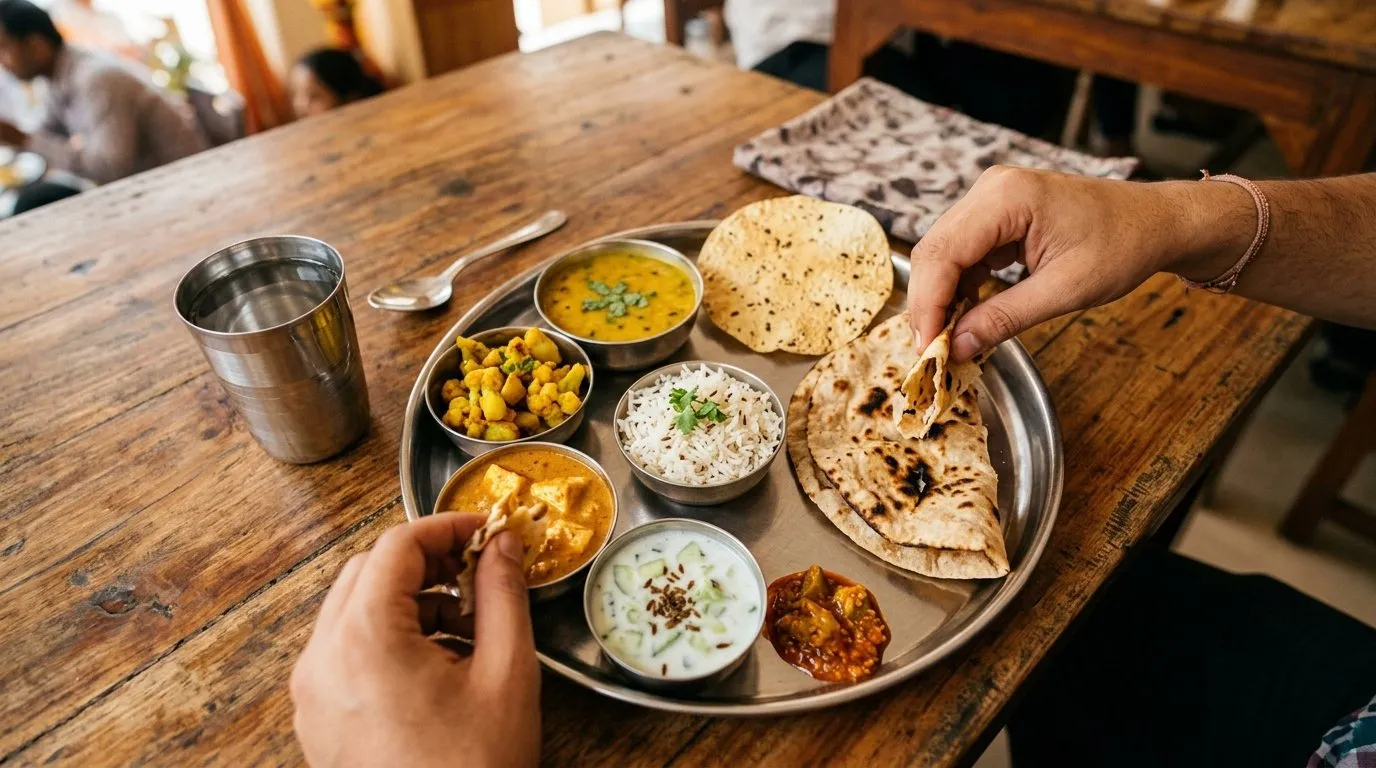
Will I Get Sick? The Honest Truth About Delhi Belly
Yes, probably. Here's why that's OK and how to handle it.
# Will I Get Sick? The Honest Truth About Delhi Belly
Let me save you the suspense: yes, there's a good chance you'll have some stomach trouble in India. Studies put the number at 60–70% of first-time visitors experiencing some form of traveler's diarrhea.
But here's what nobody tells you: it's usually 24–48 hours of discomfort, not a trip-ending disaster. And it's not because Indian food is "dirty." The science says something different.
I'm Ashish Taneja. My family splits time between abroad and India. Even we get the occasional stomach wobble when we go back after months away. Here's everything you actually need to know.
The Science: It's Not "Dirty Food"
Traveler's diarrhea happens because your gut microbiome — the bacteria that live in your digestive system — is adapted to where you live. When you introduce a completely different set of bacteria (even benign ones), your system reacts.
This is why:
- ●Indians visiting Europe often get sick too
- ●You can eat at a five-star hotel in Delhi and still get an upset stomach
- ●Your second trip to India is usually much easier on your gut
The bacteria in Indian water and food aren't inherently dangerous for most travelers — they're just *different*. Your body needs time to adjust. E. coli strains that are normal in Indian guts can cause temporary havoc in yours.
That said, food hygiene standards do vary enormously. A street stall in old Delhi and a restaurant in a heritage hotel are not the same risk profile. Common sense applies.
Prevention That Actually Works
Forget the paranoid advice about only eating sealed packaged food. You came to India to experience India. Here's what actually reduces your risk:
The Big Three
1. Don't drink tap water. Ever. Not even to brush your teeth in the first week. Bottled water only — check the seal is intact. This single rule eliminates 50%+ of stomach issues.
2. Eat cooked food, served hot. Heat kills bacteria. A piping hot dosa from a busy stall is safer than a room-temperature salad at a mediocre restaurant.
3. Wash your hands constantly. Carry hand sanitiser. Use it before every meal. This is the most underrated prevention.
The Smart Moves
- ●Avoid raw salads and cut fruit from street vendors in the first few days. After your gut adjusts, you can be braver.
- ●Skip ice in drinks unless you're at a reputable restaurant that uses filtered water ice (most good restaurants do).
- ●Peel your own fruit. Bananas, oranges, pomegranates — all safe. Pre-cut watermelon from a cart? Skip it.
- ●Yogurt/curd is your friend. Indian curd (dahi) contains probiotics that actively help your gut adjust. Eat it with every meal.
- ●Start probiotics 2 weeks before your trip. Studies show this reduces incidence by 15–25%.
City-by-City Food Safety
Not all Indian cities are equal when it comes to food safety. Here's what our NakshIQ data shows:
Lower Risk (Food Safety: High)
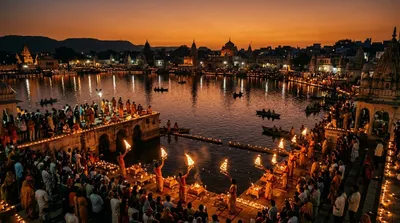
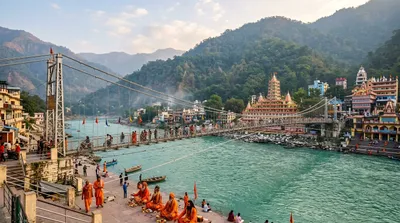
- ●Rishikesh — Vegetarian by municipal law. No meat means lower bacterial risk. The yoga crowd has driven up restaurant hygiene standards. Most cafes cater to international stomachs.
- ●Haridwar — Same vegetarian mandate as Rishikesh. Temple town with surprisingly clean food stalls. The kachoris at Mohan Ji Puri Wale have been safe for decades.
- ●Pushkar — Another vegetarian holy town. Small, walkable, with cafes that cater to backpackers. Low risk.
- ●Vrindavan — Krishna's holy city. Strictly vegetarian. Temple food (prasad) is prepared in massive quantities with reasonable hygiene.
Moderate Risk (Food Safety: Medium)
- ●Jaipur — Good restaurant scene with options from street food to fine dining. The tourist areas around MI Road and Johari Bazaar have reliable food. Stick to busy places.
- ●Kolkata — Famous for street food (kathi rolls, phuchka, mishti doi). Kolkata's street food culture is actually quite hygienic by Indian standards — the competition is fierce and bad stalls don't survive. Still, pace yourself.
Higher Risk (Food Safety: Variable)
- ●Delhi — Huge range. Chandni Chowk has legendary street food that's been operating for centuries — Paranthe Wali Gali, Karim's, Natraj Dahi Bhalle. These are generally safe because of volume and reputation. But random stalls in less-touristed areas? Use judgment.
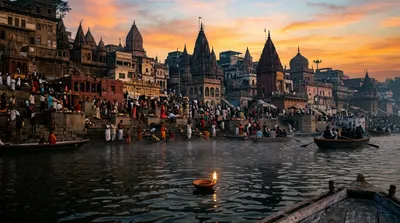
- ●Varanasi — The ghats area has food stalls of wildly varying quality. Stick to established places. The Blue Lassi Shop has been serving safe lassis for decades. Avoid anything that looks like it's been sitting out.
Street Food Rules
What to Eat
- ●Anything fried fresh in front of you — samosas, pakoras, jalebis. The oil temperature kills bacteria.
- ●Tandoori items — the clay oven reaches 400°C+. Nothing survives that.
- ●Dosas and uttapam — cooked on a hot griddle right in front of you.
- ●Chai from busy stalls — boiled milk, boiled water, hot temperatures. Safe.
- ●Chaat from famous stalls with queues — the locals know. If there's a line of Indians, eat there.
What to Skip
- ●Raita or chutneys sitting in open bowls at unknown stalls
- ●Juice from street vendors unless you watch them press it fresh (and even then, they might add water)
- ●Meat from roadside stalls in hot weather — refrigeration is inconsistent
- ●Pre-cut salads garnishing street food plates
- ●Ice gola (crushed ice treats) — the ice source is unknown
The Medicine Kit Every Traveler Needs
Pack these. All available over the counter at any Indian pharmacy (medical store):
| Medicine | Brand in India | What It's For |
|---|---|---|
| Loperamide | Imodium / Eldoper | Stops diarrhea fast (use sparingly — your body is trying to flush something out) |
| ORS packets | Electral / WHO ORS | Rehydration. This is the #1 most important thing. Dehydration is the real danger, not the diarrhea itself |
| Norfloxacin | Norflox 400 | Antibiotic for bacterial infection. Take only if symptoms last 48+ hours with fever |
| Ondansetron | Emeset / Vomistop | Anti-nausea. Dissolves on tongue. Lifesaver. |
| Activated charcoal | Charcotabs | Absorbs toxins. Take at first sign of trouble |
| Probiotics | Vizylac / Econorm | Take daily to rebuild gut bacteria |
Important: If you have bloody diarrhea, fever above 38.5°C for more than 24 hours, or symptoms lasting more than 3 days, see a doctor. Every Indian city has clinics and hospitals that treat traveler's diarrhea routinely. It's not an emergency — but don't tough it out either.
The Vegetarian Advantage
Here's a data point most travel sites won't give you: vegetarian travelers report 40% fewer stomach issues in India than meat-eaters.
This makes sense. Meat requires cold-chain management that's inconsistent in India. Vegetarian food is cooked fresh, often at extreme temperatures, and India has arguably the world's best vegetarian cuisine. You won't miss anything.
Cities where going vegetarian is easiest (and tastiest):
- ●Haridwar and Rishikesh — meat and alcohol are banned by law
- ●Pushkar — vegetarian by religious tradition
- ●Vrindavan — Krishna devotion means no meat, no eggs
- ●Most of Rajasthan — heavily vegetarian culture, incredible dal-baati-churma
Our Family's Rule
After years of traveling to India with kids, our family has one simple rule:
If the stall has a queue of locals, eat there.
Indians are ruthless food critics. A stall that's been operating for 20 years with a constant line has earned that line through consistency and quality. The locals eating there have the same bacteria you're worried about — if the food were bad, they'd know.
Conversely, an empty restaurant with a "Welcome Tourists" sign? That's where I'd be cautious.
The Bottom Line
You'll probably get a mild stomach upset in India. Accept it. Pack the medicines. Drink ORS. And don't let the fear of 24 hours of discomfort stop you from experiencing the best food culture on earth.
The travelers who have the worst time in India are the ones who eat only at hotel restaurants and miss everything. The ones who have the best time? They eat the street chaat, accept that their stomach might protest for a day, and then go back for more.
Delhi Belly is a rite of passage, not a medical emergency. Pack Electral, carry hand sanitiser, drink bottled water, and eat fearlessly.
Monthly Scores
| Destination | Jan | Feb | Mar | Apr | May | Jun | Jul | Aug | Sep | Oct | Nov | Dec |
|---|---|---|---|---|---|---|---|---|---|---|---|---|
| Delhi | 6.0 | 8.0 | 8.0 | 6.0 | 2.0 | 2.0 | 4.0 | 4.0 | 6.0 | 10.0 | 8.0 | 6.0 |
| Haridwar | 6.0 | 8.0 | 8.0 | 6.0 | 4.0 | 4.0 | 4.0 | 4.0 | 6.0 | 10.0 | 10.0 | 6.0 |
| Jaipur | 10.0 | 10.0 | 8.0 | 6.0 | 2.0 | 2.0 | 4.0 | 4.0 | 6.0 | 10.0 | 10.0 | 10.0 |
| Kolkata | 10.0 | 10.0 | 8.0 | 4.0 | 2.0 | 2.0 | 4.0 | 4.0 | 6.0 | 10.0 | 10.0 | 10.0 |
| Pushkar | 10.0 | 10.0 | 8.0 | 4.0 | 2.0 | 2.0 | 4.0 | 4.0 | 6.0 | 10.0 | 10.0 | 10.0 |
| Rishikesh | 6.0 | 8.0 | 10.0 | 8.0 | 6.0 | 4.0 | 2.0 | 2.0 | 8.0 | 10.0 | 10.0 | 6.0 |
| Varanasi | 8.0 | 8.0 | 8.0 | 6.0 | 2.0 | 2.0 | 4.0 | 4.0 | 6.0 | 10.0 | 10.0 | 10.0 |
| Vrindavan | 8.0 | 8.0 | 10.0 | 4.0 | 2.0 | 2.0 | 4.0 | 4.0 | 6.0 | 10.0 | 10.0 | 8.0 |
The Window · Every Sunday
Liked this? Get one every Sunday.
Best score of the week, one honest skip, road updates. Four minutes. No spam.
More in Field guide
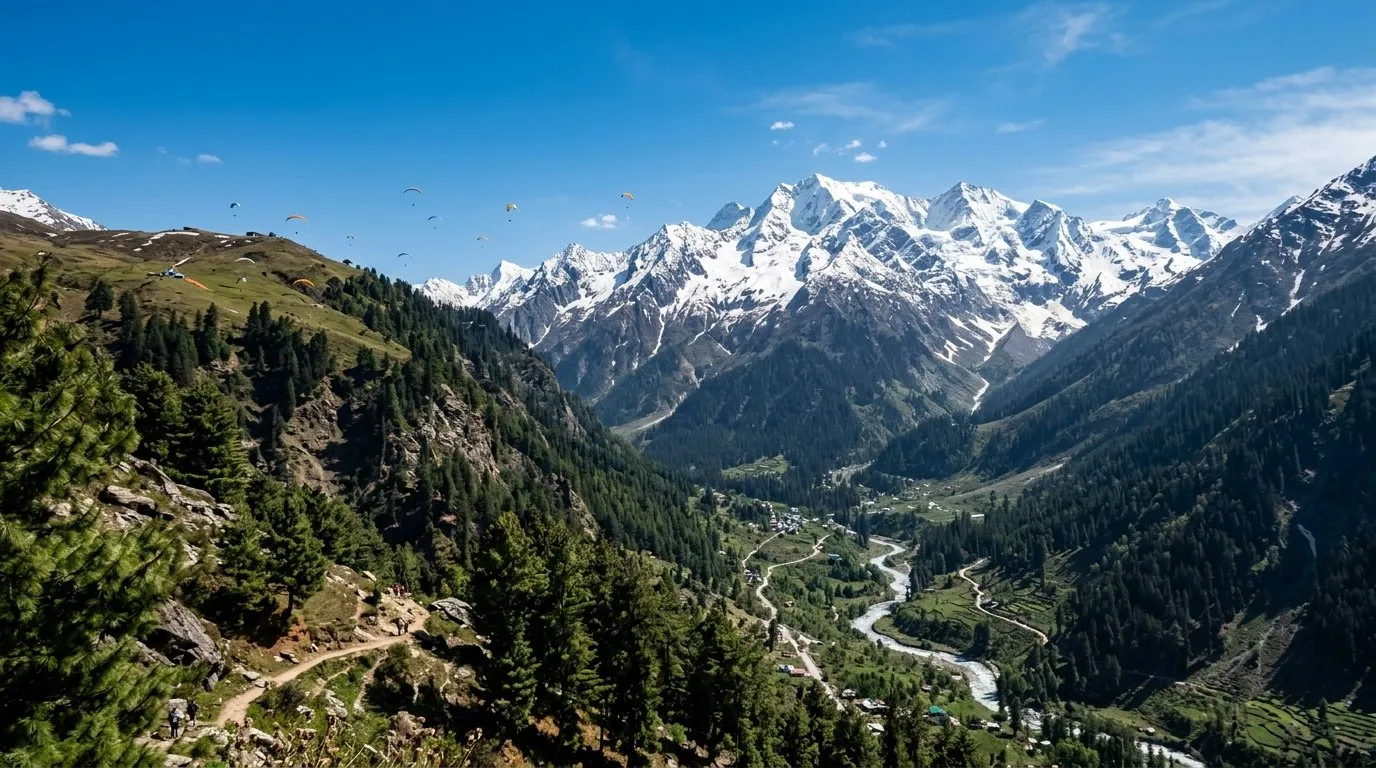
Is Manali safe for solo female travellers? Which Manali, and when
Manali is not one place. New Manali is a respectable hill town — 4/5 safe. Old Manali is the Himachal backpacker-cafe strip with party + drug scene — 2/5 after 10pm. McLeodganj 3 hours away holds 5/5 year-round. Pick deliberately.
5 min read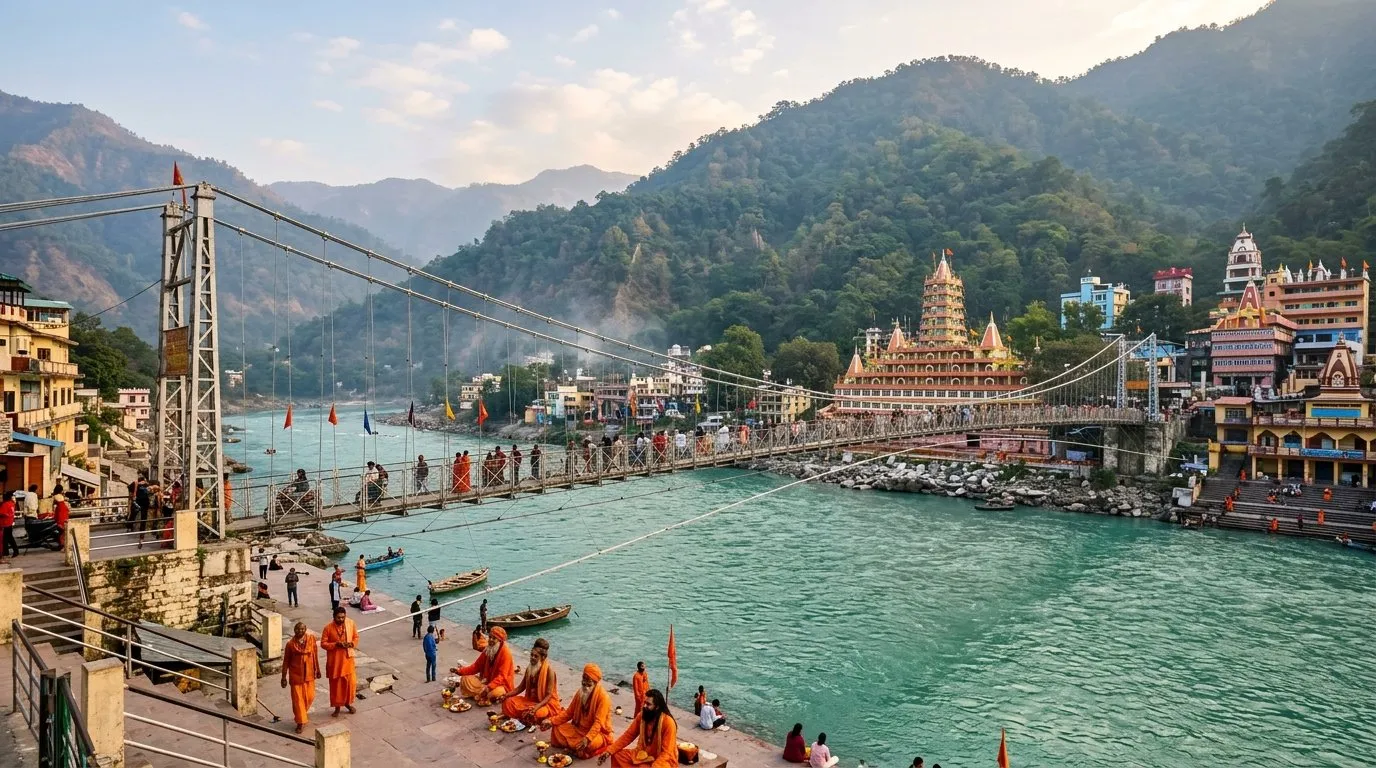
Solo-female travel in India — every destination scored, month by month
Most India travel guides tell women 'use common sense' and call it done. We rated 488 destinations on a 1-5 scale for solo-female safety, with month-specific overrides where it matters. Here's the methodology, the top 15, and the five that don't clear the bar.
10 min read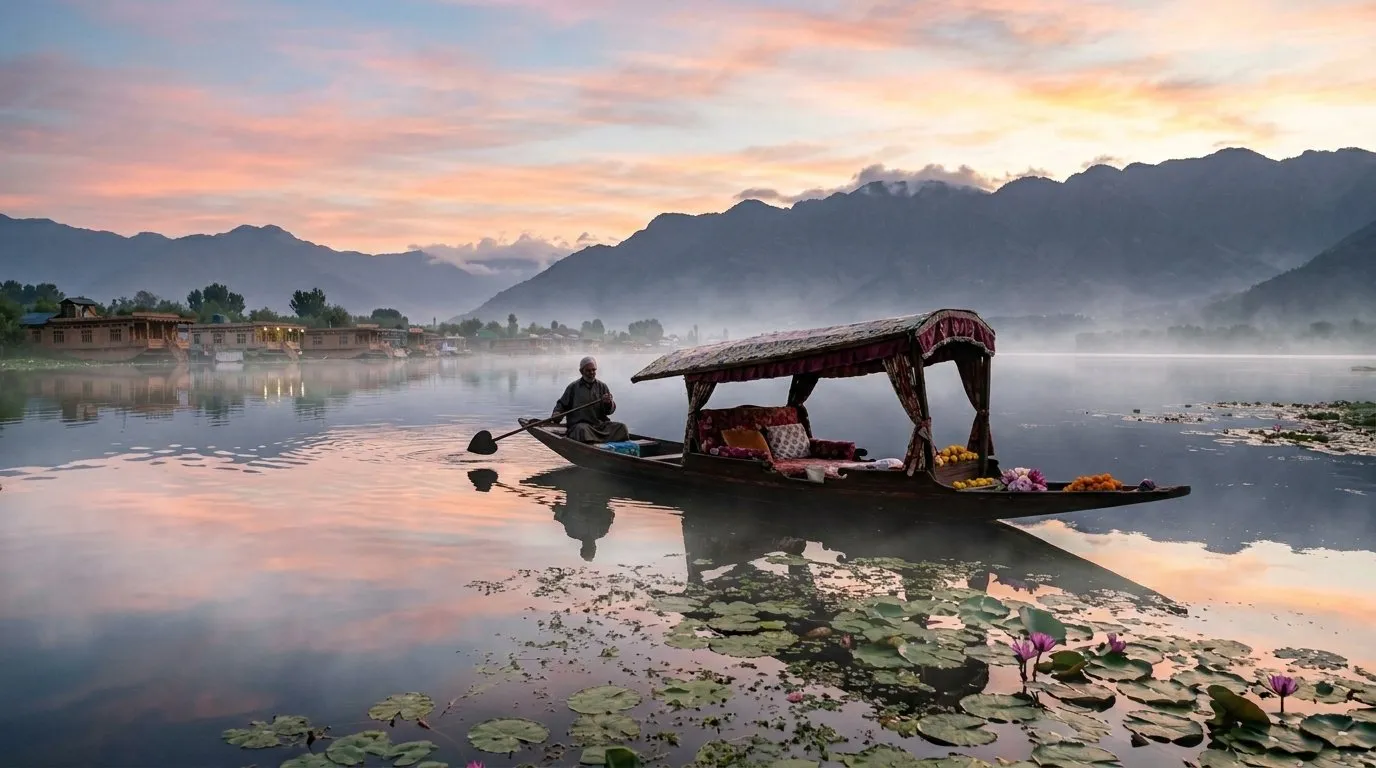
Is Kashmir safe for solo female travellers? What actually matters
Kashmir is the destination where the generic 'is India safe for women' post fails hardest. The answer depends on which month, which valley, which houseboat operator, and whether you're willing to dress differently than you would in Goa. Here's the concrete version.
6 min read- Access
- Metro network excellent.
- Emergency
- 108 reliable · AIIMS, Safdarjung, Max, Fortis — world-class.
- Stay
- ₹500-50000/night · thousands options
Go with confidence.