What to Wear in India: By Region, Gender, and Setting
More conservative than Southeast Asia, more relaxed than the Middle East — here's the real dress code
Destinations in this article
# What to Wear in India: By Region, Gender, and Setting
The general rule for India sits somewhere between Southeast Asia and the Middle East. You won't get arrested for wearing shorts. You might get stared at. And in certain settings — temples, mosques, conservative small towns — you'll want to cover up out of respect, not fear.
I'm Ashish Taneja. My wife Aurore is French-Australian, and she's navigated Indian dress codes across a dozen trips. This is our real-world guide — not the generic "dress modestly" advice that tells you nothing.
The One Rule That Covers 80% of Situations
Shoulders covered, knees covered, and you're fine almost everywhere.
That's it. For both men and women. If you can remember that single rule, you'll be appropriately dressed at 80% of places you'll visit in India. The remaining 20% requires some nuance, which we'll cover below.
By Region
Kashmir (Conservative)
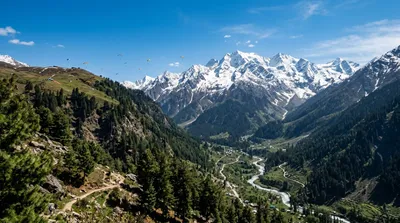
Srinagar, Pahalgam, Gulmarg
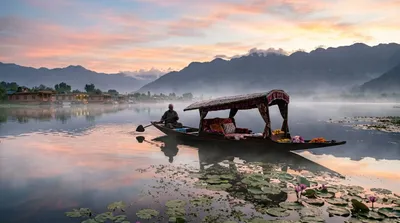
Kashmir is majority Muslim and culturally conservative. Women should wear long sleeves and trousers/long skirts. Shorts on men will get stares outside of resort hotels. This isn't a restriction — it's respect for the culture that's hosting you.
What works: loose cotton trousers (salwar-style), long tunics (kurtas — buy one in Delhi for ₹500-800, they're comfortable and appropriate), and a scarf/stole that can double as a head covering for mosque visits.
Rajasthan (Moderate-Conservative)
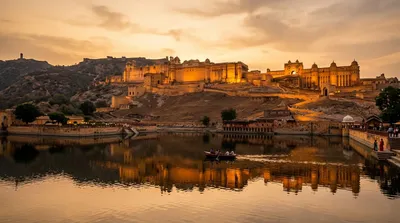
Jaipur, Jodhpur, Udaipur, Pushkar
Rajasthan is Hindu-majority but traditional. In Jaipur's tourist areas, you'll see everything from salwar kameez to jeans and t-shirts. In smaller towns and temple areas, lean conservative.
Pushkar deserves a special mention — it's a holy town, and the lake area expects modest dress. Shorts and tank tops will get you disapproving looks from the priests.
What works: light cotton pants, breathable long-sleeve shirts (Rajasthan heat demands loose, light fabrics). Jaipur has incredible textile markets — buy a cotton kurta for ₹300 and wear it everywhere.
Pilgrimage Towns (Conservative)
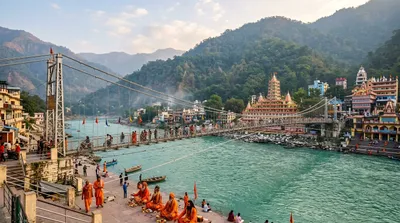
Varanasi, Haridwar, Rishikesh, Vrindavan, Amritsar
These towns exist because of religion. Dress respectfully. For women: no shorts, no sleeveless tops, no deep necklines. For men: long trousers preferred, no tank tops.
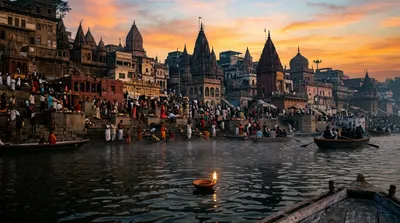
Varanasi is interesting — the ghats are surprisingly relaxed (you'll see sadhus wearing almost nothing), but the temple areas expect coverage. Kashi Vishwanath Temple has a strict dress code.
Amritsar's Golden Temple (Harmandir Sahib): Head must be covered for everyone — men and women. Free scarves and bandanas are provided at the entrance. Remove shoes. Legs should be covered. This is non-negotiable and clearly signed.
Himachal Backpacker Towns (Relaxed)
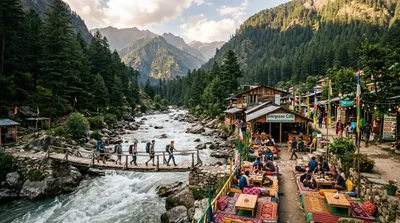
Kasol, Old Manali, Dharamshala/McLeod Ganj
These are India's backpacker hubs, and the dress code reflects it. You'll see international travelers in shorts, tank tops, and hippie pants. The local Himachali people are used to it and generally unbothered.
Kasol is probably the most relaxed place in North India for dress. The Israeli backpacker influence has been strong here since the 90s.
Dharamshala/McLeod Ganj — the Tibetan exile community is relaxed about dress. When visiting Buddhist monasteries, cover shoulders and knees, but the town itself is casual.
Northeast India (Relaxed)
Guwahati, Shillong, Gangtok
The Northeast has a distinctly different culture from mainland India. Dress codes are significantly more relaxed. Western clothes are the norm for local women. You can wear whatever you'd wear in a Southeast Asian city.
Ladakh (Moderate)
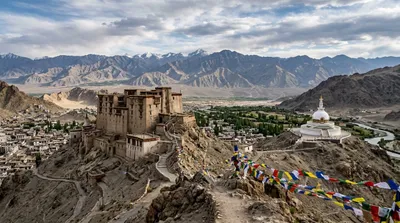
Leh, Nubra Valley, Pangong
Ladakhi culture is Buddhist and relatively relaxed, but the climate dictates dress more than culture does. At 3,500m+ elevation, you'll be wearing layers regardless. For monastery visits, cover shoulders and knees.
By Setting
Hindu Temples
- ●Cover shoulders and knees
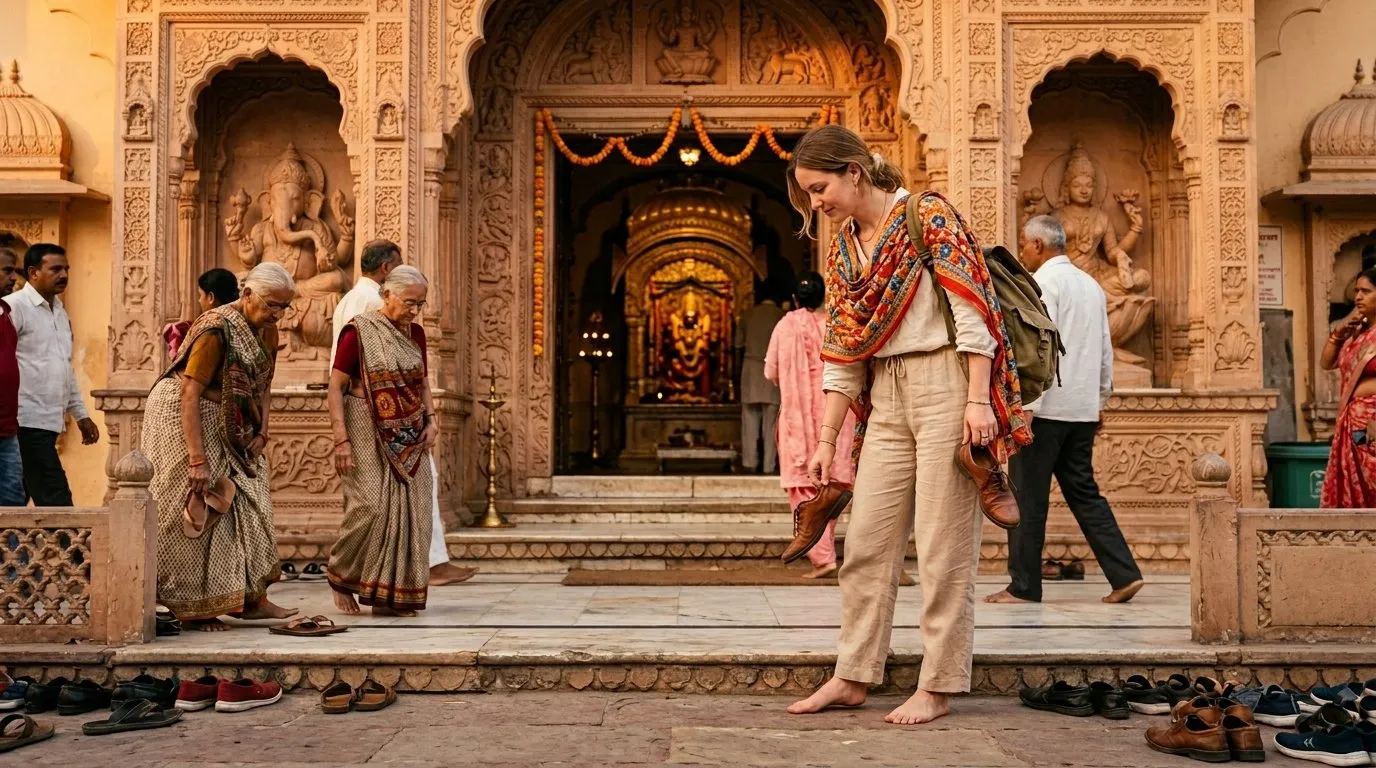
- ●Remove shoes (always — no exceptions)
- ●Some temples prohibit leather items (belts, bags)
- ●Major temples like Kashi Vishwanath have strict enforcement
- ●Smaller temples are more relaxed but appreciate modest dress
Mosques
- ●Women: cover head, arms, and legs. Carry a large scarf.
- ●Men: long trousers, no shorts. Head covering appreciated but not always required.
- ●Remove shoes
- ●Some mosques don't allow non-Muslim visitors. Respect this.
- ●Jama Masjid (Delhi): enforces dress code strictly. If you're not covered enough, they rent robes at the entrance (₹200).
Gurudwaras (Sikh Temples)
- ●Head covering mandatory for everyone — men, women, all ages
- ●Free scarves/bandanas provided at every gurudwara entrance
- ●Remove shoes (free shoe storage provided)
- ●Cover legs
- ●No tobacco products on premises
- ●The Golden Temple is strict but incredibly welcoming. Follow the rules and you'll have one of the most moving experiences of your trip.
Buddhist Monasteries
- ●Modest dress (shoulders and knees covered)
- ●Remove shoes inside prayer halls
- ●Generally the most relaxed religious sites for dress code
- ●Hats off inside prayer halls
For Women Specifically
What Indian Women Actually Wear
In cities like Delhi and Jaipur, you'll see Indian women wearing everything from full salwar kameez to jeans and t-shirts. The idea that all Indian women dress conservatively is outdated — urban Indian women dress as diversely as women anywhere.
However, in smaller towns and religious areas, local women do tend to dress more conservatively. Match the vibe of where you are.
What Western Women Can Comfortably Wear
In cities and tourist areas: Jeans/cotton trousers + t-shirt or blouse with sleeves. Maxi dresses and long skirts work great. You don't need to wear Indian clothes (but you might want to — they're gorgeous and comfortable in the heat).
In conservative areas: Loose cotton trousers + tunic/kurta. No shorts, no sleeveless tops, no deep V-necks.
At the beach (Goa, not in our coverage): Swimwear is fine on tourist beaches, not on local ones.
The Dupatta Trick
Buy a dupatta (large cotton/silk scarf) in your first Indian market. Cost: ₹200-500. This single item:
- ●Covers your head at gurudwaras and mosques
- ●Wraps around shoulders for temple visits
- ●Shields from sun
- ●Works as a blanket on AC trains
- ●Covers cleavage when you need to
- ●Doubles as a beach wrap
My wife Aurore never travels in India without three dupattas in her bag. It's the single most versatile piece of clothing for India travel.
For Men
The good news: Men have it easier in India on dress codes.
- ●Shorts are fine in tourist areas, backpacker zones, and cities. Not fine in temples, mosques, or gurudwaras.
- ●Tank tops/sleeveless — skip these at religious sites. Otherwise fine in casual settings.
- ●T-shirt and jeans/chinos works almost everywhere
- ●Kurta-pyjama (traditional Indian tunic and loose trousers) — buy a set for ₹800-1500. You'll be more comfortable than in Western clothes, and Indians will love that you're wearing it.
The one thing to know: Indian men generally don't wear shorts in non-tourist, non-urban areas. You won't be penalized for it, but you might feel out of place in a small-town market wearing cargo shorts.
By Season
Himalayan Cold (October–March)
Leh, Manali, Srinagar, Dharamshala
It gets seriously cold. Leh in December can hit -20°C. Pack:
- ●Thermal base layers (Uniqlo Heattech or similar)
- ●Fleece mid-layer
- ●Down jacket
- ●Warm hat, gloves, wool socks
- ●Good hiking boots with grip
Buy locally if needed — Manali and Leh have shops selling decent winter gear (quality varies, but it's cheap).
Rajasthan/North India Heat (April–June)
Delhi, Jaipur, Agra, Varanasi
It hits 45°C+. Your clothing strategy is survival:
- ●Loose, light-colored cotton only. Linen works too.
- ●Long sleeves actually help — they protect from sun and wick sweat better than bare skin in extreme heat
- ●Wide-brimmed hat or cotton scarf for sun protection
- ●Cotton socks + breathable shoes. Your feet will sweat.
- ●Indians wear cotton kurtas in this heat for a reason — they're the most comfortable option
Monsoon (July–September)
Everywhere
It will rain. Often without warning. Plan for it:
- ●Quick-dry fabrics — cotton takes forever to dry in monsoon humidity
- ●Waterproof bag for electronics and documents
- ●Sandals that can get wet (Tevas, Chacos) for daily wear
- ●Compact rain jacket — umbrellas are fine in cities but useless in mountain rain
- ●Pack 50% more socks than you think you need
What NOT to Overthink
Let me be direct: many India travel guides make this topic far more stressful than it needs to be.
- ●You won't be arrested for wearing shorts. You might get stared at in conservative areas. Staring is an Indian cultural thing — it happens to everyone, regardless of clothing.
- ●You don't need to buy a whole Indian wardrobe before you leave. Indian clothes are cheap, beautiful, and available everywhere. Buy on arrival.
- ●Nobody expects you to look Indian. You're a foreigner. Everyone knows it. Wearing a salwar kameez is wonderful and appreciated, but nobody's offended if you don't.
- ●Jeans are universal. They work in every setting except the hottest months.
What My Wife Aurore Packs for Our India Trips
After 12+ trips, her India packing list has been refined to:
- ●3 cotton/linen loose trousers (light colors)
- ●4 cotton t-shirts with sleeves
- ●2 long cotton kurtas (bought in India, now staples)
- ●3 dupattas/scarves (different weights)
- ●1 light cotton maxi dress
- ●1 pair broken-in walking sandals
- ●1 pair closed-toe shoes for temples (easy slip-on)
- ●1 light rain jacket
- ●Thermal base layer (if going to mountains)
Total: fits in half a suitcase. The other half is empty — for the textiles she'll inevitably buy in Jaipur.
The Bottom Line
India's dress code is about respect, not restriction. Cover shoulders and knees at religious sites. Dress for the climate. Buy a dupatta. And don't let anxiety about "getting it wrong" stop you from going.
The truth is, Indians are far more forgiving of tourist fashion choices than most travel blogs suggest. They care more that you came than what you're wearing.
Monthly Scores
| Destination | Jan | Feb | Mar | Apr | May | Jun | Jul | Aug | Sep | Oct | Nov | Dec |
|---|---|---|---|---|---|---|---|---|---|---|---|---|
| Amritsar | 8.0 | 8.0 | 8.0 | 8.0 | 4.0 | 2.0 | 4.0 | 4.0 | 6.0 | 10.0 | 10.0 | 8.0 |
| Delhi | 6.0 | 8.0 | 8.0 | 6.0 | 2.0 | 2.0 | 4.0 | 4.0 | 6.0 | 10.0 | 8.0 | 6.0 |
| Dharamshala | 6.0 | 6.0 | 10.0 | 10.0 | 8.0 | 6.0 | 4.0 | 4.0 | 8.0 | 10.0 | 8.0 | 6.0 |
| Jaipur | 10.0 | 10.0 | 8.0 | 6.0 | 2.0 | 2.0 | 4.0 | 4.0 | 6.0 | 10.0 | 10.0 | 10.0 |
| Kasol | 4.0 | 4.0 | 8.0 | 10.0 | 10.0 | 6.0 | 4.0 | 4.0 | 10.0 | 10.0 | 6.0 | 4.0 |
| Leh | 2.0 | 2.0 | 2.0 | 4.0 | 6.0 | 10.0 | 10.0 | 8.0 | 10.0 | 6.0 | 2.0 | 2.0 |
| Manali | 8.0 | 8.0 | 6.0 | 8.0 | 6.0 | 6.0 | 2.0 | 2.0 | 8.0 | 10.0 | 8.0 | 8.0 |
| Rishikesh | 6.0 | 8.0 | 10.0 | 8.0 | 6.0 | 4.0 | 2.0 | 2.0 | 8.0 | 10.0 | 10.0 | 6.0 |
| Srinagar | 2.0 | 2.0 | 8.0 | 10.0 | 10.0 | 8.0 | 6.0 | 6.0 | 10.0 | 10.0 | 6.0 | 4.0 |
| Varanasi | 8.0 | 8.0 | 8.0 | 6.0 | 2.0 | 2.0 | 4.0 | 4.0 | 6.0 | 10.0 | 10.0 | 10.0 |
The Window · Every Sunday
Liked this? Get one every Sunday.
Best score of the week, one honest skip, road updates. Four minutes. No spam.
More in Field guide
Is Manali safe for solo female travellers? Which Manali, and when
Manali is not one place. New Manali is a respectable hill town — 4/5 safe. Old Manali is the Himachal backpacker-cafe strip with party + drug scene — 2/5 after 10pm. McLeodganj 3 hours away holds 5/5 year-round. Pick deliberately.
5 min read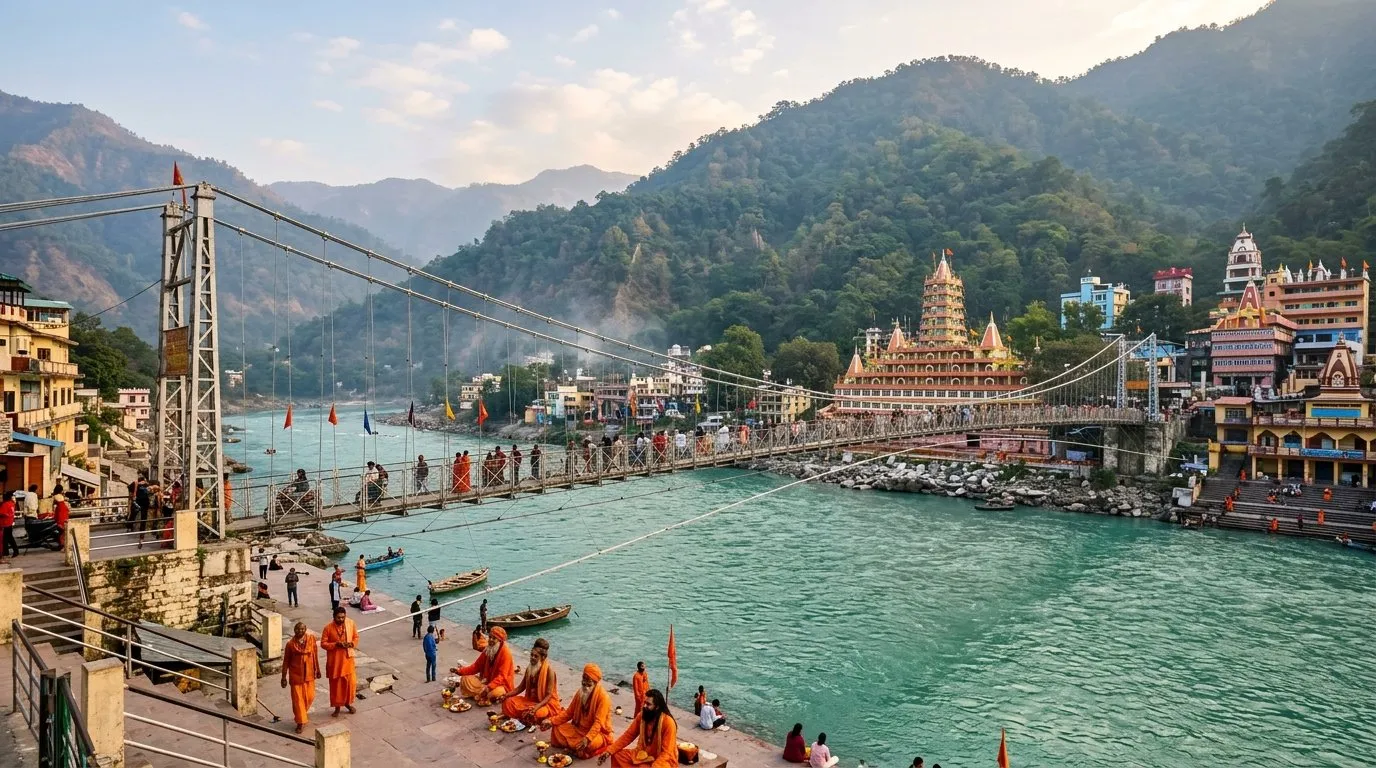
Solo-female travel in India — every destination scored, month by month
Most India travel guides tell women 'use common sense' and call it done. We rated 488 destinations on a 1-5 scale for solo-female safety, with month-specific overrides where it matters. Here's the methodology, the top 15, and the five that don't clear the bar.
10 min read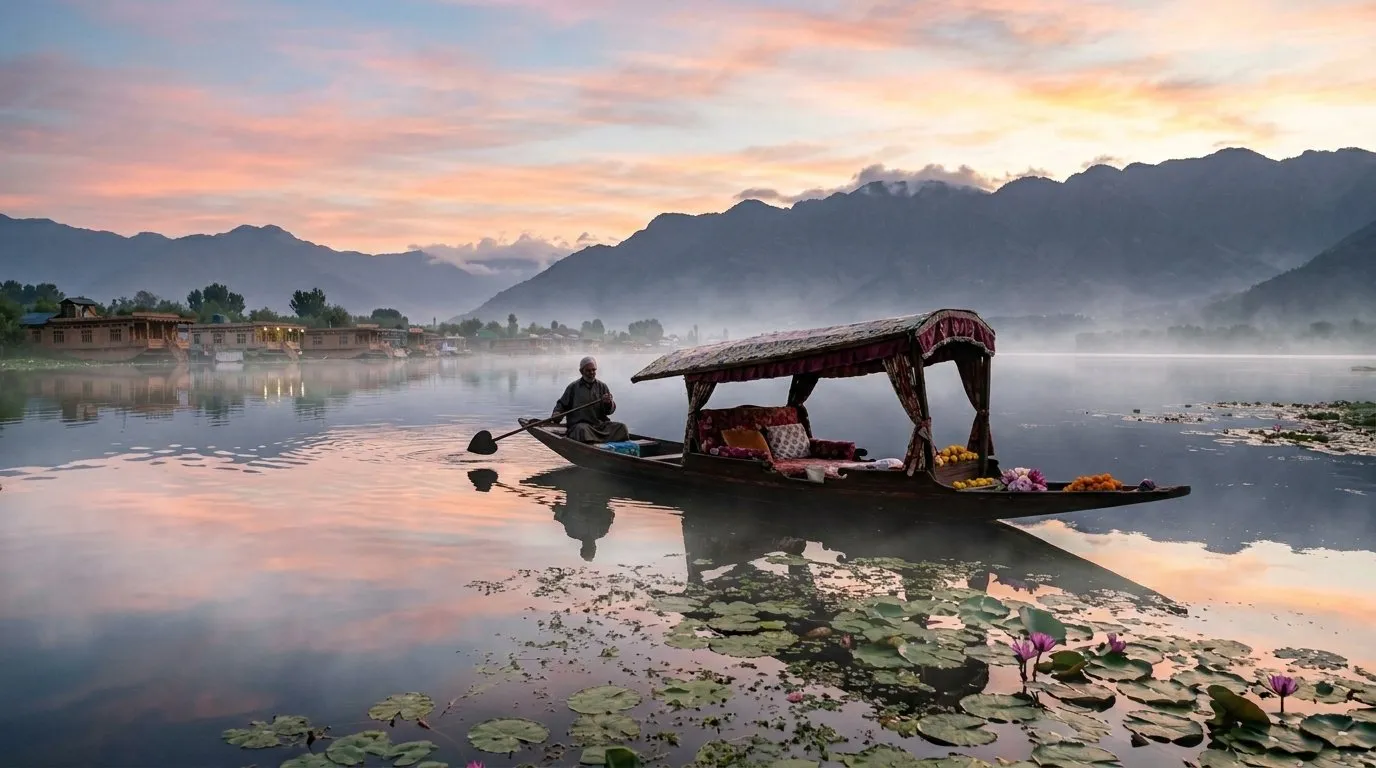
Is Kashmir safe for solo female travellers? What actually matters
Kashmir is the destination where the generic 'is India safe for women' post fails hardest. The answer depends on which month, which valley, which houseboat operator, and whether you're willing to dress differently than you would in Goa. Here's the concrete version.
6 min read- Access
- NH1 excellent.
- Emergency
- 108 reliable · Guru Nanak Dev Hospital. Multiple private.
- Stay
- ₹500-8000/night · 300 options
Go with confidence.