Solo-female travel in India — every destination scored, month by month
488 destinations rated 1-5 for solo-female safety. 60 of them get a different score in specific months. The full ranked list, and the five you should actually skip.
Destinations in this article
 2.0/10AgondaGoaeasy
 2.0/10AmritsarPunjabeasy
 2.0/10AniniArunachal Pradeshextreme
 2.0/10AurovillePuducherryeasy
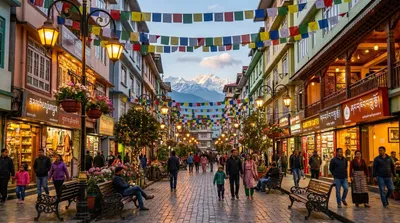 2.0/10GangtokSikkimeasy
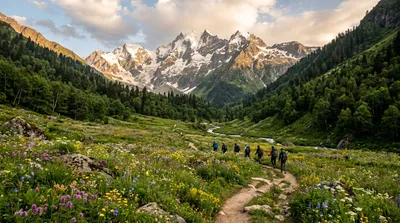 8.0/10Har Ki DoonUttarakhandhard
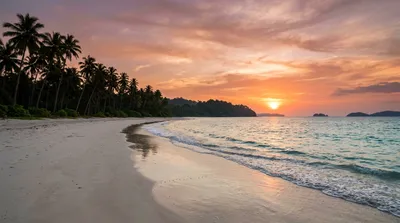 2.0/10Havelock Island (Swaraj Dweep)Andaman & Nicobar Islandseasy
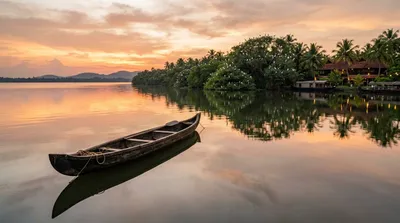 4.0/10KumarakomKeralaeasy
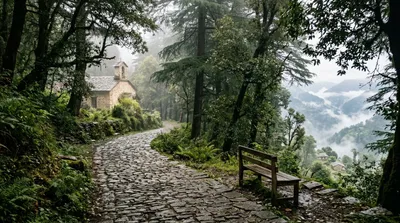 6.0/10LandourUttarakhandeasy
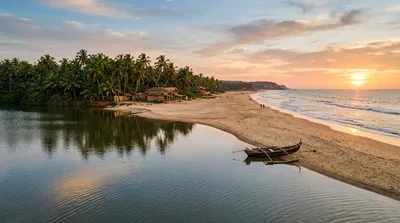 2.0/10MandremGoaeasy
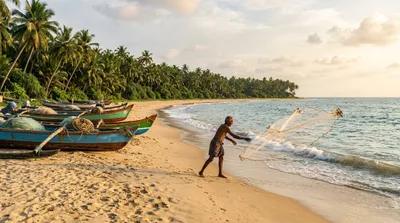 2.0/10Marari BeachKeralaeasy
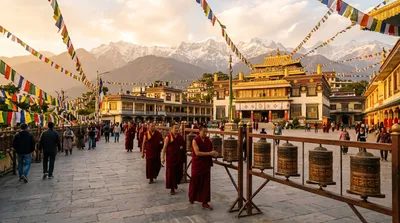 6.0/10McLeod GanjHimachal Pradesheasy
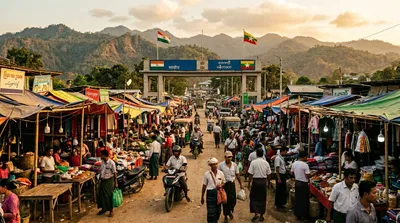 4.0/10MorehManipureasy
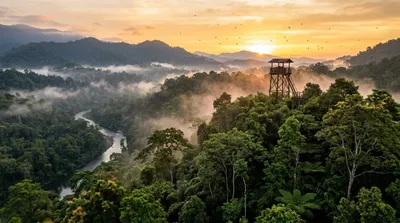 2.0/10NamdaphaArunachal Pradeshhard
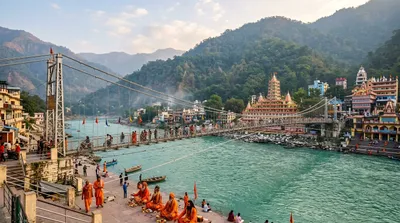 4.0/10RishikeshUttarakhandeasy
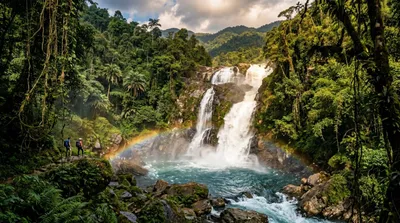 2.0/10TamenglongManipurhard
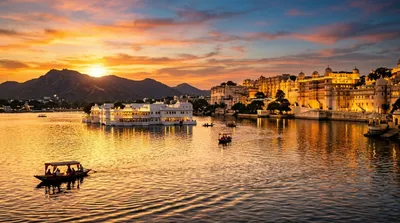 2.0/10UdaipurRajasthaneasy
# Solo-female travel in India — every destination scored, month by month
Most India travel guides say the same three things to solo female travellers: dress modest, avoid late nights, trust your gut. Which is true and also the equivalent of telling someone planning a ski trip to "stay warm." There is no destination-specific signal in that advice. No opinion on Goa in December vs November. No score for Manali in June vs July. Nothing that distinguishes Rishikesh from Varkala from Kaza.
We scored every one. 488 destinations rated 1-5 for solo-female safety, with month-specific overrides for the ~60 destinations where month matters a lot.
This is the methodology, the top 15, the five that don't clear the bar, and the 60 destinations where the month you pick changes the score.
The 1-5 scale
The rubric is tight. Every score has to be explainable from infrastructure signals, cultural context, and documented risk classes. No vibes-based judgments.
- ●5 — Proactively female-friendly. Named female-owned stays, established hostel infrastructure, 24/7 transport + visible policing, international solo-women presence. Female travellers here are not remarkable — they are routine.
- ●4 — Safe with standard precautions. Tourist flow keeps the local economy female-accommodating. Use Uber/Ola, keep to main areas after dark, standard awareness. Most North India heritage cities.
- ●3 — Manageable, stay vigilant. Real infrastructure but real risks. Might be crowd density, thin female-specific stays, or cultural expectations around dress/behaviour. Solo-female travel works; it asks for more planning.
- ●2 — Go with a companion or guide. Remote terrain, thin guide network, limited transport. Or: structurally male-dominated pilgrim flow. Solo-female as part of an organised group, not as a self-planned trip.
- ●1 — Skip for solo female. The combination of isolation, documented incident history, communication gaps, or insurgency-adjacent geography makes the trip unsafe. Go with somebody else, or don't go.
A null score means we couldn't credibly research the destination — the honest-gap rule applies. ~43 destinations (mostly obscure tier-3 towns) remain unscored until someone who's been writes in.
The top 15 — where solo women actually thrive
Ordered by combination of annual score + infrastructure density + international solo-female presence. Click through each for the full safety breakdown on the destination page.
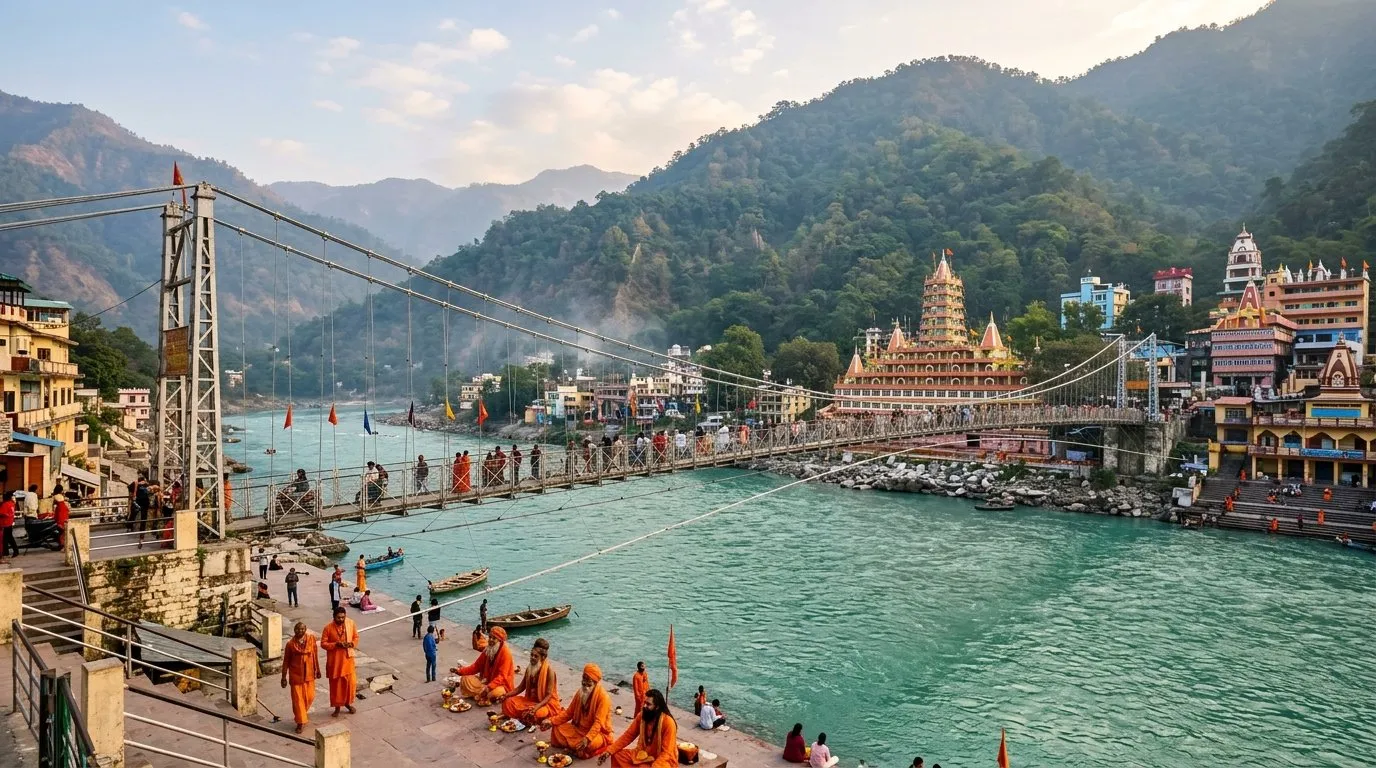
1. Rishikesh (Uttarakhand) — 5/5. Yoga-town ecosystem built around foreign women since the 1970s. Female-owned hostels + ashrams + riverside police. Zostel Rishikesh, Anand Prakash Yoga Ashram, Parmarth Niketan — all DB-verified. Safest mid-tier town in North India for solo travel.
2. Amritsar (Punjab) — 5/5. Golden Temple serves 100,000 free meals daily, 24/7 langar access, women volunteers always visible. Cleanest religious city in India for solo-female travel.
3. McLeodganj (Himachal) — 5/5. Tibetan exile town with year-round international solo-female travellers. Bhagsu and Dharamkot are backpacker-female hubs; Triund has guided groups departing daily.
4. Gangtok (Sikkim) — 5/5. MG Marg is India's cleanest and most female-walkable hill town — no-vehicle zone, visible CCTV, local women's police unit. STDC-registered hotels only.
5. Mandrem (Goa) — 5/5. Quiet North Goa, yoga-retreat hub, overwhelmingly female-friendly. Long-stay European and Russian female travellers live here through the season. Ashwem stretch is the safest in all of Goa.
6. Agonda (Goa) — 5/5. The other safest-Goa option. Turtle-nesting beach with solo-female backpacker clientele. Use Fatrade Beach stretch — cottages, not shacks.
7. Havelock Island (Andamans) — 5/5. Solo-female dive hubs (Barefoot, Dive India) are the norm. Radhanagar and Elephant Beach are patrolled. Monsoon closed.
8. Neil Island (Andamans) — 5/5. Quiet cycle-island; Bengali and Tamil family-run homestays. Cross-island via rented bicycle, safe overnight.
9. Marari (Kerala) — 5/5. Between Alleppey and Kochi. Gated resort zone — Marari Beach Resort – CGH Earth is the anchor. Solo-female routine.
10. Kumarakom (Kerala) — 5/5. Backwater resort zone. CGH Coconut Lagoon + Kumarakom Lake Resort. Only book through KTDC-registered operators for houseboats.
11. Landour (Uttarakhand) — 5/5. Mussoorie-adjacent cantonment-quiet heritage hill. Rokeby Manor, Doma's Inn, the Char Dukan cluster. International solo women regular.
12. Auroville (Tamil Nadu) — 5/5. International experimental community near Pondicherry. Inherently female-collaborative. Matrimandir access, community kitchens, all-female dorms.
13. Udaipur (Rajasthan) — 4/5. Palace-to-palace tourism built on foreign female solo travellers. Lake Palace + City Palace staff are vetted; female taxi drivers on demand via Sakha.
14. Mumbai (Maharashtra) — 4/5. Ladies compartment on local trains + 24/7 taxis + visible police = the most female-safe metro in India.
15. Varanasi on the ghats at dawn (Uttar Pradesh) — 3/5 general, 5/5 at dawn. The ghat-aarti crowd at 5:30am is quiet, female-pilgrim-dense, and utterly safe. The evening aarti is the opposite.
The five that don't clear the bar
These are the destinations where we explicitly say: skip solo, find a companion, or don't go.
1. Namdapha (Arunachal Pradesh) — 1/5. Multi-day rainforest trek into a reserve. Organised group and permit-ed only; no civilian tourist format supports solo-female travel.
2. Anini (Arunachal) — 1/5. Dibang Valley military-and-tribal permit zone. Organised researcher travellers only.
3. Moreh (Manipur) — 1/5. Myanmar border. Security zone. No tourist format.
4. Tamenglong (Manipur) — 1/5. Naga district — insurgency-adjacent belt, no tourist infrastructure.
5. Kishtwar (J&K) — 1/5. Pilgrim route to Machail Mata — remote + permit-zone + insurgency-affected belt. Organised yatra group only.
Honourable skip: Sabarimala in Dec-Jan (peak Mandalam-Makaravilakku season). Women 10-50 face direct cultural hostility — the town's shop boards still announce "no entry for women of menstruating age" during the season. Wait for the off-season or go to Malampuzha.
The 60 destinations where month matters
For most places, the annual score is correct year-round. For ~60 destinations, the month you pick swings the score by 2 or more. These are the patterns:
Beach — Christmas/NY crowd risk
Palolem (drops 4→3 in December), Calangute-Baga (3→1), Anjuna (3→2), Vagator (3→2), Varkala (4→3), Kovalam (3→2). The peak-stag-week of December 23 – January 5 flips the beach strip into harassment territory. North Goa's quieter stretches (Mandrem, Agonda) hold their score.
Pilgrim/mela peaks
Prayagraj (3→2 in Jan-Feb during Kumbh cycle years), Puri (3→2 in Rath Yatra month), Pushkar (4→2 during Camel Fair week), Sabarimala (3→1 in Mandalam-Makaravilakku), Haridwar (4→3 during Kanwar Yatra). Going at the peak event isn't automatically unsafe — it just shifts the travel format from "solo" to "organised yatra group."
Himalayan shrines + trek closures
Kedarnath, Badrinath, Gangotri, Yamunotri, Valley of Flowers, Hemkund Sahib, Har-ki-Doon — all closed for 4-6 months of winter. Score = null during closure (you can't visit). Score returns in yatra season.
Ladakh winter
Leh holds 3/5 in winter — it's a committed trip (flight-only), not casual, but homestays (Nimmu House is our pick; see Leh stays for more) make it work. Nubra, Pangong, Zanskar are organised-winter-operator only. Solo is not viable.
Kashmir monthly swings
Srinagar holds 3/5 most months, but July is Amarnath yatra convoy month (security and density shift things), and January is peak winter (Dal freezes, thin tourist flow). Gulmarg peaks in Dec-Feb (ski-season density = safety-in-numbers).
Wildlife park closures
Corbett, Kanha, Ranthambore, Bandhavgarh core zones close July 1 – October 15 for monsoon breeding. Kaziranga fully closes June-October. Off-season is "don't bother."
Desert summer extremes
Jaisalmer, Bikaner, Kutch drop 4→3 in May-June due to 45-47°C heat. Return October-February.
Cultural context that nobody writes up honestly
Dress expectation varies by destination. Rishikesh doesn't care what you wear — it's used to Westerners. Varanasi's ghats, Kedarnath, and Punjab's gurdwaras do care, and they're right to. Long trousers or a salwar kameez + covered shoulders makes every interaction smoother in temple towns. This isn't about modesty — it's about blending into the local rhythm.
Named operators matter more than random Airbnbs. A booked Taj property has corporate accountability; a random Airbnb has a host whose other reviews you haven't read. For solo female travel, stick with operators that appear on our destination stays pages — we only list what we've researched. For online filters, GoMama and Trip.com have women-specific listing flags worth using.
Trains: ladies compartment is the actual feature. Every Indian train has a dedicated ladies coach — B-class, locked by the conductor, used almost exclusively by women and children. Use it. This is non-negotiable for overnight journeys.
Uber > auto-rickshaw after dark. In every Indian metro. The auto-rickshaw meter scam is survivable in daylight. Uber/Ola has driver tracking, ride-share notifications, and a complaint line. Use it.
Phone-network coverage is a safety input. Jio + Airtel covers urban India reliably. The NE, Spiti, Ladakh, Nubra, Andamans have known dead zones. For remote destinations, tell someone your day plan before you lose signal.
How this dataset differs from every other "solo female India" guide
- ●Month-variance matters. Goa in December is not Goa in November. The same destination has two different safety profiles depending on when you go. We score for both.
- ●Specific signals, not vibes. Every note names the hotel, the operator, the SHG, the ashram, the police presence — whatever the thing actually is that drives the score. Generic "use common sense" advice does not appear.
- ●Honest gaps. If we couldn't research it, we say so. The 43 null scores are not fabricated. When you see a null, it means we haven't found a way to score that destination credibly yet.
- ●Updated quarterly. Every score carries a `content_reviewed_at` stamp. Destinations re-enriched quarterly via the same discipline.
The full scored dataset is live on the destination pages. Any destination page you land on has a Safety tab that shows the annual score, the note, and the 12-month breakdown. The "Solo-female friendly" filter on `/en/explore` shows only the top-scored destinations.
Feedback: if any of these scores feel wrong to you — especially if you've been there recently and the infrastructure has shifted — use the "Suggest an edit" link at the bottom of any destination page. This dataset gets better the more people with lived experience push back.
*Questions this post leaves open (on purpose): what to do about the 43 null scores; how to handle male-family-heavy travellers; safety for LGBTQ+ solo travellers in rural India. Each deserves its own post.*
Monthly Scores
| Destination | Jan | Feb | Mar | Apr | May | Jun | Jul | Aug | Sep | Oct | Nov | Dec |
|---|---|---|---|---|---|---|---|---|---|---|---|---|
| Agonda | 10.0 | 10.0 | 8.0 | 6.0 | 4.0 | 2.0 | 2.0 | 2.0 | 4.0 | 8.0 | 10.0 | 10.0 |
| Amritsar | 8.0 | 8.0 | 8.0 | 8.0 | 4.0 | 2.0 | 4.0 | 4.0 | 6.0 | 10.0 | 10.0 | 8.0 |
| Anini | 2.0 | 2.0 | 2.0 | 8.0 | 8.0 | 2.0 | 2.0 | 2.0 | 4.0 | 10.0 | 8.0 | 2.0 |
| Auroville | 10.0 | 10.0 | 8.0 | 4.0 | 2.0 | 2.0 | 2.0 | 2.0 | 4.0 | 6.0 | 8.0 | 10.0 |
| Gangtok | 4.0 | 6.0 | 8.0 | 8.0 | 6.0 | 2.0 | 2.0 | 2.0 | 4.0 | 10.0 | 10.0 | 6.0 |
| Har Ki Doon | 2.0 | 2.0 | 4.0 | 10.0 | 10.0 | 8.0 | 2.0 | 2.0 | 8.0 | 10.0 | 8.0 | 2.0 |
| Havelock Island (Swaraj Dweep) | 10.0 | 10.0 | 8.0 | 8.0 | 8.0 | 2.0 | 2.0 | 2.0 | 4.0 | 8.0 | 8.0 | 10.0 |
| Kumarakom | 10.0 | 10.0 | 8.0 | 6.0 | 4.0 | 4.0 | 4.0 | 6.0 | 6.0 | 8.0 | 10.0 | 10.0 |
| Landour | 6.0 | 6.0 | 8.0 | 10.0 | 8.0 | 6.0 | 4.0 | 4.0 | 10.0 | 10.0 | 8.0 | 6.0 |
| Mandrem | 10.0 | 10.0 | 8.0 | 4.0 | 4.0 | 2.0 | 2.0 | 2.0 | 4.0 | 8.0 | 10.0 | 10.0 |
| Marari Beach | 10.0 | 10.0 | 8.0 | 6.0 | 4.0 | 2.0 | 4.0 | 4.0 | 4.0 | 8.0 | 10.0 | 10.0 |
| McLeod Ganj | 6.0 | 6.0 | 10.0 | 10.0 | 8.0 | 6.0 | 4.0 | 4.0 | 8.0 | 10.0 | 8.0 | 6.0 |
| Moreh | 8.0 | 8.0 | 6.0 | 6.0 | 6.0 | 4.0 | 4.0 | 4.0 | 4.0 | 8.0 | 8.0 | 6.0 |
| Namdapha | 8.0 | 8.0 | 8.0 | 6.0 | 4.0 | 2.0 | 2.0 | 2.0 | 4.0 | 8.0 | 10.0 | 8.0 |
| Rishikesh | 6.0 | 8.0 | 10.0 | 8.0 | 6.0 | 4.0 | 2.0 | 2.0 | 8.0 | 10.0 | 10.0 | 6.0 |
| Tamenglong | 8.0 | 8.0 | 8.0 | 6.0 | 6.0 | 2.0 | 2.0 | 2.0 | 2.0 | 8.0 | 6.0 | 6.0 |
| Udaipur | 10.0 | 10.0 | 8.0 | 6.0 | 2.0 | 2.0 | 6.0 | 6.0 | 8.0 | 10.0 | 10.0 | 10.0 |
The Window · Every Sunday
Liked this? Get one every Sunday.
Best score of the week, one honest skip, road updates. Four minutes. No spam.
More in Field guide
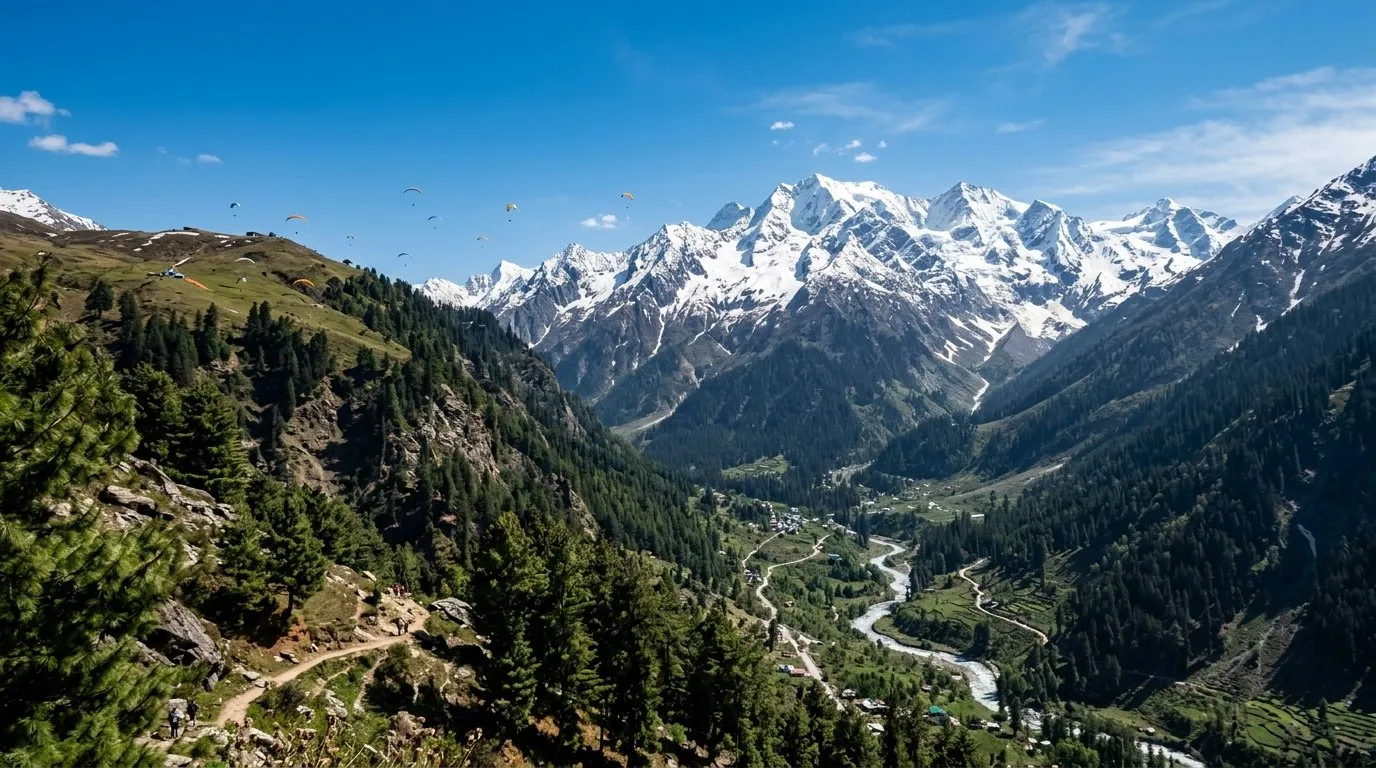
Is Manali safe for solo female travellers? Which Manali, and when
Manali is not one place. New Manali is a respectable hill town — 4/5 safe. Old Manali is the Himachal backpacker-cafe strip with party + drug scene — 2/5 after 10pm. McLeodganj 3 hours away holds 5/5 year-round. Pick deliberately.
5 min read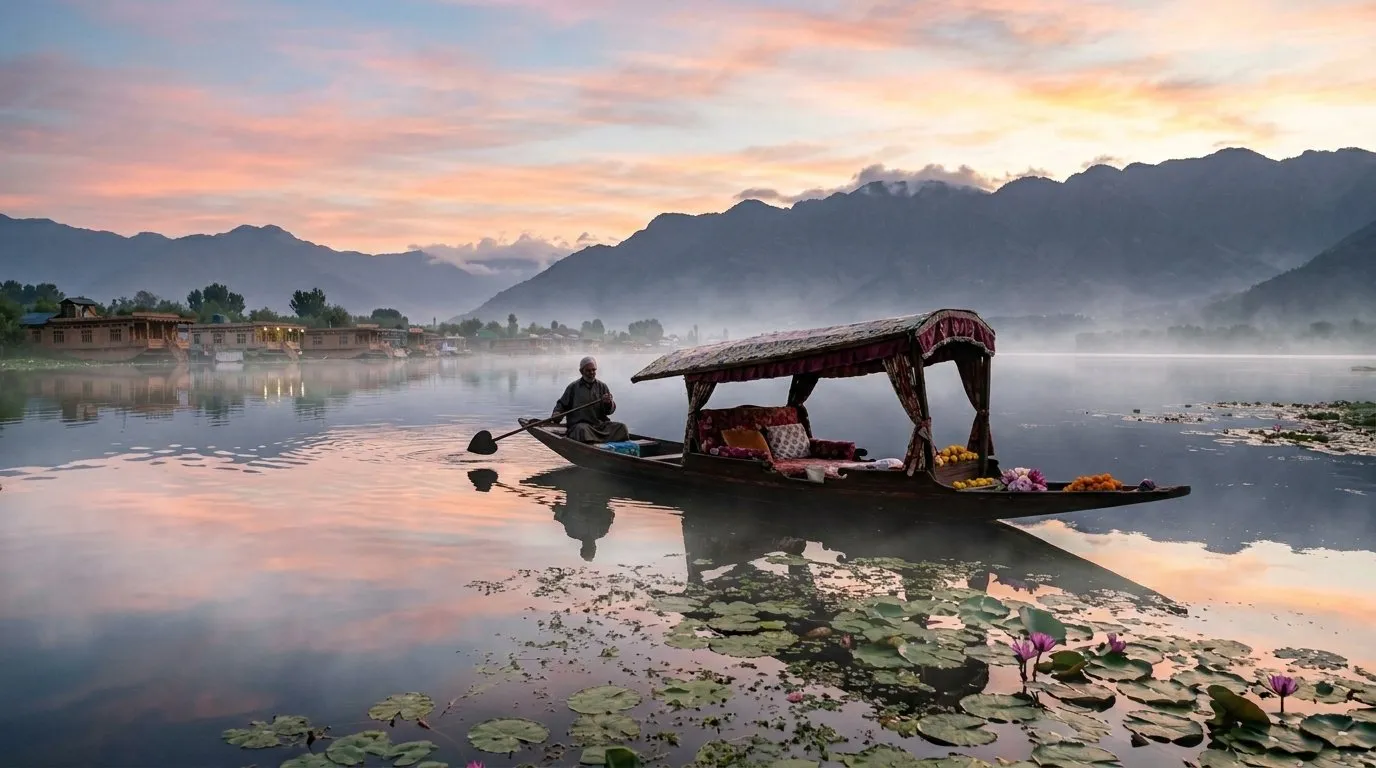
Is Kashmir safe for solo female travellers? What actually matters
Kashmir is the destination where the generic 'is India safe for women' post fails hardest. The answer depends on which month, which valley, which houseboat operator, and whether you're willing to dress differently than you would in Goa. Here's the concrete version.
6 min readIs Rishikesh safe for solo female travellers? Score 5/5 — what actually makes it work
Rishikesh has been hosting foreign solo female travellers for fifty years. The infrastructure reflects it — female-owned hostels, ashrams with gender-separated dorms, visible police on the riverfront, and a local economy built around long-stay women. Verdict: go, and here's what to book.
5 min read- Access
- Narrow road from main highway. Decent surface.
- Emergency
- 108 · Canacona Sub-District Hospital (8km).
- Stay
- ₹400–8,000/night · 25 options
Go with confidence.