The Tourist Trap Index: India's Most Overrated Destinations (And Where to Go Instead)
We built a database of tourist traps and their alternatives. Here is every entry.
Destinations in this article
 6.0/10Bir BillingHimachal Pradesheasy
 2.0/10BundiRajasthaneasy
 2.0/10ChandigarhChandigarheasy
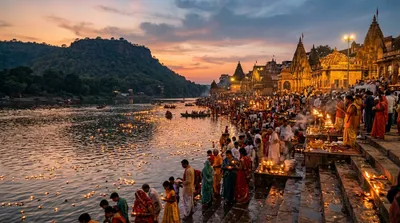 2.0/10ChitrakootUttar Pradesheasy
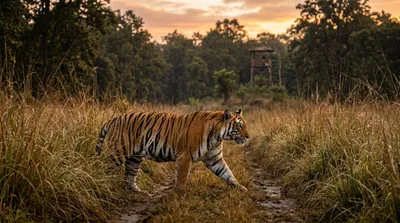 4.0/10Jim Corbett National ParkUttarakhandeasy
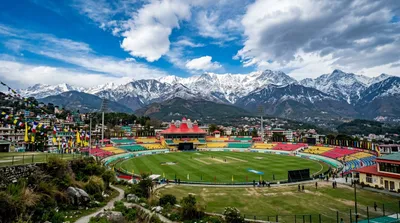 6.0/10DharamshalaHimachal Pradesheasy
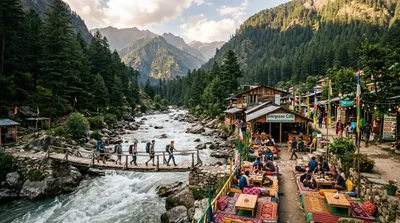 6.0/10KasolHimachal Pradesheasy
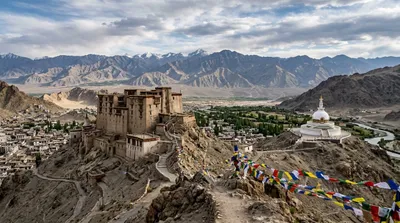 10.0/10LehLadakhmoderate
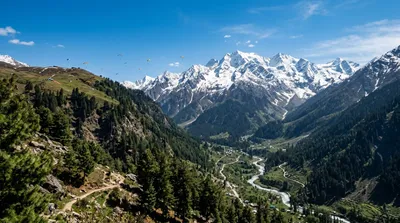 6.0/10ManaliHimachal Pradesheasy
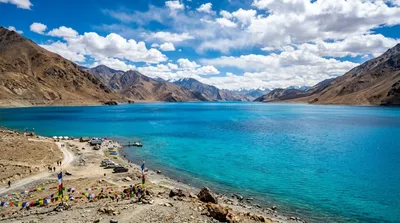 10.0/10Pangong TsoLadakhhard
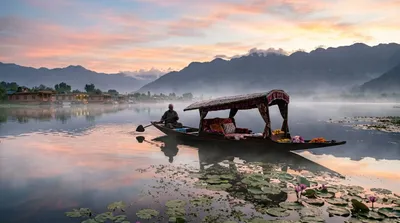 8.0/10SrinagarJammu & Kashmireasy
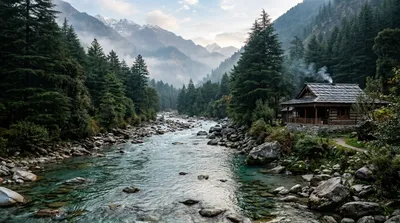 8.0/10Tirthan ValleyHimachal Pradeshmoderate
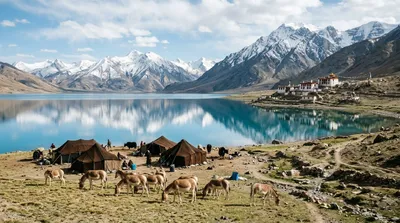 8.0/10Tso MoririLadakhhard
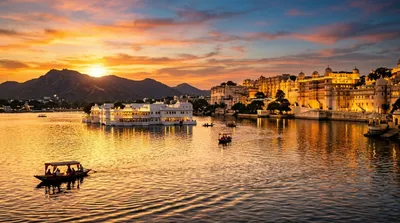 2.0/10UdaipurRajasthaneasy
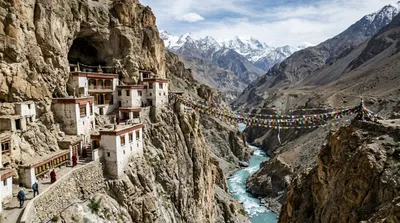 6.0/10Zanskar ValleyLadakhextreme
NakshIQ maintains a table in our database called tourist_trap_alternatives. It maps popular destinations that under-deliver to specific alternatives that over-deliver. Every entry includes a trap destination, an alternative, and a field called why_better that explains the swap in plain language.
This is that table, published in full. No destination paid to be excluded. No alternative paid to be included. The data is the data.
1. Pangong Tso → Tso Moriri
The trap: Pangong Lake is the most photographed lake in Ladakh, primarily because of a Bollywood film. The result is 500 tourists recreating the same photograph at the same spot every single day during season.
The alternative: Tso Moriri has everything Pangong promises without the crowd. Real nomadic camps where Changpa herders actually live and work. Rare black-necked cranes that nest on the lake's islands. Actual solitude — the kind where your only company for an hour might be the wind.
Both require a 4x4 from Leh. Both sit above 4,300 metres. The only difference is that one has become a selfie destination and the other remains a travel destination.
Skip Pangong. Go to Tso Moriri. Same 4x4 from Leh, same altitude, actual solitude instead of 500 tourists recreating the same photo.
Swap #1
2. Manali → Tirthan Valley
The trap: Manali was once a Himachal hill station with character. Today, Mall Road is a traffic jam with shops. The Solang Valley approach is lined with tourist vehicles. Old Manali has held on to some charm, but the town fundamentally changed when the Atal Tunnel made it a day-trip from Punjab.
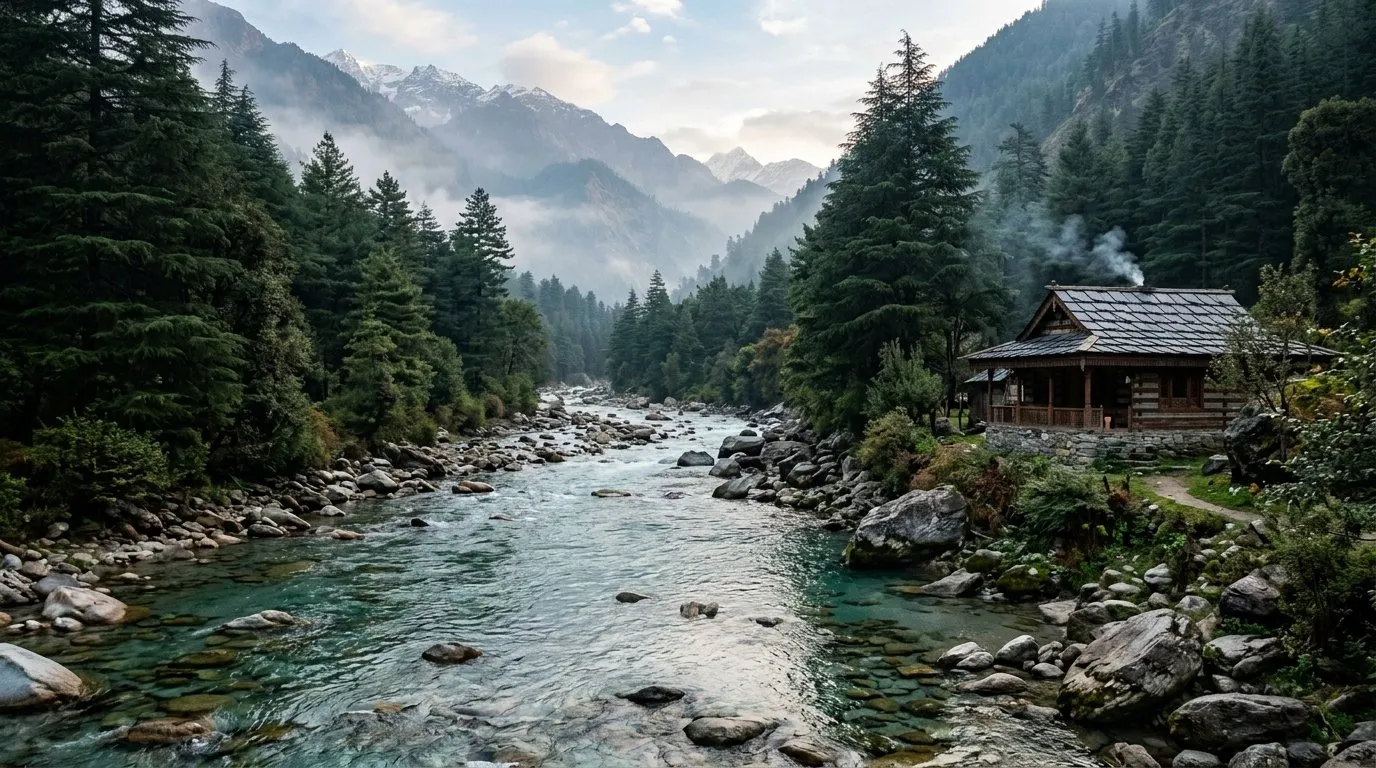
The alternative: Tirthan Valley is what Manali was 30 years ago. Trout streams, no mall road, riverside homestays. The Great Himalayan National Park sits in its backyard — a UNESCO World Heritage Site that most Indians have never heard of. October scores 5/5 on NakshIQ at 6-18 degrees, with the note: "Crisp, quiet, autumn colours. Few tourists."
Same state. Same mountains. Different century.
Not every trap is a bad destination. Varanasi is extraordinary. The Taj Mahal is the Taj Mahal. But every trap has an alternative that delivers the same core promise with fewer compromises.
3. Kasol → Tirthan Valley
The trap: Kasol is marketed as India's Amsterdam. What that means in practice is a valley with a drug culture reputation, litter along the Parvati River, and a vibe that appeals to a specific demographic while alienating families and solo women.
The alternative: Tirthan Valley again — and that is not laziness on our part. It genuinely offers the same beautiful Himachal valley with zero drug culture and actual safety for families. Everything Kasol promises minus everything you did not want.
Skip Kasol. Go to Tirthan Valley. Same Himachal valley, zero drug culture, actual safety for families. Everything Kasol promises minus everything you did not want.
Swap #3
4. Dharamshala → Bir Billing
The trap: Dharamshala and McLeod Ganj have genuine appeal — the Tibetan settlement, the Dalai Lama's residence, the Triund trek. But the main bazaar is congested, hotel prices reflect the brand name, and weekends bring day-trippers from Chandigarh and Delhi in numbers that overwhelm the narrow streets.
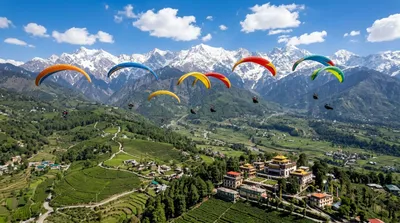
The alternative: Bir Billing is India's paragliding capital, but it is also a serene Tibetan settlement without McLeodGanj's crowds. Same Tibetan culture — monasteries, momos, prayer flags. A fraction of the tourists. And you can fly off a mountain, which Dharamshala cannot offer.
5. Udaipur → Bundi
The trap: Udaipur is the "Venice of the East" and "City of Lakes" and every other title that tourism boards love. It is also a city where every auto driver quotes a foreigner price, every restaurant on the lake charges 3x, and the Instagram-famous views require navigating through aggressive touts.
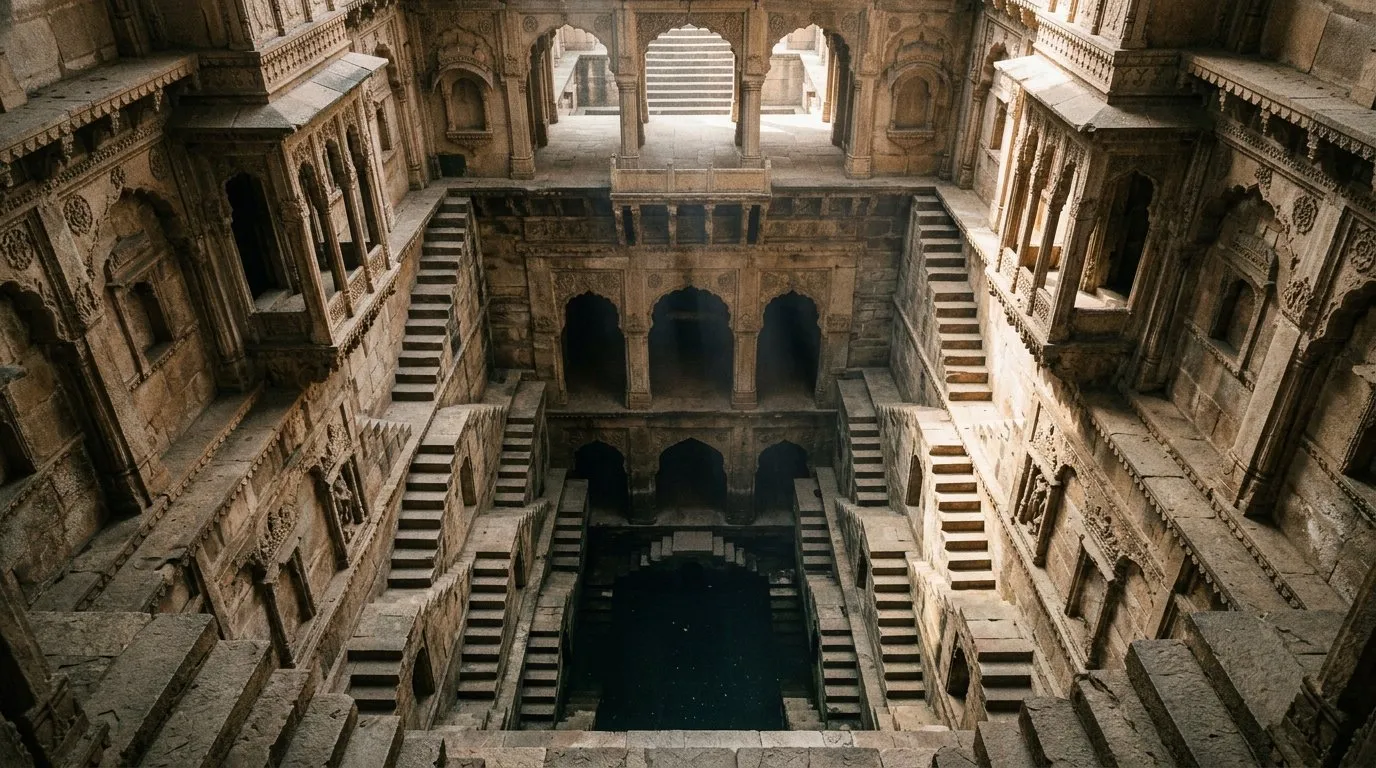
The alternative: Bundi has the stepwells, murals, and palace that Udaipur had before the tourists arrived. Taragarh Fort at sunset with zero other people is what travel dreams are made of. The havelis are covered in miniature paintings that rival any museum. And the Nawal Sagar Lake has a half-submerged temple that is more photogenic than anything on Lake Pichola.
6. Srinagar → Pahalgam
The trap: Srinagar's Dal Lake is on every travel list. The reality is aggressive shikara touts, a houseboat industry with wildly inconsistent quality, and a lakeside that has lost much of its romantic appeal to commercialisation.
The alternative: Pahalgam offers actual Himalayan valleys, pine forests, and river walks without the aggressive tourism of Dal Lake. Betaab Valley alone is worth the trip — named after a Bollywood film but genuinely breathtaking. The Lidder River is one of the cleanest you will find in north India.
7. Leh → Zanskar Valley
The trap: Leh has become Ladakh's bottleneck. Every flight lands here. Every tour starts here. The main bazaar sells the same pashmina scarves and singing bowls. Changspa road is essentially a backpacker ghetto. The landscape around Leh is stunning, but you share it with every other tourist in the region.
The alternative: Zanskar is the last frontier. No tour buses. Genuine monasteries where monks actually live and practice. Communities that rarely see outsiders. What Ladakh was 20 years ago, before the 3 Idiots pilgrimage industrialised it.
8. Nubra Valley → Zanskar Valley
The trap: Nubra Valley is marketed as the place with double-humped camels. That is literally the main attraction for most visitors — a photo on a Bactrian camel in the Hunder sand dunes. The camel selfie has become mandatory, and the experience feels manufactured.
The alternative: Zanskar again, because the comparison is stark. Genuine Buddhist communities versus photo opportunities. Frozen river treks versus camel rides. Zero tour buses versus convoys from Leh. The effort to reach Zanskar is greater, but that effort is the filter that keeps it real.
9. Ranthambore → Jim Corbett National Park
The trap: Ranthambore is a tiger safari plus a fort. The marketing is built around a small number of photogenic tigers that have become minor celebrities. Zone pricing creates a tiered experience where the best sightings cost the most. It has become wildlife tourism as entertainment rather than wildlife tourism as ecology.
The alternative: Jim Corbett is India's first national park. The Dhikala zone is the real wildlife experience — elephants in herds, tigers moving through sal forests, and the Ramganga River providing a backdrop that Ranthambore cannot match. Less touristy. More wild. December scores 5/5 on NakshIQ.
10. Delhi → Chandigarh
The trap: Delhi is not a tourist trap in the traditional sense — it is a national capital with genuine historical and cultural depth. But as a first-stop destination for travelers, it is overwhelming. The pollution, the traffic, the sensory overload. First-time visitors to India who start in Delhi often recalibrate their entire expectations downward.
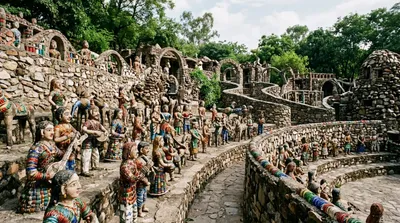
The alternative: If you want modern India without the chaos, Chandigarh is Le Corbusier's planned city. Rock Garden, Sukhna Lake, and streets that actually have space. Clean, organized, parks everywhere. It is the anti-Delhi, and for travelers who need a gentle introduction to India, it is the right starting point.
11. Agra → Chitrakoot
The trap: Agra is the Taj Mahal and approximately 90 seconds of magic before an aggressive guide grabs your arm. The city beyond the Taj is chaotic, poorly maintained, and designed to extract money from tourists at every turn. The Taj itself is transcendent. Agra is not.
The alternative: If you want heritage and spirituality, Chitrakoot's ancient temples and waterfalls offer what Agra never can — peace, nature, and no aggressive touts. The sacred ghats on the Mandakini River, Ram's legendary exile spot, and a fraction of Varanasi's chaos with the same spiritual depth.
12. Varanasi → Chitrakoot
The trap: Varanasi is one of the oldest cities in the world and one of the most intense experiences in India. It is not overrated — it delivers exactly what it promises. But what it promises is not for everyone. The burning ghats, the narrow lanes, the density of humanity per square metre is unmatched.
The alternative: Chitrakoot is called the "Ayodhya of the South." Sacred ghats on the Mandakini River. Same spiritual depth as Varanasi. Actual peace. The Ram Ghat aarti happens with 50 people, not 5,000.
13. Pushkar → Ajmer
The trap: Pushkar is a small town that punches above its weight in tourist footfall. The lake is small. The camel fair is seasonal. The backpacker cafes have homogenised the main strip. Outside fair season, Pushkar is a one-afternoon destination stretched across two days.
The alternative: Ajmer Sharif dargah is one of India's most important Sufi shrines. The spiritual intensity rivals Varanasi. The Sufi qawwali music is transcendent. And it costs nothing. Ajmer is 15 minutes from Pushkar but exists in a different spiritual and cultural dimension.
14. Jodhpur → Barmer
The trap: Jodhpur is a strong destination — Mehrangarh is genuinely one of India's best forts. But the Blue City has become a brand, and brands attract markup pricing, tourist-facing restaurants, and a curated experience that smooths over the rough edges that make Rajasthan interesting.
The alternative: Barmer is the Rajasthan that even Rajasthanis skip. Hand-block printing villages where artisans work as they have for centuries. Desert without the Jaisalmer tourist machine. It is raw, unpolished, and real in ways that the top-10 Rajasthan lists have forgotten.
15. Amritsar → Chandigarh
The trap: Amritsar is the Golden Temple, which is genuinely one of the most significant spiritual sites in the world. But the city beyond the temple complex is congested, and the Wagah border ceremony has become more spectacle than substance.
The alternative: If you are looking for a Punjab city experience rather than a pilgrimage, Chandigarh delivers on urban quality of life that Amritsar does not. Rose Garden, Sukhna Lake, and a genuinely pleasant urban experience. Clean, organized, with parks everywhere.
How to Read This List
Not every "trap" is a bad destination. Varanasi is extraordinary. Jodhpur is excellent. The Taj Mahal is the Taj Mahal. But every destination on the trap list has an alternative that delivers the same core promise with fewer compromises. The alternative might require more effort to reach, more research to plan, or more willingness to go where the crowd is not.
That willingness is the difference between tourism and travel. NakshIQ exists to give you the confidence to make that choice with data, not just faith.
Monthly Scores
| Destination | Jan | Feb | Mar | Apr | May | Jun | Jul | Aug | Sep | Oct | Nov | Dec |
|---|---|---|---|---|---|---|---|---|---|---|---|---|
| Bir Billing | 6.0 | 6.0 | 8.0 | 10.0 | 10.0 | 6.0 | 4.0 | 4.0 | 8.0 | 10.0 | 10.0 | 6.0 |
| Bundi | 10.0 | 10.0 | 8.0 | 4.0 | 2.0 | 2.0 | 4.0 | 4.0 | 6.0 | 10.0 | 10.0 | 10.0 |
| Chandigarh | 6.0 | 8.0 | 10.0 | 8.0 | 4.0 | 2.0 | 4.0 | 4.0 | 6.0 | 10.0 | 8.0 | 6.0 |
| Chitrakoot | 8.0 | 8.0 | 8.0 | 4.0 | 2.0 | 2.0 | 4.0 | 4.0 | 6.0 | 10.0 | 10.0 | 8.0 |
| Jim Corbett National Park | 10.0 | 10.0 | 10.0 | 8.0 | 6.0 | 4.0 | — | — | — | 6.0 | 10.0 | 10.0 |
| Dharamshala | 6.0 | 6.0 | 10.0 | 10.0 | 8.0 | 6.0 | 4.0 | 4.0 | 8.0 | 10.0 | 8.0 | 6.0 |
| Kasol | 4.0 | 4.0 | 8.0 | 10.0 | 10.0 | 6.0 | 4.0 | 4.0 | 10.0 | 10.0 | 6.0 | 4.0 |
| Leh | 2.0 | 2.0 | 2.0 | 4.0 | 6.0 | 10.0 | 10.0 | 8.0 | 10.0 | 6.0 | 2.0 | 2.0 |
| Manali | 8.0 | 8.0 | 6.0 | 8.0 | 6.0 | 6.0 | 2.0 | 2.0 | 8.0 | 10.0 | 8.0 | 8.0 |
| Pangong Tso | 2.0 | 2.0 | 2.0 | 2.0 | 4.0 | 10.0 | 10.0 | 8.0 | 10.0 | 4.0 | 2.0 | 2.0 |
| Srinagar | 2.0 | 2.0 | 8.0 | 10.0 | 10.0 | 8.0 | 6.0 | 6.0 | 10.0 | 10.0 | 6.0 | 4.0 |
| Tirthan Valley | 4.0 | 4.0 | 8.0 | 10.0 | 10.0 | 8.0 | 4.0 | 4.0 | 10.0 | 10.0 | 8.0 | 4.0 |
| Tso Moriri | 2.0 | 2.0 | 2.0 | 2.0 | 2.0 | 8.0 | 10.0 | 10.0 | 10.0 | 4.0 | 2.0 | 2.0 |
| Udaipur | 10.0 | 10.0 | 8.0 | 6.0 | 2.0 | 2.0 | 6.0 | 6.0 | 8.0 | 10.0 | 10.0 | 10.0 |
| Zanskar Valley | 8.0 | 8.0 | 2.0 | 2.0 | 2.0 | 6.0 | 10.0 | 10.0 | 8.0 | 4.0 | 2.0 | 4.0 |
The Window · Every Sunday
Liked this? Get one every Sunday.
Best score of the week, one honest skip, road updates. Four minutes. No spam.
More in Viral
Under Rs 2,000/Night: 20 Stays That Don't Compromise
We catalogued budget stays across 142 destinations. These 20 — all under Rs 2,000/night — stood out because they add something a chain hotel never will: a story.
11 min read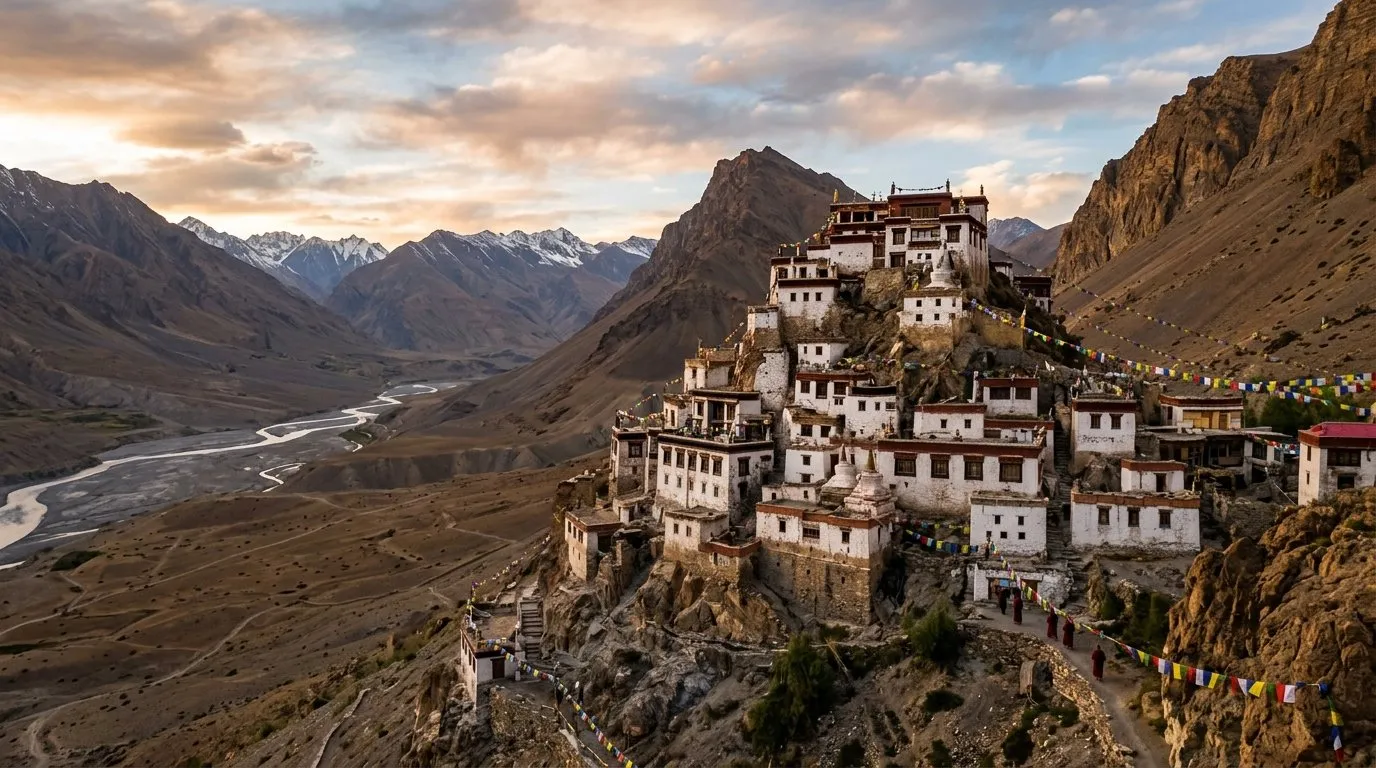
The Infrastructure Report Card: India's Remotest Destinations Scored
Pangong Lake has zero phone signal. Zanskar's nearest real hospital is 230km away. Roopkund has no mobile coverage for 8 days straight. We mapped the infrastructure reality of India's most remote destinations.
12 min readThe 10 Most Dangerous Roads in India That Are Worth Driving Anyway
We mapped road conditions for 142 destinations. These 10 routes scored "extreme" or "hard" on our reach difficulty scale. Every single one is worth the white knuckles.
14 min read- Access
- Good.
- Emergency
- 108 · Baijnath 15km. Dharamshala 65km.
- Stay
- ₹400-3000/night · 40 options
Go with confidence.