Cultural Context
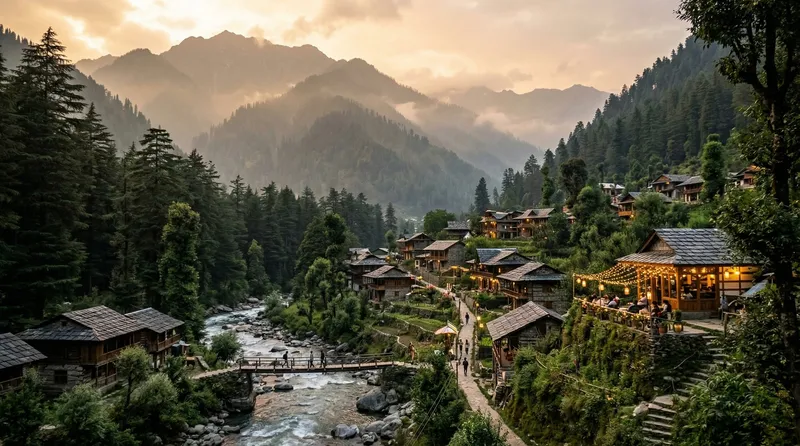
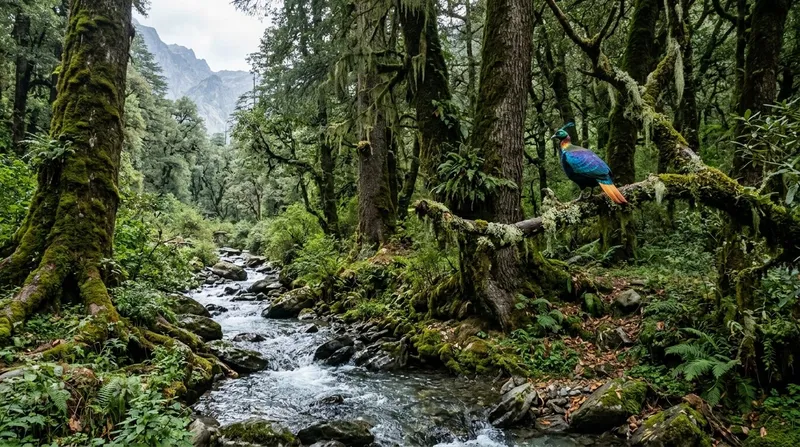
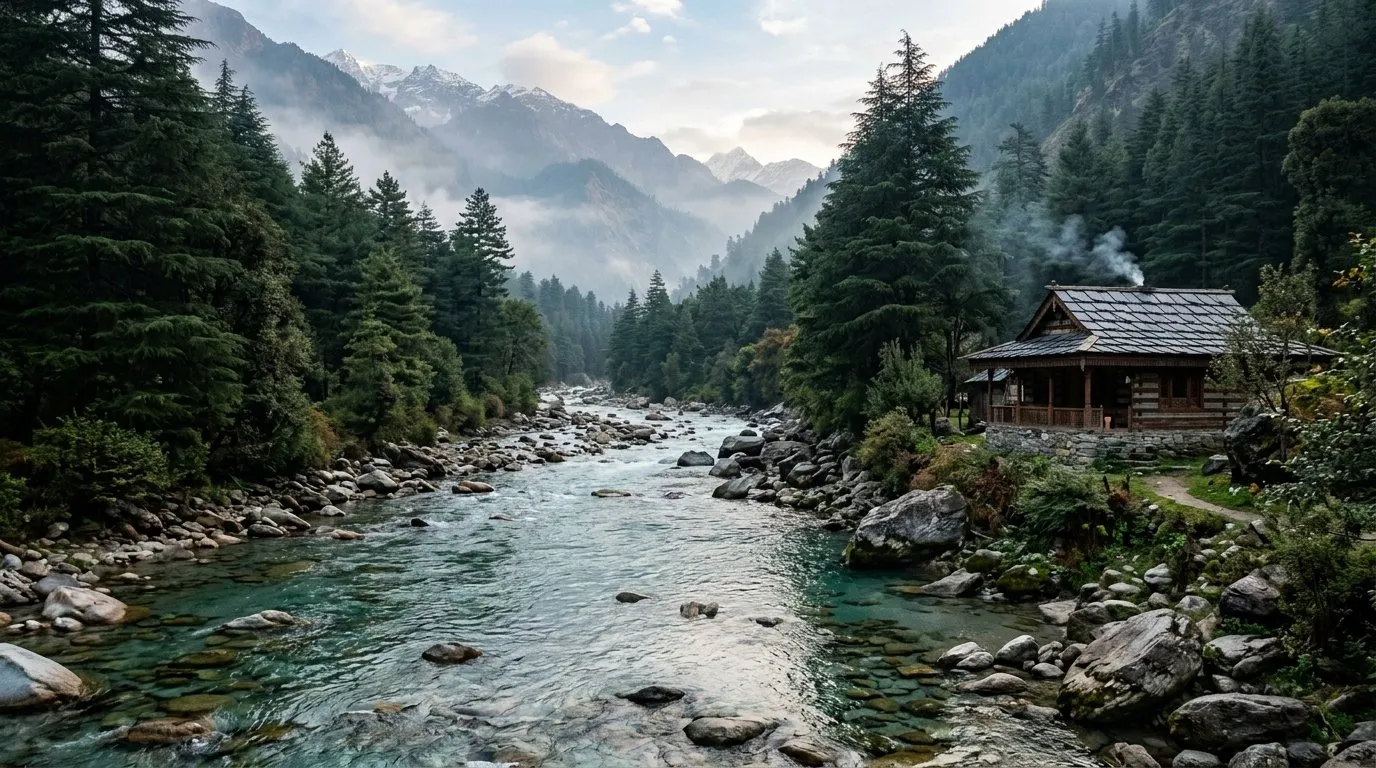
Tirthan Valley is named after the Tirthan River and serves as the gateway to the Great Himalayan National Park (GHNP), a UNESCO World Heritage Site protecting some of the most biodiverse temperate forests in the Western Himalayas. The valley at 1,600m is known for trout fishing in crystal-clear streams, traditional Himachali village life, and eco-tourism. It is less commercialized than nearby Kullu-Manali.
What to Wear
Casual outdoor clothing. Warm layers for evenings. No specific cultural dress codes. Respectful dress at village temples.
Food Safety
Good food at guesthouses and a growing number of cafes. Fresh trout is the specialty — available at most guesthouses. Safe and well-prepared food. Try local Himachali dishes. Bottled water recommended though river water is clean at higher elevations.
Common Scams to Watch For
- •GHNP trek operators not including mandatory park permits and guide fees in quoted trek prices — verify what is included
- •Guesthouse photos online not matching reality, especially budget options — check recent reviews
- •Taxi operators from Aut charging premium rates — the valley is close
Cards & Cash
Some guesthouses accept cards/UPI. Growing digital payment acceptance. No ATM in the valley — nearest in Banjar (accessible) or Aut. Carry cash.
English Spoken
moderate — guesthouse owners catering to tourists speak good English. Growing eco-tourism community is English-friendly. Village locals speak Hindi and Himachali.
Phone & SIM
Jio works in the main valley areas and Banjar. Airtel is patchy. BSNL has wider coverage. Signal drops inside GHNP.
Nearest Embassy
Delhi — approximately 460 km by road
Standard Indian e-Visa covers Tirthan Valley. GHNP entry requires a permit and mandatory registered guide — arrange through your guesthouse or the GHNP office in Sai Ropa.