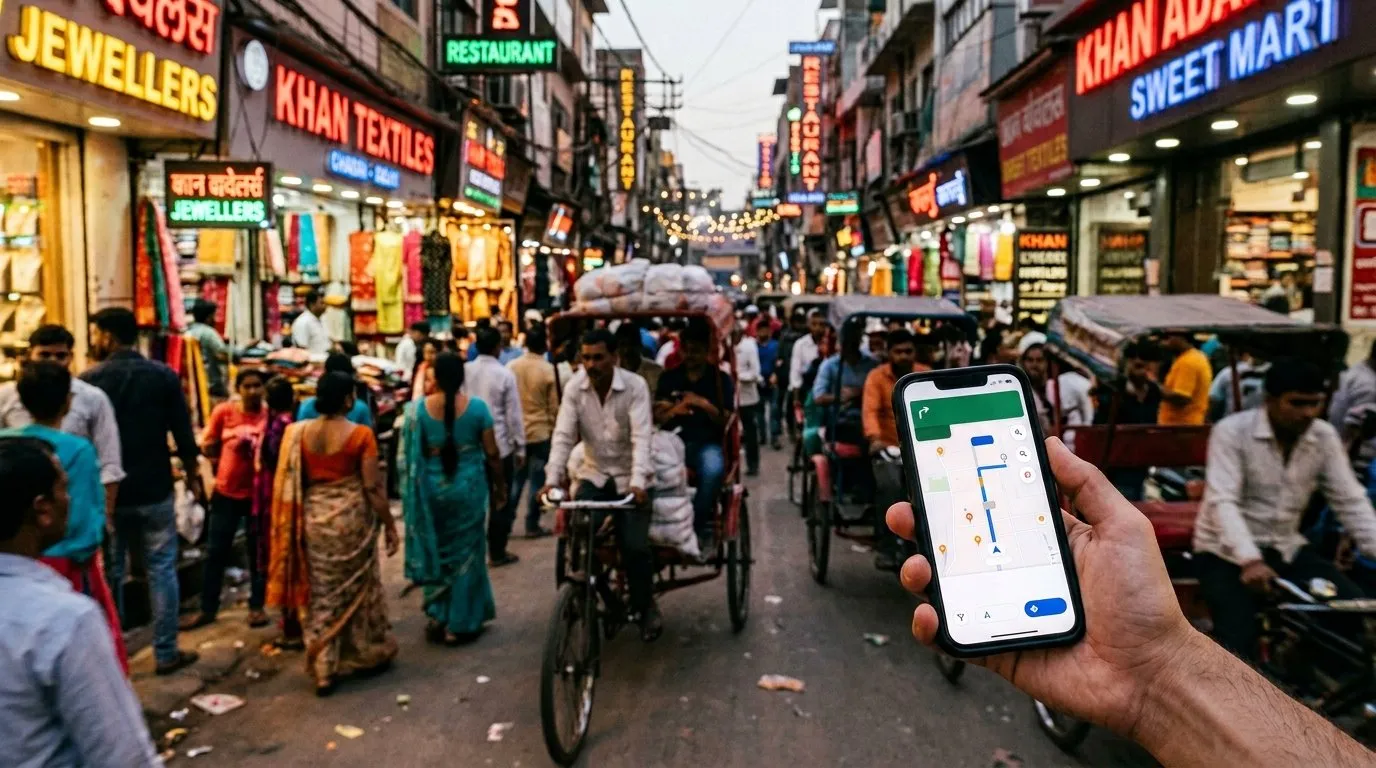
10 Scams Every First-Time India Visitor Falls For
The exact scripts, scenarios, and how to shut them down — plus the "scam" that isn't one
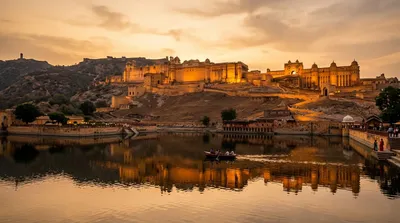
# 10 Scams Every First-Time India Visitor Falls For
India has scams. So does Paris, Barcelona, Bangkok, and every other city that attracts millions of tourists. The difference with India is that the scams are more theatrical, more persistent, and sometimes genuinely creative.
None of them are dangerous. All of them are avoidable once you know the script. I'm Ashish Taneja — Indian, based abroad — and these are the exact scams I warn every friend about before their first trip.
1. "Your Hotel Is Closed / Burned Down"
Where: Delhi, Jaipur, Agra — usually from airport/station taxi or auto drivers
The Script: You get in a taxi or auto-rickshaw and give them your hotel name. The driver says: "Oh, that hotel closed last month" or "There was a fire there" or "That area is flooded." He offers to take you to a "better" hotel he knows.
What's Actually Happening: Your hotel is fine. The driver gets a commission (₹500-2,000) from the hotel he takes you to, which will likely be overpriced and mediocre.
How to Shut It Down:
- ●Call your hotel before getting in the taxi. Confirm they're open.
- ●Show the driver your booking confirmation. Insist on going there.
- ●If he keeps insisting, get out and find another taxi.
- ●Best move: book an Uber or Ola from the airport. No conversation needed.
Our experience: This happened to my friend Mark on his first Delhi trip. Driver told him his Paharganj hotel was "sealed by police." Mark called the hotel. The receptionist laughed and said, "Sir, we are fully open. This is the third time today."
2. The Gem/Carpet Export Scam
Where: Jaipur (gems), Agra (carpets), Delhi (both)
The Script: A friendly local befriends you — maybe at a cafe, maybe near a monument. After building trust, he says: "My uncle has a government-approved shop. He exports gems/carpets/silks internationally. If you buy here and carry it home, you can sell it for 5x the price. You'll make money!"
Sometimes it's more elaborate: "We just need someone with a foreign passport to clear customs for this shipment. You buy at wholesale, sell at retail in your country."
What's Actually Happening: The gems are glass. The carpets are machine-made. The "wholesale price" is 10x the actual value. There is no export opportunity. You're buying ₹500 worth of goods for ₹50,000.
How to Shut It Down:
- ●If anyone mentions "export," "government shop," or "duty-free" in a sales context, walk away immediately.
- ●No legitimate business needs a random tourist to be their export courier.
- ●If you want gems, go to established, reviewed jewellers. Jaipur's Johari Bazaar has legitimate gem dealers — but research them first.
3. Fake Government Tourist Offices
Where: Delhi — especially near New Delhi Railway Station and Connaught Place
The Script: You're looking for the tourist office or train booking counter. Someone on the street says, "The office has moved — I'll show you." They lead you to an official-looking office with signs that say "Government of India Tourism" or "ITDC Approved." Inside, someone in a pseudo-uniform books you an overpriced tour or train ticket with a massive markup.
What's Actually Happening: These are private travel agencies disguised as government offices. They charge 3-10x the actual price for trains, tours, and hotels.
How to Shut It Down:
- ●The real India Tourism office (ITDC) is at 88 Janpath, New Delhi. That's the only one.
- ●For train bookings, use the IRCTC website (irctc.co.in) or the official booking counter inside the station (go upstairs at New Delhi Railway Station to the dedicated International Tourist Bureau).
- ●If someone on the street offers to "help" you find the tourist office, politely decline and use Google Maps.
4. The Temple Priest Forced Donation
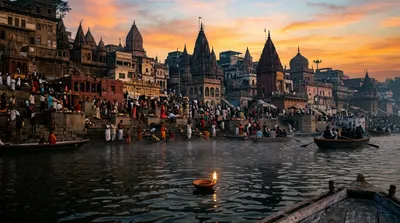
Where: Varanasi (ghats), Haridwar, and smaller temples everywhere
The Script: A priest at a temple or ghat approaches you, puts a tilak on your forehead (a blessing mark), wraps a thread around your wrist, and then opens a "donation book" showing entries of ₹5,000-10,000 from other foreigners. "You must give donation. It is the custom. Very important for good luck."
What's Actually Happening: The donation book is fake (or shows inflated numbers). The blessing was unsolicited. You don't owe anything.
How to Shut It Down:
- ●Politely say "No, thank you" before they start the ritual. Step back physically.
- ●If they've already put the tilak on, you can give ₹20-50 and walk away. Or nothing.
- ●You are never obligated to sign a book or pay a specific amount.
- ●At legitimate temples, donation boxes are available. Put what you're comfortable with (₹10-100 is normal) and move on.
5. Inflated Rickshaw/Taxi Meters
Where: Every city, but especially Delhi, Jaipur, Agra
The Script: You get in an auto-rickshaw. The meter is "broken" or the driver says "meter not working in this area." At the destination, he demands 3-5x the actual fare.
What's Actually Happening: The meters work. The driver just makes more money without them.
How to Shut It Down:
- ●Best option: Use Uber or Ola. Price is set in advance. No negotiation needed. Available in all major cities.
- ●If using an auto: Agree on the price BEFORE getting in. Ask your hotel what the fair fare should be. In most Indian cities, an auto should cost ₹15-20 per kilometer.
- ●In Delhi: Insist on the meter. If the driver refuses, walk to the next auto. There's always another one.
- ●Learn the rough distances to your destinations. Delhi Airport to Connaught Place is about 20 km. If someone quotes you ₹2,000 for that ride, laugh and open the Uber app.
6. The "Free" Henna/Bracelet
Where: Jaipur (near Hawa Mahal), Agra (near Taj Mahal), Delhi (Chandni Chowk)
The Script: A woman approaches you with a warm smile: "Free henna! Beautiful design! Welcome to India!" She grabs your hand and starts applying henna before you can respond. Or someone ties a "friendship bracelet" on your wrist. Once it's on, the friendly demeanor changes: "Now you pay. ₹500." If you refuse, they get loud.
What's Actually Happening: Classic bait-and-switch. The "free" service was never free.
How to Shut It Down:
- ●Say "No, thank you" firmly BEFORE they touch your hand or wrist. Step away.
- ●Keep your hands in your pockets or crossed when walking through touristy areas.
- ●If they've already started, say "I didn't ask for this, I'm not paying" and walk away. They'll yell. Let them.
- ●If you actually want henna, go to a shop with posted prices.
7. The Friendly Local Who "Just Wants to Practice English"
Where: Delhi, Agra, Varanasi
The Script: A well-dressed young man approaches you: "Hello! Where are you from? I am a university student. I just want to practice my English!" The conversation is genuinely pleasant. After 10 minutes, he says: "My family has a shop nearby. Would you like to see it? No pressure to buy." You go. There is pressure.
What's Actually Happening: He earns commission on everything you buy. The shop prices are inflated to cover his cut.
How to Shut It Down:
- ●Enjoy the conversation if you want. But when the invite to a "family shop" comes, politely decline.
- ●"Thank you, but I have plans" works perfectly.
- ●This isn't always a scam — sometimes people genuinely want to chat. But if a shop visit comes up, that's your cue.
8. Overpriced Boat Rides
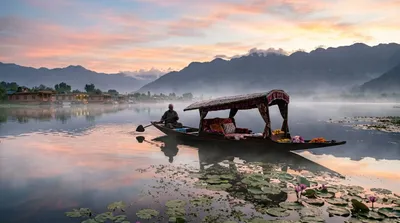
Where: Varanasi (Ganges), Srinagar (Dal Lake shikaras)
The Script: You agree to a boat ride for "₹200." At the end, the boatman says it's ₹200 *per person* or ₹200 *per hour* (and the ride took two hours). Or he stops mid-river and demands more money for "special ghat viewing."
What's Actually Happening: Ambiguous pricing exploited after you're literally in the middle of a river.
How to Shut It Down:
- ●Agree on the total price, duration, and route before boarding. Be explicit: "₹500 total for one hour, for all of us, Dashashwamedh to Manikarnika and back."
- ●In Varanasi, the government rate for a sunrise boat ride is roughly ₹200-400 per boat (not per person). Ask your hotel to arrange it.
- ●In Srinagar, shikara rides on Dal Lake should be ₹500-800 for an hour. Again, book through your hotel or houseboat host.
- ●If a boatman changes terms mid-ride, stay calm, pay what you agreed, and leave.
9. The Photography Scam
Where: Jaipur, Delhi, Agra — tourist monuments
The Script: A man with a snake, monkey, or dressed as a holy man approaches: "Photo? Photo?" You take a picture — or he places the snake/monkey on your shoulder before you can react. Then: "₹1,000 for photo."
What's Actually Happening: Unsolicited photo op turned into an extortion moment.
How to Shut It Down:
- ●Don't touch anything. Don't let anyone put anything on you.
- ●If someone with an animal approaches, raise your hand and say "No." Walk away.
- ●If a photo happens accidentally, give ₹50-100 and leave. Don't argue over ₹1,000 — negotiate briefly and move on.
- ●Never hand your phone/camera to someone who offers to "take your photo." Classic grab-and-demand.
10. The Inflated Entry Fee
Where: Taj Mahal, major monuments nationwide
The Script: You arrive at the Taj Mahal. The entry fee is ₹50 for Indians and ₹1,100 for foreigners. You feel scammed.
What's Actually Happening: This is NOT a scam. Differential pricing is the official government policy for most Archaeological Survey of India (ASI) monuments.
The logic: Indian taxpayers fund monument maintenance through their taxes. Foreign tourists don't. The higher fee helps fund conservation.
Examples of legitimate differential pricing:
- ●Taj Mahal: ₹50 Indian / ₹1,100 foreign
- ●Humayun's Tomb: ₹40 Indian / ₹600 foreign
- ●Red Fort Delhi: ₹35 Indian / ₹500 foreign
What to know:
- ●Always buy tickets from the official counter or the ASI website. Not from someone outside who offers "skip the line" tickets.
- ●If someone tells you the counter is closed and sells you tickets at 2x, that's a scam. The counter is open.
- ●OCI (Overseas Citizen of India) cardholders pay Indian rates. Carry your card.
BONUS: The Scam That Isn't a Scam — Indian Hospitality
After reading all this, you might arrive in India suspicious of everyone who talks to you. Please don't.
For every tout and scam artist, there are dozens of Indians who will:
- ●Walk 15 minutes out of their way to show you a street
- ●Insist you eat with their family
- ●Refuse payment for helping you
- ●Give you their phone number "in case you need anything"
Indian hospitality is real. It's a deep cultural value. The Hindustani concept of *Atithi Devo Bhava* — "the guest is god" — isn't just a tourism slogan. Most Indians who approach you are genuinely curious, genuinely friendly, and genuinely helpful.
When my American friend visited Delhi and an auto driver took him 20 minutes out of the way to find his hotel, then refused extra payment saying "You are guest in my country" — that wasn't a scam. That was India.
Be smart. But also be open. The best experiences in India happen when you say yes to unexpected kindness.
The NakshIQ Approach
Every NakshIQ destination page includes a "scam awareness" section specific to that city. We tell you exactly what to watch for at each place so you can travel with confidence, not paranoia.
India's scams are annoying. They are not dangerous. And now that you know the scripts, you're already ahead of 90% of first-time visitors.
Monthly Scores
| Destination | Jan | Feb | Mar | Apr | May | Jun | Jul | Aug | Sep | Oct | Nov | Dec |
|---|---|---|---|---|---|---|---|---|---|---|---|---|
| Agra | 8.0 | 10.0 | 8.0 | 4.0 | 2.0 | 2.0 | 4.0 | 4.0 | 6.0 | 10.0 | 10.0 | 8.0 |
| Delhi | 6.0 | 8.0 | 8.0 | 6.0 | 2.0 | 2.0 | 4.0 | 4.0 | 6.0 | 10.0 | 8.0 | 6.0 |
| Haridwar | 6.0 | 8.0 | 8.0 | 6.0 | 4.0 | 4.0 | 4.0 | 4.0 | 6.0 | 10.0 | 10.0 | 6.0 |
| Jaipur | 10.0 | 10.0 | 8.0 | 6.0 | 2.0 | 2.0 | 4.0 | 4.0 | 6.0 | 10.0 | 10.0 | 10.0 |
| Srinagar | 2.0 | 2.0 | 8.0 | 10.0 | 10.0 | 8.0 | 6.0 | 6.0 | 10.0 | 10.0 | 6.0 | 4.0 |
| Varanasi | 8.0 | 8.0 | 8.0 | 6.0 | 2.0 | 2.0 | 4.0 | 4.0 | 6.0 | 10.0 | 10.0 | 10.0 |
The Window · Every Sunday
Liked this? Get one every Sunday.
Best score of the week, one honest skip, road updates. Four minutes. No spam.
More in Field guide
Is Manali safe for solo female travellers? Which Manali, and when
Manali is not one place. New Manali is a respectable hill town — 4/5 safe. Old Manali is the Himachal backpacker-cafe strip with party + drug scene — 2/5 after 10pm. McLeodganj 3 hours away holds 5/5 year-round. Pick deliberately.
5 min read
Solo-female travel in India — every destination scored, month by month
Most India travel guides tell women 'use common sense' and call it done. We rated 488 destinations on a 1-5 scale for solo-female safety, with month-specific overrides where it matters. Here's the methodology, the top 15, and the five that don't clear the bar.
10 min read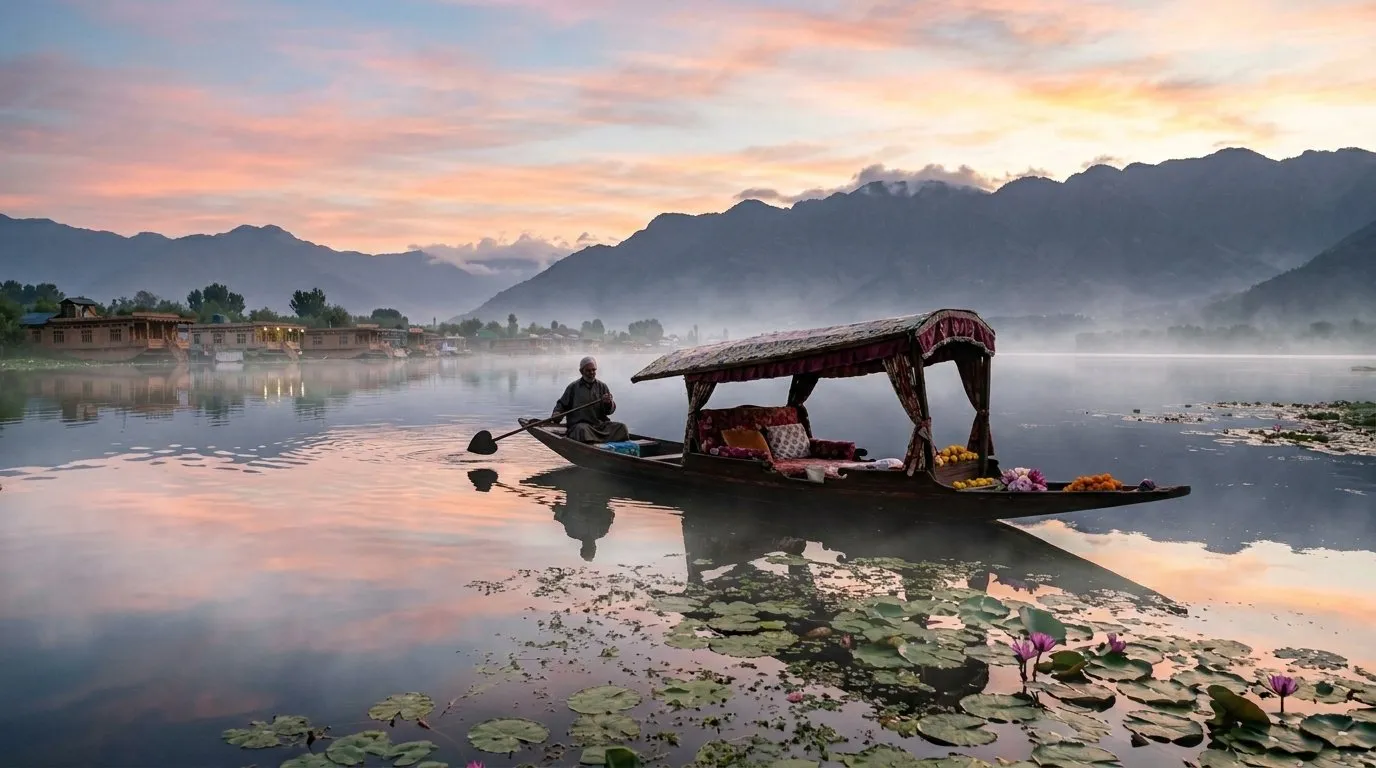
Is Kashmir safe for solo female travellers? What actually matters
Kashmir is the destination where the generic 'is India safe for women' post fails hardest. The answer depends on which month, which valley, which houseboat operator, and whether you're willing to dress differently than you would in Goa. Here's the concrete version.
6 min read- Access
- Yamuna Expressway excellent.
- Emergency
- 108 · SN Medical College. Multiple private.
- Stay
- ₹500-20000/night · 400 options
Go with confidence.