15 things to know before Rishikesh in April
April is Rishikesh's pre-summer window. Rafting runs best, the yoga-festival crowds are thinning, and the Ganga is at the right temperature. Fifteen specifics first.
Destinations in this article
# 15 things to know before Rishikesh in April
April is Rishikesh's quiet month. The International Yoga Festival ended in March, the pre-monsoon heat hasn't settled in, and the Ganga is at rafting temperature. It's also when you can actually get a riverside cottage without booking three months ahead.
Fifteen specifics before you pack.
1. Rishikesh is three towns stacked on top of each other. Rishikesh proper (the railway-station town) is where buses and trains drop you. Tapovan / Laxman Jhula is the yoga-and-backpacker end on the east bank. Swarg Ashram (across Ram Jhula) is the older pilgrim quarter. Know which one your booking is in — they are 3–6 km apart and the bridges are foot-only.
2. April water temperature in the Ganga is about 10–14°C. That is cold but rafting-safe with a wetsuit. By May the water rises and the rapids get rougher; September/October is the calmer shoulder. April is the best window if you want the rapids technical but the water not yet snow-melt frigid.
3. Rafting is regulated by the Uttarakhand Tourism Development Board. Licensed operators have a laminated board at the Shivpuri and Marine Drive launches. Rates are fixed (₹600–1,200/person for the classic 16km Shivpuri–Laxman Jhula run) — refuse anyone quoting off the book.
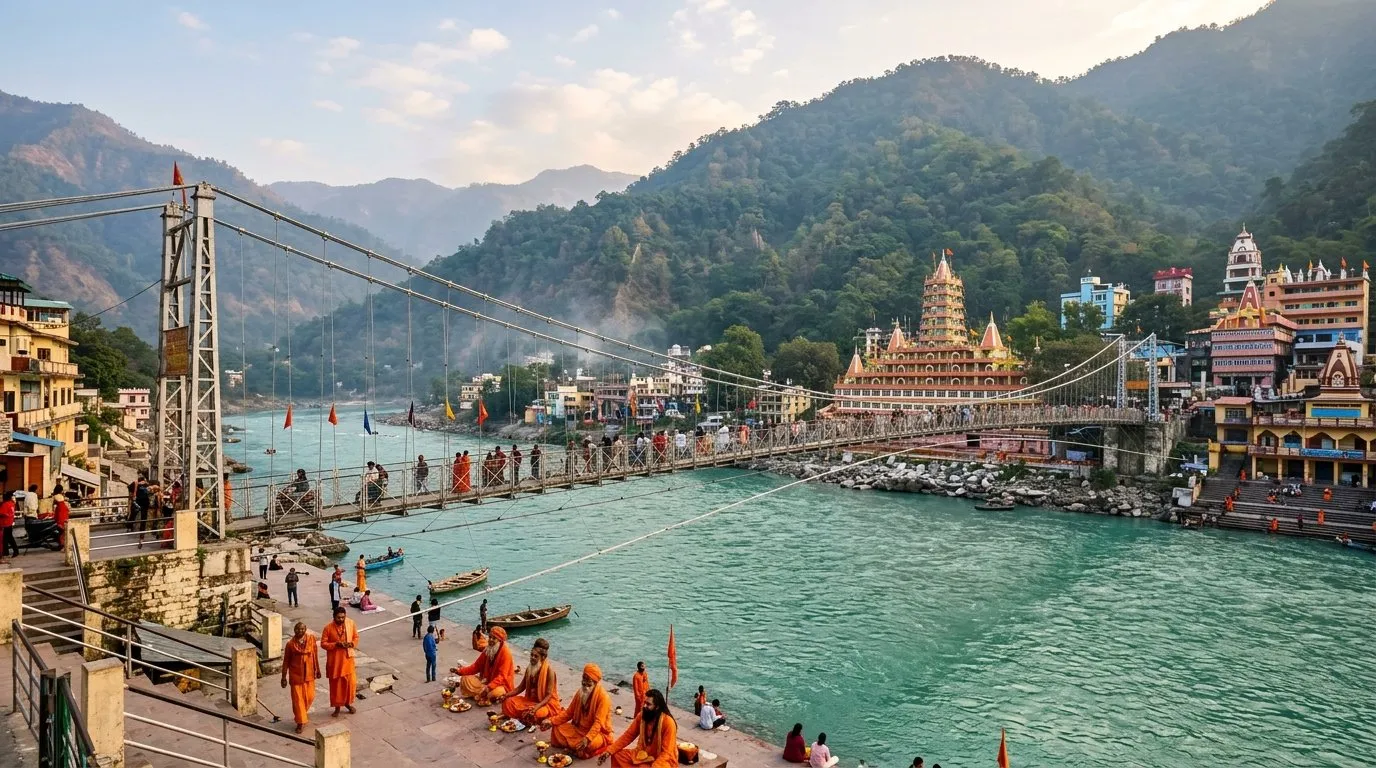
4. The two pedestrian bridges — Ram Jhula and Laxman Jhula — are closed to two-wheelers. Laxman Jhula (older, more iconic) is currently closed for structural repair; use the replacement Bajrang Setu just south. Ram Jhula is fully open.
5. Ashrams are working institutions, not hotels. If you stay at Parmarth Niketan, Swargashram, or Sivananda Ashram, the rules include no meat, no alcohol, early-morning meditation attendance, and shared meals. If that's not the vibe, stay at a regular guesthouse in Tapovan and walk over for aarti.
6. Ganga Aarti at Parmarth Niketan (6:30pm) is free and remarkable. Arrive 30 minutes early for a seat. It is not a tourist show — it's a daily ritual that tourists are welcome to attend. Phone photography is allowed; flash is not.
7. Rishikesh is alcohol-dry (Rishikesh Municipal Corporation area, including Laxman Jhula and Swarg Ashram). The nearest bars are in Haridwar (20km) and Dehradun (45km). Most hotel rooftops serve mocktails.
8. Beatles Ashram (Chaurasi Kutia) — now a forest-department managed site — is worth 90 minutes. Entry ₹150 for Indians / ₹600 for foreigners. Open 10am–4pm. The graffiti-covered meditation cells are the point; the Ganga view is the bonus.
9. Yoga classes range from ₹300 drop-in to ₹25,000 for a seven-day immersion. Registered teachers hold Yoga Alliance 200/500 certifications — check the card. The 10-minute "instant enlightenment" tout at the bridge is not.
10. April daytime is 25–32°C; early mornings are cool (15°C). Light cottons, but pack a long-sleeve for aarti evenings when the breeze off the river is strong.
11. The Neelkanth Mahadev Temple, 30km up in the hills, is the half-day pilgrimage side-trip — shared taxis leave from Swarg Ashram all morning. ₹200 round trip, 90 minutes each way.
12. Kaudiyala, 35km upstream, is where multi-day rafting expeditions launch. Shivpuri has day trips. Brahmpuri is the beginner run. Do not book a "night rafting" offer — it does not exist legally in Rishikesh.
13. Haridwar and Rishikesh are 25km apart but culturally distinct. Haridwar is the ritual city (Har Ki Pauri aarti is bigger, louder, more crowded). Rishikesh is the modern yoga-and-backpacker city. If your itinerary is tight, Haridwar is a half-day add-on from Rishikesh, not a separate base.
14. The Dehradun–Rishikesh drive is 45km on a well-paved road — 90 minutes in normal traffic, 2+ hours on a Friday evening. From Delhi, the Dehradun Shatabdi Express is the best rail option (6 hours), or book a taxi for ₹4,500–6,000 door-to-door.
15. Between May and October, Rishikesh gets busy with weekend traffic from Delhi. April is the last quiet weekend window before school summer holidays begin. For ashram stays, book 14 days out; for rafting-focused weekends, 7 days is enough.
Related reading: Arrival playbook for DEL · How to book Indian trains as a foreigner · Rishikesh vs Varanasi.
Monthly Scores
| Destination | Jan | Feb | Mar | Apr | May | Jun | Jul | Aug | Sep | Oct | Nov | Dec |
|---|---|---|---|---|---|---|---|---|---|---|---|---|
| Rishikesh | 6.0 | 8.0 | 10.0 | 8.0 | 6.0 | 4.0 | 2.0 | 2.0 | 8.0 | 10.0 | 10.0 | 6.0 |
The Window · Every Sunday
Liked this? Get one every Sunday.
Best score of the week, one honest skip, road updates. Four minutes. No spam.
More in Field guide
Is Manali safe for solo female travellers? Which Manali, and when
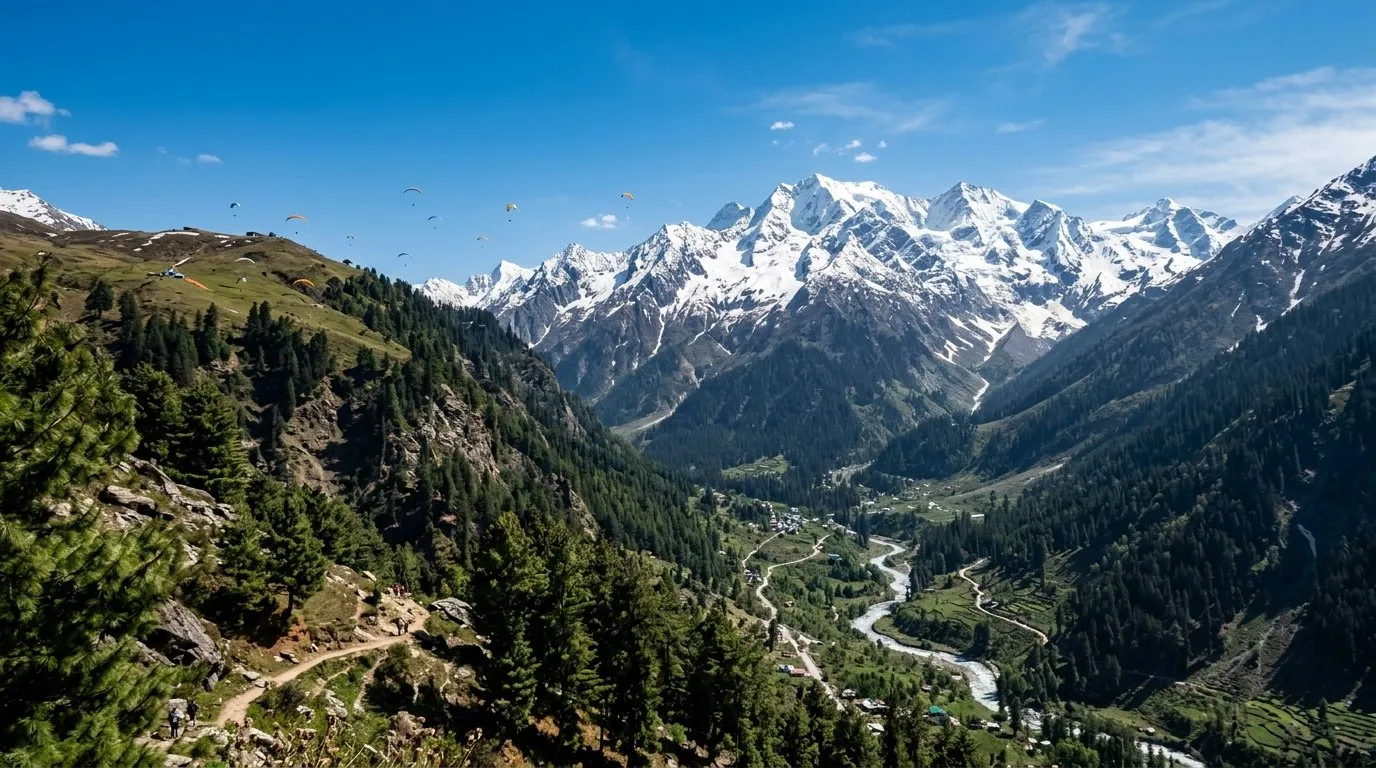
Manali is not one place. New Manali is a respectable hill town — 4/5 safe. Old Manali is the Himachal backpacker-cafe strip with party + drug scene — 2/5 after 10pm. McLeodganj 3 hours away holds 5/5 year-round. Pick deliberately.
5 min readSolo-female travel in India — every destination scored, month by month
Most India travel guides tell women 'use common sense' and call it done. We rated 488 destinations on a 1-5 scale for solo-female safety, with month-specific overrides where it matters. Here's the methodology, the top 15, and the five that don't clear the bar.
10 min read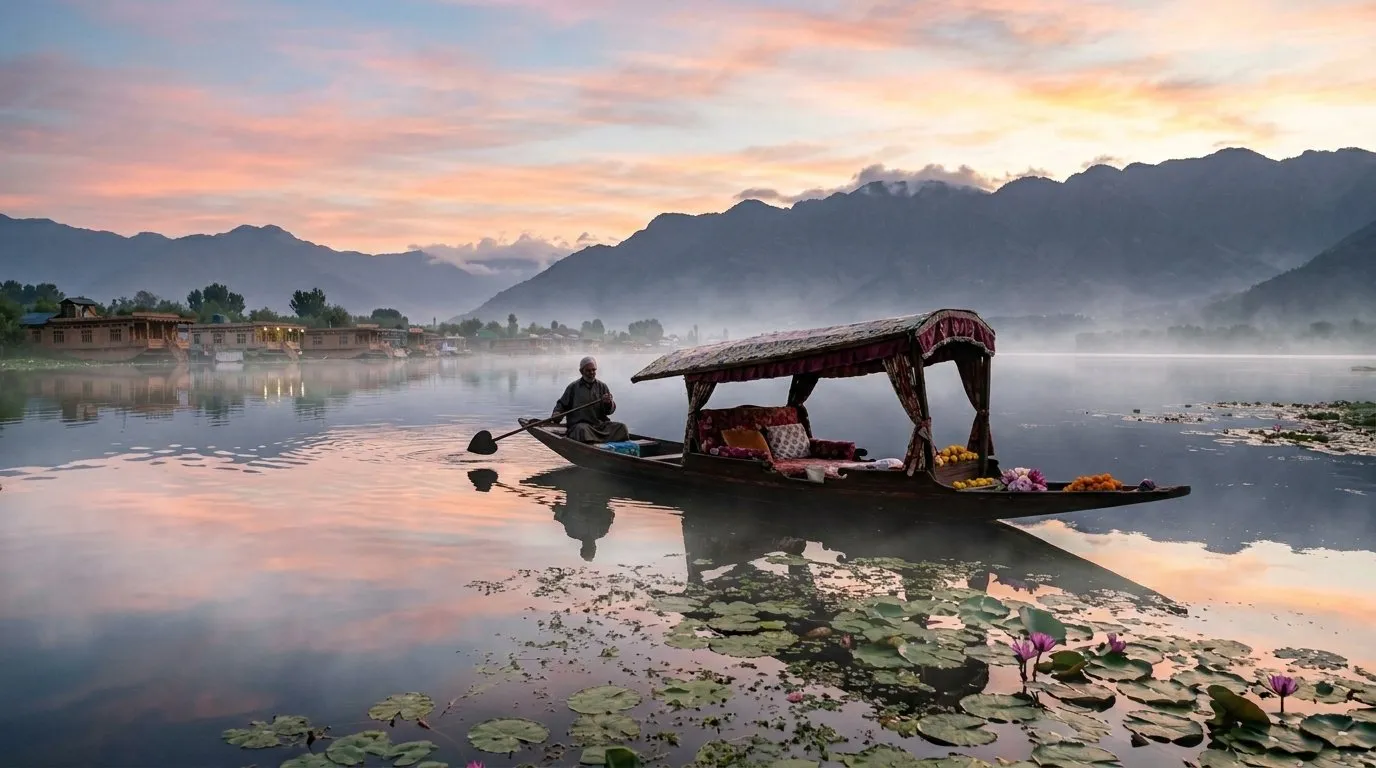
Is Kashmir safe for solo female travellers? What actually matters
Kashmir is the destination where the generic 'is India safe for women' post fails hardest. The answer depends on which month, which valley, which houseboat operator, and whether you're willing to dress differently than you would in Goa. Here's the concrete version.
6 min read- Access
- Good highway.
- Emergency
- 108 reliable · AIIMS Rishikesh (excellent — new facility)
- Stay
- ₹200-8000/night · 300 options
Go with confidence.