What to Pack for India: A Regional and Seasonal Guide
The universal list, the region-specific additions, the seasonal adjustments, and what to leave at home
The Philosophy
Pack light. India has laundry services everywhere (₹50-100 per kg, returned in 24 hours). India has pharmacies on every block. India has markets where you can buy anything you forgot.
The things you cannot easily get in India: good sunscreen, your prescription medications, and specific electronics. Pack those. Everything else is replaceable.
The Universal List: Pack This Regardless of Destination
Clothing
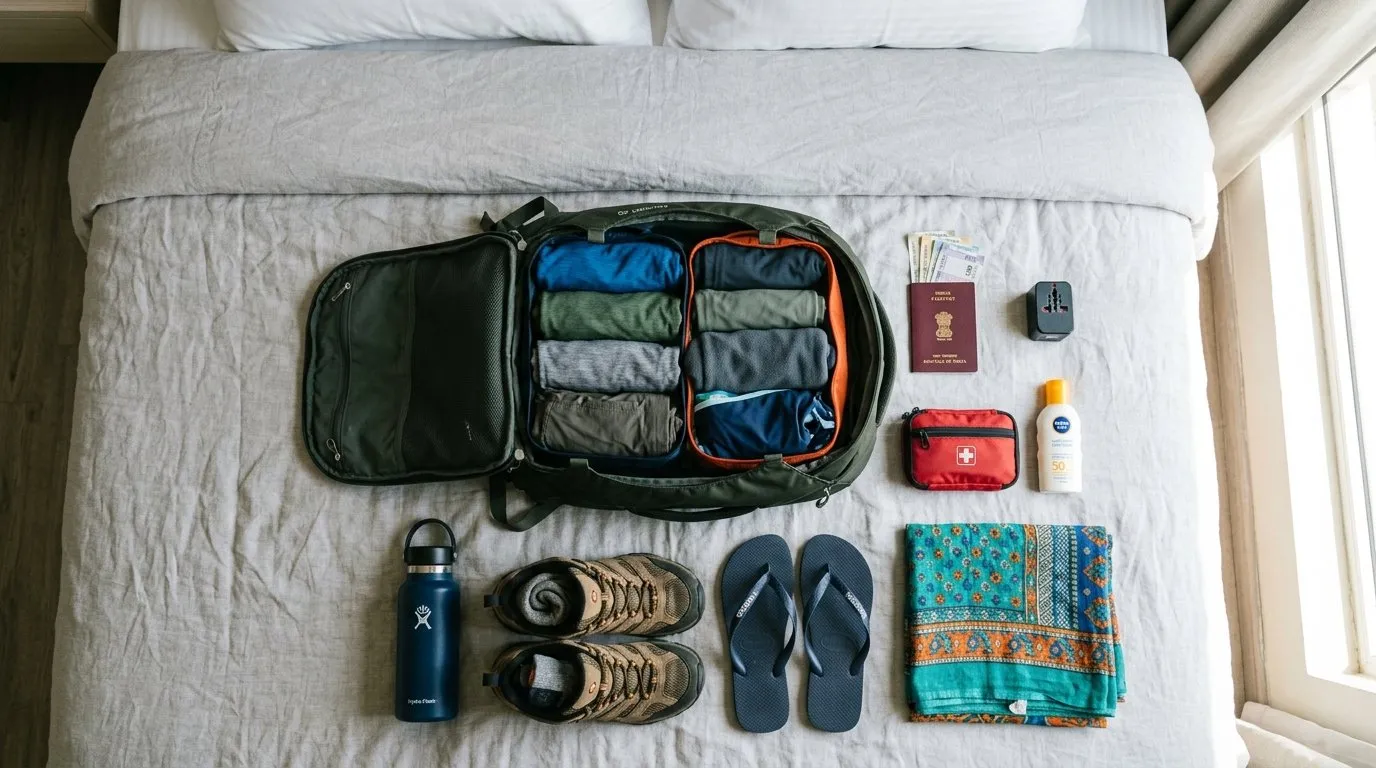
- ●3-4 quick-dry tops. India is hot for most of the year. You sweat. Cotton takes forever to dry. Quick-dry fabric means you can wash at night and wear in the morning.
- ●2 pairs of lightweight pants/trousers. Convertible zip-off pants are ugly but functional. Linen pants work for a more human-looking option.
- ●1 long scarf or shawl. This is the single most versatile item you'll pack. It covers your head in temples and mosques. It shields your shoulders from sun. It works as a blanket on freezing AC trains. It filters dust on open-window bus rides. It doubles as a towel in emergencies. Buy a cotton one in India for ₹200-500 if you don't have one.
- ●1 set of modest clothing. Long pants and covered shoulders for temple visits. Women: a kurta (long tunic) is the easiest solution — buy one in India for ₹300-800, look great, fit in.
- ●Underwear for 5-7 days. Quick-dry if possible. This is the one thing you don't want to run out of between laundry runs.
Footwear
- ●Comfortable walking shoes. You'll walk 10-15 km/day without trying. Broken-in sneakers or trail shoes. Not new. Not leather (hot).
- ●Flip-flops or sandals. Temple visits = shoes off constantly. Slip-on sandals save time. Also essential for shared bathrooms and showers.
Health and Hygiene
- ●Sunscreen SPF 50. This is hard to find in India at quality comparable to Australian/Western brands. Indian sunscreens exist but formulations vary. Bring your own.
- ●DEET-based insect repellent (20-30%). Alternatively, buy Odomos at any Indian pharmacy — it's the local standard and works well for mosquitoes.
- ●ORS sachets (Oral Rehydration Salts). Traveler's diarrhea is when, not if. ORS is the first line of defense. Available in India as Electral brand, but bring a few from home so you have them immediately.
- ●Imodium (loperamide). Stops symptoms while ORS handles hydration.
- ●Ciprofloxacin prescription. Get this from your GP before travel. For bacterial diarrhea that ORS alone doesn't fix. Having it means not needing to find a pharmacy while sick.
- ●Paracetamol and ibuprofen. For headaches, fever, altitude headaches.
- ●Hand sanitizer. Minimum 60% alcohol. Use before every meal, after every public transport ride, after every market visit. India's hygiene infrastructure is improving but not there yet.
- ●Basic first aid: Band-aids, antiseptic cream, blister plasters.
Electronics
- ●Universal power adapter. India uses Type C (round two-pin) and Type D (round three-pin) plugs at 220V. Many modern hotels have universal sockets, but don't count on it. A universal adapter with USB ports covers everything.
- ●Power bank (20,000 mAh minimum). Indian trains, buses, and auto-rickshaws don't have reliable charging. Your phone is your map, translator, and payment system. Don't let it die.
- ●Earplugs + eye mask. India is LOUD. Horns start at 5 AM. Temple bells at 4 AM. Street dogs at 2 AM. Construction whenever they feel like it. Foam earplugs or silicone plugs. An eye mask for sleeping on trains and in hotels with thin curtains.
Documents
- ●Photocopies of passport and visa. Keep separately from originals. One copy in your daypack, one in your main bag, one photo on your phone.
- ●₹5,000-10,000 cash (Indian Rupees). Withdraw from ATMs on arrival. Emergency backup for when UPI doesn't work, cards are declined, or you're somewhere without connectivity.
- ●Travel insurance documentation. Printed. Not just on your phone. Hospitals want paper.
By Region: What to Add
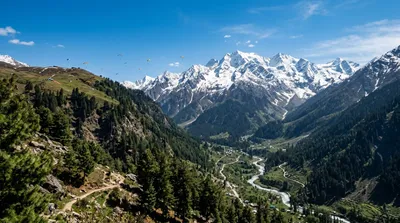
Himalayan (Himachal Pradesh, Uttarakhand, Ladakh, Sikkim)
You're going from sea level to 2,000-5,500 meters. Temperature drops 6 degrees C per 1,000m of altitude. A sunny day in Manali can be 20 degrees C at noon and 5 degrees C by 8 PM.
Add to universal list:
- ●Thermal base layer (top + bottom). Merino wool is ideal. Synthetic works.
- ●Down jacket or insulated puffer. Lightweight and packable. Essential above 2,500m and for all evenings.
- ●Layering system. Base layer, then fleece or softshell, then down jacket, then rain shell. The Himalayas demand layering because conditions change hourly.
- ●Trekking boots. If you're doing any trails, proper ankle-support waterproof boots. Sneakers aren't enough on mountain trails.
- ●Waterproof jacket. Rain is unpredictable in mountains. A lightweight Gore-Tex or equivalent shell.
- ●Altitude medication (Diamox/Acetazolamide). Get a prescription before travel if going above 3,500m (Leh, Ladakh, Spiti). Start taking it 24 hours before reaching altitude.
- ●Lip balm with SPF. Altitude + sun = cracked lips in hours.
- ●Sunglasses (UV400). Non-negotiable at altitude. Snow reflection and thin atmosphere mean serious UV exposure.
Rajasthan and Northern Plains
Hot, dry, dusty. Temperatures: 25-45 degrees C depending on season. Sandstorms possible in western Rajasthan.
Add to universal list:
- ●Loose cotton clothing. Tight synthetic fabric in 42 degree C heat is miserable. Loose cotton breathes.
- ●Wide-brim sun hat. The sun in Rajasthan is relentless. A baseball cap isn't enough.
- ●Dust mask or buff. For open-window train rides and desert excursions. A cotton scarf works too.
- ●Light layers for AC. Indian buses, trains, and malls blast AC to 16-18 degrees C. You'll go from 40 degrees C outside to 18 degrees C inside. A light jacket or hoodie prevents the thermal shock.
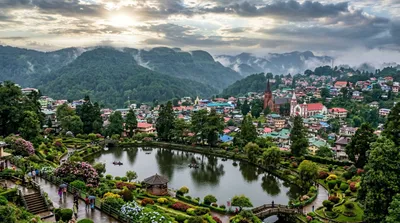
Northeast India (Meghalaya, Assam, Arunachal, Nagaland)
Wet. Very wet. Cherrapunji and Mawsynram receive the highest rainfall on Earth. Even "dry" season is damp.
Add to universal list:
- ●Rain jacket (proper waterproof, not water-resistant). You will get rained on. Not might. Will.
- ●Quick-dry pants. Not jeans. Not cotton. They'll never dry.
- ●Waterproof dry bag for electronics. A 10L dry sack protects your phone, camera, and power bank during downpours and river crossings.
- ●Leech socks. If you're trekking (living root bridges, jungle trails), leeches are real. Knee-high compression socks tucked into pants. Apply salt or DEET to socks.
- ●Extra plastic bags. Ziplock bags for documents, electronics, and anything that can't get wet.
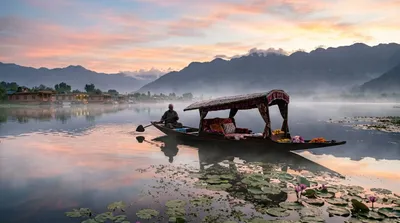
Kashmir
Even summer evenings drop to 10-15 degrees C. Winter is properly cold (-5 to 5 degrees C in Srinagar, lower in Gulmarg).
Add to universal list:
- ●Warm jacket. Even for summer visits. Evenings on Dal Lake houseboats are cold.
- ●Modest clothing for mosques. Long pants, covered shoulders, headscarf for women entering mosques.
- ●Consider buying a phiran. The traditional Kashmiri oversized cloak. Warm, comfortable, beautiful. Buy one in Srinagar for ₹1,000-3,000 — it's a souvenir that's actually useful.
By Season: Adjustments
October - February (Peak / Cool Season)
The best time to visit most of India. But "cool" is relative.
- ●Plains (Delhi, Rajasthan, UP): Days are pleasant (20-28 degrees C), nights can drop to 5-10 degrees C in Dec-Jan. Bring a warm layer for evenings.
- ●Mountains: Cold to very cold. Full winter gear above 2,000m. Many high-altitude passes close.
- ●South India: Warm year-round. Light clothes sufficient.
March - May (Summer / Pre-Monsoon)
- ●Plains: Hot. 35-47 degrees C. Pack the lightest possible clothing. Stay hydrated. Avoid midday exposure.
- ●Mountains: Warming up. Great trekking season. Layering system.
- ●Everywhere: Extra water bottle. ORS. Electrolyte tablets.
June - September (Monsoon)
Monsoon is beautiful but demands preparation.
- ●Waterproof everything. Jacket, bag cover, shoe covers.
- ●Quick-dry everything. Nothing dries naturally in 90% humidity.
- ●Extra plastic bags. For electronics, documents, dry clothes.
- ●Umbrella. Compact folding umbrella. Sometimes a jacket isn't enough.
- ●Waterproof footwear or sandals. Streets flood. Leather shoes are ruined. Sport sandals or waterproof boots.
What NOT to Pack
- ●Expensive jewelry. Attracts attention. Risk of loss or theft. Leave it home.
- ●Too many clothes. Laundry is ₹50-100/kg. Available in every town. Available in most hotels. Wash-and-fold in 24 hours. Pack for 5-7 days, not 21.
- ●A sleeping bag (unless trekking). Every hotel and guesthouse has blankets. Even budget ones.
- ●Physical guidebooks. Your phone has Google Maps, NakshIQ, and the entire internet. Save 500g of weight.
- ●Formal clothing. Unless you're attending a wedding or business meeting, you don't need it. India's tourist destinations are casual.
- ●Excessive toiletries. Indian pharmacies stock everything: toothpaste, soap, shampoo, razors, feminine products. Don't bring three months of supplies for two weeks.
Our Family Packing List: 2-Week Trip
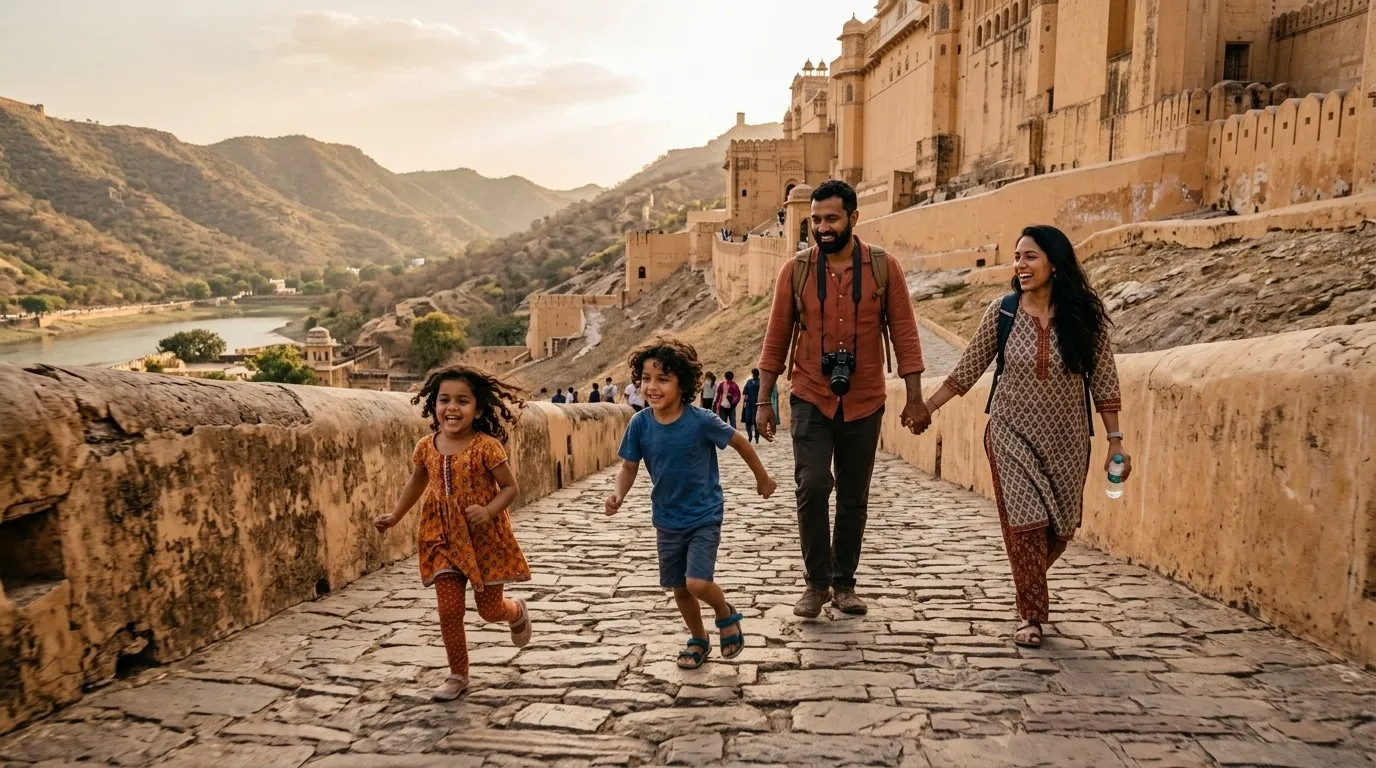
For a family of four (two adults, two kids), each person carries:
- ●1 carry-on bag (40-45L backpack or roller)
- ●1 daypack (15-20L)
That's it. No checked luggage. Here's why:
- ●Indian domestic flights charge for checked bags (₹500-1,500 per bag)
- ●Indian trains have overhead racks and under-seat space — large suitcases don't fit
- ●Auto-rickshaws have room for two small bags, not four large suitcases
- ●You will buy things in India (clothes, gifts, spices) — leave room
The carry-on has 5 days of clothes, all health/electronics items, and one warm layer. The daypack has documents, water, snacks, camera, and daily essentials.
We do laundry every 3-4 days. We've never wished we packed more.
The One Item That Changes Everything
A cotton scarf. ₹200-500 in any Indian market.
Temple head cover. Sun shield. AC blanket. Dust filter. Pillow. Beach towel. Grocery bag. Privacy screen. Eye mask.
If you pack nothing else from this list, pack a scarf.
Monthly Scores
| Destination | Jan | Feb | Mar | Apr | May | Jun | Jul | Aug | Sep | Oct | Nov | Dec |
|---|---|---|---|---|---|---|---|---|---|---|---|---|
| Delhi | 6.0 | 8.0 | 8.0 | 6.0 | 2.0 | 2.0 | 4.0 | 4.0 | 6.0 | 10.0 | 8.0 | 6.0 |
| Jaipur | 10.0 | 10.0 | 8.0 | 6.0 | 2.0 | 2.0 | 4.0 | 4.0 | 6.0 | 10.0 | 10.0 | 10.0 |
| Leh | 2.0 | 2.0 | 2.0 | 4.0 | 6.0 | 10.0 | 10.0 | 8.0 | 10.0 | 6.0 | 2.0 | 2.0 |
| Manali | 8.0 | 8.0 | 6.0 | 8.0 | 6.0 | 6.0 | 2.0 | 2.0 | 8.0 | 10.0 | 8.0 | 8.0 |
| Rishikesh | 6.0 | 8.0 | 10.0 | 8.0 | 6.0 | 4.0 | 2.0 | 2.0 | 8.0 | 10.0 | 10.0 | 6.0 |
| Shillong | 6.0 | 6.0 | 8.0 | 8.0 | 6.0 | 2.0 | 2.0 | 2.0 | 4.0 | 10.0 | 10.0 | 8.0 |
| Srinagar | 2.0 | 2.0 | 8.0 | 10.0 | 10.0 | 8.0 | 6.0 | 6.0 | 10.0 | 10.0 | 6.0 | 4.0 |
| Udaipur | 10.0 | 10.0 | 8.0 | 6.0 | 2.0 | 2.0 | 6.0 | 6.0 | 8.0 | 10.0 | 10.0 | 10.0 |
| Varanasi | 8.0 | 8.0 | 8.0 | 6.0 | 2.0 | 2.0 | 4.0 | 4.0 | 6.0 | 10.0 | 10.0 | 10.0 |
The Window · Every Sunday
Liked this? Get one every Sunday.
Best score of the week, one honest skip, road updates. Four minutes. No spam.
More in
Bringing American-Born Kids to India: An NRI Family's Guide
Age-by-age strategies, health prep, food tactics, and the 5 kid-tested destinations that actually work — from an Indian-origin family in Canberra who makes this trip regularly.
8 min read
Two Weeks in India: The Family-Tested Itinerary That Doesn't Suck
Most two-week India itineraries pack in too many cities and not enough breathing room. This family-tested 14-day route covers Delhi, Agra, Jaipur, Amritsar, Dharamshala, and Varanasi with real costs at three budget levels.
12 min read
India for LGBTQ Travelers: An Honest 2026 Assessment
Section 377 was struck down in 2018. Same-sex activity is legal. Same-sex marriage is not. Here is the destination-by-destination reality for LGBTQ travelers in India — honest, no sugarcoating.
8 min read- Access
- Metro network excellent.
- Emergency
- 108 reliable · AIIMS, Safdarjung, Max, Fortis — world-class.
- Stay
- ₹500-50000/night · thousands options
Go with confidence.