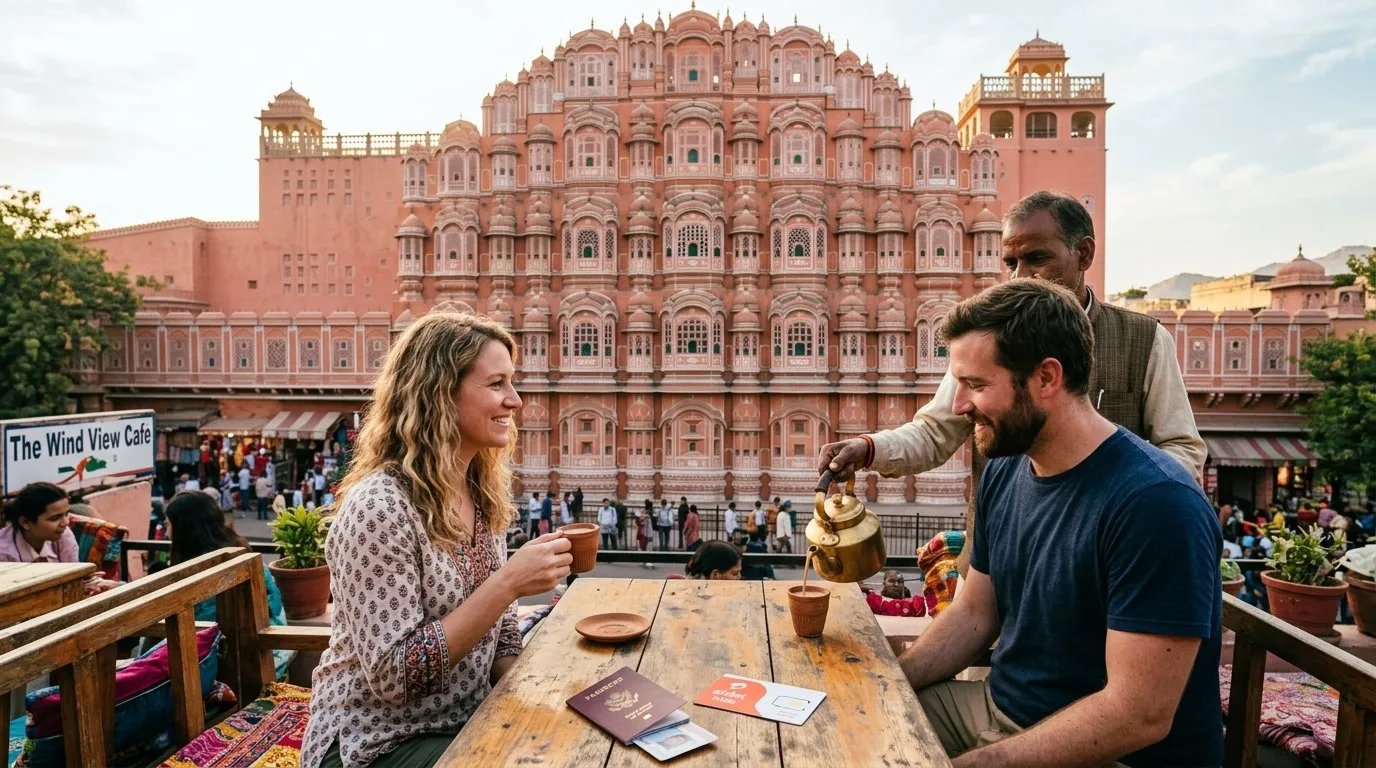
India for Americans: Visa, Currency, and Everything Your Guidebook Skips
The practical stuff nobody tells you until you are standing in the Delhi airport at 2 AM
# India for Americans: Visa, Currency, and Everything Your Guidebook Skips
You have booked your flight to India. Congratulations. Now here is everything you actually need to know — the practical, unglamorous stuff that determines whether your first 48 hours go smoothly or become a stress-induced blur.
I am an Indian living in Australia. I have watched enough American friends and family navigate India for the first time to know exactly where the confusion hits. This is that list.
Visa: Easier Than You Think
Americans need a visa. The good news: India's e-Visa system is straightforward.
Apply here and ONLY here: indianvisaonline.gov.in
Do NOT use any other website. There are dozens of third-party sites that charge $80-150 for a service the government provides for $25. They look official. They are not. The only legitimate site is the one ending in .gov.in.
Options:
- ●30-day e-Tourist Visa: $25. Single entry. Good for a first trip.
- ●1-year e-Tourist Visa: $40. Multiple entry. Get this one — it costs $15 more and gives you flexibility if you want to pop over to Nepal or Sri Lanka and come back.
- ●5-year e-Tourist Visa: $80. Multiple entry. For the committed.
Processing time: 24-72 hours. Apply at least a week before travel to be safe. You will receive an Electronic Travel Authorization (ETA) via email. Print it. Immigration officers at Indian airports will scan it, but having a paper copy avoids delays.
What you need to apply:
- ●Passport valid for 6+ months from arrival date
- ●Passport-style photo (digital, white background)
- ●Credit/debit card for payment
- ●Address of your first hotel in India
Common mistakes: The photo upload rejects about 30% of submissions. Use a plain white background, no glasses, no smile. Dimensions: 2x2 inches, 350x350 pixels minimum. If rejected, resize and re-upload — do not panic.
Currency: The Rupee Situation
Exchange rate: 1 USD ≈ ₹83-85 (fluctuates). Quick mental math: divide rupee price by 80 for approximate dollar amount. That ₹800 meal? About $10.
Best way to get rupees:
1. Wise or Revolut card — Load USD, spend in INR at real mid-market rate. No 3% foreign transaction fee that your US bank charges. This is the single best financial decision for your trip. Set up before you leave.
2. ATM withdrawal on arrival — Works fine. Use bank ATMs (SBI, HDFC, ICICI) not standalone machines. Withdraw ₹10,000-20,000 at a time. Your US bank will charge $3-5 per withdrawal plus a poor exchange rate, but it works.
3. Airport exchange counter — Use the Thomas Cook or Travelex counter in the arrivals hall. Rate is 2-3% worse than mid-market but convenient. Exchange $200-300 for your first 2-3 days.
Do NOT:
- ●Exchange money with random people outside the airport. Ever.
- ●Carry large amounts of USD. India has strict foreign currency regulations.
- ●Rely entirely on cards. India is still heavily cash-based outside major cities. Chai stalls, auto-rickshaws, temple donations, street food — all cash.
Notify your bank before departure. Your card will get blocked on the first transaction otherwise. Set a travel notification for India via your banking app.
UPI payments: India runs on UPI (Unified Payments Interface) — QR code payments that every shop, auto-rickshaw, and chai stall accepts. As a tourist, you cannot easily set up UPI (requires Indian bank account). Some international cards now work with UPI via apps, but do not count on it. Cash and your Wise card are your friends.
Phone and Internet
Buy a local SIM at the airport. This is not optional. You need it for:
- ●Uber/Ola (ride-hailing)
- ●Google Maps (your lifeline)
- ●WhatsApp (how India communicates — hotels, drivers, restaurants all use WhatsApp)
- ●IRCTC and other booking apps
Where: Airtel or Jio counter in the arrivals hall at Delhi T3. Airtel is more reliable in North India.
Cost: ₹500-700 ($6-8) for 28 days with 1.5-2 GB/day data + unlimited calls. That is not a typo — unlimited data for a month costs less than a single day of US carrier roaming.
What you need: Passport copy and one passport photo. The counter staff handles everything. Takes 20-30 minutes. SIM activates within a few hours (sometimes immediately).
Your US phone: Put it in airplane mode the moment you land unless you enjoy $10/MB data charges. Turn off cellular data. Connect to airport WiFi. Get your Indian SIM working. Then you are set.
Flights to India
Direct from the US:
- ●Air India: NYC (JFK) → Delhi, Chicago (ORD) → Delhi, San Francisco (SFO) → Delhi. 15-17 hours. Air India has improved significantly since the Tata Group takeover in 2022. New planes, better service.
- ●United: NYC (EWR) → Delhi. Seasonal.
One-stop (often cheaper):
- ●Emirates via Dubai: From any US city. Dubai stopover adds 3-4 hours but Emirates' service is excellent.
- ●Qatar Airways via Doha: Similar routing, consistently rated best airline in the world.
- ●Etihad via Abu Dhabi: Competitive pricing, good service.
Booking tip: Compare on Google Flights, then book directly with the airline. Prices from the US typically range $700-1,200 round trip for economy. Book 2-3 months ahead for best prices. Avoid booking during Diwali season (October-November) — prices spike.
Domestic flights in India:
- ●IndiGo — India's largest carrier. Reliable, on-time, no-frills. Book on goindigo.in.
- ●SpiceJet — Budget carrier. Cheaper, slightly less reliable.
- ●Air India Express — Good for smaller cities.
- ●Prices: ₹2,000-5,000 one-way ($25-60) for most routes. Delhi to Varanasi for $30 is real.
- ●Book on the airline's app directly. MakeMyTrip and similar aggregators add fees.
Time Zone and Jet Lag
India is UTC+5:30. Yes, that half-hour offset is intentional and it will annoy you.
- ●From New York (EST): India is +10:30 hours. When it is noon in NYC, it is 10:30 PM in Delhi.
- ●From Los Angeles (PST): India is +13:30 hours. When it is noon in LA, it is 1:30 AM the next day in Delhi.
Jet lag strategy: Most US flights arrive in Delhi between midnight and 4 AM. You will be destroyed. Do this:
1. Get to your hotel. Shower.
2. Sleep until 8-9 AM. Not later.
3. Force yourself outside. Sunlight resets your clock.
4. Stay up until 9-10 PM local time. Take melatonin if needed.
5. By Day 3-4, you will be adjusted.
Do NOT nap at 2 PM on Day 1. You will wake up at 8 PM, be unable to sleep until 4 AM, and your entire schedule collapses.
Power and Plugs
India uses Type C and Type D outlets at 220-240V.
- ●Bring a universal adapter. The ones with USB ports are ideal — ₹500 in any Indian electronics shop if you forget.
- ●Voltage matters. India is 220V. The US is 110V. Most modern devices (phone chargers, laptop chargers) are dual-voltage (check the fine print — it will say "100-240V"). These work fine with just an adapter. Hair dryers, curling irons, and electric shavers from the US are often NOT dual-voltage and will fry. Leave them home or buy cheap ones in India.
Health and Vaccinations
No mandatory vaccinations for entry from the US. But get these before you go:
- ●Hepatitis A — Strongly recommended. Spread through contaminated food/water. Get it 2-4 weeks before travel.
- ●Typhoid — Recommended. Same transmission route. Oral or injectable vaccine.
- ●COVID — India no longer requires proof of vaccination.
Carry with you:
- ●Ciprofloxacin (Cipro) — Get a prescription from your doctor before you leave. This is for traveler's diarrhea, which hits 30-50% of first-time visitors. Having it in your bag means you lose one day instead of three.
- ●Imodium — Over-the-counter. For mild cases.
- ●Oral rehydration salts (ORS) — Available at every Indian pharmacy for ₹20. When the stomach situation happens (it probably will), ORS keeps you functional.
- ●Sunscreen SPF 50 — Indian sun is intense, especially in Rajasthan.
- ●Mosquito repellent — DEET-based. Dengue is real in Indian cities during monsoon season.
Water: Do not drink tap water. Bottled water everywhere (₹20 for 1 liter). Check that the seal is intact — some vendors refill bottles. Bisleri, Kinley, and Aquafina are the trusted brands. Brush your teeth with bottled water for the first few days until your stomach adjusts.
Travel insurance: Get it. Seriously. A medical evacuation from a small Indian city to Delhi can cost $10,000-50,000. World Nomads or SafetyWing cover India well. $50-100 for two weeks.
What Will Surprise You
I can give you all the practical advice in the world, but India is ultimately about the things nobody can prepare you for:
- ●The kindness. An auto-rickshaw driver who drives 10 minutes out of his way to drop you at the right spot. A shopkeeper who insists on feeding you chai while you browse. A stranger at a train station who helps you find your platform and then disappears before you can thank them. This happens daily.
- ●The noise. India is loud. Horns are a language — one honk means "I am here," two means "I am passing," long honk means "move." You will stop noticing by Day 3.
- ●The food. Even if you think you know Indian food from restaurants back home, you do not. The gap between American Indian food and actual Indian food is like the gap between Taco Bell and a taqueria in Oaxaca. Street food in Delhi alone will change your palate permanently.
- ●The contradictions. A man in a BMW honking at a cow blocking the road. A ₹50,000/night hotel next to a slum. A chai stall with better WiFi than your hotel. India holds contradictions without trying to resolve them. This is confusing for about 48 hours, and then it becomes the thing you love about the place.
- ●The honesty of strangers. Ask for directions and people will walk you there. Ask for a restaurant recommendation and they will call their cousin who owns one. Indians are not reserved with strangers — they are interested, curious, and generous with their time.
You will come back different. Every American I know who has spent two weeks in India says the same thing: "I was not ready, and I want to go back."
That is the correct response.
Monthly Scores
| Destination | Jan | Feb | Mar | Apr | May | Jun | Jul | Aug | Sep | Oct | Nov | Dec |
|---|---|---|---|---|---|---|---|---|---|---|---|---|
| Agra | 8.0 | 10.0 | 8.0 | 4.0 | 2.0 | 2.0 | 4.0 | 4.0 | 6.0 | 10.0 | 10.0 | 8.0 |
| Delhi | 6.0 | 8.0 | 8.0 | 6.0 | 2.0 | 2.0 | 4.0 | 4.0 | 6.0 | 10.0 | 8.0 | 6.0 |
| Jaipur | 10.0 | 10.0 | 8.0 | 6.0 | 2.0 | 2.0 | 4.0 | 4.0 | 6.0 | 10.0 | 10.0 | 10.0 |
| Rishikesh | 6.0 | 8.0 | 10.0 | 8.0 | 6.0 | 4.0 | 2.0 | 2.0 | 8.0 | 10.0 | 10.0 | 6.0 |
| Udaipur | 10.0 | 10.0 | 8.0 | 6.0 | 2.0 | 2.0 | 6.0 | 6.0 | 8.0 | 10.0 | 10.0 | 10.0 |
| Varanasi | 8.0 | 8.0 | 8.0 | 6.0 | 2.0 | 2.0 | 4.0 | 4.0 | 6.0 | 10.0 | 10.0 | 10.0 |
The Window · Every Sunday
Liked this? Get one every Sunday.
Best score of the week, one honest skip, road updates. Four minutes. No spam.
More in
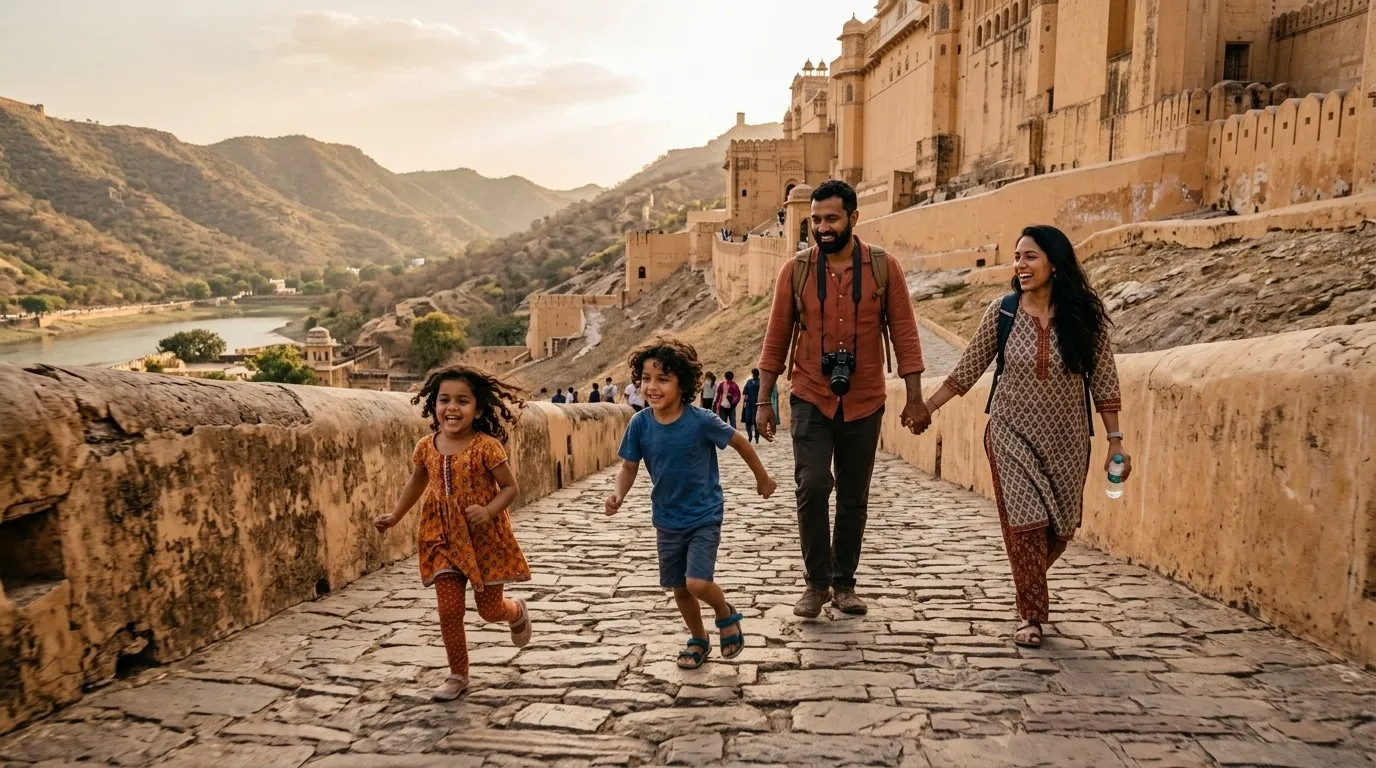
Bringing American-Born Kids to India: An NRI Family's Guide
Age-by-age strategies, health prep, food tactics, and the 5 kid-tested destinations that actually work — from an Indian-origin family in Canberra who makes this trip regularly.
8 min read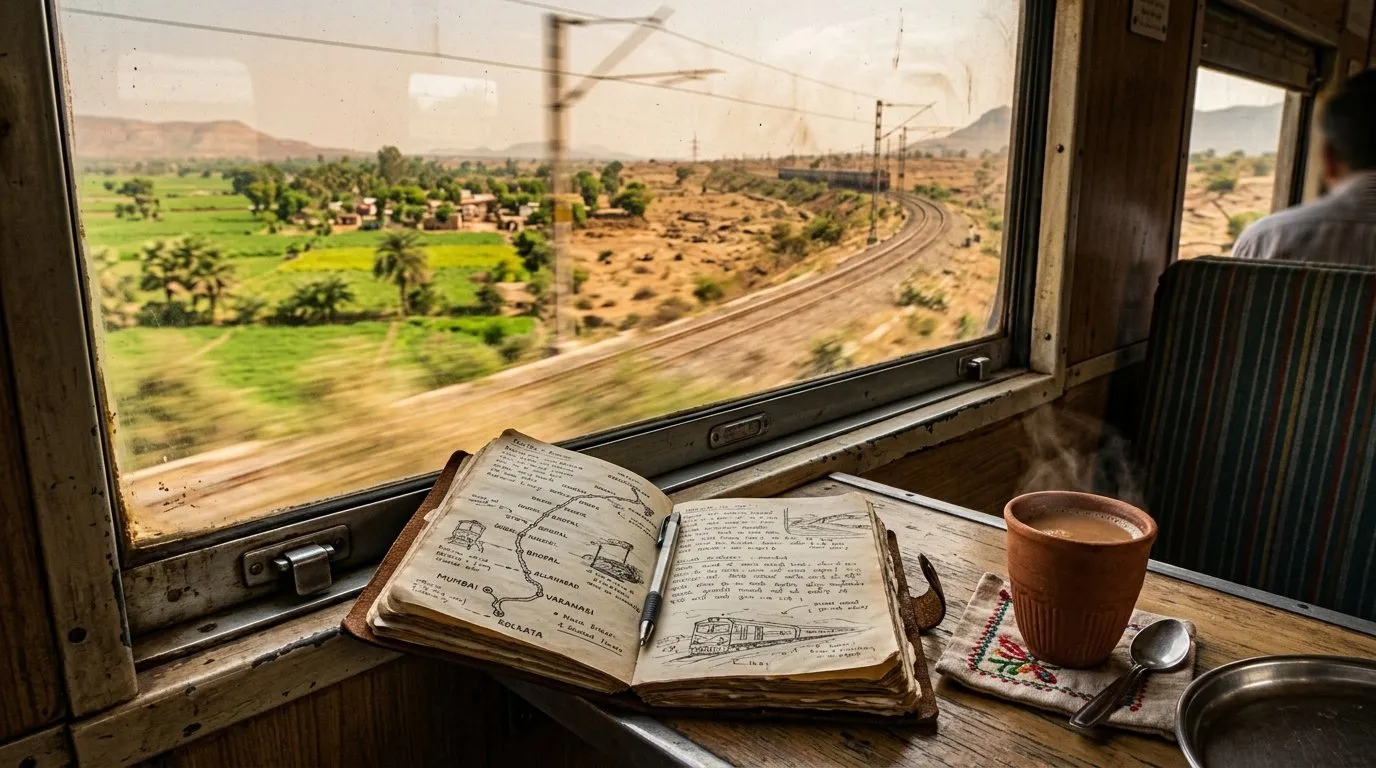
Two Weeks in India: The Family-Tested Itinerary That Doesn't Suck
Most two-week India itineraries pack in too many cities and not enough breathing room. This family-tested 14-day route covers Delhi, Agra, Jaipur, Amritsar, Dharamshala, and Varanasi with real costs at three budget levels.
12 min read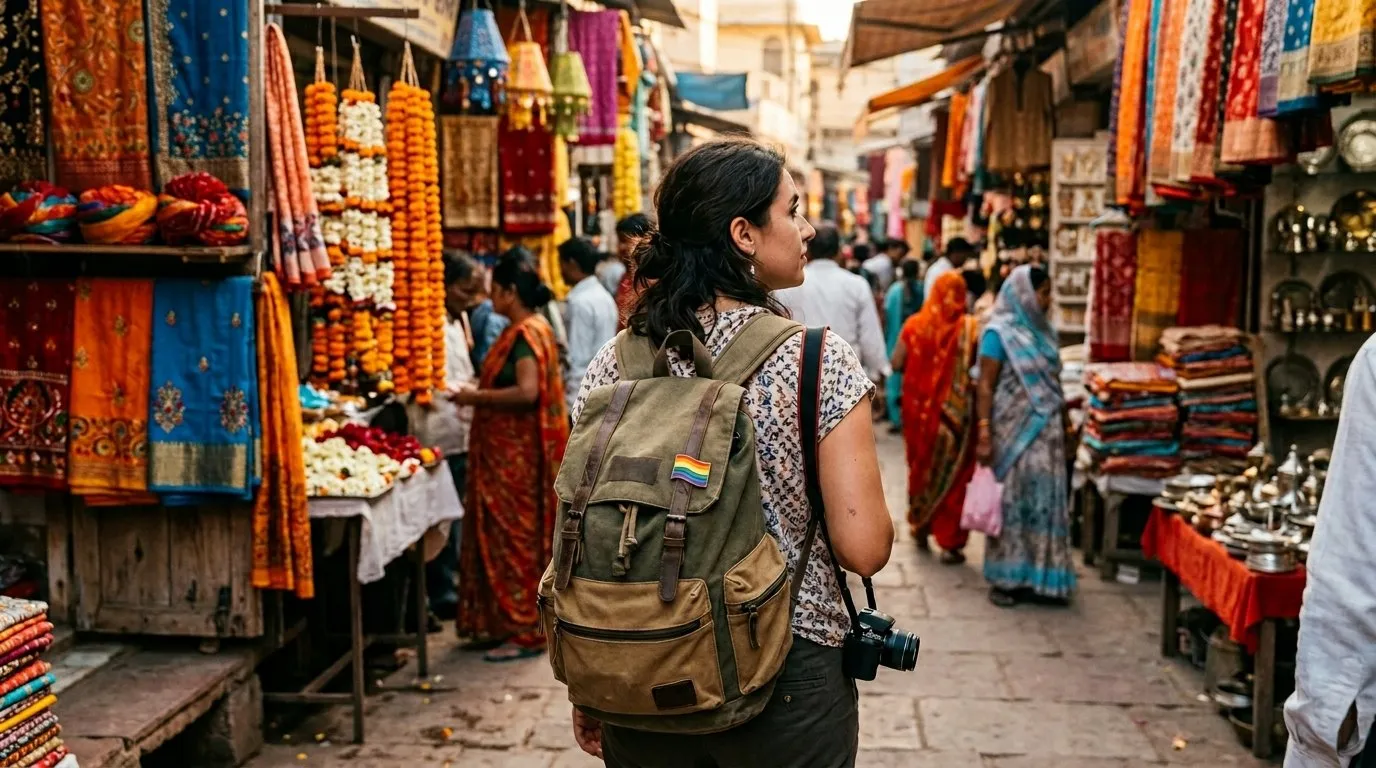
India for LGBTQ Travelers: An Honest 2026 Assessment
Section 377 was struck down in 2018. Same-sex activity is legal. Same-sex marriage is not. Here is the destination-by-destination reality for LGBTQ travelers in India — honest, no sugarcoating.
8 min read- Access
- Yamuna Expressway excellent.
- Emergency
- 108 · SN Medical College. Multiple private.
- Stay
- ₹500-20000/night · 400 options
Go with confidence.