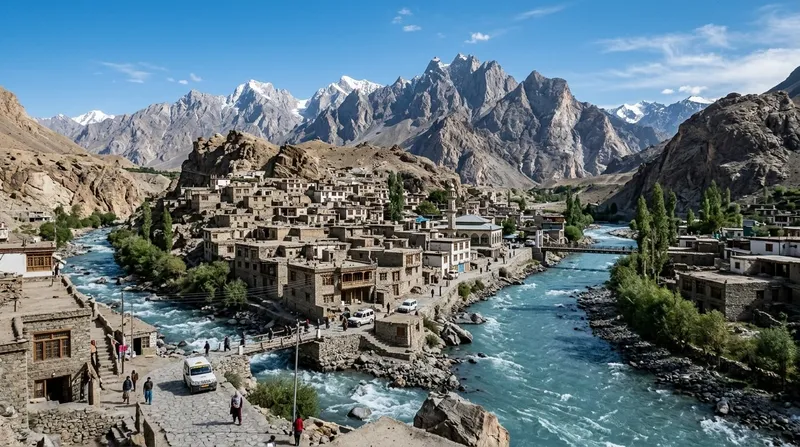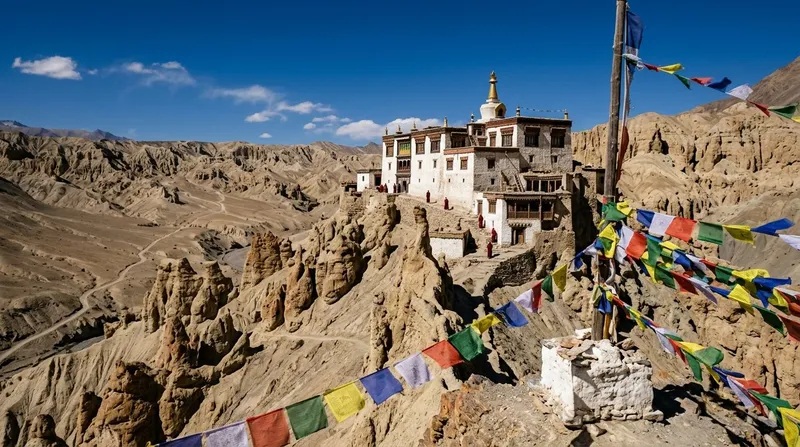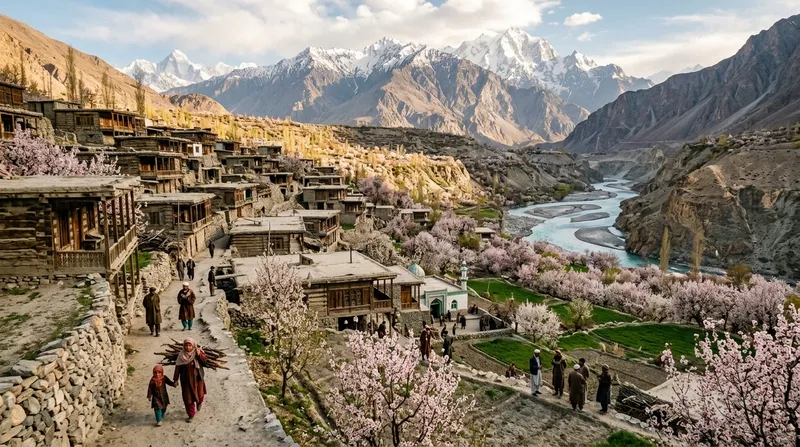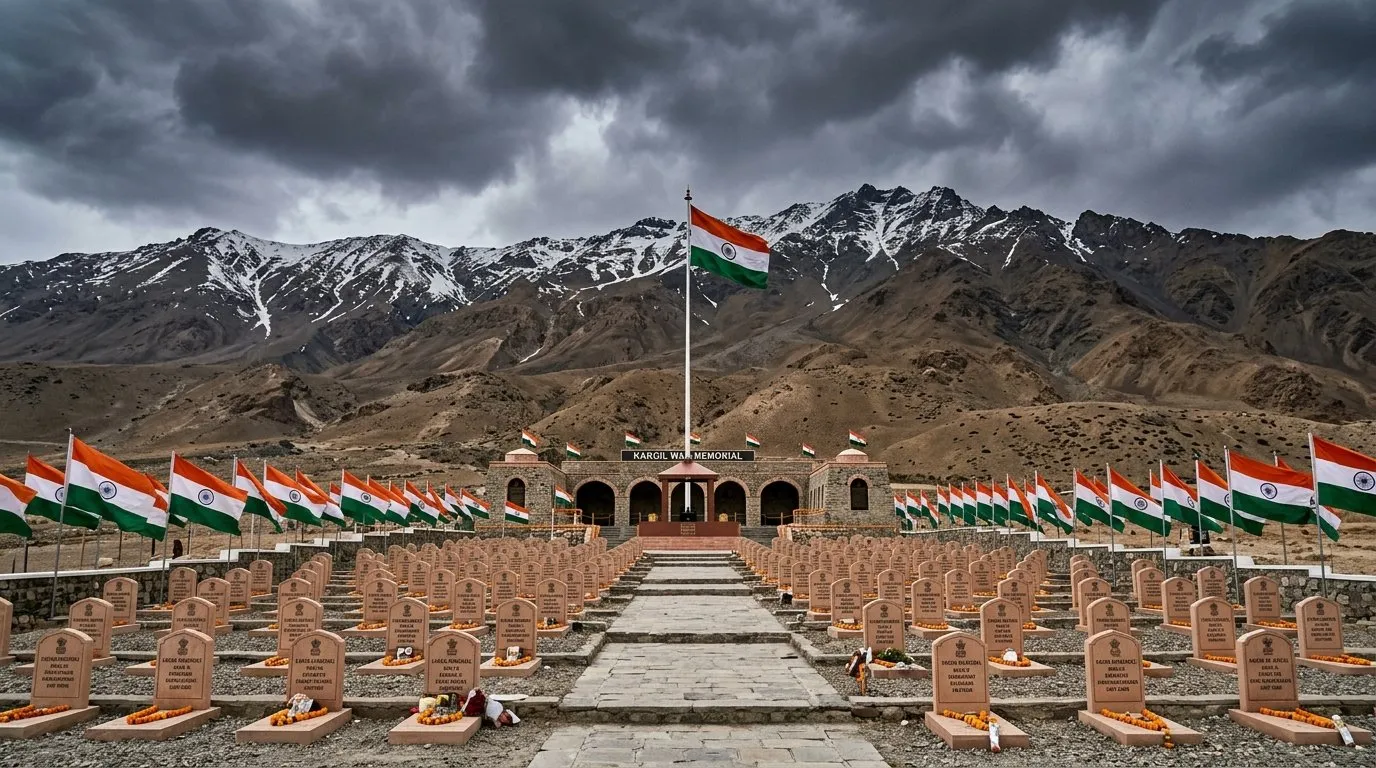
The −60°C night of 9 January 1995 — when Drass was officially the second-coldest inhabited place on Earth.
Most travellers stop at Drass for a chai and a photo at the Kargil War Memorial; they don't realise the village holds a meteorological record second only to Oymyakon in Russian Siberia.WHY NOBODY KNOWS
On 9 January 1995 the India Meteorological Department station at Drass logged a minimum of −60°C (−76°F) — the second-coldest temperature ever recorded at a continuously inhabited human settlement on the planet. Only Oymyakon (Sakha Republic, Russia) at −67.7°C is colder; Antarctic research stations don't count because they are rotational, not permanent civilian settlements. Drass sits in a wind-funnel between the Zoji La pass and the Mushkoh-Suru valleys at 3230m — winters routinely drop to −30°C from December to March, and the village stays inhabited year-round (~1500 population) because Brokpa-Dard farming communities have adapted over centuries. Visit in summer (Jun-Sep) for the green pastures; for the cold itself, late-January is the spectacle but you'll need −40°C-rated gear and you'll be one of perhaps 20 outsiders that month.