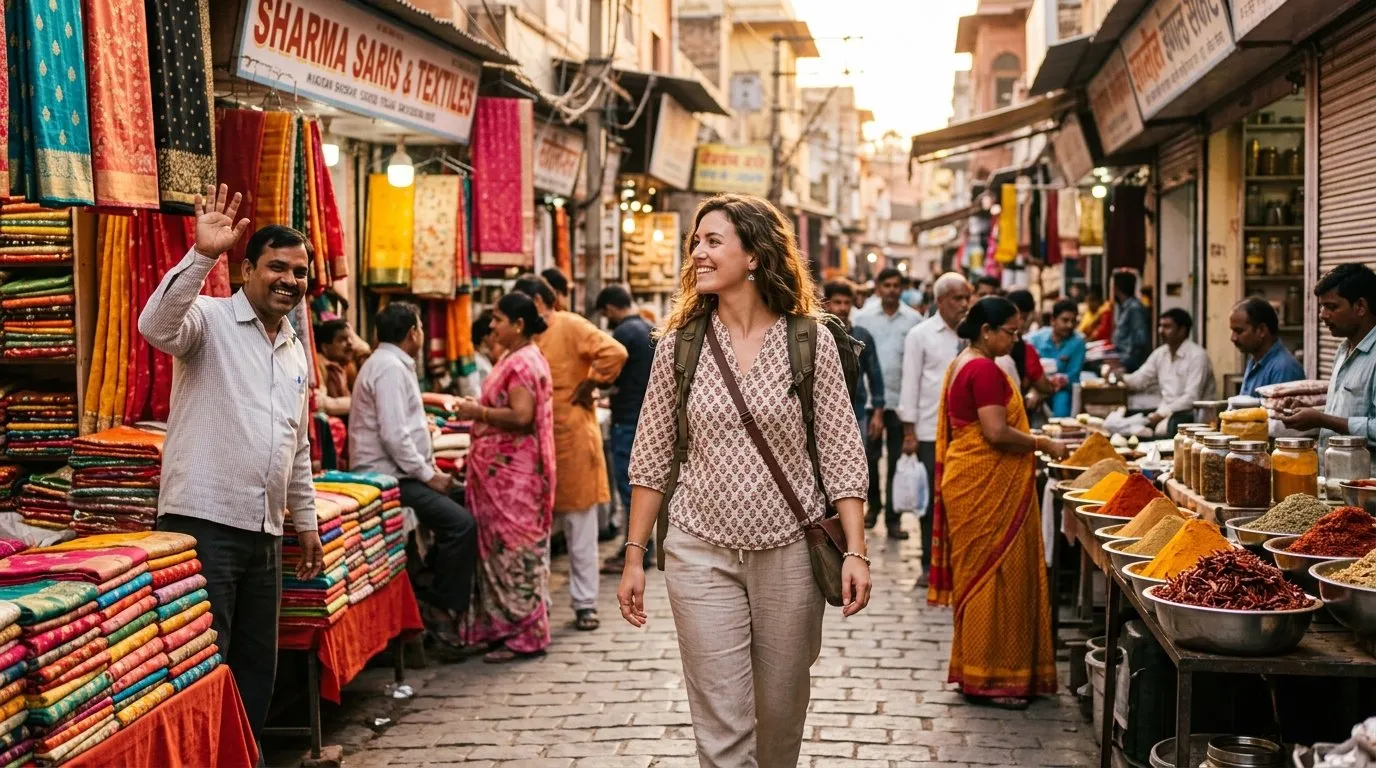
Is India Safe for First-Time Visitors?
The honest answer from an Indian family who travels with their daughters
Destinations in this article
# Is India Safe for First-Time Visitors?
I get this question at least once a week. Usually from someone in Sydney or London or San Francisco who's been dreaming about India but keeps putting it off because "safety."
Here's the honest answer: Yes, India is safe for first-time visitors — with the same caveats you'd apply to Mexico, Thailand, Morocco, or Brazil. Millions of international tourists visit every year. The vast majority have incredible experiences and zero safety incidents. But India is a continent-sized country with 1.4 billion people, and pretending it's uniformly safe everywhere, all the time, would be dishonest.
I'm Ashish Taneja. I'm Indian, I live abroad, Australia, and I travel to India with my family — including my daughters. This article is what I'd tell a friend over coffee if they asked me whether they should go.
What the Data Says
At NakshIQ, we rate every destination on a 1–5 confidence scale across multiple dimensions, including safety. Here's what our dataset of 215+ scored destinations shows:
- ●192 of 229 destinations have safety ratings of 3 or higher
- ●The average safety score across all rated destinations is 3.6 out of 5
- ●Mountain and hill destinations score highest (average 4.1)
- ●Major cities score moderate (average 3.2) — not because they're dangerous, but because petty crime and scam risk exists in any large city
- ●Pilgrimage towns score surprisingly high (average 3.8) — religious sites tend to be well-patrolled and community-watched
For context: India's homicide rate is 2.95 per 100,000 — lower than the United States (6.3) and roughly comparable to the UK (1.2) when you account for population density differences in tourist areas.
Safety by Region
The Himalayas (Himachal Pradesh, Uttarakhand, Ladakh)
Safety rating: 4–5 out of 5
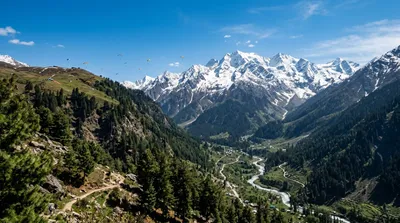
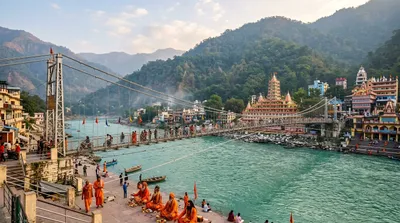
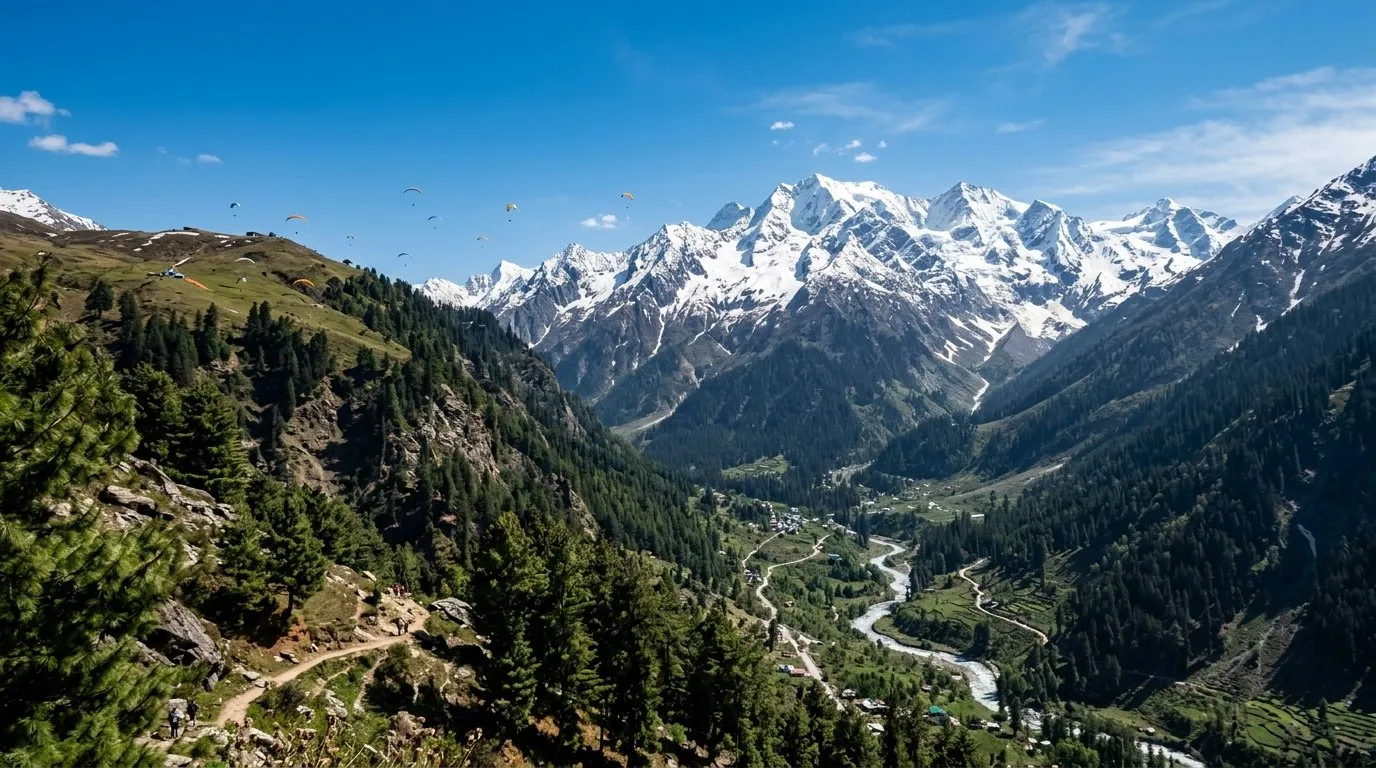
The mountain regions are consistently the safest part of India for tourists. Manali, Rishikesh, Dharamshala, Leh — these towns have deeply established tourist infrastructure and low crime rates. The main risks here are altitude sickness and road conditions, not people.
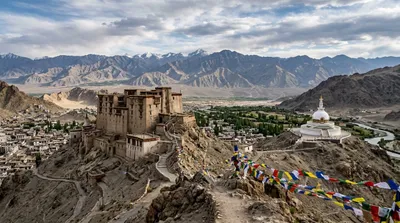
Leh is one of the safest places I've ever been. The Ladakhi people are genuinely kind, and the military presence (it's a border region) means infrastructure is maintained. Our safety score: 4.5.
Rishikesh draws yoga practitioners from everywhere. It's vegetarian by law, alcohol-free (officially), and patrolled well. Safety score: 4.2.
Manali is a backpacker hub with a relaxed vibe. The Old Manali area is full of international travelers. Main risk: overenthusiastic taxi drivers quoting inflated prices. Safety score: 4.0.
Rajasthan
Safety rating: 3.5–4 out of 5
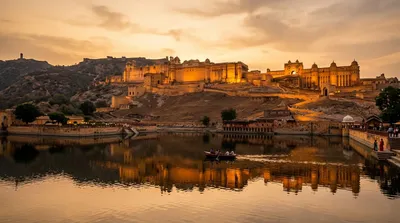
Jaipur is one of the most tourist-friendly cities in India. The Pink City has a dedicated tourist police force, well-marked heritage sites, and a hospitality culture built on centuries of welcoming visitors. Safety score: 3.8. The main annoyances: aggressive touts near Hawa Mahal and auto-rickshaw drivers who want to take you to their cousin's shop.
The Golden Triangle (Delhi, Agra, Jaipur)
Safety rating: 3–3.5 out of 5
Delhi is where most first-timers land, and it's where most safety anxiety comes from. Here's the reality: Delhi is a massive metropolitan area of 30+ million people. The tourist areas — Connaught Place, Chandni Chowk, India Gate, Humayun's Tomb — are well-policed and reasonably safe during the day. At night, stick to well-lit areas, use Uber/Ola instead of random autos, and you'll be fine. Safety score: 3.0.
Agra exists almost entirely because of the Taj Mahal. The area around the Taj is heavily patrolled. Beyond that, Agra is a regular North Indian city — functional but not charming. Get in, see the Taj at sunrise, visit Agra Fort, leave. Safety score: 3.2.
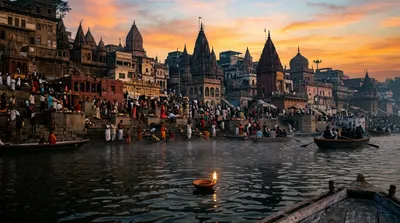
Varanasi is intense. It's not dangerous, but it will overwhelm you. The ghats are safe but chaotic. The lanes of the old city are a labyrinth. It's the most "real India" experience on most itineraries, and that rawness is exactly what makes it powerful. Safety score: 3.0.
Kashmir
Safety rating: 3.5 out of 5 (with nuance)
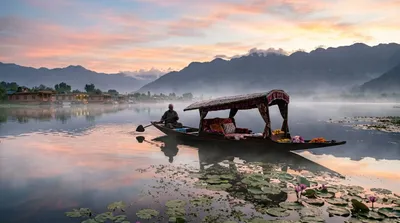
Srinagar has been through decades of conflict, and many governments still issue travel advisories. Here's what I'll say: the tourist areas — Dal Lake, Mughal Gardens, the Boulevard — are safe and actively welcoming tourists. The Kashmiri economy depends on tourism, and locals are genuinely eager to host well. However, political situations can change quickly. Check advisories before booking, and don't wander into areas your hotel advises against. Safety score: 3.5.
Northeast India
Safety rating: 3.5–4 out of 5
Guwahati is the gateway to the Northeast. It's a growing city with moderate infrastructure. The Northeast in general is underrated for safety — Meghalaya, Sikkim, and Arunachal Pradesh are among the most peaceful regions in India. Safety score: 3.5.
Kolkata
Safety rating: 3.5 out of 5
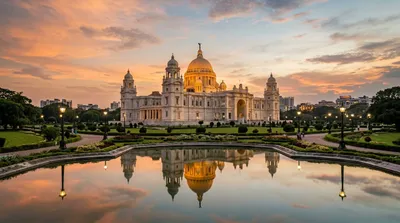
Kolkata surprises people. It's actually one of the safer major Indian cities, with a strong literary and artistic culture that translates to a more relaxed street vibe than Delhi or Mumbai. The metro is clean and safe. Victoria Memorial area, Park Street, and Howrah Bridge are fine to walk day or night. Safety score: 3.5.
Safety by Traveler Type
Solo Female Travelers
This is the question. And I won't sugarcoat it.
India has a well-documented problem with sexual harassment. The headlines are real. But here's what the headlines don't tell you: millions of women — Indian and international — travel safely across India every year. The incidents that make global news are horrifying precisely because they are not the norm.
Practical advice for solo women:
- ●Dress modestly in conservative areas (North India, pilgrimage towns). In backpacker zones like Manali or Rishikesh, you have more flexibility.
- ●Use ride-hailing apps (Uber, Ola) instead of flagging random autos at night
- ●Book women-only compartments on trains — they exist and they're excellent
- ●Trust your instincts. If a situation feels off, leave. This applies everywhere in the world.
- ●The Himalayas and South India are consistently rated safer for solo women than the Hindi belt cities
Our family perspective: we take our daughters to India regularly. We're careful about where and when, but we're not afraid.
Families with Children
India is actually wonderful for families. Indians love children — your kids will get more attention and affection than they've ever experienced. The risk isn't danger; it's overstimulation.
- ●Most heritage hotels are family-friendly
- ●Food can be adjusted — most restaurants will make things mild on request
- ●Keep hand sanitiser on your kids at all times
- ●Rajasthan and Kerala are the best family regions
Elderly Travelers
The main challenges are physical, not safety-related: heat, uneven surfaces, squat toilets in some places, and chaotic traffic. Hire a local driver — it's affordable (₹2,000–3,000/day) and eliminates the biggest stressor.
LGBTQ+ Travelers
India decriminalized homosexuality in 2018 (Section 377 struck down). Major cities are increasingly accepting, and there are active queer communities in Delhi, Mumbai, and Bangalore. However, public displays of affection — for any couple, straight or queer — are uncommon in India. The practical advice: you're unlikely to face hostility in tourist areas, but discretion is the cultural norm for everyone.
The Things That Will Actually Go Wrong
Here's what experienced India travelers will tell you: the safety risks aren't violence. They're:
1. Your stomach. 60–70% of first-time visitors experience some digestive issues. It's not "dirty food" — it's different bacteria. See our full article on Delhi Belly.
2. Scams. Overpaying for things, being redirected to commission shops, fake tourist offices. Annoying and costly, not dangerous. See our scams article.
3. Traffic. Indian traffic is genuinely chaotic. Don't drive yourself. Use apps or hire drivers.
4. Heat exhaustion. If you're visiting between April–June, the heat in North India can be brutal (45°C+). Hydrate aggressively, take afternoon breaks.
5. Petty theft. Same as any tourist destination. Keep valuables in hotel safes, don't flash expensive electronics in crowded markets.
Emergency Information
Save these numbers before you land:
- ●Police: 100
- ●Ambulance: 102
- ●Women's Helpline: 1091
- ●Tourist Police Helpline: 1363
- ●Universal Emergency: 112 (like 911 — works everywhere)
Embassies in New Delhi
- ●US Embassy: +91-11-2419-8000
- ●UK High Commission: +91-11-2419-2100
- ●Australian High Commission: +91-11-4139-9900
- ●Canadian High Commission: +91-11-4178-2000
Insurance
Get travel insurance. Not optional. Specifically:
- ●Make sure it covers medical evacuation — helicopter evacuations from mountain areas can cost $10,000+
- ●Confirm it covers adventure activities if you're trekking or rafting
- ●World Nomads and Safety Wing are popular with India travelers
- ●Keep digital and physical copies of your policy
The Perspective From an Indian Family
When my American friend asked me "Is India safe?" last year, I told him what I'll tell you:
India will challenge you. It's loud, crowded, hot, and overwhelming in ways that no amount of preparation fully covers. But dangerous? For a reasonably aware traveler who takes basic precautions?
No more than Bangkok. No more than Mexico City. No more than Marrakech.
We take our daughters to Delhi, to Varanasi, to Jaipur, to the mountains. We eat street food (selectively). We take trains. We walk through markets. We've never had a safety incident that was worse than an upset stomach and an overcharged auto ride.
The thing about India is this: for every scam artist at a train station, there are fifty people who will go out of their way to help you find your platform, carry your bag, and make sure you're on the right train. Indian hospitality isn't a marketing slogan. It's a cultural value that runs deep.
Go to India. Be smart. Be aware. But go.
NakshIQ Confidence Rating
Our safety confidence scores are built from aggregated data across crime statistics, tourist police presence, infrastructure quality, and traveler reports. Every destination page on NakshIQ shows the safety score so you can plan with confidence, not anxiety.
The numbers don't lie: India is safe enough for millions of visitors every year. The question isn't whether you should go — it's where to start.
Monthly Scores
| Destination | Jan | Feb | Mar | Apr | May | Jun | Jul | Aug | Sep | Oct | Nov | Dec |
|---|---|---|---|---|---|---|---|---|---|---|---|---|
| Agra | 8.0 | 10.0 | 8.0 | 4.0 | 2.0 | 2.0 | 4.0 | 4.0 | 6.0 | 10.0 | 10.0 | 8.0 |
| Delhi | 6.0 | 8.0 | 8.0 | 6.0 | 2.0 | 2.0 | 4.0 | 4.0 | 6.0 | 10.0 | 8.0 | 6.0 |
| Guwahati | 6.0 | 6.0 | 8.0 | 8.0 | 4.0 | 2.0 | 2.0 | 2.0 | 4.0 | 8.0 | 8.0 | 6.0 |
| Jaipur | 10.0 | 10.0 | 8.0 | 6.0 | 2.0 | 2.0 | 4.0 | 4.0 | 6.0 | 10.0 | 10.0 | 10.0 |
| Kolkata | 10.0 | 10.0 | 8.0 | 4.0 | 2.0 | 2.0 | 4.0 | 4.0 | 6.0 | 10.0 | 10.0 | 10.0 |
| Leh | 2.0 | 2.0 | 2.0 | 4.0 | 6.0 | 10.0 | 10.0 | 8.0 | 10.0 | 6.0 | 2.0 | 2.0 |
| Manali | 8.0 | 8.0 | 6.0 | 8.0 | 6.0 | 6.0 | 2.0 | 2.0 | 8.0 | 10.0 | 8.0 | 8.0 |
| Rishikesh | 6.0 | 8.0 | 10.0 | 8.0 | 6.0 | 4.0 | 2.0 | 2.0 | 8.0 | 10.0 | 10.0 | 6.0 |
| Srinagar | 2.0 | 2.0 | 8.0 | 10.0 | 10.0 | 8.0 | 6.0 | 6.0 | 10.0 | 10.0 | 6.0 | 4.0 |
| Varanasi | 8.0 | 8.0 | 8.0 | 6.0 | 2.0 | 2.0 | 4.0 | 4.0 | 6.0 | 10.0 | 10.0 | 10.0 |
The Window · Every Sunday
Liked this? Get one every Sunday.
Best score of the week, one honest skip, road updates. Four minutes. No spam.
More in Field guide
Is Manali safe for solo female travellers? Which Manali, and when
Manali is not one place. New Manali is a respectable hill town — 4/5 safe. Old Manali is the Himachal backpacker-cafe strip with party + drug scene — 2/5 after 10pm. McLeodganj 3 hours away holds 5/5 year-round. Pick deliberately.
5 min read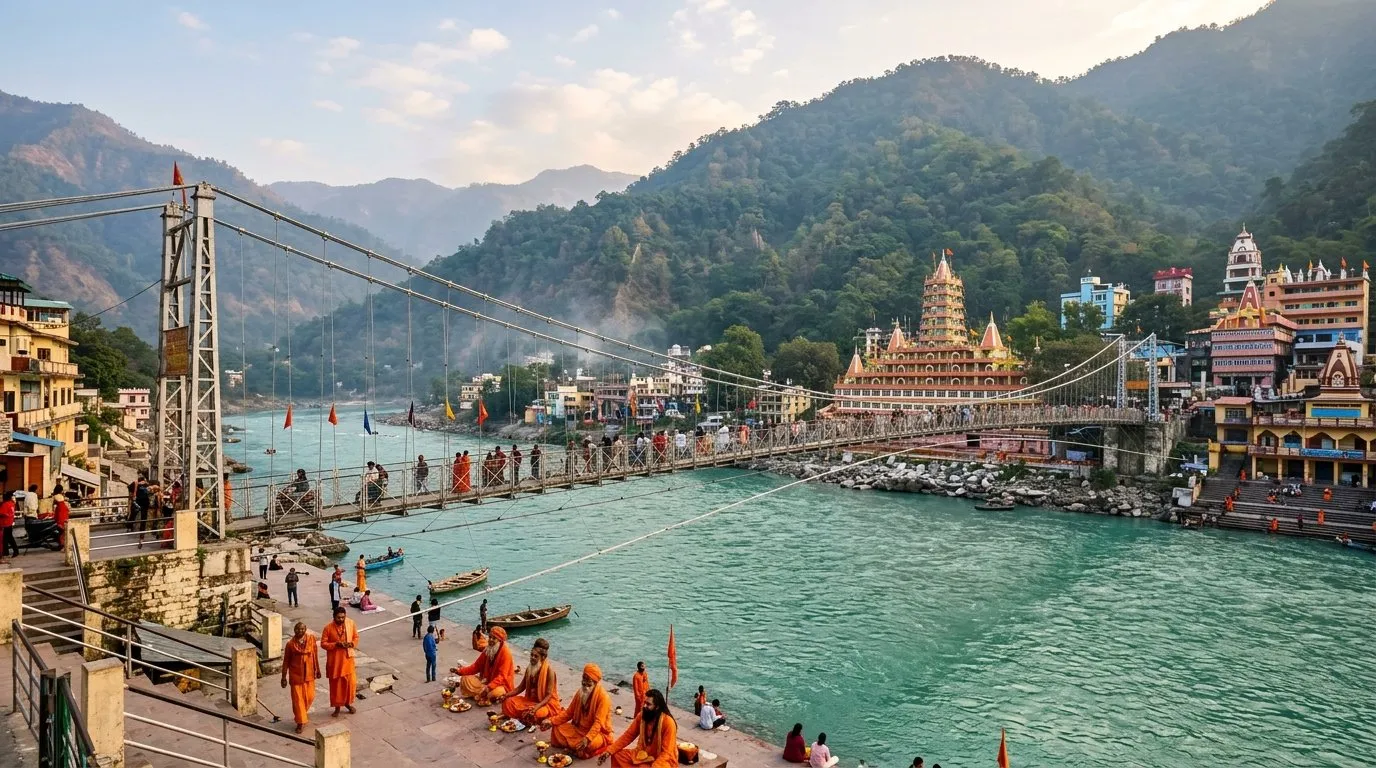
Solo-female travel in India — every destination scored, month by month
Most India travel guides tell women 'use common sense' and call it done. We rated 488 destinations on a 1-5 scale for solo-female safety, with month-specific overrides where it matters. Here's the methodology, the top 15, and the five that don't clear the bar.
10 min read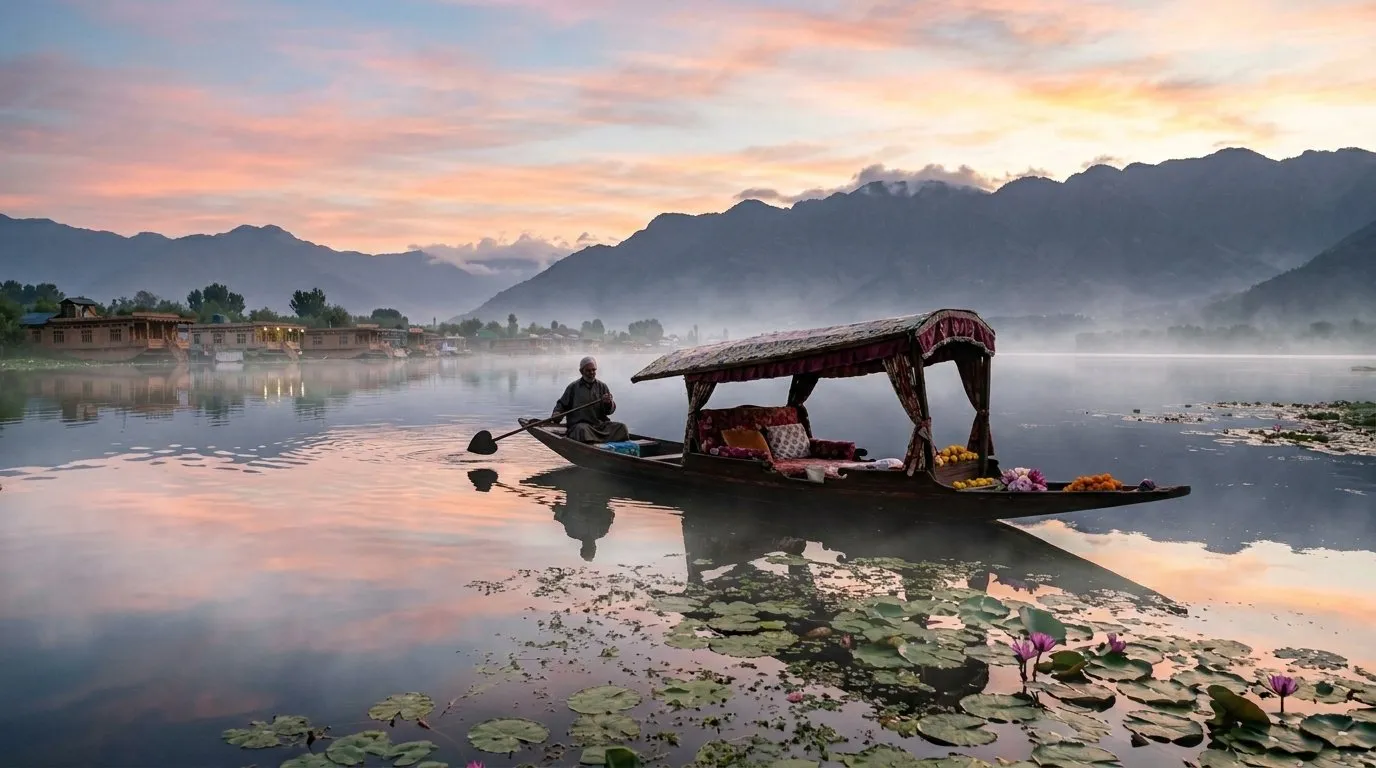
Is Kashmir safe for solo female travellers? What actually matters
Kashmir is the destination where the generic 'is India safe for women' post fails hardest. The answer depends on which month, which valley, which houseboat operator, and whether you're willing to dress differently than you would in Goa. Here's the concrete version.
6 min read- Access
- Yamuna Expressway excellent.
- Emergency
- 108 · SN Medical College. Multiple private.
- Stay
- ₹500-20000/night · 400 options
Go with confidence.