Where to go in India this July.
Ranked by NakshIQ Score · Ties broken by editorial richness · Hover for full color
Where to go in India
July in India — where the data says go, wait, and skip
Every destination scored 0-10 for July — weather, roads, crowds, festivals. Go first, then Wait, then Skip. No opinions, just the data.
The other scoring 10/10
10/1022 destinations
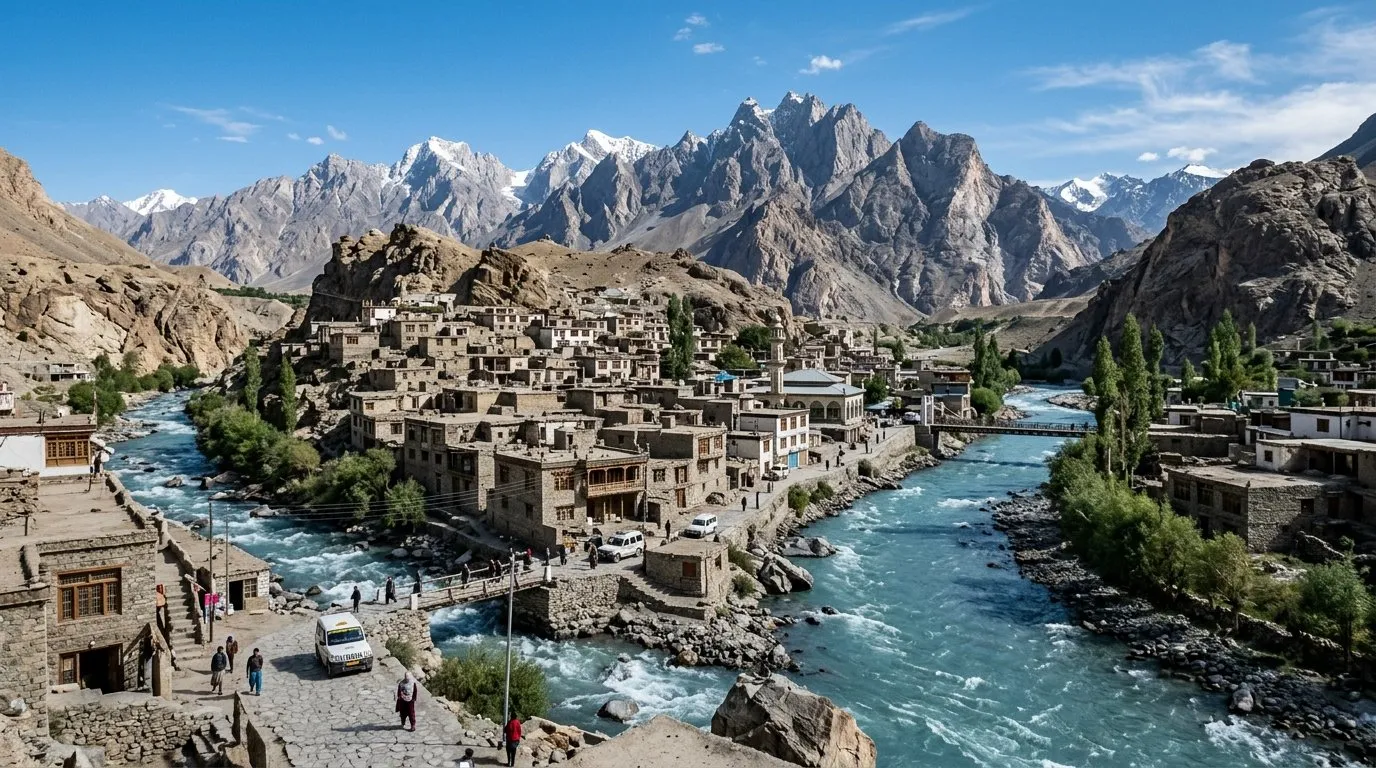
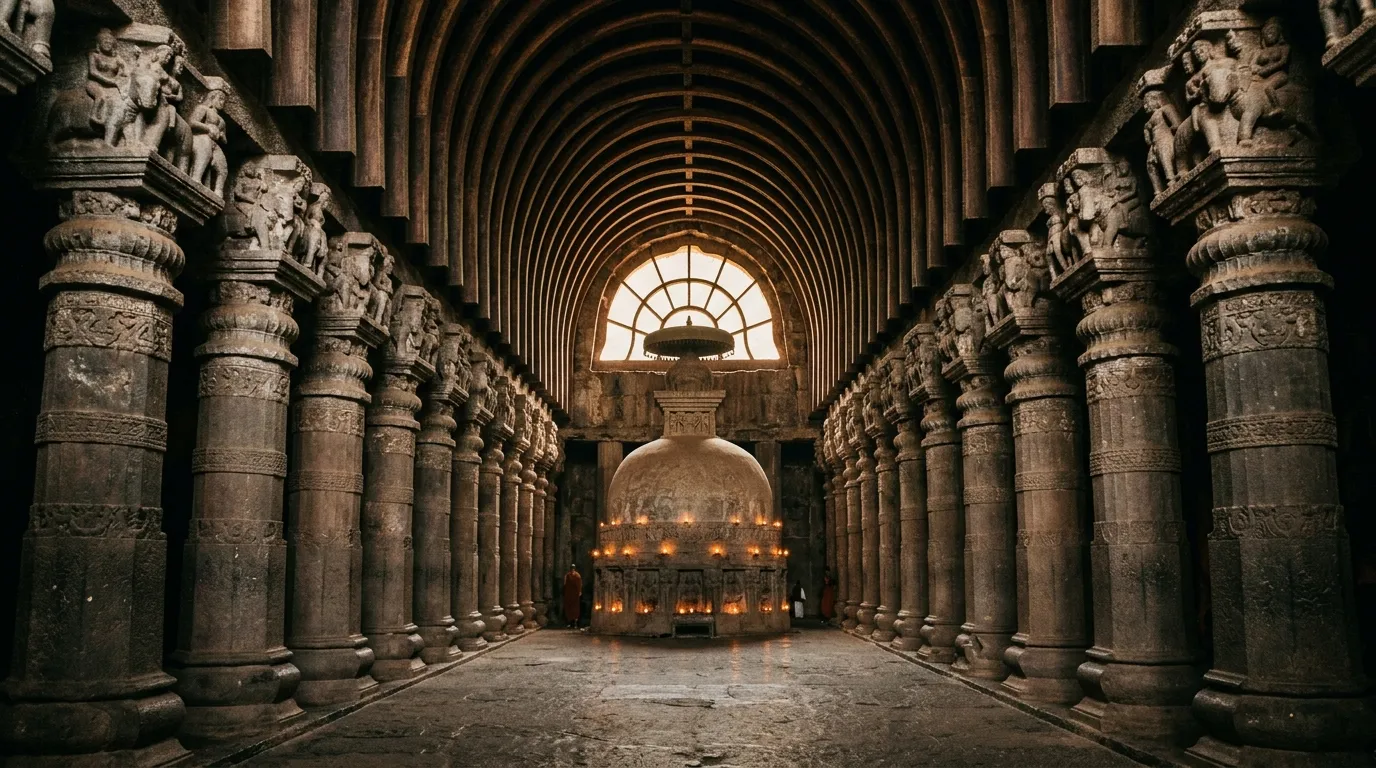
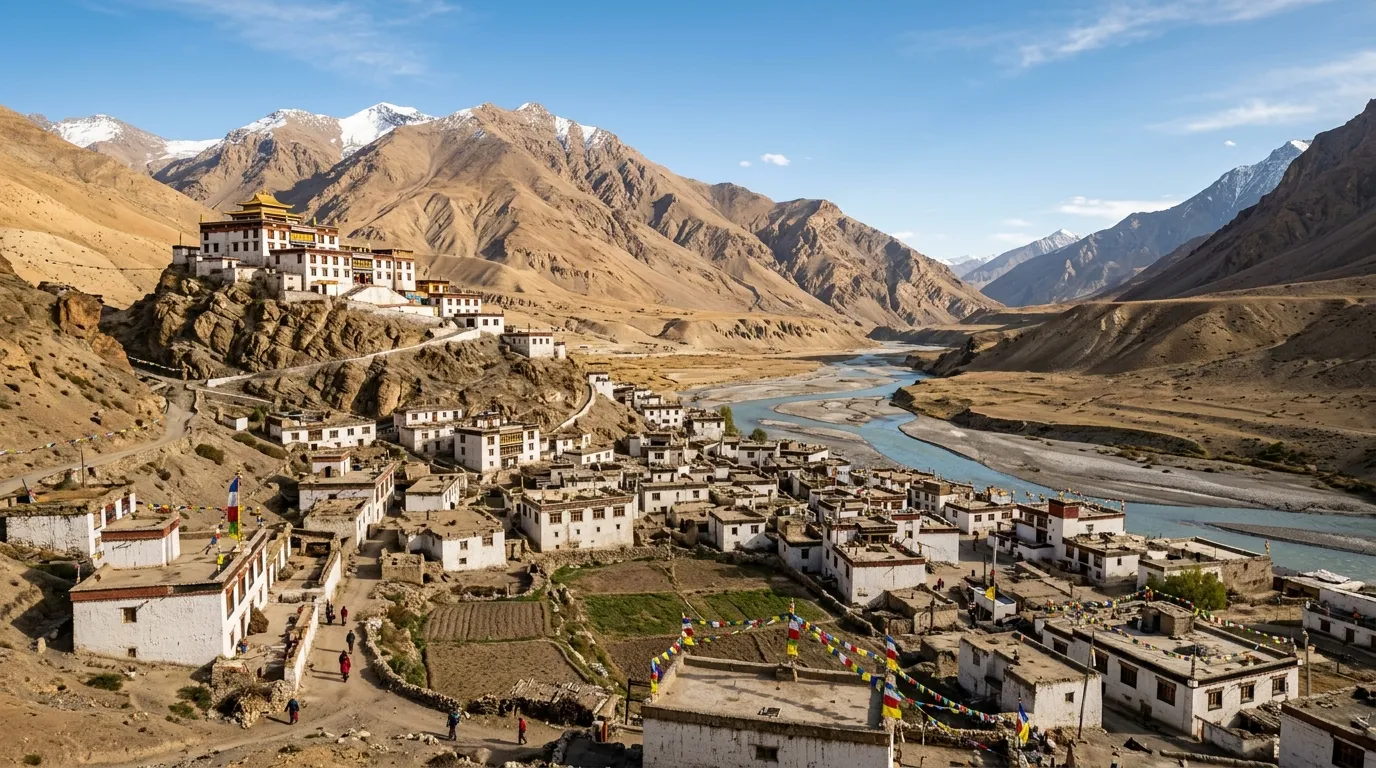
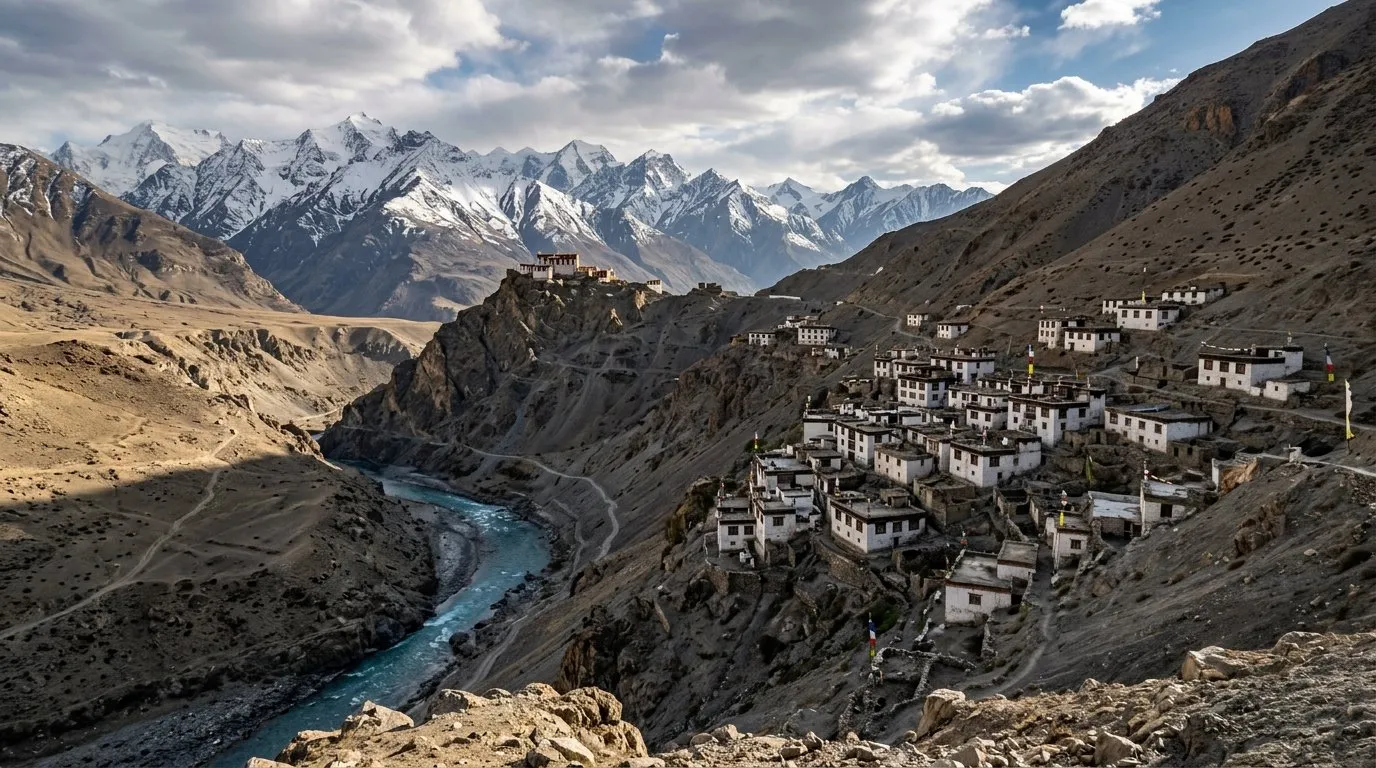
A good time
8/1027 destinations



Fair
6/1074 destinationsWhere to skip
397 destinationsThese destinations score poorly in July — bad weather, closed roads, or dangerous conditions. Save them for a better month.
July at Achabal — monsoon breaks on the outer Himalayan crest — landslide risk on the approach roads even if the destination itself is dry. Photographers seeking Mughal-Kashmir aesthetics should plan for Mar–May, Sep–Nov.
July at Agra — the monsoon arrives but doesn't cool things much on the plains — AQI peaks, humidity soars, transport unreliable. Mughlai cuisine travelers should plan for Feb–Mar, Oct–Dec.
July is Ahmedabad's active monsoon — 26-33C, regular SW-monsoon rain (typically 250-350mm), waterlogging on Sabarmati riverfront, and pol-house lanes that puddle into mud strips. Heritage walks weather-dependent and unpredictable.
July at Ahobilam carries Adi Krithikai pilgrim density (Narasimha Jayanti) but SW monsoon at peak. Upper trek dangerous. Lower temple at full schedule. October is materially cleaner for the full Nava Narasimha circuit.
July is the proper monsoon — 80-110mm across 9-11 wet days. Daytime 31-32C. Stone surfaces slick; wear grip footwear. Cluster walks workable mornings and evenings. October-February still dramatically cleaner.
July at Ajanta is monsoon — 22-29°C, daily rain bursts, the Waghora waterfall below Cave 17 at peak flow (a rare bonus), but cave-floor stones slippery and the 3-4 km cliff-trail wet. Workable for waterfall-photography but suboptimal vs Oct-Feb peak.
July at Ajmer — short, unreliable monsoon breaks the heat in fits; Aravali slopes green up briefly but the mercury doesn't fully come down. Chishti order birthplace should plan for Feb–Mar, Oct–Dec.
July is monsoon-deep at Alleppey. Cruising in 8-12 hour deluges is uncomfortable; lake views collapse to grey; backwater banks flood. Karkidakam Ayurveda is the only real reason to be here in July.
July at Almora — monsoon breaks on the outer Himalayan crest — landslide risk on the approach roads even if the destination itself is dry. Spiritual/creative retreat should plan for Mar–May, Sep–Nov.
July at Alwar — short, unreliable monsoon breaks the heat in fits; Aravali slopes green up briefly but the mercury doesn't fully come down. Mughal-Rajput heritage should plan for Feb–Mar, Oct–Dec.
July is monsoon peak. Stupa walks closed, Capital City sites flooded, river-side off. Museum-only works. October is materially cleaner.
July at Amritsar — the monsoon arrives but doesn't cool things much on the plains — AQI peaks, humidity soars, transport unreliable. Amritsari cuisine deep-dive should plan for Feb–Mar, Oct–Dec.
July at Anandpur Sahib — the monsoon arrives but doesn't cool things much on the plains — AQI peaks, humidity soars, transport unreliable. Khalsa founding 1699 should plan for Mar–Apr, Oct–Nov.
July at Araku is SW monsoon at peak. 280-380mm across the Eastern Ghats. Vizag-Araku rail route compromised. Coffee plantations and tribal walks impossible. Roads landslide-risk. Push to October.
July monsoon peak — yatra collapses. Konkan ghat closures repeat through month; Bhima river floods Siddhatek island access; Lenyadri 307 steps physically dangerous in wet weather. MTDC suspends standard service. Push to September Ganesh Chaturthi window or October post-monsoon.
July at Auli — monsoon breaks on the outer Himalayan crest — landslide risk on the approach roads even if the destination itself is dry. Nanda Devi Biosphere Reserve should plan for Jan–Feb, Sep–Oct.
July Aurangabad is moderate monsoon — 23-30°C, 200-300mm rain, some flooding in low areas. Daulatabad steps slippery, but Ajanta-Ellora caves still functional (sheltered). Manageable for the desperate, but not the optimal heritage window.
July at Ayodhya — the monsoon arrives but doesn't cool things much on the plains — AQI peaks, humidity soars, transport unreliable. Weekend from Lucknow should plan for Feb–Mar, Oct–Dec.
July is the proper monsoon at Badami — 80-110mm across 9-11 wet days. Daytime eases to 31-32C. Agastya Tirtha tank fills cleanly; the cliff-reflection returns. Cave walks workable mornings and evenings. October-February still dramatically cleaner.
July at Badrinath — monsoon breaks on the outer Himalayan crest — landslide risk on the approach roads even if the destination itself is dry. Neelkanth mountain photography should plan for May–Jun, Sep–Oct.
July at Baripada — peak monsoon with cyclone risk especially for Odisha; beaches closed, fishing halted, rural roads sometimes impassable. Santhali tribal culture should plan for Oct–Apr.
July at Barmer — short, unreliable monsoon breaks the heat in fits; Aravali slopes green up briefly but the mercury doesn't fully come down. Balotra textile hub should plan for Feb–Mar, Oct–Dec.
July at Barot Valley — monsoon breaks on the outer Himalayan crest — landslide risk on the approach roads even if the destination itself is dry. Quieter alternative should plan for Mar–May, Sep–Oct.
July is peak monsoon along this stretch of the Gujarat coast — heavy rain and high humidity make the Palitana hill climb slippery and arduous, Velavadar's grasslands flood, and coastal routes can become difficult. Most of the destination's draws are unpleasant or inaccessible.
July at Bhimbetka Rock Shelters — tiger reserves closed across MP for the breeding season; the region's main draw isn't available. Early hunter-gatherer iconography should plan for Oct–Mar.
July at Bhimtal — monsoon breaks on the outer Himalayan crest — landslide risk on the approach roads even if the destination itself is dry. Weekend from Delhi should plan for Mar–Apr, Sep–Nov.
July at Bhopal — tiger reserves closed across MP for the breeding season; the region's main draw isn't available. Bhopal cuisine should plan for Oct–Mar.
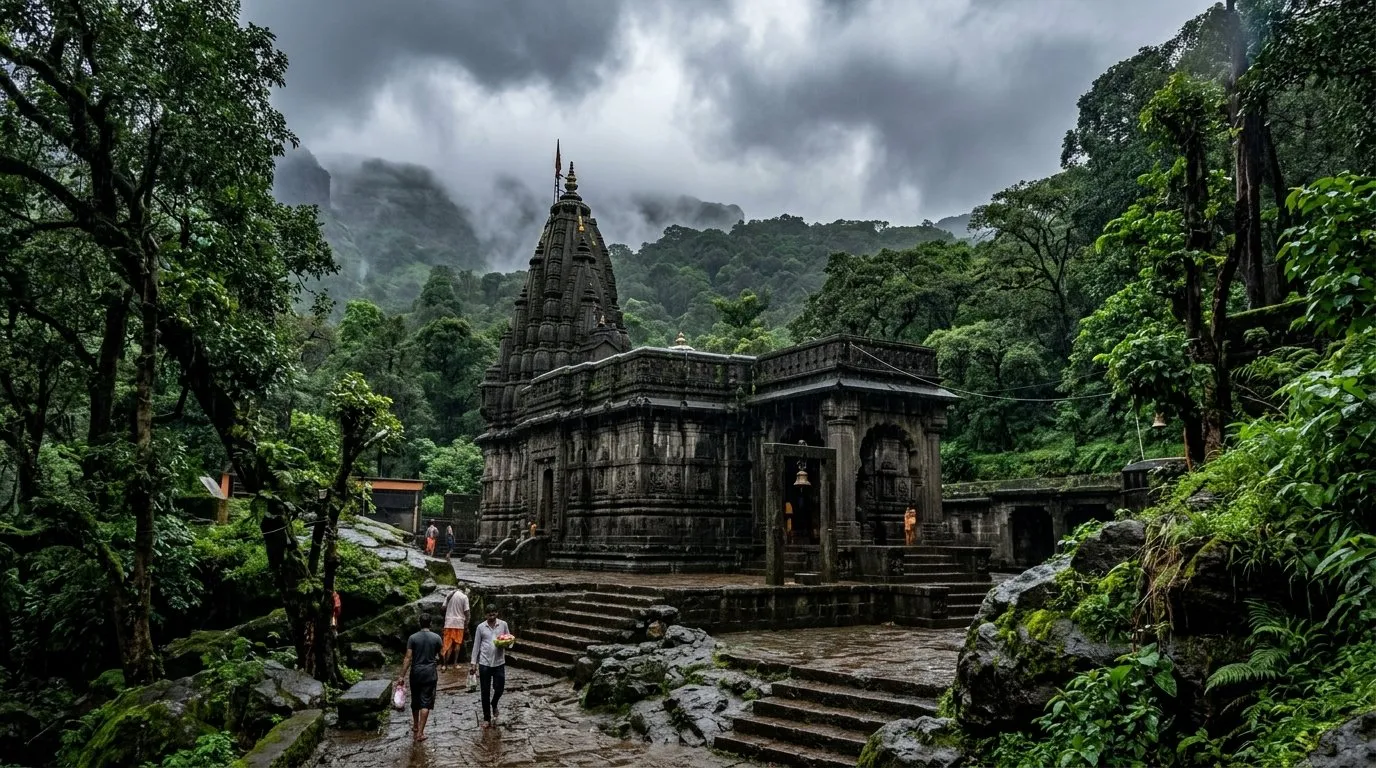
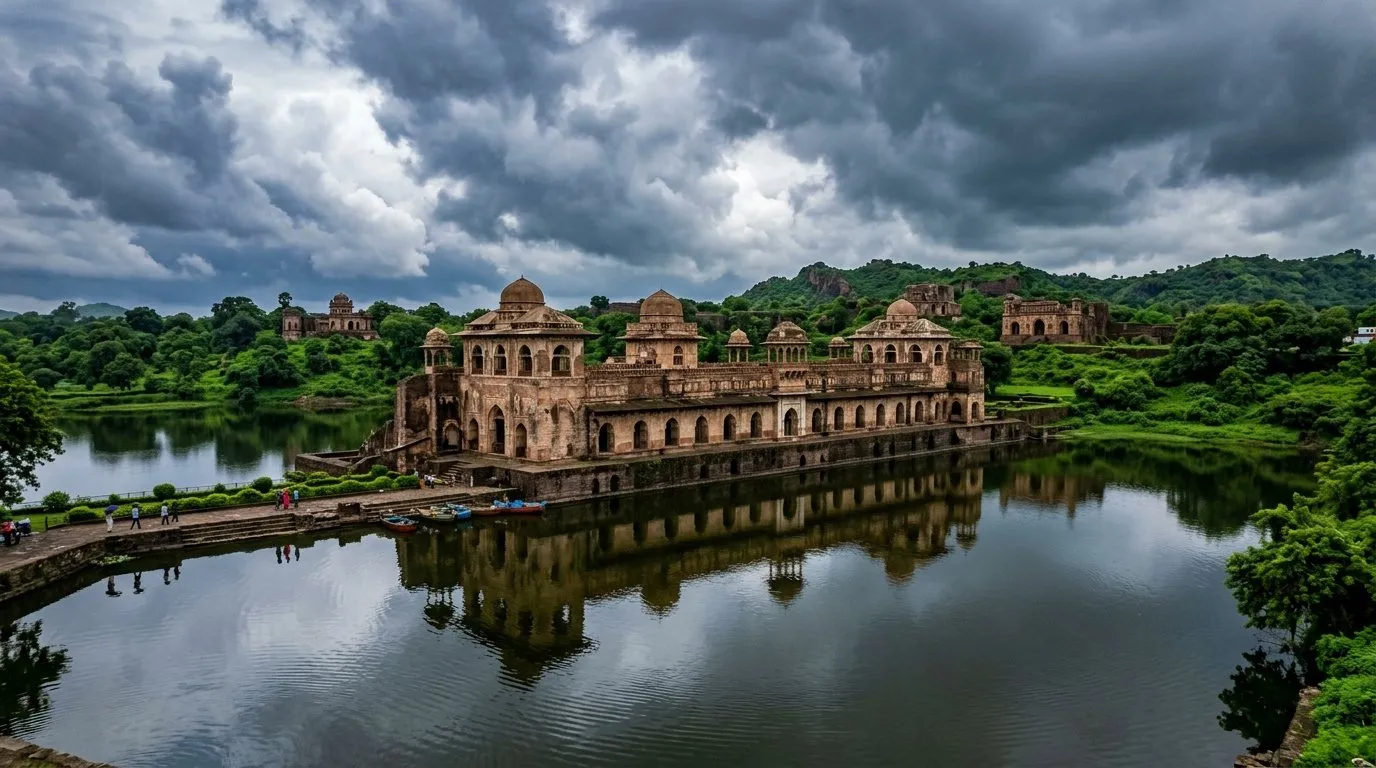
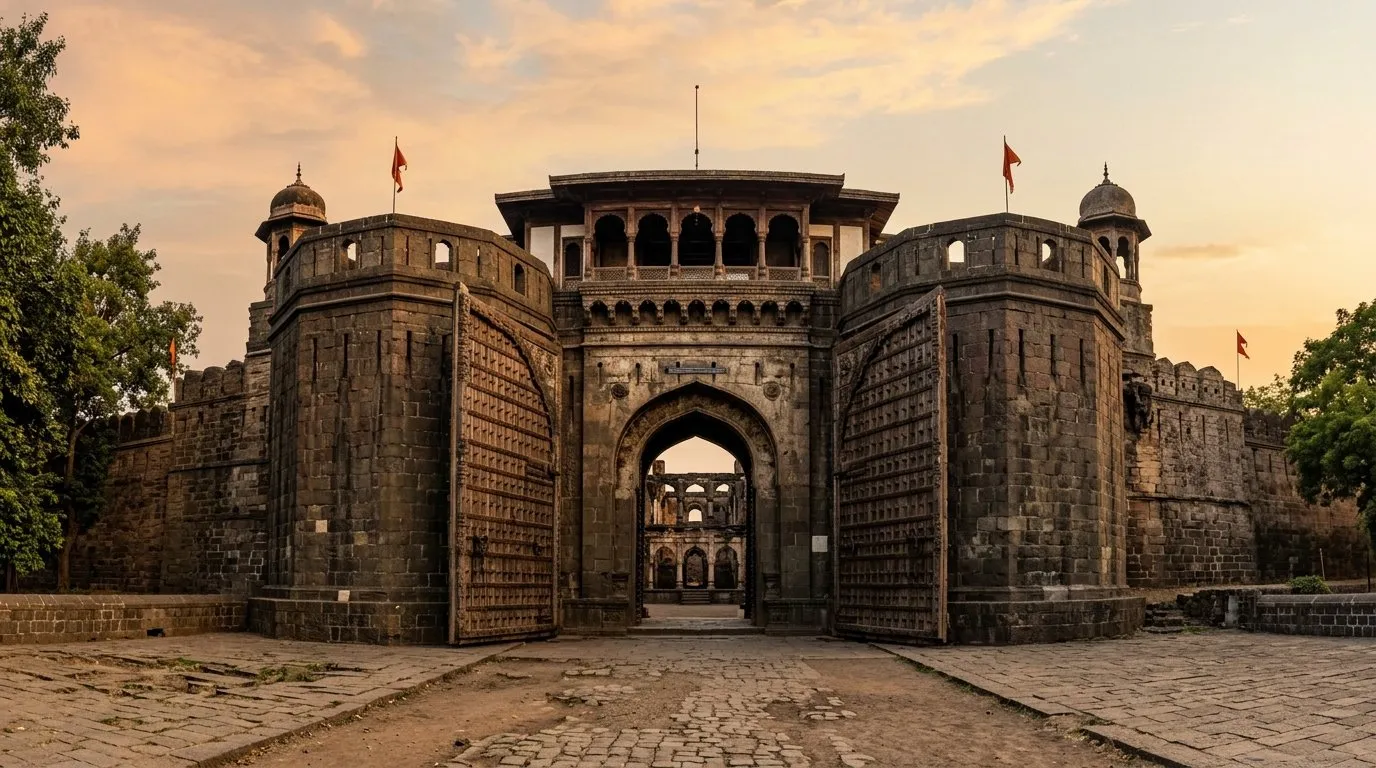
Monsoon transforms the fort's weathered stone into a moody, atmospheric experience but expect heavy rainfall and slippery walkways
July is the proper monsoon at Bijapur — 100-130mm across 10-12 wet days. Daytime 31-32C. Stone walks slick on Gol Gumbaz dome-base and Ibrahim Rauza marble. Walks workable mornings and evenings. October-February still dramatically cleaner.
July at Bikaner — short, unreliable monsoon breaks the heat in fits; Aravali slopes green up briefly but the mercury doesn't fully come down. Camel capital of India should plan for Feb–Mar, Oct–Dec.
July at Bir Billing — monsoon breaks on the outer Himalayan crest — landslide risk on the approach roads even if the destination itself is dry. Soft adventure + yoga retreat travelers should plan for Mar–May, Oct–Nov.
July falls well outside Bodh Gaya's Oct–Mar window. Conditions are harder, local services scaled back, and the version of the place you'd actually get isn't the one that makes the trip worth doing. The shoulder month either side would be a closer call, but this month isn't it. Kalachakra teachings should plan for Oct–Mar.
July at Bundi — short, unreliable monsoon breaks the heat in fits; Aravali slopes green up briefly but the mercury doesn't fully come down. Rajasthan step-well circuit should plan for Feb–Mar, Oct–Dec.
July at Chail — monsoon breaks on the outer Himalayan crest — landslide risk on the approach roads even if the destination itself is dry. Sidh Baba Mandir should plan for Mar–May, Sep–Nov.
July at Chamba — monsoon breaks on the outer Himalayan crest — landslide risk on the approach roads even if the destination itself is dry. Stone temple architecture should plan for Mar–May, Sep–Oct.
July at Champhai — the wettest month — Mawsynram world-record territory, rivers in spate, tea gardens saturated, helicopter evacuation from remote zones occasionally needed. Lai + Mara tribal should plan for Oct–Mar.
July at Chandigarh — the monsoon arrives but doesn't cool things much on the plains — AQI peaks, humidity soars, transport unreliable. Hill gateway should plan for Feb–Apr, Oct–Nov.
July at Chandipur — peak monsoon with cyclone risk especially for Odisha; beaches closed, fishing halted, rural roads sometimes impassable. Simlipal extension should plan for Oct–Mar.
July at Charaideo Moidams — the wettest month — Mawsynram world-record territory, rivers in spate, tea gardens saturated, helicopter evacuation from remote zones occasionally needed. Sivasagar circuit should plan for Oct–Mar.
July is warm and sticky on the Tamil Nadu plains, which makes long circuits of the Nataraja temple complex tiring. Despite the humidity this is not the region's rainy season — those rains arrive with the northeast monsoon in October–December — and July sits well outside the cooler November–February darshan window.
July at Chilika Lake — peak monsoon with cyclone risk especially for Odisha; beaches closed, fishing halted, rural roads sometimes impassable. Mangalajodi conservation should plan for Oct–Mar.
July is the proper monsoon — 90-120mm across 10-12 wet days. Daytime 29-30C. Granite-boulder climb slick — grip footwear essential. Fort walks workable mornings and evenings. October-February still dramatically cleaner.
July at Chitrakoot — the monsoon arrives but doesn't cool things much on the plains — AQI peaks, humidity soars, transport unreliable. MP-UP border should plan for Feb–Mar, Oct–Dec.
July at Chopta — monsoon breaks on the outer Himalayan crest — landslide risk on the approach roads even if the destination itself is dry. Uttarakhand circuit travelers should plan for Apr–May, Sep–Oct.
July at Cuttack — peak monsoon with cyclone risk especially for Odisha; beaches closed, fishing halted, rural roads sometimes impassable. Balijatra festival should plan for Oct–Mar.
July is monsoon Dakor. Daytime 26-32°C with high humidity, heavy concentrated rains, temple courtyards waterlogged, and Krishna pilgrim flow at annual lows. The destination is monsoon-suspended.
July at Dalhousie — monsoon breaks on the outer Himalayan crest — landslide risk on the approach roads even if the destination itself is dry. Chamba Pahari art entry should plan for Mar–May, Sep–Oct.
July at Daringbadi — peak monsoon with cyclone risk especially for Odisha; beaches closed, fishing halted, rural roads sometimes impassable. Kondh tribal culture should plan for Oct–Mar.
July at Daulatabad is monsoon — 22-29°C, daily rain bursts, basalt steps slippery, Andheri dark tunnel can partially flood. The 200m climb genuinely risky on wet basalt. Workable for lower-fort photography on dry-day clusters but suboptimal.
July at Delhi — the monsoon arrives but doesn't cool things much on the plains — AQI peaks, humidity soars, transport unreliable. Political + administrative capital should plan for Feb–Mar, Oct–Dec.
July falls well outside Deoghar's Oct–Mar window. Conditions are harder, local services scaled back, and the version of the place you'd actually get isn't the one that makes the trip worth doing. The shoulder month either side would be a closer call, but this month isn't it. Jharkhand religious capital should plan for Oct–Mar.
July at Dharamshala — monsoon breaks on the outer Himalayan crest — landslide risk on the approach roads even if the destination itself is dry. Low-commitment hill break should plan for Mar–Apr, Oct.
July at Ellora is monsoon — 22-29°C, daily rain bursts, Kailasa courtyard floods periodically, basalt cave-floor stones slippery. Workable for atmospheric monsoon visit but suboptimal vs Nov-Feb peak.
July at Fatehpur Sikri — the monsoon arrives but doesn't cool things much on the plains — AQI peaks, humidity soars, transport unreliable. Agra day trip should plan for Oct–Mar.
July at Gagron Fort — short, unreliable monsoon breaks the heat in fits; Aravali slopes green up briefly but the mercury doesn't fully come down. Pilgrimage + military history should plan for Oct–Mar.
July is Gandhinagar's active monsoon — 25-32°C, regular SW-monsoon rain (typically 250-350mm), sector underpass waterlogging, and Akshardham's open exhibition courtyards weather-dependent. Heritage circuit shifts to AC interiors only.
July at Gandikota continues monsoon. Pennar river filling. Fort plateau hot mid-day. Cloud cover obscures gorge views. October opens the proper photographic window.
July at Gangotri — monsoon breaks on the outer Himalayan crest — landslide risk on the approach roads even if the destination itself is dry. Classic monsoon-avoidance should plan for May–Jun, Sep–Oct.
July at Gopalpur-on-Sea — peak monsoon with cyclone risk especially for Odisha; beaches closed, fishing halted, rural roads sometimes impassable. Chilika + Taptapani base should plan for Oct–Mar.
July at Gopeshwar — monsoon breaks on the outer Himalayan crest — landslide risk on the approach roads even if the destination itself is dry. Auli gateway should plan for Apr–May, Sep–Oct.
July at Great Himalayan National Park — monsoon breaks on the outer Himalayan crest — landslide risk on the approach roads even if the destination itself is dry. Community ecotourism should plan for Apr–Jun, Sep–Oct.
July is the proper monsoon at Gulbarga — 110-150mm across 11-13 wet days. Daytime 31-32C. Outdoor walks slick. The Jama Masjid roofed interior is the year-round refuge. Walks workable mornings and evenings. October-February still dramatically cleaner.
July at Guptkashi — monsoon breaks on the outer Himalayan crest — landslide risk on the approach roads even if the destination itself is dry. Char Dham transit should plan for May–Jun, Sep–Oct.
July is the wettest month at Guruvayur. Temple darshan year-round, but Punnathur Kotta closed half the days, outdoor approaches flood, casual heritage trip uncomfortable. Pilgrims continue. Wait for October.
July at Gwalior — tiger reserves closed across MP for the breeding season; the region's main draw isn't available. Agra heritage extension should plan for Oct–Mar.
July at Haflong — the wettest month — Mawsynram world-record territory, rivers in spate, tea gardens saturated, helicopter evacuation from remote zones occasionally needed. Assam's-only-hill-station curiosity travelers should plan for Oct–Mar.
July sees the proper southwest monsoon at Hampi — 90-120mm across 10-12 wet days. The Tungabhadra runs strong; coracle crossings continue with the river noticeably swifter. Daytime eases to 32-33C. Boulder walks workable mornings and evenings. October-February still dramatically cleaner.
July at Haridwar — monsoon breaks on the outer Himalayan crest — landslide risk on the approach roads even if the destination itself is dry. Ayurveda + yoga retreats should plan for Feb–May, Oct–Nov.
July closes Jabalpur to visitors: extreme heat (25-44°C) or monsoon flooding shuts boat access to Marble Rocks and Dhuandhar Falls—the main attractions. Wildlife sanctuaries close or suspend operations.
July at Jaipur — short, unreliable monsoon breaks the heat in fits; Aravali slopes green up briefly but the mercury doesn't fully come down. Block print + gemstone crafts should plan for Oct–Feb.
July at Jaisalmer — short, unreliable monsoon breaks the heat in fits; Aravali slopes green up briefly but the mercury doesn't fully come down. 1971 Indo-Pak war history + nuclear history buffs should plan for Oct–Feb.
July at Jibhi — monsoon breaks on the outer Himalayan crest — landslide risk on the approach roads even if the destination itself is dry. Slow cafe retreat should plan for Mar–May, Sep–Oct.
July at Jodhpur — short, unreliable monsoon breaks the heat in fits; Aravali slopes green up briefly but the mercury doesn't fully come down. Marwar cuisine + mirchi vada should plan for Oct–Feb.
July at Jorhat — the wettest month — Mawsynram world-record territory, rivers in spate, tea gardens saturated, helicopter evacuation from remote zones occasionally needed. Heritage plantation stays should plan for Oct–Mar.
July at Joshimath — monsoon breaks on the outer Himalayan crest — landslide risk on the approach roads even if the destination itself is dry. 2023 subsidence event should plan for May–Jun, Sep–Oct.
July at Kalimpong — peak monsoon; Darjeeling's road from NJP closes on landslide days, Kolkata-to-Siliguri rail disrupted. Lepcha + Buddhist heritage should plan for Mar–May, Oct–Nov.
July at Kalpa — monsoon breaks on the outer Himalayan crest — landslide risk on the approach roads even if the destination itself is dry. Spiti circuit prep should plan for May–Jun, Sep–Oct.
July 900-1100mm Mumbai rainfall turns the SGNP trail to Kanheri into a leech-heavy mud slog with regular 1-2 day park closures; cave interiors stay dry but reaching them is the genuine problem.
July in Kanyakumari is the rainiest stretch of the year. The trip-defining ferry to Vivekananda Rock runs 40 percent of days. Sunrise viewing rare. The October-March window delivers a materially better experience.
July is humid and uncomfortable for general tourism; expect 85-90 percent humidity with 26-34C and only 80-100mm of rain (most spillover from Kerala-Karnataka monsoon). The trip you came for as a tourist does not work; pilgrims continue regardless.
July at Kasauli — monsoon breaks on the outer Himalayan crest — landslide risk on the approach roads even if the destination itself is dry. Khushwant Singh pilgrimage should plan for Mar–May, Sep–Nov.
July at Kasol — monsoon breaks on the outer Himalayan crest — landslide risk on the approach roads even if the destination itself is dry. Sikh + Hindu pilgrims to Manikaran should plan for Mar–May, Sep–Oct.
July reaches peak monsoon (22–31°C, 250–350mm rainfall) with landslide closures spiking on the trail. The 13km trek becomes genuinely hazardous with slippery rock and cascading water. Helicopter cancellations peak. Unless you're a seasoned trekker prepared for risk, defer to a drier month.
July at Kedarnath — monsoon breaks on the outer Himalayan crest — landslide risk on the approach roads even if the destination itself is dry. Post-2013 reconstruction witness should plan for May, Sep–Oct.
July at Khajuraho — tiger reserves closed across MP for the breeding season; the region's main draw isn't available. Wildlife travelers combining temples with Panna should plan for Oct–Mar.
Peak monsoon (18–27°C, continuous rain) makes forest trekking miserable. Leeches thrive. Trails are waterlogged. Visibility is near-zero in the dense forest.
July at Kinnaur — monsoon breaks on the outer Himalayan crest — landslide risk on the approach roads even if the destination itself is dry. Spiti gateway should plan for May–Jun, Sep–Oct.
July at Kokernag — monsoon breaks on the outer Himalayan crest — landslide risk on the approach roads even if the destination itself is dry. Pahalgam pairing should plan for Mar–May, Sep–Nov.
July at Kolkata — peak monsoon; Darjeeling's road from NJP closes on landslide days, Kolkata-to-Siliguri rail disrupted. Bengali cuisine + sweets should plan for Oct–Mar.
July at Kufri — monsoon breaks on the outer Himalayan crest — landslide risk on the approach roads even if the destination itself is dry. Shimla overflow should plan for Dec–Apr.
Peak monsoon — 700–800mm rain and waterlogged backwaters. Karkidakam Ayurveda opens mid-month at Coconut Lagoon for specialist Ayurveda treatment, not general tourism.
July at Kurukshetra — the monsoon arrives but doesn't cool things much on the plains — AQI peaks, humidity soars, transport unreliable. Mahabharat geography should plan for Feb–Mar, Oct–Dec.
July at Kushinagar — the monsoon arrives but doesn't cool things much on the plains — AQI peaks, humidity soars, transport unreliable. Buddha Poornima should plan for Feb–Mar, Oct–Dec.
July is monsoon Kutch. Heavy rains soak Bhuj, the Rann is underwater, craft villages slow operations and lower temperatures (25-32C) but humid and flood-risk for back roads. Most operators close. Heritage interiors stay open but the destination experience is suspended.
July at Landour — monsoon breaks on the outer Himalayan crest — landslide risk on the approach roads even if the destination itself is dry. Quiet Mussoorie alternative should plan for Mar–May, Sep–Nov.
July monsoon peak — 307 basalt steps overflow as brief waterfall on heavy rain days, zero grip. ASI advisory closure typical. Yatra package operators drop Lenyadri from July itineraries explicitly. Slip-fall incidents spike. Cave-7 Girijatmaj inaccessible. Push to September or October.
July is light monsoon on Rayalaseema. Cooler temps but unpredictable rain windows. October is the cleaner shape. Hotel rates at year-low but the trip shape collapses.
July at Lonar Crater is monsoon — 23-30°C, daily rain bursts, the rim path slippery wet, lake filling. Sita Nahani waterfall at peak flow (a rare bonus). Workable on dry-day clusters but suboptimal vs Nov-Feb peak.
July at Lothal is in active monsoon — 25-32°C, regular SW-monsoon rain, the brick dockyard waterlogged after heavy showers, and the open-air visit weather-dependent. ASI museum AC remains workable.
July at Lucknow — the monsoon arrives but doesn't cool things much on the plains — AQI peaks, humidity soars, transport unreliable. Ayodhya + Kanpur circuit should plan for Feb–Mar, Oct–Dec.
July at Lunglei — the wettest month — Mawsynram world-record territory, rivers in spate, tea gardens saturated, helicopter evacuation from remote zones occasionally needed. Bangladesh border should plan for Oct–Mar.
July monsoon residual brings 100–130 mm of rain and persistent humidity at 80 percent. The sea breeze is stronger than June, bringing intermittent relief, but mid-day outdoor activity remains exhausting. The granite stays slick, and heritage walks compress into 4-hour morning windows.
July 900-1100mm Mahad rainfall triggers ghat closures, expressway aquaplaning, fort step shutdowns, and ferry suspension; reaching the temple reliably is the problem, not the temple itself.
July at Mandi — monsoon breaks on the outer Himalayan crest — landslide risk on the approach roads even if the destination itself is dry. Temple architecture crawl should plan for Mar–May, Sep–Nov.
July is monsoon Mandvi. The Arabian Sea is rough, the public beach closes to swimming, the dhow shipyard halts major work, and most heritage operations slow significantly. Temperatures drop to 28-32C with high humidity, but the destination is functionally suspended.
July at Manikaran — monsoon breaks on the outer Himalayan crest — landslide risk on the approach roads even if the destination itself is dry. Parvati Valley pilgrim base should plan for Mar–May, Sep–Nov.
July is monsoon-deep at Marari with the beach closed under sea-state advisory. Karkidakam Ayurveda packages at Marari Beach Resort and Niraamaya Wellness are the only real reason to be here in July.
July at Mathura — the monsoon arrives but doesn't cool things much on the plains — AQI peaks, humidity soars, transport unreliable. Weekend from Delhi should plan for Feb–Mar, Oct–Nov.
July at Mawphlang — the wettest month — Mawsynram world-record territory, rivers in spate, tea gardens saturated, helicopter evacuation from remote zones occasionally needed. Shillong day trip should plan for Oct–Apr.
July at McLeod Ganj — monsoon breaks on the outer Himalayan crest — landslide risk on the approach roads even if the destination itself is dry. Digital nomad retreat should plan for Mar–Apr, Oct.
July is monsoon Modhera. Daytime 26-32°C with humidity high, the Surya Kund stepped tank waterlogged, the sabha mandap walkable in dry windows, but the destination experience is weather-disrupted throughout.
July at Mokokchung — the wettest month — Mawsynram world-record territory, rivers in spate, tea gardens saturated, helicopter evacuation from remote zones occasionally needed. Education + church heritage should plan for Oct–Mar.
July at Moreh — the wettest month — Mawsynram world-record territory, rivers in spate, tea gardens saturated, helicopter evacuation from remote zones occasionally needed. Bagan overland route should plan for Oct–Mar.
July at Morni Hills — the monsoon arrives but doesn't cool things much on the plains — AQI peaks, humidity soars, transport unreliable. Pinjore pairing should plan for Mar–May, Sep–Nov.
July in Mumbai is peak monsoon — 600-900mm of rain across the month, the highest urban rainfall anywhere in India, suburban trains regularly halted, BMC flood warnings near-weekly, Elephanta ferry off through September, and the city's rhythm built around drying out, not exploring.
July at Munsiyari — monsoon breaks on the outer Himalayan crest — landslide risk on the approach roads even if the destination itself is dry. Khalia Top easy trek should plan for Apr–May, Sep–Oct.
July is the wettest stretch at Nagarhole — 300-500mm rainfall, heavier than Bandipur due to closer proximity to Coorg-Wayanad wet zone. Some safari zones close, sighting odds at year-low (1-in-50 safaris). Wait for Oct-Nov.
July at Nagpur is monsoon — 24-30°C, daily rain bursts, city outdoor cool but rainy. Tadoba closed Jul-Sep for monsoon breeding. Workable for Saoji food + Deekshabhoomi + Sitabuldi monsoon-atmospheric visits.
July falls well outside Nalanda's Oct–Mar window. Conditions are harder, local services scaled back, and the version of the place you'd actually get isn't the one that makes the trip worth doing. The shoulder month either side would be a closer call, but this month isn't it. Bihar Buddhist circuit should plan for Oct–Mar.
July is full southwest monsoon at Nandi Hills. The hilltop fogs in completely most mornings — 100-150mm rainfall across 18-22 days, sunrise visibility absent, paragliding suspended. The trip you came for cannot happen. Wait for October.
July at Neemrana — short, unreliable monsoon breaks the heat in fits; Aravali slopes green up briefly but the mercury doesn't fully come down. Wedding + event venue should plan for Feb–Mar, Oct–Dec.
July at Neermahal — the wettest month — Mawsynram world-record territory, rivers in spate, tea gardens saturated, helicopter evacuation from remote zones occasionally needed. Neermahal Festival should plan for Oct–Mar.
July at Nrusinghanath & Harishankar — peak monsoon with cyclone risk especially for Odisha; beaches closed, fishing halted, rural roads sometimes impassable. Sambalpur base should plan for Oct–Mar.
July at Omkareshwar — tiger reserves closed across MP for the breeding season; the region's main draw isn't available. Maheshwar circuit should plan for Oct–Mar.
July at Orchha — tiger reserves closed across MP for the breeding season; the region's main draw isn't available. Chhatris (royal cenotaphs) should plan for Jul–Mar.
July at Osian — short, unreliable monsoon breaks the heat in fits; Aravali slopes green up briefly but the mercury doesn't fully come down. Camel safari + desert stays should plan for Feb–Mar, Oct–Dec.
July 1000-1200mm rainfall on Raigad triggers regular ghat closures, expressway aquaplaning, and 1-3 day local highway shutdowns; the temple stays open but reaching it reliably is the problem.
July at Parvati Valley — monsoon breaks on the outer Himalayan crest — landslide risk on the approach roads even if the destination itself is dry. Easy Himalayan party should plan for Mar–May, Sep–Oct.
July at Patiala — the monsoon arrives but doesn't cool things much on the plains — AQI peaks, humidity soars, transport unreliable. Pagri + phulkari heritage should plan for Feb–Mar, Oct–Dec.
July falls well outside Patna's Oct–Mar window. Conditions are harder, local services scaled back, and the version of the place you'd actually get isn't the one that makes the trip worth doing. The shoulder month either side would be a closer call, but this month isn't it. Buddhist Circuit launch should plan for Oct–Mar.
July at Patnitop — monsoon breaks on the outer Himalayan crest — landslide risk on the approach roads even if the destination itself is dry. Vaishno Devi combined trip should plan for Jan–Feb, May–Jun, Oct.
July monsoon (23–32°C, 80–110mm rain) makes open-plain explorations rain-interrupted. Monsoon rains obscure the intricate stone carvings that are Pattadakal's main draw.
July falls well outside Pawapuri's Oct–Mar window. Conditions are harder, local services scaled back, and the version of the place you'd actually get isn't the one that makes the trip worth doing. The shoulder month either side would be a closer call, but this month isn't it. Nalanda + Rajgir triangle should plan for Oct–Mar.
July at Pfutsero — the wettest month — Mawsynram world-record territory, rivers in spate, tea gardens saturated, helicopter evacuation from remote zones occasionally needed. Sekrenyi festival should plan for Mar–May, Oct–Dec.
July at Phawngpui Peak — the wettest month — Mawsynram world-record territory, rivers in spate, tea gardens saturated, helicopter evacuation from remote zones occasionally needed. NP protection should plan for Mar–May, Oct–Dec.
July at Pinjore Gardens — the monsoon arrives but doesn't cool things much on the plains — AQI peaks, humidity soars, transport unreliable. Baisakhi Mango Festival should plan for Feb–Mar, Oct–Dec.
July is peak southwest monsoon on the Saurashtra coast: persistent rain, rough seas that preclude beach use, high humidity, and occasional storm surges. The seafront town loses most of its appeal and travel connectivity can be disrupted.
July at Prayagraj — the monsoon arrives but doesn't cool things much on the plains — AQI peaks, humidity soars, transport unreliable. Allahabad University should plan for Oct–Feb.
July at Pushkar — short, unreliable monsoon breaks the heat in fits; Aravali slopes green up briefly but the mercury doesn't fully come down. Backpacker + yoga retreats should plan for Feb–Mar, Oct–Dec.
July falls well outside Rajgir's Oct–Mar window. Conditions are harder, local services scaled back, and the version of the place you'd actually get isn't the one that makes the trip worth doing. The shoulder month either side would be a closer call, but this month isn't it. Ropeway + hot springs should plan for Oct–Mar.
July is Rajkot's active monsoon — 26-33°C, regular SW-monsoon rain (typically 200-300mm in Saurashtra), and the Gandhi heritage circuit weather-dependent. Khambhalida day-trip and Wankaner roads can flood.
July at Ranakpur Jain Temple — short, unreliable monsoon breaks the heat in fits; Aravali slopes green up briefly but the mercury doesn't fully come down. Commercial flights + Dhritraja Sanctuary should plan for Oct–Mar.
July falls well outside Ranchi's Oct–Mar window. Conditions are harder, local services scaled back, and the version of the place you'd actually get isn't the one that makes the trip worth doing. The shoulder month either side would be a closer call, but this month isn't it. Tribal cultural centre should plan for Oct–Mar.
July is monsoon Patan. Outside daytime 26-32°C, the seven-story stepwell interior cool and rain-protected, but surface heritage walks (Sahasralinga Talav, Khan Sarovar) waterlogged and weather-disrupted.
July at Roopkund — monsoon breaks on the outer Himalayan crest — landslide risk on the approach roads even if the destination itself is dry. Closed to further treks should plan for May–Jun, Sep–Oct.
July at Sanchi — tiger reserves closed across MP for the breeding season; the region's main draw isn't available. Gupta + Mauryan art should plan for Oct–Mar.
July at Sarahan — monsoon breaks on the outer Himalayan crest — landslide risk on the approach roads even if the destination itself is dry. Pagoda heritage should plan for Apr–May, Sep–Oct.
July at Sarnath — the monsoon arrives but doesn't cool things much on the plains — AQI peaks, humidity soars, transport unreliable. Buddhist Circuit with Varanasi should plan for Oct–Mar.
July at Satkosia — peak monsoon with cyclone risk especially for Odisha; beaches closed, fishing halted, rural roads sometimes impassable. Eco-tourism model should plan for Oct–Mar.
July at Shantiniketan — peak monsoon; Darjeeling's road from NJP closes on landslide days, Kolkata-to-Siliguri rail disrupted. Poush Mela + Basanta Utsav should plan for Oct–Mar.
July at Shekhawati — short, unreliable monsoon breaks the heat in fits; Aravali slopes green up briefly but the mercury doesn't fully come down. Rural Rajasthan alternative should plan for Feb–Mar, Oct–Dec.
July falls well outside Shikharji (Parasnath Hill)'s Oct–Mar window. Conditions are harder, local services scaled back, and the version of the place you'd actually get isn't the one that makes the trip worth doing. The shoulder month either side would be a closer call, but this month isn't it. Dhooli tradition should plan for Oct–Mar.
July Bhima river at peak monsoon flow — boat crossing suspends regularly on flood-warning days. Temple foot-bridge submerges fully. Pilgrim darshan unreliable. MTDC/MSRTC yatra packages drop Siddhatek from July itineraries. Push to October post-monsoon window.
July at Siliguri — peak monsoon; Darjeeling's road from NJP closes on landslide days, Kolkata-to-Siliguri rail disrupted. Electronics market should plan for Oct–May.
July at Sirpur — tiger reserves closed across MP for the breeding season; the region's main draw isn't available. Raipur day trip should plan for Oct–Mar.
July at Sivasagar — the wettest month — Mawsynram world-record territory, rivers in spate, tea gardens saturated, helicopter evacuation from remote zones occasionally needed. Ahom architecture should plan for Oct–Mar.
July at Solan — monsoon breaks on the outer Himalayan crest — landslide risk on the approach roads even if the destination itself is dry. Mid-Shimla-Chandigarh should plan for Mar–May, Sep–Nov.
July at Sravasti — the monsoon arrives but doesn't cool things much on the plains — AQI peaks, humidity soars, transport unreliable. Buddhist Circuit inclusion should plan for Feb–Mar, Oct–Dec.
July is Surat's heaviest monsoon — 25-31°C, year-peak rainfall (400-500mm), Tapi flooding-risk, and the city's drainage system tested. Surat has flooded multiple times in recent Julys. Heritage circuit unworkable.
July at Takht Sri Damdama Sahib — the monsoon arrives but doesn't cool things much on the plains — AQI peaks, humidity soars, transport unreliable. Bathinda circuit should plan for Oct–Mar.
July at Talasari — peak monsoon with cyclone risk especially for Odisha; beaches closed, fishing halted, rural roads sometimes impassable. Casuarina groves should plan for Oct–Mar.
July at Taptapani — peak monsoon with cyclone risk especially for Odisha; beaches closed, fishing halted, rural roads sometimes impassable. Gopalpur combined should plan for Oct–Mar.
July's Southwest monsoon residual brings 100-130mm rain with 26-32C temperatures and sea-breeze cooling, but midday exploration remains demanding on this coastal colonial town.
July at Tirthan Valley — monsoon breaks on the outer Himalayan crest — landslide risk on the approach roads even if the destination itself is dry. Monsoon-proof hill break should plan for May, Sep–Oct.
July at Tirupati continues the easing pattern but Rayalaseema rain shadow keeps the monsoon light. Padayatra still compresses to mornings. Aadi-month brings local Andhra pilgrim density. October opens the proper window for first-visit travelers.
July at Tsomgo Lake — peak of the wettest monsoon in India — Cherrapunji sets world records most years; riverine access collapses, IAF helicopters sometimes the only way in. Sacred to both Buddhists + Hindus should plan for Mar–May, Oct–Dec.
July at Tura — the wettest month — Mawsynram world-record territory, rivers in spate, tea gardens saturated, helicopter evacuation from remote zones occasionally needed. Garo matrilineal should plan for Oct–Mar.
July at Ujjain — tiger reserves closed across MP for the breeding season; the region's main draw isn't available. Mahakal Lok corridor should plan for Oct–Mar.
July at Ukhrul — the wettest month — Mawsynram world-record territory, rivers in spate, tea gardens saturated, helicopter evacuation from remote zones occasionally needed. Khangkhui Cave should plan for Mar–May, Oct–Dec.
July at Unakoti — the wettest month — Mawsynram world-record territory, rivers in spate, tea gardens saturated, helicopter evacuation from remote zones occasionally needed. Offbeat NE heritage should plan for Oct–Mar.
July is peak monsoon. Outdoor approach closed by rain. Cave interiors stay cool but the trip shape collapses. October is materially cleaner.
July is Vadodara's active monsoon — 25-32°C, regular SW-monsoon rain (typically 250-350mm), Sayaji Baug puddled, and Champaner UNESCO day-trip weather-dependent. Heritage circuit shifts to AC interiors only.
July falls well outside Vaishali's Oct–Mar window. Conditions are harder, local services scaled back, and the version of the place you'd actually get isn't the one that makes the trip worth doing. The shoulder month either side would be a closer call, but this month isn't it. Buddhist Circuit component should plan for Oct–Mar.
July at Varanasi — the monsoon arrives but doesn't cool things much on the plains — AQI peaks, humidity soars, transport unreliable. Classical music + weaving travelers should plan for Oct–Mar.
July at Verinag — monsoon breaks on the outer Himalayan crest — landslide risk on the approach roads even if the destination itself is dry. Pahalgam-Kokernag circuit should plan for Mar–May, Sep–Nov.
July is monsoon peak. Krishna river floods, island closed, hill climb dangerous, river-walks impossible. Indoor-only heritage works (Undavalli, museums) but the trip is essentially closed. October is materially cleaner.
July at Vrindavan — the monsoon arrives but doesn't cool things much on the plains — AQI peaks, humidity soars, transport unreliable. Widow pilgrims tradition should plan for Feb–Mar, Oct–Nov.
July at Yamunotri — monsoon breaks on the outer Himalayan crest — landslide risk on the approach roads even if the destination itself is dry. Hot spring prasad tradition should plan for May–Jun, Sep–Oct.
July is the wettest stretch at Yercaud (150-300mm) but materially lighter than Western Ghats hill stations (Valparai 700-1000mm, Ooty 800-1200mm). Lady's Seat and Pagoda Point sightlines erratic — workable some mornings, fogged most afternoons. Coffee estate walks suspended. October is the cleaner call.
July at Yuksom — peak of the wettest monsoon in India — Cherrapunji sets world records most years; riverine access collapses, IAF helicopters sometimes the only way in. Khangchendzonga National Park should plan for Mar–May, Oct–Nov.
Peak monsoon hammers the valley with 700-900mm rainfall. Landslide closures erupt every 5-7 days, stranding vehicles indefinitely. The region is functionally closed.
July brings the full Southwest Monsoon. Heavy rains drench the region below 4,000m. Trails become muddy and slippery; landslide risk is acute on the approach to Dharchula and toward Jolingkong Lake. Cloud cover obscures Om Parvat and surrounding peaks. The Inner Line Permit office may face reduced hours due to weather.
July at Agartala — the wettest month — Mawsynram world-record territory, rivers in spate, tea gardens saturated, helicopter evacuation from remote zones occasionally needed. Unakoti rock sculptures should plan for Oct–Apr.
July is the wettest month at Agatti. Alliance Air hasn't flown since June 1, dive operators are shut, all resorts closed. Lakshadweep Tourism doesn't issue permits for July arrivals. Pick October-November or December-March instead.
July is the wettest month of the year — 900-1100mm rainfall, the Arabian Sea in active monsoon, the entire South Goa beach economy on shutdown. Almost all Agonda stays close. The next viable window is October 1.
July at Aizawl — the wettest month — Mawsynram world-record territory, rivers in spate, tea gardens saturated, helicopter evacuation from remote zones occasionally needed. Myanmar border access should plan for Oct–Apr.
July Alibaug is fully monsoon-closed — M2M ferry suspended, Arabian Sea swell at 4-5m, beaches red-flagged with drowning fatalities every July, NH-66 floods regularly at Apta and Pen, and the entire Konkan tourism infrastructure pauses.
July is the year's wettest stretch at Anamalai — 500-800mm rainfall, most safari zones closed, Topslip-Pollachi road closures frequent, sighting odds at year-low. The Anamalai trip cannot happen until October. Skip.
July at Anini — peak of the wettest monsoon in India — Cherrapunji sets world records most years; riverine access collapses, IAF helicopters sometimes the only way in. Most remote Arunachal should plan for Mar–May, Oct–Nov.
July is the wettest month at Anjuna. Rainfall hits 900-1100mm across 26-28 wet days. The trip Anjuna sells — beach shacks, flea market, Curlies sunset, Chapora climb — runs at zero capacity. The next clean window is mid-October.
July is the wettest month at Arambol. Rainfall hits 900-1100mm. The cliff-bay sand width loses 30-40m to surf erosion. Trip you came for runs at zero capacity. Wait for October.
July is the wettest month at Assagao. Bomras still closed, Anjuna beach unusable, Saturday Night Market suspended. Restaurant village functions but at 20-25 percent normal traffic. Wait for October.
July is when the Coromandel coast sits in a humid lull — west-coast monsoon at full strength, east-coast rainfall still 10 weeks away. Townshipside, this is the deepest off-season: many shops on shorter hours, fewer pavilion programmes, hotel rates at year-low but the trip itself is hollow.
July at Bandhavgarh National Park — tiger reserves closed across MP for the breeding season; the region's main draw isn't available. Jabalpur nearest airport should plan for Oct–Jun.
July is the peak SW monsoon. Bangaram Island Resort remains closed, no boats run, the island is unreachable. Permits aren't issued. Pick October-November or December-March instead.
July is the worst month for Baratang. ATR shut frequently, creek boats off, cave flooded, no operators selling the package. Cannot recommend. Wait for November.
July at Barnawapara — tiger reserves closed across MP for the breeding season; the region's main draw isn't available. Sirpur pairing should plan for Nov–Mar.
July is the worst month for Barren Island. No operator running, Forest Department permit window shut, sea unworkable. Cannot recommend. Wait for November.
July is the wettest month at Bekal. Rainfall hits 900-1100mm across 26-28 wet days. Fort exterior paths shut for safety on most days, sea swimming forbidden under Kerala Tourism advisory, KTDC boat operations suspended. The trip is closed in everything but name.
July is the wettest month at Beypore. Boatyard outdoor plank-fitting paused, lighthouse climb dangerous, beach forbidden. The Uru-craft trip cannot happen. Wait for October.
July at Bhalukpong — peak of the wettest monsoon in India — Cherrapunji sets world records most years; riverine access collapses, IAF helicopters sometimes the only way in. Tawang gateway should plan for Oct–Mar.
July at Bhitarkanika — peak monsoon with cyclone risk especially for Odisha; beaches closed, fishing halted, rural roads sometimes impassable. Ramsar + Biosphere should plan for Sep–Mar.
July is peak monsoon. Daily heavy rainfall soaks the site. The temple grounds become a muddy maze. Carved details are wet and slippery. Forest trails are impassable. Roads are treacherous. This is not a visitable month.
July at Binsar — monsoon breaks on the outer Himalayan crest — landslide risk on the approach roads even if the destination itself is dry. Kumaon cultural circuit should plan for Mar–Apr, Oct–Nov.
July at Bomdila — peak of the wettest monsoon in India — Cherrapunji sets world records most years; riverine access collapses, IAF helicopters sometimes the only way in. Buddhist culture seekers should plan for Mar–May, Oct–Nov.
July is the wettest month at Araku. Cave-descent steps run with water, the Vizag-Kirandul track sees landslide closures averaging 2-3 days a month, and the 16C interior is reachable only on dry windows that may not arrive during your trip.
July is the wettest month at Calangute-Baga. Rainfall hits 900-1100mm. Beach unsafe, shacks closed, water sports off. Tito's Lane weekend-only. Wait for October.
July falls squarely in the southwest monsoon: seas are rough and red-flagged, beach shacks are shuttered, water sports have stopped entirely, and the wide sand at Candolim sits wet and near-empty through most of the month.
July at Chakrata — monsoon breaks on the outer Himalayan crest — landslide risk on the approach roads even if the destination itself is dry. Lakhamandal Pandava legend should plan for Mar–May, Sep–Nov.
July at Champawat — monsoon breaks on the outer Himalayan crest — landslide risk on the approach roads even if the destination itself is dry. Purnagiri Shakti Peeth should plan for Mar–May, Oct–Nov.
July at Chaukori — monsoon breaks on the outer Himalayan crest — landslide risk on the approach roads even if the destination itself is dry. Quieter alternative should plan for Mar–May, Oct–Nov.
July is the wettest month at Cherai. Rainfall 800-900mm. Beach closed under sea-state advisory, dolphin tours suspended through October. Karkidakam Ayurveda month opens mid-July but treatments are at inland resorts (Kumarakom, Vagamon) — not beach Cherai. Skip.
July at Cherrapunji (Sohra) — the wettest month — Mawsynram world-record territory, rivers in spate, tea gardens saturated, helicopter evacuation from remote zones occasionally needed. Khasi matrilineal culture should plan for Oct–Apr.
July is peak monsoon with 480mm rainfall and road washouts on NH-223. Forest Department sometimes closes trails entirely during this month. Conditions remain treacherous throughout.
July is peak monsoon with 800-1,100mm rainfall. NH-73 is landslide-prone and summit roads close. The combination of heavy rain and unstable slopes makes this month genuinely unsafe.
Rain-shadow monsoon brings 150-200mm rainfall. Wildlife disperses. NH-85 approach becomes unreliable. The combination of rains and dispersed wildlife makes July unrewarding.
July is the wettest month at the Mandovi delta. Salim Ali sanctuary closes most days, mangrove walks unsafe in flood, ferry services unreliable. The trip cannot happen. Wait for October.
Peak monsoon at 24-29°C brings 900-1,100mm rain. Beaches are off-limits. Resort occupancy crashes to 20 percent. Rip currents pose serious safety risks.
July is the year's wettest stretch at Coonoor — 600-900mm rainfall, NMR Mettupalayam-Coonoor section suspends frequently, viewpoints fogged-out for weeks. NH181 closures 2-3 days/week. The Coonoor trip cannot happen until September. Skip.
July is the wettest stretch at Coorg — 900-1200mm rainfall. NH-275/SH-90 closures 2-3 days per week, plantation walks completely suspended. Wait for September. Kodagu landslide risk is the real concern, not just rain.
Peak monsoon at 24–30°C with 400–500mm rain, closed beaches, and flooded roads (NH48 washes out). Beyond Portuguese architecture, the destination offers minimal appeal.
July is Dambuk's most isolated month. 700-1000mm rainfall, the Roing-Dambuk road impassable for vehicles most of the month. Even the Bhupen Hazarika Setu approach takes weather hits. The trip fundamentally cannot happen.
July is the wettest month at Dandeli. Rainfall 800-1000mm. Tiger Reserve closed by Forest Department, rafting closed (water too high). Standard adventure-and-wildlife trip impossible. Skip.
July at Darjeeling — peak monsoon; Darjeeling's road from NJP closes on landslide days, Kolkata-to-Siliguri rail disrupted. Colonial heritage + Gorkha culture travelers should plan for Mar–May, Oct–Nov.
July at Dawki — the wettest month — Mawsynram world-record territory, rivers in spate, tea gardens saturated, helicopter evacuation from remote zones occasionally needed. Nongriat + Cherrapunji triangle should plan for Oct–Mar.
July at Deomali — peak monsoon with cyclone risk especially for Odisha; beaches closed, fishing halted, rural roads sometimes impassable. Tribal weekly haats should plan for Oct–Mar.
July at Devprayag — monsoon breaks on the outer Himalayan crest — landslide risk on the approach roads even if the destination itself is dry. Char Dham transit should plan for Mar–Apr, Oct–Nov.
July at Dhanaulti — monsoon breaks on the outer Himalayan crest — landslide risk on the approach roads even if the destination itself is dry. Tehri gateway should plan for Mar–May, Oct–Nov.
July is when the Bay-storm season starts hammering the Pamban-Dhanushkodi axis. Sustained 40-60kmph wind, sand-track flooding, 4WD-jeep service suspends 3-5 days a week. The trip-defining tip-visit fails most days. Tagline explicitly flags Jul-Sep as avoid. Skip.
July is full monsoon Dholavira. The Rann surrounding Khadir Bet island floods, the Road to Heaven causeway is submerged in stretches, the UNESCO site is accessible only by limited boat-and-vehicle combinations, and Praveg Tent City stays closed. The destination is suspended.
July is the worst month at Diglipur. Trail closed, dinghy off, road impassable for days, ferry cancellations near total. The town gets cut off. Reschedule to November-February.
July at Dirang — peak of the wettest monsoon in India — Cherrapunji sets world records most years; riverine access collapses, IAF helicopters sometimes the only way in. Monpa culture should plan for Mar–May, Oct–Nov.
July is the wettest month — 350-400mm of rain over 22-25 wet days. Beach access remains under Coast Guard red-flag, Alliance Air drops Mumbai-Diu rotations, the trip cannot run.
July is peak monsoon — falls at year-best flow but jeep closed under Forest Department rule, train windows-only viewing. Trek route closed for safety. The only proper access is October 1 onward.
July at Dzukou Valley — the wettest month — Mawsynram world-record territory, rivers in spate, tea gardens saturated, helicopter evacuation from remote zones occasionally needed. Photographers chasing Indian Northeast landscapes should plan for Mar–Jun, Oct–Nov.
July is the wettest month at the Munnar high range — 1200-1500mm rainfall, Eravikulam suspends visits on most days, Anamudi season closed, viewing platform fogged. The trip cannot happen. Wait for October.
July is the wettest month at Sinquerim. Beach closed, lighthouse closed in advisories, ramparts unsafe. The fort opens nominally but the visit shape cannot work. Wait for October.
July at Gahirmatha — peak monsoon with cyclone risk especially for Odisha; beaches closed, fishing halted, rural roads sometimes impassable. Bhitarkanika integration should plan for Nov–Mar.
July at Gangtok — peak of the wettest monsoon in India — Cherrapunji sets world records most years; riverine access collapses, IAF helicopters sometimes the only way in. Clean-state admirers + sustainability travelers should plan for Mar–May, Oct–Nov.
July Ganpatipule is peak monsoon — Arabian Sea swell 4-5m, beach drowning-risk, Konkan Railway landslide-prone, NH-66 corridor flooded. Temple-only itinerary for committed pilgrims.
Gir National Park CLOSED for monsoon breeding closure — Jun 16 to Oct 15. No jeep safaris, no Devalia Safari Park, no core-zone access. Sasan-area lodges run reduced-rate off-season packages for travellers who want lodge experience without safari access.
July is the wettest month on the Gokarna coast. Rainfall 1000-1200mm across 26-28 wet days. Beaches closed, cliff-trail dangerous on wet laterite. Skip.
July at Gurudongmar Lake — peak of the wettest monsoon in India — Cherrapunji sets world records most years; riverine access collapses, IAF helicopters sometimes the only way in. Protected Area Permit should plan for Apr–Jun, Oct.
The Brahmaputra floods during peak monsoon, closing roads and stranding visitors for days. Peak rainfall (24-32°C with heavy downpours) disrupts all activities.
July is monsoon at strength in the Govind NP region. Heavy rains, leeches on the lower trail (Taluka-Osla), slippery rocks, landslide risk. Most operators shut their Har-Ki-Doon departures for the month. Skip — wait for September.
July Harihareshwar is peak monsoon — Arabian Sea swell 4-5m, low-tide rock-platform walks fatally risky in storm surge, Bagmandala ferry off, beach red-flagged with drowning history, NH-66 corridor flooded. Pilgrim-only with temple-only itinerary.
July is the worst month at Havelock. Rainfall peaks, sea state hazardous, all dive shops closed, ferry network broken. Cannot recommend even for budget travelers. Wait for late October.
July is the wettest month at Idukki — 800-1000mm rainfall, NH85 landslide-prone, Wildlife Sanctuary closed, dam permit usable but the walk soaked. Karkidakam Ayurveda residencies the only reason. Wait for October.
July at Imphal — the wettest month — Mawsynram world-record territory, rivers in spate, tea gardens saturated, helicopter evacuation from remote zones occasionally needed. Shirui Lily (Ukhrul) should plan for Oct–Apr.
July at Jagdalpur — tiger reserves closed across MP for the breeding season; the region's main draw isn't available. Bastar Dussehra should plan for Oct–Mar.
July is the wettest month at Kadmat. Resort closed, dive school shut, SAMUDRAM cruise paused, no permits issued for July arrivals. The trip cannot happen. Pick October-November or December-March.
July at Kanatal — monsoon breaks on the outer Himalayan crest — landslide risk on the approach roads even if the destination itself is dry. Resort-style hill break should plan for Mar–May, Oct–Nov.
July at Kanha National Park — tiger reserves closed across MP for the breeding season; the region's main draw isn't available. Jungle Book heritage should plan for Oct–Jun.
July is the wettest month of the Malabar year. The Theyyam-and-beach trip is closed; only Parassinikkadavu Muthappan Temple twice-daily continues. Karkidakam Ayurveda month (mid-July to mid-August) is the one specialised draw — but for a different traveler.
July is the heart of the monsoon season in the Garhwal. Daily rainfall exceeds 200mm; the Badrinath Highway is frequently impassable. Landslides and rockfalls occur without warning. The pilgrimage season shuts down entirely. Guesthouses close; guides are unavailable. The confluence becomes a raging torrent. Travel to Karnaprayag is simply unsafe.
July reaches peak monsoon with 1000–1200mm rainfall and dangerous sea swells. Roads become waterlogged; ferry suspended indefinitely. The fort and island access both impossible. Karwar becomes inaccessible to casual visitors.
July Kashid is fully closed — Arabian Sea swell 4-5m, beach red-flagged daily with drowning fatalities, water-sports off all season, Phansad WLS jeeps suspended, NH-66 corridor flood-prone. Peak monsoon shutdown.
July at Kausani — monsoon breaks on the outer Himalayan crest — landslide risk on the approach roads even if the destination itself is dry. Kausani tea should plan for Mar–Apr, Oct–Nov.
July reaches peak monsoon (380–450mm rainfall) with the resort closed and no permits available. Bakri Eid sometimes falls this month, triggering additional local closures. The island is inaccessible to casual tourists.
July at Kaziranga — the wettest month — Mawsynram world-record territory, rivers in spate, tea gardens saturated, helicopter evacuation from remote zones occasionally needed. Northeast tourism anchor should plan for Nov–Apr.
Peak monsoon (13–22°C) makes most trails impassable. Landslide risk peaks. Visibility collapses to metres. The park's dramatic landscape becomes a sodden, dangerous blur.
Peak monsoon floods Fort Kochi regularly — 700–800mm rainfall makes heritage walks impossible. Many attractions shut. Karkidakam Ayurveda is a specialist visit elsewhere.
Peak Southwest monsoon — 12–20°C, 250–400mm rainfall, and thick fog coating Coaker's Walk and Pillar Rocks. Berijam Lake closes. Trails become muddy and visibility collapses.
July at Kohima — the wettest month — Mawsynram world-record territory, rivers in spate, tea gardens saturated, helicopter evacuation from remote zones occasionally needed. Deep Northeast cultural travelers should plan for Oct–Mar.
Peak monsoon — 700–800mm rain, state water transport reduces frequency, and Munroe canoes close. Floods make July travel risky and transport unreliable.
July is the wettest stretch on the Godavari delta. Rainfall 250-300mm across 20-23 wet days. The Godavari runs at flood-watch level. Backwater cruises and mangrove boat trips suspended. Skip Konaseema entirely.
July at Koraput — peak monsoon with cyclone risk especially for Odisha; beaches closed, fishing halted, rural roads sometimes impassable. Eastern Ghats hub should plan for Oct–Mar.
Peak Southwest monsoon — 14–20°C, 500–800mm rainfall, and trails become impassable. Longwood Shola closed. Kodanad views completely obscured by cloud.
July is the wettest month at Kovalam. Beach forbidden, shacks shut, lighthouse closed on heavy-rain days. Karkidakam (mid-July to mid-August in Malayalam calendar) is peak Ayurveda season — different trip entirely. Standard beach trip skip.
Peak monsoon — 900–1,100mm rainfall, outdoor circuit dead, and downpours make sightseeing nearly impossible. Indoor heritage halls remain but are not the Kozhikode experience.
July is the wettest month at Kukke Subramanya. Rainfall 1200-1500mm — among the wettest Western Ghats stations. Kumara Parvatha closed, roads landslide-watch, only temple-and-ritual indoor shape possible. Skip.
July at Kullu — monsoon breaks on the outer Himalayan crest — landslide risk on the approach roads even if the destination itself is dry. 9th-century stone carving should plan for Mar–Jun, Sep–Nov.
Peak monsoon (25–29°C, 700–800mm rain) closes the active ecotourism circuit. Homestays operate in indoor-only mode. Monsoon rains make backwater boat tours impossible.
Peak monsoon (25–29°C, 700–800mm rain) fully floods Kuttanad's fields and villages. The backwater navigation—the main draw—becomes impassable and unsafe.
July at Lachen — peak of the wettest monsoon in India — Cherrapunji sets world records most years; riverine access collapses, IAF helicopters sometimes the only way in. Protected Area Permit should plan for Mar–May, Oct–Nov.
July at Lachung — peak of the wettest monsoon in India — Cherrapunji sets world records most years; riverine access collapses, IAF helicopters sometimes the only way in. Sikkim biosphere extension should plan for Mar–May, Oct–Dec.
July at Lambasingi is SW monsoon peak. Eastern Ghats see year-heaviest rainfall and landslide risk. Roads compromised, no frost season. Skip strict. December opens the proper window.
July at Lansdowne — monsoon breaks on the outer Himalayan crest — landslide risk on the approach roads even if the destination itself is dry. Cantonment preservation should plan for Mar–May, Oct–Nov.
July is the worst month for Little Andaman. Ferry runs 1-2 times the whole month, surf is dangerous, trails flooded. The headline experiences are unavailable. Reschedule to November-February.
July at Loktak Lake — the wettest month — Mawsynram world-record territory, rivers in spate, tea gardens saturated, helicopter evacuation from remote zones occasionally needed. Keibul Lamjao should plan for Oct–Apr.
July is the worst month for Long Island. Ferry from Yerrata suspended, both island homestays shut for the season, Lalaji Bay dinghy off the water, reef-break visibility under 3 metres. Cannot recommend. Wait for November.
July is the wettest stretch on the Krishna delta coast. Rainfall 200-250mm across 17-20 wet days. Kalamkari outdoor dye-and-bleach work paused. Beach walks impossible. The craft trip and the heritage walks both fail. Skip.
July is peak monsoon Mahabaleshwar shutdown — 700-1500mm rainfall, viewpoints fully closed, ghat roads landslide-risk, Pratapgad inaccessible, Mapro Garden shut. Visit only if you tolerate dense fog with zero visibility.
July at Majuli — the wettest month — Mawsynram world-record territory, rivers in spate, tea gardens saturated, helicopter evacuation from remote zones occasionally needed. Mishing tribal culture + homestay travelers should plan for Oct–Apr.
July at Manali — monsoon breaks on the outer Himalayan crest — landslide risk on the approach roads even if the destination itself is dry. Families with 5–12 year olds wanting a mountain holiday should plan for Feb, Sep–Oct.
July at Manas National Park — the wettest month — Mawsynram world-record territory, rivers in spate, tea gardens saturated, helicopter evacuation from remote zones occasionally needed. Indo-Bhutan transboundary should plan for Nov–Apr.
July brings the full southwest monsoon to Mandrem: the sea turns rough and red-flagged, beach shacks close, water sports stop for the season, and rain and humidity dominate. The beach is largely deserted and there is little to do along the shore.
July is the wettest month on the Mangalore coast. Rainfall 1000-1200mm across 26-28 wet days, sea forbidden, heritage walks fully rain-locked. Konkan Railway landslide-watch territory. Skip outright.
July is pre-yatra season. The monsoon is arriving, bringing rains and potential landslides on the trek route. Infrastructure (guides, tents, food support) is being set up for August. Temperatures are mild (8–15°C) but moisture is high. The actual yatra begins on Janmashtami in early August.
July at Maredumilli is the SW monsoon peak across the Eastern Ghats. Vana Vihari Eco-Camp closed. Falls in dangerous flood. Forest treks impossible (leeches, landslides). Approach road landslide-risk. October opens the proper window.
July is the wettest month — 900-1100mm rain, low-corner flooding routine, 90 percent humidity. Heritage walks impossible. Konkan Railway runs but the trip itself is hollow. Wait for October.
July is closed Marine NP. The park is in full monsoon breeding-season closure until October 15, the Arabian Sea is at peak monsoon rough, and all coral and island operations are suspended.
July at Mawlynnong — the wettest month — Mawsynram world-record territory, rivers in spate, tea gardens saturated, helicopter evacuation from remote zones occasionally needed. Weekend travelers from Shillong should plan for Oct–Apr.
July at Mawsynram — the wettest month — Mawsynram world-record territory, rivers in spate, tea gardens saturated, helicopter evacuation from remote zones occasionally needed. Cherrapunji pairing should plan for Oct–Apr.
July at Mechuka — peak of the wettest monsoon in India — Cherrapunji sets world records most years; riverine access collapses, IAF helicopters sometimes the only way in. Mechuka Adventure Festival should plan for Mar–May, Oct–Nov.
Peak SW monsoon. 500-800mm rainfall makes trails waterlogged and slippery. Landslide risk peaks. Ghat road closures frequent. Estate stays often closed.
July is the wettest month at Minicoy. Tourist Lodge closed, SAMUDRAM paused, no permits issued. Bakri Eid often falls this month, adding community closures (relevant for residents only). Wait for October.
Peak monsoon (1200-1400mm rain). Sanctuary closed. Forest road floods. Leeches everywhere. Wildlife spotting nearly impossible. Access completely blocked.
July at Mon — the wettest month — Mawsynram world-record territory, rivers in spate, tea gardens saturated, helicopter evacuation from remote zones occasionally needed. Morung cultural centers should plan for Oct–Mar.
July is fully in the southwest monsoon: rough, red-flagged seas, shuttered shacks, and no water sports. Morjim's turtle-nesting season runs October to March, so there is no wildlife reason to visit now either. Persistent rain makes the beach uncomfortable for most of the month.
July at Girnar: 24-30C, peak monsoon. The 9,999-step basalt climb is officially closed/dangerous — wet rock surface reduces grip on the exposed Datta peak section to near-zero. Ropeway runs but cabin visibility minimal through cloud cover.
July at Mukteshwar — monsoon breaks on the outer Himalayan crest — landslide risk on the approach roads even if the destination itself is dry. Kumaon himalayan viewing should plan for Mar–Apr, Oct–Nov.
July is the wettest month at Munnar — 1200-1500mm rainfall, NH85 closures frequent, Eravikulam suspends visits regularly, viewpoints fogged. Karkidakam Ayurveda residencies (mid-Jul to mid-Aug) are the only valid reason to visit. Wait for October.
July is the wettest month at Murudeshwar. Rainfall 1000-1200mm. Netrani scuba closed, beach forbidden. Konkan Railway landslide-watch. Skip outright Skip until weather window opens.
July at Mussoorie — monsoon breaks on the outer Himalayan crest — landslide risk on the approach roads even if the destination itself is dry. Heritage architecture photographers should plan for Mar–Apr, Sep–Nov.
July is monsoon. NSTR closed. Dam reservoir releases through. Ethipothala Falls at peak flow but access rain-interrupted. Skip. Hotel rates at year-low but the trip shape collapses.
July at Nainital — monsoon breaks on the outer Himalayan crest — landslide risk on the approach roads even if the destination itself is dry. Kainchi Dham pilgrimage should plan for Mar–Apr, Sep–Nov.
July is flooded Nalsarovar. The wetland is at peak monsoon water levels, boat operations halt across most of the wetland, bird density at annual lows. The destination is functionally closed.
July at Namchi — peak of the wettest monsoon in India — Cherrapunji sets world records most years; riverine access collapses, IAF helicopters sometimes the only way in. Flower Show venue should plan for Mar–May, Oct–Nov.
July at Namdapha — peak of the wettest monsoon in India — Cherrapunji sets world records most years; riverine access collapses, IAF helicopters sometimes the only way in. Eastern Himalaya biodiversity should plan for Mar–May, Oct–Nov.
July is the monsoon nadir. Daily rainfall exceeds 250mm. Landslides and rockfalls occur constantly. The Badrinath Highway is frequently closed. No pilgrims attempt the circuit. Nandaprayag becomes isolated. Travel is simply unsafe.
July is the wettest month in Neil. Ferries cancel routinely, snorkeling impossible, Natural Bridge inaccessible. Even getting to the island is unreliable. Wait until late October at minimum.
July is the wettest month at Nelliyampathy — 800-1000mm rainfall, 12 hairpin road landslide-prone, viewpoints fogged. Karkidakam Ayurveda residencies the only valid trip-shape. Wait for October.
July falls well outside Netarhat's Oct–Mar window. Conditions are harder, local services scaled back, and the version of the place you'd actually get isn't the one that makes the trip worth doing. The shoulder month either side would be a closer call, but this month isn't it. Ranchi weekend should plan for Oct–Mar.
July at Nongriat — the wettest month — Mawsynram world-record territory, rivers in spate, tea gardens saturated, helicopter evacuation from remote zones occasionally needed. Khasi sustainable engineering should plan for Oct–Mar.
July is the wettest month of the year. North Bay sea-walk and glass-bottom operators are all closed for the season. The crossing is unsafe in monsoon swell. Pick October-March instead.
July is the wettest month of the Konkan year. The heritage circuit needs dry footing — laterite paving floods, Lady of the Mount path turns to mud, the church-to-church walk is unviable. Interiors stay open but the walking-tour shape of the trip breaks completely.
July is the year's wettest stretch at Ooty — 800-1200mm rainfall, Mountain Railway Mettupalayam-Coonoor section suspends frequently, Doddabetta and Pykara fogged-out for weeks. NH181 closures 2-3 days/week. The Ooty trip cannot happen until September. Skip.
July at Palampur — monsoon breaks on the outer Himalayan crest — landslide risk on the approach roads even if the destination itself is dry. Quiet alternative to Dharamshala should plan for Mar–May, Sep–Nov.
July keeps the monsoon wet spells and heavy humidity of the Tamil Nadu plains; the exposed hillside staircase is slippery after rain, and the combination of intermittent downpours and severe heat makes the steep climb genuinely hazardous for most visitors.
July at Palitana: 24-30C, peak monsoon. Chaturmas Jain religious retreat closes the climb. 863 temples shut to commercial pilgrim flow. Vijay Vilas Palace continues at off-season rates; standalone heritage stays continue, but the central Jain-pilgrimage anchor is inactive.
July is the wettest month — 900-1100mm rainfall, the Arabian Sea in active monsoon, the South Goa beach economy on shutdown. Almost all Palolem stays close. The next viable window is October 1.
July peak monsoon (24–29°C, 800–1100mm rain) causes Fontainhas lanes to flood. Monsoon flooding closes most dining and tourist amenities for the month.
July is peak monsoon Panchgani shutdown — 800-1500mm rainfall, Table Land closed by slip-hazard, paragliding suspended through October, viewpoints zero-visibility. Visit Lonavala instead.
July at Pasighat — peak of the wettest monsoon in India — Cherrapunji sets world records most years; riverine access collapses, IAF helicopters sometimes the only way in. Aalo + Mechuka base should plan for Oct–Mar.
July at Pelling — peak of the wettest monsoon in India — Cherrapunji sets world records most years; riverine access collapses, IAF helicopters sometimes the only way in. Khecheopalri sacred lake should plan for Mar–May, Oct–Nov.
July at Pithoragarh — monsoon breaks on the outer Himalayan crest — landslide risk on the approach roads even if the destination itself is dry. Patal Bhuvaneshwar access should plan for Mar–May, Oct–Nov.
July sanctuary closed. SW monsoon residual (70–100mm rain). Lagoons slowly recovering. Reopens November. Monsoon rains flood the sanctuary's trails and block wildlife viewing in July.
July peak monsoon (17–22°C, 1000–1200mm rainfall) often closes the road. Landslide risk high. Monsoon rains peak in July, making trails slippery and views obscured by cloud cover.
July peak monsoon (24–29°C, 900–1100mm rainfall) suspends boat shuttles entirely. Estuary unsafe. Monsoon rains peak in July, making beach access unreliable and water activities unsafe.
July is the wettest month at Port Blair. Ferries cancel, dive operators shut, sea state is dangerous. The trip you came for cannot happen. Pick October-November or December-March instead.
July at Prashar Lake — monsoon breaks on the outer Himalayan crest — landslide risk on the approach roads even if the destination itself is dry. Mandi day trip should plan for Mar–Jun, Sep–Nov.
July is monsoon. 150-200mm rain refills the lagoon. Birds absent. Boat trips closed. Skip. Hotel rates at year-low but the trip shape collapses. The October-March window is dramatically better.
July is the wettest stretch. Rainfall 250-300mm. Godavari river at flood-watch. Papikondalu cruise suspended. Pootharekulu production paused. The trip is closed. Skip.
July is when the Bay of Bengal cyclonic-cell pattern starts disrupting the Rameswaram-Dhanushkodi axis. The 4WD-jeep service to Arichalmunai-tip suspends on stormy days. Adam's Bridge boat-trip operators (when running) suspend entirely. Skip — the tagline avoid-window starts here.
July is the worst month at Rangat. ATR shut for landslides on roughly half the days, Amkunj boardwalk and Dhani Nallah trail impassable, Rangat town cut off in stretches. Cannot recommend. Wait for November.
July at Ranikhet — monsoon breaks on the outer Himalayan crest — landslide risk on the approach roads even if the destination itself is dry. Quiet colonial hill town should plan for Mar–May, Sep–Nov.
July is monsoon Rann. The salt flat is fully submerged in shallow brackish water, the white desert experience is six months away, and the destination is functionally closed.
July Ratnagiri is peak monsoon — Arabian Sea swell 4-5m, beach drowning-risk, Ratnadurg climb fatal in storm surge, Konkan Railway landslide-prone, NH-66 flooded. Thibaw Palace indoor visit only for committed history-buffs.
July at Ravangla — peak of the wettest monsoon in India — Cherrapunji sets world records most years; riverine access collapses, IAF helicopters sometimes the only way in. Ravangla Buddha Park should plan for Mar–May, Oct–Nov.
July is the wettest month at the Konkan coast. The 1km laterite climb floods, Verem ferry cancels 50 percent of afternoons, rampart walks unviable. The fort galleries remain open but the trip you came for cannot happen. Wait for October.
July at Rishikesh — monsoon breaks on the outer Himalayan crest — landslide risk on the approach roads even if the destination itself is dry. Delhi weekenders on a Ganga day out should plan for Mar–Apr, Sep–Nov.
July is the wettest month of the year. The Aberdeen Jetty crossing to Ross is suspended on most days, the light-and-sound show is dark for the season, and the open ruins are unwalkable. Pick October-March instead.
July at Rudraprayag — monsoon breaks on the outer Himalayan crest — landslide risk on the approach roads even if the destination itself is dry. Char Dham transit should plan for May–Jun, Sep–Oct.
Peak monsoon. Temple closed except 1st-of-Malayalam-month brief. Trek path dangerous. Monsoon floods make trails impassable and temple access unpredictable in July.
July is the wettest month at Sakleshpur. Rainfall 1000-1300mm. Landslide territory — Shiradi Ghat section of NH-75 sees multi-day closures. Coffee estate walks suspended, Bisle Ghat closed. Skip outright.
July at Sariska Tiger Reserve — short, unreliable monsoon breaks the heat in fits; Aravali slopes green up briefly but the mercury doesn't fully come down. Amanbagh destination resort should plan for Oct–Apr.
Gir National Park CLOSED Jun 16-Oct 15. Most Sasan lodges in maintenance closure. Aramness and a handful of mid-market lodges remain open for off-season stays — deep discounts (40-60%) but no safari access. Peak Saurashtra monsoon, atmospheric but reliability-low.
July at Shillong — the wettest month — Mawsynram world-record territory, rivers in spate, tea gardens saturated, helicopter evacuation from remote zones occasionally needed. Matrilineal Khasi culture travelers should plan for Oct–Apr.
July at Shimla — monsoon breaks on the outer Himalayan crest — landslide risk on the approach roads even if the destination itself is dry. Remote workers for moderate-stay seasonal base should plan for Mar–Apr, Oct–Nov.
July at Shnongpdeng — the wettest month — Mawsynram world-record territory, rivers in spate, tea gardens saturated, helicopter evacuation from remote zones occasionally needed. Dawki extension should plan for Oct–Mar.
July is the wettest month — Silent Valley NP closed under Forest Dept rule. Karkidakam Ayurveda residencies in the Palakkad belt the only valid trip-shape. Wait for October.
July is the wettest month — 500-600mm of rain over 25-27 wet days. Lion Safari sees near-zero wildlife activity, Dudhni Lake boats suspended most days, NH48 floods on heavy events. The trip cannot run outside resort-pool-and-veranda lines.
July sits at the peak of the southwest monsoon: the Chapora river that defines Siolim runs high and brown, roads can flood, humidity is oppressive, and the nearby beach areas it serves as a base for are all closed. There is little functional reason to be here in July.
July is SW monsoon at peak across the Nallamala range. NSTR closed. Krishna river in flood (Pathala Ganga ghat hazardous). Forest roads compromised. Temple only viable — and that is not the trip. October opens the proper window.
July at Sundarbans — peak monsoon; Darjeeling's road from NJP closes on landslide days, Kolkata-to-Siliguri rail disrupted. Kolkata day-trip should plan for Oct–Mar.
July sits in the middle of the southwest monsoon; the Cauvery delta receives regular heavy rain and humidity stays high throughout the month. The temple courtyards and open-air bronze-casting quarter are uncomfortable, and connecting travel from Kumbakonam or Thanjavur is affected by flooding risk.
July at Tamenglong — the wettest month — Mawsynram world-record territory, rivers in spate, tea gardens saturated, helicopter evacuation from remote zones occasionally needed. Barak River source should plan for Oct–Mar.
July at Tawang — peak of the wettest monsoon in India — Cherrapunji sets world records most years; riverine access collapses, IAF helicopters sometimes the only way in. History buffs tracing the 1962 Indo-China war should plan for Mar–May, Oct–Nov.
July at Tehri Lake — monsoon breaks on the outer Himalayan crest — landslide risk on the approach roads even if the destination itself is dry. Rishikesh-Mussoorie circuit should plan for Mar–May, Sep–Nov.
Peak monsoon dominates July with 800-1000mm rainfall. Boat safaris are mostly cancelled and all walking trails close due to waterlogging and safety risks. This is genuinely not visitable—skip entirely.
July's peak monsoon brings 900-1100mm rainfall. Karkidakam Ayurveda month draws wellness-focused travelers but standard tourism becomes limited. Skip unless visiting for wellness retreats.
July is the wettest month at Thrissur with rainfall 750mm across 25-27 wet days. Heritage walks impossible, the Tekkinkadu round-city circuit floods at low spots, indoor museums and Akademi venues run reduced hours. Skip; wait for October.
July is full monsoon: the Bay of Bengal coast receives persistent rain and rough seas, the exposed seafront temple steps are frequently washed and slippery, and the town's narrow lanes can flood. Humidity is at its highest, making the crowded inner shrines particularly uncomfortable.
July is peak southwest monsoon on the Tirumala hills: the ghat roads are frequently affected by landslips and heavy rain, making the drive hazardous. Darshan queues remain enormous regardless, combining intense humidity with wet, crowded waiting lines that can stretch for many hours.
July is full monsoon: the carved rock face and approach steps are slippery with rain, the open courtyards are exposed, and Madurai receives persistent downpours that make the journey and the site uncomfortable. Humidity is at its peak, and the tight inner sanctum feels stuffy.
July at Tungnath — monsoon breaks on the outer Himalayan crest — landslide risk on the approach roads even if the destination itself is dry. Easy high-altitude intro should plan for Apr–May, Sep–Oct.
July is the wettest month on the Udupi coast. Rainfall 1000-1200mm across 26-28 wet days, sea bathing prohibited, St Mary's Island ferry suspended. Sri Krishna Matha continues but pilgrim flow at year-low. Skip outright.
July at Uttarkashi — monsoon breaks on the outer Himalayan crest — landslide risk on the approach roads even if the destination itself is dry. Bhagirathi valley should plan for Mar–Jun, Sep–Nov.
July is the wettest month at Vagamon — 800-1000mm rainfall, paragliding suspended, viewpoints fogged, road landslide-prone. Karkidakam Ayurveda residencies the only valid trip-shape. Wait for September.
July is monsoon season: the sea below Vagator's cliffs is rough and red-flagged, beach shacks are closed, and the dramatic cliff views are regularly obscured by rain and low cloud. With swimming and water sports off the table, there is no worthwhile reason to visit the beach.
July is the year's wettest stretch at Valparai — 700-1000mm rainfall, 40-hairpin Aliyar-Valparai road closures 3-4 days/week, NCF macaque tours suspended, tea estate stays advance-only. The Valparai trip cannot happen until October. Skip.
July is the wettest month at Varkala. Beach forbidden, cliff erosion zone, shacks shut. Karkidakam (mid-July to mid-August) Ayurveda month is peak medicine-tourism season — different trip entirely. Standard cliff trip skip.
Sanctuary closed April-October. SW monsoon weak on TN coast — only 100mm rain through July, tank level marginal. No visitor access. Reopens with the NE monsoon in November.
Velavadar National Park CLOSED Jun 16-Oct 15. Lesser florican monsoon breeding season. Lodges in maintenance closure; the Blackbuck Lodge often runs reduced off-season operations. Peak Saurashtra monsoon brings dramatic grassland greening but no visitor access.
July is the wettest stretch on the Vizag coast. Rainfall 250-300mm across 20-22 wet days. The beach-and-Beach-Road shape that defines Vizag runs at zero. Cyclone-track watch continues. Skip Vizag proper. Heritage-only travelers can manage with Borra/Araku as the inland anchor.
July is the monsoon peak. Daily rainfall exceeds 250mm. Landslides occur constantly. At 1,372m elevation, Vishnuprayag is especially vulnerable to road washouts. The Badrinath Highway is frequently closed. No pilgrims attempt the circuit. The site is isolated and unsafe.
July SW monsoon brings 800-1500mm rainfall and serious landslide risk. The 2024 Mundakhai disaster reminds us that this is when Tamarassery Ghat closes frequently.
July at Ziro Valley — peak of the wettest monsoon in India — Cherrapunji sets world records most years; riverine access collapses, IAF helicopters sometimes the only way in. Seasoned Northeast travelers extending beyond Tawang / Kaziranga should plan for Mar–May, Oct–Nov.
July at Zuluk — peak of the wettest monsoon in India — Cherrapunji sets world records most years; riverine access collapses, IAF helicopters sometimes the only way in. Offbeat East Sikkim should plan for Mar–May, Oct–Dec.
July experiences the heaviest monsoon rainfall with multiple daily downpours. The park is completely closed. Flooding is severe. Landslides are frequent. Zero access or visibility exists.
July at Dudhwa National Park — the monsoon arrives but doesn't cool things much on the plains — AQI peaks, humidity soars, transport unreliable. Gangetic river dolphin should plan for Nov–Mar.
July Elephanta is fully closed — ferry suspended under MMB rules Apr 30 to ~Sep 15, peak monsoon delivers 600-800mm in Mumbai harbour catchment alone, Arabian Sea hostile, and the island has no monsoon visitor infrastructure or transport.
July experiences the heaviest rainfall with multiple daily downpours. Trails are completely unsafe. Landslide risk is critical on Tripura hills. Visibility is zero.
Closed for monsoon.
July is the height of the southwest monsoon across Nagaland's remote eastern hills. Heavy, sustained rainfall turns Kiphire's rough forest tracks into near-impassable mud, landslide risk is real on the limited road network, and there is no recovery infrastructure for stranded travellers.
July Malvan is peak monsoon — Arabian Sea swell 4-5m, Sindhudurg Fort boats off, scuba closed, beaches drowning-risk, NH-66 and Konkan Railway both flood-prone. Tarkarli backwater scenic in monsoon but tourism off.
July is full monsoon-shutdown Matheran — toy-train completely off, Dasturi access road sees frequent landslide closures, ridge paths impassable, and the no-car hill station's walking product is null. Do not attempt the trip.
July marks the onset of the Southwest Monsoon. Roads on the Indian side and in Tibet become unstable due to heavy rain and landslides. Cloud cover obscures passes and peaks. The Indian government officially closes yatra operations by mid-July. Acclimatization becomes dangerous; altitude sickness risk spikes.
July Murud-Janjira is fully closed — Rajapuri boats off, Arabian Sea swell 4-5m, Datta climb dangerous, beach red-flagged with drowning history every monsoon, NH-66 corridor flood-prone, and the entire Konkan strip on pause through peak rainfall.
July experiences the heaviest monsoon rainfall. Forest visibility is near-zero. Trails become rivers. Rock falls and small landslides are common on slopes. Road washouts are frequent. No safe access or hiking conditions exist.
Closed — monsoon
July at Ranthambore — short, unreliable monsoon breaks the heat in fits; Aravali slopes green up briefly but the mercury doesn't fully come down. Luxury wildlife tourism should plan for Mar–May, Oct–Nov.
July at Simlipal — peak monsoon with cyclone risk especially for Odisha; beaches closed, fishing halted, rural roads sometimes impassable. Santhali tribal periphery should plan for Oct–Mar.
Closed — monsoon
July Tarkarli is peak monsoon — scuba closed, beach drowning-risk with daily warnings, NH-66 floods, Konkan Railway intermittent. Same shutdown as June, no operational change.
July is hot and sticky on the northern Tamil Nadu plains, with intermittent southwest-monsoon showers rather than the steady rain the state gets later in the year — Tiruttani sits in the rain shadow, so its heaviest rainfall actually comes with the northeast monsoon in October to December. The exposed hill-temple climb offers little shade and the long flight of steps turns slippery after any downpour, so this is an uncomfortable month with no festival draw to offset it.
ALSO ON NAKSHIQ
Eight more rooms in the magazine.
Guides
Visa, scams, food, packing.
Everything the guidebook won't tell you — written for India in 2026.
Blog
Field notes from the road.
Long-form reads on regions, festivals, and the offbeat circuit.
Road trips
Curated multi-day routes.
Driving itineraries with day-by-day stops, distance, and difficulty.
Collections
Themed reading lists.
Wettest places. Sacred lakes. Solo-female-safe. Curated cuts.
NakshIQ 100
The 100 best destination-months.
India's highest-scoring places, ranked across all 12 months.
The Window
Our weekly newsletter, archived.
One honest spread, every Sunday. The full back catalogue.
Skip list
What we'd skip — and what we'd do instead.
Overhyped places with honest alternatives.
First trip
Planning your first time in India.
Safety, scams, what to wear, food survival, solo female travel.