India for LGBTQ Travelers: An Honest 2026 Assessment
The law changed in 2018. The culture is catching up. Here is exactly what to expect.
Our Position
Every traveler deserves to feel safe. If a destination isn't safe for you, we'll tell you. We won't sugarcoat or hedge. This article is our honest assessment of what LGBTQ travelers can expect in India in 2026.
The Legal Situation
What Changed
In September 2018, India's Supreme Court struck down Section 377 of the Indian Penal Code, decriminalizing consensual same-sex activity between adults. This was a colonial-era law — imposed by the British in 1860 — that had criminalized homosexuality for 158 years.
The ruling was unanimous. The Chief Justice called the law "irrational, indefensible, and manifestly arbitrary." It was one of the most significant civil rights rulings in Indian legal history.
What Hasn't Changed
- ●Same-sex marriage is not legal. In 2023, the Supreme Court declined to legalize same-sex marriage, leaving it to Parliament. As of 2026, Parliament has not acted.
- ●No anti-discrimination protections. There is no law preventing discrimination based on sexual orientation in employment, housing, or services.
- ●No legal recognition of same-sex partnerships. No civil unions, domestic partnerships, or equivalent.
- ●Transgender recognition exists. The Transgender Persons (Protection of Rights) Act 2019 provides legal recognition of transgender identity, though implementation has been criticized as inadequate by activists.
What This Means for Travelers
You will not be arrested, prosecuted, or legally harassed for being LGBTQ in India. The criminal law is clear. But you also won't have legal recourse if a hotel refuses you or an employer discriminates. In practice, this rarely affects short-term travelers.
The Cultural Reality
Law and culture are different things. Here's the unfiltered version.
The "Don't Ask, Don't Tell" Default
India operates on implicit privacy around all romantic and sexual matters — not just LGBTQ ones. Public displays of affection between any couple (straight or gay) are uncommon in India outside of metros. Holding hands in public is relatively rare even for married heterosexual couples in many parts of the country.
This cuts both ways for LGBTQ travelers:
- ●Advantage: Two men or two women traveling together, sharing a hotel room, eating together, spending all their time together — this is completely normal in Indian culture. Friends do this. Family does this. Nobody assumes a romantic relationship. You will not be "outed" by proximity.
- ●Disadvantage: The same cultural norm means there's no visible space for public LGBTQ identity outside of specific urban pockets.
The Generational Divide
Urban Indians under 35 are broadly accepting. Delhi, Mumbai, Bangalore, and Kolkata have active Pride events, LGBTQ-owned businesses, queer film festivals, and visible community spaces. Dating apps (Grindr, HER) work and have active user bases in metros.
Rural India, older generations, and conservative religious communities are a different story. Not hostile in most cases — but uncomprehending. The concept may simply not register. This can feel like erasure, which is its own form of discomfort.
The Staring Question
India stares at everyone who looks different. Foreign tourists get stared at. Interracial couples get stared at. Tall people get stared at. This is cultural — personal space and social norms around looking at strangers are different here.
If you're visibly gender-nonconforming, you may get more stares. This is curiosity far more often than hostility. But it can be exhausting, and you should be prepared for it.
Destination-by-Destination Assessment
Safest: Major Metros
Delhi
- ●Active Pride scene since 2008 (Delhi Queer Pride Parade).
- ●Hauz Khas Village, Shahpur Jat, and Mehrauli have LGBTQ-friendly bars and cafes.
- ●Grindr and other apps have large user bases.
- ●Risk level: low in South Delhi and central areas. More discretion advised in Old Delhi and outer suburbs.
Mumbai
- ●Queer Azaadi Mumbai runs one of India's largest Pride marches.
- ●Bandra, Andheri, and South Mumbai have visible queer spaces.
- ●Bollywood has become increasingly LGBTQ-inclusive, shifting cultural attitudes.
- ●Risk level: low across most of the city.
Kolkata
- ●Kolkata Rainbow Pride Walk has run since 1999 — the oldest Pride event in South Asia.
- ●The city's literary and artistic culture has long been accepting.
- ●Risk level: low.
Bangalore
- ●India's tech capital. Young, cosmopolitan, progressive.
- ●Namma Pride is the local Pride event.
- ●Multiple LGBTQ-friendly coworking and social spaces.
- ●Risk level: low.
Safe: International Traveler Hubs
Dharamshala / McLeod Ganj
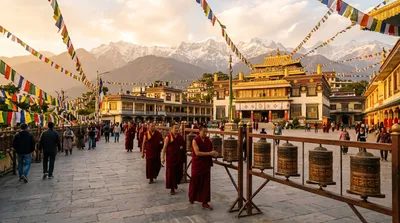
- ●The Tibetan exile community and international backpacker culture create an unusually open environment.
- ●The Dalai Lama has made supportive statements about LGBTQ rights.
- ●Nobody cares who you're traveling with or how you present.
- ●Risk level: very low.
Rishikesh
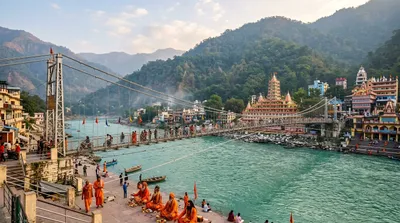
- ●International yoga crowd means high tolerance for all identities.
- ●The town is focused on spiritual practice, not policing relationships.
- ●Risk level: low.
Manali / Old Manali
- ●Backpacker hub with an international and Israeli traveler scene.
- ●Relaxed, live-and-let-live attitude.
- ●Risk level: low in tourist areas.
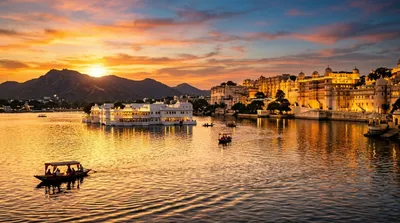
Udaipur
- ●Touristy enough that locals are accustomed to diverse visitors.
- ●Lake-facing cafes and heritage hotels are welcoming.
- ●Risk level: low.
Jaipur
- ●Increasingly cosmopolitan. Tourist infrastructure is professional.
- ●The old city is more conservative — but "conservative" in Jaipur means curious, not hostile.
- ●Risk level: low to moderate.
Exercise Discretion
Small towns and pilgrimage sites — Varanasi, Haridwar, Pushkar, Mathura. These are deeply religious places. Not dangerous for LGBTQ travelers, but public displays of same-sex affection would draw significant attention and potential confrontation. Discretion is advisable.
Rural Uttar Pradesh, Bihar, and parts of Madhya Pradesh — Limited exposure to LGBTQ identities. Not threatening, but incomprehension can lead to uncomfortable situations. Travel in groups if possible.
Northeast India (outside Shillong) — Tribal and Christian conservative cultures in Nagaland, Mizoram, and Manipur may be less accepting. Shillong and Guwahati are more cosmopolitan.
Practical Details
Hotels and Accommodation
Booking a double room for two people of the same gender raises zero issues on any booking platform. Hotels in India are accustomed to same-gender room sharing — it's the norm for friends and family.
Budget hotels may automatically give you twin beds (two singles). If you want a double bed, just request it at check-in. "We'd prefer one large bed" is a normal request.
International hotel chains (Marriott, Hyatt, ITC) have non-discrimination policies. Boutique hotels in tourist areas are generally professional and discreet.
Dating Apps
- ●Grindr — Active in all major cities. Use with normal caution.
- ●HER — Active in metros for women and non-binary folks.
- ●Tinder/Bumble — Active across India. Many Indian users are closeted but present on apps.
Standard safety applies: meet in public places first. Share your location with a friend. India-specific tip: some profiles may be fake or fishing for attention — this is not unique to LGBTQ apps.
Health Resources
Humsafar Trust (Mumbai) — India's oldest LGBTQ organization. Provides health resources, counseling, and support. humsafar.org
Naz Foundation (Delhi) — Legal aid and health services. nazindia.org
Pink Pages India — Directory of LGBTQ-friendly services, businesses, and resources across India.
If Something Goes Wrong
The law is on your side. Same-sex activity is legal. If you face harassment from police (rare but possible in smaller towns), know your rights:
- ●Section 377 was struck down. Consensual adult same-sex activity is legal.
- ●You cannot be arrested for being LGBTQ.
- ●Contact your embassy if you face institutional harassment.
- ●Humsafar Trust helpline: +91-22-26673800
The Trajectory
India's LGBTQ rights movement is following a pattern seen in many countries: legal change first, cultural change following. The trajectory is clearly positive.
- ●2018: Decriminalization
- ●2019: Transgender recognition law
- ●2023: Same-sex marriage case reaches Supreme Court (denied, but the public debate itself was progress)
- ●2024-2026: Increasing corporate inclusion, media representation, and urban acceptance
The gap between metros and rural areas is significant but narrowing. Every year, more Indians under 30 enter public life with accepting attitudes. This is a generational shift, not a policy switch — it takes time.
The Bottom Line
India won't celebrate your identity publicly — but it also won't threaten you. The biggest risk is discomfort, not danger.
In metros and tourist hubs, you can be yourself with reasonable discretion. In smaller towns, the same discretion that applies to straight couples' PDA applies to you. In very conservative areas, more caution is warranted.
The single most important thing to know: two people of the same gender traveling together in India is culturally invisible. You don't need a cover story. You don't need separate rooms. You don't need to perform heterosexuality. Indian culture already assumes you're friends, and nobody questions it.
That invisibility is both your protection and your limitation. Make of it what you will.
Monthly Scores
| Destination | Jan | Feb | Mar | Apr | May | Jun | Jul | Aug | Sep | Oct | Nov | Dec |
|---|---|---|---|---|---|---|---|---|---|---|---|---|
| Delhi | 6.0 | 8.0 | 8.0 | 6.0 | 2.0 | 2.0 | 4.0 | 4.0 | 6.0 | 10.0 | 8.0 | 6.0 |
| Dharamshala | 6.0 | 6.0 | 10.0 | 10.0 | 8.0 | 6.0 | 4.0 | 4.0 | 8.0 | 10.0 | 8.0 | 6.0 |
| Jaipur | 10.0 | 10.0 | 8.0 | 6.0 | 2.0 | 2.0 | 4.0 | 4.0 | 6.0 | 10.0 | 10.0 | 10.0 |
| Kolkata | 10.0 | 10.0 | 8.0 | 4.0 | 2.0 | 2.0 | 4.0 | 4.0 | 6.0 | 10.0 | 10.0 | 10.0 |
| Manali | 8.0 | 8.0 | 6.0 | 8.0 | 6.0 | 6.0 | 2.0 | 2.0 | 8.0 | 10.0 | 8.0 | 8.0 |
| McLeod Ganj | 6.0 | 6.0 | 10.0 | 10.0 | 8.0 | 6.0 | 4.0 | 4.0 | 8.0 | 10.0 | 8.0 | 6.0 |
| Rishikesh | 6.0 | 8.0 | 10.0 | 8.0 | 6.0 | 4.0 | 2.0 | 2.0 | 8.0 | 10.0 | 10.0 | 6.0 |
| Udaipur | 10.0 | 10.0 | 8.0 | 6.0 | 2.0 | 2.0 | 6.0 | 6.0 | 8.0 | 10.0 | 10.0 | 10.0 |
The Window · Every Sunday
Liked this? Get one every Sunday.
Best score of the week, one honest skip, road updates. Four minutes. No spam.
More in
Bringing American-Born Kids to India: An NRI Family's Guide
Age-by-age strategies, health prep, food tactics, and the 5 kid-tested destinations that actually work — from an Indian-origin family in Canberra who makes this trip regularly.
8 min read
Two Weeks in India: The Family-Tested Itinerary That Doesn't Suck
Most two-week India itineraries pack in too many cities and not enough breathing room. This family-tested 14-day route covers Delhi, Agra, Jaipur, Amritsar, Dharamshala, and Varanasi with real costs at three budget levels.
12 min read
Vegetarian and Vegan India Travel: Where It's Easy, Where It's Not
India is the vegetarian capital of the world — 40% of the population, entire cities that ban meat. Where it is effortless, where it gets tricky, and how vegans can navigate dairy-heavy North Indian cuisine.
6 min read- Access
- Metro network excellent.
- Emergency
- 108 reliable · AIIMS, Safdarjung, Max, Fortis — world-class.
- Stay
- ₹500-50000/night · thousands options
Go with confidence.