Complete Guide to Tungnath
The highest Shiva temple in the world at 3,680m — a 3.5km trek that earns you a 360-degree panorama
Destinations in this article
Why Go
Tungnath is the highest Shiva temple in the world. At 3,680m on a ridge in Uttarakhand's Rudraprayag district, it's the third of the Panch Kedar — five sacred Shiva temples linked to the Mahabharata, where the Pandavas are said to have sought Shiva's forgiveness after the Kurukshetra war. The temple is over 1,000 years old, built in the North Indian Nagara style, and it sits on a windswept ridge where the only sounds are prayer bells and wind.
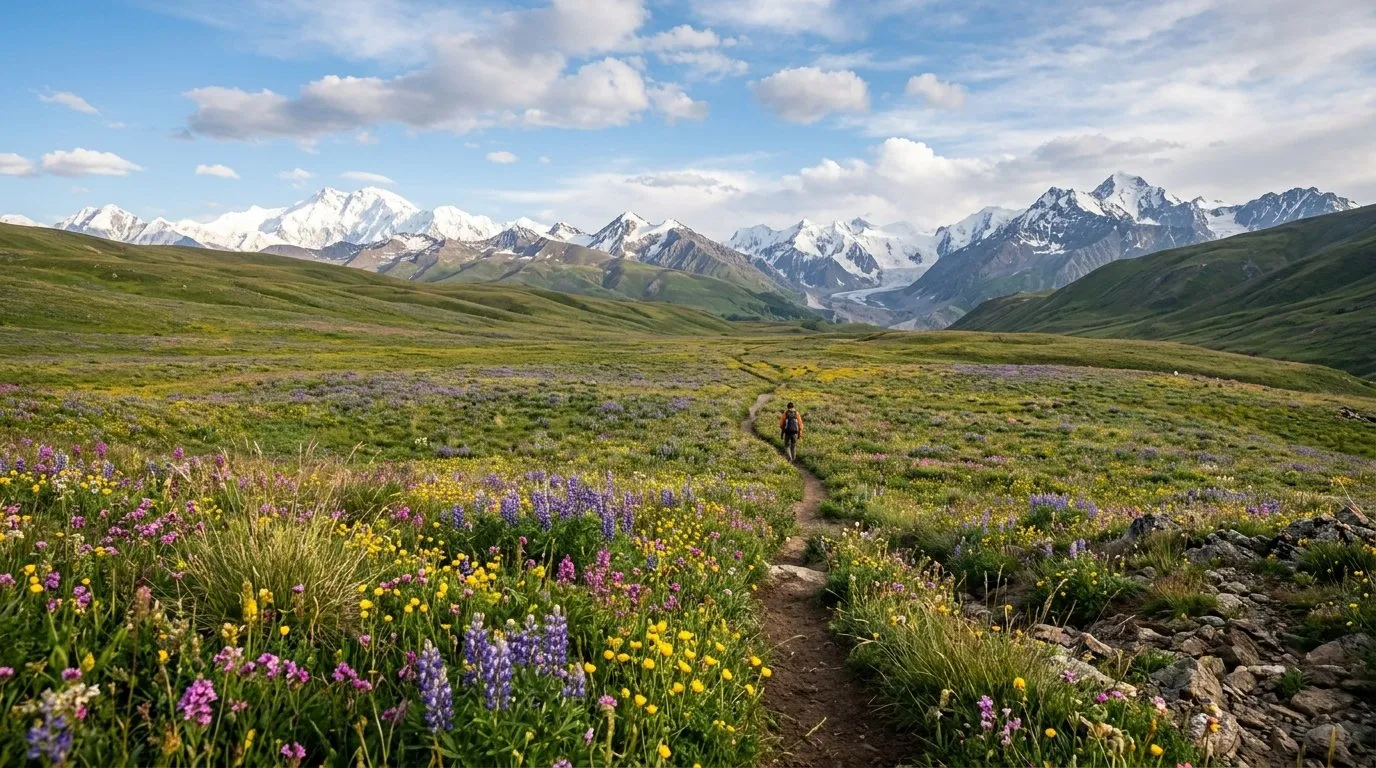
But Tungnath's appeal extends well beyond the religious. The 3.5km trek from Chopta is one of the most scenic short treks in India. The trail passes through dense rhododendron forests that bloom crimson in April-May, then emerges above the treeline into alpine meadows with views of the Garhwal Himalayan peaks. Another 1.5km beyond the temple, Chandrashila summit (4,000m) offers a 360-degree panorama that includes Nanda Devi (7,816m), Trishul (7,120m), Kedar Range, Chaukhamba (7,138m), and Bandarpunch — a lineup that would take weeks of trekking to see from any other angle.
This is arguably the most accessible high-altitude Himalayan experience in India. Where else can you drive to a trailhead and reach a 4,000m summit in 4-5 hours of walking? The answer is: nowhere.
The Best Month (and the Worst)
Best: April to June, and September to October. April-May is peak rhododendron season — the trail becomes a corridor of red and pink blooms under snow peaks. June is warm and clear before the monsoon. September-October offers post-monsoon clarity: fresh snow on the peaks, green meadows, and crisp air. October is the photographer's favorite — low-angle light and the first winter atmosphere.
Worst: December through February. The temple closes for winter (usually November to April, exact dates vary). The trail is buried under snow. The ridge is exposed to brutal winds. Winter ascents require proper mountaineering gear — crampons, ice axes, and experience. Several trekkers have died attempting winter Tungnath without proper preparation.
Monsoon (July-August): The temple is open but the trek is miserable. Leeches are abundant in the forest section. Visibility is typically zero at the summit. Trails become slippery. The effort-to-reward ratio inverts completely.
How to Get There
The trek to Tungnath starts from Chopta. Getting to Chopta is the first challenge.
Chopta access (see Chopta guide for full details):
- ●From Delhi: 420km, 10-12 hours via Rishikesh-Rudraprayag-Ukhimath
- ●From Rishikesh: 200km, 7-8 hours
- ●From Haridwar: 225km, 8-9 hours
The trek:
- ●Chopta to Tungnath: 3.5km, elevation gain ~1,000m. Well-defined stone-paved trail (in most sections). Time: 2-3 hours up, 1.5-2 hours down.
- ●Tungnath to Chandrashila: 1.5km, elevation gain ~320m. Trail is rougher — loose rocks and a steep final section. Time: 45 minutes to 1 hour up, 30-40 minutes down.
- ●Total round trip: 10km, 5-7 hours including time at the summit.
Trail sections:
1. Chopta to treeline (2km): Through dense rhododendron and oak forest. Shaded, gradual ascent. This is the rhododendron show in April-May.
2. Treeline to Tungnath (1.5km): Open alpine meadows (bugyals). Steeper ascent with expanding mountain views. Can be windy and cold.
3. Tungnath to Chandrashila (1.5km): Above the temple, the trail climbs a rocky ridge. The last 200m involves scrambling over rocks. Exposed to wind — layer up.
Ponies: Available from Chopta to Tungnath (₹800-1,500 depending on season). They cannot go beyond Tungnath to Chandrashila.
What to Expect
The temple — Tungnath temple is small, ancient, and powerful. The stone structure has stood at 3,680m for over a millennium. Inside is a Shiva lingam. During the open season, a priest maintains the temple and performs daily aarti. The setting — a lone stone temple on a Himalayan ridge with peaks in every direction — is profoundly atmospheric regardless of your religious orientation.
During the Panch Kedar pilgrimage, Tungnath sees devoted Hindu pilgrims who trek up in cotton clothes and sandals. Their faith and determination are humbling to witness.
Chandrashila summit — The 360-degree panorama from 4,000m is the payoff. On a clear day, you can identify:
- ●North: Kedarnath Range and Chaukhamba (7,138m)
- ●Northeast: Nanda Devi (7,816m), visible on very clear days
- ●East: Trishul (7,120m) and Nanda Ghunti
- ●South: Foothills stretching toward the plains
- ●West: Bandarpunch and the Yamuna valley
The summit has a small temple (Chandrashila — Moon Rock, named for a Puranic legend). Spend at least 30 minutes at the top to absorb the views and let the crowds rotate through.
The physical experience — The trek is moderate by Himalayan standards but the altitude affects most people from the plains. Expect:
- ●Breathlessness above 3,200m, especially if you haven't acclimatized
- ●Cold winds on the ridge (even in May, temperatures can drop to 2-5°C at the summit)
- ●Sun intensity that feels mild but burns fast at altitude
Wildlife — Himalayan monal pheasant are regularly spotted on the trail, especially in the early morning. Their iridescent plumage is unmistakable. Barking deer, goral, and langur inhabit the forest section.
Infrastructure Reality
At Tungnath itself: Zero. There is no shop, no shelter (beyond the temple), no water source, no toilet facility, and absolutely no phone network at the temple or summit. You must carry everything: water (minimum 2 liters), food, rain gear, warm layers, and first aid.
Network: Zero coverage at Tungnath and Chandrashila. No BSNL, no Jio, nothing. Your phone is a camera and nothing more above the treeline. BSNL may work intermittently at Chopta.
Medical: Nothing on the trail. The nearest first aid is at Chopta (dhabas may have basic supplies). The nearest hospital is the District Hospital in Gopeshwar, 44km from Chopta. If someone gets injured or develops altitude sickness on the trail, they need to be carried/walked down to Chopta for evacuation. This is a 2-3 hour process minimum. Carry Diamox if you're altitude-sensitive.
Water: No water sources on the trail above the forest section. Carry everything you need. In April-May, snowmelt is available but needs purification.
Toilets: None on the trail. The temple has a basic toilet facility during open season. Practice Leave No Trace.
Where to Stay
You don't stay at Tungnath. There is no accommodation at the temple or summit. All trekkers return to Chopta the same day (or, rarely, camp on the meadow below the temple with full gear).
Accommodation is at Chopta. See the Chopta guide for full details. Quick summary:
- ●Dhabas with basic rooms: ₹500-1,000/night
- ●Tented camps: ₹1,500-3,500/night
- ●Camping with own gear: free
- ●Forest rest house: limited availability, book ahead
Pre-trek night: Stay at Chopta the night before to start the trek at dawn. Starting from Ukhimath means arriving at the trailhead by 8-9 AM at best, which is too late for clear summit views.
Alternative base: Some trekkers base at Sari village (near Deoria Tal, 25km from Chopta) where accommodation is slightly better, then drive to Chopta early morning.
Kids Verdict
Rating: 2/5 — Not recommended for children under 10.
The full trek to Chandrashila is 10km round trip with 1,300m elevation gain, reaching 4,000m. This is genuinely demanding for children. The altitude risk is real: children under 10 are more susceptible to AMS and less able to communicate symptoms clearly. There are zero medical facilities on the trail. The ridge section to Chandrashila involves scrambling that requires sure-footedness.
Modified option for families: Trek to the treeline (2km from Chopta) and enjoy the rhododendron forests without pushing to the summit. This section is manageable for children 6+ and is genuinely beautiful during bloom season. The views start opening up at the treeline, providing a satisfying turnaround point.
Children 12+ with some trekking experience can do the full trek to Tungnath (not necessarily Chandrashila) if properly acclimatized and equipped.
What to Avoid
- ●Starting after 8 AM. Clouds typically build by noon. You want to summit Chandrashila by 9-10 AM for clear views. This means starting from Chopta by 5:30-6:00 AM.
- ●Going without water and food. There is nothing to buy above Chopta. Carry 2+ liters of water, energy bars, and a packed lunch.
- ●Cotton clothing. The ridge is windy and temperatures swing 15-20°C between sun and shade. Wear moisture-wicking layers, carry a windproof jacket, and wear sun protection.
- ●Ignoring altitude symptoms. Headache, nausea, and dizziness at 3,500m+ are warning signs. Descend immediately if symptoms worsen. AMS kills.
- ●The winter ascent without experience. Every year, unprepared trekkers attempt Tungnath in snow with sneakers and windcheaters. Some have died. Winter Tungnath requires crampons, ice axes, proper boots, and winter mountaineering experience.
- ●Defacing the temple or summit. Both are sacred sites. Don't carve names, leave garbage, or blast music.
The Bottom Line
Tungnath-Chandrashila is one of India's great treks — not because it's the hardest or the longest, but because it delivers disproportionately for the effort required. A 5km walk gets you the highest Shiva temple in the world and a 4,000m summit with one of the finest panoramas in the Himalayas. Come in April-May for rhododendrons, September-October for clarity, and start before dawn. Carry everything, expect nothing at the top, and earn that view. It's the best deal in Indian trekking.
Monthly Scores
| Destination | Jan | Feb | Mar | Apr | May | Jun | Jul | Aug | Sep | Oct | Nov | Dec |
|---|---|---|---|---|---|---|---|---|---|---|---|---|
| Tungnath | — | — | 2.0 | 6.0 | 10.0 | 8.0 | 2.0 | 2.0 | 6.0 | 10.0 | 4.0 | — |
The Window · Every Sunday
Liked this? Get one every Sunday.
Best score of the week, one honest skip, road updates. Four minutes. No spam.
More in Field guide
Is Manali safe for solo female travellers? Which Manali, and when
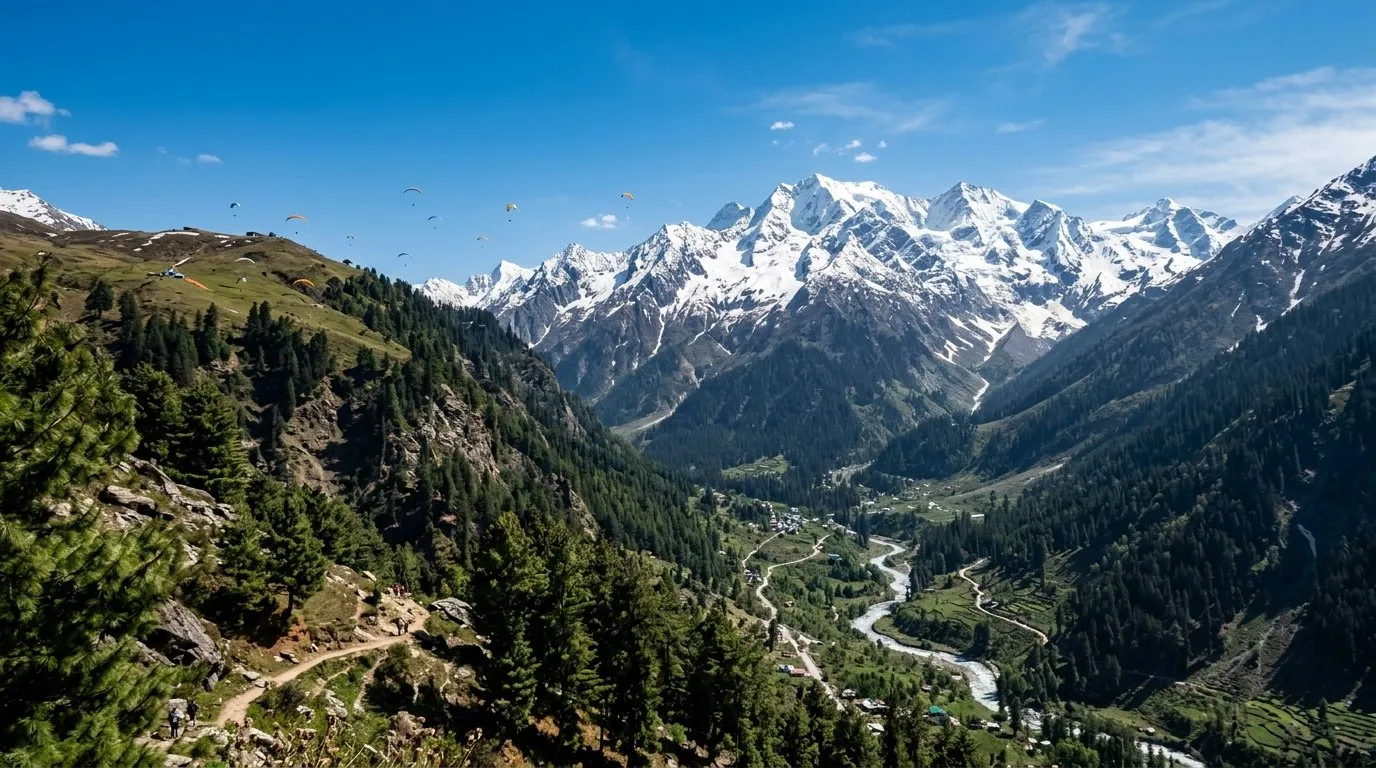
Manali is not one place. New Manali is a respectable hill town — 4/5 safe. Old Manali is the Himachal backpacker-cafe strip with party + drug scene — 2/5 after 10pm. McLeodganj 3 hours away holds 5/5 year-round. Pick deliberately.
5 min read
Solo-female travel in India — every destination scored, month by month
Most India travel guides tell women 'use common sense' and call it done. We rated 488 destinations on a 1-5 scale for solo-female safety, with month-specific overrides where it matters. Here's the methodology, the top 15, and the five that don't clear the bar.
10 min read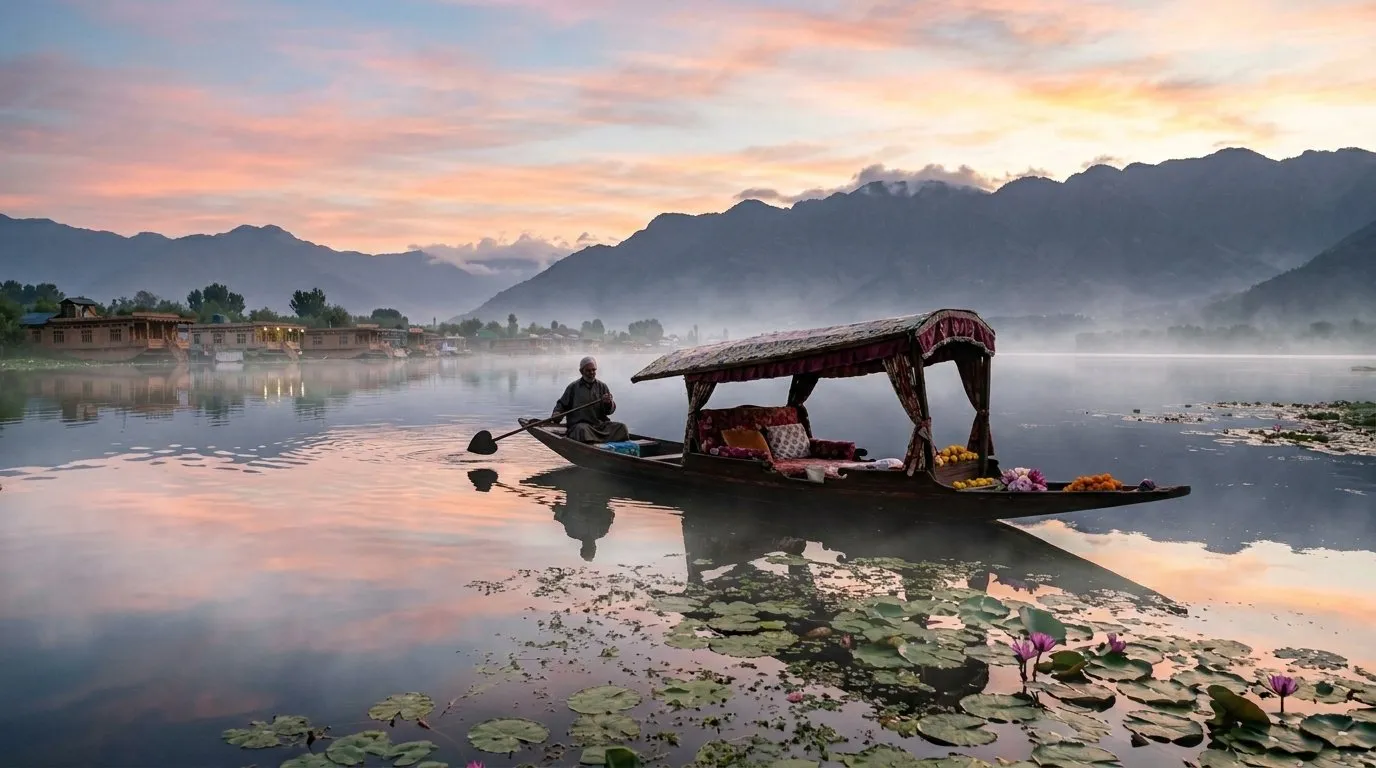
Is Kashmir safe for solo female travellers? What actually matters
Kashmir is the destination where the generic 'is India safe for women' post fails hardest. The answer depends on which month, which valley, which houseboat operator, and whether you're willing to dress differently than you would in Goa. Here's the concrete version.
6 min read- Access
- Narrow mountain road to Chopta via Ukhimath. Then 3.5km steep trek
- Emergency
- Not available on trek. 108 from Chopta may take hours · No medical facility on trek. PHC Ukhimath — 25km. District Hospital Rudraprayag — 80km
- Stay
- ₹300-800/night — basic dhabas and tents at Chopta – 1000-2500/night — Chopta camps and lodges/night
Go with confidence.