Complete Guide to Palampur
The tea capital of North India — Kangra Valley views without Dharamshala crowds
Destinations in this article
Why Go
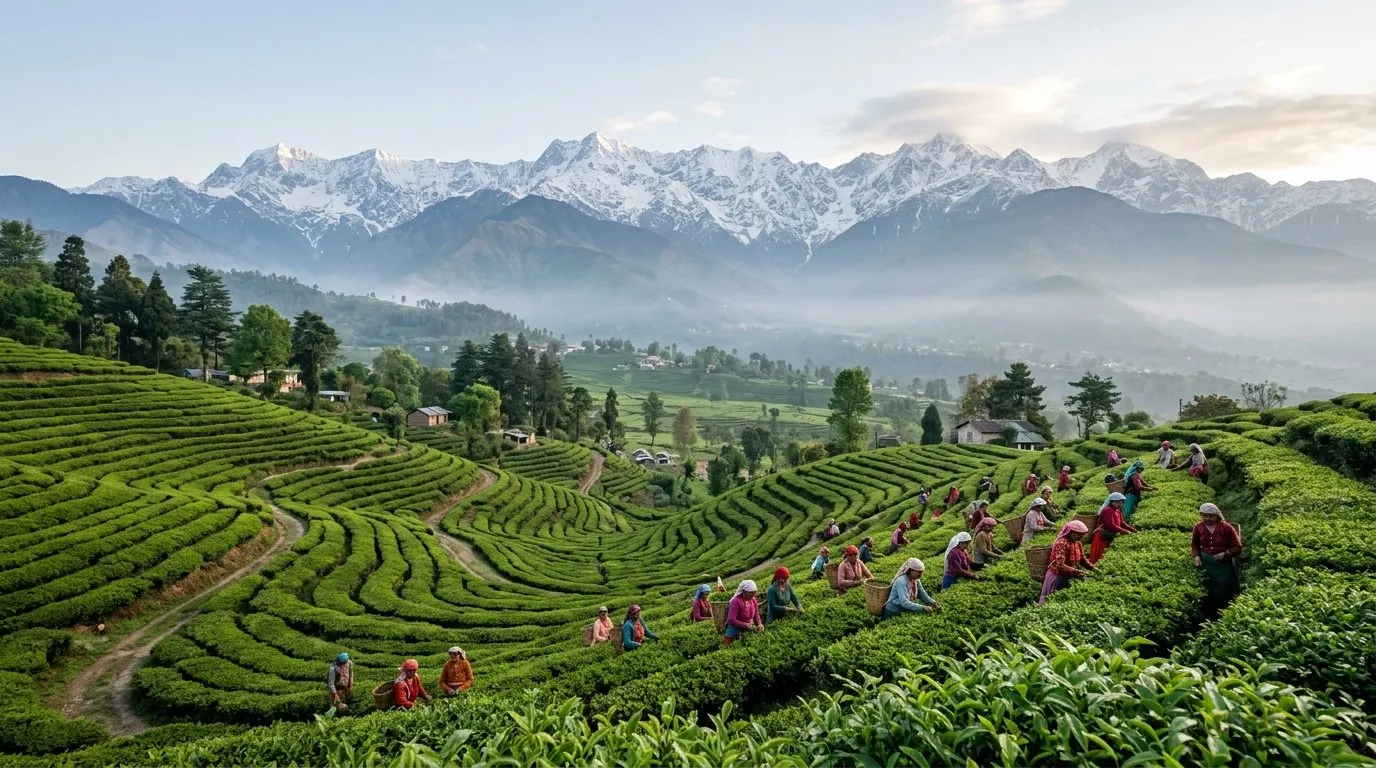
Palampur calls itself the tea capital of North India, and the claim is legitimate. At 1,472 metres in the Kangra Valley of Himachal Pradesh, this compact town sits at the meeting point of tea plantations and the Dhauladhar mountain range. The result is a landscape that feels like someone merged Assam with the Himalayas — green tea bushes rolling across the foreground, snow peaks stacking up behind.
The Kangra Valley itself is one of India's most beautiful and least hyped regions. While Dharamshala and McLeod Ganj, just 35 km north, absorb most of the tourist attention, Palampur operates at a gentler frequency. It has enough infrastructure to be comfortable without feeling overrun. Streets are walkable. The air smells like pine and tea. The pace is human.
Baijnath, just 16 km away, has a stunning 13th-century temple complex dedicated to Lord Shiva — one of the finest examples of Nagara architecture in North India. The temples sit beside the Binwa river and are still active places of worship, not museum pieces. The stone carvings are exceptional.
For the adventure-inclined, Bir-Billing — the paragliding capital of India and host of the 2015 Paragliding World Cup — is just 30 km from Palampur. You can go from sipping tea in a garden to flying above the valley in under an hour.
The Neugal Khad (a seasonal river gorge), the Saurabh Van Vihar (a garden memorial), and several small Tibetan settlements round out the offerings. Palampur is not a destination with a single blockbuster attraction. It is a destination where the quality of everyday experience — walking, eating, looking at mountains — is consistently high.
Best Month to Visit
Palampur has three good seasons. March through June is the primary window: temperatures range from 15-30°C, tea gardens are being harvested, and the Dhauladhar range still carries snow. April and May are ideal — warm enough for outdoor activity, cool enough to sleep comfortably, and the valley is intensely green.
September through November is the second prime window. Post-monsoon air is crystal clear, temperatures cool down pleasantly, and the valley looks washed and vibrant. October is particularly good — festivals like Dussehra add cultural colour, and the mountain views are at their sharpest.
Winter (December-February) is quiet and cold. Palampur gets occasional frost but rarely snow. If you enjoy cold-weather walks and don't mind layering up, winter has its charm — empty tea gardens, clear skies, and very few other visitors. The Dhauladhar peaks are most dramatic when coated in fresh snow.
Avoid July-August: heavy monsoon rain disrupts roads and outdoor plans. Bir-Billing paragliding also shuts down during monsoon.
How to Get There
Palampur is well-connected by Himachal standards. The nearest airport is Gaggal (Kangra Airport), just 30 km away, with flights from Delhi on most days. This is by far the easiest approach — you can be in Palampur within 30-40 minutes of landing.
The nearest major railway station is Pathankot (about 110 km, 3-4 hours by road). The Kangra Valley narrow-gauge toy train runs from Pathankot to Palampur — it is slow (6-7 hours) but incredibly scenic, passing through the heart of the valley. Worth doing once for the experience, though not practical as regular transport.
From Delhi by road, Palampur is about 480 km (9-10 hours). The drive via Chandigarh and Una is well-paved for most of the route. Volvo buses from Delhi run overnight to Dharamshala; from Dharamshala, Palampur is a 45-minute taxi ride.
Local transport includes taxis, auto-rickshaws, and local buses. Having a hired car makes day trips to Baijnath, Bir-Billing, and surrounding areas much easier.
Infrastructure Reality
Palampur has solid mid-range infrastructure — a clear step above the remote Kumaon destinations. You will find proper hotels, well-run homestays, and a handful of boutique properties. The tea estate bungalows that some properties occupy are characterful and comfortable. Expect hot water, reliable electricity, and functional (if not blazing fast) Wi-Fi at most places.
The town has ATMs, a basic market, pharmacies, and a few restaurants beyond hotel dining. Kangra district has reasonable hospital facilities — Tanda Medical College is about 20 km away and is a full government hospital.
Food is good. Himachali cuisine (dhaam thali, siddu, madra) is available alongside standard North Indian. A few cafes have appeared in recent years catering to the Bir-Billing crowd, offering decent coffee and Western-style food. Tibetan restaurants serve excellent momos and thukpa.
Mobile coverage is reliable across all major networks. Roads within and around Palampur are mostly well-maintained. This is a destination where logistics are straightforward — you can focus on the experience instead of troubleshooting infrastructure.
Kids Verdict: 4 out of 5
Palampur is genuinely family-friendly. The tea garden walks are easy, flat-to-gentle, and interesting enough to hold children's attention — there is something tangible about seeing where tea comes from. The Neugal Khad area has open spaces for running around. Saurabh Van Vihar has gardens and a small nature walk.
Bir-Billing offers tandem paragliding for older children (check age and weight requirements with operators) and general outdoor excitement even for those too young to fly. Watching paragliders land at Bir is entertaining for any age.
Baijnath temples are manageable — the complex is compact, not a daylong expedition, and the riverside setting gives kids space to explore. The narrow-gauge train ride from Pathankot is a genuine thrill for children.
Food variety is sufficient for most families. You can find noodles, momos, rice dishes, and enough options to keep picky eaters fed. Accommodation quality means hot showers, clean rooms, and enough comfort to avoid meltdowns.
The only constraint is that Palampur is a slow destination. If your children need constant programmed activity, they may get restless after day two. But for families who enjoy nature walks, scenic drives, and unhurried exploration, Palampur is one of the better hill station options in North India.
The Bottom Line
Palampur occupies a sweet spot that is surprisingly rare in Indian hill tourism: beautiful enough to be worth the journey, developed enough to be comfortable, and quiet enough to be relaxing. It is Dharamshala's more grounded neighbour — less famous, less crowded, and in many ways more pleasant to actually spend time in.
Three nights is the ideal stay: one day for the town and tea gardens, one day for Baijnath and the surrounding valley, one day for Bir-Billing or simply doing nothing. It pairs perfectly with Dharamshala and McLeod Ganj for a week-long Kangra Valley trip that covers culture, nature, adventure, and rest.
Palampur does not shout for attention. It makes good tea, points at beautiful mountains, and lets you decide the pace. For a country where tourist destinations increasingly feel like they are performing, that restraint is worth a great deal.
Monthly Scores
| Destination | Jan | Feb | Mar | Apr | May | Jun | Jul | Aug | Sep | Oct | Nov | Dec |
|---|---|---|---|---|---|---|---|---|---|---|---|---|
| Palampur | 4.0 | 6.0 | 8.0 | 10.0 | 8.0 | 4.0 | 2.0 | 2.0 | 6.0 | 10.0 | 8.0 | 4.0 |
The Window · Every Sunday
Liked this? Get one every Sunday.
Best score of the week, one honest skip, road updates. Four minutes. No spam.
More in Field guide
Is Manali safe for solo female travellers? Which Manali, and when
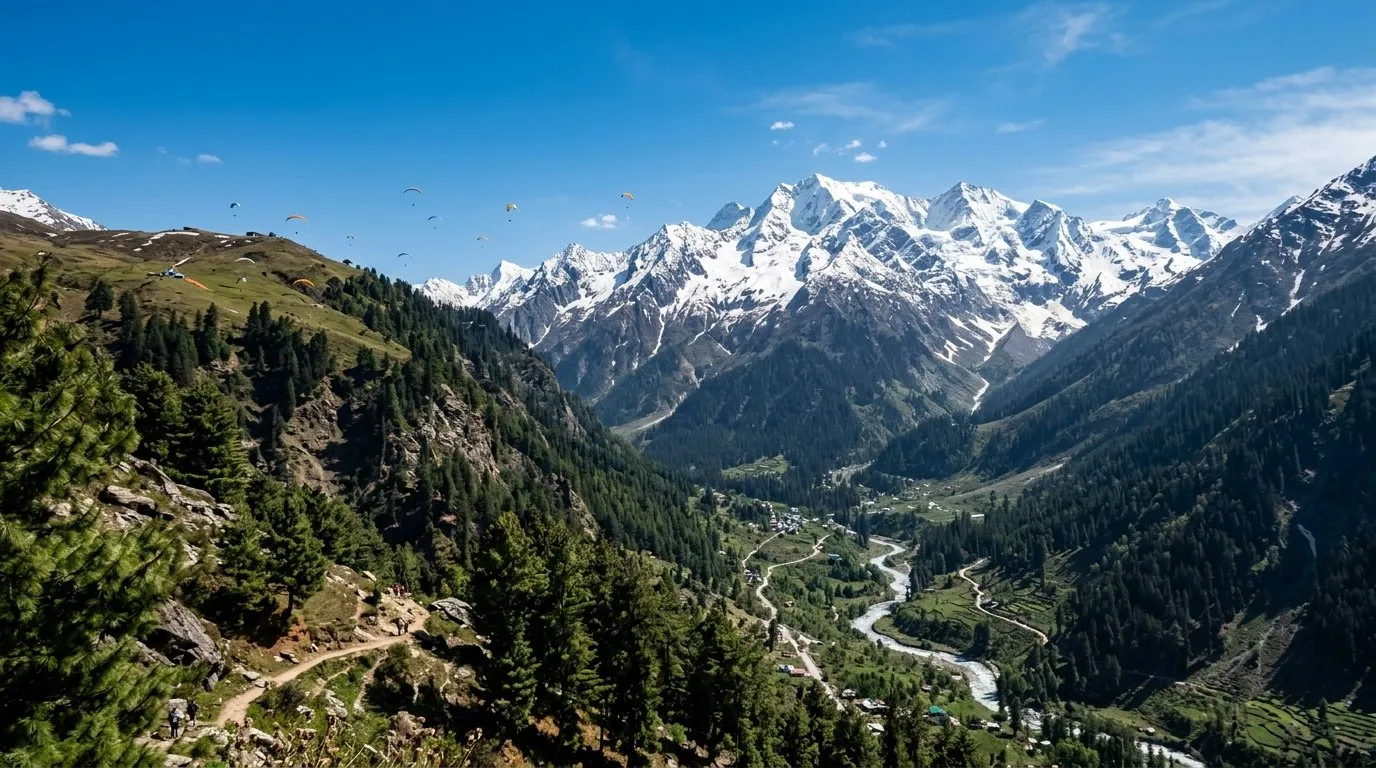
Manali is not one place. New Manali is a respectable hill town — 4/5 safe. Old Manali is the Himachal backpacker-cafe strip with party + drug scene — 2/5 after 10pm. McLeodganj 3 hours away holds 5/5 year-round. Pick deliberately.
5 min read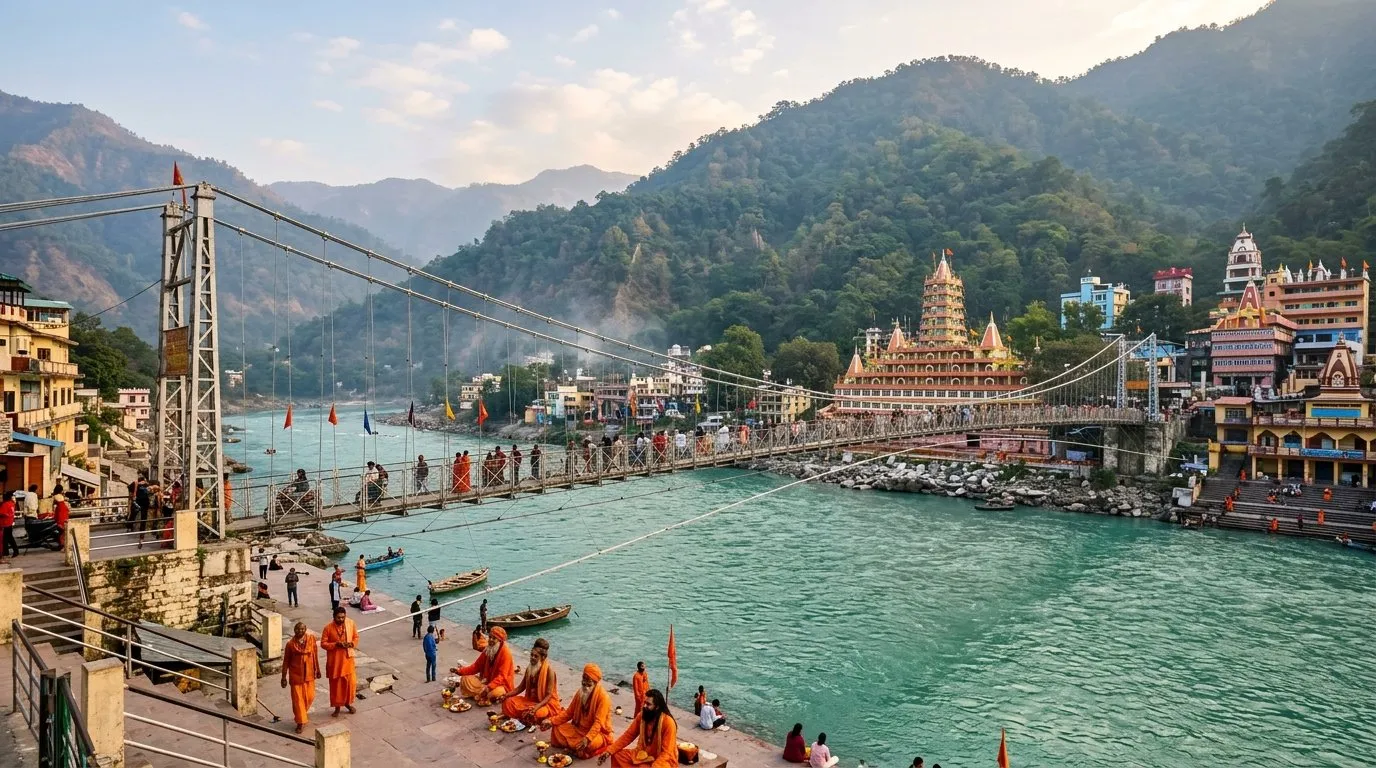
Solo-female travel in India — every destination scored, month by month
Most India travel guides tell women 'use common sense' and call it done. We rated 488 destinations on a 1-5 scale for solo-female safety, with month-specific overrides where it matters. Here's the methodology, the top 15, and the five that don't clear the bar.
10 min read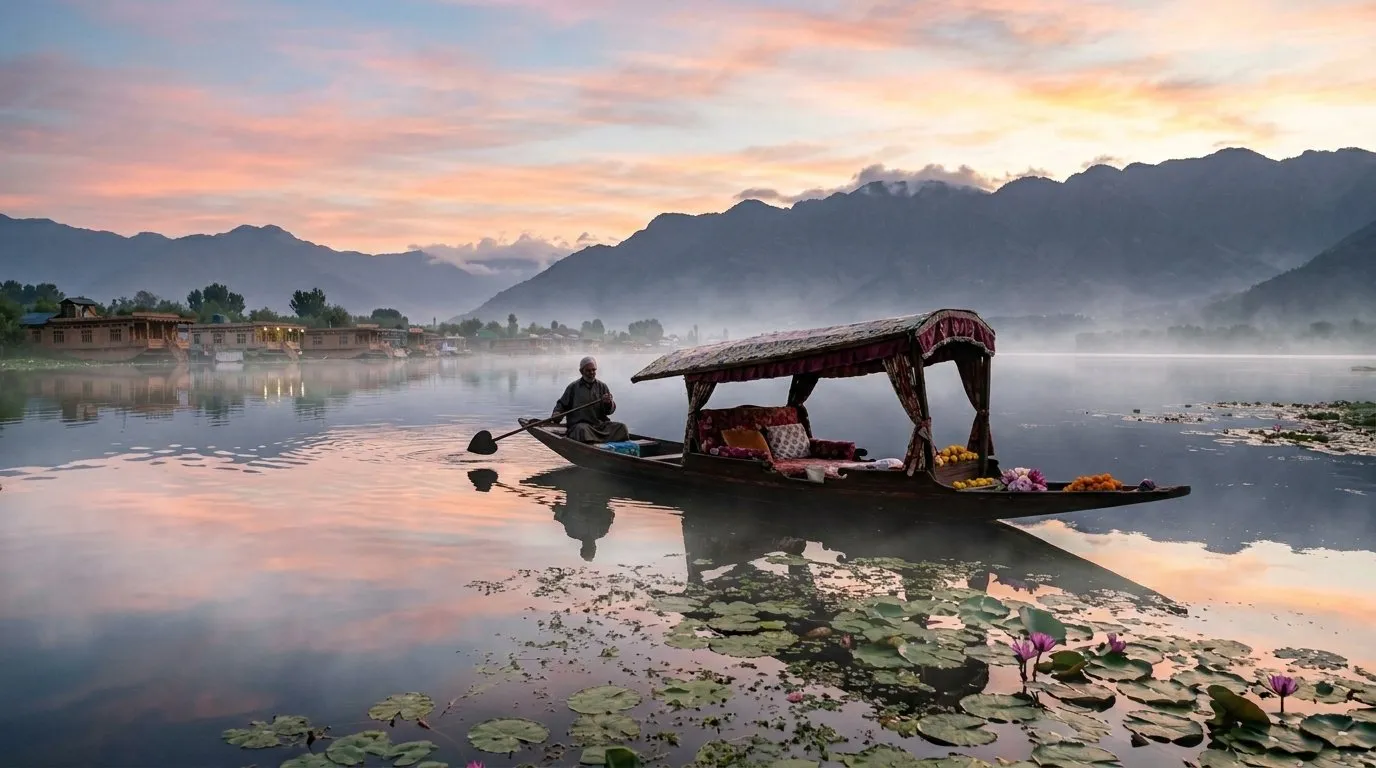
Is Kashmir safe for solo female travellers? What actually matters
Kashmir is the destination where the generic 'is India safe for women' post fails hardest. The answer depends on which month, which valley, which houseboat operator, and whether you're willing to dress differently than you would in Goa. Here's the concrete version.
6 min read- Access
- Good state highway from Dharamshala. Scenic route through tea gardens
- Emergency
- 108 ambulance · Palampur Civil Hospital — basic. Zonal Hospital Dharamshala — 35km. Tanda Medical College — 20km
- Stay
- ₹₹500-1000/night — homestays in tea gardens – ₹1500-3500/night — T-Bud, Norwood Green/night
Go with confidence.