Complete Guide to Champawat
The ancient Kumaoni capital — Baleshwar temples, Jim Corbett's last tiger, and zero tourists
Destinations in this article
Why Go
Champawat was once the capital of the Chand dynasty, the rulers of Kumaon. That was centuries ago. Today it is a small town at 1,615 metres in southeastern Uttarakhand that most travellers have never heard of and even fewer have visited. This is not an exaggeration — you can walk through Champawat on a weekday and be the only outsider in town.
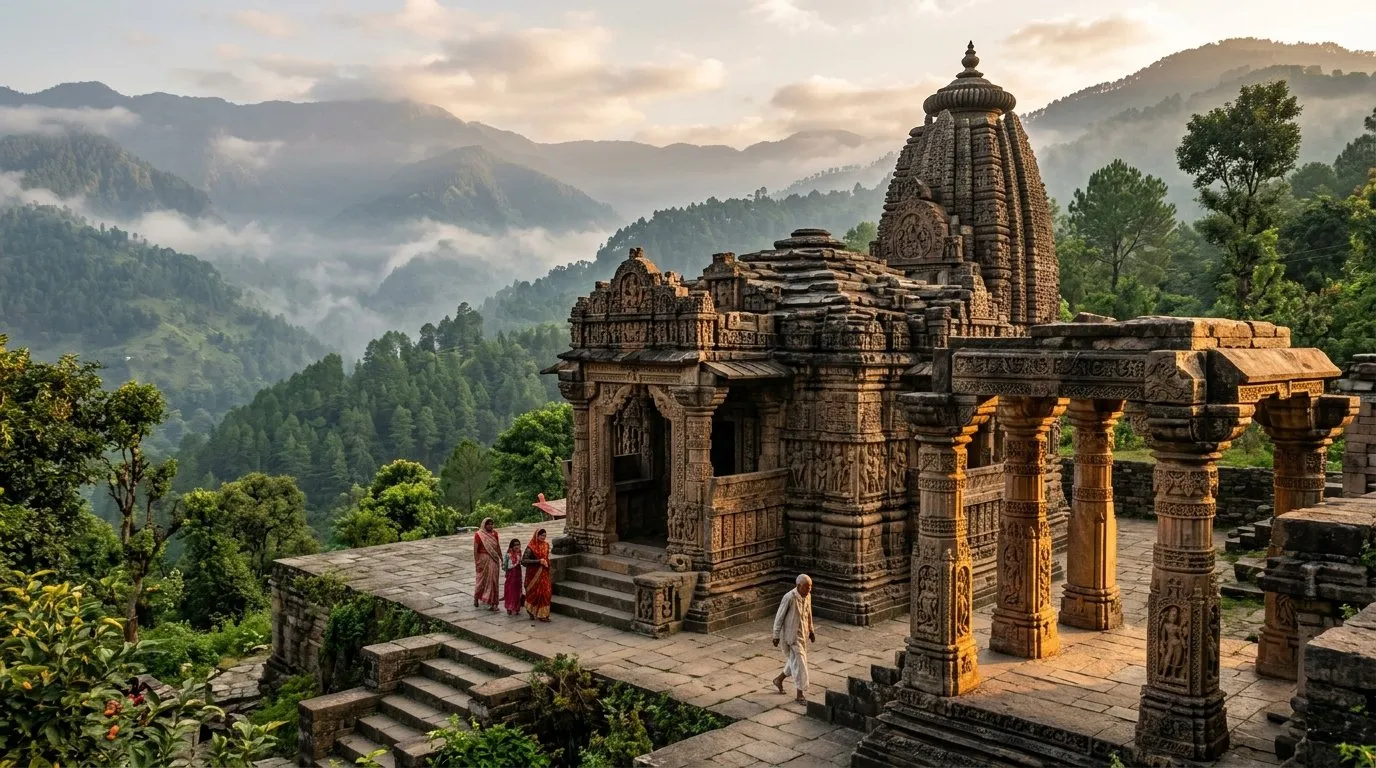
The headline attraction is the Baleshwar Temple complex, a group of stone temples from the 10th-12th century with carvings that rival anything in Khajuraho or Konark in terms of craftsmanship, if not scale. The stonework is intricate, detailed, and largely unprotected — you can walk right up and study the carvings without ropes, glass barriers, or guides pushing you along.
Then there is the Jim Corbett connection. In 1907, Jim Corbett tracked and killed the Champawat Tiger here — a man-eating Bengal tigress responsible for an estimated 436 human deaths across Nepal and India. It was the incident that launched Corbett's legend. A memorial marks the spot, though it is modest and easy to miss.
Purnagiri Temple, a significant Hindu pilgrimage site dedicated to Goddess Purnagiri, sits on a hill near town and draws devotees but few tourists. The Betwa River valley below town is quiet and green. The overall feeling of Champawat is of a place that has seen greatness and settled into peaceful obscurity.
Best Month to Visit
October through March is the window. Post-monsoon months (October-November) offer clear skies, comfortable temperatures in the 10-20°C range, and green landscapes still holding monsoon moisture. Winter (December-February) is colder — nights can drop near freezing — but the dry air makes for excellent visibility and the town is at its quietest.
March is pleasant as spring arrives. Avoid April-June if you dislike heat — at 1,615 metres, Champawat is lower than many hill stations and can get warm (25-30°C in May). The monsoon months (July-September) bring heavy rain that makes roads difficult and renders outdoor exploration unpleasant.
If you are combining Champawat with other Kumaon destinations (which you should — it pairs well with Pithoragarh, Lohaghat, or Abbott Mount), plan for October or March when the entire region is at its best.
How to Get There
Champawat is about 75 km from Tanakpur, which is the nearest railhead with regular trains from Delhi. The Tanakpur-Champawat road is well-maintained by Kumaon standards and takes about 2.5-3 hours. From Delhi, the total journey is approximately 400 km — either drive the full distance (8-10 hours) or take a train to Tanakpur and taxi from there.
The nearest airport is Pantnagar, about 210 km away (6-7 hours by road). Not ideal, but workable if you are flying in from elsewhere in India.
Local transport within Champawat is limited to shared jeeps and auto-rickshaws. Having your own vehicle (hired car with driver) makes exploring the surrounding area much easier. The roads between Champawat, Lohaghat, and Pithoragarh are scenic and manageable.
Champawat is also a stop on the route between the plains and Pithoragarh — if you are heading to that region, building in a half-day or overnight stop here is efficient.
Infrastructure Reality
Champawat has basic infrastructure. There are a few government rest houses and budget hotels — clean enough but nothing fancy. The KMVN guest house is a reliable option. A handful of homestays have started appearing, though options are limited compared to more popular Kumaon towns.
Restaurants are basic dhabas serving North Indian food. Expect dal, rice, roti, and seasonal vegetables. The food is honest and inexpensive. No international cuisine, no cafes, no bakeries.
ATMs exist in town but can run out of cash — carry reserves from Tanakpur. Mobile coverage is reasonable for calls but data speeds are slow. Wi-Fi is rare. The nearest quality hospital is in Tanakpur; carry a basic medical kit.
The town has a functional market for essentials — snacks, water, basic supplies. For anything beyond basics, Tanakpur or Pithoragarh are your options.
What Champawat lacks in comfort it compensates for in authenticity. This is not a town that has been shaped by tourism. The temples, the streets, the people — everything operates on its own rhythm, indifferent to whether visitors show up or not.
Kids Verdict: 3 out of 5
Champawat is a mixed proposition for families. The Baleshwar Temple carvings can fascinate older children who are interested in history — the level of detail in the stonework gives them something concrete to examine and discuss. The Jim Corbett story is genuinely exciting for kids who like adventure tales: a man-eating tiger with 436 kills makes for a compelling narrative.
But the town itself has little to keep children occupied beyond these specific points of interest. There are no parks, no activities, no child-friendly entertainment. The visit is essentially cultural and historical — rewarding for curious kids, tedious for restless ones.
Practically, the basic food options can be challenging with picky eaters. The journey to get here is long and can be tiring for young children. If you are passing through on the way to Pithoragarh and want to stop for a few hours, that works well with kids. Making Champawat a standalone destination requires a family that genuinely enjoys historical exploration.
For very young children, the remoteness and basic medical infrastructure are factors to consider. Not a dealbreaker, but worth planning for.
The Bottom Line
Champawat is a destination for people who travel to understand places, not just see them. The Baleshwar Temple alone is worth the detour — it represents some of the finest medieval stone carving in North India, and the fact that you can experience it in near-solitude is remarkable. The Corbett connection adds a layer of historical drama that few Indian towns can match.
This is not a place for a week-long holiday. It is a place for a night or two, ideally as part of a broader Kumaon itinerary. Combine it with Lohaghat (Abbott Mount for colonial history), Pithoragarh (mountain views), or even Chaukori (tea gardens and peaks) for a route that covers a side of Uttarakhand that 99% of visitors never see.
Champawat asks nothing of you except attention. Give it that, and it gives back quietly but substantially.
Monthly Scores
| Destination | Jan | Feb | Mar | Apr | May | Jun | Jul | Aug | Sep | Oct | Nov | Dec |
|---|---|---|---|---|---|---|---|---|---|---|---|---|
| Champawat | 6.0 | 6.0 | 8.0 | 10.0 | 8.0 | 6.0 | 2.0 | 2.0 | 8.0 | 10.0 | 8.0 | 6.0 |
The Window · Every Sunday
Liked this? Get one every Sunday.
Best score of the week, one honest skip, road updates. Four minutes. No spam.
More in Field guide
Is Manali safe for solo female travellers? Which Manali, and when
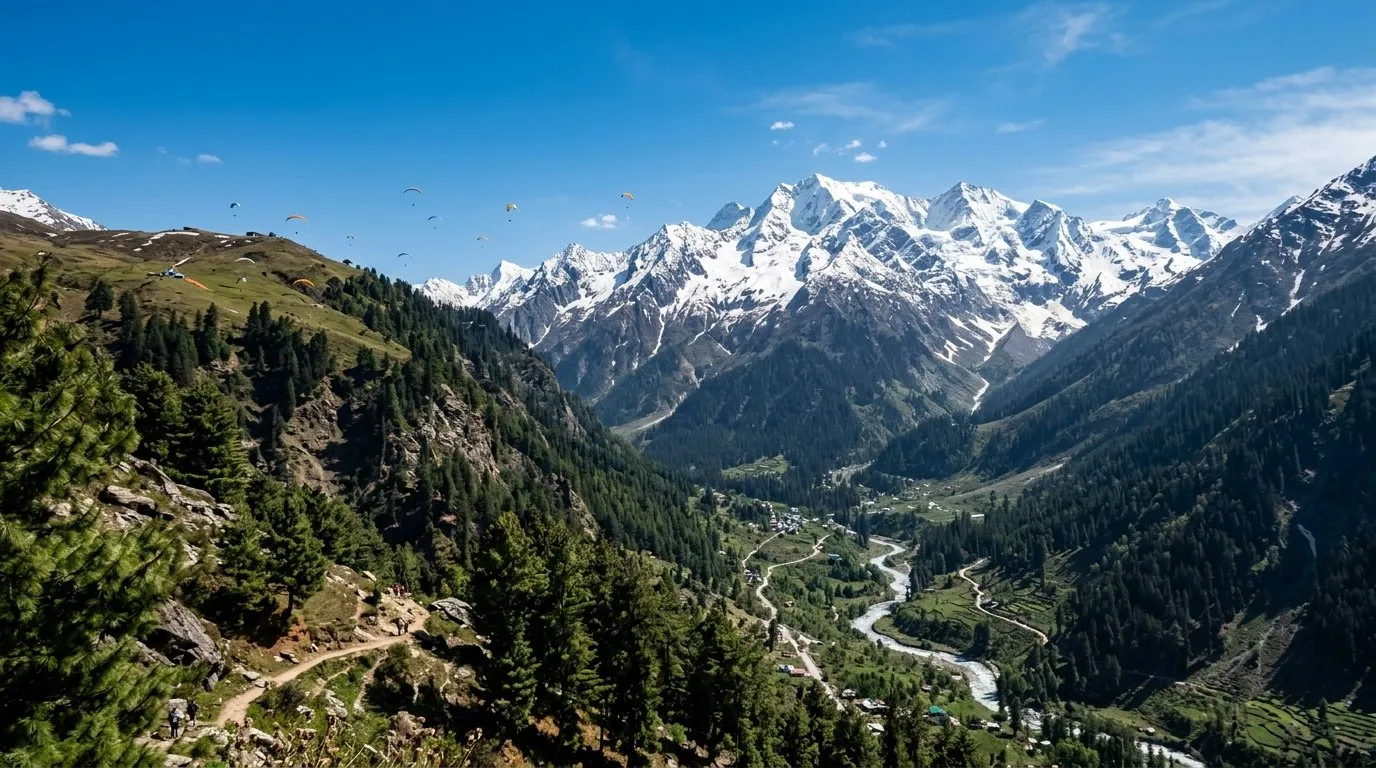
Manali is not one place. New Manali is a respectable hill town — 4/5 safe. Old Manali is the Himachal backpacker-cafe strip with party + drug scene — 2/5 after 10pm. McLeodganj 3 hours away holds 5/5 year-round. Pick deliberately.
5 min read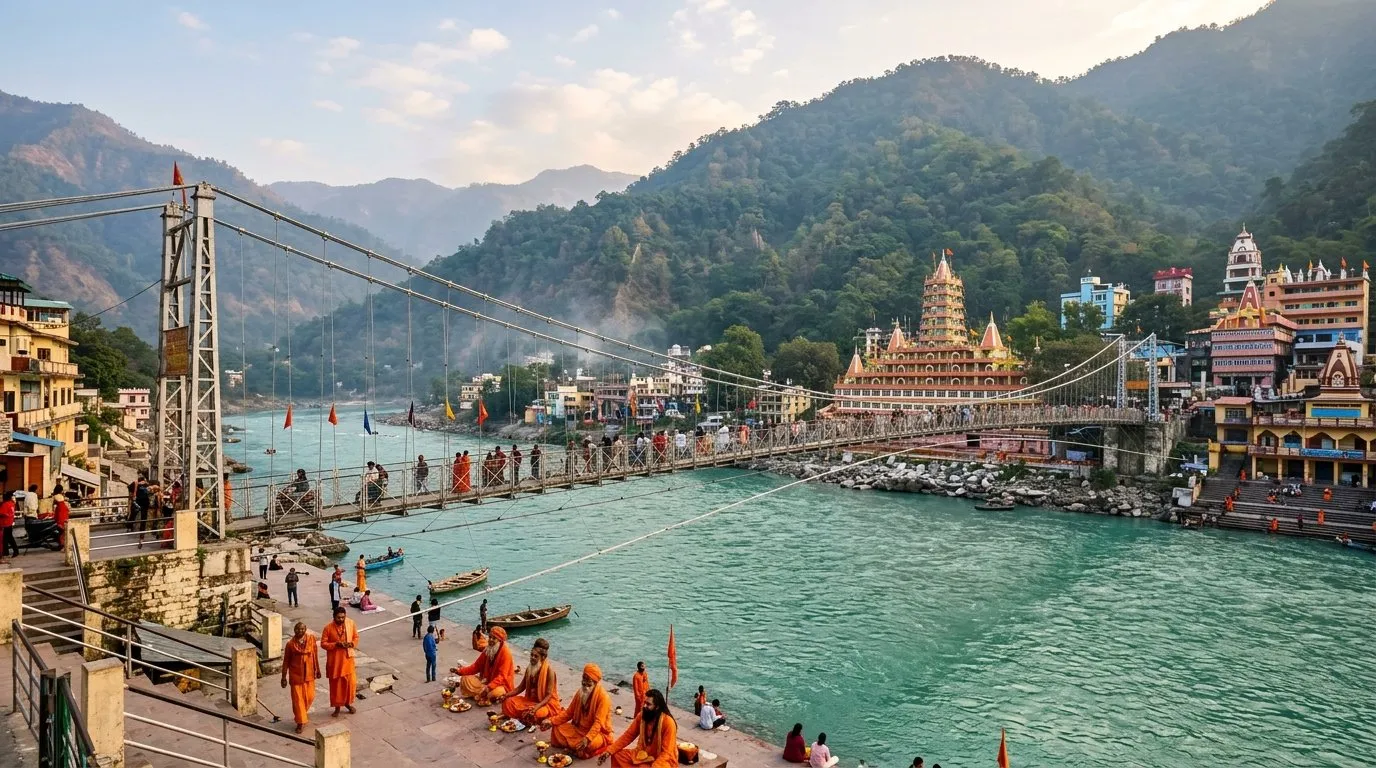
Solo-female travel in India — every destination scored, month by month
Most India travel guides tell women 'use common sense' and call it done. We rated 488 destinations on a 1-5 scale for solo-female safety, with month-specific overrides where it matters. Here's the methodology, the top 15, and the five that don't clear the bar.
10 min read
Is Kashmir safe for solo female travellers? What actually matters
Kashmir is the destination where the generic 'is India safe for women' post fails hardest. The answer depends on which month, which valley, which houseboat operator, and whether you're willing to dress differently than you would in Goa. Here's the concrete version.
6 min read- Access
- Fair state roads. Some narrow stretches.
- Emergency
- 108 (slow) · District Hospital Champawat — basic
- Stay
- ₹500-2500/night · 10 options
Go with confidence.