Complete Guide to Tso Moriri
Pangong's quieter twin — a high-altitude lake with nomads, no tourists, and the bluest water you've never seen
Destinations in this article
Why Go
Pangong Tso got a Bollywood movie. Tso Moriri got nothing — and that's exactly why it's better.
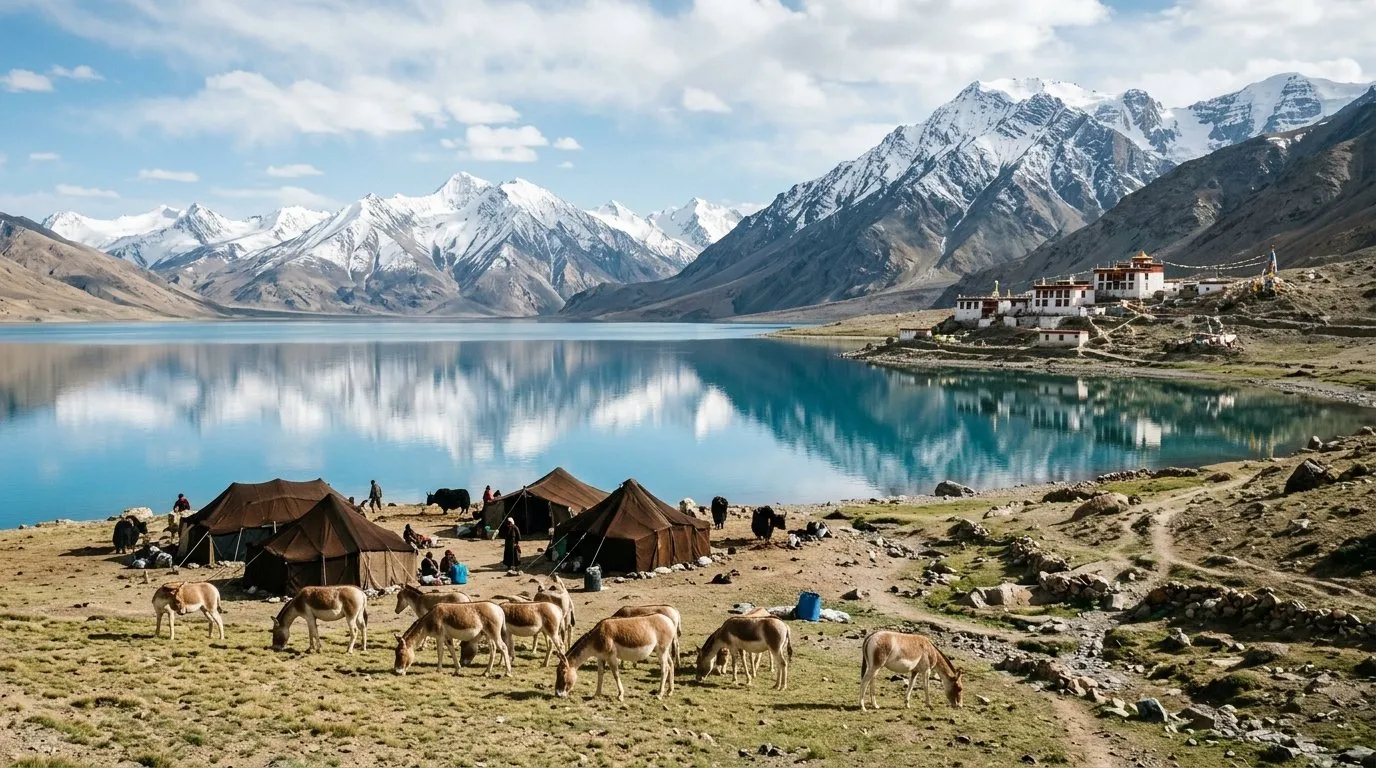
At 4,522 metres in the Changthang Plateau of eastern Ladakh, Tso Moriri is a 28-kilometre-long high-altitude lake that makes Pangong look like a tourist trap. The water is the same impossible blue. The mountains reflect the same way. But where Pangong now has camps, cafes, and a permanent traffic jam of selfie-takers, Tso Moriri has Changpa nomads, pashmina goats, silence, and the occasional bar-headed goose flying overhead.
This is a Ramsar Wetland of International Importance. It supports migratory bird populations including the bar-headed goose (which flies over the Himalayas) and the black-necked crane (one of the rarest cranes in the world). The Changpa nomads who live around the lake are among the last true pastoral nomads in India, herding pashmina goats whose wool produces the world's finest cashmere.
Korzok, the only settlement on the lake, sits at 4,595 metres and claims to be one of the highest permanently inhabited villages in the world. It has a 17th-century monastery, about 50 families, and zero pretension.
Tso Moriri is what Ladakh was 20 years ago, before the Instagram invasion. It won't stay this way forever.
The Best Month (and the Worst)
Best: June to September.
June-July is ideal — the road from Leh is at its most passable, wildflowers bloom on the plateau, and the nomad camps are active with yak and goat herds. August is warmer but wetter. September gives you clear skies and the beginning of autumn gold on the scrubland.
Worst: November to April.
The lake partially freezes. The road becomes impassable. Korzok is effectively cut off. Temperatures drop to -30°C. The Changpa nomads move to lower grazing grounds. There is absolutely no reason for a tourist to be here in winter unless they are on a scientific expedition.
May and October are shoulder months — the road might be open, might not. Weather is unpredictable. Only attempt these months if you have flexible plans and a reliable local contact who can confirm conditions.
How to Get There
There is one road. It is mostly unpaved. It takes forever.
From Leh: The standard route runs Leh → Upshi → Chumur → Korzok. Approximately 220 km, 7-8 hours. The first section (Leh to Upshi, ~50 km) is on the Manali-Leh highway — paved, decent. After Upshi, you turn south onto the Changthang road and the tarmac disappears.
The road crosses Kyagar La and Namshang La passes (both above 4,800m). It's mostly gravel, sometimes sand, occasionally a riverbed. A regular car can technically make it in dry conditions but a high-clearance vehicle (Innova, Scorpio, or similar) is strongly recommended. A 4x4 is ideal.
Alternative route (via Tso Kar): Leh → Rumtse → Tso Kar → Tso Moriri. Slightly longer but includes Tso Kar (another beautiful high-altitude lake). Same road quality — bad.
No public transport. You need a private vehicle. Hire a driver from Leh — Ladakhi drivers know these roads intimately and will save you from getting stuck in sand traps and river crossings.
Inner Line Permit: Required for all visitors (Indian and foreign). Easily obtained in Leh from the DC office or through your hotel/travel agent. The permit covers the entire Changthang region.
Fuel: Fill up in Leh. There are ZERO fuel stations between Leh and Tso Moriri. Carry extra fuel if driving a vehicle with poor mileage.
What to Expect
Arrival at Tso Moriri is genuinely arresting. The lake appears suddenly as you crest the final ridge — a band of deep blue stretching 28 kilometres between barren brown mountains, with the 6,400m peaks of Mentok Kangri reflecting in the water. If the light is right (early morning or late afternoon), the colour is otherworldly.
Korzok village: A cluster of stone and mud-brick houses around a small 17th-century Buddhist monastery. The monastery is modest but atmospheric — butter lamps, prayer wheels, faded thangka paintings. The villagers are Changpa nomads who have partially settled but still herd pashmina goats in the surrounding grasslands.
Changpa nomads: These are Tibetan-origin pastoralists whose primary livelihood is pashmina goat herding. The wool from their goats (called Changthangi) is among the finest in the world. You may see their black yak-hair tents (rebo) on the plateau. Interaction is welcome if respectful — they are hospitable people but not a tourist attraction.
Wildlife: Bar-headed geese, black-necked cranes (June-September), Brahminey ducks, brown-headed gulls, and occasionally the Tibetan wild ass (kiang) on the surrounding plateau. Marmots are everywhere. Snow leopards exist in the surrounding mountains but sightings at the lake are extremely rare.
The silence: This is perhaps the most remarkable thing about Tso Moriri. At 4,522 metres, with no roads nearby, no generators (mostly), and no other tourists, the silence is total. You can hear wind and water and nothing else. For people used to Indian sensory overload, this is either deeply peaceful or deeply unsettling.
Infrastructure Reality
Mobile network: ZERO. There is no mobile coverage at Tso Moriri. Not BSNL, not Jio, not Airtel. Nothing. The last reliable signal is at Upshi on the Leh-Manali highway. Korzok has a satellite phone at the army post for emergencies only.
Internet: Non-existent. Do not come here expecting connectivity.
ATMs: ZERO. The nearest ATM is in Leh, 220 km away. Carry all the cash you need. Budget ₹2,000 to ₹3,500 per day (accommodation, food, vehicle costs).
Medical: One basic health post in Korzok, staffed intermittently. For any medical emergency, evacuation to Leh is necessary — that's 7-8 hours by road. Altitude sickness is a serious and present danger at 4,522m. Acclimatize in Leh (3,500m) for at least 2-3 days before coming here. Carry Diamox, oxygen cans, and a pulse oximeter. Know the symptoms of HACE and HAPE — they can be fatal at this altitude.
Water: The lake water is brackish (slightly saline). Carry or purify drinking water.
Electricity: Solar-powered in Korzok. Extremely limited. Charge everything in Leh before departing.
Where to Stay
Options are minimal. Accept this.
Korzok homestays (₹1,500-2,500/night including meals): The best option. Changpa families host travelers in simple rooms — thick mattresses on the floor, heavy blankets, home-cooked meals (mostly dal, rice, and tsampa). No private bathrooms. No heating. But warm hospitality and an experience you cannot get at any hotel.
Camping (₹2,000-3,500/night for a camp setup): A few seasonal camp operators set up tents near the lake during June-September. These range from basic tents to slightly more comfortable setups with cots and dining tents. Arrange through Leh-based operators before arriving — you cannot book on arrival because there's no phone signal.
DIY camping: Possible if you bring your own gear. The altitude and cold (even in summer, nights drop to -5°C) mean you need serious equipment — a 4-season tent, -20°C sleeping bag, and insulated sleeping pad minimum.
There are no hotels. Repeat: there are no hotels at Tso Moriri.
Kids Verdict
1 out of 5. This is the lowest score for a reason. At 4,522 metres, altitude sickness is a genuine medical risk for children. Symptoms can onset quickly and escalate to life-threatening HACE/HAPE faster in children than in adults. The nearest hospital is 7-8 hours away over an unpaved road with zero mobile connectivity. There are no pediatric medical facilities within a day's reach.
Add to this: 7-8 hours on a terrible road each way, no electricity, no connectivity, no entertainment, freezing temperatures at night, and basic food. This is not a family destination. It is an expedition destination. Children under 14 should not come here. Period.
What to Avoid
- ●Skipping Leh acclimatization. Tso Moriri is 1,000 metres higher than Leh. If you drive straight from Leh on arrival day, you risk serious altitude sickness. Spend 2-3 days in Leh first. This is not negotiable.
- ●Traveling without a local driver. The road has unmarked turns, river crossings that change seasonally, and sand traps that swallow vehicles. A Ladakhi driver is worth every rupee.
- ●Littering. This is a Ramsar wetland. The ecosystem is fragile. Pack out everything you bring in. Do not wash anything in the lake. Do not use detergent near water sources.
- ●Approaching wildlife too closely. The black-necked cranes are critically important and easily disturbed. Maintain 100+ metre distance from nesting sites.
- ●Expecting Pangong-level infrastructure. Pangong has camps, restaurants, and connectivity. Tso Moriri has almost nothing. Come prepared or don't come.
- ●Solo driving without communication. If your vehicle breaks down, you are stranded without phone signal, potentially hours from the nearest help. Always travel in a convoy of at least two vehicles or with a driver who knows the area.
The Bottom Line
Tso Moriri is the antidote to over-touristed Ladakh. It's what Pangong was before 3 Idiots. The lake is staggeringly beautiful, the silence is medicinal, and the Changpa nomad culture is one of India's last genuinely traditional ways of life. But this place gives you nothing for free. You earn every moment here through the drive, the altitude, the cold, and the total disconnection from modern life. If that sounds like a reward rather than a punishment, Tso Moriri is calling. If it sounds miserable, Pangong is 4 hours from Leh and has phone signal.
Monthly Scores
| Destination | Jan | Feb | Mar | Apr | May | Jun | Jul | Aug | Sep | Oct | Nov | Dec |
|---|---|---|---|---|---|---|---|---|---|---|---|---|
| Tso Moriri | 2.0 | 2.0 | 2.0 | 2.0 | 2.0 | 8.0 | 10.0 | 10.0 | 10.0 | 4.0 | 2.0 | 2.0 |
The Window · Every Sunday
Liked this? Get one every Sunday.
Best score of the week, one honest skip, road updates. Four minutes. No spam.
More in Field guide
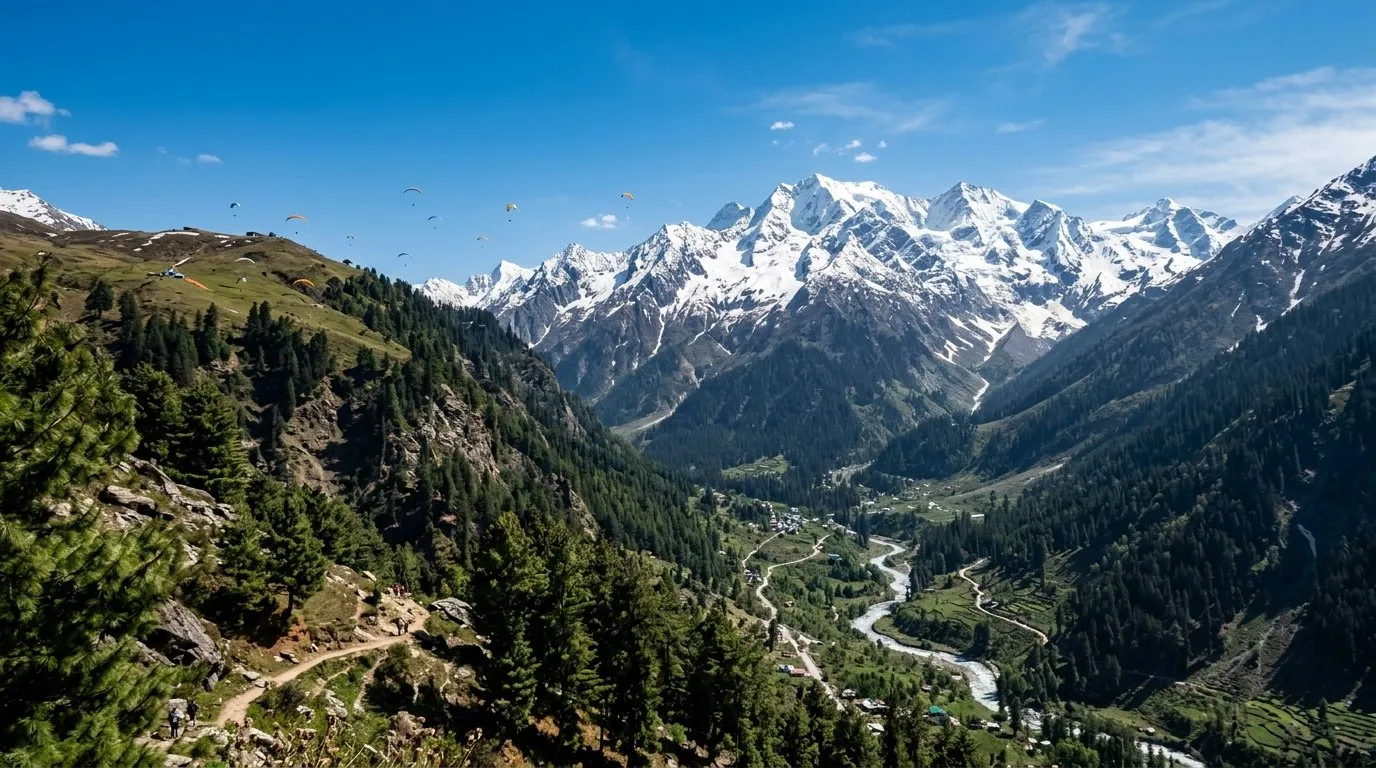
Is Manali safe for solo female travellers? Which Manali, and when
Manali is not one place. New Manali is a respectable hill town — 4/5 safe. Old Manali is the Himachal backpacker-cafe strip with party + drug scene — 2/5 after 10pm. McLeodganj 3 hours away holds 5/5 year-round. Pick deliberately.
5 min read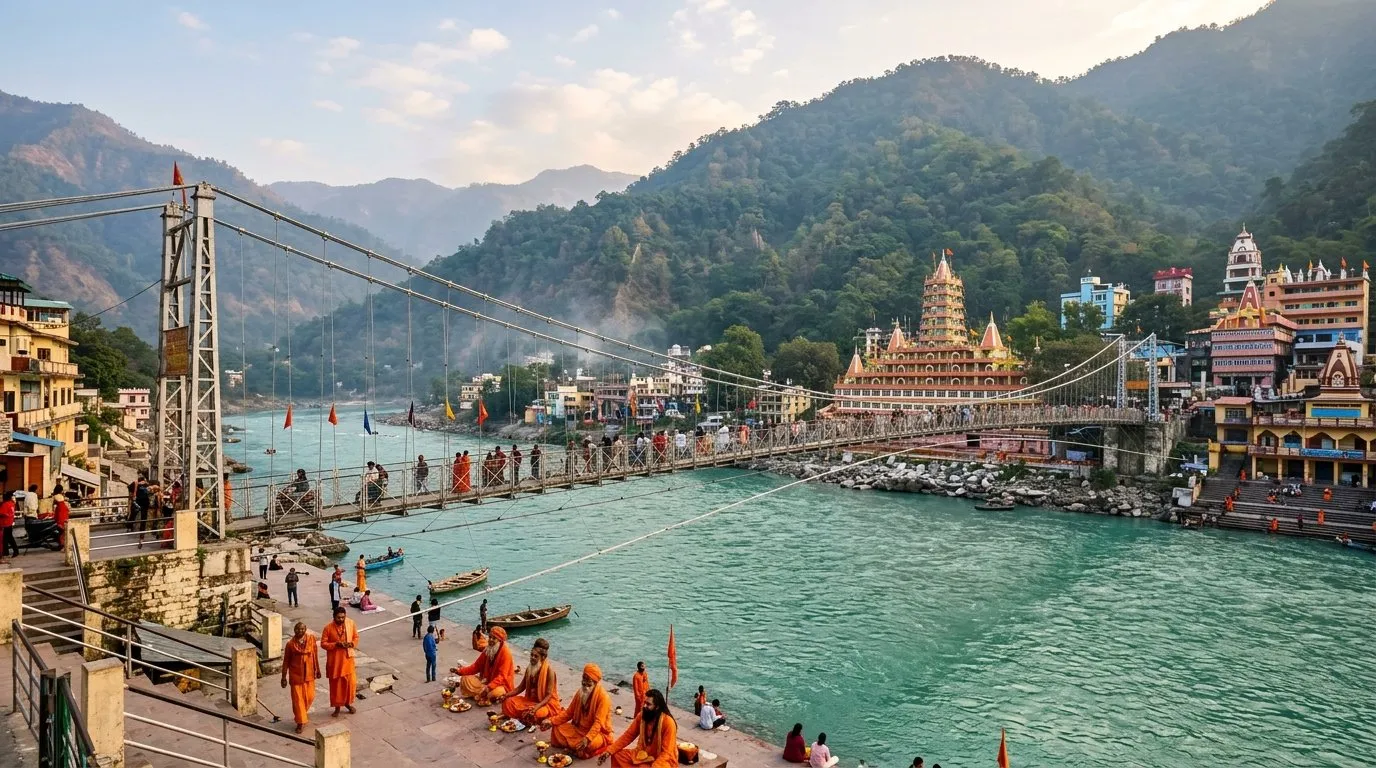
Solo-female travel in India — every destination scored, month by month
Most India travel guides tell women 'use common sense' and call it done. We rated 488 destinations on a 1-5 scale for solo-female safety, with month-specific overrides where it matters. Here's the methodology, the top 15, and the five that don't clear the bar.
10 min read
Is Kashmir safe for solo female travellers? What actually matters
Kashmir is the destination where the generic 'is India safe for women' post fails hardest. The answer depends on which month, which valley, which houseboat operator, and whether you're willing to dress differently than you would in Goa. Here's the concrete version.
6 min read- Access
- Poor. Stream crossings. BRO maintained but basic.
- Emergency
- None · None. Basic aid at Korzok. SNM Hospital Leh 220km.
- Stay
- ₹500-2000/night · 8 options
- Permit required
- See the process →
Go with confidence.