Complete Guide to Pithoragarh
Mini Kashmir of Uttarakhand — Soar Valley, Askot Musk Deer Sanctuary, and the Kailash gateway
Destinations in this article
Why Go
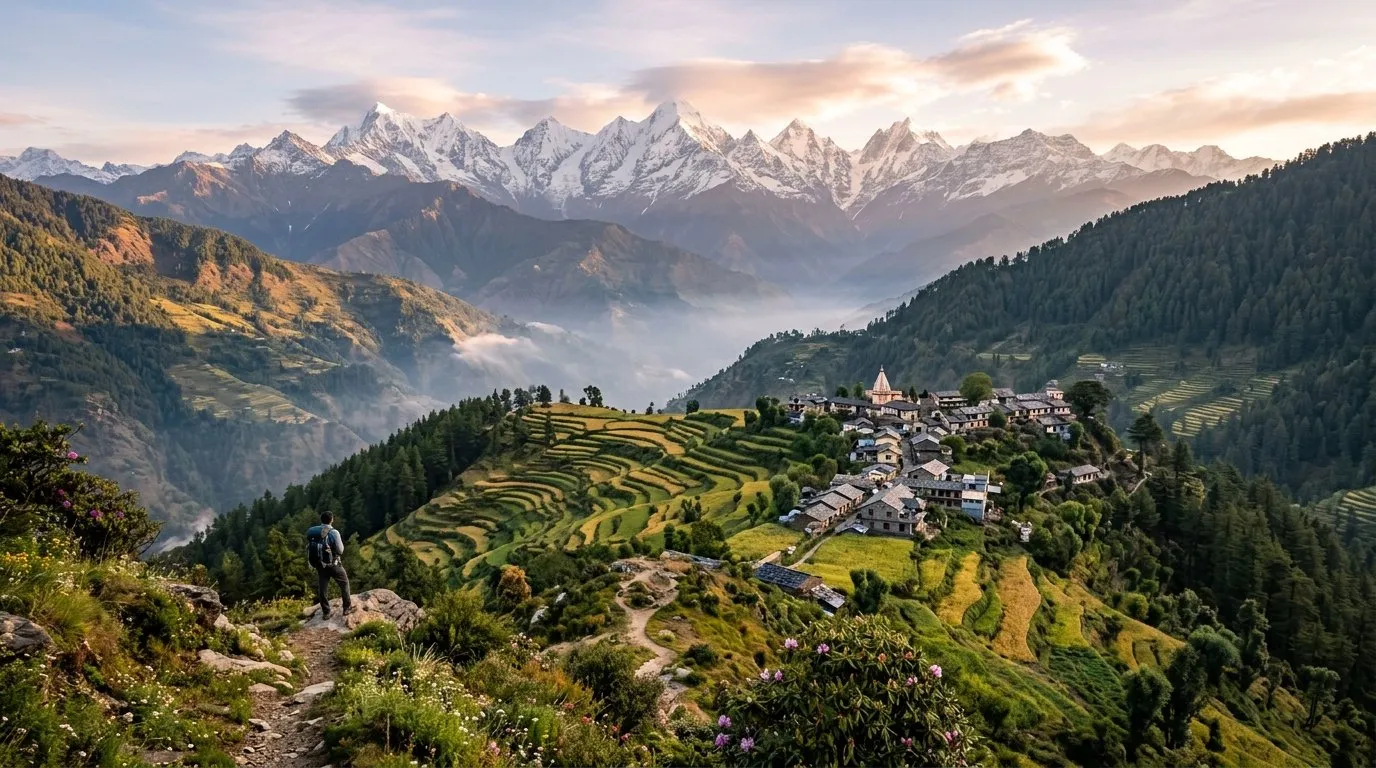
Pithoragarh gets called "Mini Kashmir" — a label that's both earned and misleading. Earned because the town sits in a bowl-shaped valley (the Soar Valley) ringed by snow peaks, with the kind of alpine panorama that looks like a tourism board invented it. Misleading because it shares absolutely nothing else with Kashmir — no houseboats, no Dal Lake, no infrastructure to speak of.
This is Uttarakhand's far east, 8 km from the Nepal border. The town itself is a district headquarters at 1,514m — government offices, a bazaar, a few temples. The magic is the setting: the Soar Valley opens to views of Panchachuli (five peaks, 6,312m), and the surrounding area includes Askot Musk Deer Sanctuary, Dhwaj Temple, and the starting point for the Kailash Mansarovar Yatra via the Lipulekh Pass.
Pithoragarh is not a weekend destination. Getting here takes commitment — it's 490 km from Delhi, the last 100 km on mountain roads. But that distance is the filter. The people who make it here find a valley with genuine Himalayan character, minus the tourist machinery that has overtaken Mussoorie or Nainital.
The Soar Valley floor is surprisingly flat and green — rice paddies and wheat fields surrounded by pine-covered ridges. The Ramganga River (East) flows through. It's a working valley with a spectacular backdrop, not a resort destination.
Best Month to Visit
March to June delivers the best experience. March has lingering cold but clear skies and snow on surrounding peaks. April and May are warm (18-28 degrees Celsius), with rhododendron forests in bloom on higher ridges. June is pre-monsoon — warm, occasionally hazy, but still functional.
September to November is post-monsoon perfection. Skies clear, Panchachuli views are sharpest, and the valley turns golden in October. November brings cold nights but stunning clarity.
Avoid July-August. Monsoon makes the roads dangerous. Landslides between Almora and Pithoragarh are routine. The Askot road becomes treacherous.
Winter (December-February): Cold but accessible. Snowfall is rare in town but covers surrounding peaks. Limited accommodation stays open.
How to Get There
From Delhi (490 km, 12-14 hours): Delhi → Haldwani → Almora → Pithoragarh. This is a long haul. The Delhi-Haldwani stretch (300 km) is highway. After Almora, it's mountain roads with hairpin bends for 160 km.
From Haldwani/Kathgodam (270 km, 8-9 hours): Kathgodam is the nearest railhead with daily trains from Delhi. From there, shared jeeps and KMOU buses run to Pithoragarh via Almora.
From Almora (115 km, 4-5 hours): The standard mountain approach. Road condition varies — post-monsoon repairs can add time.
Nearest airport: Pantnagar (240 km). Flights from Delhi, but then you still need 7-8 hours by road.
Local transport: Town is walkable. For Askot (55 km), Dhwaj Temple (16 km), or Chandak (7 km), you need a taxi or your own vehicle. Public buses exist but are infrequent.
Infrastructure Reality
Mobile/Internet: BSNL and Jio work in Pithoragarh town. Coverage drops sharply outside town — Askot area has BSNL only, and even that is intermittent. No reliable 4G on approach roads after Almora.
ATMs: SBI and PNB ATMs in town. Reliable enough but carry backup cash — machines empty on long weekends.
Medical: District hospital in Pithoragarh town. Adequate for basics. Anything complex requires evacuation to Haldwani (270 km). This is the reality of far-east Uttarakhand — plan accordingly.
Accommodation: KMVN tourist rest house, a handful of hotels in town (Rs 800-2,500 range), and homestays in Chandak. Nothing luxury. This is a government town, not a resort destination. Book KMVN in advance during May-June.
Food: Local dhabas and small restaurants in the bazaar. Standard Kumaoni food — bhatt ki dal, aloo ke gutke, bal mithai for dessert. No cafes, no international cuisine.
Power: Reasonably reliable in town. Carry a power bank for excursions.
Kids Verdict: 3/5
Pithoragarh works for older kids (8+) who can handle long drives and appreciate mountain scenery. The Soar Valley itself is gentle — flat walks, river access, and the Chandak hilltop is a short drive with big views.
Challenges: the drive is genuinely exhausting (12+ hours from Delhi), no kid-specific activities, medical facilities are basic, and the altitude plus winding roads mean motion sickness is almost guaranteed on the Almora-Pithoragarh stretch.
Best for: Families seeking a real Himalayan experience away from tourist towns. Not for families who need convenient access or planned activities.
The Bottom Line
Pithoragarh rewards those who make the effort. The Soar Valley panorama is world-class, Askot adds wildlife credibility, and the Kailash connection adds spiritual weight. But this is not a polished destination — it's a remote district town with stunning geography. Come with realistic expectations and you'll leave impressed. Come expecting Kashmir and you'll be confused.
Monthly Scores
| Destination | Jan | Feb | Mar | Apr | May | Jun | Jul | Aug | Sep | Oct | Nov | Dec |
|---|---|---|---|---|---|---|---|---|---|---|---|---|
| Pithoragarh | 6.0 | 6.0 | 8.0 | 10.0 | 10.0 | 6.0 | 2.0 | 2.0 | 6.0 | 10.0 | 8.0 | 6.0 |
The Window · Every Sunday
Liked this? Get one every Sunday.
Best score of the week, one honest skip, road updates. Four minutes. No spam.
More in Field guide
Is Manali safe for solo female travellers? Which Manali, and when
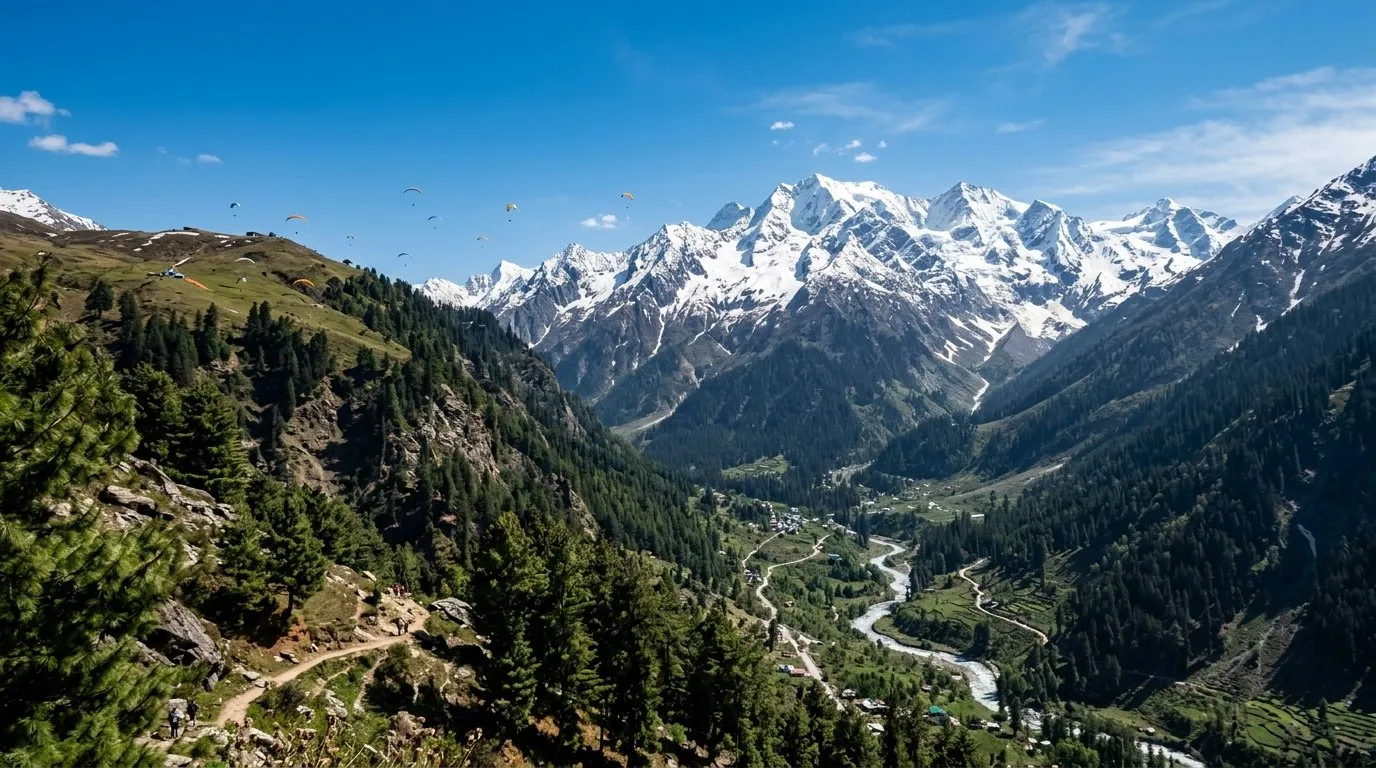
Manali is not one place. New Manali is a respectable hill town — 4/5 safe. Old Manali is the Himachal backpacker-cafe strip with party + drug scene — 2/5 after 10pm. McLeodganj 3 hours away holds 5/5 year-round. Pick deliberately.
5 min read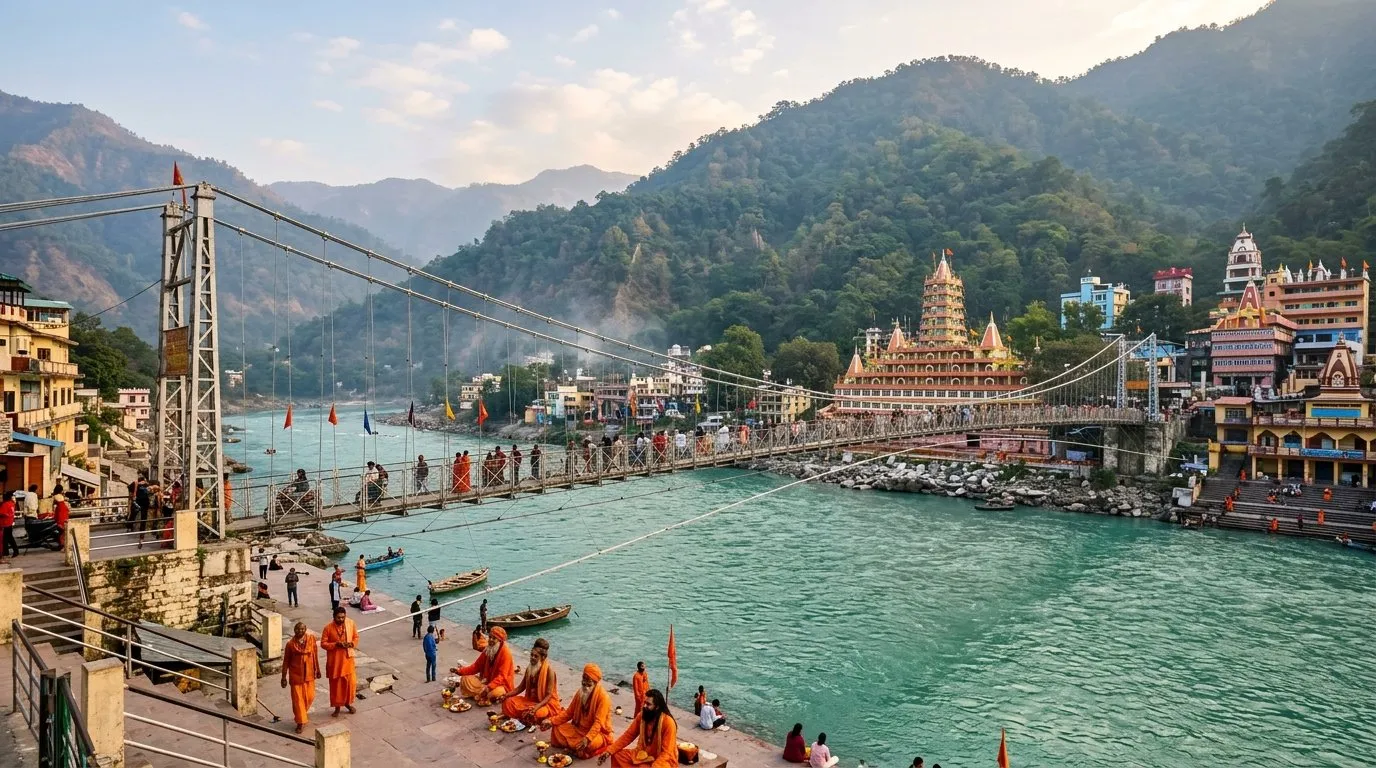
Solo-female travel in India — every destination scored, month by month
Most India travel guides tell women 'use common sense' and call it done. We rated 488 destinations on a 1-5 scale for solo-female safety, with month-specific overrides where it matters. Here's the methodology, the top 15, and the five that don't clear the bar.
10 min read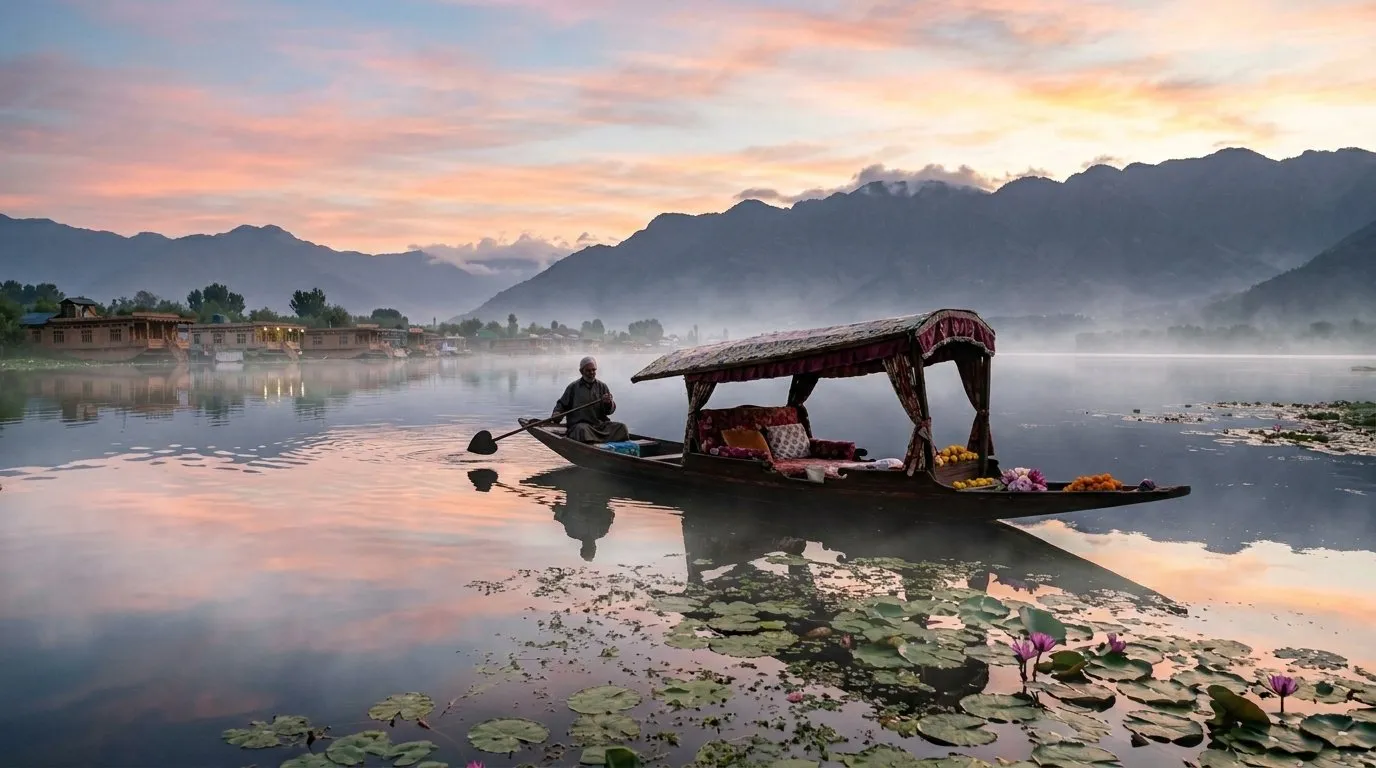
Is Kashmir safe for solo female travellers? What actually matters
Kashmir is the destination where the generic 'is India safe for women' post fails hardest. The answer depends on which month, which valley, which houseboat operator, and whether you're willing to dress differently than you would in Goa. Here's the concrete version.
6 min read- Access
- State roads fair. Well-maintained for border district.
- Emergency
- 108 · District Hospital Pithoragarh — decent facility
- Stay
- ₹500-3000/night · 25 options
Go with confidence.