Complete Guide to Kishtwar
The adventure frontier of Jammu — dangerous roads, sapphire mines, and the valley even Kashmiris don't know
Destinations in this article
Why Go
Kishtwar is the place serious travelers go when they've exhausted the obvious. Sitting at 1,638 metres in the eastern reaches of Jammu division, it occupies a strange position in Indian geography — technically part of J&K but culturally and physically distinct from both Jammu city and the Kashmir Valley. Most Kashmiris haven't been here. Most Indians haven't heard of it. That anonymity is precisely the point.
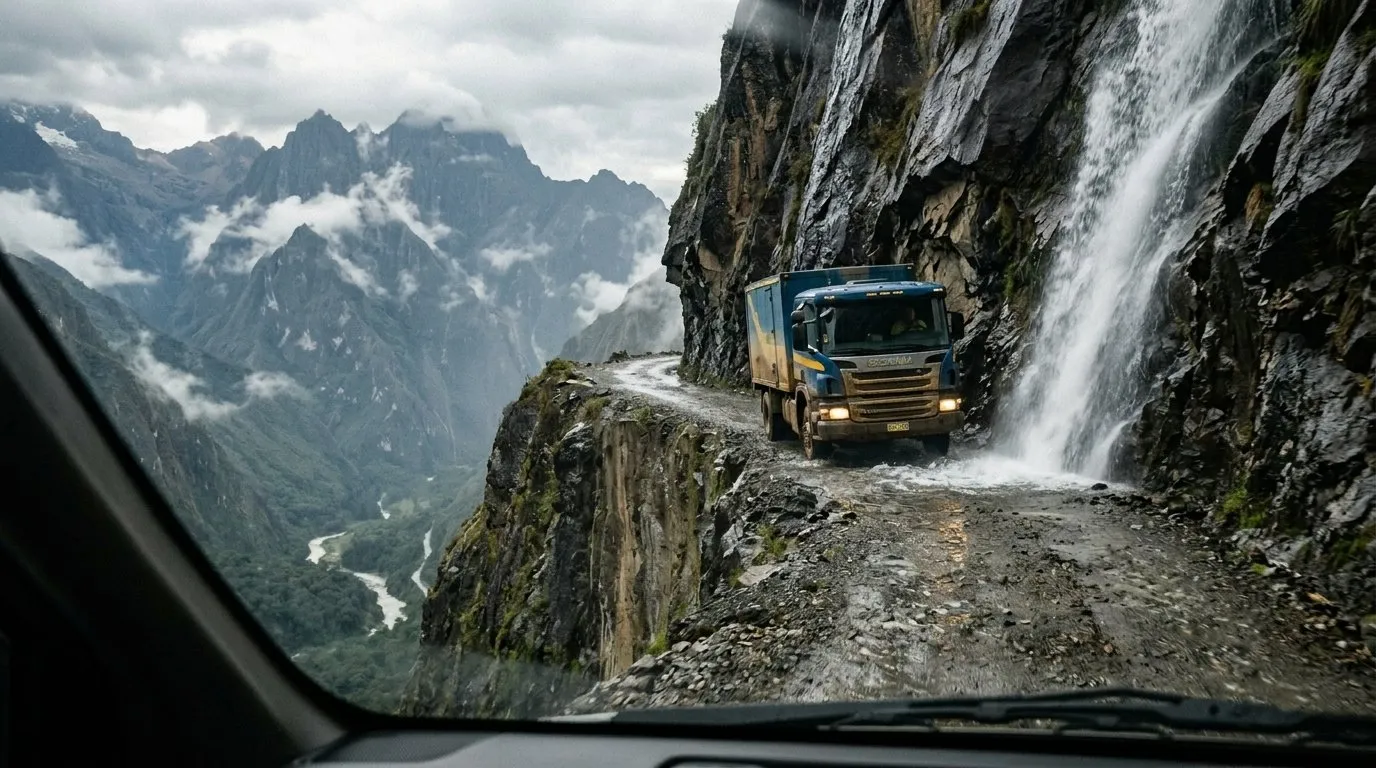
What Kishtwar offers is raw, unprocessed adventure. The Kishtwar National Park is confirmed snow leopard territory — one of the more accessible (relatively speaking) places in India where these animals actually exist. The Kishtwar-Killar road to Himachal Pradesh is routinely cited as one of the most dangerous roads in India, and unlike similar claims made about other roads, this one is accurate. The region sits atop significant deposits of blue sapphires — the famous Padparadscha sapphires that gemologists prize.
There's also the Machail Mata Yatra, a Hindu pilgrimage in August that draws thousands to a remote temple via a multi-day trek. And Sinthan Top, a high-altitude pass connecting Kishtwar to the Kashmir Valley via Anantnag, offers views that rival anything in Ladakh.
This is not a destination for Instagram tourists. This is for people who want to see something genuine, accept real risk, and don't mind basic infrastructure.
The Best Month (and the Worst)
Best: May to June, September to October.
May-June offers warm days (20-30°C), clear skies, and all roads open. The Sinthan Top pass is usually clear by late May. September-October gives you post-monsoon freshness, golden light, and the beginning of autumn colours in the Chenab Valley.
Worst: November to March.
Winter shuts Kishtwar down. The Sinthan Top road closes entirely. The main road from Jammu via Doda remains open but is treacherous with ice and rockfall. Snowfall is heavy. Unless you specifically want a snow-bound experience with zero tourist infrastructure, avoid winter.
Also avoid: July to August unless you're specifically coming for the Machail Mata Yatra. Monsoon hits Kishtwar hard — the Chenab River swells dangerously, roads become mudslides, and landslides close routes for days. The Kishtwar-Killar road becomes genuinely suicidal in monsoon.
How to Get There
Kishtwar has no airport. The nearest railway station is Jammu Tawi.
From Jammu (road): Jammu → Udhampur → Ramban → Doda → Kishtwar. Approximately 230 km, 8-10 hours by road. The NH244 is largely two-lane, winding through the Chenab gorge. The road quality varies — some stretches are excellent (recent highway upgrades), others are construction zones. Shared taxis and J&K SRTC buses run this route daily.
From Kashmir (via Sinthan Top): Anantnag → Kokernag → Sinthan Top (3,748m) → Kishtwar. About 130 km but takes 5-6 hours due to the pass. Open only May-October. This is the more dramatic approach — Sinthan Top offers 360-degree views of both the Kashmir Valley and the Chenab basin. The descent into Kishtwar from Sinthan is steep and narrow.
The Kishtwar-Killar road: This connects Kishtwar to Pangi Valley (Himachal Pradesh) and onward to Killar. It is single-track, unpaved, and cut into vertical cliff faces above the Chenab River. There are no barriers. Vehicles pass each other by reversing to wider spots. This road kills people every year. Only attempt it in a 4x4 with an experienced local driver, and only in July-September when it's actually open. It is genuinely one of the most dangerous motorable roads in India.
What to Expect
Kishtwar town is a small district headquarters with a mixed Hindu-Muslim population. The Chenab River runs below. The town itself is unremarkable — a bazaar, a few government buildings, some temples and mosques. The magic is in the surroundings.
Kishtwar National Park: Established in 1981, covering 2,190 sq km. Home to snow leopards, Himalayan brown bears, hangul (Kashmir stag), and musk deer. No luxury safari lodges here — access requires permits from the wildlife department and local guides. Sightings are not guaranteed but the park is actively studied by conservation teams.
Sapphire mines: Kishtwar is famous among gemologists for its blue sapphires, particularly the rare Padparadscha variety (pink-orange). The mines are in remote high-altitude locations and not tourist-accessible, but the local gem trade is visible in town. Don't buy gems from roadside sellers — counterfeits are rampant.
Machail Mata Yatra: Every August, thousands of Hindu pilgrims trek to the Machail Mata temple via a challenging multi-day route from Atholi. The yatra has government and military support (security, medical camps) but the trek itself is demanding — high altitude, river crossings, and unpredictable weather.
Sinthan Top: At 3,748 metres, this pass is one of J&K's best-kept visual secrets. The road reaches the top and both sides drop away to reveal snow-capped ranges. In June, the meadows near the top are carpeted with wildflowers.
The locals are hardy mountain people — Kishtwari Hindus and Muslims who've coexisted for centuries. Hospitality is genuine. Rajma-chawal (kidney beans and rice) is the staple. The local Kishtwari language is distinct from both Dogri and Kashmiri.
Infrastructure Reality
Mobile network: BSNL works in Kishtwar town and along the main highway. Jio is patchy — works in town, dies outside. Airtel has limited coverage. On the Kishtwar-Killar road and inside the national park, expect zero connectivity.
Internet: Basic mobile data in town. No reliable broadband. Don't plan to work remotely from here.
ATMs: SBI and J&K Bank ATMs exist in Kishtwar town. They work most of the time but carry cash from Jammu regardless. Budget ₹1,000 to ₹2,000 per day.
Medical: District hospital in Kishtwar town. Adequate for basic treatment. For anything serious — fractures, altitude sickness, cardiac events — evacuation to Jammu is necessary (8-10 hours by road, helicopter in emergencies). Carry a comprehensive medical kit.
Fuel: Available in Kishtwar town. Fill up before heading to remote areas — there are no fuel stations on the Kishtwar-Killar road or near the national park.
Electricity: Available in town but power cuts are frequent. Carry a power bank.
Where to Stay
Accommodation is basic. Adjust expectations accordingly.
Budget (₹600-1,200/night): Guesthouses in Kishtwar town. Basic rooms, Indian-style bathrooms, functional but not comfortable.
Mid-range (₹1,200-2,500/night): Hotel Chenab View, a few government-run tourist bungalows. Private bathrooms, hot water (usually), decent beds.
Homestays: Emerging in Kishtwar and surrounding villages. These are the best option for cultural immersion — home-cooked Kishtwari food, local knowledge, and genuine warmth. Ask the local tourism office.
For the Machail Yatra: Government-run camps along the route. Basic tent accommodation during pilgrimage season.
For the national park: Camping is the primary option. Bring your own gear or arrange through a local operator in Kishtwar town.
Kids Verdict
2 out of 5. Kishtwar town itself is fine for kids — safe, quiet, friendly locals. The problem is getting there (8-10 hours on mountain roads from Jammu) and the lack of medical infrastructure for emergencies. The national park trek is too demanding for children under 12. The Kishtwar-Killar road is absolutely not for children.
If you're driving from Kashmir via Sinthan Top with teenagers who enjoy adventure, Kishtwar can work as a 2-day stop. For families with young children, this is not the destination.
What to Avoid
- ●The Kishtwar-Killar road in monsoon. This is not bravery, it's negligence. Landslides, washouts, and zero rescue infrastructure.
- ●Buying sapphires from random sellers. Unless you're a trained gemologist, you will get scammed. If you must buy, go through established dealers in Kishtwar or Jammu.
- ●Trekking without local guides. The terrain around Kishtwar is genuine wilderness — snow leopard and bear territory. Trails are unmarked. A local guide is not optional, it's a safety requirement.
- ●Assuming Kashmir-level tourism infrastructure. Kishtwar has none of it. No houseboats, no shikara rides, no established tour packages. You are the infrastructure here.
- ●Ignoring security advisories. While Kishtwar is generally safe, the broader J&K security situation can change. Check current advisories before traveling.
The Bottom Line
Kishtwar is for the traveler who finds Manali too crowded, Kashmir too commercial, and Ladakh too trendy. It offers real wilderness, real danger, real culture, and real solitude. The sapphire mines give it mystique, the national park gives it ecological significance, and the roads give it a reputation that filters out anyone not genuinely committed. If you're the kind of person who reads about India's most dangerous roads and thinks "I need to drive that," Kishtwar is your destination. Everyone else should probably stick to the Kashmir Valley — no shame in that, it's beautiful too.
Monthly Scores
| Destination | Jan | Feb | Mar | Apr | May | Jun | Jul | Aug | Sep | Oct | Nov | Dec |
|---|---|---|---|---|---|---|---|---|---|---|---|---|
| Kishtwar | 2.0 | 2.0 | 4.0 | 4.0 | 6.0 | 10.0 | 8.0 | 8.0 | 10.0 | 6.0 | 2.0 | 2.0 |
The Window · Every Sunday
Liked this? Get one every Sunday.
Best score of the week, one honest skip, road updates. Four minutes. No spam.
More in Field guide
Is Manali safe for solo female travellers? Which Manali, and when
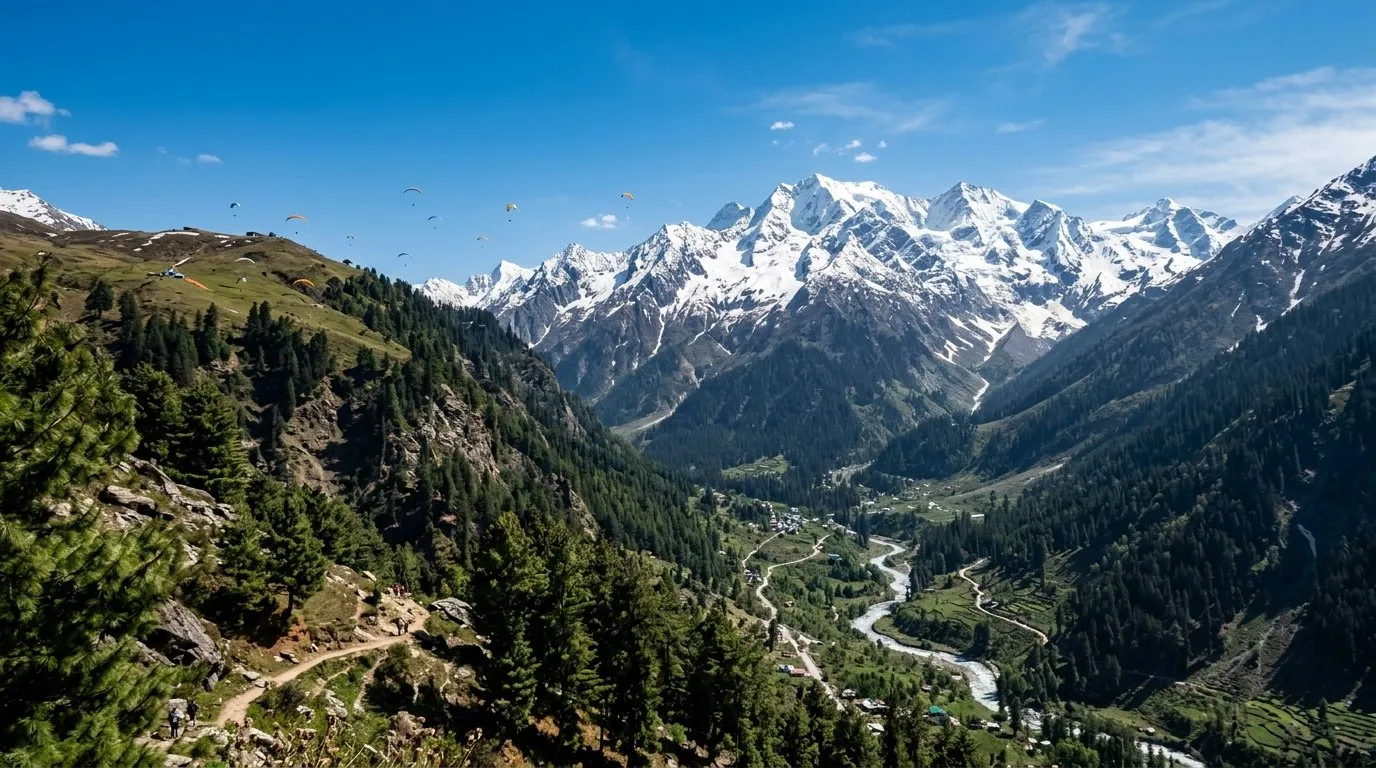
Manali is not one place. New Manali is a respectable hill town — 4/5 safe. Old Manali is the Himachal backpacker-cafe strip with party + drug scene — 2/5 after 10pm. McLeodganj 3 hours away holds 5/5 year-round. Pick deliberately.
5 min read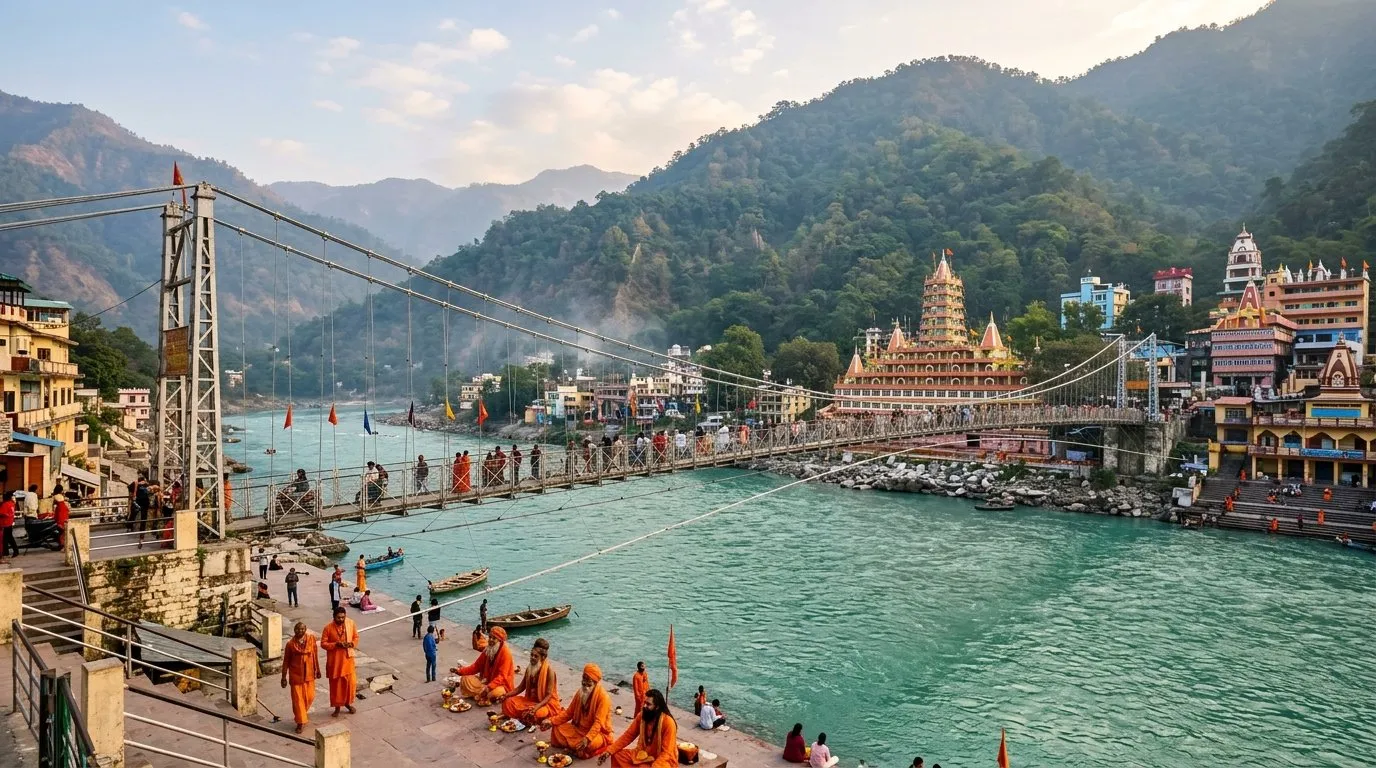
Solo-female travel in India — every destination scored, month by month
Most India travel guides tell women 'use common sense' and call it done. We rated 488 destinations on a 1-5 scale for solo-female safety, with month-specific overrides where it matters. Here's the methodology, the top 15, and the five that don't clear the bar.
10 min read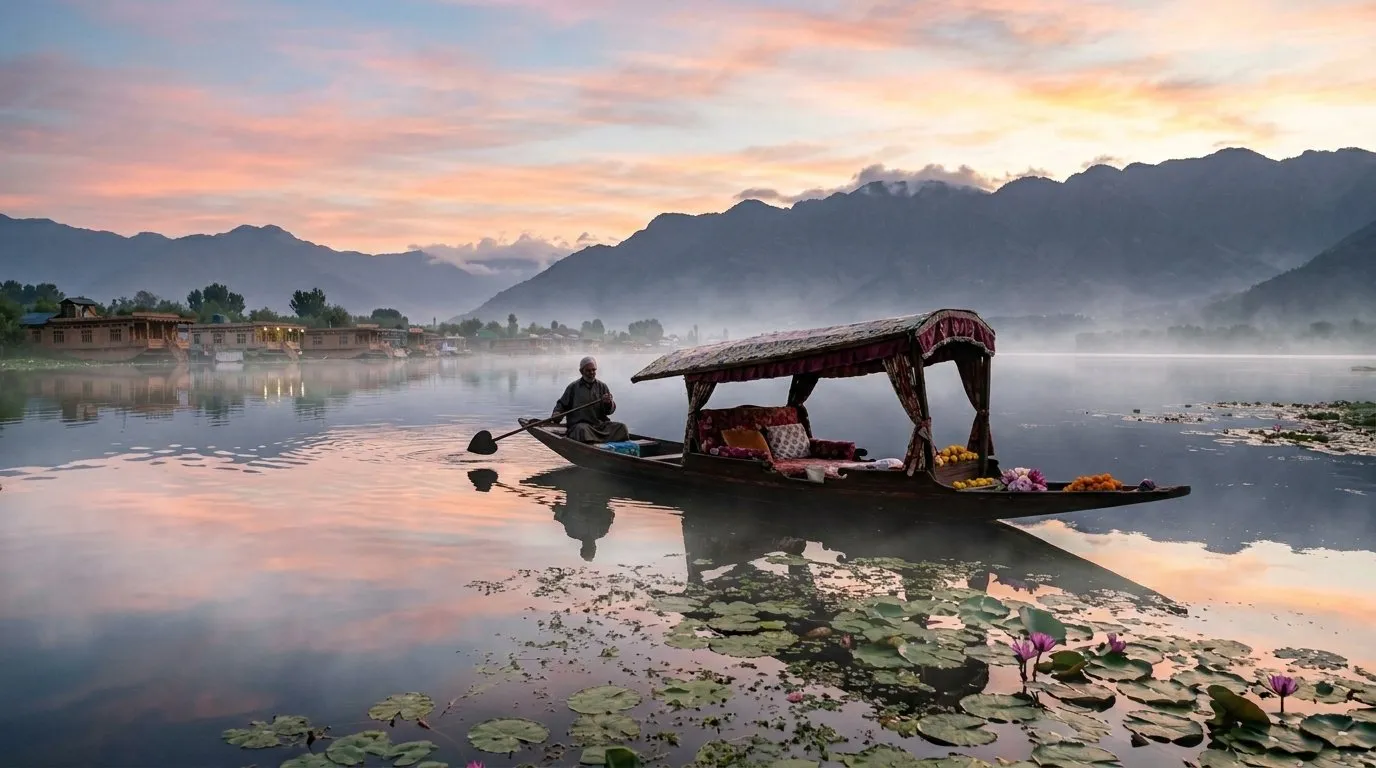
Is Kashmir safe for solo female travellers? What actually matters
Kashmir is the destination where the generic 'is India safe for women' post fails hardest. The answer depends on which month, which valley, which houseboat operator, and whether you're willing to dress differently than you would in Goa. Here's the concrete version.
6 min read- Access
- Fair but narrow. Landslide-prone in monsoon.
- Emergency
- 108 (unreliable) · District Hospital Kishtwar — basic
- Stay
- ₹400-2000/night · 15 options
Go with confidence.