Complete Guide to Kedarnath
The Jyotirlinga at 3,583m — pilgrimage logistics, the 2013 disaster shadow, and why October beats June
Destinations in this article
Why Go
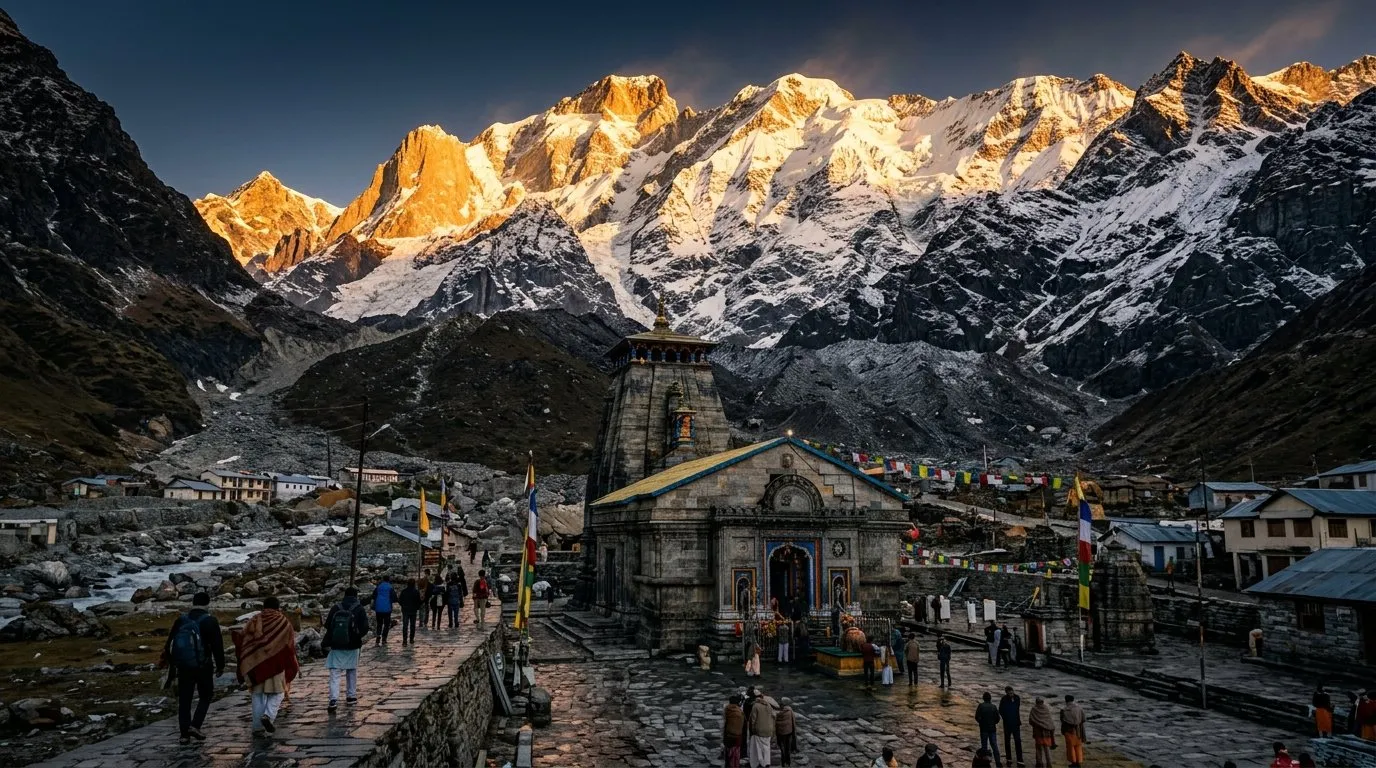
Kedarnath is one of the 12 Jyotirlingas — the holiest manifestations of Lord Shiva in Hinduism. The temple sits at 3,583 metres in the Garhwal Himalayas of Uttarakhand, flanked by the Kedarnath range and the Chorabari Glacier. For over a thousand years, pilgrims have trekked to this spot, and the temple's survival through the catastrophic 2013 floods — when a massive rock diverted floodwaters around the structure while everything else was destroyed — has only deepened its spiritual significance.
But let's be direct: Kedarnath is primarily a pilgrimage destination, not a leisure trip. You come here for devotion, for the challenge, or both. The 22-kilometre trek from Gaurikund is physically demanding. The altitude is real. The weather is unpredictable. And the crowds during peak season (June) are genuinely overwhelming — think 15,000-20,000 pilgrims per day on a narrow mountain trail.
That said, the setting is undeniably spectacular. The Mandakini River valley, the snow peaks, and the ancient stone temple against the mountain backdrop create something that transcends religious boundaries. Even non-believers find themselves moved.
The Best Month (and the Worst)
Best: October (5/5).
This is the insider pick. The temple stays open until Diwali (usually late October/early November). By October, the monsoon crowds have gone, the June pilgrimage rush is long over, and you get clear autumn skies, snow-dusted peaks, and a fraction of the usual crowd. You might be one of a few hundred pilgrims instead of twenty thousand. The trek is at its most pleasant — cool but not freezing, dry trails, and visibility that stretches to the horizon.
Good: May, late September.
May is the opening month — the temple opens around late April/early May (exact date determined by priests). Early crowds are moderate. Late September is similar to October but slightly warmer.
Peak (and worst for experience): June.
June is peak pilgrimage season. The helicopter slots sell out months in advance (₹5,000-7,000 per person). The 22km trail becomes a human river. Accommodation in Kedarnath and along the route is fully booked. Wait times for darshan (temple viewing) can exceed 6-8 hours. If you're here for a spiritual experience, June's industrial-scale pilgrimage may be the opposite of what you seek.
Dangerous: July to August.
This is monsoon. The 2013 disaster happened on June 16-17 during abnormally early monsoon conditions. The Mandakini River floods. Landslides close the road to Gaurikund and the trek route. The temple remains open but reaching it becomes genuinely dangerous. The state government issues warnings every monsoon. People still die on this route in monsoon. Do not rationalize this risk.
Closed: November to April.
The temple closes on Bhai Dooj (a few days after Diwali). The deity is moved to Ukhimath for winter worship. Snow buries Kedarnath under several metres. It is inaccessible and dangerous.
How to Get There
The approach: Delhi → Haridwar → Rishikesh → Rudraprayag → Sonprayag → Gaurikund. The drive from Delhi to Gaurikund is approximately 460 km, 12-14 hours (usually done in 2 days with an overnight stop at Rudraprayag or Guptkashi). From Rishikesh, it's about 230 km, 8-9 hours.
Jolly Grant Airport in Dehradun is the nearest airport. From Dehradun, it's 10-11 hours to Gaurikund by road.
The trek: Gaurikund (2,039m) to Kedarnath (3,583m) — 22 km, gaining approximately 1,544 metres of elevation. Most people take 7-9 hours to walk up and 5-6 hours to walk down. The trail is well-maintained (rebuilt after 2013) with paved sections, but the last 6 km are steep.
Alternatives to walking:
- ●Helicopter: ₹5,000-7,000 per person one way. Multiple operators (including government). Book well in advance for June. Helipad at Kedarnath. Flights are 10-12 minutes from Phata, Guptkashi, or Sitapur helipads. Weather-dependent — cancellations are common.
- ●Pony/mule: Available from Gaurikund. ₹2,000-5,000 depending on season. The animal walks, you sit. Takes about 6-8 hours.
- ●Palki (palanquin): Carried by 4 porters. ₹5,000-15,000 depending on season and negotiation. Ethical concerns exist about the porters' working conditions — research this and make your own moral call.
- ●Pitthu (basket carry): For elderly or disabled pilgrims. A porter carries you on their back. Same ethical considerations as palki.
Registration: Mandatory biometric registration at Sonprayag before proceeding to Gaurikund. This is a post-2013 safety measure to track who is on the mountain. Carry valid ID.
What to Expect
The trek up: The first 8 km from Gaurikund to Rambara is moderate — gradual incline, good path, tea stalls. The next 6 km to Linchauli is steeper. The final 8 km to Kedarnath is the hardest — significant elevation gain, thinner air, and increasing exhaustion. In June, the trail is packed — you'll be walking in a queue.
At Kedarnath: The town is essentially a service centre for the temple — dharamshalas (pilgrim rest houses), small shops, and food stalls. The temple itself is a stone structure dating back over 1,000 years (attributed to the Pandavas in mythology, likely built by Adi Shankaracharya in the 8th century). The main sanctum houses the Jyotirlinga — a triangular-shaped rock formation considered the back (hump) of Nandi, Shiva's bull.
The 2013 context: On June 16-17, 2013, a glacial lake (Chorabari Tal) above Kedarnath burst due to excessive rainfall and a cloudburst. The resulting flash flood destroyed the town, the trek route, and killed an estimated 6,000+ people. The temple survived because a large boulder lodged behind it and split the floodwaters. This boulder is now called "Bhim Shila" and stands behind the temple as a silent monument.
The rebuilt Kedarnath is significantly different from the pre-2013 version. The valley is wider (the flood scoured everything), new construction follows disaster-resistant guidelines, and the government has invested heavily in early warning systems. But the geography hasn't changed — the glaciers are still retreating, the weather is still unpredictable, and the Mandakini can still flood. The risk is managed, not eliminated.
Darshan: During peak season, wait times of 4-8 hours for temple darshan are normal. Early morning (4 AM) is best. VIP darshan is sometimes available (check with the Badrinath-Kedarnath Temple Committee). The temple is small — you'll spend perhaps 30 seconds at the Jyotirlinga before being moved along.
Infrastructure Reality
Mobile network: BSNL has a tower at Kedarnath temple — basic calling works. On the trek route, connectivity is sporadic to zero. At Gaurikund and Sonprayag, BSNL and Jio work reasonably.
Internet: Functional data at Gaurikund. At Kedarnath, don't count on it.
ATMs: Available at Guptkashi and Sonprayag. Nothing at Gaurikund or Kedarnath. Carry cash. Budget ₹2,000-5,000 per day depending on transport choices (helicopter costs push the upper range significantly).
Medical: Basic medical posts along the trek route (government-run during season). At Kedarnath, there's a medical facility for altitude sickness and basic emergencies. For anything serious, helicopter evacuation to Guptkashi or Rudraprayag is the only option — and helicopters don't fly in bad weather. Carry Diamox, ORS, basic first aid, and any personal medication.
Water and food: Tea stalls and basic food (maggi, pakoras, rice-dal) available along the trek route and at Kedarnath. Water is available but carry purification tablets. Bottled water is sold but prices increase with altitude.
Toilet facilities: GMVN and government-maintained toilets along the route. Quality varies from acceptable to grim.
Where to Stay
At Gaurikund (starting point):
- ●Budget guesthouses and dharamshalas: ₹500-1,500/night. Basic, functional. Book for the night before your trek.
- ●GMVN Tourist Rest House: Government-run, slightly better. ₹1,000-2,000.
On the trek route:
- ●Rambara and Linchauli have basic rest stops — ₹300-800 for a bed in a shared room. These exist for people who split the trek over 2 days (recommended for less fit pilgrims).
At Kedarnath:
- ●Dharamshalas: ₹500-2,000/night. Run by various trusts. Basic rooms, shared facilities. During peak season, these fill up — arrive early or pre-book through the temple committee.
- ●GMVN Tourist Rest House: ₹1,500-3,000. The best accommodation at Kedarnath, which is a relative statement.
- ●Tented accommodation: Seasonal camps during pilgrimage season. ₹1,000-3,000.
At Guptkashi (base town):
- ●Better hotels: ₹1,500-4,000/night. Many pilgrims stay here and do the trek as a day trip (starting very early from Gaurikund with helicopter return).
Kids Verdict
1 out of 5. A 22-kilometre trek gaining 1,544 metres of elevation at altitudes up to 3,583 metres is not appropriate for children. Full stop. The altitude alone is a medical concern for kids under 10. The trek takes 7-9 hours one way. Basic accommodation with no heating at 3,583 metres in near-freezing temperatures. Medical facilities are minimal.
The helicopter option technically makes it possible to bring older children (12+) to Kedarnath without the trek, but the altitude, cold, and basic infrastructure remain challenging. If you must bring children for religious reasons, use the helicopter and stay one night maximum. Do not attempt the trek with children under 14.
What to Avoid
- ●June without advance booking. Helicopter, accommodation, and even ponies sell out. Walking without any booking means sleeping on the ground at 3,583m.
- ●Monsoon trekking (July-August). The 2013 disaster is the extreme example, but smaller landslides, rockfalls, and trail washouts happen every monsoon. Multiple people die on this route annually during monsoon.
- ●Underestimating the trek. 22 km sounds walkable. At altitude, gaining 1,544 metres, it is genuinely exhausting for anyone who doesn't exercise regularly. Unfit pilgrims end up needing medical evacuation every season.
- ●Skipping acclimatization. If you're flying in from Delhi or a plain-level city, spending a night at Guptkashi (1,319m) or Gaurikund (2,039m) before ascending helps significantly.
- ●Wearing inappropriate footwear. The trek requires proper trekking shoes or at minimum sturdy sports shoes. Pilgrims in sandals and dress shoes end up with injuries, blisters, and falls. This is a mountain trek, not a temple walk.
- ●Ignoring weather warnings. When the state government or SDRF issues a warning, take it seriously. The mountains don't care about your pilgrimage schedule.
The Bottom Line
Kedarnath is one of India's most powerful spiritual destinations — the combination of the ancient temple, the extreme setting, and the 2013 survival story creates something that transcends typical religious tourism. October is the month for those who want the spiritual experience without the industrial crowds. June is for those who want the full pilgrimage experience with all its chaos, devotion, and endurance. Whatever month you choose, respect the mountain. The 2013 floods carved that lesson into the valley in a way that should never be forgotten. Come with fitness, come with preparation, and come with the understanding that at 3,583 metres, nature is always in charge.
Monthly Scores
| Destination | Jan | Feb | Mar | Apr | May | Jun | Jul | Aug | Sep | Oct | Nov | Dec |
|---|---|---|---|---|---|---|---|---|---|---|---|---|
| Kedarnath | — | — | — | 2.0 | 10.0 | 10.0 | 4.0 | 4.0 | 8.0 | 10.0 | 2.0 | — |
The Window · Every Sunday
Liked this? Get one every Sunday.
Best score of the week, one honest skip, road updates. Four minutes. No spam.
More in Field guide
Is Manali safe for solo female travellers? Which Manali, and when
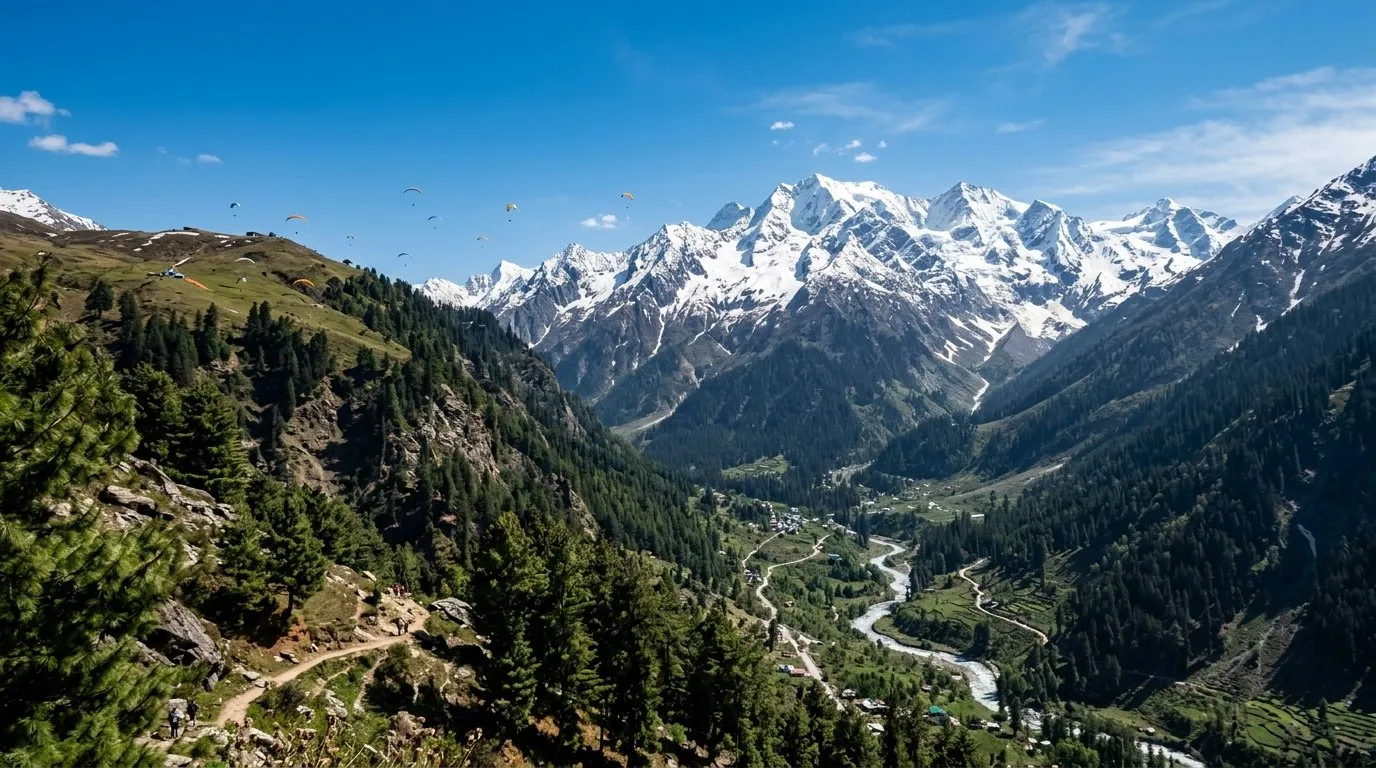
Manali is not one place. New Manali is a respectable hill town — 4/5 safe. Old Manali is the Himachal backpacker-cafe strip with party + drug scene — 2/5 after 10pm. McLeodganj 3 hours away holds 5/5 year-round. Pick deliberately.
5 min read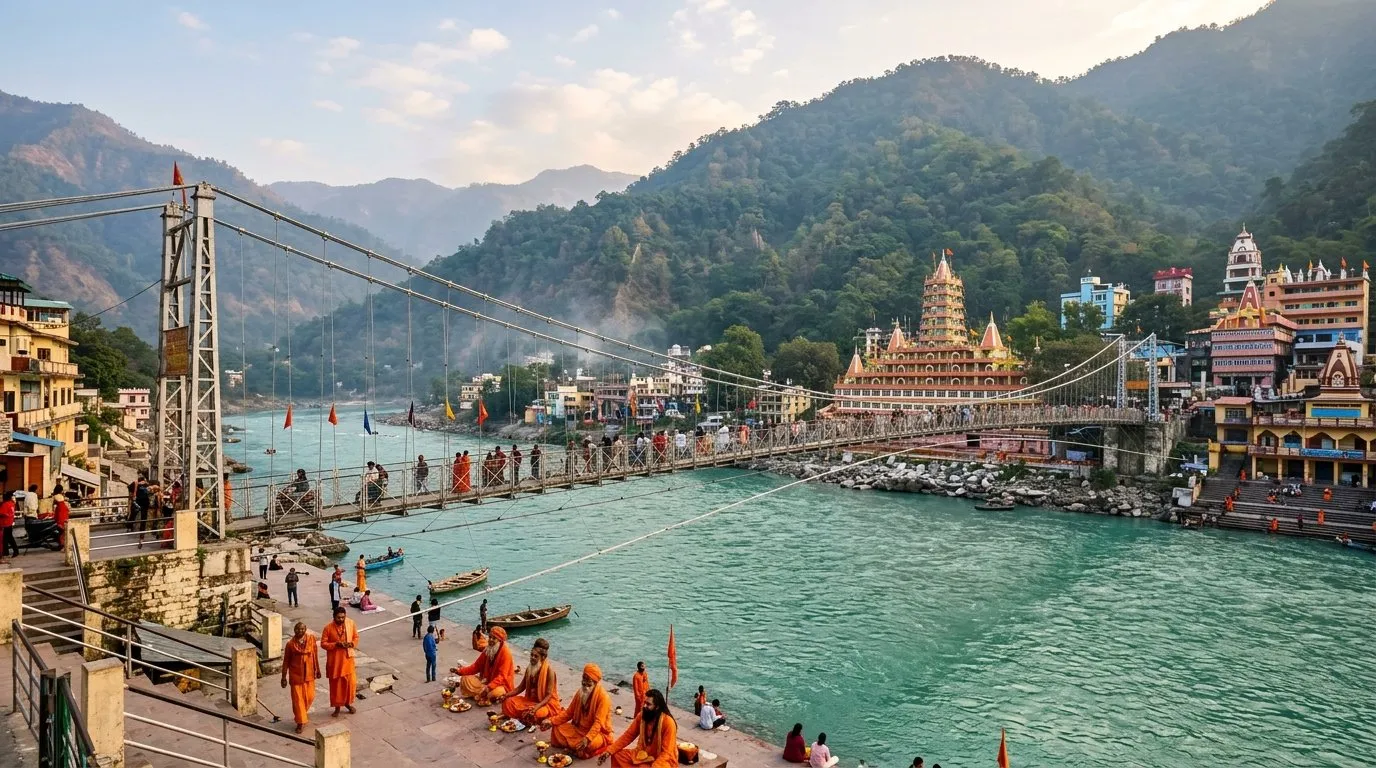
Solo-female travel in India — every destination scored, month by month
Most India travel guides tell women 'use common sense' and call it done. We rated 488 destinations on a 1-5 scale for solo-female safety, with month-specific overrides where it matters. Here's the methodology, the top 15, and the five that don't clear the bar.
10 min read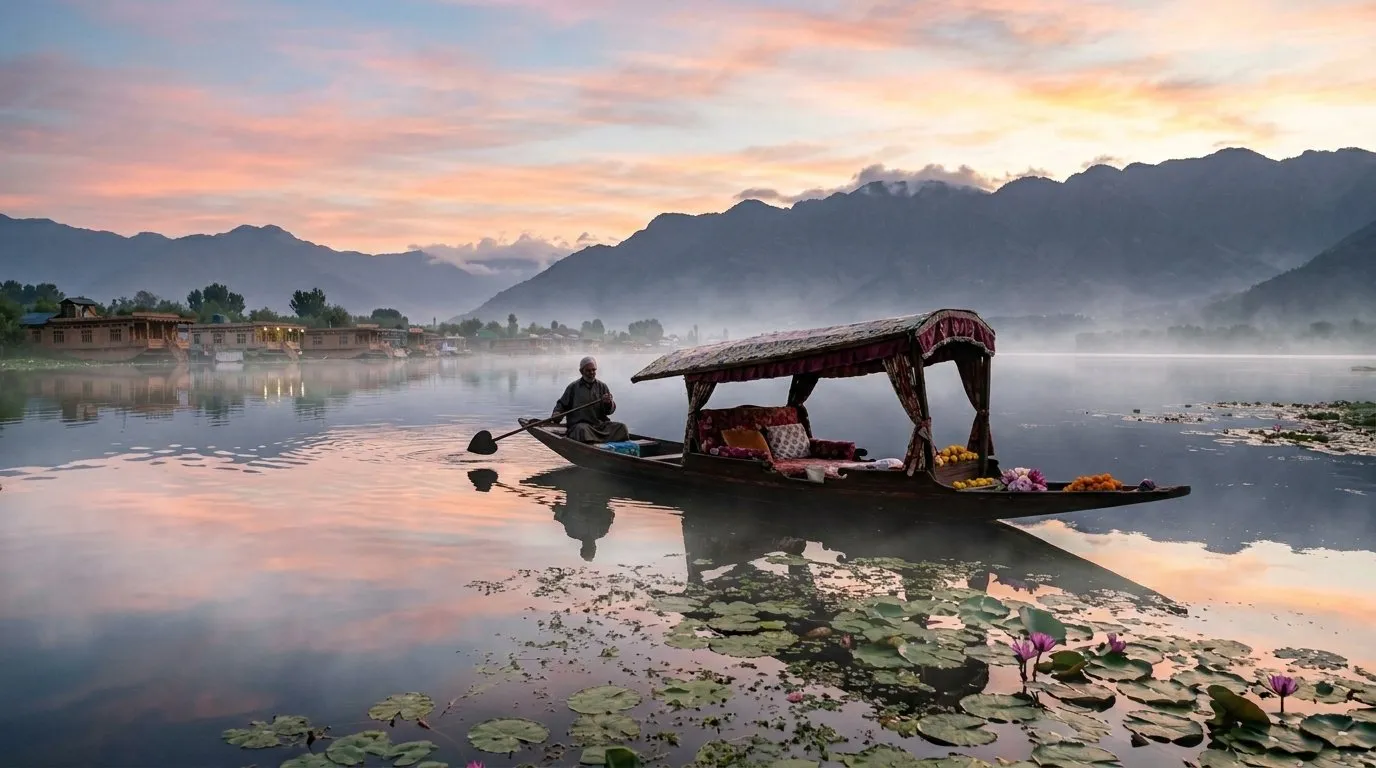
Is Kashmir safe for solo female travellers? What actually matters
Kashmir is the destination where the generic 'is India safe for women' post fails hardest. The answer depends on which month, which valley, which houseboat operator, and whether you're willing to dress differently than you would in Goa. Here's the concrete version.
6 min read- Access
- Char Dham highway. Monsoon landslides.
- Emergency
- 108 (to Gaurikund only) · Medical camp at Kedarnath (seasonal, basic). District Hospital Rudraprayag 80km.
- Stay
- ₹500-3000/night · 15 options
Go with confidence.