Complete Guide to Jibhi
The hippie hamlet in Tirthan region — treehouses, waterfalls, no Mall Road
Destinations in this article
Why Go
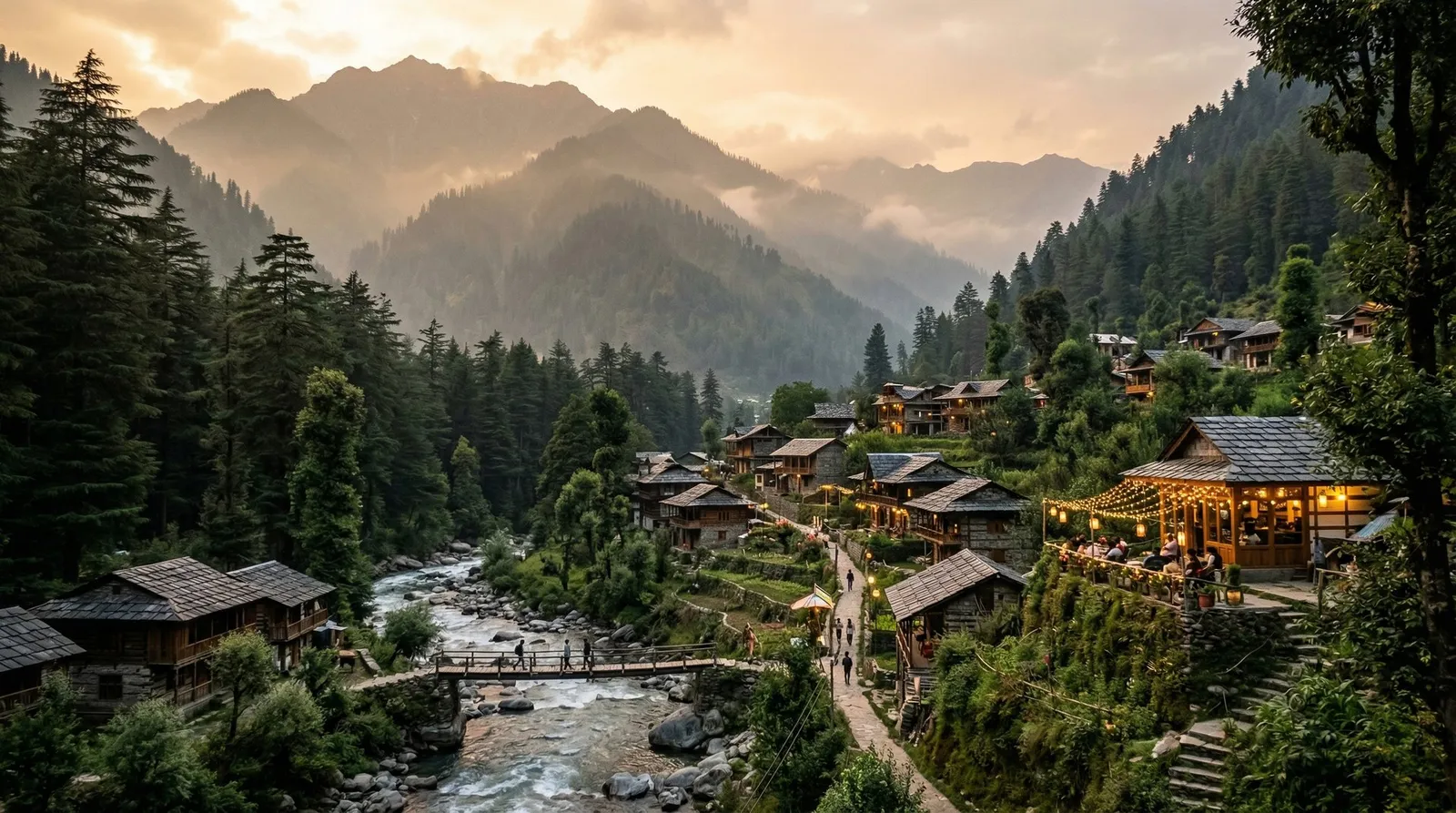
Jibhi's rise is an Instagram case study. Five years ago, this was a cluster of houses where the road from Aut to Banjar passes through the Tirthan/Banjar Valley at 1,500m in Himachal's Kullu district. A few locals built treehouses and homestays. Backpackers found them. Instagram did the rest.
Today, Jibhi has roughly 150+ properties — from Rs 500 dorm beds to Rs 5,000 treehouse rooms — strung along a 3 km stretch of road and scattered into the surrounding forest. It's become Himachal's alternative to Kasol: same backpacker demographic, similar cafe culture, but with forests instead of a river gorge.
What draws people: treehouse stays (the original selling point — wooden structures perched in pine and deodar trees), waterfall hikes (Jibhi Waterfall, Chhoie Waterfall — both short walks), Serolsar Lake (a sacred alpine lake at 3,100m, 5 km trek from Jalori Pass), and the general atmosphere of a mountain hamlet that hasn't been bulldozed into a resort town.
Jibhi's location is strategic. It sits between the Aut Tunnel (gateway from Mandi) and Banjar (gateway to Tirthan Valley and GHNP). Jalori Pass (3,120m) is 15 km above town — one of the lowest motorable passes in Himachal, offering easy access to high-altitude meadows and Serolsar Lake.
The honest truth: Jibhi is no longer a secret. Peak season weekends (May-June, October) see Delhi-Chandigarh crowds packing the treehouses. The vibe can swing from peaceful hamlet to outdoor hostel depending on timing. Weekdays and shoulder season are dramatically better.
Best Month to Visit
March to June is the main season. March is quiet and cool — off-season rates, thinner crowds. April-May brings warmth and the valley greens up. June is peak — warm days, long evenings, full occupancy.
September to November is equally good. Post-monsoon clarity, autumn colours in October, and Jalori Pass views are sharpest. November gets cold but stays dry.
Avoid July-August. Monsoon hits this valley hard. Trails are leech-infested. Waterfalls are impressive but trails to reach them are dangerous. Road landslides common.
December to February: Cold but atmospheric. Snowfall around Jalori Pass and sometimes in Jibhi itself. Many properties close or reduce rates. A quieter, moodier experience.
How to Get There
From Delhi (490 km, 10-11 hours): Delhi → Chandigarh → Mandi → Aut Tunnel → Jibhi. Same route as Tirthan Valley. The Aut Tunnel shortcut is essential. Jibhi is 20 km after the tunnel.
From Chandigarh (260 km, 6-7 hours): Chandigarh → Mandi → Aut → Jibhi. The most common approach.
From Manali (100 km, 4 hours): South via Kullu → Aut → Jibhi. The Kullu valley traffic adds time.
From Bhuntar Airport (55 km, 2 hours): Bhuntar (Kullu airport) → Aut → Jibhi. Flights from Delhi.
Local transport: A few local taxis. Most treehouses are walkable from the main road (some involve 500m-1km uphill walks — clarify before booking if travelling with heavy luggage). Jalori Pass requires a vehicle.
Infrastructure Reality
Mobile/Internet: Jio works reasonably well in main Jibhi. BSNL is available. Airtel is patchy. Most cafes and properties offer WiFi (variable quality). Better connected than deeper Tirthan Valley.
ATMs: No ATM in Jibhi proper. Nearest in Banjar (10 km). Some properties accept UPI. Carry cash.
Medical: No hospital. Small pharmacy in the bazaar. Nearest medical facility in Banjar or Kullu. Carry basics.
Accommodation: This is where Jibhi excels. Treehouses (Rs 1,500-5,000 — the originals are Jibhi's signature), homestays, backpacker hostels with dorms, wooden cottages, and a few boutique properties. Quality ranges widely. Research specific properties, not just "Jibhi stays." Booking in advance is critical for weekends April-June and October.
Food: Jibhi has developed a cafe scene — wood-fired pizza, pancakes, Israeli food (the Kasol-Manali backpacker menu has migrated). Also Himachali home food at homestays. More variety than you'd expect for a village this size. No alcohol shops in the village — some cafes serve discreetly.
Power: Reasonably reliable with occasional outages. Most properties have inverters.
Kids Verdict: 3/5
Jibhi works for mellow family trips. The forest walks are short and shaded. Treehouses are genuinely exciting for kids — sleeping in a tree is an adventure in itself. The waterfalls (especially Jibhi Waterfall, 20-minute walk) are accessible. Jalori Pass is driveable and Serolsar Lake trek is manageable for kids 8+.
Challenges: the backpacker party vibe on weekends may not suit families, treehouse rooms can be tiny and rustic (not resort-level comfort), steep walking paths to some properties with no handrails, and limited medical facilities.
Best for: Families with kids 5+ who enjoy homestay culture and forest walks. Visit on weekdays for a family-friendly atmosphere. Weekend crowd energy is young-adult oriented.
The Bottom Line
Jibhi is Himachal's backpacker success story — and like all success stories, it comes with growing pains. The treehouses are genuine fun, the waterfall hikes are rewarding, Jalori Pass and Serolsar Lake add altitude variety, and the cafe culture means you eat better than at most Himachal hill stations. But the "lesser-known spot" era is over. Come on weekdays, pick your property carefully, and you'll get the Jibhi that Instagram promised. Come on a peak-season weekend and you'll get a forest hostel. Both have their appeal — just know which one you want.
Monthly Scores
| Destination | Jan | Feb | Mar | Apr | May | Jun | Jul | Aug | Sep | Oct | Nov | Dec |
|---|---|---|---|---|---|---|---|---|---|---|---|---|
| Jibhi | 4.0 | 4.0 | 8.0 | 10.0 | 10.0 | 8.0 | 4.0 | 4.0 | 10.0 | 10.0 | 6.0 | 4.0 |
The Window · Every Sunday
Liked this? Get one every Sunday.
Best score of the week, one honest skip, road updates. Four minutes. No spam.
More in Field guide
Is Manali safe for solo female travellers? Which Manali, and when
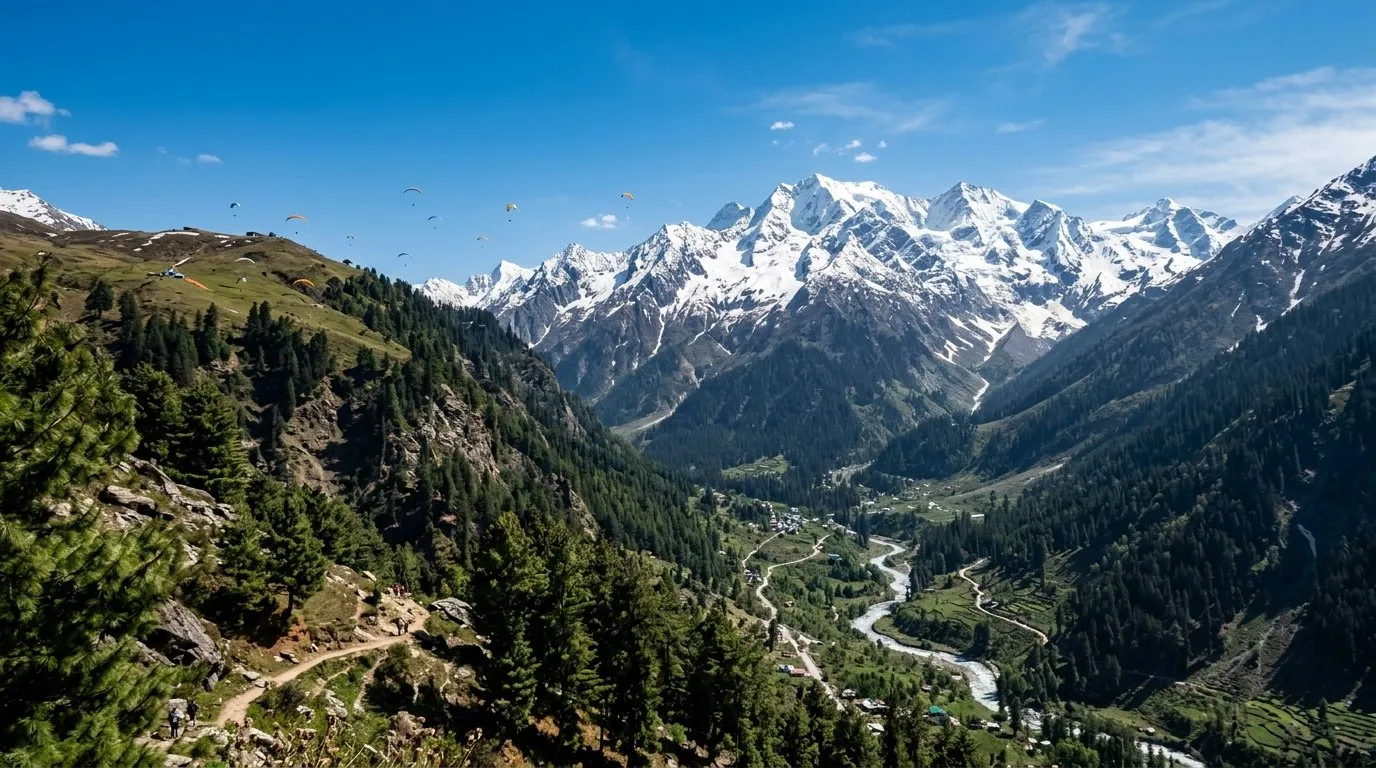
Manali is not one place. New Manali is a respectable hill town — 4/5 safe. Old Manali is the Himachal backpacker-cafe strip with party + drug scene — 2/5 after 10pm. McLeodganj 3 hours away holds 5/5 year-round. Pick deliberately.
5 min read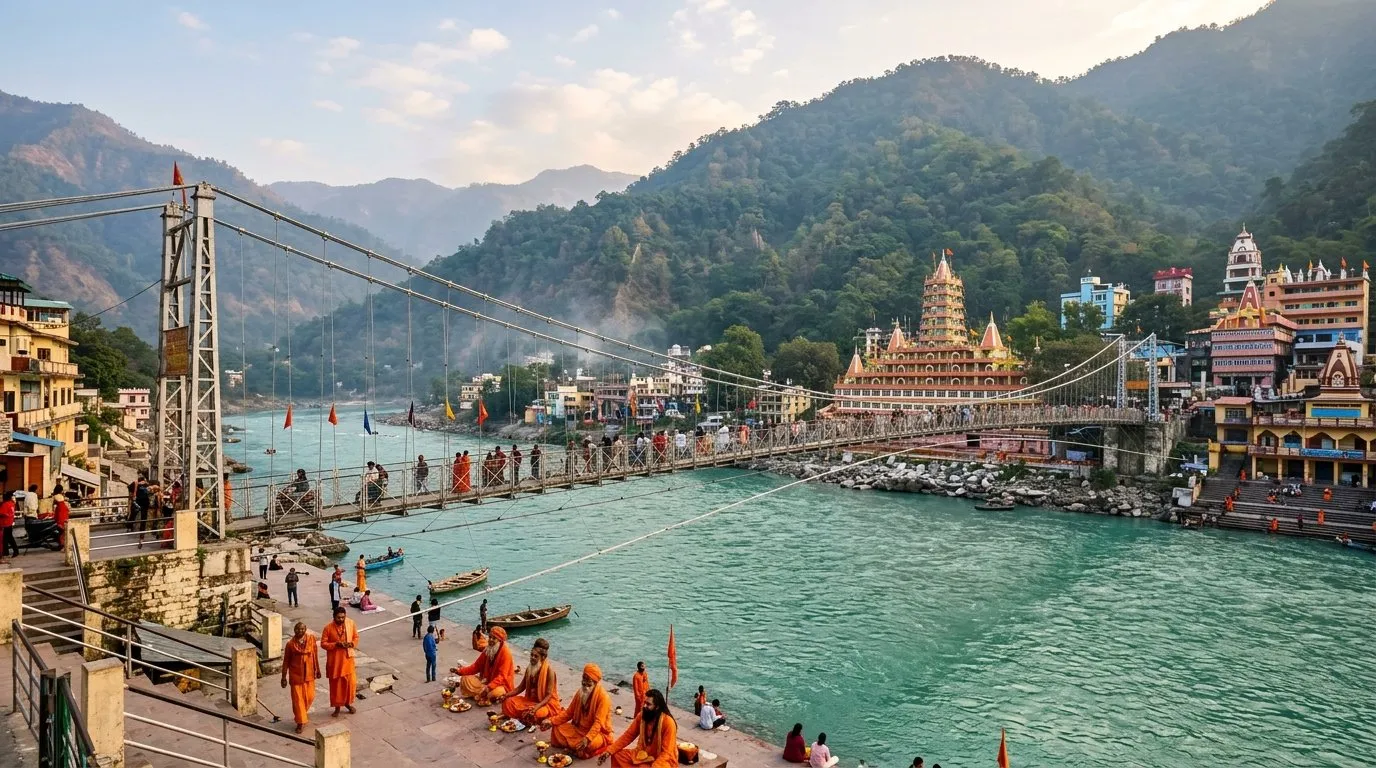
Solo-female travel in India — every destination scored, month by month
Most India travel guides tell women 'use common sense' and call it done. We rated 488 destinations on a 1-5 scale for solo-female safety, with month-specific overrides where it matters. Here's the methodology, the top 15, and the five that don't clear the bar.
10 min read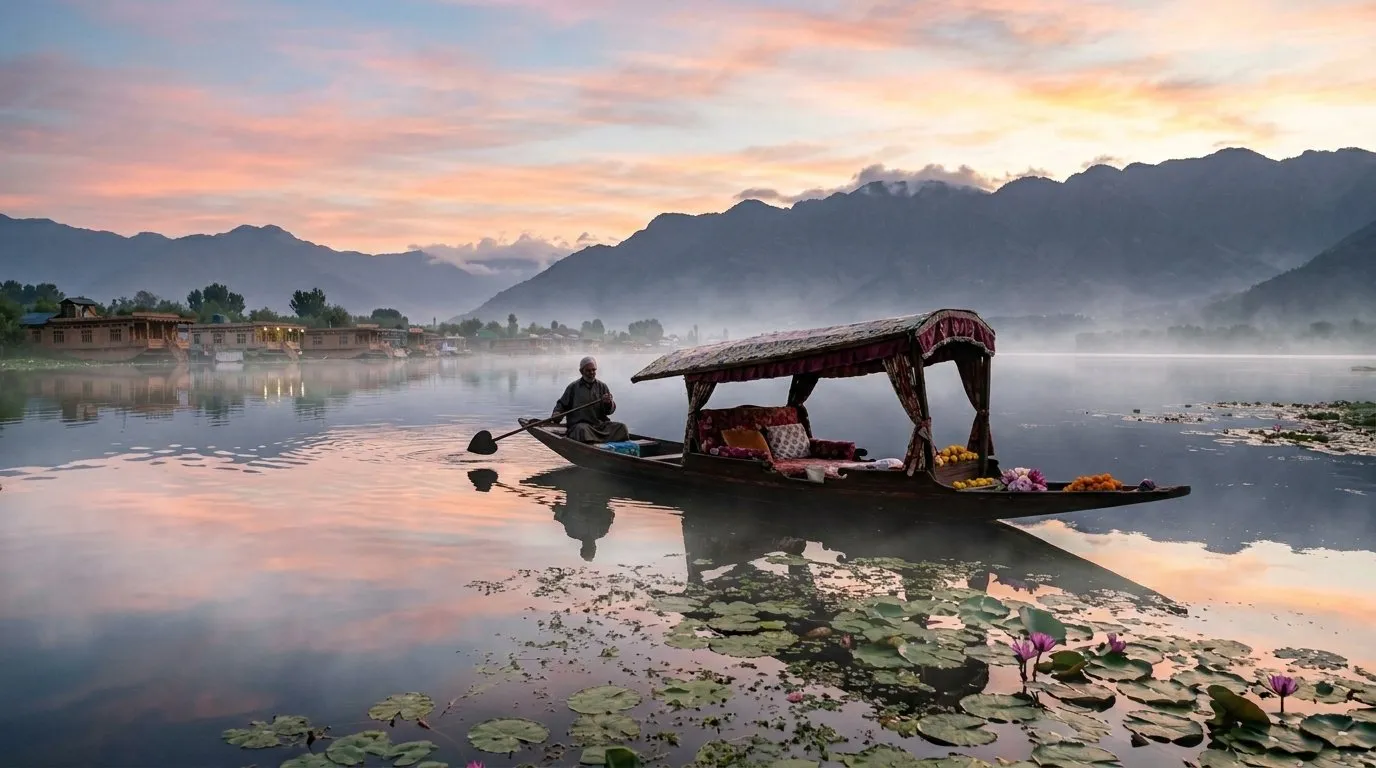
Is Kashmir safe for solo female travellers? What actually matters
Kashmir is the destination where the generic 'is India safe for women' post fails hardest. The answer depends on which month, which valley, which houseboat operator, and whether you're willing to dress differently than you would in Goa. Here's the concrete version.
6 min read- Access
- Narrow but paved from Aut.
- Emergency
- 108 (45-60min) · PHC Banjar (basic). Kullu 60km.
- Stay
- ₹500-3000/night · 20 options
Go with confidence.