Complete Guide to Binsar
Wildlife sanctuary viewpoint with 300km Himalayan panorama and zero crowds
Destinations in this article
Why Go
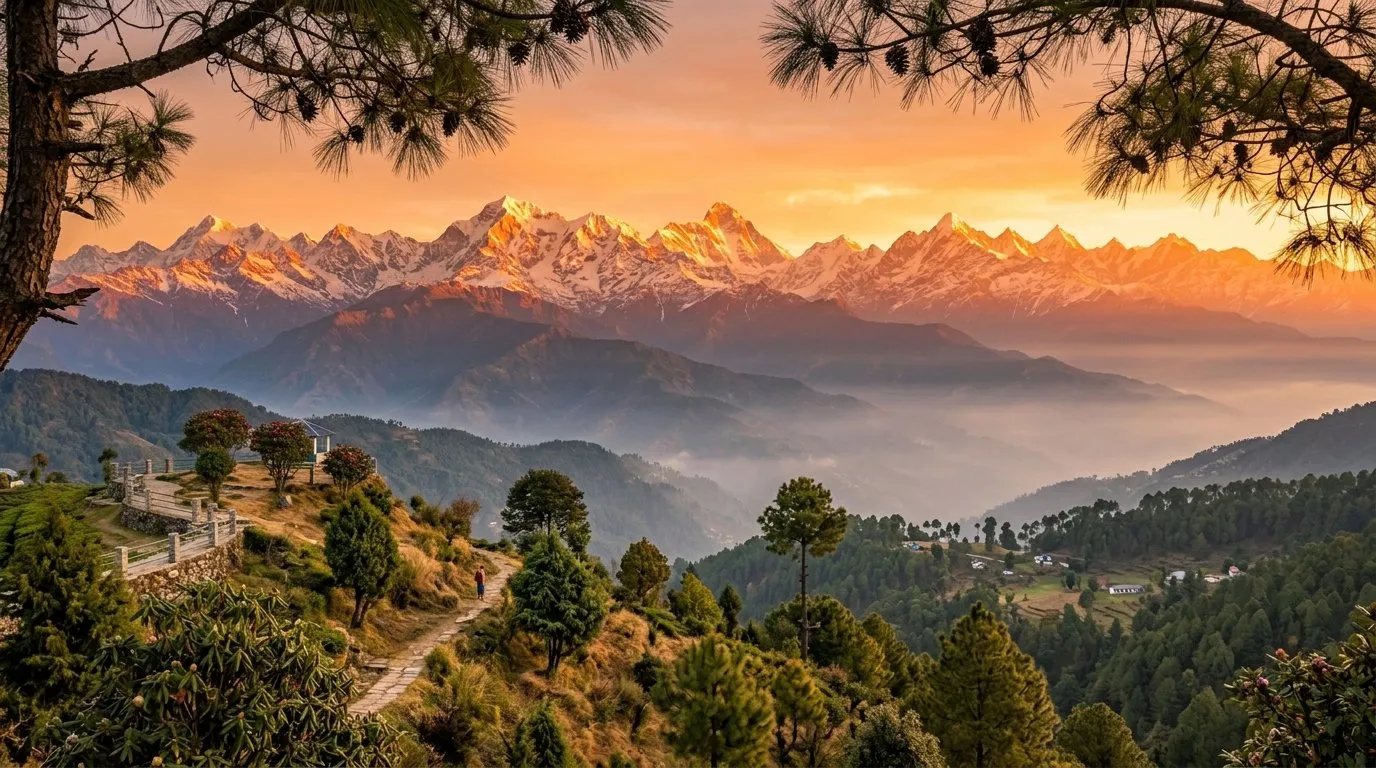
Binsar exists for one view. From the KMVN rest house at 2,420m, the 300 km Himalayan panorama stretches across Chaukhamba, Trisul, Nanda Devi, Nanda Kot, and Panchachuli. On a clear morning, the entire snowline from Garhwal to eastern Kumaon is visible in a single sweep. It is, by general consensus, one of the finest mountain panoramas accessible by road in India.
The rest of Binsar is a 47 sq km wildlife sanctuary — dense oak, rhododendron, and pine forests, home to leopards (rarely seen), Himalayan black bears (occasionally seen), barking deer, langurs, and roughly 200 bird species. The sanctuary was once the summer capital of the Chand dynasty rulers of Kumaon, and the ruins of their 16th-century Binsar Mahadev temple sit inside the forest.
Binsar's defining feature is emptiness. It gets a fraction of the visitors that Nainital (100 km) or Almora (33 km) attract. There's no town at Binsar — it's a sanctuary with a few scattered properties and a KMVN rest house at the top. You come here for the view, the forest, and the silence. If you need shops, restaurants, and evening entertainment, you're in the wrong place.
The forest walks are the secondary attraction. Well-marked trails wind through oak and rhododendron forest, with bird sightings guaranteed for anyone with binoculars and patience. The density of the forest at 2,000-2,400m creates a green-tunnel effect that's distinct from pine-dominated hill stations.
Best Month to Visit
October to March is the prime window for views. Winter air is clearest — the Himalayan panorama is sharpest from November to February. October and March bookend the cold season with milder temperatures and good visibility.
December-February is cold (0-8 degrees Celsius) but spectacular for views. Snow is rare at 2,420m but possible.
April to June is warmer and the forest is at its greenest. Rhododendrons bloom in March-April. Mountain views are less consistent due to haze but mornings are often clear.
Avoid July-September. Monsoon brings cloud cover that obliterates the panorama — the entire reason you came. Leeches appear on forest trails. Road conditions deteriorate.
How to Get There
From Delhi (370 km, 9-10 hours): Delhi → Haldwani → Almora → Binsar. The Haldwani-Almora road is well-maintained. From Almora, it's 33 km to the Binsar gate, then a steep 12 km drive through the sanctuary to the top.
From Almora (33 km, 1.5 hours): The standard approach. Road to the sanctuary gate is fine. Inside the sanctuary, the road narrows and climbs steeply — low-gear driving.
From Nainital (100 km, 3.5 hours): Via Almora. A logical combination — spend time in Nainital then retreat to Binsar for contrast.
From Kathgodam (120 km, 4 hours): Kathgodam is the nearest railhead with daily trains from Delhi. Taxi or shared jeep to Almora, then onward to Binsar.
Local transport: No public transport inside the sanctuary. You need your own vehicle or a taxi from Almora. Inside the sanctuary, walking is the mode of transport.
Infrastructure Reality
Mobile/Internet: BSNL works at the KMVN rest house (barely). Jio and Airtel are unreliable inside the sanctuary. Effectively offline. Embrace it.
ATMs: None in Binsar. Nearest in Almora (33 km). Carry all cash.
Medical: Nothing in Binsar. Nearest hospital in Almora. Carry first-aid and any medicines you need.
Accommodation: The KMVN rest house at the summit has the best location and view (Rs 1,000-2,500, book via KMVN website). A handful of private properties around the sanctuary (some excellent, some overpriced). the KMVN Tourist Rest House (see Binsar stays) and Mary Budden Estate are well-regarded heritage properties. Total room inventory is small — book ahead for October-March weekends.
Food: Most properties offer meals (and you have no alternative — there are no restaurants in Binsar). KMVN rest house has a basic kitchen. Private properties generally serve better food. Carry snacks for forest walks.
Power: Available but outages occur. Properties generally have backup. Carry a power bank.
Kids Verdict: 3/5
The forest walks are engaging for nature-curious kids — birdwatching, spotting langurs, collecting pine cones. The view (if clear) is dramatic enough to impress even teenagers. No steep or dangerous terrain on the main trails.
Challenges: nothing to do on a cloudy day (the view is literally everything), no kid-specific activities, limited indoor entertainment, and the drive from Delhi is long.
Best for: Families with kids 6+ who enjoy nature walks and birdwatching. Combine with Almora for town activities. Excellent for a quiet weekend away from noise.
The Bottom Line
Binsar is a single-purpose destination: come for the 300km panorama and the oak forest. It delivers both at a level that justifies the trip. The sanctuary keeps development out, which means Binsar stays quiet but also stays basic. If the view is clear, you'll photograph it a hundred times and still stare. If clouds roll in, you'll have a nice forest walk and a lesson in Himalayan weather humility. Check the forecast, time your visit for winter mornings, and let the panorama do the work.
Monthly Scores
| Destination | Jan | Feb | Mar | Apr | May | Jun | Jul | Aug | Sep | Oct | Nov | Dec |
|---|---|---|---|---|---|---|---|---|---|---|---|---|
| Binsar | 6.0 | 6.0 | 10.0 | 10.0 | 6.0 | 4.0 | 2.0 | 2.0 | 6.0 | 10.0 | 10.0 | 6.0 |
The Window · Every Sunday
Liked this? Get one every Sunday.
Best score of the week, one honest skip, road updates. Four minutes. No spam.
More in Field guide
Is Manali safe for solo female travellers? Which Manali, and when
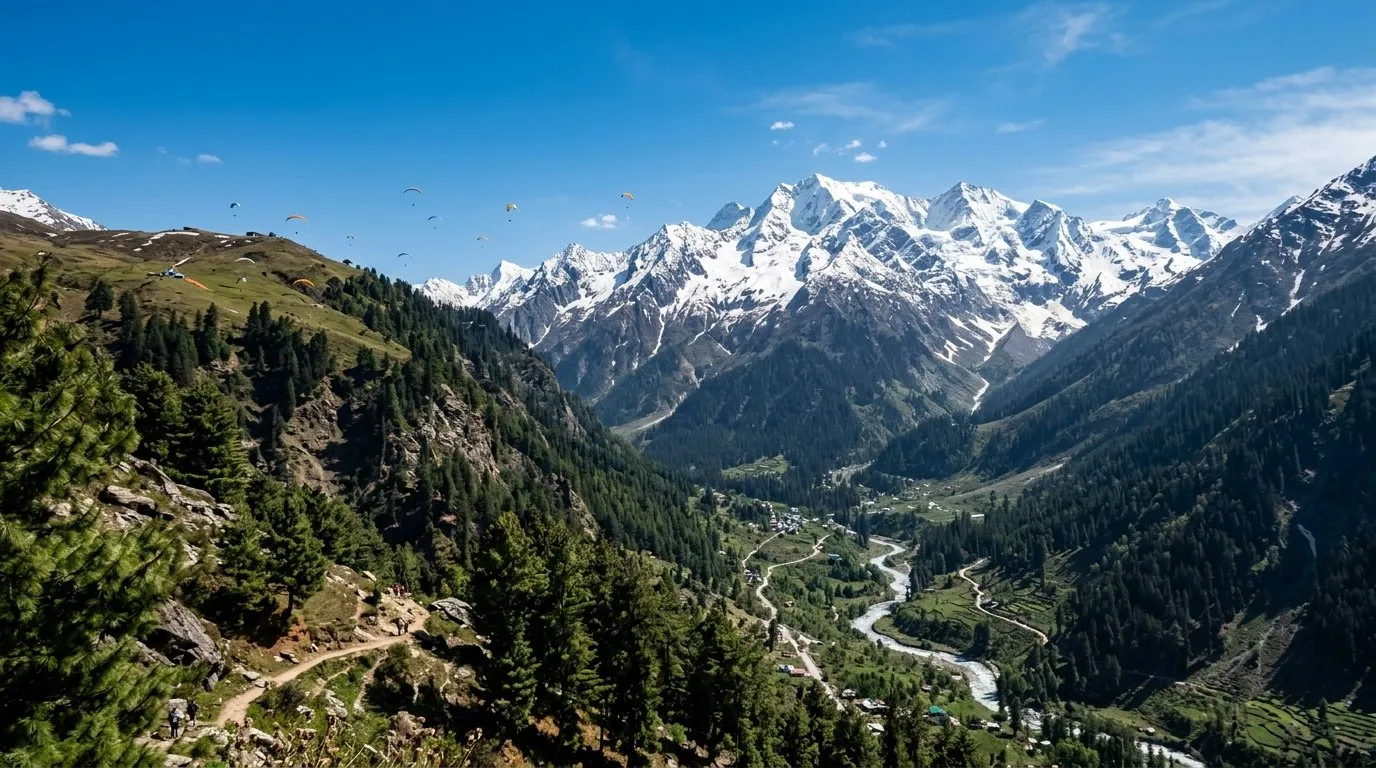
Manali is not one place. New Manali is a respectable hill town — 4/5 safe. Old Manali is the Himachal backpacker-cafe strip with party + drug scene — 2/5 after 10pm. McLeodganj 3 hours away holds 5/5 year-round. Pick deliberately.
5 min read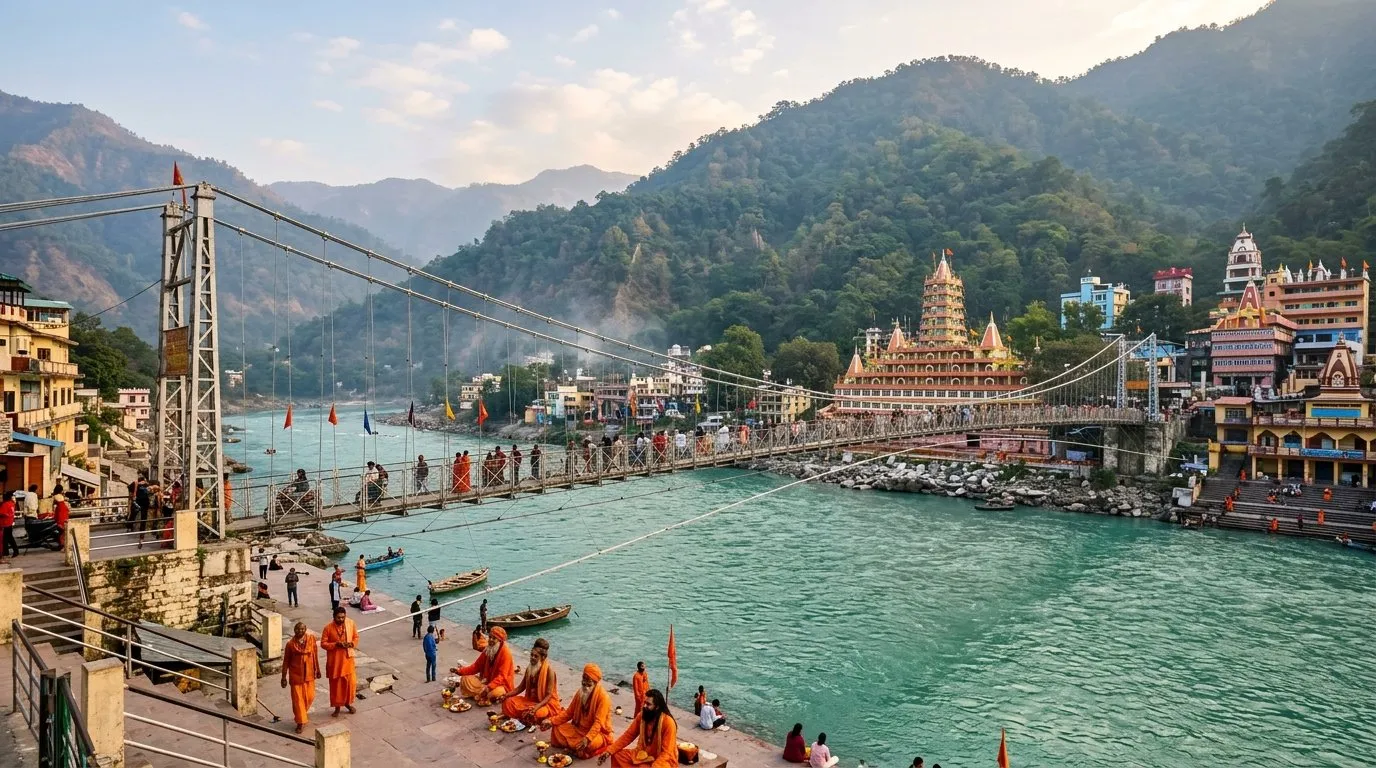
Solo-female travel in India — every destination scored, month by month
Most India travel guides tell women 'use common sense' and call it done. We rated 488 destinations on a 1-5 scale for solo-female safety, with month-specific overrides where it matters. Here's the methodology, the top 15, and the five that don't clear the bar.
10 min read
Is Kashmir safe for solo female travellers? What actually matters
Kashmir is the destination where the generic 'is India safe for women' post fails hardest. The answer depends on which month, which valley, which houseboat operator, and whether you're willing to dress differently than you would in Goa. Here's the concrete version.
6 min read- Access
- Narrow mountain road through forest.
- Emergency
- 108 (45-60 min) · Almora (33km).
- Stay
- ₹1000-4000/night · 5 options
Go with confidence.