Where to go in India this September.
Ranked by NakshIQ Score · Ties broken by editorial richness · Hover for full color
Where to go in India
September in India — where the data says go, wait, and skip
Every destination scored 0-10 for September — weather, roads, crowds, festivals. Go first, then Wait, then Skip. No opinions, just the data.
The other scoring 10/10
10/1066 destinations


A good time
8/1094 destinations




Fair
6/10204 destinationsWhere to skip
156 destinationsThese destinations score poorly in September — bad weather, closed roads, or dangerous conditions. Save them for a better month.
September is on the way out of monsoon but still firmly in it for the first ten days. Aalo-Mechuka road remains landslide-prone until mid-month. Rafting season is still six weeks away. October delivers a cleaner trip with no real downside.
September at Agartala — first-half September is still wet; parks don't re-open until around October 1st officially. Tripura + Bangladesh border should plan for Oct–Apr.
September is half-monsoon, half-recovery. The full season starts October 1 with cleaner conditions and a wider operator base. Two weeks of patience converts a tentative trip into a clean one.
September is on the way back but the South Goa shack-licence cycle holds shacks shut till October 1. Beach is walkable by mid-month but kitchen-free; most homestays and resorts (Coconut Lagoon Treehouse, Agonda Garden Cottages) reopen between September 25 and October 5. Push to October.
September at Aizawl — first-half September is still wet; parks don't re-open until around October 1st officially. Cascading hill city should plan for Oct–Apr.
September Alibaug is borderline — M2M ferry targets mid-month restart but actual operations often slip to Sep 22+, Arabian Sea swell takes weeks to settle, beaches still red-flagged in heavy spells. Confirm before planning, otherwise wait October.
September is on the way back at Anamalai but the SW monsoon holds the first fortnight — 250-400mm rainfall, safari zones reopen only late month, the Topslip-Pollachi road still landslide-watch through Sep 20. Wildlife still dispersed in dense forest cover. October is the cleaner call when full operations resume.
September at Anini — the monsoon isn't gone yet — first-half September still sees heavy storms and unreliable road access. Idu Mishmi heritage should plan for Mar–May, Oct–Nov.
September is rebuild-not-yet-open month at Anjuna. Beach still rough, shacks under construction, Wednesday Flea Market suspended through month. Push to mid-October when the shack belt fully opens.
Monsoon rains remain frequent in early September, beaches stay muddy, and water remains unsafe for swimming. Shack rebuilding isn't complete.
September is on the way back to coherent but still in the run-up to it. The northeast monsoon — the rain pattern that actually defines the Coromandel year — is still 4-6 weeks away. October delivers materially better weather, Matrimandir access, and pavilion programming.
September is on the way out of monsoon but Bangaram Island Resort doesn't re-open until the last week. October offers a far cleaner window with two extra weeks of certainty — same shoulder-season rates and dramatically more reliable conditions.
Baratang depends on a chain of working infrastructure (road, convoy, boats, cave access) and that chain is not back together until October at the earliest. November is dramatically cleaner.
Early September is still rain-heavy. The fort exterior circuit and keyhole watchtower path don't come back online until the last week. Sea remains rough through most of the month. If your dates fall in the first fortnight, push to mid-October.
September is rebuild-not-yet-open month. Boatyard outdoor work picks up in the last week only. Beach calms but lifeguard cover thin. Push to October when the full Uru-craft observation cycle returns.
September at Bhalukpong — the monsoon isn't gone yet — first-half September still sees heavy storms and unreliable road access. Tipi orchid centre should plan for Oct–Mar.
The site is still muddy in places. Sporadic rain showers occur. Full drying takes another month. Infrastructure remains minimal.
September is rebuild-not-yet-open month. Beach still rough, shacks under construction, Saturday Night Market still suspended, water sports off. Wait two-three weeks.
September at Champhai — first-half September is still wet; parks don't re-open until around October 1st officially. Rih Dil sacred lake should plan for Oct–Mar.
September is rebuild-not-yet-open month at Cherai. Sea state rough through the first three weeks, dolphin spotting suspended till October 1, beach width still recovering. Push to mid-October when the full beach-and-dolphin trip resumes.
September at Cherrapunji (Sohra) — first-half September is still wet; parks don't re-open until around October 1st officially. Living Root Bridges should plan for Oct–Apr.
Trails remain waterlogged despite monsoon retreat, making hiking treacherous. Migratory birds haven't begun returning in force yet.
September rain-shadow monsoon peaks with 80-120mm rainfall. Trails remain muddy and wildlife spotting remains nearly impossible.
Waterlogged backroads make island exploration tedious in the tail-end monsoon. Early-month conditions remain problematic.
Beaches remain waterlogged and plagued by seaweed from active monsoon rains. Early-month conditions are worse than late-month.
September is on the way back but still in the monsoon for the first half. Devka Beach swim restrictions ease only late-month, NH48 still floods on heavy days, and hotel rates have not yet climbed. October dramatically cleaner with two extra weeks of patience.
September is on the way back to road-coherent but still firmly in monsoon for the first fortnight. The Roing-Dambuk road remains in break-and-clear mode through the first three weeks. Mishmi homestay grid is in re-opening prep, not yet operational. October delivers a meaningfully cleaner trip with no real downside.
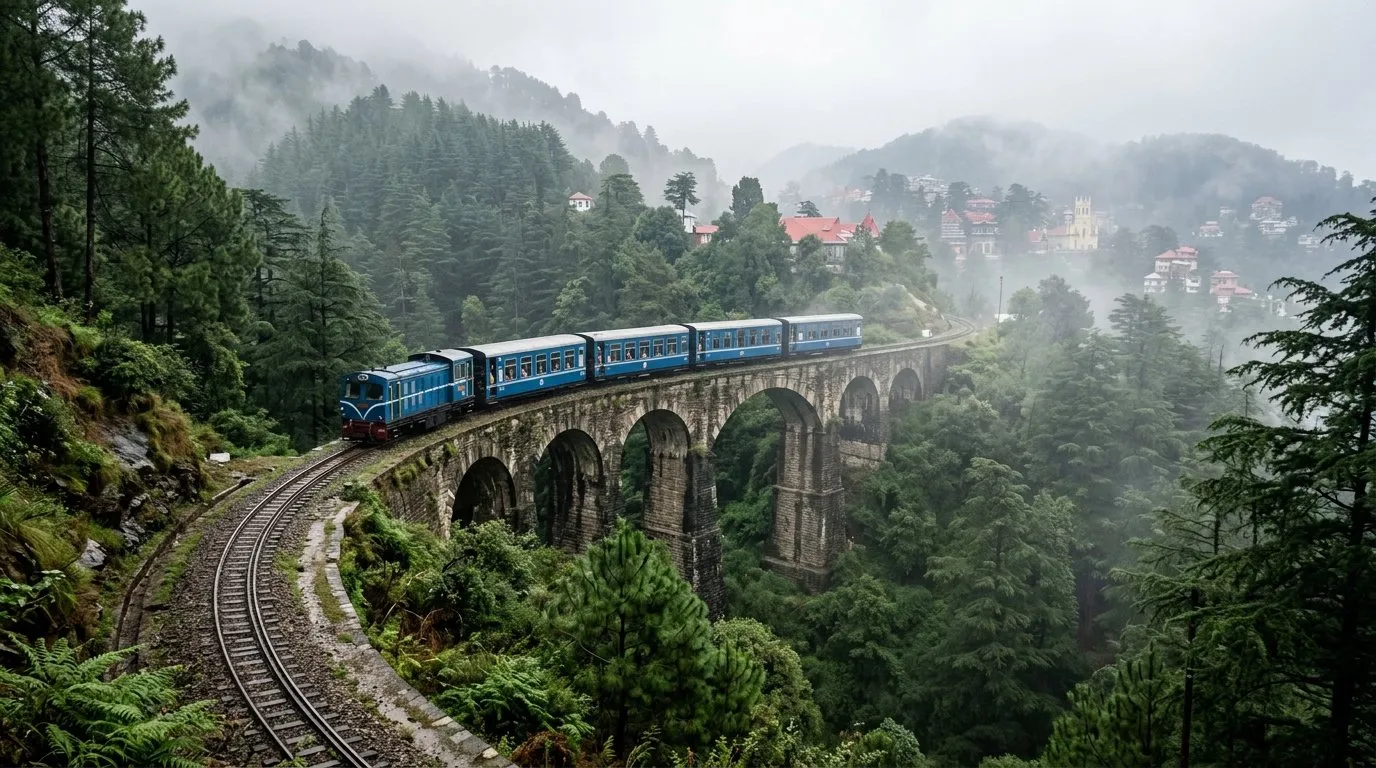
September falls well outside Darjeeling's Mar–May, Oct–Nov window. Conditions are harder, local services scaled back, and the version of the place you'd actually get isn't the one that makes the trip worth doing. The shoulder month either side would be a closer call, but this month isn't it. Toy train enthusiasts should plan for Mar–May, Oct–Nov.
September at Dawki — first-half September is still wet; parks don't re-open until around October 1st officially. India-Bangladesh border should plan for Oct–Mar.
Diglipur's headline experiences need infrastructure that Forest Department clears November-onward. September is the tease - travel time and risk for a trip that mostly cannot happen. Wait two months.
September is on the way back but still in monsoon for the first half. Beaches stay restricted until late month, Alliance Air rebuilds rotations gradually, the Festa de Diu programme has not restarted. October is dramatically cleaner with two extra weeks of patience.
September at Dzukou Valley — first-half September is still wet; parks don't re-open until around October 1st officially. Travelers exploring the Naga cultural heartland should plan for Mar–Jun, Oct–Nov.
September at Gangtok — the monsoon isn't gone yet — first-half September still sees heavy storms and unreliable road access. First-time Northeast travelers should plan for Mar–May, Oct–Nov.
September Ganpatipule transitions — monsoon withdrawing, Arabian Sea swell takes weeks to settle, beach storm-debris, Konkan Railway gradually restoring full services. Ganesh Chaturthi Sep 12-22 brings Konkan-village pandals. Postpone leisure to October.
September is on the way back but first fortnight remains wet, beach swim still under advisory, cliff trail still slippery first three weeks. Push to mid-October.
September at Guwahati — first-half September is still wet; parks don't re-open until around October 1st officially. Kamakhya Shakti Peeth should plan for Oct–Apr.
September at Haflong — first-half September is still wet; parks don't re-open until around October 1st officially. Dimasa + Kachari history travelers should plan for Oct–Mar.
September Harihareshwar is uncertain — Arabian Sea swell takes weeks to settle post-monsoon, low-tide rock walks risky into mid-month, Bagmandala ferry restart unreliable, beach storm-worn. Postpone to October.
Only the last week of September is functional. Ferries cancel often, dive trips run skeleton schedules, vis is half what October delivers. October arrives with dramatically better odds - and it is just two weeks away.
September at Imphal — first-half September is still wet; parks don't re-open until around October 1st officially. Manipuri classical dance should plan for Oct–Apr.
Occasional heavy rainfall still occurs. Trails have mud and leeches. Humidity remains high at 70-75%. Some trail damage persists.
September at Jorhat — first-half September is still wet; parks don't re-open until around October 1st officially. Majuli gateway should plan for Oct–Mar.
September at Kabini — SW monsoon retreating but reservoir still at peak levels, boat safari ops resuming only week 3+. Sighting odds easing but October dramatically better for the full Kabini experience.
September is half-monsoon, half-recovery. Kadmat Beach Resort doesn't re-open until the last week. Two extra weeks of patience converts a tentative trip into a clean October one with the same shoulder-season rates.
September is rebuild-not-yet-open month. Theyyam village programming resumes mid-October, not before. Sea remains rough through three weeks. Push to late October when the full Theyyam-and-beach trip comes back online.
September at Kanyakumari is the run-in to the clean window. SW retreat improves ferry reliability but sunrise haze and 150-200mm rainfall still keep it below October. Push 4 weeks.
Roads are still unstable; landslides continue sporadically. Guesthouses operate on limited schedules. Weather is unpredictable. Travel plans frequently change due to road conditions.
September sees monsoon retreat but the beach remains dangerous early-month. Humidity stays high (80%+) and rainfall (300–400mm) continues sporadically. Ferry restarts only late September, limiting reliable island access.
September Kashid is uncertain — Arabian Sea swell takes weeks to settle, water-sports restart unreliable, beach storm-debris, Phansad WLS roads drying out. Confirm before planning, otherwise wait October.
September sees monsoon retreat but the resort reopens only around Sep 25–30 (sometimes later). Rainfall (200–250mm) falls mostly in the first half. Ferry schedules remain unpredictable for most of the month.
Late monsoon (10–18°C) leaves trails dangerously slick from rain-saturated ground. Landslide risks remain elevated. Visibility is still poor. Wait for October clarity.
Occasional heavy rainfall still occurs. Some roads may have fresh damage. Border region access may still have restrictions.
Monsoon retreat lingers — 350–400mm rain and oppressive humidity (above 80%) make Fort Kochi's cramped lanes exhaust rather than delight. Heritage walks remain wet.
September at Kohima — first-half September is still wet; parks don't re-open until around October 1st officially. Hornbill Festival attendees (Dec 1–10) should plan for Oct–Mar.
Monsoon retreat persists — 250–400mm rain, rough seas, and swimming unsafe. Beach calms gradually by month's end. Shacks rebuild mid-month.
Monsoon retreat — 400–600mm rain persists, trails remain waterlogged and slippery through early September, and Kumara Parvatha stays closed. Trek reopens October mid-month.
September is monsoon-retreat Kutch. Rains ease but the Rann remains waterlogged, humidity is high (24-32C), and the white salt desert won't dry out until November. Craft villages reopen meaningfully but the headline experience is still six weeks away.
September at Lachen — the monsoon isn't gone yet — first-half September still sees heavy storms and unreliable road access. Lachenpa Lepcha should plan for Mar–May, Oct–Nov.
September at Lambasingi is monsoon retreat. Roads tentatively reopen. But the destination's entire purpose — sub-zero frost — is still 3 months away. Wait for December.
September (320mm rain) marks late monsoon. Ferry resumes 2 sailings weekly mid-month, but trails remain uncertified and operators remain shut. The month is recovery-phase travel, not exploration.
September (post-monsoon, lake receding) still leaves the lake swollen. Floating islands remain submerged deeper than peak season, limiting visibility of the unique ecosystem.
September (late monsoon, 320mm rain) sees ferry resume mid-month. Both homestays remain shut until October. Only late-month access is possible.
September at Lunglei — first-half September is still wet; parks don't re-open until around October 1st officially. Khawnglung Wildlife Sanctuary should plan for Oct–Mar.
September is on the trickle back but caught in the monsoon-retreat overlap with peak Bay of Bengal cyclone formation. Hudhud-class risk is the historic baseline (October-class storms can form mid-September). October 15 onward is dramatically cleaner.
September at Majuli — first-half September is still wet; parks don't re-open until around October 1st officially. World's-largest-river-island travelers should plan for Oct–Apr.
September is rebuild-not-yet-open month. Beach still rough, shacks under construction, yoga schools closed till October. Wait two-three weeks.
Monsoon humidity lingers with frequent rain, making outdoor exploration uncomfortable. Sea state is still rough, and beaches are not fully reopened.
September is rebuild-not-yet-open at Marari. Beach access prohibited through first three weeks. Push to mid-October when full beach width and sea-bathing returns.
September at Mawlynnong — first-half September is still wet; parks don't re-open until around October 1st officially. Meghalaya circuit travelers should plan for Oct–Apr.
September at Mawsynram — first-half September is still wet; parks don't re-open until around October 1st officially. Mawjymbuin Cave Shivling should plan for Oct–Apr.
Tourist Lodge re-opens late September (last week only). Erratic ferry schedules delay returns. Rain (200-250mm) still significant. Travel risky.
September at Mokokchung — first-half September is still wet; parks don't re-open until around October 1st officially. Moatsu festival should plan for Oct–Mar.
Monsoon tail-off (500-700mm rain). Sanctuary reopens late month. Trails remain waterlogged. Leeches peak during monsoon retreat. Wait for October.
September at Mon — first-half September is still wet; parks don't re-open until around October 1st officially. Longwa Indo-Myanmar border should plan for Oct–Mar.
September at Moreh — first-half September is still wet; parks don't re-open until around October 1st officially. Cross-border trade should plan for Oct–Mar.
Monsoon retreat (24-31C, 250-300mm rain). La Plage at full hours but beaches muddy and unsafe. Turtle patrols not yet restarted. Wait for October.
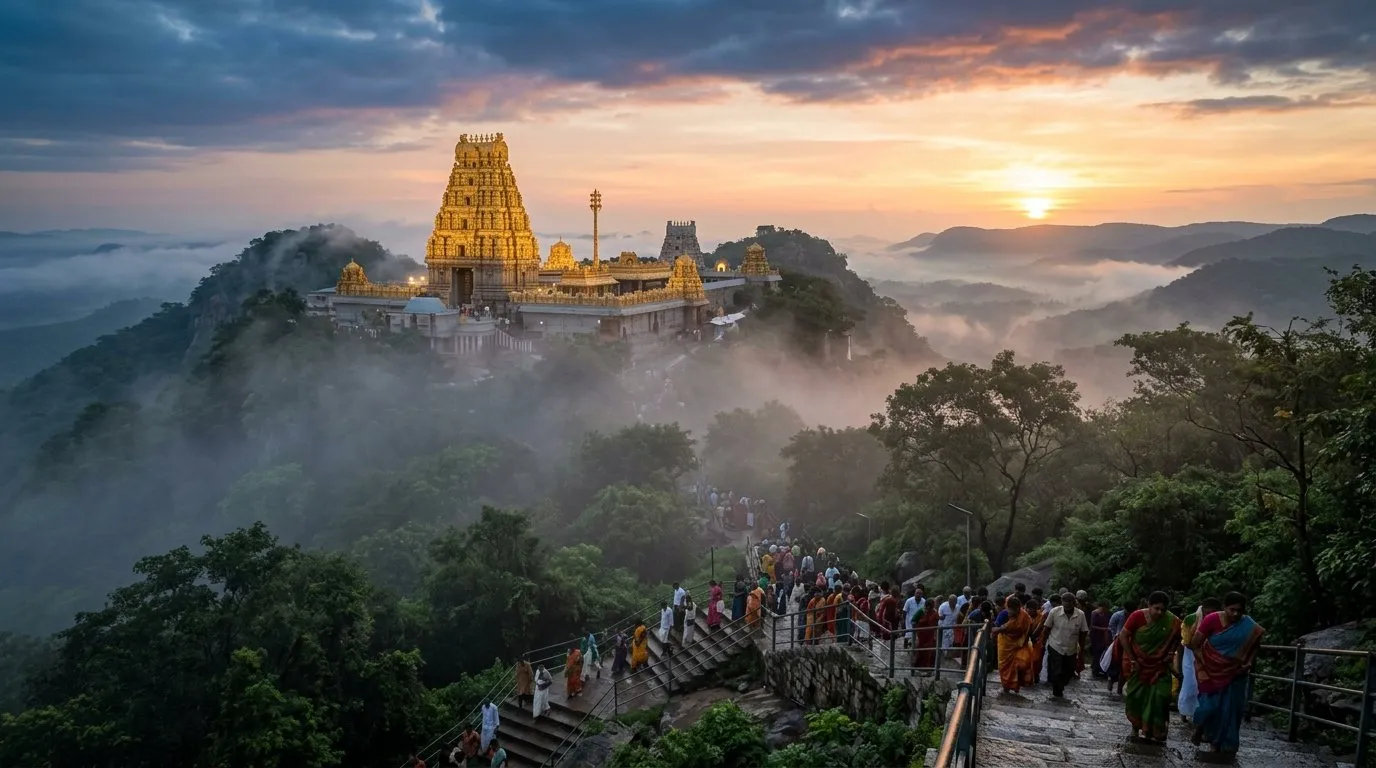
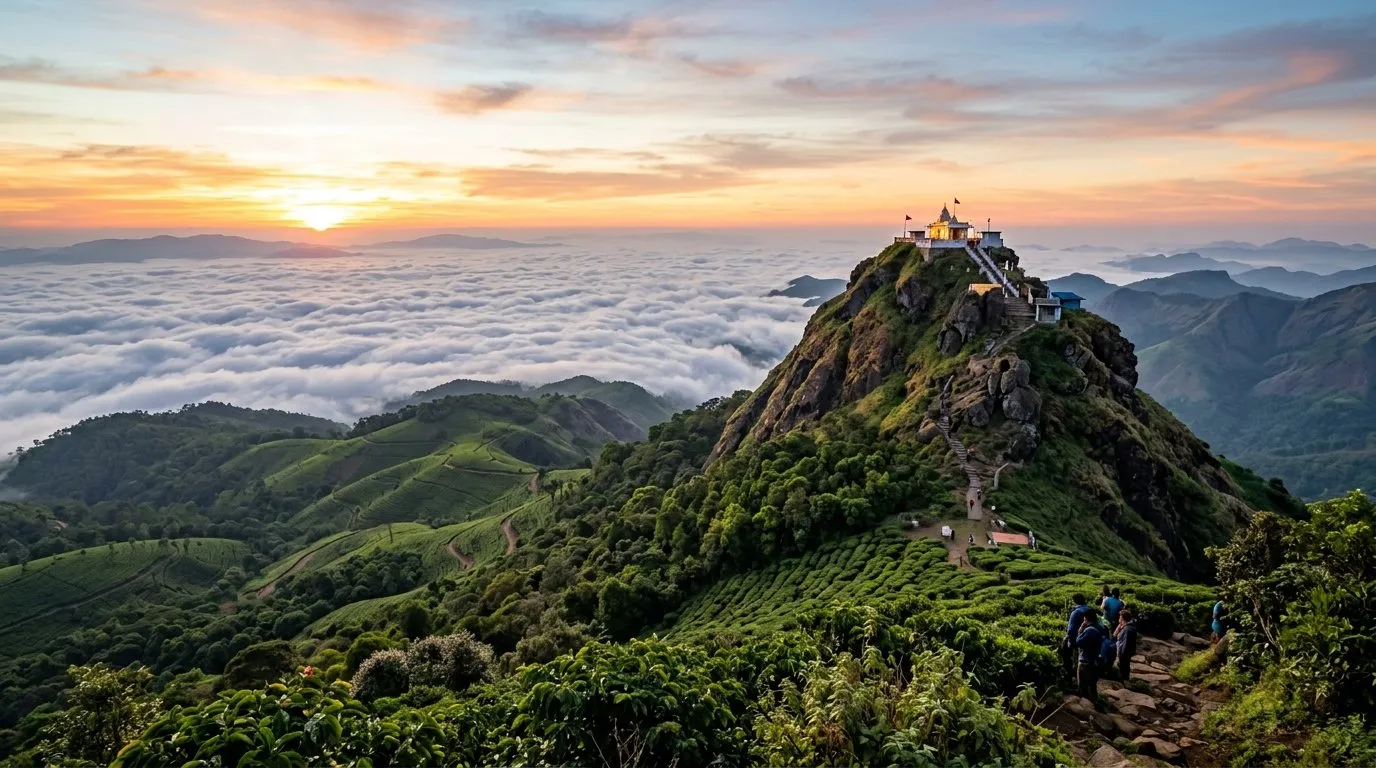
The southwest monsoon keeps the steps wet and slippery through September, making the roughly 9,000-step ascent genuinely risky. Rain, low cloud, and poor visibility at the summit negate the views that are the main reason to make the climb.
Monsoon retreat (24-30C, 300-400mm rain). Netrani prep for October. Beach reopening late month. Humidity peaks mid-September before monsoon clears.
September is monsoon-retreat Nalsarovar. The wetland water levels remain high, bird density still low, and the first early migrant arrivals begin only in late September. Wait until October-November for meaningful birding.
September at Namchi — the monsoon isn't gone yet — first-half September still sees heavy storms and unreliable road access. Char Dham replicas should plan for Mar–May, Oct–Nov.
September at Namdapha — the monsoon isn't gone yet — first-half September still sees heavy storms and unreliable road access. Hoolock gibbon should plan for Mar–May, Oct–Nov.
Roads remain unpredictable; sporadic landslides occur. Services operate on reduced schedules. Weather changes rapidly. Plans often shift.
September at Neermahal — first-half September is still wet; parks don't re-open until around October 1st officially. Hindu-Islamic architecture should plan for Oct–Mar.
Only the last week of September is functional and even then ferry cancellations are real. Natural Bridge access is patchy as swells stay elevated. Two extra weeks of patience buys October's clean opening.
September at Nongriat — first-half September is still wet; parks don't re-open until around October 1st officially. UNESCO tentative site should plan for Oct–Mar.
Most of September is firmly in monsoon. Sea-walk and beginner-scuba operators are still closed for the first three weeks; glass-bottom restarts on a thin schedule from around September 25. October arrives with dramatically cleaner conditions and three more weeks of patience.
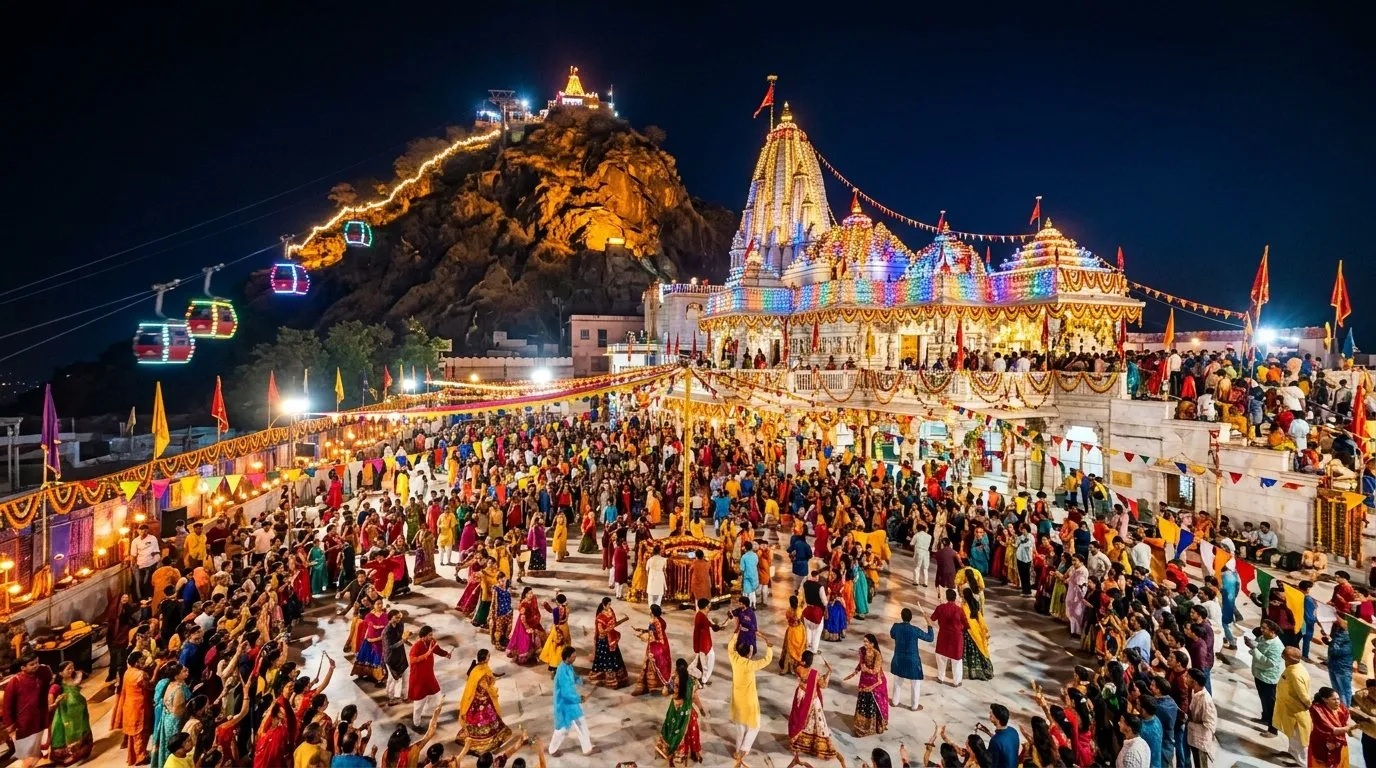
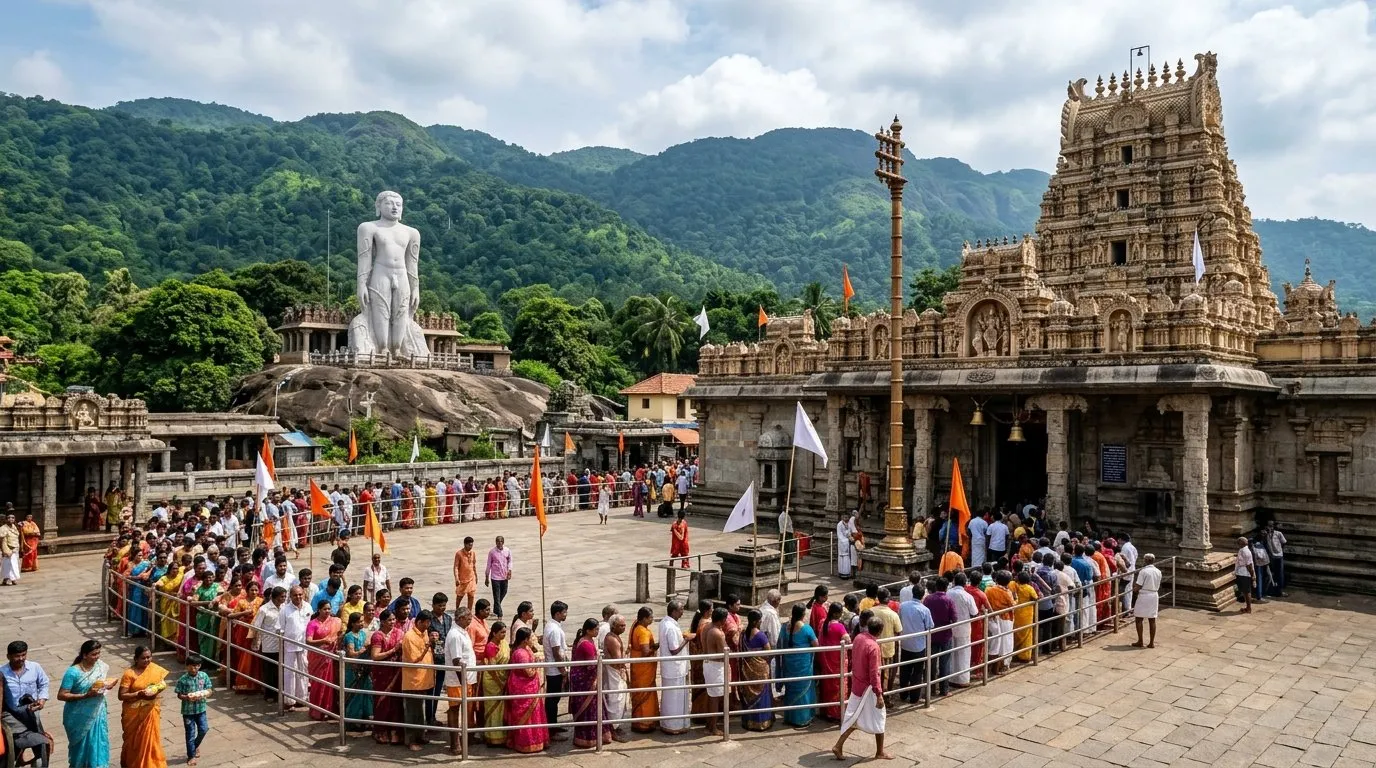
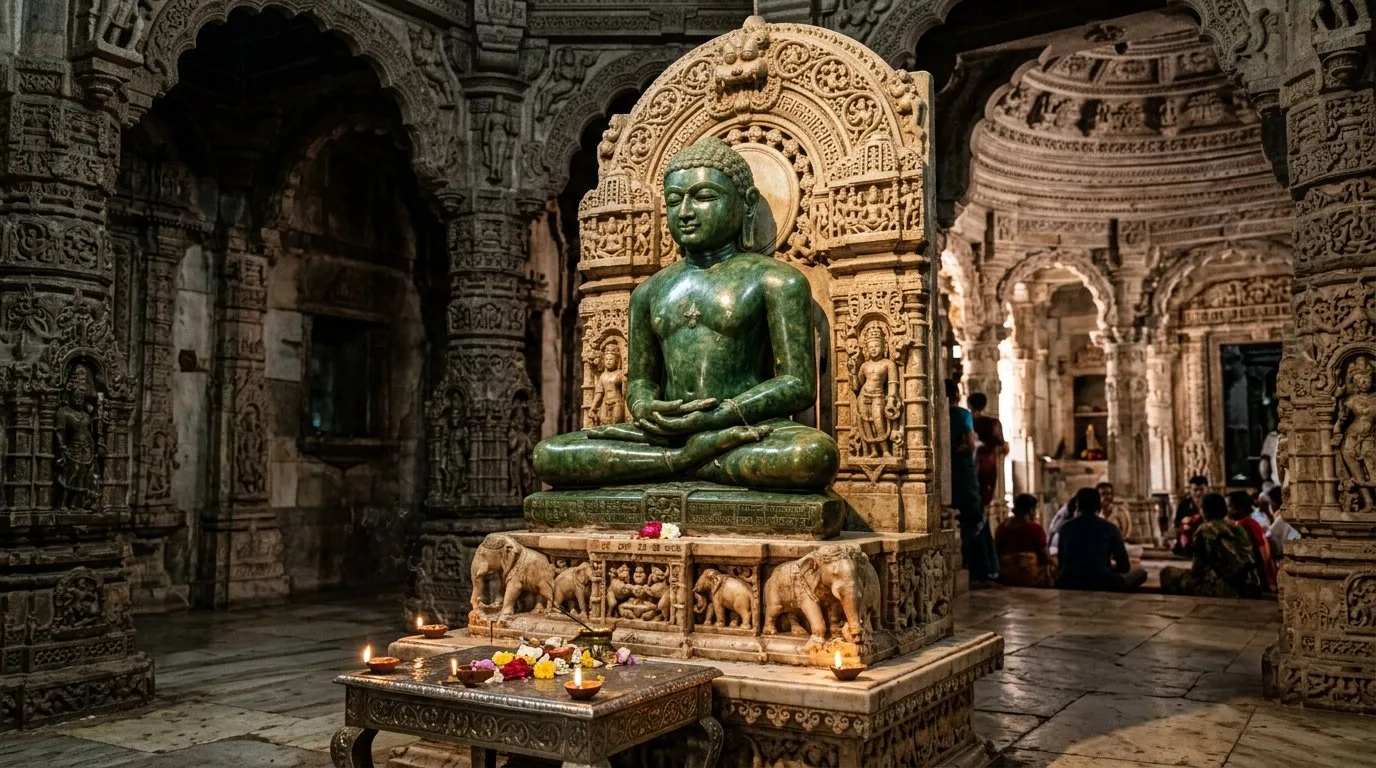
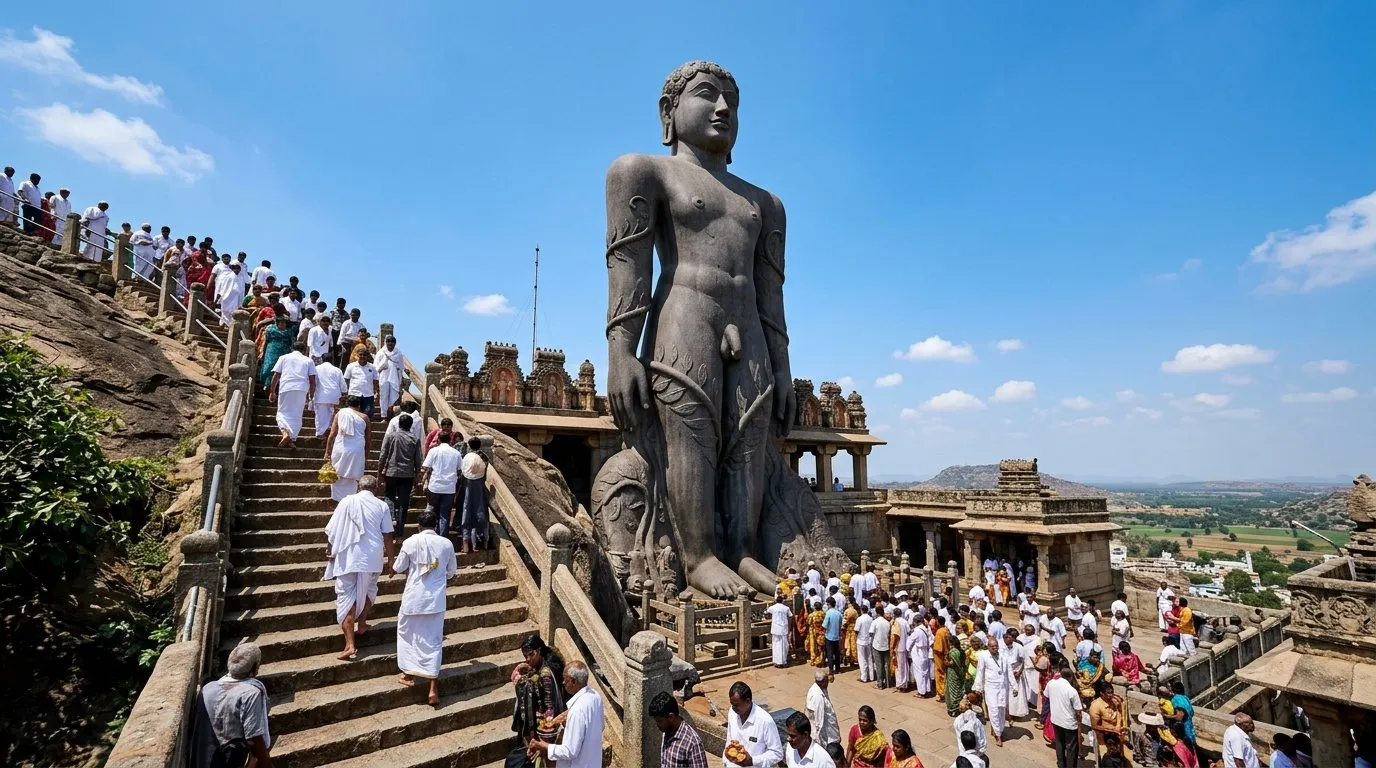
The temples close during Chaturmas, the Jain monsoon observance, which typically runs through September — the hilltop shrines are not accessible to pilgrims, and the wet, slippery steps make the ascent inadvisable in any case.
September recovery brings (25–30°C, 300–400mm rain) but shacks remain closed until October 1. Beach reopens late month. Monsoon rains persist while infrastructure remains under reconstruction.
Occasional heavy rainfall still occurs. Humidity remains high. Forest trails may have leeches and mud. Water damage may persist on some roads.
September at Pelling — the monsoon isn't gone yet — first-half September still sees heavy storms and unreliable road access. 17th-c monastery heritage should plan for Mar–May, Oct–Nov.
September at Pfutsero — first-half September is still wet; parks don't re-open until around October 1st officially. Cherry blossom should plan for Mar–May, Oct–Dec.
September at Phawngpui Peak — first-half September is still wet; parks don't re-open until around October 1st officially. Rhododendron bloom should plan for Mar–May, Oct–Dec.
September monsoon retreats (24–30°C, 250–400mm rain) but calms last week only. Boat shuttles resume week 3. Monsoon rains make beach time unpredictable, though backwater routes stay navigable.
Ferry services remain unpredictable due to lingering monsoon swells. Expect frequent cancellations and last-minute changes.
Rangat depends on a working ATR + open trails, and neither is fully back together until October at the earliest. November adds substantially cleaner conditions for the same logistical effort.
September Ratnagiri transitions — monsoon withdrawing, Arabian Sea swell takes weeks to settle, beaches storm-worn, Konkan Railway gradually restoring full services, Thibaw Palace open. Postpone leisure to October.
September at Ravangla — the monsoon isn't gone yet — first-half September still sees heavy storms and unreliable road access. Namchi Char Dham should plan for Mar–May, Oct–Nov.
Most of September is firmly in monsoon. The Aberdeen Jetty crossing runs on a thin schedule with a 25-30 percent cancellation rate, and the light-and-sound show stays dark until at least the last week. October arrives with substantially cleaner conditions and an extra two weeks of patience.
September at Shillong — first-half September is still wet; parks don't re-open until around October 1st officially. Live music + indie culture travelers should plan for Oct–Apr.
September is on the way back but Silent Valley NP remains closed till October 1 under the Forest Department's standard reopening cycle. The 4-hour escorted trail experience cannot happen this month. Permit applications restart late month for October-departure trips.
September at Sivasagar — first-half September is still wet; parks don't re-open until around October 1st officially. Rang Ghar oldest amphitheater should plan for Oct–Mar.
September at Tawang — the monsoon isn't gone yet — first-half September still sees heavy storms and unreliable road access. Motorcyclists doing the Arunachal pilgrimage should plan for Mar–May, Oct–Nov.
Occasional heavy downpours still occur. Humidity remains high at 75-80%. Some roads may still have water damage. Insects and leeches are present on hill trails.
September at Tsomgo Lake — the monsoon isn't gone yet — first-half September still sees heavy storms and unreliable road access. Indo-China border access should plan for Mar–May, Oct–Dec.
September at Tura — first-half September is still wet; parks don't re-open until around October 1st officially. UNESCO Nokrek should plan for Oct–Mar.
September is on the way back but first fortnight remains heavily wet, sea bathing still under advisory, ferry not yet restarted. Push to mid-October — same coastal-temple aesthetic at materially cleaner sea and trail conditions.
September at Ukhrul — first-half September is still wet; parks don't re-open until around October 1st officially. Tangkhul Naga should plan for Mar–May, Oct–Dec.
September at Unakoti — first-half September is still wet; parks don't re-open until around October 1st officially. Largest bas-relief in India should plan for Oct–Mar.
September is rebuild-not-yet-open month. Beach still rough, shacks under construction, cliff walk closed first three weeks. Wait two-three weeks.
September is on the way back but the SW monsoon holds the first fortnight at Valparai — 250-400mm rainfall, the 40-hairpin Aliyar-Valparai road still landslide-watch through Sep 20, NCF macaque tours resume on a partial schedule late month only. Push to October — same monsoon-green Anamalai aesthetic at materially cleaner road and tour conditions.
September is rebuild-not-yet-open month at Varkala. Beach still rough through three weeks, shack-cafes under construction, cliff-edge inspection ongoing. Push to mid-October.
September is on the trickle back but caught in the SW-monsoon retreat / NE-monsoon arrival overlap that also coincides with peak Bay of Bengal cyclone formation. Hudhud-class cyclone risk is the historic baseline (Oct 12, 2014 — devastated Vizag, 18-month rebuild). Wait for mid-October.
Roads remain unpredictable; sporadic landslides occur. Services are minimal. Plans shift frequently. Weather is unstable.
September is on the way back but Forest Department trail reopenings are progressive — Chembra Peak trek and full WLS safari operations only resume by month-end. Tamarassery Ghat stabilises by mid-month but landslide-watch continues in week one. October is dramatically cleaner.
September at Yuksom — the monsoon isn't gone yet — first-half September still sees heavy storms and unreliable road access. Dubdi Monastery oldest should plan for Mar–May, Oct–Nov.
September falls well outside Bandhavgarh National Park's Oct–Jun window. Conditions are harder, local services scaled back, and the version of the place you'd actually get isn't the one that makes the trip worth doing. The shoulder month either side would be a closer call, but this month isn't it. Bandhavgarh Fort should plan for Oct–Jun.
September falls well outside Barnawapara's Nov–Mar window. Conditions are harder, local services scaled back, and the version of the place you'd actually get isn't the one that makes the trip worth doing. The shoulder month either side would be a closer call, but this month isn't it. Less-crowded alternative should plan for Nov–Mar.
September is too early for Barren Island. Forest Department permits do not reopen until October 30, sea state still poor, no operator selling charters. Wait two months.
September sees monsoon tail with lingering high humidity. Park is transitioning but trails remain muddy and slippery. Wildlife are scattered after monsoon season. Roads may still have fresh damage.
September is the storm-tail month. Bay wind eases through the third week but the 4WD axis to Dhanushkodi remains unreliable. Hotel rates at off-season. The trip runs at 40-50 percent. Push to mid-Oct for the proper window.
September is monsoon-retreat Dholavira. The Rann remains waterlogged through the month, the Road to Heaven causeway is still partly water-lapped, and the salt flat won't finish drying until late October. The full UNESCO experience is six weeks away.
September keeps the jeep closure in place till September 30. Rain eases, falls still strong, but the Collem jeep operation does not restart until October 1. Wait the extra week or two for full access.
September Elephanta is borderline — MMB ferry typically restarts mid-month (Sep 15 target, often slipping to late September depending on sea state), but the first weeks are unreliable and the Ganesh Chaturthi Sep 12-22 visarjan rush disrupts Gateway departures. Confirm before planning.
September at Gahirmatha — first half of September still wet and cyclone-prone — Bay of Bengal generates lows well into October; plan with weather alerts live. Arribada phenomenon should plan for Nov–Mar.
Gir National Park STILL CLOSED — Jun 16 to Oct 15. September is the last full closure month. Monsoon retreating, but safari operations don't resume until Oct 16. Sasan-area lodges build pre-reopen capacity through the month.
September at Gurudongmar Lake — the monsoon isn't gone yet — first-half September still sees heavy storms and unreliable road access. World highest lakes should plan for Apr–Jun, Oct.
September falls well outside Kanha National Park's Oct–Jun window. Conditions are harder, local services scaled back, and the version of the place you'd actually get isn't the one that makes the trip worth doing. The shoulder month either side would be a closer call, but this month isn't it. Barasingha conservation success should plan for Oct–Jun.
September at Kaziranga — first-half September is still wet; parks don't re-open until around October 1st officially. Royal Bengal tiger highest density should plan for Nov–Apr.
September sees monsoon retreat, but roads are still unstable and recovery is ongoing. Landslide cleanup and infrastructure repair continue. Road access remains unpredictable.
September Malvan transitions — Arabian Sea swell takes weeks to settle, Sindhudurg boats uncertain restart, scuba operators preparing Oct 1 restart, beaches storm-worn. Postpone leisure to October.
September at Manas National Park — first-half September is still wet; parks don't re-open until around October 1st officially. Golden Langur should plan for Nov–Apr.
September is closed Marine NP. The park remains under the breeding-season closure until October 15, monsoon receding but Arabian Sea still rough, and the standard reef and island experience is six weeks away.
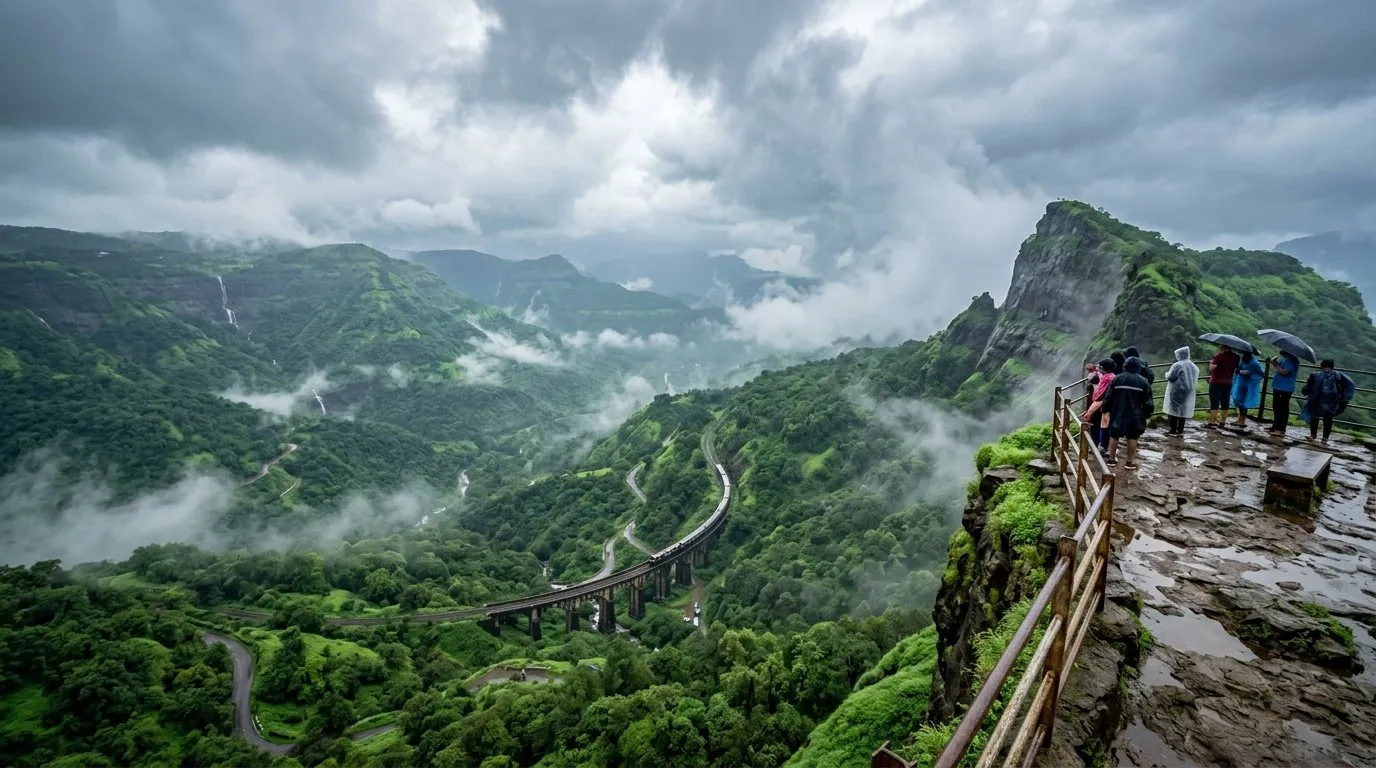
September Matheran late-monsoon limbo — toy-train still suspended through mid-month with cautious mid-to-late September resumption attempts subject to landslide clearance, ridge paths still slick. Wait for October.
September Murud-Janjira is uncertain — Rajapuri boats target mid-month restart but actual operations often slip to Sep 25+, Arabian Sea swell takes time to settle, beach still post-monsoon worn. Confirm before planning, otherwise wait October.
September sanctuary closed. Pre-NE-monsoon (100–150mm rain). Lagoons filling. Reopens November. Monsoon floods make wildlife viewing nearly impossible and roads impassable.
September is recovery month but the 22-hairpin road remains landslide-prone through three weeks. Cloud cover persists. Push to mid-October when the road and butterfly visibility return to safe-and-clean conditions.
September is late SW monsoon. Lagoon near full. Migratory birds still absent — they arrive late October-November. Cyclone watch active. Skip. Hotel rates at year-low but the trip shape collapses.
Pre-NE monsoon storm tail. Bay volatility remains high. Monsoon rains make September one of the wettest months, limiting temple visits and beach exploration.
September is monsoon-retreat Rann. The salt flat remains waterlogged, rains ease but the white-desert experience is four months away, and all festival infrastructure stays packed down. The destination is still functionally closed.
Monsoon retreating. Temple closed except 1st-of-Malayalam-month brief. Skip—wait for Mandala. Monsoon rains make September trails slippery and pilgrim crowds peak during this sacred season.
September at Sariska Tiger Reserve — first half is still warm; by month-end things stabilise, but hedging your bet until October is fair. Delhi NCR wildlife should plan for Oct–Apr.
Gir National Park STILL CLOSED Jun 16-Oct 15. September is the last full closure month — but lodges start rebuilding pre-reopen capacity through the month. Monsoon retreating, late-month lodge stays accessible at off-season rates.
September at Shnongpdeng — first-half September is still wet; parks don't re-open until around October 1st officially. Crystal Umngot should plan for Oct–Mar.
September falls well outside Sundarbans's Oct–Mar window. Conditions are harder, local services scaled back, and the version of the place you'd actually get isn't the one that makes the trip worth doing. The shoulder month either side would be a closer call, but this month isn't it. Ganges delta ecosystem should plan for Oct–Mar.
September at Tamenglong — first-half September is still wet; parks don't re-open until around October 1st officially. Zeliangrong heartland should plan for Oct–Mar.
September Tarkarli transitions — scuba operators preparing Oct 1 restart, Arabian Sea swell takes weeks to settle, visibility ramping from 4-7m, beach storm-debris. Postpone leisure to November for full peak.
Sanctuary closed April-October. Pre-NE-monsoon. Tank filling toward 50 percent capacity. No visitor access. Reopens November with the migratory waterbird arrival.
Velavadar National Park STILL CLOSED Jun 16-Oct 15. September is the last full closure month. Monsoon retreating, lesser florican breeding season winding down. Lodges start rebuilding pre-reopen capacity through the month for the October 15-16 rush.
September at Zuluk — the monsoon isn't gone yet — first-half September still sees heavy storms and unreliable road access. 32 hairpin bends should plan for Mar–May, Oct–Dec.
Closed.
Still closed.
Closed — monsoon
Closed.
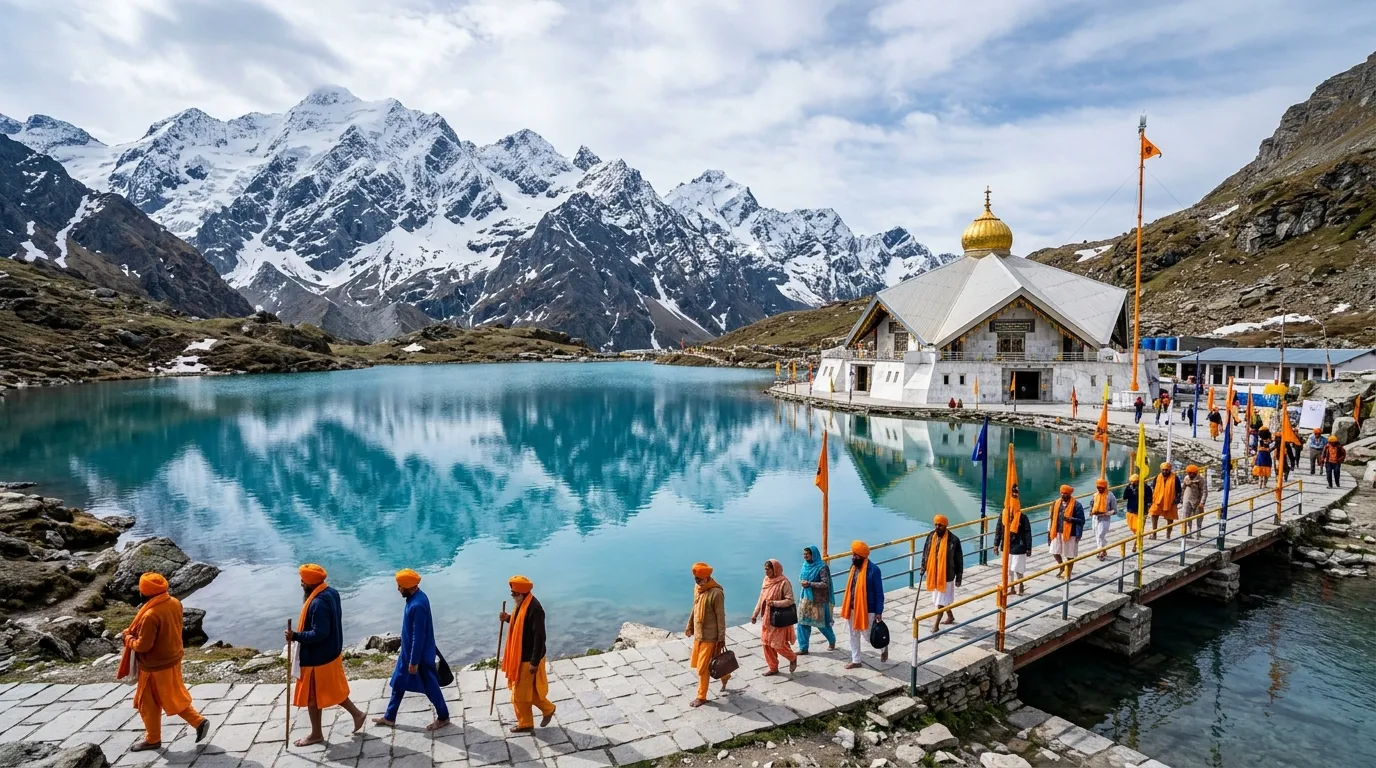
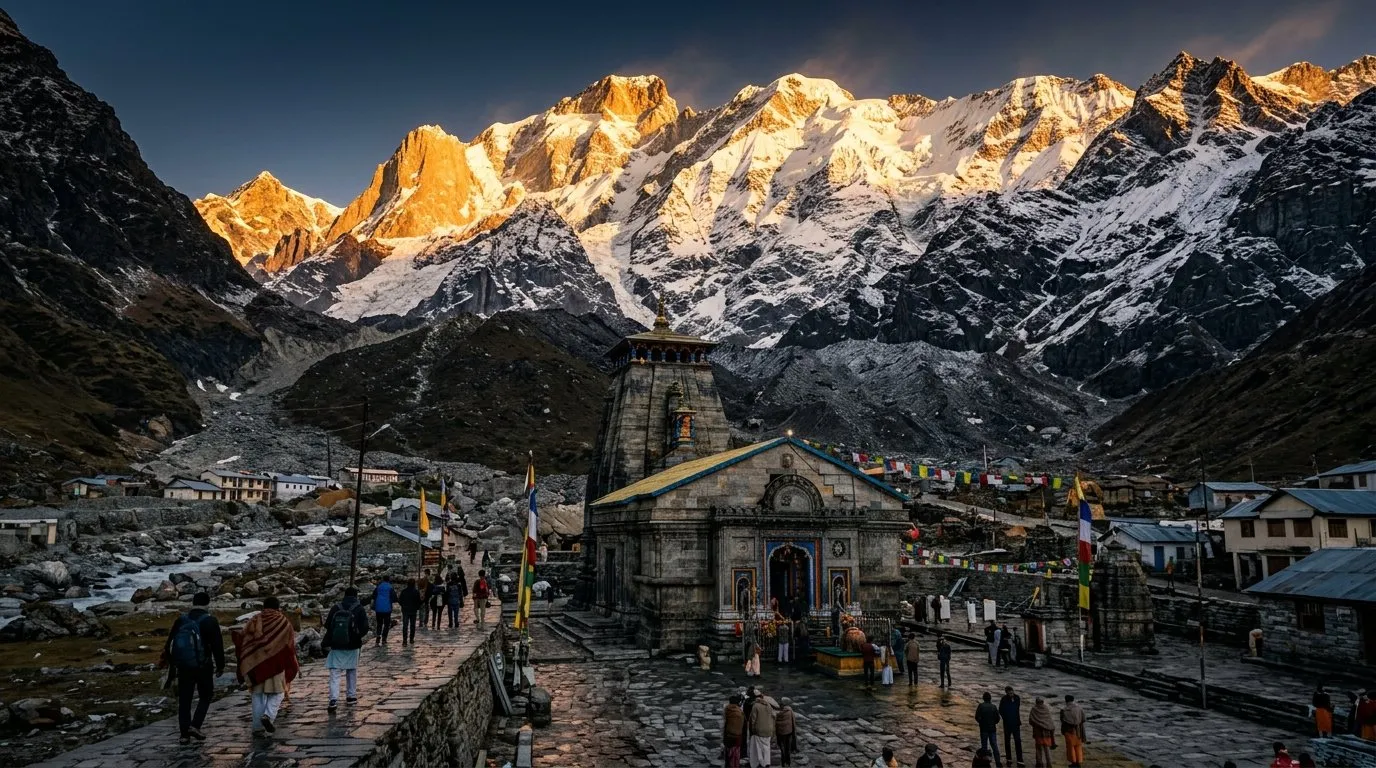
September marks the end of the yatra season. Glaciers are refreezing after the summer melt, creating new crevasses and unstable surfaces. Early snow begins to accumulate at higher elevations. Infrastructure support is withdrawn. Daytime temperatures drop to 8–12°C; nights freeze. This window is unsafe.
Closed
September at Tadoba is CLOSED — final month of Jul 1 - Sep 30 monsoon-breeding closure. Reopen Oct 1. Pre-reopening anticipation builds; lodges accept Oct bookings.
ALSO ON NAKSHIQ
Eight more rooms in the magazine.
Guides
Visa, scams, food, packing.
Everything the guidebook won't tell you — written for India in 2026.
Blog
Field notes from the road.
Long-form reads on regions, festivals, and the offbeat circuit.
Road trips
Curated multi-day routes.
Driving itineraries with day-by-day stops, distance, and difficulty.
Collections
Themed reading lists.
Wettest places. Sacred lakes. Solo-female-safe. Curated cuts.
NakshIQ 100
The 100 best destination-months.
India's highest-scoring places, ranked across all 12 months.
The Window
Our weekly newsletter, archived.
One honest spread, every Sunday. The full back catalogue.
Skip list
What we'd skip — and what we'd do instead.
Overhyped places with honest alternatives.
First trip
Planning your first time in India.
Safety, scams, what to wear, food survival, solo female travel.