The Monsoon Intelligence Report
We analyzed 124 destinations across July-September. Here's where the rain helps, where it kills, and where it doesn't reach.
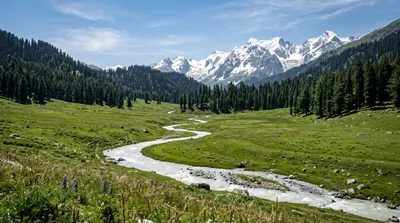
The Data That Changes How You Think About Monsoon
Every year between June and September, approximately 70% of Indian travellers cancel their plans. They see "monsoon" on the calendar and assume the entire subcontinent drowns in rain for four months. They're wrong — spectacularly, profitably, beautifully wrong.
We scored 229 destinations across every month of the year. When we pulled the monsoon data (July, August, September), the pattern that emerged wasn't what we expected. The monsoon doesn't cover India like a blanket. It moves like a river — with channels, dry islands, and backwaters where the rain creates something more beautiful than sunshine ever could.
Here's what the data actually says.
The Four Monsoon Categories
After scoring every destination on weather, road access, safety, crowds, and overall experience during July-September, four distinct categories emerged:
Category 1: Rain Shadow — The Monsoon Doesn't Reach Here
The Indian monsoon is blocked by the Himalayan rain shadow. North of the Great Himalayan Range, the clouds dump their water on the southern slopes and arrive on the other side dry and exhausted. This creates some of the most dramatic travel opportunities in the monsoon calendar.
Ladakh (Leh): July-August score 4-5/5. This is peak Ladakh season. While Mumbai is underwater and Delhi is a steam bath, Leh gets about 15mm of rain per month. The sky is deep blue, the passes are open, and the landscape is Mars-like in its stark beauty. The monsoon's only effect on Ladakh is occasional landslides on the Manali-Leh highway — fly in to avoid this.
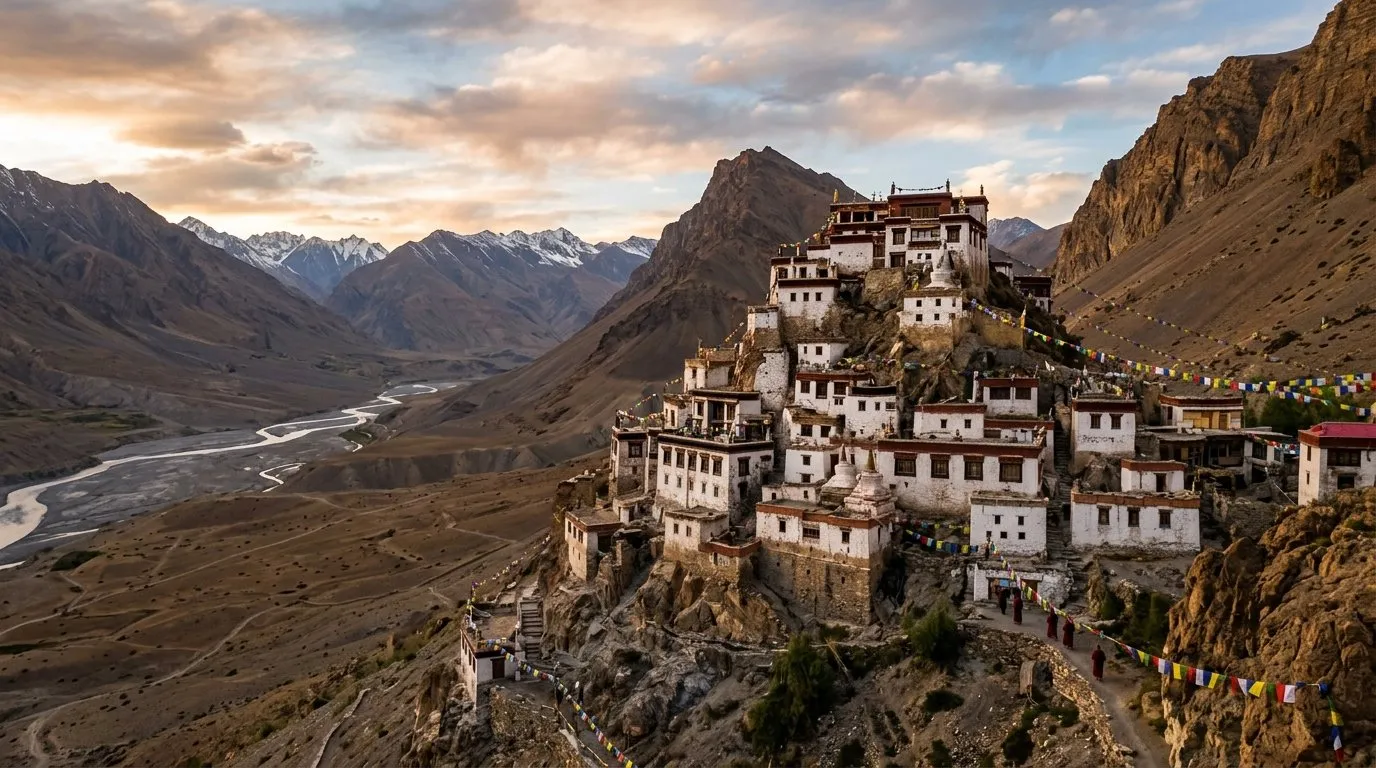
Spiti Valley: July-August score 4/5. Same rain-shadow magic as Ladakh but at slightly lower altitude and with the addition of green barley fields against grey mountains. The Kunzum Pass opens in late June and stays open through September. Spiti in monsoon is one of India's best-kept travel secrets.
Key insight: While 70% of India's destinations score 1-2/5 in July, the trans-Himalayan destinations score 4-5/5. The monsoon creates, by exclusion, some of the most uncrowded high-season travel in the world.
Category 2: Monsoon Beautiful — The Rain Makes It Better
This category shocked us. Some destinations don't just survive the monsoon — they peak during it. The rain is the feature, not the bug.
Valley of Flowers, Uttarakhand: August score 5/5. This is the only time to visit. The valley blooms with over 600 species of wildflowers exclusively during monsoon. The UNESCO World Heritage site is inaccessible the rest of the year (snow from November to May, not yet blooming in June). The irony is extreme: everything around the Valley of Flowers — Badrinath, Kedarnath, Joshimath — scores 1-2/5 in August due to landslide risk and heavy rain. But the valley itself, nestled in a specific microclimate, is at its absolute peak.
Kerala Backwaters: July-August score 3-4/5. The rain transforms the backwaters. The canals swell, the vegetation is electric green, and the overcast light creates a moody, atmospheric experience that the harsh May sunshine can't match. Houseboat rates drop 50-60%. The rain comes in bursts — two hours of downpour, then clearing. You're on a covered houseboat anyway. What's the problem?
Meghalaya: July-September score 3-4/5. Cherrapunji and Mawsynram receive the highest rainfall on Earth during monsoon. That sounds terrible for tourism until you see what it produces: waterfalls cascading from every cliff face, living root bridges surrounded by mist, and a landscape so green it looks digitally enhanced. The rain is heavy but the infrastructure is designed for it. Bring a good rain jacket. Watch waterfalls that don't exist in any other season.
Coorg (Karnataka): July-August score 3/5. The coffee plantations are lush, the waterfalls (Abbey Falls, Iruppu Falls) are at full force, and the Western Ghats are draped in cloud. Leeches are real. Bring salt or leech socks. Despite that, the monsoon transforms Coorg from pleasant to primordial.
Category 3: Monsoon Dangerous — Stay Away
Some destinations aren't just unpleasant in monsoon — they're genuinely dangerous. Our scoring here isn't about comfort. It's about safety.
Rishikesh: August score 1/5. The Ganges in monsoon is a completely different river. The gentle rapids that make Rishikesh famous for rafting become Class V torrents. River rafting is suspended from July to mid-September by the Uttarakhand government — and for good reason. Flash floods along the ghats are a real risk. Beach camps along the river get washed out annually. We score this 1/5 not because Rishikesh isn't beautiful in monsoon (it is — impossibly green) but because the river that defines the destination becomes lethal.
Uttarakhand Hill Towns: July-August score 1-2/5 for most. Mussoorie, Nainital, and the Char Dham routes are landslide corridors during peak monsoon. The geology of the young Himalayan range is inherently unstable when saturated. Every year, major road closures strand thousands of tourists. The 2013 Kedarnath disaster is the extreme example, but smaller landslides that block highways for days are annual occurrences.
Himachal Pradesh Highways: July-August score varies. Shimla itself is fine (3/5) — the town handles rain well. But the highways connecting Shimla to Manali, Manali to Leh, and Manali to Spiti are landslide-prone. In 2023, the Chandigarh-Manali highway was blocked for days. If you're heading to Spiti or Ladakh in monsoon, plan buffer days for road closures.
Goa Beaches: June-August score 1-2/5. The Arabian Sea in monsoon produces waves that close beaches to swimming. Most beach shacks shut down. The rain is torrential — not the atmospheric drizzle of Kerala but walls of water. South Goa's interior (spice plantations, Dudhsagar Falls in spate) scores better at 3/5, but beach Goa is closed for business.
Category 4: Monsoon Manageable — Proceed with Awareness
The largest category. These destinations get rain but remain functional, accessible, and often more enjoyable because the crowds vanish.
Rajasthan: July-August score 3/5. This surprises people. Rajasthan gets monsoon rain — it's not a desert the way the Sahara is. But the rain is light, intermittent, and transforms the landscape. Jaisalmer and Jodhpur get dramatic thunderstorms over sand and stone. Udaipur's lakes fill up (they're often low in summer). The Aravallis turn green. Temperatures drop from the hellish 45°C of May-June to a manageable 30-35°C. The downside: humidity rises significantly.
Kashmir: July-August score 3/5. The valley gets light monsoon rain — nothing like the plains. Gulmarg is misty and atmospheric. The Mughal Gardens are electric green. Tourist numbers drop 40-50%, which means better prices and shorter queues for everything. The rain comes in showers, not downpours.
Northeast Hill Stations: Shillong scores 3/5 in monsoon — it rains, but the town is built for it. Tawang in Arunachal scores 2/5 (road access becomes unreliable). The Northeast requires more granular planning during monsoon — each destination has distinct microclimates.
The Numbers That Tell the Story
From our 124-destination dataset during July:
- ●Destinations scoring 1/5: 18 (14.5%) — genuinely dangerous or closed
- ●Destinations scoring 2/5: 31 (25%) — not recommended, poor experience
- ●Destinations scoring 3/5: 42 (33.9%) — manageable with caveats
- ●Destinations scoring 4/5: 24 (19.4%) — good experience
- ●Destinations scoring 5/5: 9 (7.3%) — peak season, best time to visit
Read that again. 26.7% of Indian destinations — nearly a third — score 4/5 or 5/5 in the middle of monsoon. The monsoon doesn't shut India down. It rearranges it.
The Counterintuitive Findings
Finding 1: Valley of Flowers scores 5/5 while everything around it scores 1-2/5. You have to pass through monsoon-dangerous zones (the Govindghat-Ghangaria trek route, which is slippery and requires caution) to reach a monsoon-perfect destination. This is the kind of nuance that generic "best time to visit" guides miss entirely.
Finding 2: The monsoon creates India's most exclusive travel window. Ladakh in July is objectively spectacular, yet 70% of Indian travellers don't consider it because "it's monsoon season." The result: Ladakh in July is less crowded than Ladakh in September, despite similar weather quality.
Finding 3: Some of India's highest-rated months ARE monsoon months. When we ranked all 229 destinations by their peak scores, 15% of peak-month ratings fell in July-September. The monsoon isn't off-season for India. It's a different season — with its own set of perfect destinations.
The Economic Angle: Monsoon = 50-70% Cheaper
Hotel prices across India drop 40-70% during monsoon. A Kerala houseboat that costs ₹12,000/night in December goes for ₹5,000 in August. Goa beach resorts that charge ₹8,000 in January offer rooms at ₹2,500 in July (though the beach is unusable, the restaurants and nightlife still operate). Rajasthan palace hotels that command ₹15,000 in winter drop to ₹6,000-8,000 in monsoon.
Flight prices follow the same pattern. Delhi-Leh, which peaks at ₹12,000+ in September, can be found for ₹5,000-6,000 in early July.
The math for a budget traveller: A 10-day monsoon trip to Ladakh + Spiti (rain shadow, high scores) costs roughly what a 5-day trip to the same destinations costs in September. You get the same experience at half the price with fewer crowds.
The Monsoon Decision Framework
Use this framework to plan a monsoon trip:
1. Check our destination score for your specific month. A destination that scores 4/5 in July might score 2/5 in August (Manali, for example — July is pre-peak monsoon, August is peak landslide season).
2. Distinguish between "rain" and "dangerous." Rain in Kashmir (score 3/5) means you carry an umbrella. Rain in Rishikesh (score 1/5) means the river might kill you. These are not the same thing.
3. Look at the road access score, not just the weather score. Spiti in August might have fine weather but a blocked highway. Always check road conditions before departing.
4. Book refundable. Monsoon plans need flexibility. A landslide can reroute your entire trip. Book hotels and internal flights with cancellation options.
5. Pack for rain, not against it. A waterproof daypack, quick-dry clothing, and a quality rain jacket transform monsoon from an obstacle to an aesthetic.
The Bottom Line
The monsoon doesn't close India. It opens a different India — one that's cheaper, greener, more dramatic, and (in the right places) more beautiful than anything the dry season offers. The trick is knowing where to go. That's what our scoring exists for.
Monthly Scores
| Destination | Jan | Feb | Mar | Apr | May | Jun | Jul | Aug | Sep | Oct | Nov | Dec |
|---|---|---|---|---|---|---|---|---|---|---|---|---|
| Leh | 2.0 | 2.0 | 2.0 | 4.0 | 6.0 | 10.0 | 10.0 | 8.0 | 10.0 | 6.0 | 2.0 | 2.0 |
| Rishikesh | 6.0 | 8.0 | 10.0 | 8.0 | 6.0 | 4.0 | 2.0 | 2.0 | 8.0 | 10.0 | 10.0 | 6.0 |
| Spiti Valley | 2.0 | 2.0 | 2.0 | 4.0 | 8.0 | 10.0 | 8.0 | 8.0 | 10.0 | 10.0 | 4.0 | 2.0 |
| Valley of Flowers | — | — | — | — | — | 4.0 | 8.0 | 10.0 | 6.0 | 2.0 | — | — |
The Window · Every Sunday
Liked this? Get one every Sunday.
Best score of the week, one honest skip, road updates. Four minutes. No spam.
More in Data Story
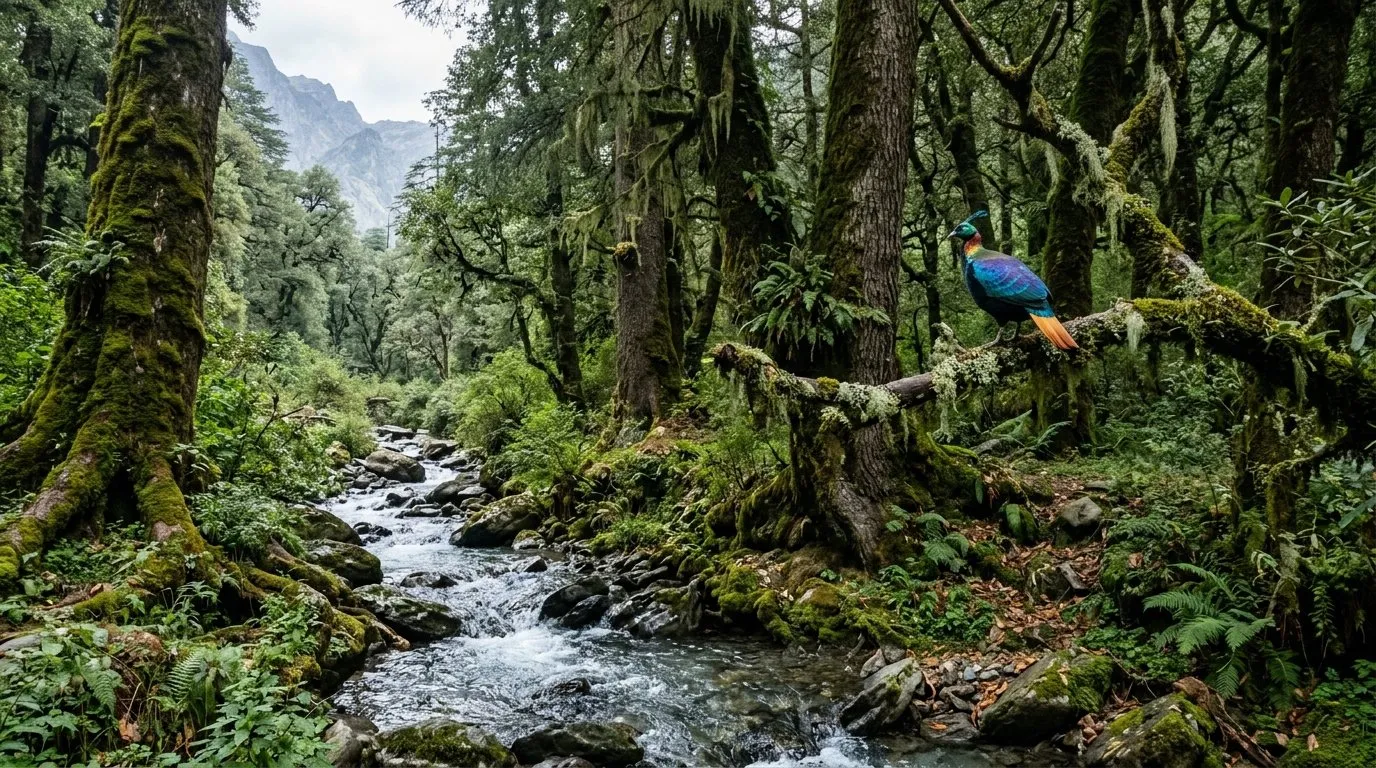
7 offbeat himachal pradesh destinations scored 5/5 for May 2026
May is the month Himachal Pradesh stops being a gamble. Snow has cleared, passes are open, and the weather window is wide enough to actually plan around. A 5/5 score means the destination is firing on all four cylinders this month — weather, trail access, infrastructure, and crow
6 min read
The State of Indian Travel: Q1 2026
NakshIQ's Q1 2026 quarterly data report — 215 destinations, 2,580 monthly scores, and the data-driven truth about where India actually traveled in January through March 2026.
15 min read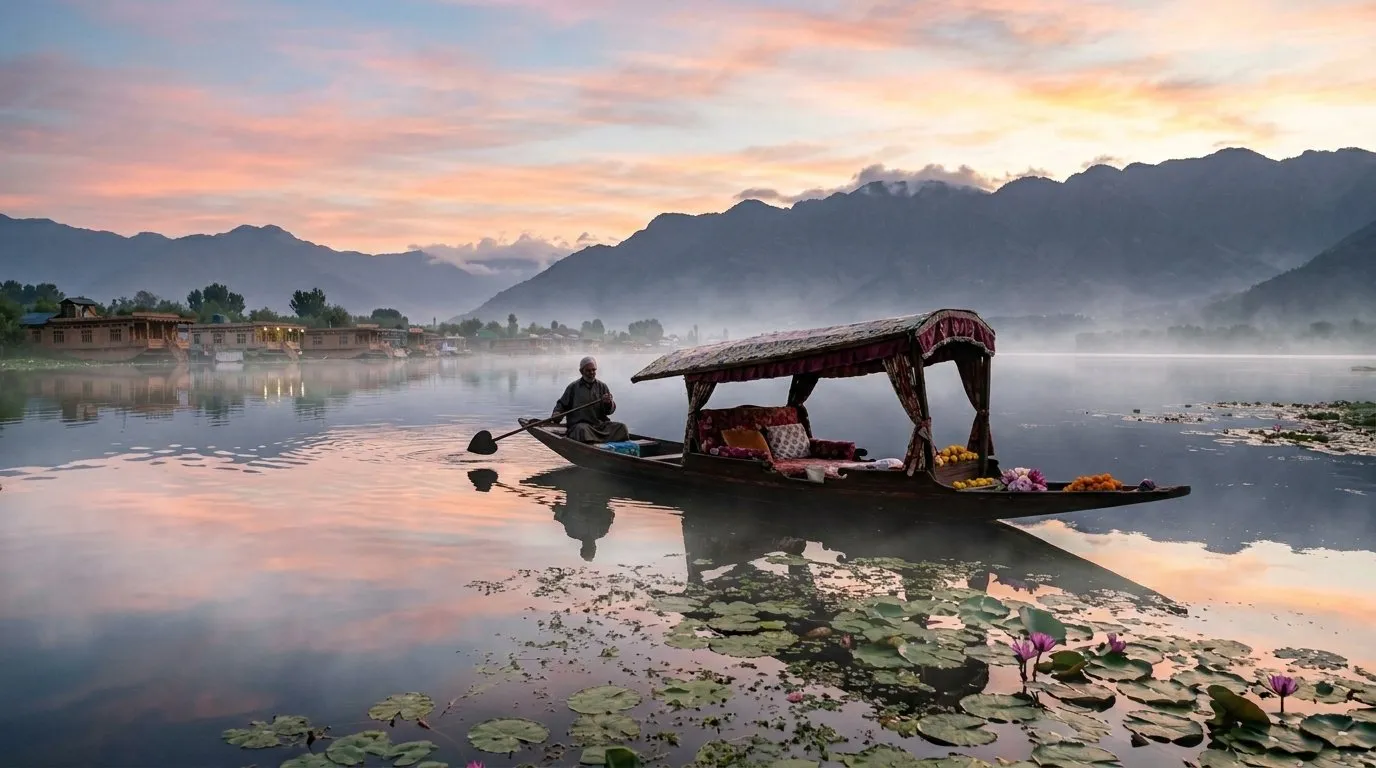
Why Kashmir in September Changed How We Score Destinations
A field report revealing why September — not June — is Kashmir's best month, backed by crowd data, price comparisons, and real scoring.
10 min read- Access
- Manali-Leh: 5 passes, rough sections. Srinagar-Leh: better road.
- Emergency
- 108 (works in Leh town) · SNM Hospital Leh. Army hospital in emergency.
- Stay
- ₹500-8000/night · 200 options
- Permit required
- See the process →
Go with confidence.