Complete Guide to Sangla Valley
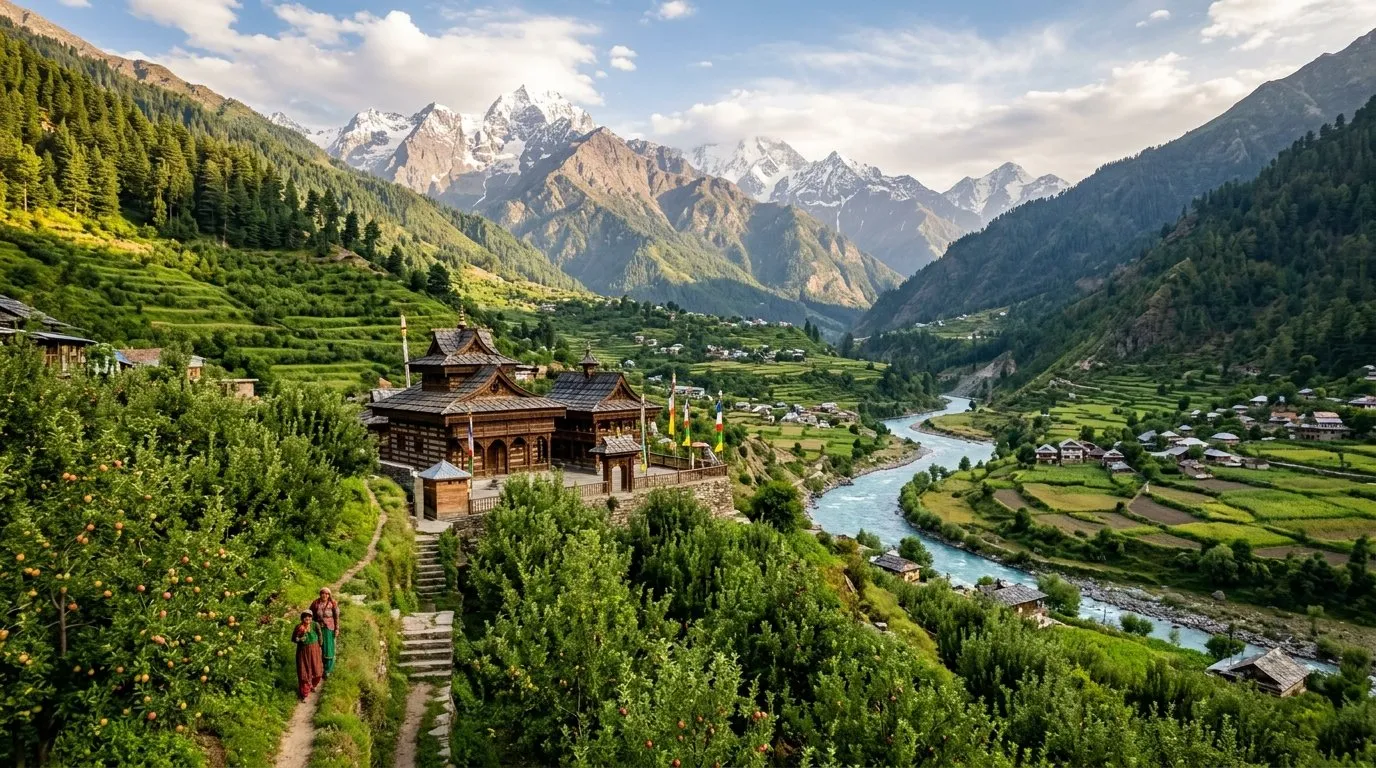
Apple orchards and Kinnauri wooden temples in a valley Himachal locals keep to themselves
Destinations in this article
Why Go
Sangla Valley is Kinnaur's most accessible secret. At 2,680m in Himachal Pradesh, it sits in the Baspa River valley surrounded by apple and apricot orchards, dense pine forests, and peaks that climb past 5,000m. While Shimla and Manali absorb the tourist overflow, Sangla stays relatively quiet — known mostly to Himachali locals and the occasional traveler heading deeper toward Chitkul.
The valley's anchor is Sangla town, but the real treasures are scattered around it. Kamru Fort, perched on a hilltop above the valley, is one of the finest examples of traditional Kinnauri wooden architecture in existence — a multi-story tower temple that dates back over 800 years. The Kinnauri people here maintain distinct cultural traditions: their handwoven shawls (pattoo), wooden deity masks, and annual festivals are unlike anything in the rest of Himachal Pradesh.
This isn't a wilderness destination. Sangla has banks, shops, decent roads, and phone networks that actually work. It's the Goldilocks spot in Kinnaur — enough infrastructure to be comfortable, enough remoteness to feel like you've left the tourist circuit. For families and first-time Kinnaur visitors, it's the smartest base camp in the region.
The Best Month (and the Worst)
Best: April to June, and September to November. April brings the apple and apricot blossoms — the entire valley turns white and pink. May-June is warm (15-25°C days), green, and ideal for walking. September-October is harvest season: the orchards are heavy with fruit, the air is crisp, and the autumn colors are stunning. November brings early snowfall and a magical quiet.
Worst: January to February. Heavy snowfall, road closures, and sub-zero temperatures. Most guesthouses shut down. The road from Karcham can be blocked for days.
Monsoon (July-August): The valley stays green and beautiful but landslides on the access roads are a real risk. NH-5 between Rampur and Karcham is particularly landslide-prone. Travel insurance and schedule flexibility are essential.
How to Get There
From Delhi (530km, 13-15 hours by road): Take NH-5 via Shimla → Narkanda → Rampur → Karcham. At Karcham, turn right off the highway into the Baspa Valley. Sangla is 17km from the junction. Most travelers break the journey overnight at Shimla, Narkanda, or Rampur.
From Shimla (210km, 7-9 hours): A solid day's drive. The road is well-maintained until Rampur, then becomes narrower with occasional single-lane sections. The last stretch from Karcham to Sangla is scenic but requires attention.
Bus: HRTC runs daily buses from Shimla to Reckong Peo. From Reckong Peo, local buses and shared taxis connect to Sangla (1.5 hours). Direct Delhi-Sangla buses don't exist.
Nearest airport: Shimla (Jubbarhatti) with limited flights, or Chandigarh (350km, 10-12 hours drive).
Inner Line Permit: Not required for Sangla. However, if you plan to continue beyond Chitkul or visit areas closer to the border, permits are needed from the DC office in Reckong Peo.
What to Expect
Kamru Fort — A 15-minute steep walk above Sangla town leads to this extraordinary 800-year-old wooden tower fort. The main structure is a multi-story Kinnauri pagoda dedicated to Kamakhya Devi. Non-Hindus cannot enter the innermost sanctum, but the exterior architecture and valley views are worth the climb. The wooden carvings are remarkable — some of the finest surviving examples of Kinnauri craftsmanship.
Baspa River — The river runs the length of the valley. Several spots between Sangla and Chitkul offer riverside walks, picnic areas, and photography opportunities. The water is glacial-fed: beautiful to look at, too cold to swim in.
Apple and apricot orchards — Kinnaur produces some of India's finest apples. Walk through the orchards between April (blossom season) and October (harvest). Many orchard owners will let you pick fruit in season — ask politely.
Bering Nag Temple — A beautifully carved wooden temple in Sangla town dedicated to the local serpent deity. The annual Bering Nag festival (usually August-September) features traditional Kinnauri music and dancing.
Village walks — The surrounding villages of Rakcham, Batseri, and Kamru are connected by walking trails through orchards and forests. A full-day loop covering all three makes an excellent day hike with no technical difficulty.
Kinnauri culture — The Kinnauri people are ethnically distinct from the broader Himachali population, with Tibetan and Indo-Aryan heritage. Their traditional dress (distinctive Kinnauri cap and pattoo shawl), cuisine (chilta and aktori), and temple architecture set them apart.
Infrastructure Reality
Network: Jio and BSNL both work in Sangla town. Signal quality varies but you can make calls, use UPI, and access basic internet. Coverage degrades quickly outside town — don't expect signal on the walking trails.
ATM: There is an SBI ATM in Sangla. It runs out of cash on busy weekends. Carry backup cash (₹5,000-10,000 minimum).
Medical: A primary health center exists in Sangla with basic services. For anything serious, the Regional Hospital in Reckong Peo (45km, 1.5 hours) is the nearest proper facility. Carry personal medications and a first aid kit.
Fuel: A fuel station exists in Sangla — one of the few in the entire Baspa Valley. Don't assume it's always stocked. Top up whenever you can.
Electricity: Reliable by Kinnaur standards. Power cuts happen but are usually brief. Guesthouses have inverters.
Roads: The Karcham-Sangla road is paved and generally well-maintained. The road quality degrades as you continue toward Chitkul.
Where to Stay
Sangla has a wider range of accommodation than anywhere else in the Baspa Valley.
Budget (₹800-1,500/night): Family-run guesthouses with basic rooms. Hot water is usually available. Try the cluster of guesthouses near Kamru Fort for the best views.
Mid-range (₹2,000-4,500/night): Banjara Camp and Retreat Sangla and Retreat Sangla offers riverside cottage tents — one of the better glamping experiences in Himachal. a Chitkul cottage (see Chitkul stays) and one of the mid-tier Sangla hotels offer clean rooms with modern bathrooms and valley views.
Upper mid-range (₹5,000-8,000/night): A handful of boutique properties have appeared in recent years. Apple orchards as backdrop, proper heating, and attached restaurants. These book out fast in peak season.
Camping: Legal and excellent along the Baspa River. Banjara Camps runs organized camping. Independent camping is possible with proper gear — stay downstream of the village for cleaner spots.
Kids Verdict
Rating: 3/5 — Suitable for most families with some planning.
The altitude (2,680m) is moderate and unlikely to cause issues for children over 3. The road journey is long but Sangla itself is walkable and safe. Kamru Fort is a short but steep climb — manageable for kids 5+. The orchards and river provide natural play areas.
Downsides: the nearest hospital with full services is 45km away. Activities are outdoor-focused — no indoor entertainment for rainy days. Food options are limited for picky eaters (mostly North Indian and Kinnauri cuisine).
Families should consider Sangla as their Kinnaur base rather than pushing to higher-altitude Chitkul with young kids.
What to Avoid
- ●Rushing through. Sangla deserves at least 2 nights. One-night visitors see the fort and leave without experiencing the valley.
- ●Driving the Karcham-Sangla road after dark. Unlit, narrow, and with sheer drops. Plan to arrive before sunset.
- ●Ignoring orchard etiquette. Don't pick apples without asking. These are people's livelihoods.
- ●Weekend-only trips in peak season (May-June). The valley gets noticeably more crowded on weekends. Midweek visits are better.
- ●Assuming Chitkul is a quick side trip. It's 25km further and the road is slower than you think. Budget 1.5 hours each way.
The Bottom Line
Sangla Valley is the best introduction to Kinnaur — and honestly, for many travelers, it's enough. You get the apple orchards, the Kinnauri architecture, the river, and the mountain views without the extreme altitude and infrastructure gaps of destinations further up the road. It works for couples, solo travelers, and families. The infrastructure is just good enough to be comfortable without being so developed that it feels like another tourist town. Come for two nights minimum, walk the orchards, climb to Kamru Fort, and eat fresh apples straight from the tree.
Monthly Scores
| Destination | Jan | Feb | Mar | Apr | May | Jun | Jul | Aug | Sep | Oct | Nov | Dec |
|---|---|---|---|---|---|---|---|---|---|---|---|---|
| Sangla Valley | 4.0 | 4.0 | 6.0 | 8.0 | 10.0 | 10.0 | 6.0 | 6.0 | 10.0 | 10.0 | 6.0 | 4.0 |
The Window · Every Sunday
Liked this? Get one every Sunday.
Best score of the week, one honest skip, road updates. Four minutes. No spam.
More in Field guide
Is Manali safe for solo female travellers? Which Manali, and when
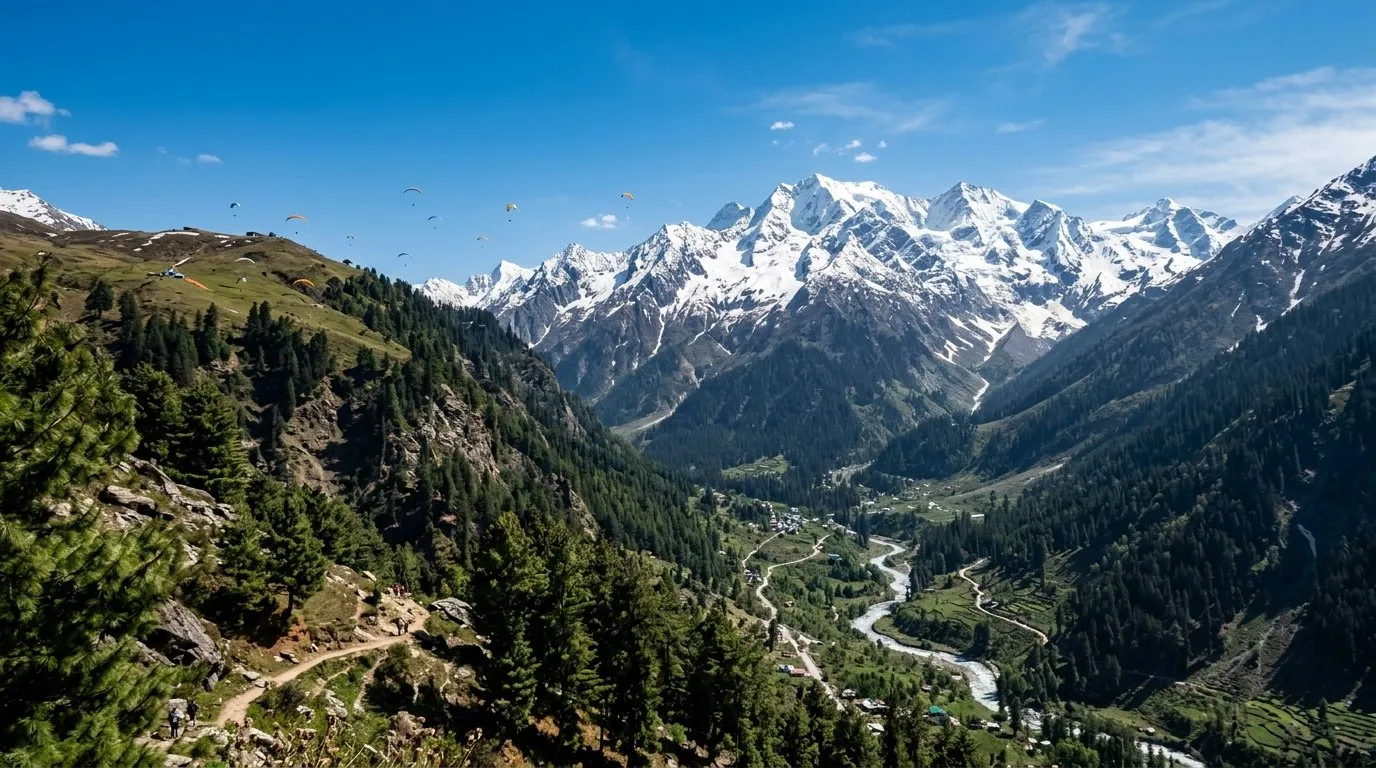
Manali is not one place. New Manali is a respectable hill town — 4/5 safe. Old Manali is the Himachal backpacker-cafe strip with party + drug scene — 2/5 after 10pm. McLeodganj 3 hours away holds 5/5 year-round. Pick deliberately.
5 min read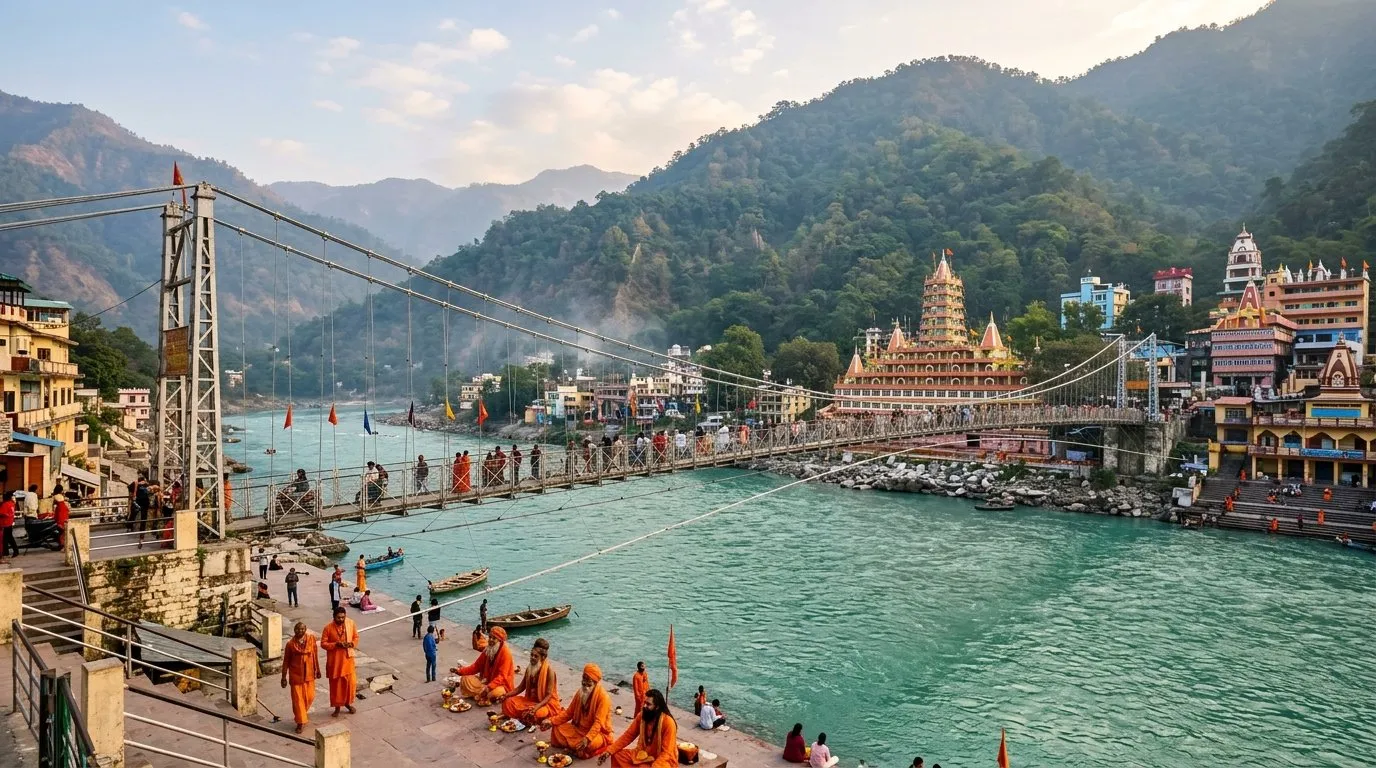
Solo-female travel in India — every destination scored, month by month
Most India travel guides tell women 'use common sense' and call it done. We rated 488 destinations on a 1-5 scale for solo-female safety, with month-specific overrides where it matters. Here's the methodology, the top 15, and the five that don't clear the bar.
10 min read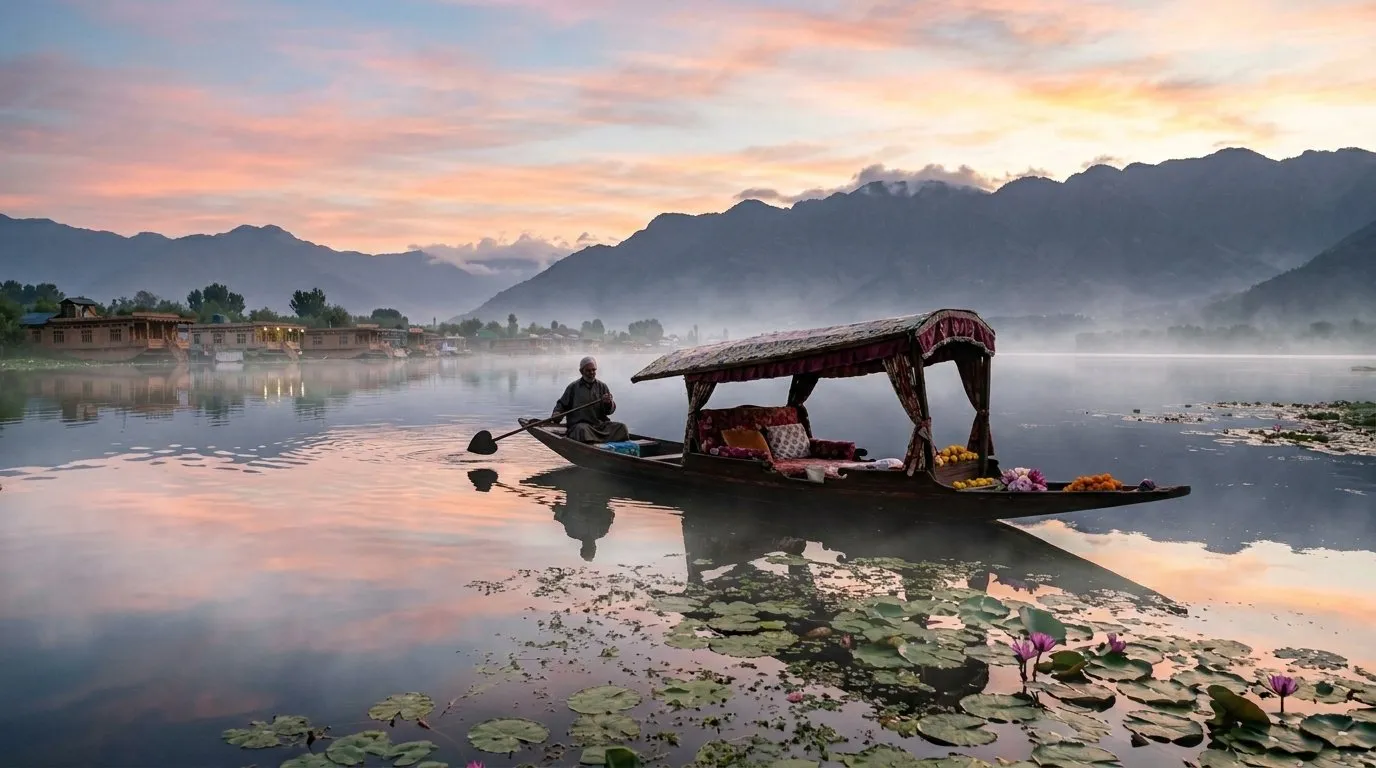
Is Kashmir safe for solo female travellers? What actually matters
Kashmir is the destination where the generic 'is India safe for women' post fails hardest. The answer depends on which month, which valley, which houseboat operator, and whether you're willing to dress differently than you would in Goa. Here's the concrete version.
6 min read- Emergency
- 108 (slow — mountain terrain) · Reckong Peo District Hospital 45km
Go with confidence.