Complete Guide to Nako
Spiti's hidden lake village — a turquoise lake at 3,662m that most Spiti travelers drive right past
Destinations in this article
Why Go
Nako is the village that Spiti forgot. At 3,662m on the Kinnaur-Spiti border in Himachal Pradesh, it sits just off the main highway connecting Kinnaur to Kaza — close enough to see from the road, far enough uphill that most travelers on the Spiti circuit drive right past. Their loss.
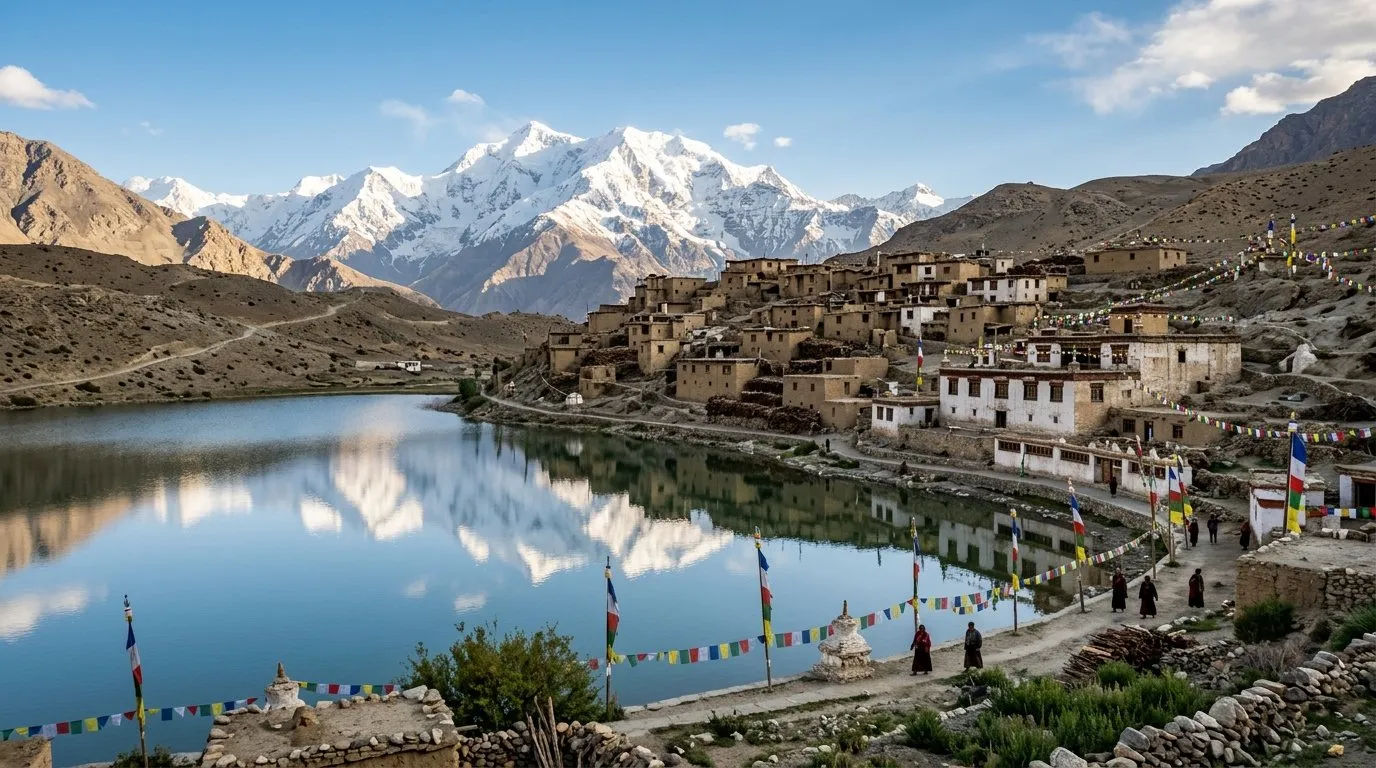
The village clusters around a small turquoise lake that locals consider sacred. At this altitude, the lake's color shifts between deep blue and vivid turquoise depending on the light and season — sometimes reflecting the barren mountains around it, sometimes appearing impossibly bright against the brown landscape. On windless mornings, the reflection is so perfect that photographs look upside down.
Nako's other treasure is its ancient Buddhist monastery, home to 11th-century murals and wooden sculptures that art historians consider among the finest surviving examples of early Tibetan Buddhist art in the western Himalayas. These aren't restored replicas — they're originals, cracking and fading, maintained by a handful of monks in a village of 600 people. The monastery doesn't appear on most tourist itineraries. There's no entry fee, no audio guide, no gift shop. Just centuries-old art in a dimly lit stone room at 3,662m.
The village itself is a compact maze of traditional mud-and-stone houses with flat roofs and carved wooden windows — the kind of architecture that Spiti is famous for, but without the crowds that Kaza and Key Monastery attract. With 3-4 homestays as the only accommodation, Nako caps its own tourism through sheer lack of infrastructure. This isn't a policy choice — it's just a tiny village that hasn't changed much.
The Best Month (and the Worst)
Best: Late May to October. June-September brings the warmest weather (10-20°C days), the lake at its most photogenic, and clear views of the surrounding peaks. Late May and October bookend the season — colder but with fewer visitors and dramatic light. The lake may partially freeze by late October, which has its own stark beauty.
Worst: November to April. The village is accessible (unlike some Spiti destinations, the road usually stays open) but temperatures drop to -20°C. The lake freezes solid. The monastery may be closed. No homestays operate. Only residents remain.
Monsoon note: Unlike the rest of Himachal, the Spiti region (including Nako) lies in the rain shadow and receives very little monsoon rainfall. This is one of the few destinations where July-August is actually a viable travel window — the access roads through Kinnaur may have landslide issues, but Nako itself stays dry.
How to Get There
On the Spiti circuit: Nako sits on the Shimla-Kinnaur-Spiti-Manali loop. Most travelers encounter it between Kalpa/Reckong Peo and Kaza. From Reckong Peo, drive toward Pooh and Khab Sangam (where the Spiti and Sutlej rivers meet). From Khab, Nako is 20km uphill on a branch road.
From Reckong Peo (100km, 3-4 hours): A dramatic drive along the Sutlej gorge, through some of the most dramatic road scenery in India. The road passes through a desert-like landscape with exposed rock faces in every color.
From Kaza (110km, 4-5 hours): Coming from the Spiti side, you'll pass through Tabo and then climb to Nako. This direction gives you the Spiti Valley first and Nako as an exit toward Kinnaur.
From Delhi (680km, 18-20 hours): Not a day trip. The typical approach is Delhi → Shimla (overnight) → Reckong Peo (overnight) → Nako. Or as part of a longer Spiti circuit.
Local access: The 6km branch road from the highway to Nako village is narrow and steep. Shared taxis from the highway junction are available for ₹100-200 per person when they fill up. Private taxi is ₹500-800.
Road reality: The NH-5 section through the Sutlej gorge between Reckong Peo and Khab is one of the most dramatic and frightening roads in India. Single-lane, blasted through cliff faces, with sheer drops to the river. Construction on the road is constant. Allow extra time for delays.
What to Expect
Nako Lake — The lake is small (you can walk around it in 20 minutes) but its impact is outsized. At 3,662m, surrounded by barren mountains and willow trees, the turquoise water is almost surreal. Morning, when the surface is still, is the best time. The lake is sacred to villagers — treat it with respect. Don't swim, don't throw stones, don't leave garbage. In late season, the willows turn golden and the reflection doubles the beauty.
Nako Monastery — The village has several small temple structures, but the main monastery (Nako Lotsawa Lhakhang) contains the 11th-century murals and wooden sculptures that make art historians weep. The murals depict Buddhist deities and mandalas in a style that bridges Kashmiri and Tibetan artistic traditions. Photography may or may not be allowed — ask the caretaker monk. Donations for maintenance are appreciated and needed.
Village walk — Nako village is built on a slope above the lake. The narrow lanes between mud-brick houses, with carved wooden doors and stacked firewood, feel like a living museum of Spiti architecture. The flat rooftops are used for drying apricots, peas, and herbs in summer. Walking the village takes an hour and is best done slowly.
Apricot orchards — Despite the extreme altitude, Nako manages to grow apricots in sheltered spots. The harvest (July-August) produces small, intensely flavored fruit. Dried apricots are a local specialty — buy directly from families.
Reo Purgyil view — On clear days, Leo Pargil (6,791m) is visible from Nako. It's one of the highest peaks in Himachal Pradesh, dominating the northern horizon. The view from the lake with this peak as backdrop is Nako's most iconic photograph.
Do nothing — Nako is spectacularly good at offering nothing to do. Sit by the lake. Watch the light change on the mountains. Drink butter tea with a homestay family. Read a book. This is the product.
Infrastructure Reality
Network: BSNL only, patchy. Signal comes and goes throughout the day. You might get enough to send a WhatsApp message if you stand in the right spot. Don't count on anything. Download offline maps and inform contacts you'll be unreachable.
ATM: None. The nearest ATM is in Reckong Peo (100km) or Pooh (30km). Carry all cash you'll need — ₹3,000-5,000 for a 2-night stay covering homestay, meals, and local transport.
Medical: Nothing in Nako beyond traditional remedies. The nearest hospital is in Reckong Peo, 100km and 3-4 hours away. At 3,662m, altitude sickness is a genuine risk for travelers coming directly from the plains. Acclimatize at Reckong Peo or Kalpa first. Carry Diamox, a pulse oximeter, and a first aid kit.
Fuel: None. Nearest fuel is Pooh (30km) or Reckong Peo. Fill up before the detour to Nako.
Electricity: Available but inconsistent. Solar power supplements the grid in some homestays. Power cuts are routine. Carry a power bank.
Water: From mountain springs, piped to the village. Generally safe but purification is recommended for sensitive stomachs.
Where to Stay
Nako has 3-4 homestays and no hotels. This is the entire accommodation inventory.
Homestays (₹800-1,500/night including meals): Rooms in family homes with shared facilities. Beds are basic — wooden frames with thick quilts. The real luxury is the hospitality. Homestay families cook traditional Spiti meals: thukpa (noodle soup), momos, tsampa (roasted barley flour), and butter tea. Vegetarian by default. The experience of sitting in a Spiti kitchen, eating home-cooked food while the family goes about their evening, is worth more than any hotel room.
HPPWD Rest House: A government rest house exists but availability is unpredictable. If you can book it (through HPPWD), it offers more privacy than homestays.
Camping: Possible near the lake with own gear, but ask villagers first — the lake area is sacred. Some travelers camp just outside the village.
Book ahead? Not really. Nako is small enough that showing up usually works. But if you're traveling in peak season (June-September), calling ahead on BSNL (when it works) or having your previous homestay host call on your behalf is wise.
Kids Verdict
Rating: 2/5 — Not recommended for young families.
The altitude (3,662m) is the primary concern. Children under 5 are particularly susceptible to altitude sickness, and the nearest hospital is 100km away. The journey to Nako involves some of the most frightening mountain roads in India — the Sutlej gorge road is not for anxious parents or car-sick children.
Activities for children are limited to the lake walk and village exploration — maybe 2-3 hours of engagement. The homestay experience might fascinate older children (10+) interested in different cultures, but younger kids will find limited entertainment.
Families on the Spiti circuit are better served staying in Kalpa (lower altitude, better infrastructure, still dramatic views) and visiting Nako as a day stop rather than an overnight.
What to Avoid
- ●Driving to Nako without acclimatization. If you've come from the plains, spend at least one night at Reckong Peo (2,670m) or Kalpa (2,960m) before ascending to 3,662m. Skipping acclimatization at this altitude is asking for AMS.
- ●Rushing through as a photo stop. Tour groups sometimes stop for 30 minutes at the lake and leave. Nako's magic is in the quiet — stay overnight or don't bother.
- ●Disrespecting the lake. It's sacred. Don't swim, fish, throw coins, or leave trash. Villagers notice and care.
- ●Expecting restaurant food. There are no restaurants. Homestays provide meals. If you have dietary requirements beyond basic vegetarian, bring your own supplies.
- ●The branch road at night. The 6km climb from the highway to Nako is narrow and unlit. Arrive before dark.
- ●Photography in the monastery without permission. Flash photography can damage 1,000-year-old murals. Always ask the caretaker first.
The Bottom Line
Nako is a place that should be famous but benefits from not being. A turquoise lake at 3,662m, a monastery with millennium-old murals, and a village that operates at the pace of seasons rather than tourist schedules — all sitting just off the main Spiti highway, invisible to the rush of travelers heading to Kaza. The infrastructure is minimal: 3-4 homestays, no ATM, patchy phone signal, and a hospital 100km away. That's the filter. The people who make it through are rewarded with one of the most atmospheric villages in the Indian Himalayas and the rare experience of being somewhere that hasn't been optimized for your convenience. If you're on the Spiti circuit, the 6km detour from the highway is the best investment of time you'll make.
Monthly Scores
| Destination | Jan | Feb | Mar | Apr | May | Jun | Jul | Aug | Sep | Oct | Nov | Dec |
|---|---|---|---|---|---|---|---|---|---|---|---|---|
| Nako | 2.0 | 2.0 | 4.0 | 6.0 | 8.0 | 10.0 | 8.0 | 8.0 | 10.0 | 8.0 | 4.0 | 2.0 |
The Window · Every Sunday
Liked this? Get one every Sunday.
Best score of the week, one honest skip, road updates. Four minutes. No spam.
More in Field guide
Is Manali safe for solo female travellers? Which Manali, and when
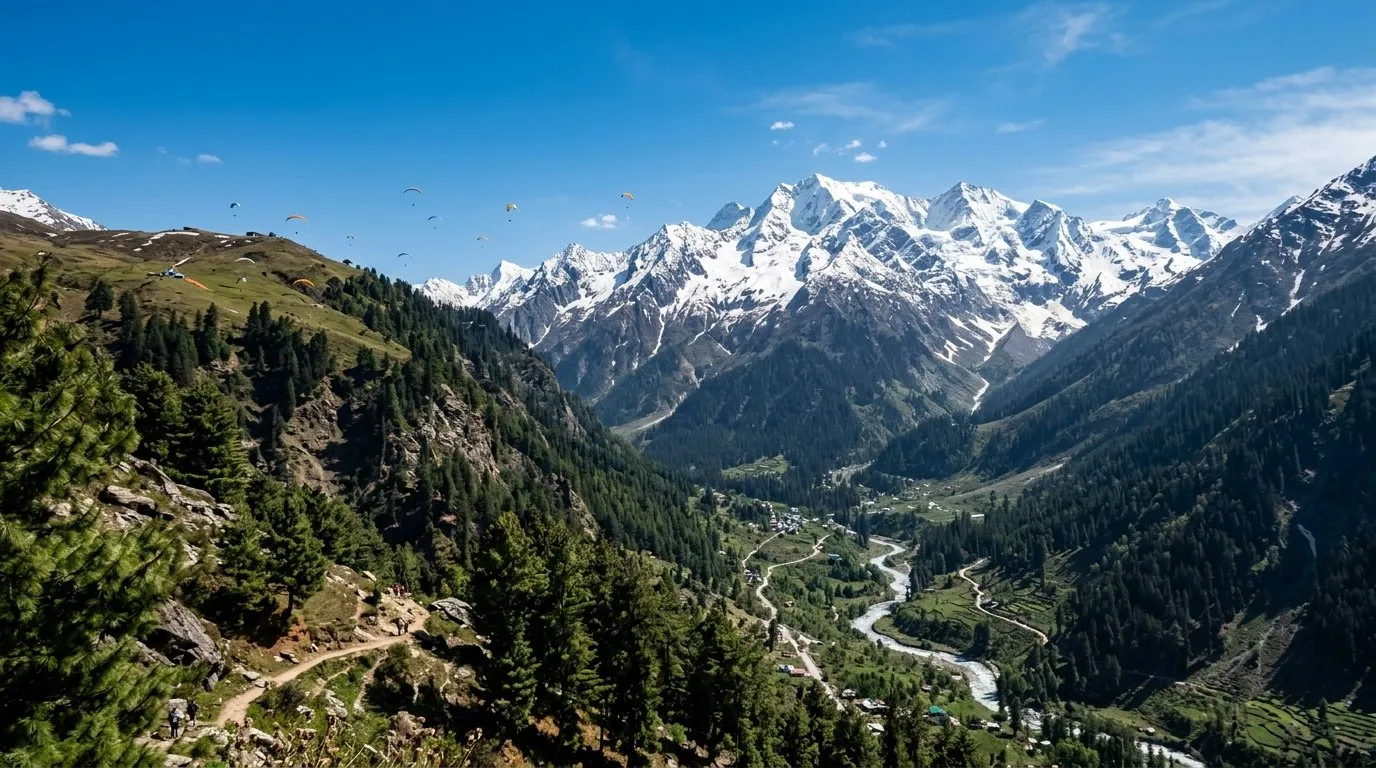
Manali is not one place. New Manali is a respectable hill town — 4/5 safe. Old Manali is the Himachal backpacker-cafe strip with party + drug scene — 2/5 after 10pm. McLeodganj 3 hours away holds 5/5 year-round. Pick deliberately.
5 min read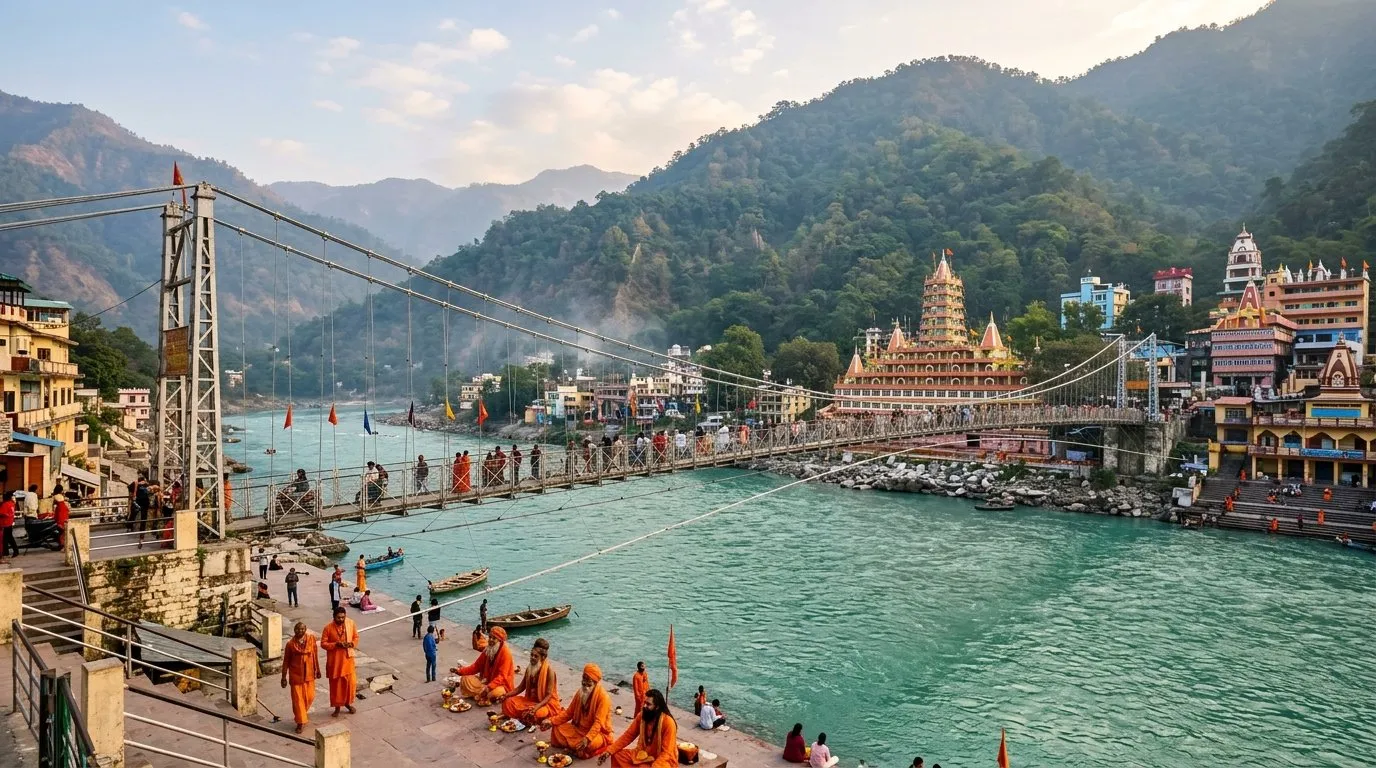
Solo-female travel in India — every destination scored, month by month
Most India travel guides tell women 'use common sense' and call it done. We rated 488 destinations on a 1-5 scale for solo-female safety, with month-specific overrides where it matters. Here's the methodology, the top 15, and the five that don't clear the bar.
10 min read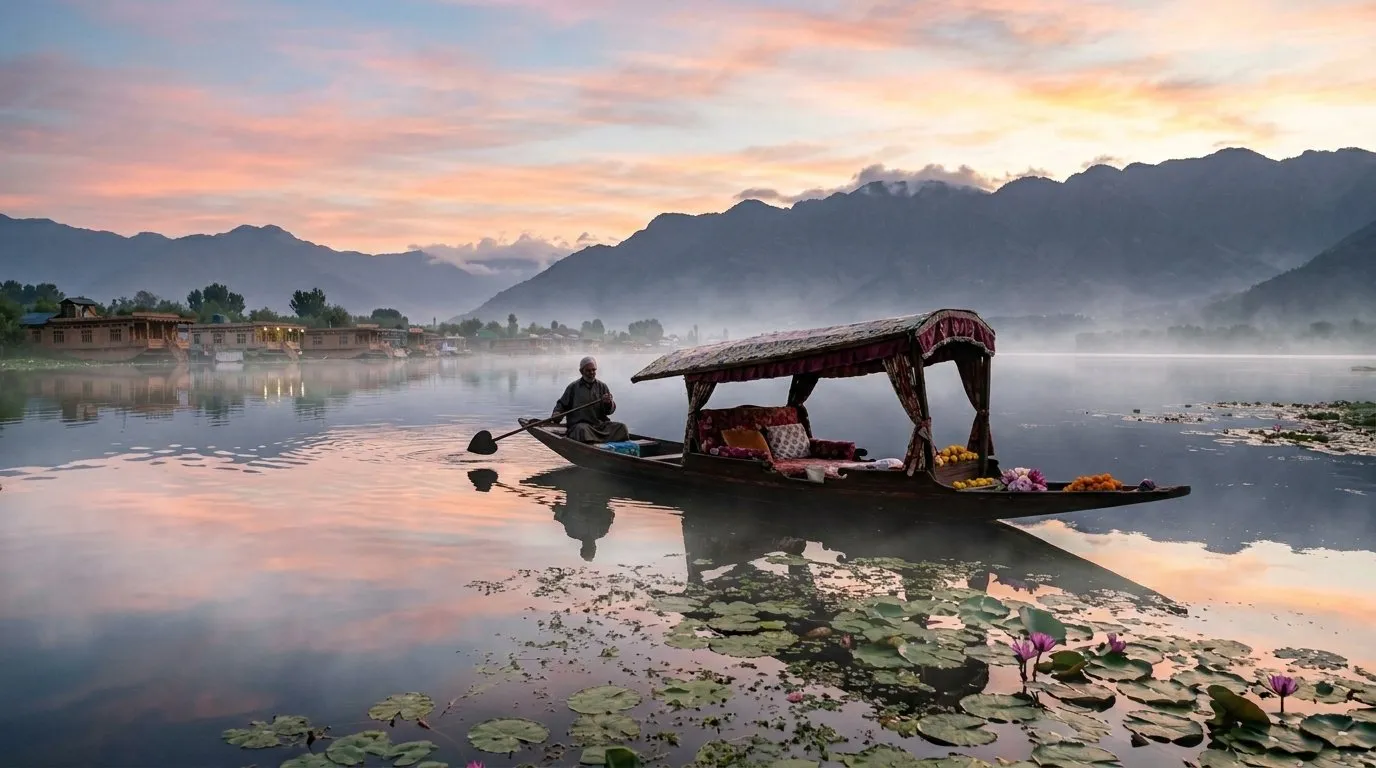
Is Kashmir safe for solo female travellers? What actually matters
Kashmir is the destination where the generic 'is India safe for women' post fails hardest. The answer depends on which month, which valley, which houseboat operator, and whether you're willing to dress differently than you would in Goa. Here's the concrete version.
6 min read- Access
- Poor to fair. Landslide-prone. Single-lane stretches.
- Emergency
- None reliable · PHC Nako (basic). District Hospital Reckong Peo 110km.
- Stay
- ₹500-1500/night · 10 options
Go with confidence.