Complete Guide to Munsiyari
The Panchachuli viewpoint — five snow peaks in a row, tribal Kumaon culture, and zero crowds
Destinations in this article
Why Go
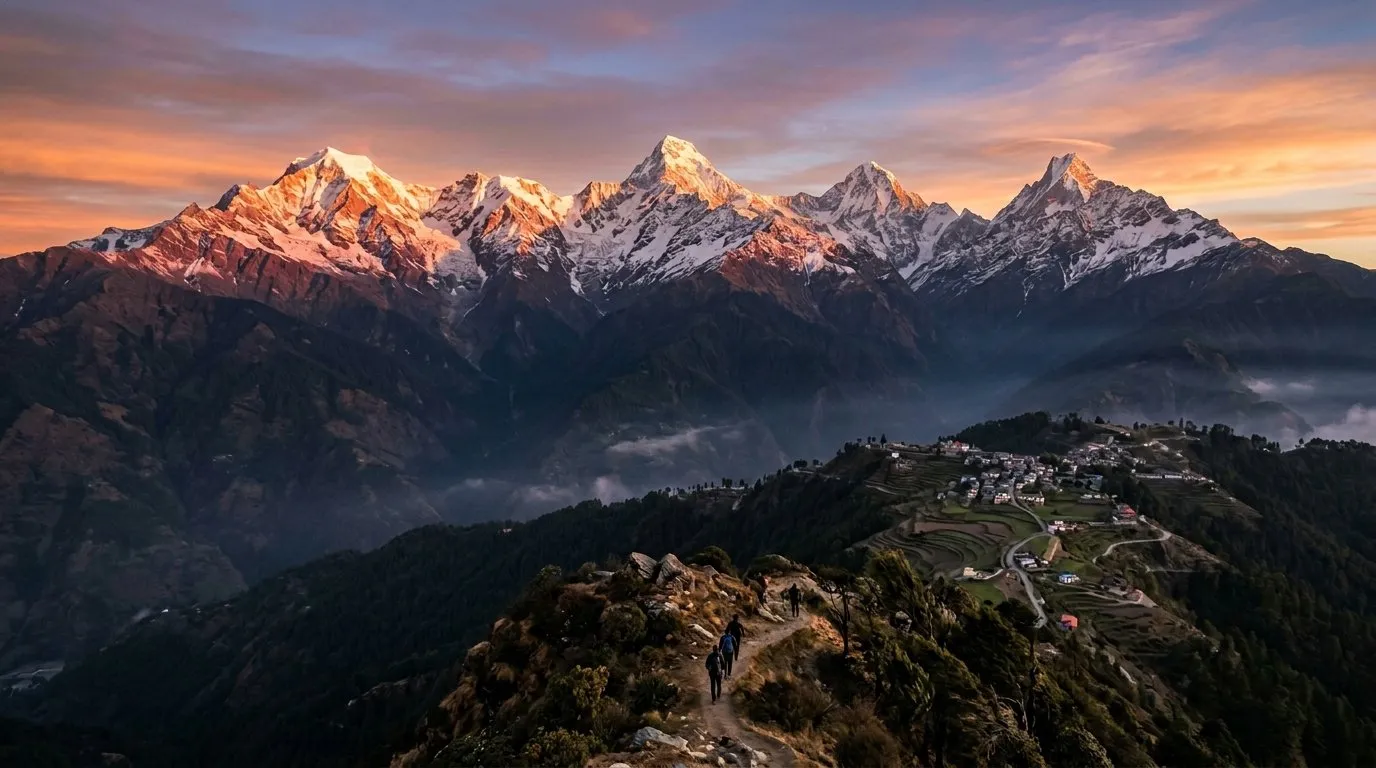
Munsiyari is one of those places that mountain lovers whisper about while the tourist buses roll past to Nainital and Mussoorie. At 2,298m in the Pithoragarh district of Uttarakhand's Kumaon region, it sits at the end of a long road, facing one of the most spectacular mountain panoramas in the Indian Himalayas: the Panchachuli massif — five snow-covered peaks in a near-perfect row, named for the five cooking hearths of the Pandavas from the Mahabharata.
Munsiyari is also the gateway to the Johar Valley and the base camp for the Milam Glacier trek — one of the classic Himalayan treks that reaches the old trade route to Tibet. The Shauka (Johari) tribal community has lived in these valleys for centuries, trading across the Indo-Tibet border until it closed in 1962. Their cultural heritage — the Tribal Heritage Museum in Munsiyari, the annual Hila Jatra festival, and the stories of cross-border trade — adds a human dimension that pure mountain destinations lack.
What keeps Munsiyari off the mainstream circuit is the journey: it's a genuine 10-12 hour drive from the nearest railhead at Kathgodam, much of it on winding mountain roads. There are no luxury resorts, no ropeways, no adventure sport operators with safety harnesses. Munsiyari offers mountains, culture, and solitude — in that order.
The Best Month (and the Worst)
Best: March to June, and September to November. March-April brings rhododendron blooms in the surrounding forests. May-June is the warmest window (15-25°C days) with clear Panchachuli views. September-October delivers post-monsoon crystal clarity — the peaks look close enough to touch. November brings early snow and a dramatic transition.
Worst: January to mid-February. Heavy snowfall, road closures (the Thal-Munsiyari road can block for days), and bitter cold (-5 to -10°C nights). Most guesthouses operate with minimal heating.
Monsoon (July-August): Avoid. The road to Munsiyari is notoriously landslide-prone during the monsoon. The Panchachuli views vanish behind clouds for weeks. The Milam Glacier trek route becomes dangerous.
How to Get There
From Delhi (570km, 14-16 hours by road): Take NH-9 to Haldwani → Almora → Bageshwar → Thal → Munsiyari. Alternatively, via Haldwani → Pithoragarh → Thal → Munsiyari. Both routes are long. Break the journey at Almora or Chaukori overnight.
From Kathgodam (275km, 10-12 hours): Kathgodam is the nearest broad-gauge railhead (connected to Delhi by overnight trains). From Kathgodam, it's a full day's mountain drive.
From Almora (200km, 8-9 hours): A common staging point. The road passes through beautiful but winding terrain.
Bus: KMOU buses run from Almora and Pithoragarh to Munsiyari. Service is daily but infrequent. Shared jeeps supplement the bus service from Thal onwards.
Nearest airport: Pantnagar (300km, 11-12 hours). Not practical. Fly to Delhi and take the train to Kathgodam.
Road condition note: The 80km stretch from Thal to Munsiyari is narrow, winding, and poorly maintained in sections. After monsoon, expect potholes, loose gravel, and occasional road damage. A high-clearance vehicle is recommended.
What to Expect
Panchachuli viewpoint — The five peaks of Panchachuli (6,334m to 6,904m) are visible from multiple points around Munsiyari. The KMVN Tourist Rest House and the roadside viewpoint near Balati Bend offer the most iconic perspectives. Sunrise on the Panchachuli — when the five peaks turn gold in sequence — is the signature Munsiyari experience. Set multiple alarms.
Birthi Falls — A 126m waterfall on the Munsiyari road, 35km before town. It's a roadside attraction — you can see and photograph it without a hike. In monsoon, the volume is impressive. In winter, it partially freezes.
Tribal Heritage Museum — A small but fascinating museum created by local teacher and historian S.S. Pangtey. It documents the Shauka/Johari tribal culture, the old Tibet trade route, and the impact of the 1962 border closure on the community. The personal stories and artifacts make this one of the most meaningful small museums in the Himalayas.
Khaliya Top — A 3,500m meadow (bugyal) accessible via a 9km trek from Munsiyari. The meadow offers panoramic views of Panchachuli and the surrounding ranges. A moderate day trek suitable for most fitness levels. The trail passes through rhododendron and oak forests.
Milam Glacier trek — A 5-6 day trek from Munsiyari to the Milam Glacier (3,450m), following the old trade route to Tibet through the Johar Valley. Inner Line Permit required (obtained from SDM office in Munsiyari). This is a proper Himalayan trek requiring a guide, camping gear, and supplies. The route passes through abandoned trading villages — haunting and beautiful.
Darkot village — A 2km walk from Munsiyari leads to this small village known for its hand-knitted Shauka woolens. Women's cooperatives sell shawls, caps, and blankets at reasonable prices. The craftsmanship is genuine.
Infrastructure Reality
Network: BSNL and Jio both work in Munsiyari town. Coverage is reasonable for calls and basic data. Signal drops quickly outside town. The Milam Glacier trek route has zero coverage beyond Lilam village.
ATM: An SBI ATM exists in Munsiyari. It frequently runs out of cash, especially on weekends and holidays. Carry ₹10,000+ in cash.
Medical: Munsiyari has a Community Health Centre (CHC) with basic services including a doctor. For serious emergencies, the District Hospital in Pithoragarh (125km, 5-6 hours) is the nearest facility. The remoteness is a genuine medical concern for high-risk travelers.
Fuel: A petrol pump exists in Munsiyari — one of the few in this part of Kumaon. Don't arrive on empty, but you won't be stranded.
Electricity: Available but unreliable. Power cuts of 2-4 hours are common, especially in winter. Guesthouses usually have inverter backup for basic lighting.
Supplies: Munsiyari has a small market with grocery shops, pharmacies, and basic supplies. For trek provisions, stock up in Almora or Pithoragarh before arriving.
Where to Stay
Budget (₹600-1,200/night): Family homestays are the best value. Johari families often rent rooms with incredible Panchachuli views. Home-cooked meals (dal-bhat-sabzi with local greens) are included or available cheaply. This is the authentic Munsiyari experience.
Mid-range (₹1,500-3,500/night): KMVN Tourist Rest House has the most famous location — right at the Panchachuli viewpoint. Rooms are government-standard (functional, not luxurious) but the view from the terrace is priceless. Private guesthouses like Hotel Milam Inn and Panchachuli House offer cleaner rooms with better service.
Upper range (₹4,000-6,000/night): A handful of boutique properties have emerged. Expect modern bathrooms, proper heating, and mountain-view rooms. These represent peak Munsiyari comfort.
For trekkers: If you're doing the Milam Glacier trek, basic rest houses exist at Lilam and Bugdiar on the route. Book through the forest department or your trekking operator. Camping gear is essential beyond Lilam.
Kids Verdict
Rating: 3/5 — Good for families willing to invest in the journey.
At 2,298m, altitude is not a concern for children of any age. The town is safe, walkable, and the locals are friendly. Khaliya Top trek is manageable for children 8+. The Tribal Heritage Museum is genuinely educational. The Panchachuli sunrise is a memory-maker for any age.
Downsides: the 10-12 hour drive from Kathgodam is brutal for young children. Consider breaking it into two days with an overnight at Almora or Chaukori. Medical facilities are basic — the nearest proper hospital is 5-6 hours away. Activities are limited to walks, views, and cultural exploration — no adventure sports or amusement.
For families already in the Kumaon region (Almora, Binsar, or Kausani), adding Munsiyari is a worthwhile extension. As a standalone trip from Delhi, the journey time may not justify it for families with children under 6.
What to Avoid
- ●Trying to do it as a weekend trip from Delhi. The journey each way is 14-16 hours. You need minimum 4 days (2 travel, 2 at destination) for Munsiyari to make sense.
- ●Monsoon road travel. The Thal-Munsiyari road is among the most landslide-prone in Uttarakhand during July-August. Being stranded for 24-48 hours is a real possibility.
- ●Attempting Milam Glacier without permits and a guide. Inner Line Permit is mandatory. The route is long, remote, and has river crossings. Solo attempts are dangerous and may result in fines.
- ●Expecting a hill station experience. Munsiyari has no mall road, no cafes with Wi-Fi, no shopping. If you need entertainment beyond mountains and walks, this isn't your destination.
- ●Skipping the Tribal Heritage Museum. Many tourists drive through for the Panchachuli view and miss this gem. It takes an hour and adds genuine depth to your understanding of the place.
The Bottom Line
Munsiyari is the antidote to the crowded Himalayan hill station. It rewards those willing to endure a long journey with the Panchachuli panorama — five snow peaks in a row, reflected in the golden light of dawn, with almost nobody else watching. Add the Johar tribal culture, the Milam Glacier trek opportunity, and the genuine remoteness, and Munsiyari becomes one of Kumaon's most compelling destinations. It's not convenient. It's not quick. But it's real — and increasingly, that's what matters.
Monthly Scores
| Destination | Jan | Feb | Mar | Apr | May | Jun | Jul | Aug | Sep | Oct | Nov | Dec |
|---|---|---|---|---|---|---|---|---|---|---|---|---|
| Munsiyari | 6.0 | 6.0 | 8.0 | 10.0 | 10.0 | 8.0 | 4.0 | 4.0 | 10.0 | 10.0 | 8.0 | 6.0 |
The Window · Every Sunday
Liked this? Get one every Sunday.
Best score of the week, one honest skip, road updates. Four minutes. No spam.
More in Field guide
Is Manali safe for solo female travellers? Which Manali, and when
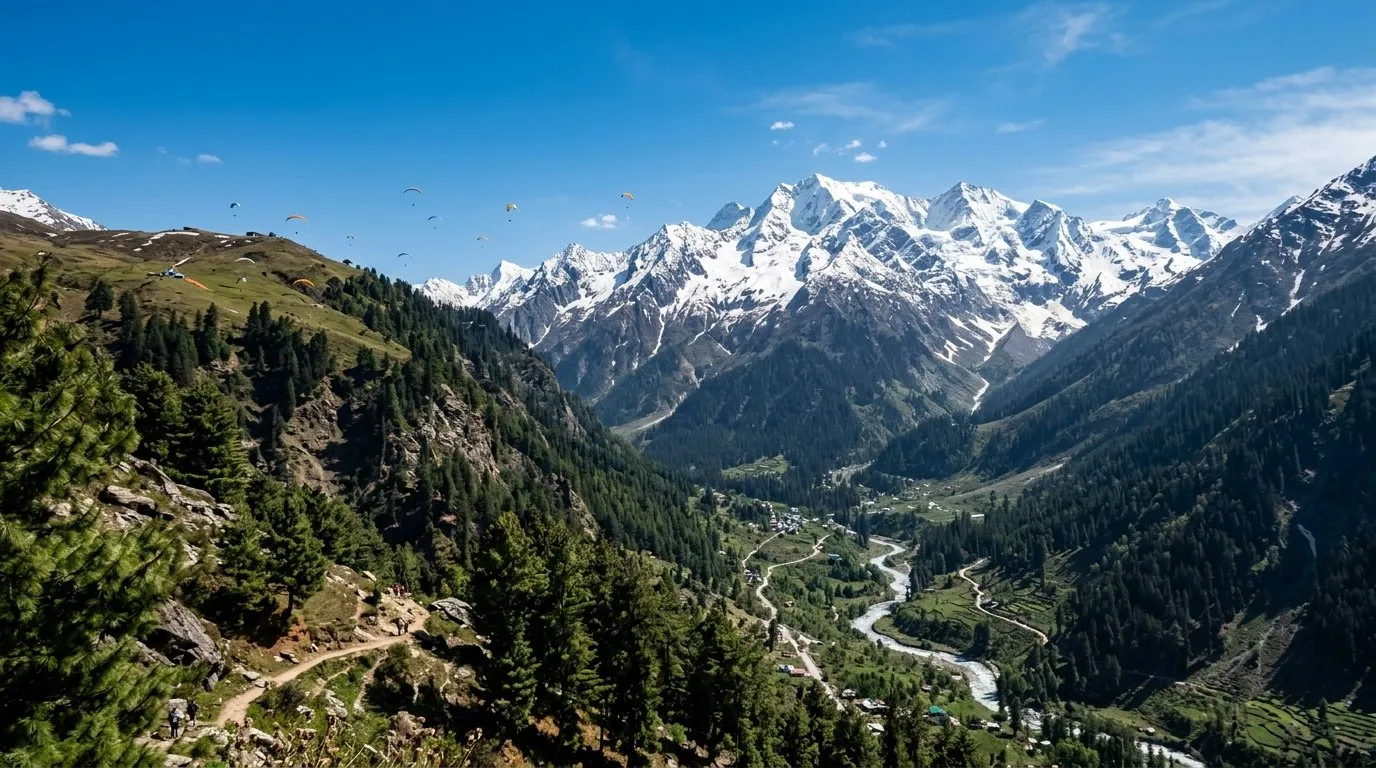
Manali is not one place. New Manali is a respectable hill town — 4/5 safe. Old Manali is the Himachal backpacker-cafe strip with party + drug scene — 2/5 after 10pm. McLeodganj 3 hours away holds 5/5 year-round. Pick deliberately.
5 min read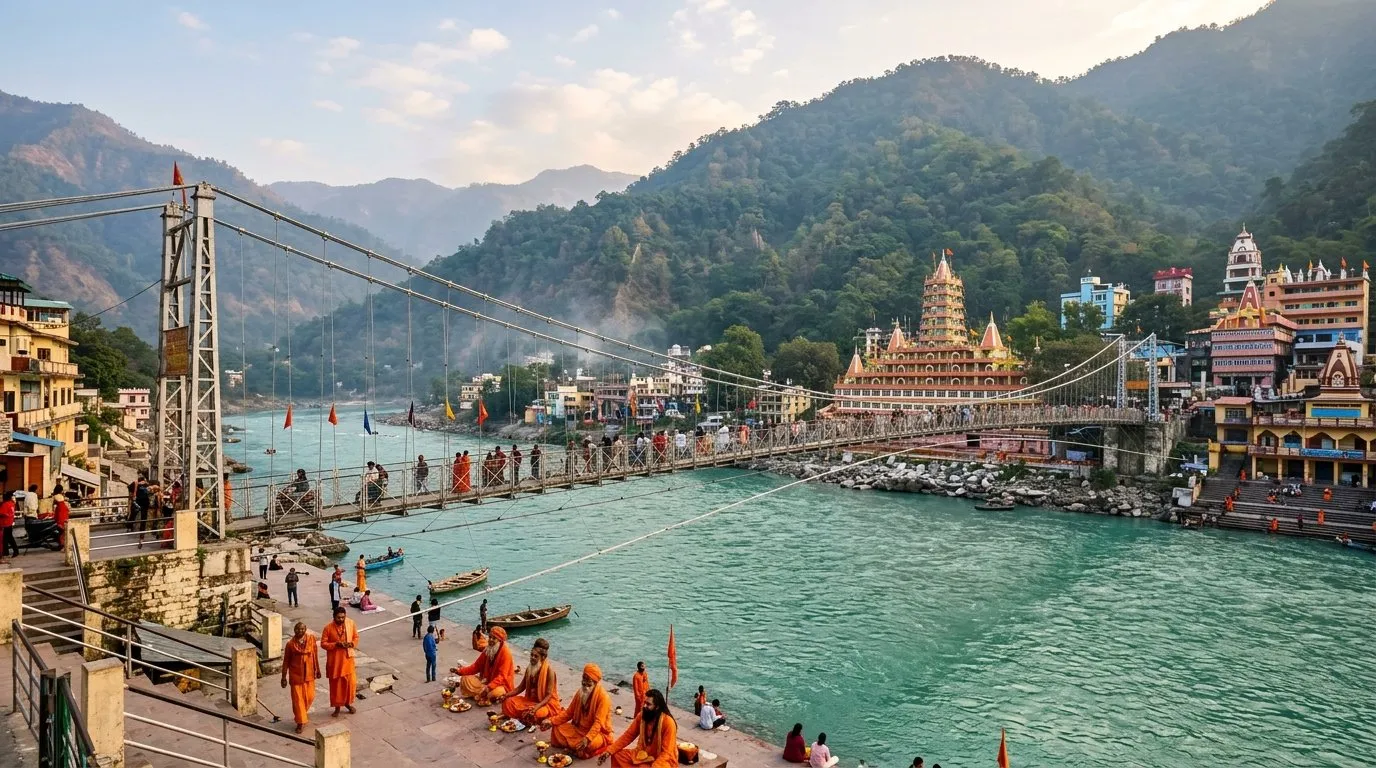
Solo-female travel in India — every destination scored, month by month
Most India travel guides tell women 'use common sense' and call it done. We rated 488 destinations on a 1-5 scale for solo-female safety, with month-specific overrides where it matters. Here's the methodology, the top 15, and the five that don't clear the bar.
10 min read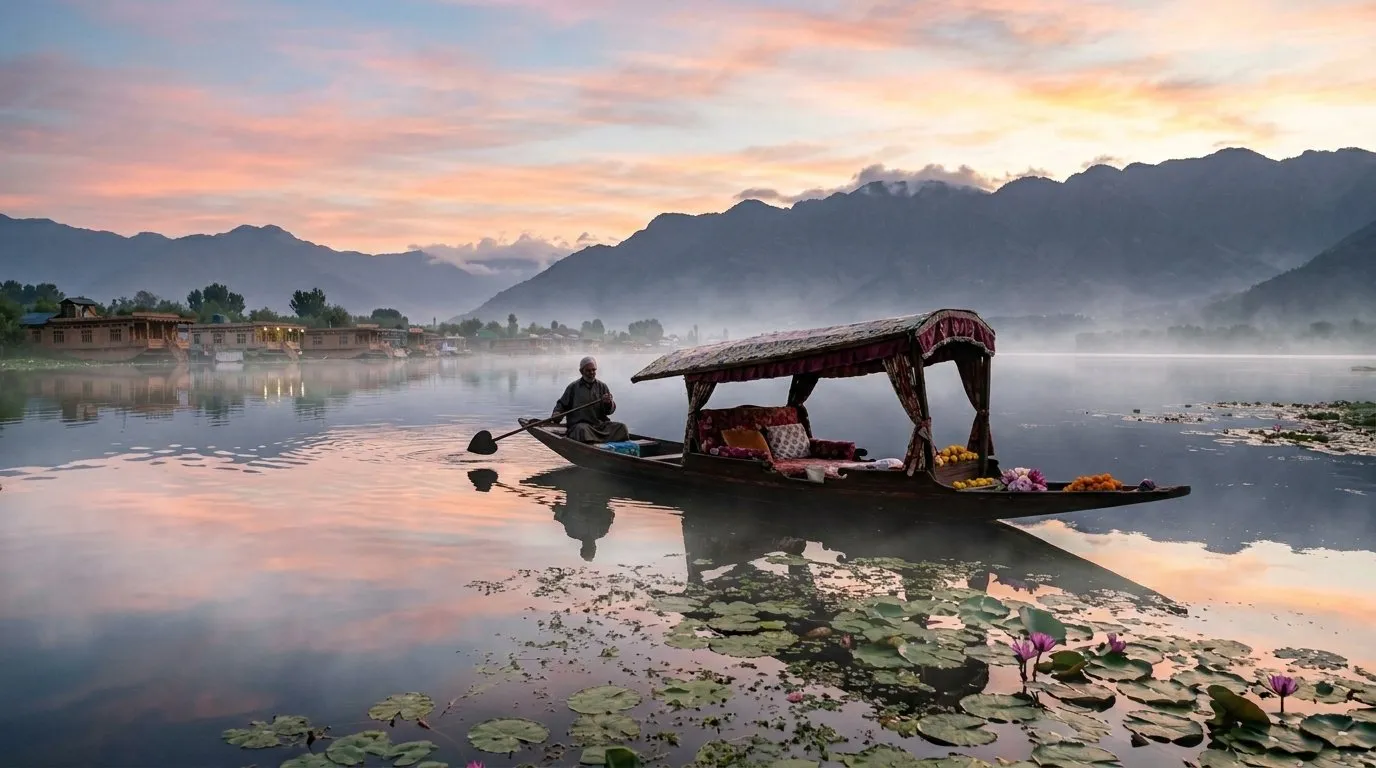
Is Kashmir safe for solo female travellers? What actually matters
Kashmir is the destination where the generic 'is India safe for women' post fails hardest. The answer depends on which month, which valley, which houseboat operator, and whether you're willing to dress differently than you would in Goa. Here's the concrete version.
6 min read- Access
- Fair to poor. Last 50km narrow and winding.
- Emergency
- 108 (very slow) · PHC Munsiyari (basic). District Hospital Pithoragarh 90km.
- Stay
- ₹500-3000/night · 15 options
Go with confidence.