Complete Guide to Lamayuru
The moon landscape monastery — Ladakh at its most alien
Destinations in this article
Why Go
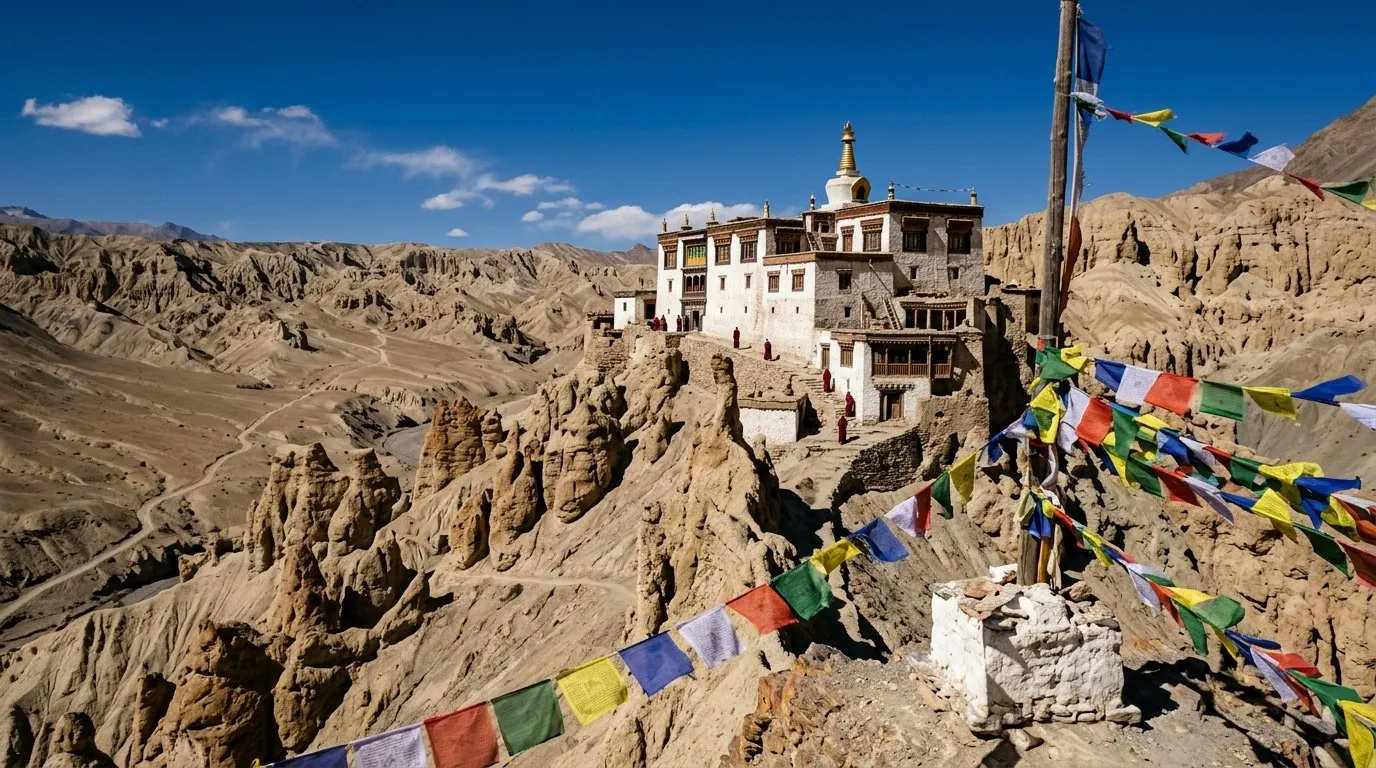
Lamayuru is where Ladakh stops looking like Earth. The landscape around this ancient monastery settlement is a formation of eroded clay and sandstone that genuinely resembles a lunar surface — pale, ridged, cratered, and completely devoid of vegetation. When you round the corner on the Srinagar-Leh highway and Lamayuru comes into view, the visual impact is immediate and almost disorienting. A whitewashed monastery complex perched on a hill above what looks like the surface of the moon, with prayer flags snapping in the wind and a tiny village clustered below. It is one of the most photographed spots in Ladakh for good reason.
But Lamayuru is more than a photo opportunity. The Yungdrung Monastery here is over 1,000 years old, making it one of the oldest monastic institutions in Ladakh. It predates the more famous monasteries of the Indus Valley (Hemis, Thiksey) by centuries. The monastery follows the Drikung Kagyu lineage of Tibetan Buddhism and houses approximately 150 monks. Its central prayer hall contains ancient murals, statues, and a cave where the 11th-century scholar Naropa is said to have meditated.
The Lamayuru Festival, held annually in June or July (dates follow the Tibetan calendar), is one of Ladakh's most important monastic festivals. Monks perform cham dances — elaborate masked ritual dances depicting the triumph of good over evil. Unlike the more tourist-heavy Hemis Festival, Lamayuru's festival retains a rawer, more intimate character. The monastery courtyard is small, the crowd is smaller, and the experience feels less like a performance and more like a living religious ceremony.
For trekkers, Lamayuru is the starting point for the Lamayuru-to-Alchi trek, a 3-5 day route that crosses two passes and connects to the Indus Valley via some of the most spectacular scenery in Ladakh.
Best Month to Visit
June through September, with June-July being optimal.
June-July: Best for the Lamayuru Festival (check exact dates annually — they shift with the Tibetan calendar). Weather is warm (15-25°C during the day) and the sky is usually clear. The moonscape is most dramatic under bright sun with blue sky contrast.
August: Warmer, occasional cloud cover. Still good, but the monsoon that barely touches Ladakh can bring haze that reduces visibility.
September: Cooler, quieter. Good for trekking if you want the Lamayuru-Alchi route. Autumn light is spectacular.
The Srinagar-Leh highway past Lamayuru is open roughly May through October. The Leh side of the highway opens earlier and stays open later than the Srinagar side (Zoji La is the bottleneck).
How to Get There
Lamayuru is on the Srinagar-Leh highway (NH1), 105 km west of Leh and 115 km east of Kargil.
From Leh: 2.5-3 hours by road. This is the most common approach. Shared taxis run from Leh bus stand, or hire a private vehicle. The road passes through the stunning Indus Valley, Magnetic Hill, the Indus-Zanskar confluence at Nimmu, and Moonland viewpoint before reaching Lamayuru. The drive itself is worth the trip.
From Kargil: 2.5-3 hours. If driving the full Srinagar-Leh route, Lamayuru is a natural stop.
From Srinagar: 9-12 hours (through Zoji La and Kargil). Most people break this at Kargil and continue to Lamayuru the next day.
No airport or railhead nearby. Leh's Kushok Bakula Rimpochee Airport is the closest air connection (105 km).
Important: The road from Leh to Lamayuru includes Fotu La (4,108m) and Namika La (3,700m) — two passes that are well-paved but high. If you are not yet acclimatised to altitude, do not rush this drive on your first day in Ladakh.
What to Expect
Yungdrung Monastery: The main monastery complex sits above the village. Entry is free (donations welcome). The main prayer hall has old murals and a collection of thangkas. The cave of Naropa — a small meditation cave beneath the monastery — is the spiritual heart of the complex. Monks are usually present and will answer questions. The rooftop offers sweeping views of the moonscape and valley. Allow 1-2 hours.
Moonscape (Lamayuru Moonland): The eroded geological formations around Lamayuru are the result of an ancient lake bed that dried up and eroded over millennia. The 'moonland' viewpoint is signposted on the highway just before you reach the village. Stop here for photographs — the formations look most dramatic in morning or late afternoon light when shadows create depth.
Lamayuru Festival: If your timing coincides, this is unmissable. Two days of cham dances, with monks in elaborate costumes and masks performing in the monastery courtyard. The festival also includes ritual debates and religious ceremonies. Arrive early for a good vantage point. The courtyard is small and fills quickly.
Lamayuru-Alchi Trek: A classic 3-5 day trek crossing Prinkiti La (3,750m) and Stakspi La (5,150m). The route passes through isolated villages, high pastures, and dramatic gorges. Not technically difficult but requires good fitness and acclimatisation. Best arranged through trekking agencies in Leh.
The Village: Lamayuru village is tiny — maybe 50 houses. A few guesthouses, a couple of restaurants serving momos and thukpa, and a general store. Walk through the village and its terraced fields for a sense of how people actually live in these landscapes.
Infrastructure Reality
Mobile: BSNL only. No Jio, no Airtel. Coverage is intermittent even with BSNL. Prepare to be offline.
Internet: Essentially unavailable. Some guesthouses claim WiFi but it rarely functions. Download offline maps and any content you need before leaving Leh.
Medical: Nothing beyond very basic first aid in the village. The nearest hospital is in Leh, 105 km away (2.5-3 hours). At 3,510m, altitude sickness is a genuine concern, especially if you have driven directly from Srinagar. Acclimatise in Leh first if possible. Carry Diamox, stay hydrated, and know the symptoms.
ATMs: No ATMs. Carry all cash from Leh or Kargil. Guesthouses and restaurants accept cash only.
Fuel: No fuel station. Fill up in Leh or Khalatse (40 km east).
Water: Bring water bottles or purification. Tap water is not safe to drink.
Where to Stay
Lamayuru has a handful of guesthouses and one or two small hotels. Standards are basic but adequate.
Best options: Hotel Moonland and a mid-tier Lamayuru hotel (see Lamayuru stays) are the most established. Expect simple rooms, shared or attached bathrooms, and basic meals. Rates: Rs 1,000-2,500 per night.
Guesthouses: Several family-run guesthouses offer rooms for Rs 500-1,000. These give you the most authentic experience — meals with the family, local knowledge, and genuine warmth.
Camping: Possible in the area around the village. Bring full equipment. Nights are cold — even in summer, temperatures drop to 2-5°C.
Day trip from Leh: Many travellers visit Lamayuru as a day trip from Leh. This works but is a long day (5-6 hours of driving round trip). Staying overnight lets you see the monastery in morning light and catch sunset over the moonscape, both of which are worth the extra time.
Kids Verdict: 2 out of 5
The moonscape will fascinate kids for about fifteen minutes. The monastery requires quiet and respect that young children may struggle with. The altitude is a real concern for children under 8. The drive from Leh is long but scenic, which helps with older kids.
Ages 0-5: Not recommended. Altitude risk, no facilities, long drive.
Ages 6-10: Possible as a day trip from Leh if the child handles car travel well. Keep the monastery visit short.
Ages 11+: The moonscape, monastery, and festival (if timed right) can be genuinely captivating for curious older kids.
What to Avoid
Visiting without acclimatisation. Lamayuru is at 3,510m. If you have flown into Leh (3,500m) the same day, do not drive to Lamayuru. Spend at least one full day acclimatising in Leh first.
Entering the monastery in shoes. Remove shoes before entering prayer halls. This is basic etiquette but overlooked by rushed tourists.
Flash photography inside the monastery. The murals are ancient and fragile. Flash damages them. Most areas have signs, but some do not. Just do not use flash anywhere inside.
Rushing through as a highway stop. The highway viewpoint gives you the moonscape in five minutes. But climbing to the monastery, walking through the village, and watching the light change on the landscape requires at least 2-3 hours. Overnight is better.
Littering. The moonscape area has a growing litter problem from highway tourists. Pack out everything you bring in.
The Bottom Line
Lamayuru delivers two things that are hard to find together: a landscape that looks like nothing else on Earth and a monastery that has been continuously inhabited for over a millennium. The combination of alien geology and deep spiritual history creates an atmosphere unlike any other stop on the Srinagar-Leh highway. If you are driving between Kargil and Leh, stopping here is obvious. If you are based in Leh, the day trip or overnight is one of the best excursions available. And if you can time your visit to coincide with the annual festival, you will see one of Ladakh's most authentic and visually spectacular religious ceremonies.
Monthly Scores
| Destination | Jan | Feb | Mar | Apr | May | Jun | Jul | Aug | Sep | Oct | Nov | Dec |
|---|---|---|---|---|---|---|---|---|---|---|---|---|
| Lamayuru | 2.0 | 2.0 | 2.0 | 2.0 | 6.0 | 10.0 | 10.0 | 8.0 | 10.0 | 6.0 | 2.0 | 2.0 |
The Window · Every Sunday
Liked this? Get one every Sunday.
Best score of the week, one honest skip, road updates. Four minutes. No spam.
More in Field guide
Is Manali safe for solo female travellers? Which Manali, and when
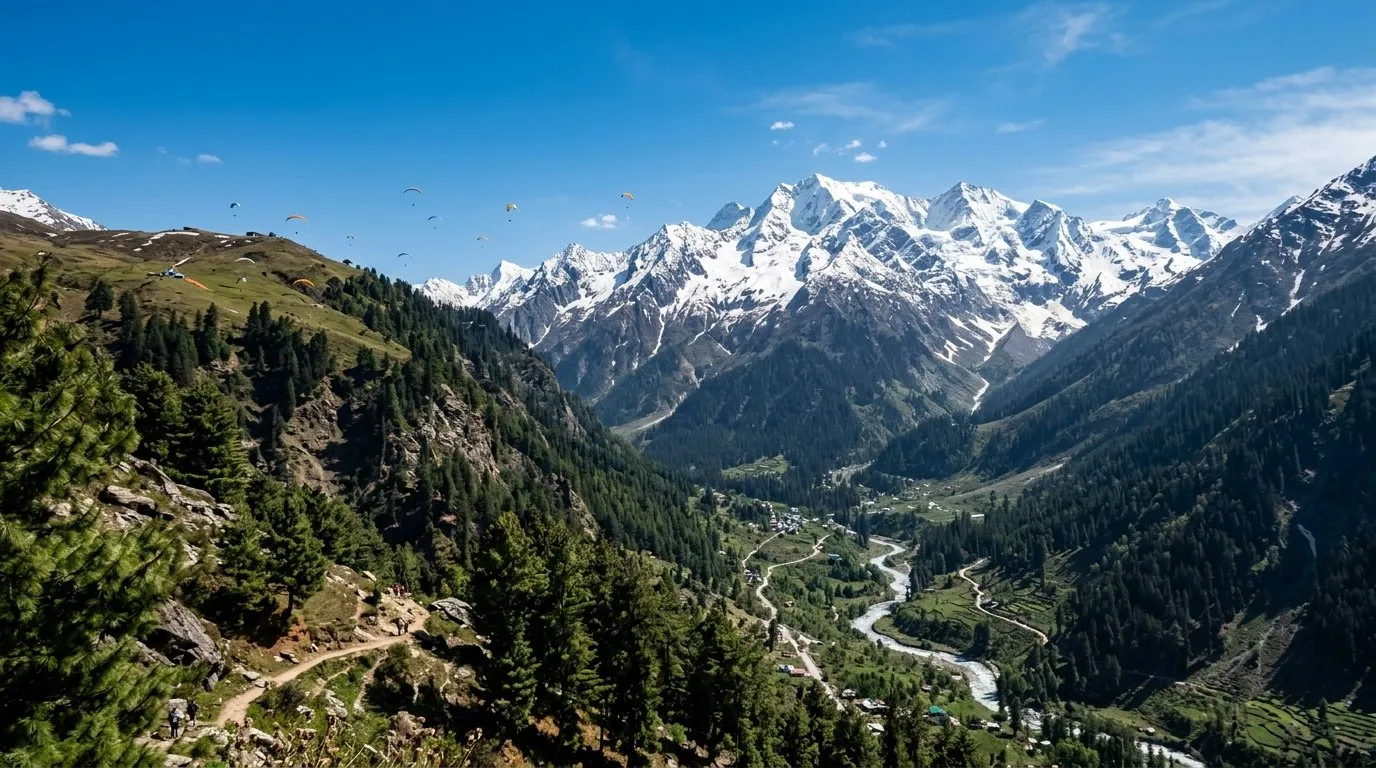
Manali is not one place. New Manali is a respectable hill town — 4/5 safe. Old Manali is the Himachal backpacker-cafe strip with party + drug scene — 2/5 after 10pm. McLeodganj 3 hours away holds 5/5 year-round. Pick deliberately.
5 min read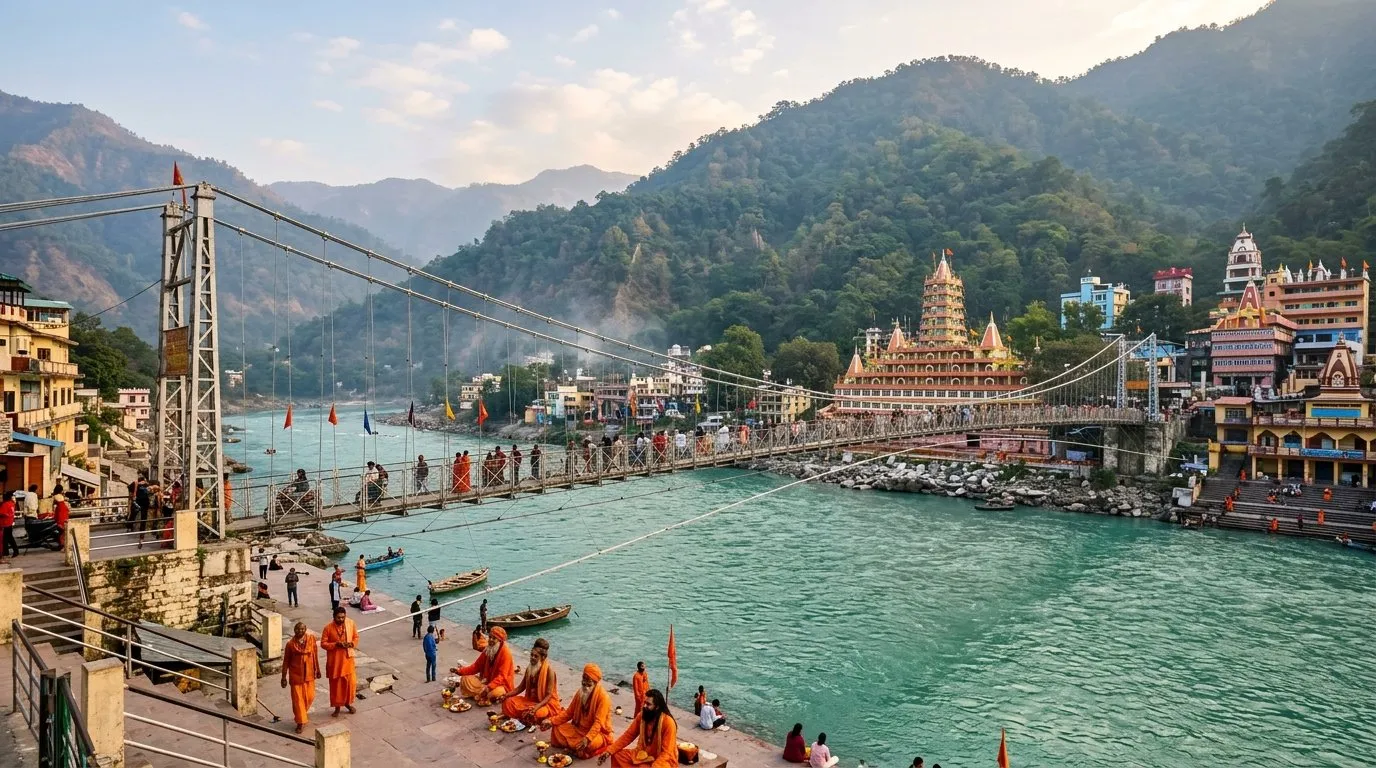
Solo-female travel in India — every destination scored, month by month
Most India travel guides tell women 'use common sense' and call it done. We rated 488 destinations on a 1-5 scale for solo-female safety, with month-specific overrides where it matters. Here's the methodology, the top 15, and the five that don't clear the bar.
10 min read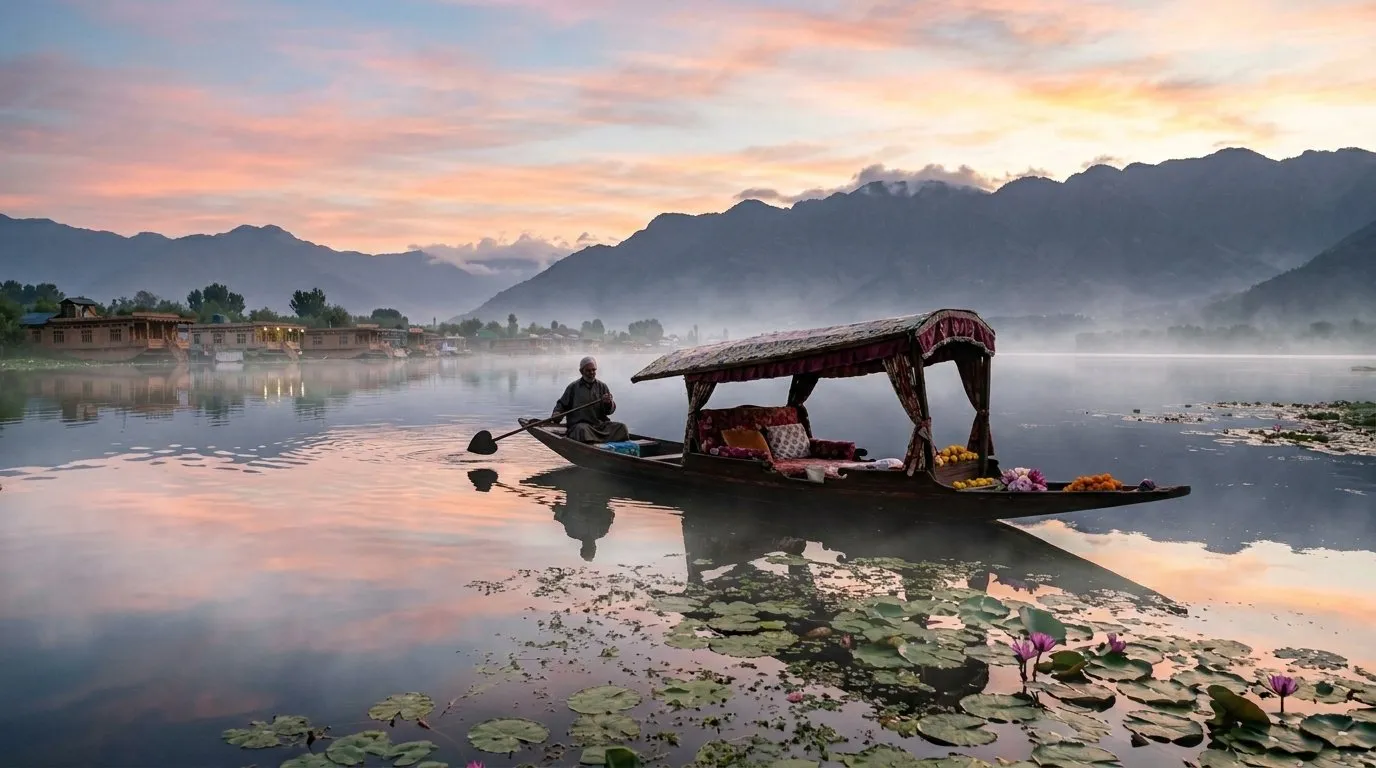
Is Kashmir safe for solo female travellers? What actually matters
Kashmir is the destination where the generic 'is India safe for women' post fails hardest. The answer depends on which month, which valley, which houseboat operator, and whether you're willing to dress differently than you would in Goa. Here's the concrete version.
6 min read- Emergency
- 108 (very limited) · PHC Khalsi (27km), SNM Hospital Leh (115km)
- Stay
- ₹600–3,000/night · 10 options
- Permit required
- See the process →
Go with confidence.