Where to go in India this August.
Ranked by NakshIQ Score · Ties broken by editorial richness · Hover for full color
Where to go in India
August in India — where the data says go, wait, and skip
Every destination scored 0-10 for August — weather, roads, crowds, festivals. Go first, then Wait, then Skip. No opinions, just the data.
The other scoring 10/10
10/1015 destinations
A good time
8/1038 destinations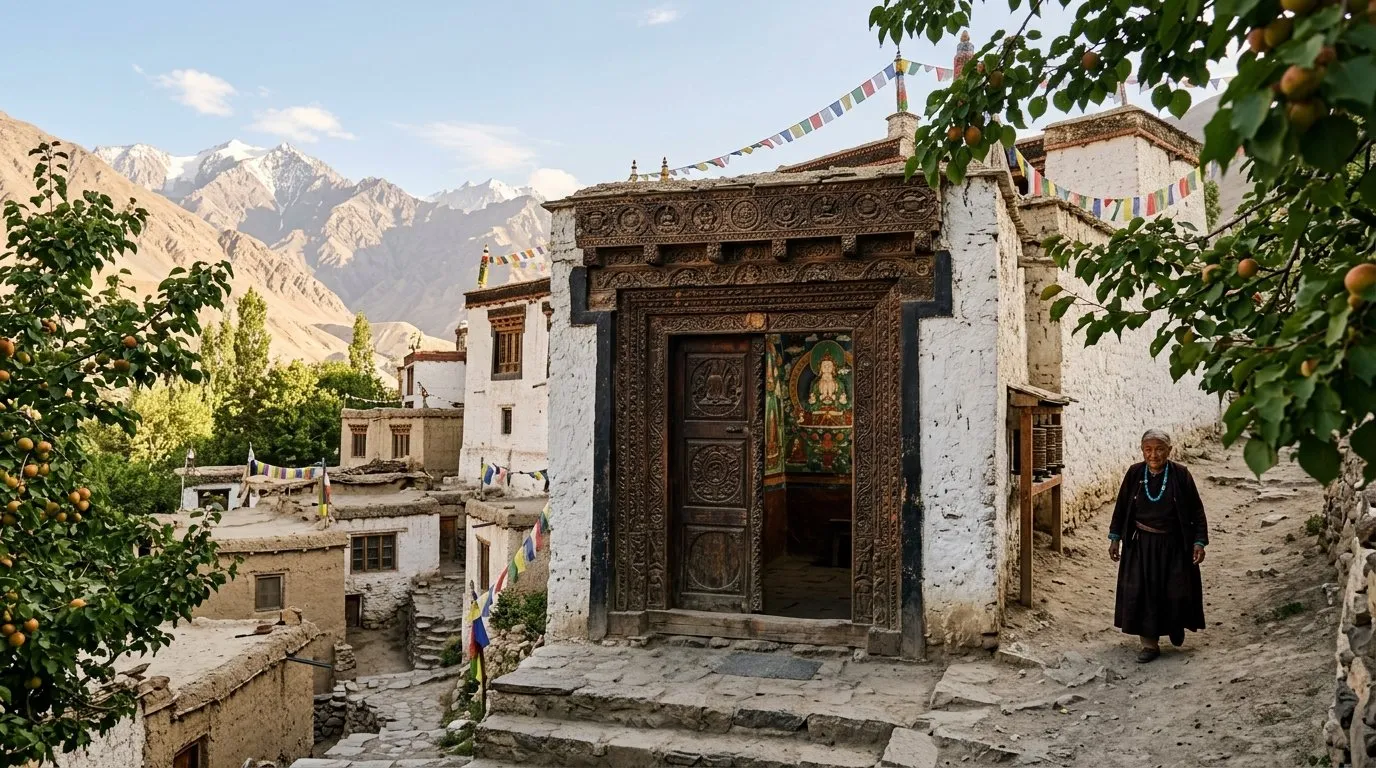
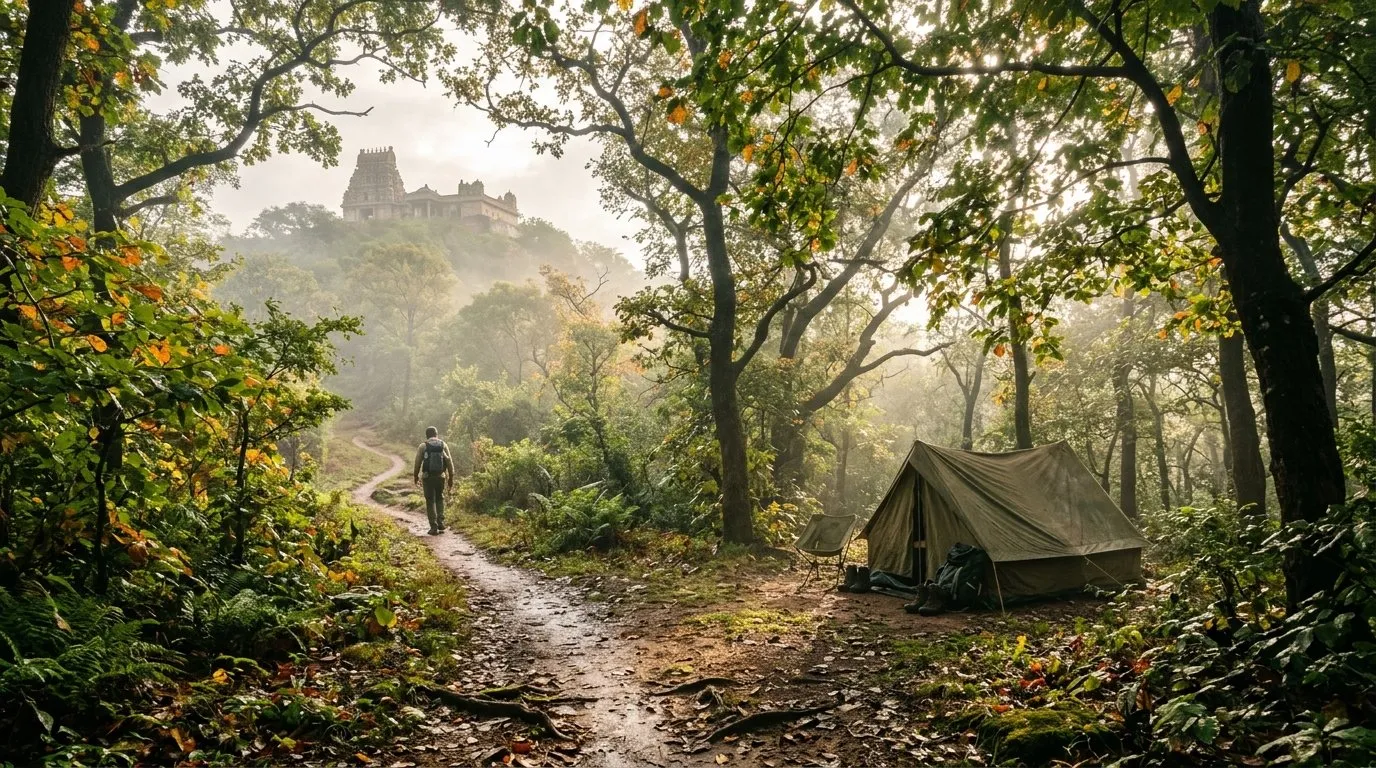
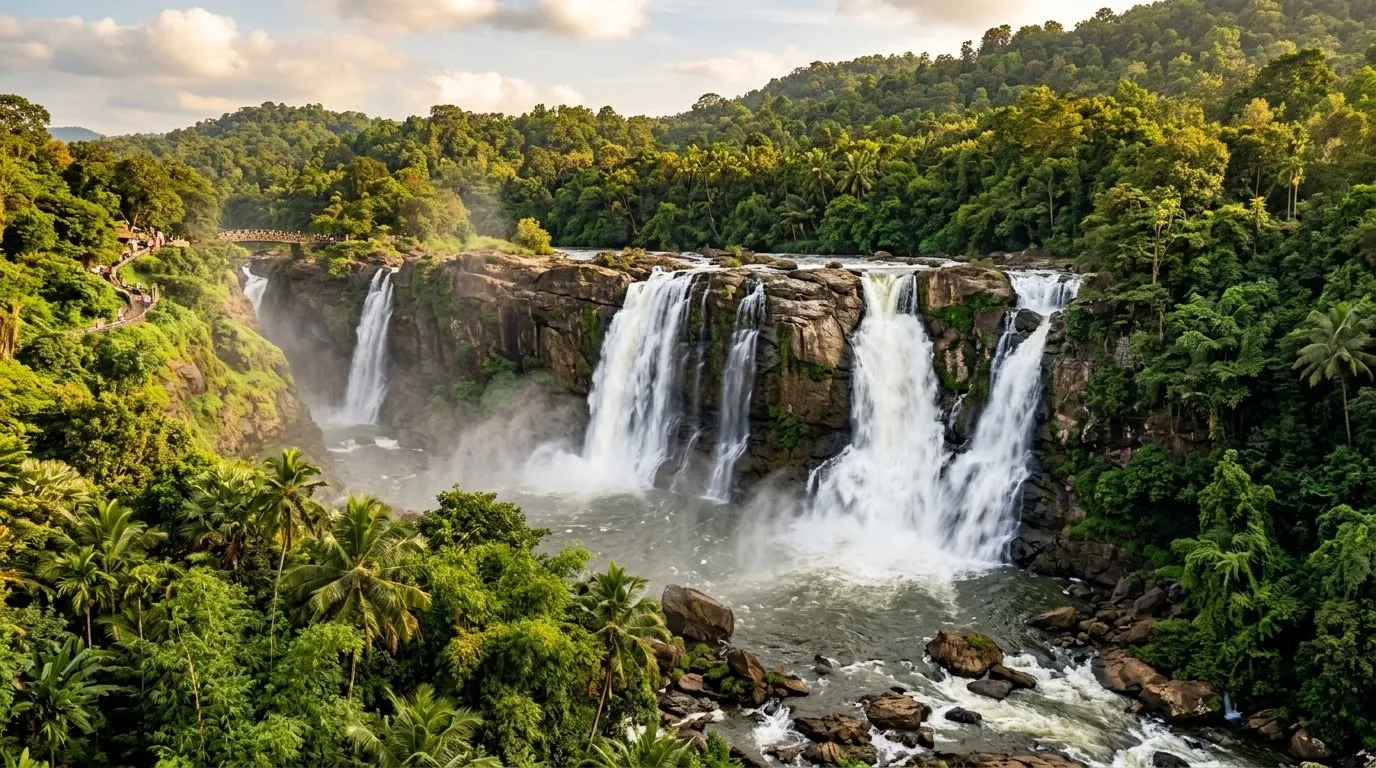
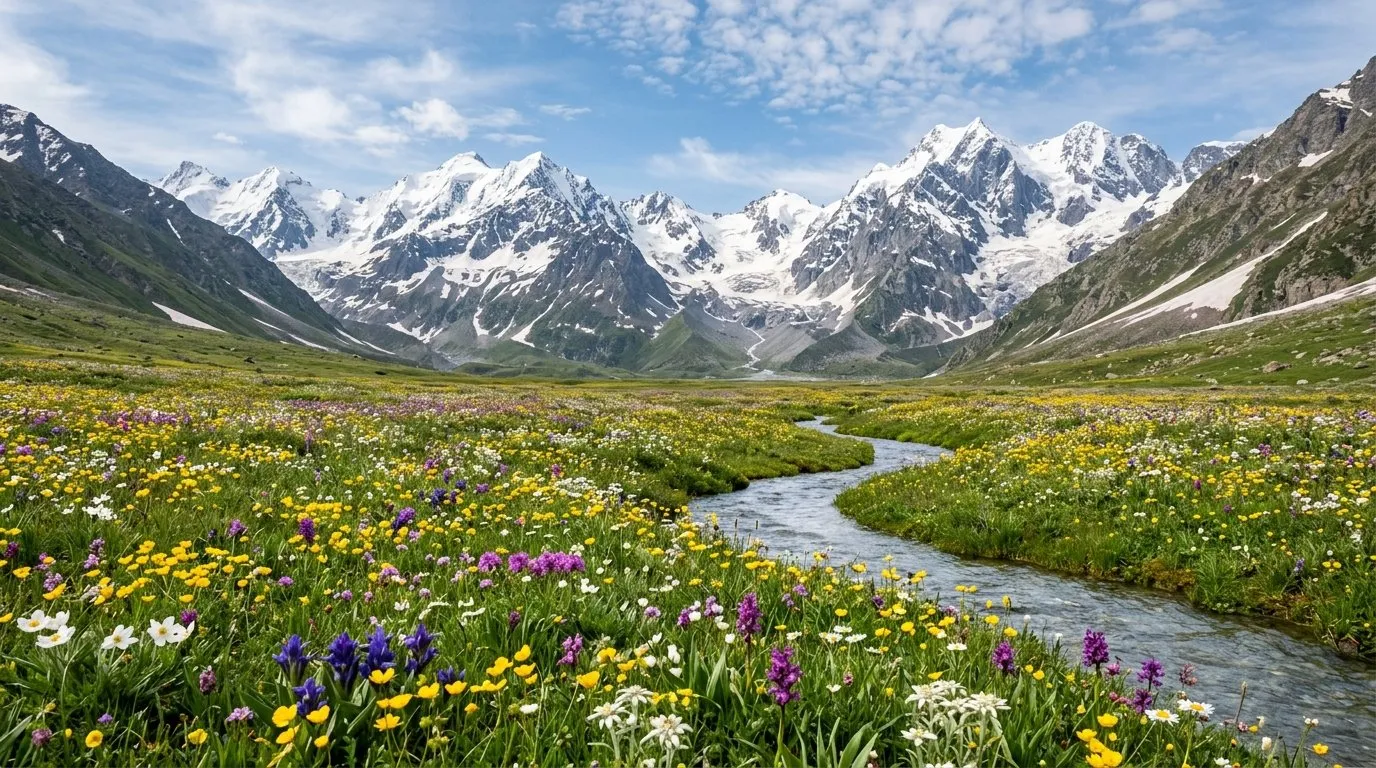


Fair
6/1080 destinationsWhere to skip
387 destinationsThese destinations score poorly in August — bad weather, closed roads, or dangerous conditions. Save them for a better month.
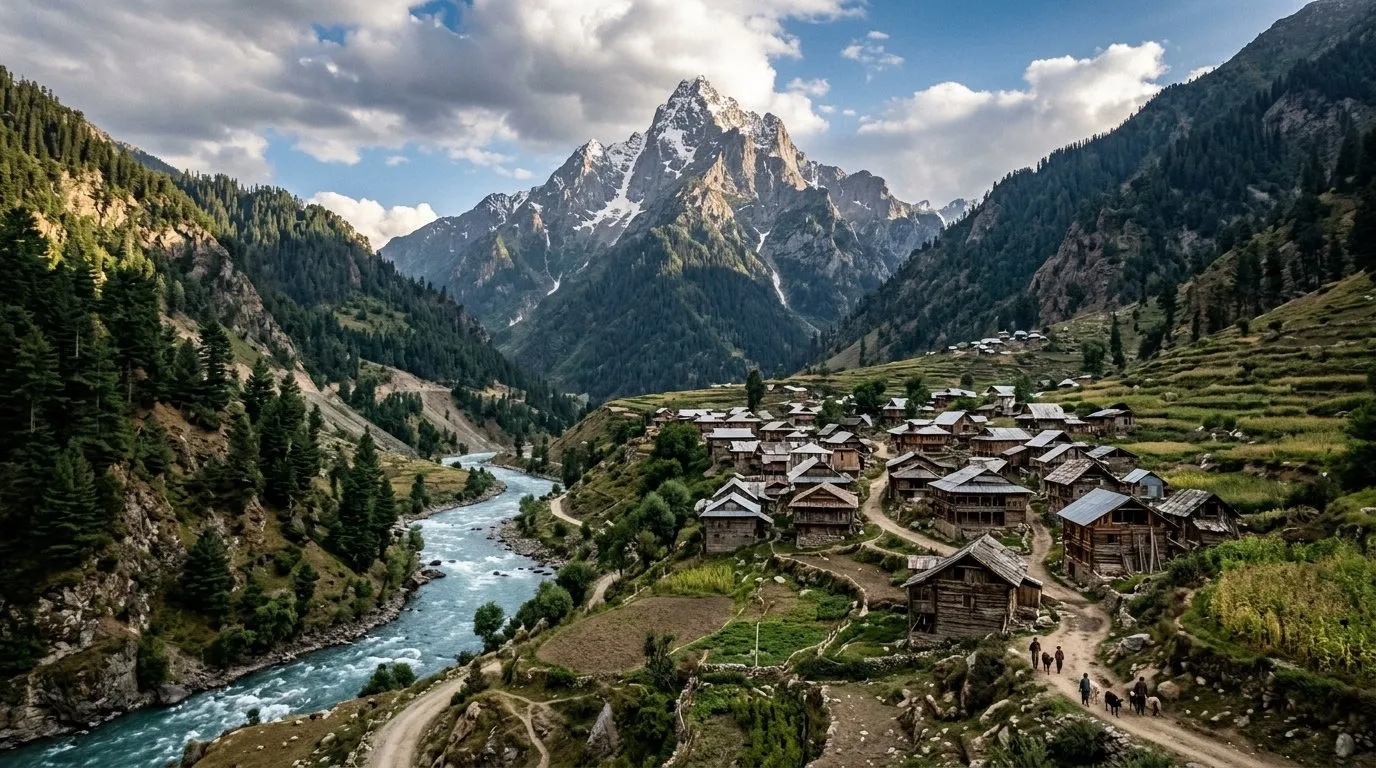
August at Achabal — peak monsoon for the outer ranges means Manali, Kashmir, Garhwal get unstable — check which side of the watershed you're on. Mughal garden circuit travelers should plan for Mar–May, Sep–Nov.
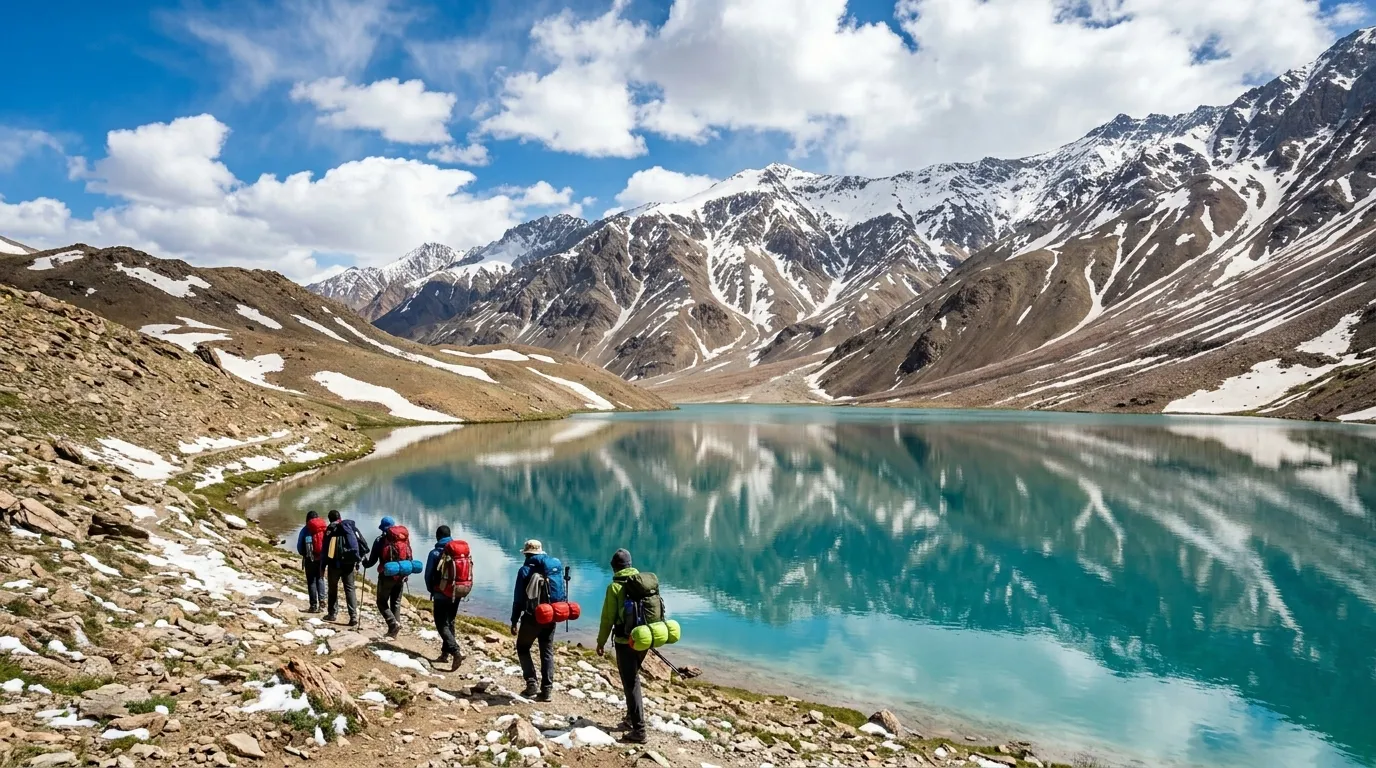
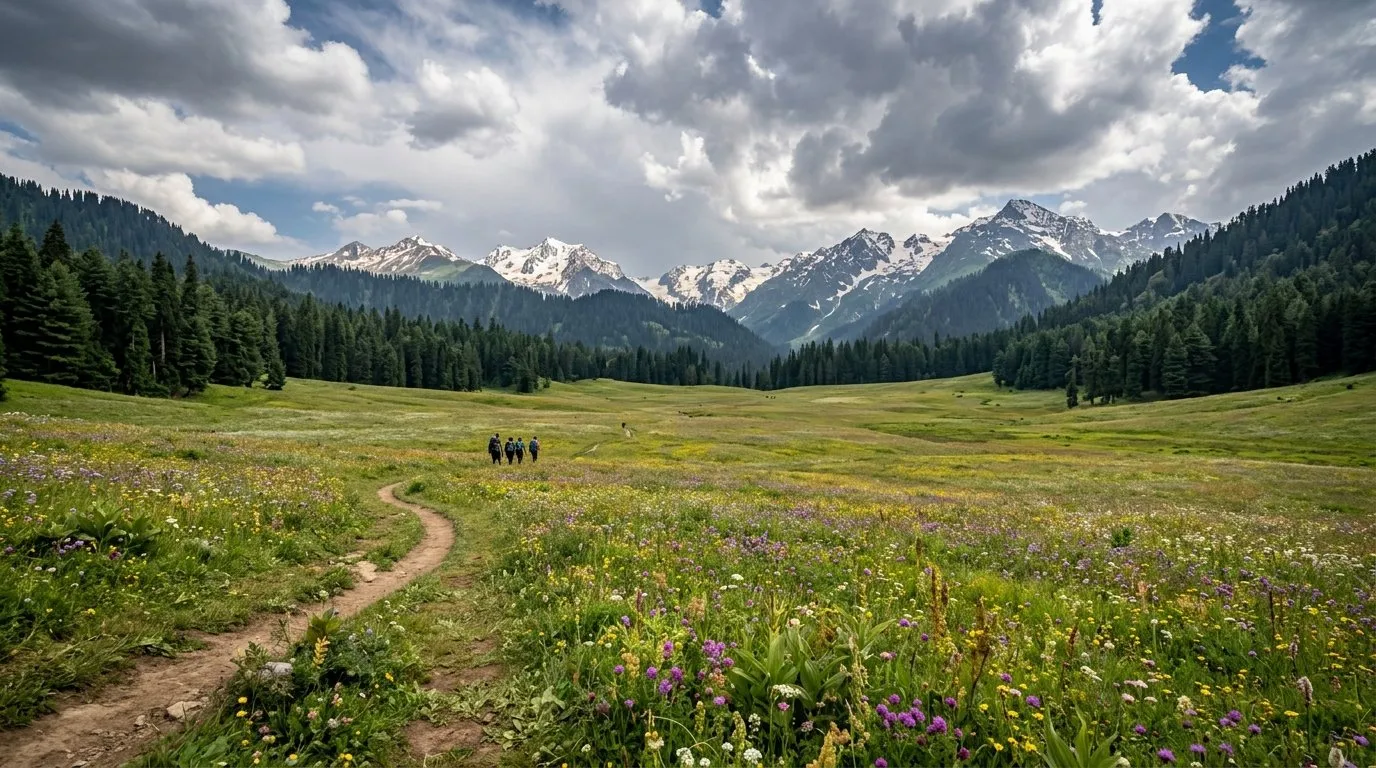
August straddles monsoon and post-monsoon. Occasional clear windows occur, but rain is still common. Lower elevations remain wet. The trek to Jolingkong Lake is passable but muddy. Daytime temperatures are mild (8–15°C). If you find a multi-day clear window, the trek is feasible, but planning flexibility is required.
August at Agra — continues the August pattern — humidity oppressive, pollution building, plus the added problem of standing water everywhere. First-time India travelers on the Golden Triangle should plan for Feb–Mar, Oct–Dec.
August is Ahmedabad's peak monsoon — 26-32C, heaviest rainfall of the year (300-400mm), Sabarmati in spate, walled-city pol lanes regularly waterlogged. Heritage circuit reduced to AC museums and brief between-rain photo walks.
August at Ahobilam continues SW monsoon. Adi Krithikai tail through first fortnight. Upper Ahobilam trek still leech-heavy. The 9-temple circuit cannot run cleanly. October opens the proper window for the full pilgrim experience.
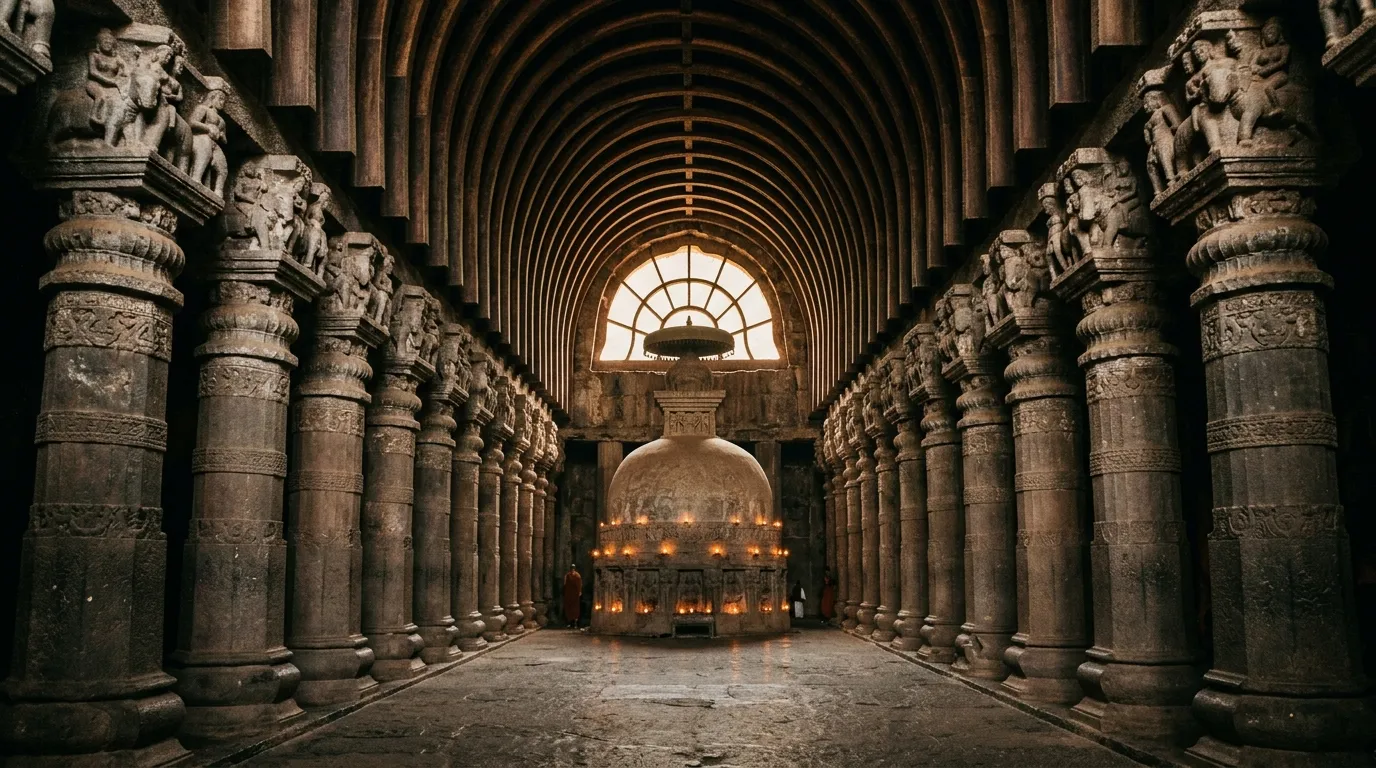
August at Ajanta is steady monsoon — 22-29°C, 250-350mm rain, Waghora waterfall still flowing across horseshoe canyon, but cave-floor stones slippery and 3-4 km cliff-trail wet. Workable for atmospheric monsoon visit but suboptimal vs winter peak.
August at Ajmer — mostly still hot with monsoon showers — the aesthetic isn't improved, and the heat isn't broken enough to recommend. Sufi pilgrimage should plan for Feb–Mar, Oct–Dec.
August at Almora — peak monsoon for the outer ranges means Manali, Kashmir, Garhwal get unstable — check which side of the watershed you're on. Kasar Devi / Crank Ridge should plan for Mar–May, Sep–Nov.
August at Alwar — mostly still hot with monsoon showers — the aesthetic isn't improved, and the heat isn't broken enough to recommend. Bhangarh haunted legend should plan for Feb–Mar, Oct–Dec.
August is monsoon continuation. Stupa walks closed, Capital City sites flooded, river-side off. Museum-only available. October is materially cleaner.
August at Amritsar — continues the August pattern — humidity oppressive, pollution building, plus the added problem of standing water everywhere. Sikh pilgrimage + langar should plan for Feb–Mar, Oct–Dec.
August at Anandpur Sahib — continues the August pattern — humidity oppressive, pollution building, plus the added problem of standing water everywhere. Panj Takht should plan for Mar–Apr, Oct–Nov.
August at Araku continues SW monsoon. Rail intermittent. Coffee plantations closed. Cyclone-influenced heavy bursts from Bay of Bengal possible. October opens the proper window.
August still drops 500-700mm of rain. Anjuna beach 3km west still closed for swimming. Bomras reopen but full village rhythm doesn't return until October. Inland-only trip if you can't wait.
August at Auli — peak monsoon for the outer ranges means Manali, Kashmir, Garhwal get unstable — check which side of the watershed you're on. India commercial skiing should plan for Jan–Feb, Sep–Oct.
August Aurangabad is monsoon mid-pulse — 22-29°C, 250-350mm rain, low-area street flooding. Ajanta Waghora waterfall still active and a rewarding cave-visit anchor, but Daulatabad stays slippery. Manageable but suboptimal vs winter peak.
August at Ayodhya — continues the August pattern — humidity oppressive, pollution building, plus the added problem of standing water everywhere. Ram Mandir consecration (2024) should plan for Feb–Mar, Oct–Dec.
August is when the SW monsoon hits hardest at Bandipur — 250-400mm rainfall, many safari zones close, sighting odds at year-worst (1-in-60). Wait for October.
August at Baripada — continued rain and cyclone-watch; Puri's Jagannath Rath Yatra is the one exception worth coming for (dates vary, usually June-July). Women Rath Yatra should plan for Oct–Apr.
August at Barmer — mostly still hot with monsoon showers — the aesthetic isn't improved, and the heat isn't broken enough to recommend. Kiradu Mini Khajuraho should plan for Feb–Mar, Oct–Dec.
August at Barot Valley — peak monsoon for the outer ranges means Manali, Kashmir, Garhwal get unstable — check which side of the watershed you're on. Asia first hydroelectric should plan for Mar–May, Sep–Oct.
August at Bhadrachalam — continues the monsoon pattern; some destinations (Nagarjuna Sagar, Laknavaram) look green but access unreliable. Dakshin Ayodhya should plan for Oct–Mar.
August continues the monsoon at full force — Palitana's steep Shatrunjaya ascent becomes slippery and rain-soaked, Velavadar's safari zone is flooded and functionally closed, and coastal humidity is at its highest. There is no meaningful window to use the destination's key draws.
August falls well outside Bhimbetka Rock Shelters's Oct–Mar window. Conditions are harder, local services scaled back, and the version of the place you'd actually get isn't the one that makes the trip worth doing. The shoulder month either side would be a closer call, but this month isn't it. UNESCO prehistoric rock art should plan for Oct–Mar.
August at Bhimtal — peak monsoon for the outer ranges means Manali, Kashmir, Garhwal get unstable — check which side of the watershed you're on. Quieter Nainital alternative should plan for Mar–Apr, Sep–Nov.
August falls well outside Bhopal's Oct–Mar window. Conditions are harder, local services scaled back, and the version of the place you'd actually get isn't the one that makes the trip worth doing. The shoulder month either side would be a closer call, but this month isn't it. Nawabi Bhopal heritage should plan for Oct–Mar.
August at Bhubaneswar — continued rain and cyclone-watch; Puri's Jagannath Rath Yatra is the one exception worth coming for (dates vary, usually June-July). Temple city (600+ temples) should plan for Oct–Mar.
August at Bikaner — mostly still hot with monsoon showers — the aesthetic isn't improved, and the heat isn't broken enough to recommend. Karni Mata Rat Temple should plan for Feb–Mar, Oct–Dec.
August at Bir Billing — peak monsoon for the outer ranges means Manali, Kashmir, Garhwal get unstable — check which side of the watershed you're on. Paragliders pursuing India's best flying site should plan for Mar–May, Oct–Nov.
August falls well outside Bodh Gaya's Oct–Mar window. Conditions are harder, local services scaled back, and the version of the place you'd actually get isn't the one that makes the trip worth doing. The shoulder month either side would be a closer call, but this month isn't it. Buddha enlightenment site should plan for Oct–Mar.
August at Bundi — mostly still hot with monsoon showers — the aesthetic isn't improved, and the heat isn't broken enough to recommend. Chitrashala miniature paintings should plan for Feb–Mar, Oct–Dec.
August still drops 500-700mm of rain. Beach still under swimming advisory. Stone House on weekend-only. Inland-only trip if you can't wait.
August at Chail — peak monsoon for the outer ranges means Manali, Kashmir, Garhwal get unstable — check which side of the watershed you're on. World highest cricket ground should plan for Mar–May, Sep–Nov.
August at Chamba — peak monsoon for the outer ranges means Manali, Kashmir, Garhwal get unstable — check which side of the watershed you're on. Pahari miniature painting should plan for Mar–May, Sep–Oct.
August at Champhai — continues the rain; Brahmaputra floods the char-char islands, Kaziranga underwater in parts, road transit from Guwahati unreliable. Mizoram wine region should plan for Oct–Mar.
August at Chandigarh — continues the August pattern — humidity oppressive, pollution building, plus the added problem of standing water everywhere. Le Corbusier UNESCO site should plan for Feb–Apr, Oct–Nov.
August at Chandipur — continued rain and cyclone-watch; Puri's Jagannath Rath Yatra is the one exception worth coming for (dates vary, usually June-July). Disappearing sea should plan for Oct–Mar.
August at Charaideo Moidams — continues the rain; Brahmaputra floods the char-char islands, Kaziranga underwater in parts, road transit from Guwahati unreliable. UNESCO 2024 should plan for Oct–Mar.
August at Chikmagalur holds the July pattern. 600-800mm rainfall, NH-73 closures continue 1-2 days per week, Mullayanagiri summit road still closed most days. Hebbe Falls peak flow visible from base. Wait for September for clean Western Ghats access.
August at Chilika Lake — continued rain and cyclone-watch; Puri's Jagannath Rath Yatra is the one exception worth coming for (dates vary, usually June-July). Asia largest brackish water lagoon should plan for Oct–Mar.
August at Chitrakoot — continues the August pattern — humidity oppressive, pollution building, plus the added problem of standing water everywhere. Ramayana exile site should plan for Feb–Mar, Oct–Dec.
August at Chopta — peak monsoon for the outer ranges means Manali, Kashmir, Garhwal get unstable — check which side of the watershed you're on. First-time Himalayan trekkers should plan for Apr–May, Sep–Oct.
August monsoon floods these low-lying islands, making boat access unreliable unless you specifically time your visit around Bonderam Festival.
August at Cuttack — continued rain and cyclone-watch; Puri's Jagannath Rath Yatra is the one exception worth coming for (dates vary, usually June-July). Netaji birthplace should plan for Oct–Mar.
August is peak monsoon Dakor. Daytime 25-31°C, peak humidity, heavy concentrated rains, temple courtyards waterlogged, and Krishna pilgrim flow at annual lows. The destination remains monsoon-suspended.
August at Dalhousie — peak monsoon for the outer ranges means Manali, Kashmir, Garhwal get unstable — check which side of the watershed you're on. British-era hill station feel should plan for Mar–May, Sep–Oct.
August at Daringbadi — continued rain and cyclone-watch; Puri's Jagannath Rath Yatra is the one exception worth coming for (dates vary, usually June-July). Kashmir of Odisha should plan for Oct–Mar.
August at Daulatabad is steady monsoon — 22-29°C, 250-350mm rain, basalt steps slippery, Andheri tunnel partially flooded. Summit climb dangerous. Lower-fort photography workable on dry-day clusters but suboptimal vs Nov-Feb.
August at Delhi — continues the August pattern — humidity oppressive, pollution building, plus the added problem of standing water everywhere. UNESCO heritage density should plan for Feb–Mar, Oct–Dec.
August falls well outside Deoghar's Oct–Mar window. Conditions are harder, local services scaled back, and the version of the place you'd actually get isn't the one that makes the trip worth doing. The shoulder month either side would be a closer call, but this month isn't it. Baidyanath Jyotirlinga should plan for Oct–Mar.
August at Dharamshala — peak monsoon for the outer ranges means Manali, Kashmir, Garhwal get unstable — check which side of the watershed you're on. Tibetan culture + Buddhism should plan for Mar–Apr, Oct.
August at Dhauli — continued rain and cyclone-watch; Puri's Jagannath Rath Yatra is the one exception worth coming for (dates vary, usually June-July). Kalinga War site should plan for Oct–Mar.
August at Dwarka: 26-32C, peak monsoon. AND Krishna Janmashtami Aug 23 2026 — the MASSIVE pilgrim peak for Krishna's home town. Avoid this date entirely unless you're a devotee — crowds 8-15x normal, hotels 3-5x rate, queue depth at Jagat Mandir extreme, and Bet Dwarka ferry overwhelmed.
August at Ellora is steady monsoon — 22-29°C, 250-350mm rain, Kailasa courtyard puddles, basalt cave-floors slippery. Workable but suboptimal vs Nov-Feb peak.
August at Fatehpur Sikri — continues the August pattern — humidity oppressive, pollution building, plus the added problem of standing water everywhere. UNESCO Mughal capital should plan for Oct–Mar.
August at Gagron Fort — mostly still hot with monsoon showers — the aesthetic isn't improved, and the heat isn't broken enough to recommend. UNESCO Hill Forts of Rajasthan should plan for Oct–Mar.
August is Gandhinagar's peak monsoon — 25-31°C, heaviest rainfall of the year (300-400mm), sector underpass closures, and Akshardham's outdoor plaza weather-dependent. Heritage circuit reduced to AC interiors.
August at Gandikota continues SW monsoon spillover. Pennar river at fuller flow. Fort plateau still hot. Cloud cover obscures cliff views. October opens the proper window.
August at Gopalpur-on-Sea — continued rain and cyclone-watch; Puri's Jagannath Rath Yatra is the one exception worth coming for (dates vary, usually June-July). British colonial port should plan for Oct–Mar.
August at Gopeshwar — peak monsoon for the outer ranges means Manali, Kashmir, Garhwal get unstable — check which side of the watershed you're on. Badrinath winter seat should plan for Apr–May, Sep–Oct.
August at Great Himalayan National Park — peak monsoon for the outer ranges means Manali, Kashmir, Garhwal get unstable — check which side of the watershed you're on. UNESCO World Heritage should plan for Apr–Jun, Sep–Oct.
August at Guptkashi — peak monsoon for the outer ranges means Manali, Kashmir, Garhwal get unstable — check which side of the watershed you're on. Kedarnath helicopter base should plan for May–Jun, Sep–Oct.
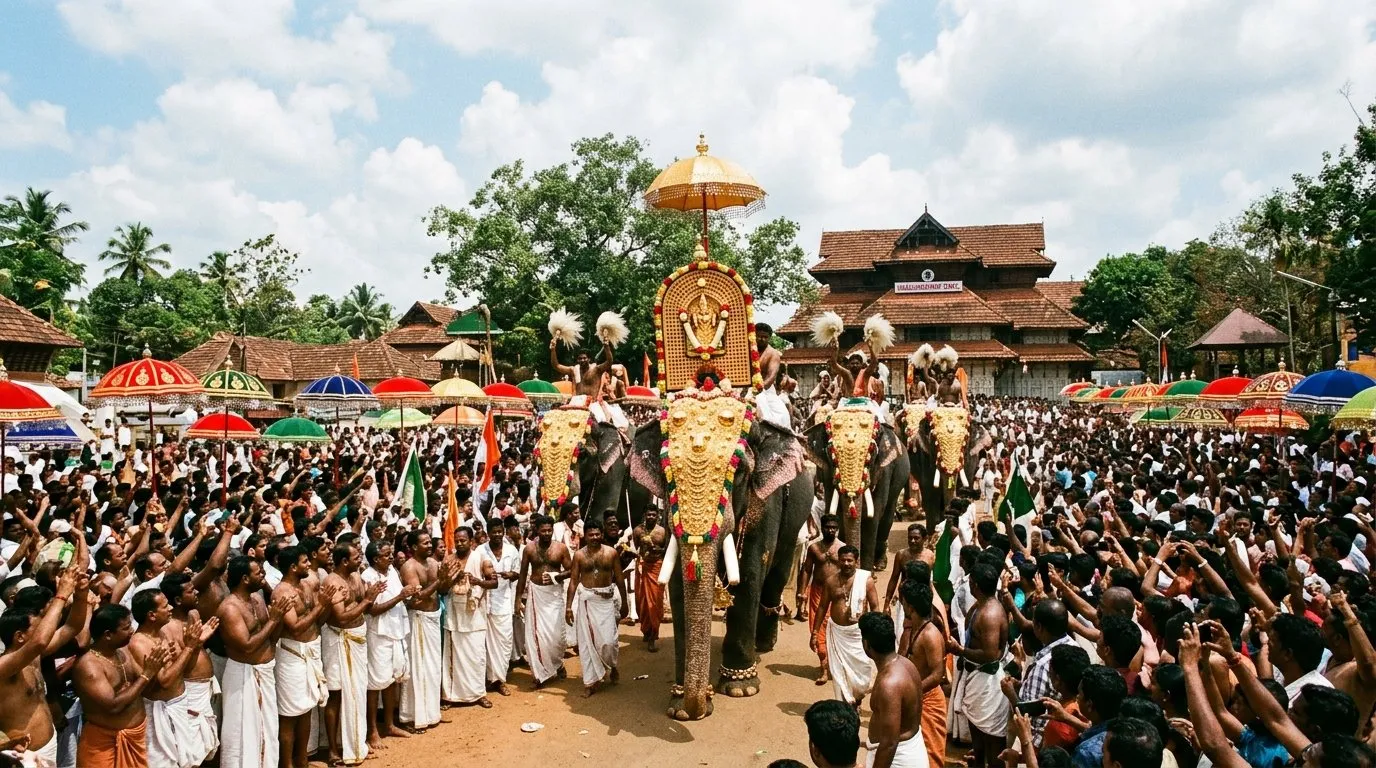
August holds monsoon at Guruvayur with Onam celebrations layered on. Temple darshan year-round; Onam draws additional pilgrim flow but Punnathur outdoor approaches still wet. For Onam darshan yes, for general heritage no.
August falls well outside Gwalior's Oct–Mar window. Conditions are harder, local services scaled back, and the version of the place you'd actually get isn't the one that makes the trip worth doing. The shoulder month either side would be a closer call, but this month isn't it. Scindia heritage should plan for Oct–Mar.
August at Haflong — continues the rain; Brahmaputra floods the char-char islands, Kaziranga underwater in parts, road transit from Guwahati unreliable. Jatinga bird phenomenon researchers + ornithologists should plan for Oct–Mar.
August at Haridwar — peak monsoon for the outer ranges means Manali, Kashmir, Garhwal get unstable — check which side of the watershed you're on. Ganga Aarti ritual should plan for Feb–May, Oct–Nov.
August Harihareshwar sees Shravan-month pilgrim peak at the Mahadev temple despite the rain, but rock platforms still dangerous, beach red-flagged, ferry off. Pilgrim-only month with elevated temple footfall.
August closes Jabalpur to visitors: extreme heat (25-44°C) or monsoon flooding shuts boat access to Marble Rocks and Dhuandhar Falls—the main attractions. Wildlife sanctuaries close or suspend operations.
August at Jaipur — mostly still hot with monsoon showers — the aesthetic isn't improved, and the heat isn't broken enough to recommend. Golden Triangle should plan for Oct–Feb.
August at Jaisalmer — mostly still hot with monsoon showers — the aesthetic isn't improved, and the heat isn't broken enough to recommend. Rajasthan heritage circuit travelers should plan for Oct–Feb.
August at Jibhi — peak monsoon for the outer ranges means Manali, Kashmir, Garhwal get unstable — check which side of the watershed you're on. Quiet Kasol alternative should plan for Mar–May, Sep–Oct.
August at Jodhpur — mostly still hot with monsoon showers — the aesthetic isn't improved, and the heat isn't broken enough to recommend. Mehrangarh Fort should plan for Oct–Feb.
August at Jorhat — continues the rain; Brahmaputra floods the char-char islands, Kaziranga underwater in parts, road transit from Guwahati unreliable. Tea capital of Assam should plan for Oct–Mar.
August at Joshimath — peak monsoon for the outer ranges means Manali, Kashmir, Garhwal get unstable — check which side of the watershed you're on. One of 4 Shankara Mathas should plan for May–Jun, Sep–Oct.
August at Kalimpong — continued monsoon; Sundarbans closed, Darjeeling accessible only on good-weather days. Darjeeling alternative should plan for Mar–May, Oct–Nov.
August at Kalpa — peak monsoon for the outer ranges means Manali, Kashmir, Garhwal get unstable — check which side of the watershed you're on. Kinner Kailash viewing should plan for May–Jun, Sep–Oct.
August is monsoon-thick at Kannur. The Theyyam village circuit doesn't resume until mid-October. Sea bathing forbidden, fort exterior closed slippery on most days. Onam programming is real but is a Kerala-wide event, not specifically Kannur-anchored. Push to late October.
August at Kanyakumari sees the first SW monsoon easing but the ferry suspensions and limited sunrise count still keep the trip working at 60 percent. The Oct-Mar window is materially better.
August stays humid (85-90 percent) with 80-100mm of rain. Pilgrim flow holds; tourist comfort still low. Wait for October if the trip is broader than faith.
August at Kasauli — peak monsoon for the outer ranges means Manali, Kashmir, Garhwal get unstable — check which side of the watershed you're on. Weekend from Delhi/Chandigarh should plan for Mar–May, Sep–Nov.
August at Kasol — peak monsoon for the outer ranges means Manali, Kashmir, Garhwal get unstable — check which side of the watershed you're on. Budget backpackers on the Parvati Valley circuit should plan for Mar–May, Sep–Oct.
August at Kedarnath — peak monsoon for the outer ranges means Manali, Kashmir, Garhwal get unstable — check which side of the watershed you're on. Jyotirlinga pilgrimage should plan for May, Sep–Oct.
August falls well outside Khajuraho's Oct–Mar window. Conditions are harder, local services scaled back, and the version of the place you'd actually get isn't the one that makes the trip worth doing. The shoulder month either side would be a closer call, but this month isn't it. Indian art history + temple architecture travelers should plan for Oct–Mar.
Late monsoon (18–27°C, heavy rain) leaves trails waterlogged and leech-infested. The Khonoma experience — forest trekking and terrace photography — is severely compromised.
August at Kinnaur — peak monsoon for the outer ranges means Manali, Kashmir, Garhwal get unstable — check which side of the watershed you're on. Kinnaur Kailash pilgrimage should plan for May–Jun, Sep–Oct.
August at Kokernag — peak monsoon for the outer ranges means Manali, Kashmir, Garhwal get unstable — check which side of the watershed you're on. Largest Kashmir freshwater spring should plan for Mar–May, Sep–Nov.
August at Kolkata — continued monsoon; Sundarbans closed, Darjeeling accessible only on good-weather days. Cultural + literary capital should plan for Oct–Mar.
Monsoon rains peak in August — 500–600mm rainfall, Munroe canoes still closed, and outdoor activities unreliable. Onam (Aug 25) shifts focus to celebrations over backwater tourism.
Monsoon continues — 600–800mm rain, beaches closed, and Kuttichira market still suspended. Onam (Aug–Sep) brings programming but not enough offset for monsoon weather.
August at Kufri — peak monsoon for the outer ranges means Manali, Kashmir, Garhwal get unstable — check which side of the watershed you're on. Shimla day trip should plan for Dec–Apr.
August combines monsoon rain (25–29°C, 500–600mm) with Onam festival (25 Aug). Though Sadhya meals at homestays are special, backwater tours remain impossible due to swollen waterways.
August at Kurukshetra — continues the August pattern — humidity oppressive, pollution building, plus the added problem of standing water everywhere. Bhagavad Gita site should plan for Feb–Mar, Oct–Dec.
August at Kushinagar — continues the August pattern — humidity oppressive, pollution building, plus the added problem of standing water everywhere. Buddha Mahaparinirvana site should plan for Feb–Mar, Oct–Dec.
August is peak Kutch monsoon. The Rann is fully submerged, craft villages slow operations, and back roads remain flood-risk. Cooler than May-June but the destination experience stays suspended until October-November.
August at Landour — peak monsoon for the outer ranges means Manali, Kashmir, Garhwal get unstable — check which side of the watershed you're on. Ruskin Bond pilgrimage should plan for Mar–May, Sep–Nov.
August continues monsoon peak — 307 wet basalt steps remain at zero grip and slip-fall risk. Angarki Aug 4 pilgrims accept risk but ASI advisory closure typical on heavy rain. Yatra packages drop Lenyadri from itineraries. Push to September festival window.
August is light monsoon continuation. Cooler than April-May but unpredictable rain. October is materially cleaner. Hotel rates at year-low but the trip shape collapses.
August at Lonar Crater is heavy monsoon — 22-29°C, 250-350mm rain, rim path slippery, Sita Nahani waterfall at peak flow. Lake filling further. Workable but lake-descent path dangerous. Suboptimal vs Nov-Feb peak.
August at Lothal is peak monsoon — 24-30°C, heaviest rainfall, Bhal-region road flooding risk, and the brick dockyard regularly waterlogged. ASI museum AC remains workable.
August at Lucknow — continues the August pattern — humidity oppressive, pollution building, plus the added problem of standing water everywhere. Nawabi heritage + Awadhi cuisine should plan for Feb–Mar, Oct–Dec.
August at Lunglei — continues the rain; Brahmaputra floods the char-char islands, Kaziranga underwater in parts, road transit from Guwahati unreliable. Mizoram 2nd city should plan for Oct–Mar.
August monsoon continues with 130–160 mm of monthly rain. The Aadi month traditionally brings family temple pilgrimages (crowds, festival energy), but weather conditions remain challenging. The granite is continuously damp, and evening outdoor time is unreliable. Sea state is unsafe.
August continues 700-900mm Raigad rainfall with ghat closures, ferry suspension, and Raigad Fort access shut; only the Aug 4 Angarki Chaturthi pulls dedicated devotees who accept weather as part of the vow.
August at Mandi — peak monsoon for the outer ranges means Manali, Kashmir, Garhwal get unstable — check which side of the watershed you're on. International Shivratri Fair should plan for Mar–May, Sep–Nov.
August is peak Kutch monsoon. The Arabian Sea is at its roughest, Mandvi beach closed to swimming, dhow shipyard still paused, and heavy humidity makes outdoor activity uncomfortable despite 27-31C temperatures. Beach destination is functionally suspended.
August at Manikaran — peak monsoon for the outer ranges means Manali, Kashmir, Garhwal get unstable — check which side of the watershed you're on. Sikh-Hindu dual pilgrimage should plan for Mar–May, Sep–Nov.
Monsoon rains and rough seas make August swimming unsafe. Onam festival offers cultural celebration, but beach activities are off.
August at Mathura — continues the August pattern — humidity oppressive, pollution building, plus the added problem of standing water everywhere. Krishna birth + Braj pilgrimage should plan for Feb–Mar, Oct–Nov.
August at McLeod Ganj — peak monsoon for the outer ranges means Manali, Kashmir, Garhwal get unstable — check which side of the watershed you're on. First solo India trip should plan for Mar–Apr, Oct.
August is peak monsoon Modhera. Daytime 25-31°C with humidity peak, heavy concentrated rains, the open Sun Temple complex weather-disrupted, and the destination effectively suspended for standard tourism.
August at Mokokchung — continues the rain; Brahmaputra floods the char-char islands, Kaziranga underwater in parts, road transit from Guwahati unreliable. Ao Naga heartland should plan for Oct–Mar.
August at Moreh — continues the rain; Brahmaputra floods the char-char islands, Kaziranga underwater in parts, road transit from Guwahati unreliable. India-Myanmar gateway should plan for Oct–Mar.
August at Morni Hills — continues the August pattern — humidity oppressive, pollution building, plus the added problem of standing water everywhere. Haryana only hill station should plan for Mar–May, Sep–Nov.
August is when the SW monsoon hits hardest at Mudumalai — 250-400mm rainfall, many safari zones close, sighting odds at year-worst. Theppakadu camp continues but most wildlife tourism suspends. Wait for October.
August in Mumbai is monsoon plus Ganesh Chaturthi prep crowding — 700-900mm rainfall, ferries still off, suburban trains intermittent, and the city's mood shifts to pandal construction. Spectacular if you commit but logistically rough for casual travel.
August at Munsiyari — peak monsoon for the outer ranges means Manali, Kashmir, Garhwal get unstable — check which side of the watershed you're on. Panchachuli viewing should plan for Apr–May, Sep–Oct.
August is when the SW monsoon hits hardest at Nagarhole — 350-550mm rainfall, many safari zones close, sighting odds at year-worst (1-in-60). Wait for October.
August at Nagarjuna Konda — continues the monsoon pattern; some destinations (Nagarjuna Sagar, Laknavaram) look green but access unreliable. Relocated Buddhist university should plan for Oct–Mar.
August at Nagpur is heavy monsoon — 24-29°C, 300-450mm rain, daily bursts, Tadoba/Pench closed. City tourism in cool wet conditions; Krishna Janmashtami Aug 23 brings small observances.
August falls well outside Nalanda's Oct–Mar window. Conditions are harder, local services scaled back, and the version of the place you'd actually get isn't the one that makes the trip worth doing. The shoulder month either side would be a closer call, but this month isn't it. UNESCO ancient university should plan for Oct–Mar.
August is peak monsoon Nalsarovar. Wetland at maximum water levels, boat operations suspended, bird density at annual lows. The destination remains functionally closed.
August at Nandi Hills holds the July pattern. 110-160mm rainfall, fogged hilltop, sunrise visibility absent on 70 percent of days. Independence Day weekend (Aug 15) brings traffic but the experience is compromised. Wait for October.
August at Neemrana — mostly still hot with monsoon showers — the aesthetic isn't improved, and the heat isn't broken enough to recommend. Weekend from Delhi should plan for Feb–Mar, Oct–Dec.
August at Neermahal — continues the rain; Brahmaputra floods the char-char islands, Kaziranga underwater in parts, road transit from Guwahati unreliable. Only water palace in NE should plan for Oct–Mar.
August at Nongriat — continues the rain; Brahmaputra floods the char-char islands, Kaziranga underwater in parts, road transit from Guwahati unreliable. Double Decker Living Root Bridge should plan for Oct–Mar.
August at Nrusinghanath & Harishankar — continued rain and cyclone-watch; Puri's Jagannath Rath Yatra is the one exception worth coming for (dates vary, usually June-July). Twin-temple pilgrimage should plan for Oct–Mar.
August falls well outside Omkareshwar's Oct–Mar window. Conditions are harder, local services scaled back, and the version of the place you'd actually get isn't the one that makes the trip worth doing. The shoulder month either side would be a closer call, but this month isn't it. Om-shaped island Jyotirlinga should plan for Oct–Mar.
August falls well outside Orchha's Jul–Mar window. Conditions are harder, local services scaled back, and the version of the place you'd actually get isn't the one that makes the trip worth doing. The shoulder month either side would be a closer call, but this month isn't it. Bundela dynasty architecture should plan for Jul–Mar.
August at Osian — mostly still hot with monsoon showers — the aesthetic isn't improved, and the heat isn't broken enough to recommend. Pratihara temple cluster should plan for Feb–Mar, Oct–Dec.
August falls well outside Pachmarhi's Oct–Mar window. Conditions are harder, local services scaled back, and the version of the place you'd actually get isn't the one that makes the trip worth doing. The shoulder month either side would be a closer call, but this month isn't it. Madhya Pradesh only hill station should plan for Oct–Mar.
August is still within the southwest monsoon period; showers keep the hillside steps slick, humidity on the plains approach is draining, and the temple complex at the summit is often shrouded in low cloud that obscures the hilltop setting entirely.
August continues 800-1000mm Raigad rainfall with ghat closures and ferry routes still off; only the Aug 4 Angarki Chaturthi pulls dedicated pilgrims who accept the weather as part of the vow.
August at Parvati Valley — peak monsoon for the outer ranges means Manali, Kashmir, Garhwal get unstable — check which side of the watershed you're on. Trekking gateway should plan for Mar–May, Sep–Oct.
August at Pasighat — rain continues at scale; the Brahmaputra valley is under water in patches, landslide frequency peaks, bridges wash out. Arunachal oldest town should plan for Oct–Mar.
August at Patiala — continues the August pattern — humidity oppressive, pollution building, plus the added problem of standing water everywhere. Patiala Peg should plan for Feb–Mar, Oct–Dec.
August falls well outside Patna's Oct–Mar window. Conditions are harder, local services scaled back, and the version of the place you'd actually get isn't the one that makes the trip worth doing. The shoulder month either side would be a closer call, but this month isn't it. Patna Sahib Sikh pilgrimage should plan for Oct–Mar.
August at Patnitop — peak monsoon for the outer ranges means Manali, Kashmir, Garhwal get unstable — check which side of the watershed you're on. Jammu-Srinagar highway break should plan for Jan–Feb, May–Jun, Oct.
August falls well outside Pawapuri's Oct–Mar window. Conditions are harder, local services scaled back, and the version of the place you'd actually get isn't the one that makes the trip worth doing. The shoulder month either side would be a closer call, but this month isn't it. Mahavira nirvana site should plan for Oct–Mar.
August at Pfutsero — continues the rain; Brahmaputra floods the char-char islands, Kaziranga underwater in parts, road transit from Guwahati unreliable. Nagaland highest town should plan for Mar–May, Oct–Dec.
August at Phawngpui Peak — continues the rain; Brahmaputra floods the char-char islands, Kaziranga underwater in parts, road transit from Guwahati unreliable. Mizoram highest peak should plan for Mar–May, Oct–Dec.
August at Pinjore Gardens — continues the August pattern — humidity oppressive, pollution building, plus the added problem of standing water everywhere. Mughal garden heritage should plan for Feb–Mar, Oct–Dec.
August sits at the core of the southwest monsoon — heavy coastal rain and rough, red-flagged seas are the norm, humidity is at its highest, and the beach and seafront are effectively off-limits. Little reason to visit ahead of the post-monsoon clearing.
August at Prayagraj — continues the August pattern — humidity oppressive, pollution building, plus the added problem of standing water everywhere. Kumbh Mela pilgrimage should plan for Oct–Feb.
Monsoon rains peak in August, making beaches unusable and outdoor exploration difficult. Ashram facilities may close for Aug 15 events.
August at Puri — continued rain and cyclone-watch; Puri's Jagannath Rath Yatra is the one exception worth coming for (dates vary, usually June-July). Char Dham eastern tip should plan for Oct–Mar.
August at Pushkar — mostly still hot with monsoon showers — the aesthetic isn't improved, and the heat isn't broken enough to recommend. Pushkar Camel Fair should plan for Feb–Mar, Oct–Dec.
August falls well outside Rajgir's Oct–Mar window. Conditions are harder, local services scaled back, and the version of the place you'd actually get isn't the one that makes the trip worth doing. The shoulder month either side would be a closer call, but this month isn't it. Buddha Lotus Sutra site should plan for Oct–Mar.
August is Rajkot's peak monsoon — 25-32°C, heaviest Saurashtra rainfall (200-350mm), Aji Dam at full reservoir, and Khambhalida Caves day-trip generally unworkable. Krishna Janmashtami Aug 23 sees local temple celebrations.
August at Ranakpur Jain Temple — mostly still hot with monsoon showers — the aesthetic isn't improved, and the heat isn't broken enough to recommend. 1444 pillars no two alike should plan for Oct–Mar.
August falls well outside Ranchi's Oct–Mar window. Conditions are harder, local services scaled back, and the version of the place you'd actually get isn't the one that makes the trip worth doing. The shoulder month either side would be a closer call, but this month isn't it. Jharkhand capital should plan for Oct–Mar.
August is peak monsoon Patan. Outside daytime 25-31°C, the stepwell interior cool but lower-level descent may flood at peak rains, Sahasralinga and Khan Sarovar fully waterlogged.
August falls well outside Sanchi's Oct–Mar window. Conditions are harder, local services scaled back, and the version of the place you'd actually get isn't the one that makes the trip worth doing. The shoulder month either side would be a closer call, but this month isn't it. UNESCO Buddhist pilgrimage should plan for Oct–Mar.
August at Sarahan — peak monsoon for the outer ranges means Manali, Kashmir, Garhwal get unstable — check which side of the watershed you're on. Bhimakali Shakti Peeth should plan for Apr–May, Sep–Oct.
August at Sarnath — continues the August pattern — humidity oppressive, pollution building, plus the added problem of standing water everywhere. Buddha first sermon site should plan for Oct–Mar.
August at Satkosia — continued rain and cyclone-watch; Puri's Jagannath Rath Yatra is the one exception worth coming for (dates vary, usually June-July). Mahanadi gorge should plan for Oct–Mar.
August at Shantiniketan — continued monsoon; Sundarbans closed, Darjeeling accessible only on good-weather days. UNESCO Visva-Bharati should plan for Oct–Mar.
August at Shekhawati — mostly still hot with monsoon showers — the aesthetic isn't improved, and the heat isn't broken enough to recommend. Open-air fresco gallery should plan for Feb–Mar, Oct–Dec.
August falls well outside Shikharji (Parasnath Hill)'s Oct–Mar window. Conditions are harder, local services scaled back, and the version of the place you'd actually get isn't the one that makes the trip worth doing. The shoulder month either side would be a closer call, but this month isn't it. Holiest Jain pilgrimage should plan for Oct–Mar.
August Bhima river remains at high flow — boat crossing continues weather-dependent. Angarki Aug 4 pilgrims attempt risk but operations unreliable. Most yatra packages continue to skip Siddhatek through August. Push to September Ganesh Chaturthi or October.
August at Siliguri — continued monsoon; Sundarbans closed, Darjeeling accessible only on good-weather days. Northeast + Hills gateway should plan for Oct–May.
August falls well outside Sirpur's Oct–Mar window. Conditions are harder, local services scaled back, and the version of the place you'd actually get isn't the one that makes the trip worth doing. The shoulder month either side would be a closer call, but this month isn't it. Laxman Temple (brick) should plan for Oct–Mar.
August at Sivasagar — continues the rain; Brahmaputra floods the char-char islands, Kaziranga underwater in parts, road transit from Guwahati unreliable. Ahom dynasty capital should plan for Oct–Mar.
August at Solan — peak monsoon for the outer ranges means Manali, Kashmir, Garhwal get unstable — check which side of the watershed you're on. India oldest brewery should plan for Mar–May, Sep–Nov.
August at Sravasti — continues the August pattern — humidity oppressive, pollution building, plus the added problem of standing water everywhere. Buddha 24-year teaching site should plan for Feb–Mar, Oct–Dec.
August at Srisailam continues the SW monsoon. NSTR Tiger Reserve still closed. Krishna river in flood — Srisailam dam spillway gates open. The trip you came for cannot happen. October opens the proper window.
August is Surat's flood-risk peak — 25-30°C, heaviest rain (300-450mm), and Tapi flooding-risk continuing through the month. Krishna Janmashtami Aug 23 sees local temple celebrations but tourism near-dormant.
Roads remain muddy and unpredictable. Flooding can resume with little warning. Accommodation may still have water damage.
August at Takht Sri Damdama Sahib — continues the August pattern — humidity oppressive, pollution building, plus the added problem of standing water everywhere. Panj Takht should plan for Oct–Mar.
August at Talasari — continued rain and cyclone-watch; Puri's Jagannath Rath Yatra is the one exception worth coming for (dates vary, usually June-July). Kolkata border beach should plan for Oct–Mar.
August at Taptapani — continued rain and cyclone-watch; Puri's Jagannath Rath Yatra is the one exception worth coming for (dates vary, usually June-July). Sulphur hot springs should plan for Oct–Mar.
August's Aadi Perukku festival and Velankanni feast (Aug 29-Sep 8) nearby fail to offset this month's role as the wettest of the year. Rainfall hits 130-160mm with frequent coastal flooding and heritage accessibility challenges.
August is monsoon-thick at Trivandrum. The outdoor heritage circuit is closed but Onam programming runs indoor-and-courtyard. If Onam (variable date) anchors the trip, August can work. Otherwise wait for October.
August at Tirthan Valley — peak monsoon for the outer ranges means Manali, Kashmir, Garhwal get unstable — check which side of the watershed you're on. Great Himalayan National Park access should plan for May, Sep–Oct.
August still sits within the monsoon window for this coast; the Bay of Bengal can be rough and the seafront temple plaza sees rain and wind. Humidity is high and the tail-end rains make approach roads unpredictable.
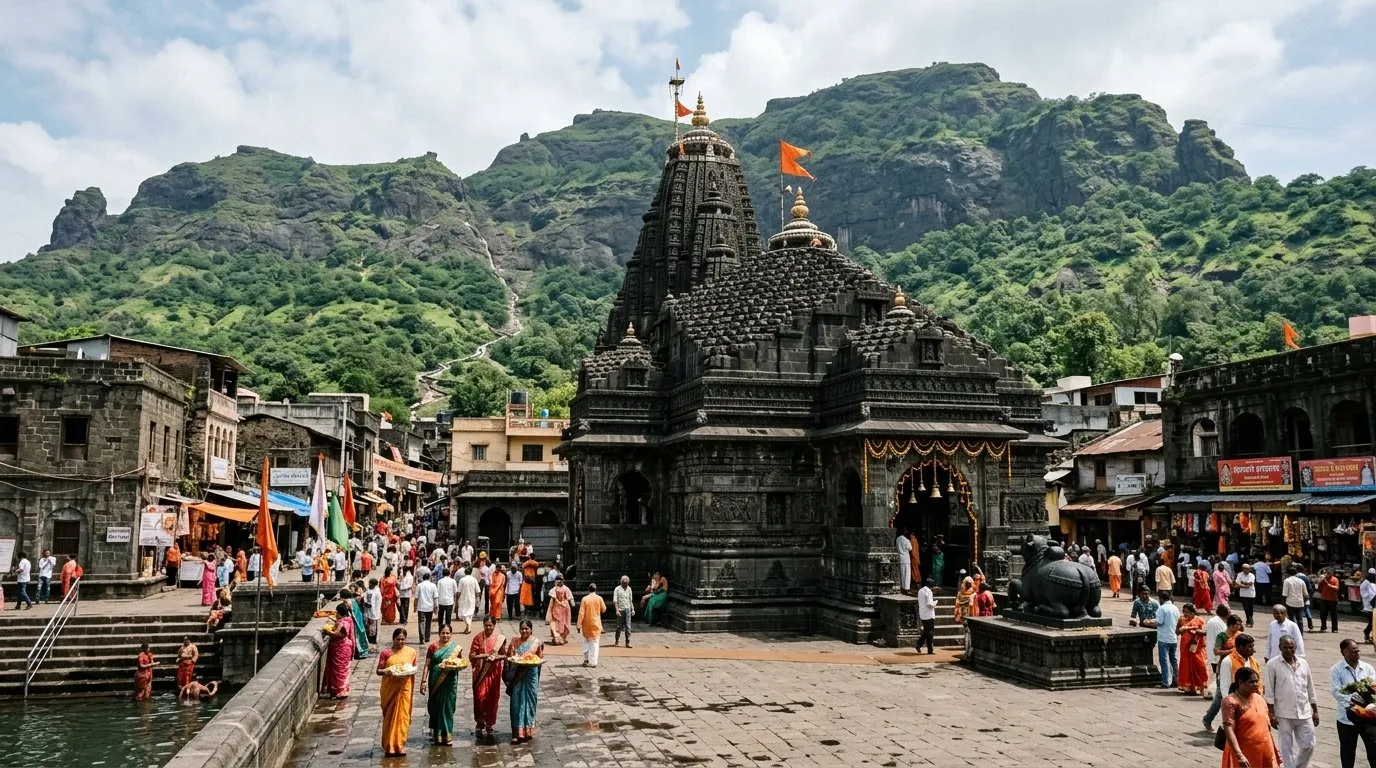
Monsoon rain persists through August, making the steep ghat roads slippery and occasionally subject to restrictions after heavy overnight falls. The queue infrastructure is largely outdoors, so waiting lines remain uncomfortable during wet weather.
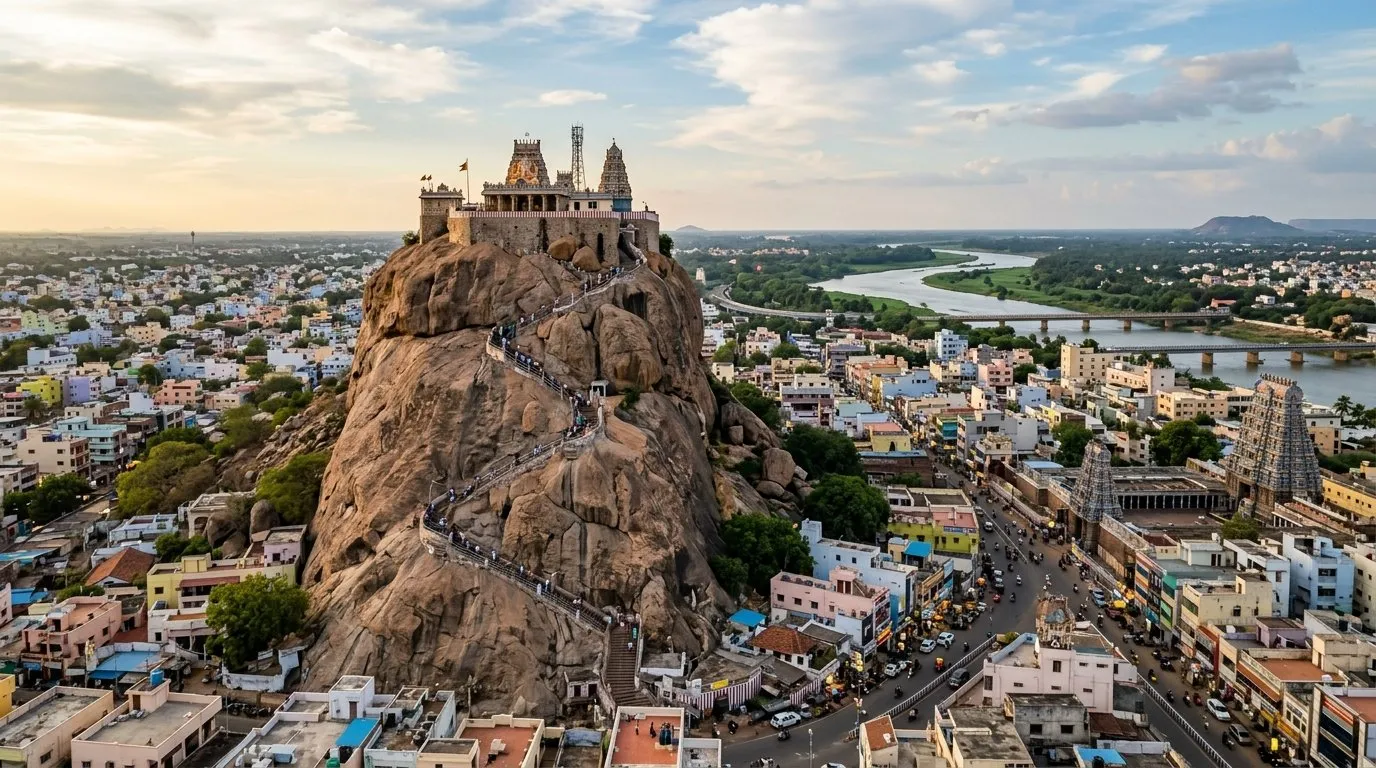
August is still within the monsoon period; rain and slippery steps on the rock face are a real hazard, and humidity stays high. The approach from Madurai can be disrupted during heavy spells.
August at Tsomgo Lake — rain continues at scale; the Brahmaputra valley is under water in patches, landslide frequency peaks, bridges wash out. Gangtok day trip should plan for Mar–May, Oct–Dec.
August at Tura — continues the rain; Brahmaputra floods the char-char islands, Kaziranga underwater in parts, road transit from Guwahati unreliable. Garo Hills capital should plan for Oct–Mar.
August falls well outside Ujjain's Oct–Mar window. Conditions are harder, local services scaled back, and the version of the place you'd actually get isn't the one that makes the trip worth doing. The shoulder month either side would be a closer call, but this month isn't it. Mahakaleshwar Jyotirlinga should plan for Oct–Mar.
August at Ukhrul — continues the rain; Brahmaputra floods the char-char islands, Kaziranga underwater in parts, road transit from Guwahati unreliable. Shirui Lily endemic should plan for Mar–May, Oct–Dec.
August at Unakoti — continues the rain; Brahmaputra floods the char-char islands, Kaziranga underwater in parts, road transit from Guwahati unreliable. Rock-cut Shiva sculptures should plan for Oct–Mar.
August is monsoon continuation. Outdoor approach closed by rain. Cave interiors stay cool but the trip shape collapses. October is materially cleaner.
August is Vadodara's peak monsoon — 25-31°C, heaviest rainfall of the year (300-400mm), Sayaji Baug heavily puddled, and Champaner UNESCO day-trip weather-dependent. Heritage circuit reduced to AC interiors.
August falls well outside Vaishali's Oct–Mar window. Conditions are harder, local services scaled back, and the version of the place you'd actually get isn't the one that makes the trip worth doing. The shoulder month either side would be a closer call, but this month isn't it. World first republic should plan for Oct–Mar.
August at Varanasi — continues the August pattern — humidity oppressive, pollution building, plus the added problem of standing water everywhere. Hindu spiritual pilgrims should plan for Oct–Mar.
August at Verinag — peak monsoon for the outer ranges means Manali, Kashmir, Garhwal get unstable — check which side of the watershed you're on. Jhelum source should plan for Mar–May, Sep–Nov.
August is monsoon continuation with festival overlay. Bhavani Island boats off, hill climb dangerous, river-walks rain-interrupted. Indoor heritage available. October is materially cleaner.
August at Vrindavan — continues the August pattern — humidity oppressive, pollution building, plus the added problem of standing water everywhere. Banke Bihari devotional peak should plan for Feb–Mar, Oct–Nov.
August holds the July pattern at Yercaud with marginally fewer extreme-rain days — 100-200mm rainfall, Lady's Seat and Pagoda Point sightlines erratic, Yercaud Coffee estate walks suspended through the heaviest plucking weeks. October-November is the cleaner call.
August at Yuksom — rain continues at scale; the Brahmaputra valley is under water in patches, landslide frequency peaks, bridges wash out. First Sikkim capital should plan for Mar–May, Oct–Nov.
August at Ziro Valley — rain continues at scale; the Brahmaputra valley is under water in patches, landslide frequency peaks, bridges wash out. Tribal culture + ethnographic travelers should plan for Mar–May, Oct–Nov.
August monsoon persists with 600-800mm rainfall, leaving roads patchy and trails treacherous. Though Independence Day brings local programmes, travel logistics remain unpredictable.
August at Agartala — continues the rain; Brahmaputra floods the char-char islands, Kaziranga underwater in parts, road transit from Guwahati unreliable. Ujjayanta Palace should plan for Oct–Apr.
August is the second-wettest month. The chain remains closed. Permits suspended, resorts shut, Alliance Air not flying. Aug 15 also brings a security tightening — no tourist landings on Agatti Island regardless. Wait for October.
August holds July's pattern — heavy rain, beach access closed, Forest Department shack-zone empty. Independence Day brings a Goan-domestic surge to Goa generally but Agonda specifically stays muted. Next clean window October 1.
August at Aizawl — continues the rain; Brahmaputra floods the char-char islands, Kaziranga underwater in parts, road transit from Guwahati unreliable. Christian NE culture should plan for Oct–Apr.
August Alibaug remains closed — M2M ferry off through monsoon, Arabian Sea swell at 3-4m, beaches red-flagged, Kolaba Fort inaccessible, and heritage stays on skeleton staff. Same shutdown as July, ferry-restart not until mid-September minimum.
August holds the July pattern — 400-600mm rainfall, most safari zones still closed under TN Forest Department safety protocols, road closures continue, sighting odds at year-low. Wait for October return to full operations.
August at Anini — rain continues at scale; the Brahmaputra valley is under water in patches, landslide frequency peaks, bridges wash out. Indias easternmost district should plan for Mar–May, Oct–Nov.
August holds July's pattern with marginally fewer wet days. Beach inaccessible, shacks closed, Wednesday Flea suspended. Bonderam (Divar Island, 4th Saturday) is a draw but base in Panaji, not Anjuna. Wait for late September.
August sits at the heart of the southwest monsoon: the sea is rough and red-flagged, Arambol's beach shacks are shut, water sports have stopped for the season, and persistent rain and humidity make the open stretches of sand uncomfortable and largely deserted.
August stays hot and humid with the added closure of the August 15 darshan day (Sri Aurobindo's birthday — the year's most significant residents-only day). Combined with Independence Day, the township effectively closes to non-residents for 24-48 hours mid-month.
August at Badrinath — peak monsoon for the outer ranges means Manali, Kashmir, Garhwal get unstable — check which side of the watershed you're on. Char Dham Yatra should plan for May–Jun, Sep–Oct.
August falls well outside Bandhavgarh National Park's Oct–Jun window. Conditions are harder, local services scaled back, and the version of the place you'd actually get isn't the one that makes the trip worth doing. The shoulder month either side would be a closer call, but this month isn't it. Highest tiger density should plan for Oct–Jun.
August is the second-wettest month. Bangaram Island Resort remains closed; no access regardless of weather. Aug 15 brings a chain-wide security tightening on Independence Day. Wait for late September re-opening.
August is more of July - infrastructure broken, no operators, no functional access. The headline experiences (caves, mud volcano, mangrove boats) are unavailable. Move to November-March.
August falls well outside Barnawapara's Nov–Mar window. Conditions are harder, local services scaled back, and the version of the place you'd actually get isn't the one that makes the trip worth doing. The shoulder month either side would be a closer call, but this month isn't it. Chhattisgarh primary sanctuary should plan for Nov–Mar.
August is more of July - sea state hostile, no operators running, permit window closed. The volcano viewing trip cannot happen. Move to November-March.
Monsoon rains make August beaches waterlogged and fort visits unpleasant. Onam falls Aug–Sep, bringing local water-related celebrations, not tourist access.
August holds the July pattern with marginally fewer extreme-rain days. Boatyard outdoor work still paused, lighthouse and beach unsafe. Onam (Aug-Sep variable) brings cultural events but Beypore is not an Onam-anchored destination. Wait for October.
August at Bhalukpong — rain continues at scale; the Brahmaputra valley is under water in patches, landslide frequency peaks, bridges wash out. Arunachal entry should plan for Oct–Mar.
August at Bhitarkanika — continued rain and cyclone-watch; Puri's Jagannath Rath Yatra is the one exception worth coming for (dates vary, usually June-July). World largest saltwater crocodile should plan for Sep–Mar.
August remains fully in the monsoon. Rainfall is relentless. The temple and surrounding forest are saturated. Mud is deep. Surfaces are dangerously slippery. Visiting is unsafe and unpleasant.
August at Binsar — peak monsoon for the outer ranges means Manali, Kashmir, Garhwal get unstable — check which side of the watershed you're on. Himalayan peak viewing should plan for Mar–Apr, Oct–Nov.
August at Bomdila — rain continues at scale; the Brahmaputra valley is under water in patches, landslide frequency peaks, bridges wash out. Slow travelers seeking offbeat North-East should plan for Mar–May, Oct–Nov.
August holds July's pattern with marginally fewer wet days. Cave closures happen on the worst-rain afternoons, the descent stays slippery, and the train runs but with frequent delays. Wait for late September.
August is peak monsoon: the Arabian Sea turns rough and red-flagged, all beach shacks are closed, water sports are suspended, and the wide sands of Calangute and Baga sit empty in persistent rain and heavy humidity — the crowds this strip is known for simply aren't here.
August at Chakrata — peak monsoon for the outer ranges means Manali, Kashmir, Garhwal get unstable — check which side of the watershed you're on. Quiet Uttarakhand should plan for Mar–May, Sep–Nov.
August at Champawat — peak monsoon for the outer ranges means Manali, Kashmir, Garhwal get unstable — check which side of the watershed you're on. Chand dynasty capital should plan for Mar–May, Oct–Nov.
August at Chaukori — peak monsoon for the outer ranges means Manali, Kashmir, Garhwal get unstable — check which side of the watershed you're on. Panchachuli panorama should plan for Mar–May, Oct–Nov.
August holds July's rain pattern with Onam (Thiruvonam Aug 25, 2026 — verify) layered on. Beach remains closed under sea-state advisory. Resort sadhya lunches at Cherai Beach Resort and Casino Beach Resort are a draw, but the broader beach trip remains shut. Skip Cherai unless Onam sadhya is the specific reason.
August at Cherrapunji (Sohra) — continues the rain; Brahmaputra floods the char-char islands, Kaziranga underwater in parts, road transit from Guwahati unreliable. Rainfall capital should plan for Oct–Apr.
August monsoon continues with 410mm rain and muddy trails. Sunset point remains clouded. Wildlife is dispersed, making this month unrewarding for the primary birding goal.
Rain-shadow monsoon continues at 100-150mm rainfall. Wildlife remains dispersed. Onam festival closures affect Marayoor access. August offers poor conditions across all metrics.
August holds the July pattern — heavy rain, beach access closed, resort belt at 25 percent occupancy. Independence Day weekend sends Mumbai surge to North Goa; Colva-Benaulim stays muted. Next clean window October 1.
August holds the July pattern with marginally fewer extreme-rain days — 400-600mm rainfall, NMR sections suspend regularly, viewpoints fogged most days. NH181 landslide-watch continues. Wait for September-October return to operations.
August holds the July pattern with the peak landslide-risk window. 700-1000mm rainfall, NH-275 closures continue, plantation walks suspended. 2018 Kodagu disaster peaked August 17. Wait for September.
August holds the July pattern — 350-400mm of rain, beaches closed, fort circuit waterlogged. Independence Day brings a long-weekend Mumbai surge into Daman regardless, but the trip itself remains hollow.
Monsoon floods make August the wettest month with landslide risks, and road networks remain impassable. Independence Day local programs offer minimal appeal.
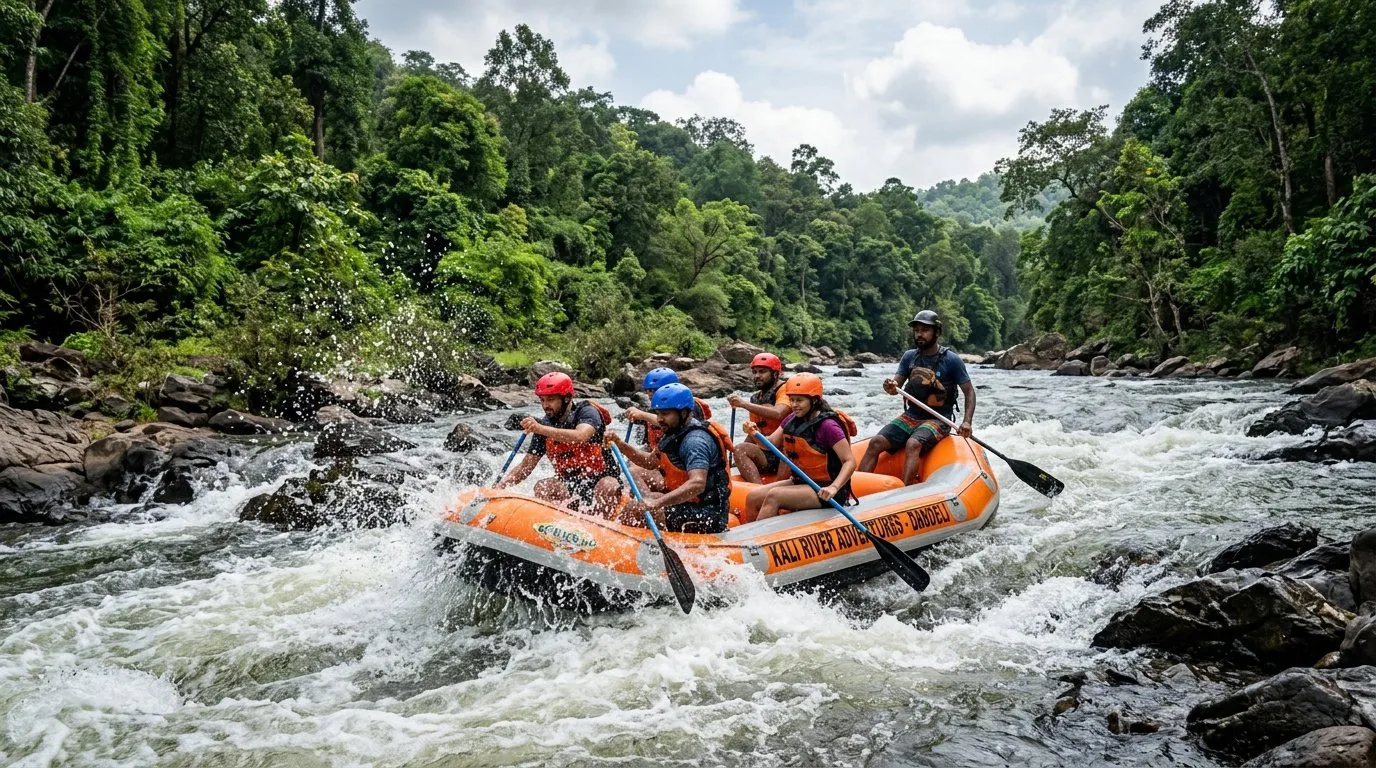
August holds July's pattern with marginally easing rainfall. Tiger Reserve still closed by Forest Department, Kali River rafting impossible. Standard trip skip.
August at Darjeeling — continued monsoon; Sundarbans closed, Darjeeling accessible only on good-weather days. Tea culture enthusiasts should plan for Mar–May, Oct–Nov.
August at Dawki — continues the rain; Brahmaputra floods the char-char islands, Kaziranga underwater in parts, road transit from Guwahati unreliable. India cleanest river should plan for Oct–Mar.
August at Deomali — continued rain and cyclone-watch; Puri's Jagannath Rath Yatra is the one exception worth coming for (dates vary, usually June-July). Odisha highest peak should plan for Oct–Mar.
August at Devprayag — peak monsoon for the outer ranges means Manali, Kashmir, Garhwal get unstable — check which side of the watershed you're on. Ganga begins here should plan for Mar–Apr, Oct–Nov.
August at Dhanaulti — peak monsoon for the outer ranges means Manali, Kashmir, Garhwal get unstable — check which side of the watershed you're on. Adventure Park should plan for Mar–May, Oct–Nov.
August continues July's pattern. Bay storms, sustained wind, sand-track flooding. 4WD-jeep service runs 15-20 days out of 31. The tip-walk + ruins + wave-collision combination — the whole reason to come — runs at 30 percent. Skip.
August is peak monsoon Dholavira. The Rann is fully submerged in a shallow brackish sea, the Road to Heaven causeway is regularly weather-affected, the UNESCO site is accessible but visitor numbers are minimal, and the destination experience is suspended.
August is more of July - trail shut, dinghy off, road broken, ferries patchy. The headline experiences (Saddle Peak, Ross & Smith, turtle beaches) are unavailable. Move to December-February.
August at Dirang — rain continues at scale; the Brahmaputra valley is under water in patches, landslide frequency peaks, bridges wash out. Tawang gateway should plan for Mar–May, Oct–Nov.
August holds the July pattern. Rainfall 250-300mm, beaches closed, Alliance Air thinned. The Independence Day long weekend (Aug 15-17) brings a Mumbai-Surat surge regardless of weather, but the trip itself remains hollow.
August continues the July pattern — Forest Department jeep closure in force, falls at year-best flow, but no proper access. Train windows-only. Wait for October 1.
August at Dzukou Valley — continues the rain; Brahmaputra floods the char-char islands, Kaziranga underwater in parts, road transit from Guwahati unreliable. Trekkers seeking India's most beautiful valley floor should plan for Mar–Jun, Oct–Nov.
August holds the July pattern — 1000-1200mm rainfall at the 2000m elevation, Eravikulam suspends frequently, Anamudi closed. Onam (variable Aug-Sep) shuts most adjacent Munnar operations 3-4 days. Wait for October.
August holds July's pattern with marginally fewer extreme-rain days. Sinquerim Beach remains closed, lighthouse advisories continue, ramparts unviable. The fort opens but the visit shape breaks. Wait for late September.
August at Gahirmatha — continued rain and cyclone-watch; Puri's Jagannath Rath Yatra is the one exception worth coming for (dates vary, usually June-July). Largest Olive Ridley nesting should plan for Nov–Mar.
August at Gangotri — peak monsoon for the outer ranges means Manali, Kashmir, Garhwal get unstable — check which side of the watershed you're on. Char Dham + Ganga source should plan for May–Jun, Sep–Oct.
August at Gangtok — rain continues at scale; the Brahmaputra valley is under water in patches, landslide frequency peaks, bridges wash out. Buddhist culture pilgrims should plan for Mar–May, Oct–Nov.
August Ganpatipule sees Shravan-month Ganesh pilgrim peak but beach remains red-flagged, Jaigad Fort climb dangerous, Konkan Railway intermittent. Pilgrim-only, leisure off. Ganesh Chaturthi prep begins toward end-month for Sep 12 festival.
Gir National Park CLOSED for monsoon breeding closure — Jun 16 to Oct 15. Peak Saurashtra monsoon. Sasan-area lodges operate at deep off-season rates. The Maldhari nesses remain in operation but accessible visitor circuits cease.
August holds July's pattern with marginally easing rainfall. Beaches under advisory, cliff trail dangerous. Mahabaleshwar Temple Karthika cluster builds toward November. Standard trip skip.
August at Gurudongmar Lake — rain continues at scale; the Brahmaputra valley is under water in patches, landslide frequency peaks, bridges wash out. Gurudongmar sacred lake should plan for Apr–Jun, Oct.
August at Guwahati — continues the rain; Brahmaputra floods the char-char islands, Kaziranga underwater in parts, road transit from Guwahati unreliable. Northeast gateway should plan for Oct–Apr.
August is the wettest stretch at Har-Ki-Doon. 250-350mm rainfall, trail conditions at year-worst, landslides on the Sankri approach, leeches dominant. Operators closed. Skip.
August is more of July - dive shops shut, ferries patchy, beaches unswimmable. The headline experience of Havelock (diving, snorkeling, beach time) is unavailable. Rebook for November.
August holds the July pattern — 700-900mm rainfall, NH85 landslide-prone, Wildlife Sanctuary closed, dam permit walk soaked. Onam (variable Aug-Sep) shuts most district town operations 3-4 days. Wait for October.
August at Imphal — continues the rain; Brahmaputra floods the char-char islands, Kaziranga underwater in parts, road transit from Guwahati unreliable. Ima Market should plan for Oct–Apr.
August falls well outside Jagdalpur's Oct–Mar window. Conditions are harder, local services scaled back, and the version of the place you'd actually get isn't the one that makes the trip worth doing. The shoulder month either side would be a closer call, but this month isn't it. Niagara of India should plan for Oct–Mar.
August continues monsoon conditions with high humidity and intermittent heavy rainfall. Trails are muddy and slippery. Landslide risk remains elevated.
August at Kabini — SW monsoon heaviest. 350-550mm rainfall, Kabini reservoir at peak flooding, boat safari operations suspended for the month, sighting odds at year-worst. Wait for October.
August is the second-wettest month. Kadmat Beach Resort still closed; SAMUDRAM still paused. Aug 15 brings chain-wide security tightening. The trip does not work. Wait for late September or October.
August at Kanatal — peak monsoon for the outer ranges means Manali, Kashmir, Garhwal get unstable — check which side of the watershed you're on. Weekend from Delhi NCR should plan for Mar–May, Oct–Nov.
August falls well outside Kanha National Park's Oct–Jun window. Conditions are harder, local services scaled back, and the version of the place you'd actually get isn't the one that makes the trip worth doing. The shoulder month either side would be a closer call, but this month isn't it. Kanha Tiger Reserve should plan for Oct–Jun.
August remains fully in the monsoon season. Rainfall is relentless, roads remain closed or treacherous, and landslides continue. Infrastructure breaks down. No pilgrim traffic. The entire Char Dham route remains suspended. Visiting Karnaprayag is not feasible.
August continues peak monsoon (24–29°C, 600–800mm rainfall). The sea remains forbidden for swimmers; ferry remains suspended. Coastal roads and fort access continue to be impractical.
August Kashid remains closed — Arabian Sea swell 3-4m, beach red-flagged, water-sports off, Phansad jeeps suspended, NH-66 floods. Same shutdown as July with no operational change until mid-September minimum.
August at Kausani — peak monsoon for the outer ranges means Manali, Kashmir, Garhwal get unstable — check which side of the watershed you're on. Himalayan panorama widest should plan for Mar–Apr, Oct–Nov.
August continues monsoon (300–400mm rainfall) with the resort closed. Aug 15 (Independence Day) brings chain-wide security tightening. No casual tourism operations. Skip entirely.
August at Kaziranga — continues the rain; Brahmaputra floods the char-char islands, Kaziranga underwater in parts, road transit from Guwahati unreliable. UNESCO + Indian rhino should plan for Nov–Apr.
Monsoon continues (12–21°C) with dangerous trail conditions from saturated ground and residual rainfall. Landslide closures remain frequent. Trails are impassable.
August holds July's rain pattern with Onam (Thiruvonam Aug 25, 2026 — verify) layered on. State holidays close businesses for 2-4 days around Thiruvonam. Sadhya at Brunton Boatyard and Old Harbour is a draw, but the broader heritage trip remains rain-locked. Skip unless Onam is the specific reason.
Southwest monsoon continues — 12–20°C, 200–300mm rainfall, fog blocks hilltop views. Berijam erratic access, trails muddy. August is the wettest month overall for hill stations.
August at Kohima — continues the rain; Brahmaputra floods the char-char islands, Kaziranga underwater in parts, road transit from Guwahati unreliable. WWII history + Battle of Kohima pilgrims should plan for Oct–Mar.
August holds July's pattern. 200-250mm rain across 18-22 wet days. Godavari flood-watch continues. Delta trip stays closed. Skip — wait for October. Hotel rates at year-low but the trip shape collapses.
August at Koraput — continued rain and cyclone-watch; Puri's Jagannath Rath Yatra is the one exception worth coming for (dates vary, usually June-July). Tribal tourism capital should plan for Oct–Mar.
Southwest monsoon continues — 14–20°C, 400–600mm rainfall, and trails muddy. Longwood Shola access erratic, viewpoints fogged, and tea-estate visibility poor.
August holds the July rain pattern. Beach unsafe, shacks shut, lighthouse climb suspended. Onam (variable Aug-Sep) brings programming but Kovalam is a beach destination, not Onam-anchored. Wait for late October.
August holds July's pattern. Kumara Parvatha closed, roads landslide-watch. Temple operations continue but standard trek-plus-temple trip impossible. Skip.
August at Kullu — peak monsoon for the outer ranges means Manali, Kashmir, Garhwal get unstable — check which side of the watershed you're on. Kullu Dussehra witness should plan for Mar–Jun, Sep–Nov.
August at Lachen — rain continues at scale; the Brahmaputra valley is under water in patches, landslide frequency peaks, bridges wash out. Gurudongmar base should plan for Mar–May, Oct–Nov.
August at Lachung — rain continues at scale; the Brahmaputra valley is under water in patches, landslide frequency peaks, bridges wash out. Yumthang Valley of Flowers should plan for Mar–May, Oct–Dec.
August at Lambasingi continues SW monsoon across the Eastern Ghats. Approach road landslide-risk. The destination's entire reason for visiting — sub-zero frost mornings — is still 4 months away. Skip strict; wait for December.
August at Lansdowne — peak monsoon for the outer ranges means Manali, Kashmir, Garhwal get unstable — check which side of the watershed you're on. Weekend from Delhi should plan for Mar–May, Oct–Nov.
August is more of July - ferry barely running, surf dangerous, trails closed. The headline experiences (surf, waterfalls) are unavailable. Move to December-February.
August at Loktak Lake — continues the rain; Brahmaputra floods the char-char islands, Kaziranga underwater in parts, road transit from Guwahati unreliable. Largest freshwater lake in NE should plan for Oct–Apr.
August is more of July - ferry suspended, homestays closed, Lalaji Bay unreachable. The headline experiences (reef-break, calm-sea swims, Lalaji walks) are unavailable. Move to November-February.
August holds July's pattern. 200-250mm rain across 17-20 wet days. The trip stays closed. Kalamkari dye-work paused through the month. Wait for October. Hotel rates at year-low but the trip shape collapses.
August extends peak monsoon Mahabaleshwar shutdown — 800-1500mm rainfall, viewpoints zero-visibility, ghat roads landslide-prone, Pratapgad inaccessible, Mapro Garden closed. The third month of full hill-station closure.
August at Majuli — continues the rain; Brahmaputra floods the char-char islands, Kaziranga underwater in parts, road transit from Guwahati unreliable. Vaishnav + religious performance culture travelers should plan for Oct–Apr.
August at Manali — peak monsoon for the outer ranges means Manali, Kashmir, Garhwal get unstable — check which side of the watershed you're on. First-time Himalayan travelers easing in should plan for Feb, Sep–Oct.
August at Manas National Park — continues the rain; Brahmaputra floods the char-char islands, Kaziranga underwater in parts, road transit from Guwahati unreliable. UNESCO World Heritage should plan for Nov–Apr.
August is the wettest stretch of the southwest monsoon on this stretch of coast: rough, red-flagged seas, shuttered beach shacks, and suspended water sports mean Mandrem's main draw — its calm, quiet shoreline — is inaccessible. Persistent rain and humidity make a visit hard to justify.
Monsoon rains peak in August, making beaches unusable and outdoor activities waterlogged. Only the nearby Udupi Krishna festival offers an alternative draw.
August at Maredumilli continues the SW monsoon at peak across the Eastern Ghats. Vana Vihari Eco-Camp closed. Forest treks impossible (leeches, landslides). Falls in dangerous flood. October opens the proper full eco-tourism window.
August holds July's pattern with marginally fewer extreme-rain days. Town still floods on heaviest 3-4 days; heritage walks impossible. Konkan Railway holds full operations. Independence Day brings a 3-day domestic surge to Goa generally but Margao stays muted. Wait for October.
August is closed Marine NP. The park is in full monsoon breeding-season closure, heavy rains continue, the Arabian Sea is at annual roughest, and the destination is fully suspended.
August at Mawlynnong — continues the rain; Brahmaputra floods the char-char islands, Kaziranga underwater in parts, road transit from Guwahati unreliable. Clean-village + sustainability travelers should plan for Oct–Apr.
August at Mawsynram — continues the rain; Brahmaputra floods the char-char islands, Kaziranga underwater in parts, road transit from Guwahati unreliable. Wettest place on earth should plan for Oct–Apr.
August at Mechuka — rain continues at scale; the Brahmaputra valley is under water in patches, landslide frequency peaks, bridges wash out. Last village Arunachal should plan for Mar–May, Oct–Nov.
SW monsoon continues with 400-600mm rain. Trails remain muddy and landslide-prone. Estate operations restricted. Visibility near-zero through cloud cover.
August is the second-wettest month. Minicoy Tourist Lodge still closed; SAMUDRAM paused; ferry suspended. Aug 15 chain-wide security tightening. Bakri Eid sometimes this month. Wait for late September or October.
August holds the July pattern — heavy rain, sanctuary trails closed, forest roads flooded. Ganesh Chaturthi (variable Aug-Sep) brings pilgrims to Tambdi Surla regardless of weather. Wait for October.
August at Mon — continues the rain; Brahmaputra floods the char-char islands, Kaziranga underwater in parts, road transit from Guwahati unreliable. Last Konyak headhunters should plan for Oct–Mar.
August holds July's pattern with the worst easing in the last week. La Plage reopens around August 25-30. Beach still under swim advisory. Wait for late October.
August at Girnar: 24-29C, peak monsoon. Climb officially closed, ropeway weather-dependent, Bhavnath foothills wet. Sawan-month pilgrim base operates with reduced flow; full climb resumes only by mid-October.
August at Mukteshwar — peak monsoon for the outer ranges means Manali, Kashmir, Garhwal get unstable — check which side of the watershed you're on. Quiet alternative to Nainital should plan for Mar–Apr, Oct–Nov.
August holds the July pattern — 1000-1200mm rainfall, NH85 landslide-prone, Eravikulam suspended frequently. Onam (variable Aug-Sep) closes town shops 3-4 days. Karkidakam Ayurveda residencies the only reason to be here. Wait for October.
August holds July's pattern. Netrani still closed, beach forbidden. Krishna Janmashtami (Aug 25, 2026 — verify) brings minor temple bump but standard trip skip.
August at Mussoorie — peak monsoon for the outer ranges means Manali, Kashmir, Garhwal get unstable — check which side of the watershed you're on. Ruskin Bond literary pilgrims should plan for Mar–Apr, Sep–Nov.
August holds July's pattern. NSTR closed. Dam releases continue. Ethipothala Falls at peak flow. Skip. Hotel rates at year-low but the trip shape collapses.
August at Nainital — peak monsoon for the outer ranges means Manali, Kashmir, Garhwal get unstable — check which side of the watershed you're on. Kumaon introduction should plan for Mar–Apr, Sep–Nov.
August at Namchi — rain continues at scale; the Brahmaputra valley is under water in patches, landslide frequency peaks, bridges wash out. South Sikkim pilgrimage should plan for Mar–May, Oct–Nov.
August at Namdapha — rain continues at scale; the Brahmaputra valley is under water in patches, landslide frequency peaks, bridges wash out. 4 big cats only in India should plan for Mar–May, Oct–Nov.
August remains fully in the monsoon. Daily rainfall persists. Landslides continue. Roads remain closed. No pilgrimage traffic. The site is inaccessible and unsafe.
August is more of July - ferries patchy, beaches unsafe, snorkeling impossible, most homestays shut. The cycling-and-coral version of Neil cannot exist this month. Move dates to November.
August holds the July pattern — 700-900mm rainfall, 12 hairpin road landslide-prone, plantation walks suspend. Onam (variable Aug-Sep) shuts most operations 3-4 days. Wait for October.
August falls well outside Netarhat's Oct–Mar window. Conditions are harder, local services scaled back, and the version of the place you'd actually get isn't the one that makes the trip worth doing. The shoulder month either side would be a closer call, but this month isn't it. Queen of Chotanagpur should plan for Oct–Mar.
August is more of July. Sea-walk and beginner-scuba operators stay closed, the crossing is unsafe in monsoon swell, and the reef visibility is collapsed. The trip does not work. Rebook for November.
August holds July's pattern with marginally fewer extreme-rain days. Ganesh Chaturthi (variable date, 11-day Hindu festival) shifts the local rhythm — Hindu Goa peaks while Christian Goa goes quiet. Old Goa stays open but the walking circuit remains unviable. Wait for late September.
August holds the July pattern with marginally fewer extreme-rain days — 500-700mm rainfall, Mountain Railway sections suspend regularly, viewpoints fogged most days. NH181 landslide-watch continues. Wait for September-October return to operations.
August at Palampur — peak monsoon for the outer ranges means Manali, Kashmir, Garhwal get unstable — check which side of the watershed you're on. Tea garden photography should plan for Mar–May, Sep–Nov.
August at Palitana: 24-30C, peak monsoon. Chaturmas continues; climb closed and 863 temples in religious-retreat mode. Vijay Vilas Palace stays continue at off-season rates. Atmospheric Shatrunjaya silhouettes against monsoon skies — but no pilgrim climb.
August holds July's pattern — heavy rain, beach access closed, Forest Department shack-zone empty. Independence Day brings a Goan-domestic surge to Goa generally but Palolem specifically stays muted. Next clean window October 1.
August monsoon plus Ganesh Chaturthi shuts Hindu Goa for 11 days (24–29°C, 600–800mm rain). Monsoon rains make outdoor exploration nearly impossible this month.
August continues peak monsoon Panchgani shutdown — 700-1300mm rainfall, Table Land closed, paragliding suspended, viewpoints fog-blanketed. Third month of full hill-station closure.
August continues monsoon patterns with high humidity (75-85%) and intermittent heavy rainfall. Saturated ground makes all outdoor activities difficult. Road access may be compromised. Mosquito-borne illness risk is highest.
August at Pelling — rain continues at scale; the Brahmaputra valley is under water in patches, landslide frequency peaks, bridges wash out. Kanchenjunga viewpoint should plan for Mar–May, Oct–Nov.
August at Pithoragarh — peak monsoon for the outer ranges means Manali, Kashmir, Garhwal get unstable — check which side of the watershed you're on. Little Kashmir should plan for Mar–May, Oct–Nov.
August sanctuary closed. SW monsoon residue (100–130mm rain). Lagoons filling slowly. Reopens November. Monsoon rains make August the wettest month with limited wildlife visibility.
August monsoon continues (17–22°C, 700–900mm rain) with road still landslide-prone. Monsoon rains make August trails slippery and visibility poor at this hill station.
August monsoon continues (24–29°C, 600–800mm rain) with boat shuttles still suspended. Peak monsoon rains make August one of Kerala's wettest months, limiting beach and backwater activities.
August is the second-wettest month. Ferry network functions at maybe 40 percent of capacity; dive shops are closed. Beach time is non-existent. The Andaman trip does not work this month. Wait for October.
August at Prashar Lake — peak monsoon for the outer ranges means Manali, Kashmir, Garhwal get unstable — check which side of the watershed you're on. Floating island legend should plan for Mar–Jun, Sep–Nov.
August holds July's pattern. Rain refills the lagoon. Birds absent. Boat trips closed. Skip. Hotel rates at year-low but the trip shape collapses. The October-March window is dramatically better.
August holds July's pattern. 200-250mm rain. Godavari at flood-watch. Cruise suspended. Pootharekulu production paused. Skip. Hotel rates at year-low but the trip shape collapses.
August continues July's Bay-storm pattern. Rainfall 100-130mm, sustained 40-60kmph wind on the Pamban-Dhanushkodi axis. The 4WD-jeep to Arichalmunai-tip suspends 2-4 days a week. The Char Dham trip — designed around the third corridor + 22 theerthams + Dhanushkodi triad — runs at 40 percent. Skip.
August is more of July - ATR shut intermittently, trails impassable, town services minimal. The headline experiences (boardwalk, Dhani Nallah, the ATR transit itself) are unavailable. Move to November-March.
August at Ranikhet — peak monsoon for the outer ranges means Manali, Kashmir, Garhwal get unstable — check which side of the watershed you're on. Kumaon Regiment heritage should plan for Mar–May, Sep–Nov.
August is peak Rann monsoon. The salt flat is fully submerged, heavy rains soak the Banni grasslands, and the white-desert experience is five months away. The destination is functionally closed.
August Ratnagiri stays monsoon-shut — Arabian Sea swell holds 3-4m, beaches red-flagged, Ratnadurg dangerous, Konkan Railway intermittent. Thibaw Palace indoor visit holds, but leisure off. Konkan Railway journey itself is scenic in monsoon despite delays.
August at Ravangla — rain continues at scale; the Brahmaputra valley is under water in patches, landslide frequency peaks, bridges wash out. South Sikkim statue cluster should plan for Mar–May, Oct–Nov.
Monsoon continues (24–29°C, 600–800mm rain). Rampart walks unviable. Heavy monsoon rains make fort exploration difficult and pathways slippery in August.
August at Rishikesh — peak monsoon for the outer ranges means Manali, Kashmir, Garhwal get unstable — check which side of the watershed you're on. Yoga practitioners and spiritual seekers should plan for Mar–Apr, Sep–Nov.
August at Roopkund — peak monsoon for the outer ranges means Manali, Kashmir, Garhwal get unstable — check which side of the watershed you're on. Skeleton Lake mystery should plan for May–Jun, Sep–Oct.
August is more of July. Aberdeen Jetty crossings to Ross stay suspended on most days, the light-and-sound show is still dark, and the ruins are unwalkable. The trip does not work. Rebook for November.
August at Rudraprayag — peak monsoon for the outer ranges means Manali, Kashmir, Garhwal get unstable — check which side of the watershed you're on. 2nd Panch Prayag should plan for May–Jun, Sep–Oct.
Monsoon continues. Temple closed except 1st-of-Malayalam-month brief. Onam not Sabarimala-anchored. Monsoon floods make pilgrimage routes impassable in August.
August holds July's monsoon pattern. NH-75 Shiradi Ghat landslide-watch. Coffee estate walks suspended, Bisle closed. Standard trip impossible. Skip Skip until weather window opens.
August at Sariska Tiger Reserve — mostly still hot with monsoon showers — the aesthetic isn't improved, and the heat isn't broken enough to recommend. Tiger reintroduction success should plan for Oct–Apr.
Gir National Park CLOSED Jun 16-Oct 15. Most lodges in maintenance closure; a few open at deep off-season rates. Peak monsoon, forest at maximum green, but no safari access. Sinh Sadan and Maldhari nesses operate year-round but tourist visits cease.
August at Shillong — continues the rain; Brahmaputra floods the char-char islands, Kaziranga underwater in parts, road transit from Guwahati unreliable. First-time Northeast travelers should plan for Oct–Apr.
August at Shimla — peak monsoon for the outer ranges means Manali, Kashmir, Garhwal get unstable — check which side of the watershed you're on. Heritage travelers tracing British India should plan for Mar–Apr, Oct–Nov.
August at Shnongpdeng — continues the rain; Brahmaputra floods the char-char islands, Kaziranga underwater in parts, road transit from Guwahati unreliable. Umngot adventure hub should plan for Oct–Mar.
August holds the July pattern — NP closed, 700-900mm rainfall. Onam (variable Aug-Sep) shuts most Palakkad-side operations 3-4 days. Wait for October.
August holds the July pattern. 400-500mm of rain, Lion Safari near-empty, Dudhni boats intermittent. The Janmashtami long weekend (variable, late Aug) brings a domestic surge despite weather, but the trip itself remains hollow.
August holds July's pattern with marginally fewer extreme-rain days. August 15 is the Our Lady of Mt Carmel feast — the church draws 3,000-5,000 worshippers — but the trip otherwise is closed. Wait for October.
August at Sundarbans — continued monsoon; Sundarbans closed, Darjeeling accessible only on good-weather days. UNESCO mangrove tiger habitat should plan for Oct–Mar.
August at Tamenglong — continues the rain; Brahmaputra floods the char-char islands, Kaziranga underwater in parts, road transit from Guwahati unreliable. Orange district should plan for Oct–Mar.
August at Tawang — rain continues at scale; the Brahmaputra valley is under water in patches, landslide frequency peaks, bridges wash out. Buddhist culture pilgrims seeking the 6th Dalai Lama connection should plan for Mar–May, Oct–Nov.
August at Tehri Lake — peak monsoon for the outer ranges means Manali, Kashmir, Garhwal get unstable — check which side of the watershed you're on. India tallest dam should plan for Mar–May, Sep–Nov.
August's peak monsoon continues with 700-900mm rainfall. Onam festivities (Aug 25, verify 2026) close much of the town, boat safaris remain mostly cancelled, and trails stay closed. This is not a viable month—skip.
August continues the monsoon pattern with persistent rainfall and oppressive humidity. The surrounding landscape remains waterlogged. Road conditions remain suboptimal with risk of washouts. Local flooding in Madras plains affects vehicle access.
August at Tungnath — peak monsoon for the outer ranges means Manali, Kashmir, Garhwal get unstable — check which side of the watershed you're on. World highest Shiva temple should plan for Apr–May, Sep–Oct.
August at Uttarkashi — peak monsoon for the outer ranges means Manali, Kashmir, Garhwal get unstable — check which side of the watershed you're on. Nehru Institute of Mountaineering should plan for Mar–Jun, Sep–Nov.
August holds the July pattern — 700-900mm rainfall, paragliding suspended, road landslide-prone. Onam (variable Aug-Sep) shuts most Erattupetta-Vagamon operations 3-4 days. Wait for September.
August holds July's pattern with the worst easing late month. Beach inaccessible, shacks closed, cliff walks closed. Olive Bar closed till mid-September. Wait for late October.
August holds the July pattern — 500-700mm rainfall, road closures 2-3 days/week, NCF macaque tours still suspended. Tea estate stays restricted. The Valparai trip cannot happen until October. Skip.
August holds the July rain pattern. Beach unsafe, cliff erosion zone, shacks shut. Onam (variable Aug-Sep) brings programming but Varkala is not Onam-anchored. Wait for late October.
August falls deep in the pre-nesting dry season: the waterbirds that breed here from November onwards have not yet arrived, and the wetland is at its lowest and least productive. The site offers little to see in the monsoon heat, and the surrounding paddy fields provide no shade.
Velavadar National Park CLOSED Jun 16-Oct 15. Lesser florican breeding season at peak. Lodges in maintenance closure; minimal operations. Peak monsoon, grassland at maximum green visible from lodge boundaries but no visitor access.
August holds July's pattern with slight rainfall easing. 200-250mm across 18-20 wet days. Beach walks remain impossible. Krishna Janmashtami draws crowds to Simhachalam and Sankarmatham temples but the broader coastal trip stays rain-locked. Skip.
August is peak southwest monsoon in the high Garhwal Himalaya. Landslides and rockfalls on the Rishikesh–Badrinath highway regularly cut access for days at a time, the Alaknanda runs in flood, and pilgrimage authorities often issue travel advisories suspending yatra movement through this stretch.
August SW monsoon brings 800-1500mm rainfall and serious landslide risk. The 2024 Mundakhai disaster reminds us that this is when Tamarassery Ghat closes frequently.
August at Yamunotri — peak monsoon for the outer ranges means Manali, Kashmir, Garhwal get unstable — check which side of the watershed you're on. Char Dham starting point should plan for May–Jun, Sep–Oct.
August at Zuluk — rain continues at scale; the Brahmaputra valley is under water in patches, landslide frequency peaks, bridges wash out. Old Silk Route should plan for Mar–May, Oct–Dec.
August continues the monsoon pattern with high humidity and intermittent heavy rainfall. Park is still closed. Terrain is extremely waterlogged. Forest access is dangerous.
August at Dudhwa National Park — continues the August pattern — humidity oppressive, pollution building, plus the added problem of standing water everywhere. Tiger reserve should plan for Nov–Mar.
August Elephanta remains closed — Gateway-Elephanta ferry suspended Apr 30 to ~Sep 15, monsoon at 600-800mm in the month, Arabian Sea swell holding 3-4m, and the island has no visitor infrastructure for the rains. Ferry-restart is mid-September at earliest.
Closed.
August continues monsoon conditions with high humidity and intermittent heavy rainfall. Mountain roads have fresh damage. Border region access remains restricted.
August Malvan stays shut — Sindhudurg boats off through monsoon, scuba closed, beaches red-flagged, NH-66 and Konkan Railway flood-prone. Same as July with no operational change.
August continues full monsoon-shutdown Matheran — toy-train off, ridge paths impassable, landslide closures on the access road, no usable product. The 700-900mm August rainfall makes the hill station's walking-based offer null.
August Murud-Janjira stays shut — Rajapuri boats off through monsoon, beach red-flagged, NH-66 floods continue, fort inaccessible. Same shutdown as July, boat-restart not until mid-September minimum.
Closed — monsoon
August at Ranthambore — mostly still hot with monsoon showers — the aesthetic isn't improved, and the heat isn't broken enough to recommend. Reliable tiger sightings should plan for Mar–May, Oct–Nov.
August at Simlipal — continued rain and cyclone-watch; Puri's Jagannath Rath Yatra is the one exception worth coming for (dates vary, usually June-July). UNESCO Biosphere Reserve should plan for Oct–Mar.
Closed — monsoon
August Tarkarli stays shut — scuba closed through monsoon, beach red-flagged, NH-66 floods. Same as July with no operational change. Ganesh Chaturthi prep begins for Sep 12 festival but not Tarkarli-anchored.
ALSO ON NAKSHIQ
Eight more rooms in the magazine.
Guides
Visa, scams, food, packing.
Everything the guidebook won't tell you — written for India in 2026.
Blog
Field notes from the road.
Long-form reads on regions, festivals, and the offbeat circuit.
Road trips
Curated multi-day routes.
Driving itineraries with day-by-day stops, distance, and difficulty.
Collections
Themed reading lists.
Wettest places. Sacred lakes. Solo-female-safe. Curated cuts.
NakshIQ 100
The 100 best destination-months.
India's highest-scoring places, ranked across all 12 months.
The Window
Our weekly newsletter, archived.
One honest spread, every Sunday. The full back catalogue.
Skip list
What we'd skip — and what we'd do instead.
Overhyped places with honest alternatives.
First trip
Planning your first time in India.
Safety, scams, what to wear, food survival, solo female travel.