Complete Guide to Orchha
Madhya Pradesh's forgotten Bundela kingdom — cenotaphs, palace ruins, and vultures circling empty temples
Destinations in this article
Why Go
Orchha was founded in 1531 by the Bundela Rajput king Rudra Pratap Singh. For a brief period, it was one of the most powerful kingdoms in Central India. Then the capital moved to Tikamgarh, and Orchha was left behind. The palaces stayed. The temples stayed. The cenotaphs stayed. The people, mostly, did not.
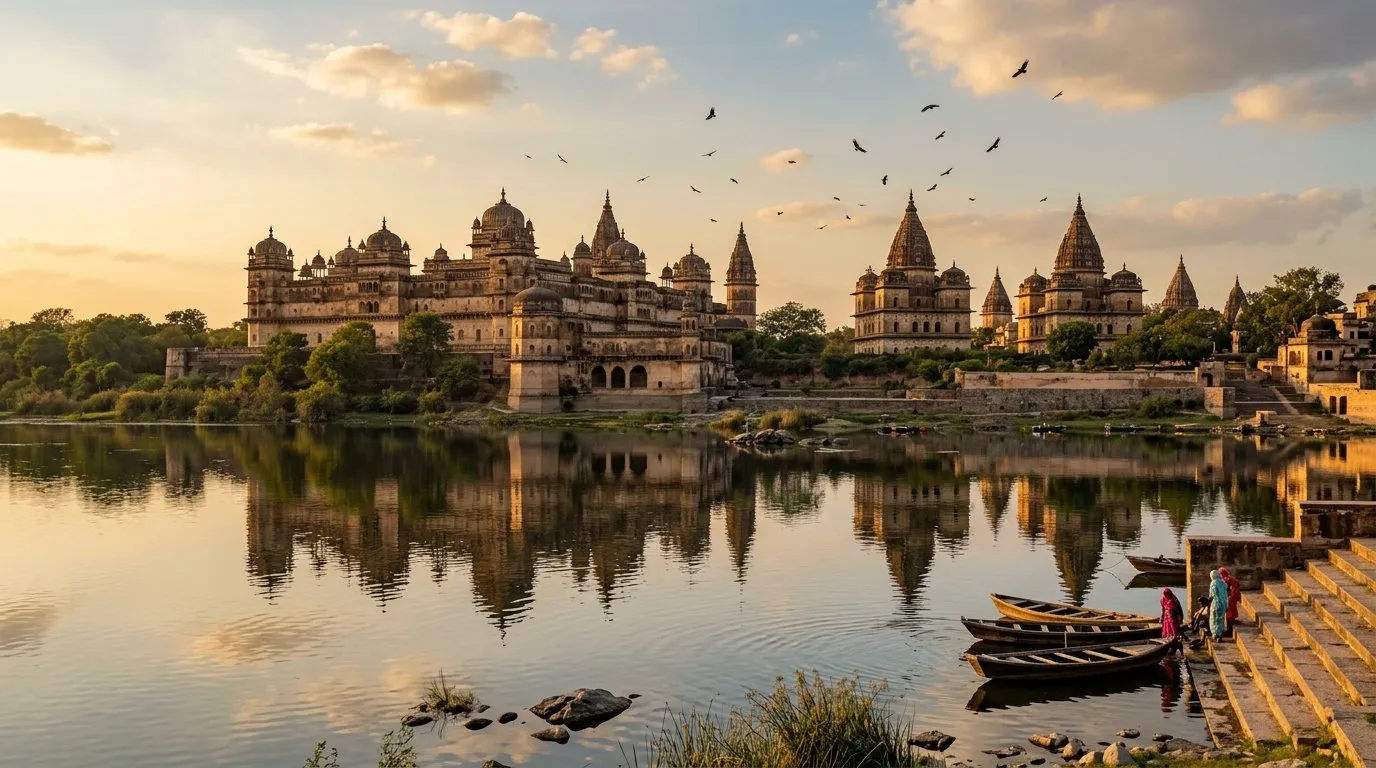
What remains today is one of India's most atmospheric heritage sites: a cluster of medieval palaces and temples set along the Betwa River at 283 metres elevation in Madhya Pradesh. The Jehangir Mahal — built in the 17th century to honour a single visit by the Mughal emperor Jehangir — is a masterpiece of Bundela architecture, with intricate stone lattice work, painted ceilings, and views over the river that justify the entire trip.
The Ram Raja Temple is unique in all of India: it is the only temple where Lord Ram is worshipped as a king, not a god. The story goes that a queen brought a Ram idol from Ayodhya with the condition that once placed down, it could not be moved. She set it down temporarily in a palace, and it stayed. That palace became the temple, and the guards perform military honours to Ram at opening and closing times.
The Betwa River cenotaphs are the image that defines Orchha: a line of dome-topped memorial structures along the riverbank, reflected in the water, with vultures circling above. The vultures are not metaphorical — Orchha is one of India's important vulture conservation sites, and you can watch these enormous birds roosting on the cenotaphs and riding thermals above the river.
Orchha sits just 15 km from Jhansi, a major railway junction, yet receives a fraction of the visitors that comparably significant heritage sites attract. On a weekday in low season, you might have entire palace complexes to yourself.
Best Month to Visit
October through March is ideal. Orchha sits in Central India's plains and gets brutally hot from April through June — temperatures regularly cross 45°C, making outdoor exploration miserable. Even the palaces, with their stone walls, become ovens.
October-November is perfect: post-monsoon greenery, comfortable temperatures (20-30°C), and the Betwa River still flowing well from monsoon rains. The cenotaphs reflected in the fuller river are at their most photogenic.
December-February is pleasant but cooler — mornings can be foggy, which creates atmospheric photographs but limits visibility early in the day. Afternoons warm up nicely. This is peak season by Orchha standards, though "peak" here means "occasionally seeing other tourists."
March is the last comfortable month before the heat arrives. The monsoon (July-September) brings rain that greens the landscape dramatically but can make some sites muddy and the river unpredictable.
How to Get There
Orchha's proximity to Jhansi makes it remarkably accessible. Jhansi is a major railway junction on the Delhi-Mumbai and Delhi-Chennai routes, with multiple daily trains from Delhi (4-5 hours by Shatabdi), Agra (3 hours), Bhopal (4-5 hours), and other major cities.
From Jhansi, Orchha is 15 km — a 20-minute taxi ride. Auto-rickshaws are also available and cheap. Some trains stop at Orchha's own small station, but Jhansi has far more options.
By road, Orchha is about 500 km from Delhi (8-9 hours), 290 km from Bhopal (5-6 hours), and 230 km from Agra (4-5 hours). The roads are mostly national highways and in good condition.
The nearest airport is Gwalior (about 120 km) or Khajuraho (about 180 km). Khajuraho makes an excellent pairing — the two destinations together cover Bundela and Chandela dynasty heritage and can be done in a 3-4 day trip.
Within Orchha, most sites are walkable. The town is small and compact. Bicycle rentals are available and are an excellent way to explore — the flat terrain and quiet roads make cycling pleasant.
Infrastructure Reality
Orchha has solid tourist infrastructure relative to its size, largely because the Madhya Pradesh tourism department has invested in developing it. The MP Tourism-run Sheesh Mahal — a hotel literally inside a 17th-century palace — is one of India's most atmospheric heritage hotel experiences and surprisingly affordable.
Beyond the Sheesh Mahal, there are budget guesthouses, mid-range hotels, and a few backpacker-friendly hostels. Homestays have proliferated in recent years. The range of accommodation covers most budgets.
Restaurants serve Indian food — both North Indian standards and some Bundelkhandi specialities. A few places cater to international backpackers with pancakes, pasta, and the usual traveller-trail food. The quality is adequate. Don't expect culinary revelations.
ATMs exist but carry backup cash. Mobile coverage is reliable in town. Wi-Fi is available at most hotels. The nearest hospital with serious capabilities is in Jhansi, 20 minutes away. A local clinic handles basics.
The heritage sites charge a modest entry fee for Indian nationals and a higher fee for foreigners (standard ASI pricing). A composite ticket covers most sites. Guides are available at the entrance and generally knowledgeable — hiring one is recommended for the palace complexes where the history and architecture benefit from explanation.
Kids Verdict: 4 out of 5
Orchha works well for families. The palaces have staircases, tunnels, and rooftop terraces that function as natural adventure playgrounds — kids love exploring multi-level buildings with unexpected rooms and views. The Jehangir Mahal in particular has enough nooks and passages to keep children engaged for a solid hour.
The vultures are a genuine wildlife spectacle. Watching these massive birds from the Betwa riverbank is educational and exciting — they are not behind a fence or in a zoo, they are wild and going about their business above the cenotaphs. For kids interested in birds or wildlife, this is memorable.
The Betwa River has accessible ghats (steps) where families can sit and enjoy the water. Swimming is possible in calm stretches during post-monsoon months, but check local conditions and supervise closely.
Bicycle exploration is fantastic for families with kids old enough to ride — the distances are short, the roads are quiet, and the landscape between sites is pleasant. The Ram Raja Temple's military-style closing ceremony (around sunset) is brief, colourful, and interesting for all ages.
The heat is the main concern with children. Visit only in the cooler months, carry water constantly, and plan indoor breaks in the shaded palace interiors during midday.
The Bottom Line
Orchha is one of India's great heritage secrets, hidden in plain sight 20 minutes from a major railway junction. The Jehangir Mahal is world-class architecture. The Ram Raja Temple is genuinely unique. The Betwa cenotaphs with vultures circling above are one of the most evocative scenes in Central India.
What makes Orchha special is the ratio of significance to crowd. These are monuments that would draw millions if they were in Rajasthan or near Delhi. In Madhya Pradesh, they draw thousands — enough to keep the town's tourism economy alive but not enough to ruin the experience.
Two nights is the sweet spot: arrive by afternoon, explore at sunset, full day of sites, depart next morning. It pairs naturally with Khajuraho (Chandela temples) and Jhansi (Rani Lakshmibai fort) for a Central India heritage circuit that rivals anything in Rajasthan for depth, at a fraction of the crowd and cost.
Orchha is the answer to anyone who says India's heritage sites are overcrowded. They are not. You are just going to the same five.
Monthly Scores
| Destination | Jan | Feb | Mar | Apr | May | Jun | Jul | Aug | Sep | Oct | Nov | Dec |
|---|---|---|---|---|---|---|---|---|---|---|---|---|
| Orchha | 8.0 | 8.0 | 8.0 | 2.0 | 2.0 | 2.0 | 4.0 | 4.0 | 6.0 | 10.0 | 10.0 | 8.0 |
The Window · Every Sunday
Liked this? Get one every Sunday.
Best score of the week, one honest skip, road updates. Four minutes. No spam.
More in Field guide
Is Manali safe for solo female travellers? Which Manali, and when
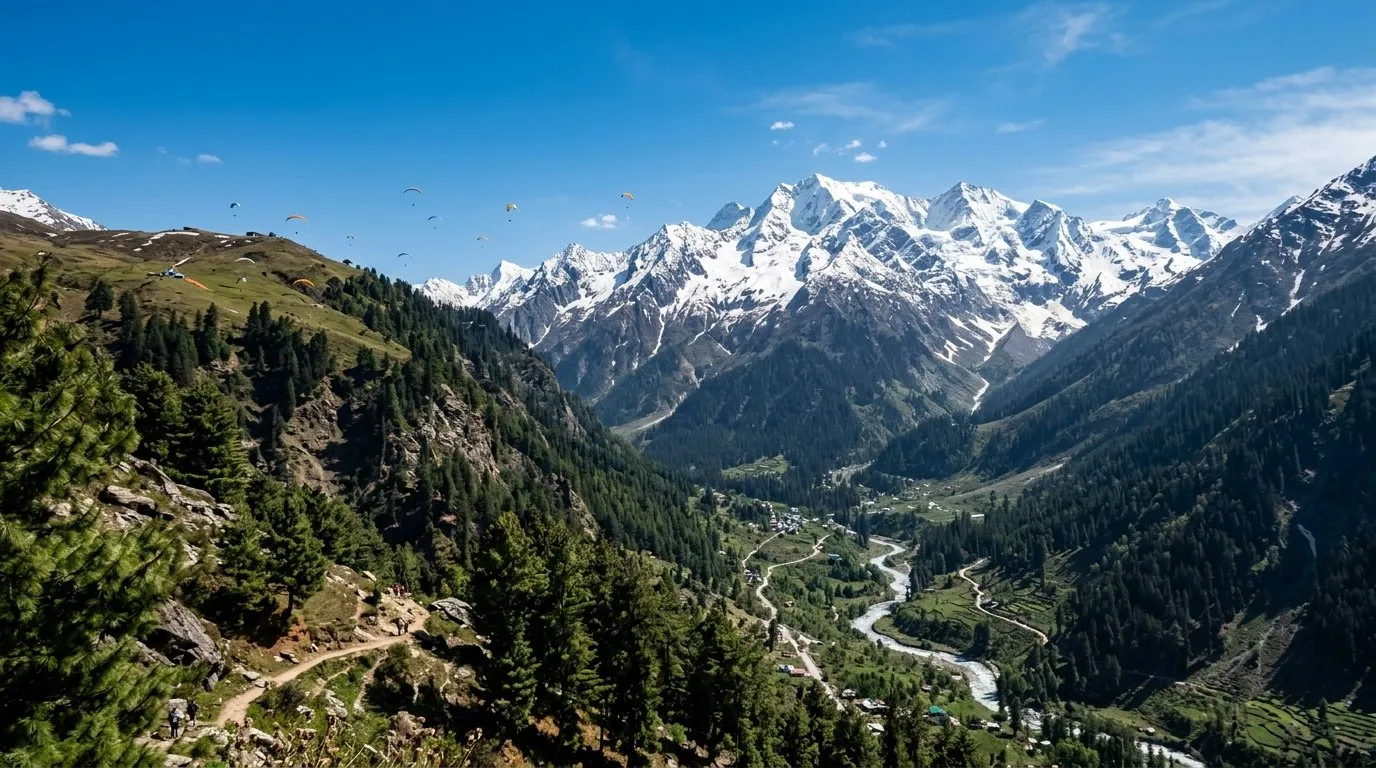
Manali is not one place. New Manali is a respectable hill town — 4/5 safe. Old Manali is the Himachal backpacker-cafe strip with party + drug scene — 2/5 after 10pm. McLeodganj 3 hours away holds 5/5 year-round. Pick deliberately.
5 min read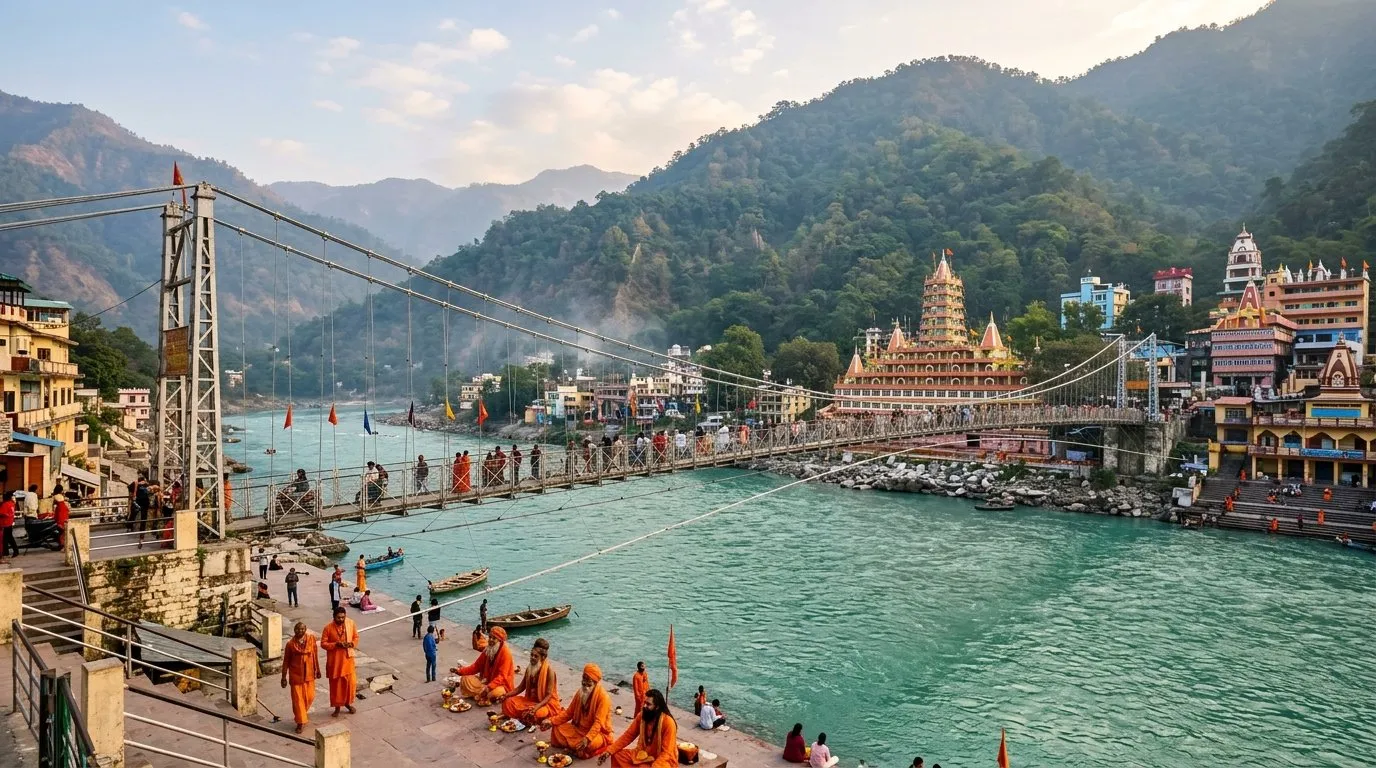
Solo-female travel in India — every destination scored, month by month
Most India travel guides tell women 'use common sense' and call it done. We rated 488 destinations on a 1-5 scale for solo-female safety, with month-specific overrides where it matters. Here's the methodology, the top 15, and the five that don't clear the bar.
10 min read
Is Kashmir safe for solo female travellers? What actually matters
Kashmir is the destination where the generic 'is India safe for women' post fails hardest. The answer depends on which month, which valley, which houseboat operator, and whether you're willing to dress differently than you would in Goa. Here's the concrete version.
6 min read- Access
- Good road from Jhansi. Town itself has narrow lanes
- Emergency
- 108 ambulance from Jhansi · CHC Orchha — very basic. Jhansi District Hospital — 16km
- Stay
- ₹₹400-800/night — homestays and basic guesthouses – ₹1200-3500/night — Orchha Resort, Bundelkhand Riverside/night
Go with confidence.