Complete Guide to Dungarpur
Tribal Rajasthan with zero tourists — Juna Mahal palace, Gaib Sagar lake, Bhil culture
Destinations in this article
Why Go
Dungarpur sits at 223 metres in southern Rajasthan, near the Gujarat border, in a part of the state that most Rajasthan itineraries skip entirely. This is Vagad — the ancient Bhil tribal region — and it feels fundamentally different from the Rajasthan of forts, palaces, and tourist buses. The landscape is greener (relative to the desert north), the culture is tribal rather than Rajput, and the absence of tourists is near-total.
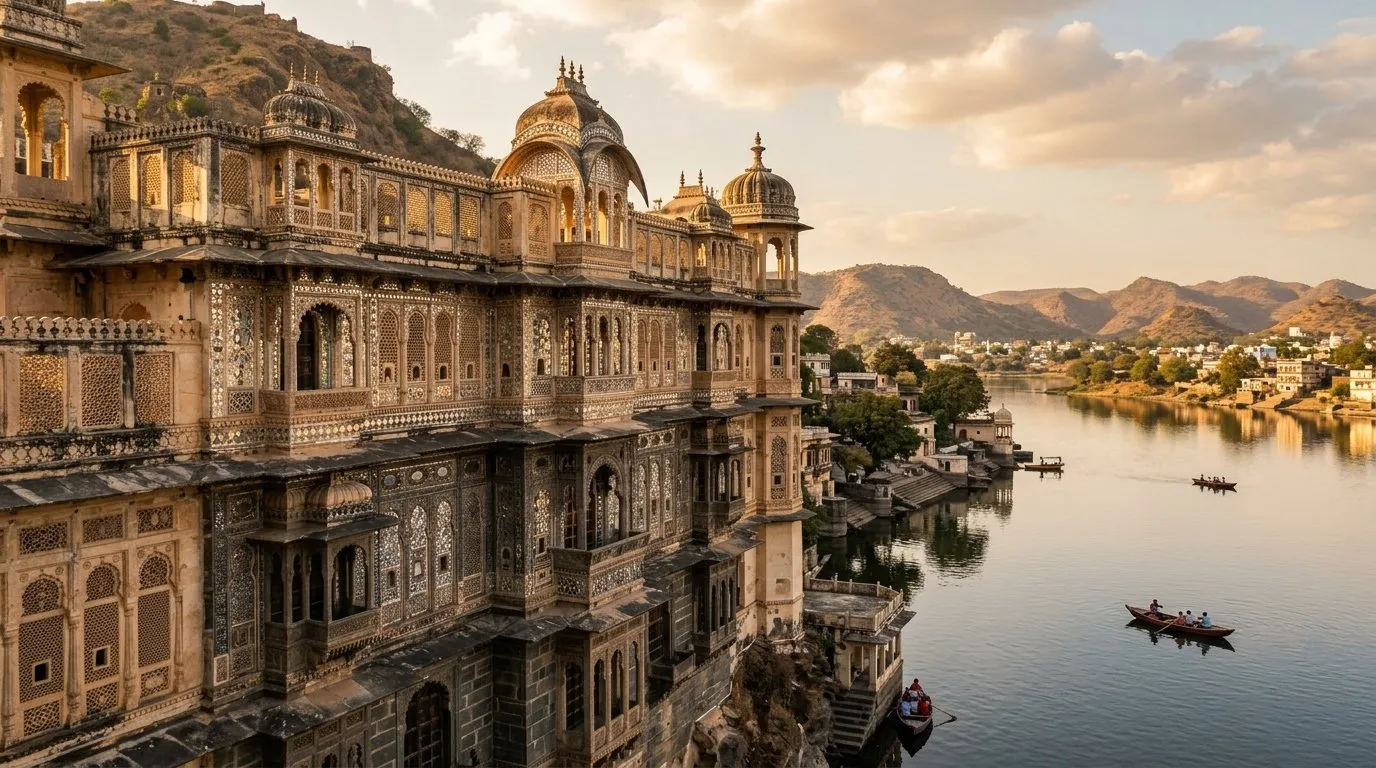
The reason to come is Juna Mahal. This 700-year-old palace in the centre of town is one of the most extraordinary buildings in Rajasthan — and almost nobody knows it exists. Seven storeys of rooms covered in original frescoes, glass and mirror inlay work, and carved stone jharokhas (overhanging balconies). The palace has not been restored or sanitised for tourists. You walk through rooms exactly as they were left — faded frescoes peeling in corners, glass mosaics catching light through narrow windows, dust on carved surfaces that have not been cleaned in decades.
Juna Mahal requires permission to visit from the Dungarpur royal family, who still control the property. The nearby Udai Bilas Palace (now a heritage hotel) can arrange access. This is not bureaucratic obstruction — it is genuine preservation. Limiting visitors keeps the fragile interiors intact. Call ahead or book through the hotel.
Gaib Sagar is a large artificial lake in the centre of town, flanked by temples and ghats. It is the social centre of Dungarpur — locals bathe, wash clothes, and perform puja along its edges. The Dev Somnath Temple, about 24 km from town, is an 11th-century Shiva temple with fine carvings.
But the deeper reason to visit Dungarpur is the Bhil tribal culture that permeates the region. The Bhils are one of India's largest tribal groups, and their art, traditions, and way of life are visible throughout the district — in wall paintings, festivals, markets, and the faces you pass on the street. This is not performative culture for tourists. It is daily life.
Best Month to Visit
October through March is the window. Dungarpur is in the plains of southern Rajasthan and gets hot — though not as extreme as the Thar Desert. Summer temperatures reach 40-42°C, which makes exploring Juna Mahal's airless interior rooms deeply unpleasant.
November through February is ideal: temperatures of 18-28°C, clear skies, and comfortable walking conditions. The winter light inside Juna Mahal — filtered through carved stone screens and reflecting off mirror work — is beautiful.
The post-monsoon period (October) is lovely: the Gaib Sagar lake is full, surrounding hills are green, and the air is fresh. March is the last comfortable month.
The Baneshwar Fair (usually January-February), held at the confluence of three rivers near Dungarpur, is one of the largest tribal fairs in India — drawing hundreds of thousands of Bhil and other tribal people for several days. If your timing aligns, it is an extraordinary cultural experience. Check dates in advance as they follow the Hindu calendar.
How to Get There
Dungarpur is about 120 km from Udaipur (2.5-3 hours by road). Udaipur is the gateway — well-connected by air, rail, and road to Delhi, Mumbai, and other major cities. From Udaipur, a hired car to Dungarpur is the most comfortable option. The road is a decent state highway passing through the Aravalli foothills.
Dungarpur has a railway station with a few direct trains from larger Rajasthan cities, but Udaipur offers far more connections. Local buses from Udaipur run to Dungarpur throughout the day — cheap and frequent, if not comfortable.
By road from Delhi, Dungarpur is about 750 km (12+ hours) — not a practical direct drive. Fly to Udaipur and drive from there.
Dungarpur works naturally as part of a southern Rajasthan circuit: Udaipur → Dungarpur → (optionally) cross into Gujarat to Danta, Patan, or Modhera. It also pairs with other offbeat southern Rajasthan spots like Deeg or Bundi, though the distances are significant.
Within Dungarpur, auto-rickshaws and taxis cover the town and nearby sites. Walking works for the town centre — Juna Mahal, Gaib Sagar, and the main market are all close together.
Infrastructure Reality
Dungarpur has limited but interesting infrastructure. The Udai Bilas Palace, the royal family's heritage hotel, is the standout option — a lakeside palace with comfortable rooms, good food, and the ability to arrange Juna Mahal visits. It is not cheap by Dungarpur standards, but it is excellent value for a heritage palace hotel.
Beyond Udai Bilas, options drop to basic hotels and guesthouses in town — functional, inexpensive, and no-frills. This is not a town with a range of mid-market options.
Food is Rajasthani with a tribal/Vagadi influence. The Udai Bilas serves proper Rajasthani thalis. In town, dhabas serve standard fare. Dungarpur is not a food destination, but you will eat adequately.
ATMs exist in town. Mobile coverage is reliable. The district hospital handles basics; for serious medical needs, Udaipur (2.5 hours) is the reference point.
The key infrastructure consideration is access to Juna Mahal. Do not arrive without arranging a visit in advance. Contact the Udai Bilas Palace by phone or email before you travel. Showing up unannounced may mean you do not get in — and Juna Mahal is the primary reason to visit.
Kids Verdict: 3 out of 5
Dungarpur is a destination whose appeal is primarily cultural and architectural — categories that work better for older children. The Juna Mahal visit can fascinate kids who enjoy exploring old buildings: the narrow staircases, hidden rooms, painted walls, and general sense of discovery work well for ages 10+. Younger children may be less engaged and the fragile interiors require careful supervision.
Gaib Sagar lake offers a break from monuments — watching local life at the ghats, feeding fish (if permitted), and walking along the embankment provide child-friendly activity. The Dev Somnath Temple outing is a manageable length.
The Baneshwar Fair, if you time it right, is extraordinary for children of all ages — the scale, colour, music, and energy of a massive tribal gathering is unlike anything in mainstream Rajasthan tourism.
Practically, Dungarpur is basic. Food variety is limited, accommodation (beyond Udai Bilas) is simple, and there are no child-specific activities or facilities. The drive from Udaipur is manageable but adds to overall travel fatigue.
For families with teenagers interested in Indian culture and willing to travel simply, Dungarpur offers a genuinely unique perspective on Rajasthan. For families with young children, it is a harder sell — consider making it a quick stop between Udaipur and a more family-oriented destination.
The Bottom Line
Dungarpur exists in a different Rajasthan — one where tribal culture trumps Rajput grandeur, where the most extraordinary palace is also the most hidden, and where tourism has not yet arrived in any meaningful sense.
Juna Mahal is the centrepiece: seven storeys of unrestored medieval art in a building that few travellers even know about. The combination of frescoes, mirror work, and carved stone, untouched by restoration or tourism management, is something you simply cannot experience at better-known Rajasthan palaces. It is raw, fragile, and unforgettable.
One night at Udai Bilas Palace, with a morning Juna Mahal visit and afternoon lake walk, is the ideal format. Combine with Udaipur for context and contrast — the polished tourist city versus the hidden tribal hinterland, 120 km and several worlds apart.
Dungarpur is not for everyone. It is for travellers who have exhausted the obvious and want to find what lies beneath. What lies beneath, in this case, is extraordinary.
Monthly Scores
| Destination | Jan | Feb | Mar | Apr | May | Jun | Jul | Aug | Sep | Oct | Nov | Dec |
|---|---|---|---|---|---|---|---|---|---|---|---|---|
| Dungarpur | 10.0 | 10.0 | 8.0 | 4.0 | 2.0 | 2.0 | 6.0 | 6.0 | 6.0 | 10.0 | 10.0 | 10.0 |
The Window · Every Sunday
Liked this? Get one every Sunday.
Best score of the week, one honest skip, road updates. Four minutes. No spam.
More in Field guide
Is Manali safe for solo female travellers? Which Manali, and when
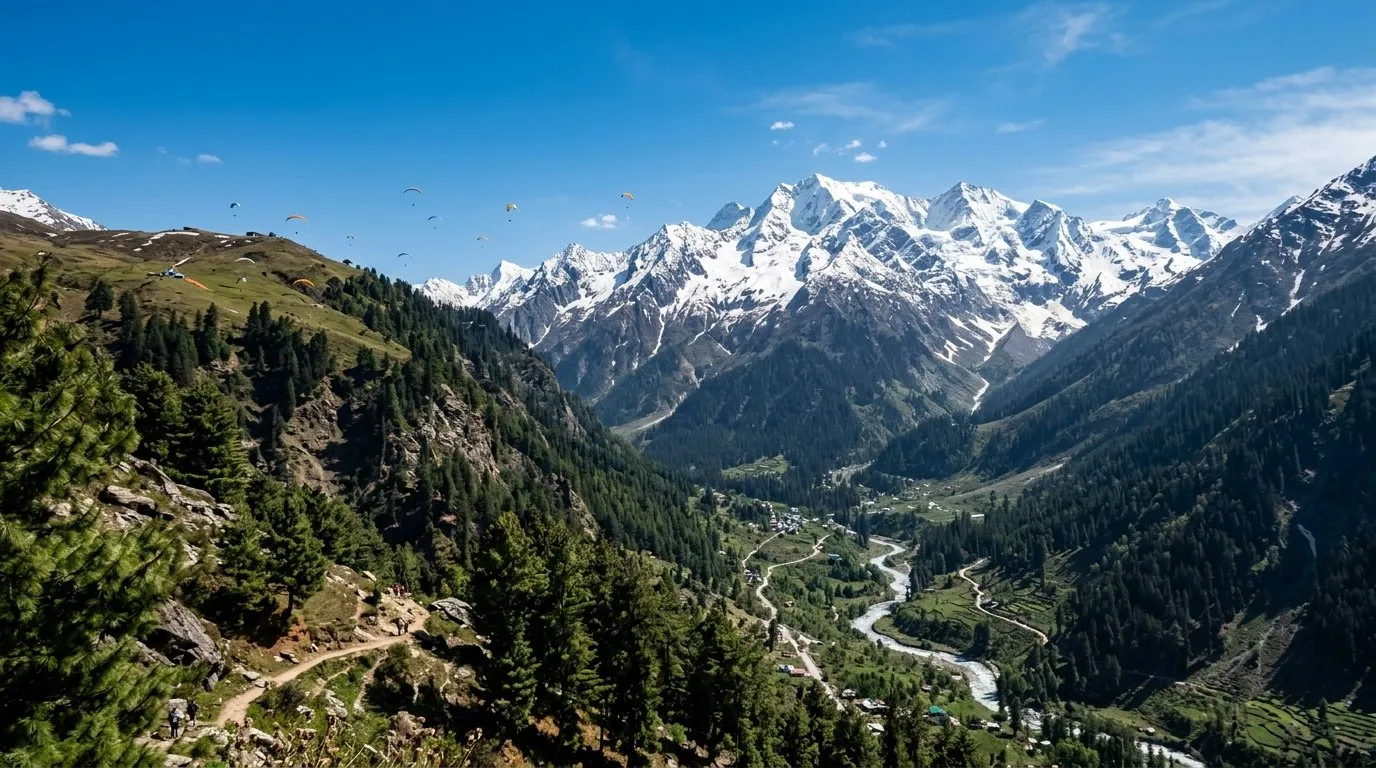
Manali is not one place. New Manali is a respectable hill town — 4/5 safe. Old Manali is the Himachal backpacker-cafe strip with party + drug scene — 2/5 after 10pm. McLeodganj 3 hours away holds 5/5 year-round. Pick deliberately.
5 min read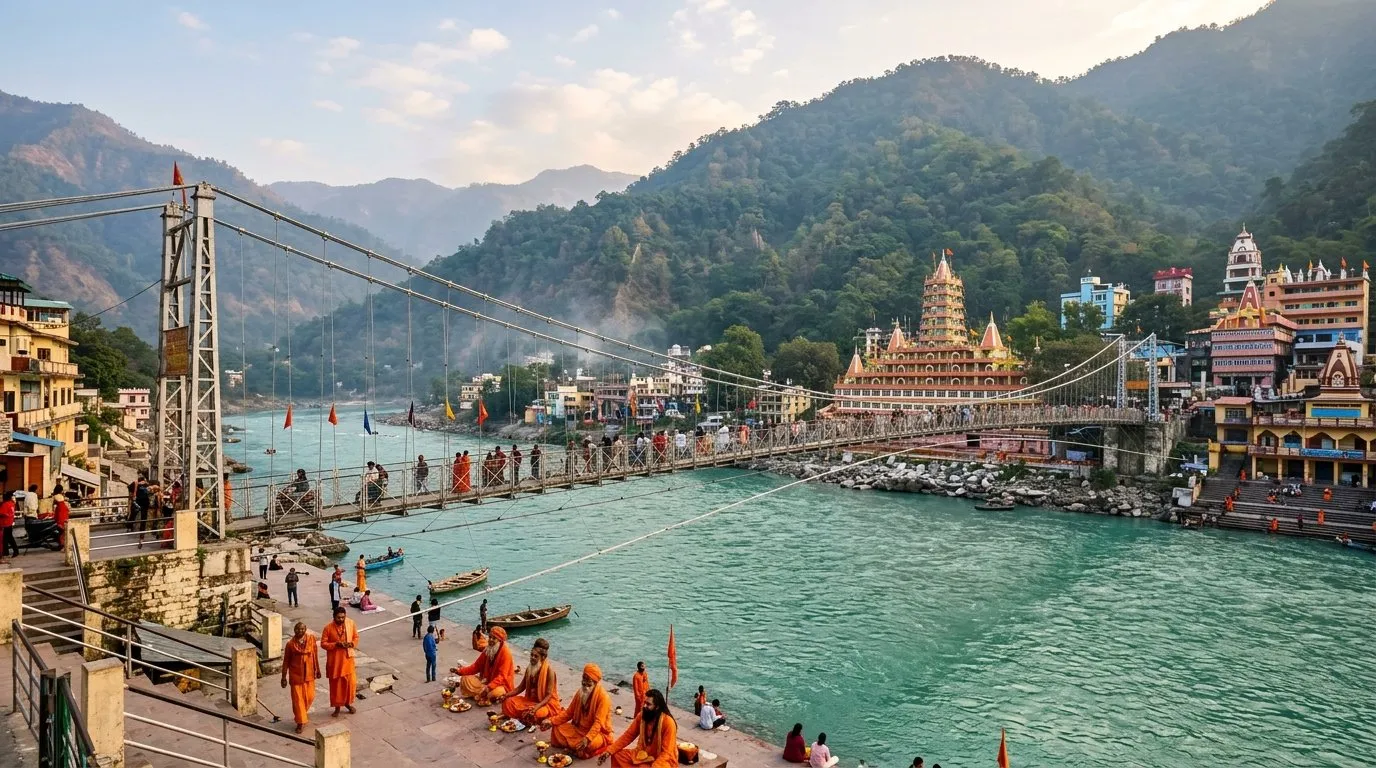
Solo-female travel in India — every destination scored, month by month
Most India travel guides tell women 'use common sense' and call it done. We rated 488 destinations on a 1-5 scale for solo-female safety, with month-specific overrides where it matters. Here's the methodology, the top 15, and the five that don't clear the bar.
10 min read
Is Kashmir safe for solo female travellers? What actually matters
Kashmir is the destination where the generic 'is India safe for women' post fails hardest. The answer depends on which month, which valley, which houseboat operator, and whether you're willing to dress differently than you would in Goa. Here's the concrete version.
6 min read- Access
- State highway fair to good.
- Emergency
- 108 · District Hospital Dungarpur — basic
- Stay
- ₹500-8000/night · 15 options
Go with confidence.