Complete Guide to Osian
Rajasthan's temple oasis — Jain temples in the desert, 50km from Jodhpur, visited by almost nobody
Destinations in this article
Why Go
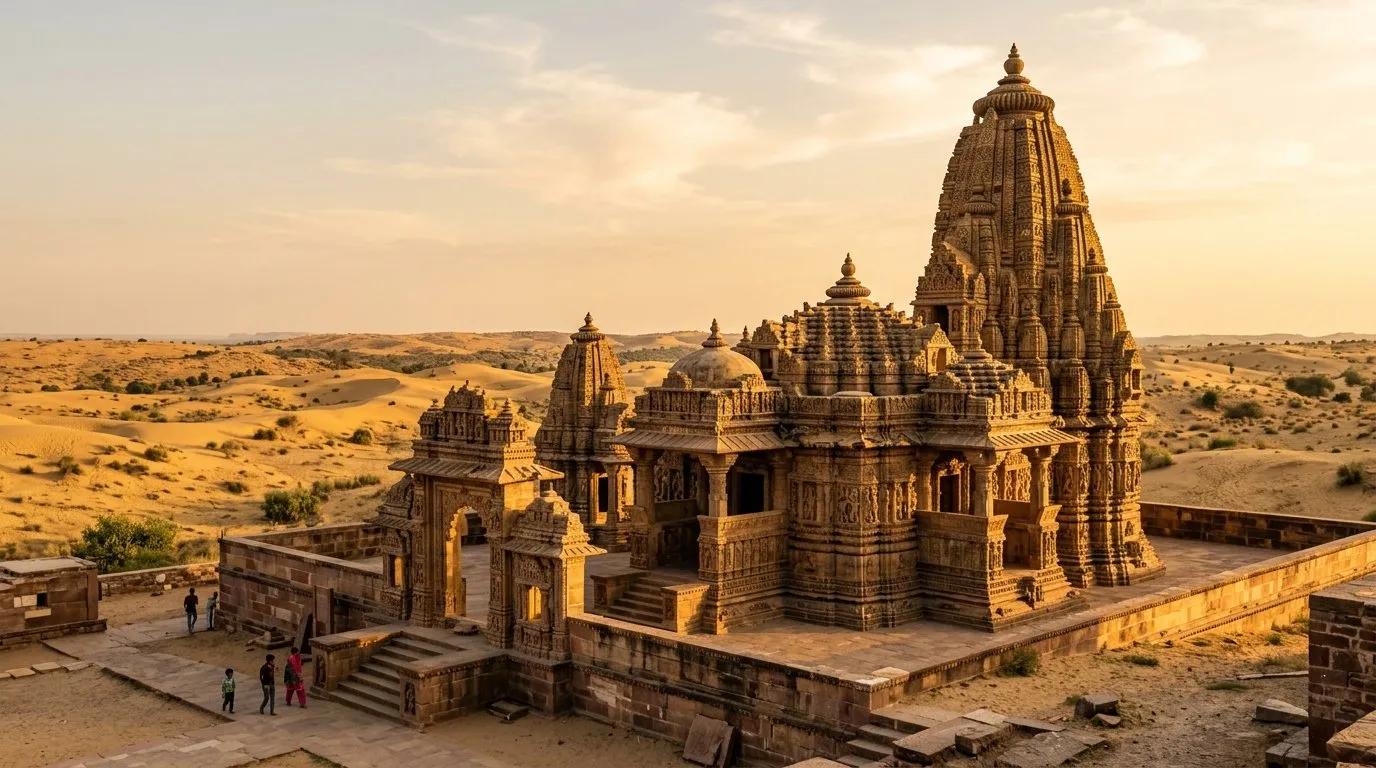
Osian sits 65 km north of Jodhpur in the Thar Desert, a small town of about 10,000 people built around a cluster of 8th-century Jain and Hindu temples that represent some of the finest early medieval architecture in western India. The temples date from the Pratihara dynasty period, roughly 750-900 AD, and their survival — intact, in the desert, for over a thousand years — is remarkable.
The Sachiya Mata Temple is the most active: a hilltop shrine that draws local devotees and offers commanding views over the desert plain. The Mahavira Temple, dedicated to the 24th Jain Tirthankara, is architecturally the most refined — a beautifully proportioned structure with carved pillars, ornate torana (arched gateways), and detailed ceiling work that shows the geometric precision of Jain temple design at its best.
Scattered around town are additional temples in various states of preservation — some restored, some gently crumbling, all interesting. The total collection gives you a concentrated survey of early medieval Indian temple architecture without the scale (or crowds) of sites like Khajuraho or Hampi.
Osian also operates as a base for camel safaris into the surrounding Thar Desert. Several operators run overnight trips that take you into the dunes for sunset, dinner, and sleeping under the stars. These are more authentic and less commercialised than the Jaisalmer equivalent — smaller groups, less infrastructure, more actual desert.
The town itself is unremarkable — a dusty desert settlement with a market, some dhabas, and a handful of guesthouses. Its ordinariness is part of its charm: the temples exist within a living town, not a fenced archaeological park. You walk through daily life to reach 1,200-year-old architecture.
Best Month to Visit
October through February is the window. Osian is in the Thar Desert, and summer temperatures are extreme — 45°C+ is normal from May through July. The desert heat is dry but relentless, and there is essentially no shade between sites.
November through January is ideal: comfortable daytime temperatures (18-25°C), cool desert nights (perfect for sleeping outdoors on a camel safari), and clear skies. The low-angle winter sun is perfect for temple photography — it catches the carved details and warms the sandstone.
October and February are shoulder months — warmer but workable if you explore in early morning and late afternoon.
If you are doing a camel safari, December-January nights can be cold in the desert — expect temperatures near 5°C. Operators provide blankets, but bring layers regardless.
The monsoon (July-September) greens the desert briefly, but the combination of heat and humidity makes it the worst time to visit.
How to Get There
Osian is 65 km from Jodhpur — about 1 to 1.5 hours by road. This is the simplest approach: fly into Jodhpur (well-connected airport with flights from Delhi, Mumbai, Jaipur, and other cities), and drive or taxi to Osian.
Local buses from Jodhpur to Osian run throughout the day and cost almost nothing. The ride is about 1.5 hours. A hired car from Jodhpur is more comfortable and allows flexibility.
Osian has a railway station on the Jodhpur-Jaisalmer line, with a few daily trains. This can work if you are routing between Jodhpur and Jaisalmer, though the train schedule is not always convenient.
For most visitors, Osian works best as a day trip from Jodhpur or as a stop on the Jodhpur-Jaisalmer road. If you are doing a camel safari, you will stay overnight at the safari camp (not in Osian town). The town itself has limited accommodation.
Within Osian, all temples are walkable. The Sachiya Mata Temple involves a hill climb — moderate, about 20 minutes. Everything else is flat.
Infrastructure Reality
Osian has minimal tourist infrastructure. There are a few basic guesthouses and one or two mid-range hotels. The camel safari operators (Reggie's Camel Camps is the best known) run their own camps outside town with tents, mattresses, and meals included.
In town, food options are limited to dhabas and the occasional hotel restaurant. The fare is standard Rajasthani — dal, sabzi, roti, and chai. Carry water and snacks, especially if you are temple-hopping in the heat.
ATMs are unreliable — carry cash from Jodhpur. Mobile coverage exists but can be inconsistent. The nearest hospital of any quality is back in Jodhpur. Carry a basic first-aid kit.
The temple sites themselves are managed by ASI and/or local trusts. Entry fees are nominal. Guides are available but not always present — ask at the Sachiya Mata Temple for someone to walk you through the main sites.
For camel safaris, book directly with the operator in advance. Expect rustic conditions: sleeping on cots or mattresses in the sand, basic meals cooked over a fire, no plumbing, and no electricity. This is the point. If you need a bathroom with running water, the desert is not for you.
Kids Verdict: 4 out of 5
Osian scores well for families because it offers a combination that works for multiple ages: temples for the historically curious, camel rides for everyone, and desert camping for adventure. The camel safari is the family highlight — children love it. Riding a camel through the desert, watching sunset from the dunes, sleeping under a sky dense with stars — this is the stuff of childhood memories.
The temples are manageable for children because there are only a few major ones and they are compact. The Sachiya Mata hill climb is short enough to be fun rather than exhausting. The carvings at Mahavira Temple have enough detail (animals, mythical figures, decorative patterns) to hold attention.
Practically, Osian is close enough to Jodhpur that you have a safety net: if anything goes wrong, good hospitals and full services are 65 km away. The camel safari operators are experienced with families and adjust the pace accordingly.
The main considerations: heat (visit in winter only with children), the camel safari's rustic conditions (no toilets, basic food, sleeping outdoors — some kids love this, some hate it), and the fact that Osian town itself has little to do beyond the temples and camels. A day trip from Jodhpur or one night with a camel safari is the ideal family format.
The Bottom Line
Osian delivers two experiences in one: a morning of 1,200-year-old temples and an afternoon/evening of Thar Desert immersion. Neither experience is diluted by crowds or commercialisation. The temples are genuine architectural treasures in an unpolished setting. The desert is actual desert, not a themed experience.
As a day trip from Jodhpur, it requires minimal planning and provides maximum return. As an overnight with a camel safari, it becomes one of the more memorable experiences in Rajasthan — especially for families and anyone who wants the desert without the Jaisalmer production.
Osian does not appear on most Rajasthan itineraries. This is simultaneously its greatest vulnerability and its greatest asset. Visit before that equation changes.
Monthly Scores
| Destination | Jan | Feb | Mar | Apr | May | Jun | Jul | Aug | Sep | Oct | Nov | Dec |
|---|---|---|---|---|---|---|---|---|---|---|---|---|
| Osian | 10.0 | 10.0 | 8.0 | 4.0 | 2.0 | 2.0 | 4.0 | 4.0 | 6.0 | 10.0 | 10.0 | 10.0 |
The Window · Every Sunday
Liked this? Get one every Sunday.
Best score of the week, one honest skip, road updates. Four minutes. No spam.
More in Field guide
Is Manali safe for solo female travellers? Which Manali, and when
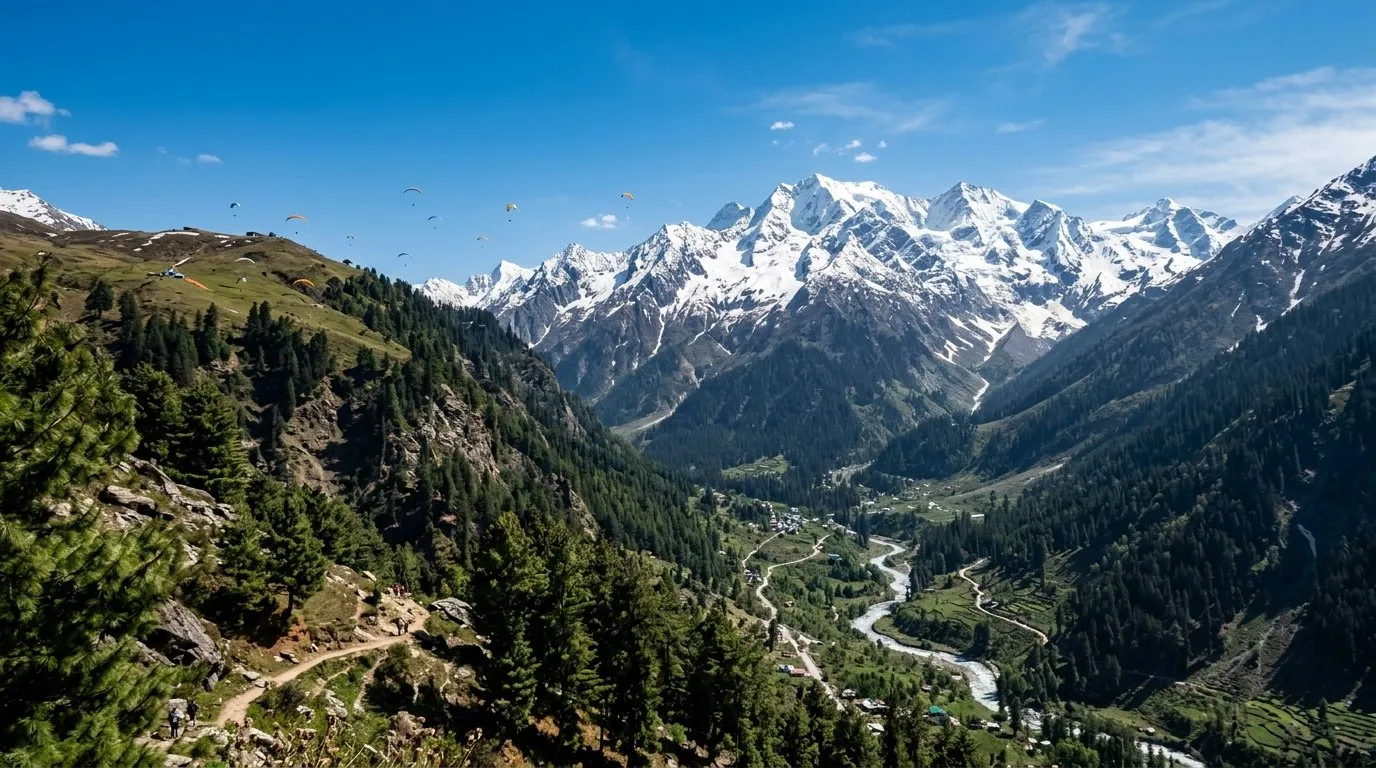
Manali is not one place. New Manali is a respectable hill town — 4/5 safe. Old Manali is the Himachal backpacker-cafe strip with party + drug scene — 2/5 after 10pm. McLeodganj 3 hours away holds 5/5 year-round. Pick deliberately.
5 min read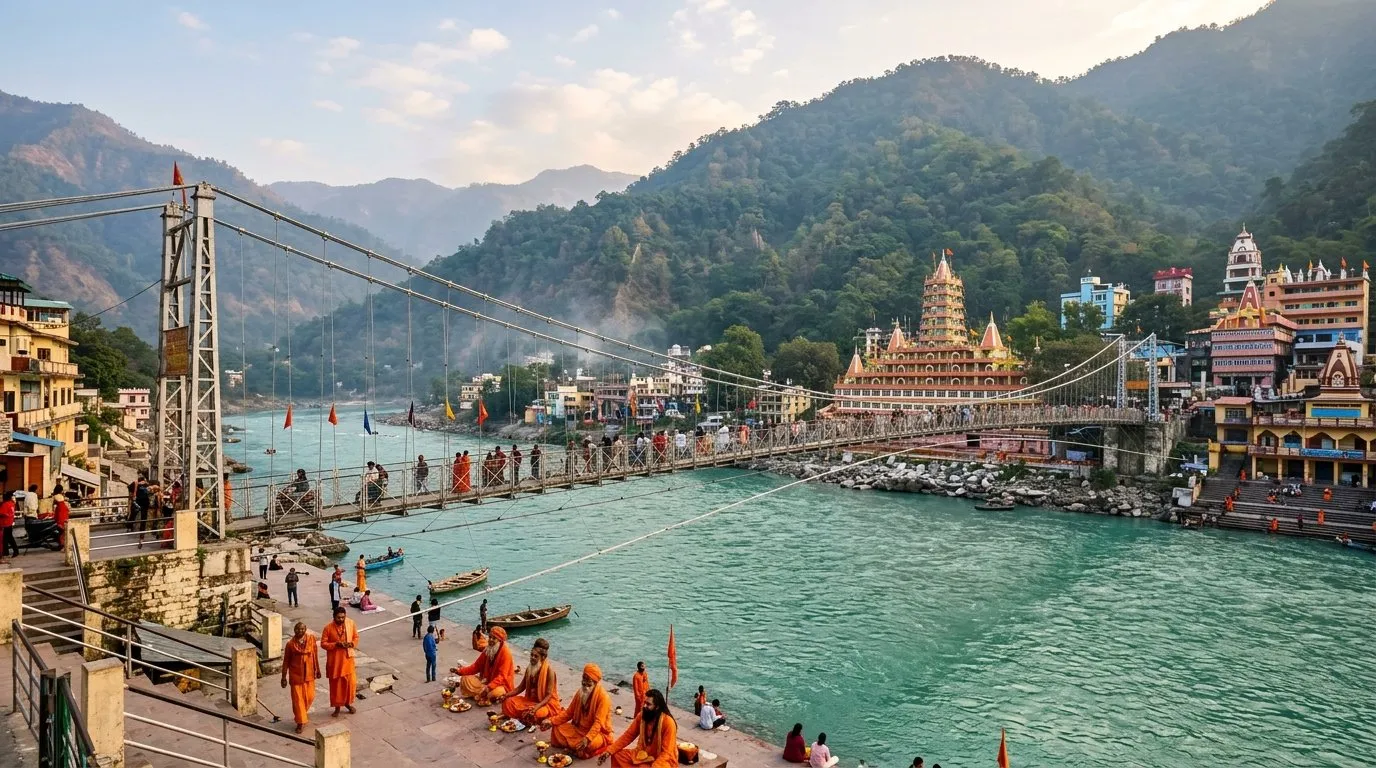
Solo-female travel in India — every destination scored, month by month
Most India travel guides tell women 'use common sense' and call it done. We rated 488 destinations on a 1-5 scale for solo-female safety, with month-specific overrides where it matters. Here's the methodology, the top 15, and the five that don't clear the bar.
10 min read
Is Kashmir safe for solo female travellers? What actually matters
Kashmir is the destination where the generic 'is India safe for women' post fails hardest. The answer depends on which month, which valley, which houseboat operator, and whether you're willing to dress differently than you would in Goa. Here's the concrete version.
6 min read- Access
- Good state road.
- Emergency
- 108 · PHC Osian. MDM Hospital Jodhpur 65km.
- Stay
- ₹500-5000/night · 15 options
Go with confidence.