Complete Guide to Bundi
Rajasthan's most authentic town — stepwells, frescoes, and zero tour buses
Destinations in this article
Why Go
Bundi is what people imagine Rajasthan to be before they actually visit Rajasthan. Narrow lanes climbing a hillside. A massive fort looming above. Blue-painted houses. Women carrying water from stepwells. No tour buses, no jewellery shop touts, no "my friend, come see my factory." At 268 metres in southeastern Rajasthan, this small town has maintained an authenticity that Jaipur, Jodhpur, and Udaipur traded away decades ago.
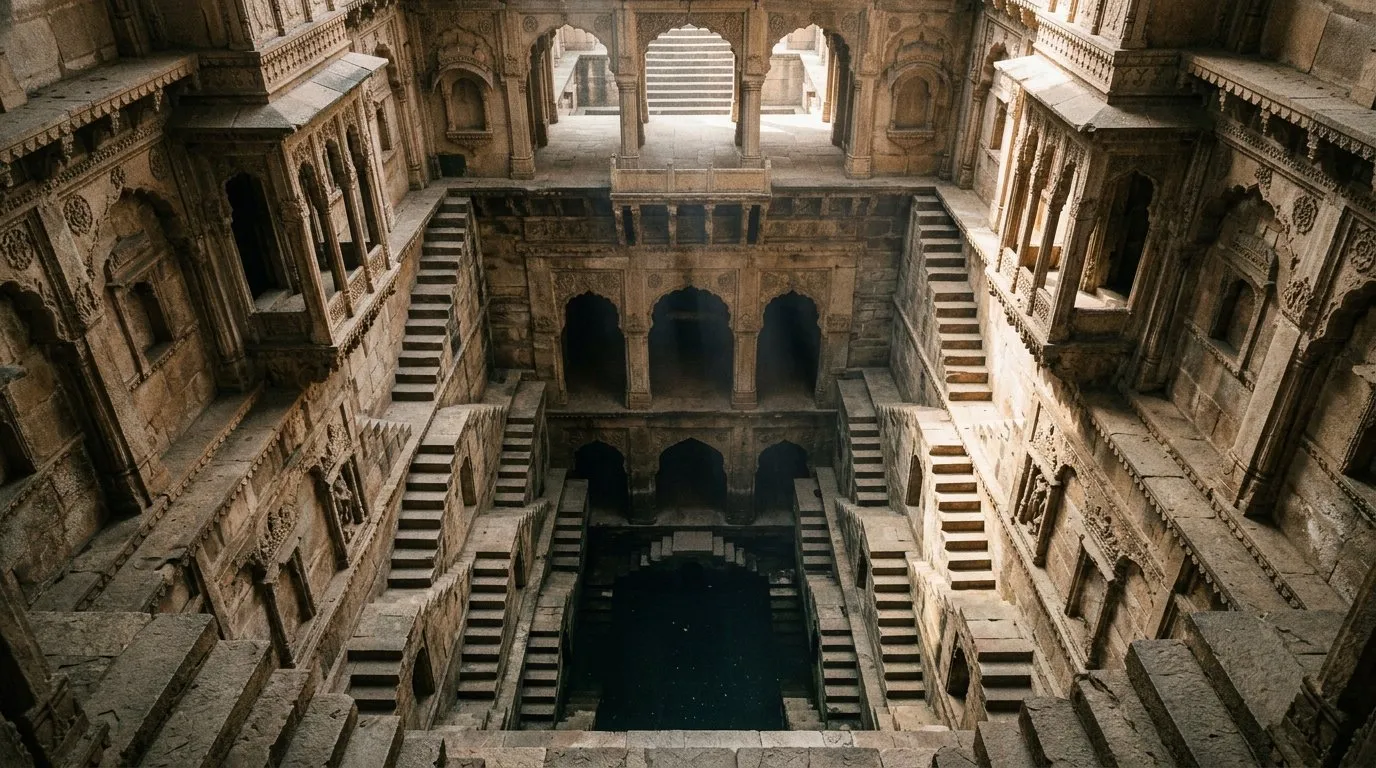
The numbers tell the story differently here. Bundi has over 50 stepwells — baoris — scattered through and around the town. These are not decorative water features. They are architectural marvels of engineering and geometry, some descending four or five storeys into the earth with carved pillars and arched niches at every level. The most famous, Raniji ki Baori, is immaculate. But the real joy is finding the unnamed ones down side streets, still in use, still stunning.
The Chitrashala in the Taragarh Fort complex is Bundi's masterpiece: a series of rooms covered floor to ceiling with miniature paintings from the Bundi school. These are not behind glass in a museum. They are on the walls, fading slowly, impossibly detailed — scenes of court life, hunting, festivals, and mythology painted with a delicacy that ranks among the finest miniature art in India.
Taragarh Fort itself is massive, ruined, and magnificent. Unlike Rajasthan's restored forts (Mehrangarh, Amber), Taragarh is largely unrestored — you climb through crumbling ramparts, past old cannon positions, through overgrown courtyards. It feels like discovery rather than tourism.
And then there is the Kipling connection: Rudyard Kipling stayed at Sukh Mahal, a small palace on the lake, and wrote parts of "Kim" here. The building is now a modest museum, but the lake view from its terrace is essentially unchanged from what Kipling saw.
Best Month to Visit
October through March is the season. Bundi is in Rajasthan's semi-arid zone and gets scorching hot from April through June — 40-45°C is normal, and exploring stepwells and forts in that heat is miserable.
November through February is ideal: daytime temperatures of 20-28°C, cool evenings (10-15°C), clear skies, and the town at its most comfortable. The light in winter is extraordinary for the frescoes and the blue-painted old town.
October is warm but manageable, and the post-monsoon landscape has a green quality that Rajasthan's desert towns normally lack. March is the last comfortable month before summer arrives.
The monsoon (July-September) transforms Bundi — the lake fills, the stepwells have water, and the surrounding hills green up. But the heat and humidity in July-August are intense, and some sites become muddy or inaccessible. September-October, as the monsoon ends, is actually a hidden sweet spot: green landscape, cooling temperatures, almost zero tourists.
Bundi hosts the annual Bundi Utsav festival (usually November) with cultural performances and processions — worth timing your visit around if the dates align.
How to Get There
Bundi is 210 km from Jaipur (3.5-4 hours by road), 160 km from Udaipur (4 hours), and about 40 km from Kota, which is a major railway junction. The Kota connection is key: Kota gets frequent trains from Delhi (4-5 hours by Rajdhani), Mumbai (8-10 hours), and most other major cities.
From Kota to Bundi is a 45-minute drive or a cheap bus ride. Local buses run frequently. Bundi also has its own small railway station with some direct trains, but Kota offers far more options.
By road from Delhi, Bundi is about 450 km (6-7 hours via the Jaipur-Kota highway). From Udaipur, the drive passes through the Mewar countryside and is scenic. Bundi fits naturally into a Rajasthan itinerary between Jaipur and Udaipur, or as a side trip from Kota.
Within Bundi, the old town is compact and walkable — in fact, walking is the only way to properly explore the stepwells and lanes. For sites outside town (Sukh Mahal, some outer stepwells), auto-rickshaws or a hired car are helpful.
Infrastructure Reality
Bundi has modest but adequate infrastructure for budget and mid-range travellers. Several heritage havelis have been converted into guesthouses — these are the best way to stay, offering atmosphere, rooftop views of the fort, and reasonable comfort. Rooms range from basic (Rs 500-800) to comfortable (Rs 1,500-3,000). A few more polished boutique stays exist for those wanting more comfort.
Luxury is not available in Bundi. If you need a swimming pool, spa, and butler service, stay in Udaipur and do Bundi as a day trip (though this misses the point entirely). Bundi is a place to stay in a 200-year-old haveli, eat on a rooftop watching the fort light up at night, and accept that the hot water may take five minutes to arrive.
Restaurants are basic but charming — several rooftop cafes in the old town serve decent Indian food and passable traveller fare (banana pancakes, pasta, toast). The food is not the point of Bundi, but you will eat well enough.
ATMs are available. Mobile coverage is reliable. The nearest serious hospital is in Kota (40 km). Bundi has a small local hospital for basics. Pharmacies are in the main market.
Kids Verdict: 3 out of 5
Bundi is a qualified recommendation for families. The stepwells are fascinating for children — descending into these geometrical underground structures feels like entering a secret level in a video game. Taragarh Fort is a genuine adventure: climbing ruins, finding hidden rooms, spotting monkeys (many monkeys — warn your kids and hold onto food).
The narrow lanes of the old town are a maze that older children enjoy navigating. The blue-painted houses and crumbling havelis have a fairy-tale quality. The Sukh Mahal lake offers a peaceful break from monument-hopping.
However, Bundi is a town of walking, climbing, and looking at art — three activities that many younger children find tiring or boring in combination. The Chitrashala frescoes, arguably Bundi's greatest treasure, require patience and attention that most under-10s cannot sustain. The stepwells involve steep, sometimes slippery steps that require supervision with young children.
Practically, the accommodation is basic. Families expecting child-friendly hotel amenities will be disappointed. The food options are limited, and picky eaters may struggle. The heat (even in winter midday) can tire young children quickly.
Bundi works best for families with children aged 10+ who enjoy history and exploration. For younger children, it is doable as a one-night stop on a broader Rajasthan trip, focusing on the fort and one or two stepwells.
The Bottom Line
Bundi is the Rajasthan that Rajasthan used to be. Before the palace hotels, the camel safari touts, the laser shows on fort walls, and the Instagram influencers in lehengas — there was just this: a small hill town with beautiful buildings, geometric water structures, and paintings on walls that have been there for centuries.
It will not stay this way forever. Every year, a few more travellers discover Bundi. A few more havelis become guesthouses. The authenticity is real but not guaranteed. For now, you can still sit on a rooftop at sunset, watch Taragarh Fort turn golden above a town of blue houses, and feel like you found something that the tourist industry has not yet polished into a product.
Two nights minimum. Three if you want to find the hidden stepwells. Combine with Kota (for Chambal River boat rides and surprisingly good food) and continue to either Jaipur or Udaipur. This is the route through Rajasthan that the guidebooks should lead with but do not.
Monthly Scores
| Destination | Jan | Feb | Mar | Apr | May | Jun | Jul | Aug | Sep | Oct | Nov | Dec |
|---|---|---|---|---|---|---|---|---|---|---|---|---|
| Bundi | 10.0 | 10.0 | 8.0 | 4.0 | 2.0 | 2.0 | 4.0 | 4.0 | 6.0 | 10.0 | 10.0 | 10.0 |
The Window · Every Sunday
Liked this? Get one every Sunday.
Best score of the week, one honest skip, road updates. Four minutes. No spam.
More in Field guide
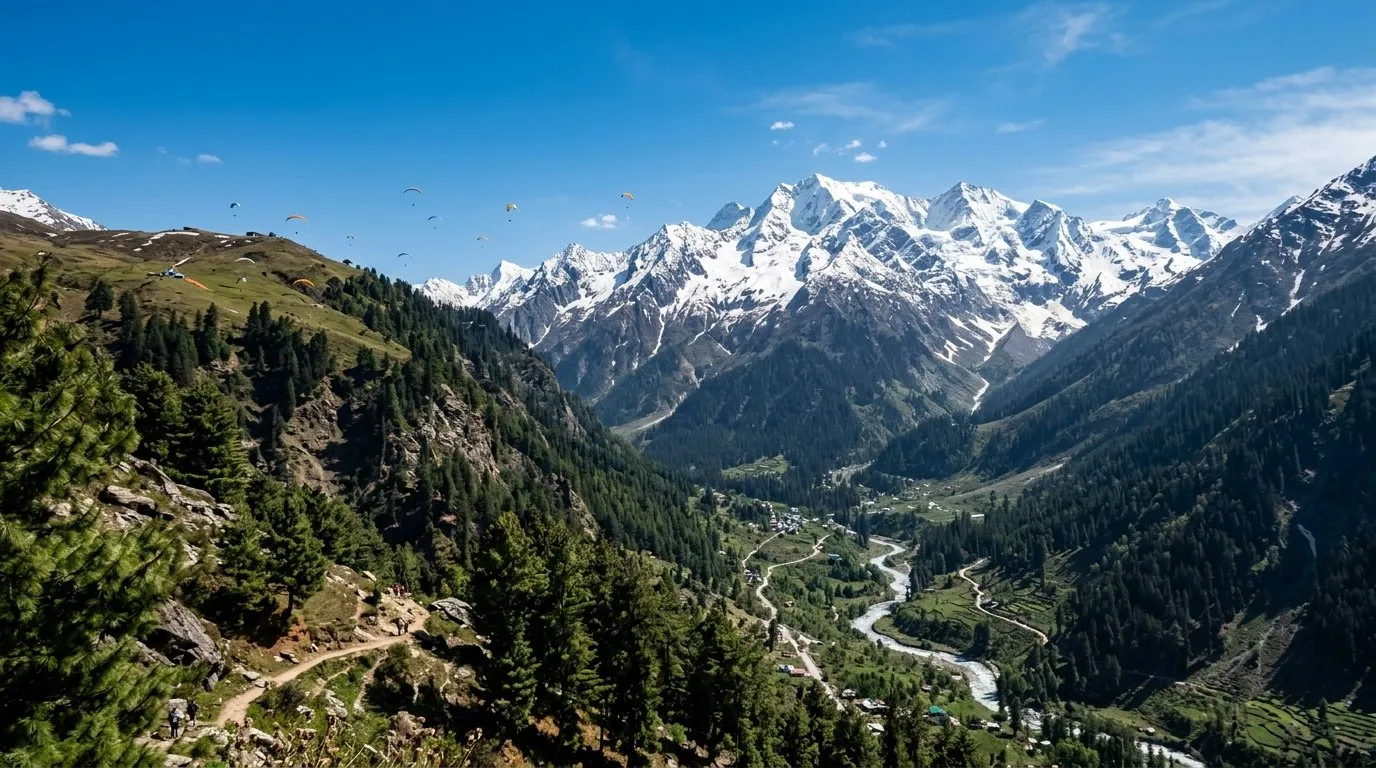
Is Manali safe for solo female travellers? Which Manali, and when
Manali is not one place. New Manali is a respectable hill town — 4/5 safe. Old Manali is the Himachal backpacker-cafe strip with party + drug scene — 2/5 after 10pm. McLeodganj 3 hours away holds 5/5 year-round. Pick deliberately.
5 min read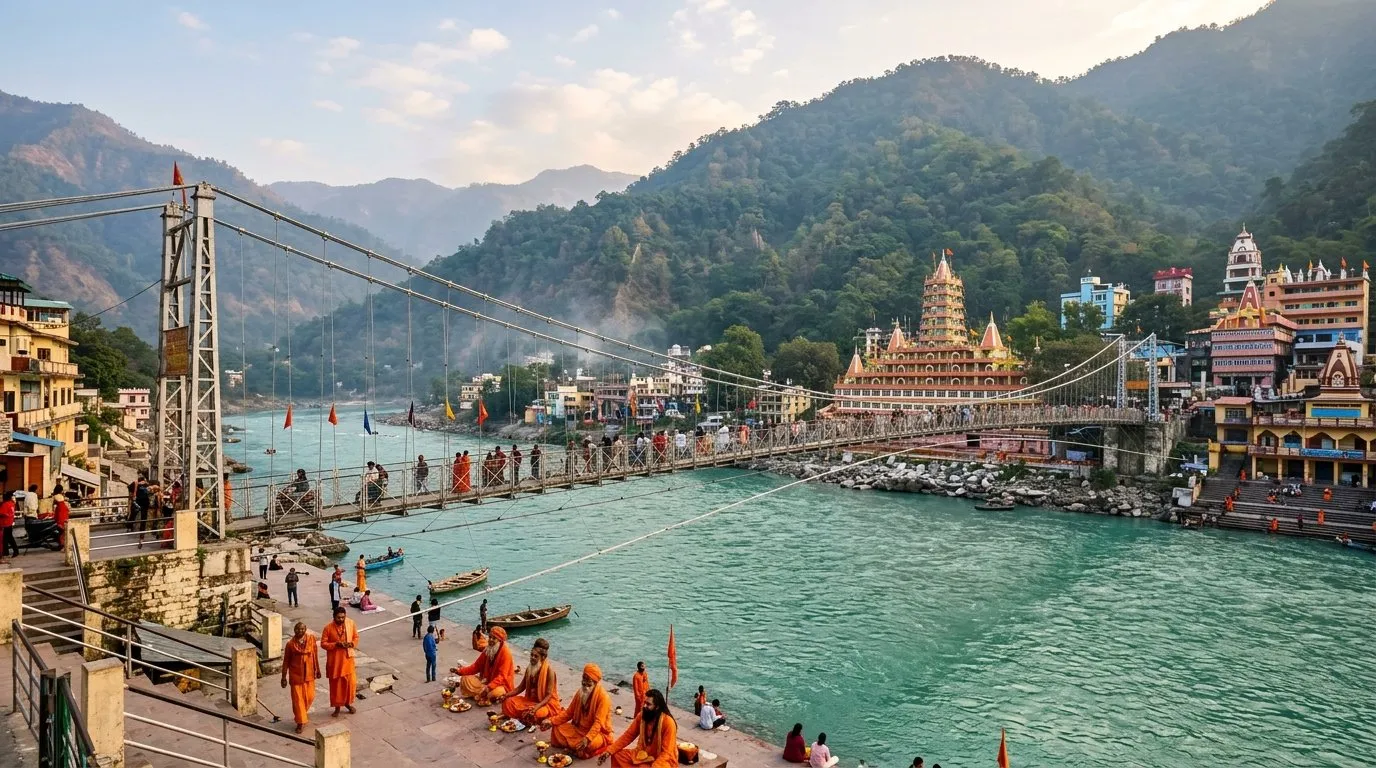
Solo-female travel in India — every destination scored, month by month
Most India travel guides tell women 'use common sense' and call it done. We rated 488 destinations on a 1-5 scale for solo-female safety, with month-specific overrides where it matters. Here's the methodology, the top 15, and the five that don't clear the bar.
10 min read
Is Kashmir safe for solo female travellers? What actually matters
Kashmir is the destination where the generic 'is India safe for women' post fails hardest. The answer depends on which month, which valley, which houseboat operator, and whether you're willing to dress differently than you would in Goa. Here's the concrete version.
6 min read- Access
- Good.
- Emergency
- 108 · Bundi Hospital. Kota 35km.
- Stay
- ₹400-2000/night · 20 options
Go with confidence.