Cultural Context
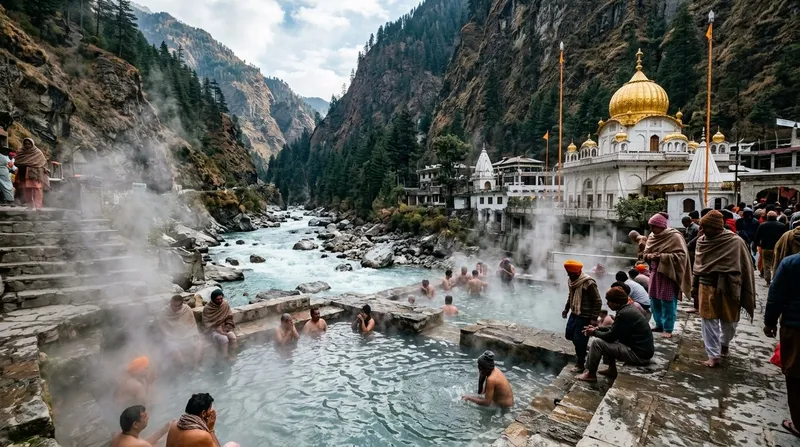
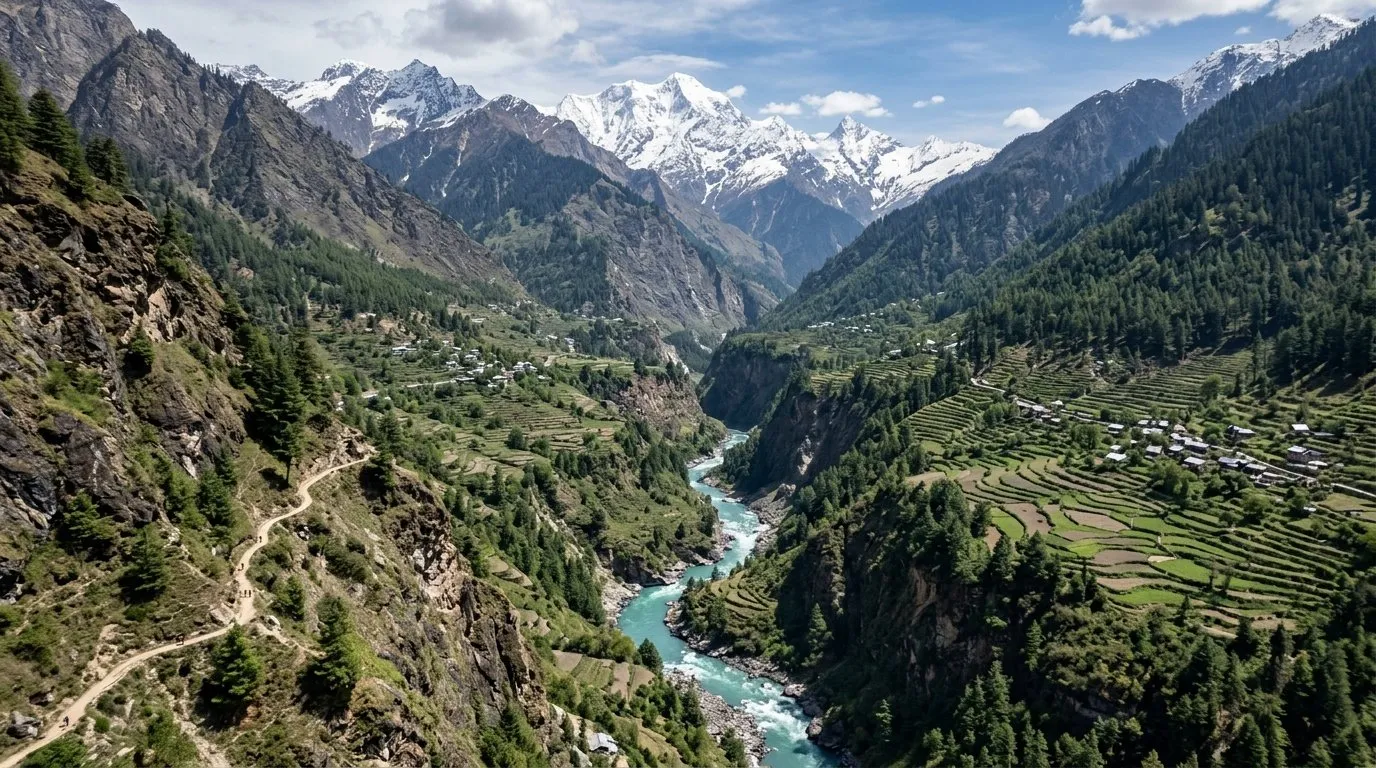
Parvati Valley is named after the goddess Parvati and traces the Parvati River from its confluence with the Beas at Bhuntar deep into the Himalayas. The valley is sacred in Hinduism — Manikaran's hot springs, Kheerganga's Shiva connection, and Malana's claim of being the world's oldest democracy all sit here. In modern times, the valley has gained an international reputation as a counterculture and backpacker hub, with a significant drug culture.
What to Wear
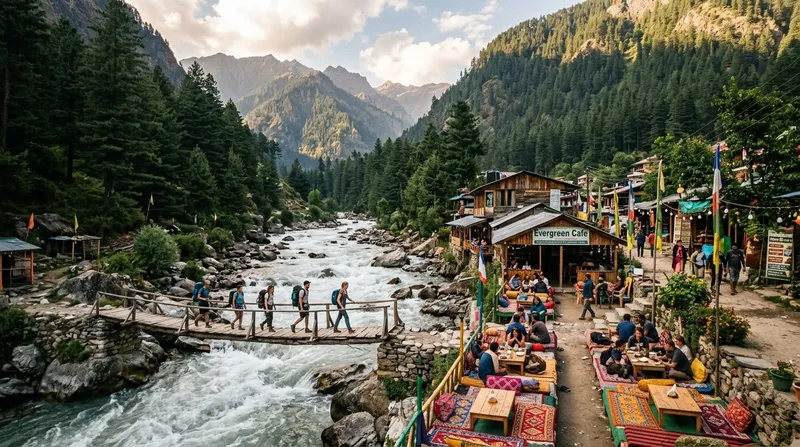
Very relaxed in backpacker areas (Kasol, Tosh, Kheerganga). Conservative dress at Manikaran Gurudwara — head covering and full body coverage. Modest dress in traditional villages.
Food Safety
Excellent cafe variety in Kasol and Tosh — Israeli, Italian, Indian food. Quality is good at established cafes. Be cautious at very remote or cheap eateries on treks. Bottled water essential throughout the valley.
Common Scams to Watch For
- •Drug dealers approaching tourists openly — Indian drug laws are extremely strict, penalties include years in prison
- •Trekking operators for Kheerganga running unsafe trips without first aid or proper guides
- •Taxi operators at Bhuntar inflating rates for the valley — shared autos and buses are available
- •Malana village charging entry fees that are not always officially sanctioned
Cards & Cash
Mixed — cafes in Kasol and Tosh increasingly accept UPI/cards. Remote areas are cash-only. ATM in Kasol but unreliable. Carry cash from Bhuntar or Kullu.
English Spoken
high in tourist areas — Kasol, Tosh, and Kheerganga route are very international. Low in traditional villages away from the backpacker trail.
Phone & SIM
Jio and Airtel work in lower valley (Kasol, Manikaran). Signal drops beyond Barshaini. No coverage at Kheerganga or Tosh heights. BSNL has wider range.
Nearest Embassy
Delhi — approximately 500 km by road (to Bhuntar)
Standard Indian e-Visa covers the valley. No special permits. Malana village may restrict foreign tourist entry — check locally.