A two-day celebration of Kashmiri culture held at Kariwan in Devar Lolab. Features traditional folk music, snow volleyball, skiing, dance performances, local handicraft displays, and culinary delights. Attracts thousands of visitors for music performances, heritage walks, and nature experiences.
Why it mattersCelebrates winter season and showcases scenic splendor of Lolab Valley. Promotes Lolab as a premier winter-tourism destination and generates economic activity for local businesses.
Going for this? Lolab Valley in February
February keeps Lolab frozen and white. Snow depth can reach 3-4 feet in the valley floor. The deodar forests are heavy with snow. Local life continues—children walk to the village school through snow paths, women collect firewood, and the valley's famous walnut orchards stand bare and skeletal. Temperatures: -6°C to 3°C.
See the Lolab Valley February guide →
Getting there
Nearest airport
Srinagar 100km
Where to eat
LBDDA Chandigam Tourist Bungalow Restaurant
₹
SignatureTender chicken with Kashmiri sticky rice
LBDDA Khumriyal Tourist Bungalow Dining
Khumriyal village (LBDDA tourist bungalow, the second JKT-style stay-dining in Lolab) · ₹
You must be staying or pre-book the meal — the kitchen does not run a walk-in lunch counter.
Study Cafe Sogam
Sogam Lolab (Kupwara sub-district HQ, ranked #1 of 7 in Kupwara on Tripadvisor) · ₹₹
Open 10am–10pm daily, but call ahead on +91 6005133122 if you are a group over 6.
JKTDC Chandigam Tourist Bungalow (caretaker dining)
Chandigam · ₹
Signaturetender chicken with Kashmiri sticky rice
Negotiate the meal price when you book the room — there's no menu and travellers report being overcharged otherwise. Reserve via the LBDDA office in Kupwara (01955-253335) or J&K Tourism Srinagar (0194-2479548); walk-ins risk a closed kitchen.
All eateries in Lolab Valley →
What else to see in Lolab Valley
Satbaran
Scenic spot with seven doors (sat baran) of mountains creating natural frames. Photography paradise.
Lolab Valley Meadow
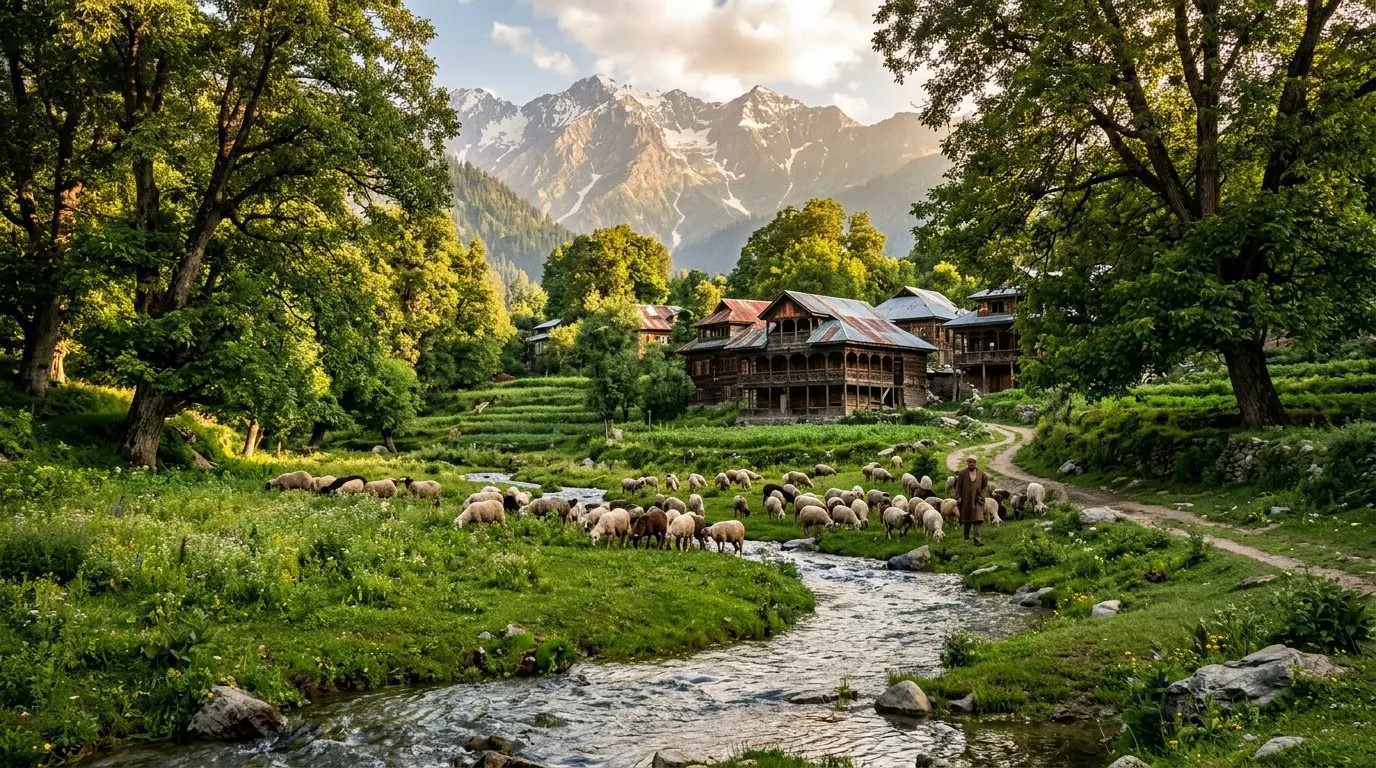
Flat-bottomed valley with walnut groves and wildflowers. Called "Heaven of Kashmir" with very few tourists.